High-performance custom lithium components designed for OEM applications in intelligent power networks and grid ecosystems.
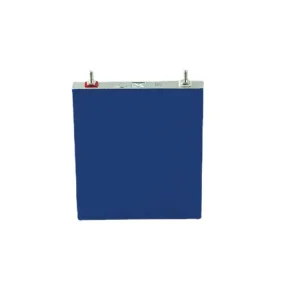
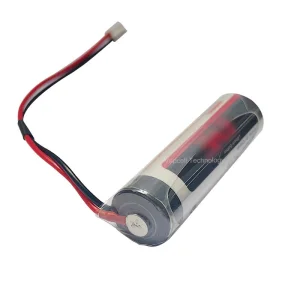
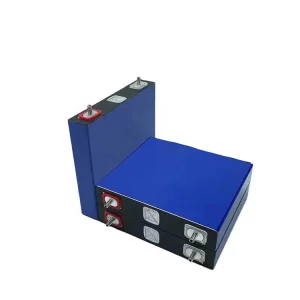
Global power distribution frameworks are undergoing a structural transition toward decentralization and bidirectional topology. The rising penetration of intermittent renewable generation sources, notably wind and solar photovoltaic (PV), has introduced high volatility to utility networks. Consequently, conventional grid infrastructures suffer from frequency fluctuations, voltage deviations, and supply-demand mismatches.
Smart Grid Batteries act as the core stabilizing components within this new landscape. By providing sub-second frequency response, peak-shaving capabilities, and black-start backup, these systems transform unstable energy inputs into dispatchable base-load assets. High-capacity battery storage systems represent a critical asset for utility providers, commercial enterprises, and industrial parks looking to secure reliability and control levelized energy costs (LCOE).
"The modernization of transmission networks requires reliable electrochemical buffer reserves. OEM battery integrations allow developers to design customized, localized storage topologies that meet specific regional utility regulations and dynamic network load demands."
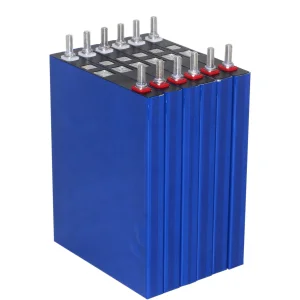
Guangdong Nuwon Energy Co., Ltd. is a leading manufacturer and solution provider specializing in advanced battery systems. Our work spans research, development, manufacturing, and global distribution of high-performance energy storage systems. Backed by a highly experienced engineering team, Nuwon Energy focuses on the design and integration of cylindrical and prismatic lithium cells, complete modules, and integrated energy storage enclosures.
Our solutions serve diverse fields, including consumer electronics, electric mobility (golf carts, industrial forklifts, UTVs/ATVs, marine systems), medical devices, unmanned ground vehicles (AGV/AMR), and aviation systems (eVTOL). We offer comprehensive OEM/ODM services, ensuring each client receives a solution configured for their specific technical and regulatory environment.
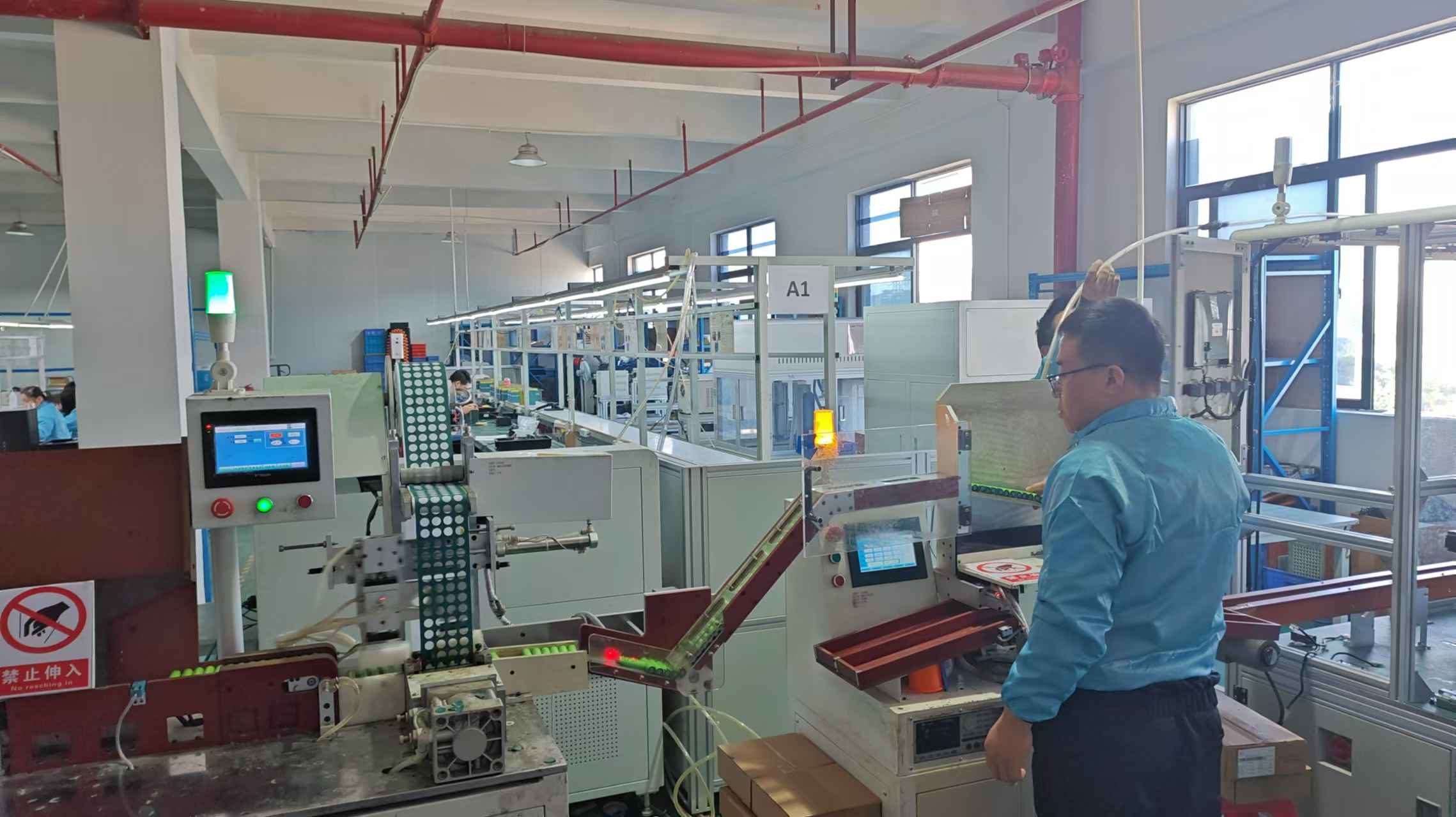
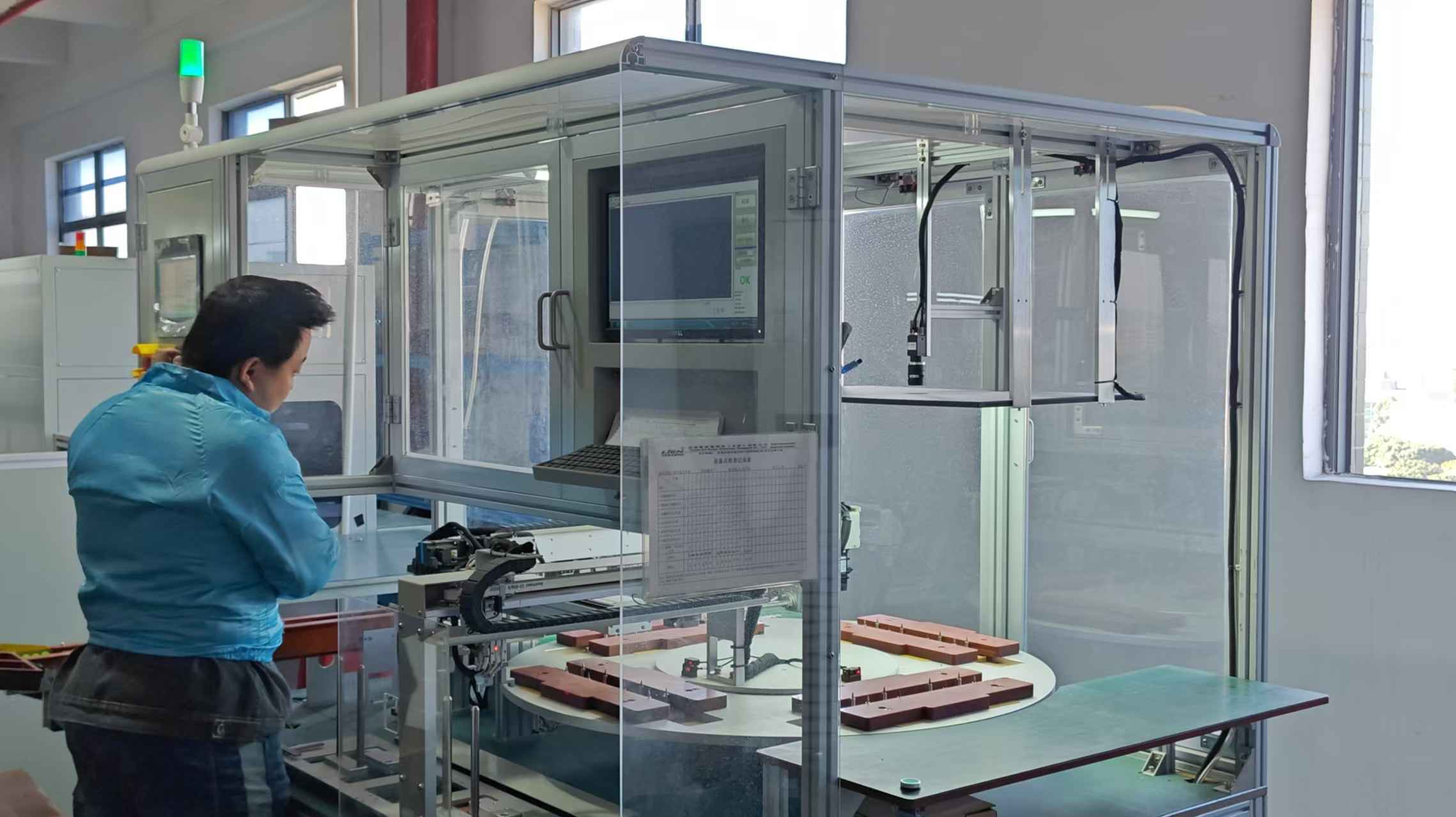
By leveraging automated cell sorting, high-precision busbar welding, and environmental chamber testing, Nuwon Energy ensures high production standards and cell matching consistency. This structural discipline is critical for utility-scale systems where cell imbalance degrades system lifespan and compromises safety. Our ongoing investments in R&D allow us to offer next-generation lithium, titanate, and solid-state chemistries for extreme performance profiles.
A technical comparison of battery chemistries designed for commercial, industrial, and smart grid applications.
| Chemistry Type | Energy Density | Cycle Life (100% DoD) | Operational Range | Primary Application Fields |
|---|---|---|---|---|
| Lithium Iron Phosphate (LiFePO4) | 160 - 180 Wh/kg | 4,000 - 6,000 cycles | -20°C to 60°C | Residential ESS, Commercial Peak Shaving, Microgrids |
| Lithium Titanate (LTO) | 80 - 110 Wh/kg | 20,000+ cycles | -40°C to 65°C | Grid Frequency Regulation, High-Power Starters, Heavy Duty AGVs |
| Nickel Manganese Cobalt (NMC 811) | 250 - 300 Wh/kg | 1,500 - 2,500 cycles | -20°C to 55°C | eVTOL, Drones, Lightweight Portable Power Stations |
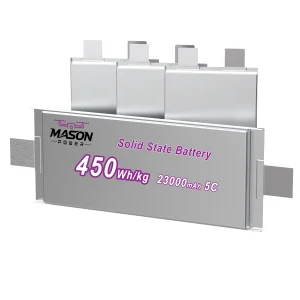
| Solid-State Battery Cell | 350 - 450+ Wh/kg | Under R&D/Scale-up | -10°C to 60°C | High-Altitude UAVs, Next-Gen Long Range Transportation |
Selecting the appropriate cell chemistry requires balancing specific energy, cycle life, thermal limits, and capital expenditure. While LTO cells provide performance in sub-zero climates and high charge/discharge rates, LFP remains the preferred choice for commercial and industrial energy storage systems due to its safety and economics.
An overview of our quality control pipeline, automated production lines, and product validation protocols.
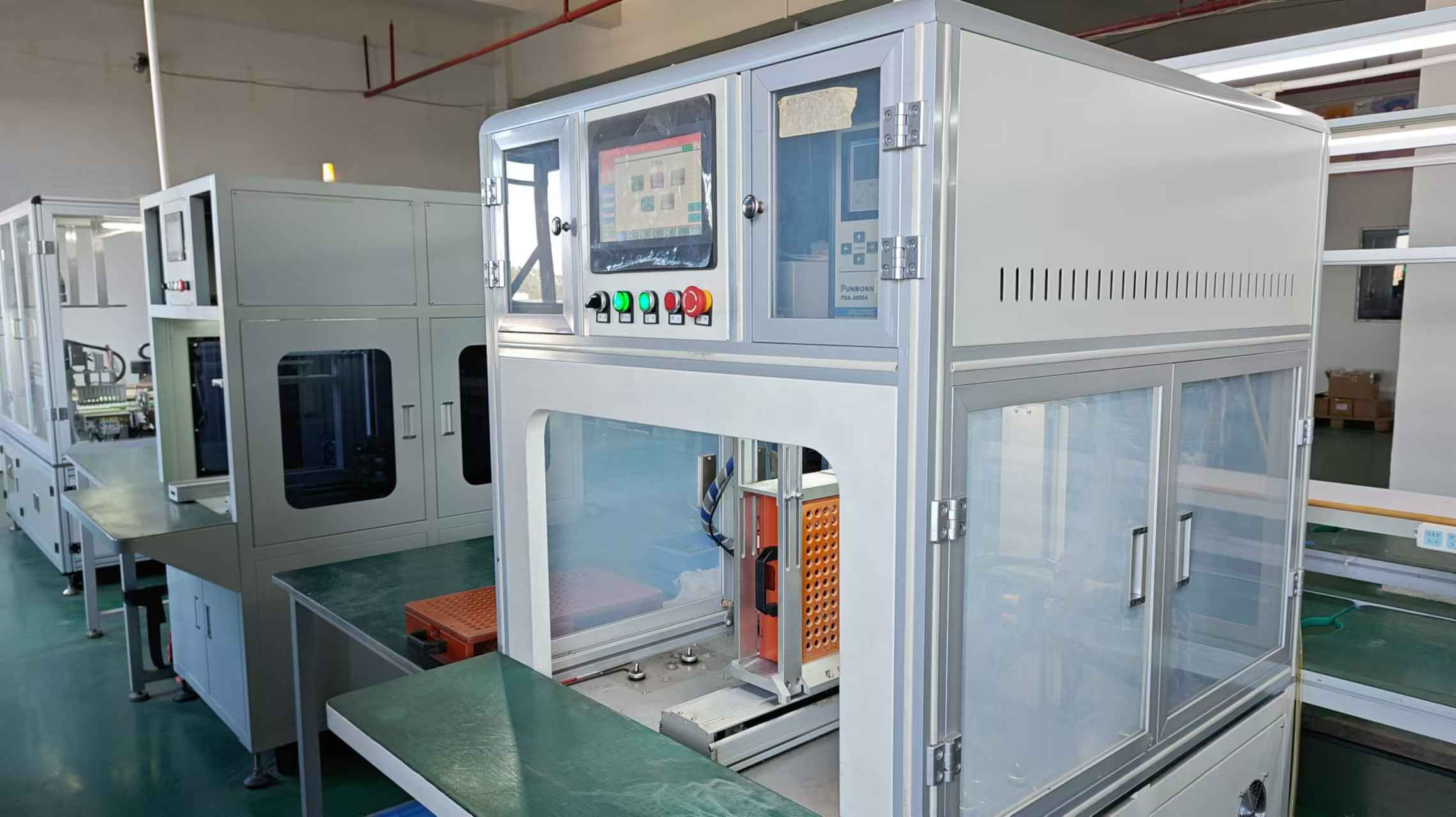
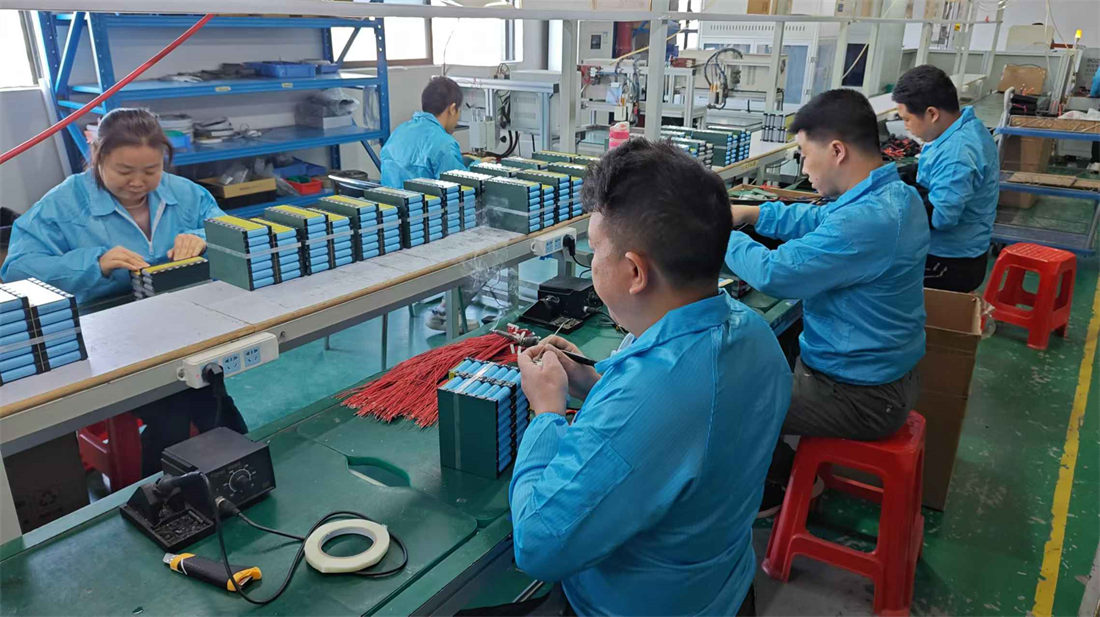
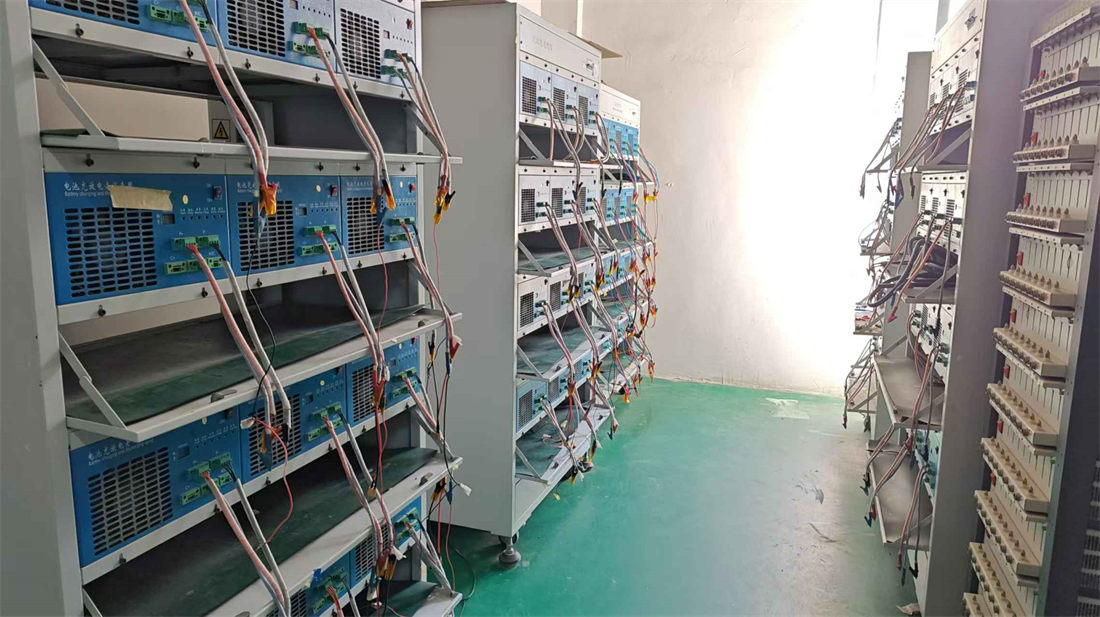
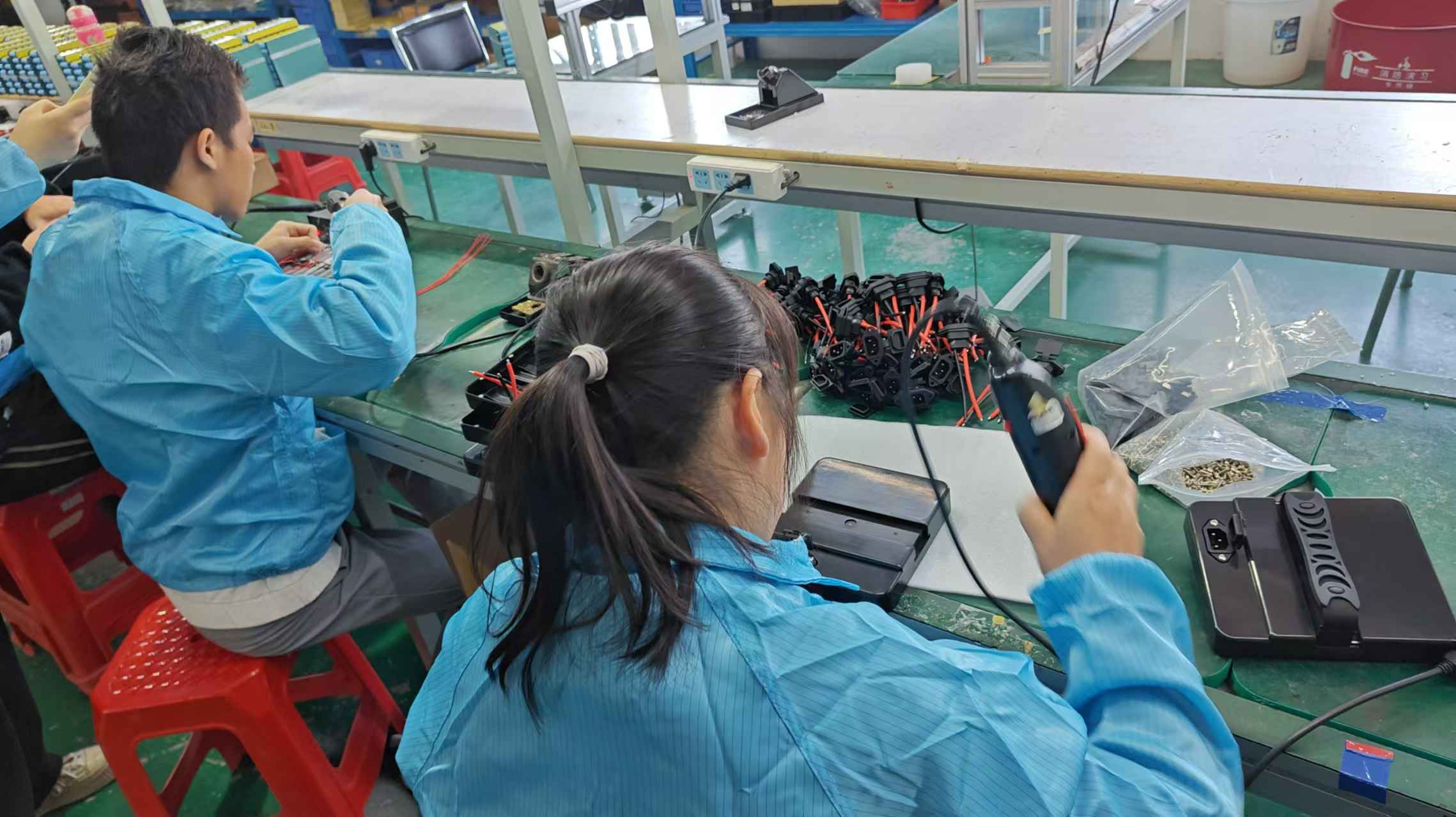
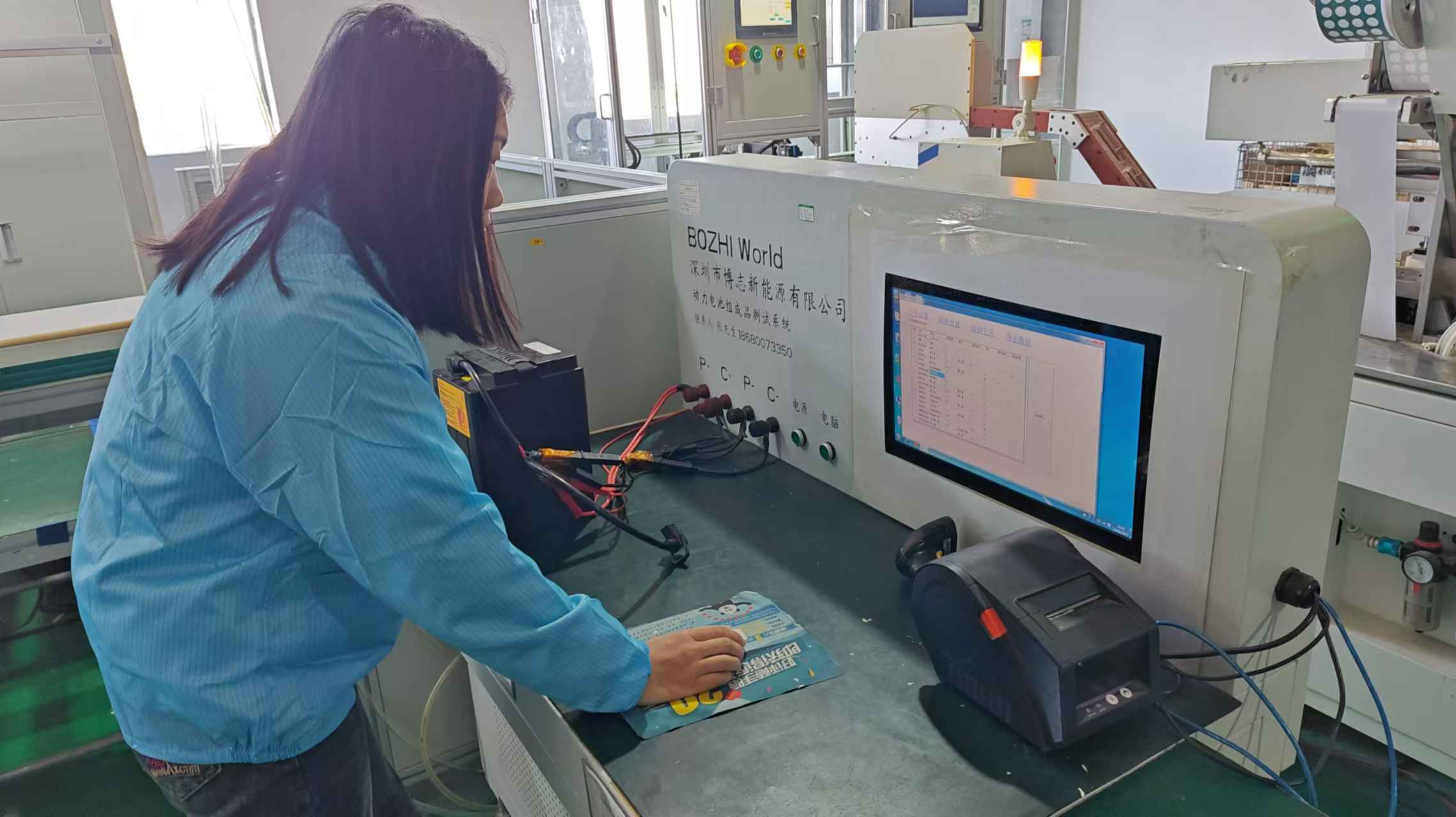
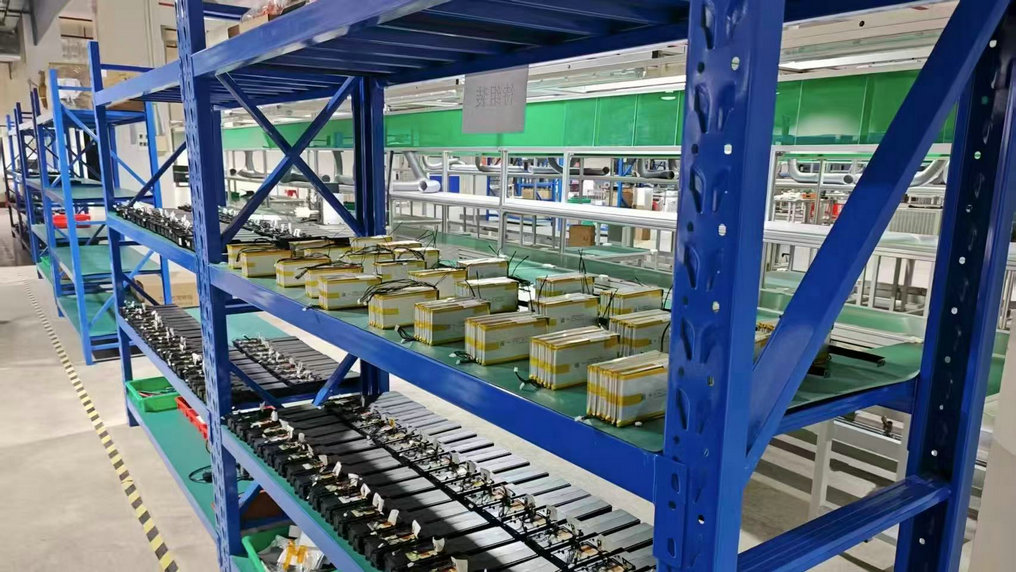
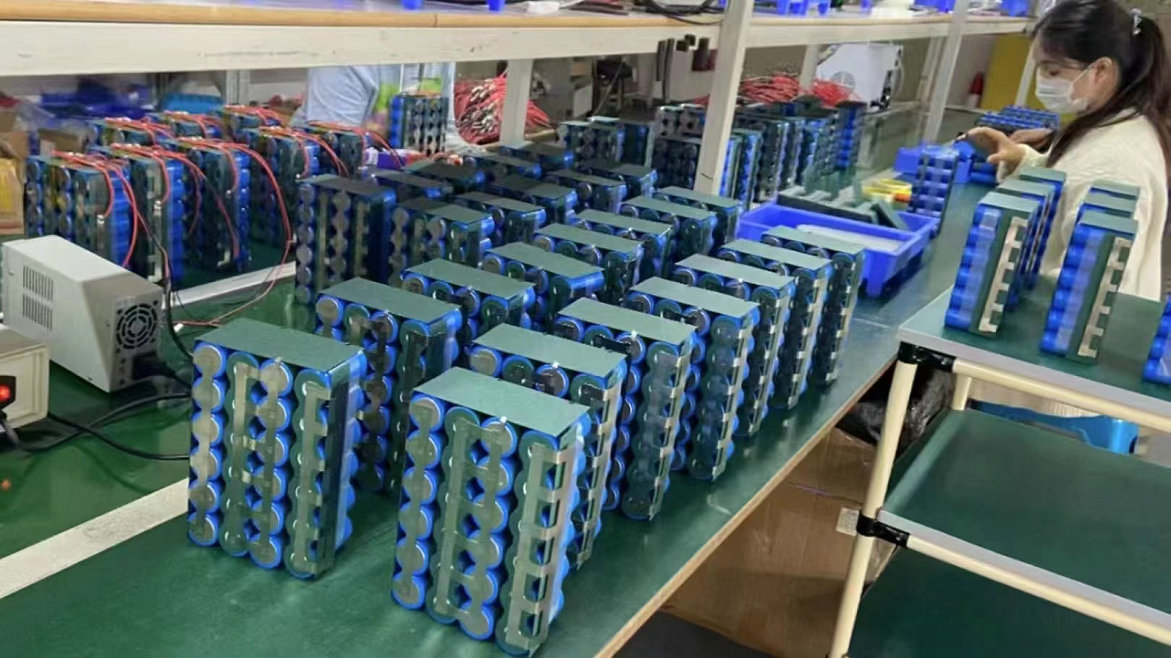
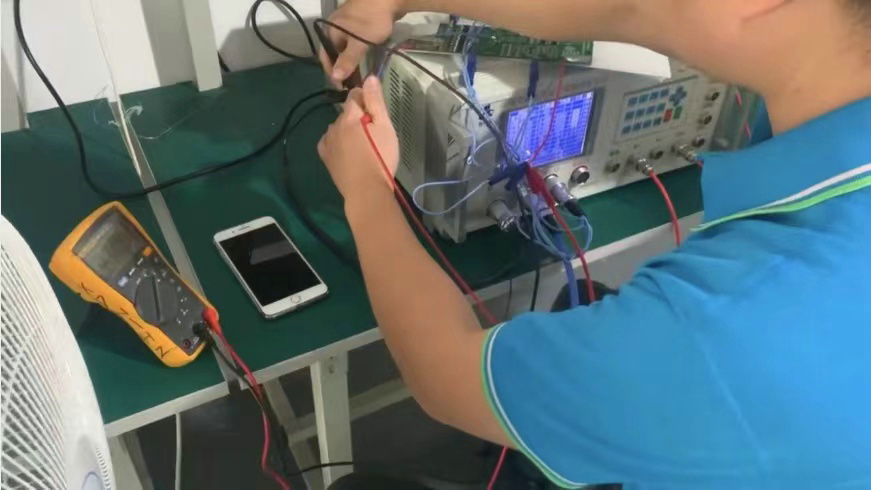
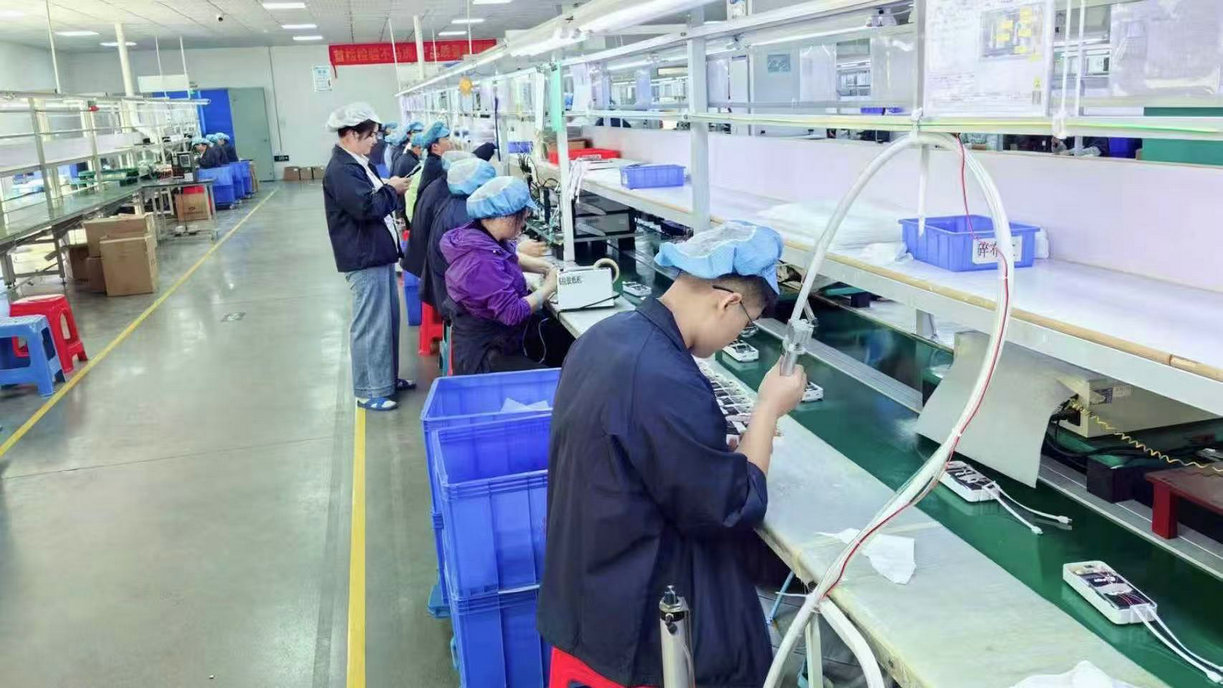
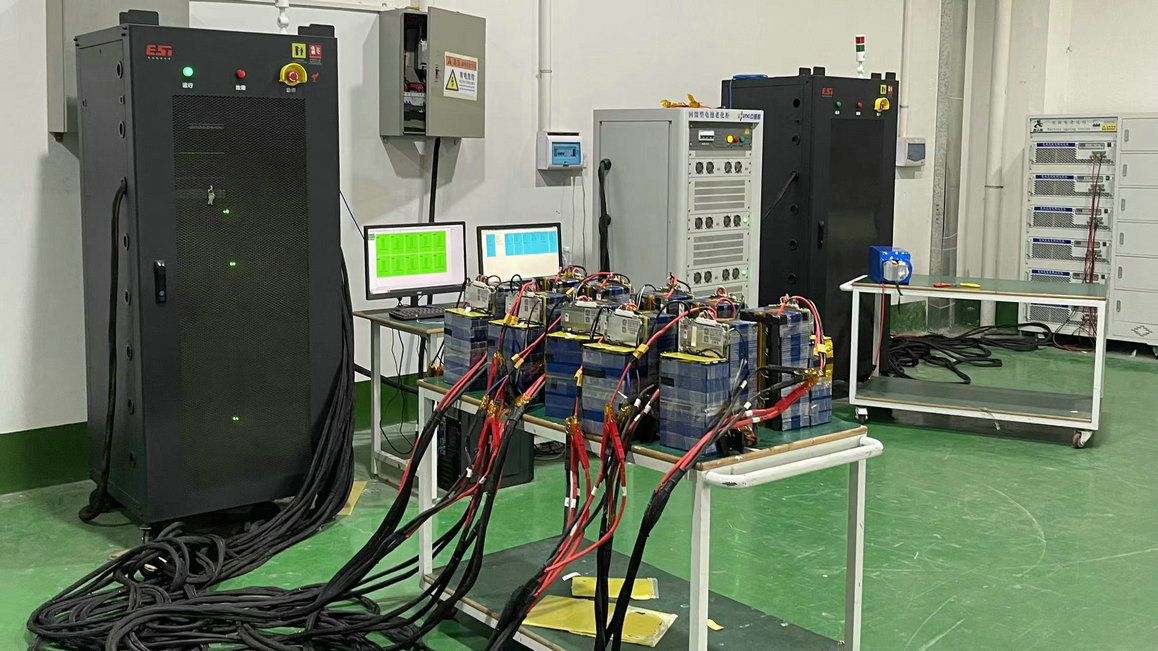
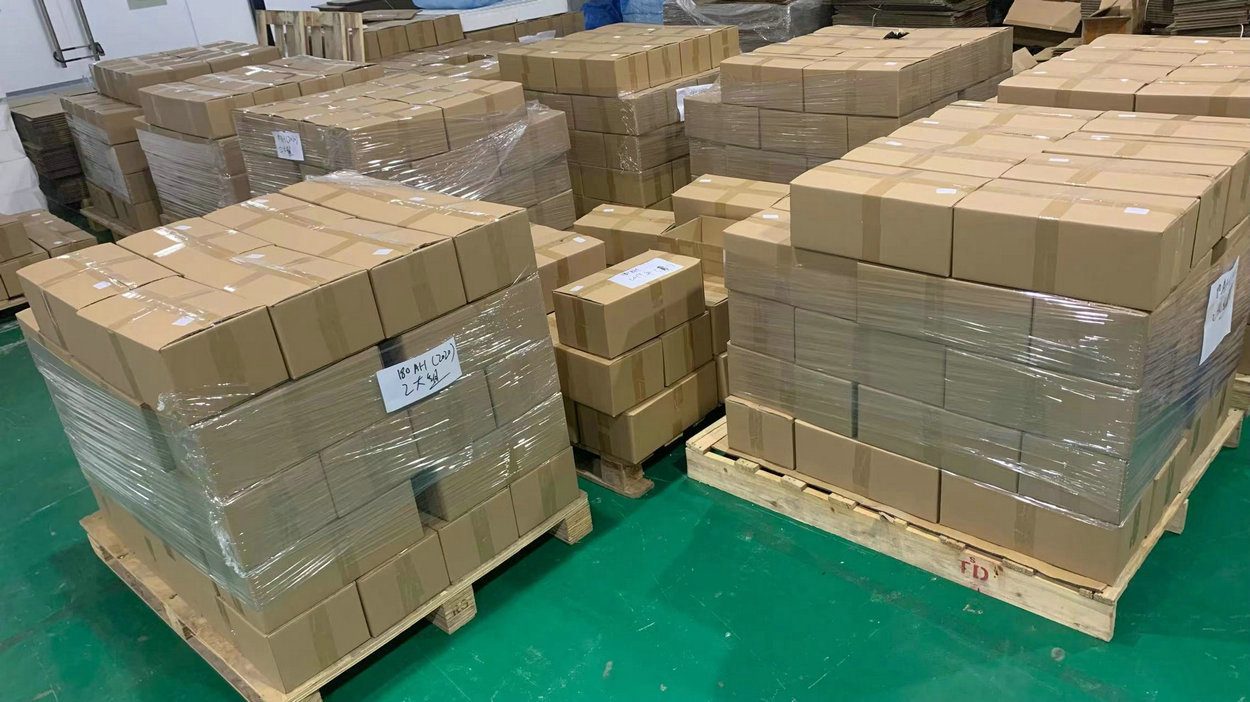
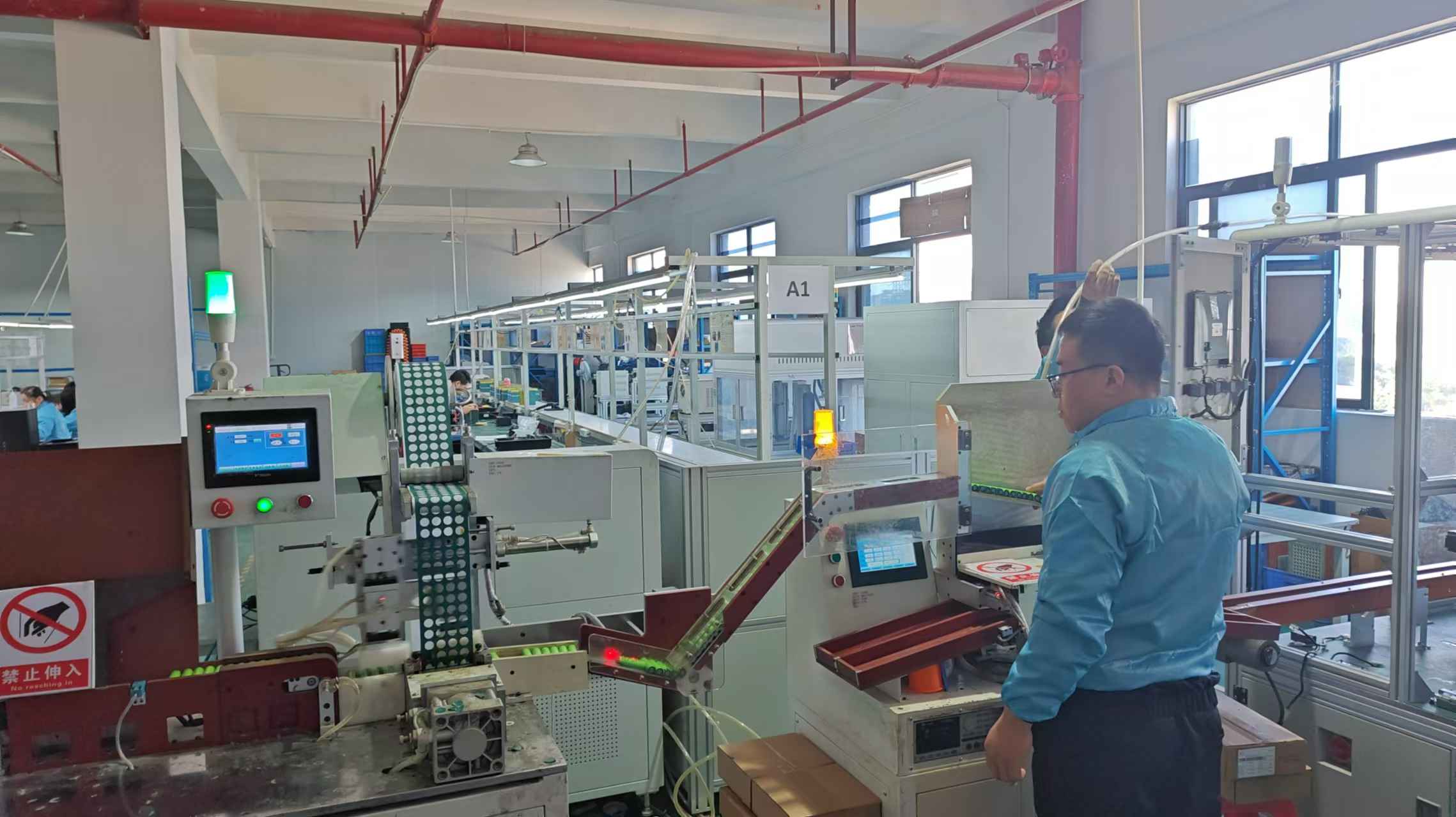
Procuring commercial-grade energy storage systems requires evaluation of performance metrics, warranty parameters, and supply chain security. For smart grid developers, the focus is on mitigating risk over 10-to-20-year lifespans. We prioritize transparency across these key criteria:
Nuwon Energy maintains testing protocols designed to satisfy global utility regulations. All battery assemblies undergo high-potential insulation checks, dynamic capacity measurements, and functional BMS verification prior to packing. This strict process ensures field reliability and simplifies local grid interconnection licensing.
UN38.3 (Transport Testing), IEC 62619 (Safety for Industrial Applications), UL 1973 (Stationary Batteries), UL 9540A (Thermal Runaway Fire Safety Evaluation).
Scalable turnkey battery systems designed for commercial operations and utility networks.
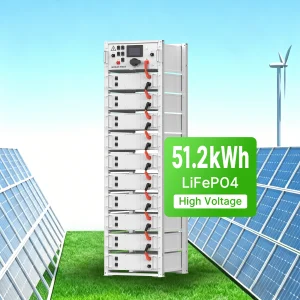
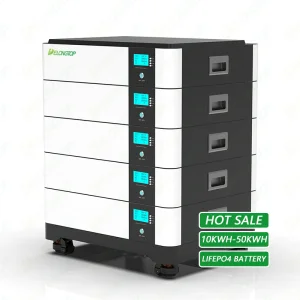
High-voltage battery racks designed to reduce peak demand charges and manage load curves. Engineered for factory systems, retail centers, and data facilities.
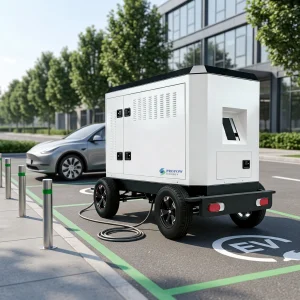
Turnkey liquid-cooled energy storage containers (30kWh to 216kWh+) with integrated HVAC, fire suppression, and smart BMS, designed for off-grid operations and EV charging support.
Reliable LTO and LiFePO4 batteries configured for remote communication towers and off-grid microgrids. Designed to deliver continuous power under extreme environmental conditions.
Deploying smart grid battery storage requires adherence to national and regional grid interconnection codes, safety regulations, and local environmental standards. Nuwon Energy provides comprehensive engineering support to streamline project approvals and grid integration processes.
Our global support covers dynamic grid code setting (compliance with IEEE 1547 and EN 50549 standards), remote battery telemetry diagnostics, and thermal safety plans. By using modular pack architectures, our designs isolate failures to the single-cell or module level, preventing cascading thermal events and ensuring high uptime for commercial installations.
Technical insight into grid integration, system configuration, and safety protocols.
Select battery products, structural packs, and specialty cells for industrial and commercial projects.
 Nuwon Energy