Explore our certified LiFePO4, LTO, and ternary NCM cell inventory engineered for extreme cycle-life and safety standards.
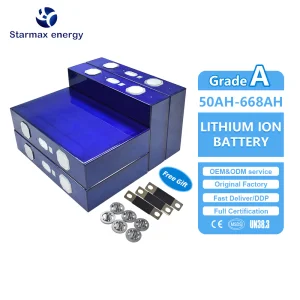
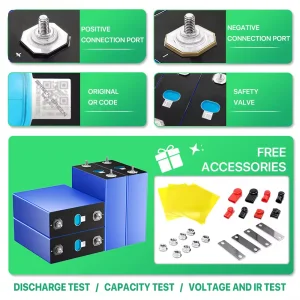
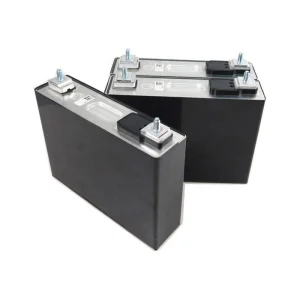
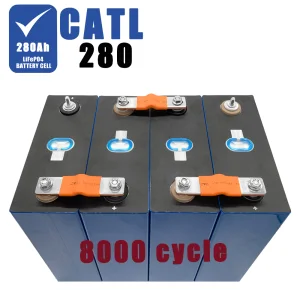
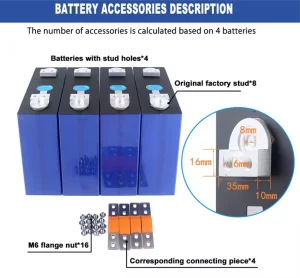


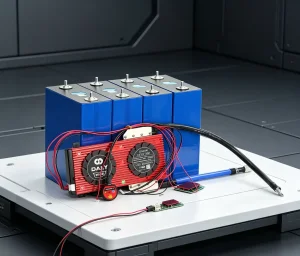
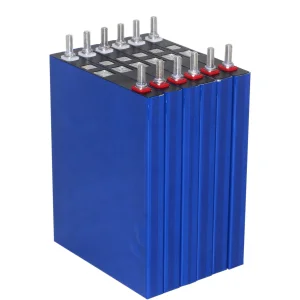
As the global economy structuralizes its energy policies toward full decarbonization, prismatic lithium-ion cells have emerged as the foundational building blocks for utility-scale applications, commercial & industrial (C&I) backup installations, and heavy-duty logistics electrification. Unlike cylindrical formats, the flat, rectangular construction of prismatic cells enables maximum volumetric spatial efficiency, packing more active chemical mass into tighter footprints. This configuration decreases dead volume within containerized storage and heavy vehicle battery enclosures, dramatically shifting the system-level efficiency matrix.
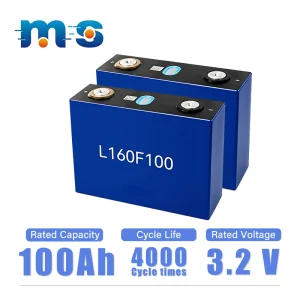
On a macro scale, the industrial landscape demands cells that offer not just raw energy, but sustained cycles under diverse thermal constraints. Prismatic cells, notably in Lithium Iron Phosphate (LiFePO4 or LFP) and Lithium Titanate Oxide (LTO) configurations, offer exceptional safety profiles. With a thermal runaway threshold exceeding 270°C and structural resilience guaranteed by rigid aluminum casings, these cells withstand mechanical shocks and vibration characteristics prevalent in harsh mobile machinery environments (forklifts, AGVs, mine haul trucks).
The global battery supply chain is undergoing a critical transition. Market analysis reveals a distinct migration from traditional 280Ah platforms to higher density 314Ah, 320Ah, and even 680Ah form factors. This evolution is driven by the demand to optimize balance-of-system (BOS) costs. Higher capacity cells mean fewer series-parallel connections, fewer busbars, fewer points of failure, and streamlined Battery Management System (BMS) integration. As a leading exporter, Guangdong Nuwon Energy Co., Ltd. has established supply networks aligning with these requirements, providing fully matched, grade-A prismatic solutions to international integrators across the Americas, Europe, and the APAC region.
Guangdong Nuwon Energy Co., Ltd. is a leading manufacturer and solution provider in advanced battery systems, specializing in the research, development, manufacturing, and global distribution of high-performance energy storage products. The company offers comprehensive OEM and ODM services, delivering customized battery solutions tailored to diverse industrial and commercial applications.
Backed by a highly experienced engineering and R&D team, Nuwon Energy focuses on the design and integration of cylindrical and prismatic lithium battery cells, as well as complete battery packs, modules, and energy storage systems. The company also develops and produces industrial-grade battery cells engineered for safety, durability, and long cycle life.
Guangdong Nuwon Energy serves a wide range of industries, including consumer electronics, electric mobility (such as golf carts, forklifts, UTVs/ATVs, trucks, and marine systems), medical equipment, unmanned ground vehicles (AGVs/AMRs), and emerging aerospace applications such as eVTOL aircraft. In addition, the company provides reliable residential, commercial, and industrial (C&I) energy storage solutions designed to support the global transition toward clean and sustainable energy.
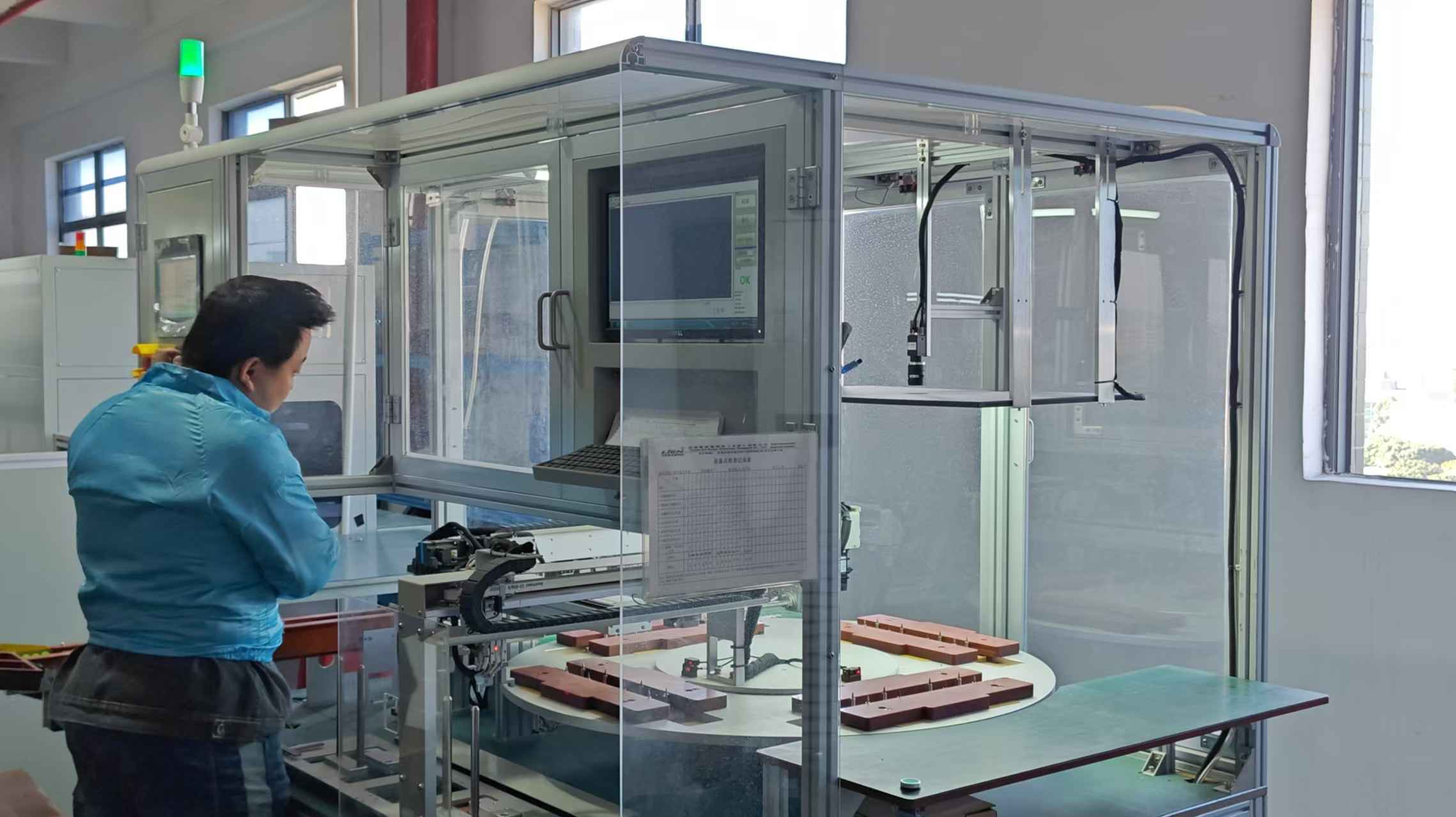
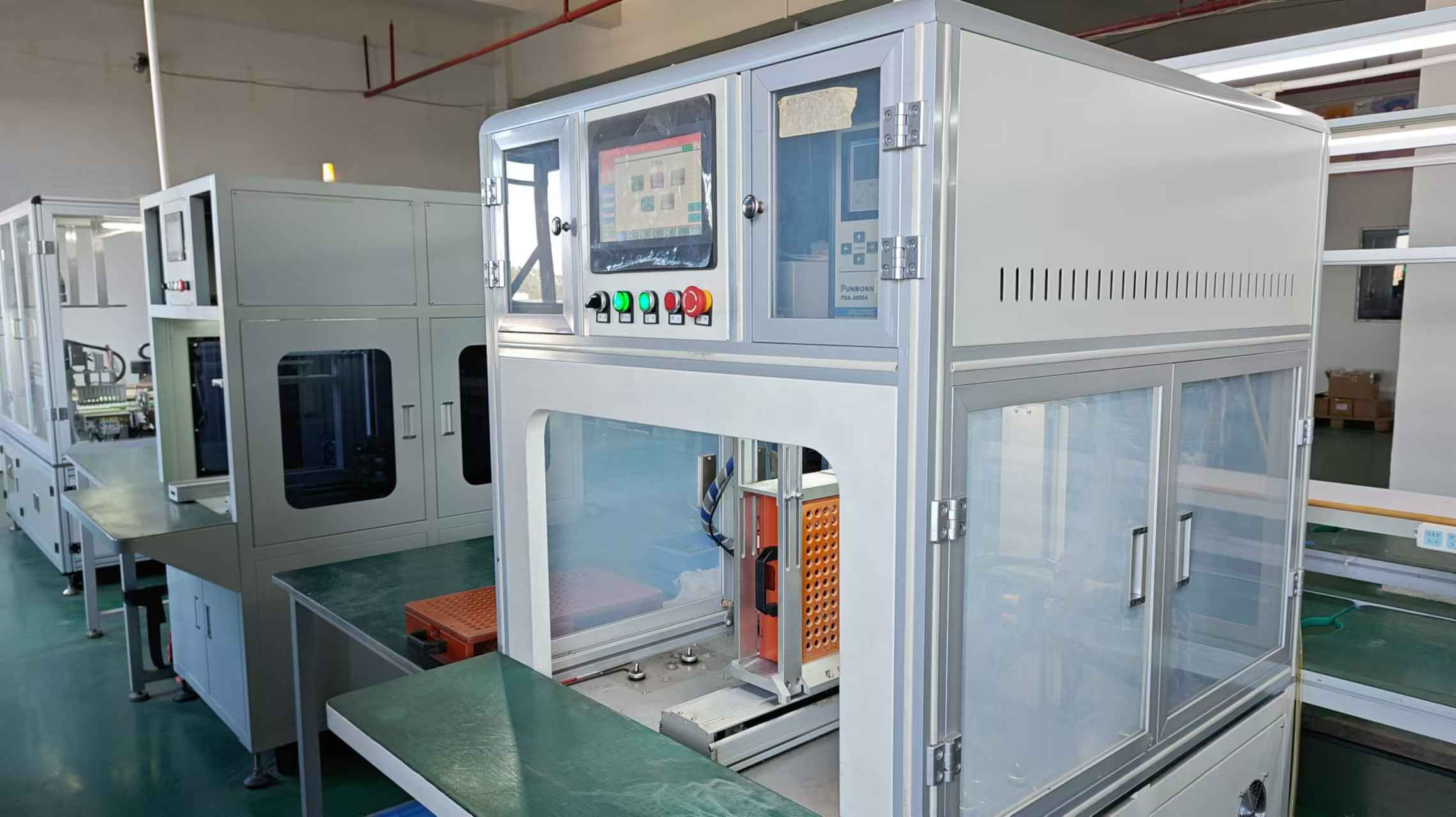
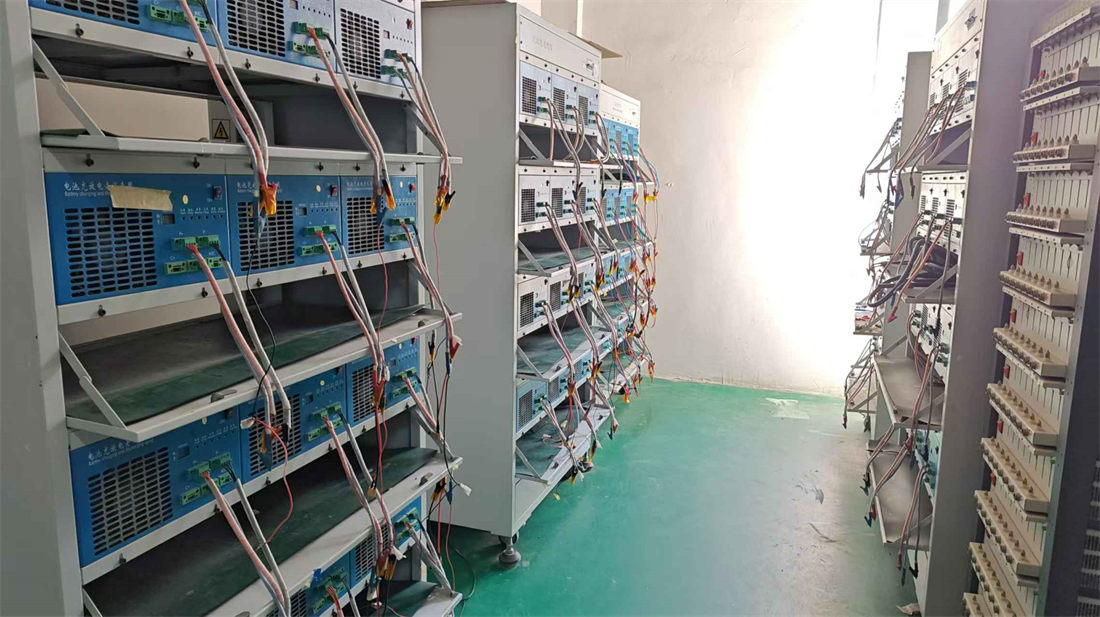
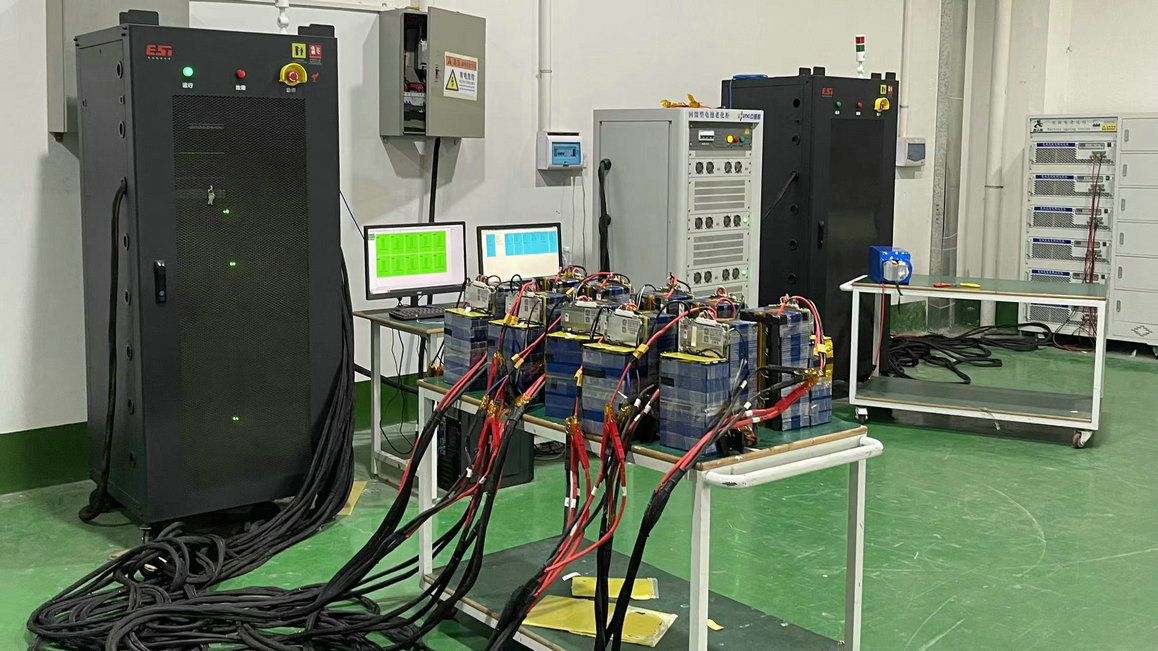
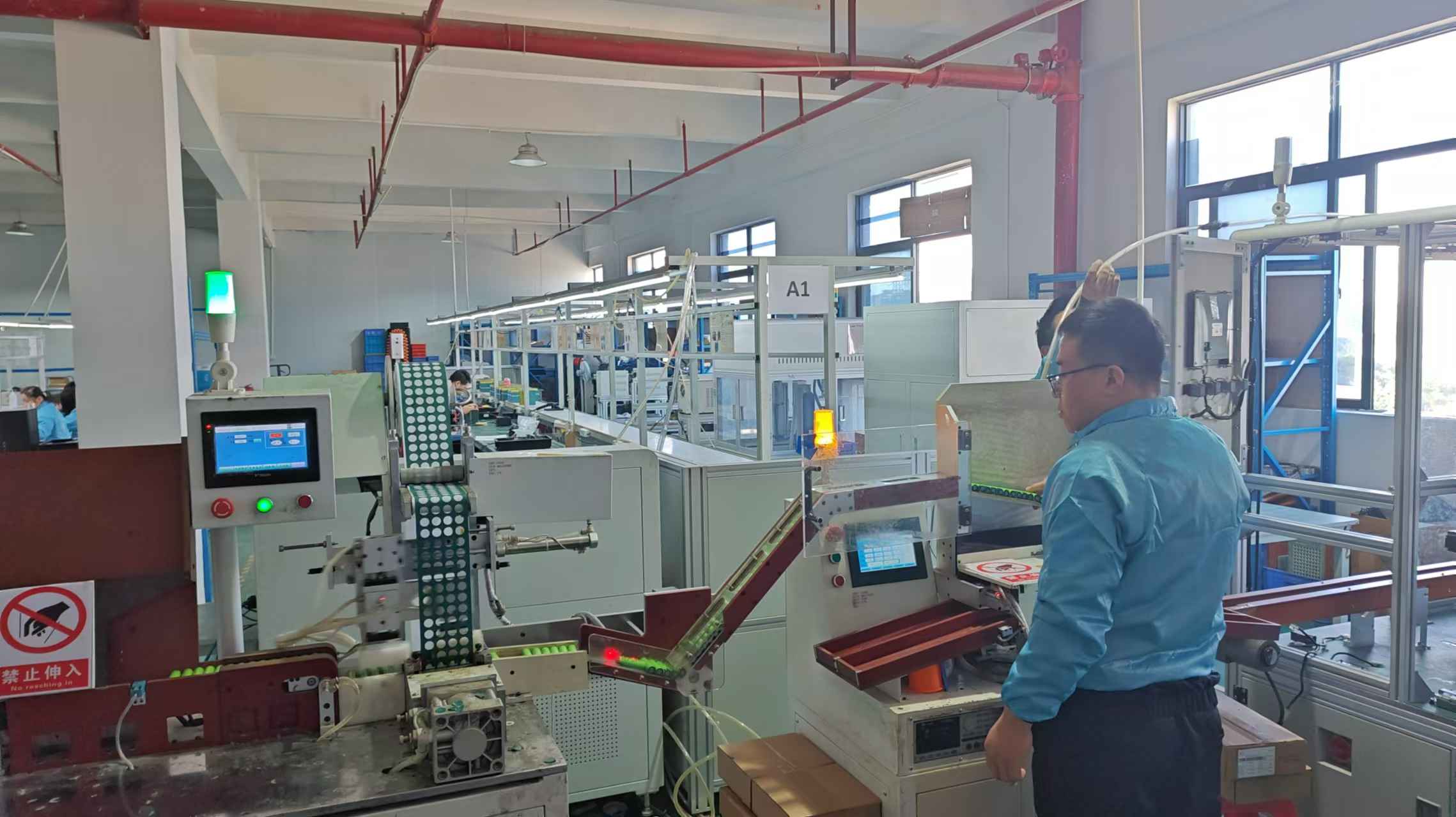
With a strong commitment to innovation, strict quality control, and customer-centric service, Guangdong Nuwon Energy continuously invests in advanced manufacturing capabilities, automated production lines, and rigorous testing systems. This ensures that every product meets international safety standards and delivers exceptional performance in demanding environments.
Driven by a vision to accelerate global electrification and energy efficiency, Guangdong Nuwon Energy Co., Ltd. is dedicated to building long-term partnerships and providing reliable, intelligent, and sustainable energy solutions to customers worldwide.
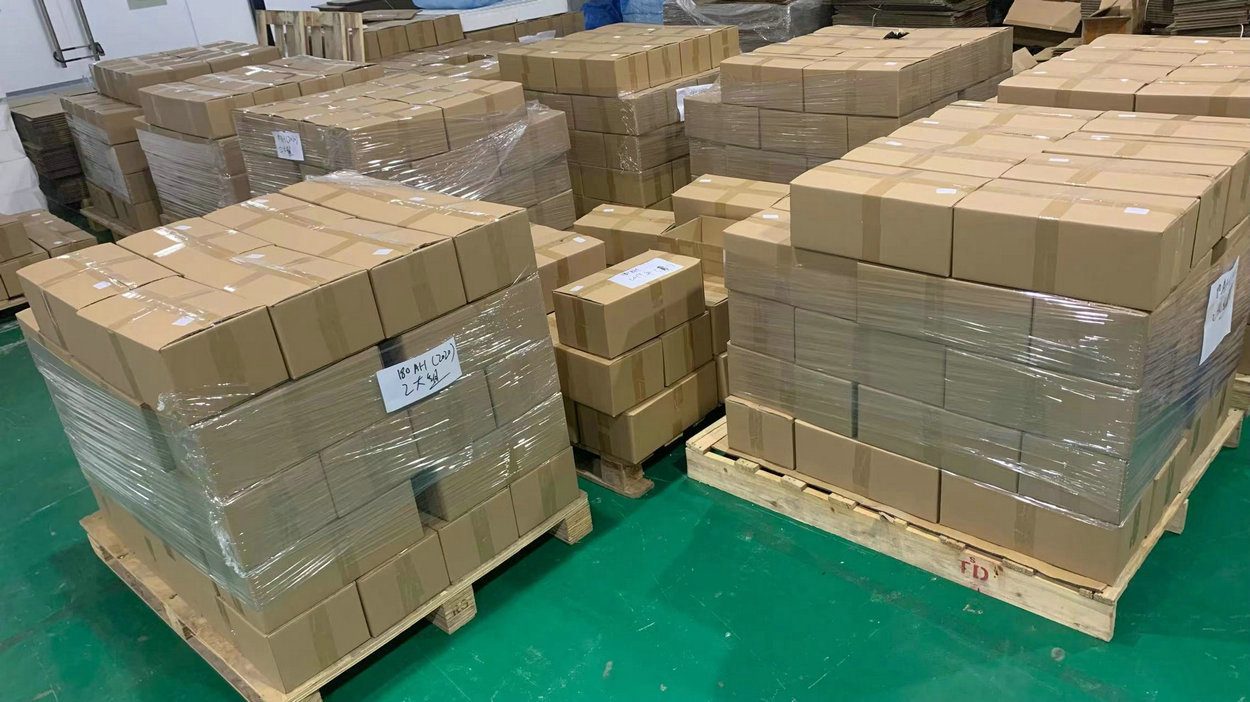
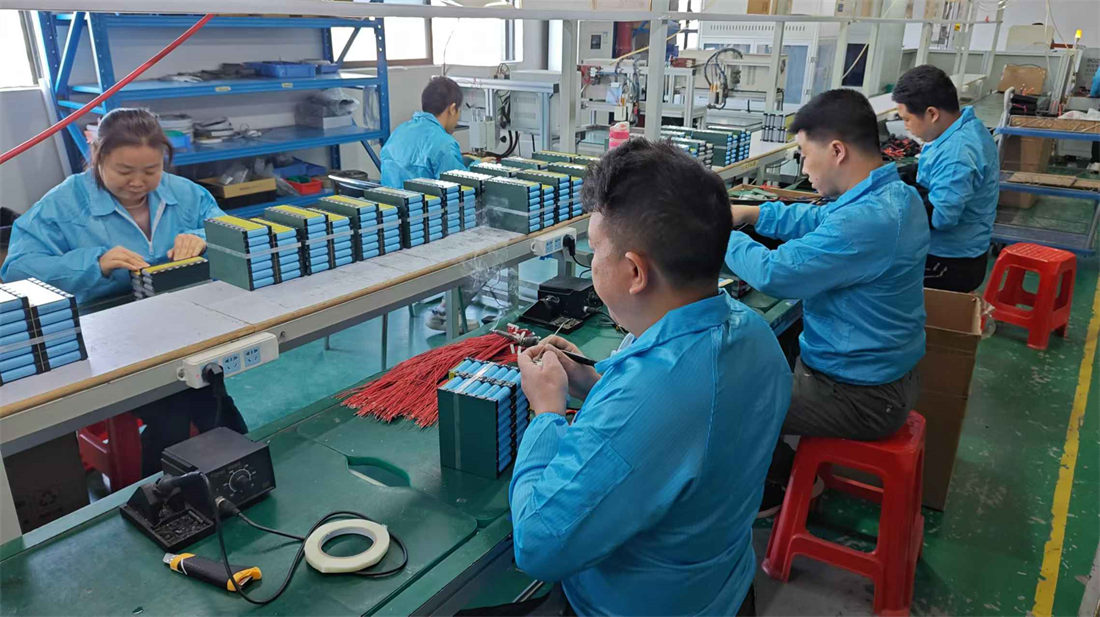
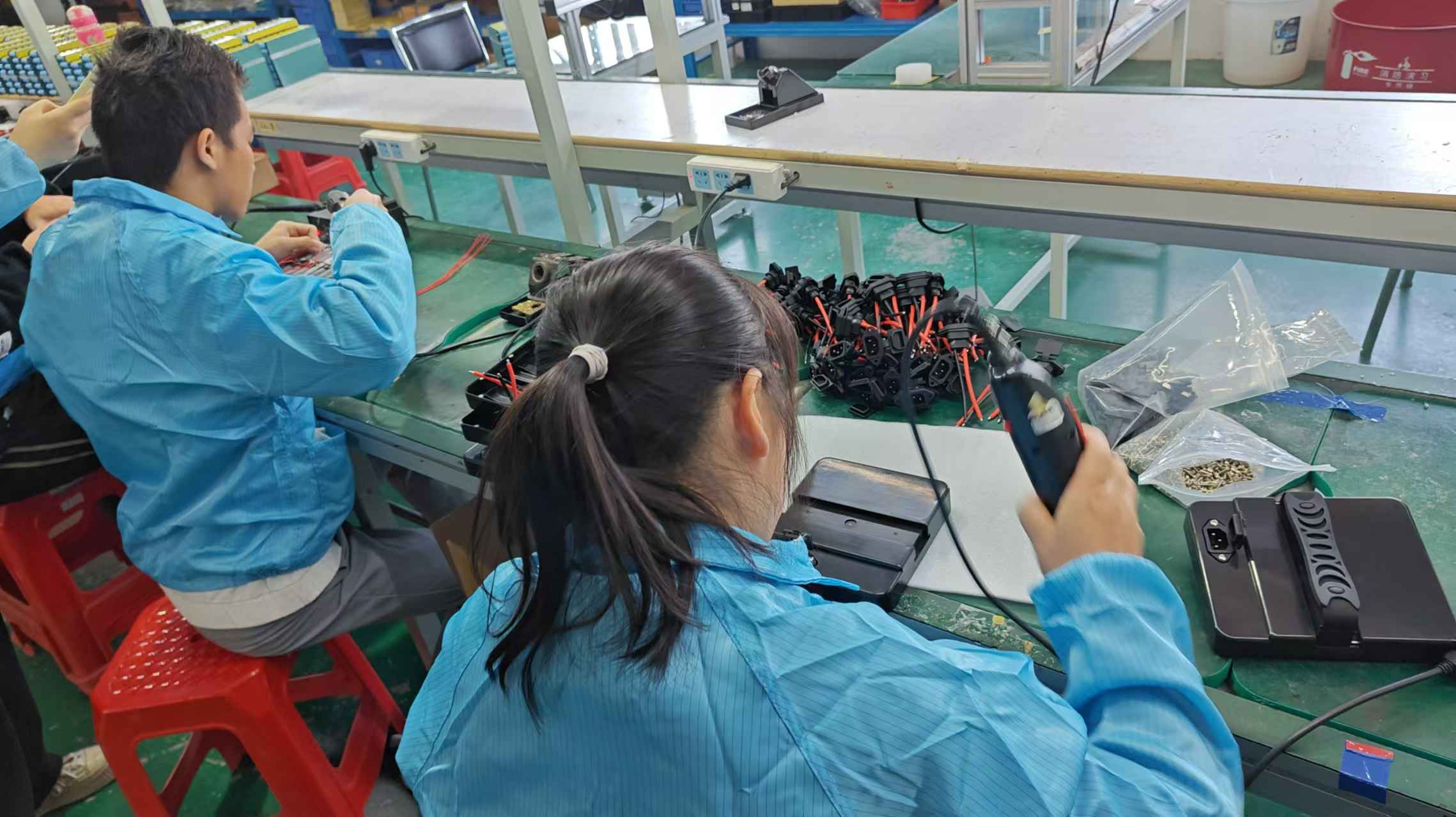
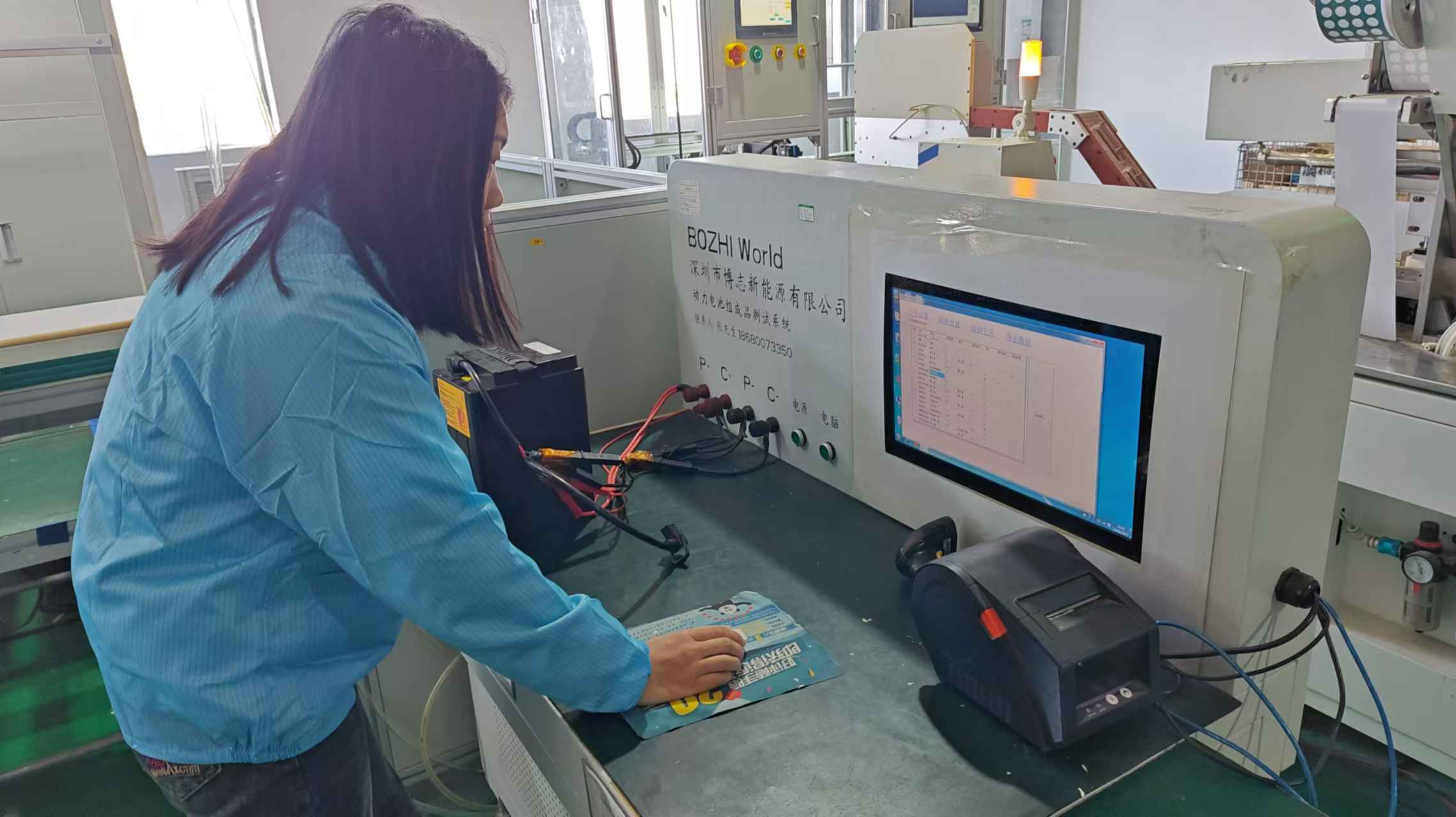
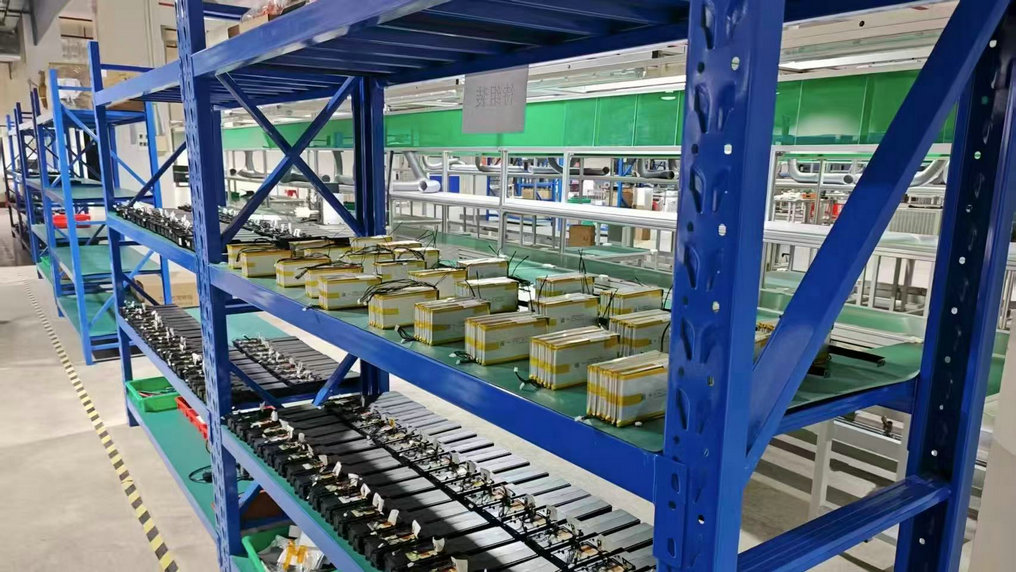
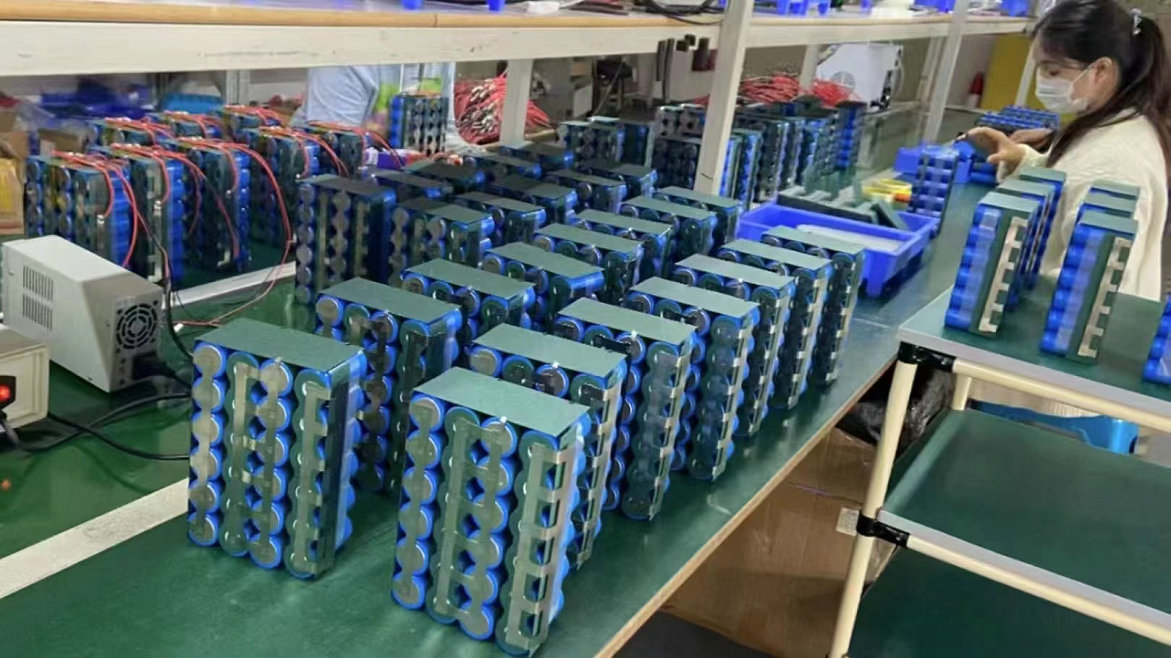
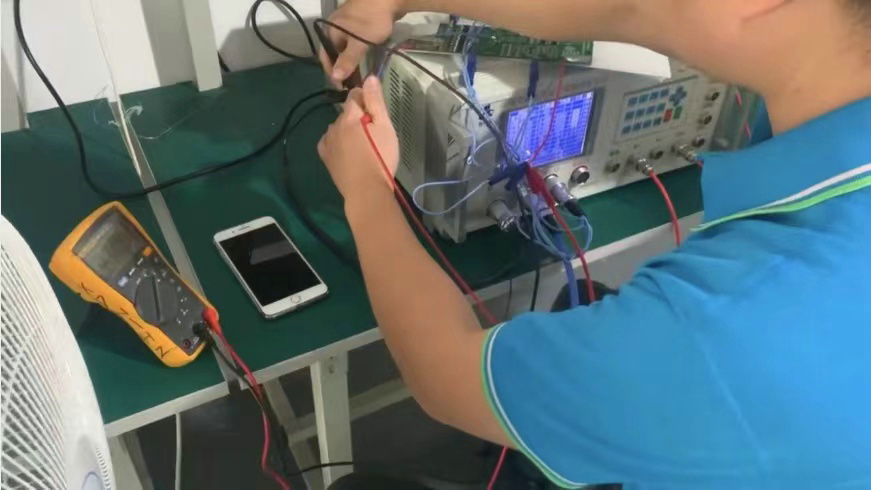
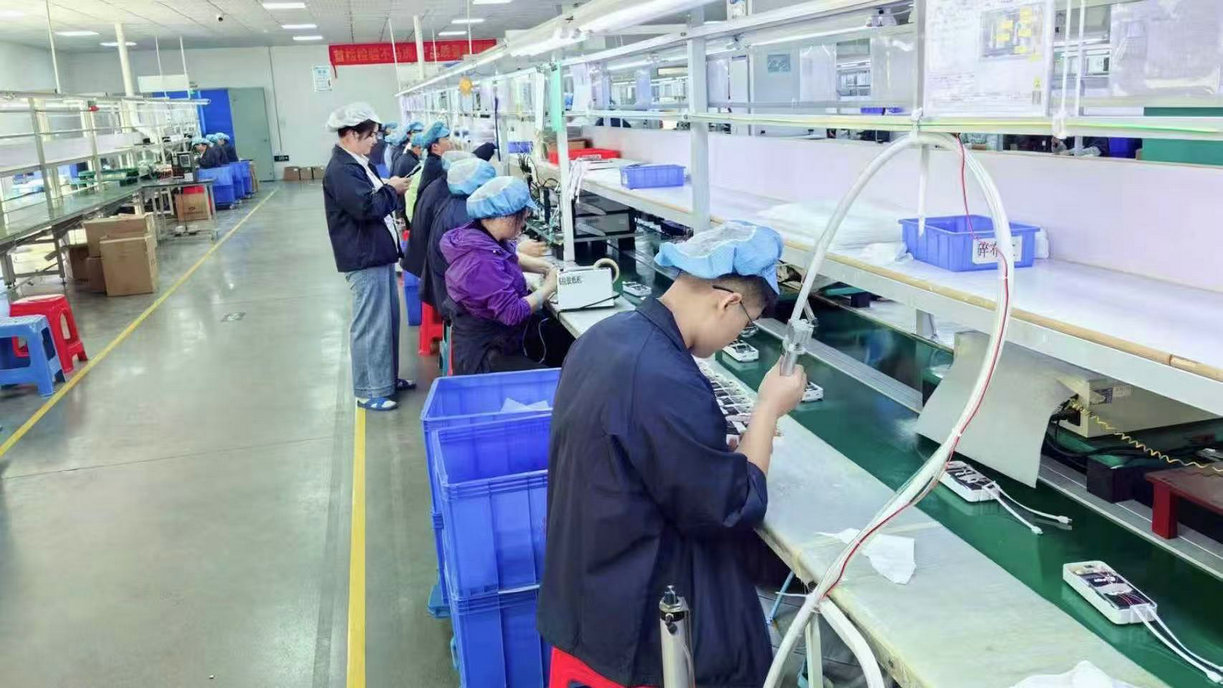
Automated production cleanrooms at Nuwon Energy facility
Our commitment to E-E-A-T (Expertise, Experience, Authoritativeness, Trustworthiness) is represented by strict visual and chemical QC gates throughout the entire manufacturing process.
Building reliable energy storage systems requires navigating a complex environment of international certifications. Standard compliance is not merely a legal requirement; it is a critical safety control. When importing prismatic lithium batteries, engineers and project managers must ensure that the products are tested under specific, globally recognized protocols.
Ensures that lithium cells can be transported safely by land, sea, or air. UN38.3 testing includes thermal cycling, vibration, shock, short-circuit, impact/crush, and overcharge evaluations.
The safety standard for industrial stationary applications. Testing focuses heavily on internal cell short-circuiting and thermal propagation mitigation to ensure single-cell failures do not cause system-level thermal runaway.
Guarantees compliance with environmental limits on heavy metals and hazardous substances, while CE marking confirms conformity with European health, safety, and environmental protection standards.
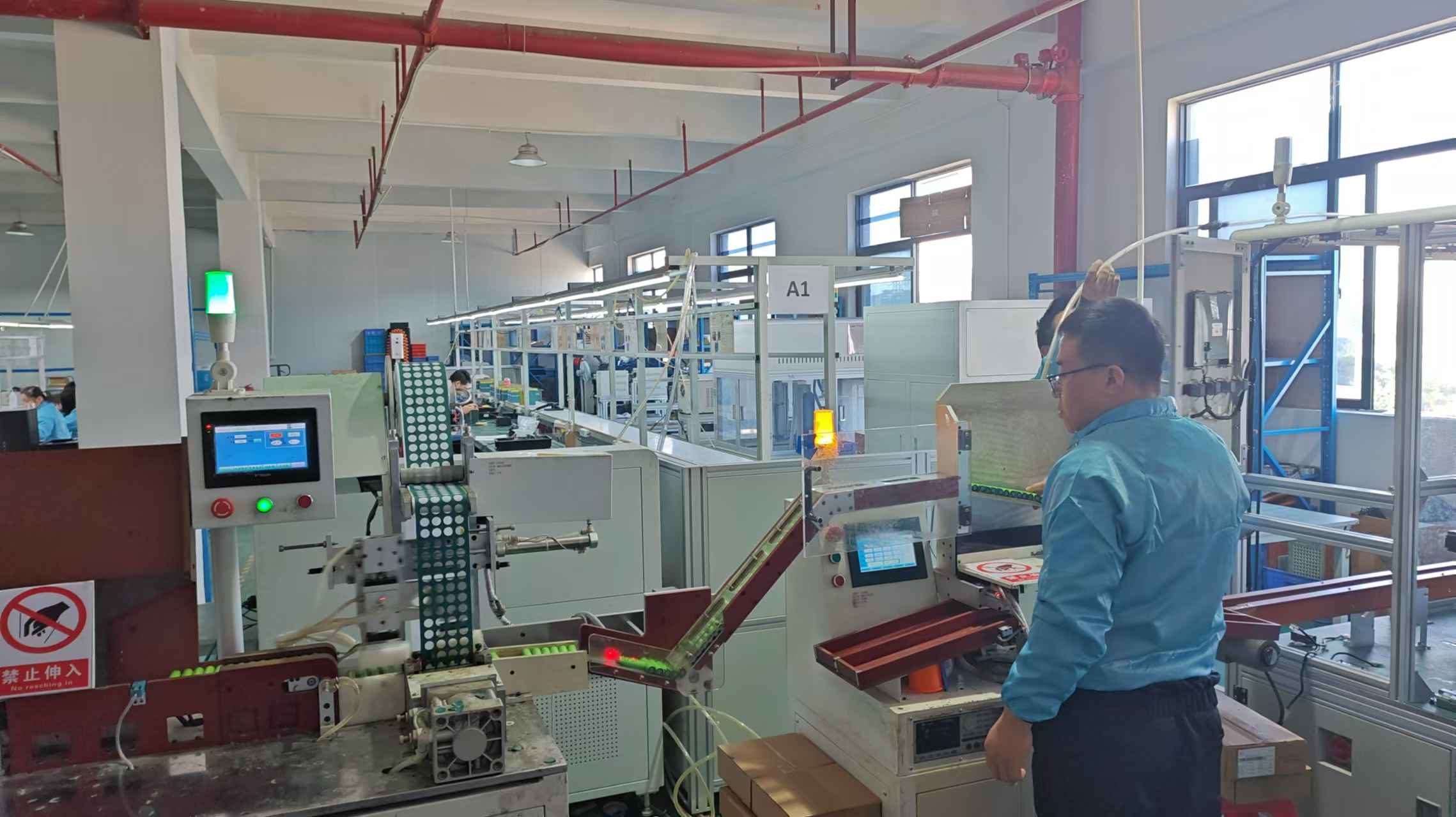
Guangdong Nuwon Energy Co., Ltd. ensures that all exported prismatic cells pass through strict OQC (Outgoing Quality Control) tests. Every shipment includes data-matched sheets outlining the specific voltage, internal resistance, and physical capacity profiles of each cell. This streamlines the assembly process for localized pack builders, ensuring system-level balancing is achieved with minimal effort.
Selecting the optimal prismatic cell chemistry requires analyzing the project's operational profile, target ambient conditions, and desired capital expenditures (CAPEX). Different lithium-ion sub-chemistries offer specialized performance characteristics:
| Performance Metrics | Lithium Iron Phosphate (LFP) | Ternary Lithium (NCM) | Lithium Titanate (LTO) |
|---|---|---|---|
| Nominal Cell Voltage | 3.2 V | 3.6 V - 3.7 V | 2.3 V - 2.4 V |
| Gravimetric Energy Density | 140 - 180 Wh/kg | 200 - 260 Wh/kg | 70 - 110 Wh/kg |
| Cycle Life (80% DoD) | 6,000 - 12,000 Cycles | 1,500 - 3,000 Cycles | 20,000 - 30,000 Cycles |
| Thermal Runaway Threshold | ~ 270 °C | ~ 210 °C | Highly Stable (No fire risk) |
| Low Temp Discharge Performance | Fair (-20°C limits C-rate) | Good (-30°C operational) | Excellent (Up to -40°C) |
| Primary Applications | Solar ESS, Telecom, RVs, Forklifts | EVs, eVTOL, Drones, High-end UAVs | Rapid charge applications, Heavy Rail |
For residential solar applications, LFP cells are the preferred choice due to their safety and cycle-life efficiency. In cold climates (such as Canada or Northern Europe), ternary NCM or LTO cells are often selected to maintain capacity retention. For specialized commercial projects, custom configurations are design-matched by Nuwon Energy engineers using advanced testing machinery to optimize longevity and safety profiles.
Advanced chemistries, high-voltage solid-state cells, and optical components tailored for modern technology platforms.

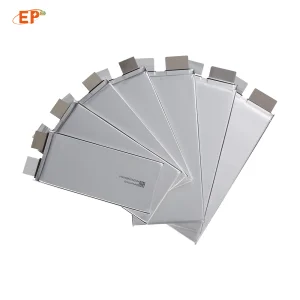

The roadmap for prismatic cell development highlights the pursuit of higher energy density and improved safety profiles. Solid-state electrolyte technology represents a major evolution in this field. By replacing the flammable organic liquid electrolyte with a solid polymer or ceramic substrate, solid-state cells eliminate the risk of thermal runaway, even during physical penetration or high-temperature operation.
Additionally, anode material optimization plays a key role. The incorporation of silicon-carbon composite materials into the graphite anode allows for higher lithium-ion storage density per unit volume. This advances energy storage capabilities, bringing volumetric density closer to the physical limits of current chemical systems. The transition toward high-capacity cells (such as 628Ah and 680Ah formats) is expected to expand the deployment of large-scale, containerized energy projects by lowering structural component costs and reducing overall system footprints.
Nuwon Energy is actively exploring high-performance chemistries, optimizing the interface between active materials and aluminum alloy shells, and developing advanced safety systems. By integrating advanced smart sensors within the cell design, internal temperatures, pressure, and voltage levels can be monitored in real time. This allows for early-stage hazard identification, providing key safety advantages for demanding applications like electric passenger transport and aerospace systems.
Technical insights and answers to key questions from energy storage developers, engineers, and supply chain managers.
 Nuwon Energy