Low-Temperature Lithium Battery Manufacturers & Suppliers

Industrial & Commercial Low-Temp Solutions Engineered for Extreme Environments Down to -40°C

Low-Temperature Lithium Battery Engineering & Technical Architecture

Understanding the electrochemical dynamics and design paradigms behind sub-zero lithium-based energy cells.

Standard lithium-ion cells perform poorly in low ambient temperatures. When temperatures fall below 0°C, the electrochemical properties of typical lithium batteries degrade rapidly. The core reason lies in the kinetics of the liquid electrolyte, which thickens and loses viscosity at sub-zero temperatures. This change restricts ion transport and dramatically increases internal resistance. Consequently, current output drops, and charging becomes highly hazardous due to the threat of lithium plating on the anode.
To address these limitations, professional energy manufacturers employ specialized materials and physical modifications:

Optimized Electrolytes

By introducing low-viscosity organic co-solvents (such as ethyl methyl carbonate or customized carboxylate esters) and using refined lithium salts (e.g., LiFSI), the electrolyte remains fluid and maintains high ionic conductivity even down to -40°C.

Advanced Anode Chemistry

Modifying the carbon interface of the anode and employing silicon-carbon composites reduces charge-transfer resistance ($R_{ct}$). This adjustment facilitates smooth lithium-ion intercalation and helps prevent dendritic growth during sub-zero operations.

Active Integrated Heating

Smart battery management systems (BMS) with integrated polyimide heating films use a fraction of the cell's energy to preheat the core before charging. This process ensures the cell operates within a safe and efficient temperature range.

Global Corporate Procurement & Macro Industry Applications

How cross-border enterprises utilize customized low-temp battery systems to maintain operations in cold climates.

1. Sub-Zero Base Stations & Telecommunications

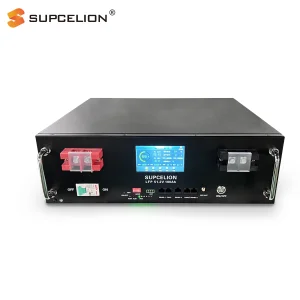
Telecommunications systems in high-latitude regions rely heavily on low-temperature LiFePO4 batteries. When grid outages strike during sub-zero storms, conventional batteries can lock up, leaving communities without cellular coverage. Utilizing low-temperature lithium cells ensures reliable emergency backup power for remote towers, even during deep freeze conditions.

2. Cold-Climate Aerospace & High-Altitude Drones (UAVs / eVTOL)

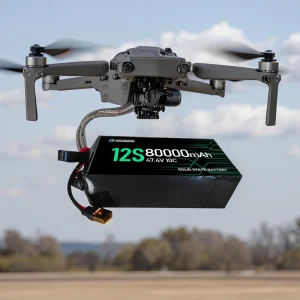
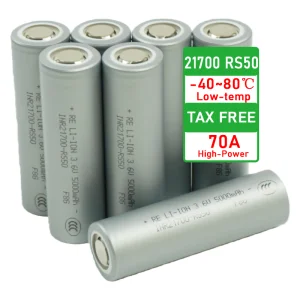
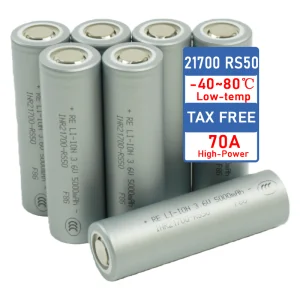
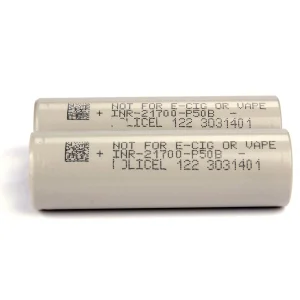
As altitude increases, atmospheric temperature drops sharply. Drones, FPVs, and eVTOL aircraft require lightweight energy storage systems that can supply high discharge currents (up to 70A) at temperatures as low as -40°C. Cells like the INR21700 RS50 and solid-state variations deliver the power density and sub-zero performance needed to prevent mid-flight voltage drops in harsh environments.

3. Industrial Electric Vehicles & Cold-Chain Logistics

Forklifts, AGVs, and automated guide systems operating inside blast freezers and cold storage facilities face constant exposure to sub-zero environments. Transitioning to low-temperature LiFePO4 battery packs eliminates the regular maintenance cycle and degradation issues common to lead-acid batteries, maximizing uptime in logistics environments.

About Guangdong Nuwon Energy Co., Ltd.

A premier manufacturer and solution provider of advanced, high-performance battery systems.
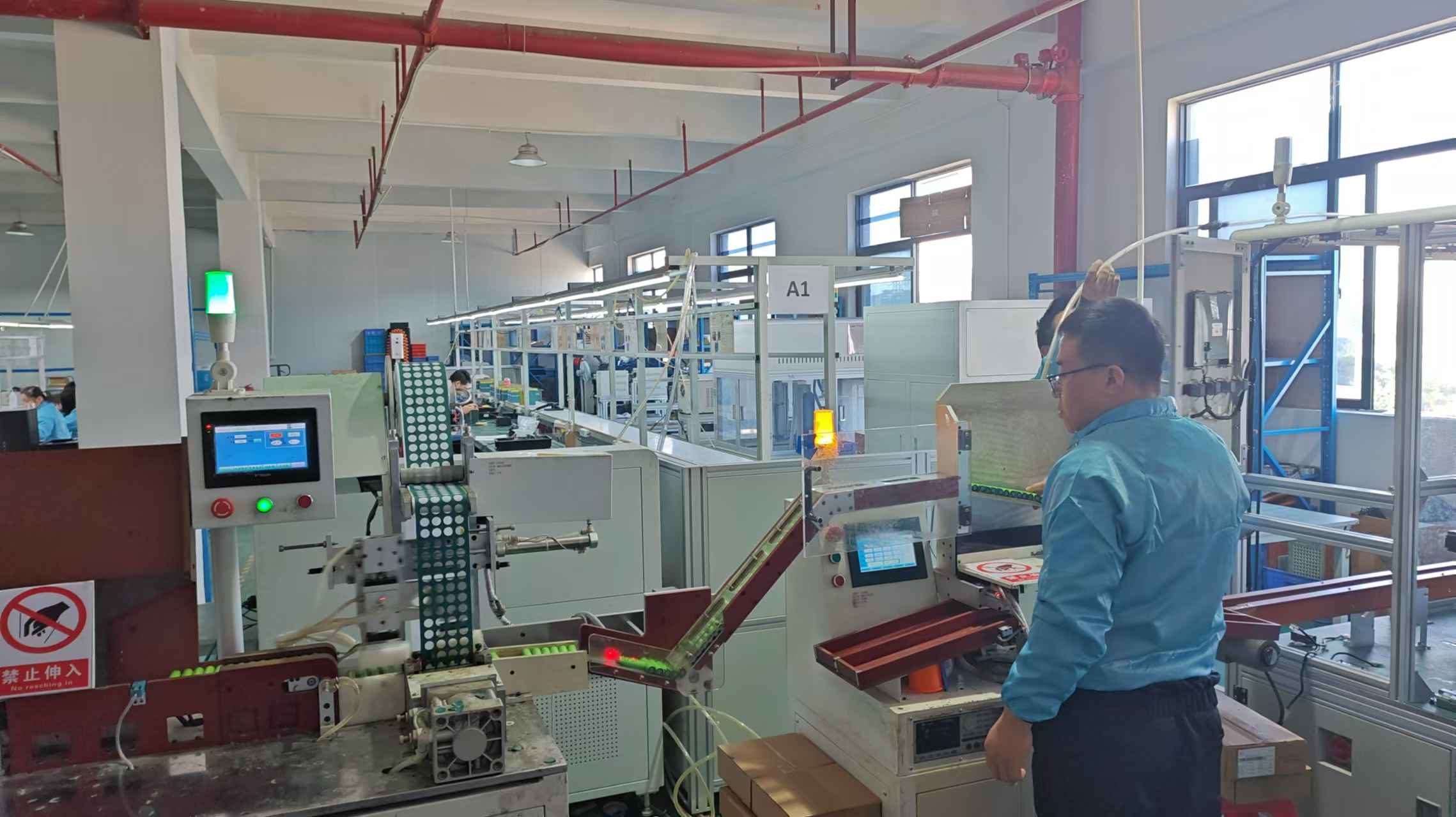
Guangdong Nuwon Energy Co., Ltd. is a leading manufacturer and solution provider in advanced battery systems, specializing in the research, development, manufacturing, and global distribution of high-performance energy storage products. The company offers comprehensive OEM and ODM services, delivering customized battery solutions tailored to diverse industrial and commercial applications.
Backed by a highly experienced engineering and R&D team, Nuwon Energy focuses on the design and integration of cylindrical and prismatic lithium battery cells, as well as complete battery packs, modules, and energy storage systems. The company also develops and produces industrial-grade battery cells engineered for safety, durability, and long cycle life.
Guangdong Nuwon Energy serves a wide range of industries, including consumer electronics, electric mobility (such as golf carts, forklifts, UTVs/ATVs, trucks, and marine systems), medical equipment, unmanned ground vehicles (AGVs/AMRs), and emerging aerospace applications such as eVTOL aircraft. In addition, the company provides reliable residential, commercial, and industrial (C&I) energy storage solutions designed to support the global transition toward clean and sustainable energy.
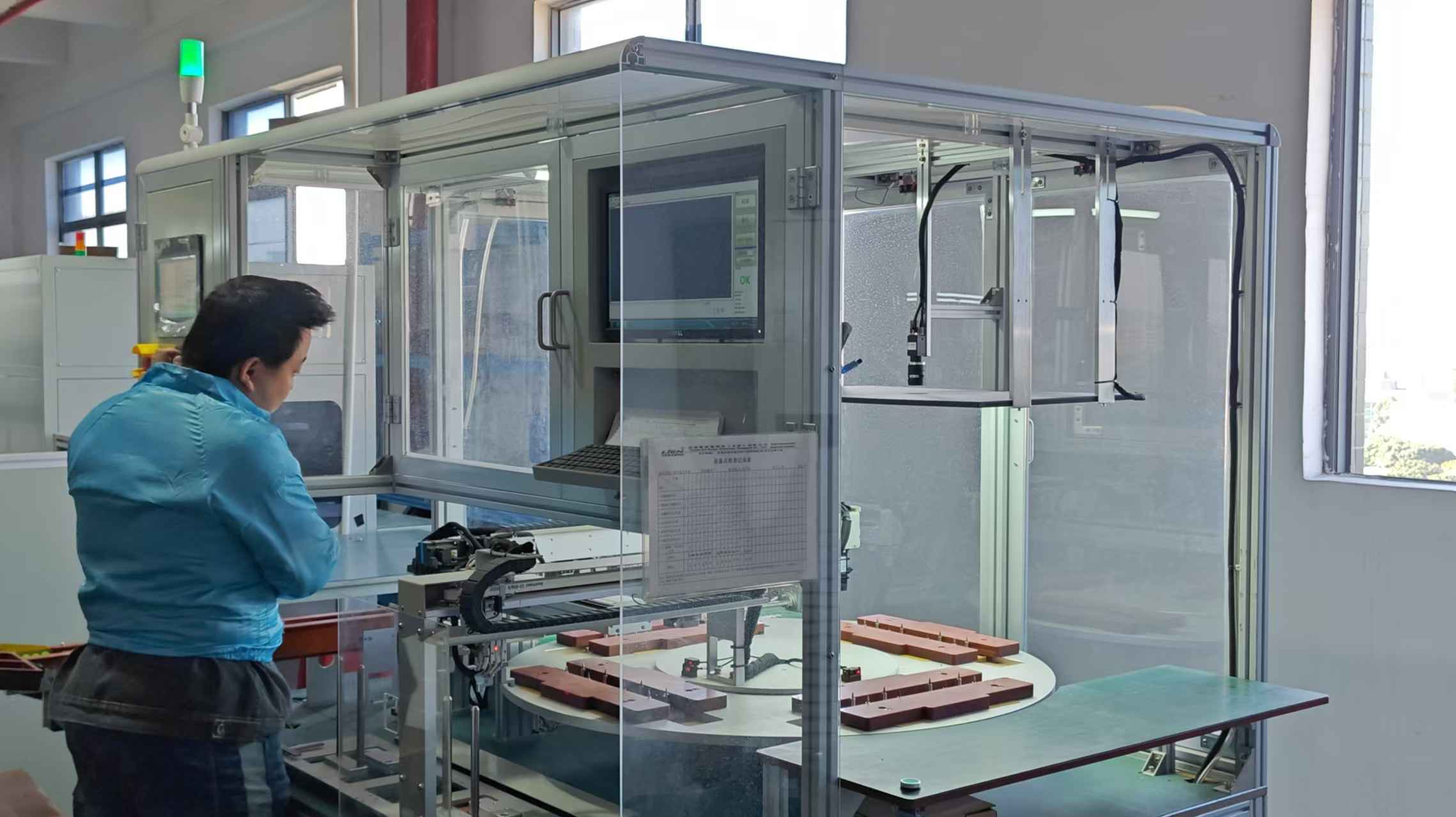
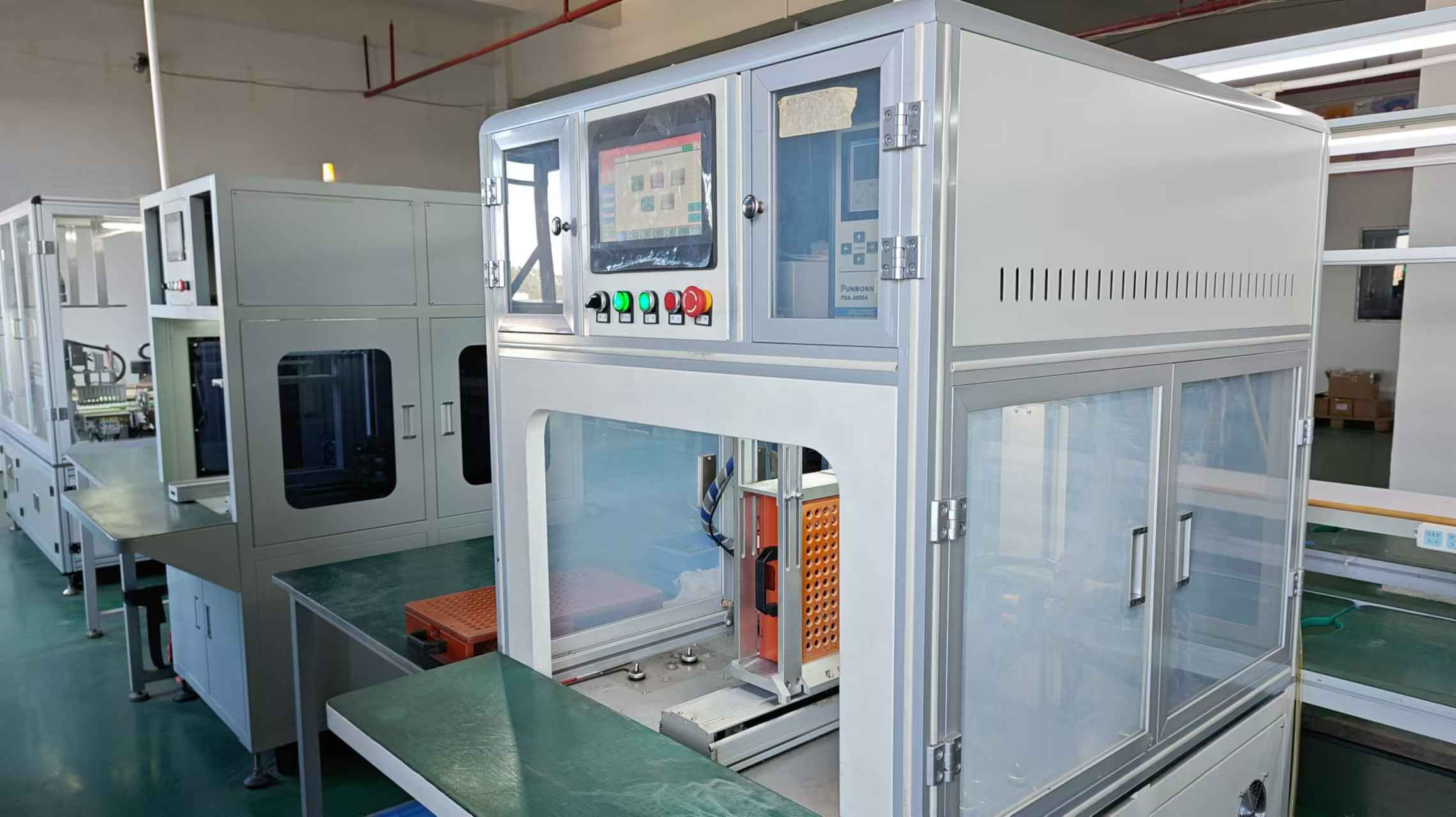
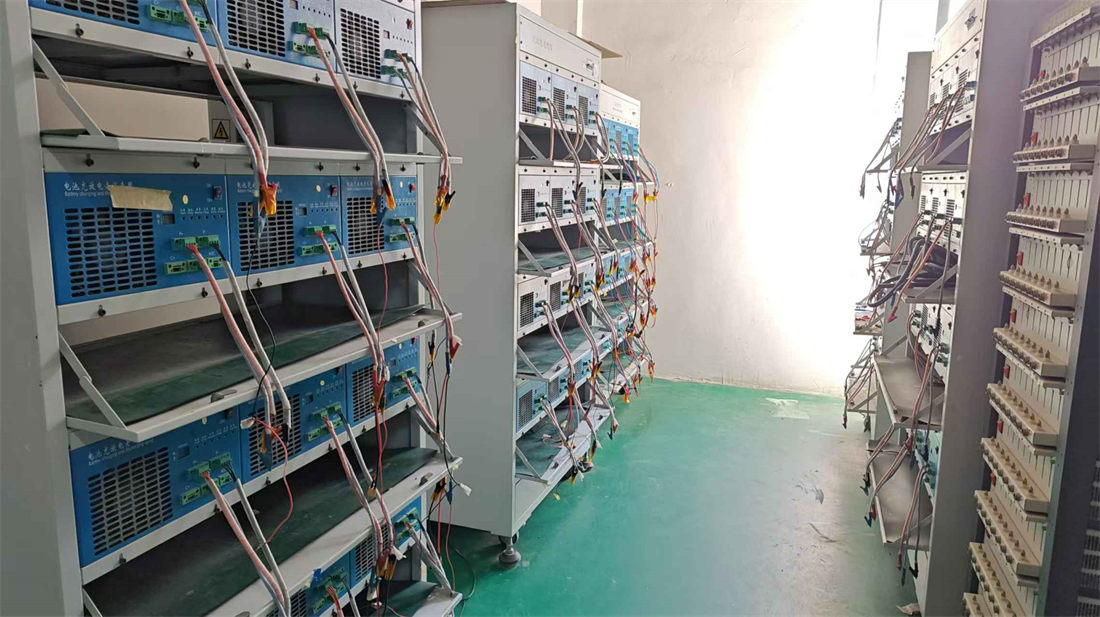
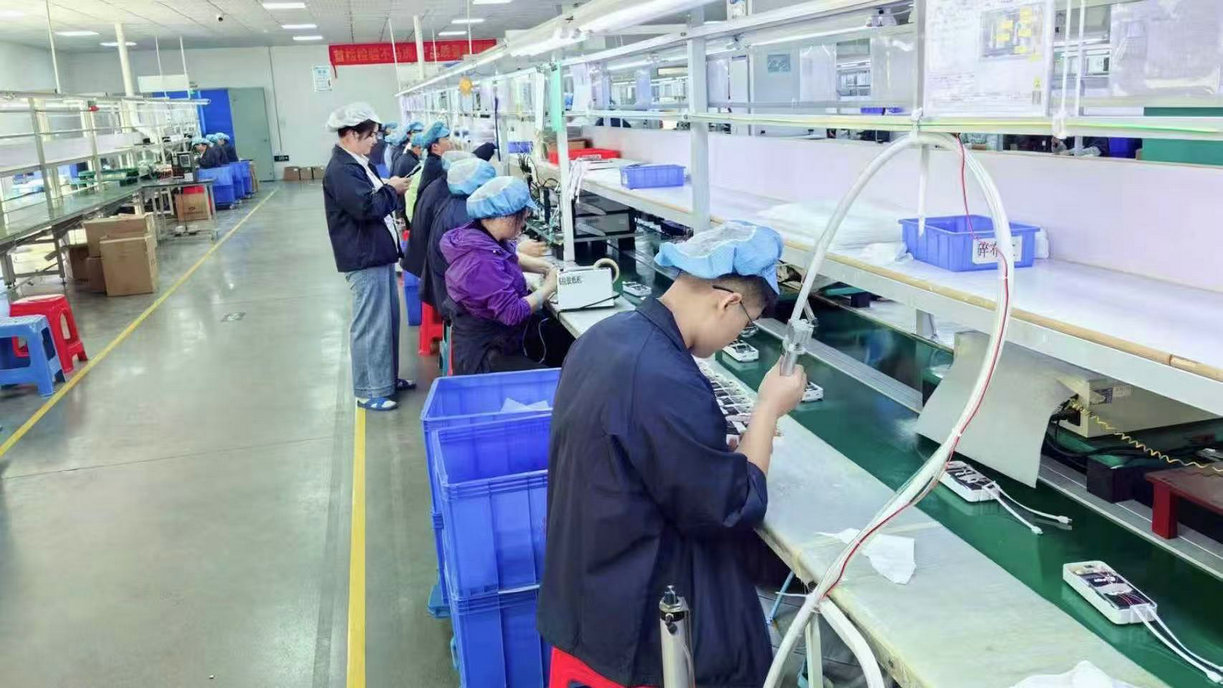
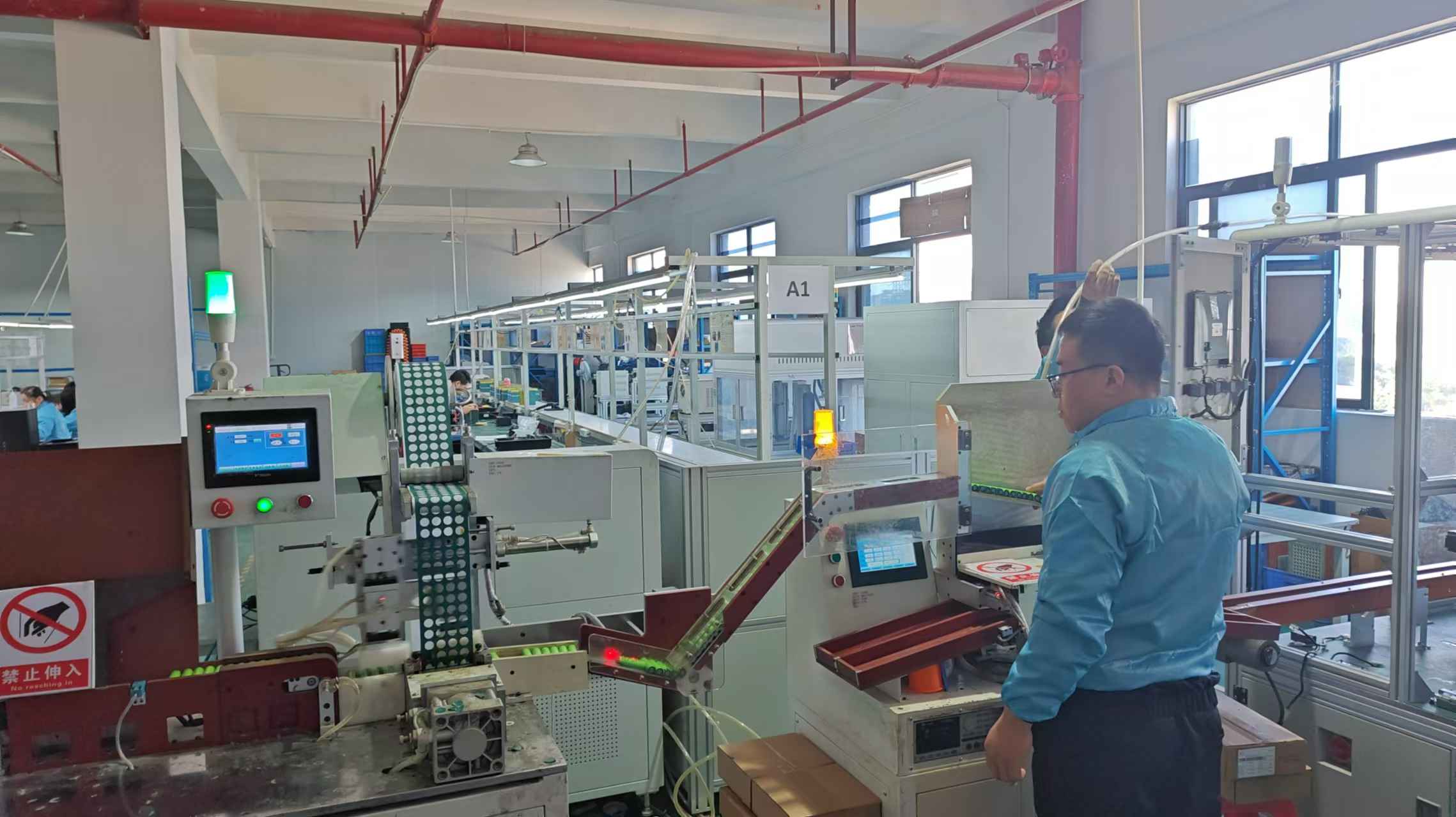
With a strong commitment to innovation, strict quality control, and customer-centric service, Guangdong Nuwon Energy continuously invests in advanced manufacturing capabilities, automated production lines, and rigorous testing systems. This ensures that every product meets international safety standards and delivers exceptional performance in demanding environments.
Driven by a vision to accelerate global electrification and energy efficiency, Guangdong Nuwon Energy Co., Ltd. is dedicated to building long-term partnerships and providing reliable, intelligent, and sustainable energy solutions to customers worldwide.

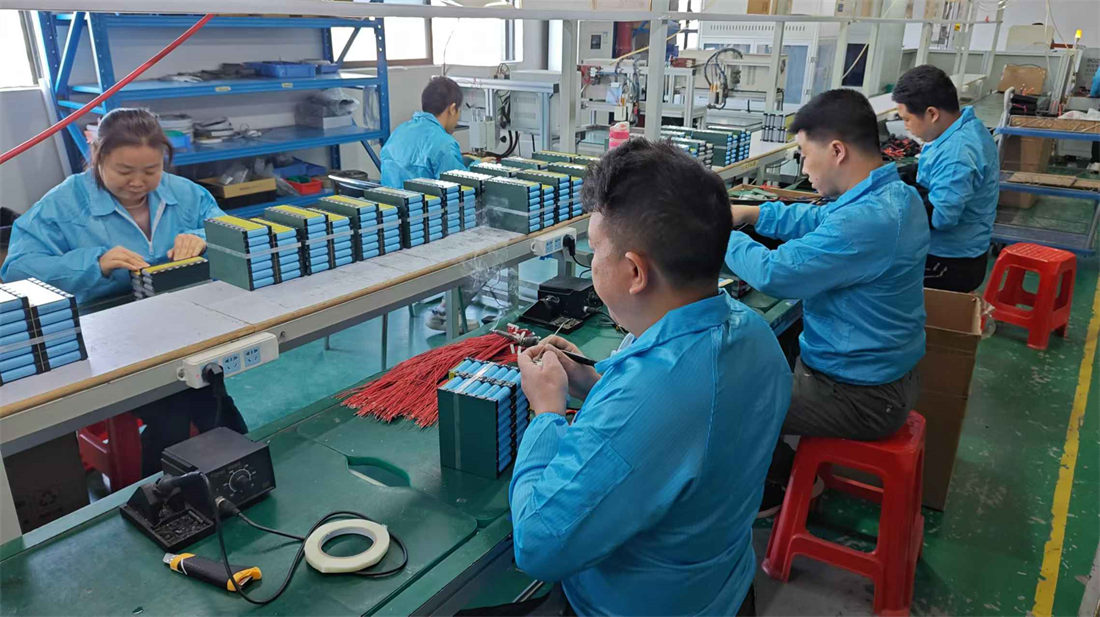
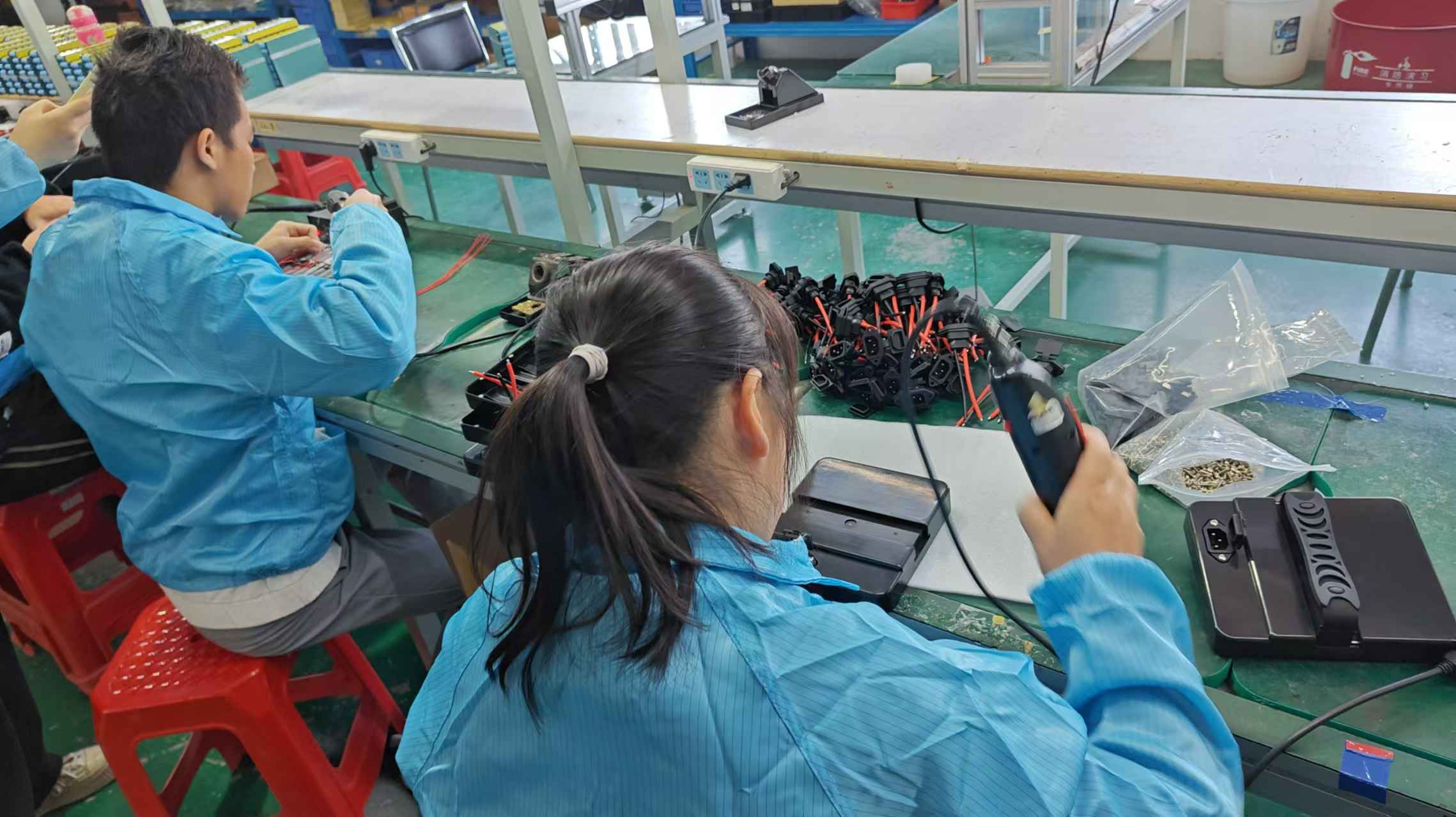
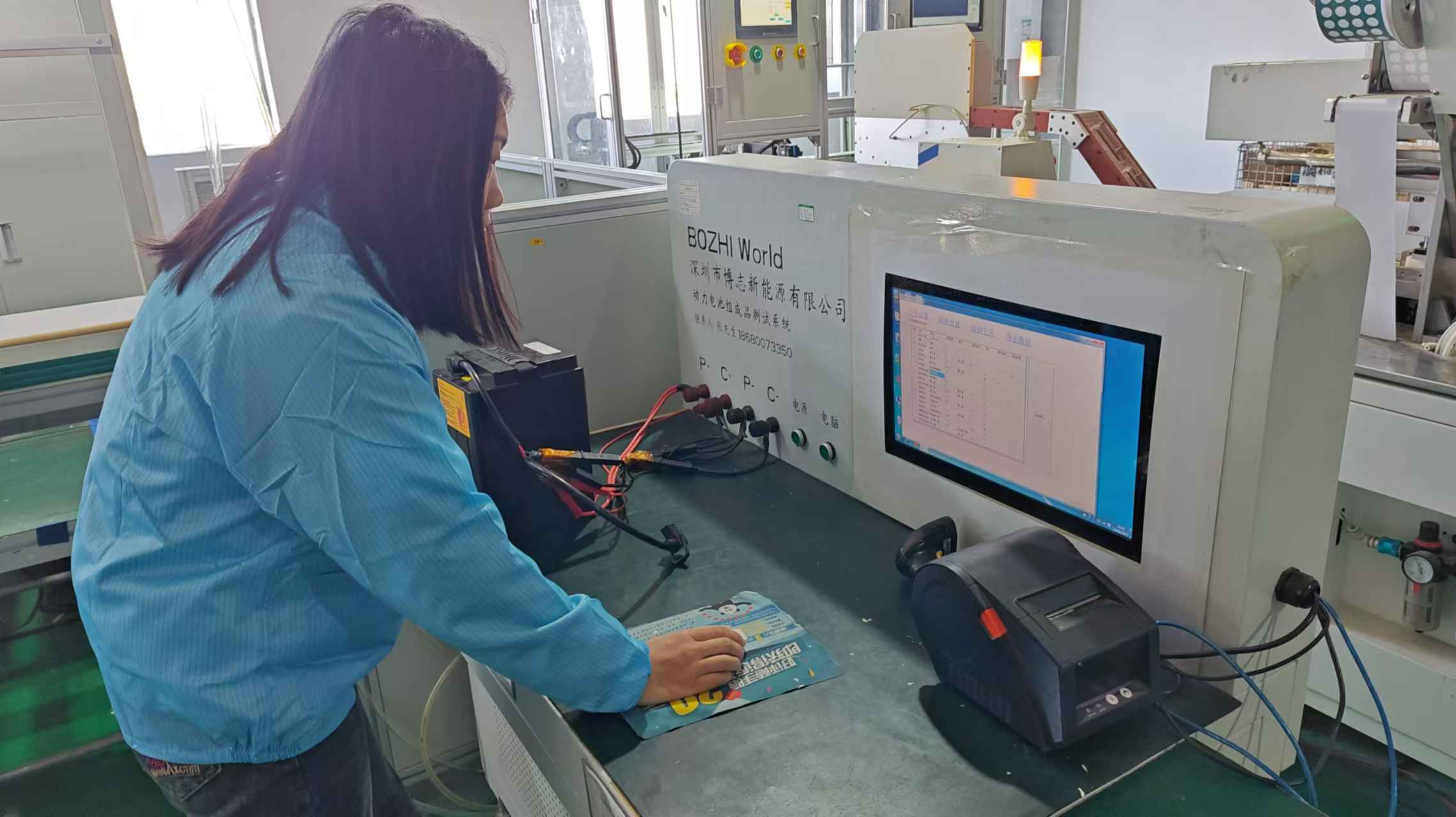
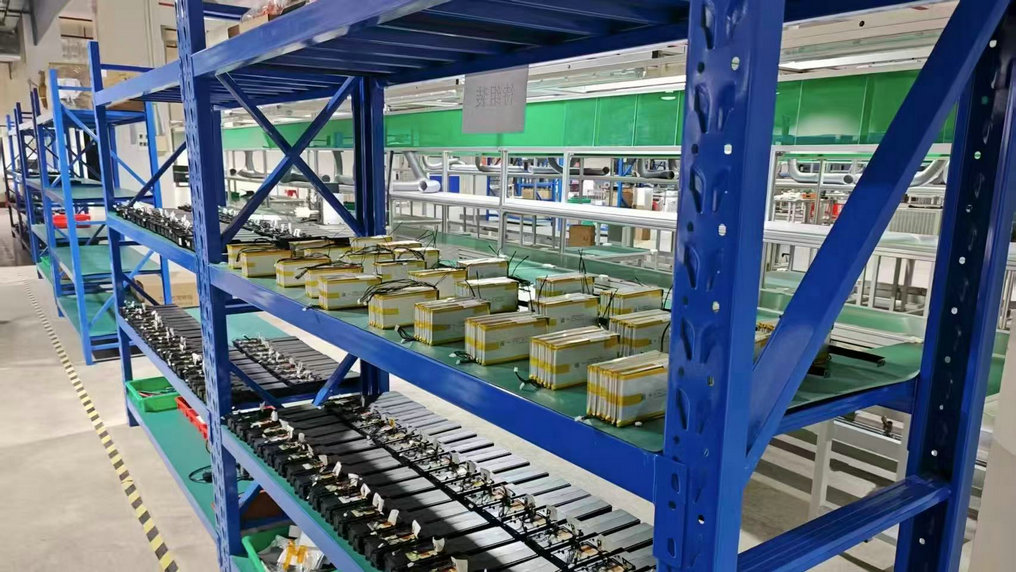
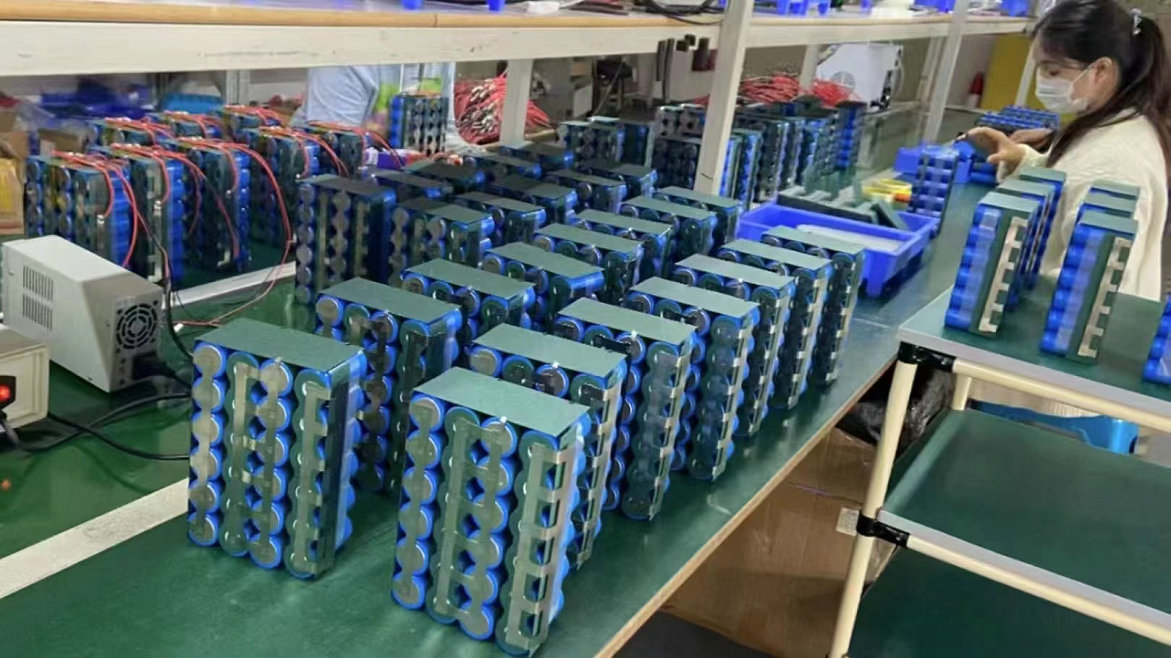
Our Standard Manufacturing & QC Processes

Sorting Process
Sorting
Assembling Process
Assembling
Welding Process
Welding
Assembling Process
Assembling
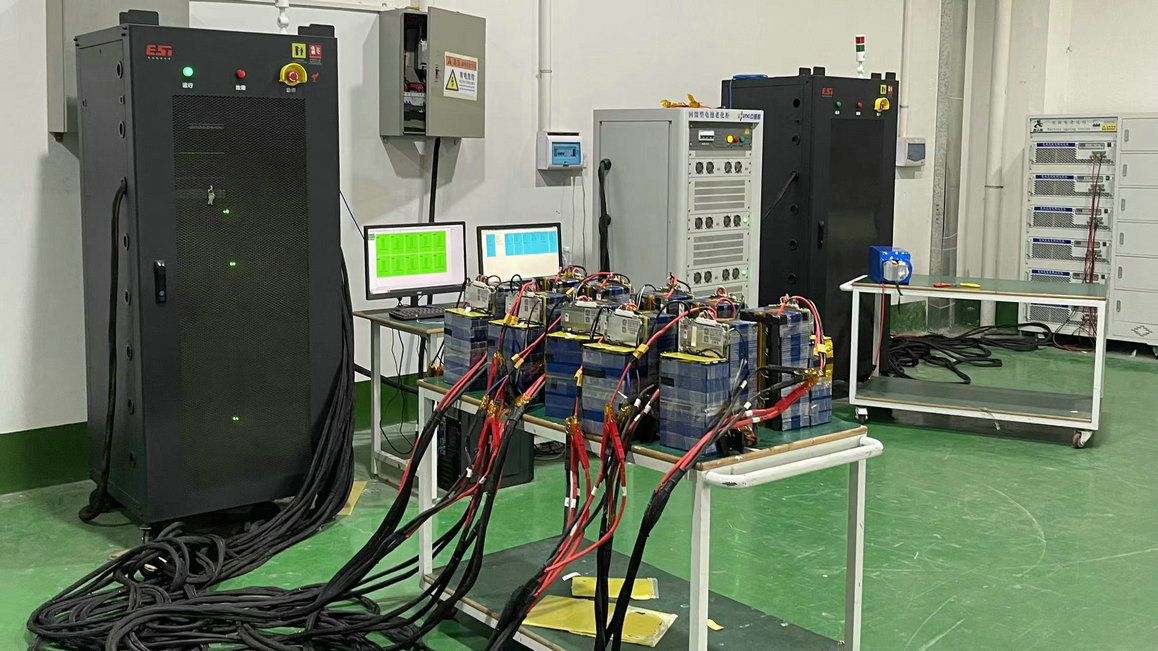
Aging Process
Aging
Assembling Process
Assembling
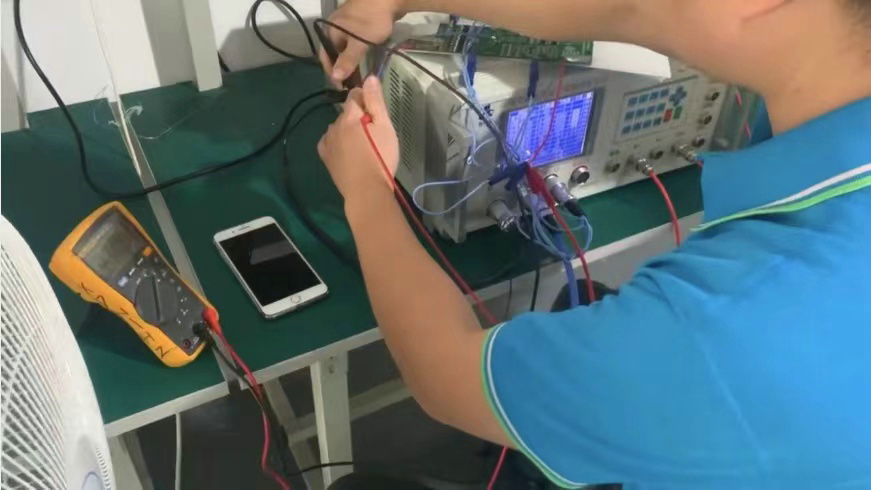
Test Process
Test
Battery QC
Battery
Insulation Testing
Insulation Testing
PCB Testing
PCB Testing
Welding Process
Welding
Aging Process
Aging
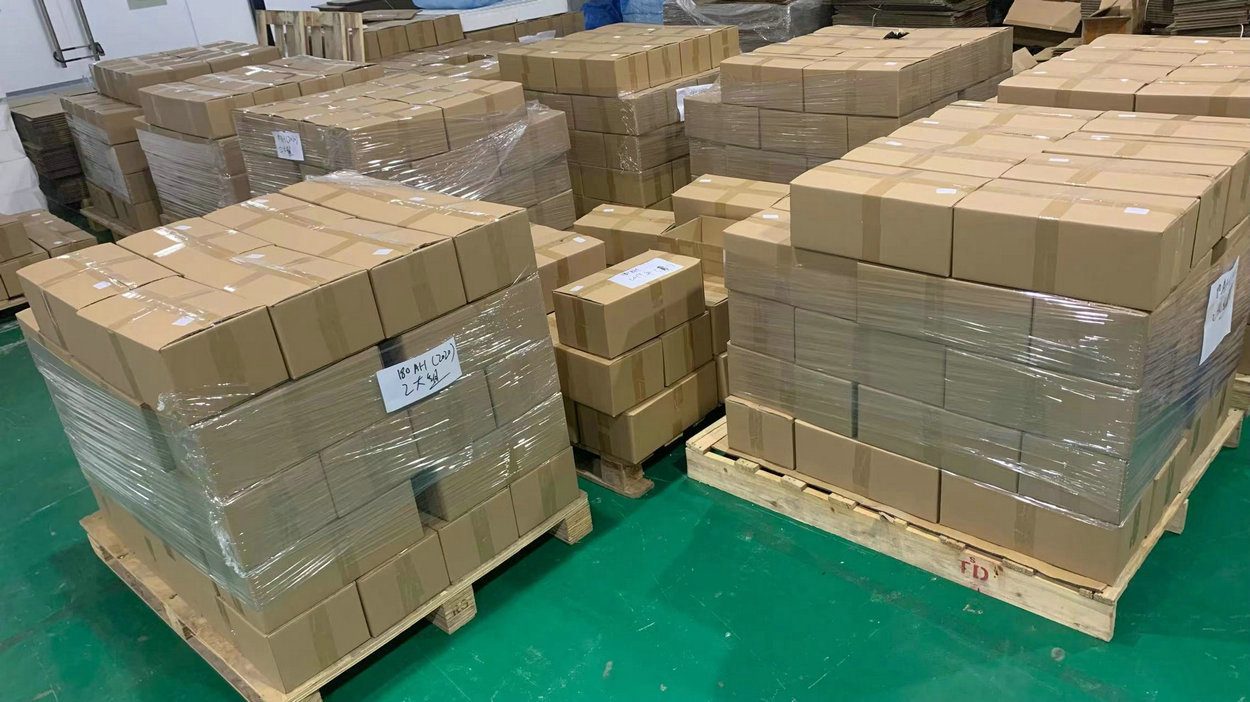
Products
Products
Battery Sorting Machine

Technical Roadmap & Next-Generation Sub-Zero R&D

Our commitment to scaling technological limits and improving energy output characteristics.

2024
Optimized Polyimide Self-Heating Layer Integration

Successfully integrated smart, automated thin-film heating components directly into multi-cell series/parallel packs, allowing automatic internal preheating from -30°C to safe charging conditions in less than 15 minutes.

2025
High-conductivity Semi-Solid State Electrolytes

Transitioning standard low-temp lines to semi-solid structures. Utilizing high-efficiency polymer matrices to increase flashpoint safety while preserving a flat ion-conductivity curve at ultra-low ambient temperatures.

2026+
Commercialized Solid-State Cells with Silicon Anodes

Targeting reliable -50°C and +80°C operation limits without relying on active heating accessories. Designing custom cell structures for deep-space and deep-sea exploration applications.

Global Compliance, Safety, & Logistical Integrity

Navigating complex international shipping protocols and manufacturing standard compliances.

Lithium batteries are classified as Class 9 Dangerous Goods, requiring specialized logistics procedures and certifications. Nuwon Energy adheres strictly to regulatory frameworks, ensuring that all low-temperature cells and custom power packs meet global standards:

UN38.3 & MSDS Testing

Every production run undergoes strict thermal testing, mechanical shock, vibration, external short circuits, impact, and overcharge evaluations to obtain valid UN38.3 certification for international shipping.

BIS & CE Compliance

We supply certified batteries that comply with Indian (BIS) and European (CE) market requirements, easing customs clearance for local distribution networks.

UL1973 & IEC 62619

Our stationary energy storage system designs meet internationally recognized standards, ensuring safety, flame retardancy, and protection against thermal runaway.

Frequently Asked Questions

Technical clarifications regarding the physics, maintenance, and handling of low-temperature lithium cells.

Q1: Why do standard lithium batteries fail to charge at sub-zero temperatures?

At sub-zero temperatures, the insertion rate of lithium ions into the graphite anode slows significantly. Attempting to charge standard cells under these conditions forces lithium ions to gather on the anode surface, forming metallic lithium plating. These structures can puncture the separator, causing internal short circuits and thermal runaway risks. Low-temperature batteries address this issue through adjusted electrolyte compositions and smart heating systems.

Q2: How does a low-temperature LiFePO4 battery differ from a standard LiFePO4 cell?

Low-temperature variations feature custom-designed nano-structured electrodes to shorten ionic paths, optimized low-viscosity solvents, and active heating networks. This combination helps prevent high internal resistance, maintaining voltage stability even during discharge down to -20°C and -40°C.

Q3: What are the primary applications of low-temperature INR21700 RS50 batteries?

These high-rate, low-temperature cylindrical cells are ideal for applications requiring high discharge currents in sub-zero environments, including unmanned aerial vehicles (drones), military FPV aircraft, outdoor power tools, and high-altitude equipment.

Q4: Can low-temperature lithium batteries operate safely in hot environments?

Yes, our low-temperature chemistries maintain high stability at standard operating temperatures (up to 55°C or 60°C). Our solid-state and high-grade LiFePO4 options offer wide operating ranges, ensuring reliable performance in regions with hot summers and cold winters.
All Low-temperature Lithium Battery Products