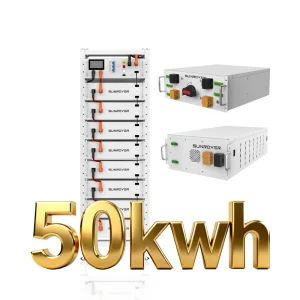
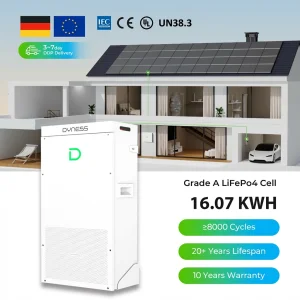
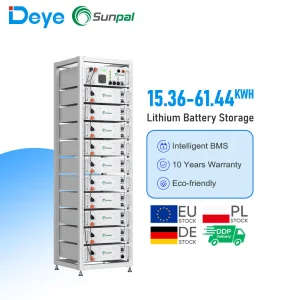
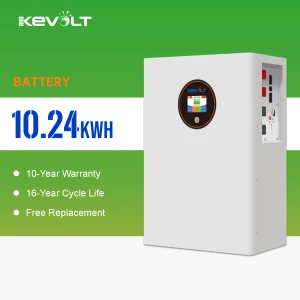
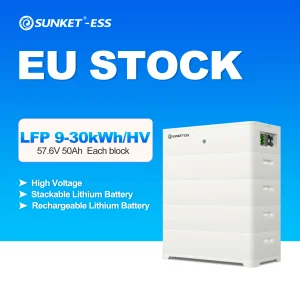
Engineered to deliver exceptional energy density, life cycles, and safety metrics across global supply lines.
The global transition to a low-carbon energy economy relies heavily on the technical maturation of Lithium Iron Phosphate (LiFePO4) chemistry. Modern utility networks, Commercial & Industrial (C&I) facilities, and smart off-grid microgrids demand robust performance parameters that traditional energy sources cannot match. As a dedicated Energy Storage Battery Pack Manufacturer & Exporter, our focus lies in maximizing the efficiency of energy conversion, mitigating thermal dissipation issues, and extending cell lifespans via high-fidelity Battery Management System (BMS) integration.
Modern battery pack configuration requires rigorous cell sorting, internal resistance equalization, and advanced terminal bonding. Lithium Iron Phosphate provides the olivine crystal structure which ensures excellent thermal stability and prevents thermal runaway even under mechanical deformation or puncture. Our manufacturing lines prioritize:
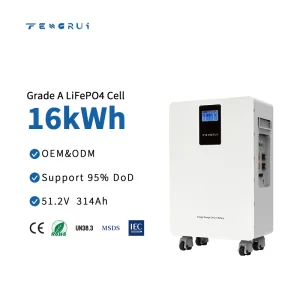
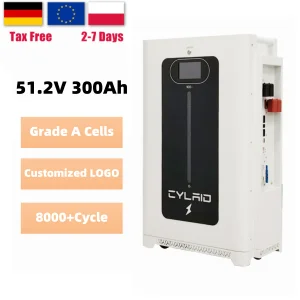
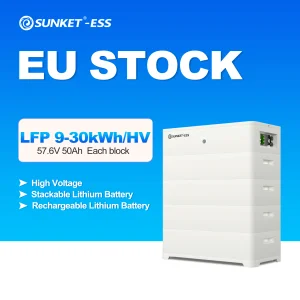
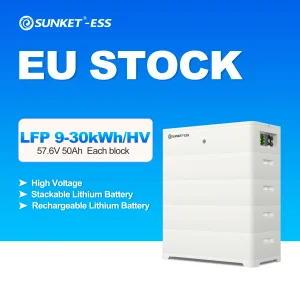
For residential configurations (5kWh to 20kWh), 48V to 51.2V low-voltage systems remain the benchmark for simple plug-and-play installation and inherent electrical safety. However, for utility-scale microgrids and large-scale manufacturing facilities, High-Voltage (HV) systems operating from 300V to over 800V represent the optimal design choice.
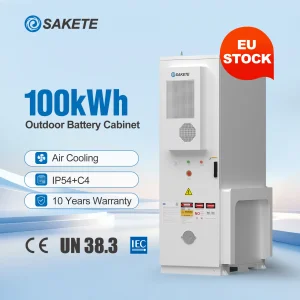
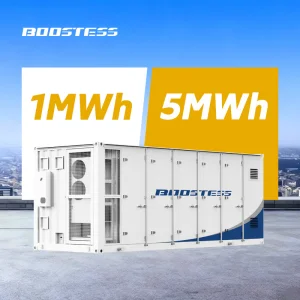
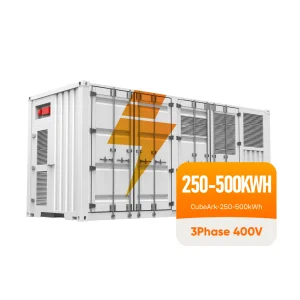
HV systems reduce system current, leading to significantly lower line losses (I²R losses). By utilizing smaller cable cross-sections, installers achieve substantial savings on copper cabling while maintaining ultra-high efficiency during round-trip charging phases. This structural approach makes high-voltage containerized systems (50kWh to 5MWh) the cornerstone of modern peak-shaving strategies.
Backed by a highly experienced engineering and R&D team, Nuwon Energy focuses on the design and integration of cylindrical and prismatic lithium battery cells, as well as complete battery packs, modules, and energy storage systems. The company also develops and produces industrial-grade battery cells engineered for safety, durability, and long cycle life.
Guangdong Nuwon Energy serves a wide range of industries, including consumer electronics, electric mobility (such as golf carts, forklifts, UTVs/ATVs, trucks, and marine systems), medical equipment, unmanned ground vehicles (AGVs/AMRs), and emerging aerospace applications such as eVTOL aircraft. In addition, the company provides reliable residential, commercial, and industrial (C&I) energy storage solutions designed to support the global transition toward clean and sustainable energy.
With a strong commitment to innovation, strict quality control, and customer-centric service, Guangdong Nuwon Energy continuously invests in advanced manufacturing capabilities, automated production lines, and rigorous testing systems. This ensures that every product meets international safety standards and delivers exceptional performance in demanding environments.
Driven by a vision to accelerate global electrification and energy efficiency, Guangdong Nuwon Energy Co., Ltd. is dedicated to building long-term partnerships and providing reliable, intelligent, and sustainable energy solutions to customers worldwide.
Behind every resilient battery module lies a meticulous, multi-stage quality assurance protocol. We ensure zero thermal-runaway risk through automated diagnostic testing.
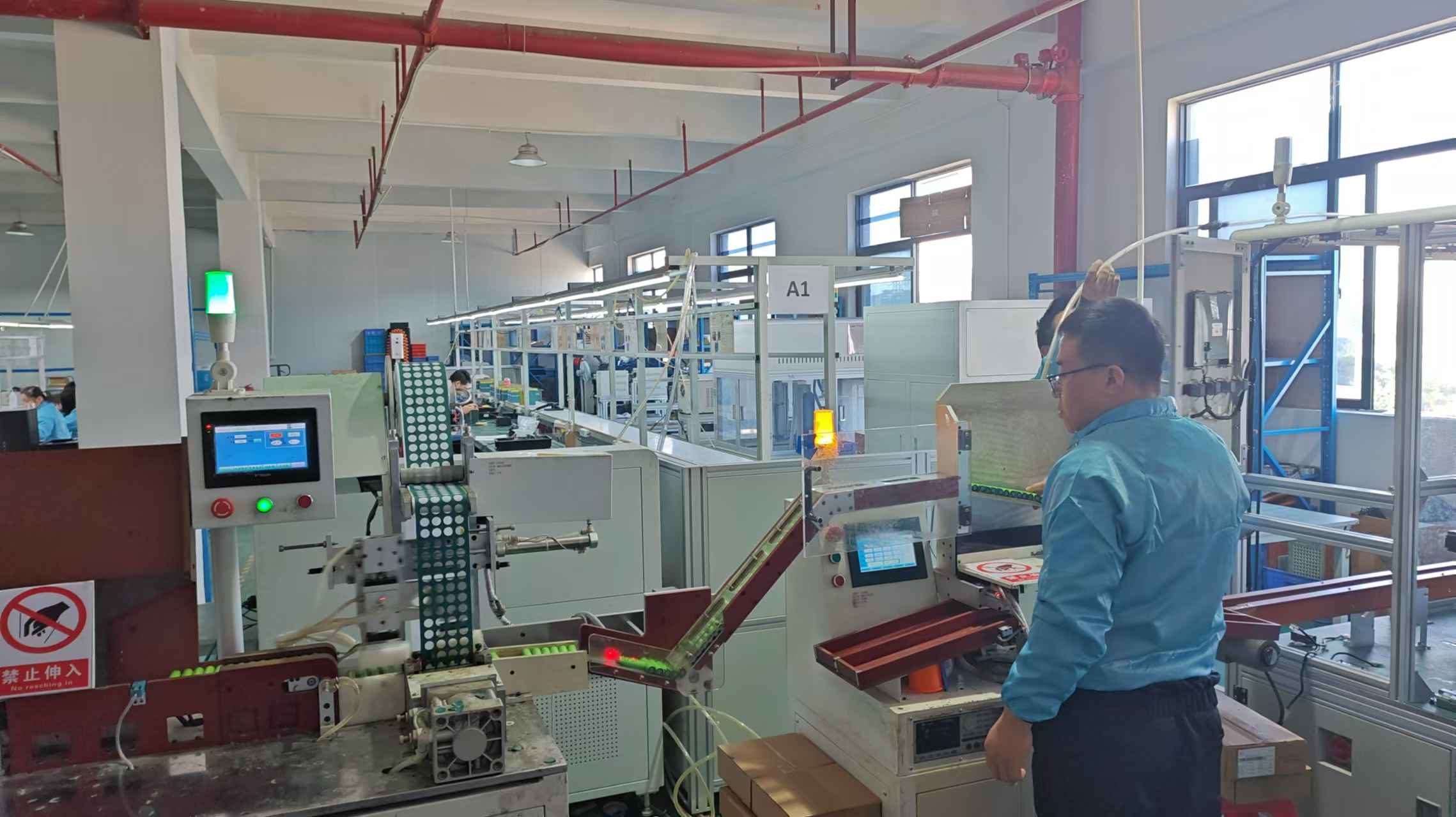
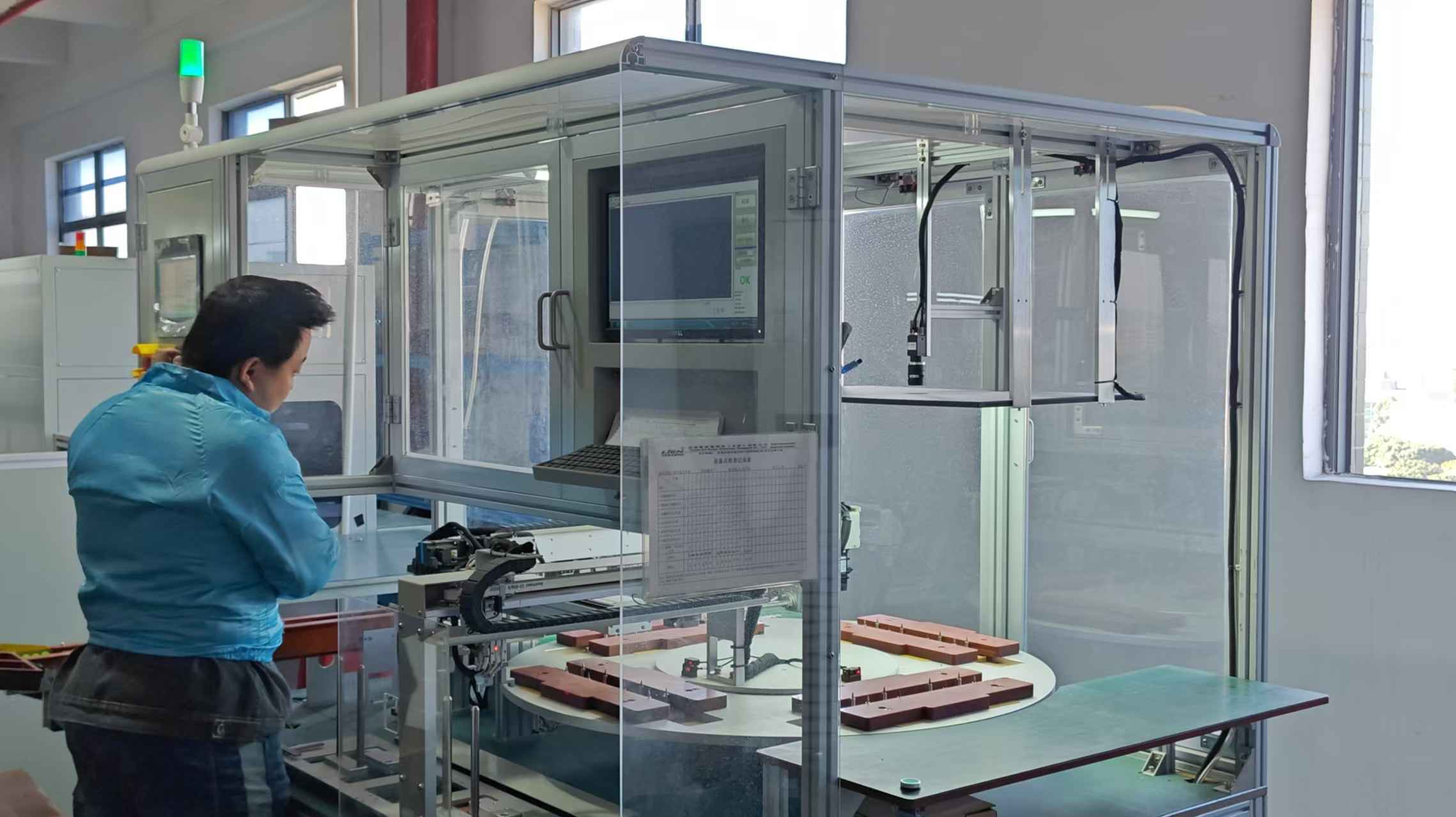
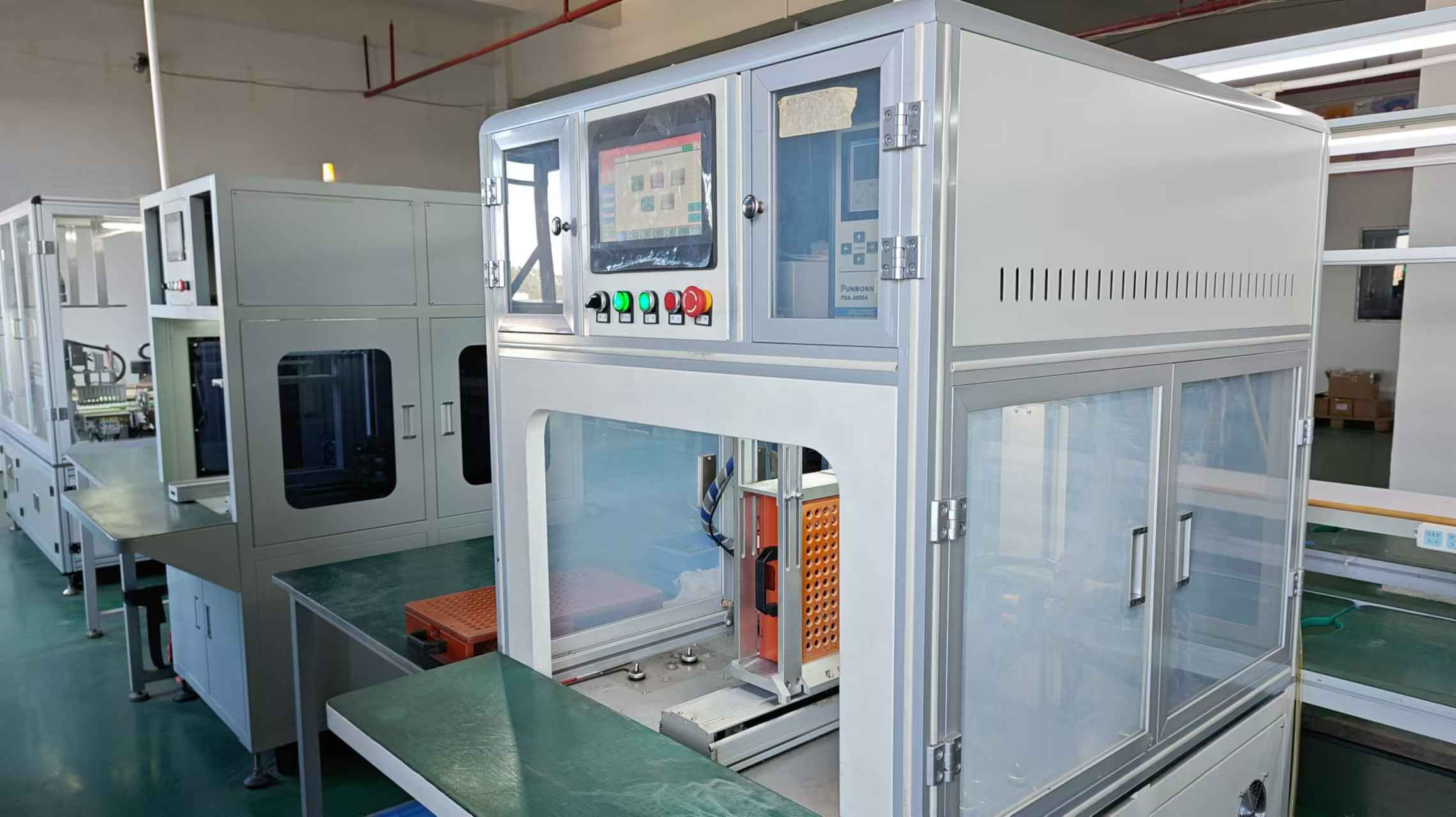
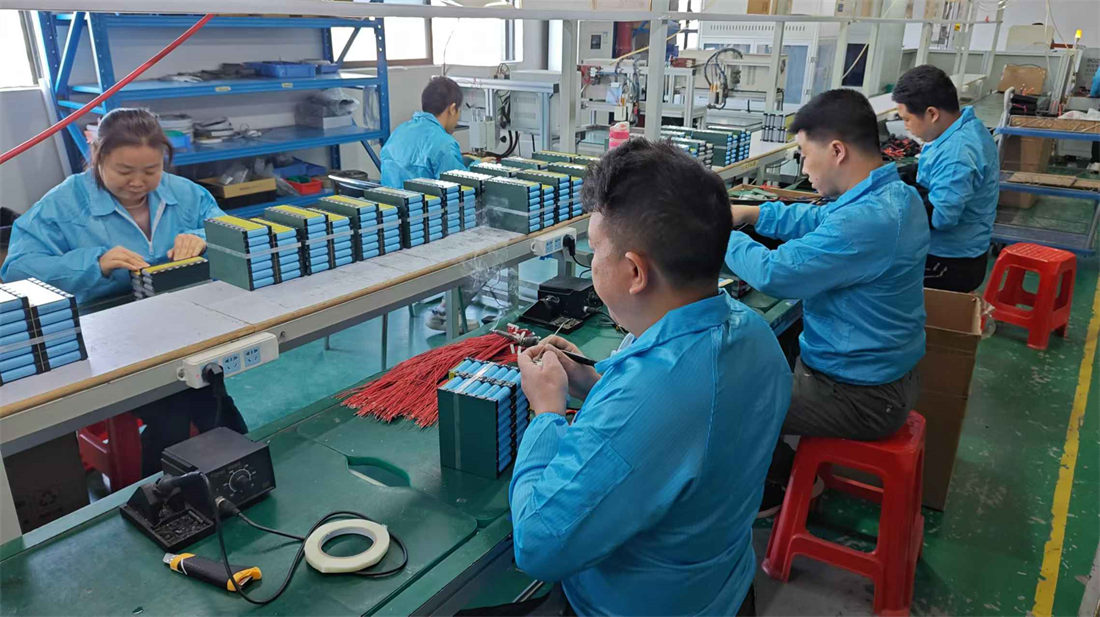
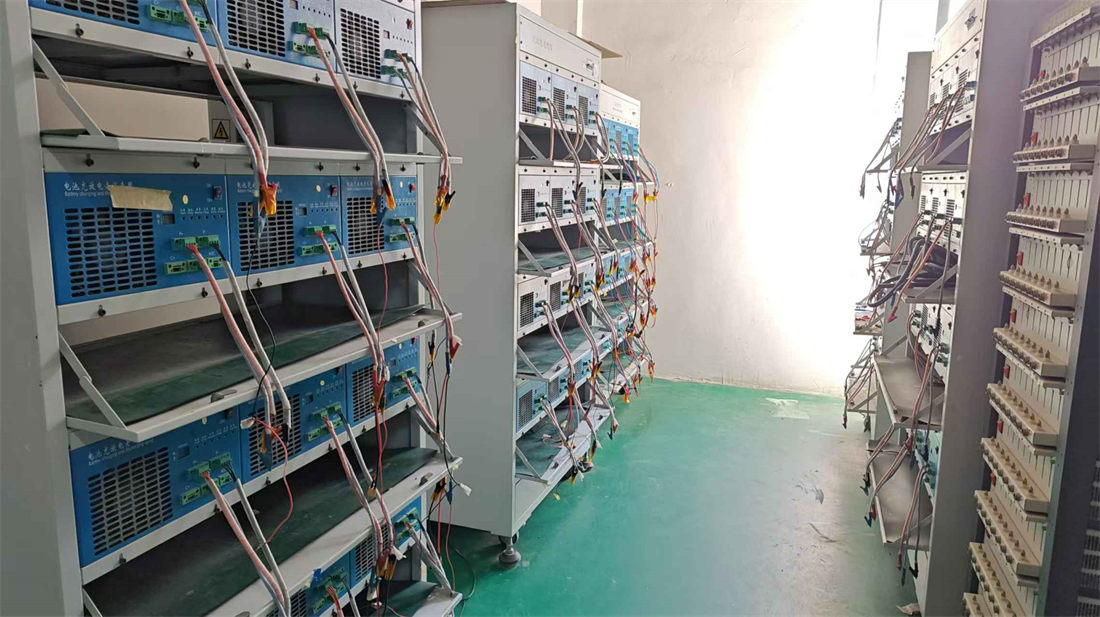
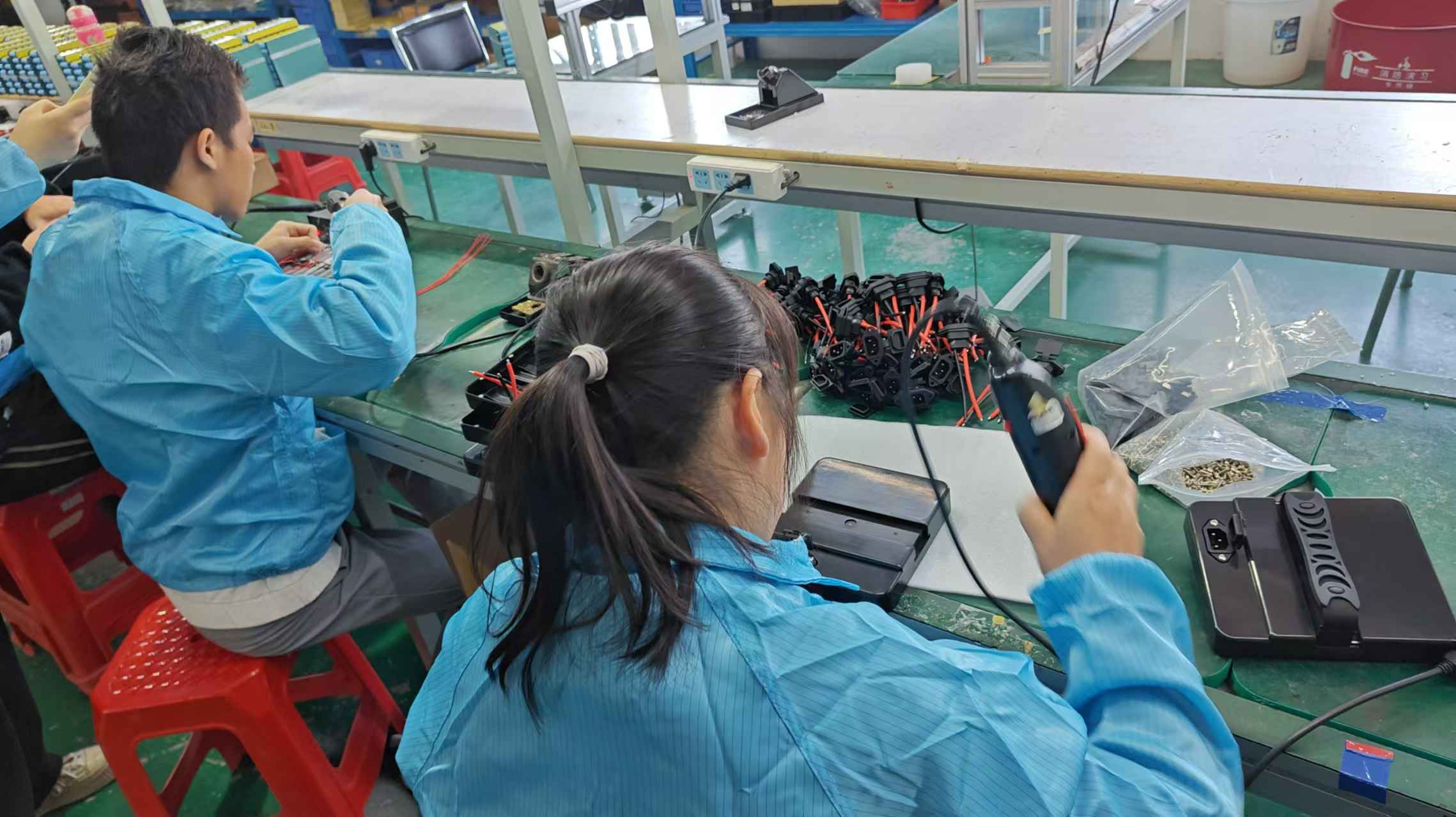
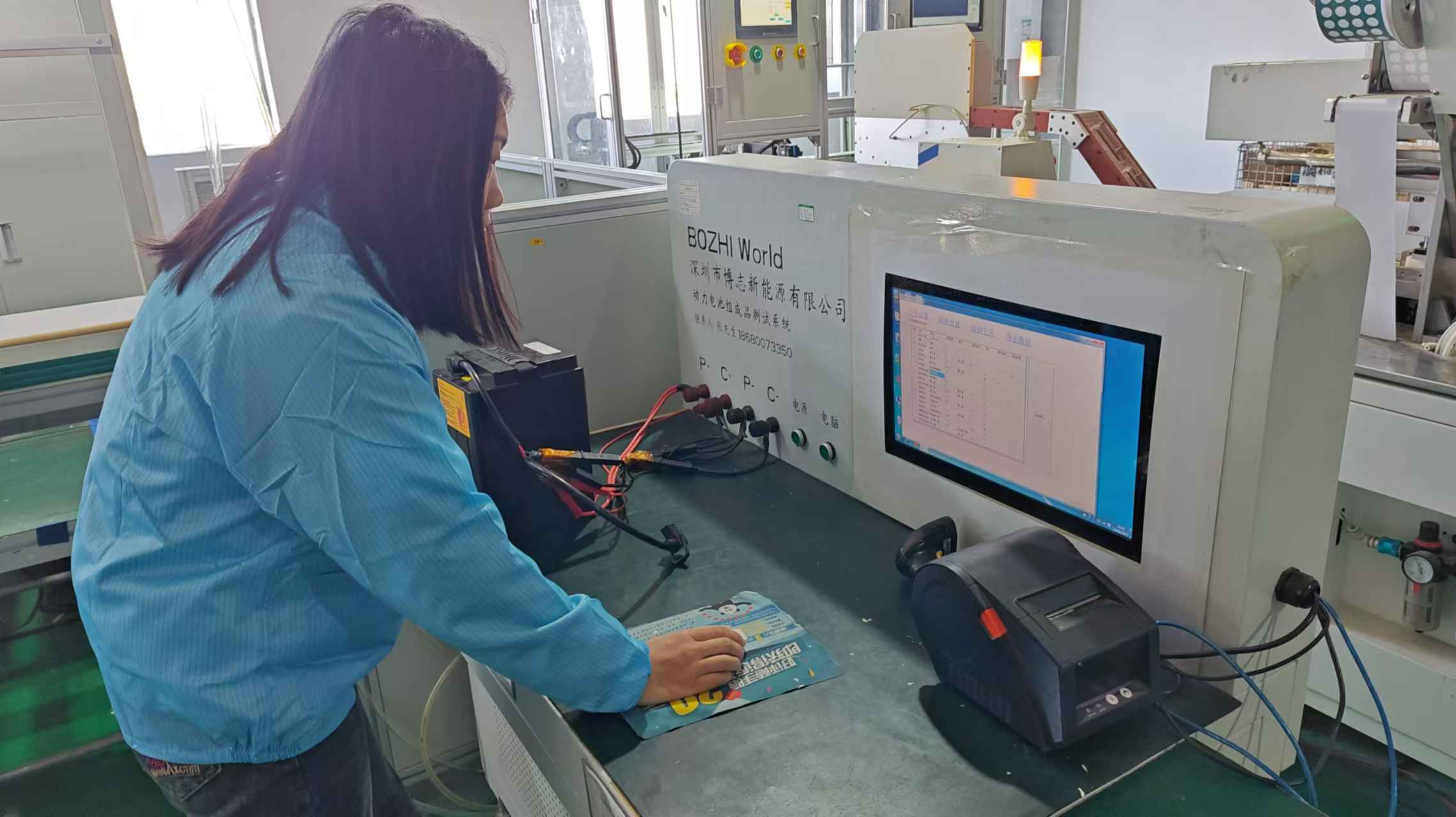
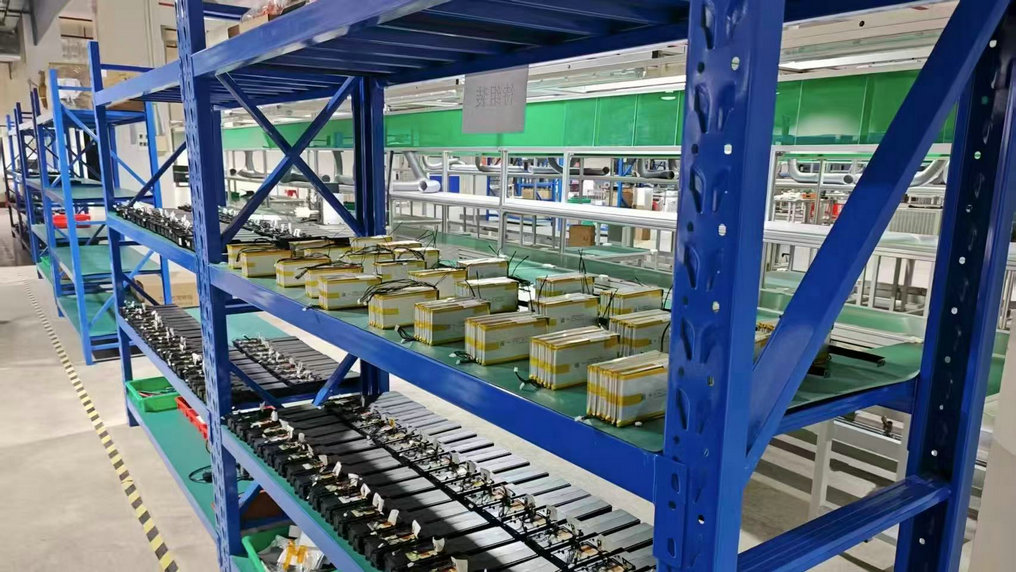
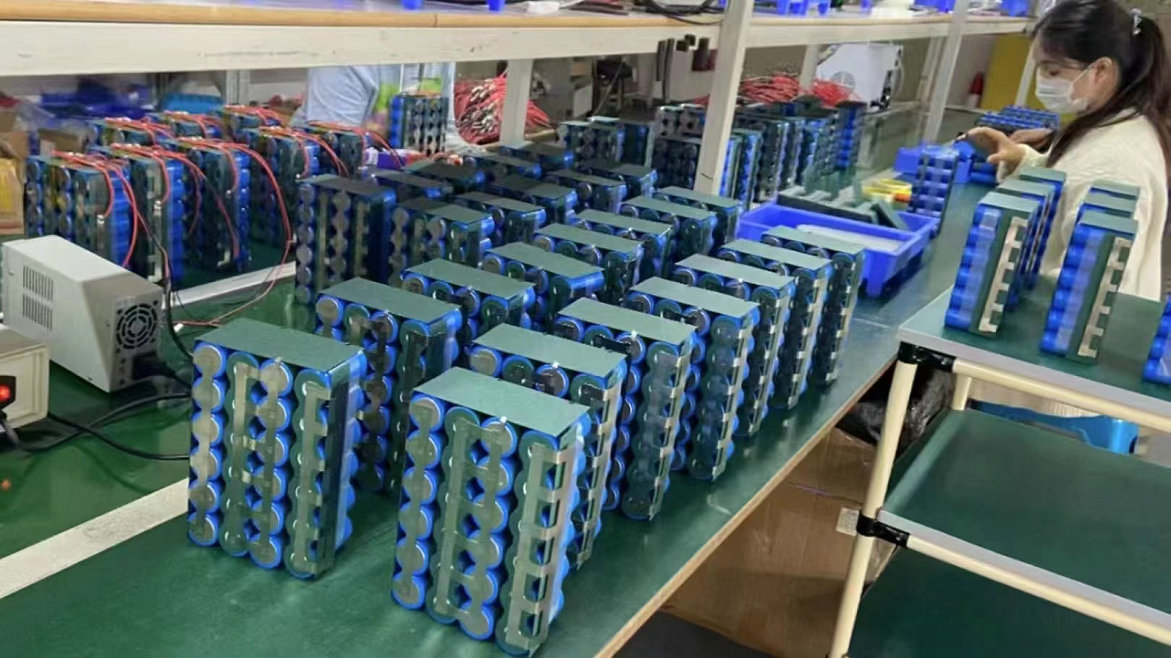
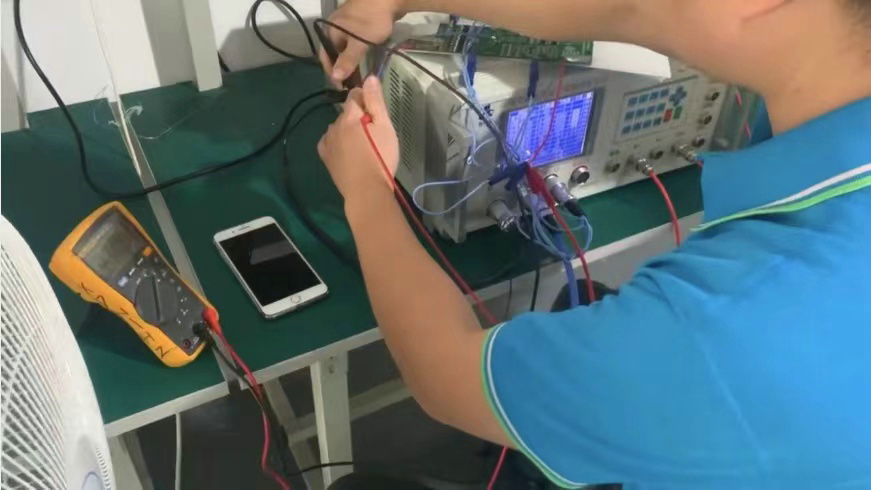
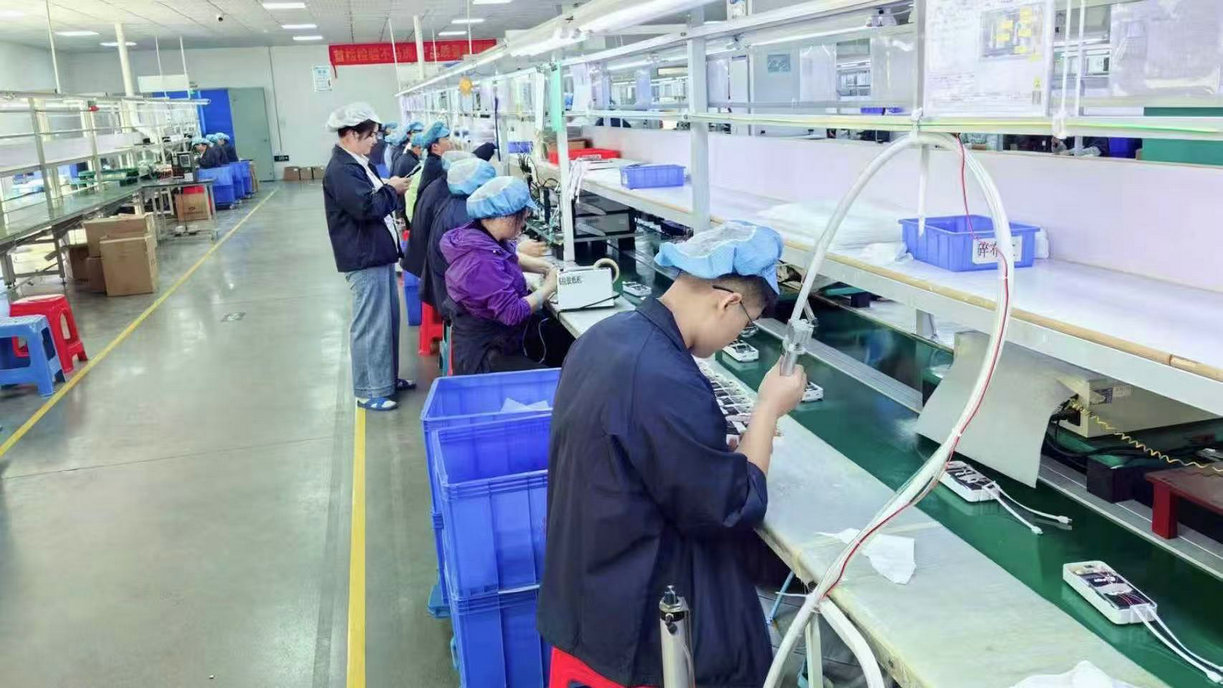
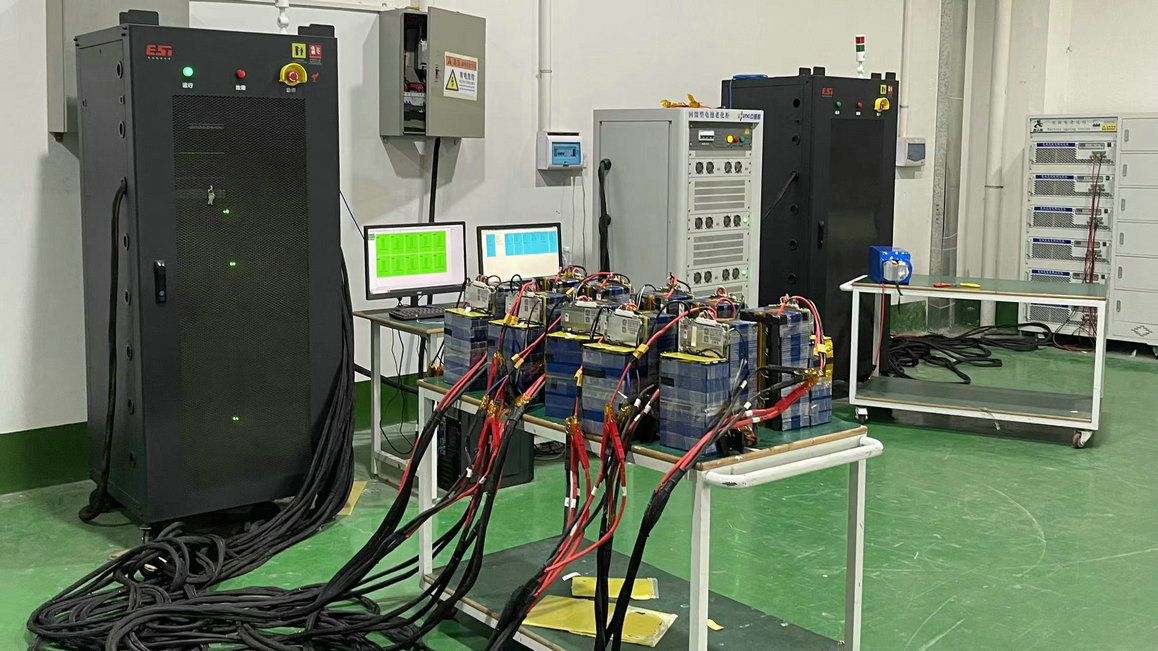
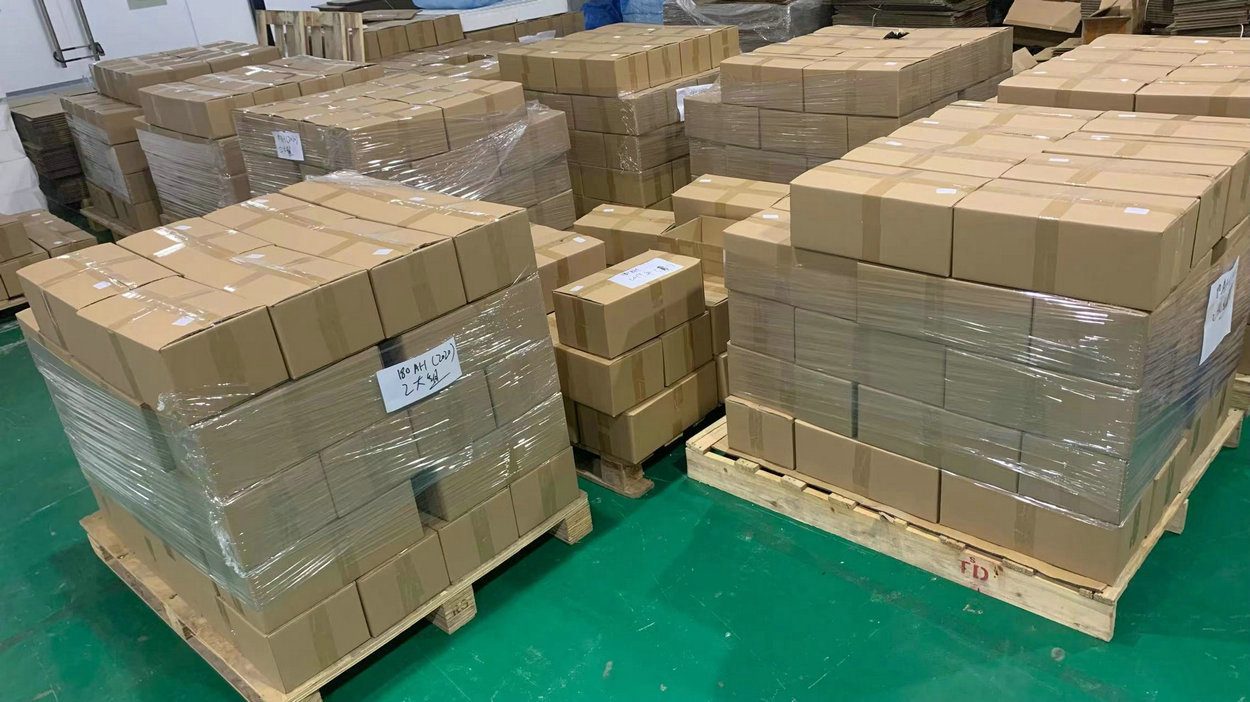
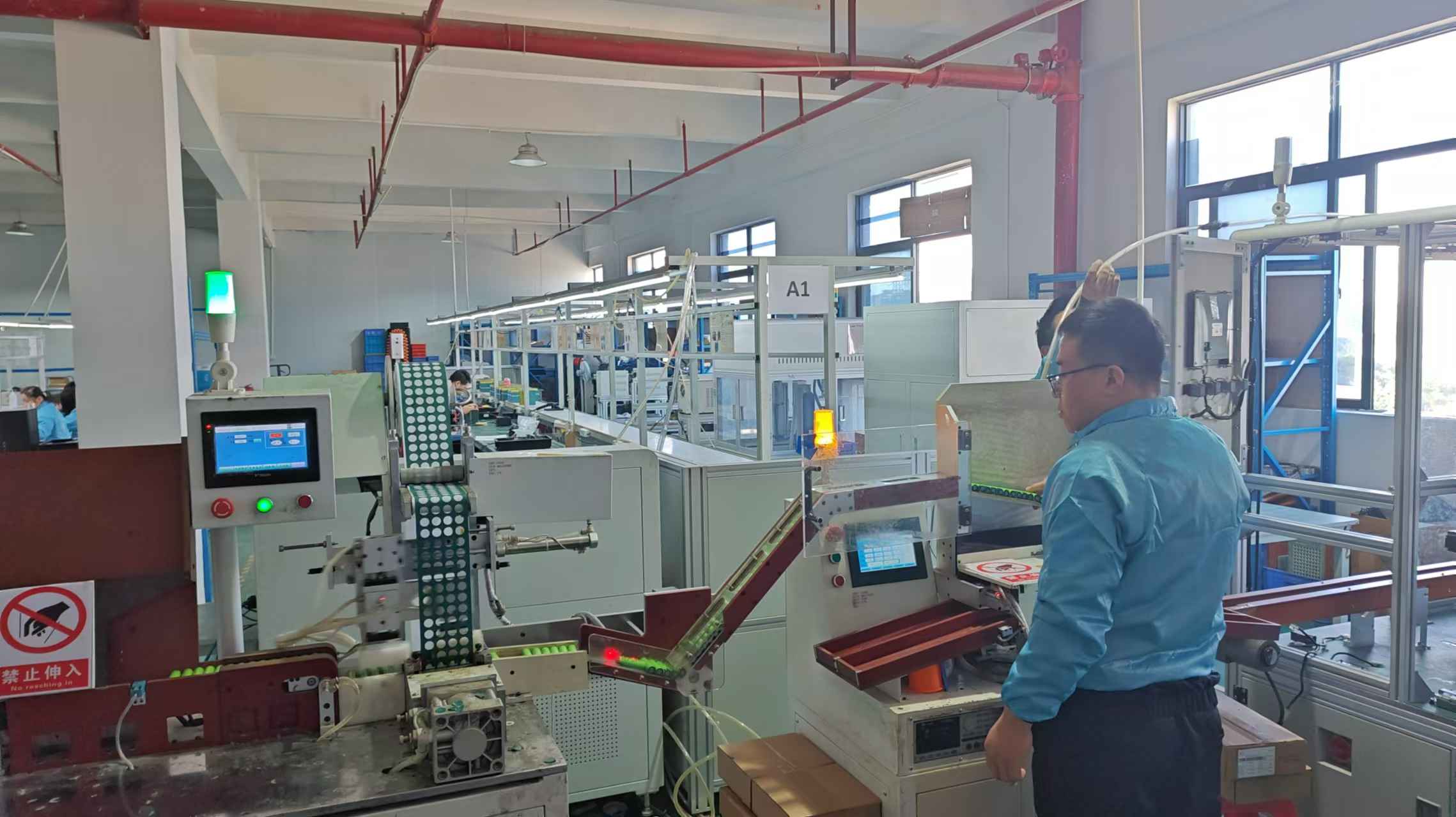
The global energy storage industry relies on the Chinese manufacturing ecosystem. China currently commands over 75% of the global lithium-ion supply chain capacity, which translates directly into systemic cost reduction, technological superiority, and streamlined raw material access. By partnering directly with a leading developer like Guangdong Nuwon Energy Co., Ltd., procurement managers gain distinct strategic advantages:
Industrial applications present diverse environments with varying operating temperatures, discharge profiles, and regulatory compliance standards. Our energy storage packs are optimized to operate reliably across a broad range of sectors:
Industrial parks face high peak-demand electricity tariffs. Containerized BESS (50kWh to 2MWh) act as buffers, charging during low-tariff off-peak periods and discharging during peak times. This directly minimizes peak demand charges and provides backup power during grid blackouts, protecting automated assembly lines.
Telecommunication base stations require dependable backup power to prevent dropped signals. Integrating modular LiFePO4 packs (48V 100Ah/200Ah) with localized solar PV configurations replaces inefficient diesel generators, eliminating regular maintenance visits and fuel logistics in hard-to-reach geographic locations.
Modern distribution warehouses rely on AGVs and automated reach stackers operating 24/7. High-density battery systems allow for rapid opportunity charging, giving warehouses the capability to maintain high fleet uptime without the toxicity risks or long recharge delays associated with legacy lead-acid batteries.
When sourcing large-scale energy storage products, international engineering teams must prioritize rigorous quality metrics over raw unit pricing. To ensure project feasibility, consider the following selection parameters:
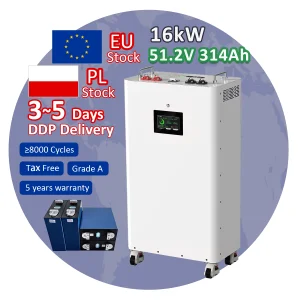
Additionally, evaluate the manufacturer's capabilities in terms of local stock availability. Having distribution points and EU/US warehouses allows importers to avoid heavy ocean transit lead times, facilitating fast component replacement during critical operational downtime.
Common questions from engineering consultancies, commercial integrators, and B2B wholesale buyers.
Heavy-duty, high-capacity lithium iron phosphate systems built for long-term ROI and high cycle operations.
 Nuwon Energy