Explore our diverse catalog of pouch battery cells engineered for extreme energy density, temperature tolerance, and high discharge capabilities.
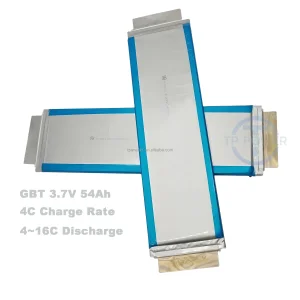
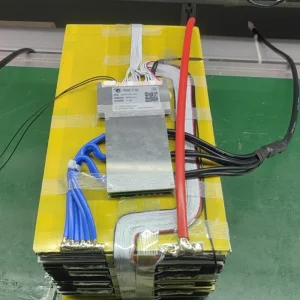
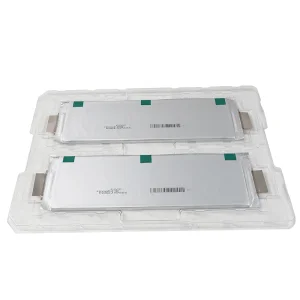
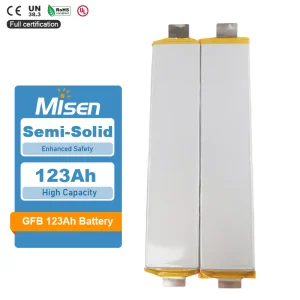
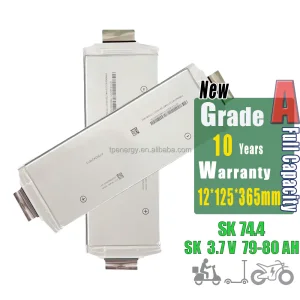
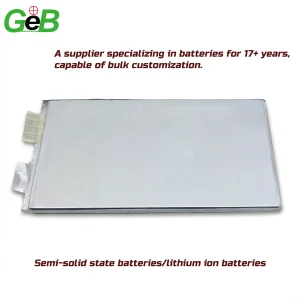
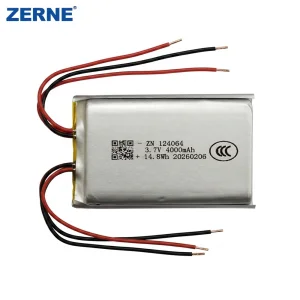
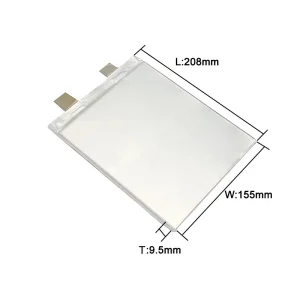
Guangdong Nuwon Energy Co., Ltd. stands at the forefront of electrochemical innovation as a premier manufacturer and technical solution provider in the advanced lithium battery sector. We specialize in the research, development, custom engineering, and global scale manufacturing of high-performance energy storage architectures, specifically focusing on NMC (Nickel Manganese Cobalt), LiFePO4 (Lithium Iron Phosphate), and breakthrough Semi-Solid and Solid-State pouch cells.
Our operational framework bridges raw material synthesis, precision cell manufacturing, intelligent battery management system (BMS) integration, and complete turnkey pack assembly. Backed by a high-caliber R&D team comprising electrochemists, thermodynamic engineers, and mechanical structural specialists, Nuwon Energy offers unparalleled OEM and ODM capabilities. We enable global Tier-1 system integrators and industrial partners to configure cell parameters, including capacity, C-rate, physical envelope, terminal geometry, and operating window.
"By moving away from standard cylindrical limitations, Nuwon's pouch cell designs maximize active material density, streamline thermal management paths, and offer mechanical compliance critical for next-generation aerospace, EV, and defense platforms."
Our products are optimized to support critical infrastructures and high-growth sectors, including advanced consumer electronics, heavy electric mobility (golf carts, utility vehicles, forklifts, low-speed electric vehicles, and high-performance marine crafts), complex medical instrumentation, Automated Guided Vehicles (AGV/AMR), and unmanned aerial vehicles (UAVs/eVTOL).
Pouch cells eliminate rigid cylindrical housings to deliver optimal energy-to-mass ratios. Understanding the core electrochemical systems is vital for precise application engineering.
NMC pouch cells represent the gold standard for applications requiring high energy density and high discharge C-rates. By adjusting the stoichiometry of Nickel (energy), Cobalt (stability), and Manganese (safety), Nuwon designs cells optimized for vehicle and power tool demands.
LFP pouch cells are engineered for applications demanding long cycle life and thermal safety. Featuring high structural stability at the molecular level, these cells are highly resistant to thermal runaway and degradation over thousands of deep charge-discharge cycles.
Replacing traditional flammable liquid organic solvents with viscous polymer or ceramic-based solid electrolyte interfaces, our solid-state and LiHv pouch cells deliver extreme volumetric energy density, enabling significant range extensions for UAVs and high-end military drones.
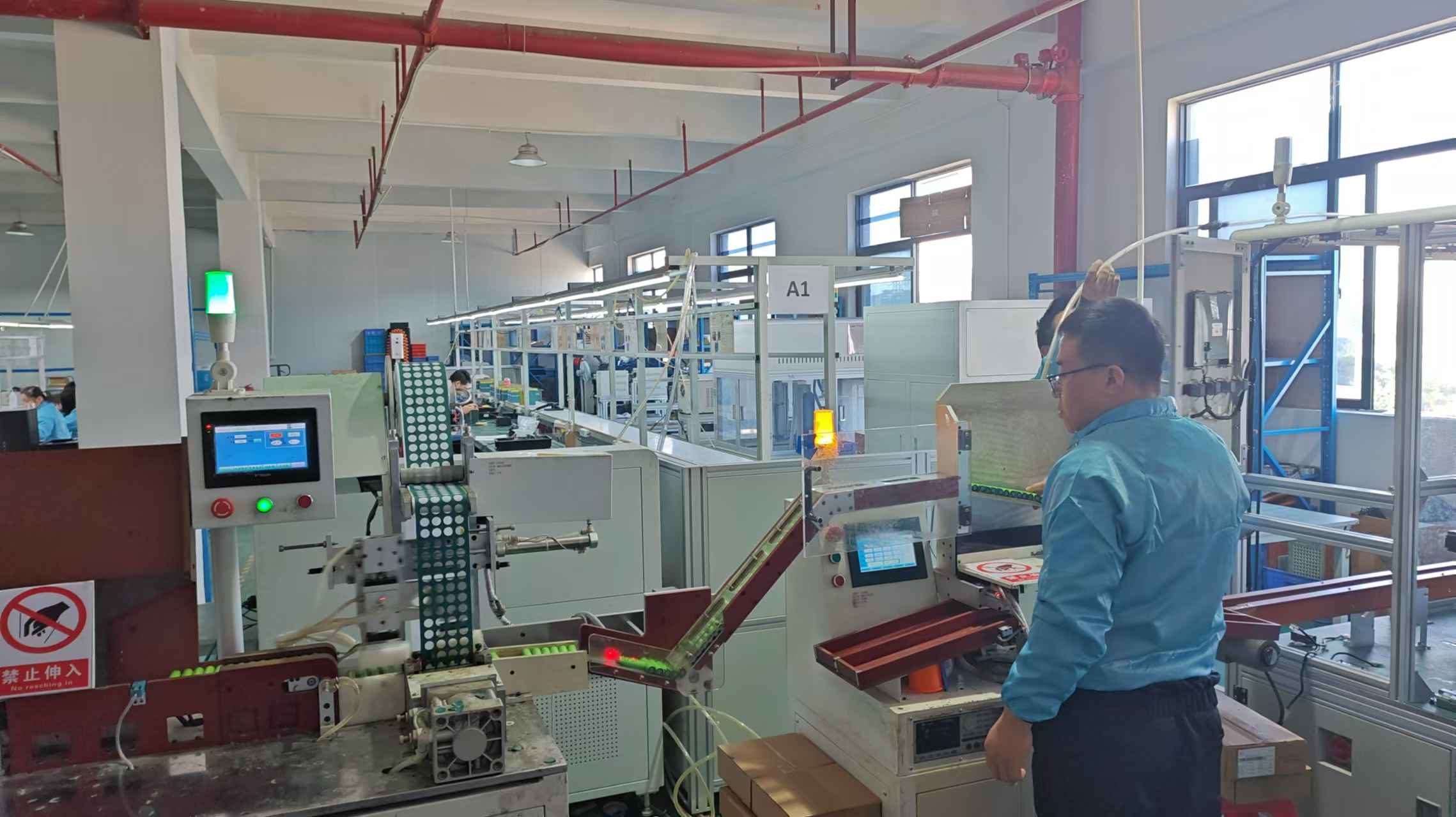
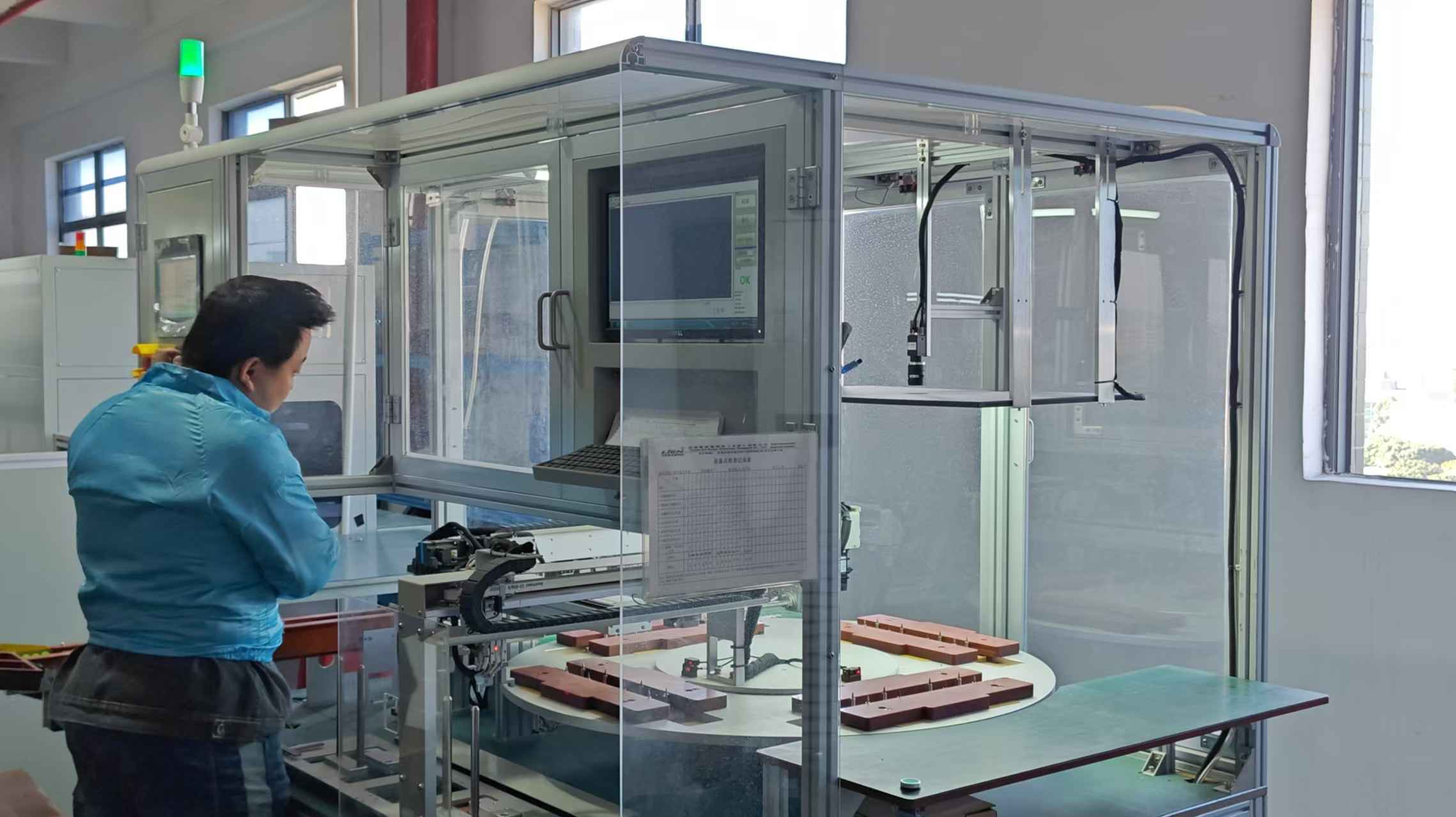
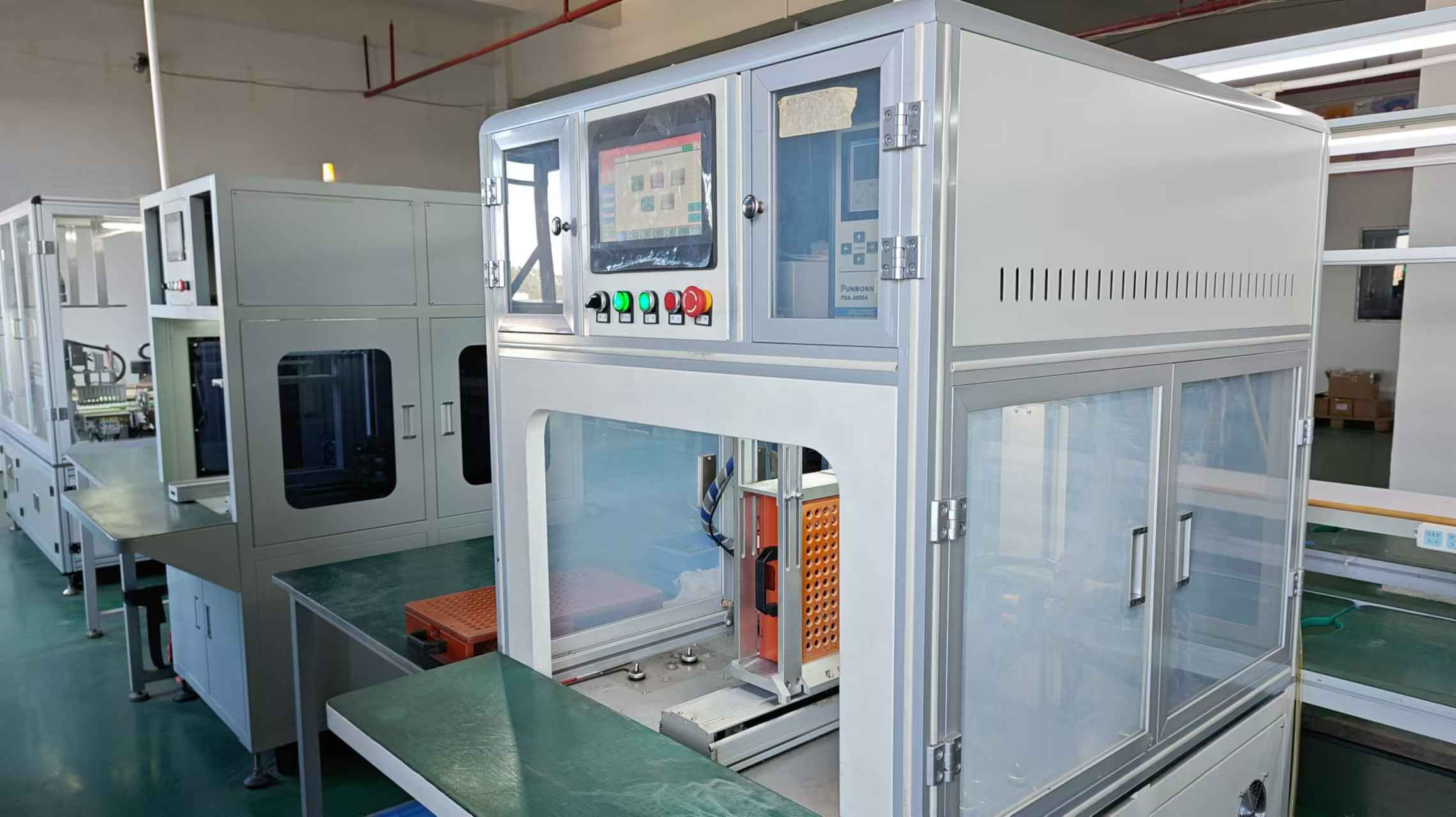
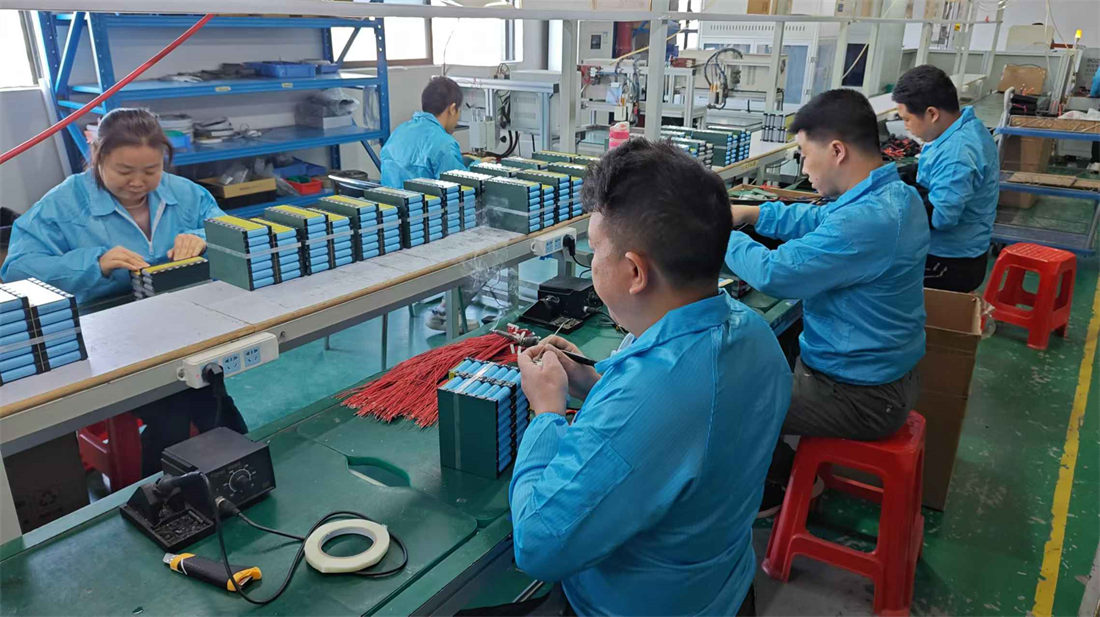
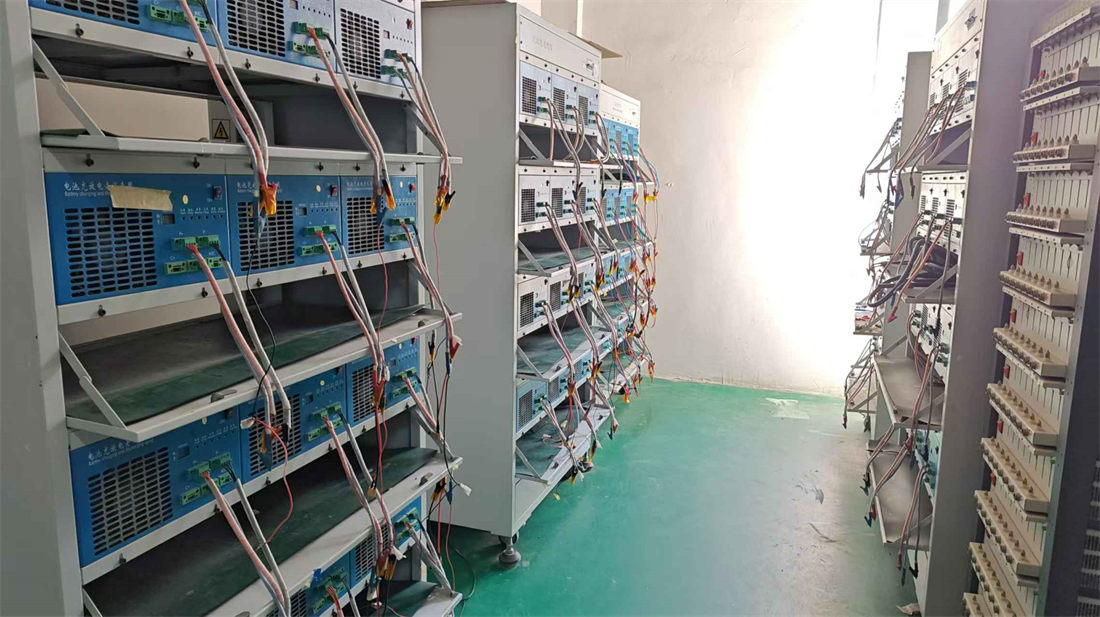
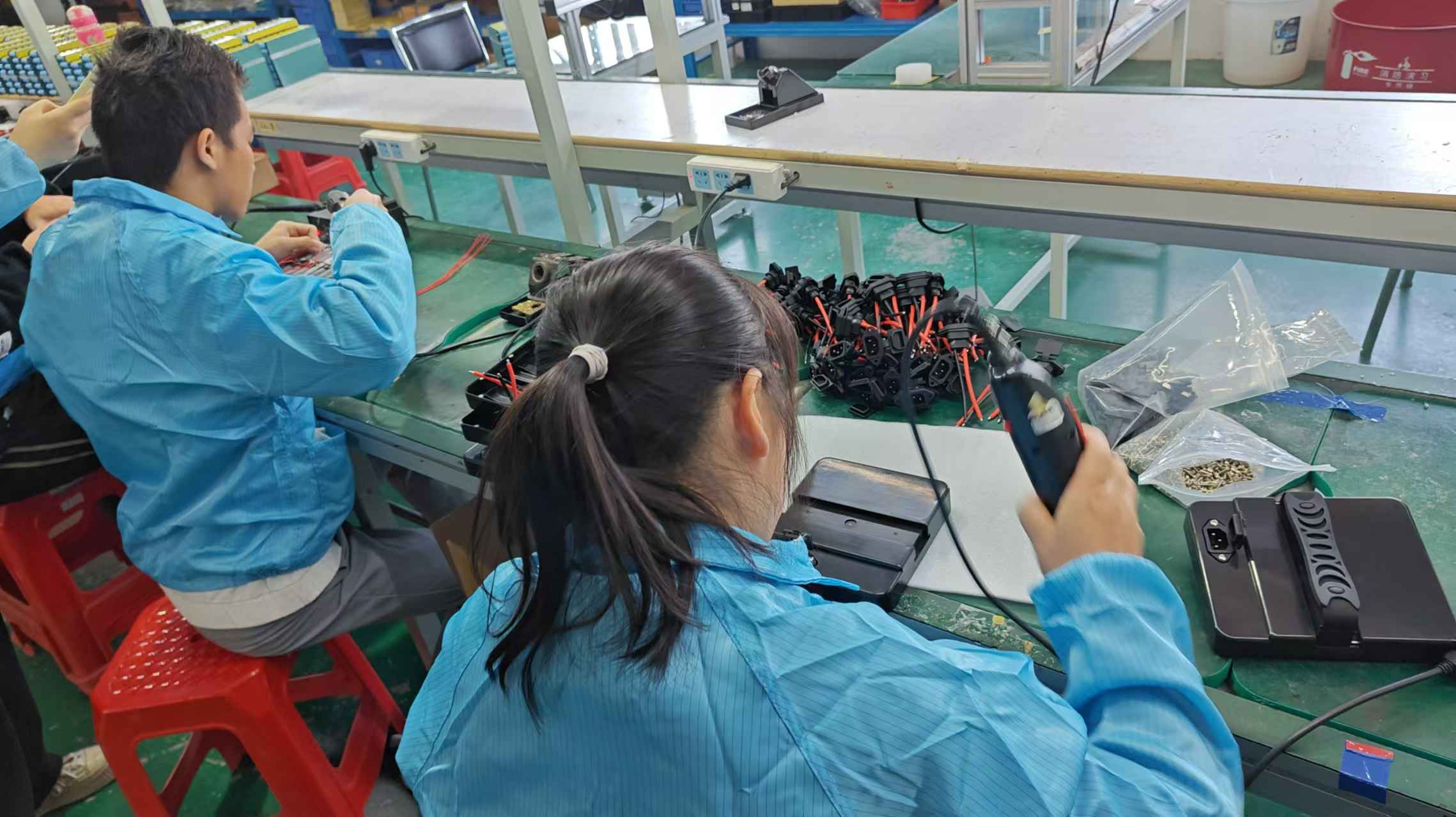
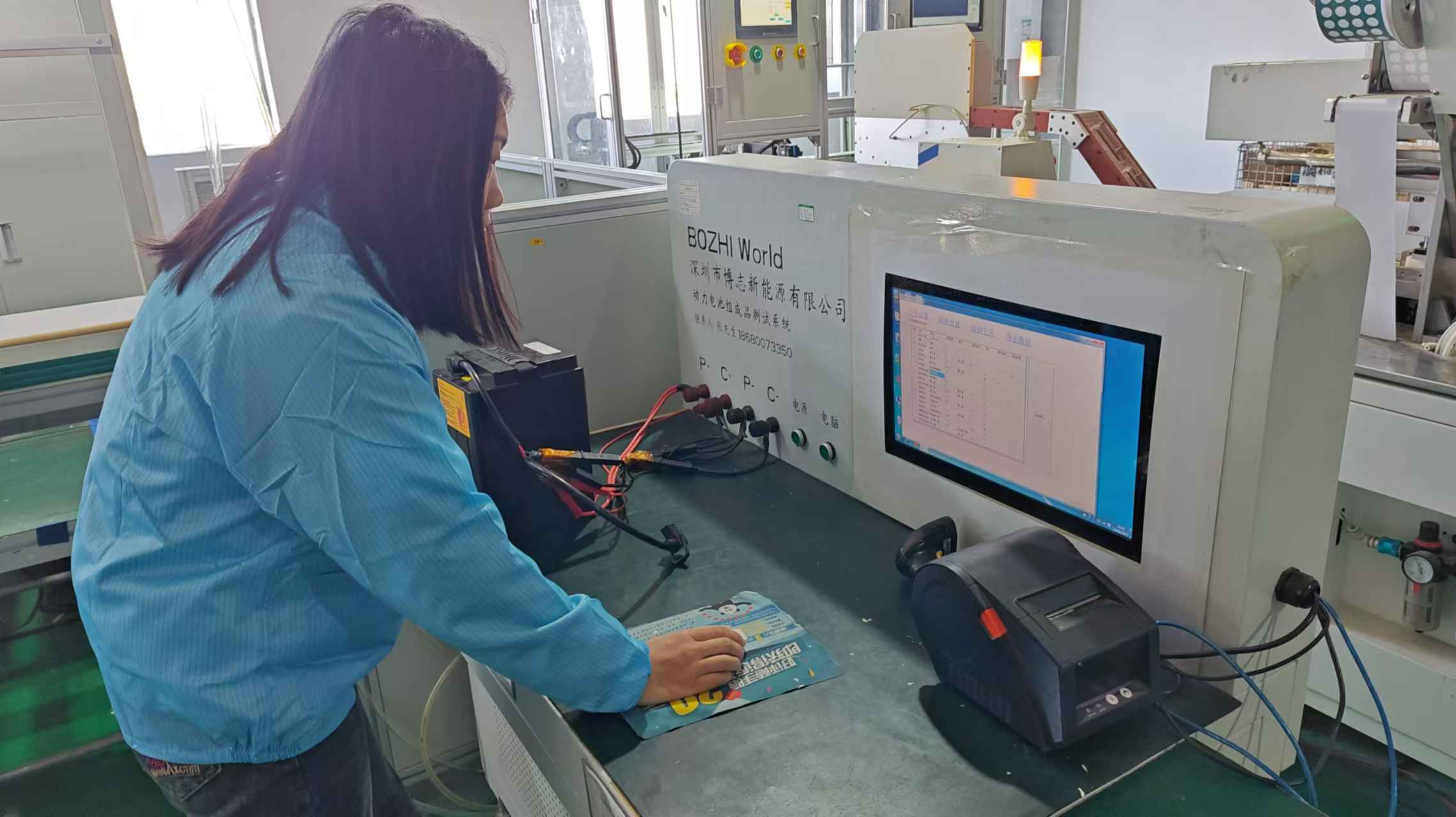
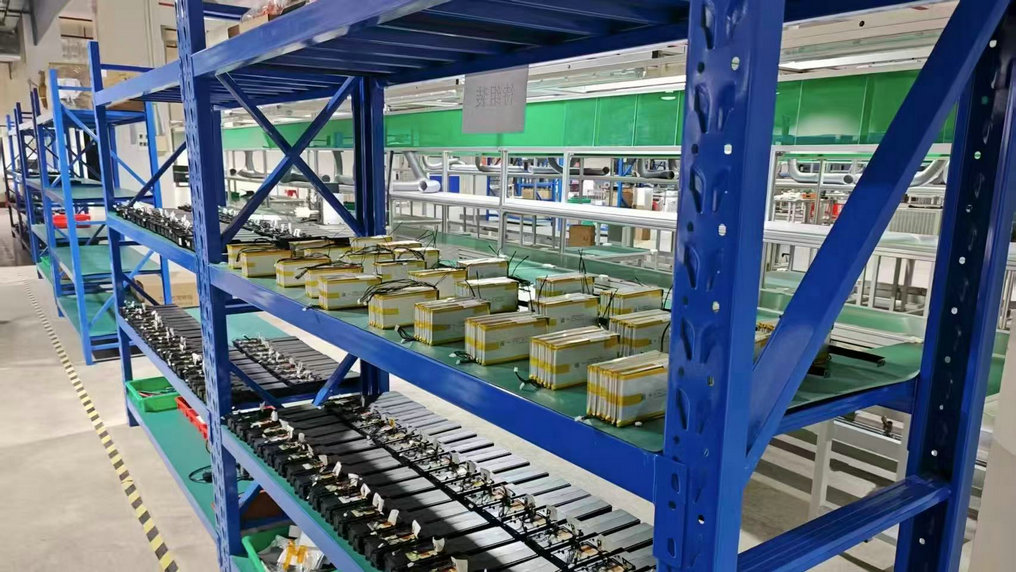
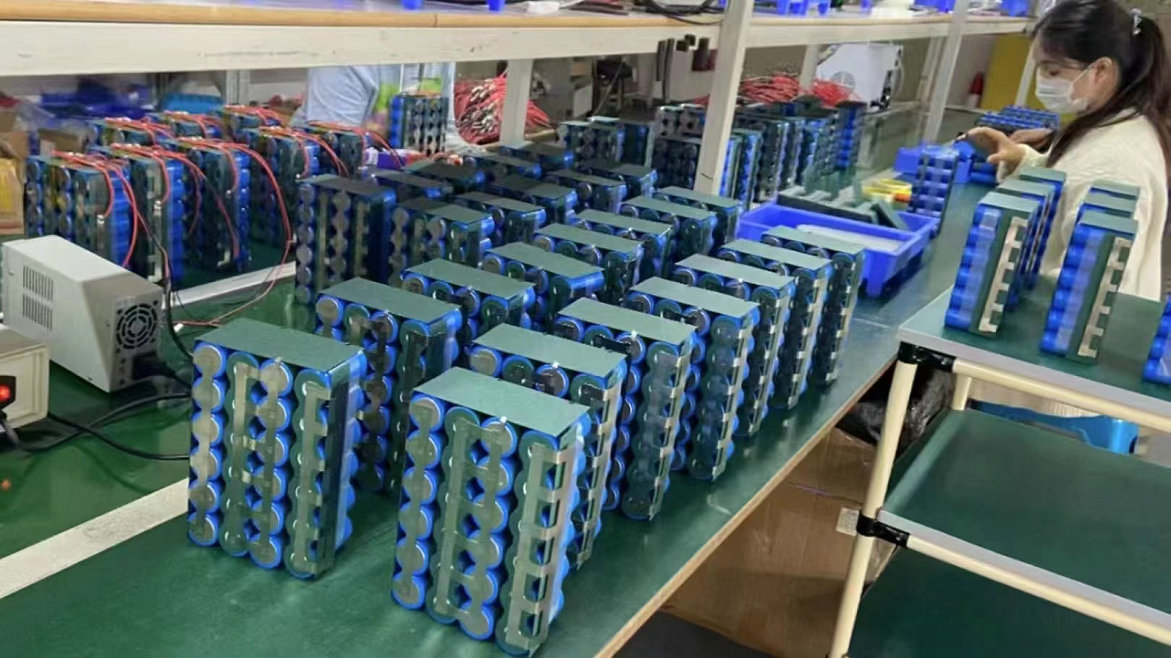
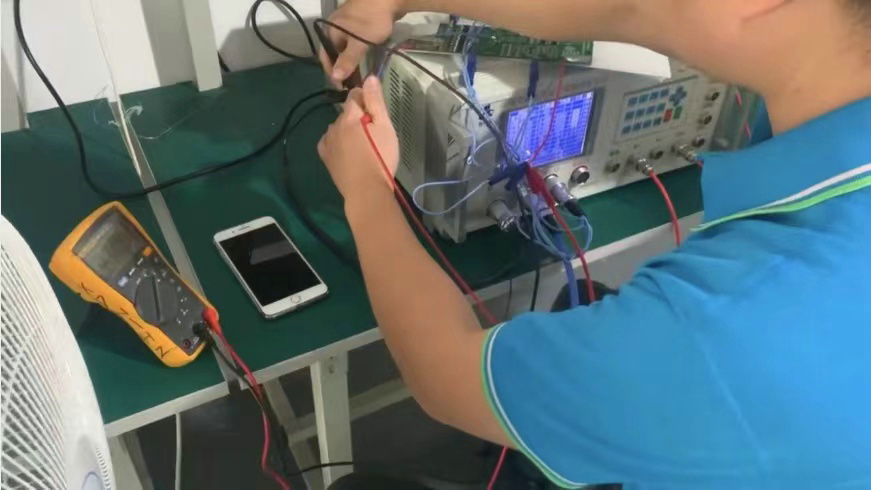
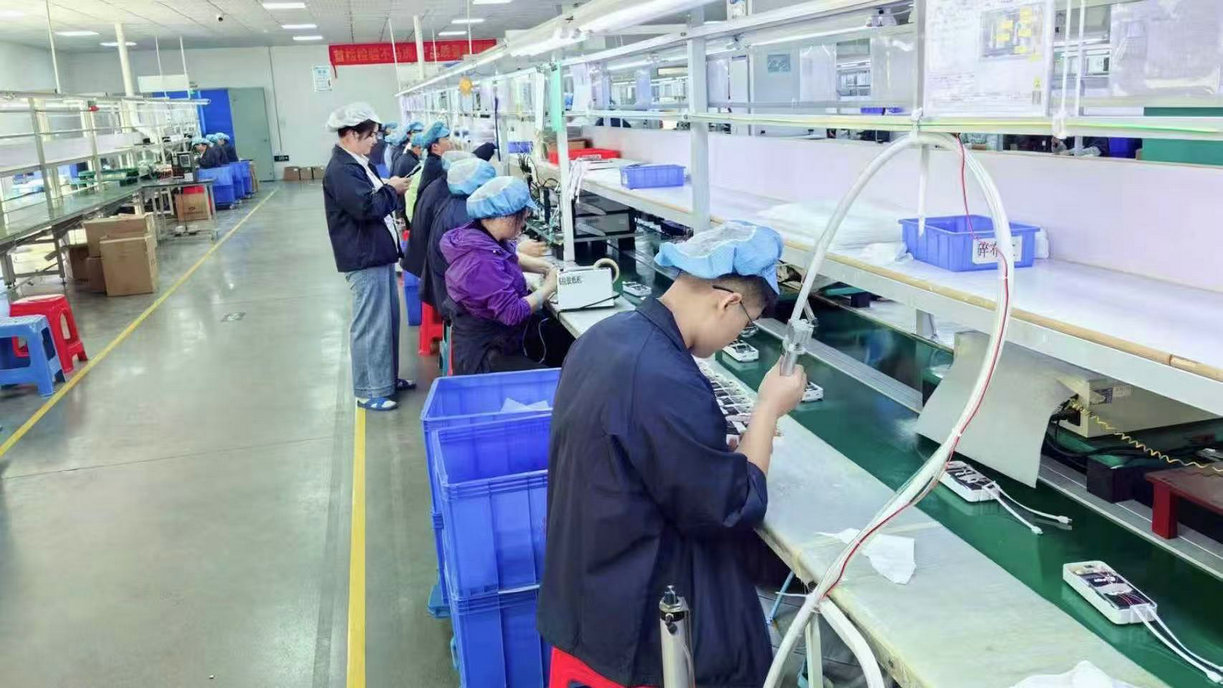
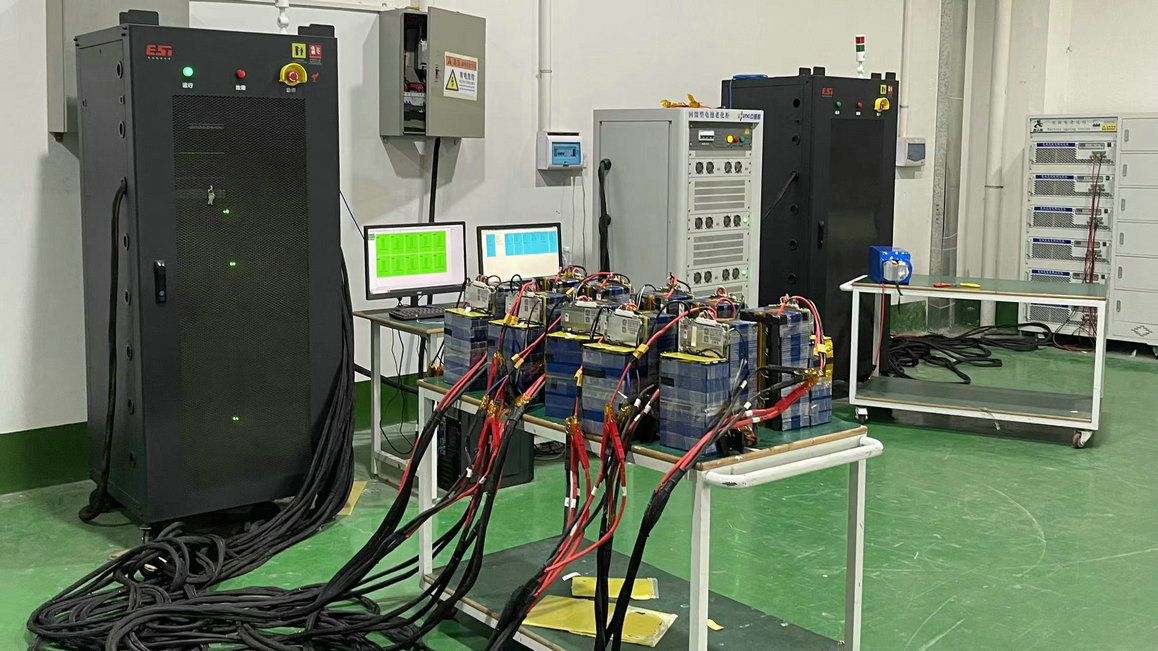
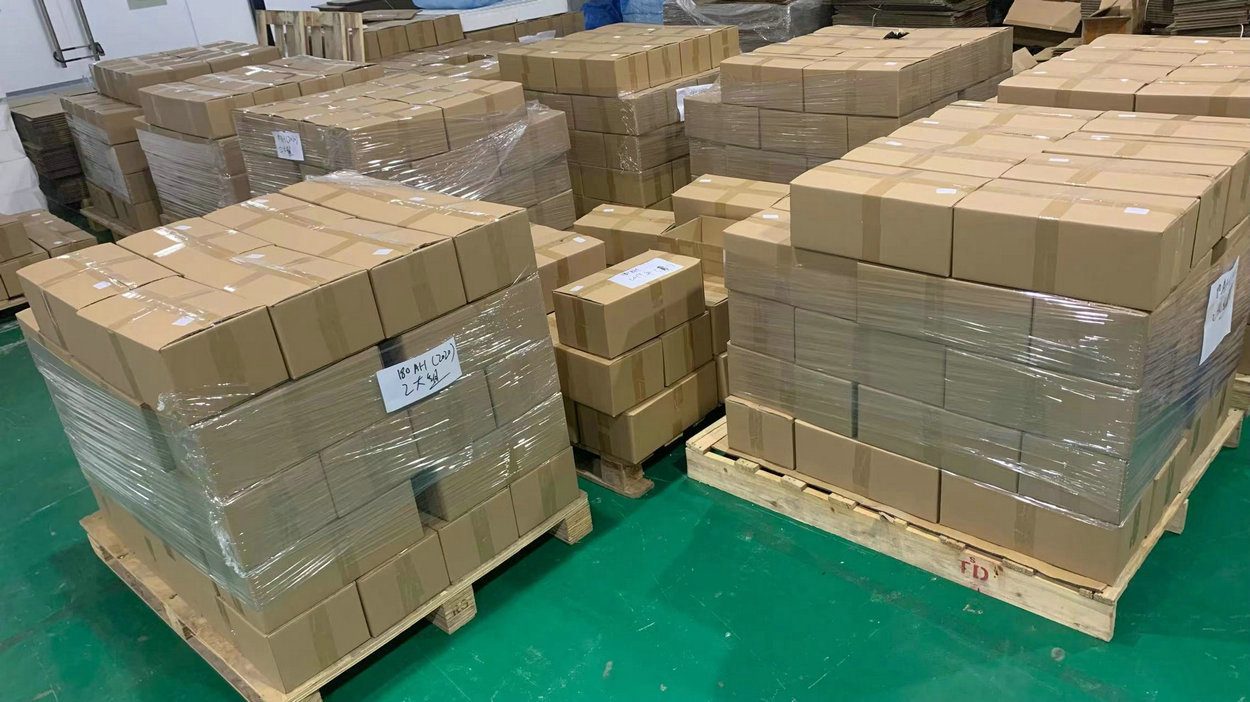
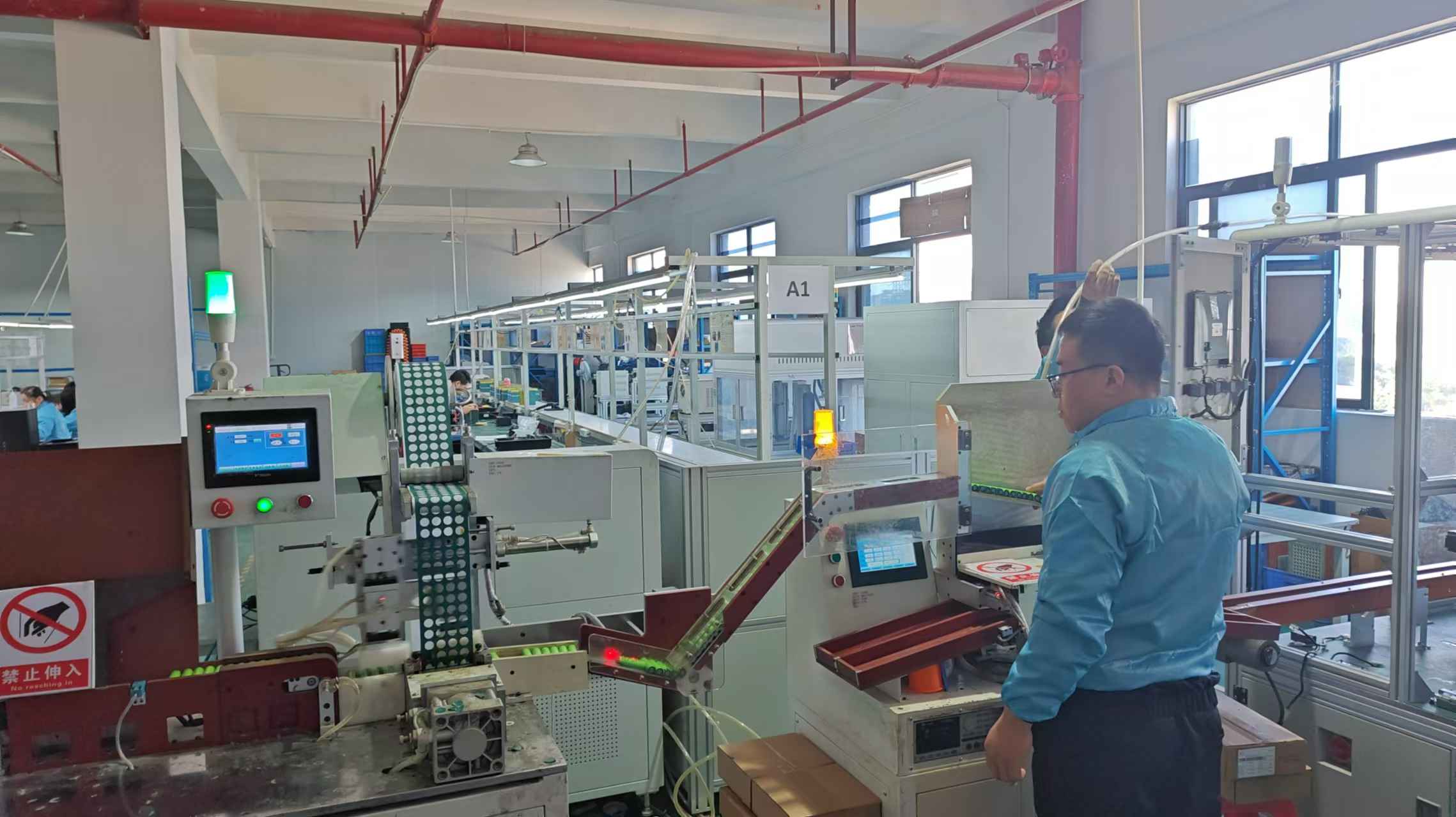
Our facility operates under rigorous ISO9001 and IATF16949 parameters. Precision automation in stacking, tab welding, and aging ensures unmatched cell consistency.
Strategic integration of chemistry optimizations and cell structures planned through 2030 to deliver next-generation performance metrics.
Deploying high-capacity silicon-oxide (SiO) composite anodes to hit energy density metrics of 300+ Wh/kg, while mitigating cyclic volume expansion with elastic binding polymers.
Migrating to high-voltage LNMO spinel structures to stabilize operation up to 4.9V, eliminating cobalt dependency to secure supply chain economics and environmental compliance.
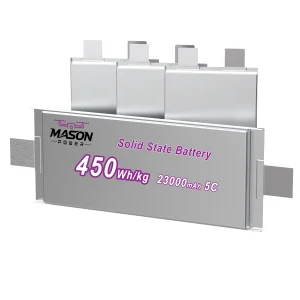
Transitioning from semi-solid matrices to inorganic ceramic/polymer solid electrolytes, achieving safe, high-voltage operation surpassing 450 Wh/kg for eVTOL aircraft.
Mass commercialization of sodium-ion architectures for industrial stationary energy storage systems, reducing dependency on lithium carbonate resources.
Procuring cells globally requires an understanding of regulatory structures and transport compliance. At Guangdong Nuwon Energy, our manufacturing infrastructure is fully certified to pass critical international regulatory frameworks, including KC (Korea Market), CE, UL1642, UN38.3, RoHS, and IEC62133.
Through strategic raw material reservation contracts (Lithium, Nickel, Cobalt, and Synthetic Graphite), we insulate our clients from volatile commodity pricing indexes. Our supply chain is structured to ensure continuity of cell delivery even under strict macroeconomic constraints, guaranteeing stable Lead Times and high capacity availability for industrial production runs.
We offer fully compliant Class 9 Dangerous Goods shipping options by air, sea, and rail. Through DDP (Delivered Duty Paid) shipping solutions and local customs-bonded warehouse integrations in North America, the European Union, and South Korea, we streamline importing steps for engineering companies, system integrators, and OEM manufacturers.
Every shipment is accompanied by a Material Safety Data Sheet (MSDS), UN38.3 test summaries, and batch tracking codes to support our partners' traceability requirements.
Answers to complex engineering challenges encountered when designing pouch-format energy systems.
Pouch cells naturally swell due to electrode volume changes during lithiation/delithiation and minor gas generation over cycle life. We resolve this by integrating custom compression pads (e.g., microcellular polyurethane foam) within the pack modules. These pads apply constant mechanical pressure (typically 10-15 psi) across the cell surface, preventing delamination of the active layers and extending cycle life.
Pouch cells have a high surface-area-to-volume ratio, facilitating excellent heat dissipation. Heat can be removed from the face using custom liquid cooling plates, or through conduction at the copper and aluminum tabs, which are directly connected to the internal electrodes. This direct conduction path helps prevent localized hot spots that lead to cell mismatching.
We use automated ultrasonic tab welding, CCD optical inspection systems, and advanced cleanroom technology (Class 10,000 or better) to prevent metallic contamination. Additionally, every cell undergoes a high-voltage dielectric isolation test (Insulation Testing) to verify separator integrity prior to the electrolyte infusion process.
In semi-solid-state pouch cells, the liquid electrolyte is partially replaced with a highly viscous, non-flammable gel or polymer compound. This structure reduces the risks of thermal runaway, internal shorts, and chemical combustion when the cell is subjected to mechanical impact, overcharging, or nail penetration testing.
Yes. Pouch cells do not require rigid cylindrical cans or large metal cases. They are formed using laminate pouches, allowing us to customize the thickness, width, length, and tab positions to match the space constraints of your product envelope, with relatively low tooling costs.
Every cell is categorized using our automated battery sorting machines. We group cells based on precise measurements of internal resistance (IR), open-circuit voltage (OCV), and capacity. This ensures balanced modules, prevents premature degradation, and increases the overall capacity utilization of the final battery pack.
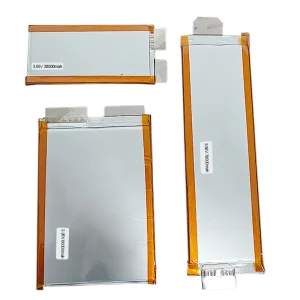
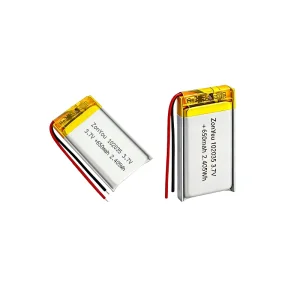
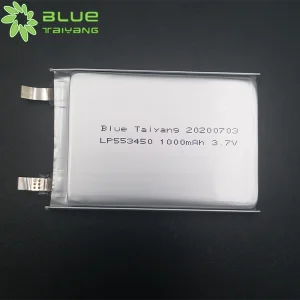
Browse our specialized and high-voltage pouch cells optimized for consumer electronics, industrial IoT, drones, and professional-grade drone battery packs.


 Nuwon Energy