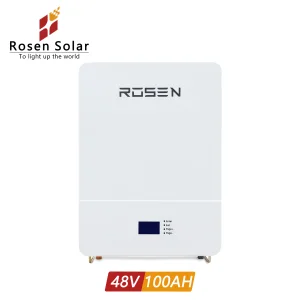
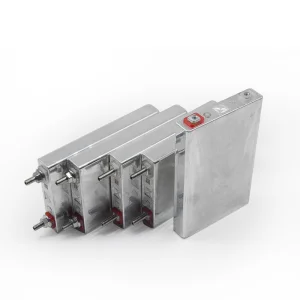
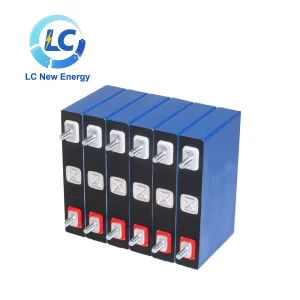
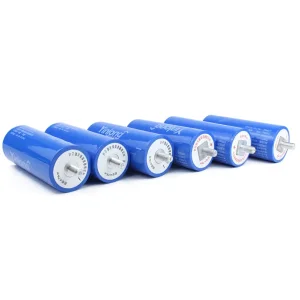
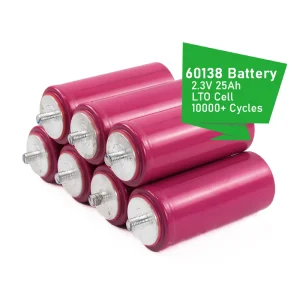
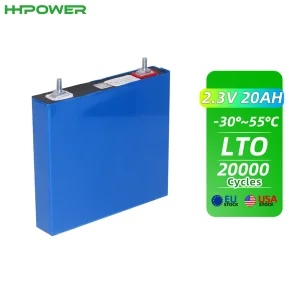
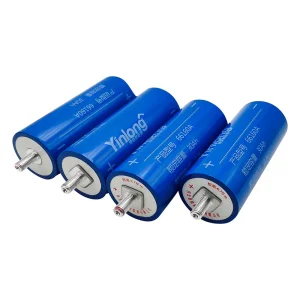
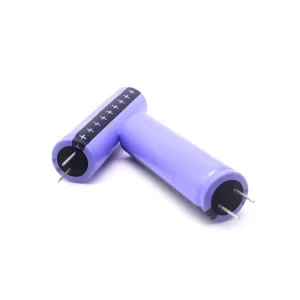
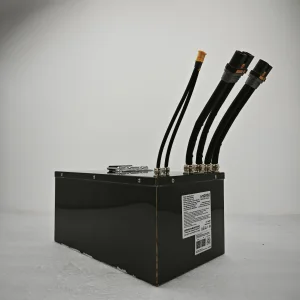
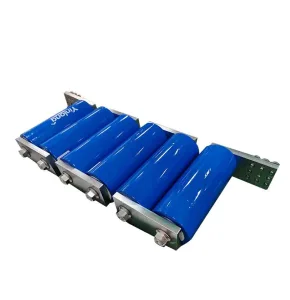
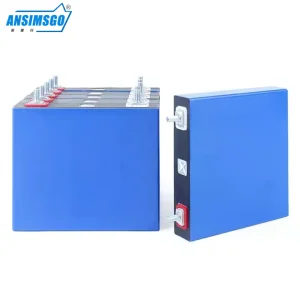
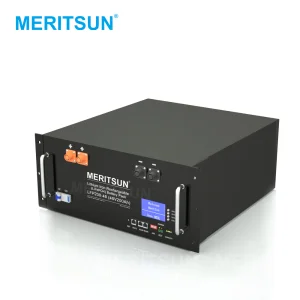
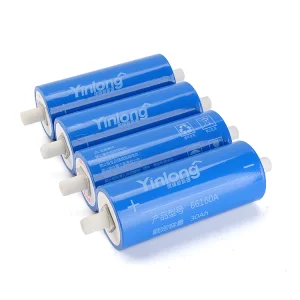
Selected high-performance Lithium Titanate cells and systems engineered to withstand thermal stress and demanding operational profiles.
India is currently executing one of the most aggressive clean energy transitions globally. Aiming to hit 500 GW of non-fossil fuel capacity by 2030 and convert 30% of private cars, 70% of commercial vehicles, and 80% of two and three-wheelers to electric mobility, the demand for resilient energy storage is scaling exponentially. However, India's tropical climate—characterized by ambient temperatures often surpassing 45°C—poses a severe challenge to conventional Lithium-Ion chemistries like NMC (Nickel Manganese Cobalt) and LFP (Lithium Iron Phosphate).
This is where Lithium Titanate (LTO) technology emerges as the premium standard. Characterized by replacing the graphite anode with nanocrystalline lithium titanate (Li4Ti5O12), LTO achieves a zero-strain molecular structure. This structure fundamentally eliminates dendritic growth (the primary cause of short circuits and thermal runaway) and allows for unprecedented charge/discharge C-rates, wide temperature tolerances, and lifespan ratings exceeding 20,000 to 30,000 cycles.
1. Heavy-Duty Telecom Tower Infrastructure: Telecom sites located in states like Rajasthan, Gujarat, and Andhra Pradesh face extreme heat. Standard LFP battery packs require constant air conditioning, spiking utility costs. LTO battery packs function efficiently up to 55°C without auxiliary cooling, resulting in a dramatic reduction in operational expenditure (OpEx) for telecom service providers.
2. Rapid-Charge Electric Public Transit: India's FAME-II program has accelerated the deployment of electric buses in metro cities like Mumbai, Delhi, and Bengaluru. Traditional LFP battery packs require 2-4 hours of charging. LTO batteries support 10C continuous charging—meaning e-buses can recharge fully in 6 to 10 minutes at terminal stations during driver handovers, eliminating the need for massive fleet sizes.
3. Microgrid Stability & Solar Integration: In rural India, power stability remains volatile. LTO systems, coupled with solar photovoltaics, allow rapid buffering of peak energy and frequency regulation. Their deep cycle capabilities (100% Depth of Discharge) ensure that microgrid batteries last over 20 years, matching the lifespan of the solar panels themselves.
The comparative safety and efficiency profile below highlights the thermal limits and longevity of LTO versus conventional chemistries under conditions matching India's average climate profiles:
| Parameters | Lithium Titanate (LTO) | Lithium Iron Phosphate (LFP) | Lithium NMC |
|---|---|---|---|
| Nominal Voltage | 2.3V - 2.4V | 3.2V | 3.6V - 3.7V |
| Cycle Life (80% DoD) | 20,000 - 30,000 cycles | 3,000 - 6,000 cycles | 1,000 - 2,000 cycles |
| Charge Rate (Continuous) | 6C to 10C (Fast charge <10 mins) | 0.5C to 1C (1-2 hours) | 0.5C to 1C (1-2 hours) |
| Operating Temp Range | -30°C to 55°C | -20°C to 50°C | -20°C to 45°C |
| Thermal Runaway Temp | >240°C (Extremely Safe) | ~270°C | ~210°C (High Risk) |
Guangdong Nuwon Energy Co., Ltd. is a leading manufacturer and solution provider in advanced battery systems, specializing in the research, development, manufacturing, and global distribution of high-performance energy storage products. The company offers comprehensive OEM and ODM services, delivering customized battery solutions tailored to diverse industrial and commercial applications.
Backed by a highly experienced engineering and R&D team, Nuwon Energy focuses on the design and integration of cylindrical and prismatic lithium battery cells, as well as complete battery packs, modules, and energy storage systems. The company also develops and produces industrial-grade battery cells engineered for safety, durability, and long cycle life.
Guangdong Nuwon Energy serves a wide range of industries, including consumer electronics, electric mobility (such as golf carts, forklifts, UTVs/ATVs, trucks, and marine systems), medical equipment, unmanned ground vehicles (AGVs/AMRs), and emerging aerospace applications such as eVTOL aircraft. In addition, the company provides reliable residential, commercial, and industrial (C&I) energy storage solutions designed to support the global transition toward clean and sustainable energy.
With a strong commitment to innovation, strict quality control, and customer-centric service, Guangdong Nuwon Energy continuously invests in advanced manufacturing capabilities, automated production lines, and rigorous testing systems. This ensures that every product meets international safety standards and delivers exceptional performance in demanding environments.
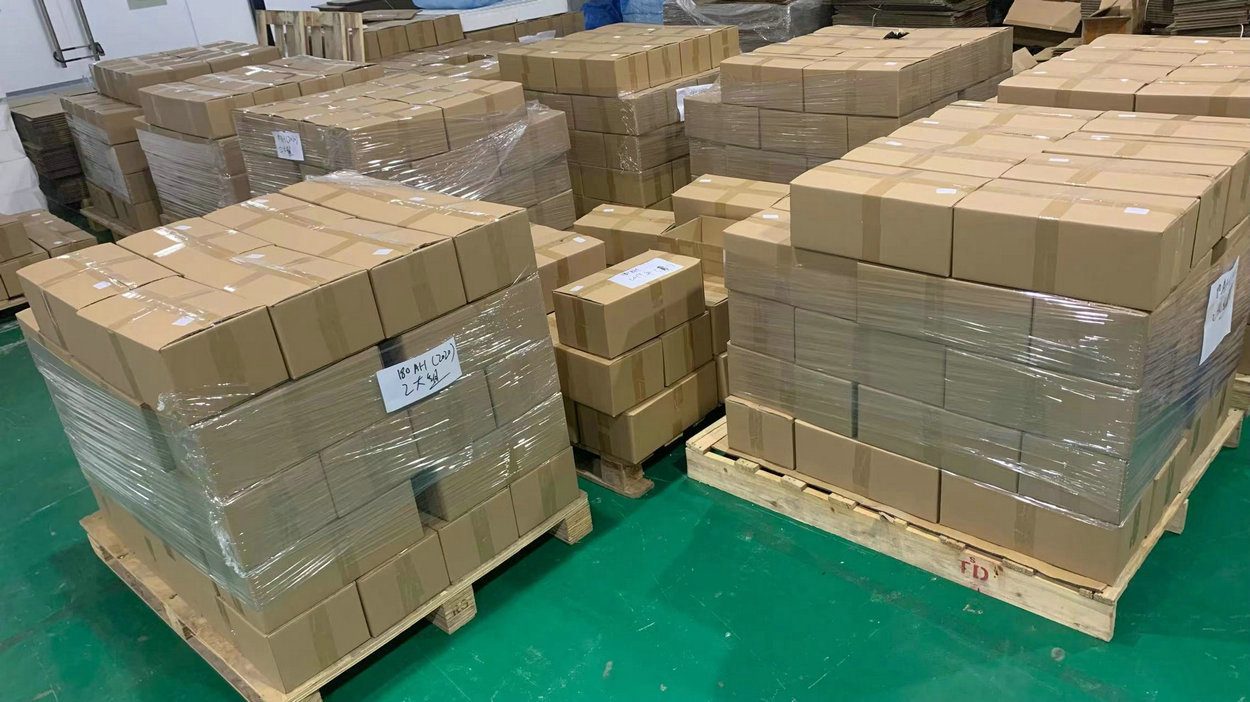
Our strictly monitored production environment enforces state-of-the-art battery assembly, rigorous insulation checks, cell matching, and lifecycle aging procedures.
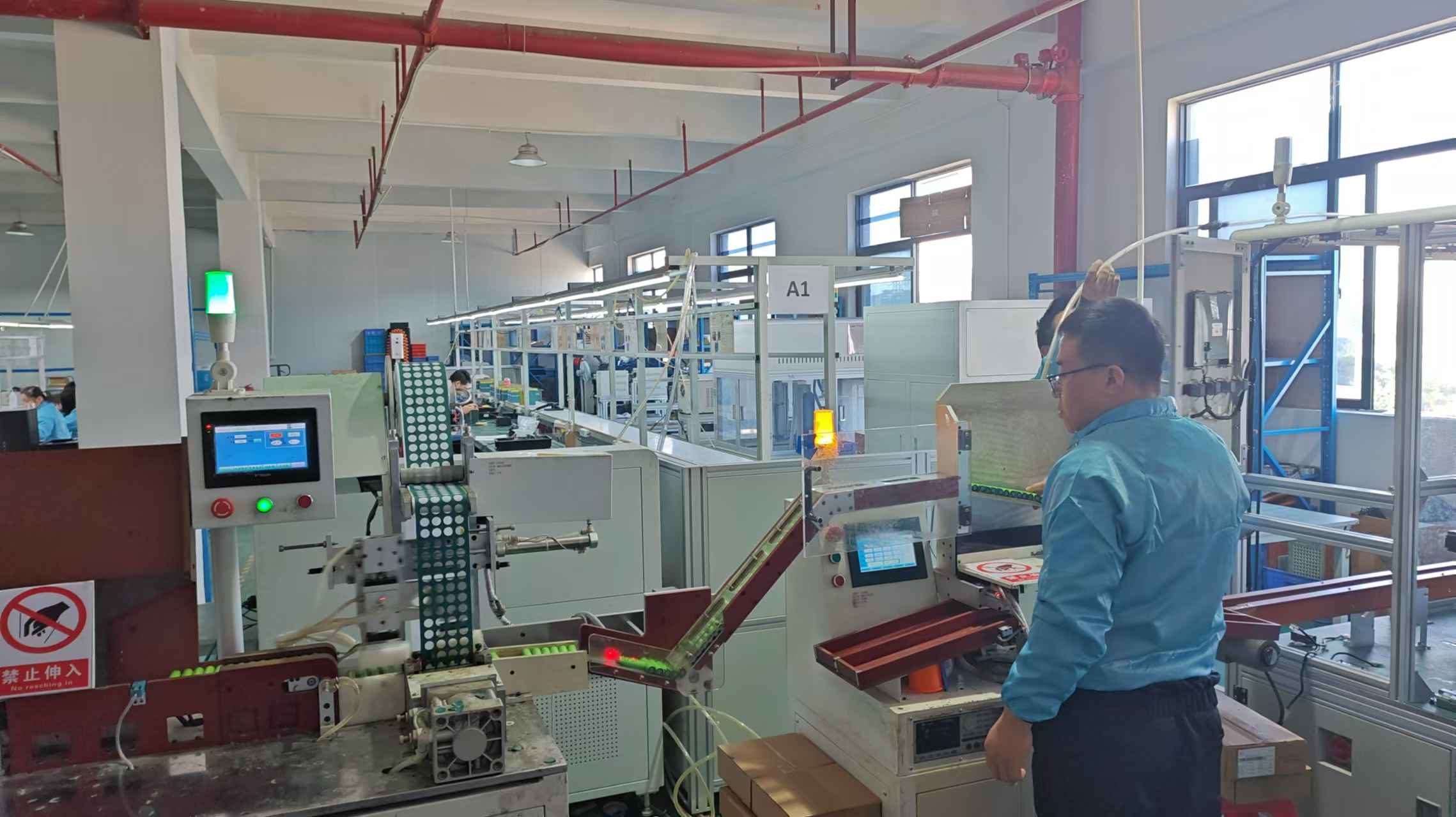
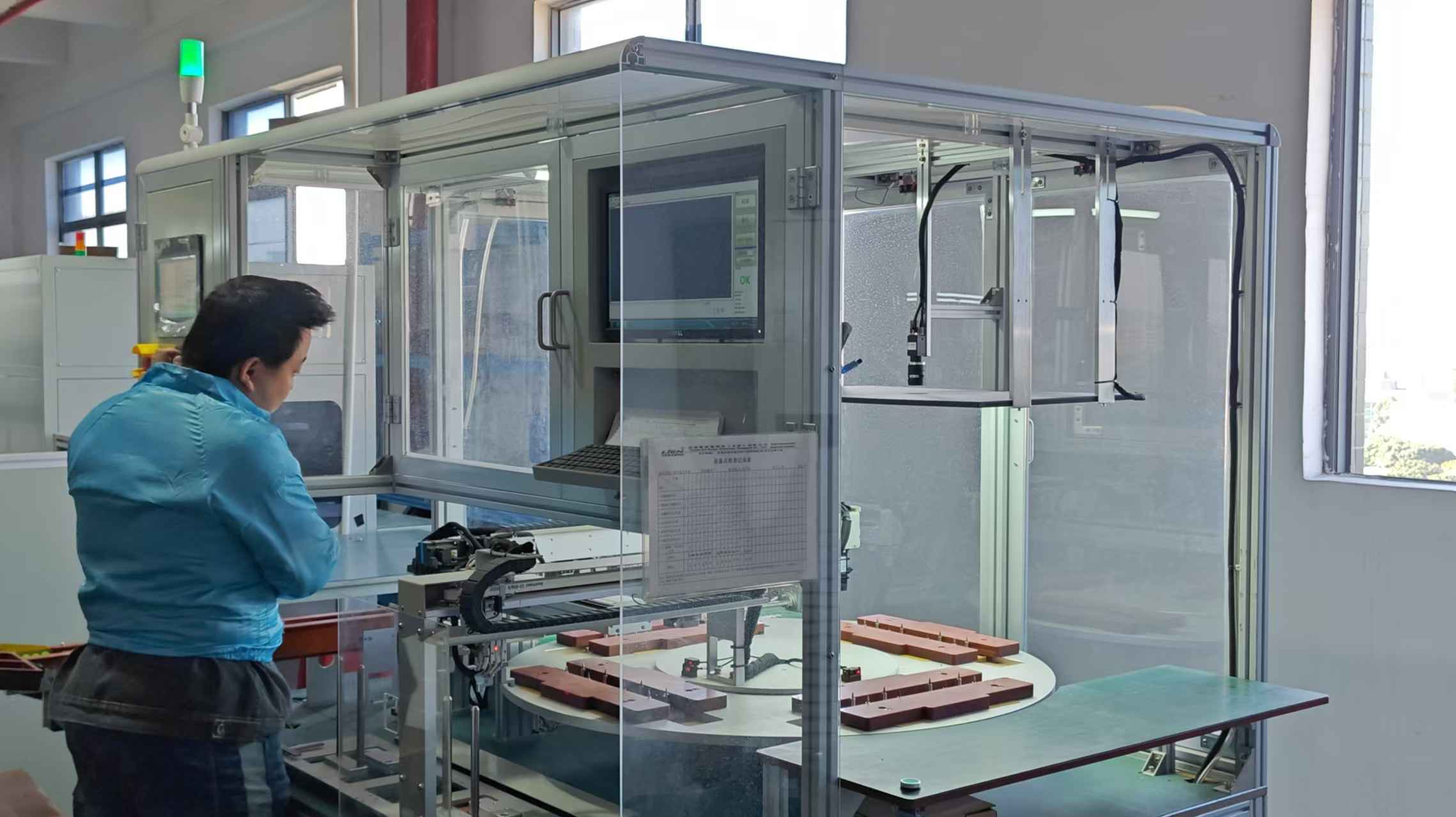
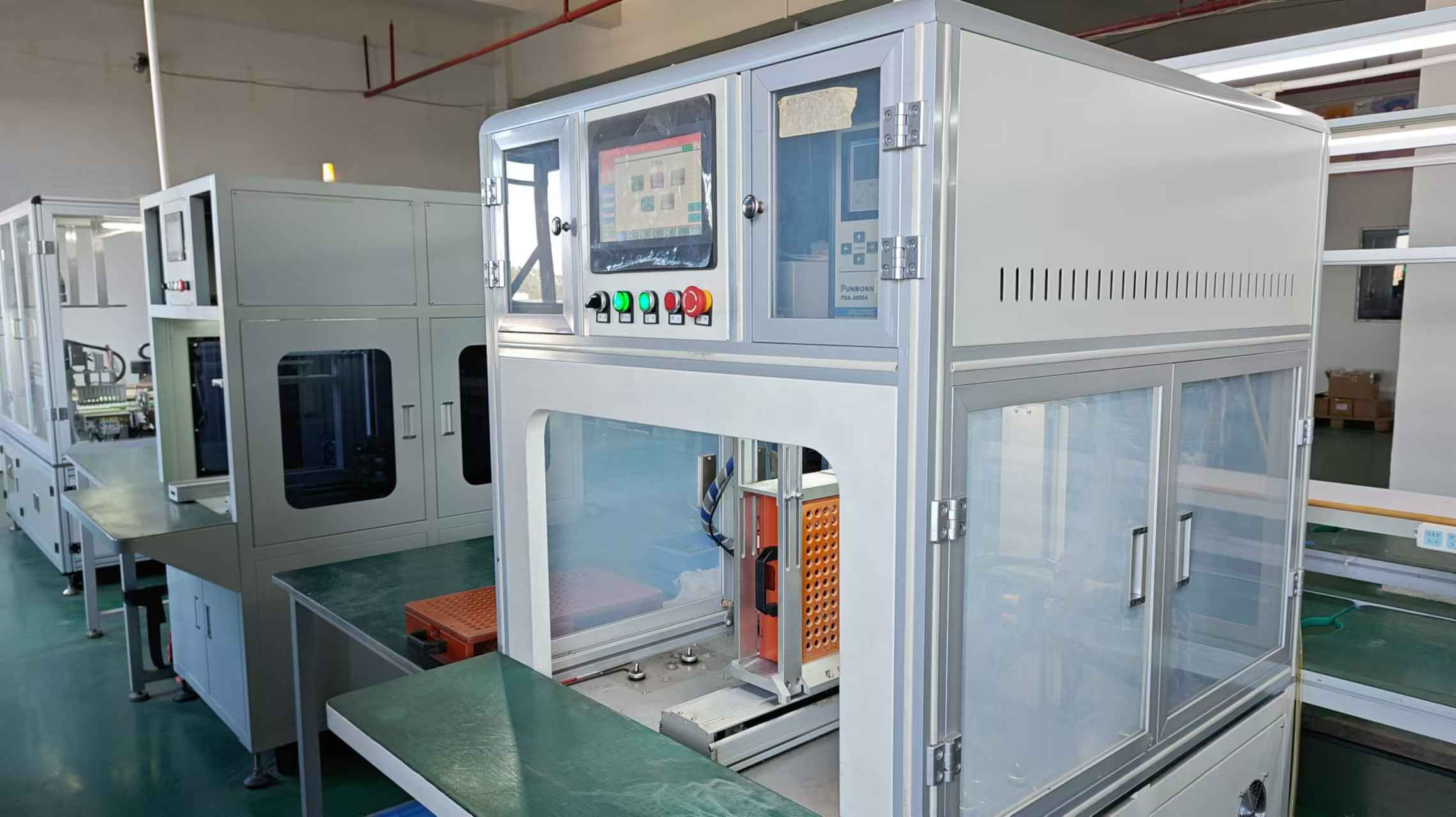
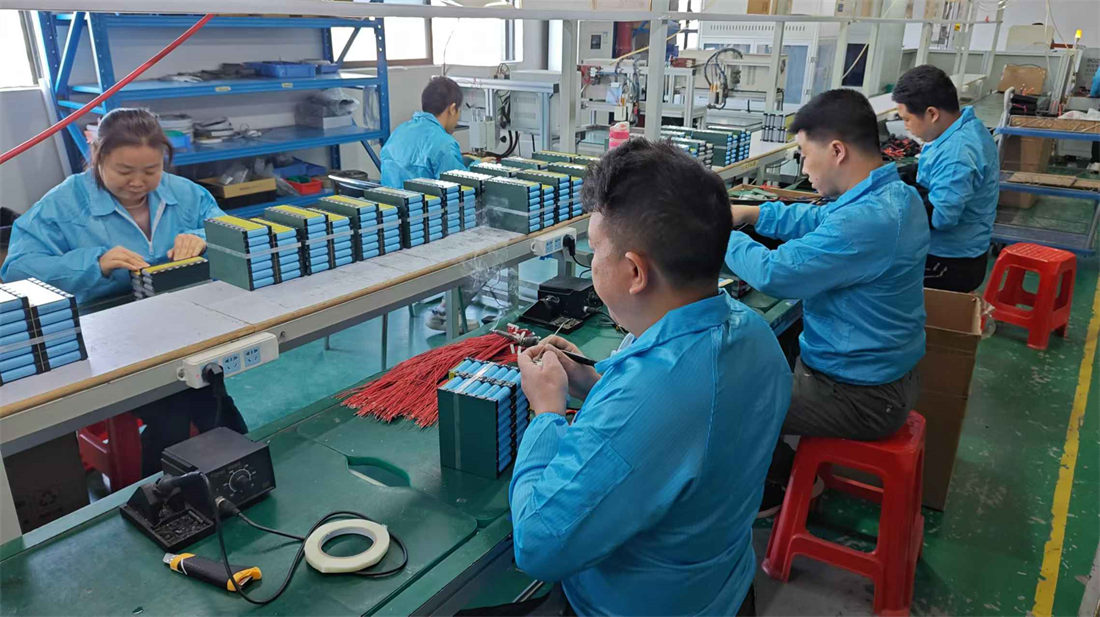
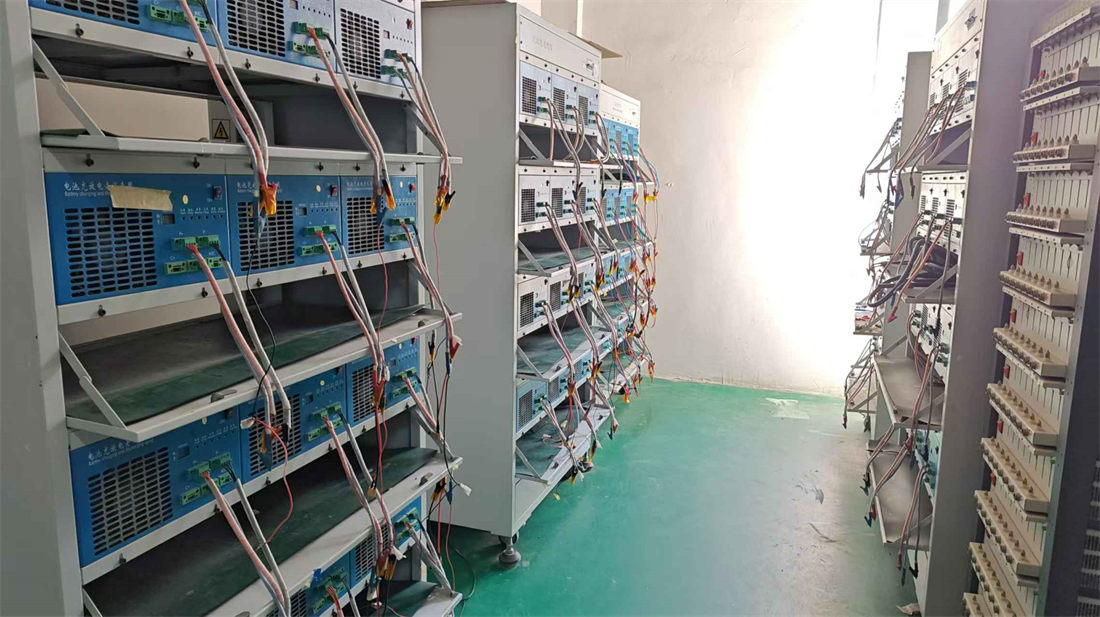
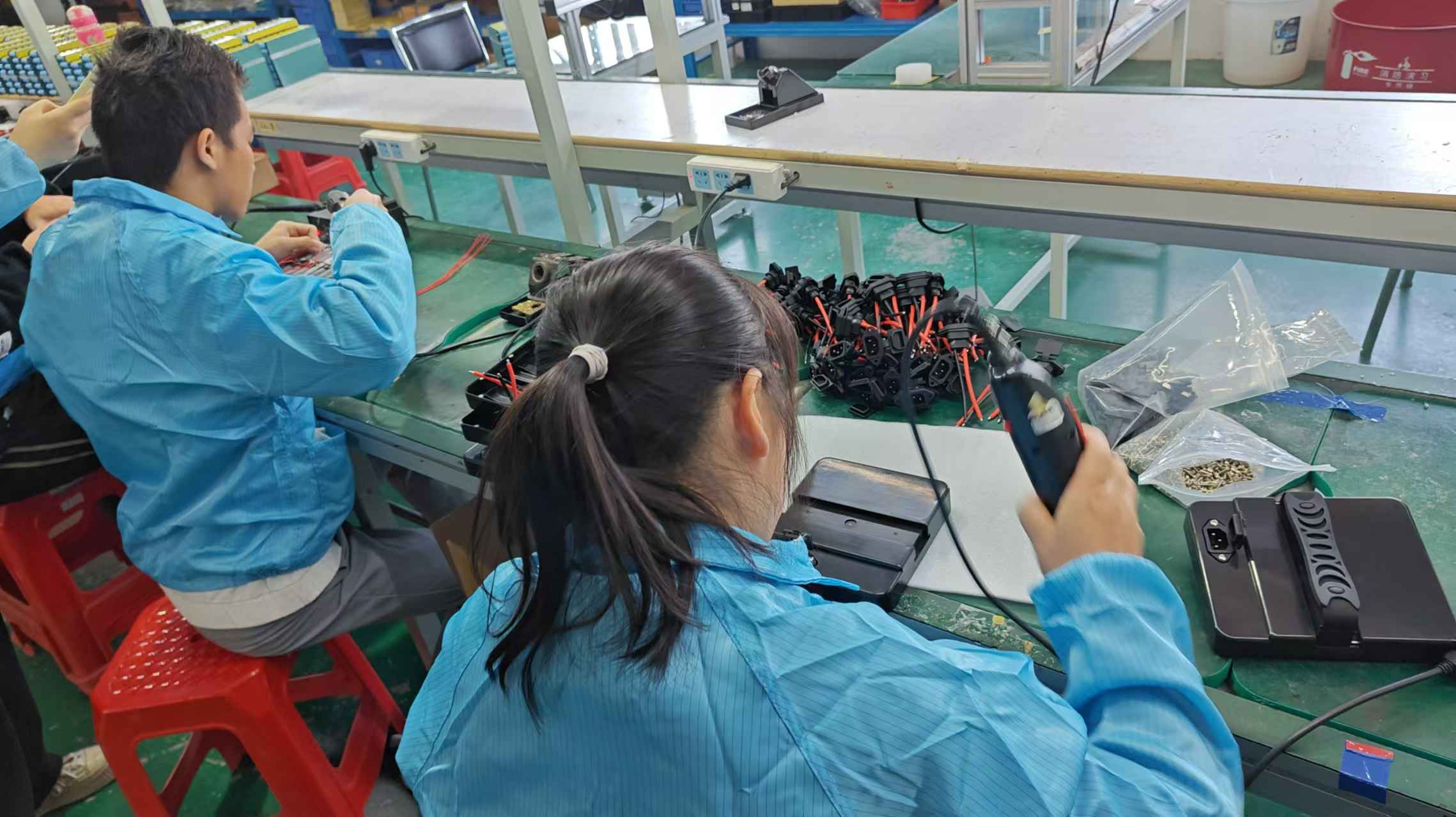
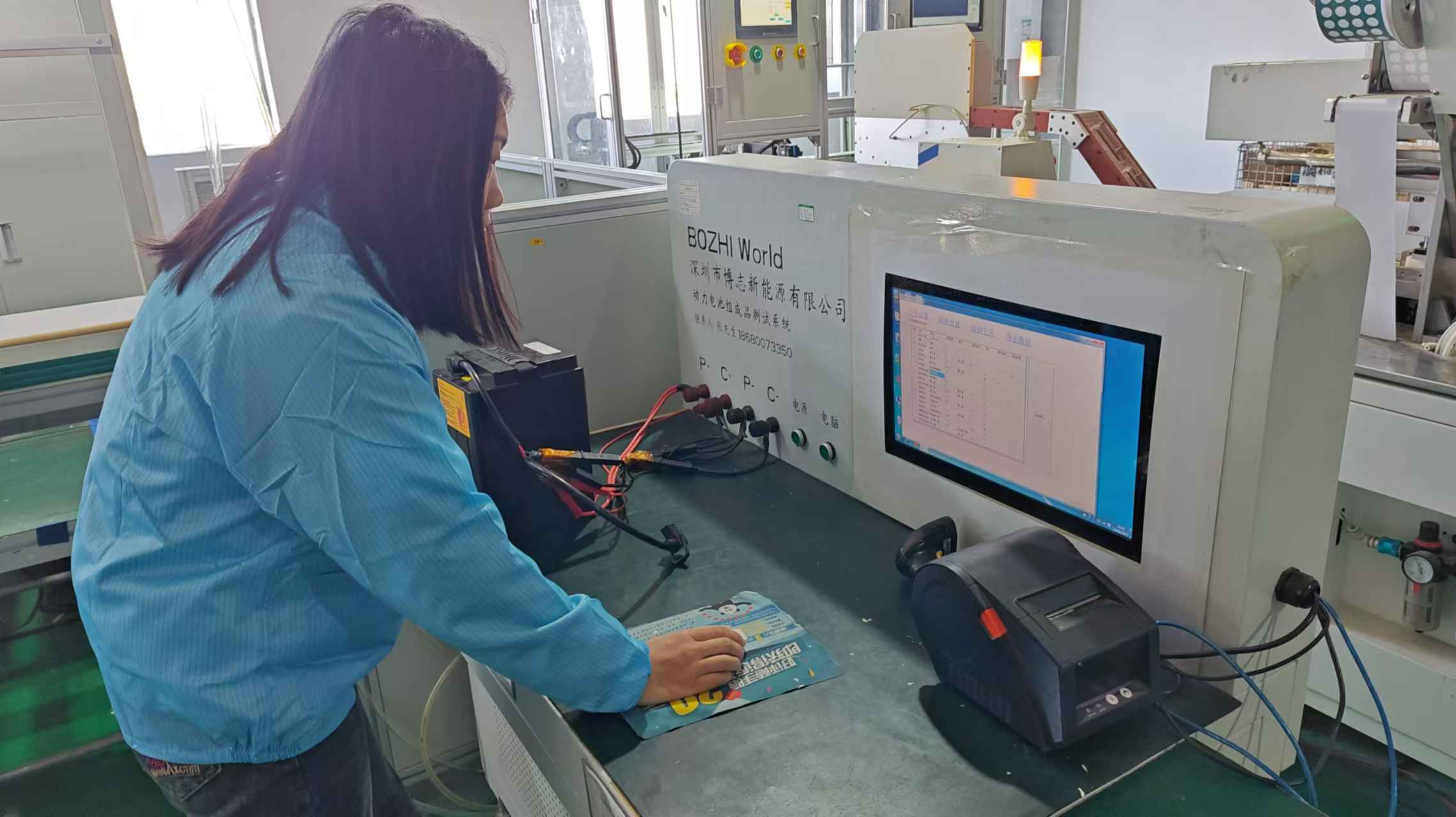
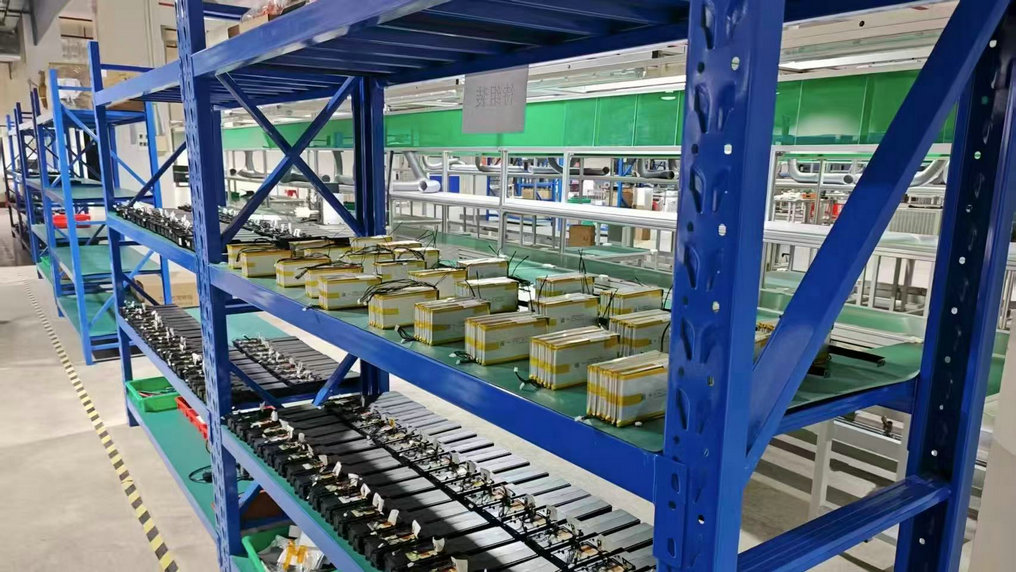
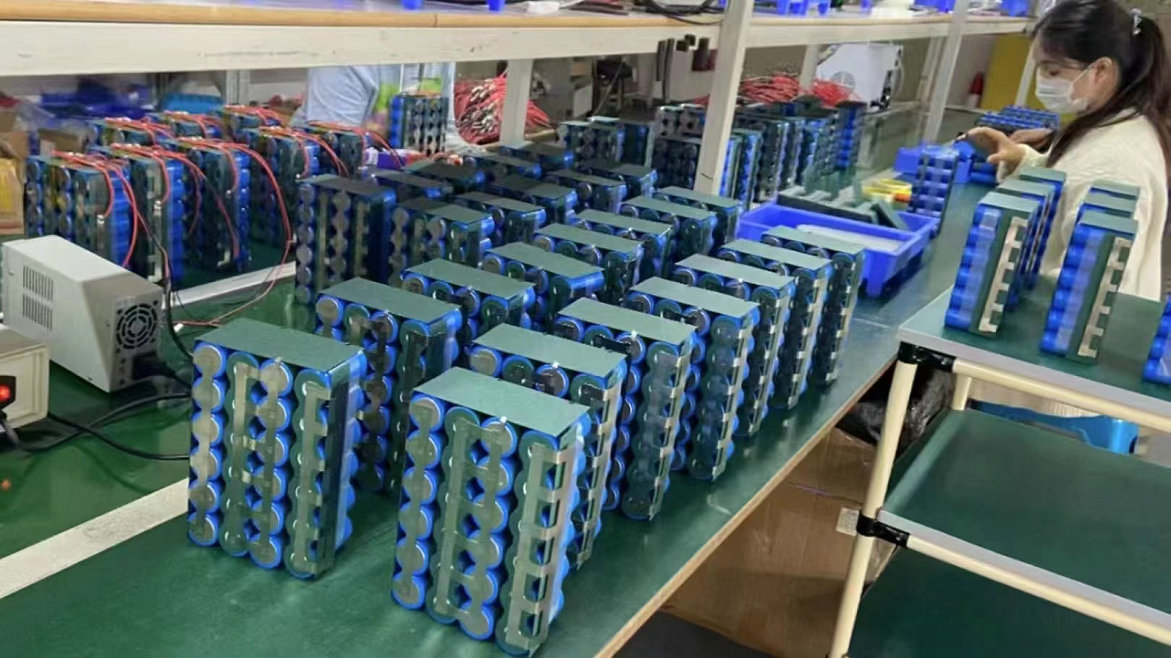
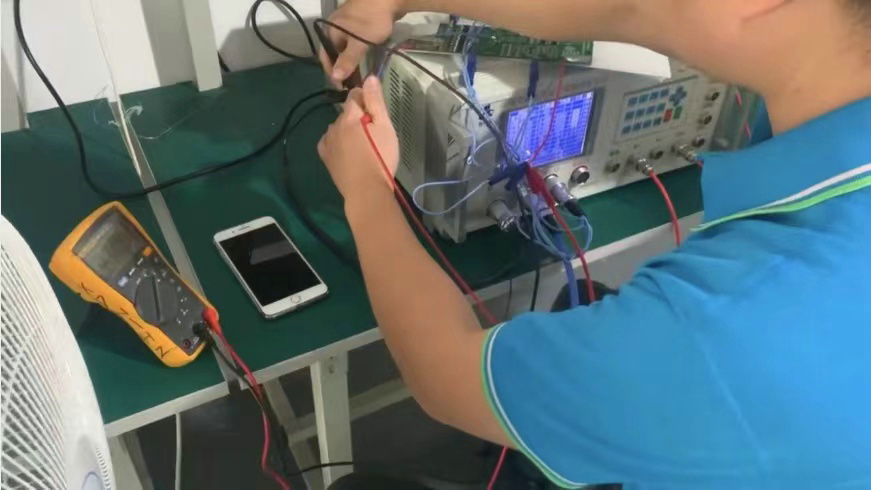
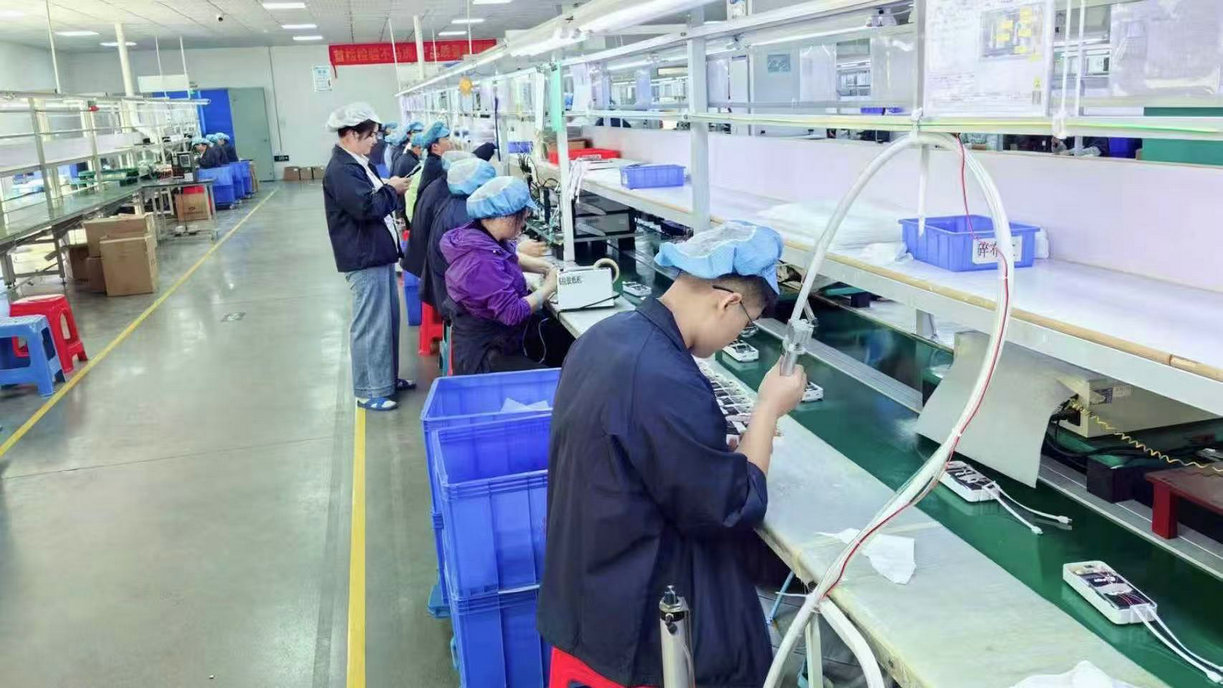
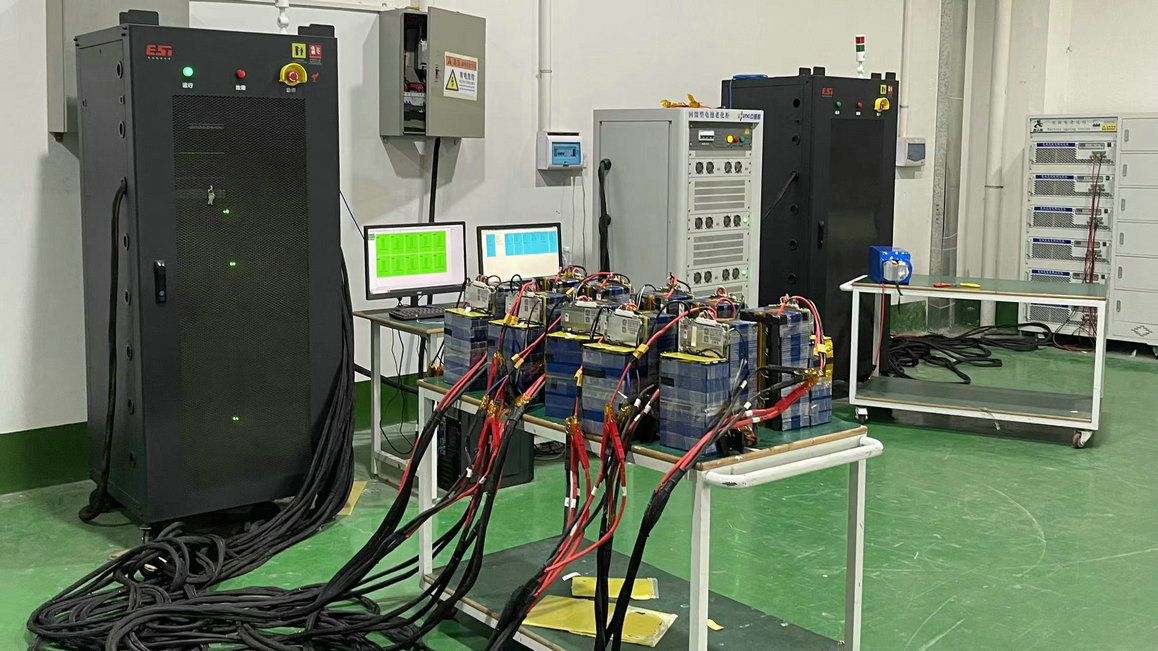
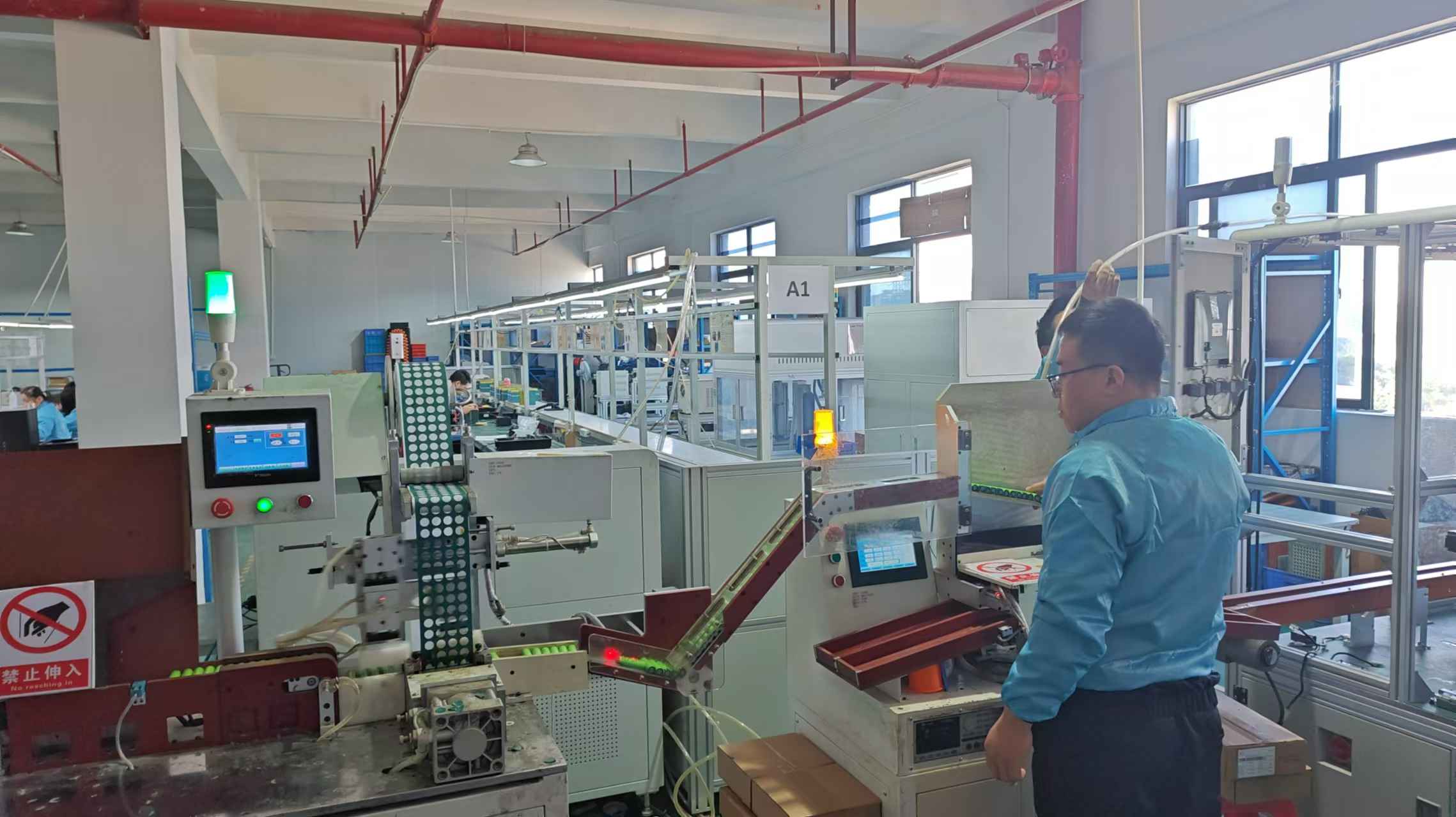
Navigating import tariff frameworks and quality clearances requires strong factory compliance. Guangdong Nuwon Energy Co., Ltd. streamlines the supply chain corridor between Chinese precision manufacturing hubs and major Indian industrial zones (NCR, Pune, Chennai, Bengaluru).
Our production protocols are optimized for BIS (Bureau of Indian Standards) registration and AIS-156 automotive EV regulations. We implement advanced quality systems to trace raw materials, match cells perfectly prior to assembly, and perform cycle aging. When importing LTO modules or custom battery packs into India, partners receive full technical documentation, certificates of conformity, and active cargo monitoring to guarantee a seamless customs process and transport safety.
Browse our robust portfolio of high-discharge cells, high-capacity modular systems, and telecom power packs built for durable performance.
Find comprehensive answers on the integration, importation, and operating physics of Lithium Titanate technology in the Indian context.
India experiences severe summer temperatures exceeding 45°C. NMC and standard LFP cells undergo rapid degradation and face risk of thermal runaway at elevated temperatures. LTO batteries use a nanocrystalline titanium oxide anode instead of carbon, establishing a zero-strain structure that resists expansion, dendrite formation, and maintains absolute thermal safety at temperatures up to 55°C without needing external air conditioning.
Yes, our manufacturing lines in China closely match the strict specifications of IS 16046 (Part 2) / IEC 62133-2 and automotive AIS-156 requirements. We assist Indian importers and enterprise buyers with complete technical dossiers, factory audit documents, and cell specifications to guarantee swift BIS registrations.
LTO batteries are rated for 20,000 to over 30,000 charge-discharge cycles at 80% to 100% Depth of Discharge (DoD). In typical solar microgrid operations (1 to 2 cycles per day), an LTO battery pack can operate continuously for 20+ years, aligning with the actual physical lifecycle of the solar panels.
LTO cells safely support continuous charge rates of 6C up to 10C. This translates to full charging from 0% to 100% state of charge in 6 to 10 minutes. This chemistry is ideal for electric bus fleets, AGVs, and railway applications where rapid power charging window is critical.
 Nuwon Energy