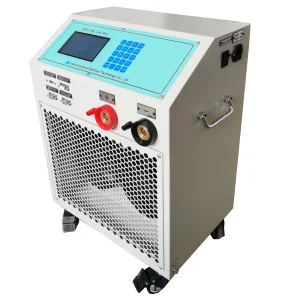
Direct sourcing of CE-certified lithium modules, testing equipment, and industrial battery packs engineered for maximum efficiency and compliance.
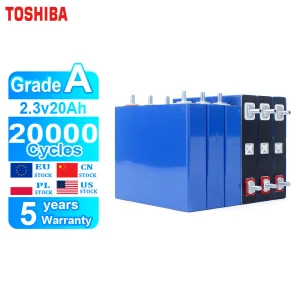
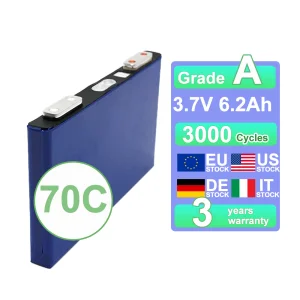
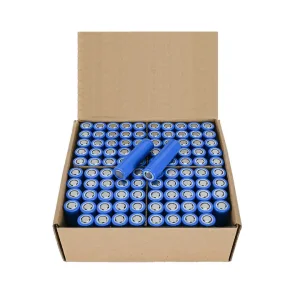
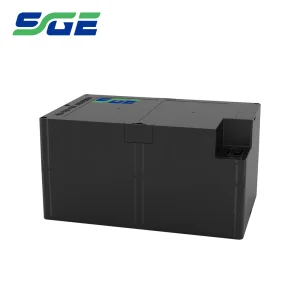
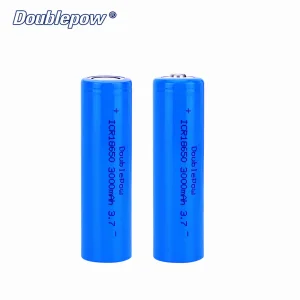
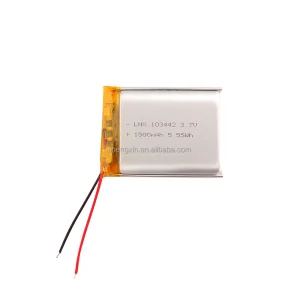
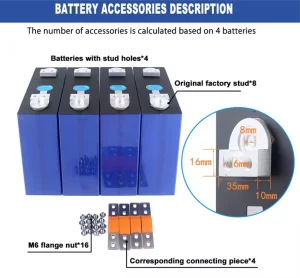
Guangdong Nuwon Energy Co., Ltd. is a leading manufacturer and solution provider in advanced battery systems, specializing in the research, development, manufacturing, and global distribution of high-performance energy storage products. The company offers comprehensive OEM and ODM services, delivering customized battery solutions tailored to diverse industrial and commercial applications.
Backed by a highly experienced engineering and R&D team, Nuwon Energy focuses on the design and integration of cylindrical and prismatic lithium battery cells, as well as complete battery packs, modules, and energy storage systems. The company also develops and produces industrial-grade battery cells engineered for safety, durability, and long cycle life.
By designing and constructing robust physical cell-to-module integrations, we ensure that global industrial challenges—such as thermal dispersion, peak density configuration, and severe vibration resistance—are preemptively engineered away. Nuwon Energy’s commitment to scientific engineering is matched by a strict adherence to CE certification protocols, offering our B2B procurement partners safe, compliant, and highly stable energy systems.
Guangdong Nuwon Energy serves a wide range of industries, including consumer electronics, electric mobility (such as golf carts, forklifts, UTVs/ATVs, trucks, and marine systems), medical equipment, unmanned ground vehicles (AGVs/AMRs), and emerging aerospace applications such as eVTOL aircraft. In addition, the company provides reliable residential, commercial, and industrial (C&I) energy storage solutions designed to support the global transition toward clean and sustainable energy.
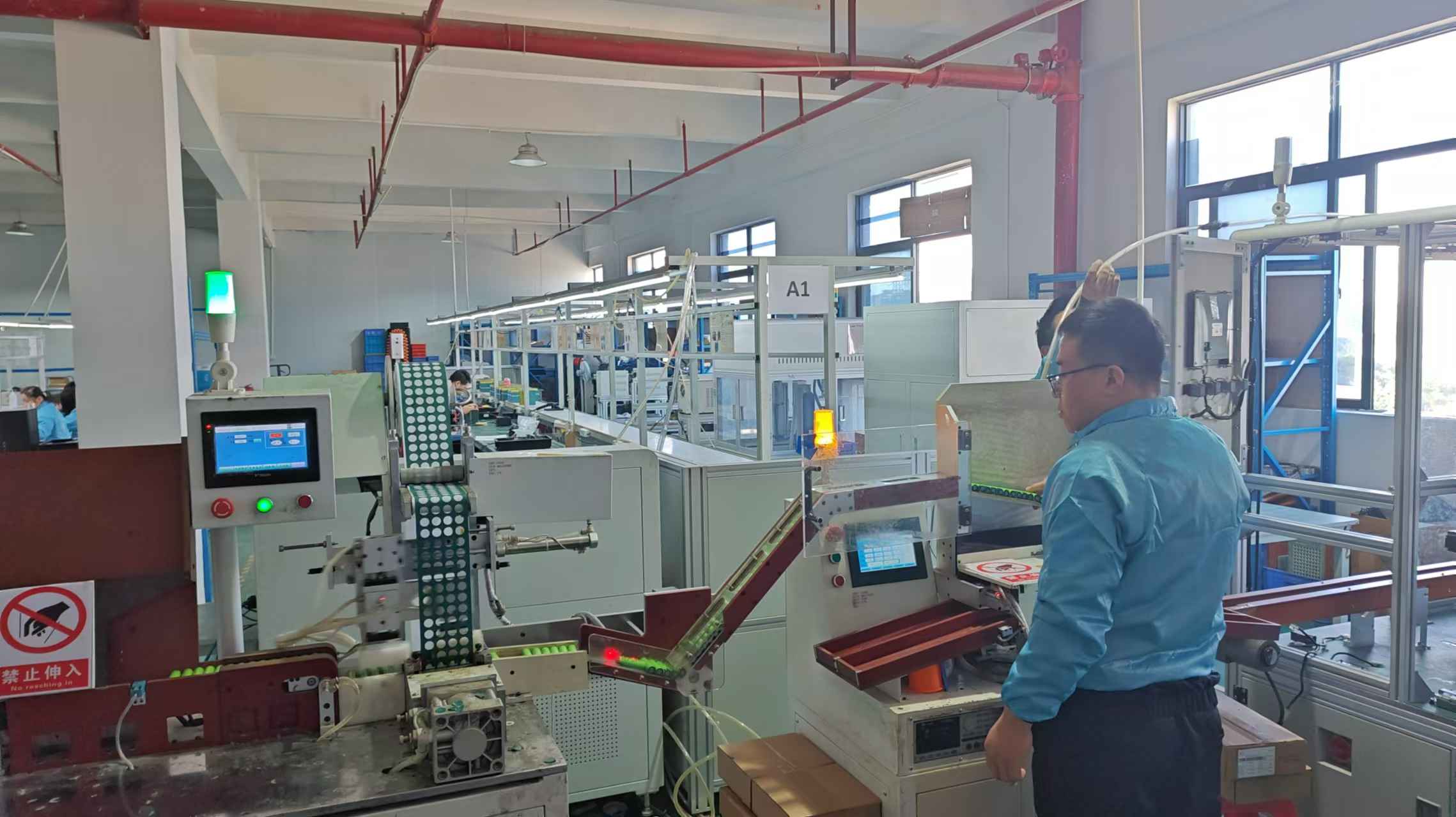
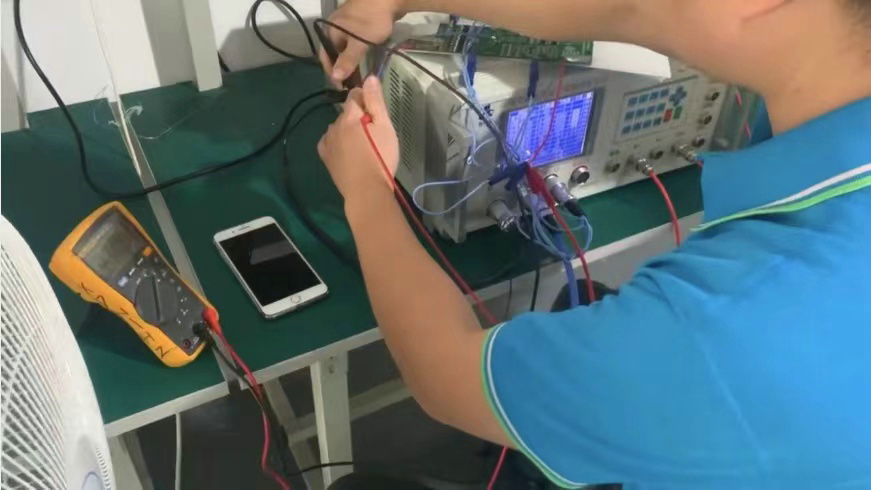
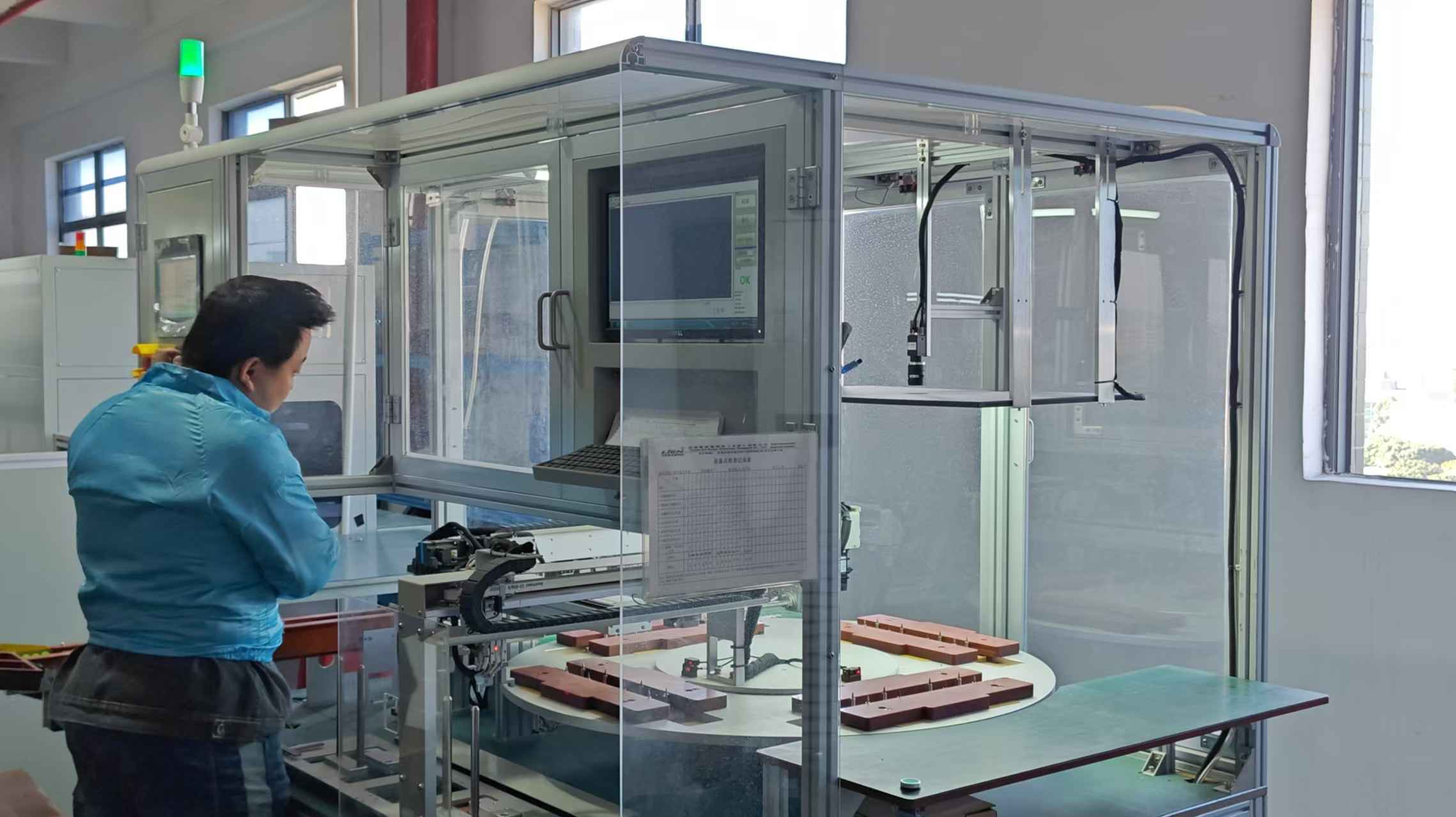
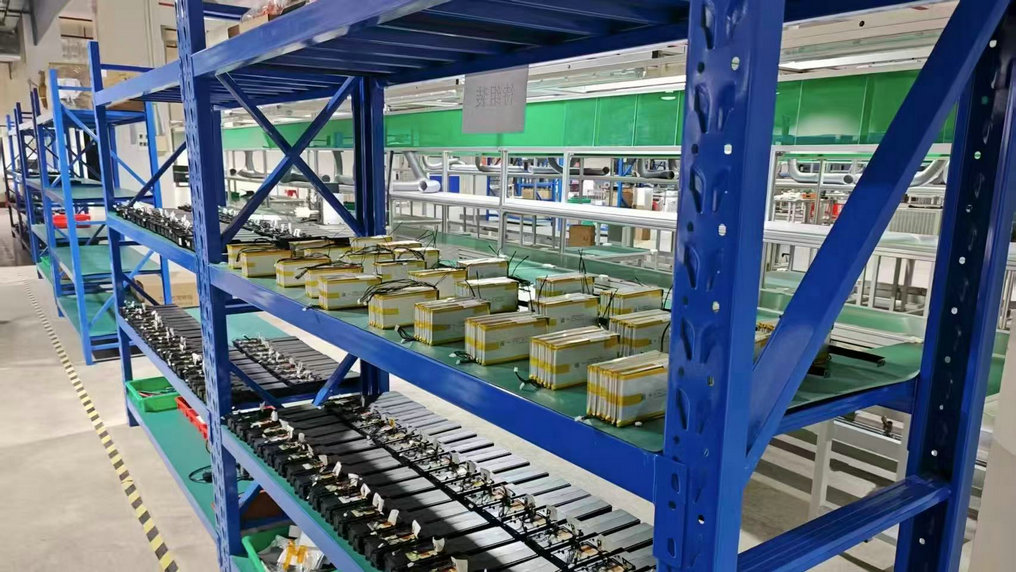
With a strong commitment to innovation, strict quality control, and customer-centric service, Guangdong Nuwon Energy continuously invests in advanced manufacturing capabilities, automated production lines, and rigorous testing systems. This ensures that every product meets international safety standards and delivers exceptional performance in demanding environments.
Understanding the critical metrics and compliance bottlenecks that shape the B2B supply chain for lithium modules.
For industrial buyers, battery modules are not simple commodities. Technical assessment focuses on cell matching consistency (internal resistance, capacity delta < 20mΩ/< 50mAh), thermal runaway mitigation pathways, and structural structural-adhesion integrity. A single module failure can result in total pack shutdown, threatening commercial operations.
Modern procurement looks beyond initial cost-per-kilowatt-hour (CapEx) to calculate the Levelized Cost of Storage (LCOS) and Total Cost of Ownership (TCO). Procurement criteria specify high-durability chemistries like LiFePO4 with cyclic profiles >6,000 cycles at 80% DoD, or Scib LTO chemistries capable of rapid continuous charge-discharge without degrading internal anodes.
Without documented compliance (e.g., CE, BIS, UN38.3), customs clearance and local system integrations within Europe and the Americas present substantial financial liabilities. CE validation is crucial for power modules, serving as an absolute prerequisite for integration into light electric vehicles, medical devices, and high-voltage grid systems.
Tailored engineering strategies targeting specific operating profiles, thermal conditions, and mechanical stressors across sectors.
Heavy-duty forklifts, AGVs, AMRs, and airport tugs require continuous current delivery and shock absorption. Our modules use internal silicone-based potting materials and structural metal braces to exceed typical forklift vibration profiles. LTO or LFP configurations support fast multi-shift charging, reducing fleet downtime.
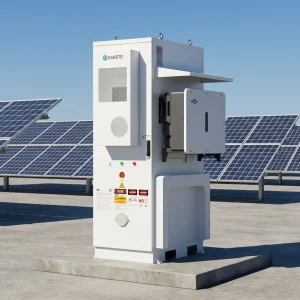
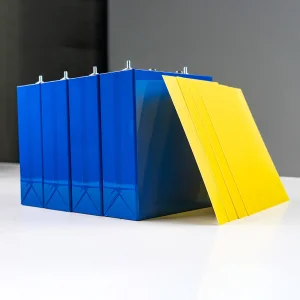
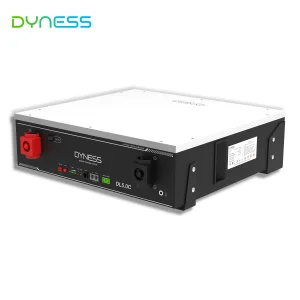
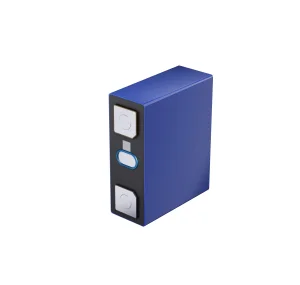
Microgrids, peak-shaving units, and solar integrations require highly scalable modules. Using high-capacity prismatic cells (280Ah, 306Ah, 314Ah), we configure centralized high-voltage racks (up to 1500V DC) managed by active-balancing BMS protocols. This stabilizes solar and wind power output for manufacturing facilities worldwide.
Marine environments require salt-spray resistance, IP67 enclosure ratings, and reliable thermal monitoring. Our customized battery packs for marine systems and utility trucks feature multi-level gas exhaust channels and dual thermal monitoring sensors. This design isolates module compartments in the event of thermal anomalies.
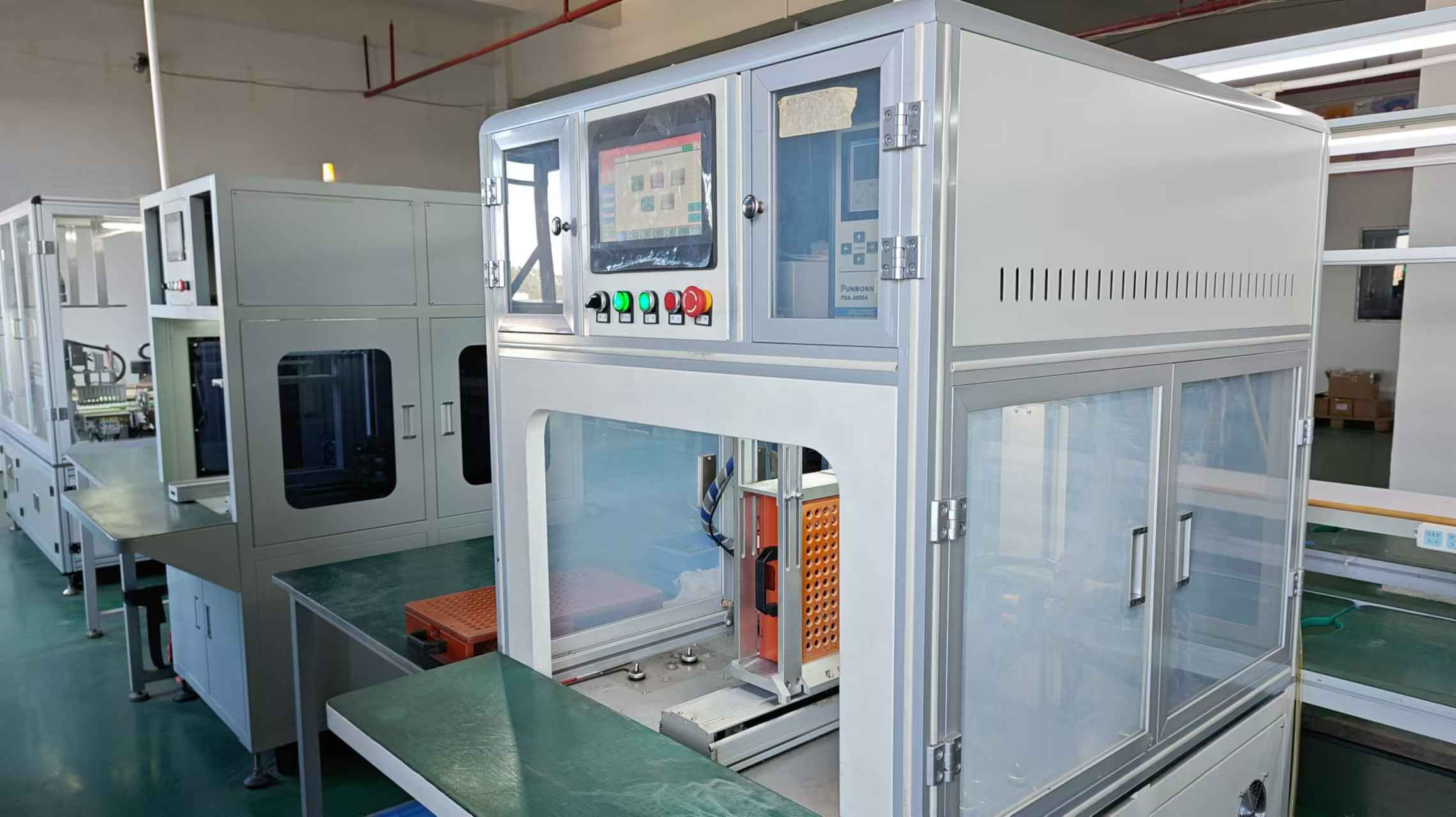
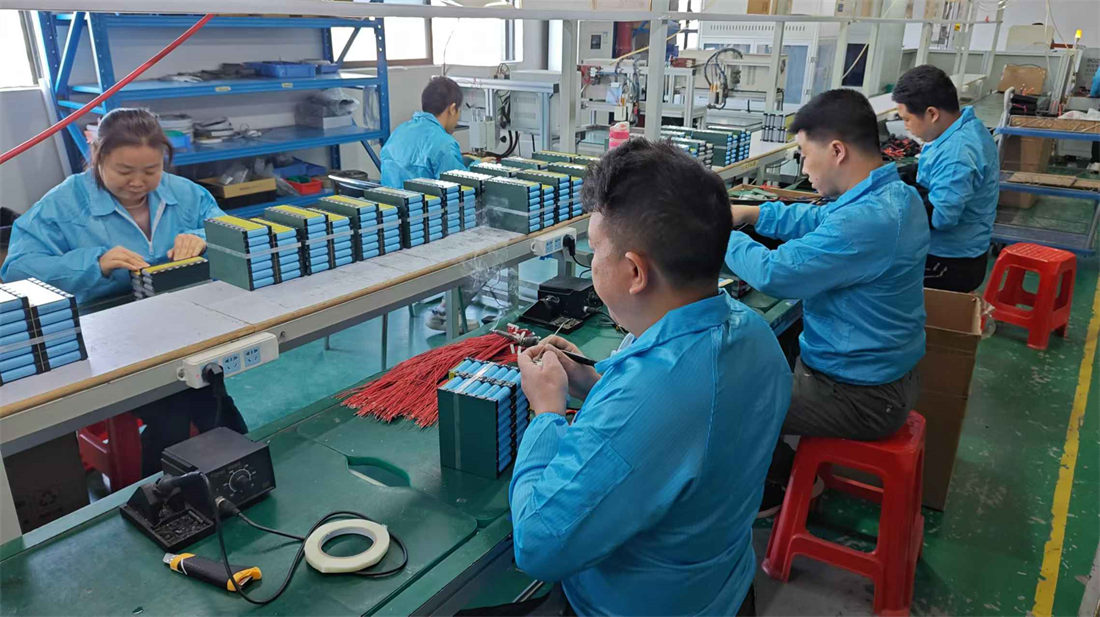
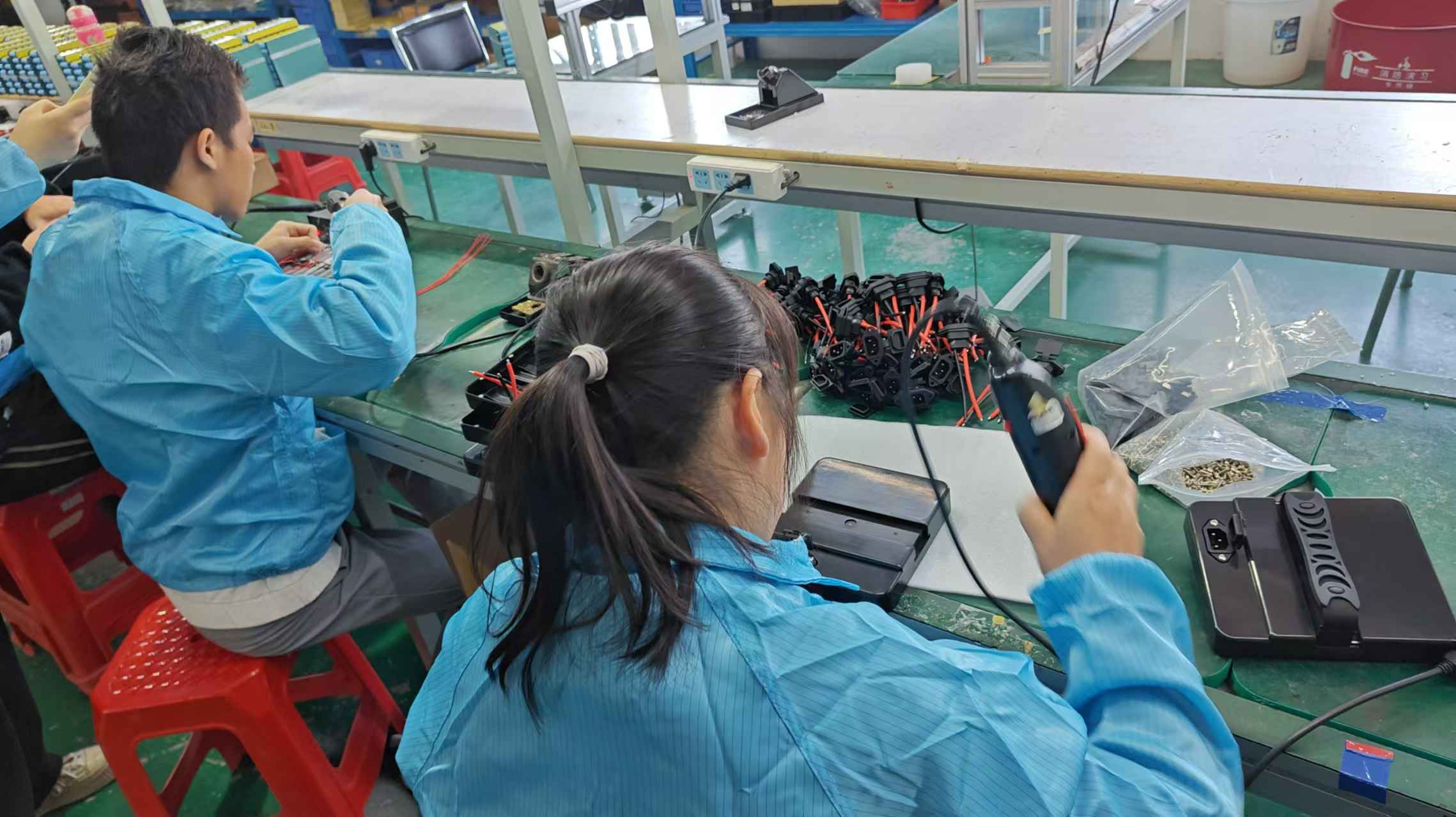
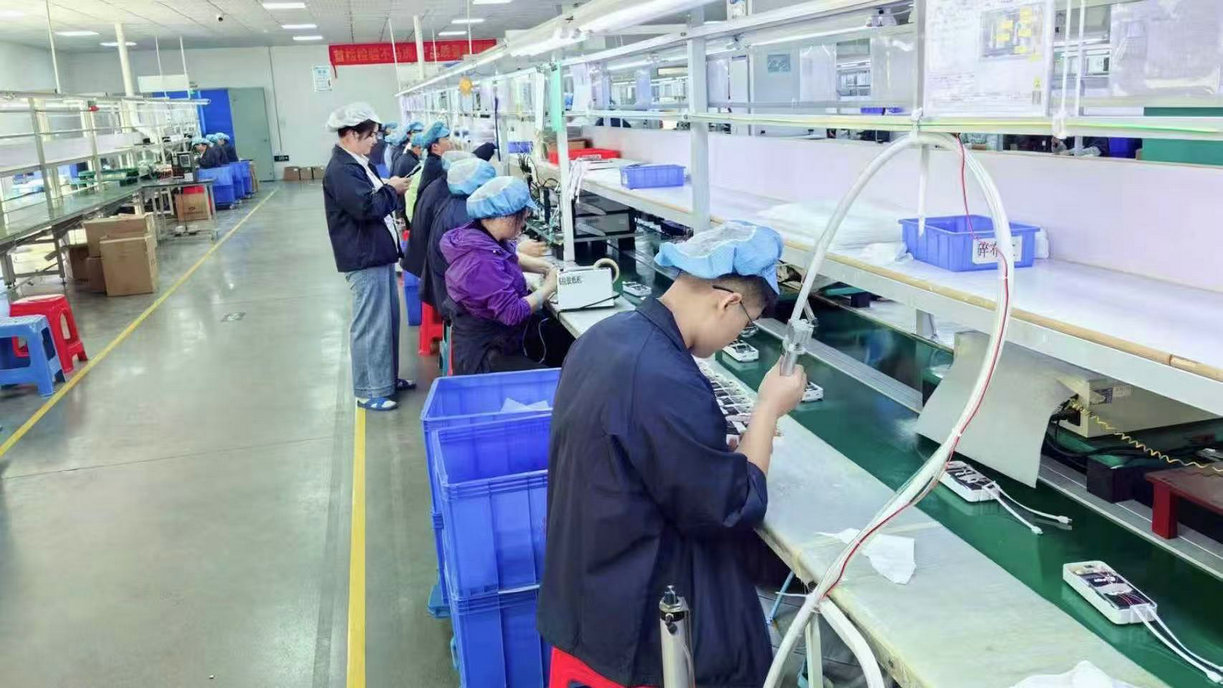
Ensuring cell consistency and structural integrity through advanced automated production lines.
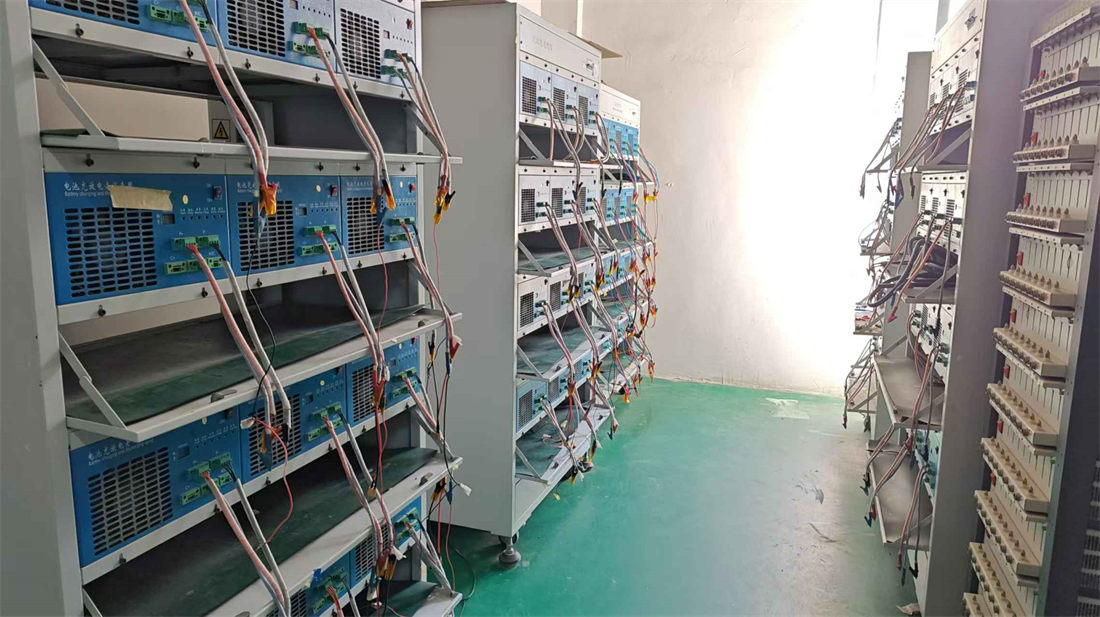
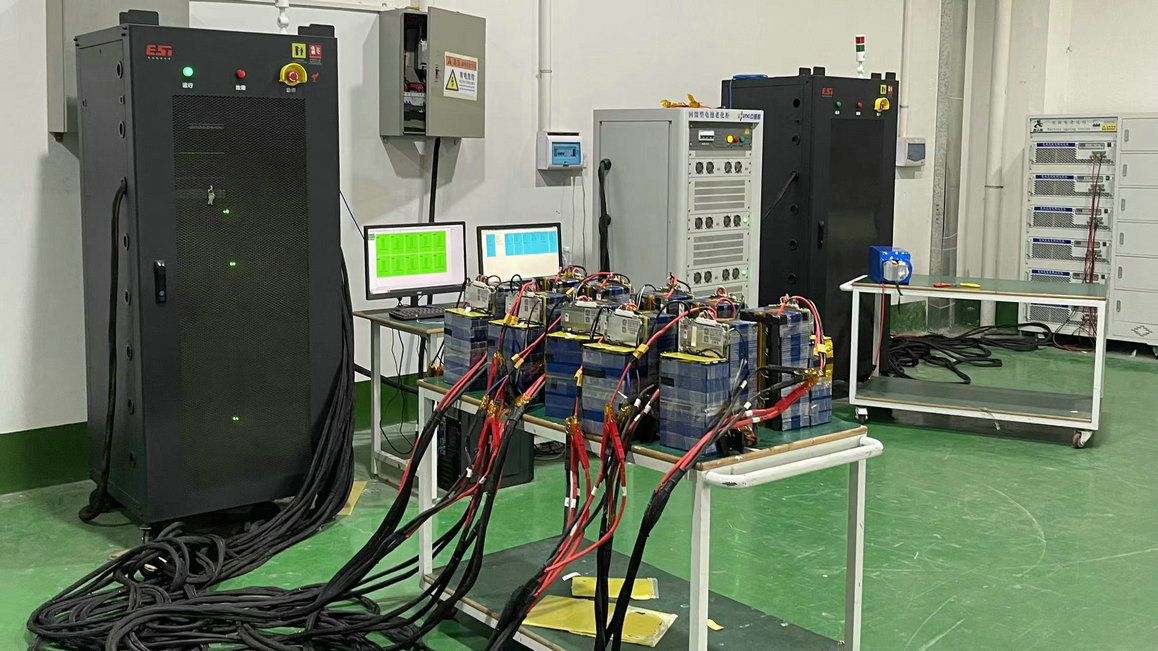
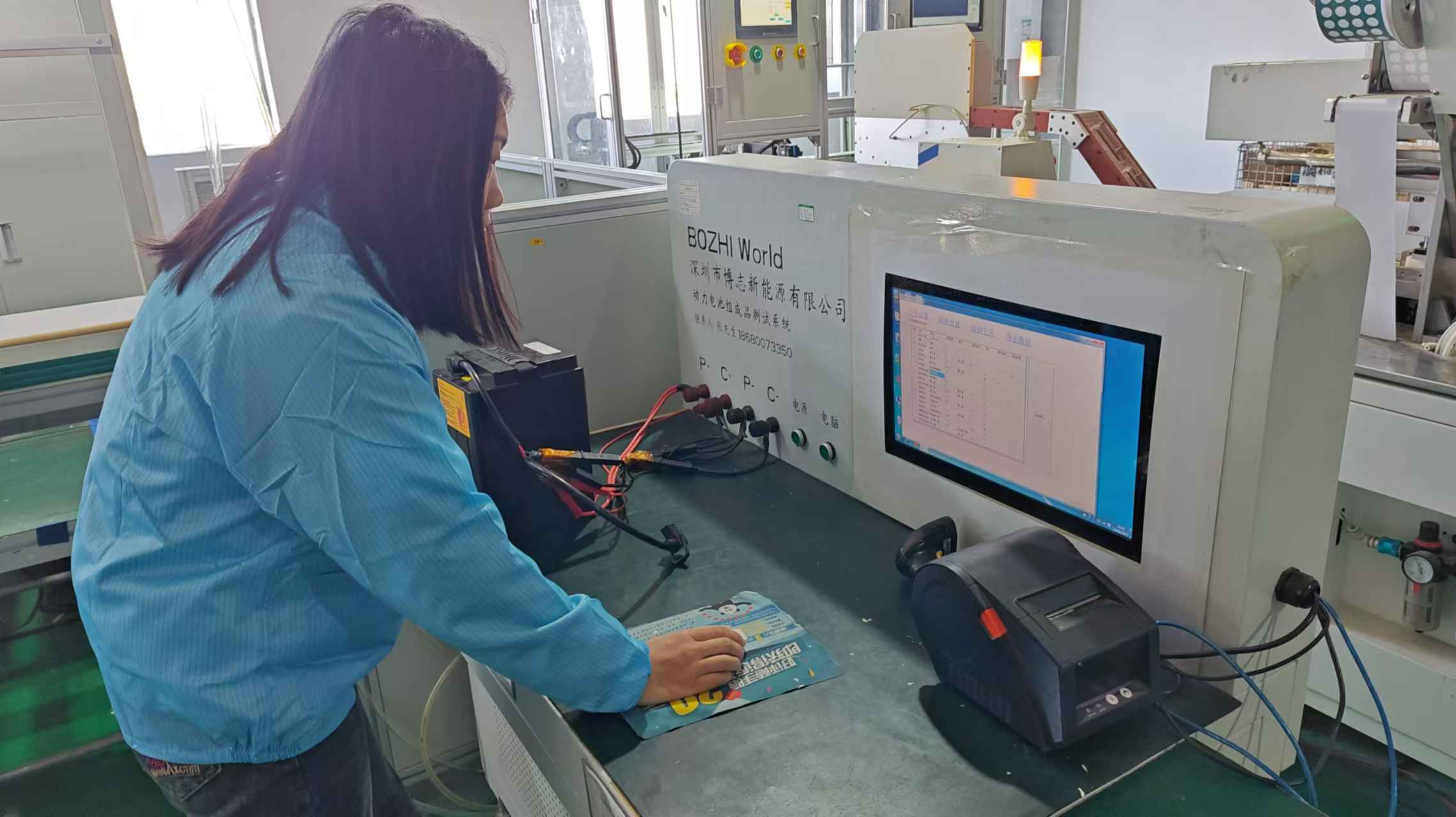
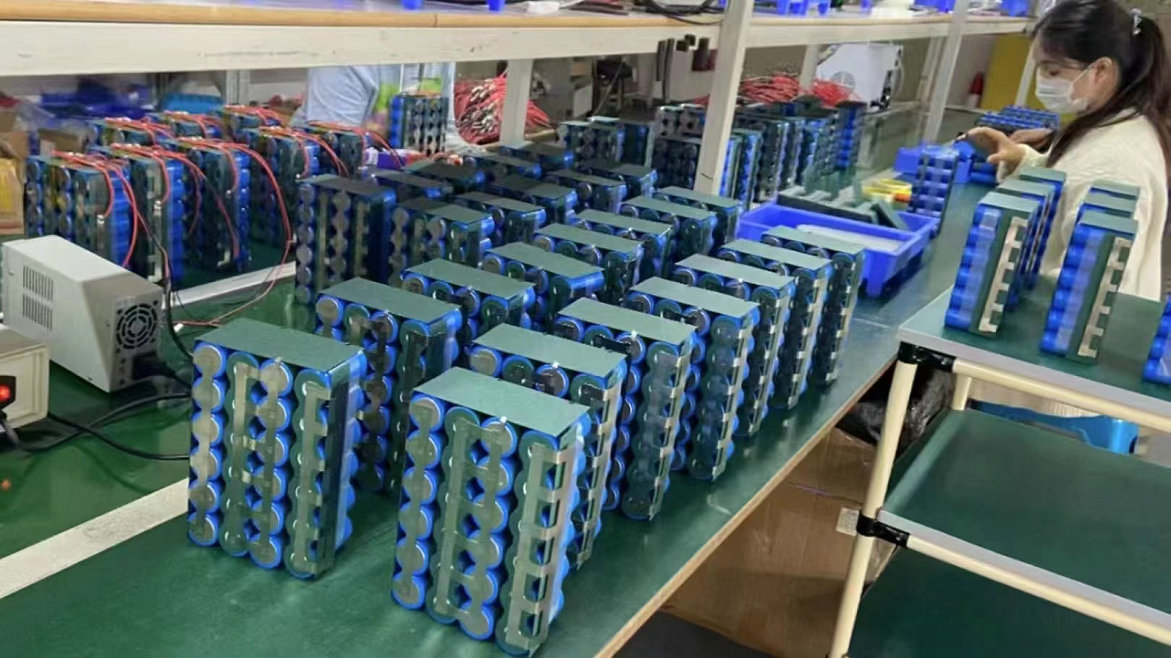
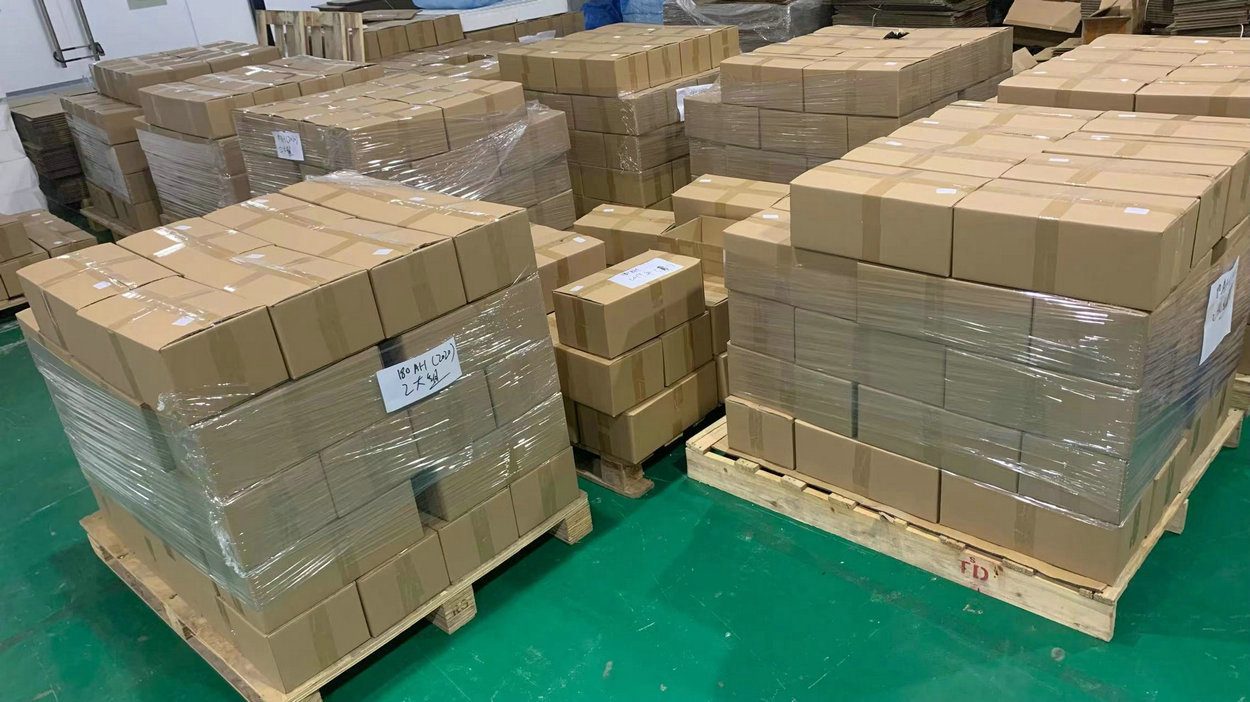
Guangdong Nuwon Energy continuously invests in advanced manufacturing capabilities, automated production lines, and rigorous testing systems. This ensures that every product meets international safety standards and delivers exceptional performance in demanding environments. Driven by a vision to accelerate global electrification and energy efficiency, we align our engineering with advanced assembly practices:
Navigating chemical innovations, intelligent battery management, and environmental parameters for high-performance systems.
While Lithium Iron Phosphate (LiFePO4) remains the industry benchmark for static commercial and industrial (C&I) storage due to its safety and lifecycle, high-rate mobility operations require different chemical profiles. We utilize High Nickel NCM (Nickel-Manganese-Cobalt) and lithium titanate (LTO) structures to address high charge-discharge rate applications, such as car audio power and rapid e-mobility.
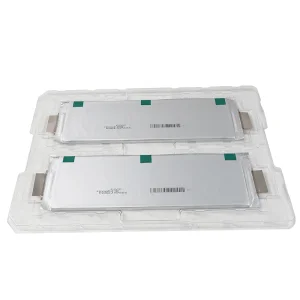
The industry is transitioning from cell-to-module (CTM) to cell-to-pack (CTP) configurations. By reducing internal module structures, overall volumetric density is increased by up to 15%. Our engineering pipeline focuses on integrating ultra-high-rate cylindrical cells and thin-film lithium polymer cells, optimizing thermal management for tight spaces.
Future systems require advanced battery management systems (BMS) with Edge AI capabilities. These systems predict thermal runway events up to 5 minutes before they occur by analyzing subtle cell impedance fluctuations. We integrate active thermal balancing and high-reliability isolation testing to ensure stability in demanding environments.
Operating in international markets requires rigorous regulatory compliance. The CE mark signifies conformity with health, safety, and environmental protection standards for products sold within the European Economic Area (EEA).
For power battery modules, CE certification requires compliance with multiple directives:
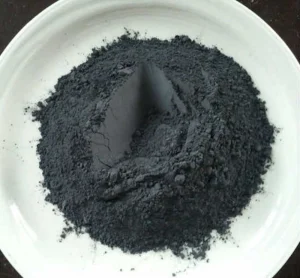
Our Quality Management System (QMS) maintains traceability from raw materials (such as NMC precursor powders) to final assembly. Automatic grading and sorting processes ensure that cells matching standard requirements are placed into the assembly pipeline.
With localized warehouses and technical partners in Europe, North America, and Southeast Asia, Guangdong Nuwon Energy provides rapid response engineering support and custom integration advice for commercial and industrial projects.
Technical details, compliance standards, and customization capabilities for power battery modules.
CE certification indicates that the battery module meets the safety, health, and environmental requirements of the European Economic Area (EEA). For industrial applications, it ensures compliance with the Low Voltage (LVD) and Electromagnetic Compatibility (EMC) directives, which is essential for system integration and legal operation in European markets.
Selecting the appropriate chemistry depends on the application:
• LiFePO4 (LFP): Ideal for stationary storage and commercial systems due to its high cycle life (>6000 cycles) and thermal stability.
• NCM (Nickel Manganese Cobalt): Preferred for applications requiring high energy density and high discharge rates, such as car audio and electric motorcycles.
• LTO (Lithium Titanate): Used for extreme environments, fast-charging applications, and long-life industrial systems (up to 20,000 cycles).
We perform comprehensive testing at each production stage, including capacity and internal resistance sorting, PCB functionality checks, automated welding inspection, insulation testing, high-voltage leakage tests, and thermal aging.
Yes. Our engineering team assists with housing design, BMS parameters, capacity sizing, and connector options to integrate modules into AGVs, marine propulsion units, commercial energy storage systems (BESS), and specialized industrial equipment.
All battery packs and modules undergo UN38.3 testing. We provide the corresponding test reports and MSDS (Material Safety Data Sheets) to facilitate compliant air, ocean, and land shipping globally.
High-capacity prismatic cells, specialized raw materials, and large-scale industrial battery energy storage solutions (BESS).


 Nuwon Energy