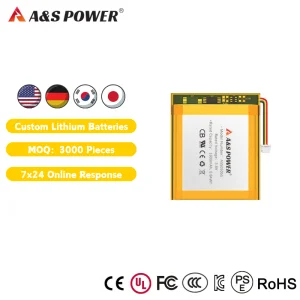
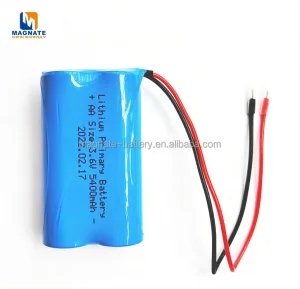
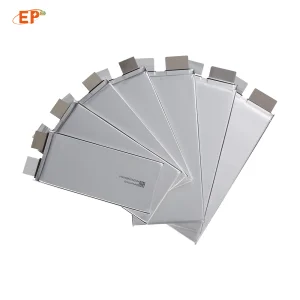
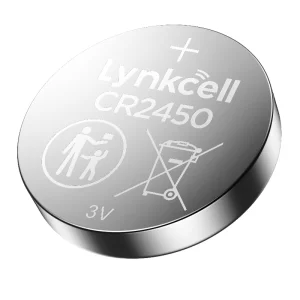
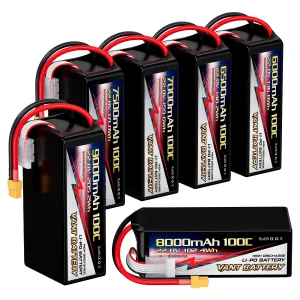
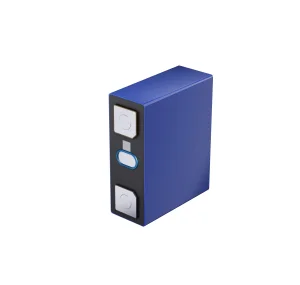
Explore our selection of commercial-grade cells, solid-state lithium-polymer systems, and high-energy integration configurations designed for rigorous operating parameters.
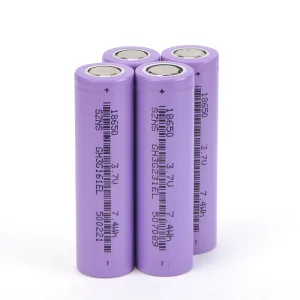

The contemporary battery landscape is shifting rapidly from legacy liquid electrolyte cells toward lightweight, high-energy-density solid-state and gel polymer architectures.
Global demand for electrification across critical applications—ranging from multi-rotor unmanned aerial vehicles (UAVs) to marine propulsion and commercial energy storage systems (C&I ESS)—requires cells capable of operating under harsh thermal, physical, and electrical environments. High energy density and mechanical flexibility make Lithium-Polymer (LiPo) cells the optimal standard for complex engineering applications.
However, managing the safety profiles of high-capacity polymer systems requires robust manufacturing standards and precise electrochemical compositions. By employing gelled polymer electrolytes like PVDF-HFP, manufacturers improve structural stability, reduce electrolyte leakage risks, and enhance impact tolerance. Integrating strict quality assurance parameters allows these batteries to fulfill demanding CE certifications, verifying compliance with EU health, safety, and environmental protection rules.
Our industrial infrastructure is designed to fulfill complex OEM/ODM projects, delivering reliable performance and full regulatory compliance globally.
Guangdong Nuwon Energy Co., Ltd. is a leading manufacturer and solution provider in advanced battery systems, specializing in the research, development, manufacturing, and global distribution of high-performance energy storage products. The company offers comprehensive OEM and ODM services, delivering customized battery solutions tailored to diverse industrial and commercial applications.
Backed by a highly experienced engineering and R&D team, Nuwon Energy focuses on the design and integration of cylindrical and prismatic lithium battery cells, as well as complete battery packs, modules, and energy storage systems. The company also develops and produces industrial-grade battery cells engineered for safety, durability, and long cycle life.
Guangdong Nuwon Energy serves a wide range of industries, including consumer electronics, electric mobility (such as golf carts, forklifts, UTVs/ATVs, trucks, and marine systems), medical equipment, unmanned ground vehicles (AGVs/AMRs), and emerging aerospace applications such as eVTOL aircraft. In addition, the company provides reliable residential, commercial, and industrial (C&I) energy storage solutions designed to support the global transition toward clean and sustainable energy.
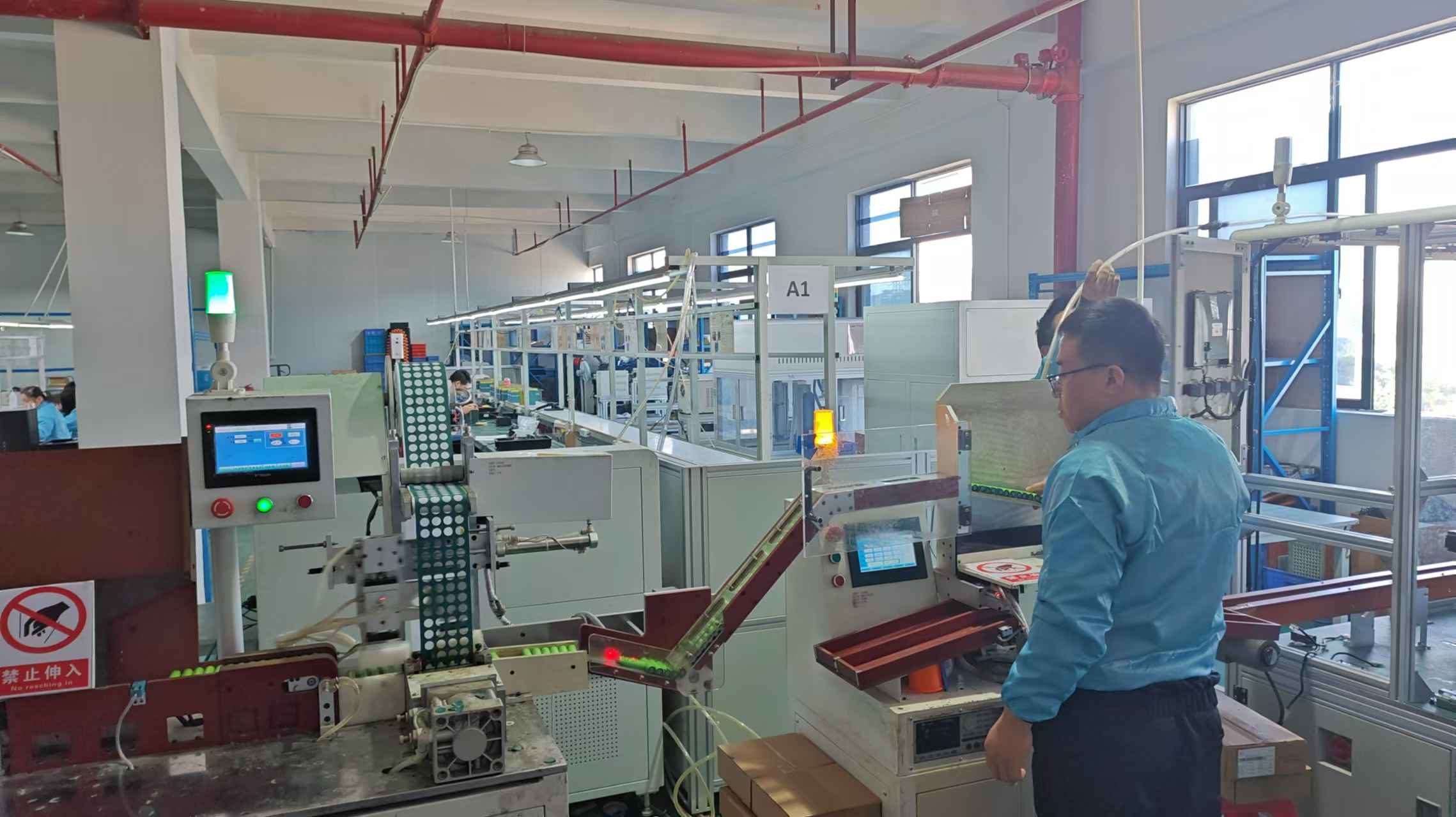
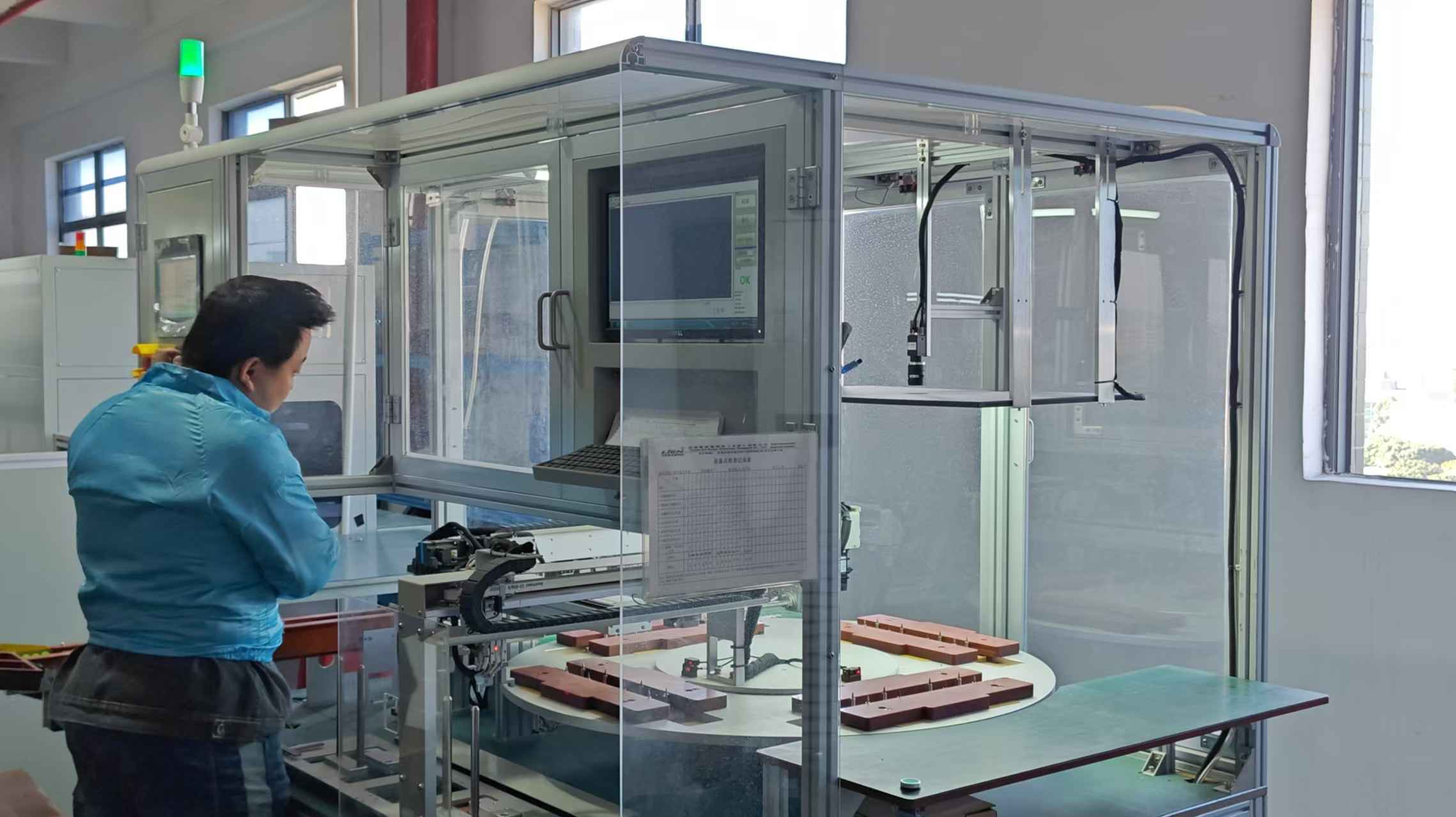
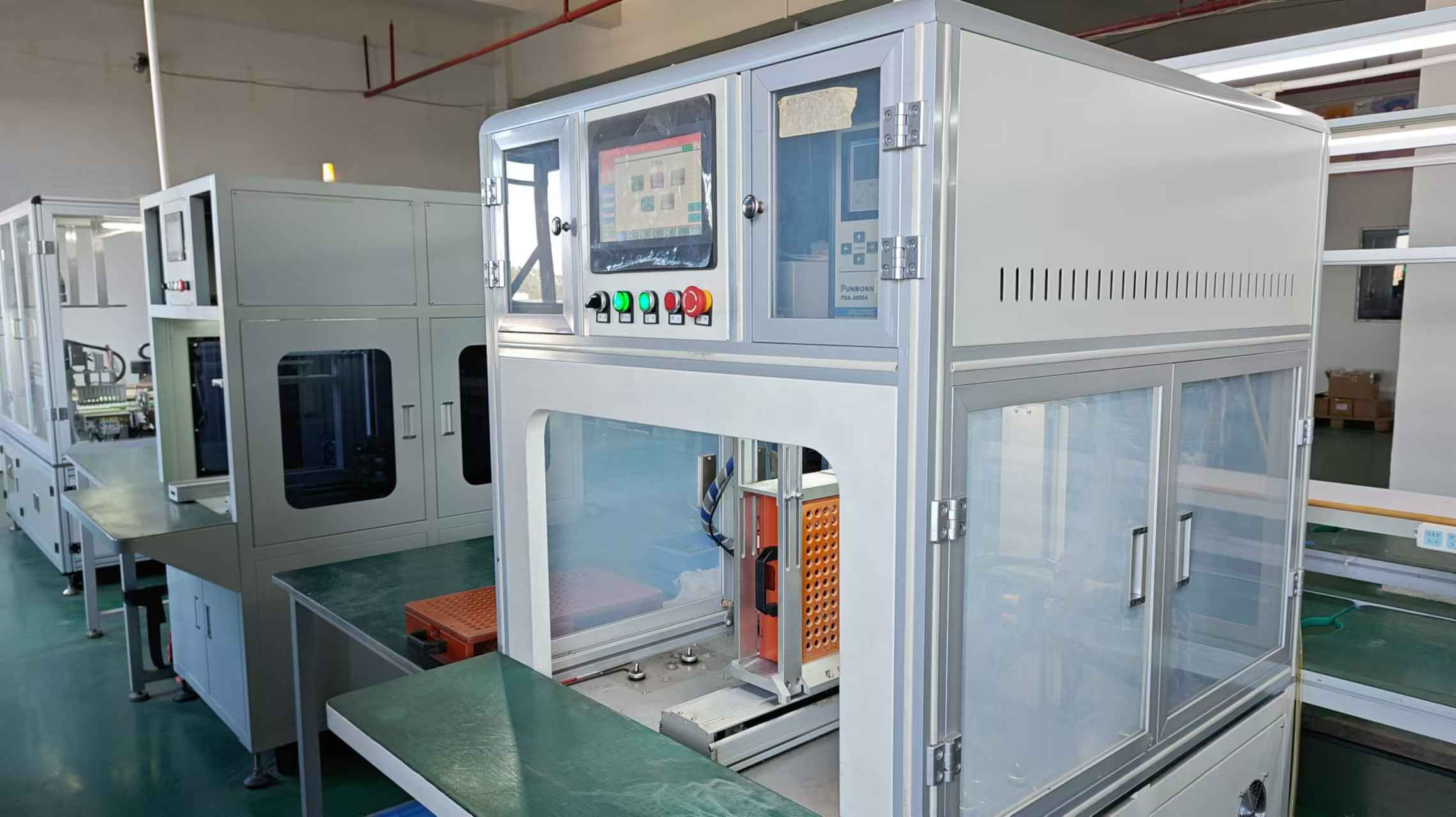
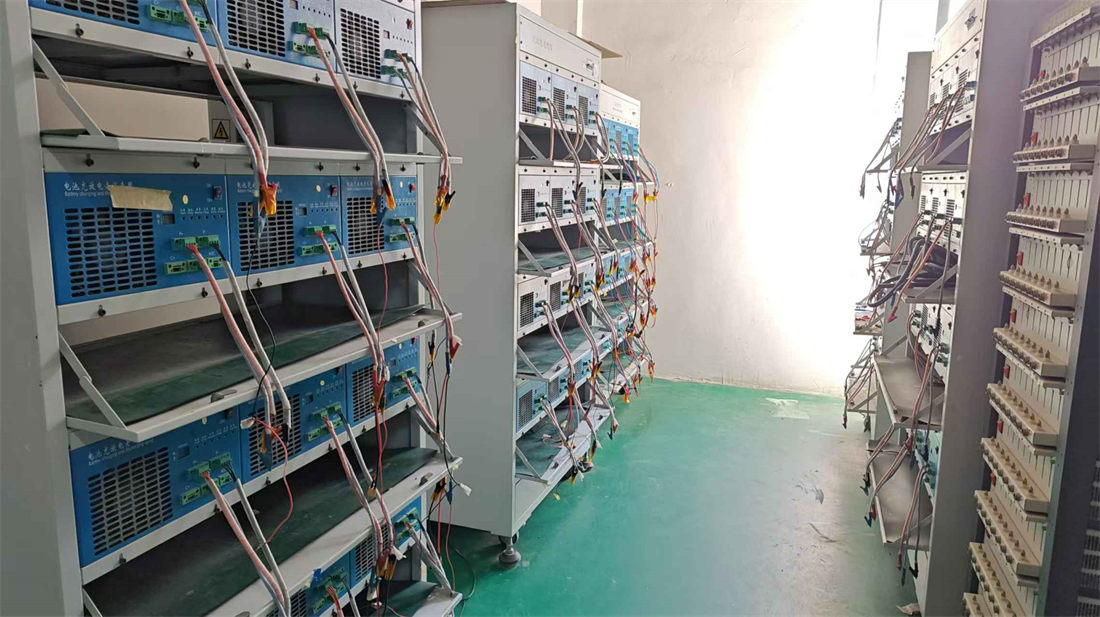
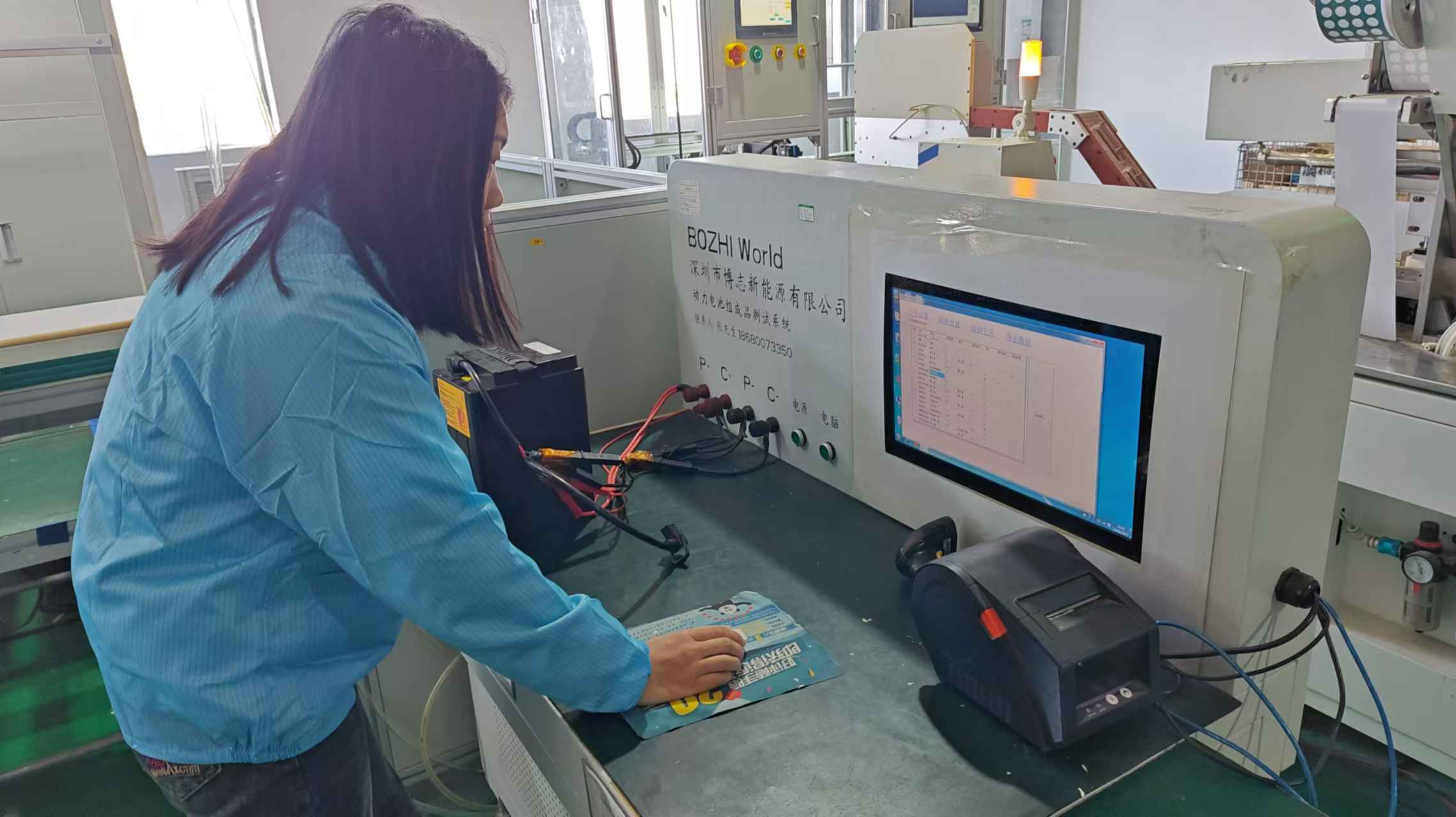
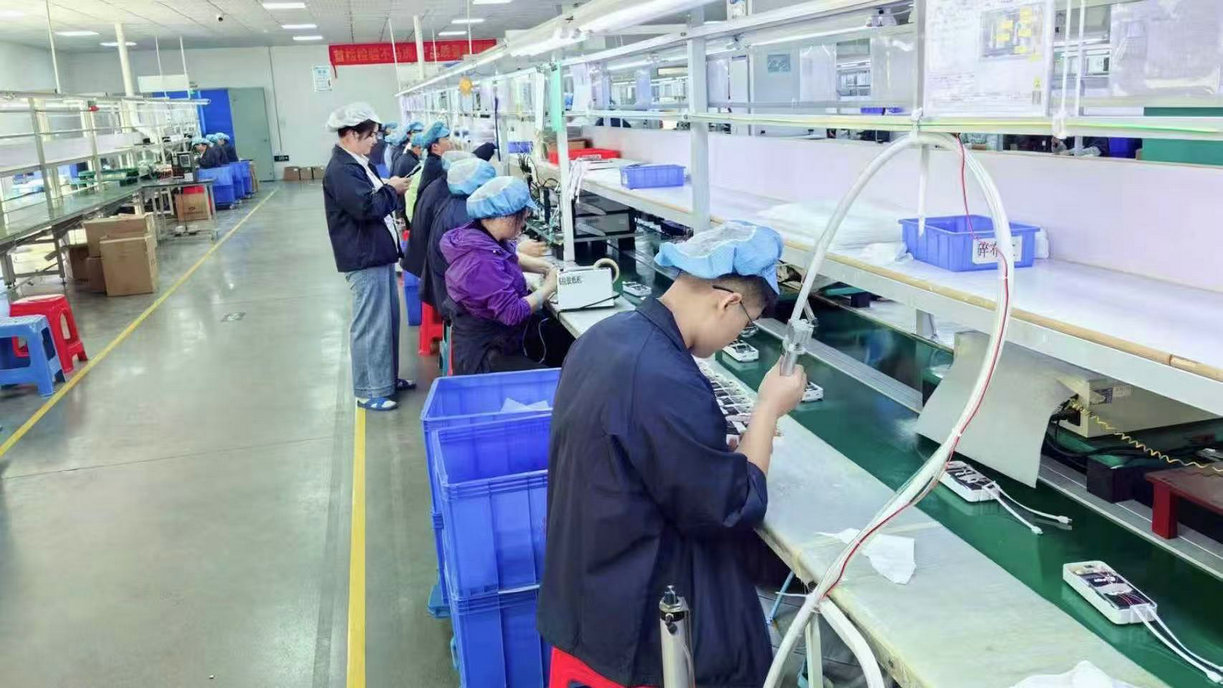
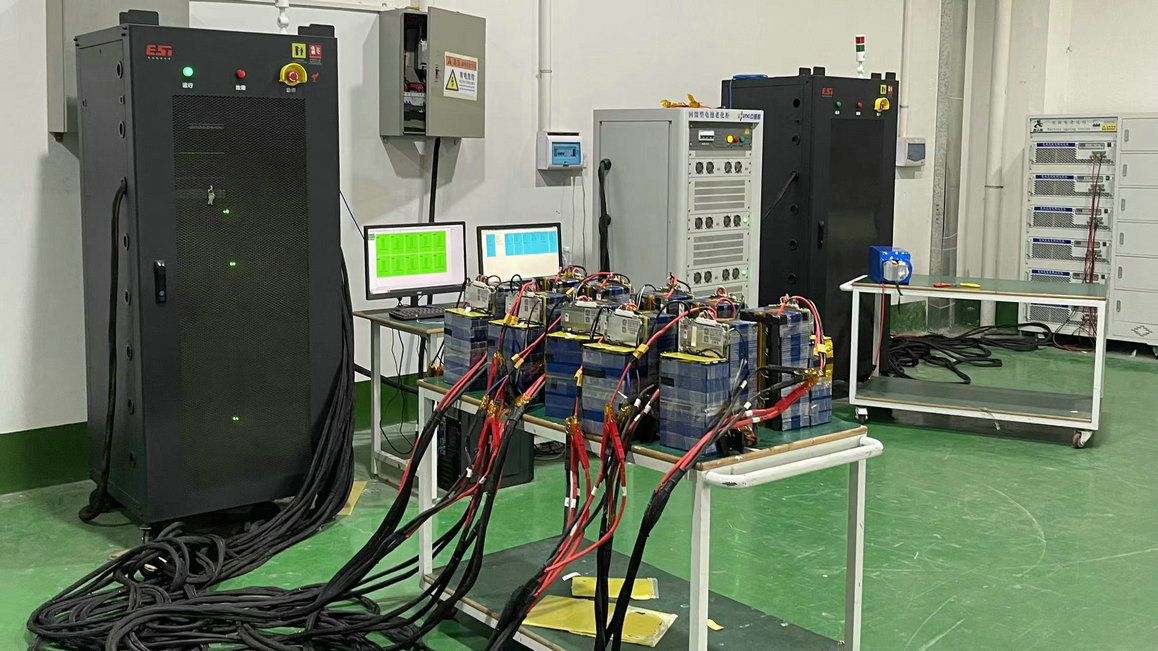
With a strong commitment to innovation, strict quality control, and customer-centric service, Guangdong Nuwon Energy continuously invests in advanced manufacturing capabilities, automated production lines, and rigorous testing systems. This ensures that every product meets international safety standards and delivers exceptional performance in demanding environments.
Driven by a vision to accelerate global electrification and energy efficiency, Guangdong Nuwon Energy Co., Ltd. is dedicated to building long-term partnerships and providing reliable, intelligent, and sustainable energy solutions to customers worldwide.
From consumer applications requiring compact profiles to high-power aerospace and industrial storage networks, we tailor solutions for specialized operational environments.
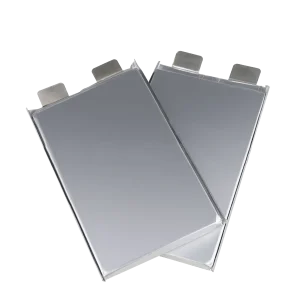
Our solid-state pouch cells and high-discharge-rate systems support agricultural, cargo, and consumer drones. Capable of up to 100C continuous discharge, they deliver stable power and high energy density for maximum hover time.
Tailored pack architectures for electric forklifts, commercial AGVs, golf carts, and marine systems. Built with secure prismatic cell arrays, automated internal cooling, and dynamic CANbus-supported BMS protocols.
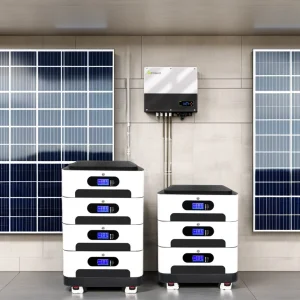
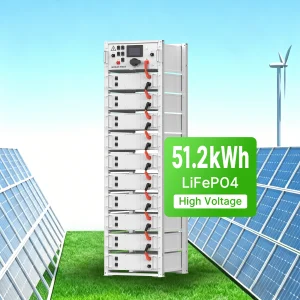
Modular battery racks spanning 48V to high-voltage configurations. Using LiFePO4 chemistries, these systems achieve over 6,000 cycles at 80% DoD, providing reliable backup power and peak shaving capacity.
Ultra-thin polymer pouches with customized dimensions, safety circuit modules (PCMs), and NTC thermal sensors. Ideal for high-reliability medical equipment, IoT sensors, and wearable diagnostic tools.
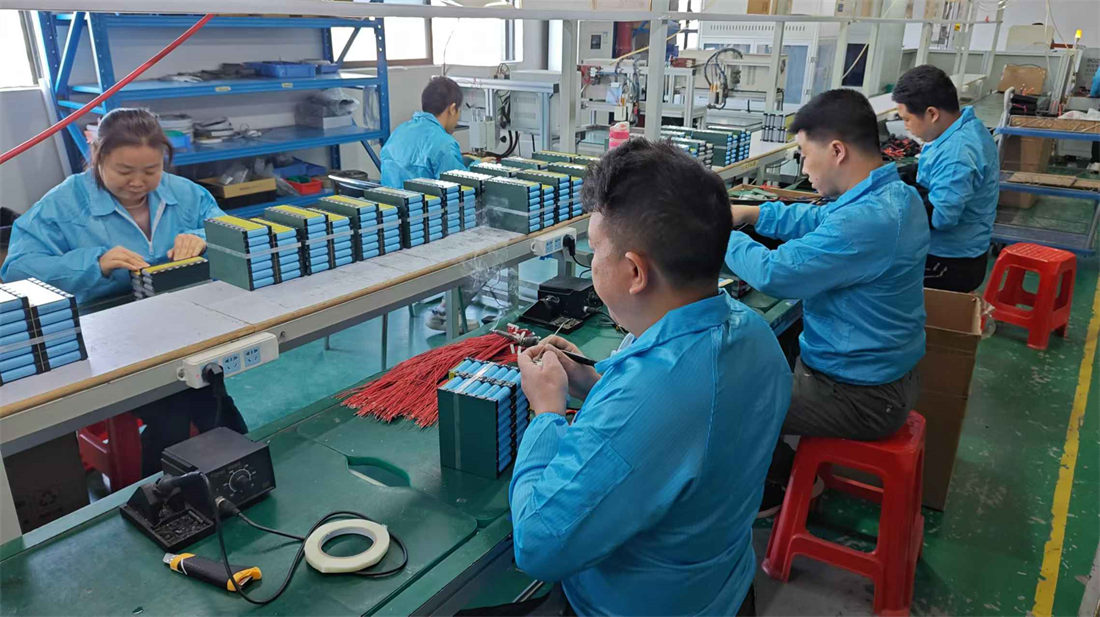
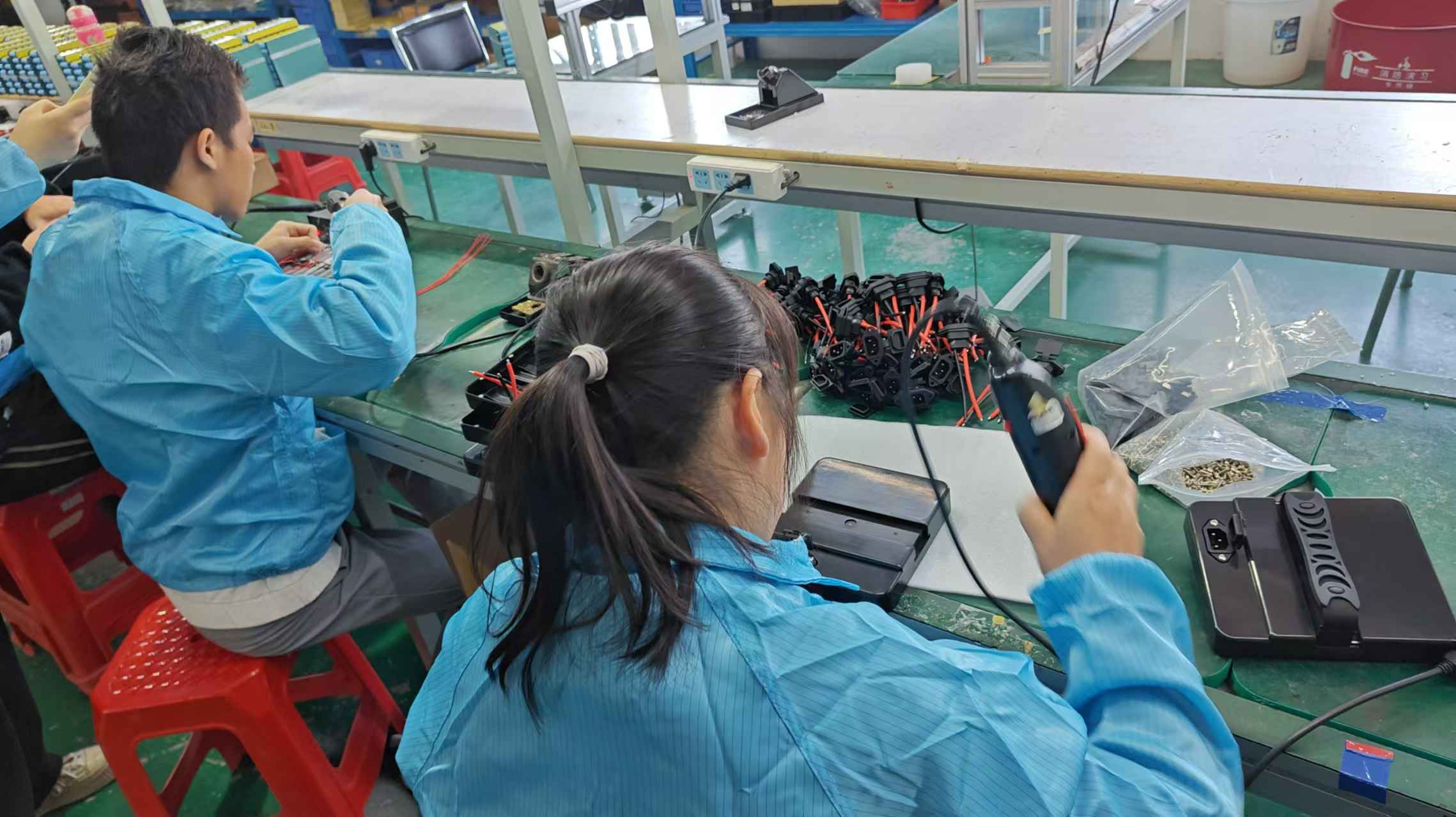
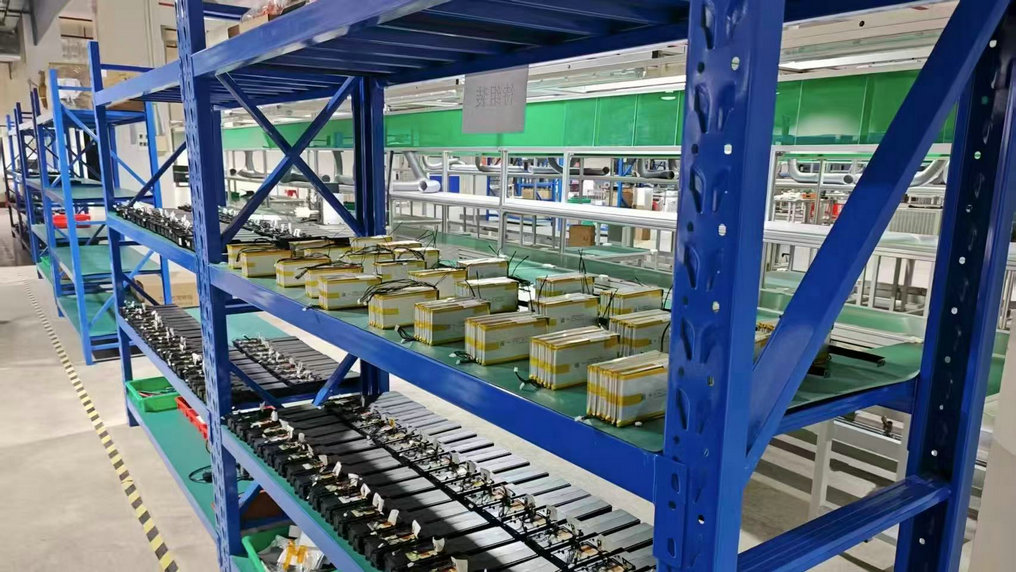
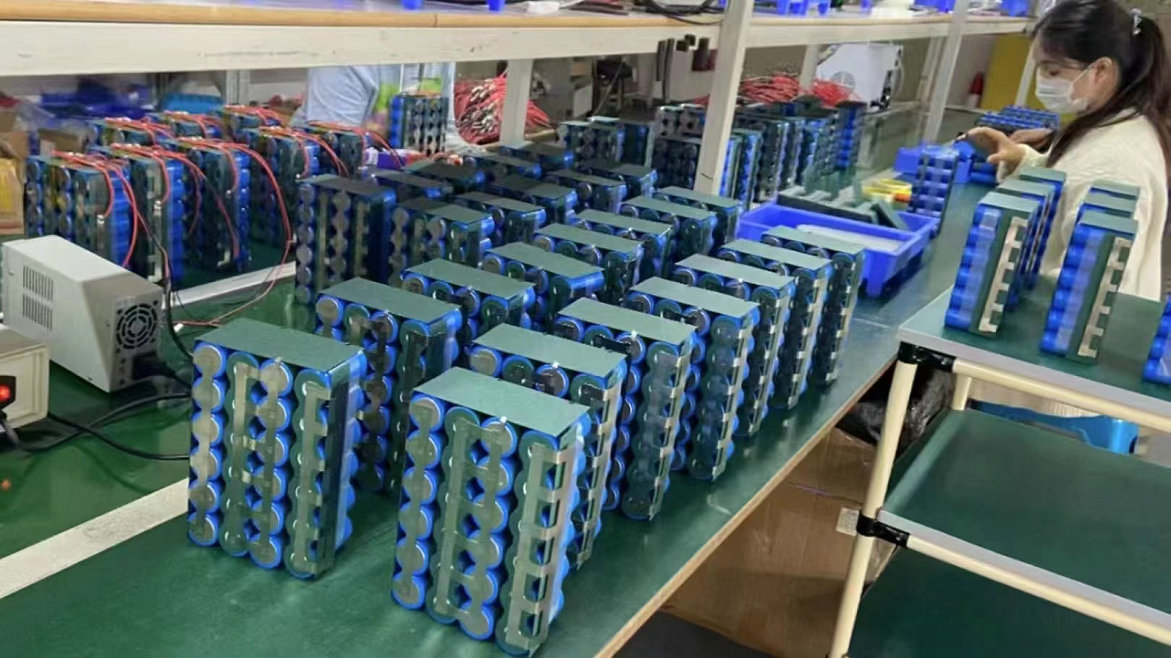
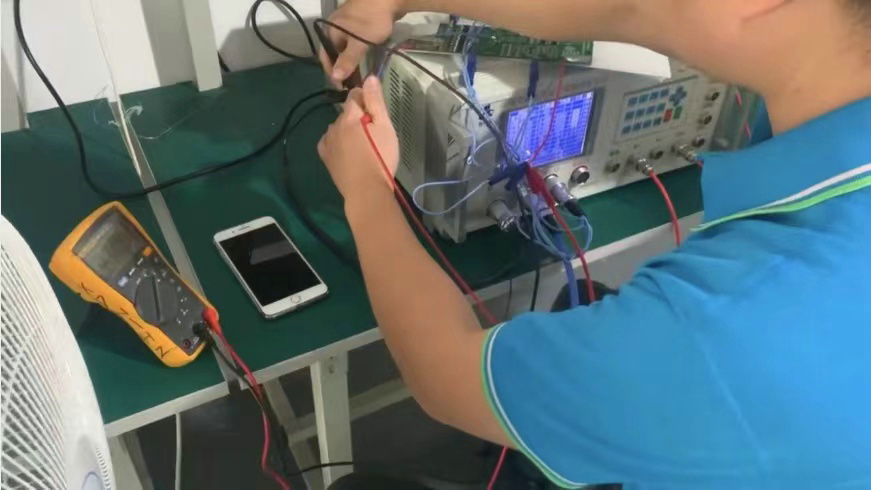
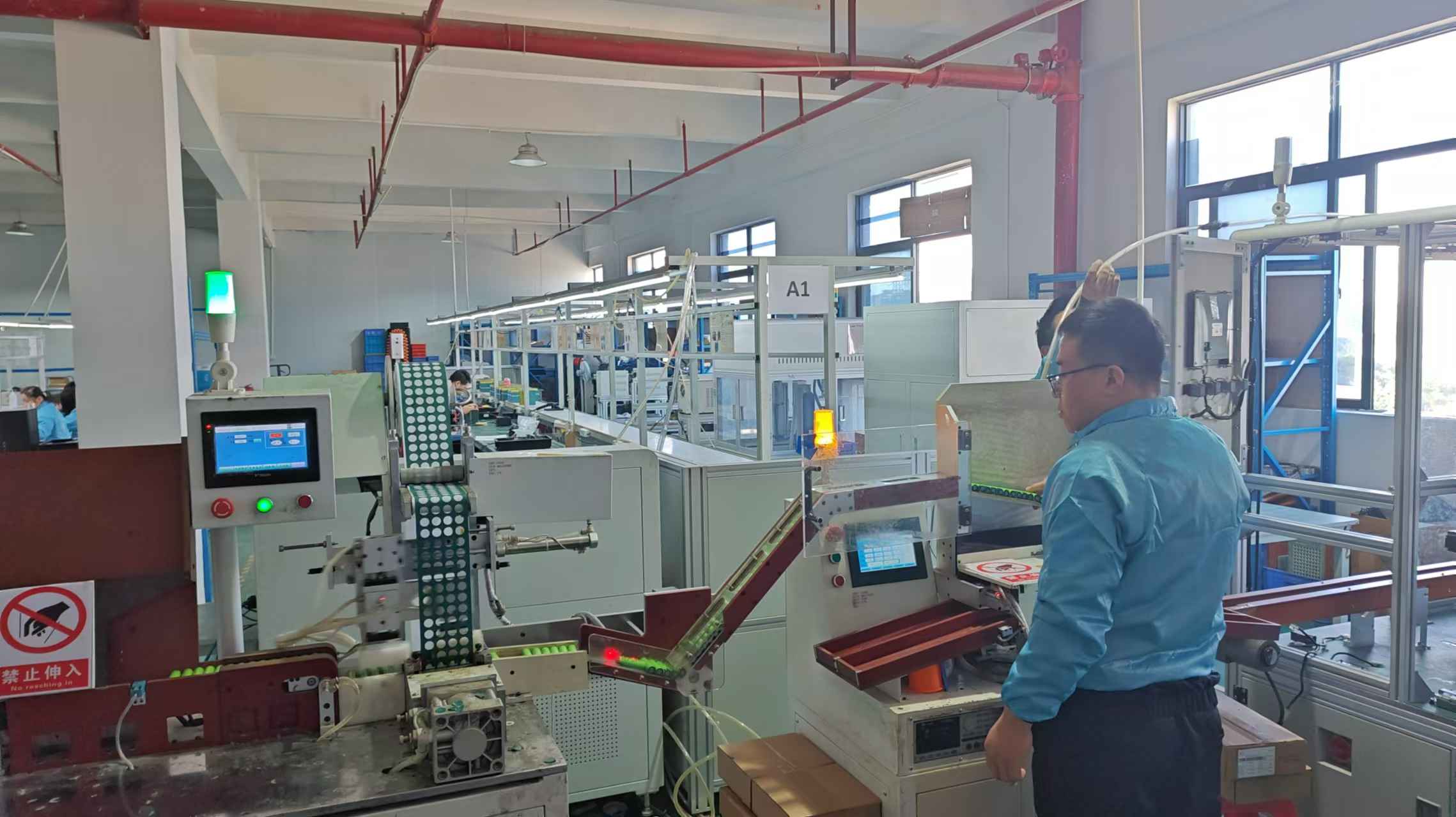
Our facilities utilize automated production technology and multi-stage quality control checks to ensure cell consistency and reliability.
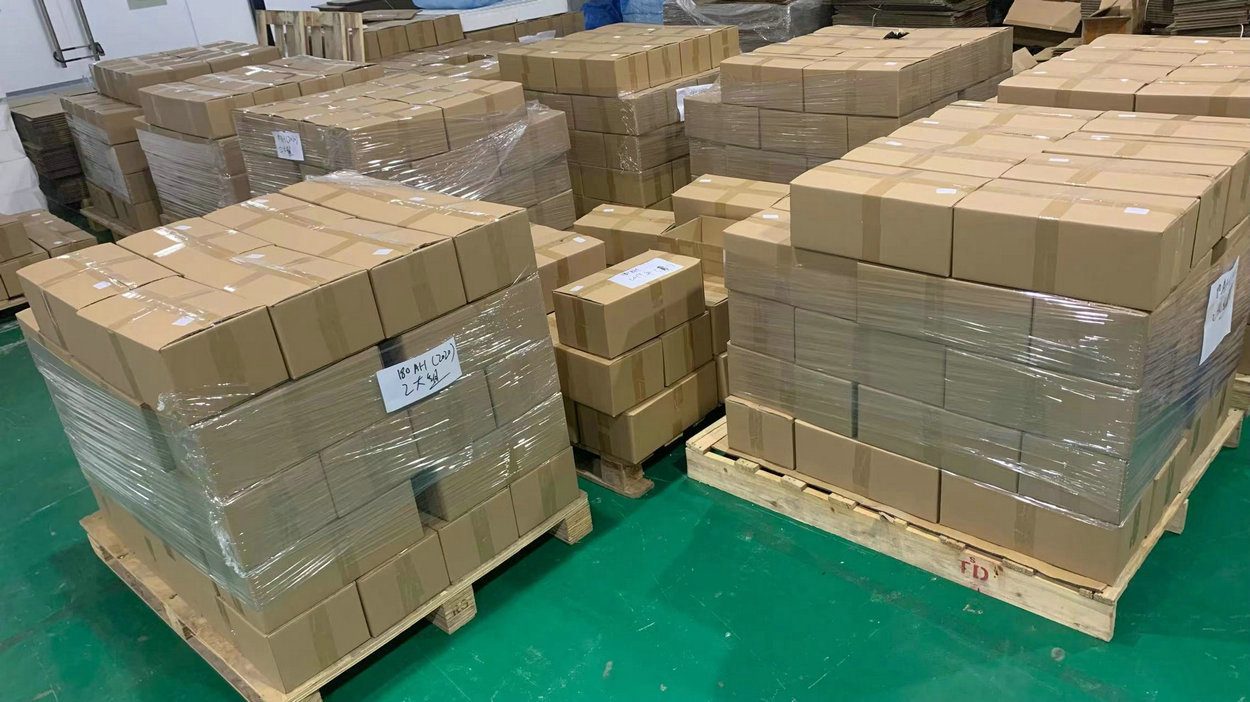
Exporting lithium battery chemistries to European, American, and Asia-Pacific markets requires strict adherence to international safety certifications. Operating without proper validation can result in project delays and supply chain liabilities.
Nuwon Energy's products are designed and certified to comply with core international criteria:
As battery technology advances, we are transitioning from polymer gel states to full solid-state battery (SSB) systems.
Traditional polymer lithium-ion cells depend on gelled organic solvents to support lithium ion mobility between the anode and cathode. While this provides a flexible form factor, it places physical limits on energy density and operating temperature ranges. Introducing solid-state electrolytes, such as Li6PS5Cl (LPSC), allows us to transition toward metallic lithium anodes, raising potential energy density thresholds above 400 Wh/kg.
Solid-state electrolyte layers function as a thermal and mechanical barrier, preventing dendrite penetration and reducing thermal runaway risks. This technology enables safer operation in low-pressure aerospace and high-load industrial applications, maintaining stability across broader temperature ranges.
Alongside cell chemistry developments, our engineering team integrates smart Battery Management Systems (BMS) with high-speed CANbus, SMBus, and Bluetooth interfaces. These modules monitor parameters like voltage balance, state-of-charge (SoC), and state-of-health (SoH) in real time. This integration helps optimize cell utilization, extending lifecycle performance across demanding applications.
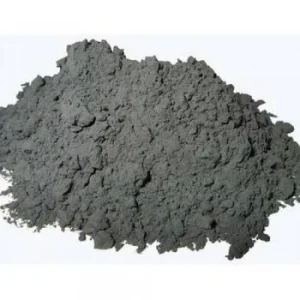
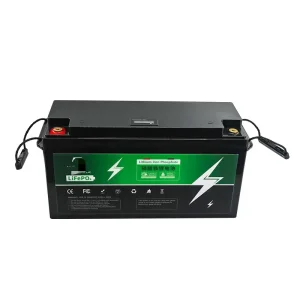
Review our range of high-capacity residential storage solutions, specialized drone packs, and advanced solid-state raw materials.
 Nuwon Energy