Solid-State Battery Manufacturers & Exporter Serving Pakistan

Pioneering High-Energy Density, Flame-Retardant Solid-State and Semi-Solid Lithium Systems for South Asia's Toughest Industrial, Drone, and Clean Energy Frontlines.

Conquering Extreme Ambient Heat & Energy Deficits in Pakistan

Pakistan is witnessing an unprecedented industrial and technological transition. From the agricultural plains of Punjab adopting precision drone crop-dusting to large-scale infrastructure projects under the China-Pakistan Economic Corridor (CPEC), the demands on battery performance are extreme.

Traditional liquid-state lithium-ion battery chemistries struggle under Pakistan's scorching summer temperatures—routinely exceeding 45°C in cities like Multan, Jacobabad, and Faisalabad. High temperatures trigger accelerated electrolyte decomposition, capacity fade, and severe thermal runaway risks. Traditional Lead-Acid batteries, while cheap, suffer from massive weight, toxic emissions, and poor round-trip efficiency in C&I (Commercial & Industrial) peak-shaving applications.

The Solid-State Revolution: By replacing volatile liquid organic solvents with solid polymer, oxide, or sulfide materials, our solid-state and semi-solid battery systems offer an inherently safe, high-thermal threshold solution. They run stably up to 60°C and maintain cell integrity under extreme mechanical impacts, resolving the dual challenges of hot-climate logistics and industrial safety in Pakistan.

>150°C
Thermal Runaway Limit
350 Wh/kg
Avg Pouch Energy Density
-20 to +60°C
Operational Range
3000+
Deep Cycle Life

Why Solid-State Architecture is Crucial for Pakistani Enterprises

A technical comparison highlighting safety, efficiency, and reliability under regional environmental stresses.

Intrinsically Safe Chemistry

Eliminates the danger of fire or internal shorts during high-current operation. Solid electrolytes do not leak or form high-flammability gas pockets under thermal duress.

Extended Range & Flight Times

Achieving energy densities upwards of 350-400 Wh/kg. Drone operators in Sindh and Punjab can increase their flight duration by 30-40% compared to typical LiPo packs.

Superior Cycle Lifespan

Provides up to 3,000+ deep charge/discharge cycles at high depths of discharge (DoD) with minimal capacity loss. Perfect for remote off-grid solar micro-grids in Baluchistan.

Technology Matrix: Solid-State vs. Conventional Batteries

How next-gen energy systems perform relative to legacy cells under Pakistan's typical industrial load profiles.

Performance Indicator Guangdong Nuwon Solid-State (SSB) Conventional Liquid Lithium-Ion Industrial Lead-Acid (VRLA/Gel)
Gravimetric Energy Density 270 - 450 Wh/kg 150 - 240 Wh/kg 35 - 50 Wh/kg
Thermal Abuse Threshold Up to 160°C - No Thermal Runaway Vulnerable at 65°C - Combustible Degrades rapidly above 40°C
Active Degradation in High Heat Minimal (<5% capacity fade per annum) High (Accelerated SEI layer buildup) Extreme (Plating, grid corrosion)
Cycle Life (80% DoD) 3,000+ Cycles 500 - 1,000 Cycles 300 - 600 Cycles
Eco-Safety / Chemical Toxicity Non-volatile, Solid ceramic/polymer Highly volatile organic liquid Lead heavy metal & Acid mist hazards

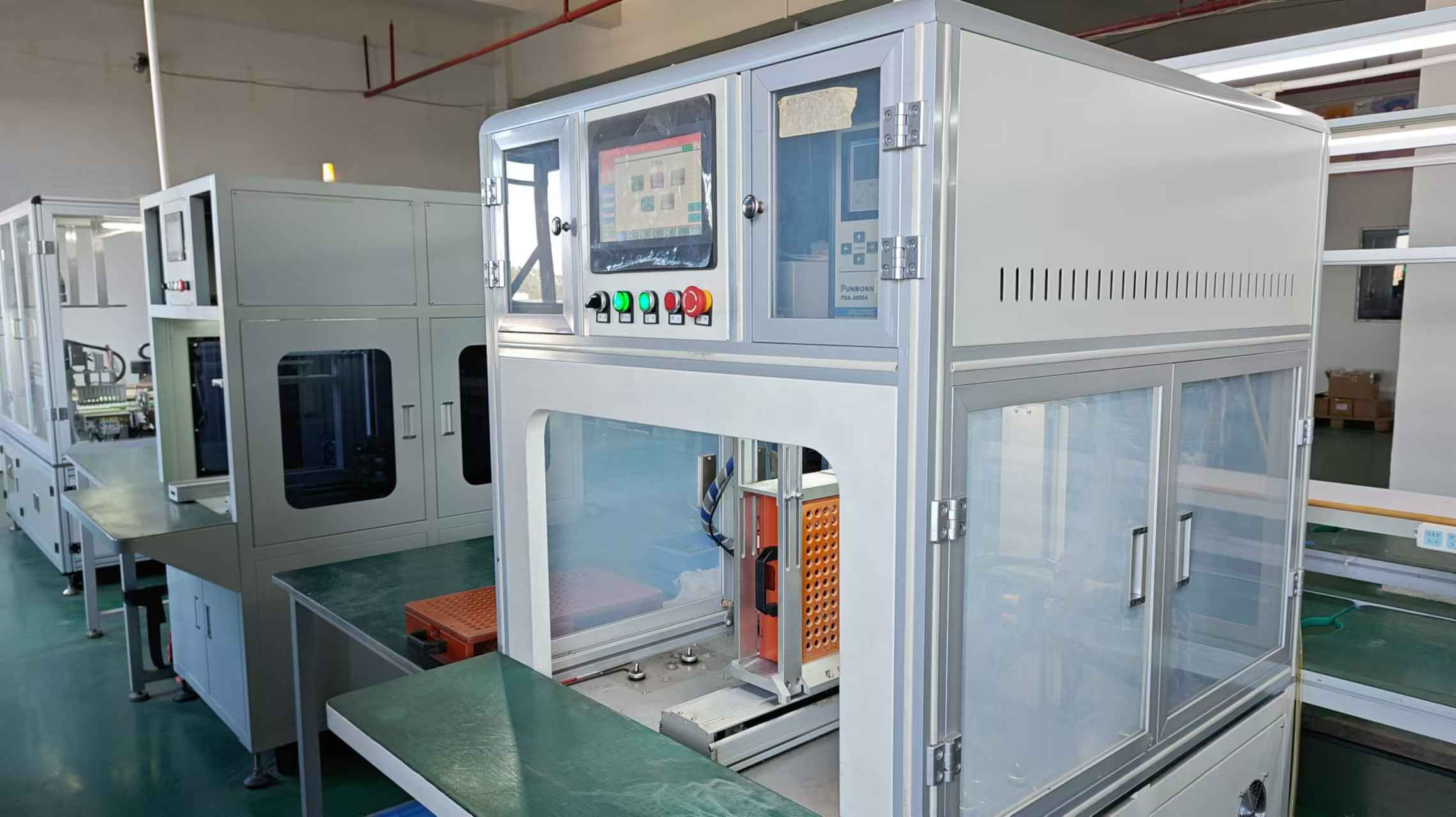
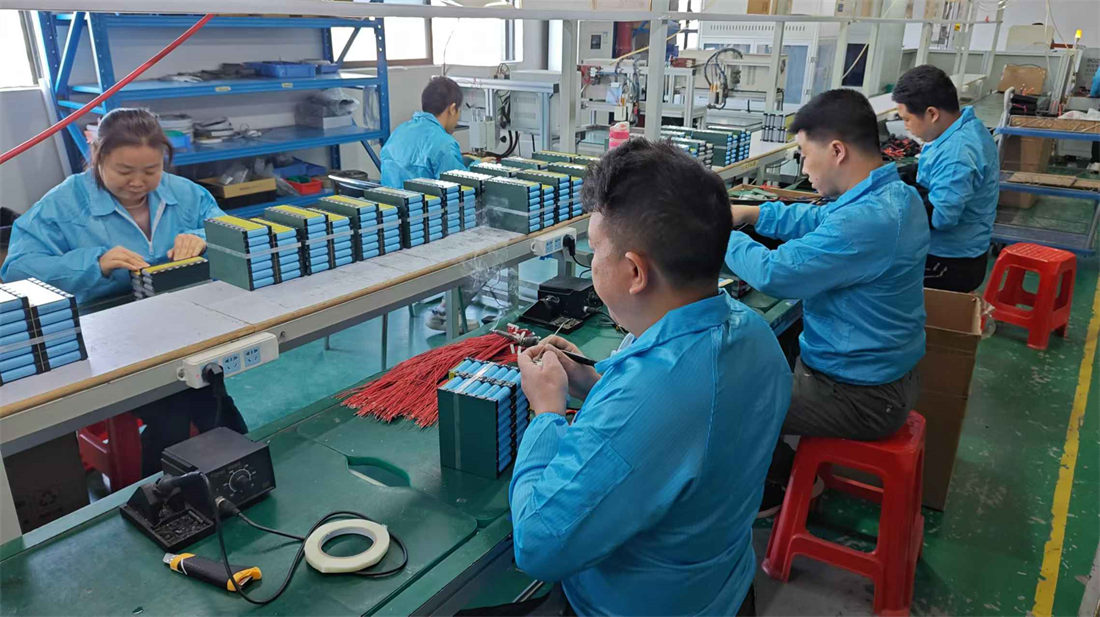
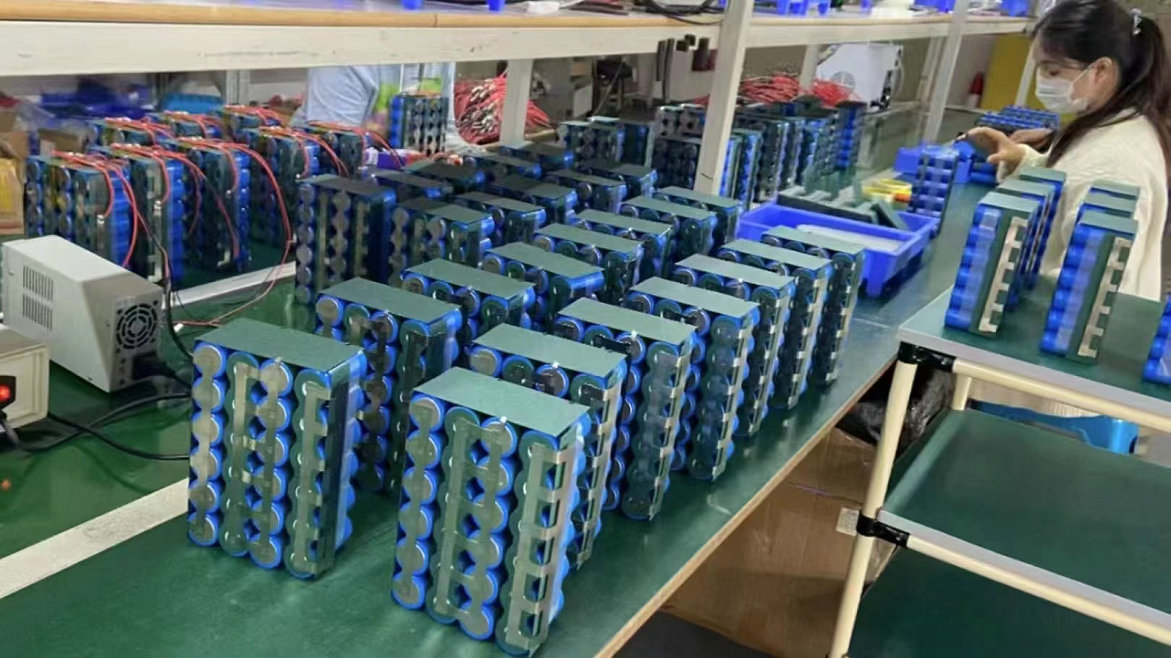
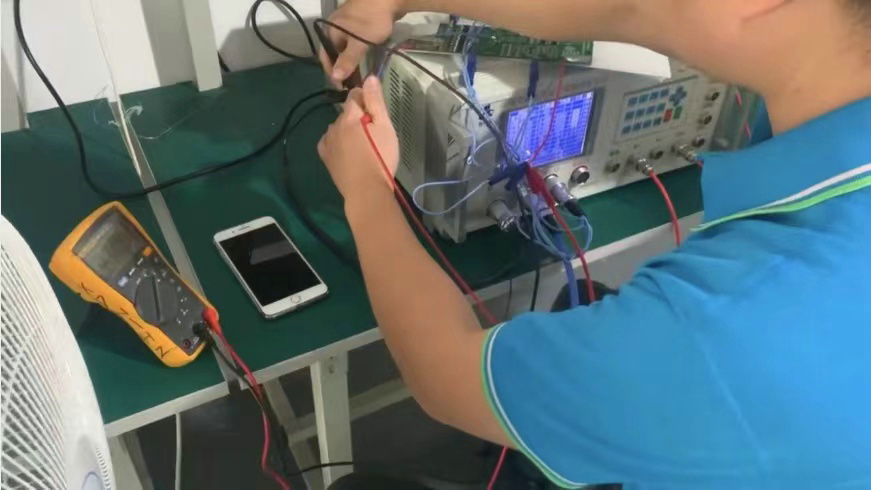
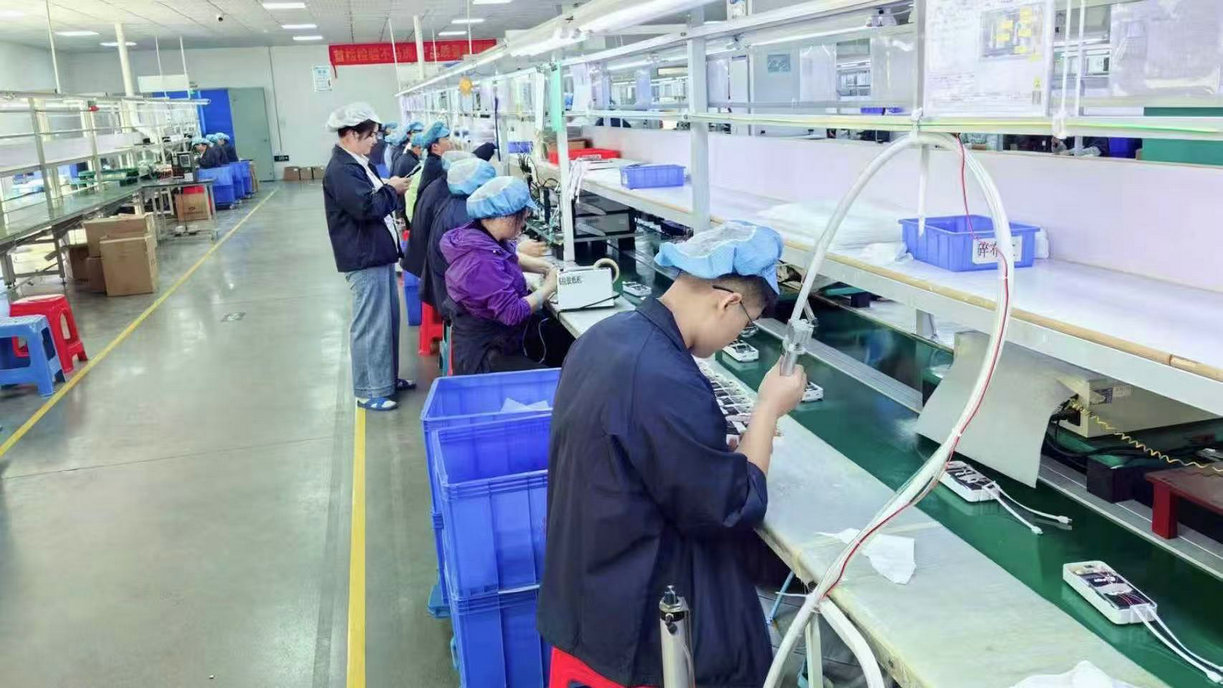
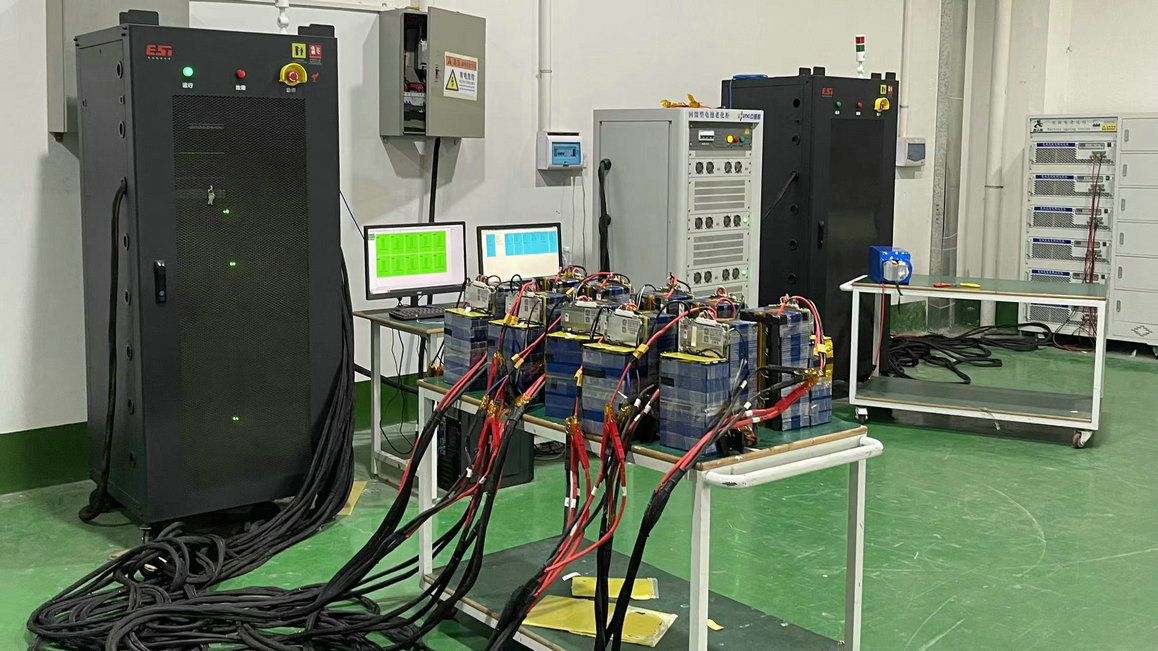
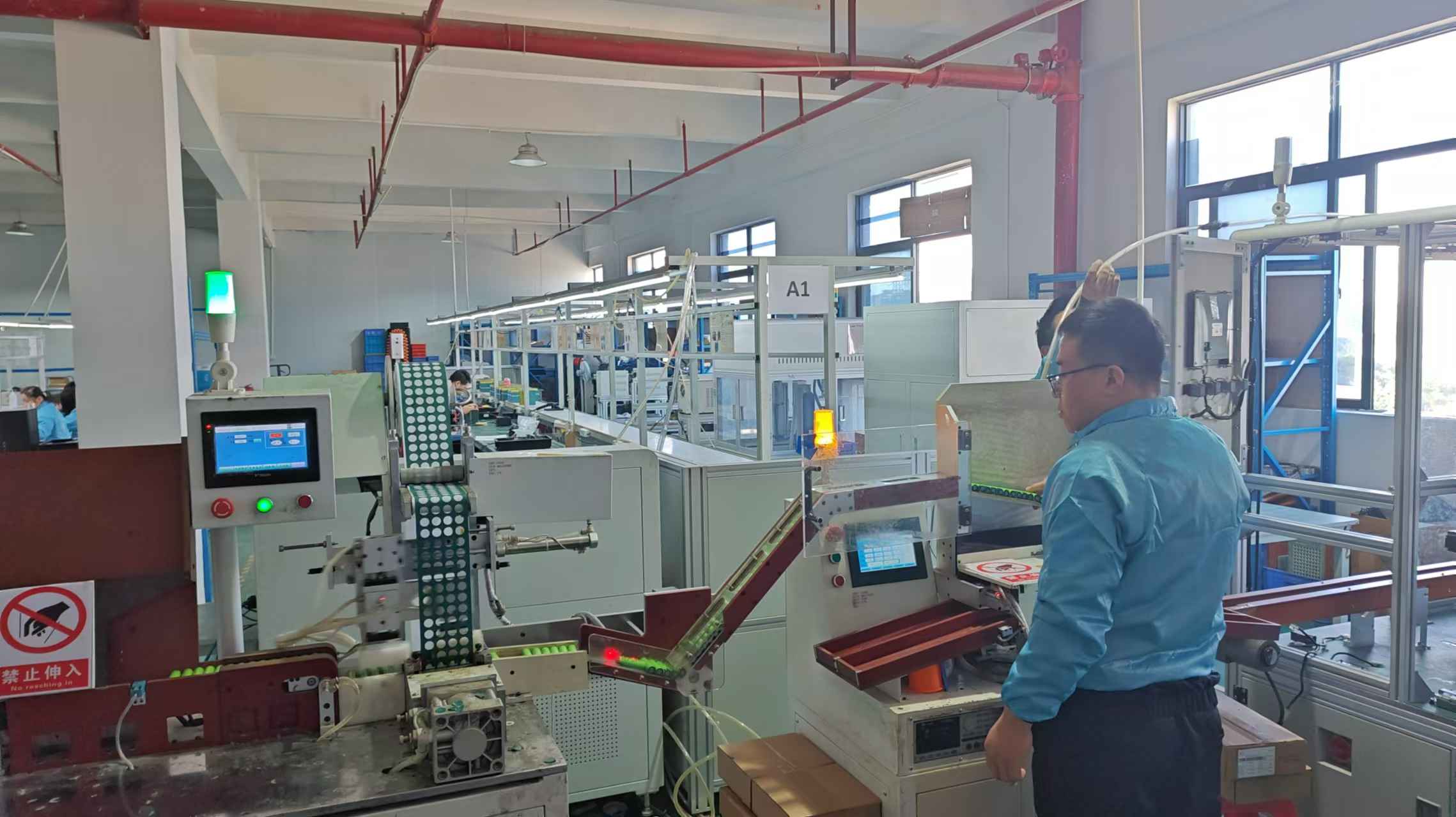
Rigorous Manufacturing & QA: Guangdong Nuwon Factory Tour

Every cell is assembled in cleanrooms under high pressure and strict moisture controls. Explore our step-by-step production flow for consistent quality assurance.
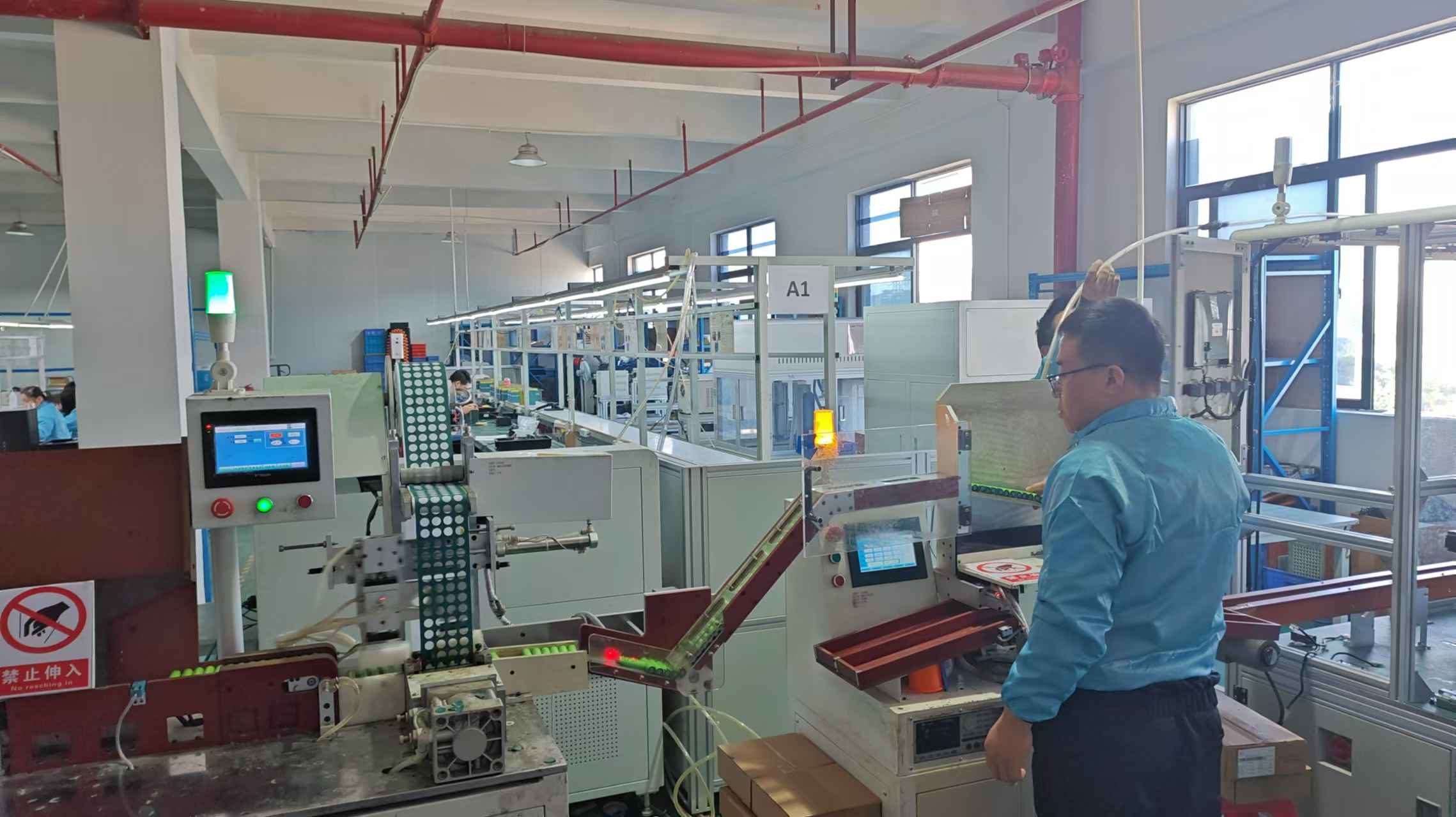
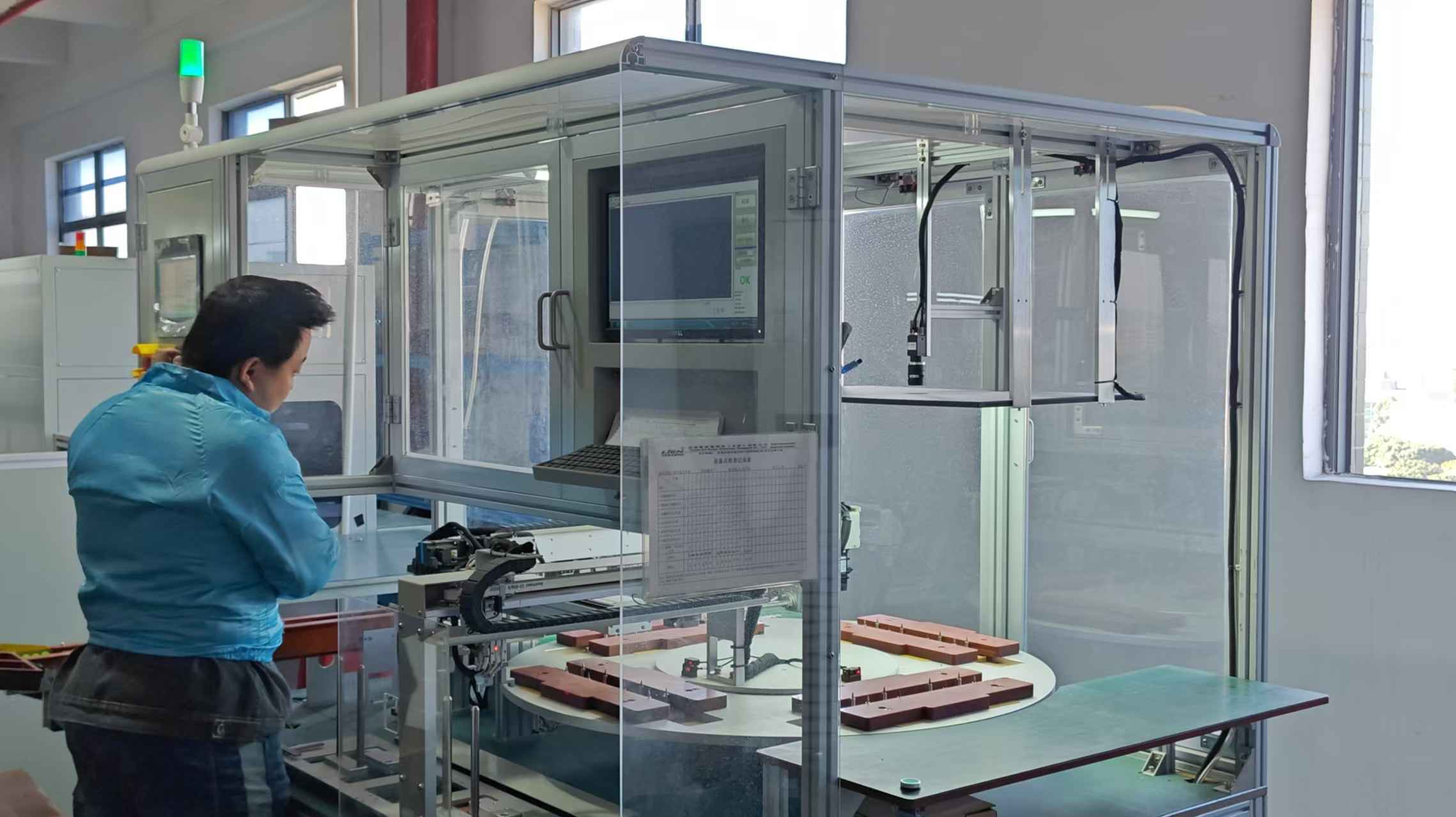
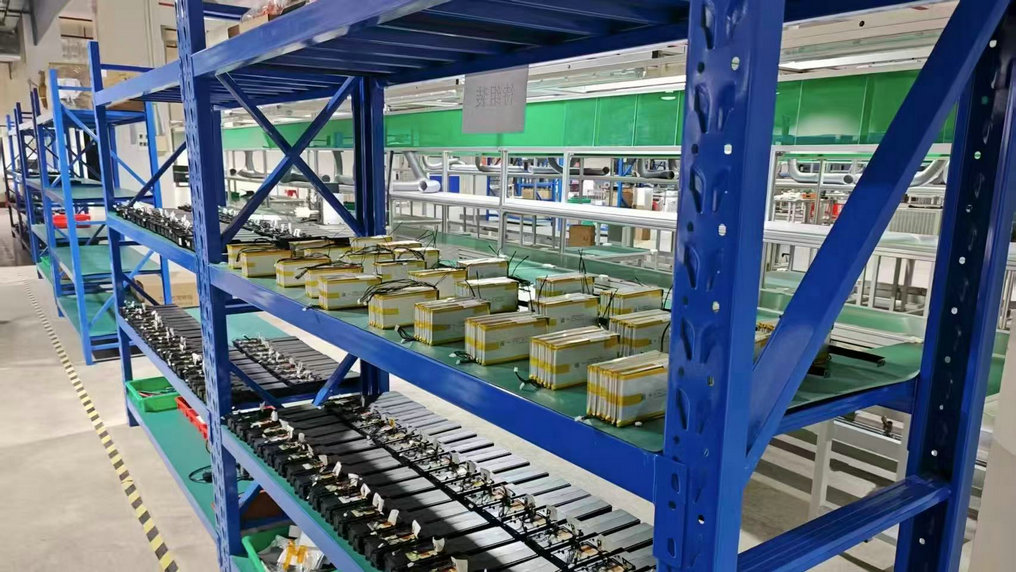
Battery Cell Sorting Process
1. Sorting Process
Precision Cell Assembly
2. Precision Assembling
Automated Laser Welding
3. Automated Welding
Modular Frame Assembly
4. Module Integration
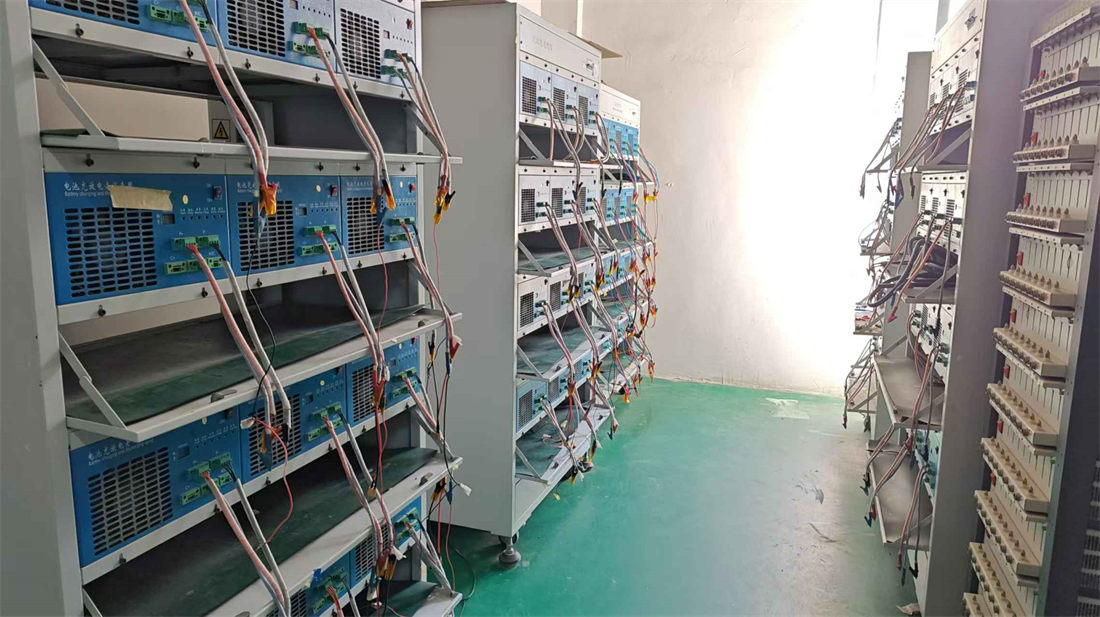
High-Temp Battery Aging
5. Controlled Aging
Final Battery Pack Construction
6. Outer Shell Assembling
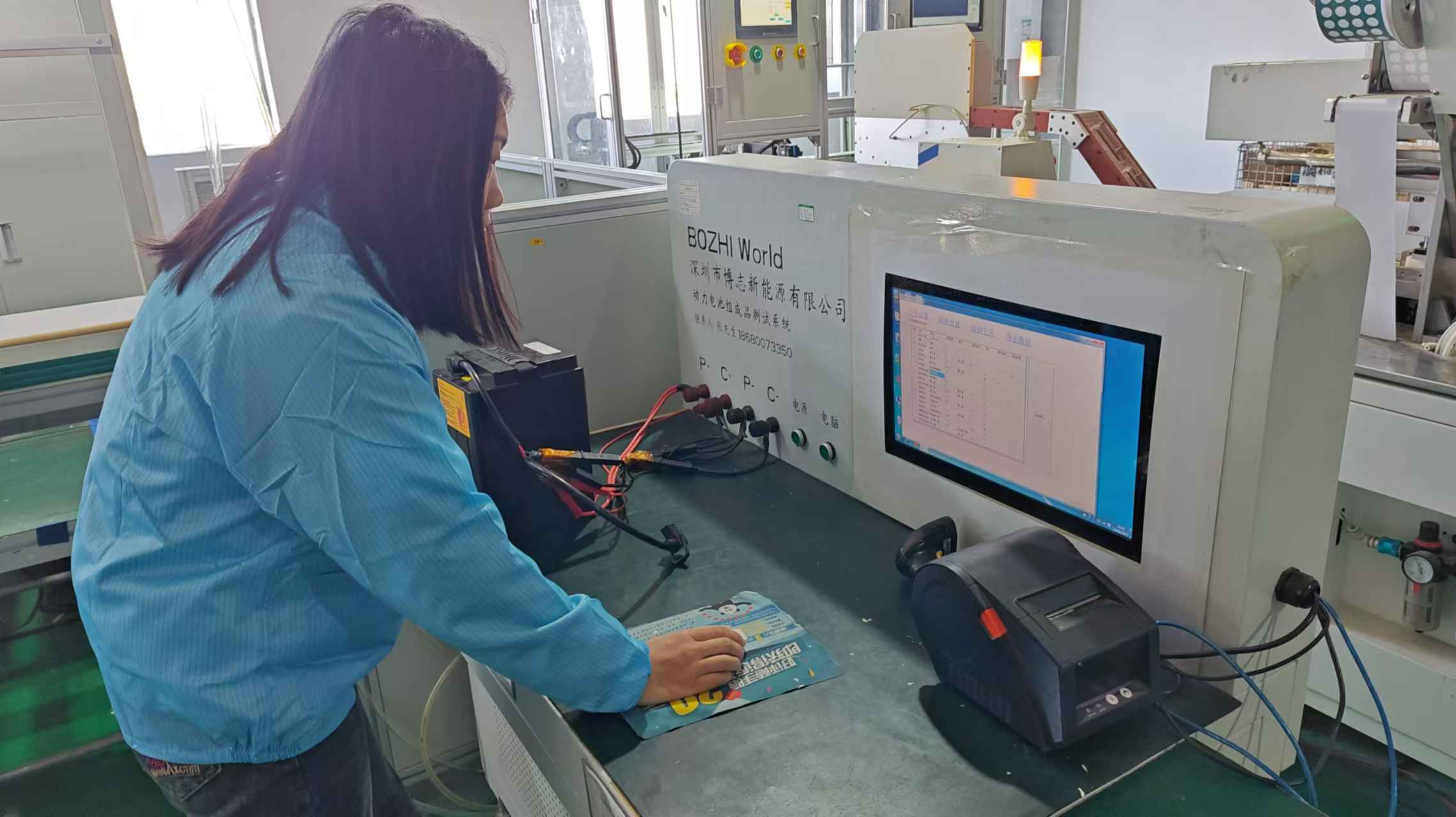
Functional Performance Testing
7. Parametric Testing
Completed Battery System Ready for Export
8. Final Quality Check
High Voltage Insulation Testing
9. Dielectric Insulation Test
Smart BMS PCB Calibration and Test
10. Active BMS Testing
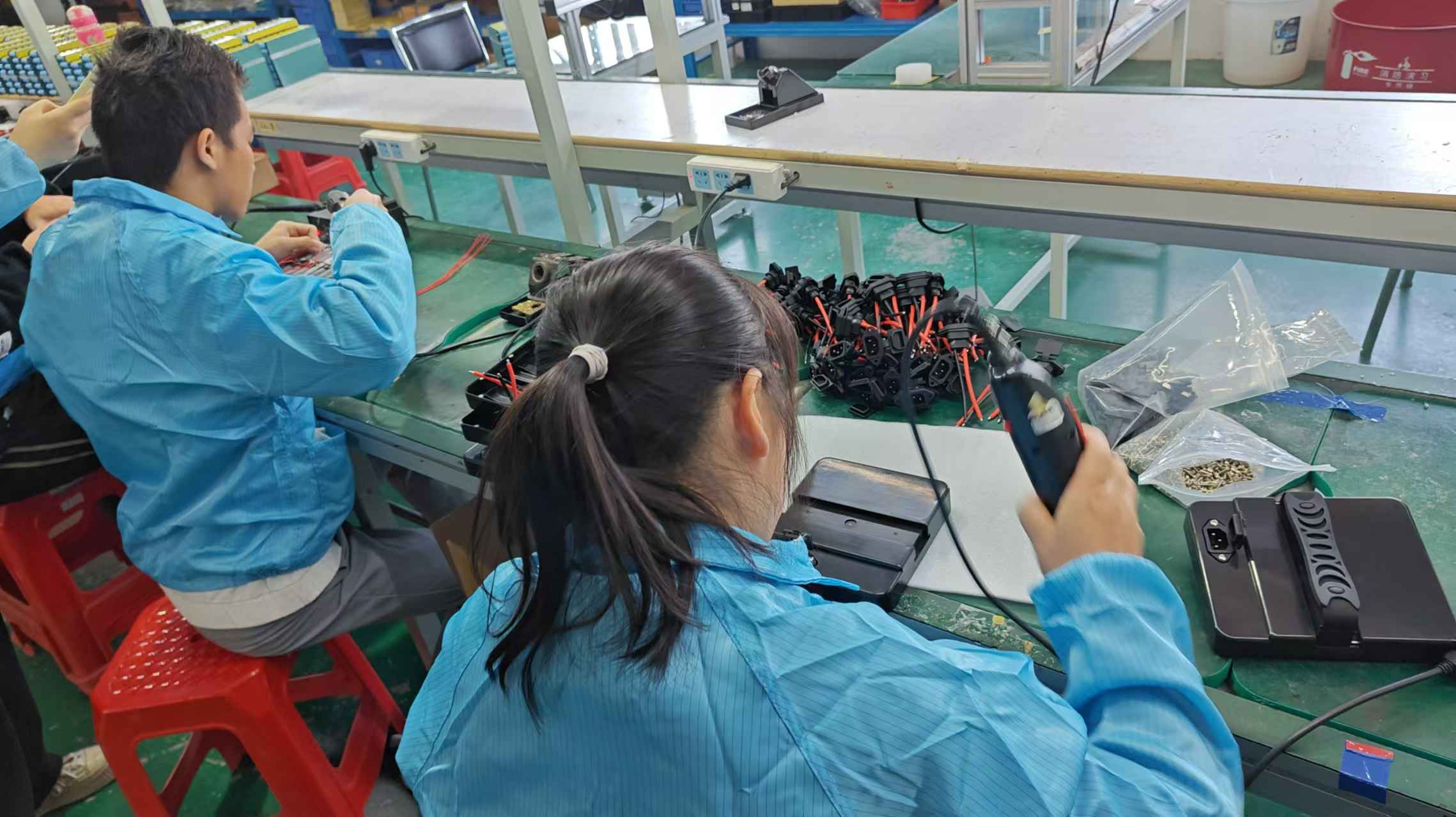
BMS Connection Spot Welding
11. BMS Tap Welding
Post-Assembly Cyclic Aging
12. Post-Pack Cycling
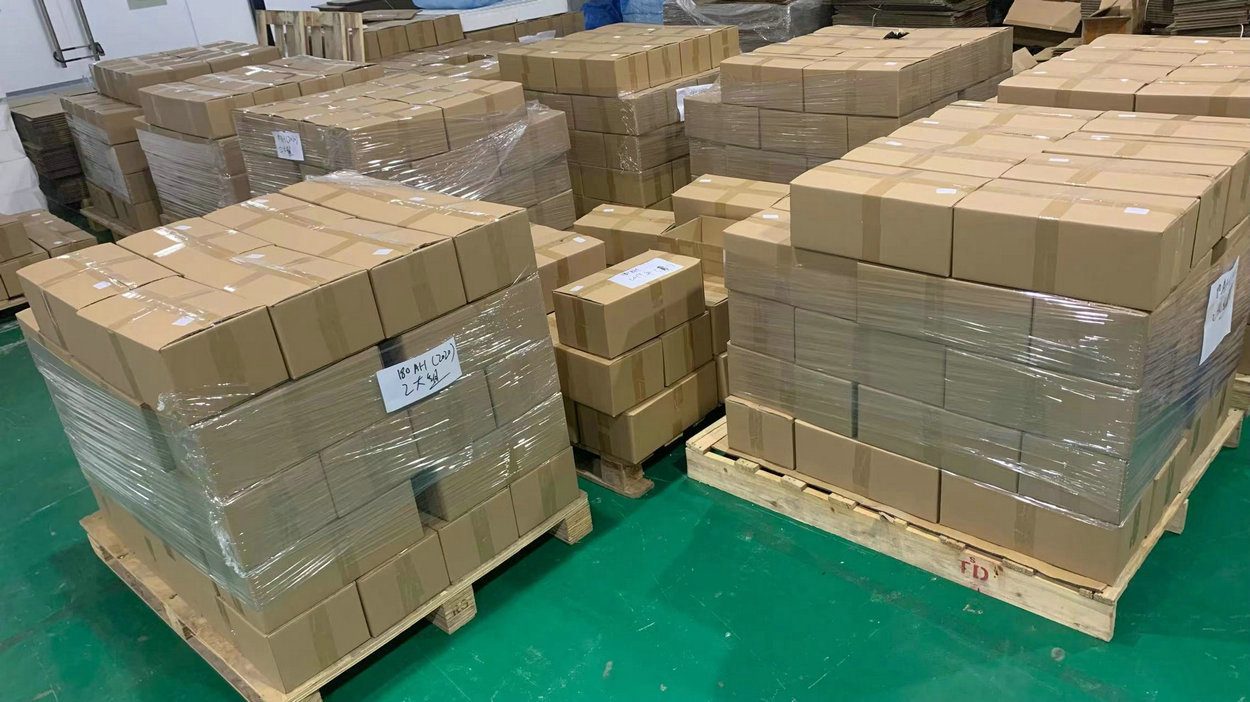
Solid State Batteries Ready for Pakistan Shipping
13. Packaging & Inspection
Automated High Precision Grading Machine
14. Advanced Grade Sorting

Regulatory Compliance Checklist for Pakistan Customs


  • UN38.3 Testing Protocol: Crucial for direct air-cargo admittance at Jinnah International (Karachi) and Allama Iqbal (Lahore).
  • MSDS Certificates: Full documentation for handling dangerous goods via Karachi Port Trust (KPT) and Port Qasim.
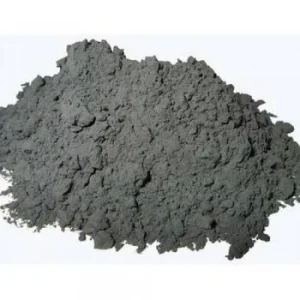
  • LPSC Chemical Storage: Special environmental declarations for electrolyte chemical powder raw materials.
  • AEDB Guidelines: Compliant with alternative energy system standards set by Pakistan's Alternative Energy Development Board.

Hassle-Free Customs Clearance & Strategic Air/Sea Logistics

Navigating Pakistan customs and logistics for class 9 hazardous materials requires strict adherence to international laws. Guangdong Nuwon Energy is a veteran global exporter. We coordinate directly with freight forwarding agents in Karachi, Lahore, and Rawalpindi to guarantee smooth port entries.

Whether importing raw chemical materials such as Li6PS5Cl (LPSC) electrolyte powder for Pakistani defense laboratory R&D, or ordering finished 12V 200Ah LiFePO4 / Solid-State hybrid packs for commercial storage, our documentation package prevents port delays:

  • Original bill of lading / airway bill with precise hazard classifications.
  • UN certified packaging with pressure relief indicators and heavy-duty corner impact protection.
  • Detailed Certificate of Analysis (CoA) validating cell stability and exact chemical formulations.

We offer flexible Incoterms including FOB Shenzhen, CIF Karachi, or DDP options via dedicated logistics partners to minimize transit risk.

Comprehensive Catalog: Solid-State Cells, Custom Packs & Materials

Engineered for UAV long endurance, heavy payloads, grid storage, and raw chemical material sourcing.
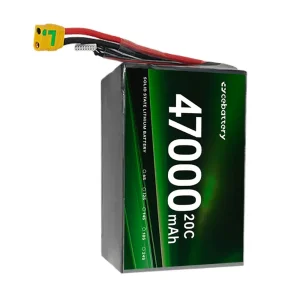
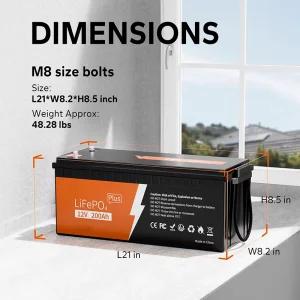
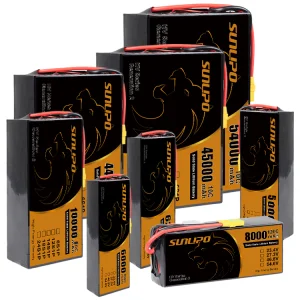
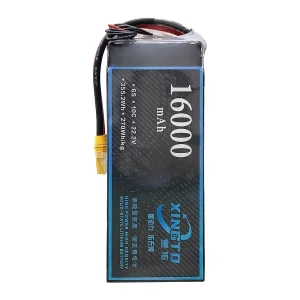
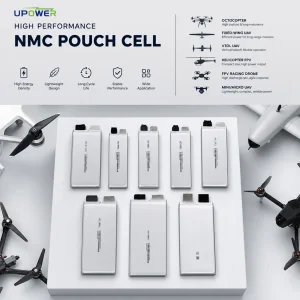
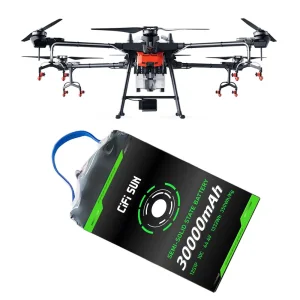
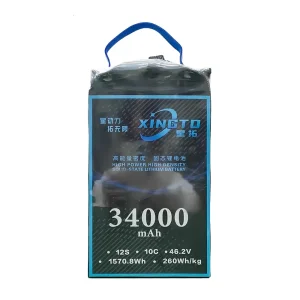
Additional Products Available: We also engineer high-performance packs such as the High Quality 5200mAh 6s 22.2V 75c Solid State Licoo2 2000-Cycle Drone Battery Pack for Aerial Photography Fpv, the custom-rolled Lithium Indium Alloy Sheet Li-in Alloy for Solid State Cell Battery Electrode, the hybrid Rechargeable Power Lipo Batteries 3.85V 18000mAh 6s Li Polymer Lithium-Ion Polymer Semi Solid State Battery Pack for Long Endurance RC Drones, and the light-weight Semi-Solid State LiFePO4 12.8V 7ah Drone Battery with 500 Cycles.

Mitigating Degradation: Solid-State Battery Lifecycle Management

When deploying Solid-State Batteries in demanding settings like residential solar systems in Lahore or surveillance drone fleets in Gilgit-Baltistan, maintaining optimal operational parameters is key to achieving a 10+ year lifespan.

Lithium Dendrite Prevention: During fast charging, conventional lithium cells are vulnerable to micro-dendritic growth that pierces separators, causing internal short circuits. Our solid polymer and ceramic matrices provide high mechanical resistance that resists dendrite formation, ensuring reliable performance even under 10C rapid charge cycles.

Active Heat Dissipation: Although solid-state cells easily withstand temperatures up to 60°C, we advise integrating our specialized thermal dissipation phase-change material (PCM) sheets within custom enclosures for installations in hot areas like Baluchistan or Sindh. Keeping the pack's core temperature between 25°C and 40°C extends the cycles well beyond the rated 3,000-cycle threshold.

OEM/ODM Integration: Custom Pack Engineering

Guangdong Nuwon Energy offers comprehensive design and integration capabilities for special applications across Pakistan:

  • Bespoke FPV and VTOL UAV Packs: Custom series and parallel structures (e.g., 6S, 12S, 18S, or 24S configurations) designed to match specific drone payload curves.
  • Intelligent Battery Management Systems (BMS): Smart microprocessors programmed with custom protocols (CANbus, RS485, Modbus) for real-time monitoring of SoC (State of Charge) and SoH (State of Health).
  • Drop-in Lead-Acid Replacements: Robust 12V and 48V modules configured to slot directly into existing solar power networks and telecommunication towers.

Frequently Asked Questions (FAQ)

Addressing core technical, shipping, and implementation questions from Pakistani engineering and procurement leads.

1. Why should we purchase solid-state cells instead of cheaper LiFePO4 batteries for projects in Pakistan?
Traditional LiFePO4 batteries are suitable for stationary storage but are heavy (low gravimetric energy density) and suffer from thermal degradation above 40°C. Solid-state technology offers twice the energy density (saving volume and weight in mobile or dense industrial applications) and functions safely at high temperatures (up to 60°C operational) without fire hazard, delivering long-term savings on cooling and system maintenance.
2. How does Guangdong Nuwon Energy transport hazardous class 9 batteries to Pakistan safely?
We strictly conform to UN38.3, MSDS, and international maritime (IMDG) standards. Cargo is packed in impact-tested cases and shipped directly to Karachi Port or Port Qasim via certified dangerous-goods sea transport. For high-priority projects, we arrange air cargo to Jinnah International Airport (Karachi) using airlines authorized to transport lithium battery packs.
3. Can your solid-state batteries operate in hot environments like Jacobabad or Multan without active cooling?
Yes, our solid-state batteries are engineered with solid polymer-oxide electrolytes that remain stable at high ambient temperatures without thermal runaway. However, for industrial stationary energy storage systems (ESS), we recommend natural ventilation or passive cooling sheets to optimize the long-term lifecycle performance of the cells.
4. Do you offer custom ODM solutions for specific VTOL drones used in Pakistani agricultural projects?
Yes, we provide extensive ODM services. We design custom voltage and capacity configurations (such as 12S, 14S, 18S, or 24S packs) to fit your drone's battery bay. We can program the built-in smart BMS to output telemetry data directly to your drone's flight controller for accurate range planning.
5. What is the shelf-life of your solid-state battery cells when stored in warehouse environments?
Due to the low self-discharge rate of solid electrolytes (<1.5% per month), our batteries can be stored for up to 12 months without maintenance charging. For optimal storage, keep the warehouse temperature between 15°C and 25°C and maintain the state of charge at 40% to 60%.
6. Are raw materials like Li6PS5Cl (LPSC) electrolyte powder available for research labs in Pakistan?
Yes, we supply and export chemical raw materials for next-generation solid-state battery research, including high-purity Li6PS5Cl (LPSC) sulfide electrolyte powders and lithium-indium alloy sheets for electrode fabrication. We ship these with complete chemical certificates of analysis and safety data sheets (MSDS).
7. What is the typical lead time for a custom battery order shipped to Pakistan?
Standard battery cells are processed and shipped within 15–20 days. Custom battery pack engineering, BMS calibration, and performance testing take 30–45 days depending on the project complexity. Transit time to Karachi Port typically ranges from 15 to 22 days.
8. What warranty and engineering support does Guangdong Nuwon Energy provide?
We provide a standard 3-year warranty on commercial and industrial solid-state battery systems and a 1-year warranty on drone battery packs. Our engineering team provides online technical support, including assistance with BMS programming, system sizing, and electrical integration.

Partner with the Leading Solid-State Battery Manufacturer

Contact Guangdong Nuwon Energy to configure your solid-state power systems. Receive detailed product specifications, custom pricing matrices, and shipping quotes.

Send Inquiry Now