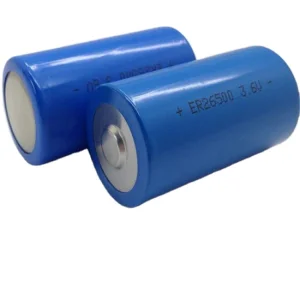
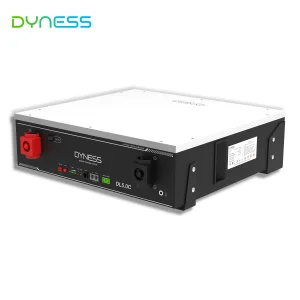
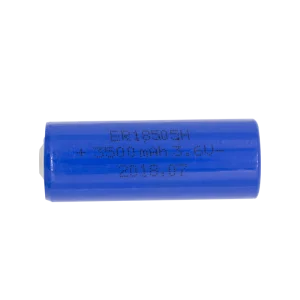
Explore our premium selection of Lithium Titanate (LTO), LiFePO4, Solid-State, and primary chemical cells engineered for heavy duty industrial, commercial, and residential energy storage.
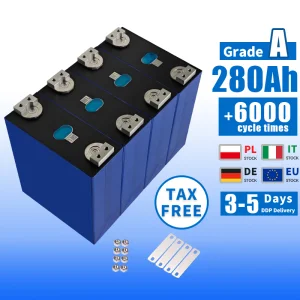
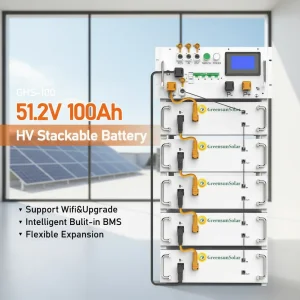
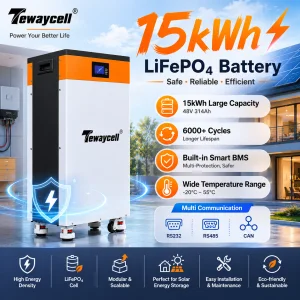

The clean energy sector is shifting from general consumer energy storage towards heavy-duty industrial and public transport systems. In these sectors, conventional lithium-ion chemistries (such as Lithium Iron Phosphate - LFP and Nickel Manganese Cobalt - NMC) face major performance limits. Lithium Titanate Oxide (LTO) battery technology offers a highly reliable alternative. By replacing the graphite anode of a standard lithium-ion cell with nanocrystalline lithium titanate spinel ($Li_4Ti_5O_{12}$), LTO batteries resolve safety, longevity, and temperature sensitivity challenges.
While LFP and NMC batteries expand and contract during charge cycles—causing micro-fractures, anode degradation, and risk of internal short circuits—LTO is a "zero-strain" material. It undergoes minimal volume change during lithiation and delithiation. This molecular stability allows for a cycle life exceeding 20,000 cycles, extreme charge/discharge rates, and high safety without thermal runaway risks.
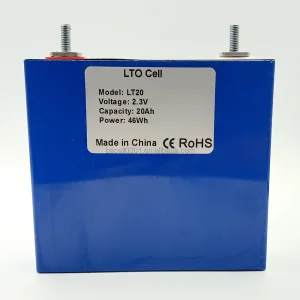
Technical Insight: LTO batteries operate at a higher nominal voltage of 2.3V to 2.4V per cell compared to typical lithium-ion batteries. This reduces the risk of lithium plating during high-rate charging, preventing catastrophic dendrite growth even under sub-zero temperatures down to -50°C.
| Feature | Lithium Titanate (LTO) | Lithium Iron Phosphate (LFP) | Nickel Manganese Cobalt (NMC) |
|---|---|---|---|
| Nominal Cell Voltage | 2.3V - 2.4V | 3.2V - 3.3V | 3.6V - 3.7V |
| Typical Cycle Life (100% DoD) | 20,000 - 30,000 cycles | 4,000 - 6,000 cycles | 1,500 - 2,500 cycles |
| Charge / Discharge Rate (C) | Up to 10C (Continuous) | 1C - 3C (Max Peak) | 1C - 5C (Max Peak) |
| Safety & Thermal Stability | Highest (Virtually no thermal runaway) | High (Low thermal runaway risk) | Moderate (Requires active cooling) |
| Operating Temperature | -50°C to +65°C | -20°C to +60°C | -20°C to +55°C |
| Energy Density (Wh/kg) | 70 - 110 Wh/kg | 140 - 180 Wh/kg | 200 - 260 Wh/kg |
Guangdong Nuwon Energy Co., Ltd. is a leading manufacturer and solution provider in advanced battery systems. We specialize in the research, development, manufacturing, and global distribution of high-performance energy storage products. The company offers comprehensive OEM and ODM services, delivering customized battery solutions tailored to diverse industrial and commercial applications.
Backed by a highly experienced engineering and R&D team, Nuwon Energy focuses on the design and integration of cylindrical and prismatic lithium battery cells, as well as complete battery packs, modules, and energy storage systems. The company also develops and produces industrial-grade battery cells engineered for safety, durability, and long cycle life.
Our industrial-grade manufacturing facility is equipped with fully automated assembly lines, high-precision cell sorting machinery, advanced laser welding tools, and multi-stage aging chambers. This comprehensive production workflow guarantees high cell consistency, long cycle life, and safety for demanding applications.
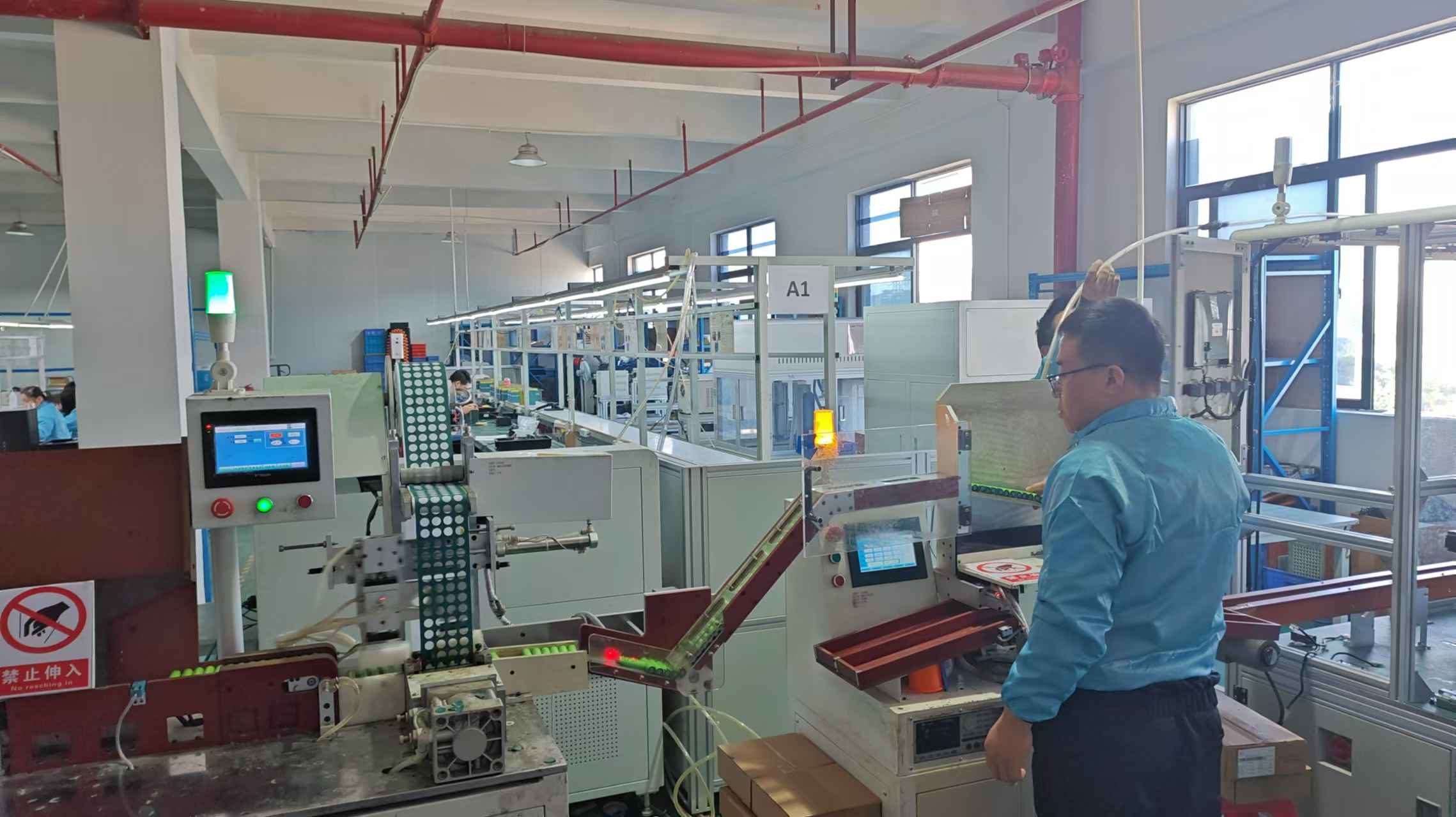
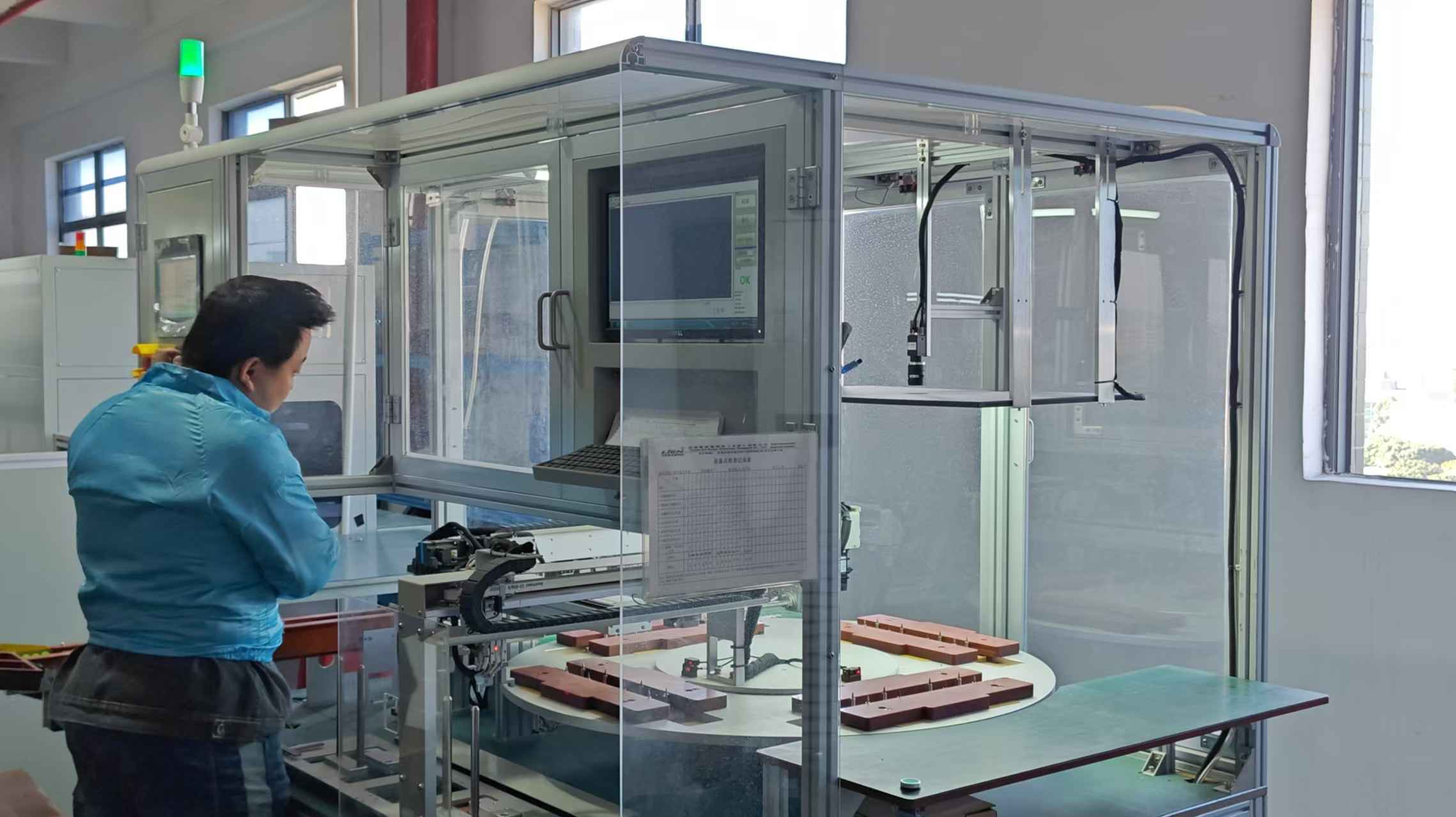
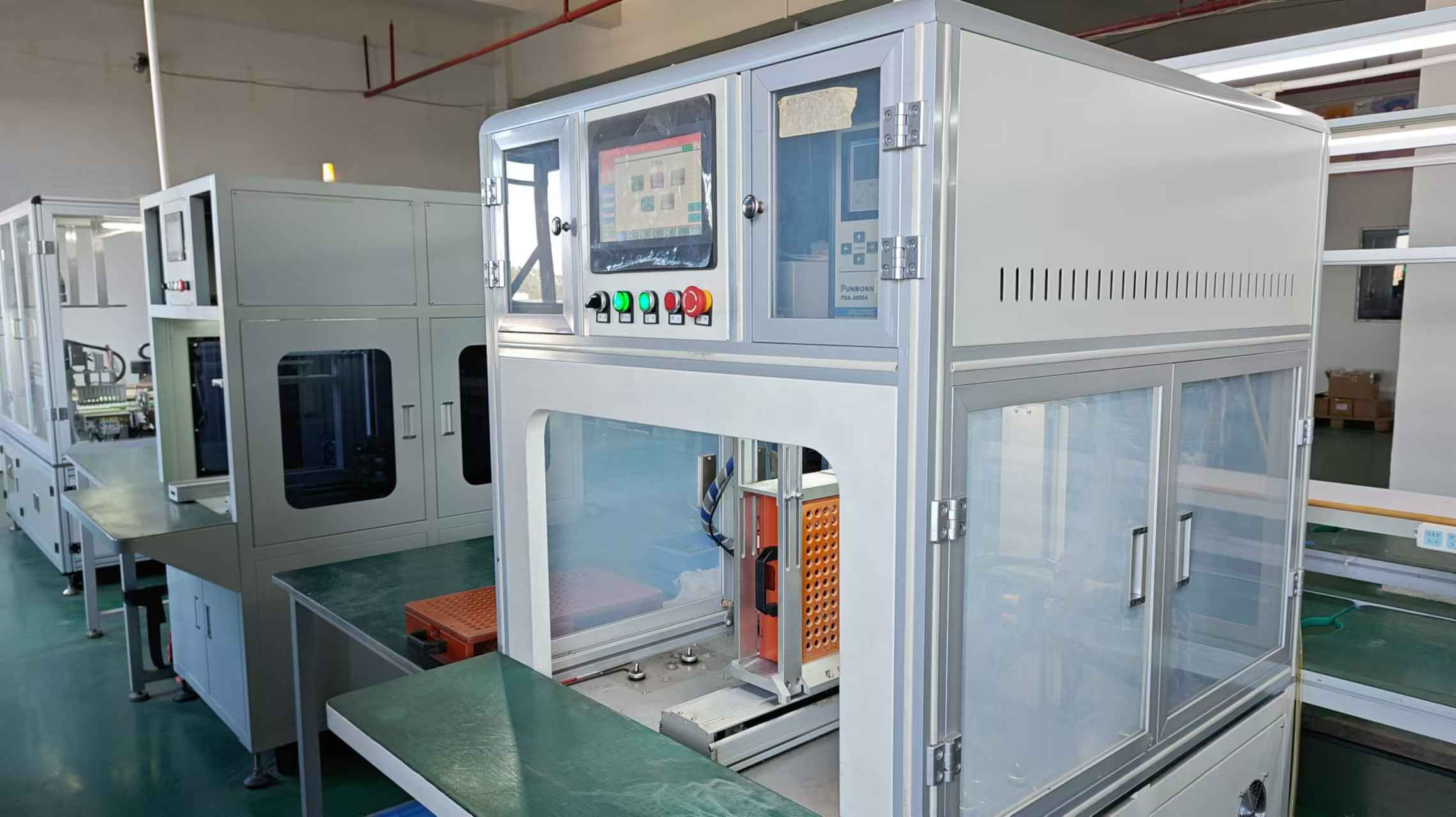
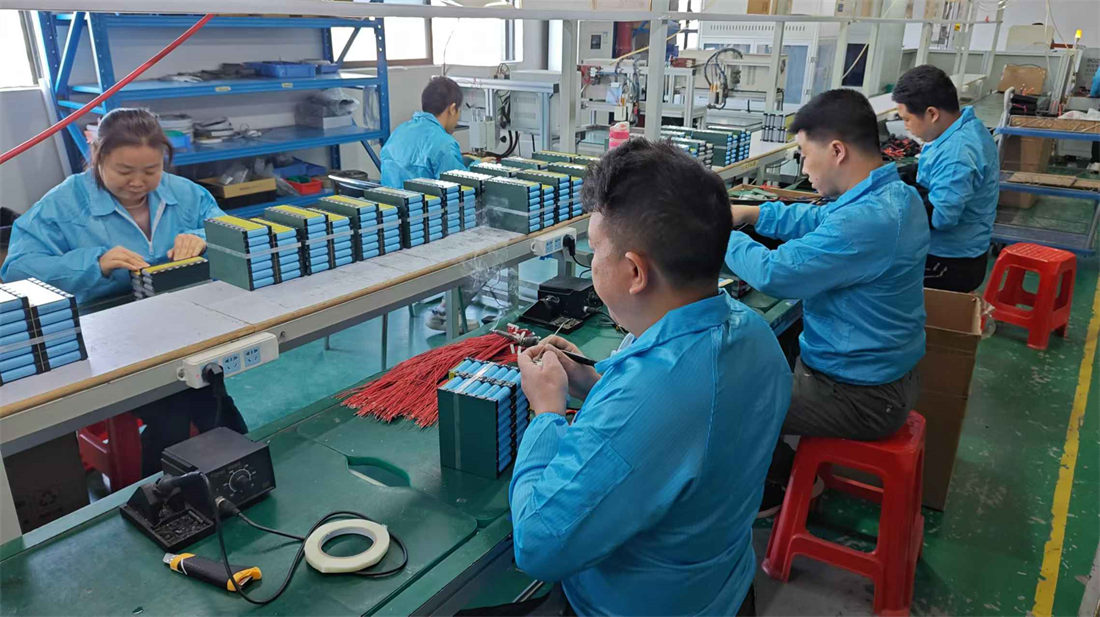
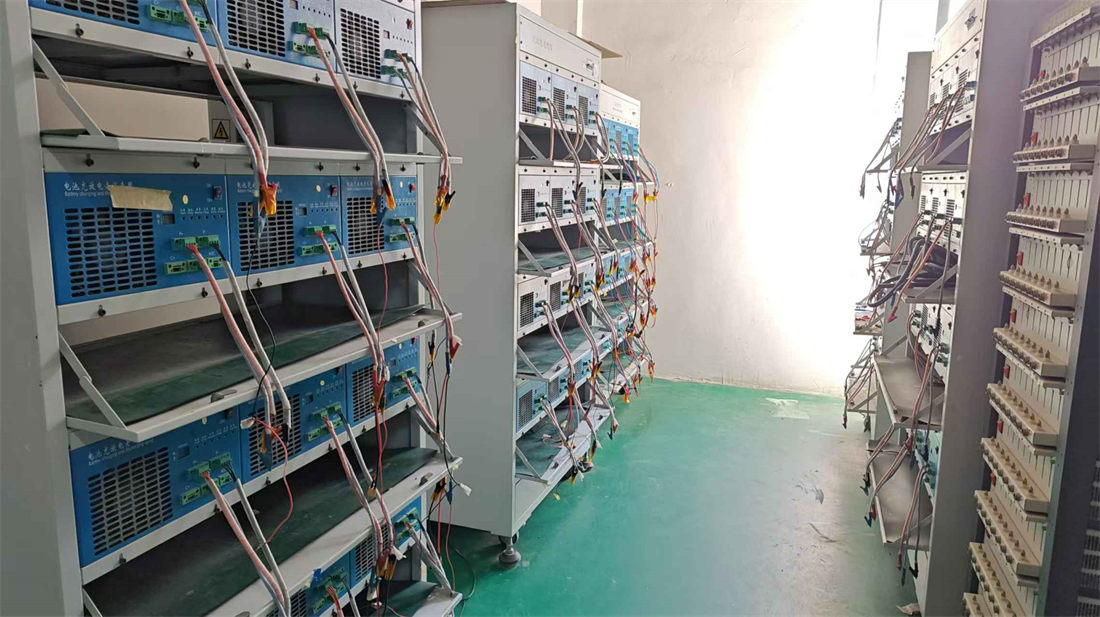
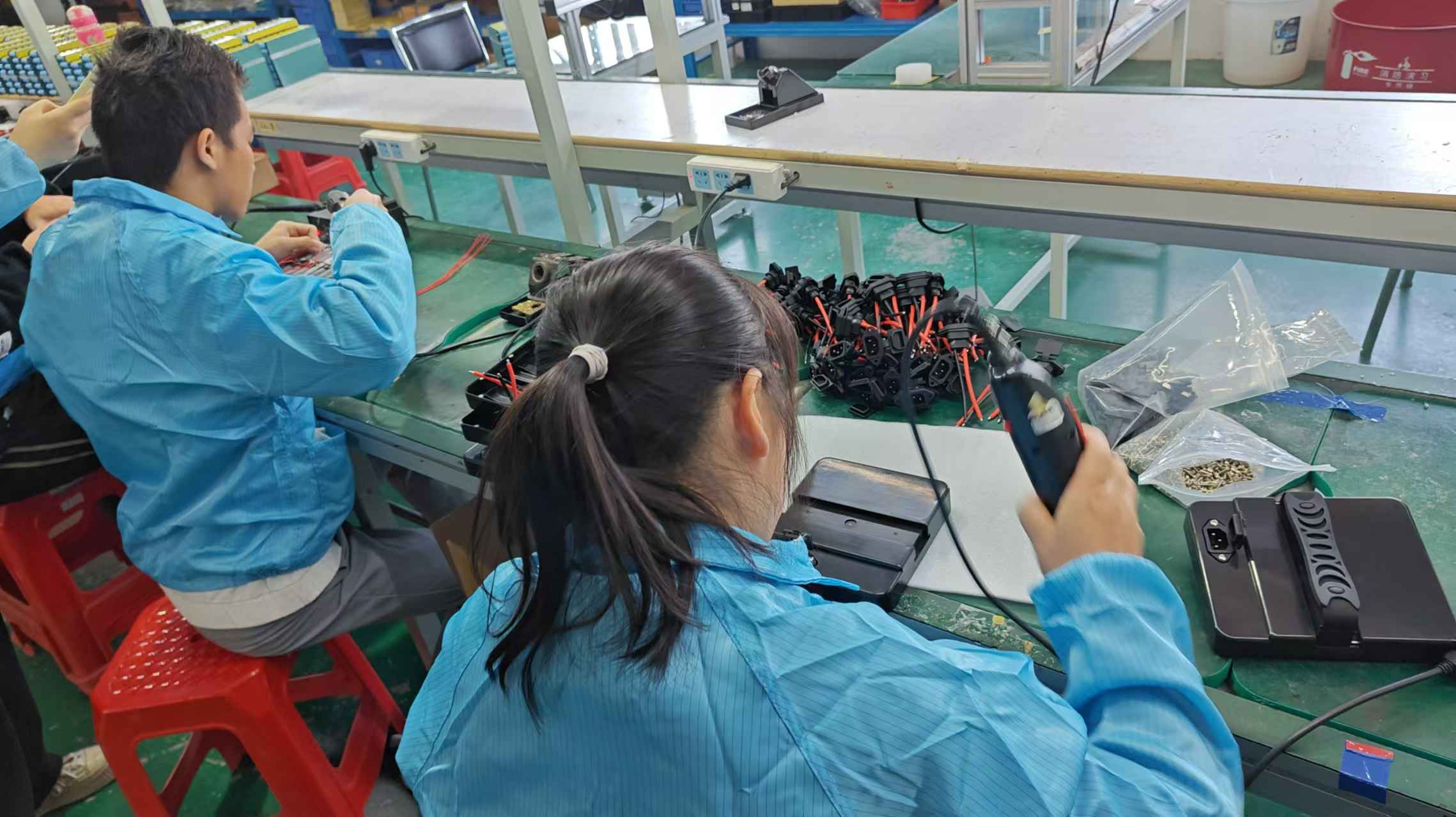
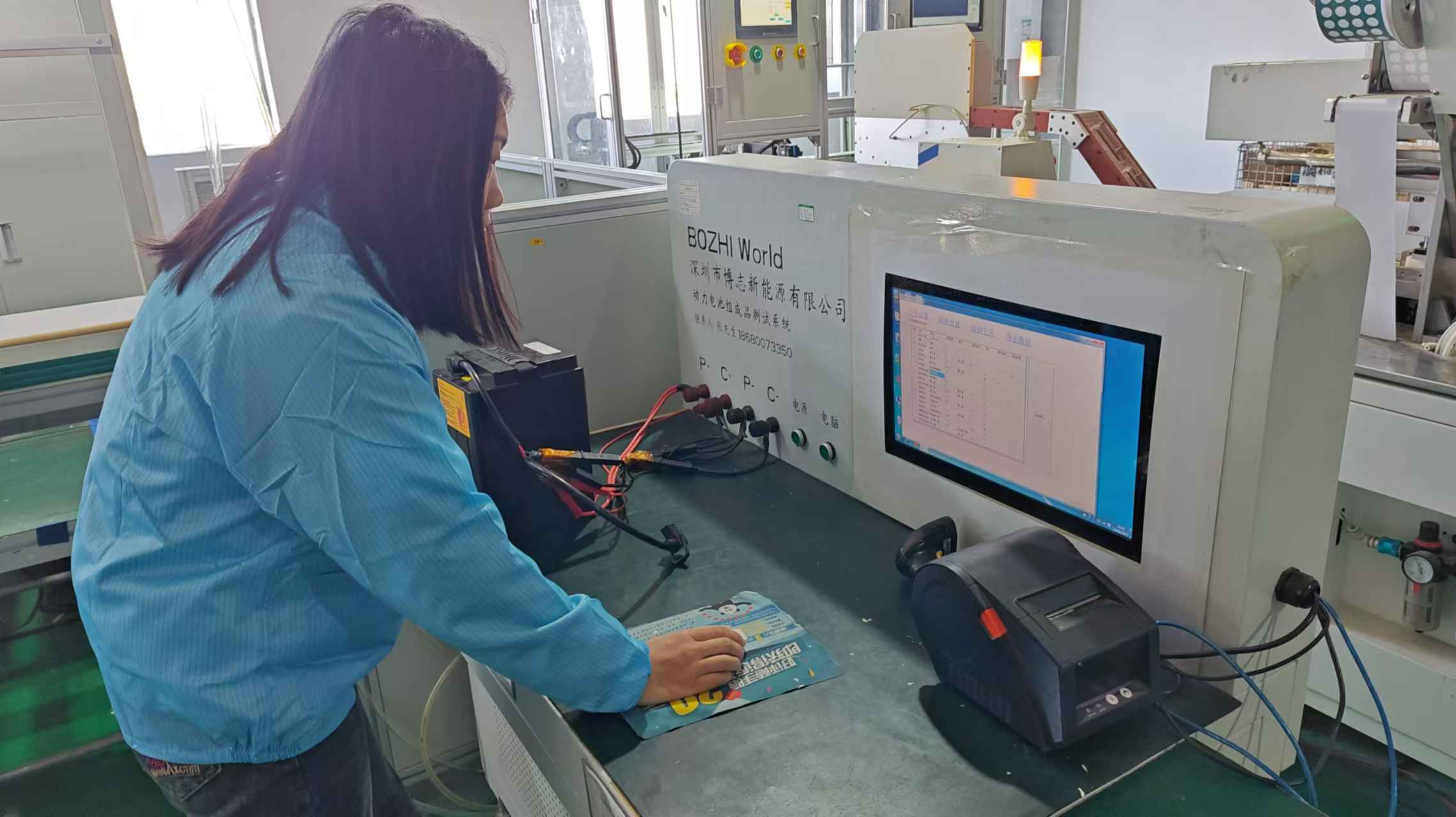
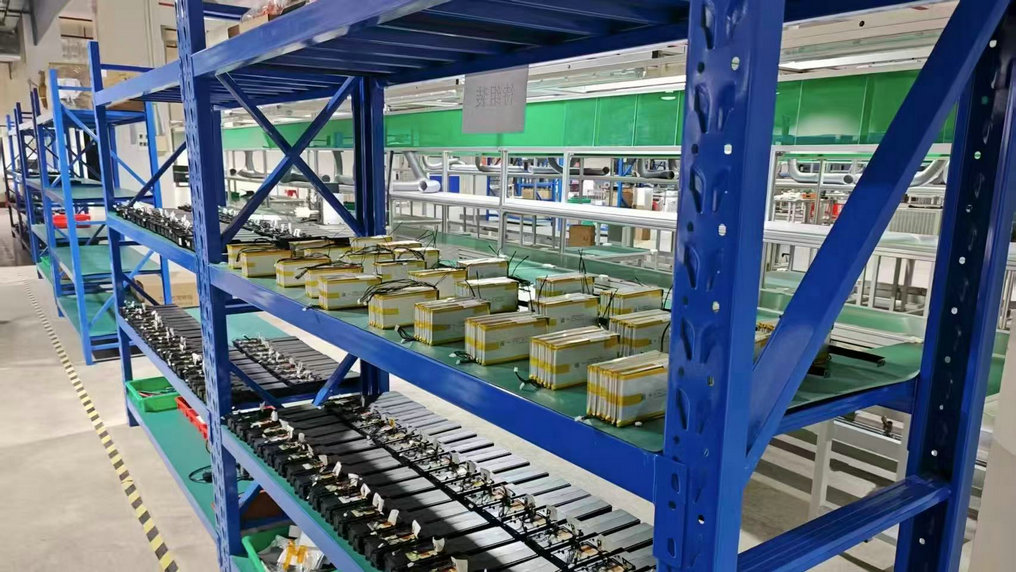
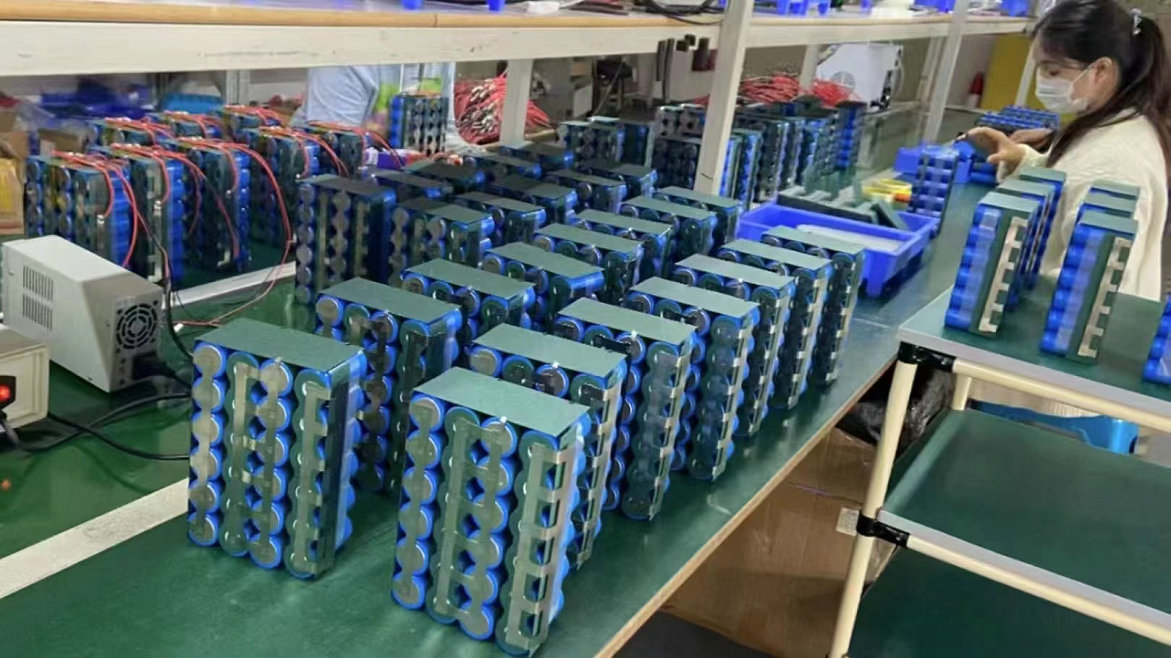
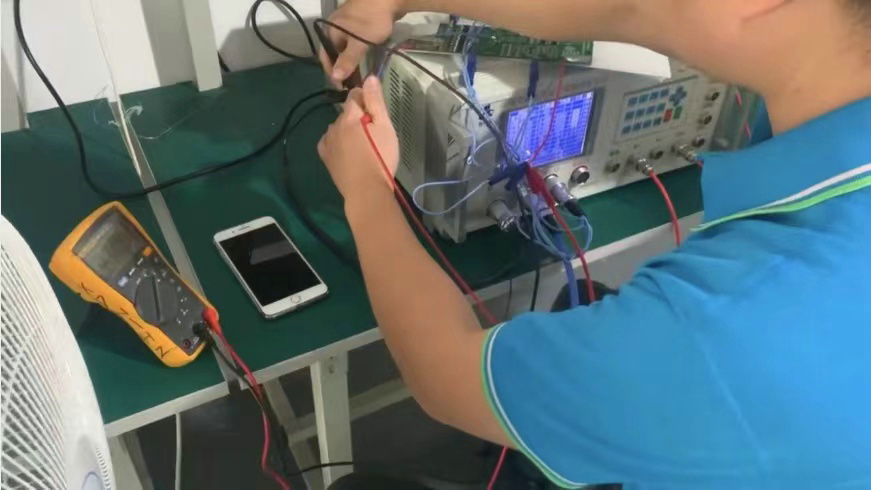
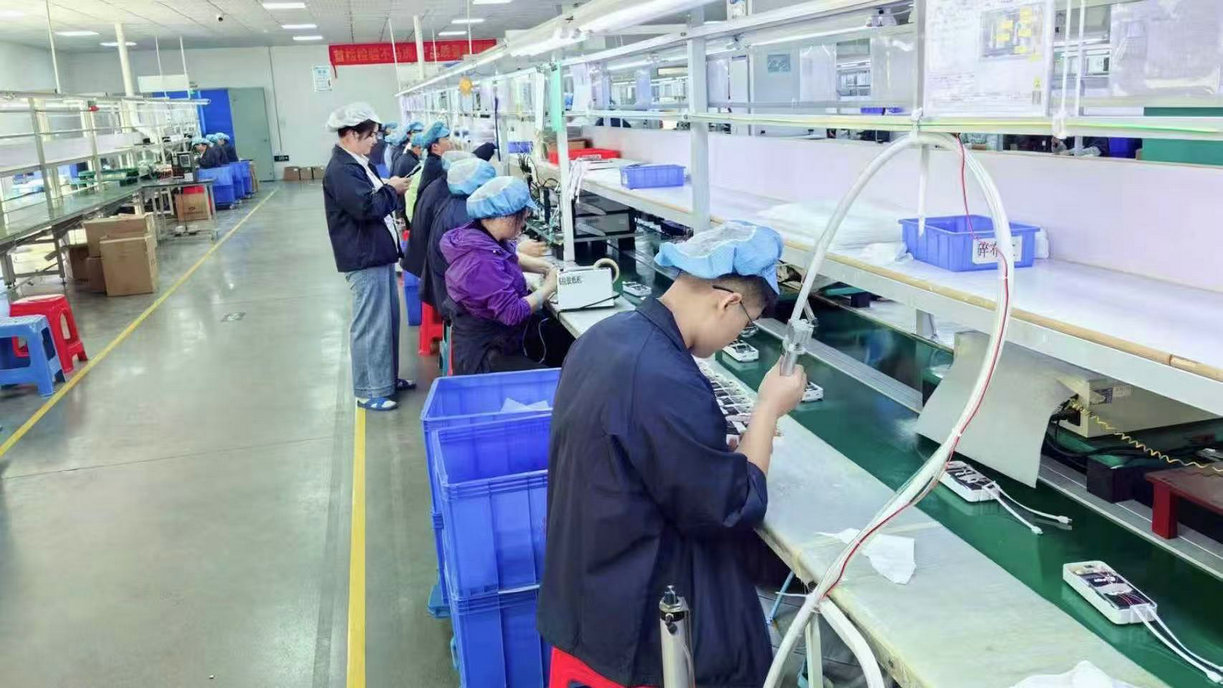
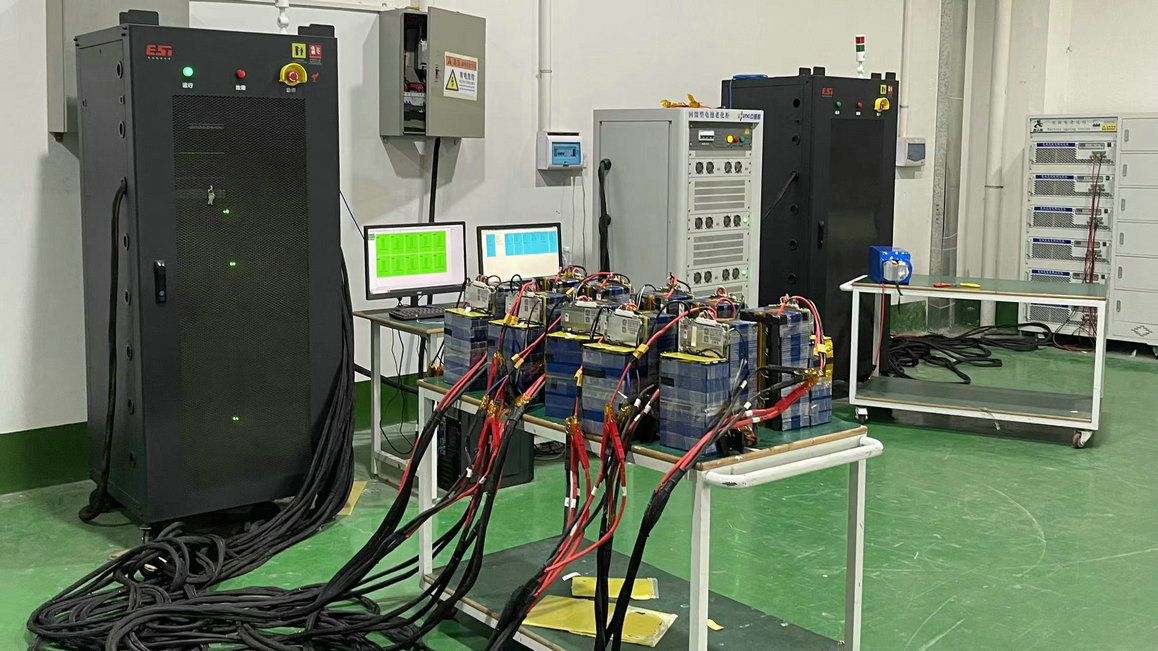
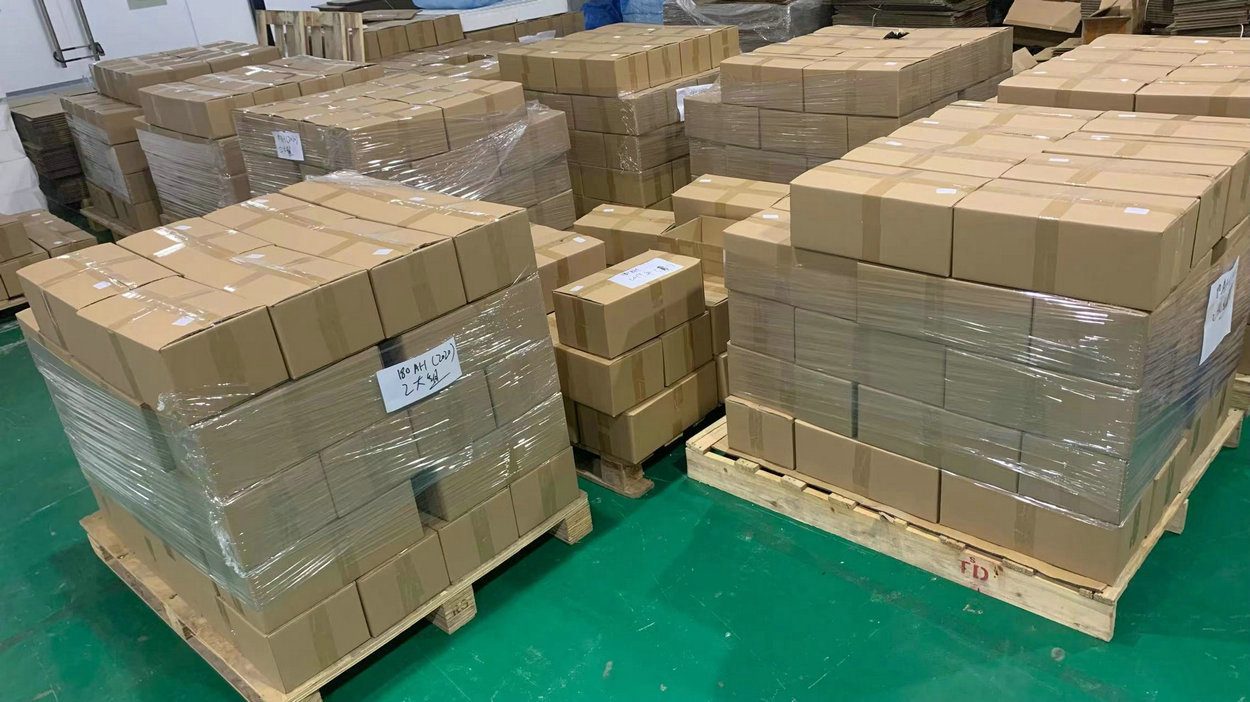
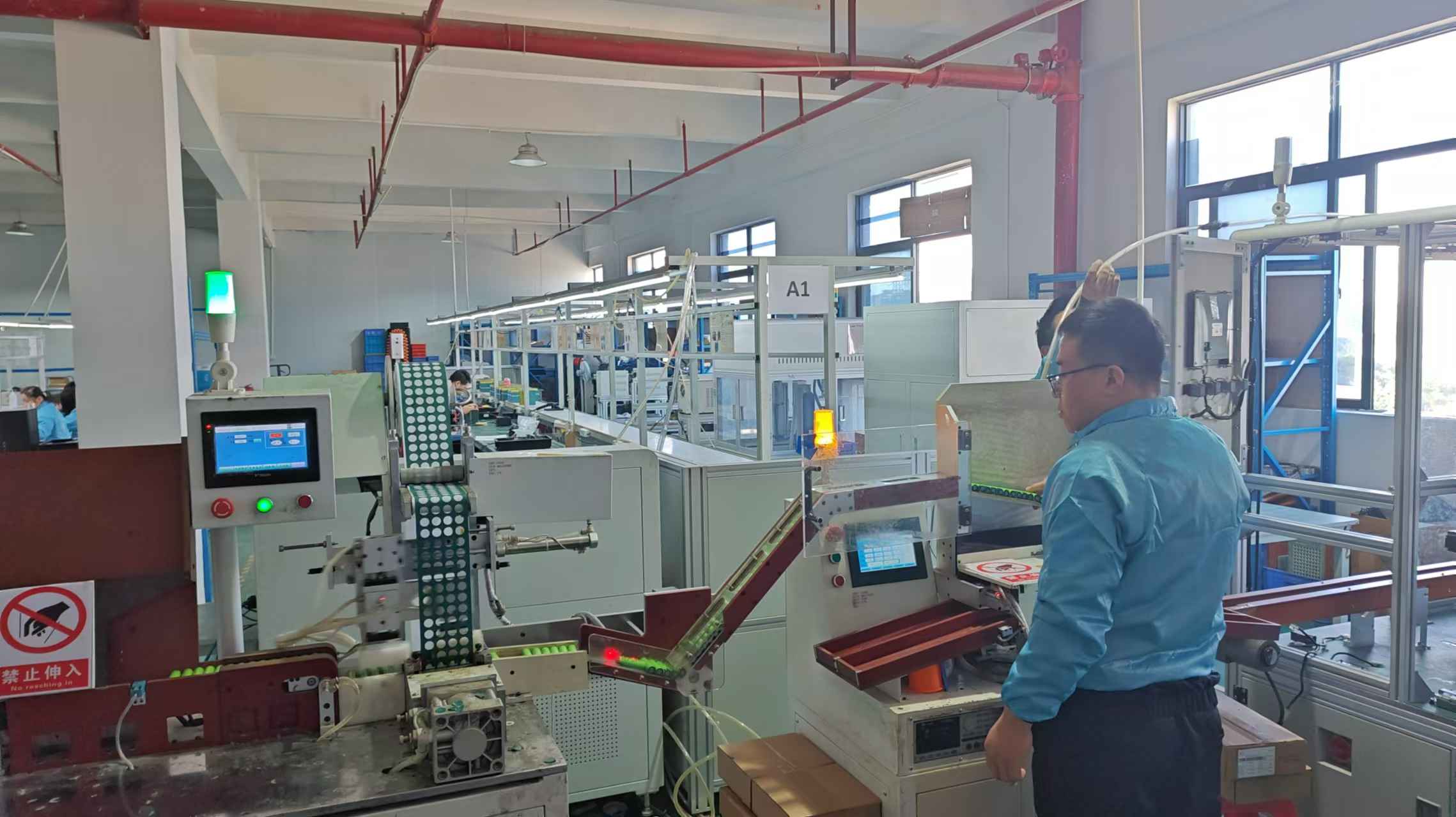
Guangdong Nuwon Energy serves a wide range of industries, including consumer electronics, electric mobility (such as golf carts, forklifts, UTVs/ATVs, trucks, and marine systems), medical equipment, unmanned ground vehicles (AGVs/AMRs), and emerging aerospace applications such as eVTOL aircraft. In addition, the company provides reliable residential, commercial, and industrial (C&I) energy storage solutions designed to support the global transition toward clean and sustainable energy.
In modern warehousing, high-load AGVs and AMRs require continuous operation. LTO chemistry supports rapid opportunistic charging (10-minute top-ups during idle phases), eliminating the need for spare battery packs and manual battery swapping. Their high-current output is ideal for heavy lifting applications.
Hybrid diesel-electric trains, trolleybuses, and electric buses use LTO cells to capture energy from regenerative braking. The high C-rate enables instantaneous energy capture, which is stored and used for zero-emission propulsion when moving away from stations.
LTO batteries are ideal for off-grid infrastructure, telecommunication base stations, and sub-zero monitoring equipment. Standard lithium chemistries degrade below 0°C, but LTO retains high efficiency down to -50°C without requiring active thermal heating systems.
LTO research focuses on increasing gravimetric and volumetric energy density while maintaining high safety and cycle life. Key developmental phases include:
By doping the $Li_4Ti_5O_{12}$ lattice structure with metal ions (such as zirconium, niobium, or aluminum), manufacturers improve internal electronic conductivity. This structure allows for faster charge transport at the molecular level, enabling 10C–15C continuous charge rates without high thermal output.
Traditional LTO cells are limited by their nominal voltage of 2.3V. Emerging designs pair LTO anodes with high-voltage cathode materials like Cobalt-free Lithium Manganese Nickel Oxide (LNMO) or high-capacity Solid-State electrolytes. This configuration increases energy density toward 130–150 Wh/kg.
Combining solid-state electrolytes (such as LLZO and polymer bases) with LTO chemistry creates an exceptionally safe battery. Solid-state LTO cells can operate in extreme conditions, resisting punctures, impacts, and high pressures. This configuration is suitable for aerospace, mining equipment, and specialized medical applications.
Find authoritative answers to common technical queries concerning Lithium Titanate (LTO) cell chemistry, safety, integration, and procurement.
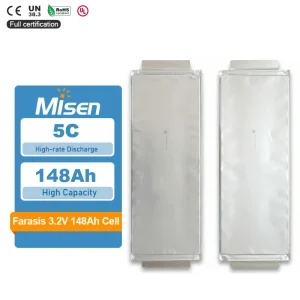
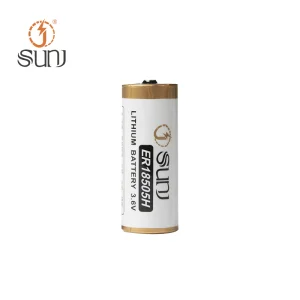
Our extended catalog features specialized high-rate, chemical cathode powders, primary lithium-thionyl cells, and custom configurations.

 Nuwon Energy