Top China Battery Recycling Technology Manufacturers & Exporters

Pioneering Closed-Loop Critical Mineral Recovery and High-Performance Energy Storage Solutions for Global Markets

Advanced Lithium-Ion & LiFePO4 Energy Products

Explore our premium range of industrial energy cells and advanced battery packs manufactured under stringent ISO standards to ensure long cycle life, high safety, and direct compatibility with green recycling lifecycles.
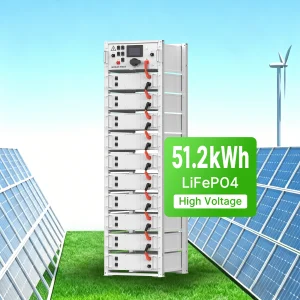
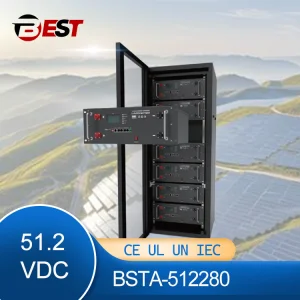
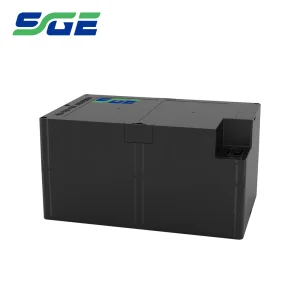
Deep Cycles High Voltage Lithium Ion Solar Energy Storage
Deep Cycles High Voltage 256v 358v 100ah 25kwh 35kwh Rack Mounted Solar Energy Storage Lithium Ion LiFePO4 Industrial Use
View Product Specifications
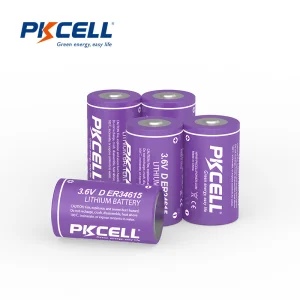
High Quality ER34615 3.6V Lithium Battery Pack
High Quality ER34615 3.6V 14.5Ah Lithium/Thionyl Chloride Battery Pack for ETC Equipment Smart Lock Cylinder Other Applications
View Product Specifications
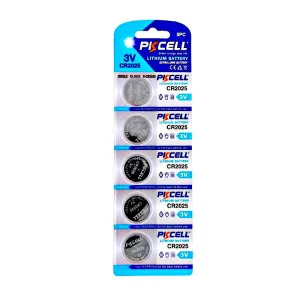
Pkcell 3V Lithium Button Cell Cr2025
Most Selling Products Pkcell 3V Lithium Button Cell Remote Control Cr 2025 3V Coin Cell Cr2025
View Product Specifications
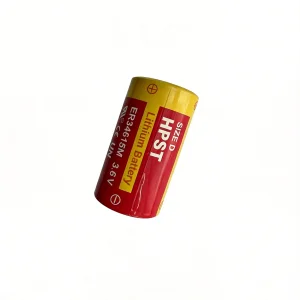
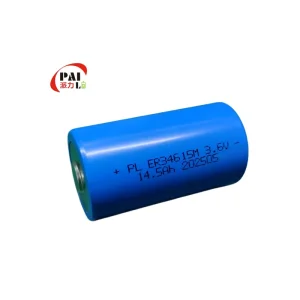
ER34615M 3.6V Lithium Thionyl Chloride Battery
ER34615M 3.6V Lithium Thionyl Chloride Battery 13000mAh Non-Rechargeable Li-SOCl2 Battery for GPS Tracker and Water Meter
View Product Specifications
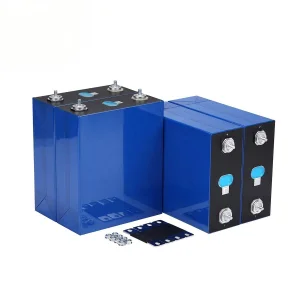
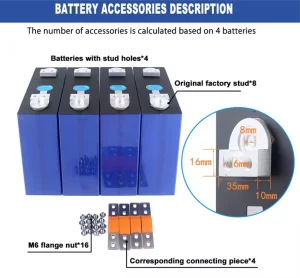
Grade A LF280K V3 LiFePO4 Cell
Grade A LF280K V3 3.2V 280Ah LiFePO4 Cell, EU Warehouse LFP Lithium Ion Battery for Home Solar Power Storage
View Product Specifications
Custom Lithium Polymer Rechargeable Battery 3.7v
Custom Cheap CE WLY Lithium Polymer Rechargeable 503048 Battery 3.7v 1.85wh 750 Mah 5x30x35mm
View Product Specifications
Lifepo4 Battery Solar Storage 100Ah 200Ah 280Ah
BEST Lifepo4 Battery Solar Storage 100Ah 200Ah 280Ah Lithium Battery Pack 10 Year Warranty
View Product Specifications
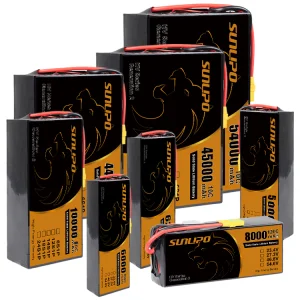
Solid State Drone Battery
Solid State Drone Battery 80000mAh 50000mAh 40000mAh 28000mAh 22000mAh for Drone Uav
View Product Specifications
Sustainable Battery Ecosystem Hydrometallurgy & Pyrometallurgy E-EE-A-T Certified

1. The Transition to a Circular Battery Economy

As the global transition to clean energy accelerates, the demand for lithium-ion battery chemistries has surged exponentially. From electric vehicles (EVs) to grid-scale energy storage systems (ESS) and high-density industrial applications, batteries have become a key pillar of modern infrastructure. However, this skyrocketing demand creates a major challenge: securing a reliable supply of critical minerals—such as lithium, cobalt, nickel, manganese, and high-purity copper—while minimizing the ecological and carbon footprint of mining.

China has emerged as the global leader in battery recycling technology. Chinese manufacturers and exporters are pioneering closed-loop recycling solutions that transform spent battery cells back into battery-grade precursors. By using advanced mechanical processing, high-yield hydrometallurgical extraction, and direct recycling methods, these technologies allow the industry to recover over 95% of transition metals. This helps close the loop on battery materials, turning end-of-life cells back into valuable production resources.

"True sustainability in energy storage is achieved only when the end-of-life phase is fully integrated into the design phase. Regenerative manufacturing is the cornerstone of tomorrow's energy security."

>98%
Cobalt & Nickel Recovery
>90%
Lithium Carbonate Yield
-70%
CO2 Compared to Mining
Zero
Wastewater Discharge (ZLD)

Core Battery Recycling Technological Routes

Modern industrial battery recycling uses three main extraction methods. Each route is optimized for specific battery chemistries, processing costs, and purity requirements.

Hydrometallurgical Processing

This process uses chemical solutions to leach and separate critical metals from black mass. It is highly valued for its high metal recovery rates and low energy consumption.

  • Acid Leaching: Uses inorganic acids (like H2SO4) or organic acids to dissolve target metals.
  • Solvent Extraction: Separates nickel, cobalt, and manganese using specific organic extractants.
  • Precipitation: Recovers battery-grade lithium carbonate (Li2CO3) and lithium hydroxide (LiOH).

Pyrometallurgical Smelting

A high-temperature thermal process that smelts battery materials in a shaft or rotary furnace. It is highly robust and handles various battery types without complex sorting.

  • Thermal Reduction: Converts transition metal oxides into a molten alloy phase (alloy of Ni, Co, Cu).
  • Slag Separation: Lithium and aluminum remain in the slag and are recovered through secondary processes.
  • Feedstock Flexibility: Can process whole cells, module parts, and mixed battery scrap safely.

Direct Cathode Regeneration

An emerging technology focused on repairing and upcycling degraded cathode active materials directly, without breaking down the chemical compound.

  • Relithiation: Restores lost lithium ions to the degraded cathode structure.
  • Thermal Annealing: Re-crystallizes the active material to fix crystal lattice defects.
  • Eco-Friendly: Features the lowest energy use, lowest greenhouse gas emissions, and shortest material loop.

Global Procurement Requirements & Compliance

Industrial battery buyers, automotive OEMs, and grid developers face strict regulatory environments worldwide. Sourcing battery recycling equipment and recycled battery materials requires complying with complex local and international standards.

In the European Union, the EU Battery Regulation (2023/1542) establishes strict mandates for minimum recycled content in new batteries. It also introduces the "Battery Passport" to trace materials back to their source. Procurement teams must verify that their suppliers use clean, low-carbon processes to recover metals.

In the United States, the Inflation Reduction Act (IRA) provides tax credits for clean vehicles, but only if a specific percentage of the critical minerals in the battery are extracted or processed in the U.S. or in countries with which the U.S. has a free trade agreement. Alternatively, materials recycled within North America also qualify, making domestic and localized recycling operations highly valuable.

Key Compliance Checkpoints for Importers:
  • UN38.3 & IMDG Code: Essential for safe international shipping of lithium batteries, especially damaged or end-of-life cells.
  • UL1974 Compliance: Defines the evaluation standards for sorting and repurposing batteries for second-life applications.
  • CE, RoHS, & REACH: Ensures that battery units do not contain banned toxic substances or heavy metal concentrations.

Company Profile – Guangdong Nuwon Energy Co., Ltd.

A trusted global partner in high-performance lithium energy systems and sustainable manufacturing.

Guangdong Nuwon Energy Co., Ltd. is a leading manufacturer and solution provider in advanced battery systems. We specialize in the research, development, manufacturing, and global distribution of high-performance energy storage products. The company offers comprehensive OEM and ODM services, delivering customized battery solutions tailored to diverse industrial and commercial applications.

Backed by a highly experienced engineering and R&D team, Nuwon Energy focuses on the design and integration of cylindrical and prismatic lithium battery cells, as well as complete battery packs, modules, and energy storage systems. The company also develops and produces industrial-grade battery cells engineered for safety, durability, and long cycle life.

Guangdong Nuwon Energy serves a wide range of industries, including consumer electronics, electric mobility (such as golf carts, forklifts, UTVs/ATVs, trucks, and marine systems), medical equipment, unmanned ground vehicles (AGVs/AMRs), and emerging aerospace applications like eVTOL aircraft. In addition, the company provides reliable residential, commercial, and industrial (C&I) energy storage solutions designed to support the global transition toward clean and sustainable energy.

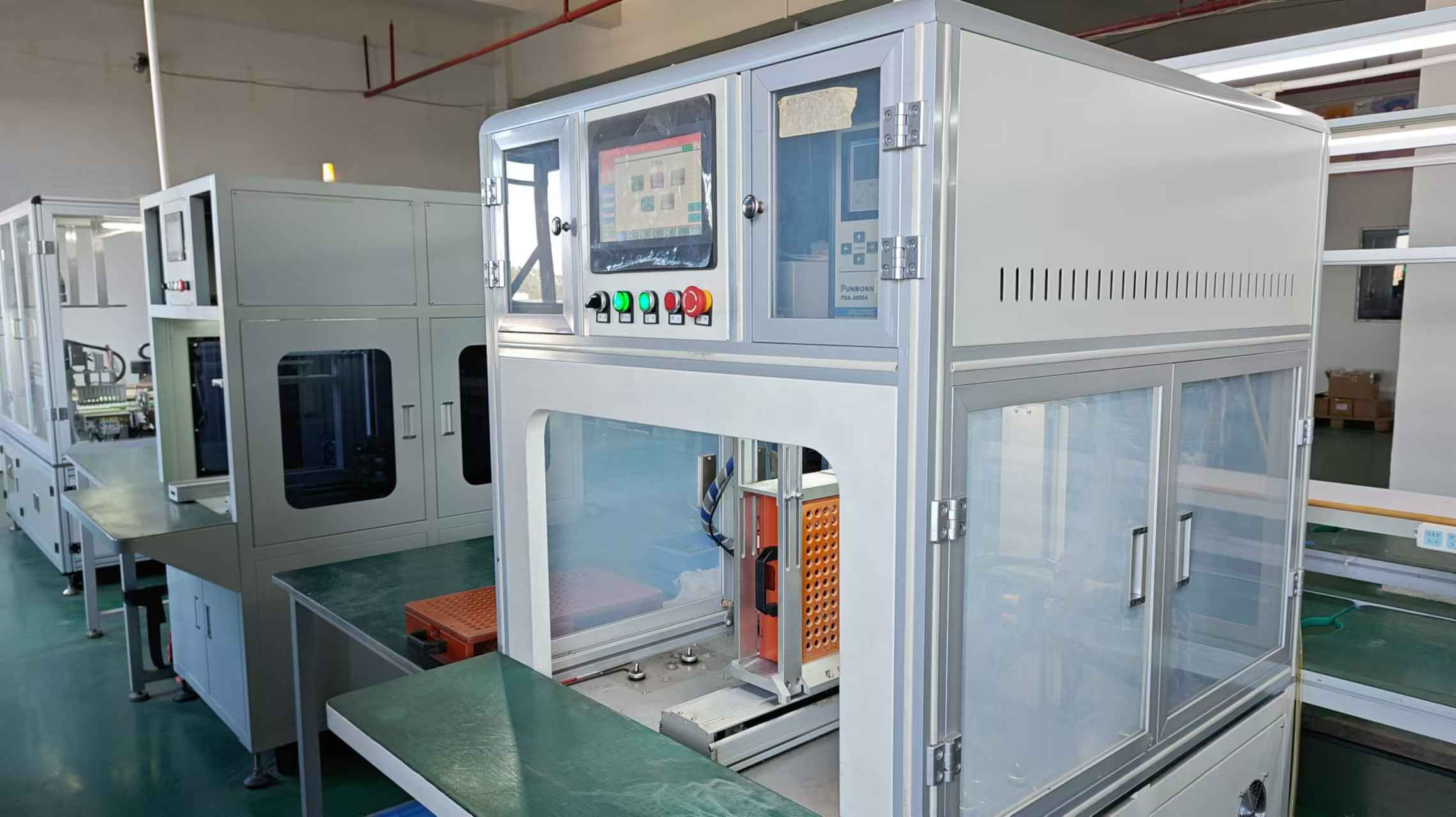
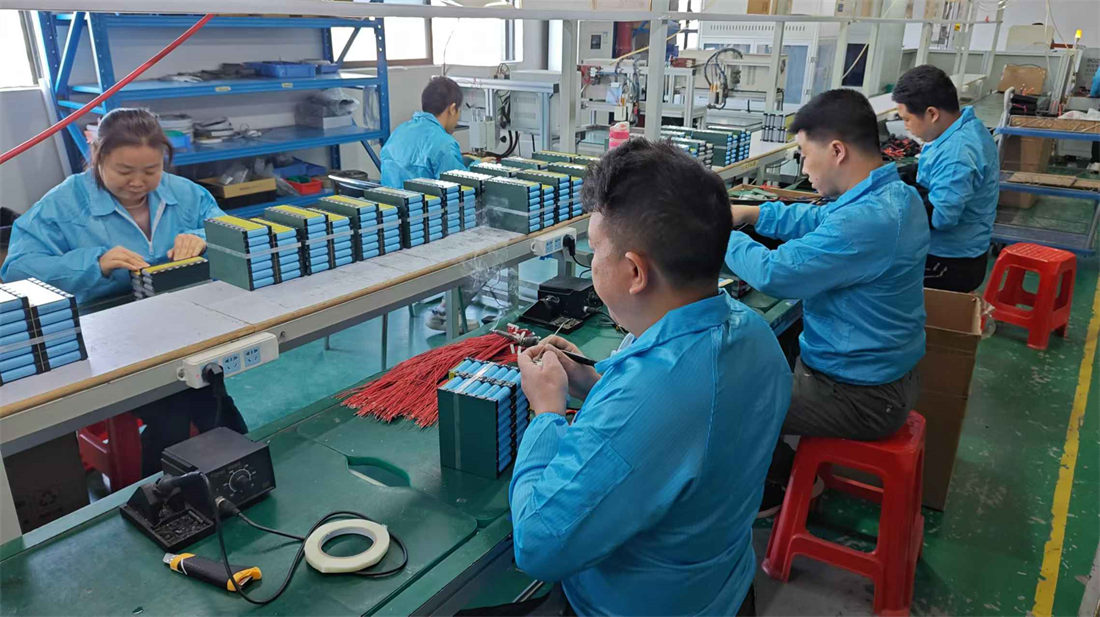
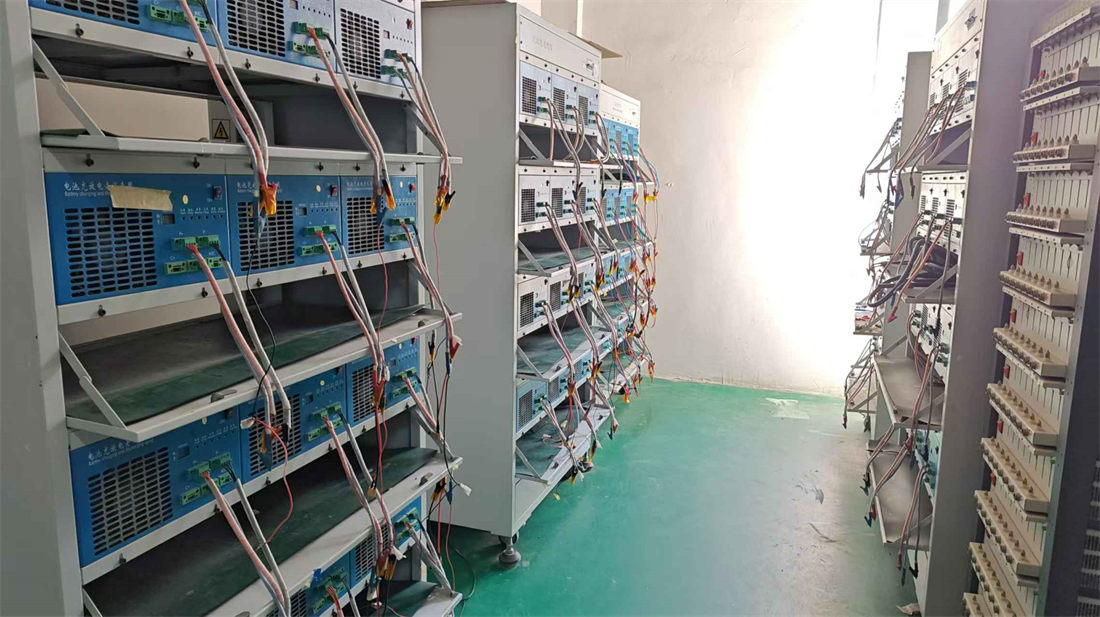
With a strong commitment to innovation, strict quality control, and customer-centric service, Guangdong Nuwon Energy continuously invests in advanced manufacturing capabilities, automated production lines, and rigorous testing systems. This ensures that every product meets international safety standards and delivers exceptional performance in demanding environments.

Driven by a vision to accelerate global electrification and energy efficiency, Guangdong Nuwon Energy Co., Ltd. is dedicated to building long-term partnerships and providing reliable, intelligent, and sustainable energy solutions to customers worldwide.

Global Service & Customization Capabilities

We offer full-cycle integration, starting from the raw cell material phase all the way to end-of-life battery recycling and repurposing plans. Our custom engineering guarantees that your battery systems are optimized for thermal efficiency, safety, and mechanical strength, helping you lower your total cost of ownership.
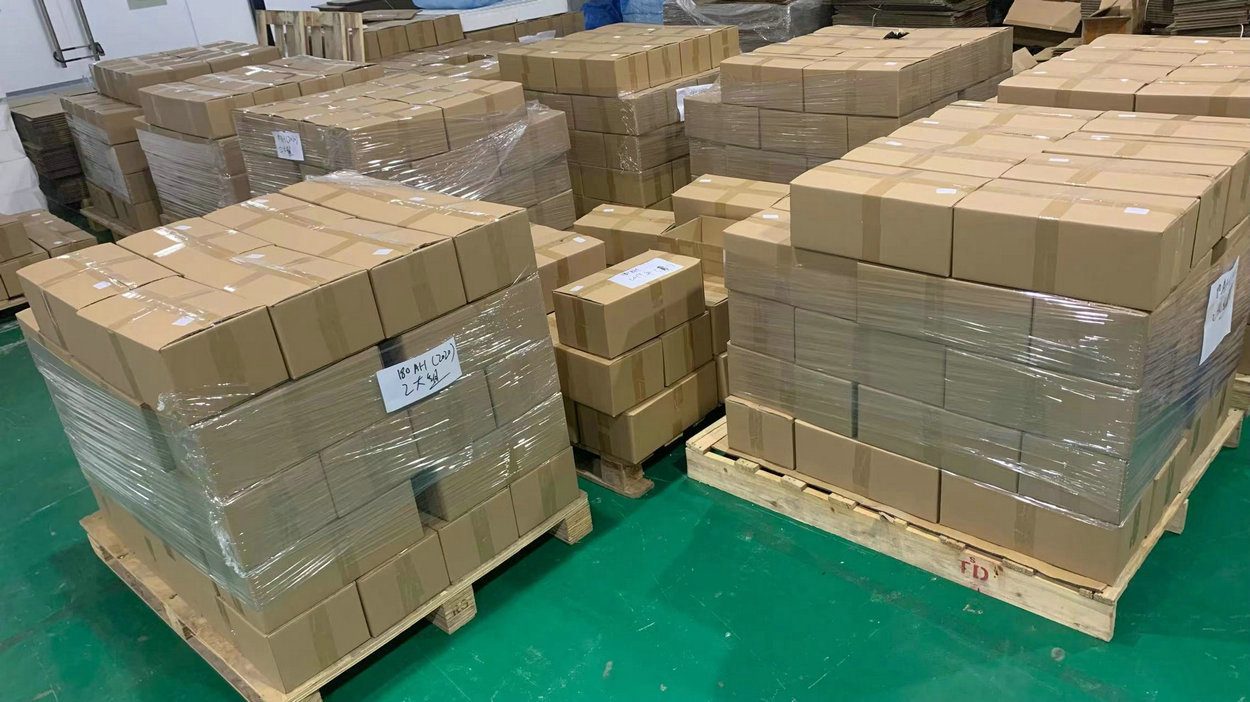
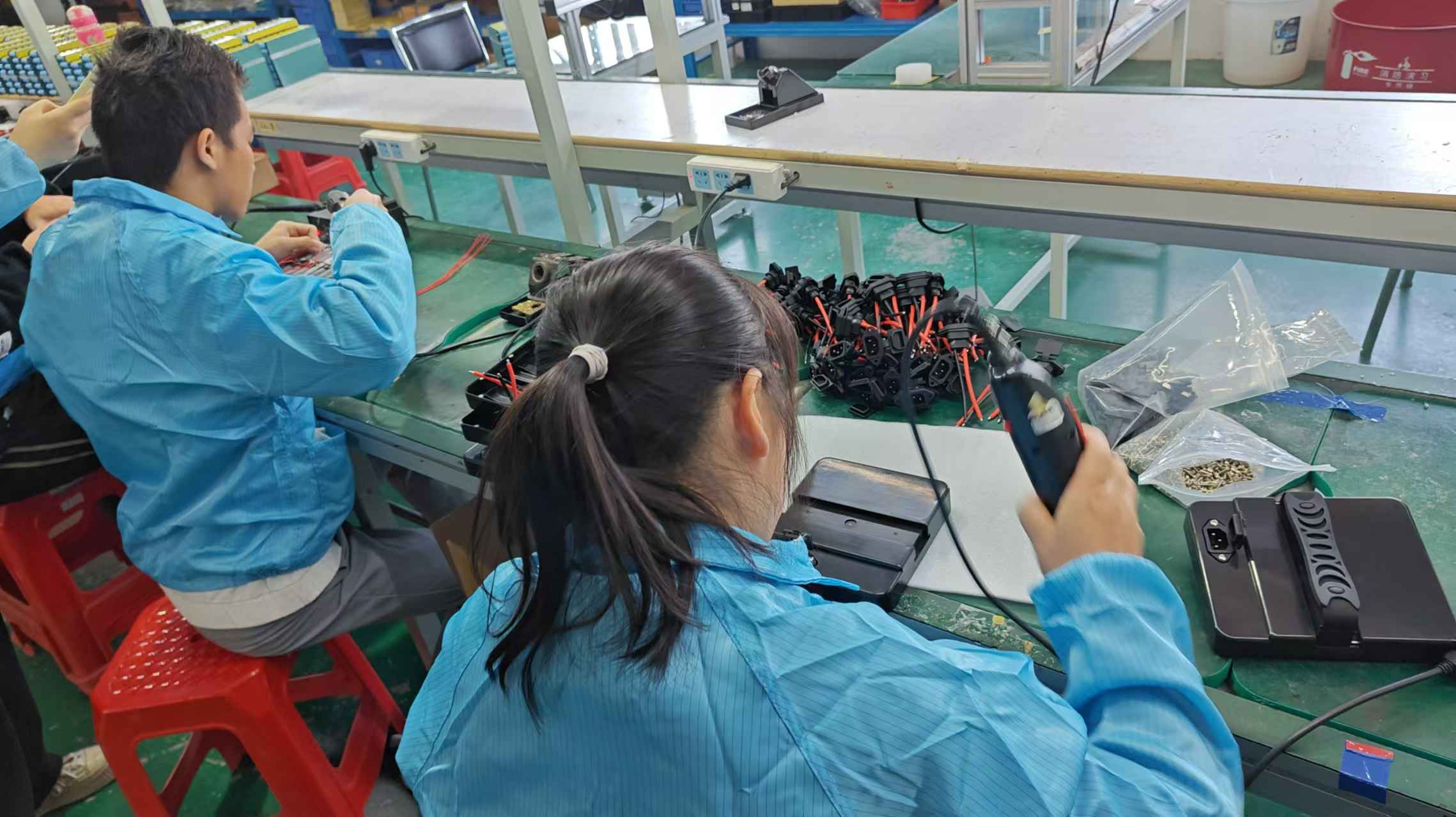
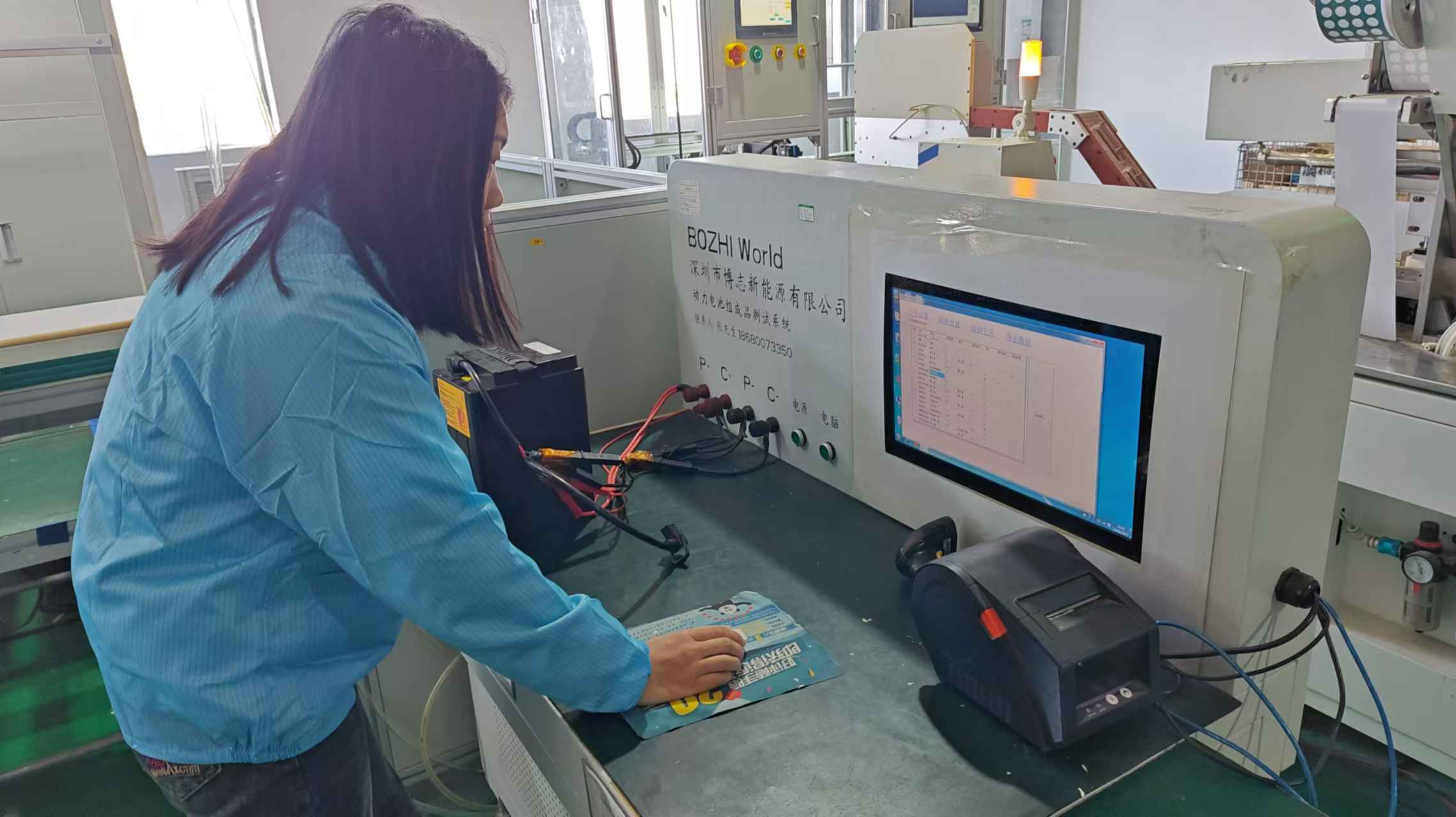
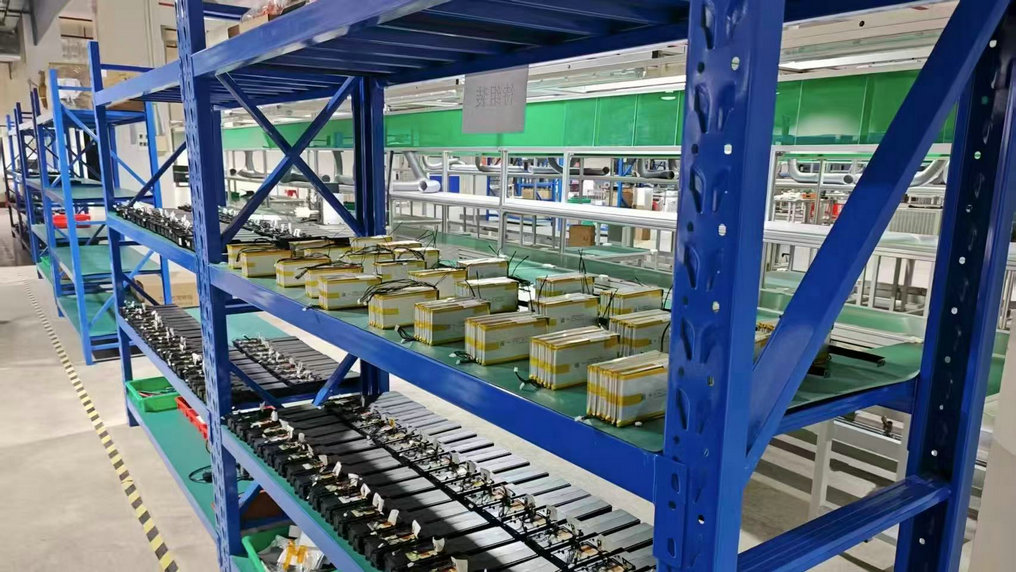
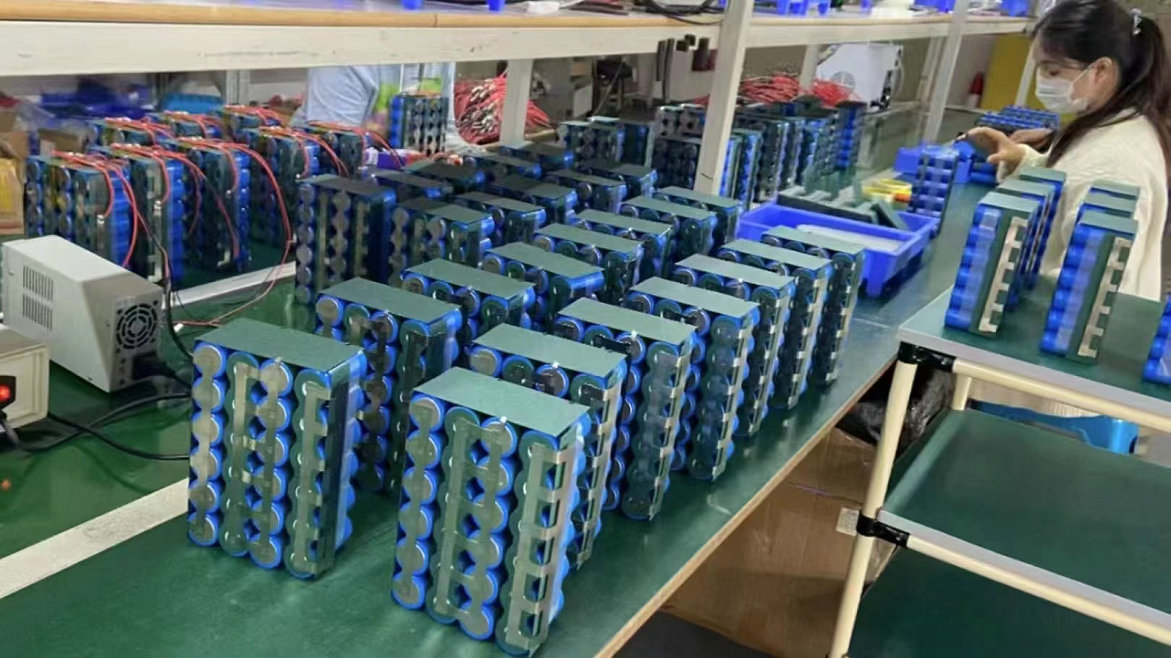
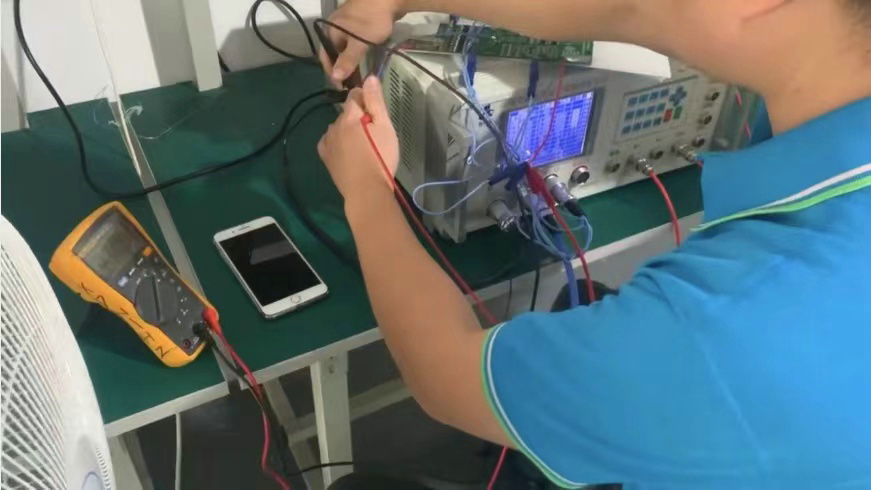
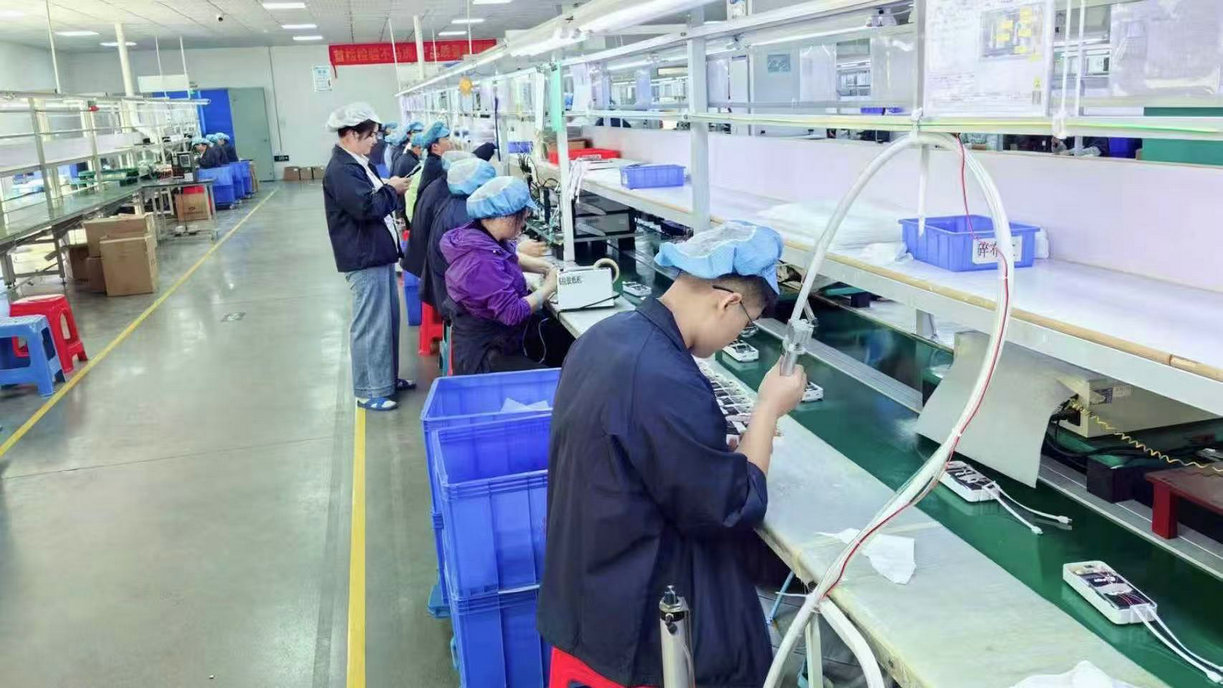
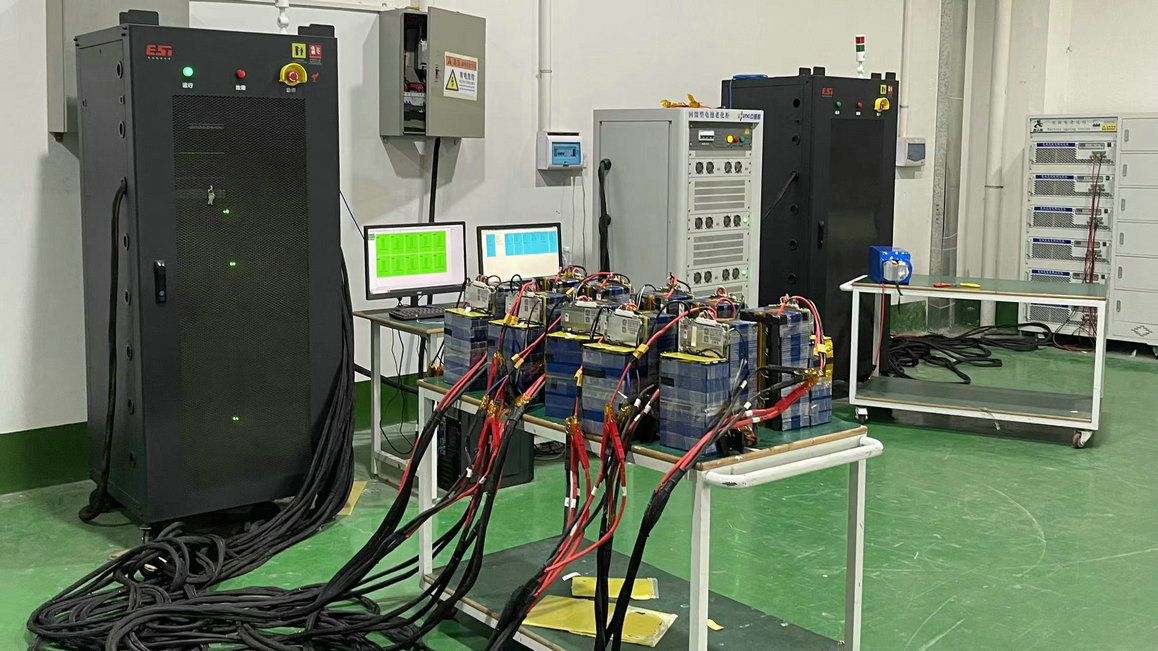
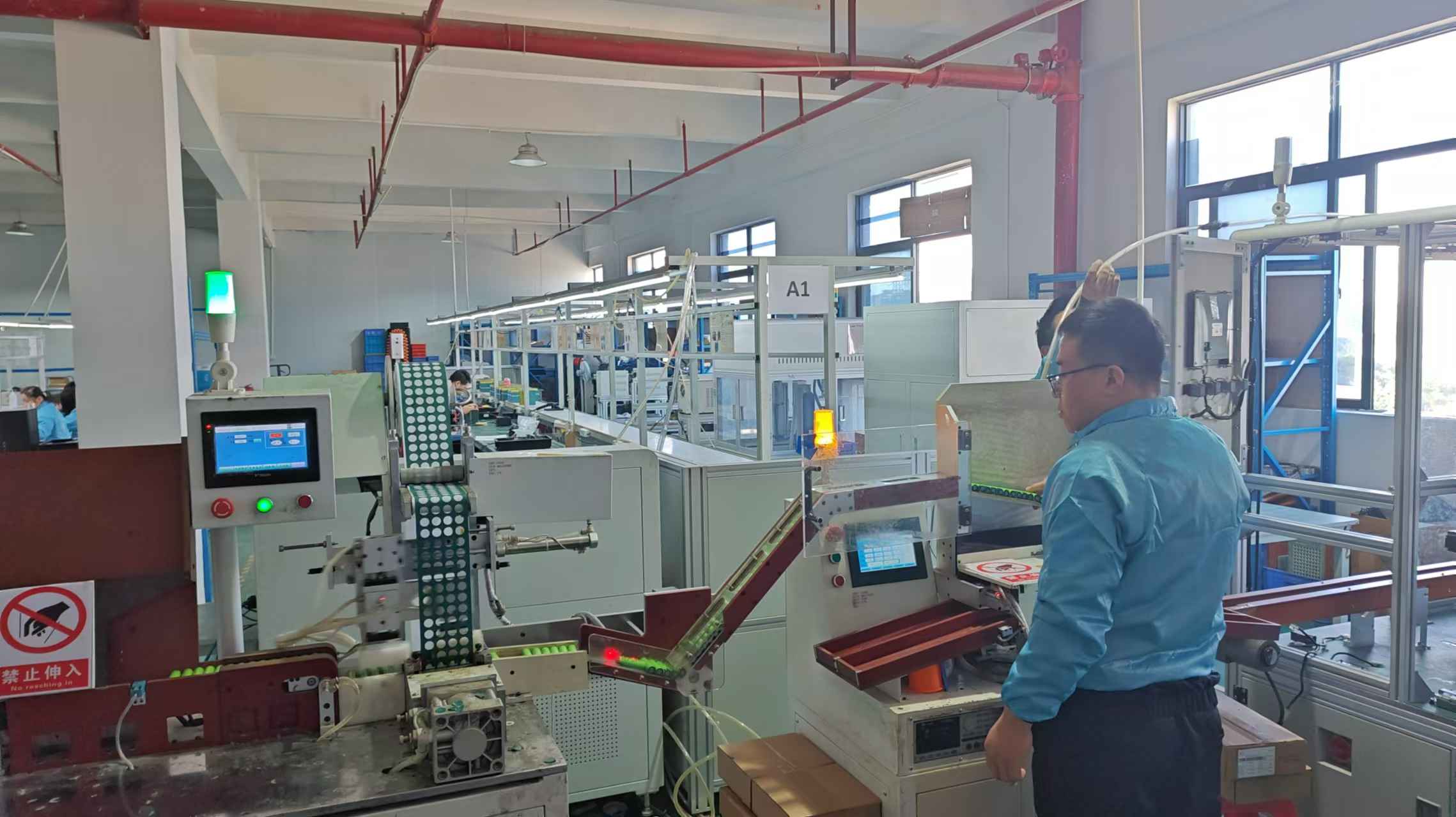
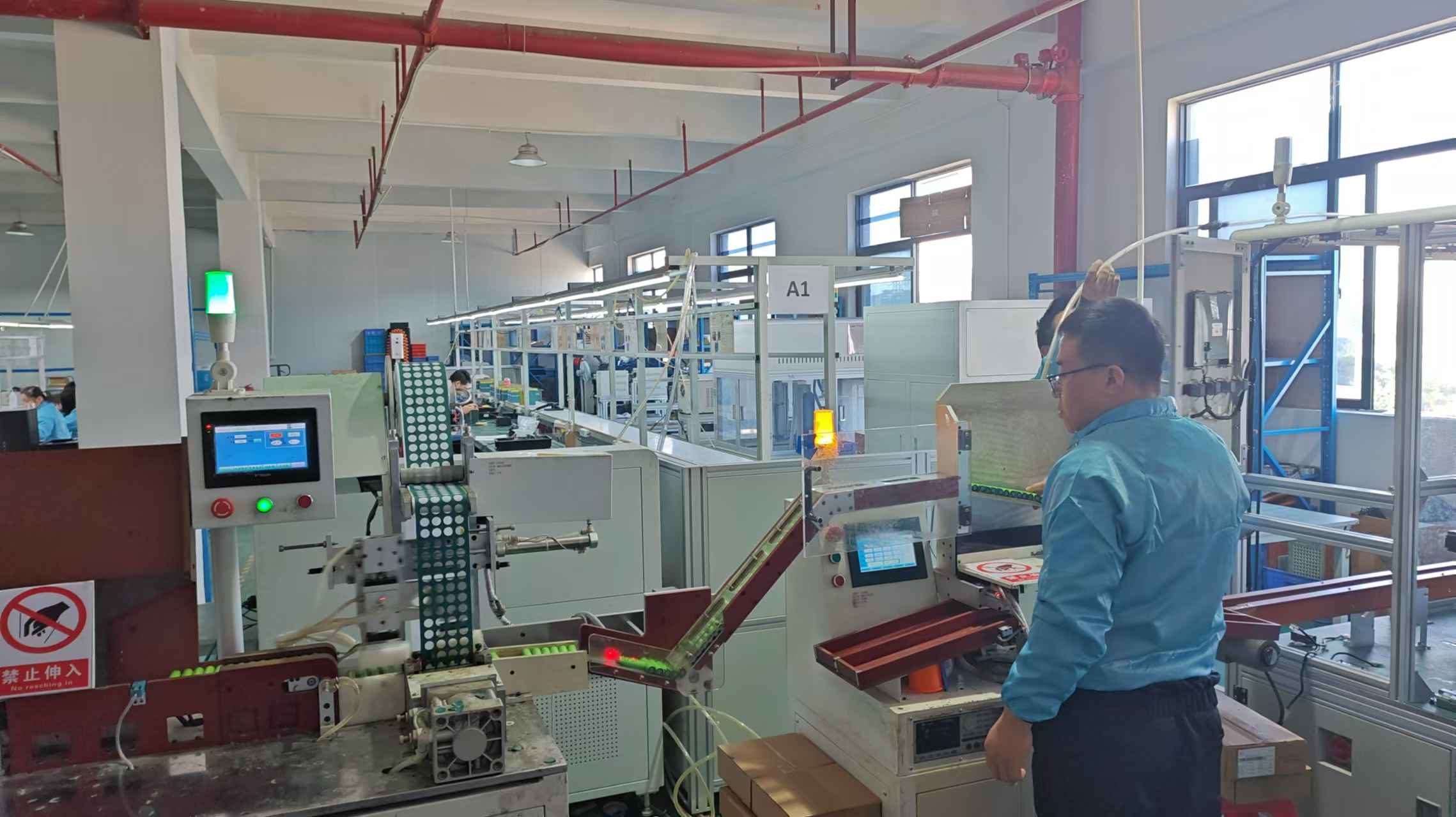
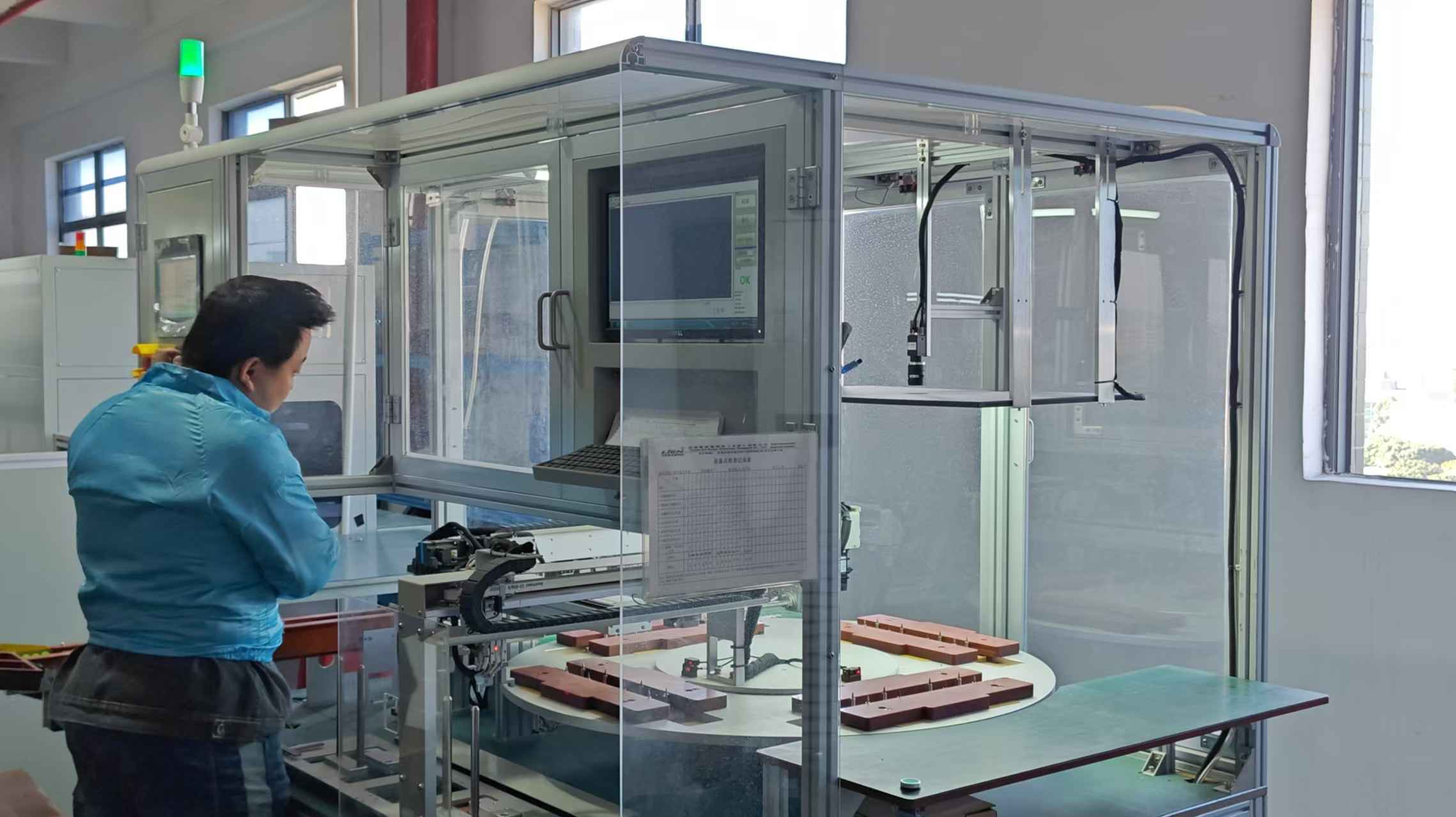
Guangdong Nuwon Energy Production Facility

Advanced Manufacturing & Quality Inspection Facility

A step-by-step look at our automated production lines, precise assembly steps, and strict quality control processes.
Sorting Process
Sorting
Assembling Process
Assembling
Welding Process
Welding
Assembling Process 2
Assembling
Aging Chamber
Aging
Assembling Process 3
Assembling
Testing Station
Test
Completed Battery Systems
Battery
Insulation Testing
Insulation Testing
PCB Testing Area
PCB Testing
Final Welding Station
Welding
Cell Aging and Cycling
Aging
Finished Products Showroom
Products
Automated Battery Sorting Machine
Battery Sorting Machine

Technology Roadmap & Future Industry Outlook

Tracking the development of next-generation battery recovery platforms to achieve higher purity and reduce carbon footprint.

1

Phase I: Shredding & Separation

Using inert gas-protected shredding systems to safely open cells, recover electrolytes, and produce high-purity black mass without thermal runaways.

2

Phase II: Selective Leaching

Using organic green acids to selectively leach lithium before extracting transition metals, reducing chemical consumption by 40%.

3

Phase III: Precursor Synthesis

Synthesizing recovered nickel-cobalt-manganese salts directly into new cathode precursors (NMC/LFP), shortening the battery supply chain.

4

Phase IV: Digital Passport

Integrating blockchain-based tracing systems to track carbon footprint and document recycled materials from collection to new cell manufacturing.

Premium Energy Cells & Commercial Battery Packs

A comprehensive selection of prime-grade cells and custom battery packs, designed for long lifecycles and easy recycling at the end of their service life.
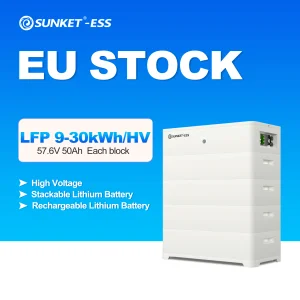
Sunket EU Germany Stacked Lithium Iron Batteries
Sunket EU Germany Stock Stacked Lithium Iron Batteries Pack 20kw LIFEPO4 Battery 20kwh Solar Energy Storage Battery
View Product Specifications
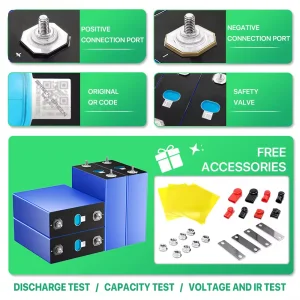
Grade Prismatic LiFePO4 Battery Cell
PL Stock 3.2V 280Ah Grade Prismatic LiFePO4 Battery For Home Energy Storage REPT 300ah 314ah 320ah 345ah Lithium Ion Cell Power
View Product Specifications
Yixin Rechargeable LiFePO4 Battery Cells
Yixin Rechargeable 3.2V Prismatic Lithium Iron Phosphate (LiFePO4) Battery Cells LFP 280K MB30 MB31 Blue 330Ah/314Ah/306Ah/280Ah
View Product Specifications
Rechargeable LiFePO4 Battery 12000 Cycles
Rechargeable LiFePO4 Battery 3.2V 102Ah 314Ah 12000 Cycles Prismatic Cell Solar Energy Storage Safety 5 Year Warranty Talaria
View Product Specifications
PKCELL 19000mAh ER34615 Battery
PKCELL 19000mAh Water Meter D Size Battery ER 34615 3.6V Lithium Thionyl Chloride Battery
View Product Specifications
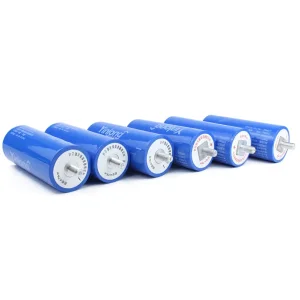
Yinlong LTO 40Ah Battery
Yinlong 2.3V 66160 LTO 40Ah Lithium Titanate Battery 40ah LTO Max 10C 400A Discharge for High Power Audio
View Product Specifications
High-rate Discharge 48V Lithium Battery Pack
High-rate Discharge Long Cycle Life 48V 20AH Lithium Battery Pack OEM/ODM Customization Available for Electric Motorcycle
View Product Specifications
Toshiba Scib LTO Battery Cell
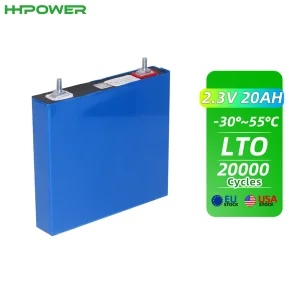
Toshiba Scib Deep 20000 Cycle Prismatic Grade a Lithium 2.3V 20Ah Discharge 30C Lto Lithium Titanate Battery Cell
View Product Specifications

Expert Q&A: Battery Recycling & Sourcing

Common questions from procurement managers, compliance officers, and system engineers regarding industrial battery recycling and technology.

What is "Black Mass" and why is it important in battery recycling?
Black mass is the dark, powdery substance produced after dismantling, shredding, and sieving spent lithium-ion batteries. It contains high concentrations of valuable metals, including lithium, cobalt, nickel, and manganese, as well as graphite. It serves as the primary feedstock for hydrometallurgical refining plants, where these critical materials are extracted and processed back into battery-grade chemicals.
How does Guangdong Nuwon Energy ensure the sustainability and recyclability of its battery designs?
At Guangdong Nuwon Energy Co., Ltd., we apply eco-design principles to our manufacturing. We design battery packs for easier disassembly, minimizing the use of mixed adhesives and using standardized prismatic and cylindrical configurations. This design approach makes it much easier to recover cell components at the end of their service life, helping our global partners lower their overall recycling costs.
What is the difference in recovery efficiency between hydrometallurgy and pyrometallurgy?
Hydrometallurgy delivers higher recovery rates for valuable metals (often exceeding 98% for cobalt and nickel, and over 90% for lithium) and yields battery-grade chemicals directly. It also operates at lower temperatures, which reduces carbon emissions. In contrast, pyrometallurgy is simpler and processes whole battery packs without dismantling, but it uses more energy and recovers less lithium directly, as much of it ends up in the slag phase.
How do your battery systems comply with the new EU Battery Passport regulations?
We work closely with tracking platform providers to offer detailed material sourcing data, cell history records, and carbon footprint estimates. This transparency ensures that our commercial and industrial (C&I) clients can easily generate compliance documentation for European markets, meeting the requirements of EU Regulation 2023/1542.
What safety measures are critical when transporting spent lithium batteries?
Spent or damaged batteries must be packed in certified thermal-runaway mitigation packaging and labeled according to UN3480/UN3481 Class 9 hazardous materials guidelines. For international transport, they must pass strict UN38.3 testing protocols to prevent internal short circuits, combustion, or leakage during transit.