Modern commercial and industrial platforms no longer rely on standard off-the-shelf energy systems. As critical requirements for specific power envelopes, weight budgets, and thermochemical behaviors escalate, bespoke battery design has transitioned from a specialized service to a foundational industry standard.
Selecting and modifying chemistry profiles—such as high-cycle LiFePO4, energy-dense NMC, or next-generation Solid-State—to ensure perfect compatibility with complex environmental stressors, deep-discharge curves, and extreme temperature conditions.
Tailoring custom enclosures to handle high levels of mechanical impact, water intrusion (IP67/IP68/IP69K), and structural integration constraints. This includes precision thermal management barriers to mitigate runaway events.
Creating custom Battery Management Systems featuring sophisticated balancing topologies, CANbus, Modbus, or SMBus communications, and active telemetry tracking. This ensures real-time health diagnostics and system protection.
While standard cells provide basic performance, bespoke designs optimize the volumetric efficiency and continuous discharge ratios. For applications like electric aviation (eVTOL) and industrial mobile robotics (AGVs/AMRs), this optimization translates directly into increased operational uptime and enhanced safety metrics.
High-reliability battery modules are built on meticulous precision. An unstructured custom battery pack carries significant thermal and electrical risks. The manufacturing workflow requires strict cell matching protocols.
The lifecycle of a battery pack depends on the weakest cell. In professional factories, raw cells undergo comprehensive automated grading. Each cell's internal resistance (IR), open-circuit voltage (OCV), and capacity are measured. Only cells with a variance of IR < 0.5mΩ and voltage variation < 2mV are paired together. This strict sorting standard limits thermal imbalance during charging cycles and maximizes the pack's operational lifespan.
Bespoke designers use fiber laser welding and ultrasonic bonding to secure cell-to-busbar connections. This process minimizes contact resistance and prevents heat generation at high discharge currents. By eliminating mechanical fasteners, which can loosen under vibration, laser-welded copper and pure nickel busbars maintain system reliability under heavy operating conditions.
Guangdong Nuwon Energy Co., Ltd. is an established manufacturer and solution provider in advanced energy systems. The company specializes in the research, development, and global distribution of high-performance energy storage solutions.
Comprehensive customization services catering to diverse commercial and industrial application requirements. This covers custom voltage architectures from 12V to over 800V, tailored mechanical integration, and specific communications configurations.
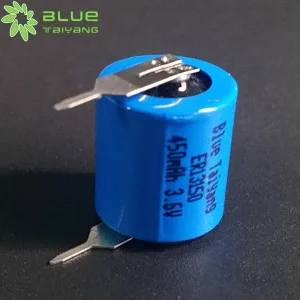
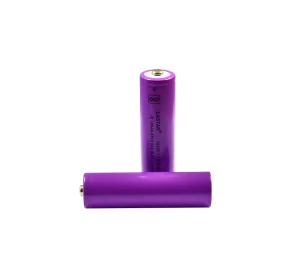
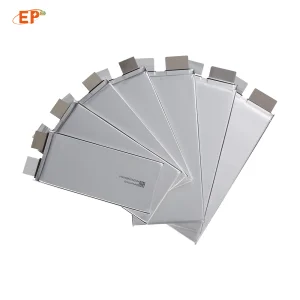
Expert integration of both cylindrical and prismatic cells utilizing LFP and NMC chemistries. This ensures flexibility in designing modular layouts that maximize space efficiency and system safety.
Supplying energy storage systems for extreme environments, electric mobility (golf carts, forklifts, marine), aerospace (eVTOL), robotic platforms (AGVs/AMRs), and large-scale commercial backup power grids.
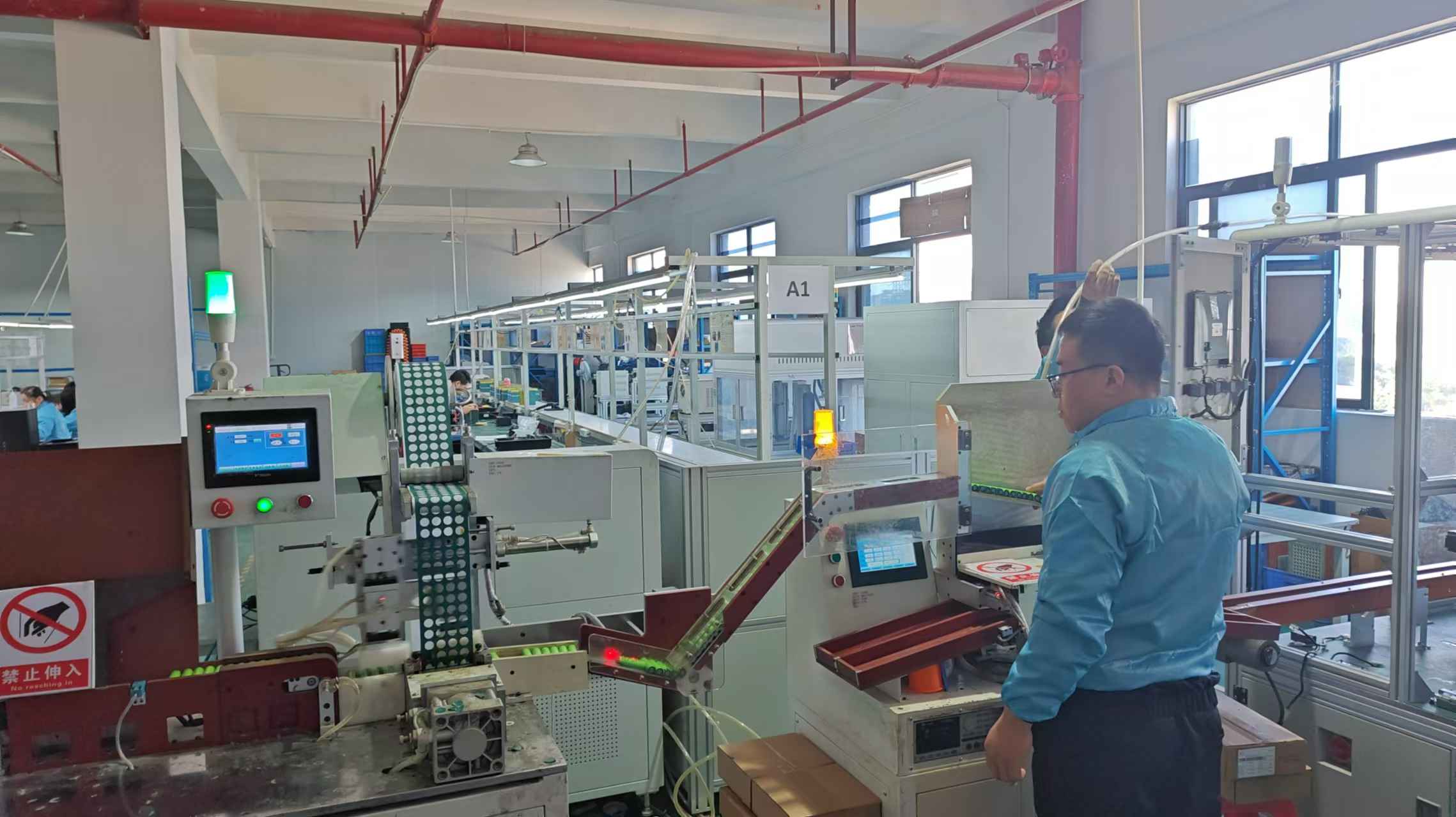
Nuwon Energy's production facility integrates automated machinery and manual quality control checks at every stage of the assembly process.
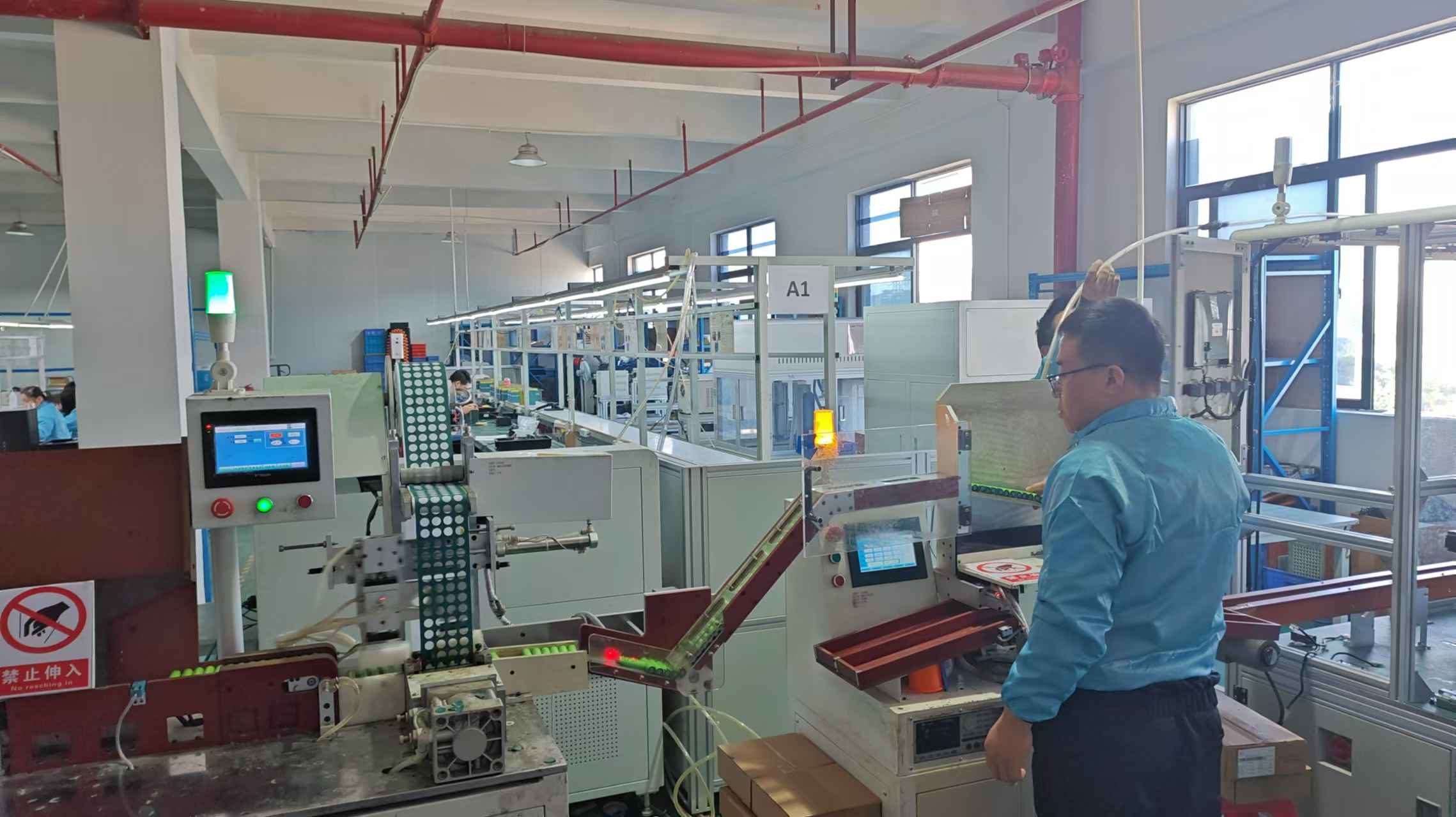
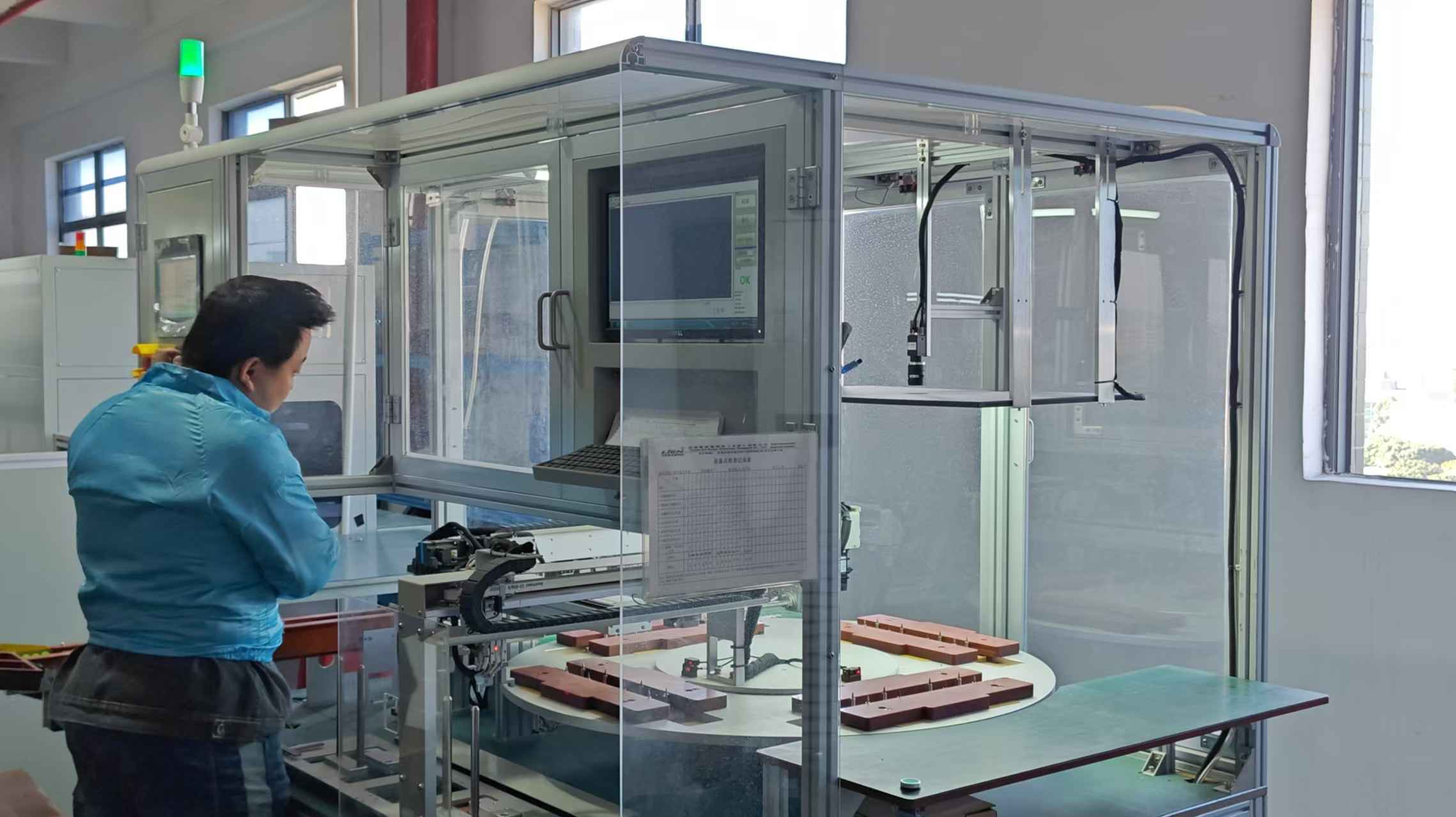
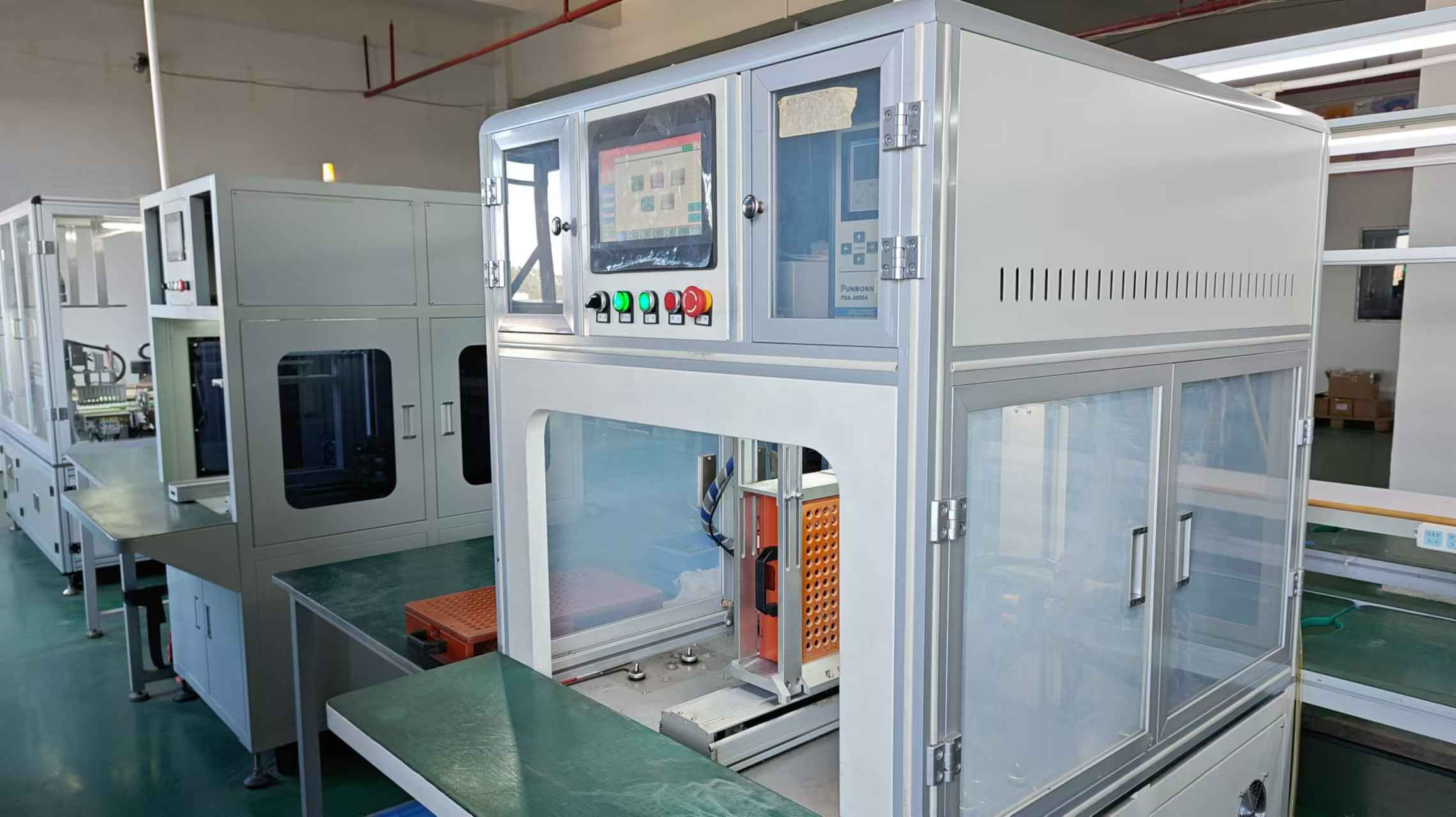
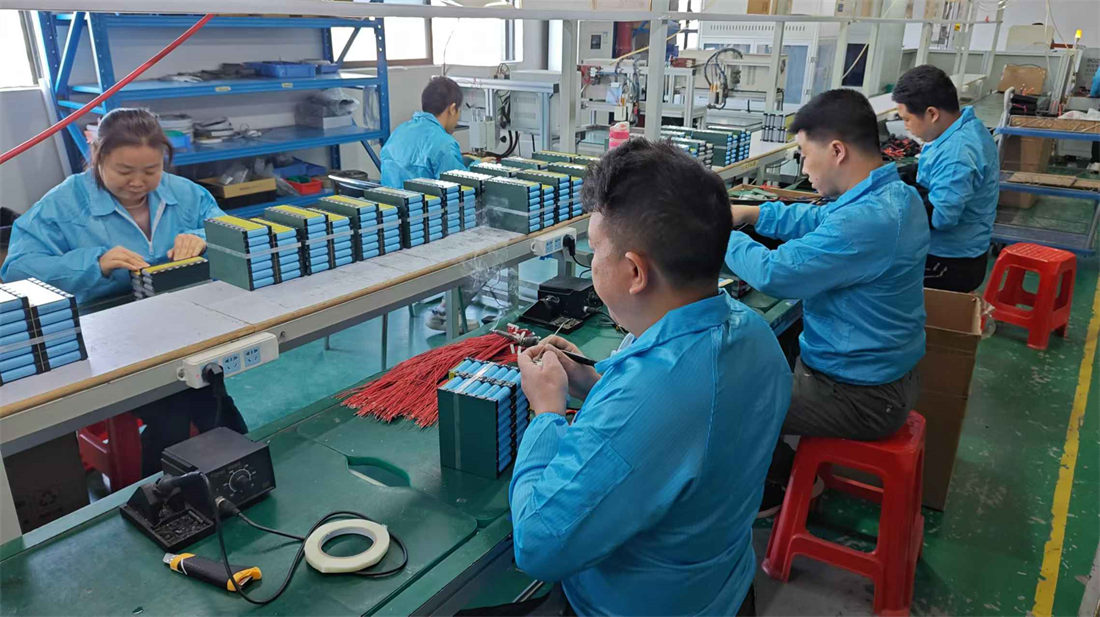
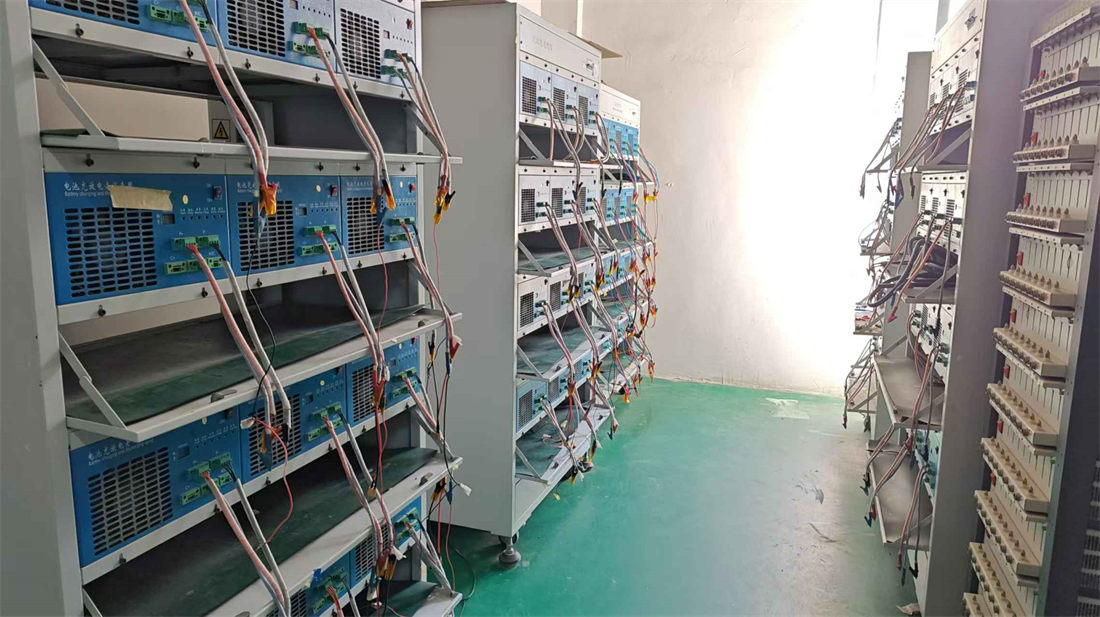
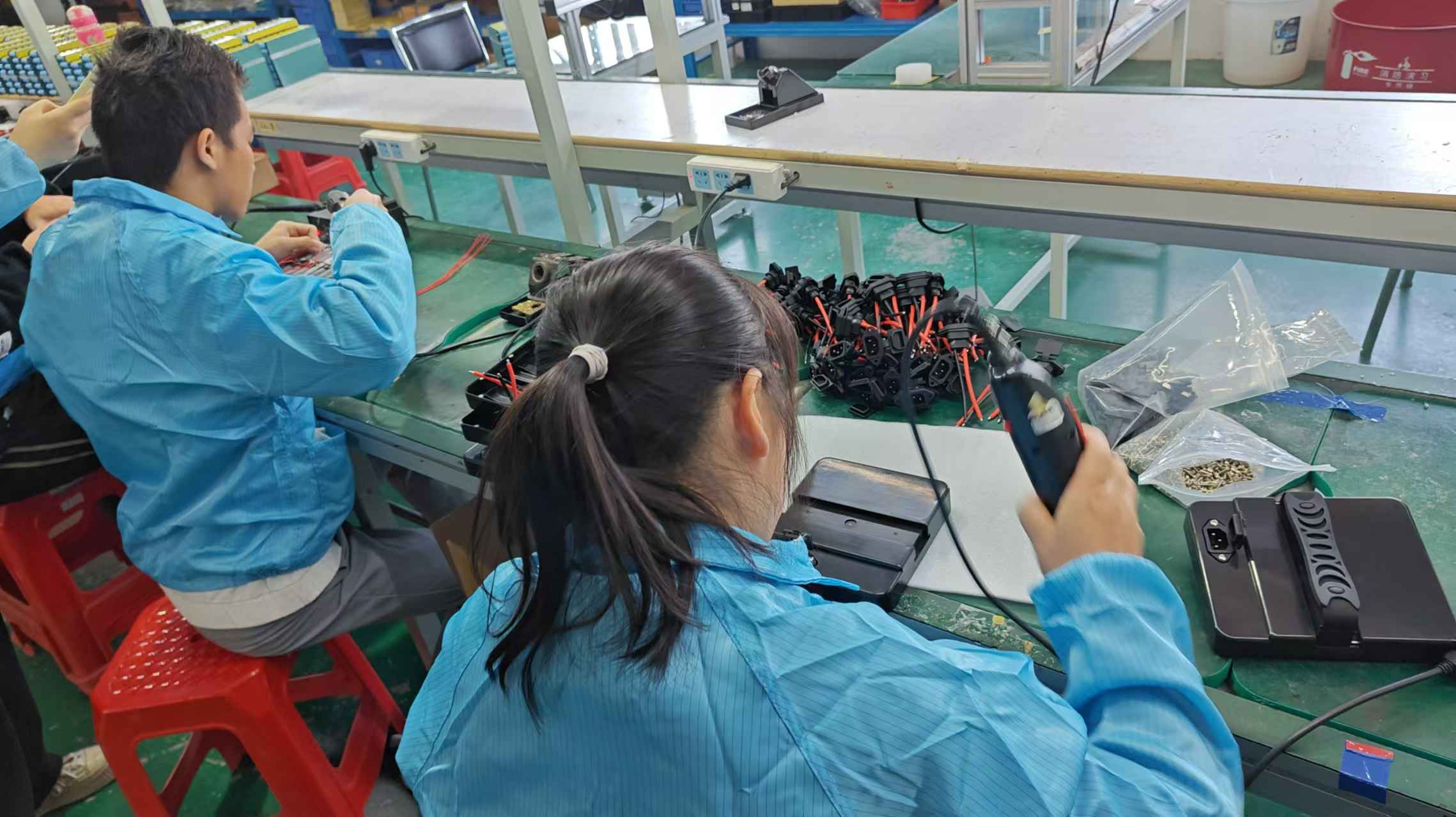
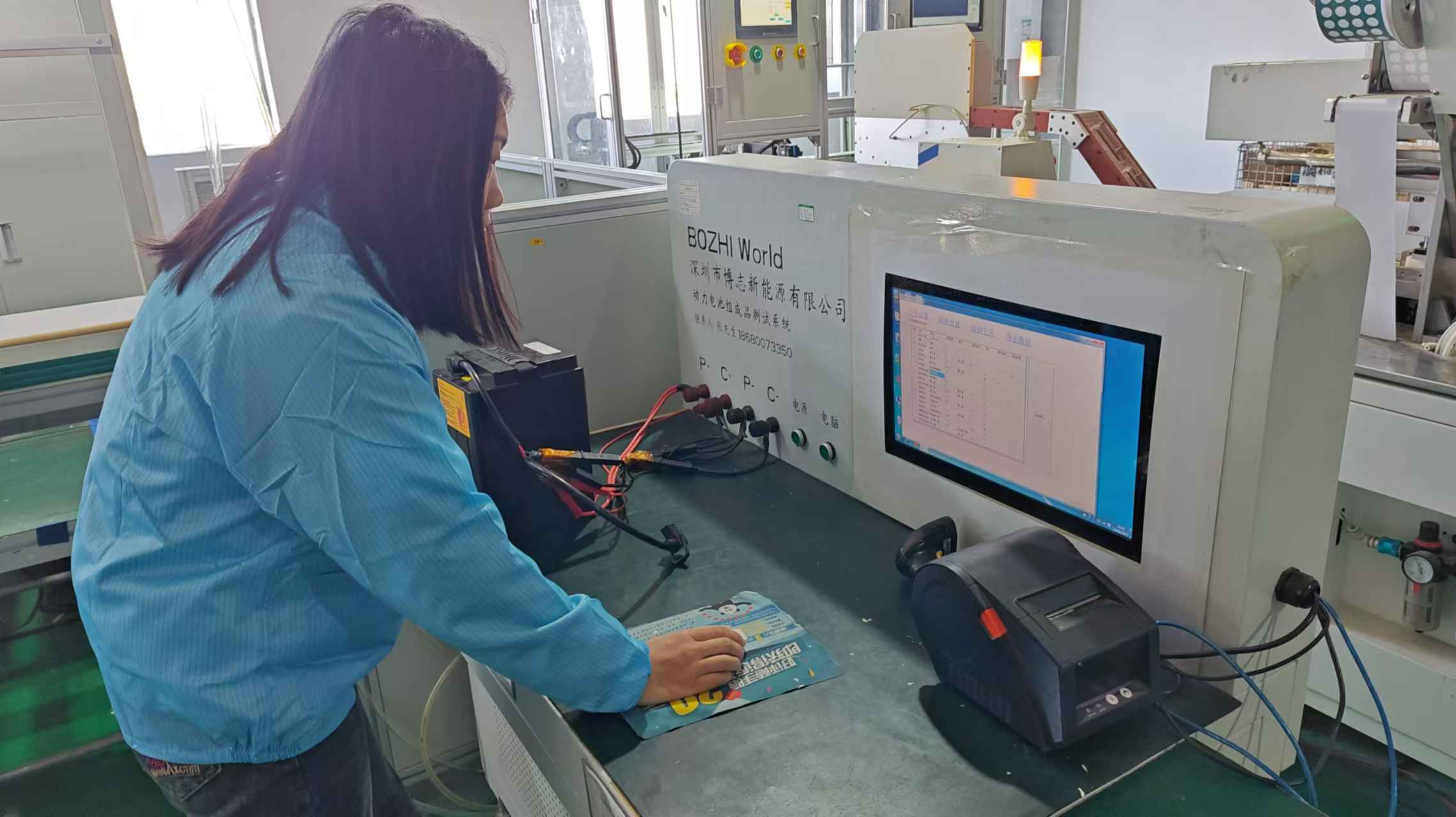
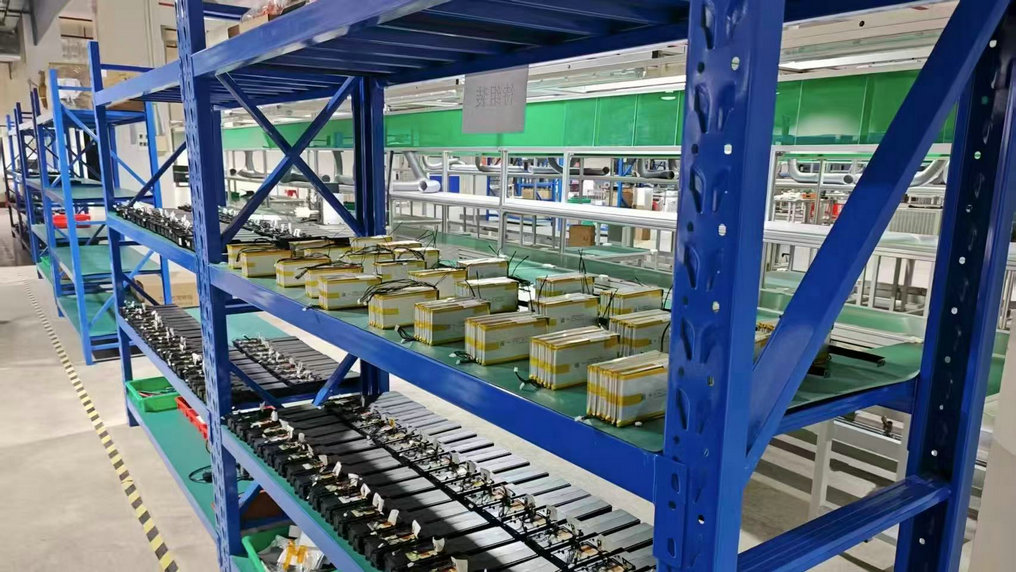
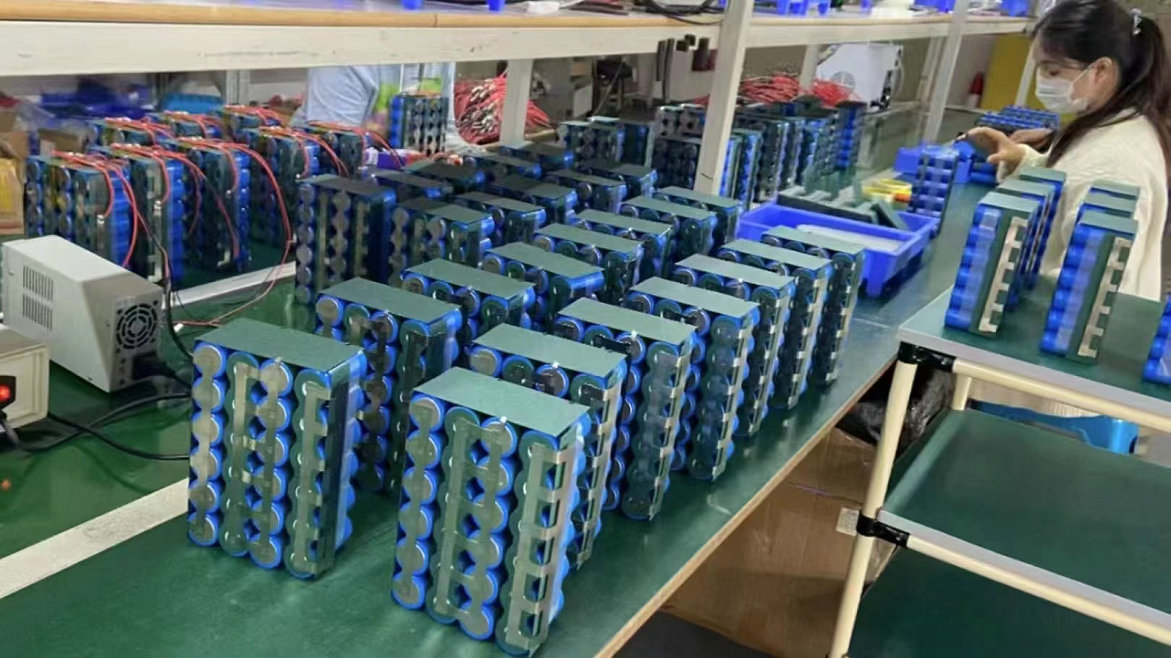
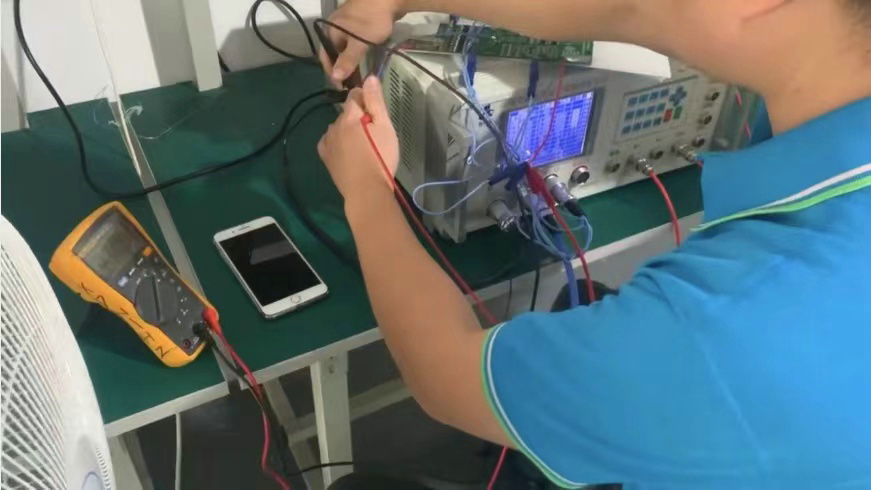
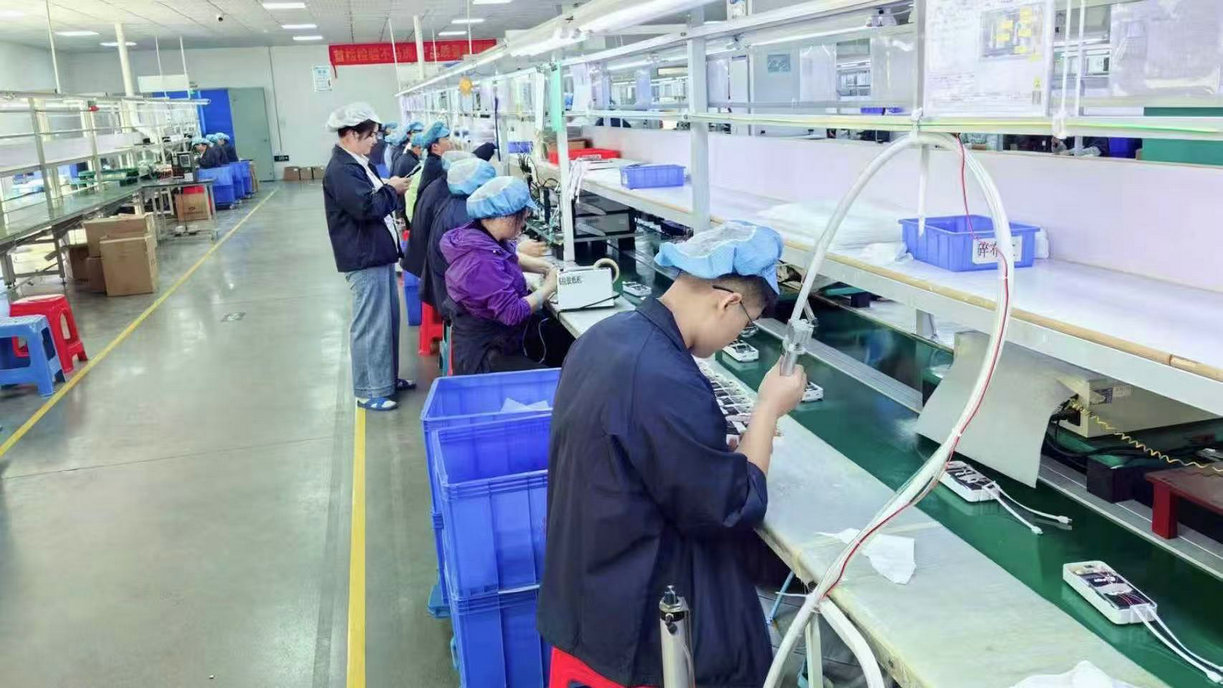
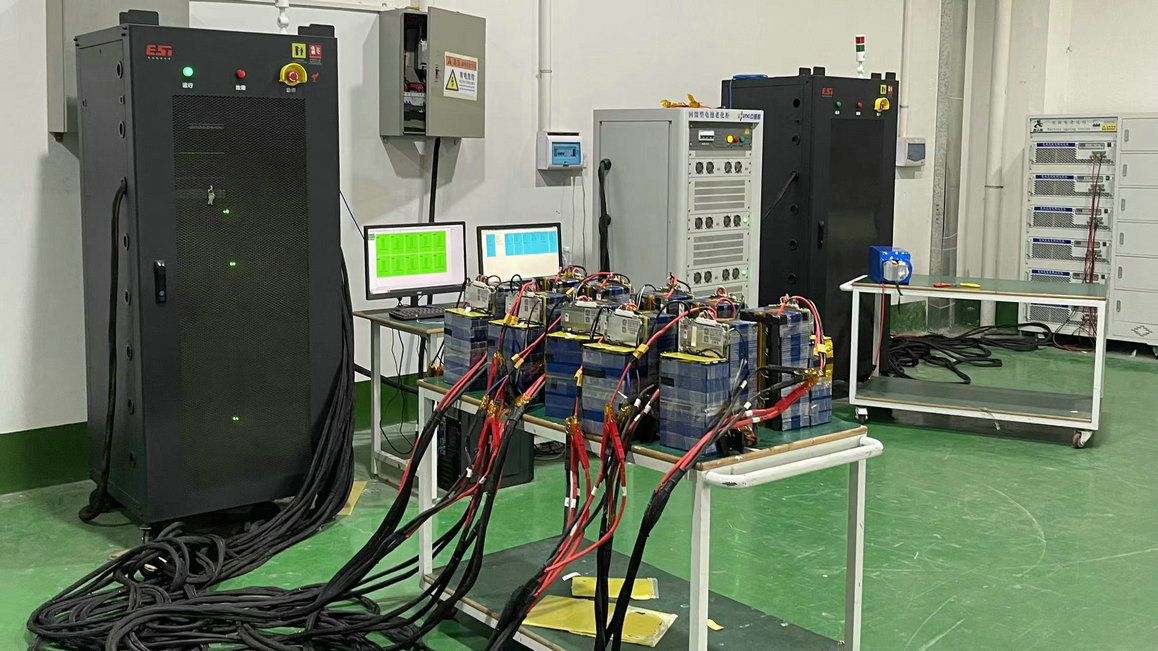
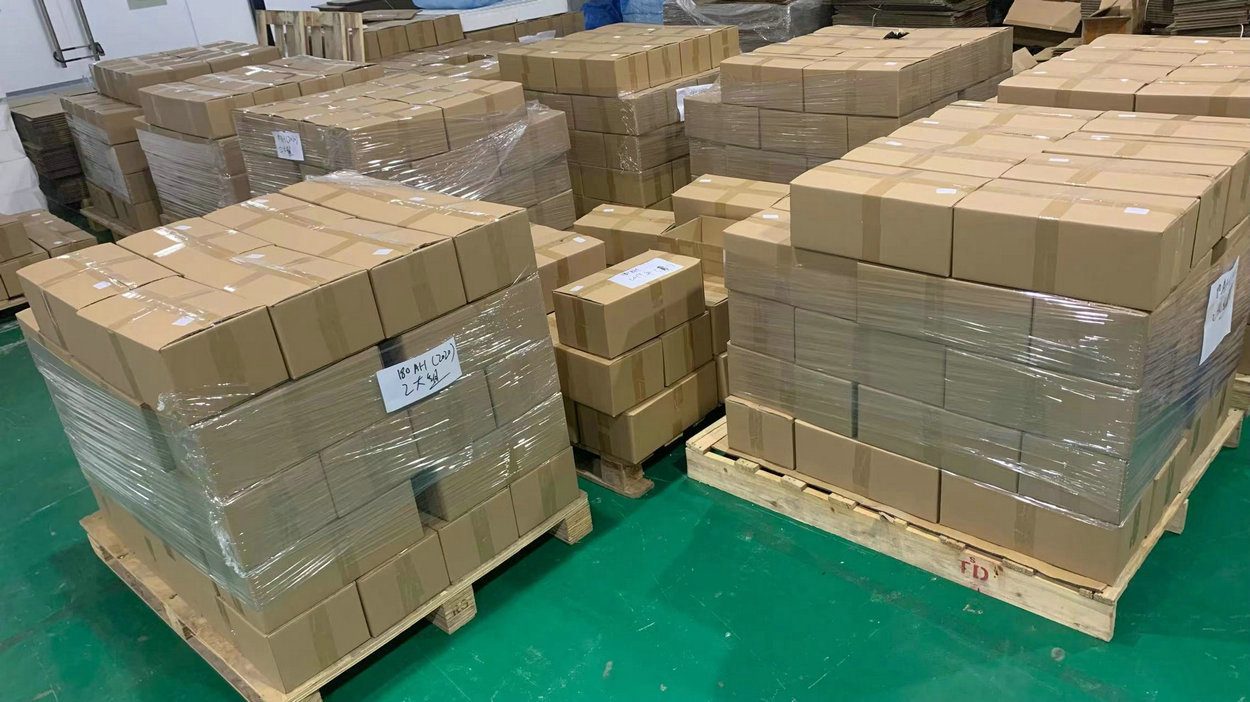
China produces a significant portion of the world's lithium-ion battery packs. This leadership is sustained by integrated manufacturing supply chains, technical expertise, and rapid prototyping capabilities.
From raw lithium chemical refining to component suppliers (anodes, separators, casing materials), the proximity of supply chain vendors minimizes transit times and manufacturing costs.
Chinese factories specialize in New Product Introduction (NPI) services, moving custom pack designs from initial CAD drafts to working prototypes and functional evaluation within weeks.
Automated laser welding and visual defect inspection systems ensure consistent build quality across large production volumes, reducing human error.
An industry overview highlighting the leading custom design factories, detailing their specialty chemistry focus and key target applications.
| Manufacturer Name | Specialized Chemistries | Key Application Focus | Core Technical Advantage |
|---|---|---|---|
| CATL (Bespoke Division) | LFP, NMC, Sodium-ion | Heavy EVs, Large BESS, eVTOL | High manufacturing capacity and advanced cell design |
| BYD (FinDreams) | LiFePO4 (Blade Battery) | Commercial Logistics, Automotive | Inherent safety profiles and space-saving form factors |
| Nuwon Energy | LFP, NMC, Solid-State, LTO | AGV/AMR, Low-Temp, eVTOL, C&I BESS | Flexible customization and responsive prototyping |
| LG Energy Solution | High-Nickel NMC | Electric Mobility, Consumer Electronics | High energy density cell engineering |
| Samsung SDI | NMC, Prismatic Pack Systems | Automotive, Utility Storage | Highly automated cell sorting and system assembly |
| Customcells (Germany) | Specialized Lithium-Ion | Motorsport, Aviation, Medical Devices | Niche engineering and small-batch production runs |
| Kokam (South Korea) | Lithium Polymer | Defense, Marine, Heavy Industry | High continuous discharge rate handling |
| Panasonic Energy | NCA, Cylindrical Packs | Robotics, Electric Vehicles | Long cycle life cell formulations |
| Saft (France) | Li-SOCl2, Li-FeS2, Lithium-Ion | Aerospace, Space, Industrial Defense | Reliability in extreme temperatures and environments |
| Simpliphi Power (USA) | Non-Toxic LiFePO4 | Off-Grid Residential, Defense BESS | Hazard-free design and robust thermal safety |
Average LFP Cycle Lifespans
Low-Temperature Operation Limits
Strict Internal Resistance Tolerances
Next-Gen Semi-Solid State Energy Densities
Every industrial sector imposes specific electrical and environmental constraints. Custom battery designs address these unique requirements directly.
Industrial logistics robots operate continuously. Custom systems support high-rate fast charging (e.g., 2C charging) and long operating cycles to maximize warehouse efficiency.
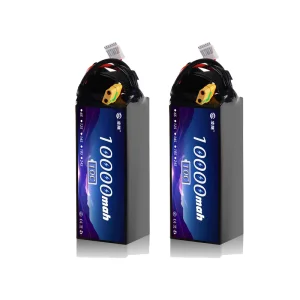
Weight is a critical design constraint. Semi-solid-state polymer cells optimize the gravimetric energy density to maximize drone flight times and payload capacities.
Standard lithium batteries lose significant capacity at sub-zero temperatures. Custom-designed sub-zero electrolyte formulations maintain output down to -40°C.
The energy storage sector continues to evolve. Several key technology trends are shaping the future of custom battery design.
Replacing flammable liquid electrolytes with solid-state or gel polymer alternatives reduces thermal runaway risks. This transition enables thin, high-voltage battery designs with improved safety characteristics.
Next-generation BMS designs integrate machine learning algorithms to track state-of-health (SOH) and predict aging patterns based on temperature and load history, preventing unexpected field failures.
When outsourcing custom battery systems, procurement and engineering teams should verify several critical capabilities to ensure regulatory compliance and product quality.
Ensure the manufacturer can certify designs under international standards such as UN38.3 (for shipping safety), IEC 62619 (industrial systems), and UL 1973 (stationary applications).
Confirm the factory documents sorting measurements, welding pull tests, and cycle testing logs. This traceability is critical for safety-critical applications.
Answers to common questions regarding custom battery pack design, manufacturing processes, and chemistry selection.
Prototyping timelines typically range from 4 to 8 weeks depending on complexity. This includes mechanical CAD modeling, BMS configuration, thermal simulation, and initial sample assembly.
If cells are unmatched, variance in internal resistance can lead to uneven charging rates, localized heating, and premature capacity loss. Standard sorting ensures all cells wear at the same rate.
LiFePO4 (LFP) is preferred for applications requiring long cycle life (over 3000-6000 cycles) and high thermal stability, such as stationary storage. NMC is selected when high energy density and low weight are critical, such as in aerospace or passenger vehicles.
Low-temperature operation is achieved by combining low-viscosity organic solvents in the electrolyte, optimized anode surfaces to prevent lithium plating, and integrated heating elements managed by the BMS.
 Nuwon Energy