Discover our engineered lithium cells, low-temperature systems, and heavy-duty hybrid energy packs designed for high discharge, longevity, and thermal stability in demanding applications.
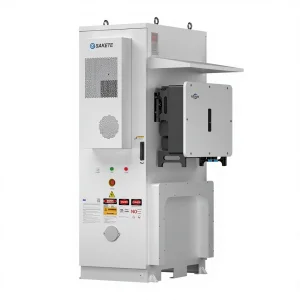
Guangdong Nuwon Energy Co., Ltd. is a leading manufacturer and solution provider in advanced battery systems, specializing in the research, development, manufacturing, and global distribution of high-performance energy storage products. The company offers comprehensive OEM and ODM services, delivering customized battery solutions tailored to diverse industrial and commercial applications.
Backed by a highly experienced engineering and R&D team, Nuwon Energy focuses on the design and integration of cylindrical and prismatic lithium battery cells, as well as complete battery packs, modules, and energy storage systems. The company also develops and produces industrial-grade battery cells engineered for safety, durability, and long cycle life.
Guangdong Nuwon Energy serves a wide range of industries, including consumer electronics, electric mobility (such as golf carts, forklifts, UTVs/ATVs, trucks, and marine systems), medical equipment, unmanned ground vehicles (AGVs/AMRs), and emerging aerospace applications such as eVTOL aircraft. In addition, the company provides reliable residential, commercial, and industrial (C&I) energy storage solutions designed to support the global transition toward clean and sustainable energy.
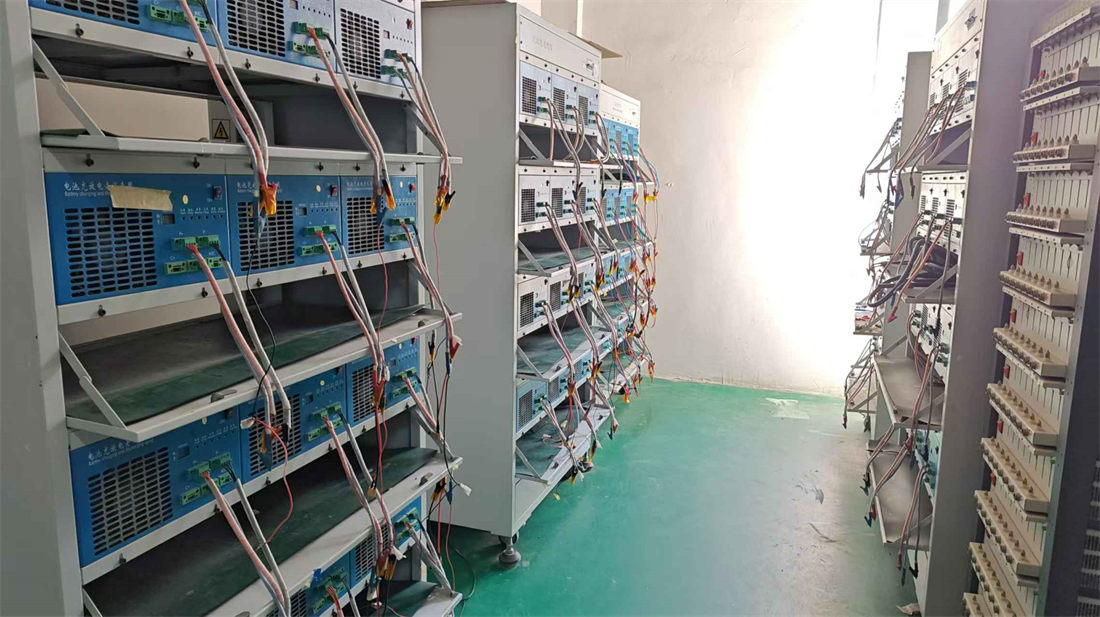
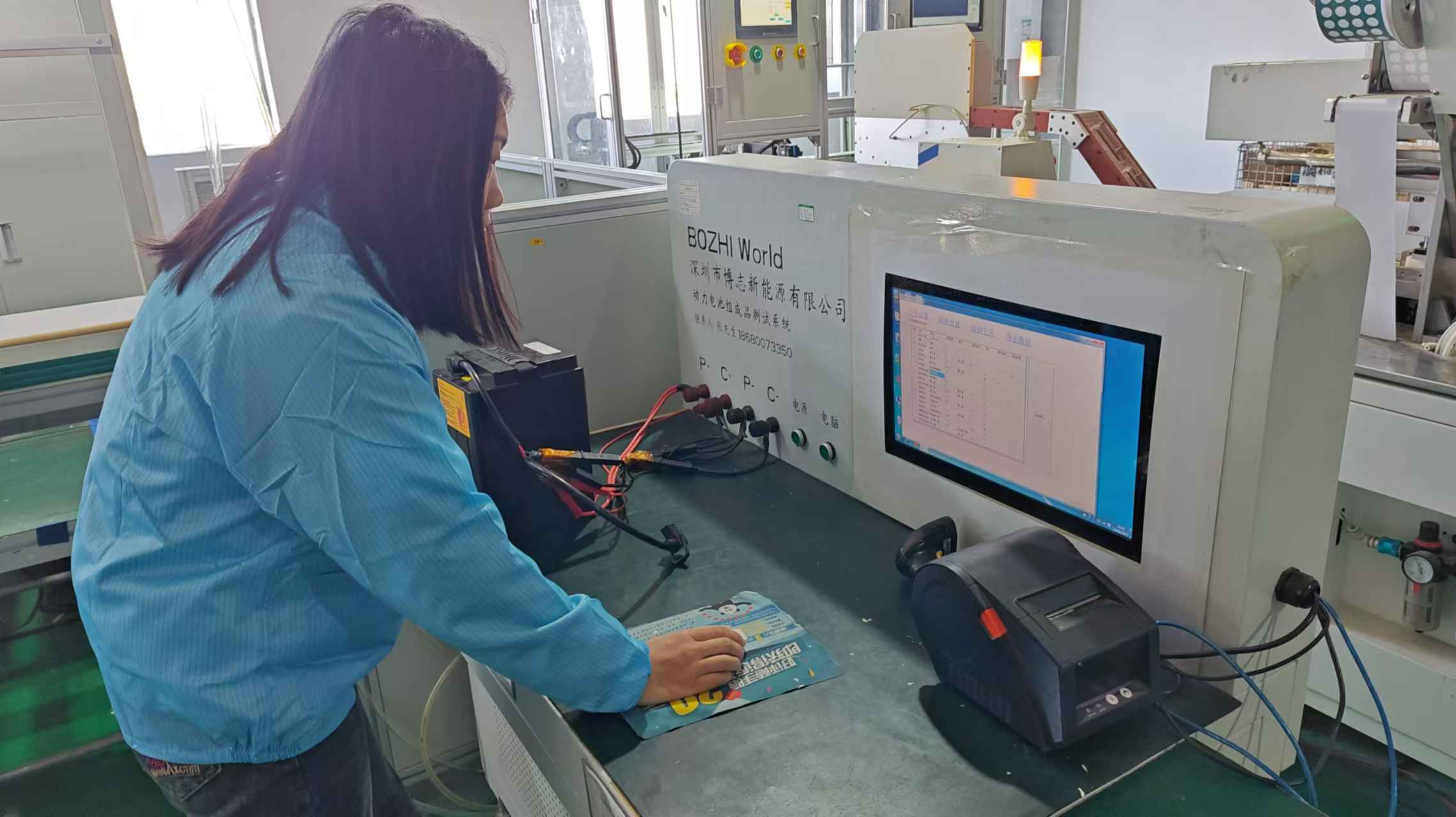
With a strong commitment to innovation, strict quality control, and customer-centric service, Guangdong Nuwon Energy continuously invests in advanced manufacturing capabilities, automated production lines, and rigorous testing systems. This ensures that every product meets international safety standards and delivers exceptional performance in demanding environments.
Driven by a vision to accelerate global electrification and energy efficiency, Guangdong Nuwon Energy Co., Ltd. is dedicated to building long-term partnerships and providing reliable, intelligent, and sustainable energy solutions to customers worldwide.
The global energy framework is undergoing an unprecedented paradigm shift. Industrial power consumers and commercial grid networks face stringent carbon neutrality mandates alongside volatile energy pricing models. Standard single-chemistry battery storage systems (such as standard Lithium Iron Phosphate or Lead-Acid variants) often present distinct operational limitations. They force systems integrators to choose between energy density (long-duration storage) and power density (high rate quick discharge).
Hybrid Battery Systems (HBS) resolve this challenge by combining multiple distinct cell chemistries, power interfaces, or energy conversion architectures into a unified system. These systems integrate high-energy-density cells (such as LFP/NCM chemistry for baseline shifting) with high-rate power cells (such as Lithium Titanate LTO or Supercapacitors for high-frequency regulation and peak management).
| Battery Chemistry | Specific Energy (Wh/kg) | Cycle Durability (80% DoD) | C-Rate Capability (Discharge) | Optimal Temperature Range | Primary Industrial Use Case |
|---|---|---|---|---|---|
| LFP (Lithium Iron Phosphate) | 160 - 180 Wh/kg | 6,000 - 8,000 cycles | 1C - 3C Peak | -20°C to +55°C | Utility-scale ESS, Microgrids, Heavy Forklifts |
| NCM / NMC (Nickel Cobalt Manganese) | 220 - 280 Wh/kg | 2,000 - 3,500 cycles | 3C - 10C Peak | -20°C to +60°C | eVTOL, Electric Mobility, High-energy Medical |
| LTO (Lithium Titanate Oxide) | 70 - 100 Wh/kg | 20,000 - 30,000 cycles | 20C - 60C Discharge | -40°C to +65°C | Regenerative braking, High-Frequency Grid Support |
| Nuwon Hybrid Systems (LFP + LTO/NMC) | Optimized Dynamic Range | Up to 15,000 cycles | Programmable dynamic C-rate | -40°C to +60°C | C&I Peak Shaving, Extreme Cold Infrastructure |
This hybrid design dramatically reduces the overall Levelized Cost of Storage (LCOS). It mitigates battery thermal runaway and prevents premature capacity degradation from rapid power cycling. For purchasing directors sourcing wholesale units from factories in China, hybrid systems represent the next tier of utility design, guaranteeing long warranties and compliance with global grid standards.
Designing a hybrid battery system is not merely about wire-connecting different cells in parallel. It requires a sophisticated control layer and mechanical thermal isolation. Guangdong Nuwon Energy utilizes multi-level Battery Management Systems (BMS) with dynamic balancing to interface distinct cells safely.
An active BMS continuously analyzes state-of-charge (SoC) and internal resistance. High-rate pulses are directed toward LTO or ultra-low temperature cells, shielding the larger LFP chemistry block from cell fatigue and voltage sags.
Thermal runaway pathways are suppressed at the module level. We employ fire-retardant barriers, aerogel spacing, and liquid-cooling cooling plates (liquid cold plates) capable of maintaining cell delta temperatures under 3°C across massive energy draws.
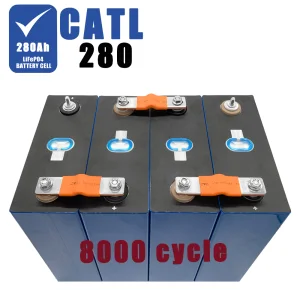
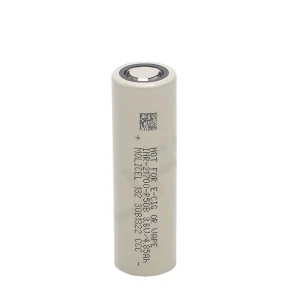
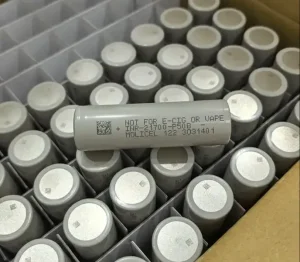
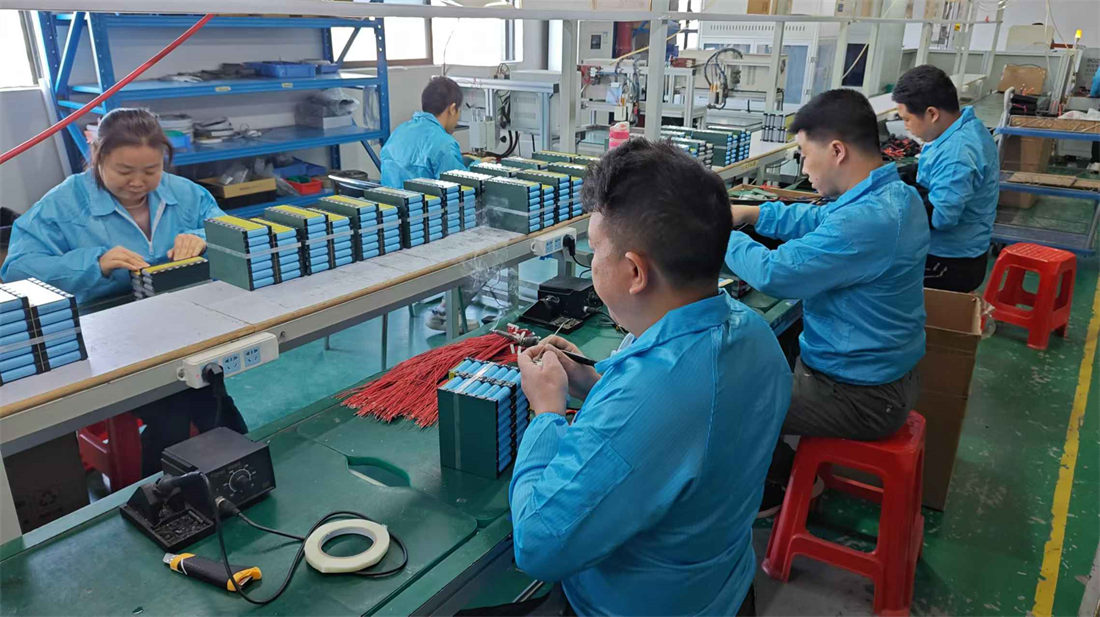
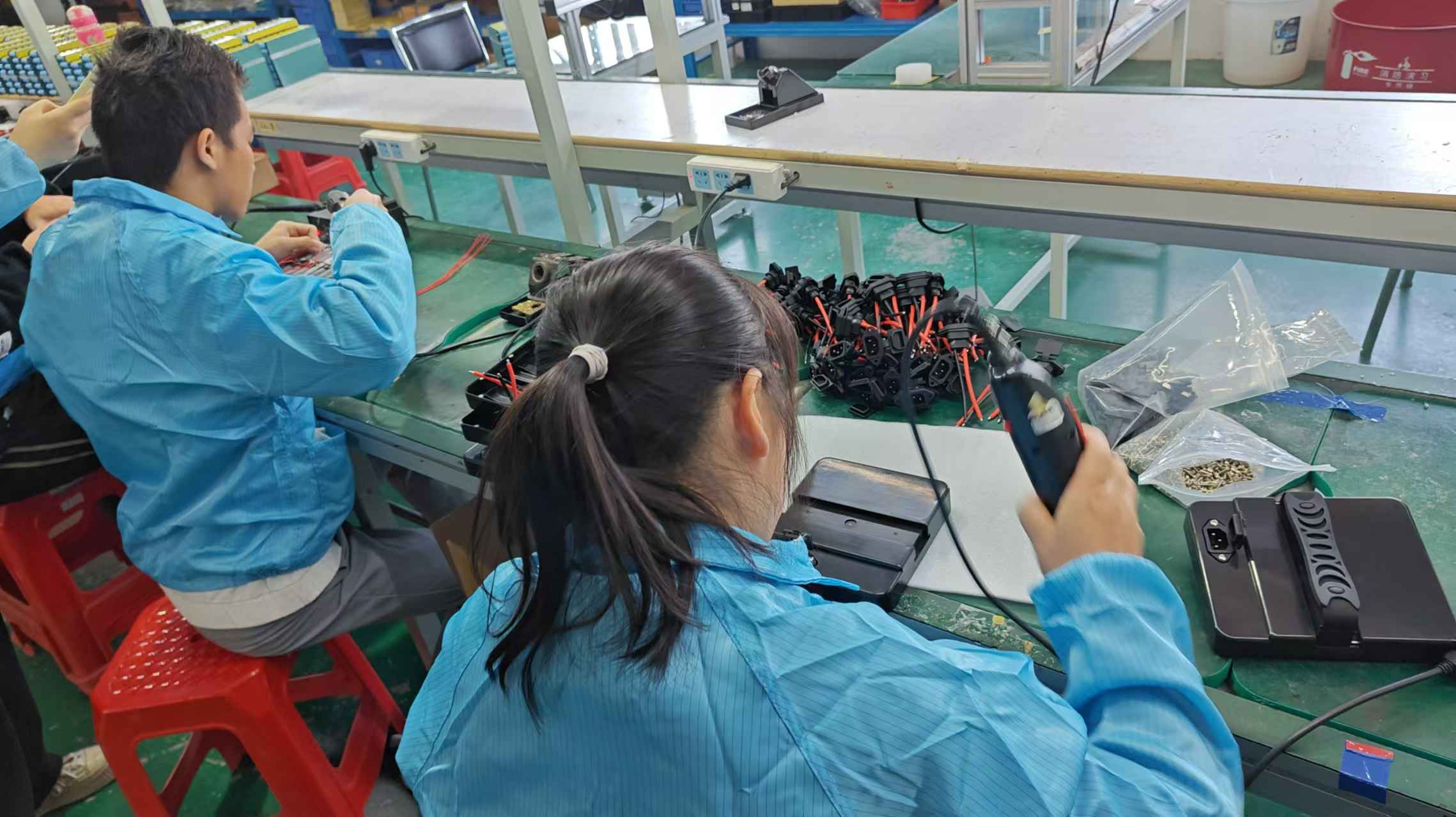
From cylindrical Molicel INR21700 arrays to heavy-duty prismatic BYD LiFePO4 structures, our factory floor constructs modules with laser-welded busbars to reduce contact resistance, providing modular configurations suited to narrow chassis profiles.
Different markets and industries demand highly customized technical configurations. Sourcing industrial hybrid storage means addressing local infrastructure constraints:
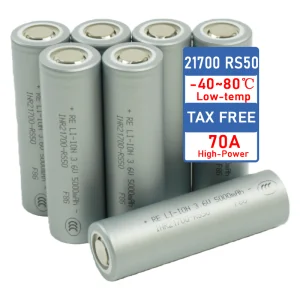
Standard lithium-ion cells lose up to 60% of capacity at -20°C due to increased electrolyte viscosity. Guangdong Nuwon Energy integrates specialized low-temperature chemistry (e.g., Molicel P50B / RS50 series) allowing operational discharge capabilities down to -40°C. These are critical for high-altitude sensor platforms, cold-chain logistics, and arctic telecommunication hubs.
In busy warehouses and ports, automated guided vehicles (AGVs), forklifts, and yard tractors operate 24/7. Conventional battery packs require hours of idle charging time. Using dynamic hybrid LTO/LFP configurations, we supply battery packs that can support ultra-fast 10-minute opportunity charging (up to 6C rate) without compromising cell integrity.
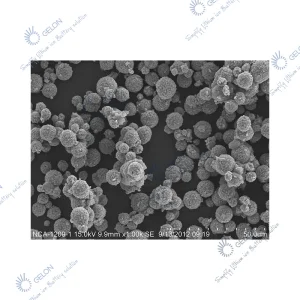
Next-generation aviation requires batteries that deliver high energy densities for flight range while outputting massive power bursts during take-off and landing. Utilizing high-performance NCM 811 powder cathodes, we assemble safe, ultra-lightweight packs with high volumetric energy densities.
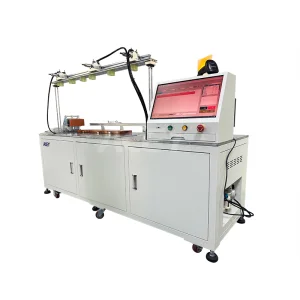
Our factories utilize automation, precise sorting machines, and high-energy laser welders to ensure absolute cell matching. Below is the step-by-step physical process flow inside our Guangdong production facilities, showing how cells are graded, assembled, and verified.
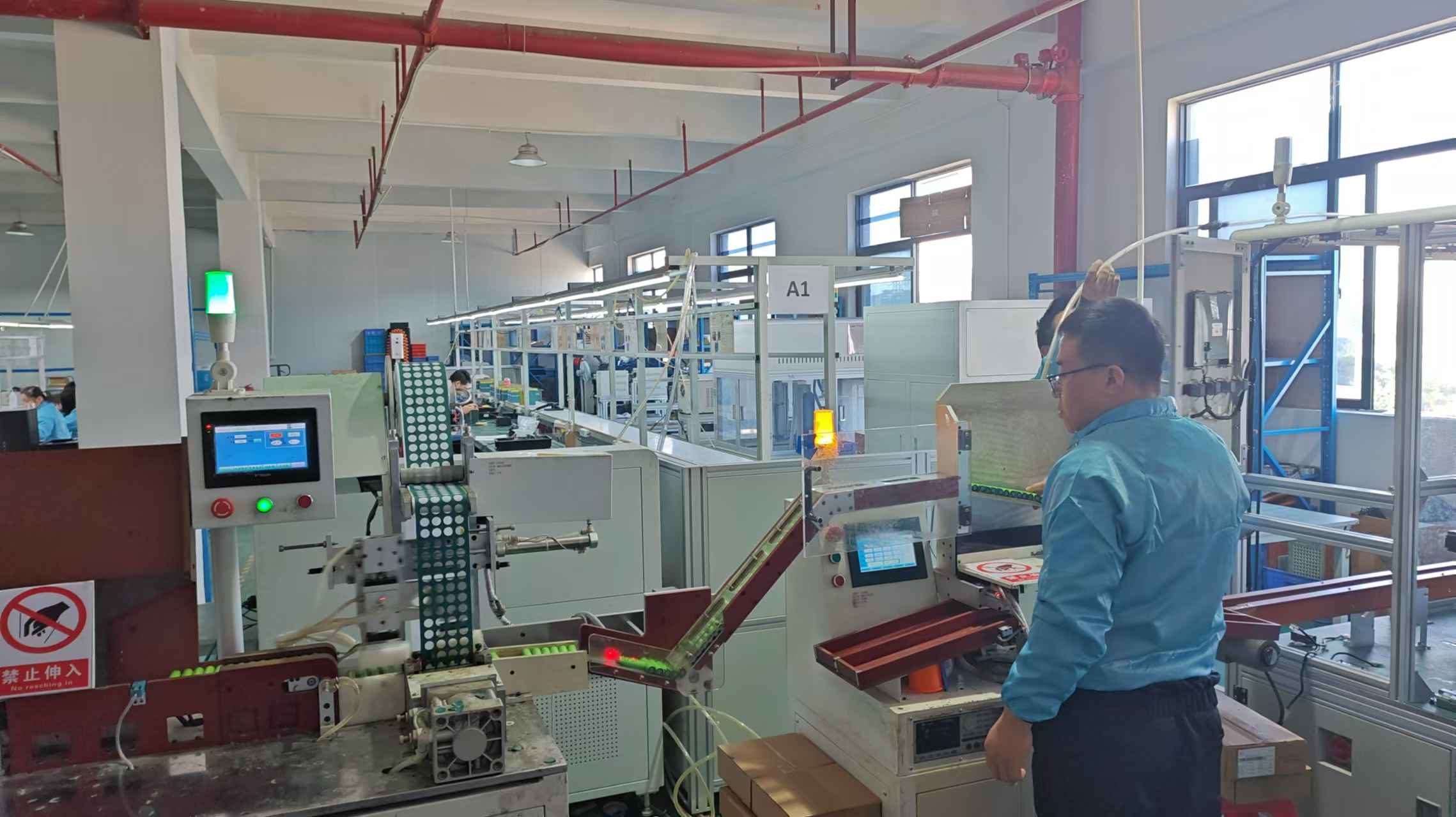
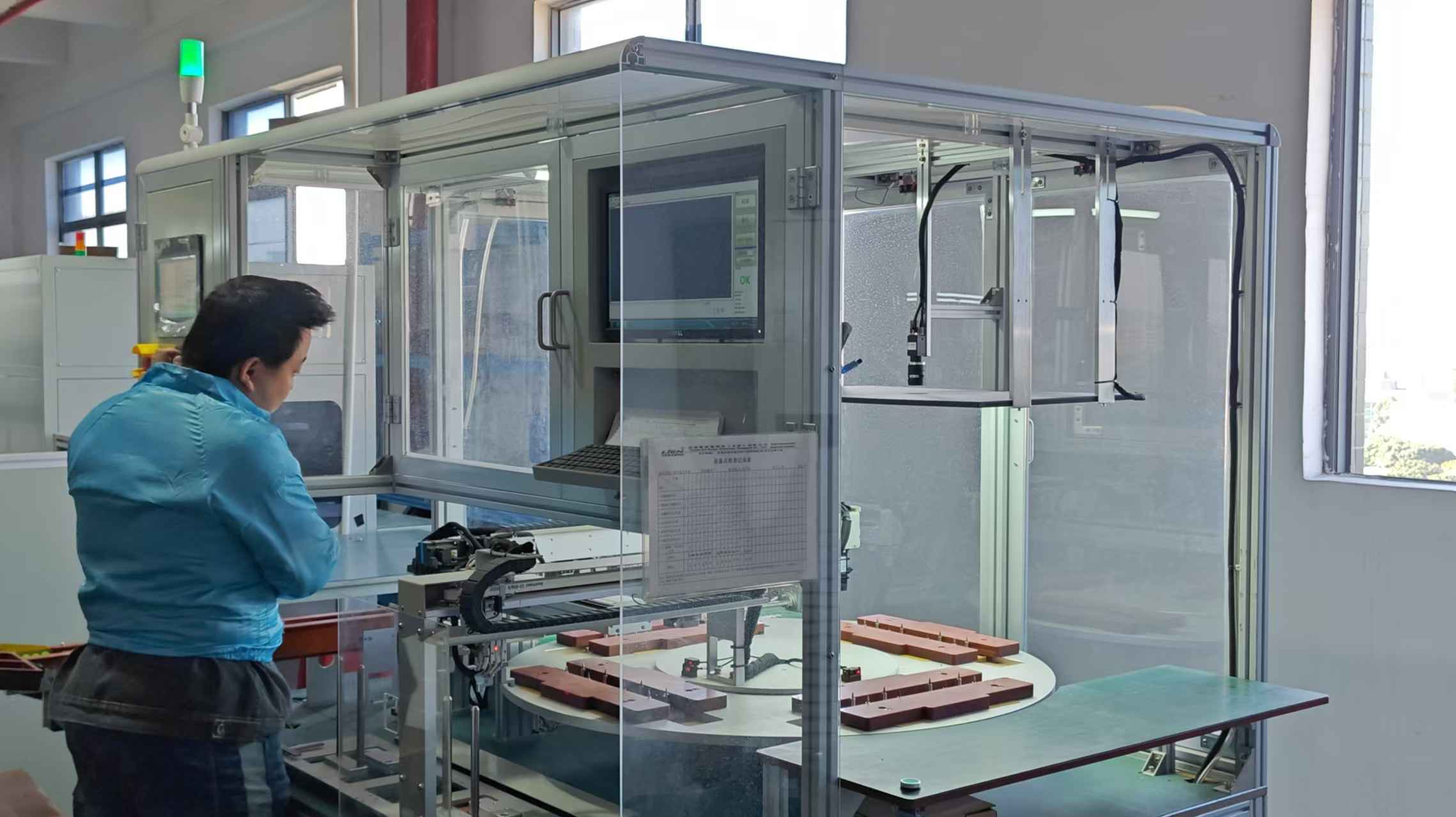
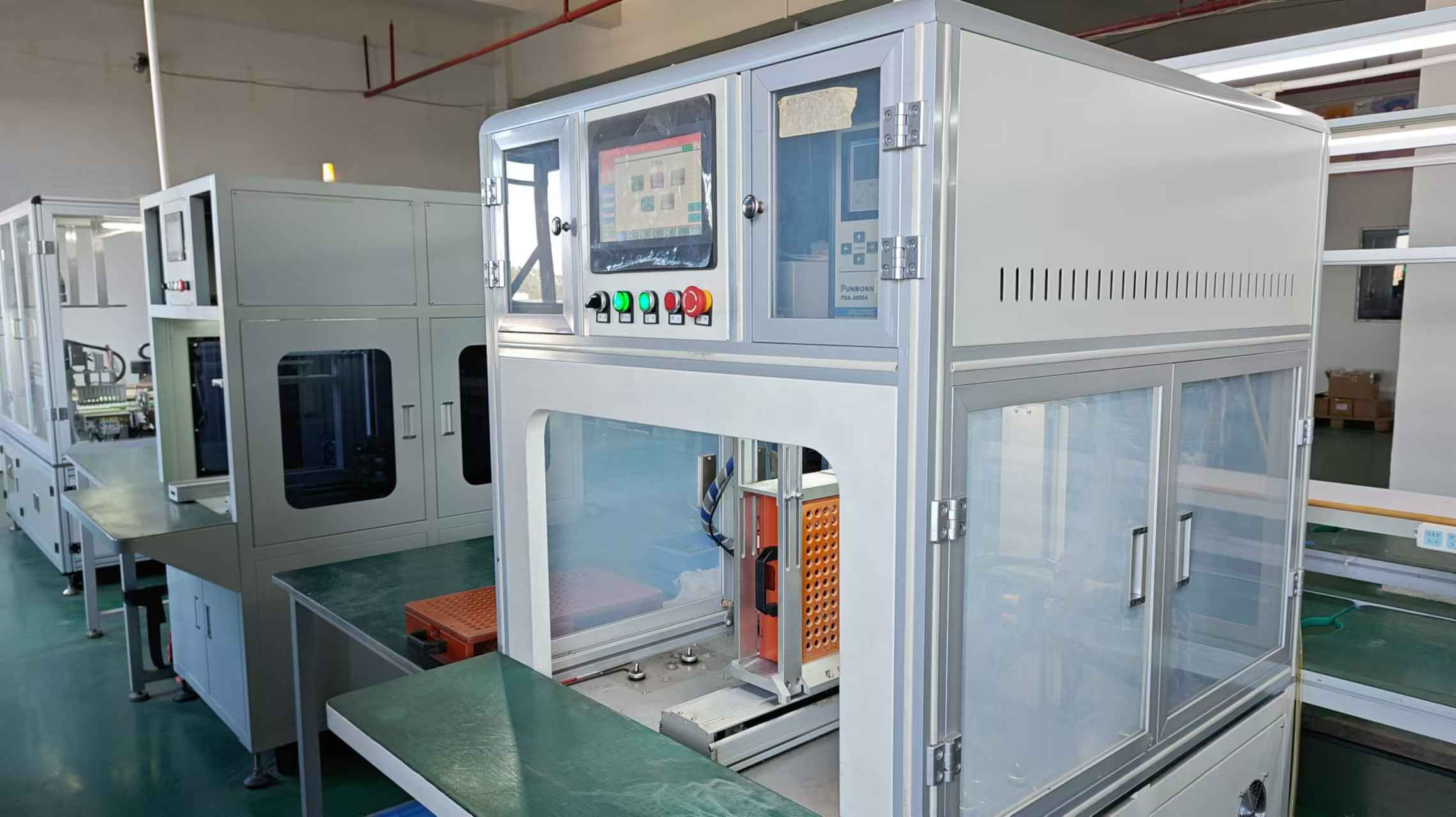
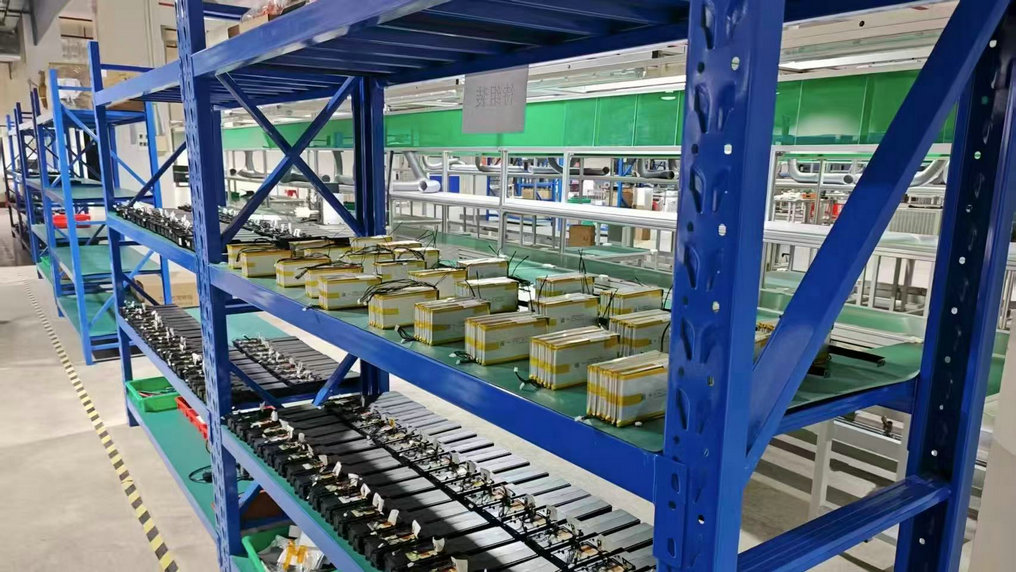
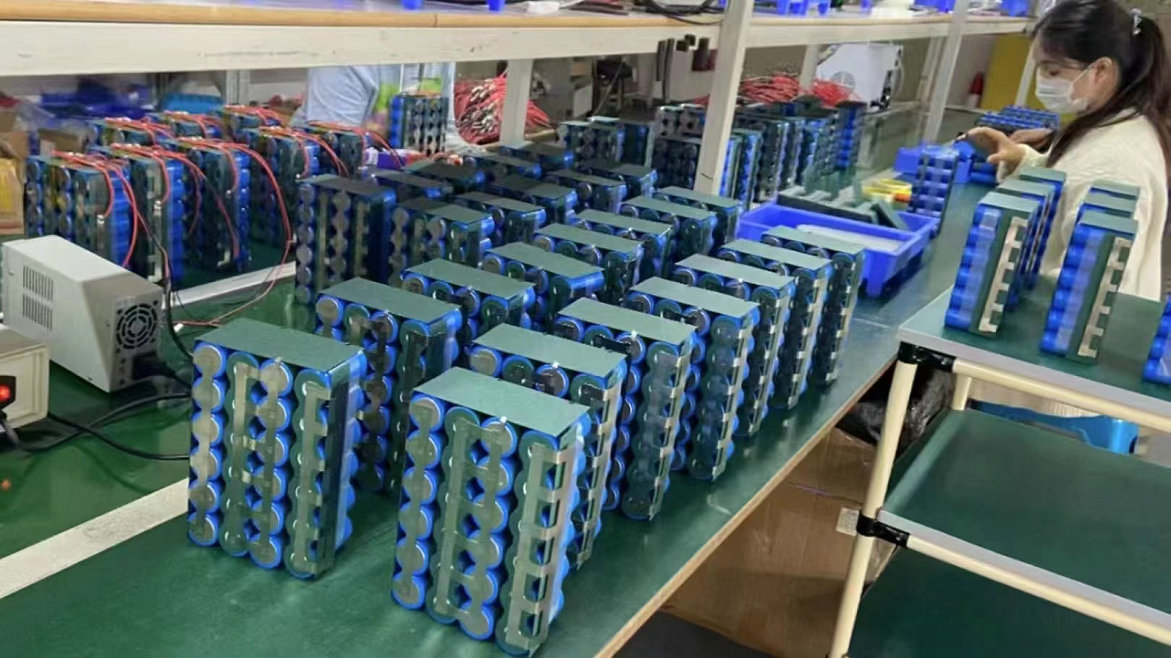
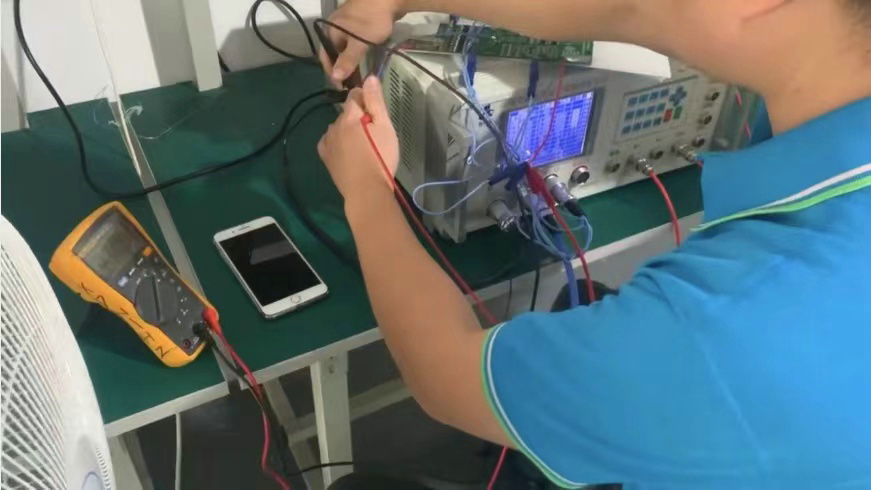
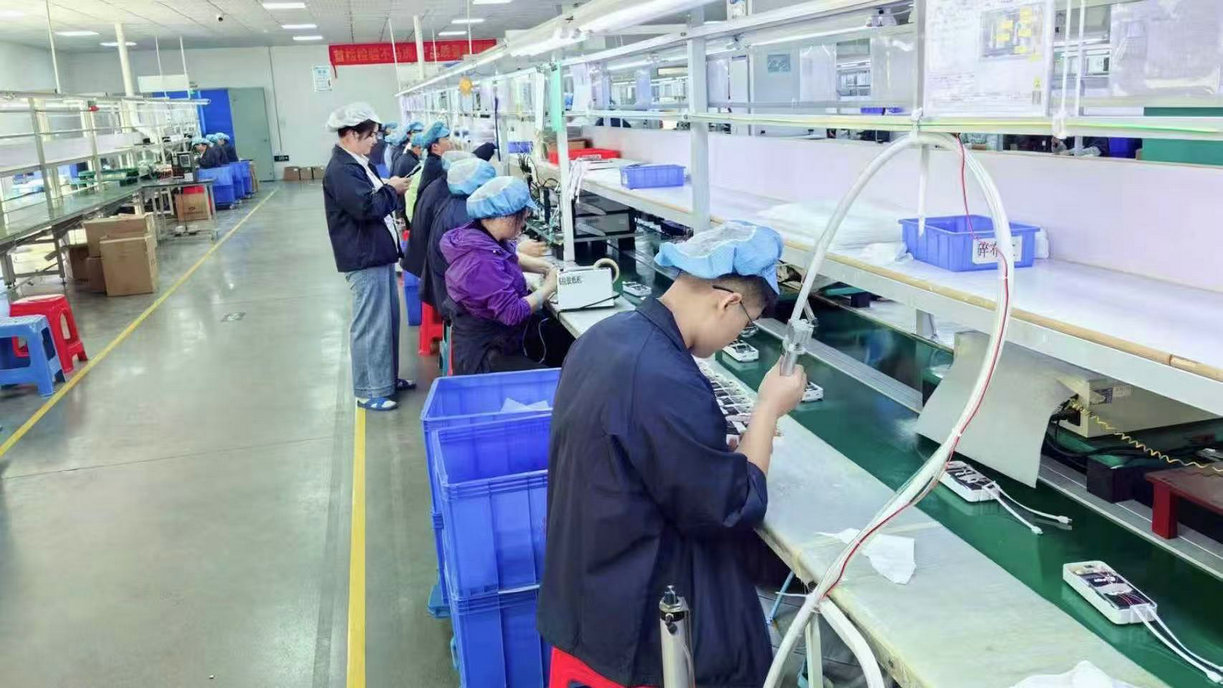
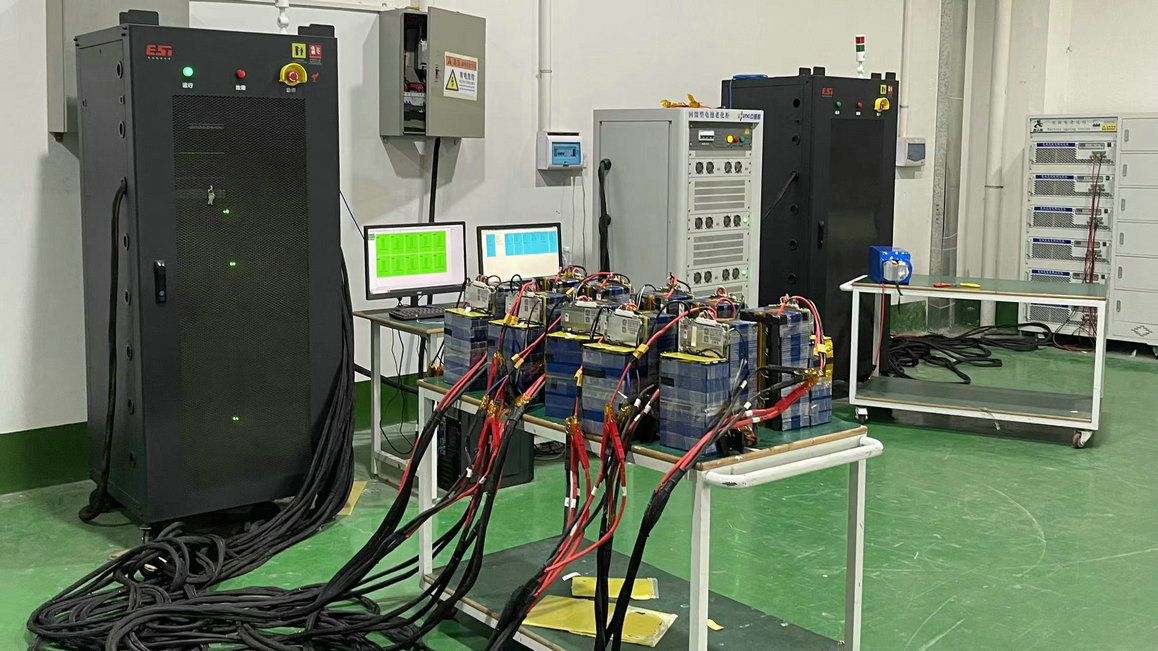
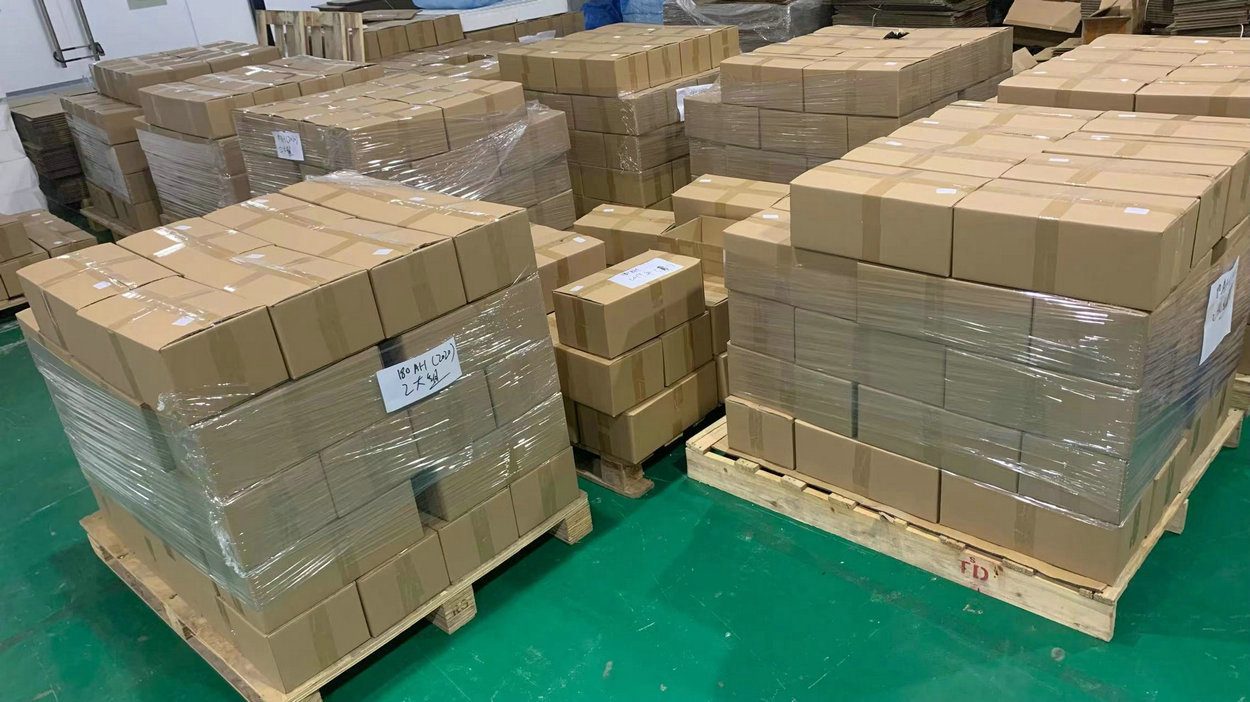
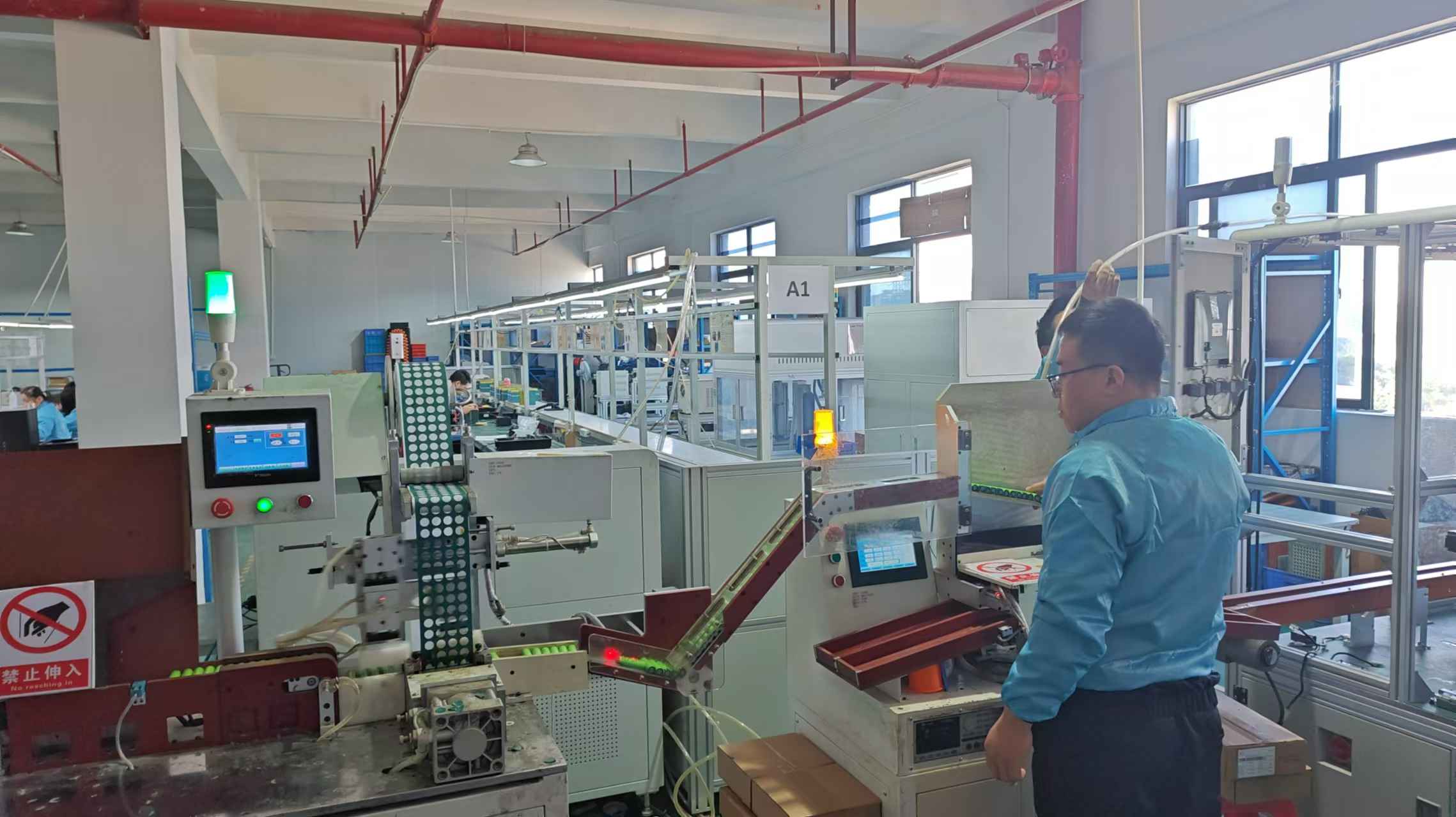
Guangdong Nuwon Energy Co., Ltd. provides customized end-to-end solutions for grid, commercial and industrial (C&I), and heavy mobility segments. We handle the entire engineering pipeline: from cell chemistry selection to physical cabinet structure design, BMS programming, and global compliance testing (UL, CE, UN38.3).
Integrating solar (PV) arrays, wind turbines, and diesel generators. Our hybrid systems act as primary dynamic shock-absorbers, managing transient loads and providing seamless backup transitions during outages.
Reduce industrial utility demand charges by discharging stored energy during peak tariff hours. Integrated BMS software interfaces with utility APIs to schedule optimal charge-discharge cycles automatically.
Custom battery packs engineered specifically for industrial utility fleets (forklifts, AGVs, airport tugs). We deliver scalable voltage configurations (24V, 48V, 80V, 96V to 400V) with customized telemetry interfaces.
Find answers to common questions about cell pairing, chemical compatibility, customization, and factory operations.
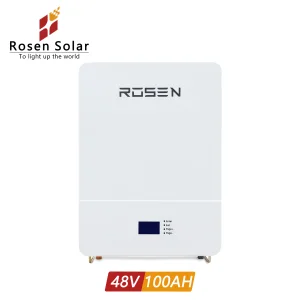
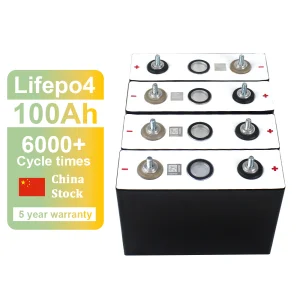
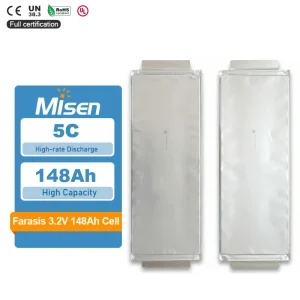
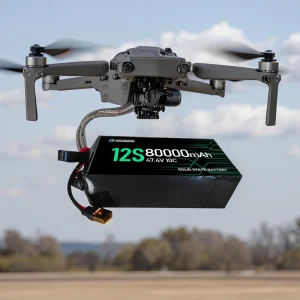
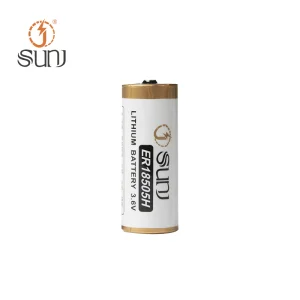
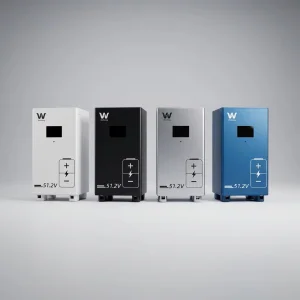
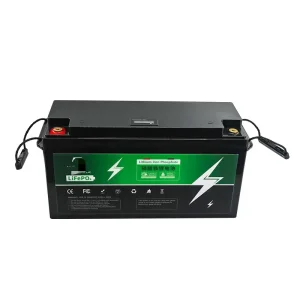
Explore our second selection of products, featuring high-rate discharge prismatic cells, pouch batteries for heavy machinery, stackable home ESS, and low-temperature cylindrical cells.
 Nuwon Energy