Nuwon Energy
1 / 3
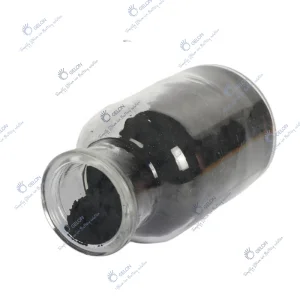
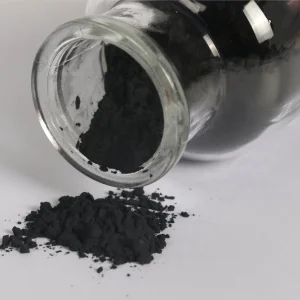
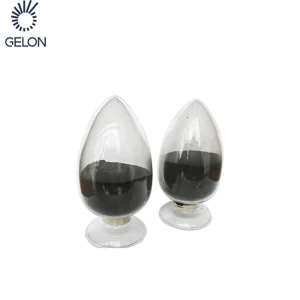
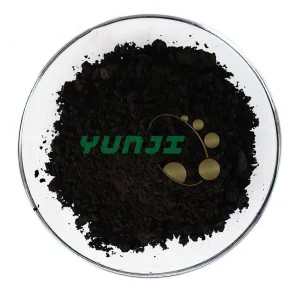
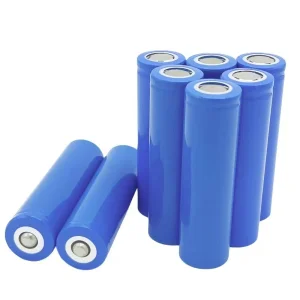
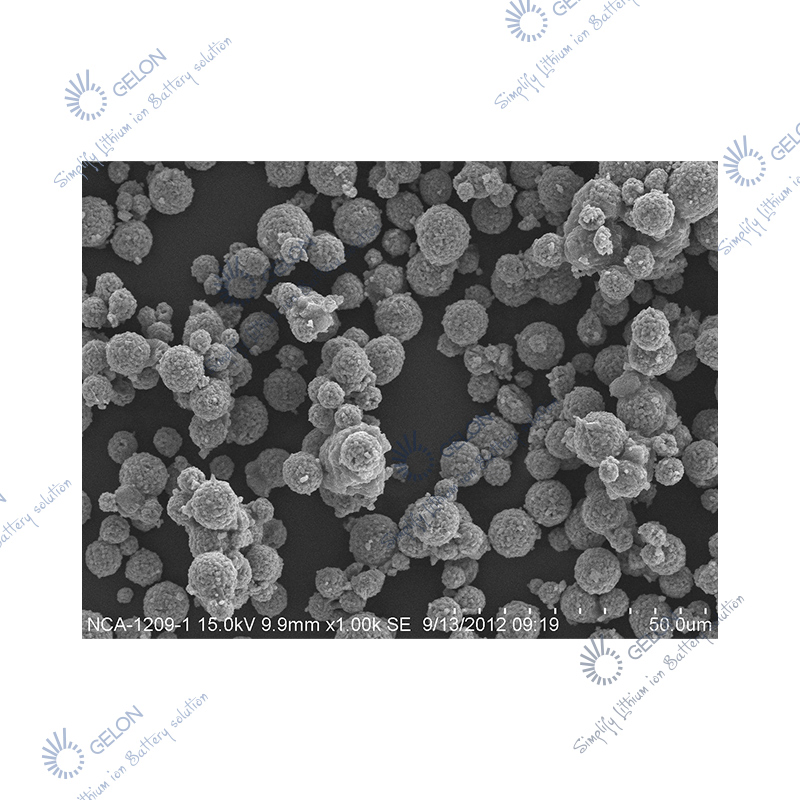
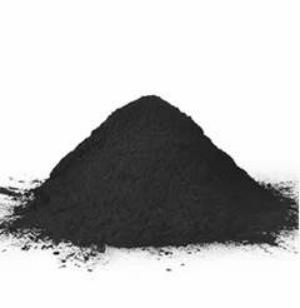
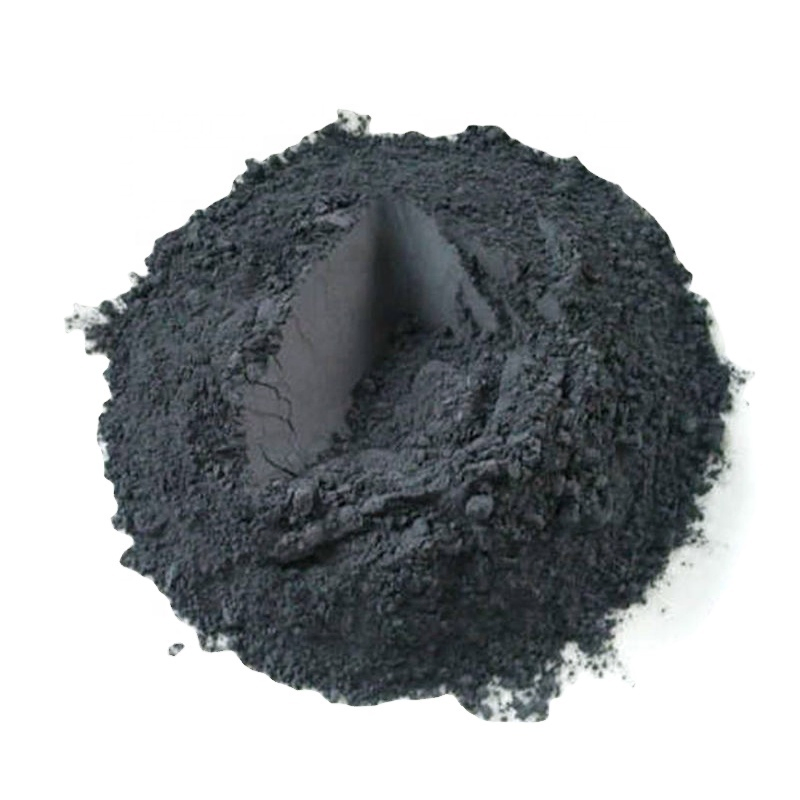
NMC 811 is a frontier material for Lithium Batteries, primarily used in power batteries.
NCM811 Introduction:
The NMC 811 consists of three elements: Ni, Co, and Mn in an 8:1:1 ratio. Compared with 622/523 materials, 811 offers significant advantages in gram capacity and energy density. It is highly sensitive to moisture control; therefore, moisture should be strictly managed during production and application to achieve optimal performance.
Packing: Vacuum aluminum foil bag, plastic bucket, 25kg/drum.
| Item | Description |
|---|---|
| Processing performance | The slurry is easy to disperse and the performance is stable; the coated surface has good gloss and coatability; the compaction density is high. |
| Electrochemical characteristics | High specific capacity, excellent storage, high temperature performance, etc. |
| Safety performance |
1. Qualified thermal shock performance at 150ºC; 2. 3C5V overcharge is qualified; 3. The safety performance meets national standards. |
| Application | Highly versatile with strong applicability. Mainly suitable for batteries requiring high volume energy density; compatible with natural graphite, artificial graphite, and other materials. |
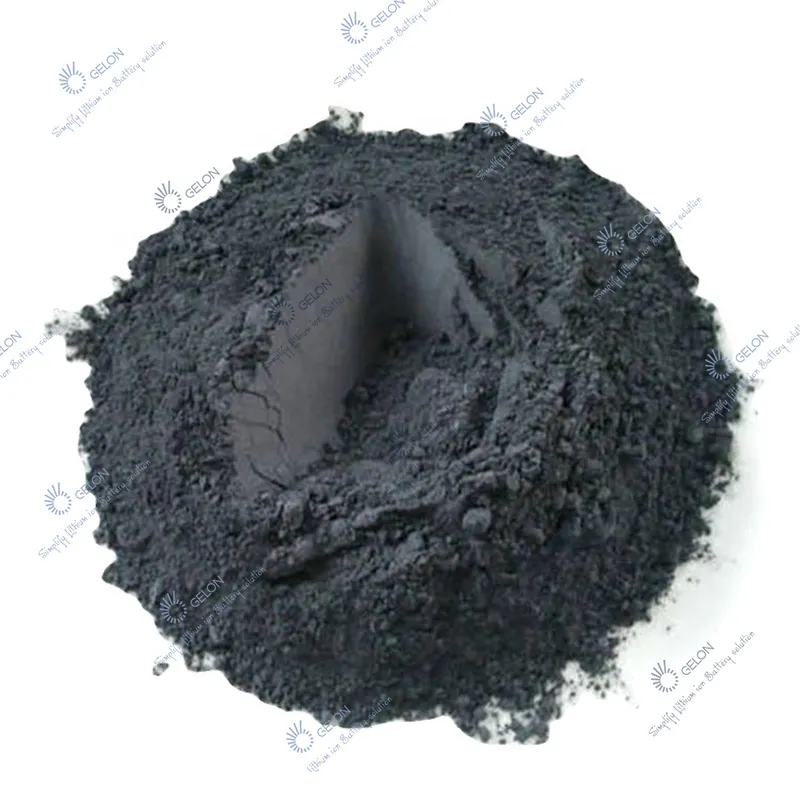
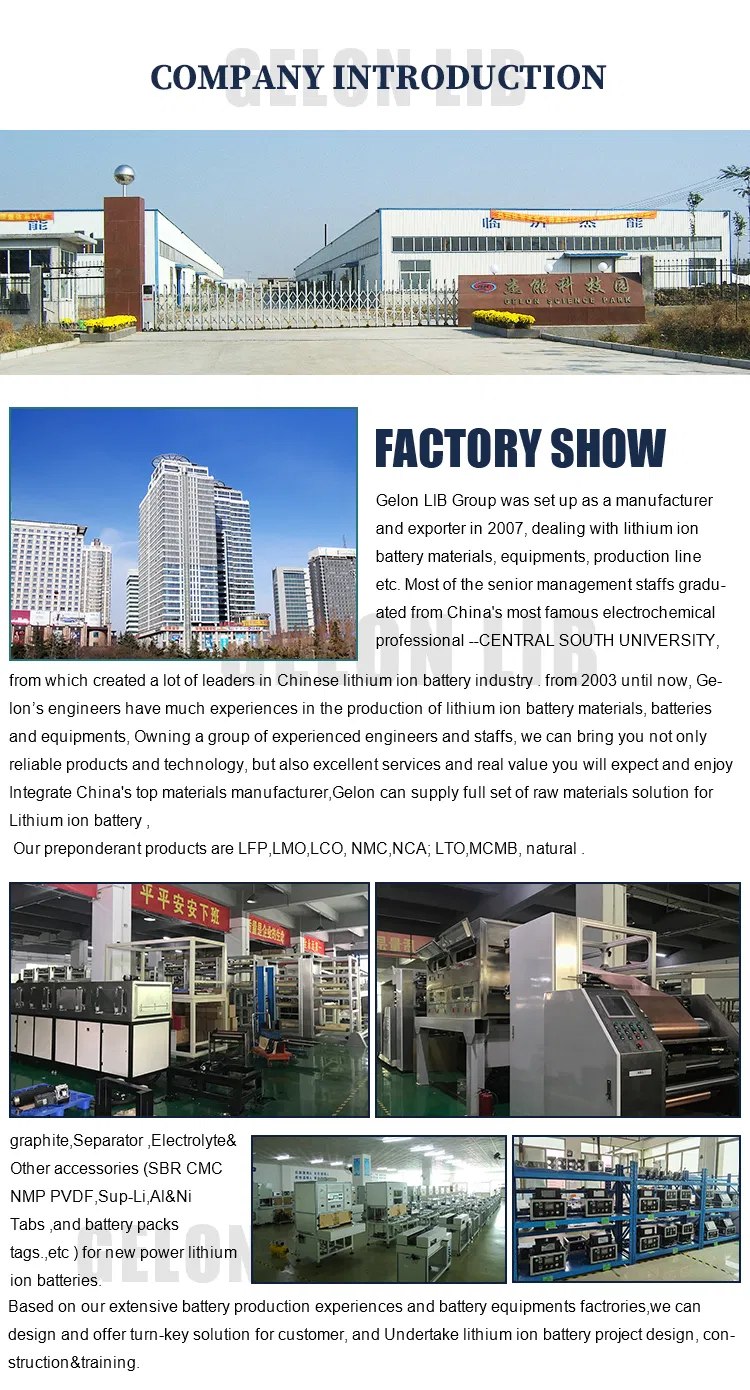
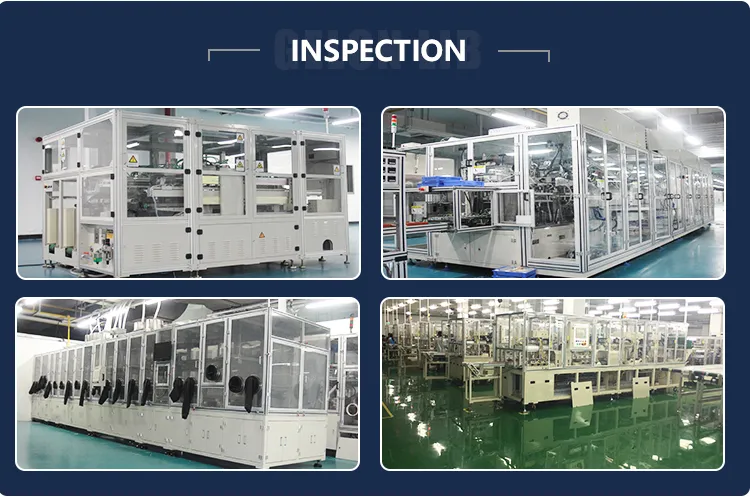
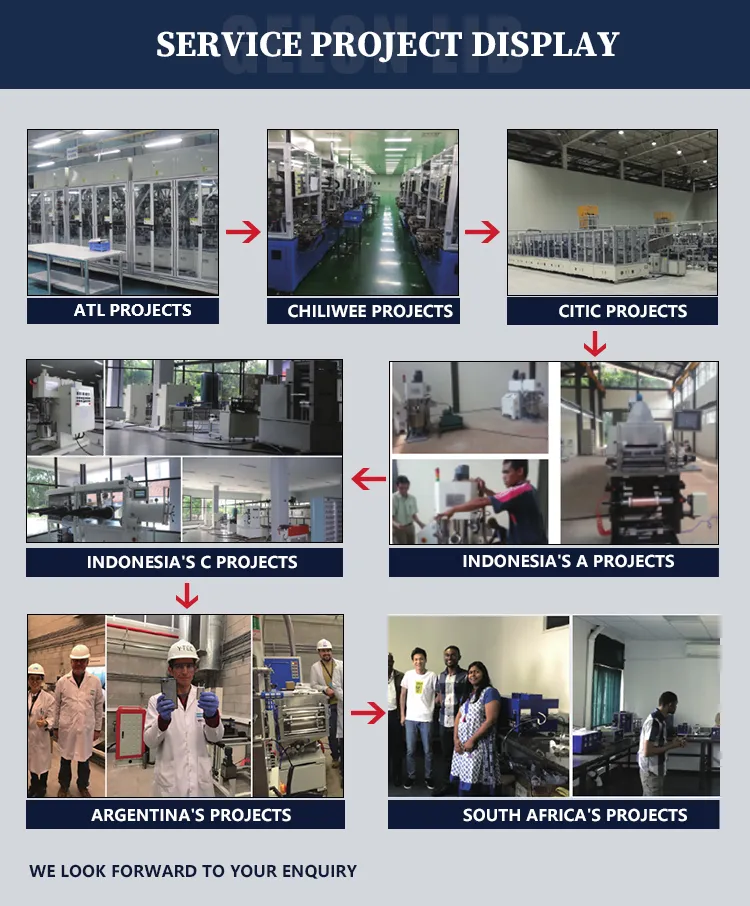
We supply a comprehensive set of lithium-ion battery materials and equipment:
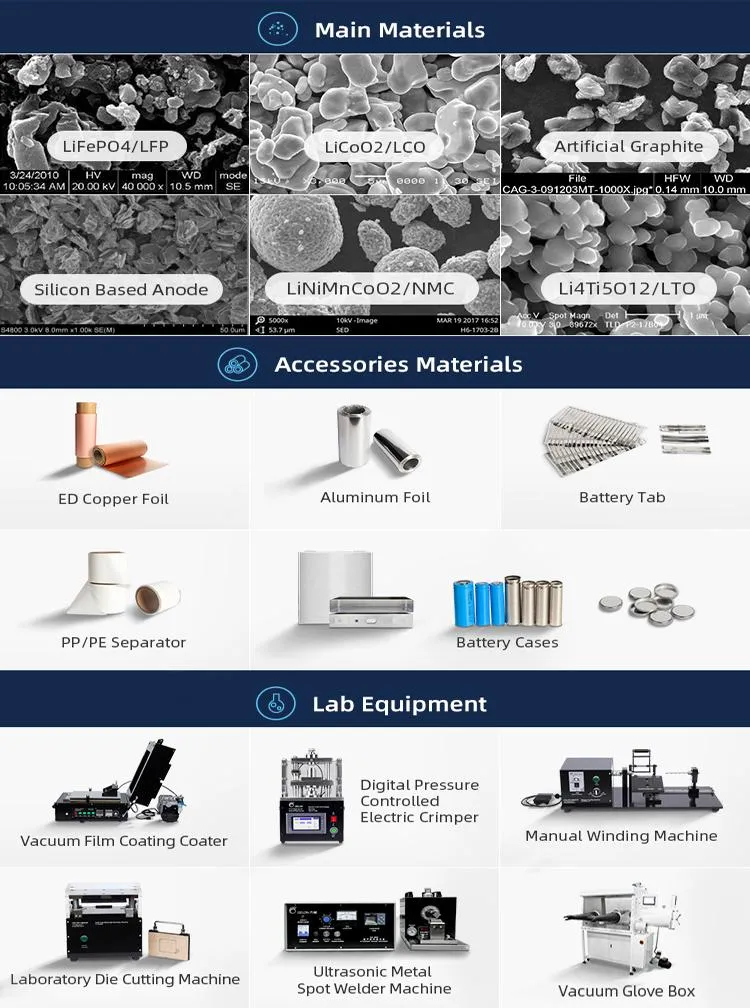

NCM811 contains a higher proportion of nickel (80%), which significantly increases energy density and specific gram capacity, making it ideal for high-performance electric vehicles and compact battery applications.
NCM811 is highly sensitive to moisture. Contact with air humidity can lead to the formation of lithium carbonate or lithium hydroxide impurities on the surface, which degrades electrochemical performance. It must be stored and processed under strict dry room conditions.
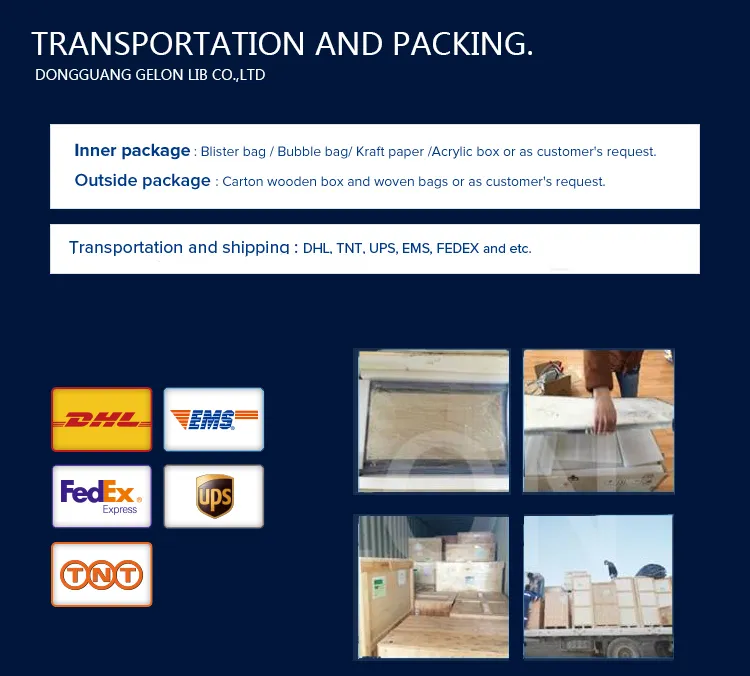
The standard export packing consists of vacuum-sealed aluminum foil bags placed inside plastic drums, typically weighing 25 kg per drum, to ensure protection against air and moisture during transport.
This NCM811 powder offers high versatility and can be paired effectively with natural graphite, artificial graphite, silicon-carbon anodes, or other advanced anode formulations depending on the design goals.
Yes, we provide full assembly and laboratory-to-pilot scale equipments, including slurry mixers, vacuum coating machines, rolling presses, and winding machinery configured for battery electrode preparation.