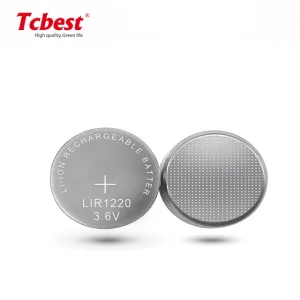
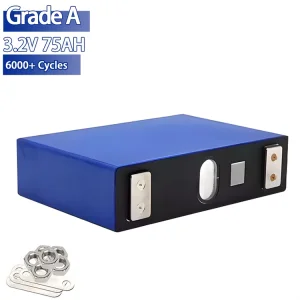
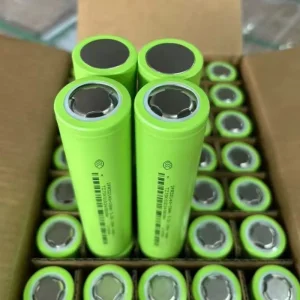
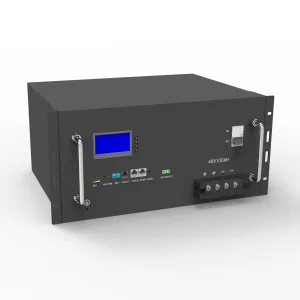
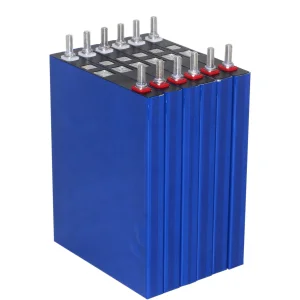
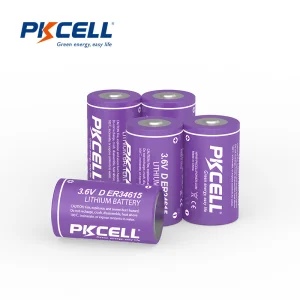
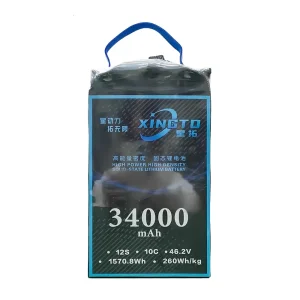
Guangdong Nuwon Energy Co., Ltd. is a leading manufacturer and solution provider in advanced battery systems, specializing in the research, development, manufacturing, and global distribution of high-performance energy storage products. The company offers comprehensive OEM and ODM services, delivering customized battery solutions tailored to diverse industrial and commercial applications.
Backed by a highly experienced engineering and R&D team, Nuwon Energy focuses on the design and integration of cylindrical and prismatic lithium battery cells, as well as complete battery packs, modules, and energy storage systems. The company also develops and produces industrial-grade battery cells engineered for safety, durability, and long cycle life.
Guangdong Nuwon Energy serves a wide range of industries, including consumer electronics, electric mobility (such as golf carts, forklifts, UTVs/ATVs, trucks, and marine systems), medical equipment, unmanned ground vehicles (AGVs/AMRs), and emerging aerospace applications such as eVTOL aircraft. In addition, the company provides reliable residential, commercial, and industrial (C&I) energy storage solutions designed to support the global transition toward clean and sustainable energy.
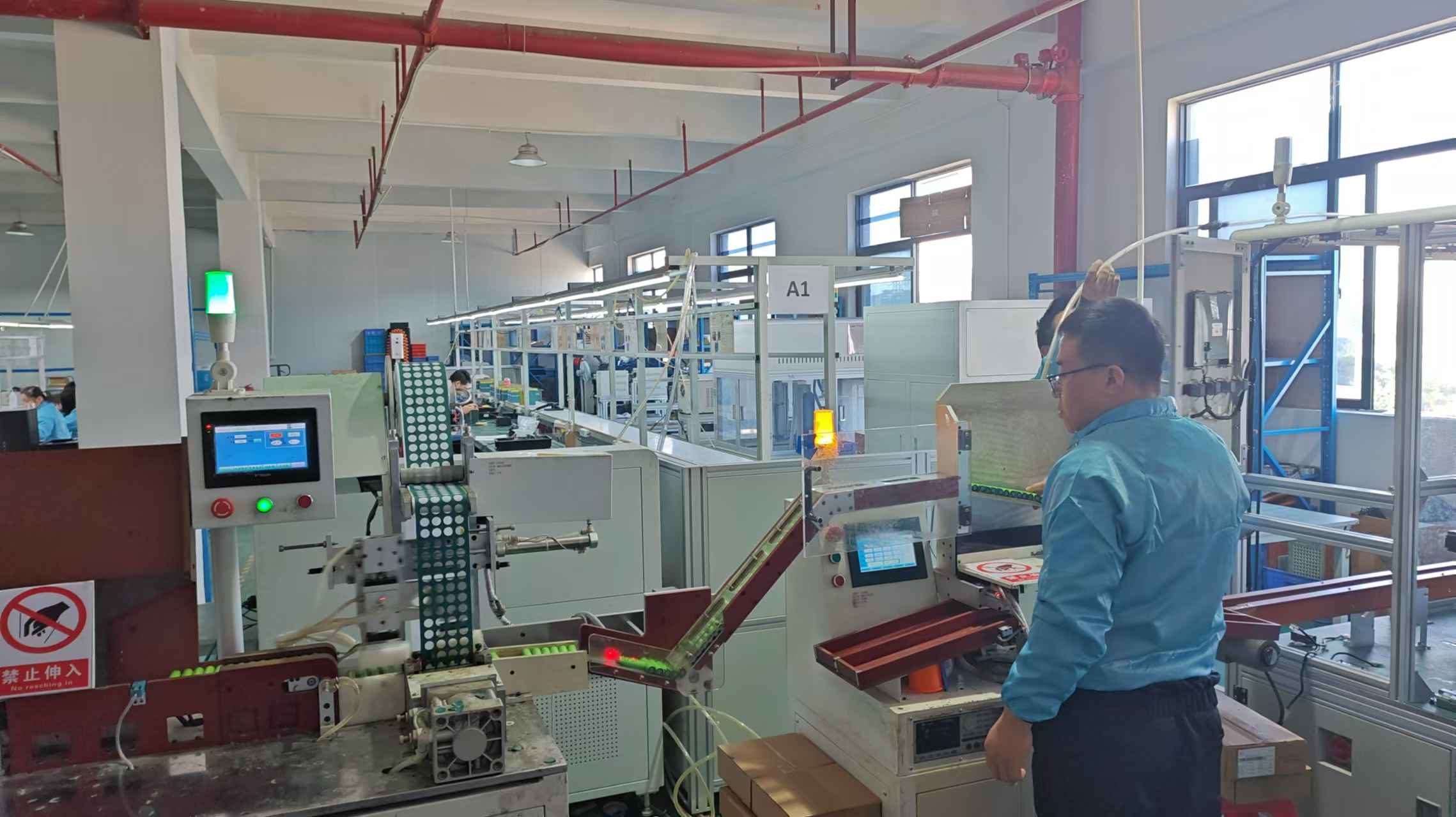
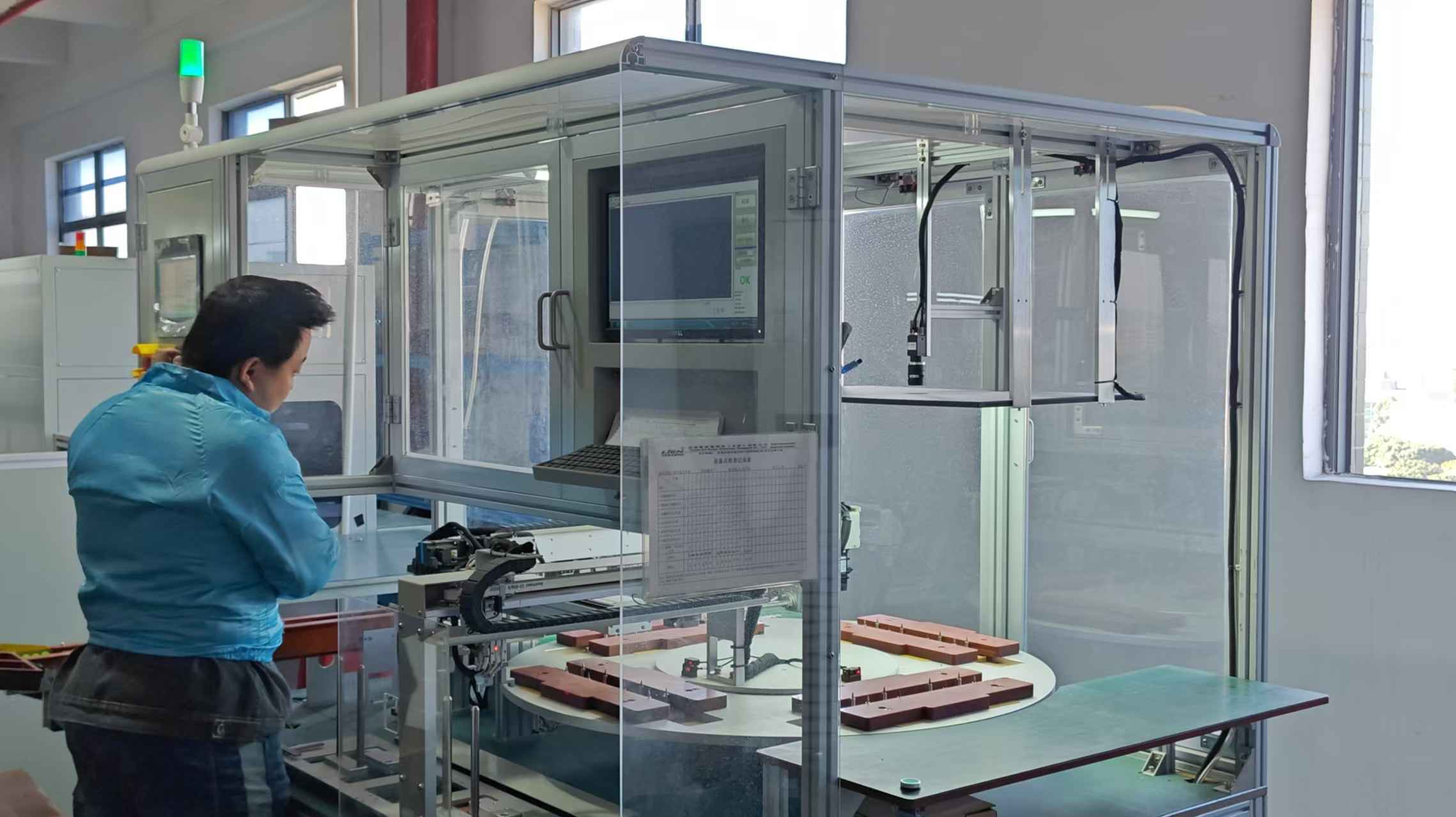
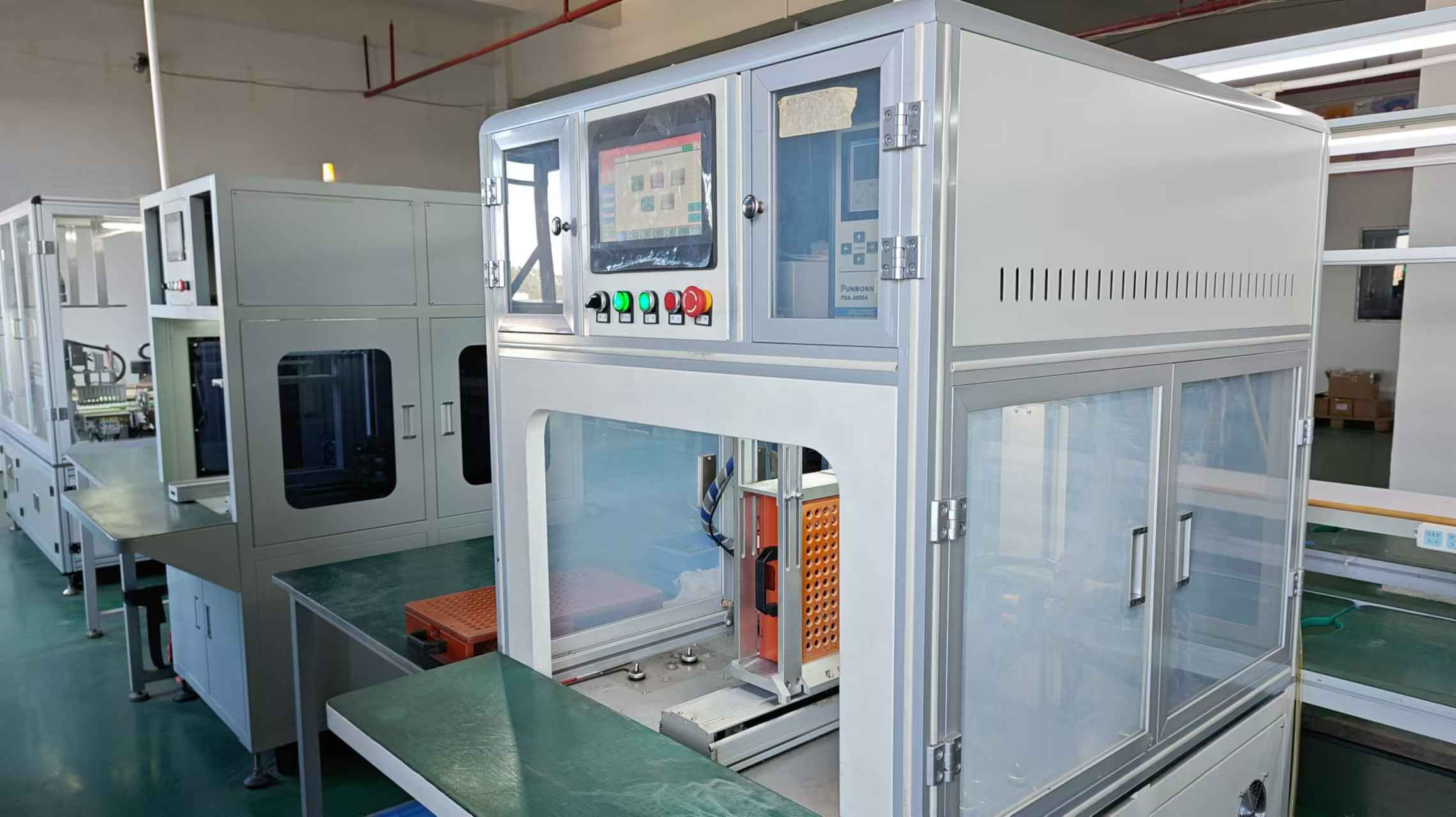
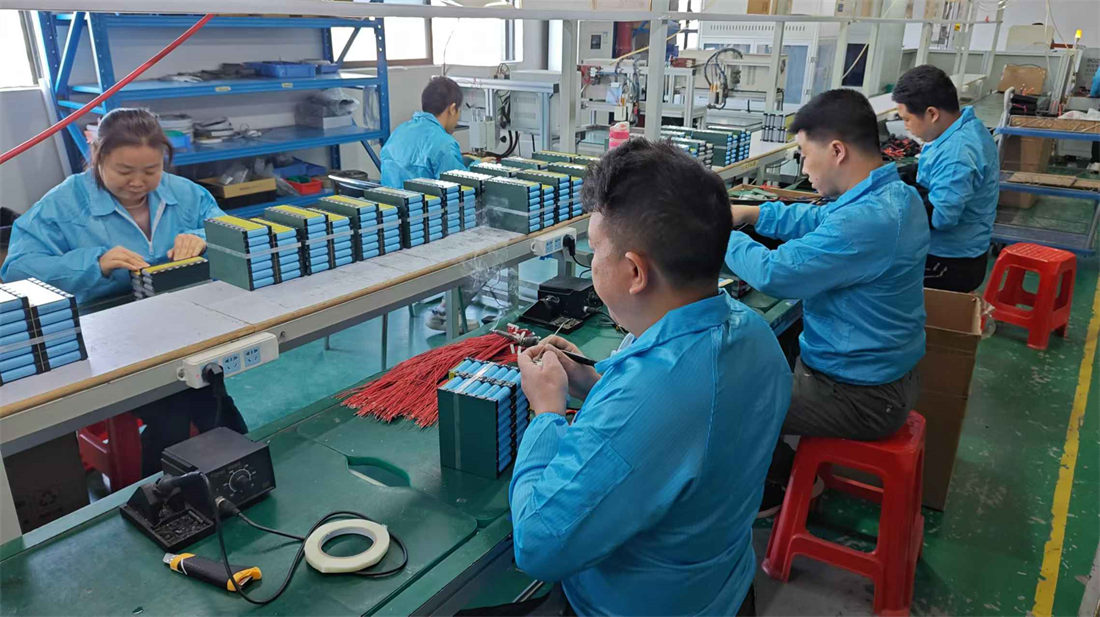
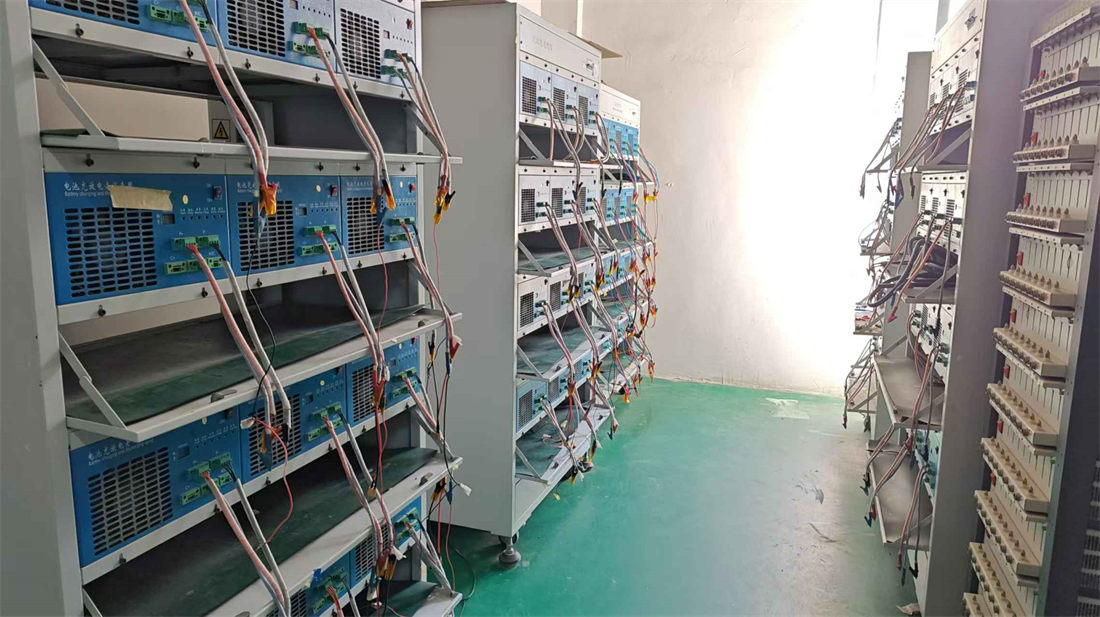
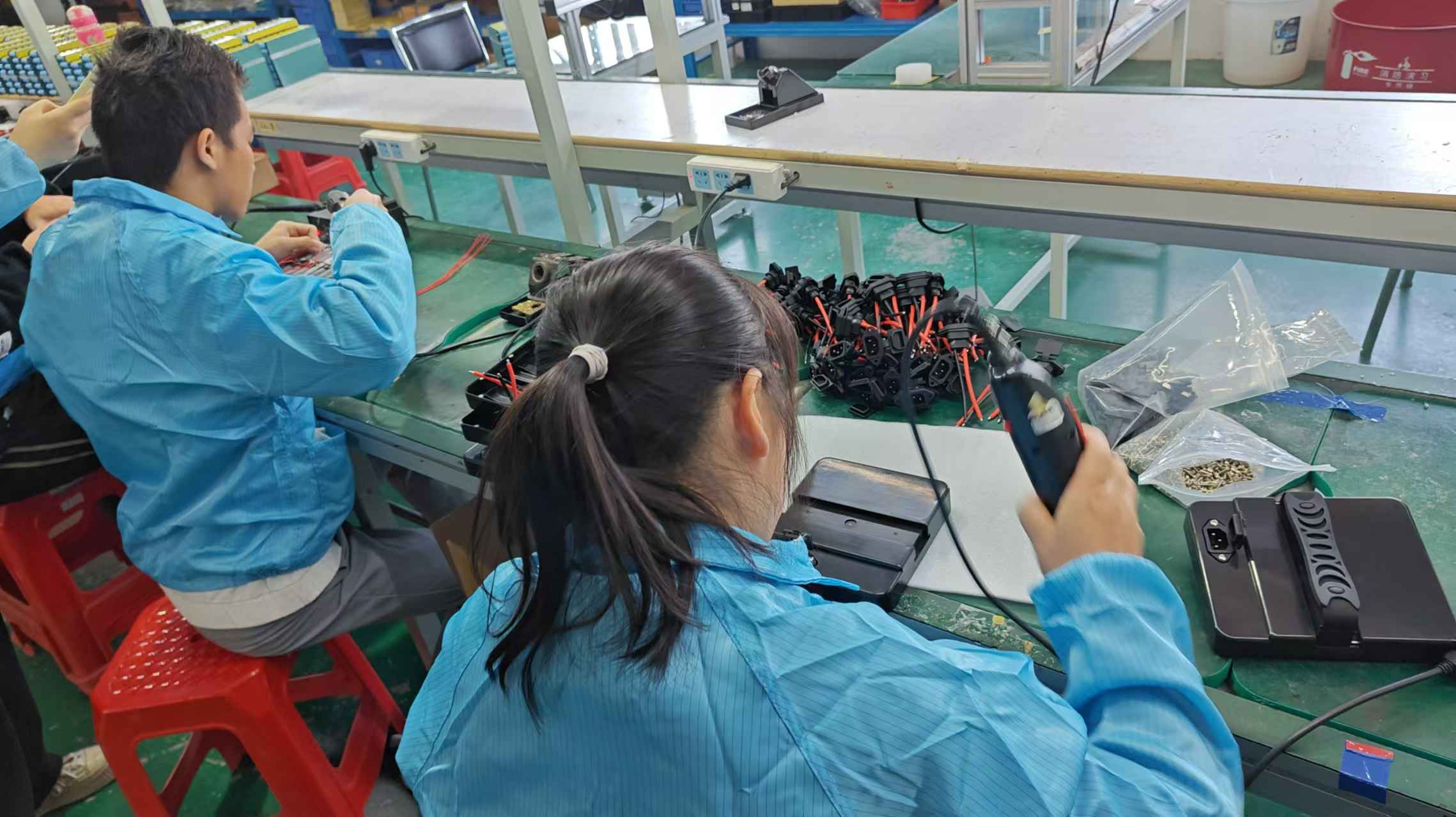
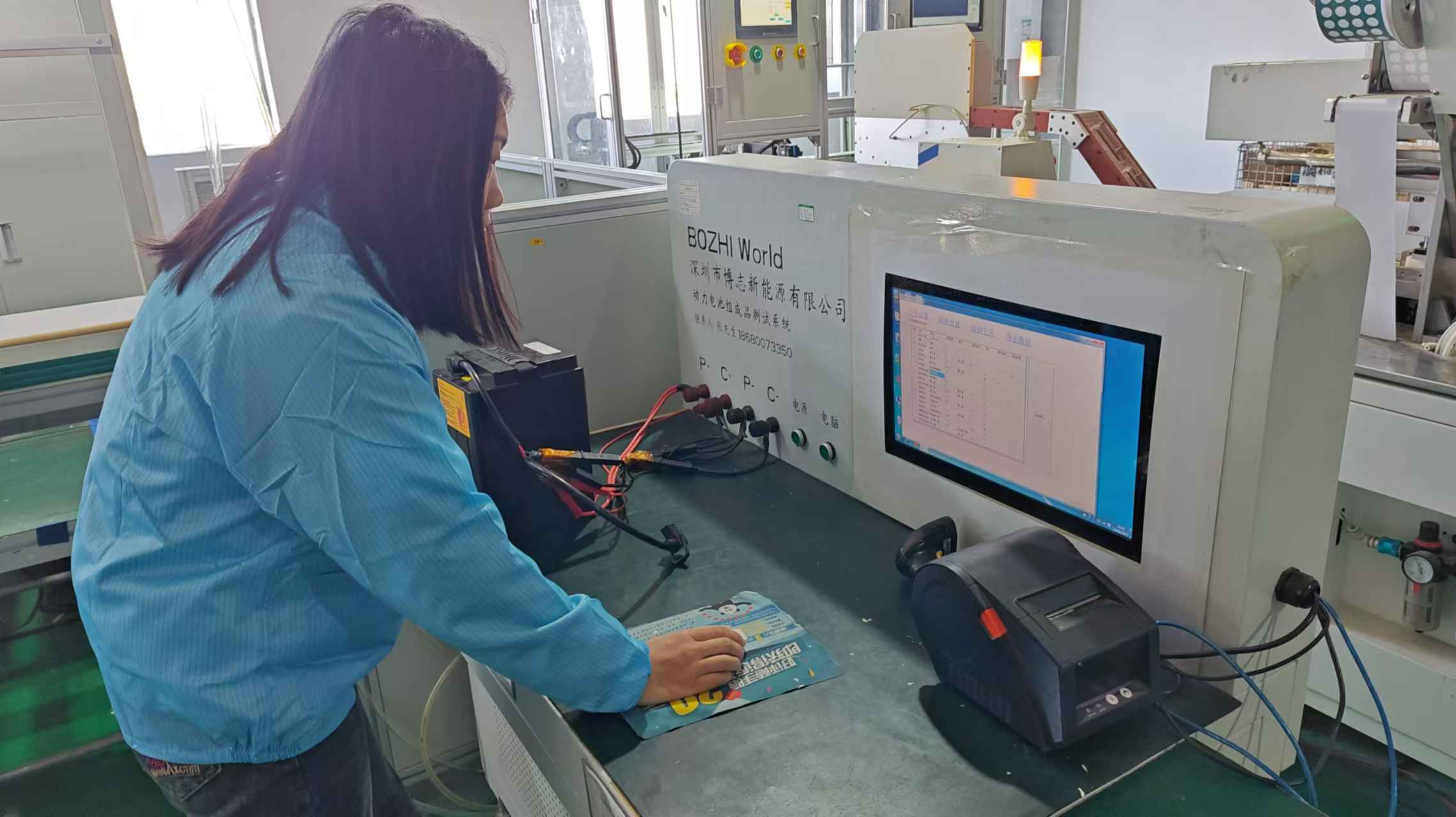
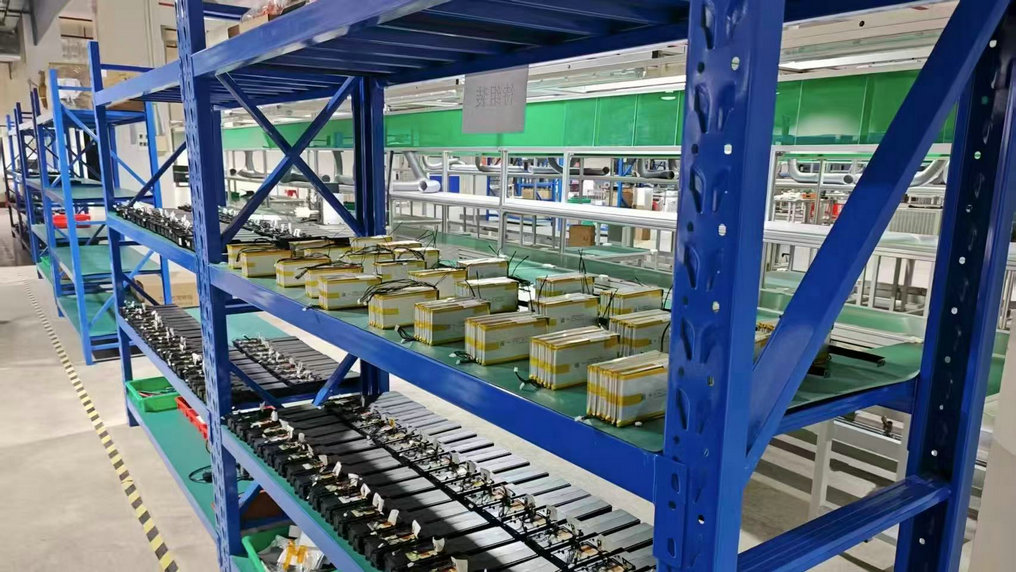
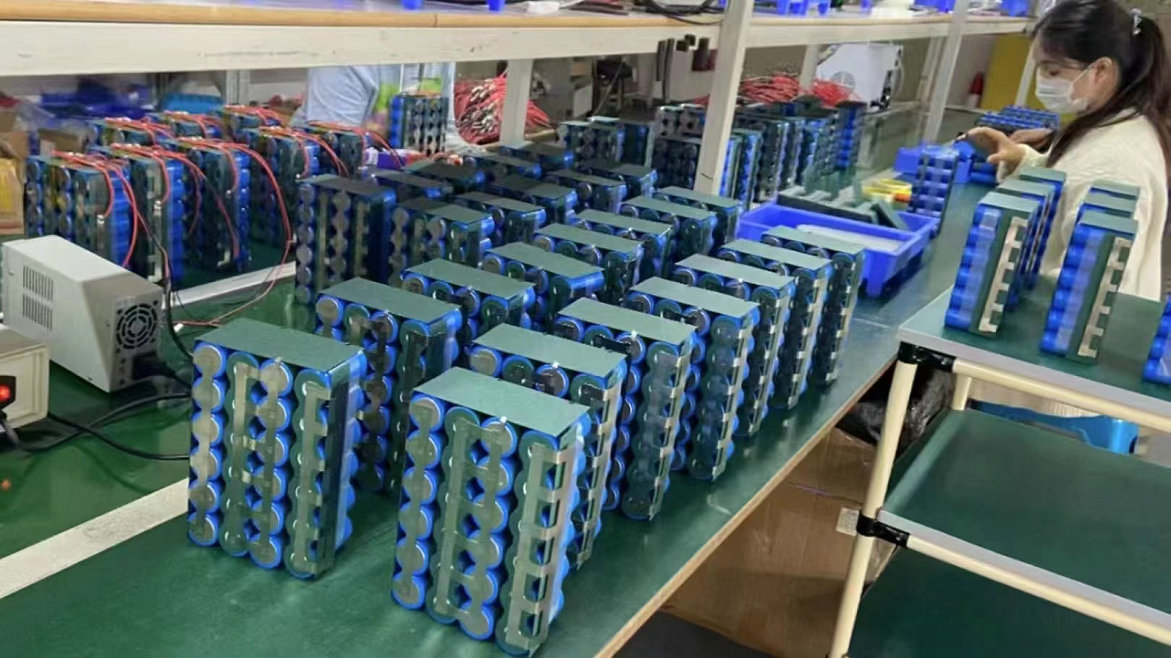
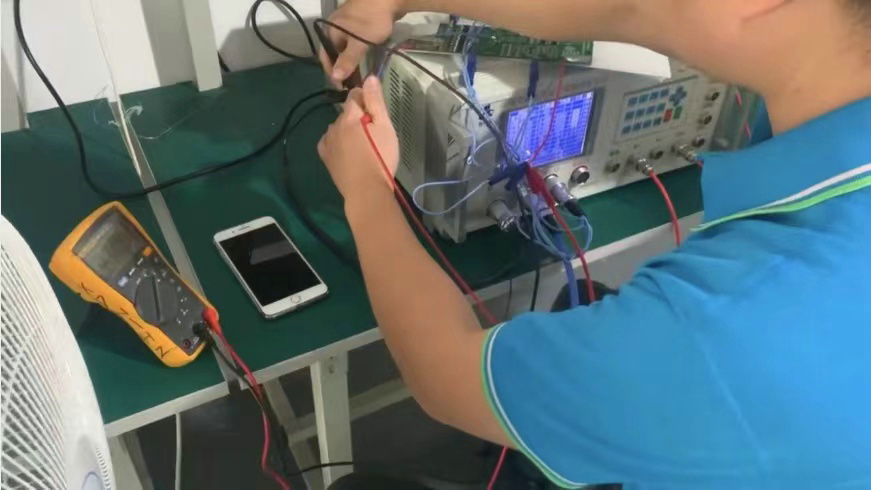
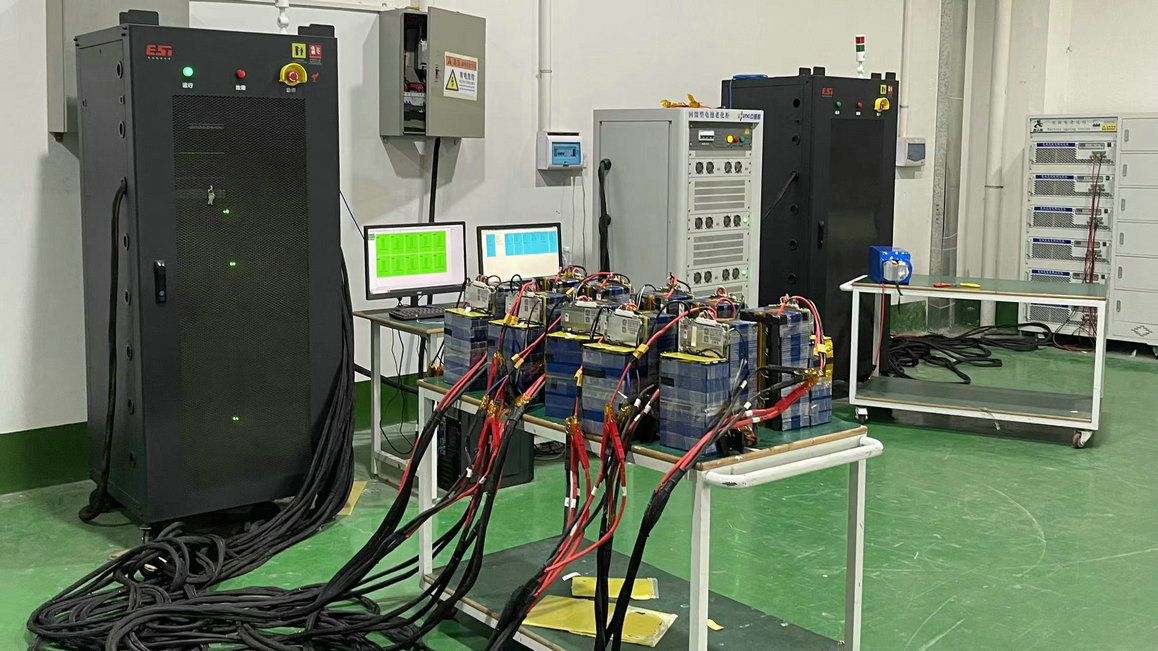
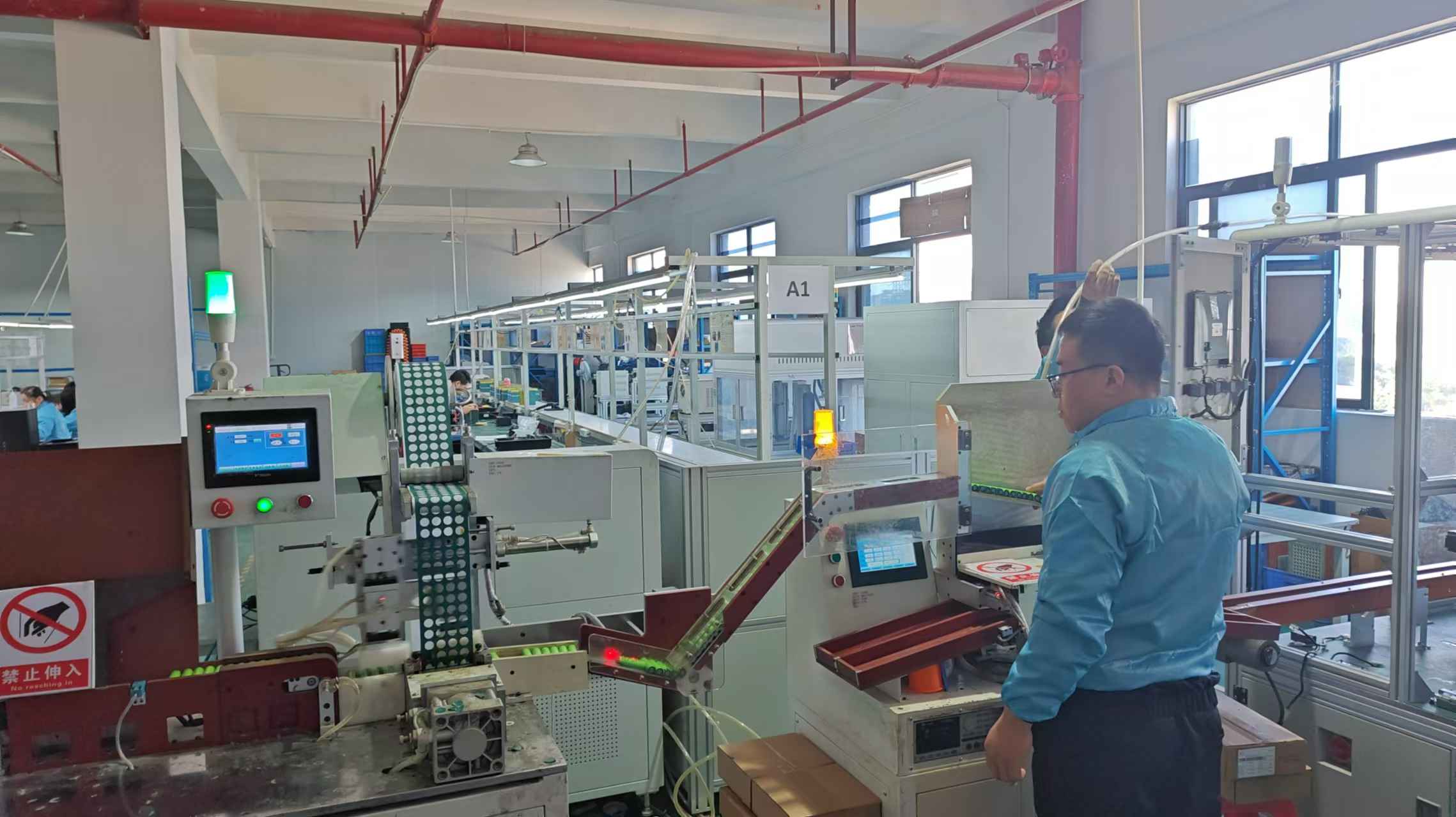
With a strong commitment to innovation, strict quality control, and customer-centric service, Guangdong Nuwon Energy continuously invests in advanced manufacturing capabilities, automated production lines, and rigorous testing systems. This ensures that every product meets international safety standards and delivers exceptional performance in demanding environments. Driven by a vision to accelerate global electrification and energy efficiency, Guangdong Nuwon Energy Co., Ltd. is dedicated to building long-term partnerships and providing reliable, intelligent, and sustainable energy solutions to customers worldwide.
A Battery Management System (BMS) serves as the brain of any high-capacity lithium battery pack. By monitoring state variables, balancing cells, managing thermal characteristics, and providing communication links to outer hosts, a smart BMS ensures the safe, efficient, and sustained operation of advanced lithium-ion chemistries. As global demands for battery systems in mobility, telecom, and industrial applications soar, sourcing the right BMS becomes paramount for reliability, profitability, and compliance.
Historically, Battery Management Systems were simple analog circuits designed to prevent over-voltage, under-voltage, and excessive current flow. While these basic parameters remain vital, modern industrial frameworks require far more intelligence. Today, high-precision microcontrollers, specialized Analog Front Ends (AFEs), and cloud-linked telemetry modules collaborate to dynamically calculate State of Charge (SOC) and State of Health (SOH). Utilizing Kalman filter algorithms and continuous Coulomb counting, these systems maintain system accuracies to within ±1%.
The integration of the Internet of Things (IoT) has further transformed the landscape. Industrial BMS units can now transmit real-time telemetry to remote monitoring centers, allowing predictive maintenance alerts to trigger before cell wear leads to systemic pack failures. Nuwon Energy’s advanced BMS platforms integrate multi-protocol communications including CAN bus, RS485, Modbus, and Bluetooth, facilitating seamless integration with external inverter controls, fleet management interfaces, and central building automation panels.
Key Insight: Passive cell balancing is no longer sufficient for systems exceeding 100Ah capacity. Nuwon Energy actively develops Active Balancing BMS modules that redistribute energy from stronger cells to weaker cells with efficiencies exceeding 90%, thereby extending the overall pack life by up to 25%.
International procurement managers sourcing battery packs and BMS components from China face three primary challenges: hardware reliability, software configuration flexibility, and compliance standards. Sourcing directly from qualified factories like Guangdong Nuwon Energy solves these issues by bypassing intermediary traders and establishing direct engineering-to-engineering (E2E) communication.
Global systems engineers require flexible BMS hardware architecture that can be calibrated for different battery chemistries, including Lithium Iron Phosphate (LiFePO4), Lithium Titanate (LTO), and high-density Solid-State cells. Furthermore, configuration options for overcurrent protection delay, thermal cut-offs, and communication protocol registers must be customizable via PC interface software to match local grid parameters or vehicle powertrain designs.
Our megawatt-scale battery racks use multi-tier master-slave BMS structures. These configurations feature isolated CAN buses, high insulation monitoring, and fast-acting contactor controllers designed to manage sudden grid surges.
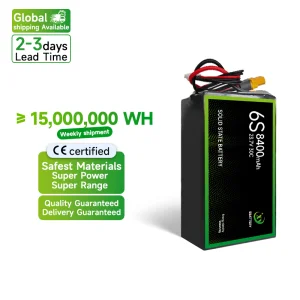
High-discharge solid-state drone packs demand ultra-lightweight, compact BMS boards capable of handling high continuous discharge rates (up to 10C) while precisely predicting remaining flight time in changing atmospheric temperatures.
For operations under extreme thermal fluctuations, our 48V LTO packs feature intelligent BMS controls capable of sustaining continuous discharges through 20,000 cycles, optimizing remote telecom tower uptime.
The next frontier of battery design centers on Wireless BMS (wBMS) architectures and Smart Solid-State batteries. By eliminating physical sensor wires inside the battery pack, wBMS reduces weight, eliminates potential wire-connector failures caused by high-vibration environments, and streamlines high-volume assembly lines. In parallel, the transition from semi-solid-state to full solid-state structures demands adaptive voltage mapping. Nuwon Energy’s research and development roadmap focuses on creating highly adaptive AFEs that read micro-impedance shifts inside solid-state cells, providing real-time forecasting of dendrite formation and preventing critical internal short circuits.





 Nuwon Energy