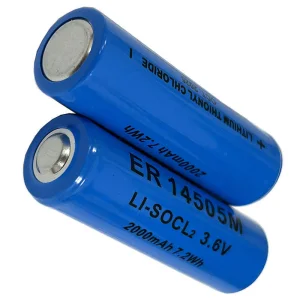
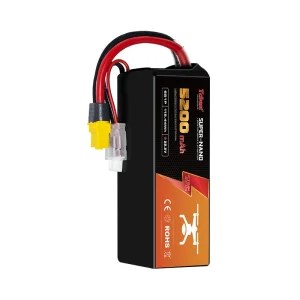
Explore our top-tier battery packs, smart energy cells, and advanced portable storage architectures engineered for rugged industrial environments.

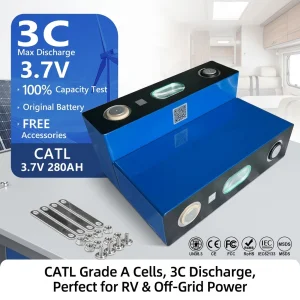
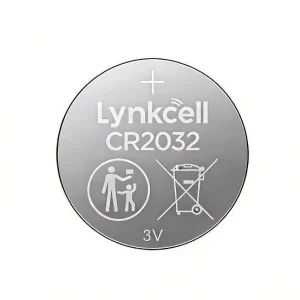
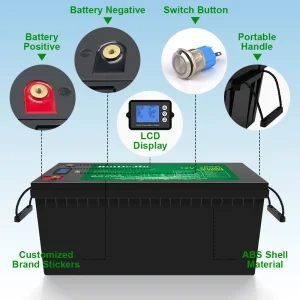
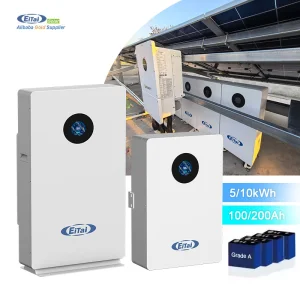
In high-power battery module design, thermal stability and electrical isolation are the primary pillars of system longevity. As battery chemistry pushes toward higher energy densities, the safety margin becomes narrower. Battery insulation gaskets—often overlooked as simple spacers—are vital, high-precision components that prevent catastrophic short circuits, absorb mechanical impacts, and mitigate thermal runaway propagation across lithium-ion cell assemblies.
Whether for electric vehicle (EV) drivetrains, large energy storage systems (BESS), or micro-electronic cells, gaskets provide physical barriers that separate positive and negative terminals. Modern pack structures operate under high voltages (often exceeding 800V in new EV architectures). At these thresholds, a single dielectric breakdown can lead to massive failure cascades. Selecting the appropriate materials, ensuring microscopic dimensional accuracy, and utilizing top-tier manufacturing techniques are critical for engineers worldwide.
Advanced battery insulation gaskets are formulated from highly specialized technical polymers and composite papers. Each material group serves specific performance profiles based on thermal threshold, compressibility, tensile strength, and dielectric barrier capacity:
| Material Type | Dielectric Strength (kV/mm) | Continuous Temp Limit (°C) | UL94 Flame Class | Primary Applications |
|---|---|---|---|---|
| Kapton / Polyimide (PI) | ≥ 220 | -269 to 400 | V-0 / VTM-0 | Busbar isolation, high-temperature terminal washers, pouch cell tabs |
| Nomex (Aramid Paper) | ≥ 18 - 30 | 220 | V-0 | Inter-cell barrier spacing, heavy industrial motor and vehicle packs |
| Formex (FR-PP) | ≥ 80 | 115 | V-0 | Folded barriers, BESS enclosures, busbar protective shielding |
| Barley / Fishpaper | ≥ 10 - 15 | 105 | HB / V-0 Rated Grades | 18650/21700 cell terminal rings, consumer electronics separators |
| Epoxy Glass (FR-4 / G10) | ≥ 20 - 30 | 140 | V-0 | End plates, structural compression sheets, busbar support frames |
Thermal runaway in lithium-ion batteries occurs when an internal defect or mechanical damage triggers an uncontrolled exothermal reaction inside a cell. This reaction releases heat that can quickly transfer to adjacent cells. Advanced composite gaskets function as thermal isolators, slowing heat transfer so the battery management system (BMS) has time to execute thermal management overrides or safety shutdowns.
Additionally, cells undergo cyclic breathing, expanding during charge cycles and contracting during discharge. If the cushioning gaskets between cells are too rigid, high mechanical stress builds up, leading to accelerated aging or internal separator rupture. Conversely, if the gasket material is too soft, it fails to maintain proper cell compression, which can lead to shifting under external vibration. Optimal gasket engineering requires precise calculation of the material's compression set and stress relaxation profiles.
Engineered barriers minimize heat transfer between neighboring cells, preventing localized overheating from cascading into full module thermal runaway.
Delivers exceptional breakdown voltage margins up to 200+ kV/mm, protecting low-voltage electronic circuits from high-voltage energy storage systems.
Absorbs structural road vibrations in electric vehicles, protecting the integrity of cell structures, welds, and terminal pins.
Guangdong Nuwon Energy Co., Ltd. is a leading manufacturer and solution provider in advanced battery systems, specializing in the research, development, manufacturing, and global distribution of high-performance energy storage products. The company offers comprehensive OEM and ODM services, delivering customized battery solutions tailored to diverse industrial and commercial applications.
Backed by a highly experienced engineering and R&D team, Nuwon Energy focuses on the design and integration of cylindrical and prismatic lithium battery cells, as well as complete battery packs, modules, and energy storage systems. The company also develops and produces industrial-grade battery cells engineered for safety, durability, and long cycle life.
Guangdong Nuwon Energy serves a wide range of industries, including consumer electronics, electric mobility (such as golf carts, forklifts, UTVs/ATVs, trucks, and marine systems), medical equipment, unmanned ground vehicles (AGVs/AMRs), and emerging aerospace applications such as eVTOL aircraft. In addition, the company provides reliable residential, commercial, and industrial (C&I) energy storage solutions designed to support the global transition toward clean and sustainable energy.
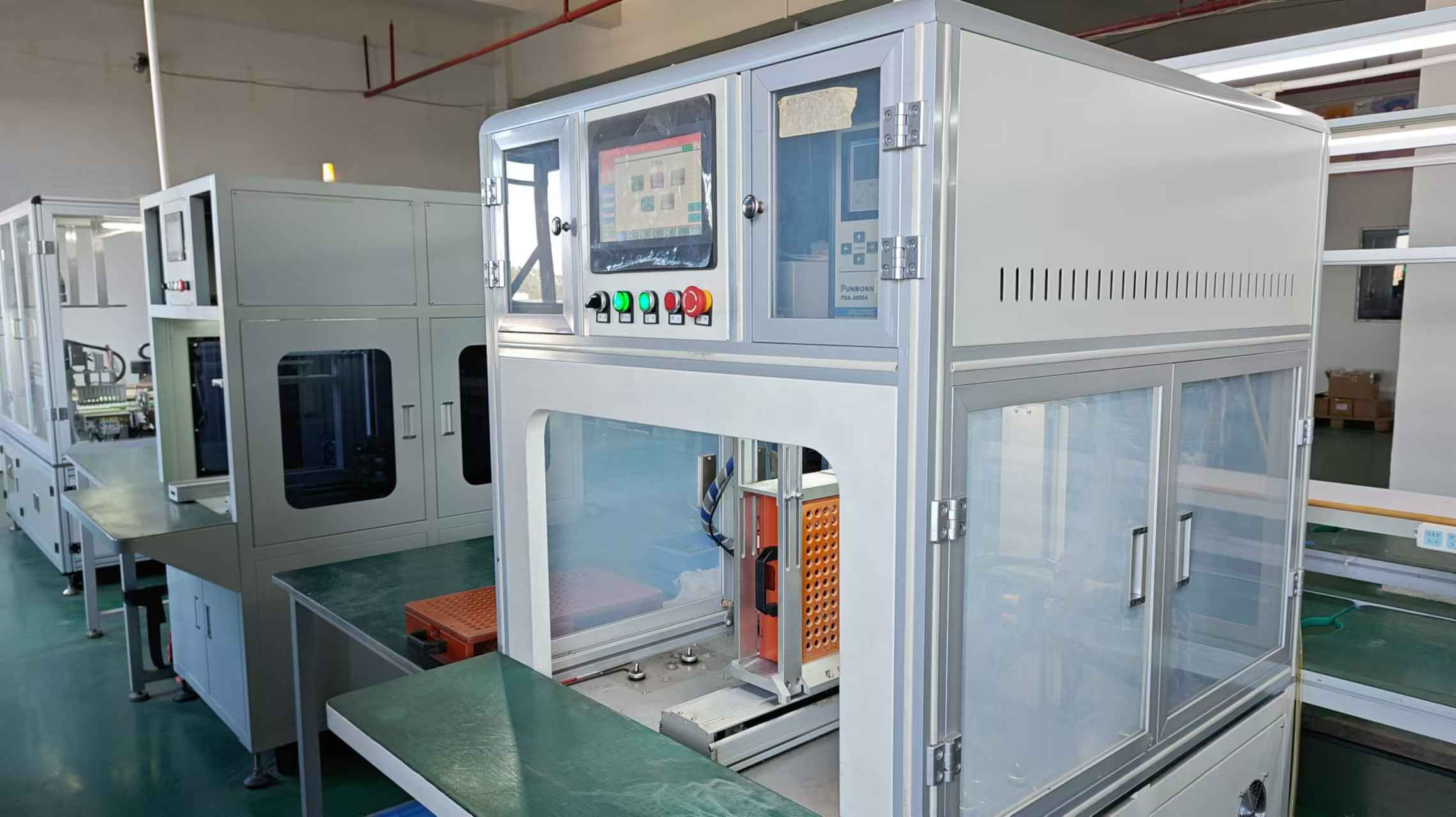
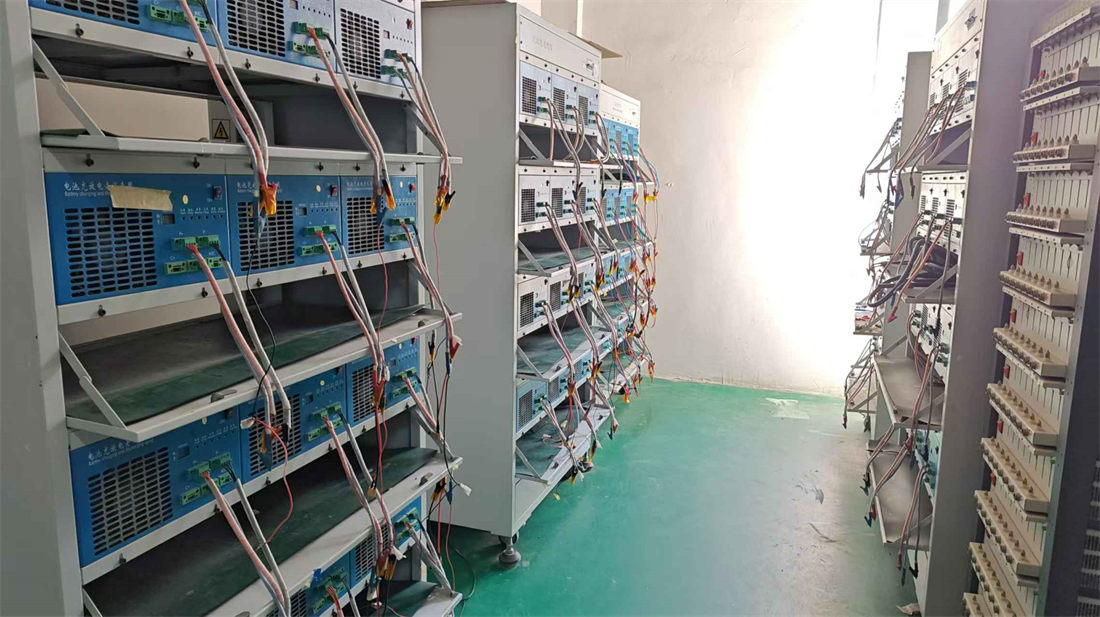
With a strong commitment to innovation, strict quality control, and customer-centric service, Guangdong Nuwon Energy continuously invests in advanced manufacturing capabilities, automated production lines, and rigorous testing systems. This ensures that every product meets international safety standards and delivers exceptional performance in demanding environments.
Driven by a vision to accelerate global electrification and energy efficiency, Guangdong Nuwon Energy Co., Ltd. is dedicated to building long-term partnerships and providing reliable, intelligent, and sustainable energy solutions to customers worldwide.
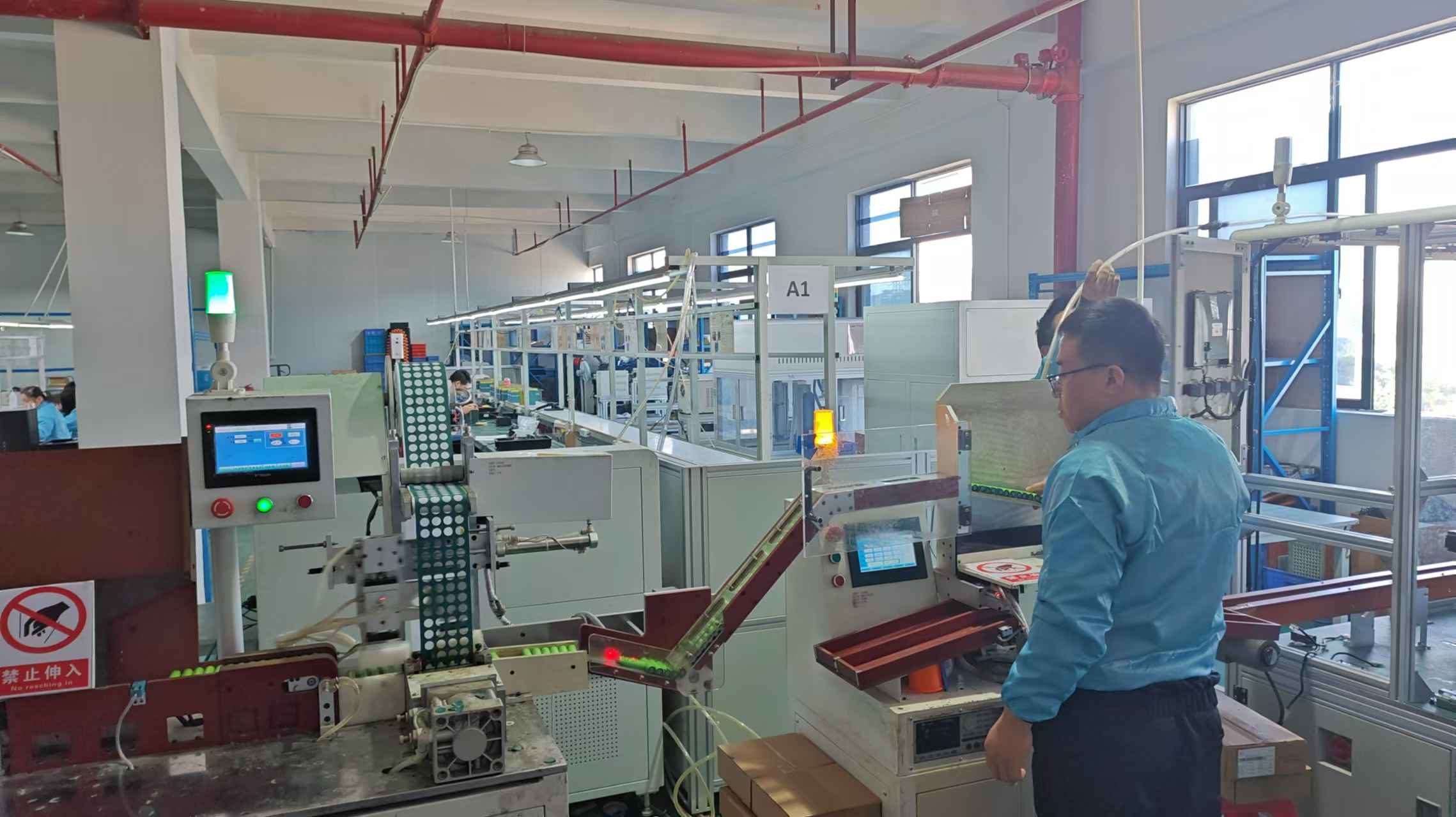
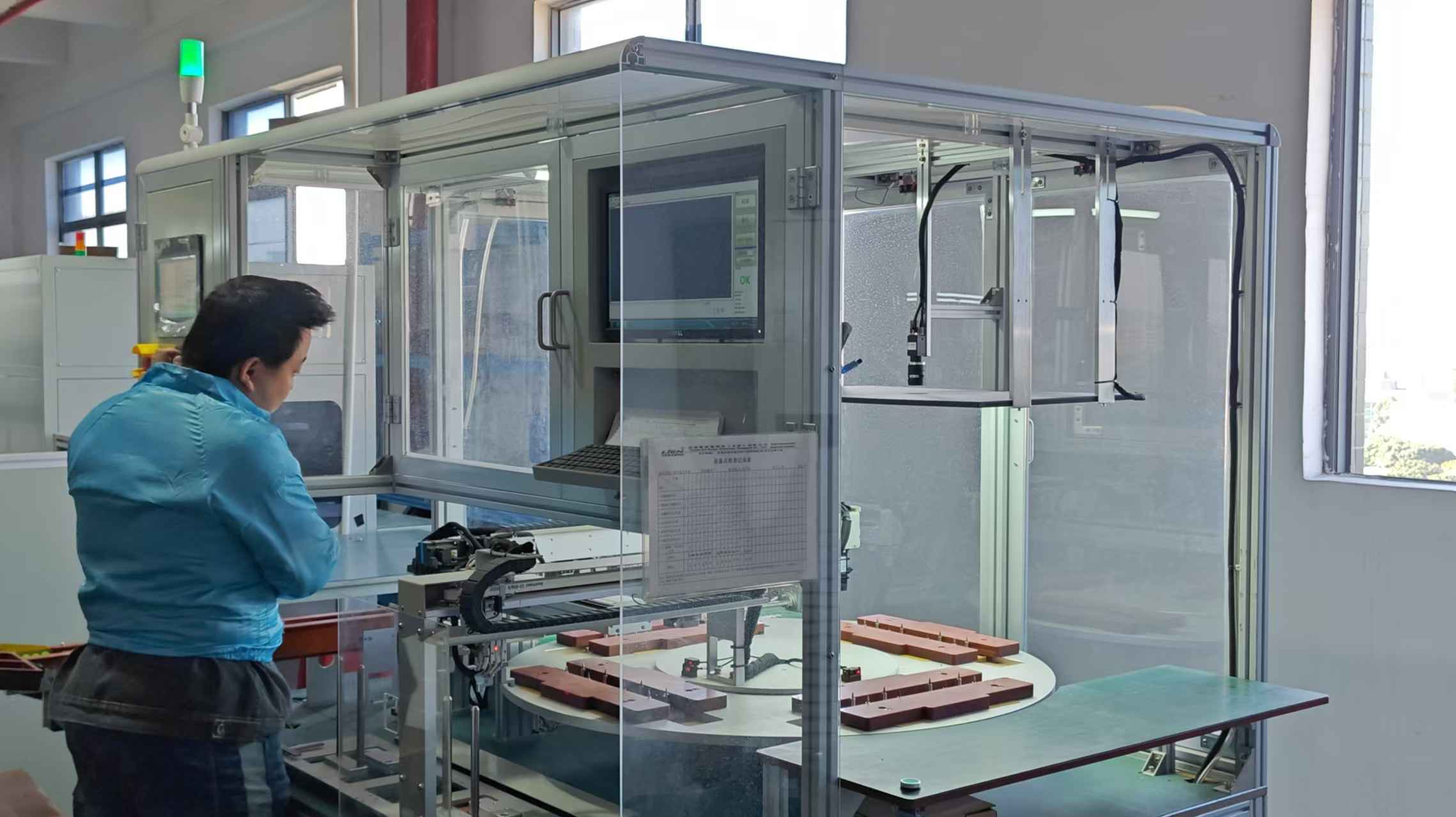
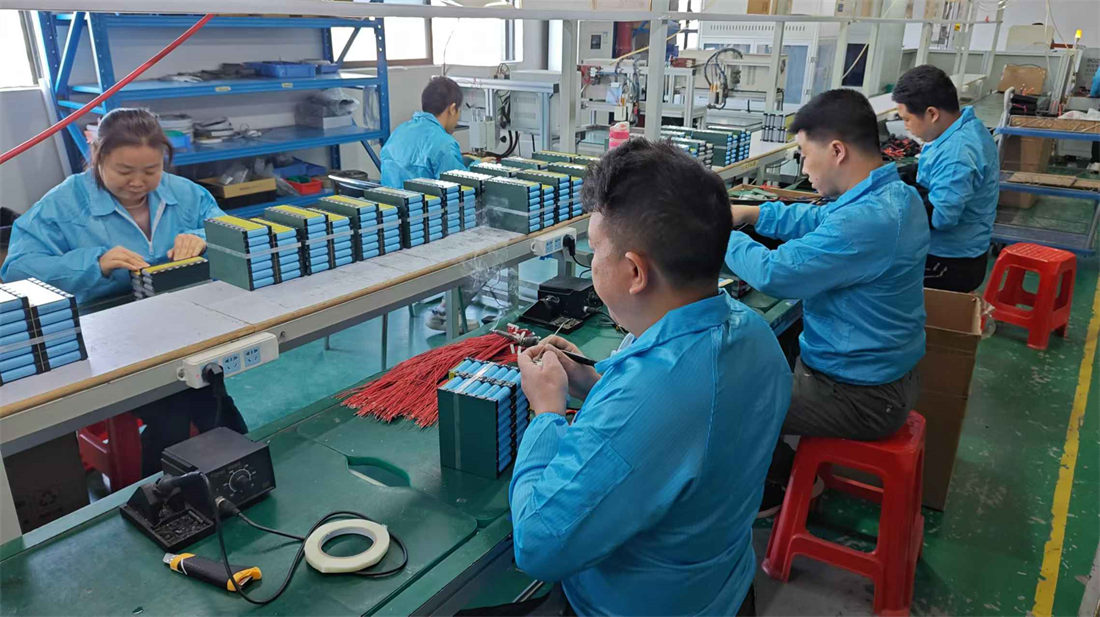
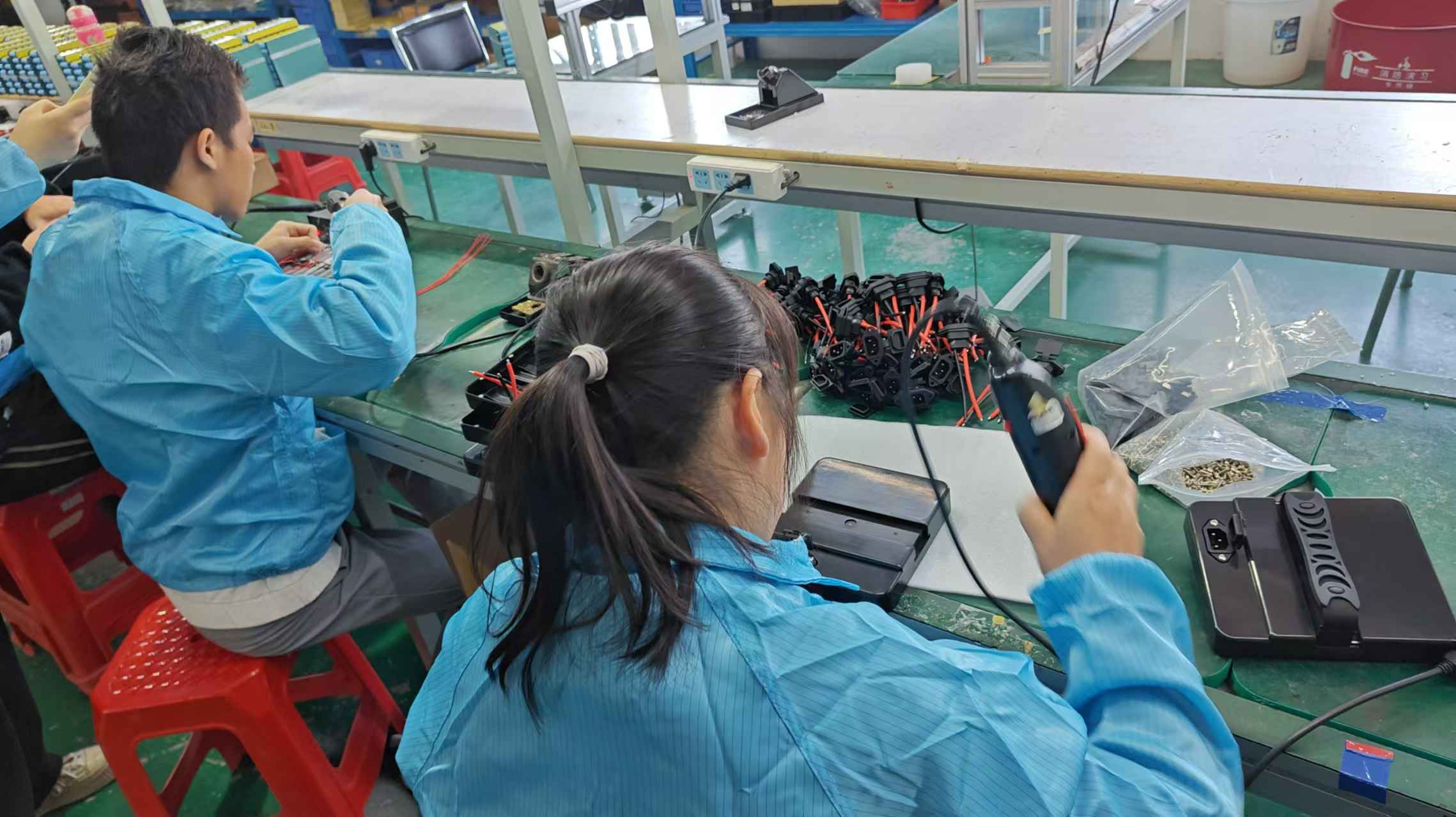
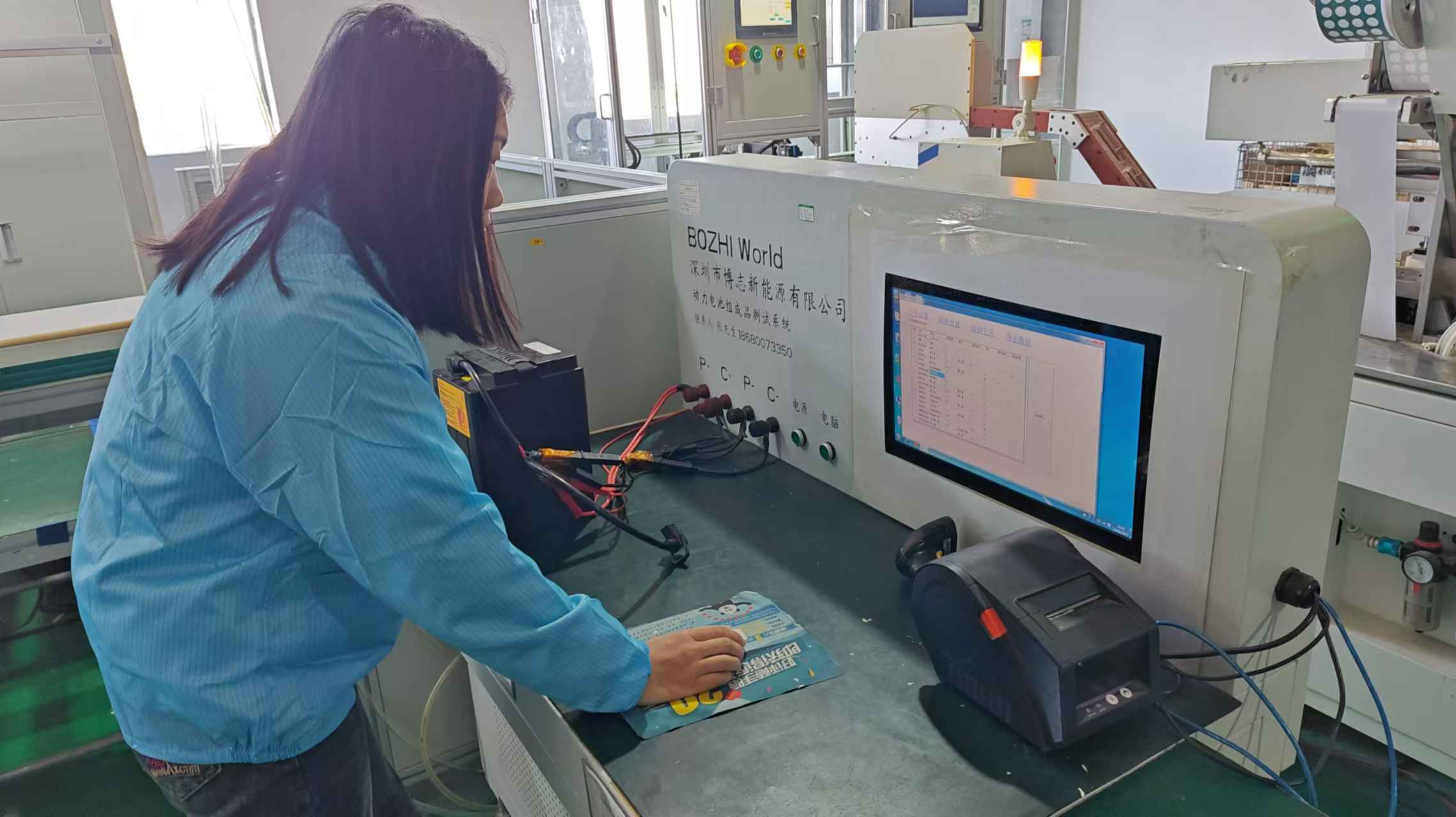
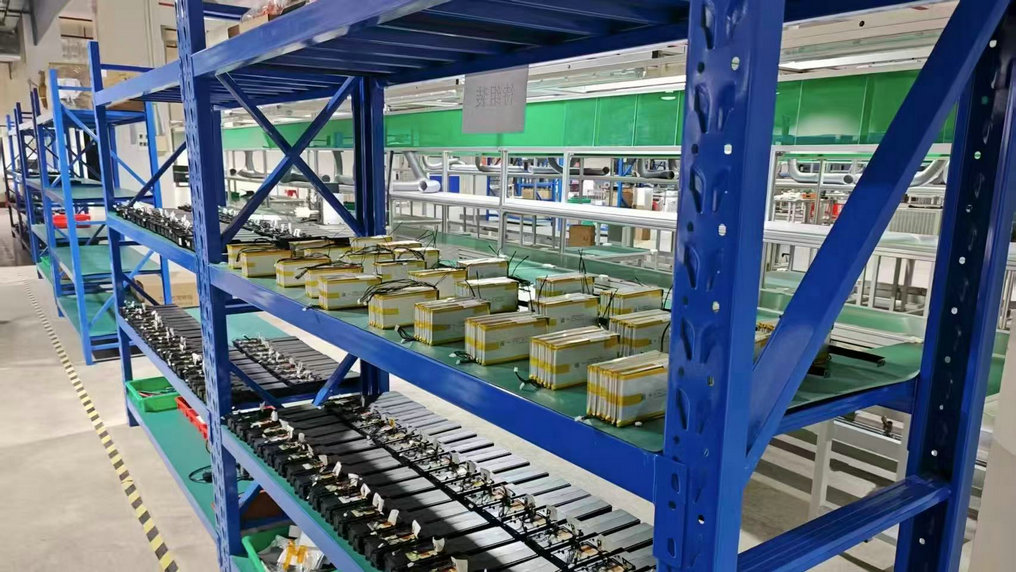
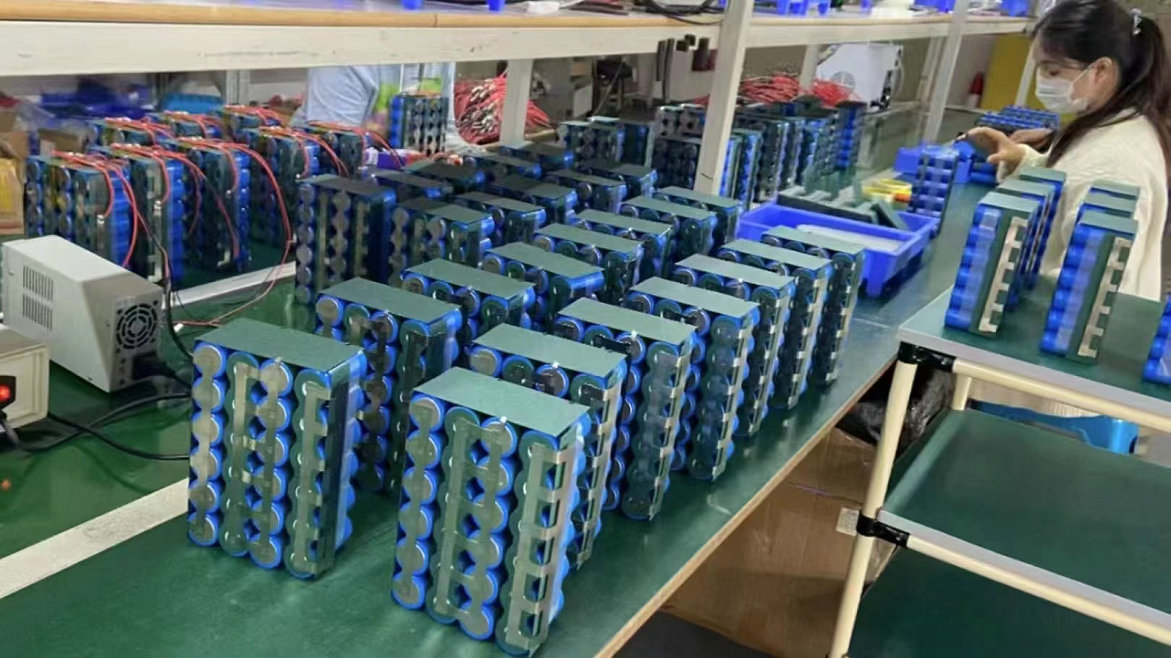
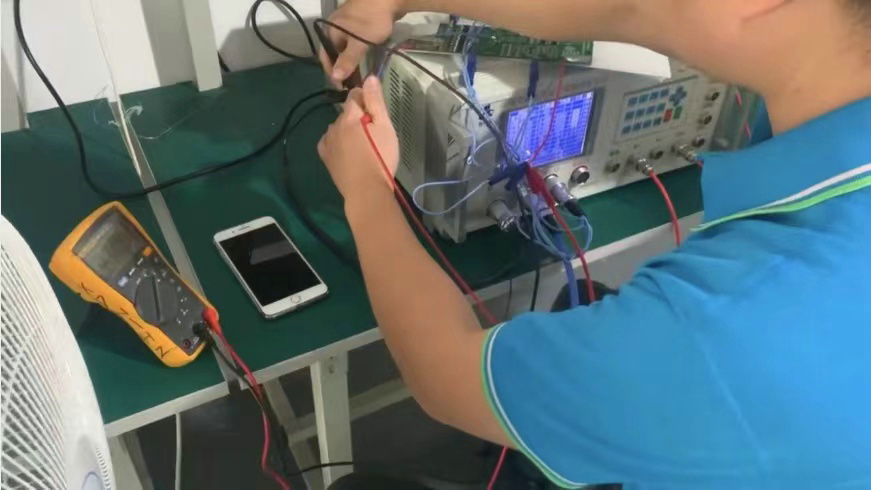
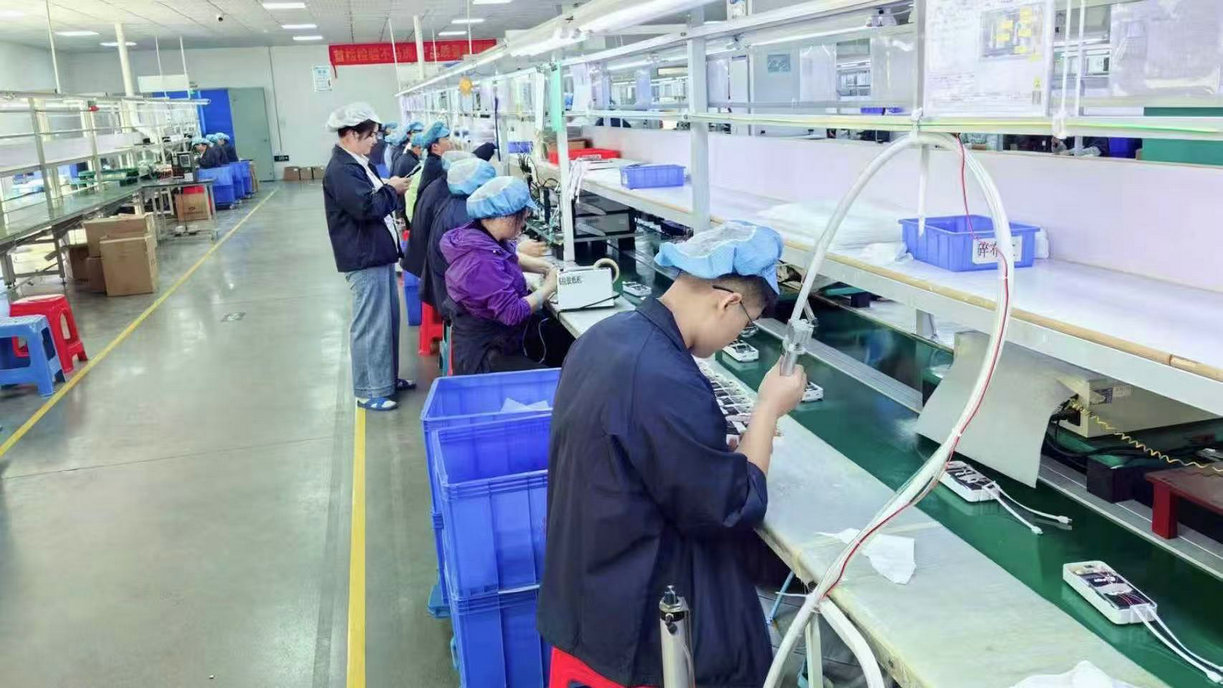
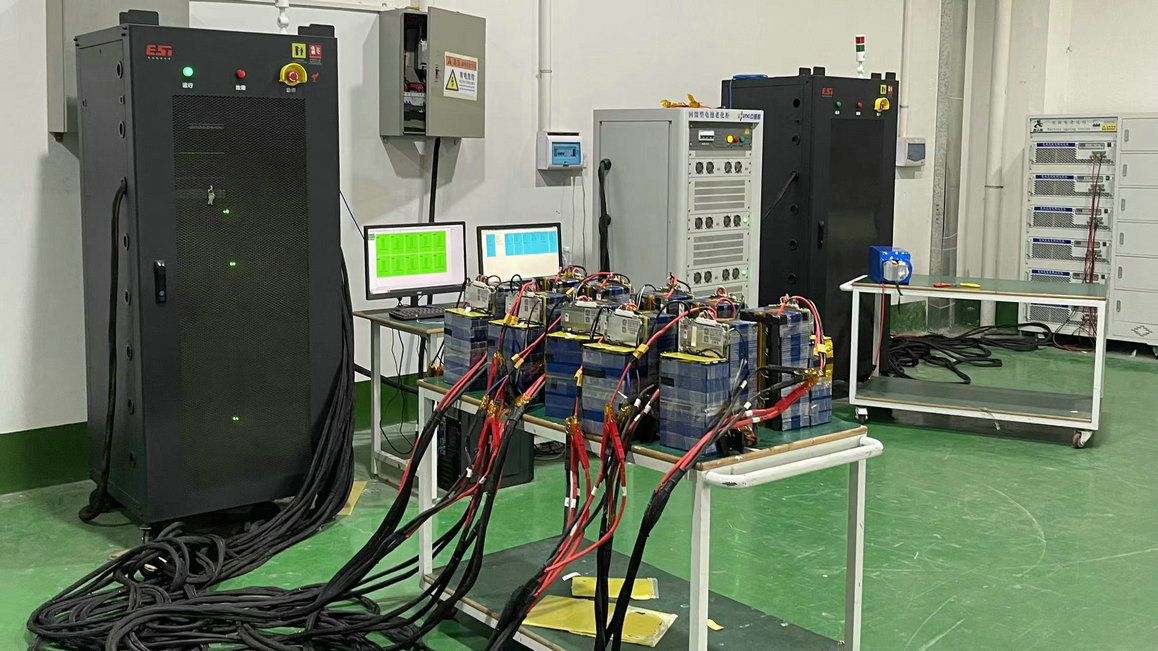
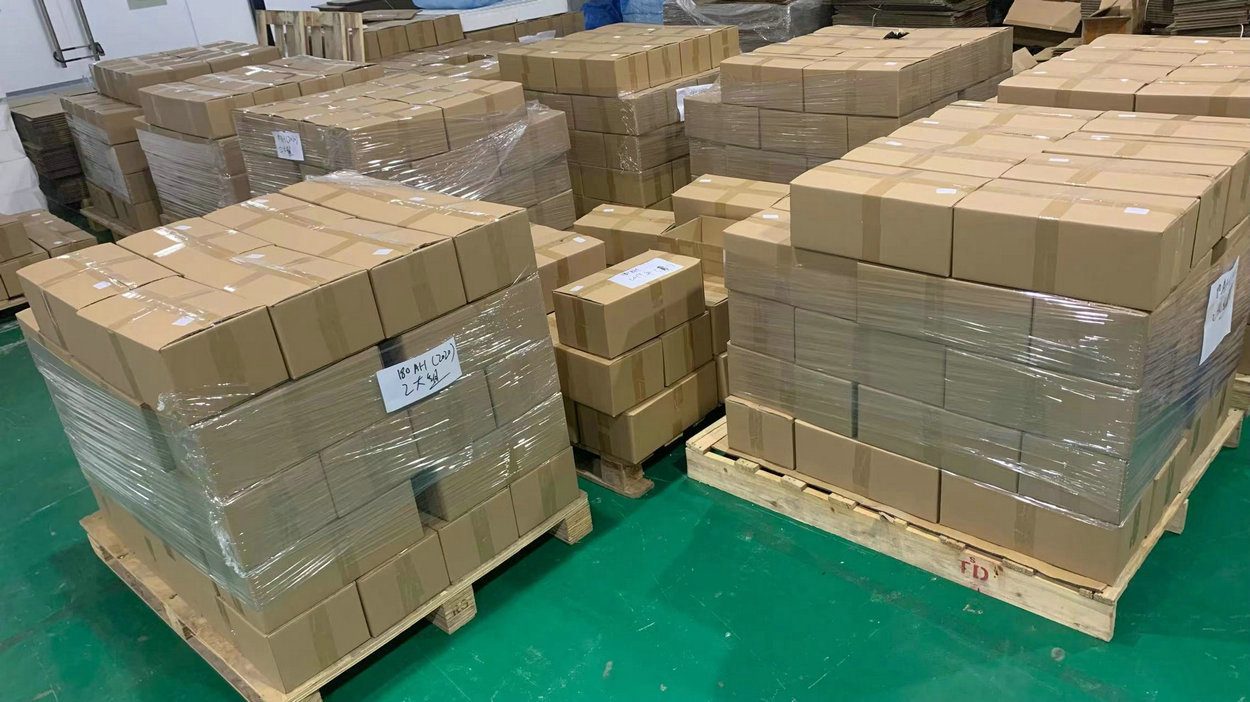
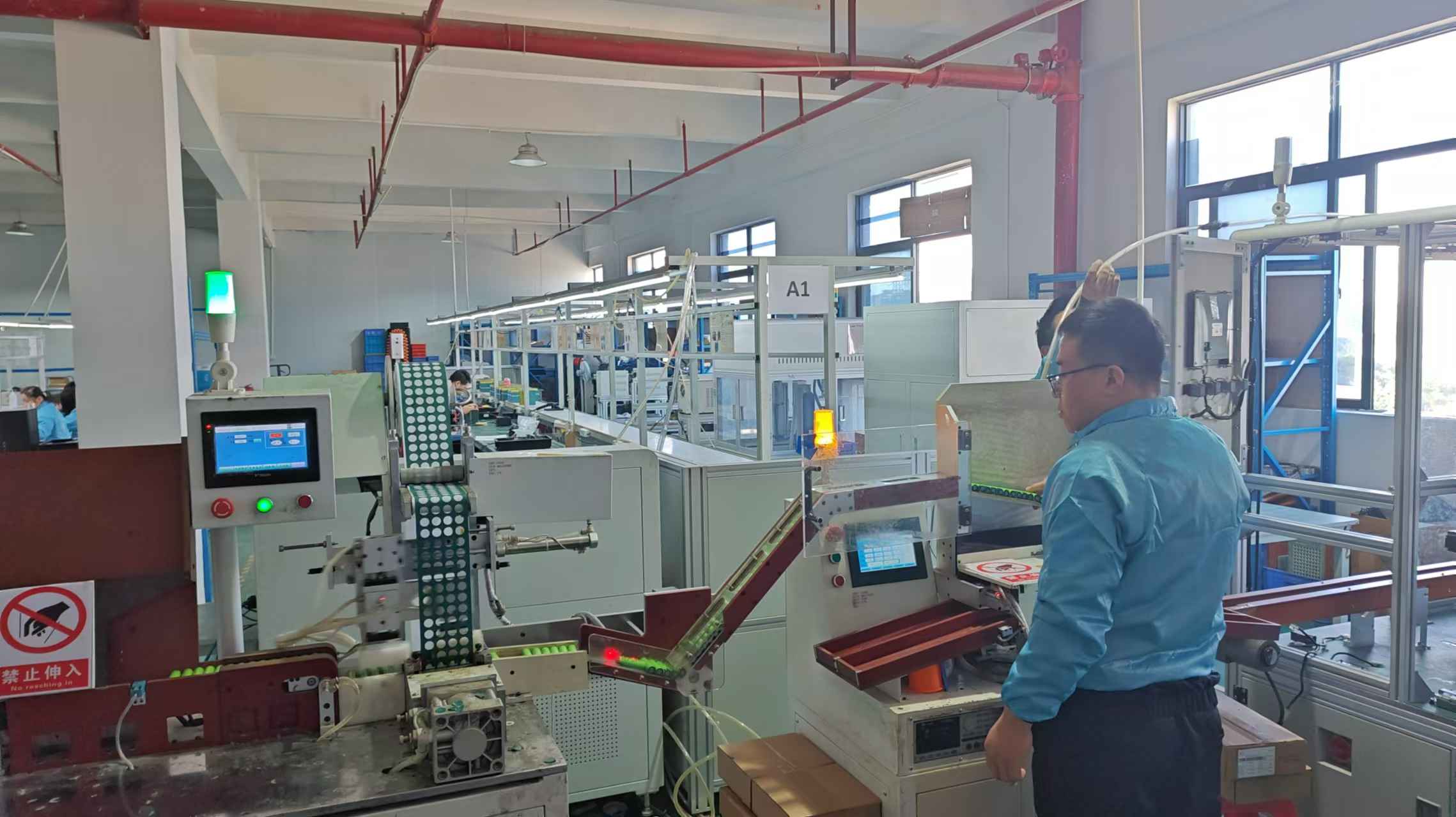
Proximity to cell production hubs and advanced automated die-cutting technology allow Chinese suppliers to offer unmatched quality and value.
China is home to the world's largest concentration of technical polymer chemical plants and synthetic paper manufacturers. By producing Raw Kapton films, UL94 V-0 flame-retardant polypropylene (Formex alternative), and electrical-grade aramid papers locally, Chinese manufacturers avoid the international logistics overhead and import tariffs that drive up material costs in Western markets. This dense regional supply chain ensures rapid sourcing of high-purity materials.
Precision is critical when insulating battery terminals, where tolerances of just +/- 0.05 mm are common. Chinese gasket manufacturers utilize automated, multi-station rotary die-cutting machines. These systems can laminate, punch, waste-strip, and cut multiple material layers in a single pass, minimizing alignment errors. This ensures high production throughput for major EV and BESS product lines.
In product development, speed to market is a major competitive advantage. Chinese engineering networks can transition from 2D/3D CAD models to laser-cut samples within 48 hours, and to hard-tooled production runs in less than a week. This agility helps international pack engineers iterate their module layouts quickly, resolving clearance or layout issues early in the design cycle.
Guangdong Nuwon Energy and leading Chinese suppliers perform testing on-site. Using automated optical inspection (AOI) for dimensional analysis, dielectric testers for breakdown limits, and environmental chambers for thermal cycling, factories ensure every batch shipped to global OEMs complies with UL746B, RoHS, and REACH standards.
From micro consumer devices to high-voltage electric vehicle drivetrains and grid-scale ESS, we engineer insulation barriers to meet specific performance requirements.
In electric drivetrains, battery packs operate under extreme vibration and rapid thermal cycles. Our custom Nomex and Polyimide gaskets isolate cell terminals from active cooling plates and copper busbars. With flame ratings up to UL94 V-0 and high dielectric strength, they prevent high-voltage arcing even during fast-charging cycles, while protecting structural welds from vibration-induced stress cracking.
Large-scale energy storage units require long operational lifespans, often up to 15 to 20 years. Formex (FR-PP) and thick epoxy-fiberglass (FR-4) gaskets provide the mechanical strength and chemical stability needed to withstand continuous compression loads. They are highly resistant to moisture absorption and chemical degradation, protecting against electrolyte leakage and long-term creep failures.
When choosing insulation gasket specifications, designers must balance electrical insulation, thermal tolerance, and physical durability. The primary engineering properties to specify include:
Sensing the shift toward higher voltages, new solid-state designs, and simplified pack structures.
Modern electric vehicles are shifting from 400V architectures to 800V and 1000V systems to enable ultra-fast charging. This increase in operating voltage demands insulation materials with higher dielectric breakdown thresholds and larger tracking distances. Designers are replacing traditional fishpaper components with multi-layered Kapton and specialty aramid paper composites to ensure reliability at higher voltages.
By eliminating intermediate module housings, Cell-to-Pack (CTP) and Cell-to-Chassis (CTC) designs increase volumetric energy density and simplify pack assembly. In these structures, the insulation gasket must also serve as a mechanical load-bearing component. Integrated gaskets now feature dual-stage properties: a compressible, elastomeric core for shock absorption, bonded to high-strength dielectric outer films to resist tear damage during assembly.
To prevent thermal runaway propagation, next-generation battery packs utilize thin silica aerogel or mica-polyimide laminate gaskets between cells. These advanced composites exhibit extremely low thermal conductivity (often less than 0.02 W/m·K) while resisting temperatures up to 1000°C, providing a robust fire barrier that protects adjacent cells during a thermal event.
Answers to common engineering and sourcing questions about battery insulation gaskets.
For high-voltage systems (exceeding 60V DC), Polyimide (Kapton) and aramid papers (Nomex) are preferred due to their high dielectric breakdown strength (exceeding 20 kV/mm) and excellent thermal stability. For lower-voltage consumer electronics, barley paper or thin PET films are often chosen as cost-effective alternatives.
Gaskets designed for prismatic or pouch cells are engineered with defined compressibility, utilizing materials like microcellular polyurethane foam, silicone foam, or aerogels. These materials compress as the cells swell during charging, absorbing expansion forces while maintaining the minimum pressure required to prevent delamination of the cell layers.
The automotive standard for EV battery pack components is UL94 V-0 or VTM-0. This rating specifies that the material must self-extinguish within 10 seconds of flame application, and must not release burning drips that could ignite adjacent components.
Using high-precision rotary die-cutting and laser-guided tooling, Chinese factories can consistently achieve tolerances of +/- 0.05 mm for polymer films and +/- 0.1 mm for thicker foam or fiber-based composites. This level of precision is essential for automated battery assembly lines.
Yes, but the material must be matched to the specific chemistry. For example, NMC cells operate at higher temperatures and require high-performance thermal barriers like mica or aerogel composites. LFP cells have lower heat release rates but experience distinct physical swelling, requiring gaskets with high elastic recovery.
Quality control protocols include automated optical inspection (AOI) for dimensions, dielectric breakdown voltage testing to confirm insulating properties, and environmental chamber testing to evaluate heat aging, humidity resistance, and electrolyte compatibility.
Select from our wider range of high-cycle industrial battery systems, solid-state chemistries, and critical raw materials.
 Nuwon Energy