The global energy transition has placed China at the epicenter of electrochemical storage innovations. As global original equipment manufacturers (OEMs), automotive designers, and large-scale renewable developers seek higher specific energy, China’s tier-1 battery factories have pushed the boundaries of both gravimetric energy density (Wh/kg) and volumetric energy density (Wh/L). Understanding these technical parameters is essential for procurement executives evaluating battery suppliers for electric mobility, industrial automation, unmanned aerial vehicles (UAVs), and utility-scale energy storage systems (ESS).
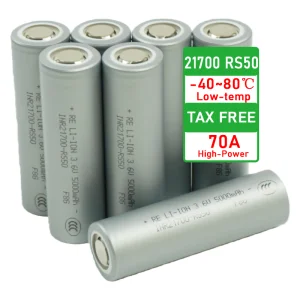
Transitioning from legacy NMC532 to advanced NMC622 and ultra-high nickel NMC811 formulations has unlocked specific energy thresholds exceeding 300 Wh/kg at the cell level. High-nickel chemistries reduce expensive cobalt dependencies while improving total energy output per unit mass, vital for long-range electric vehicles and heavy-lift industrial drones.
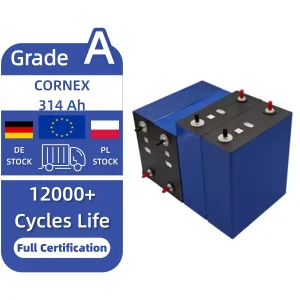
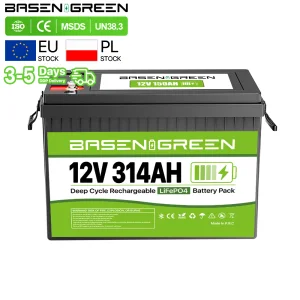
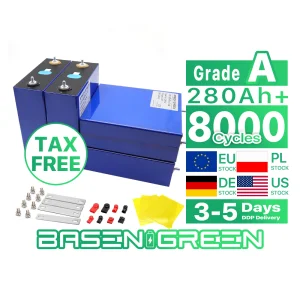
Lithium Iron Phosphate (LFP) has witnessed a monumental shift with cell-to-pack (CTP) designs and expanded cell dimensions. Modern 314Ah and 345Ah prismatic cells achieve volumetric energy densities surpassing 400 Wh/L while delivering up to 12,000 deep discharge cycles, making them the standard for stationary microgrids and commercial storage.
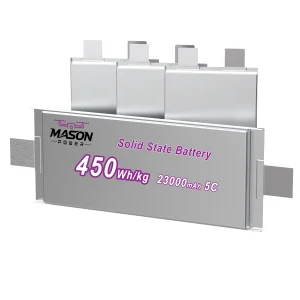
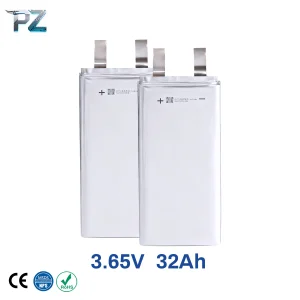
Achieving densities up to 452 Wh/kg, semi-solid state pouch cells with silicon-carbon composite anodes eliminate liquid electrolyte volatility. This architecture provides unprecedented thermal safety and volumetric efficiency required by next-generation eVTOL aircraft and premium aerospace applications.
| Chemistry Classification | Gravimetric Density (Wh/kg) | Volumetric Density (Wh/L) | Cycle Life (80% DOD) | Primary Application Vector |
|---|---|---|---|---|
| NMC 622 / 811 Cylindrical (21700) | 260 - 300 Wh/kg | 680 - 750 Wh/L | 1,500 - 3,000 Cycles | EVs, High-Rate Power Tools, AGVs |
| LFP Prismatic (314Ah - 345Ah) | 160 - 185 Wh/kg | 380 - 430 Wh/L | 8,000 - 12,000 Cycles | Containerized BESS, Commercial Solar |
| Semi-Solid / Solid-State Pouch | 380 - 452+ Wh/kg | 800 - 950 Wh/L | 1,000 - 2,000 Cycles | eVTOL, Aerospace, Industrial UAVs |
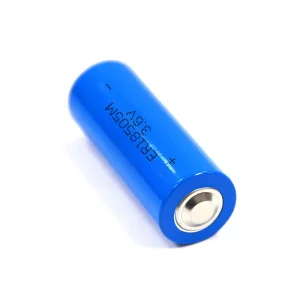
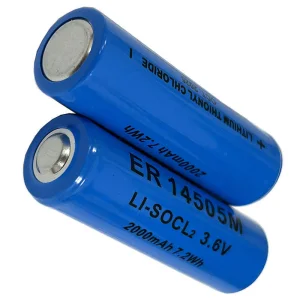
| LiSOCl2 Primary Industrial Cells | 400 - 650 Wh/kg | 800 - 1,100 Wh/L | Primary (Non-rechargeable) | Utility Smart Meters, Oceanographic Instrumentation |
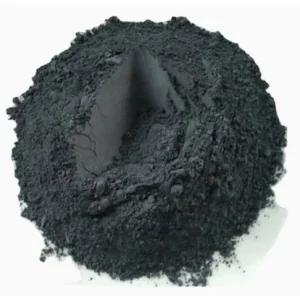
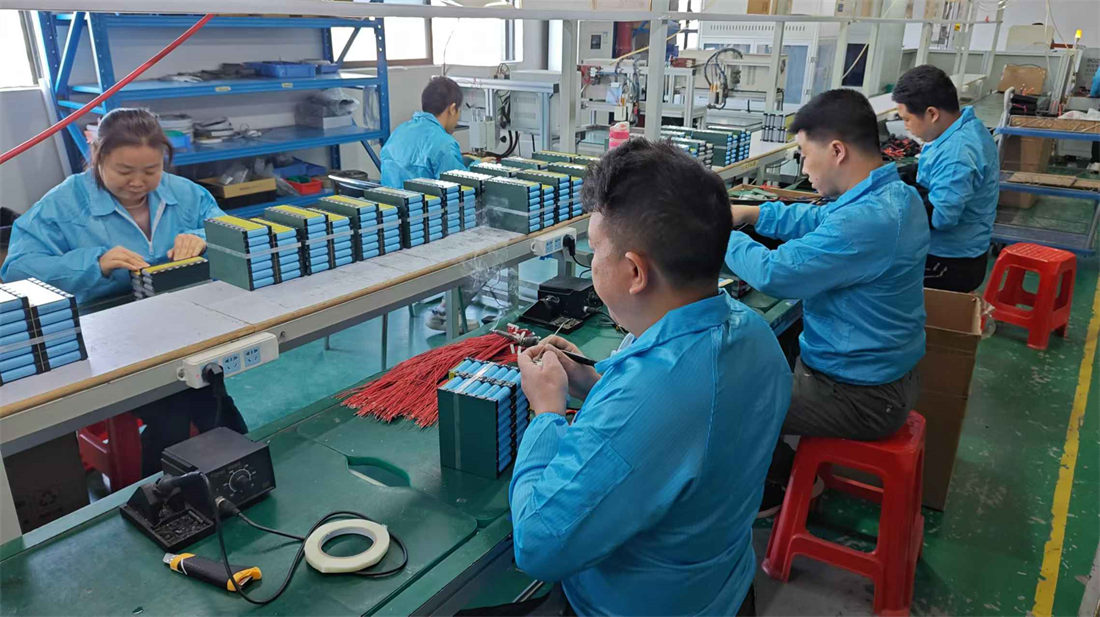
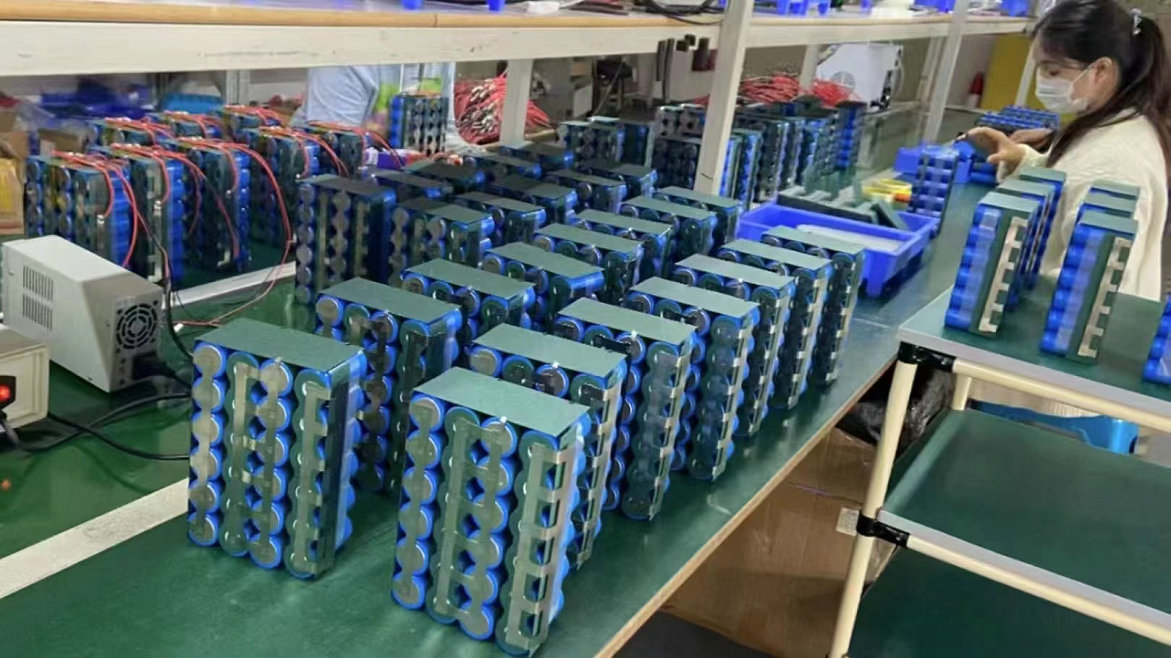
Procuring lithium battery cells and modular packs from China requires a sophisticated understanding of supply chain integration. International enterprise buyers must balance energy density objectives with cost per kilowatt-hour ($/kWh), thermal safety thresholds, and regulatory compliance. Tier-1 manufacturing facilities in Guangdong, Jiangsu, and Fujian leverage vertically integrated supply chains—from raw material synthesis like high-purity NMC precursor powder to automated laser welding and BMS testing.
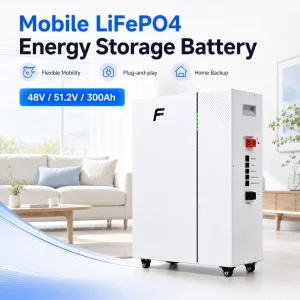
Turnkey contract manufacturing allows global clients to specify precise voltage, capacity, and form factor requirements. Whether implementing wall-mounted 48V residential Powerwalls or 5MWh microgrid storage containers, direct collaboration with factory engineering teams ensures optimized thermal dynamics and space utilization.
Extreme environment operations demand tailored cell formulations. Advanced low-temperature lithium cells retain high discharge efficiency at -40°C, equipped with integrated self-heating elements and high-rate discharge capabilities up to 70A continuous output for industrial vehicles.
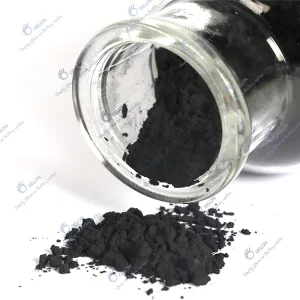
Sourcing cathode precursor materials—such as high-purity Nickel Cobalt Manganese Hydroxide—guarantees batch-to-batch consistency. Upstream material control minimizes cell internal resistance variance and prevents premature degradation in high-voltage battery strings.
Guangdong Nuwon Energy Co., Ltd. is a leading manufacturer and solution provider in advanced battery systems, specializing in the research, development, manufacturing, and global distribution of high-performance energy storage products. The company offers comprehensive OEM and ODM services, delivering customized battery solutions tailored to diverse industrial and commercial applications.
Backed by a highly experienced engineering and R&D team, Nuwon Energy focuses on the design and integration of cylindrical and prismatic lithium battery cells, as well as complete battery packs, modules, and energy storage systems. The company also develops and produces industrial-grade battery cells engineered for safety, durability, and long cycle life.
Guangdong Nuwon Energy serves a wide range of industries, including consumer electronics, electric mobility (such as golf carts, forklifts, UTVs/ATVs, trucks, and marine systems), medical equipment, unmanned ground vehicles (AGVs/AMRs), and emerging aerospace applications such as eVTOL aircraft. In addition, the company provides reliable residential, commercial, and industrial (C&I) energy storage solutions designed to support the global transition toward clean and sustainable energy.
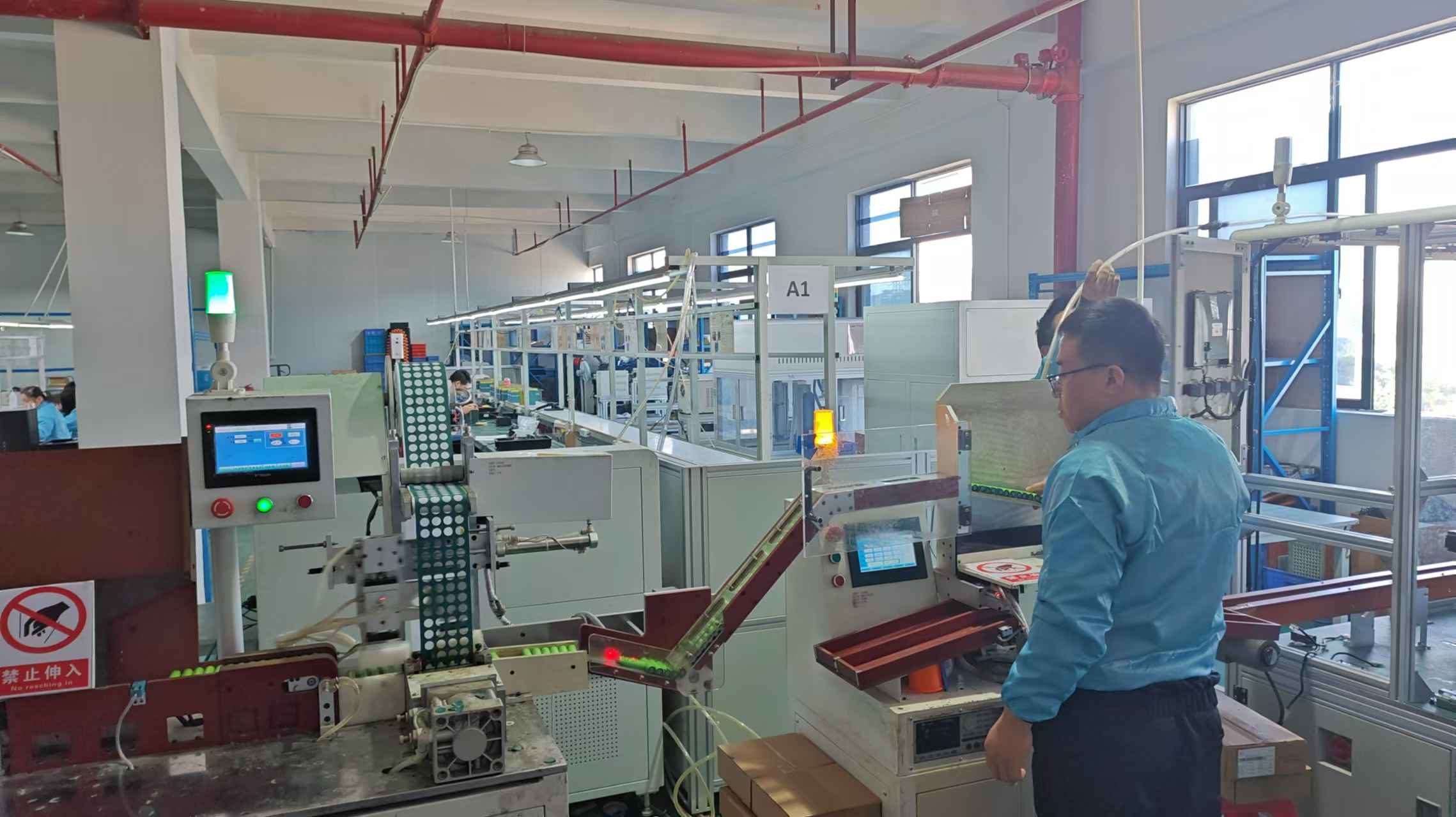
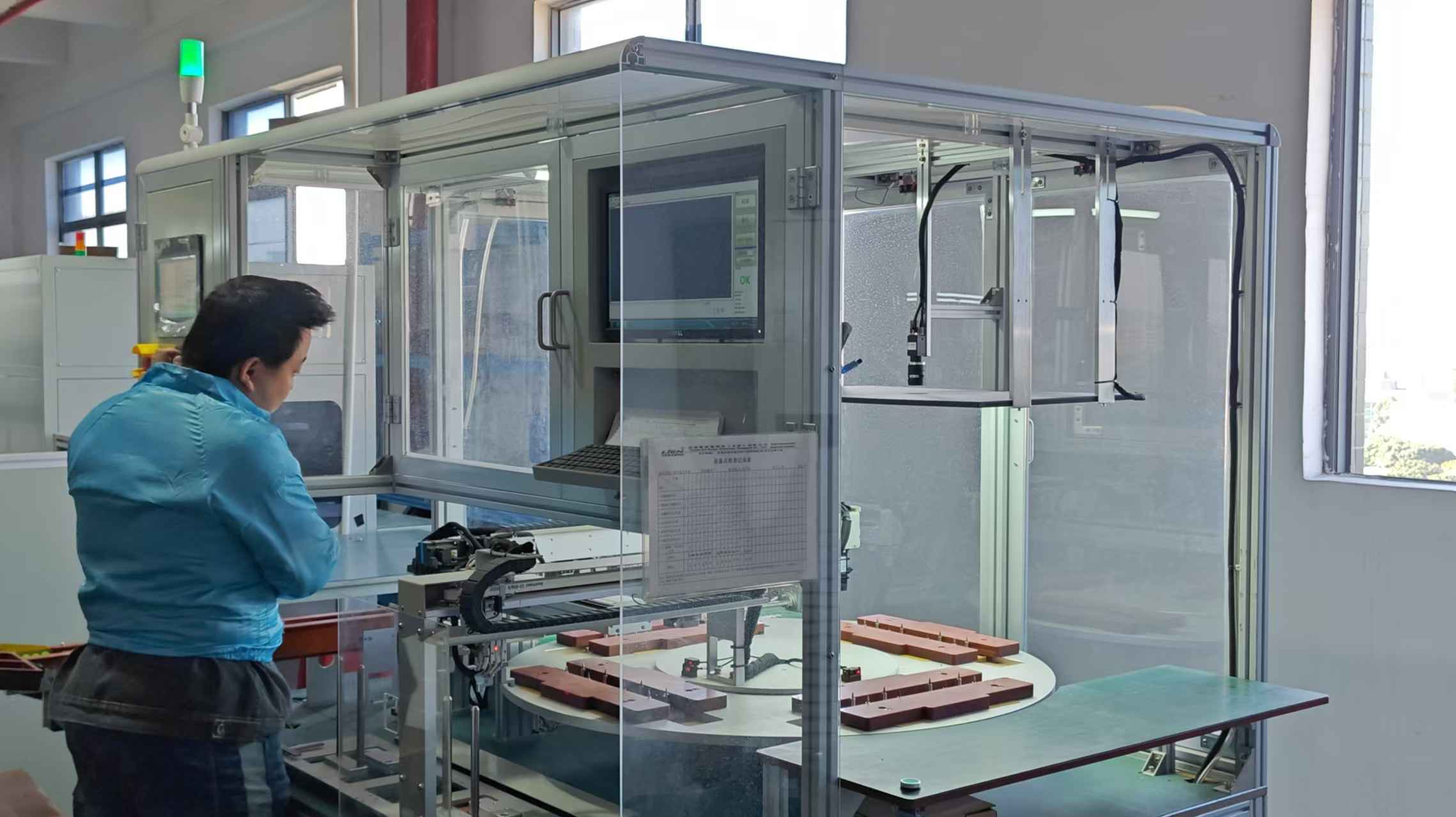
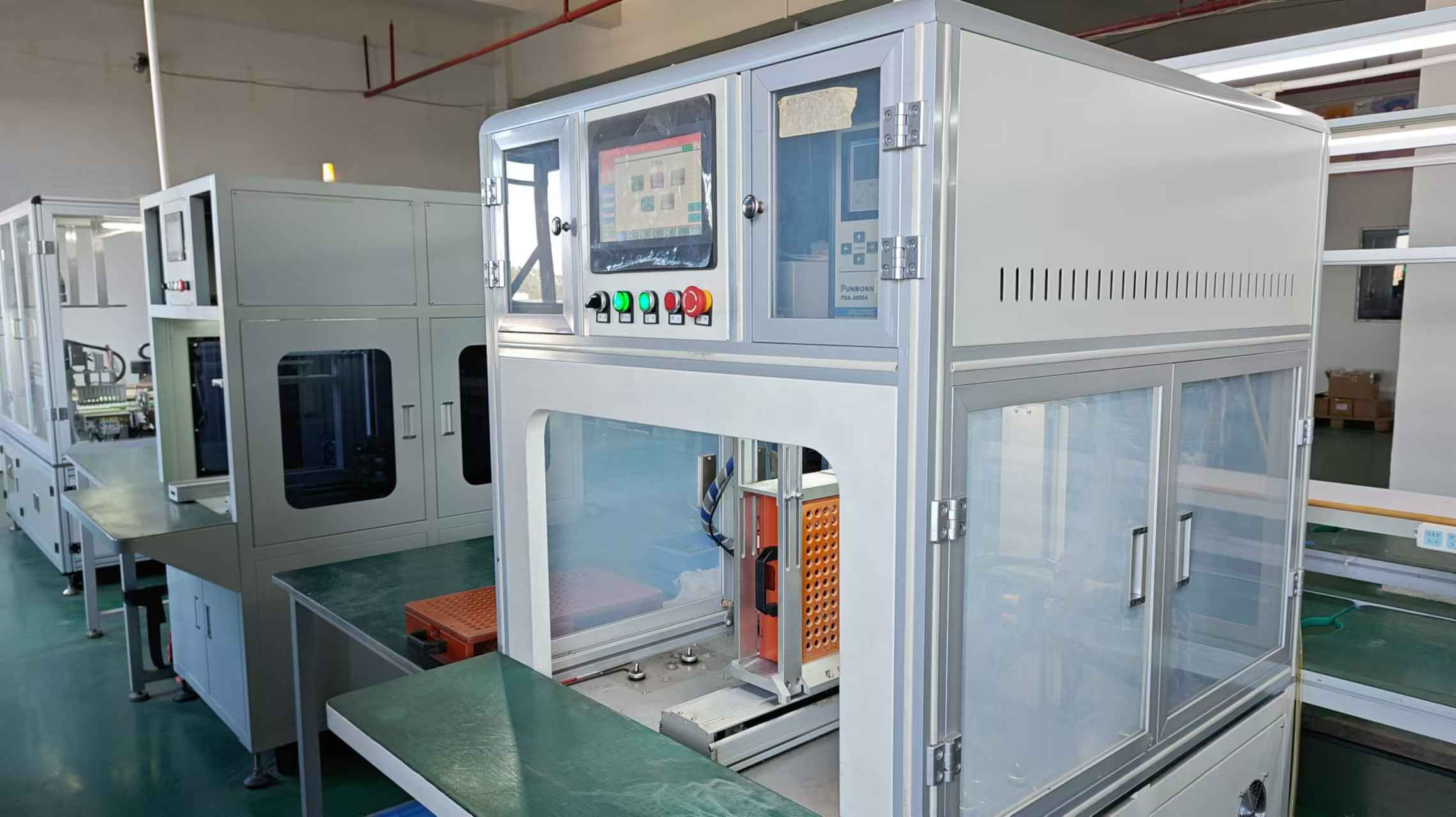
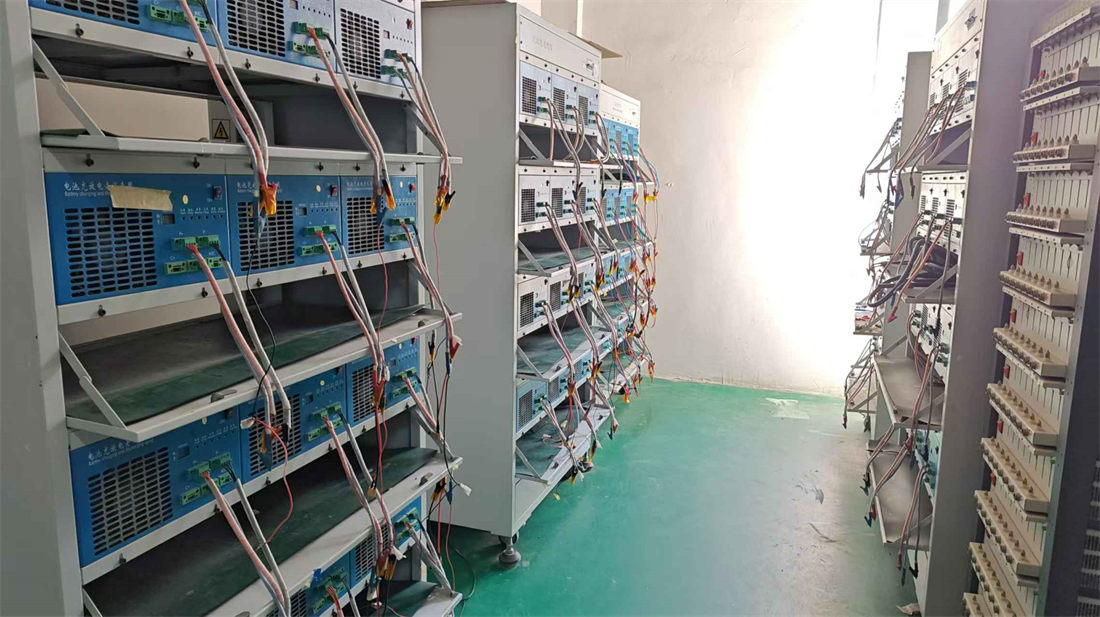
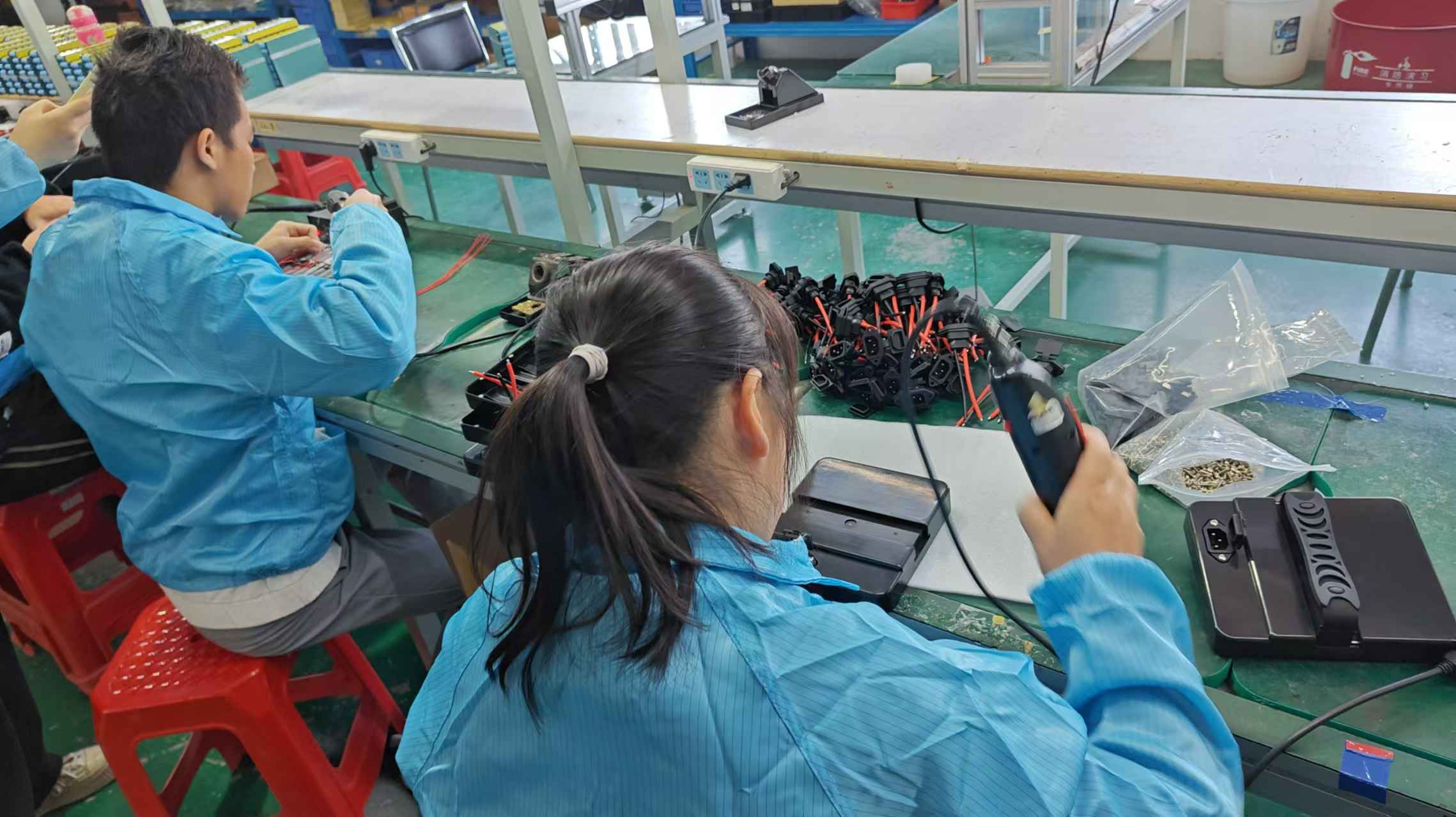
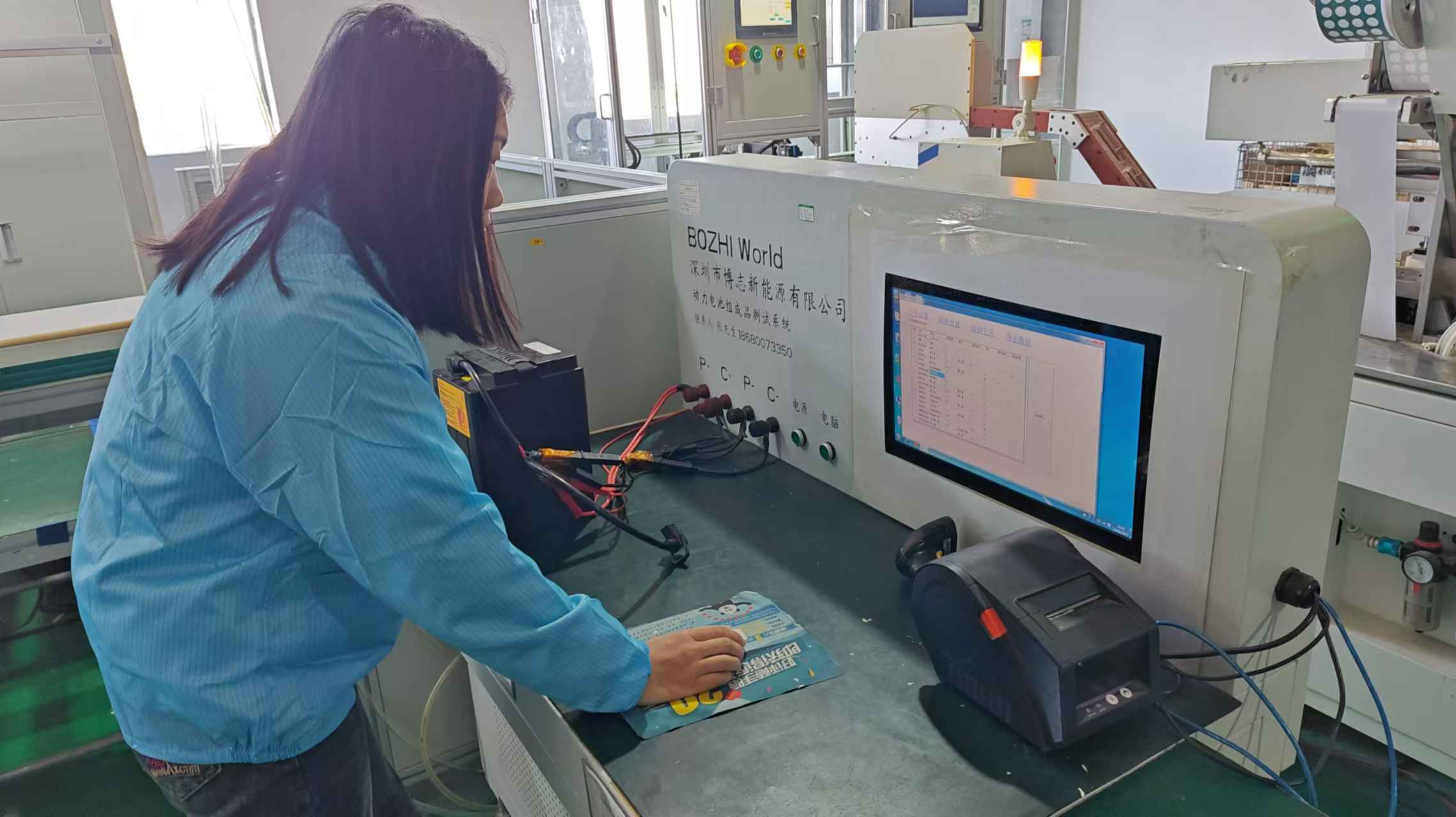
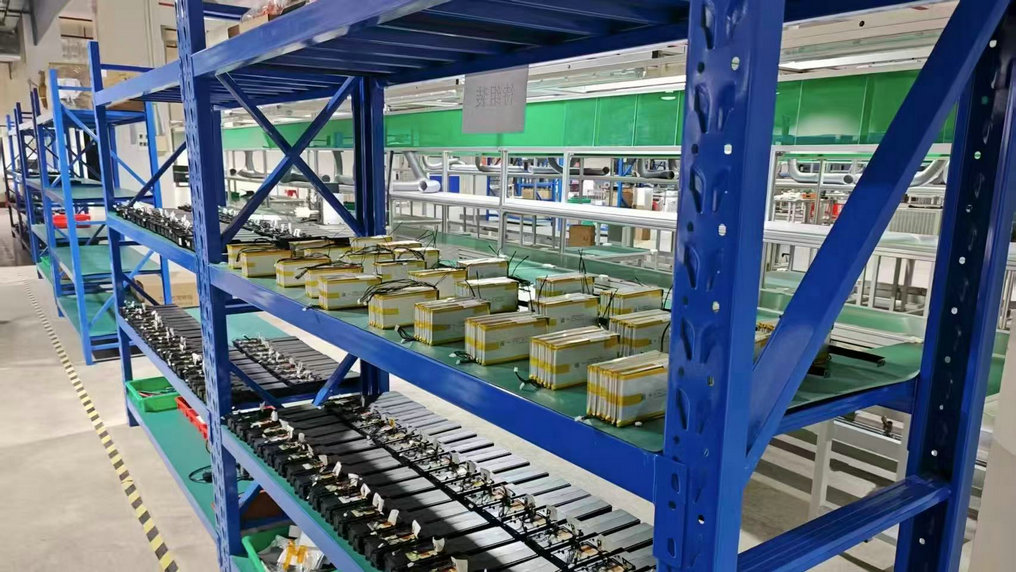
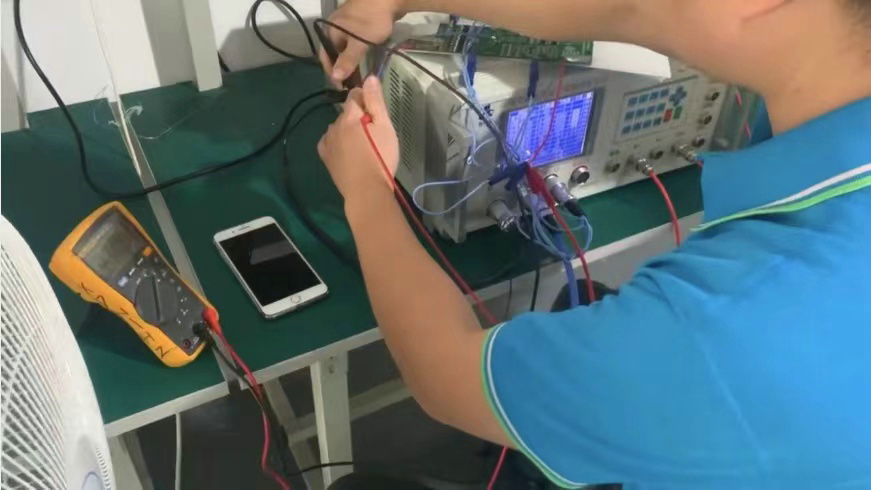
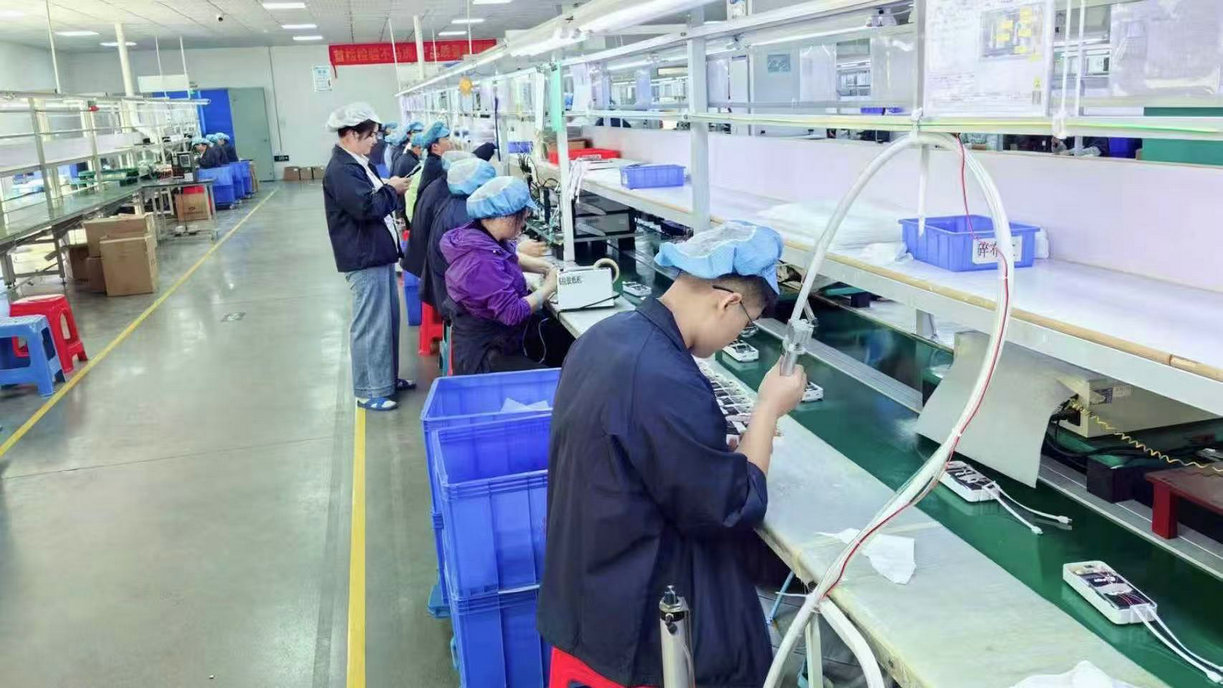
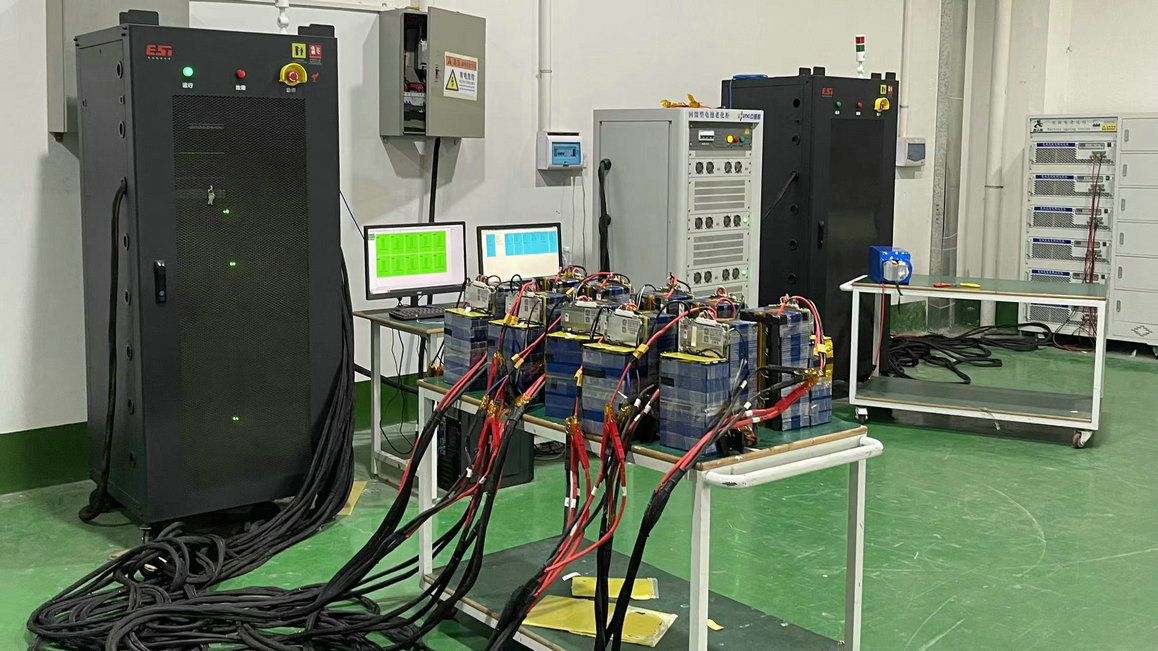
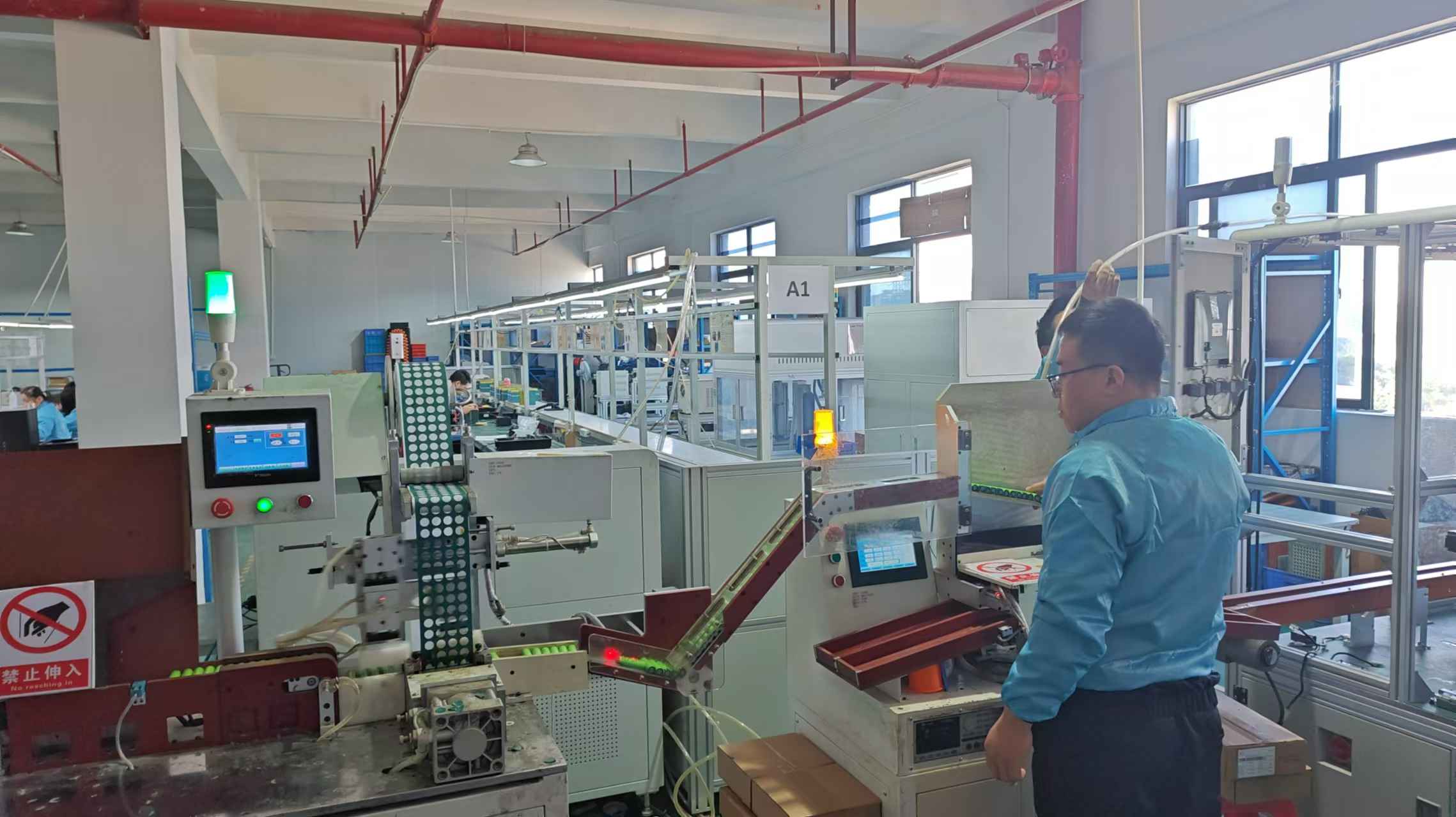
With a strong commitment to innovation, strict quality control, and customer-centric service, Guangdong Nuwon Energy continuously invests in advanced manufacturing capabilities, automated production lines, and rigorous testing systems. This ensures that every product meets international safety standards and delivers exceptional performance in demanding environments.
Driven by a vision to accelerate global electrification and energy efficiency, Guangdong Nuwon Energy Co., Ltd. is dedicated to building long-term partnerships and providing reliable, intelligent, and sustainable energy solutions to customers worldwide.
Grid-scale energy storage demands robust thermal management, long cycle life, and modular scalability. Utilizing ultra-high-capacity 314Ah LiFePO4 cells, containerized systems integrate intelligent liquid cooling, automated fire suppression, and real-time cloud BMS tracking to provide seamless peak shaving, frequency regulation, and solar-plus-storage integration.
Aerospace applications operate under strict gravimetric constraints where every gram impacts payload efficiency. Utilizing semi-solid state pouch cells with high continuous discharge rates (up to 3C continuous) and energy densities reaching 452 Wh/kg, custom battery packs enable extended flight endurance for heavy-lift industrial drones and regional urban air mobility.
Forklifts, AGVs, AMRs, golf carts, and marine propulsion require ruggedized packs capable of high vibration tolerance and fast charging capabilities. Modular 24V, 48V, and 80V LiFePO4 systems replace traditional lead-acid batteries, delivering 3x the cycle life, zero maintenance overhead, and rapid opportunity charging.
Deploying advanced lithium battery solutions into North American, European, and Asia-Pacific markets requires strict adherence to complex regulatory frameworks. Leading Chinese suppliers provide complete compliance dossiers and local distribution networks to streamline customs clearance and reduce lead times.
All cell chemistries and assembled modules undergo mandatory certifications including UN38.3 (transport safety), UL1973 (stationary batteries), UL9540A (thermal runaway fire testing), and IEC 62619 for industrial energy storage applications.
To serve European distributors and solar installers effectively, strategic inventory is maintained in EU warehouses (including Poland, Germany, and Ukraine). Local stocking allows rapid delivery of pre-certified 12V 100Ah/200Ah packs and 3.2V prismatic cells without long maritime lead times.
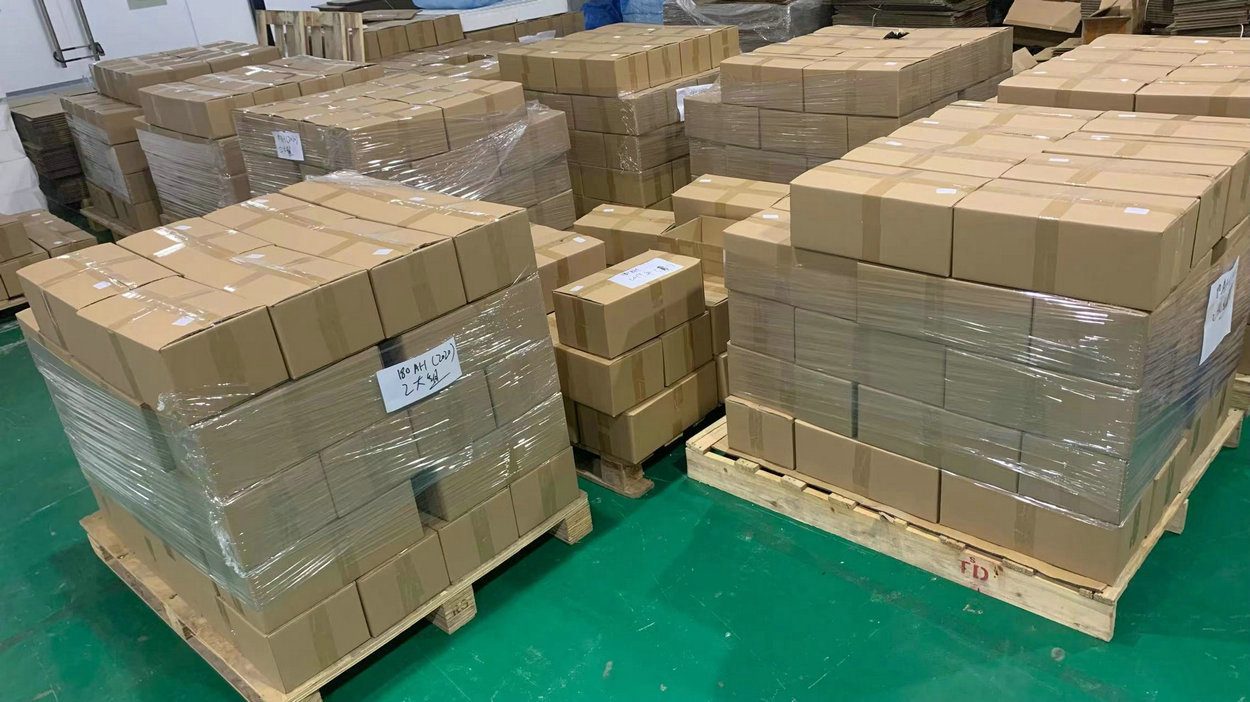
Dangerous Goods (DG) Class 9 shipping mandates custom-engineered electronic packaging pouches, dangerous goods cartons, and flame-retardant cushioning. Comprehensive documentation, including SDS and dangerous goods declerations, ensures risk-free international air and sea freight logistics.
As energy density research transitions from laboratory benchmarks to industrial scaling, the battery technology roadmap over the next decade will focus on three main pillars:
The ultimate phase of lithium technology involves replacing liquid flammable electrolytes with inorganic ceramic or polymer solid electrolytes. Combined with pure lithium metal anodes, this pathway aims to cross the 500 Wh/kg threshold, drastically improving thermal stability and volumetric compactness.
Substituting conventional graphite anodes with silicon-carbon (Si/C) composite materials increases theoretical anode capacity up to 10-fold. Advanced micro-encapsulation techniques mitigate volume expansion during lithiation, extending cycle life while boosting cell gravimetric density by 20-30%.
While offering slightly lower energy density (150 - 170 Wh/kg), Sodium-ion (Na-ion) batteries present an exceptional low-cost alternative for stationary storage and low-speed electric vehicles. Outstanding cold-temperature operation down to -40°C and abundant raw material availability position Na-ion as a key complementary technology.

 Nuwon Energy