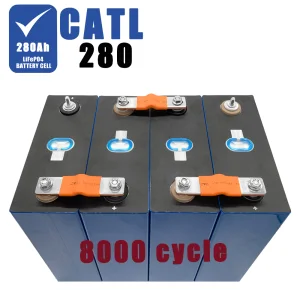
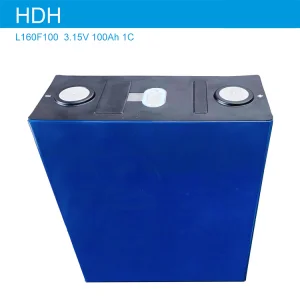
High-efficiency, long cycle life, and thermal resistance optimized for Northern European climatic conditions.
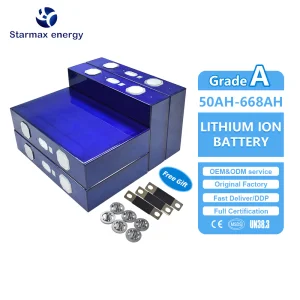
Sweden has set some of the world's most aggressive decarbonization targets, including achieving a 100% renewable electricity production system by 2040 and net-zero greenhouse gas emissions by 2045. However, this transition imposes significant challenges on the local power grids, particularly in bidding zones SE3 (Stockholm/Gothenburg) and SE4 (Malmö), where regional power transmission bottlenecks and variable wind generation create supply-demand volatility.
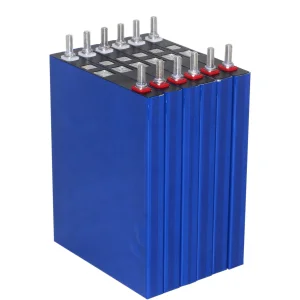
Large-capacity lithium prismatic cells serve as the foundational hardware for Battery Energy Storage Systems (BESS) deployed across Sweden. These storage systems are critical for grid frequency regulation markets (FCR-N, FCR-D, and aFRR) operated by Svenska Kraftnät. Additionally, the rapid electrification of heavy machinery—such as industrial forklifts, harbor cranes, agricultural equipment, and marine transport in the Swedish archipelago—demands reliable cell chemistry capable of delivering consistent high-current discharge and maintaining safety margins under severe weather conditions.
For Swedish system integrators, securing high-quality prismatic cells directly from top-tier Chinese manufacturers guarantees supply chain continuity and technological advantage.
A technical comparison of cell options engineered for Swedish stationary energy systems and industrial vehicles.
| Cell Chemistry | Energy Density | Cycle Life (80% DoD) | Low-Temp Performance | Thermal Safety Profile | Target Swedish Applications |
|---|---|---|---|---|---|
| LFP (Lithium Iron Phosphate) | 160-180 Wh/kg | 6,000 - 10,000 cycles | Moderate (Requires heating) | Excellent (Runaway temp >270°C) | Utility-scale BESS, Telecom backup, Home storage |
| NCM (Nickel Cobalt Manganese) | 220-260 Wh/kg | 2,500 - 4,000 cycles | Good (-20°C discharge capability) | Moderate (Runaway temp >210°C) | Commercial mobility, Drones, Material handling (AGVs) |
| LTO (Lithium Titanate Oxide) | 70-110 Wh/kg | 20,000+ cycles | Outstanding (-30°C operational) | Exceptional (Extremely stable) | Heavy-duty mining machinery, Rail transit, Grid ancillary |
Why leading Swedish engineering teams and procurement specialists partner with us for advanced battery cell supply chains.
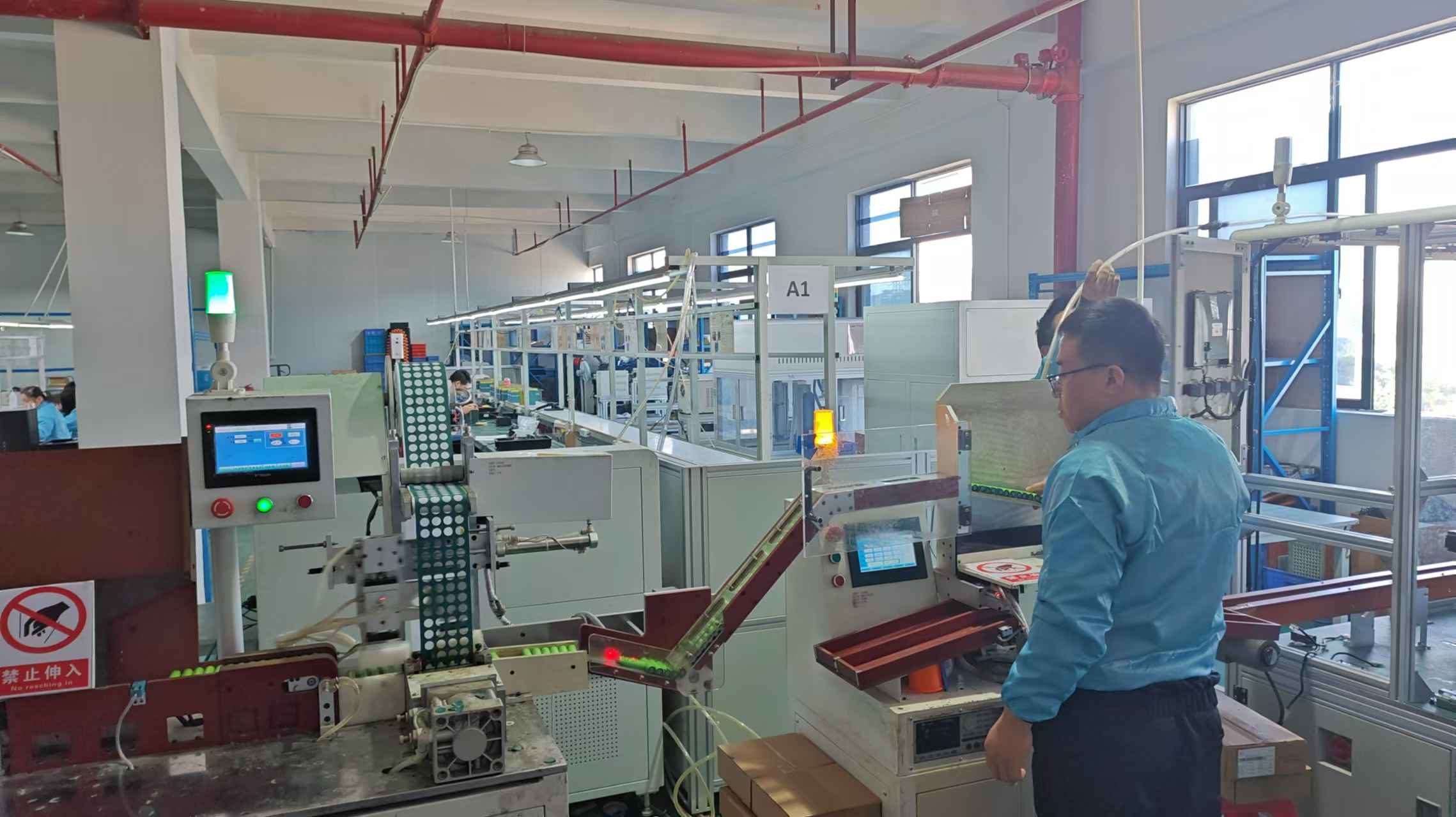
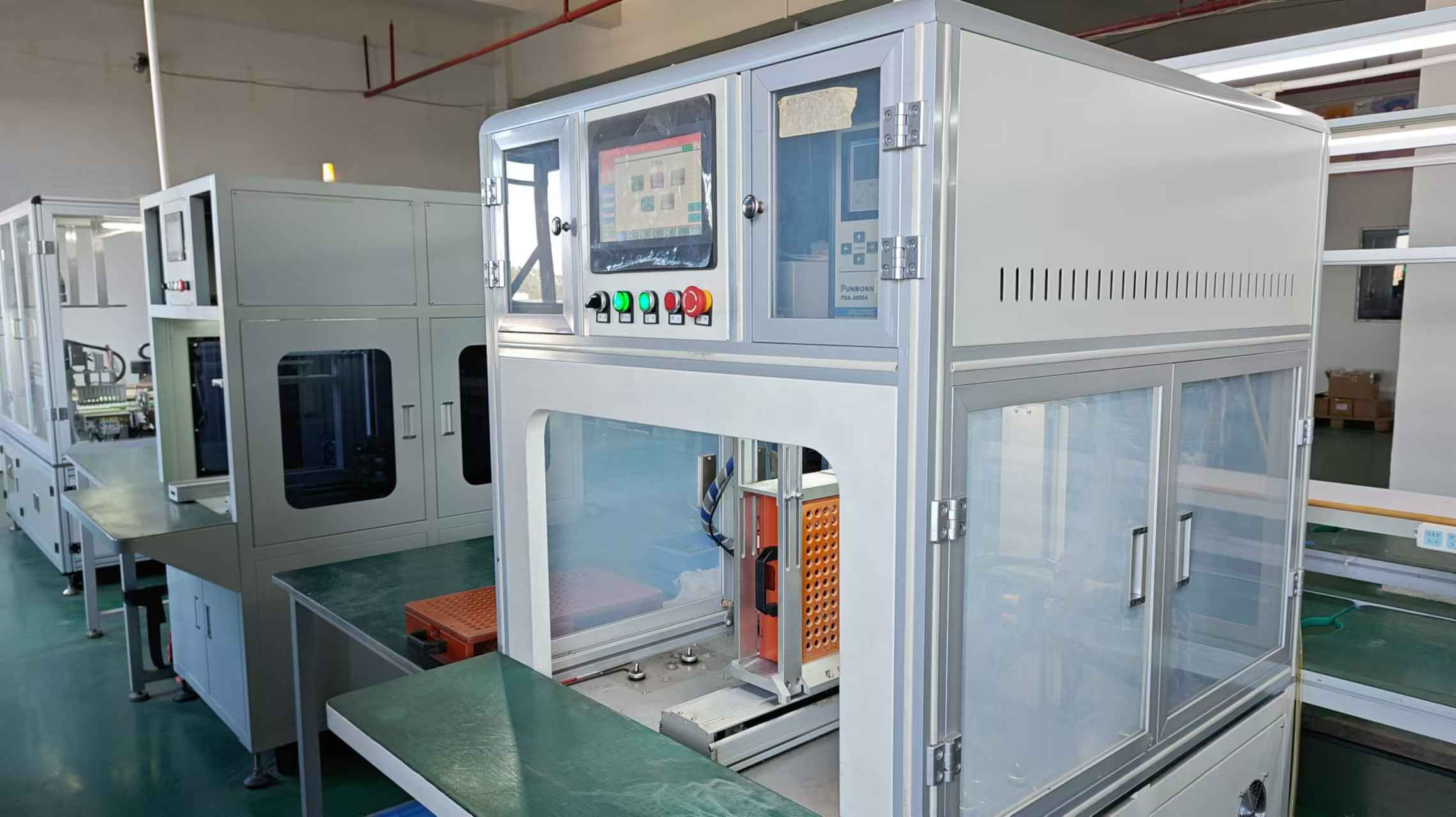
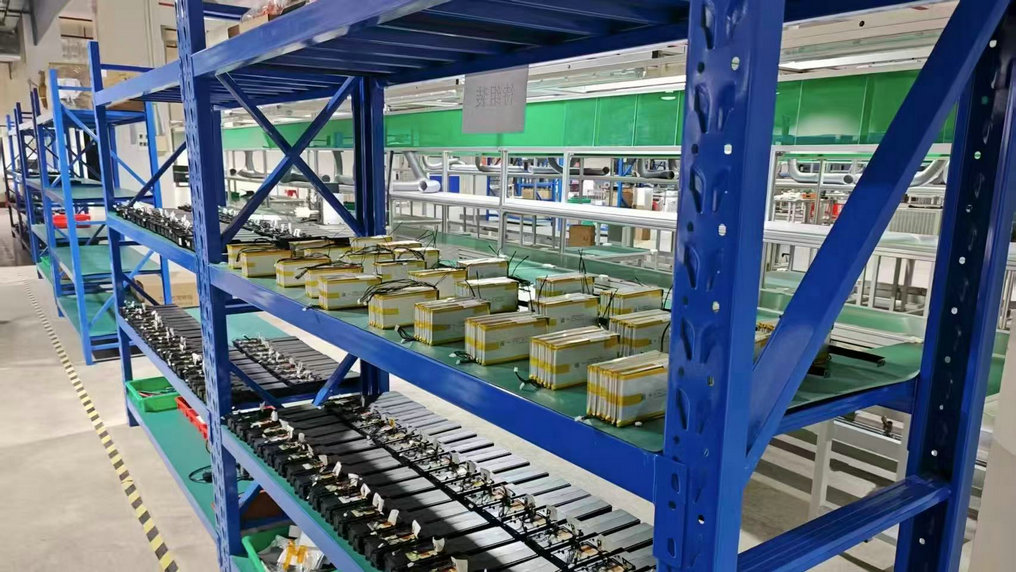
Our direct access to Tier 1 raw materials, upstream cathode/anode production, and massive scale optimization in Guangdong allows us to guarantee stable cell supplies, helping Swedish integrators sidestep regional European capacity shortfalls.
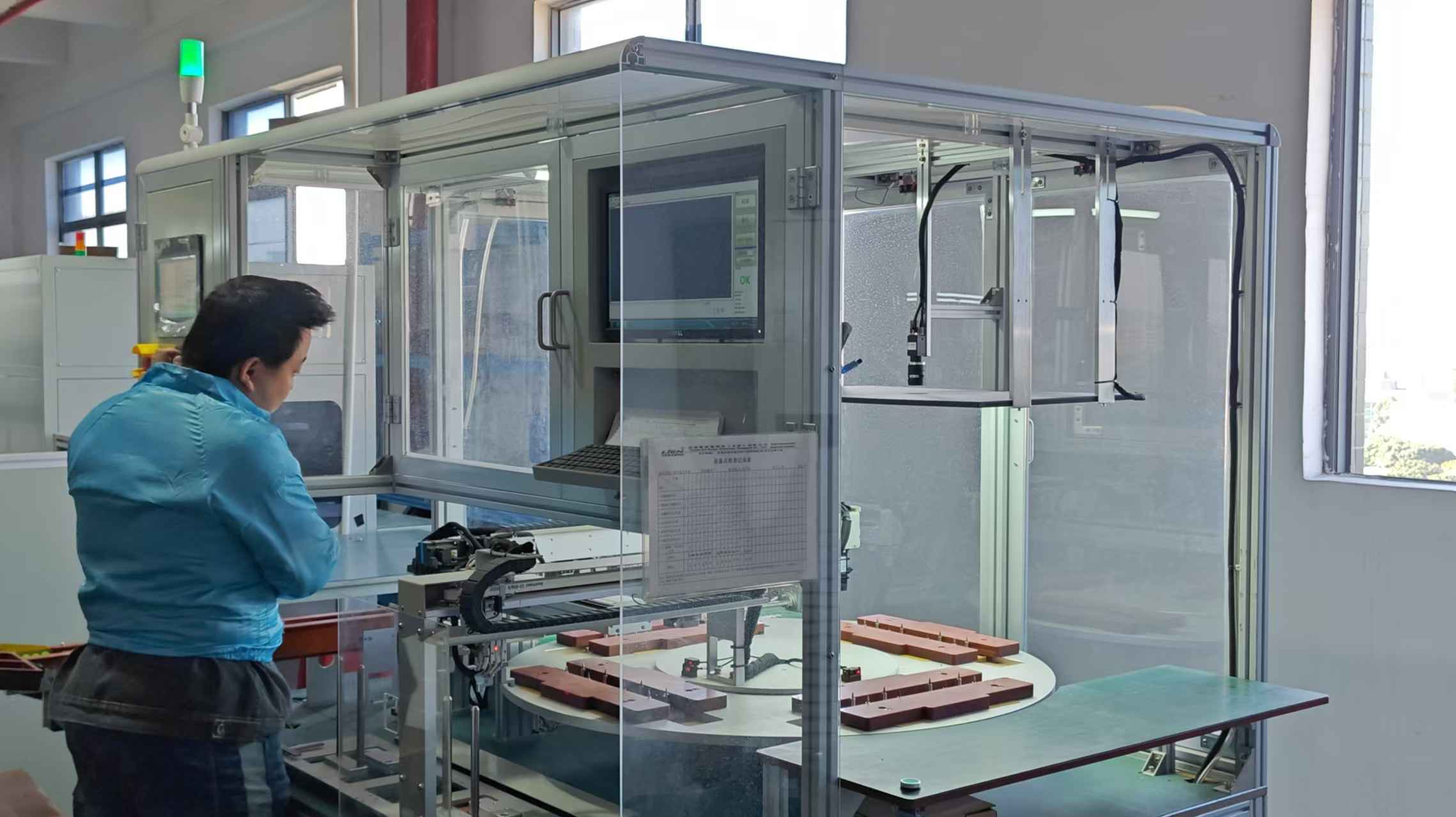
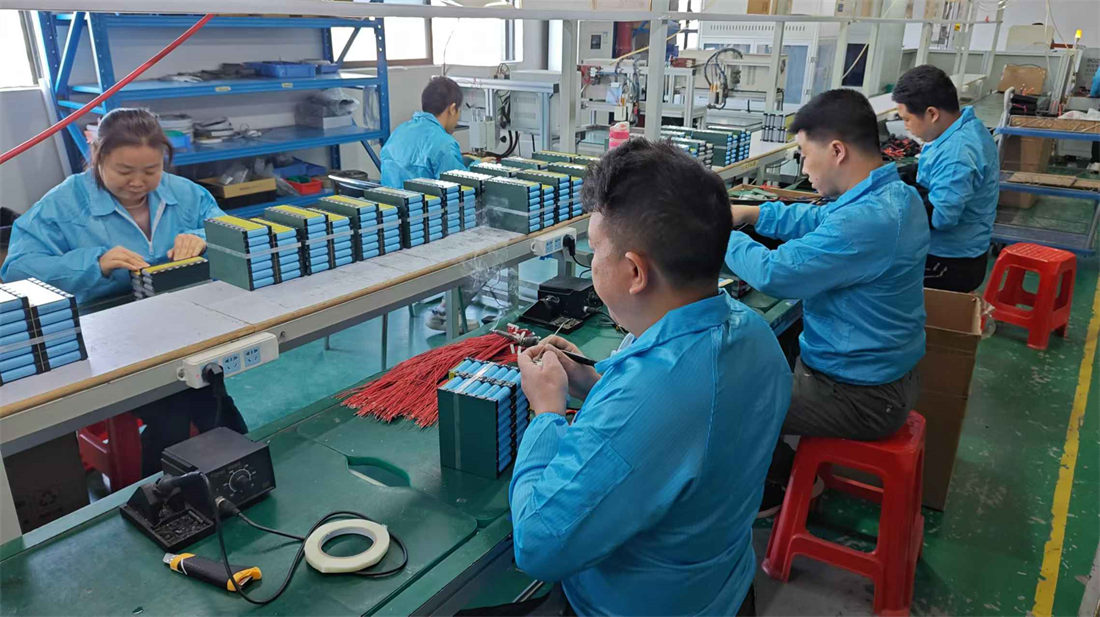
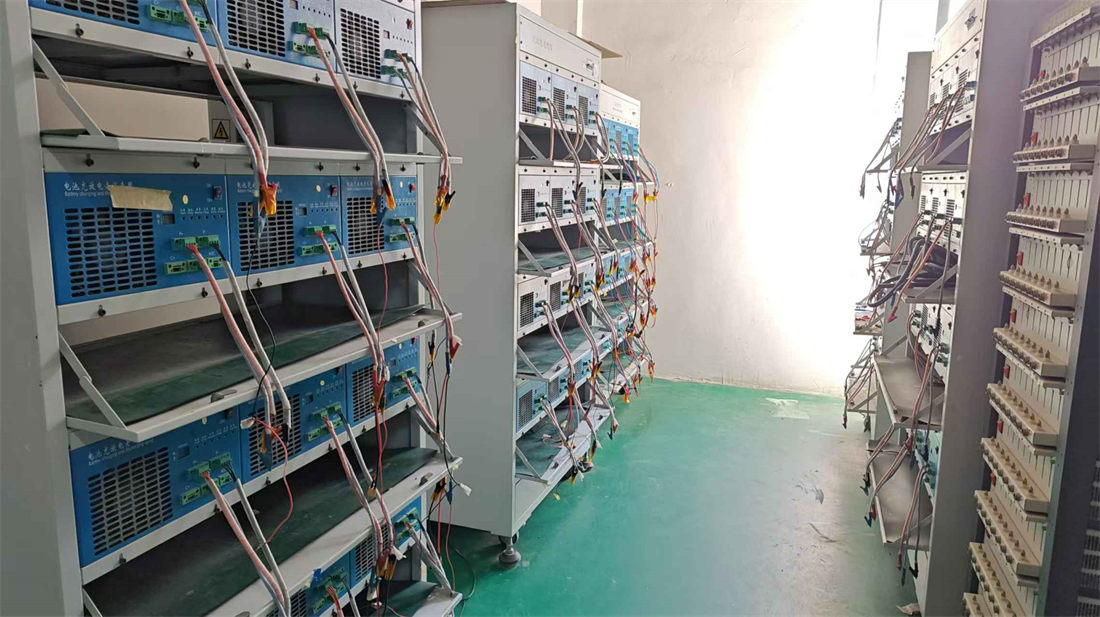
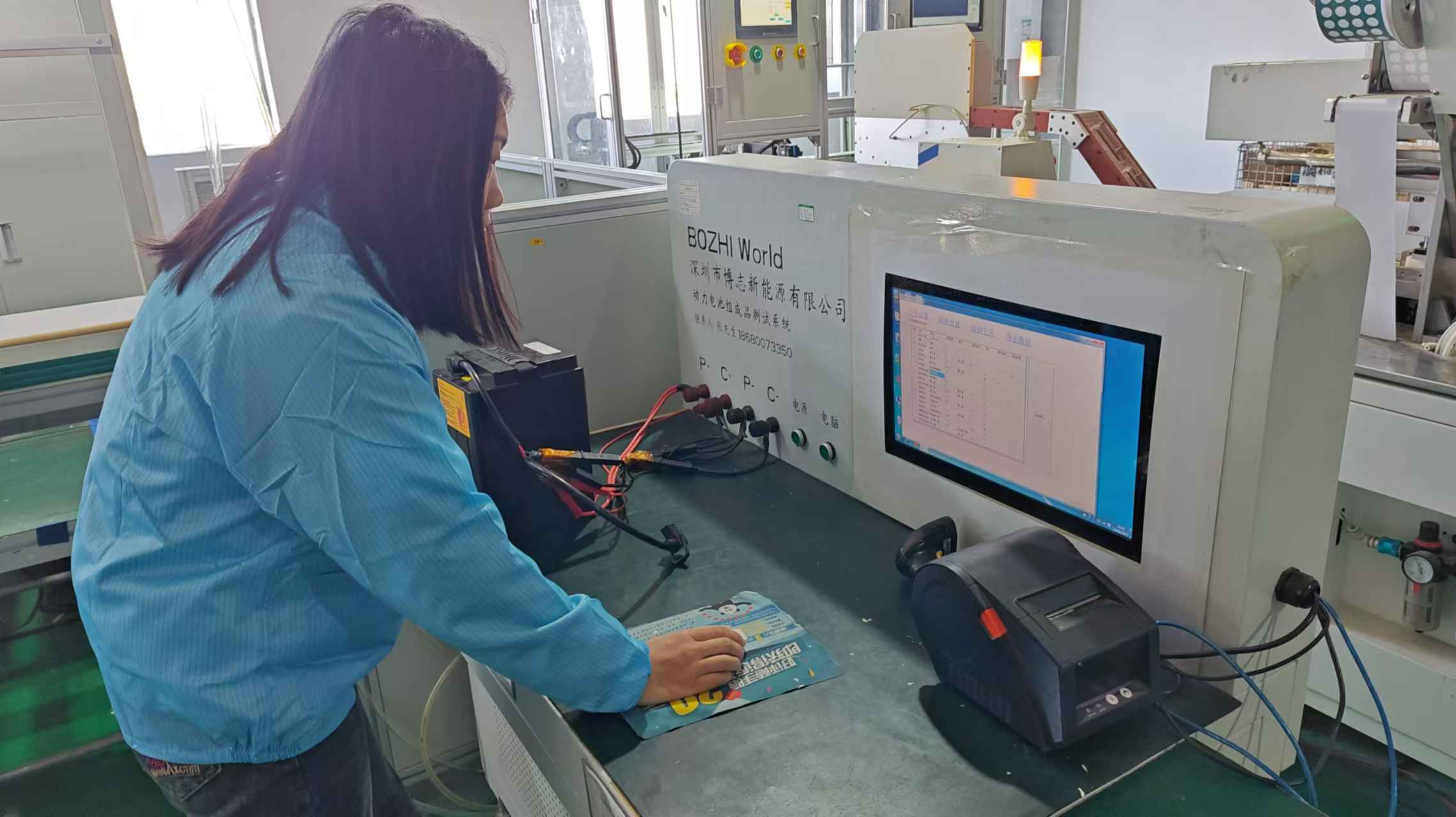
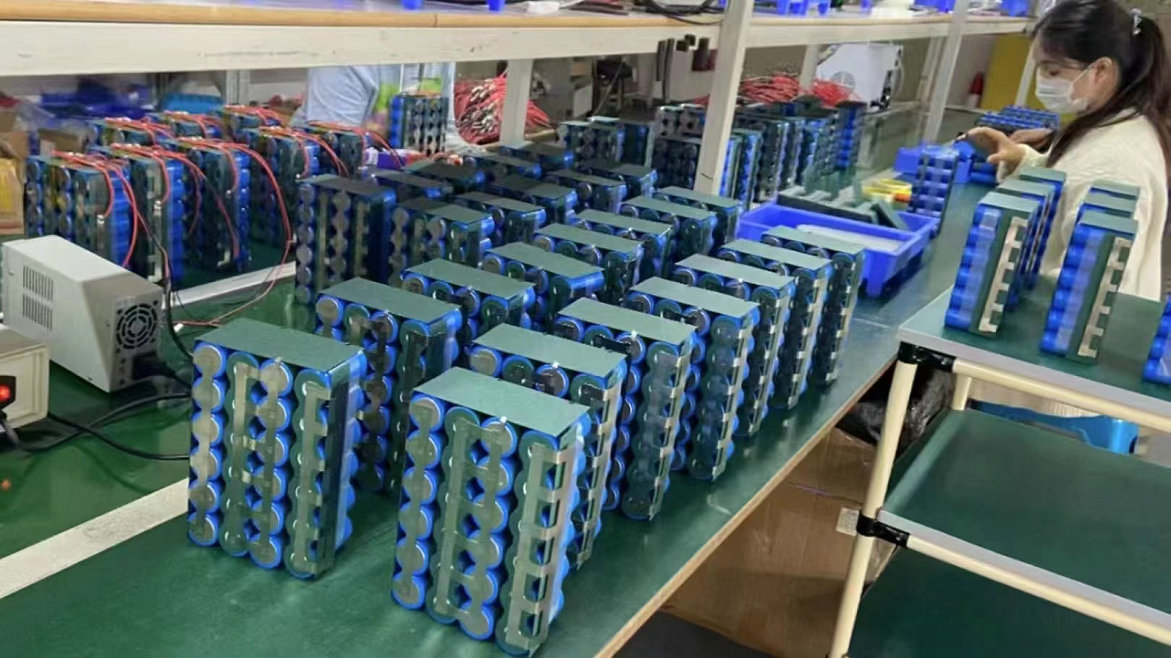
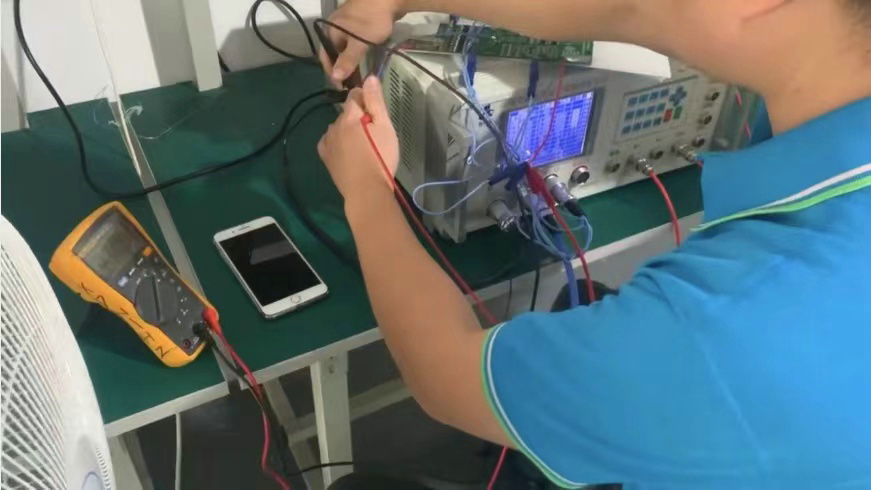
We implement strict cell screening processes, matching internal resistance, capacity, and open circuit voltage (OCV) within tight tolerances (≤2mV, ≤0.2mΩ) to maximize the lifetime and safety of multi-cell packs.
All shipped cells are certified to international standards (CE, UL1973, UN38.3, IEC62619), ensuring seamless customs clearance, regulatory compliance with MSB (Swedish Civil Contingencies Agency), and smooth local integration.
Guangdong Nuwon Energy Co., Ltd. — Your trusted OEM/ODM engineering and cell sorting partner.
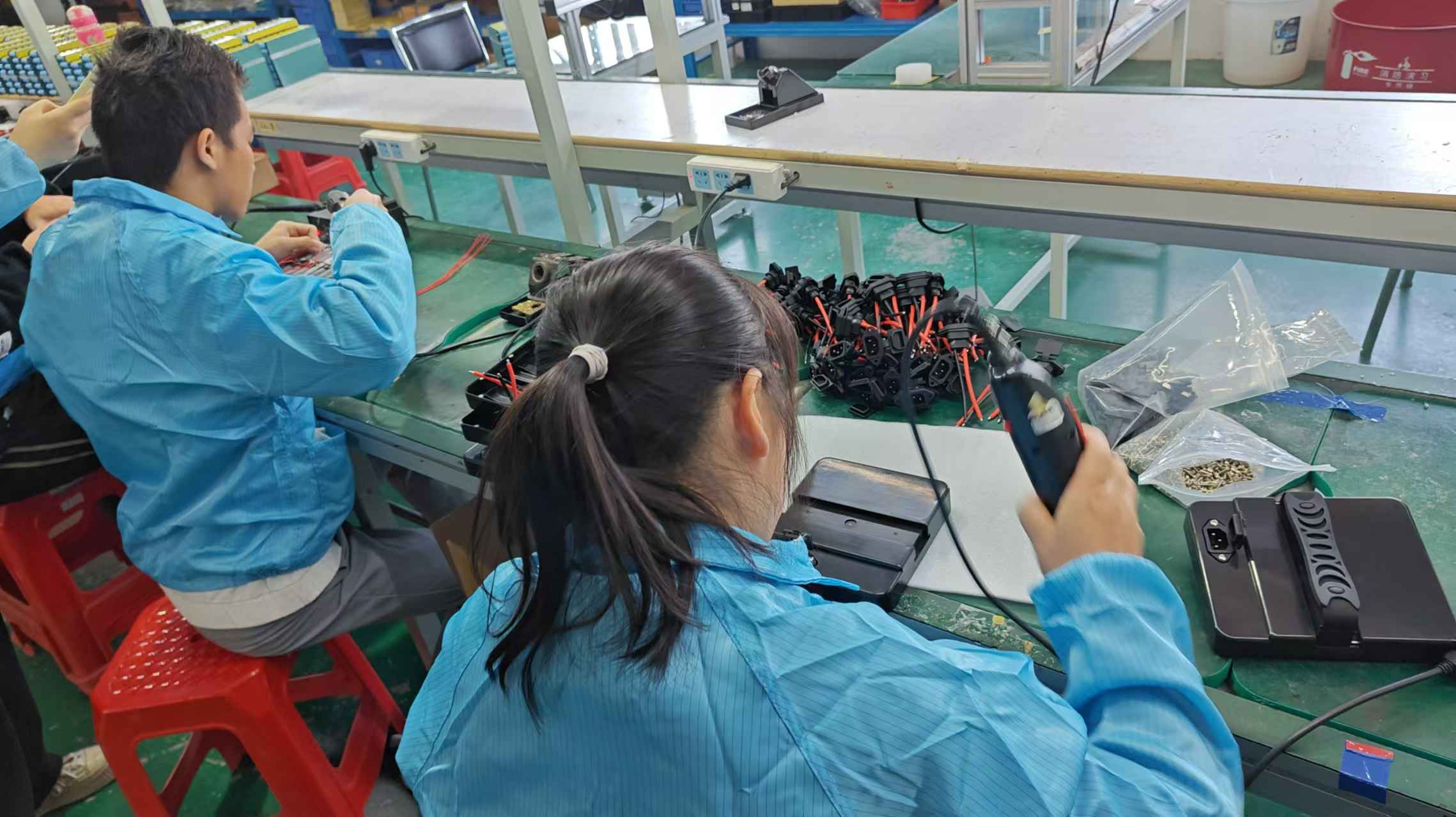
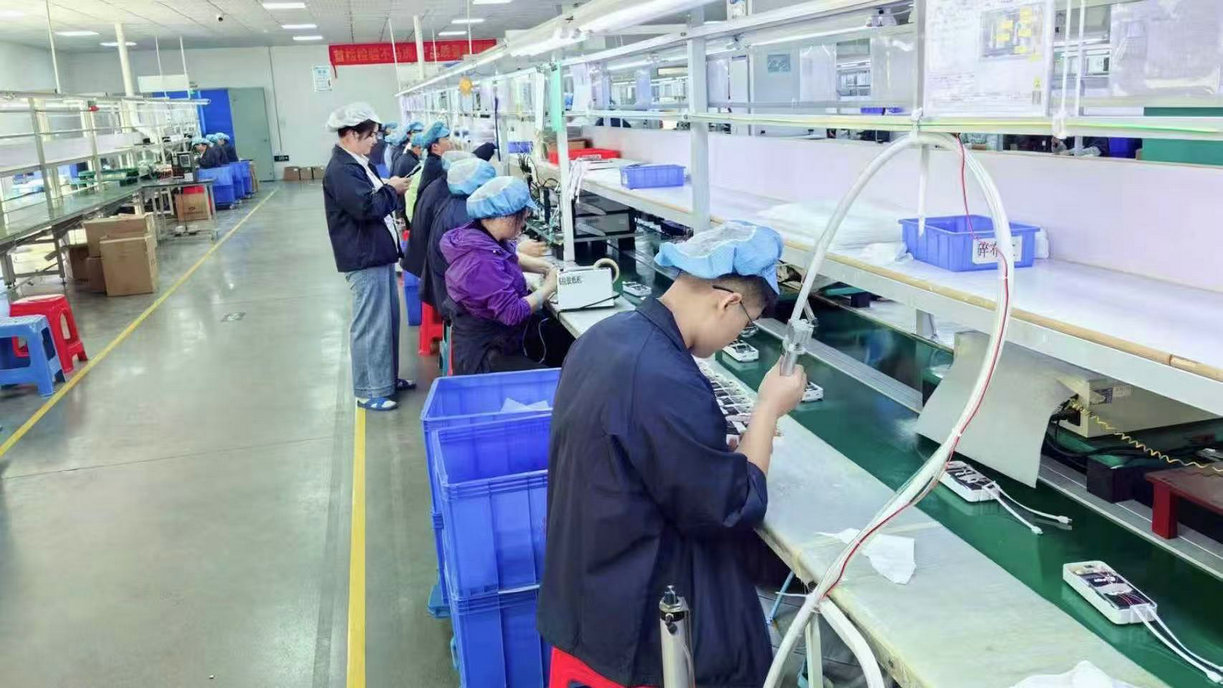
Guangdong Nuwon Energy Co., Ltd. is a leading manufacturer and solution provider in advanced battery systems, specializing in the research, development, manufacturing, and global distribution of high-performance energy storage products. The company offers comprehensive OEM and ODM services, delivering customized battery solutions tailored to diverse industrial and commercial applications.
Backed by a highly experienced engineering and R&D team, Nuwon Energy focuses on the design and integration of cylindrical and prismatic lithium battery cells, as well as complete battery packs, modules, and energy storage systems. The company also develops and produces industrial-grade battery cells engineered for safety, durability, and long cycle life.
Guangdong Nuwon Energy serves a wide range of industries, including consumer electronics, electric mobility (such as golf carts, forklifts, UTVs/ATVs, trucks, and marine systems), medical equipment, unmanned ground vehicles (AGVs/AMRs), and emerging aerospace applications such as eVTOL aircraft. In addition, the company provides reliable residential, commercial, and industrial (C&I) energy storage solutions designed to support the global transition toward clean and sustainable energy.
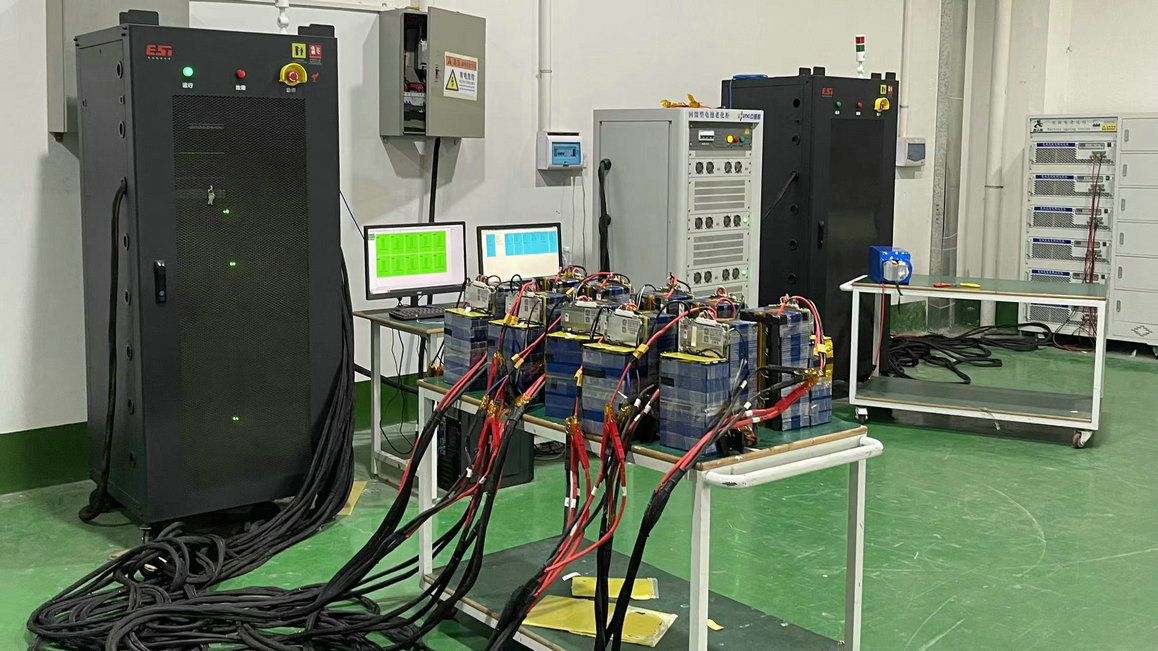
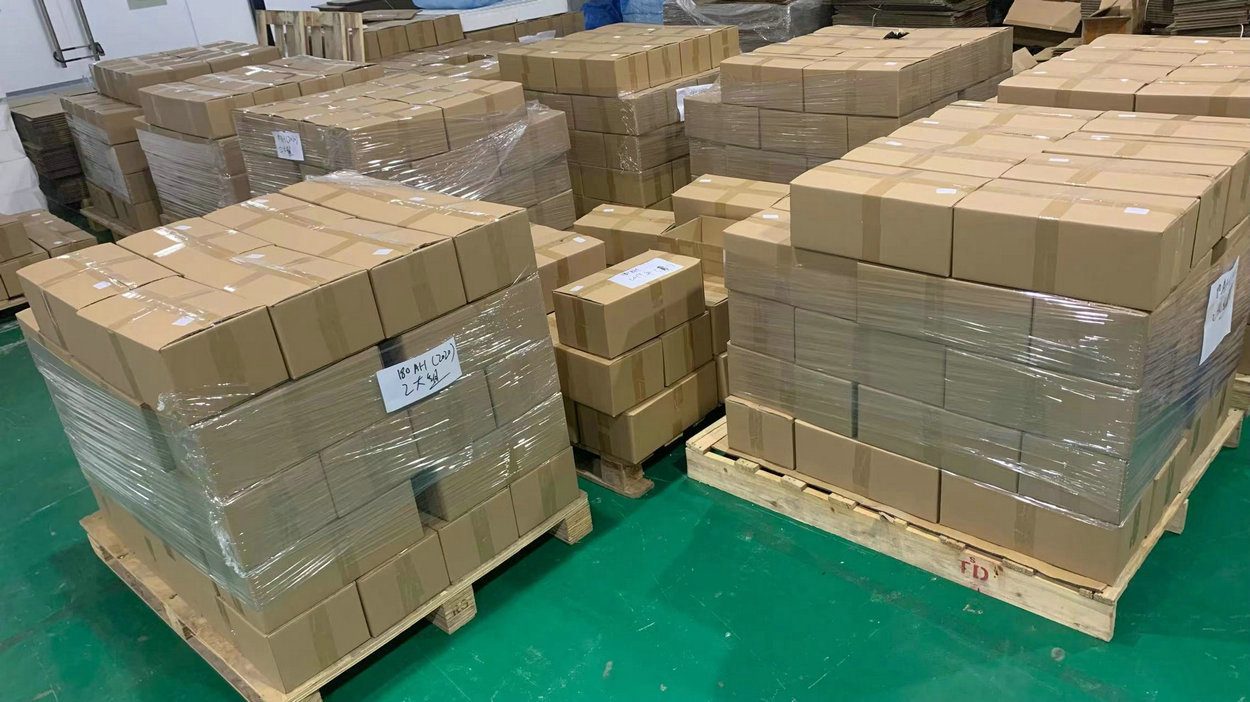
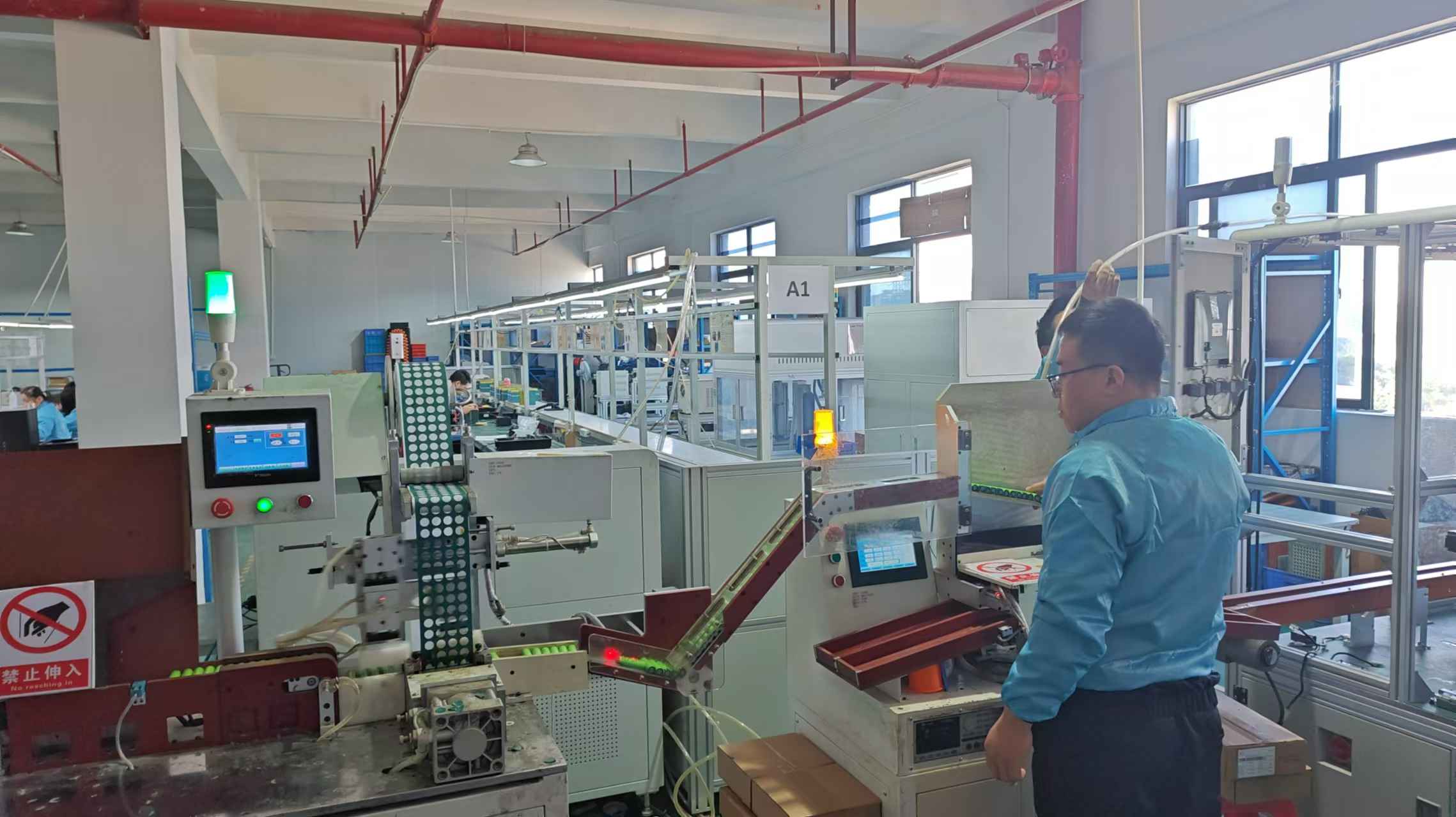
Supporting advanced scientific research, aerospace applications, and specialized optical instrumentation.
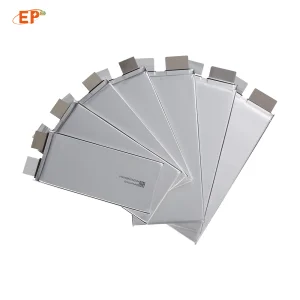
One of the most critical challenges of running battery storage systems in Sweden, particularly in northern industrial sites like Kiruna, Luleå, or Skellefteå, is the dramatic decrease in lithium ion mobility inside the electrolyte at sub-zero temperatures. Charging standard LiFePO4 cells below 0°C without precise internal thermal management triggers lithium plating on the anode, causing permanent capacity loss and risking micro-short circuits.
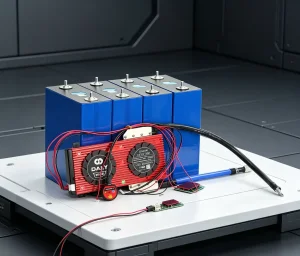
Our factory-engineered prismatic cells resolve this using advanced high-rate electrolyte formulations and matching integration profiles for active liquid heating circuits. In BESS containers deployed in the Nordic region, integrated heating strips keep the interior environment above 5°C. For industrial mobility, like electric forklifts working in Swedish cold-storage warehouses, our Grade-A cells support higher current discharges even at -20°C with nominal degradation rates.
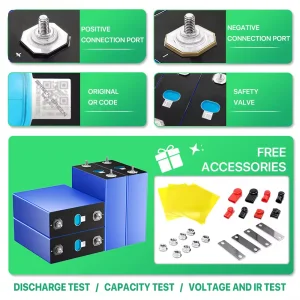
Furthermore, safety is enhanced through explosion-proof vents on each cell body. In the rare event of mechanical impact or electrical abuse, the pressure valve cleanly releases gas without structural cell rupture, minimizing thermal runaway propagation risks in densely packed storage modules.
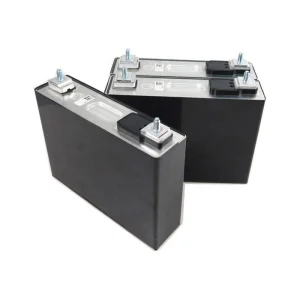
Unlike cylindrical cells, the flat, rectangular design of prismatic cells allows them to be stacked closely with minimal spacing, saving up to 25% system layout space inside energy storage containers.
Heavy-duty aluminum alloy casings offer enhanced mechanical strength, protecting the internal electrode roll from vibration, shocks, and external pressure.
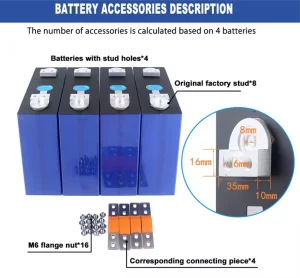
Thick M6 or screw-on busbars provide lower contact resistance, which minimizes thermal losses at higher current rates.
High capacity prismatic cells for commercial solar systems, off-grid cabins, telecom base stations, and heavy mobility.



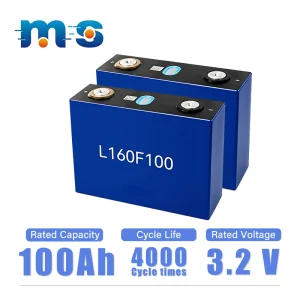
Get answers to the most common queries from Swedish engineering, procurement, and system integration firms.
Ready to discuss your custom battery pack project or cell order for Sweden?
Send Inquiry Now Nuwon Energy