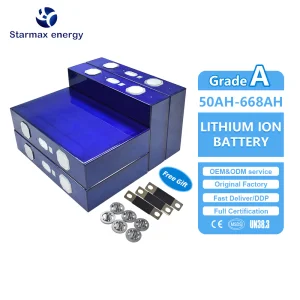
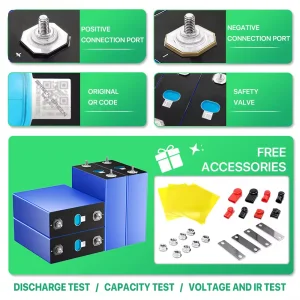
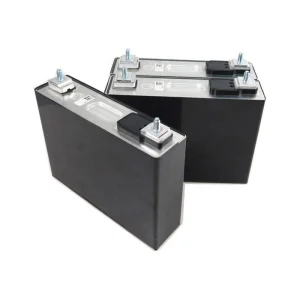
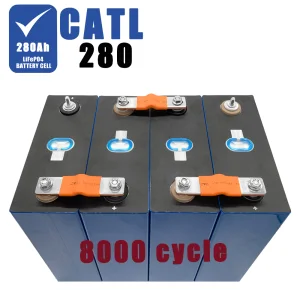
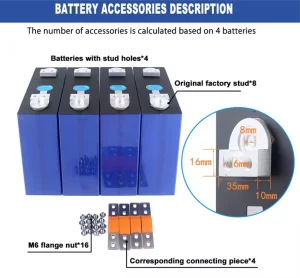
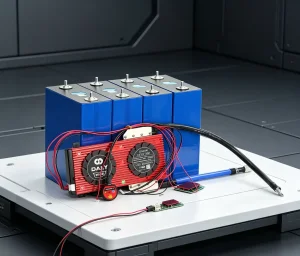
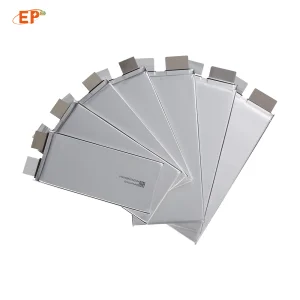
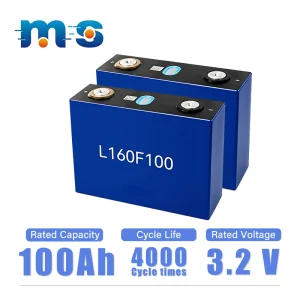
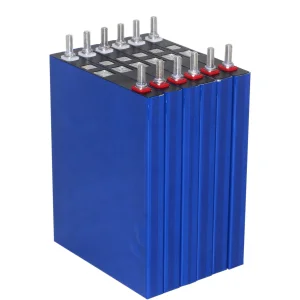
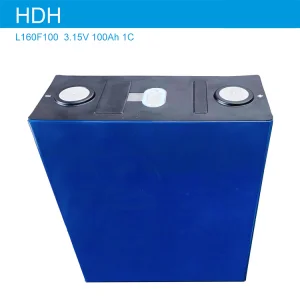
High-performance prismatic energy storage cells customized for state-level distribution networks and commercial storage applications.
The State of New York is undergoing one of the most aggressive energy transitions in the United States. Driven by the Climate Leadership and Community Protection Act (CLCPA), New York aims to achieve 70% renewable electricity by 2030 and a zero-emission power grid by 2040. Crucial to this transformation is the deployment of scalable, safe, and highly efficient Battery Energy Storage Systems (BESS). Stationary energy storage is the cornerstone that solves the intermittency challenges of offshore wind developments in Long Island and massive solar installations upstate.
In dense urban centers like New York City, municipal codes, fire safety rules (particularly under the FDNY), and spatial limitations require energy storage solutions that deliver high energy density without sacrificing thermal stability. Prismatic cells have emerged as the dominant form factor for these demanding environments. Offering rigid aluminum casings, integrated pressure relief vents, and high volumetric packaging efficiency, prismatic batteries are replacing traditional cylindrical and pouch cells in major municipal, utility, and heavy-industrial installations across NY.
Developers in New York City face unique challenges, including strict zoning laws, historic preservation areas, and complex permitting pathways. Battery storage systems installed in high-rise buildings, local distribution substations, and critical transport networks must undergo exhaustive safety testing. Our prismatic cells are optimized for integration into systems requiring UL 9540A unit-level thermal runaway testing, assisting commercial property owners and industrial operators in navigating the rigorous approval processes of the New York State Energy Research and Development Authority (NYSERDA) and local building authorities.
As a forward-looking OEM/ODM manufacturer, Guangdong Nuwon Energy Co., Ltd. continuously monitors and implements advancements in battery chemistry. Different commercial and industrial use-cases across New York require distinct electrochemistries. Below is an analytical look at the technical routes we support:
LFP remains the dominant choice for stationary energy storage systems, microgrids, and peak shaving applications throughout New York. Its chemical stability stems from its robust olivine structure, which does not decompose at high temperatures and prevents oxygen release under stress. With cycle lifespans ranging from 6,000 to over 12,000 cycles at 80% Depth of Discharge (DOD), LFP offers the lowest total cost of ownership (TCO) and maximum operating safety.
For applications where space is extremely limited or weight is a critical factor—such as specialized electric mobility, marine vessels operating on the Hudson River, or urban unmanned vehicles (AGVs/AMRs)—NCM chemistry provides superior energy density. Our prismatic NCM cells feature optimized nickel contents to balance extreme capacity demands with state-of-the-art structural safety measures.
For mission-critical municipal infrastructure, sub-zero outdoor installations in upstate New York, and applications demanding rapid charging (up to 10C–30C continuous discharge), LTO chemistry represents the peak of longevity and thermal range. Capable of surviving over 20,000 cycles, LTO cells eliminate the risk of lithium plating, allowing safe operation down to -30°C.
At the frontier of next-generation power, solid-state cells replace liquid organic electrolytes with solid conductive materials. This elimination of flammable solvents represents the holy grail of battery safety, making it highly desirable for future indoor urban high-rise applications, aerospace systems, and eVTOL projects launching in New York’s regional hubs.
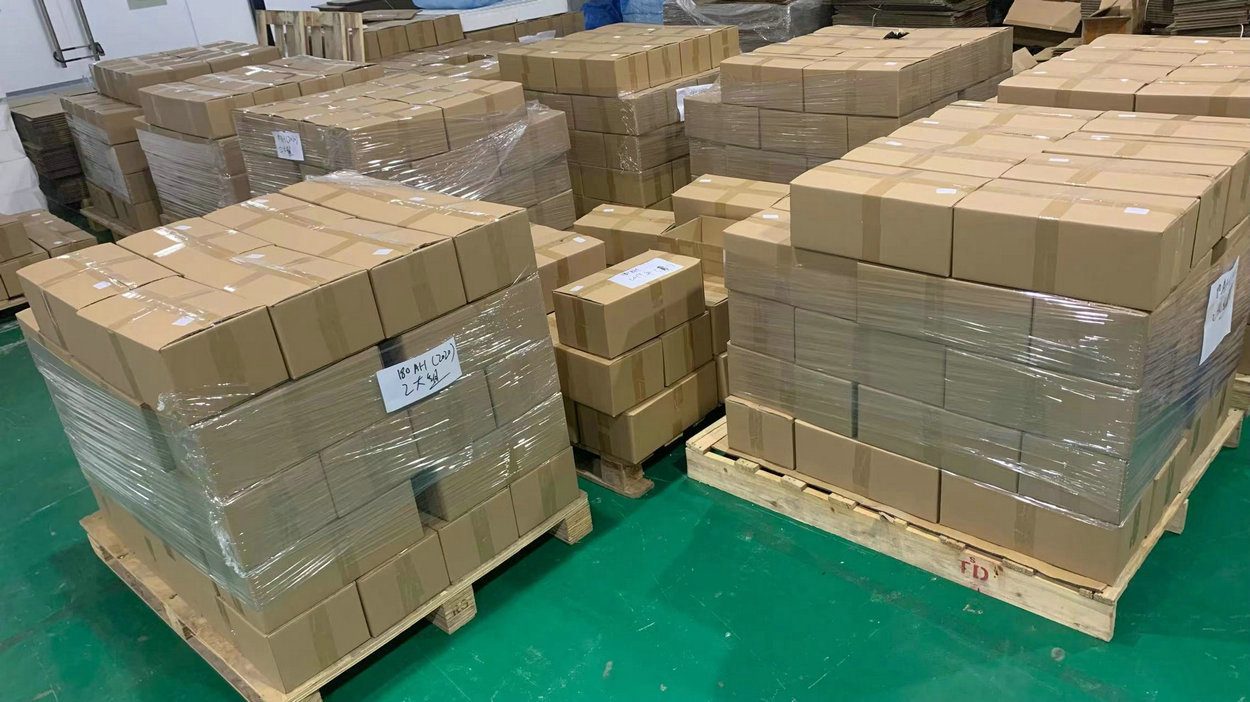
Guangdong Nuwon Energy Co., Ltd. operates state-of-the-art automated production lines. Below is an inside look at our advanced manufacturing, testing, and quality assurance processes.
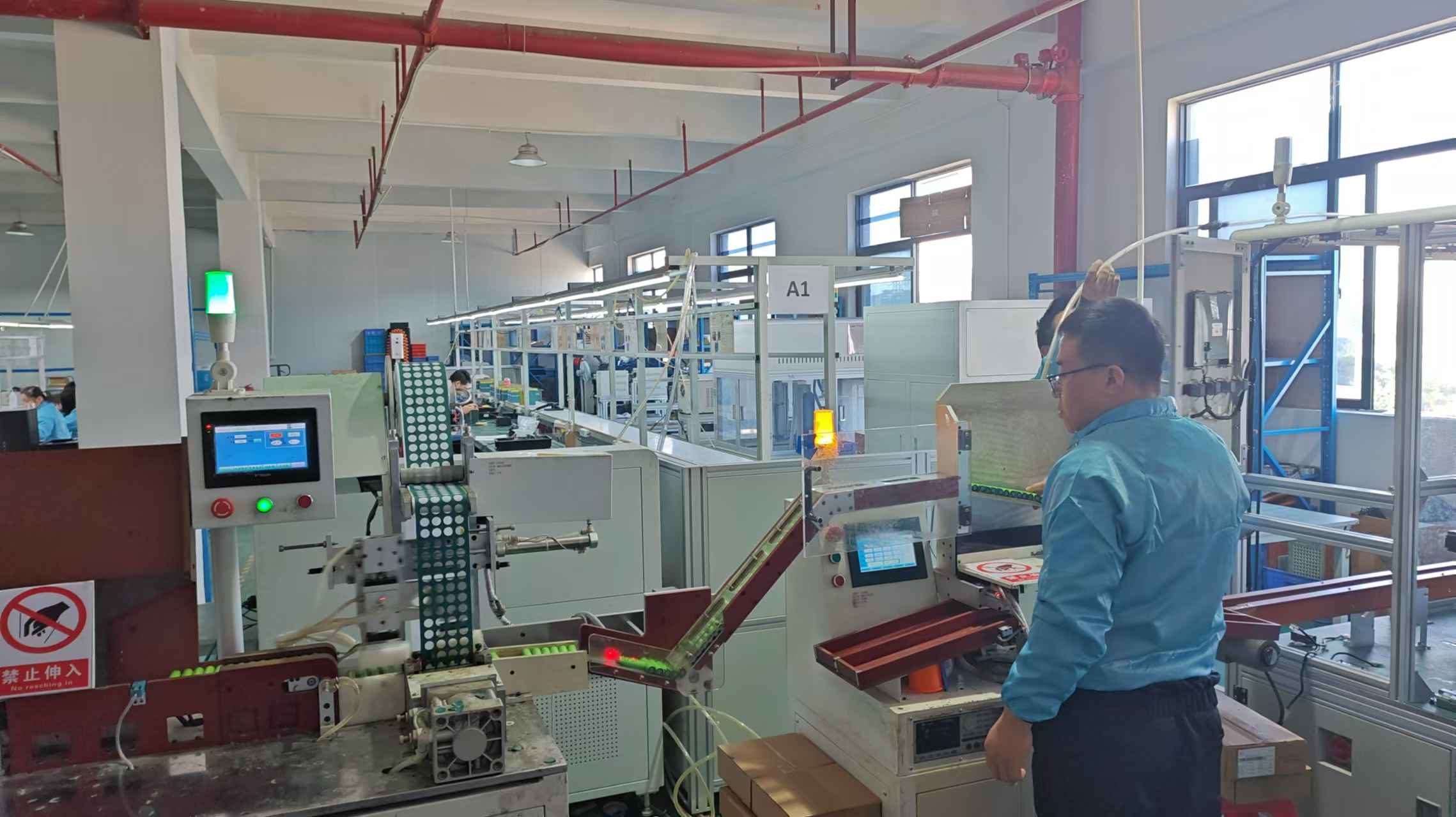
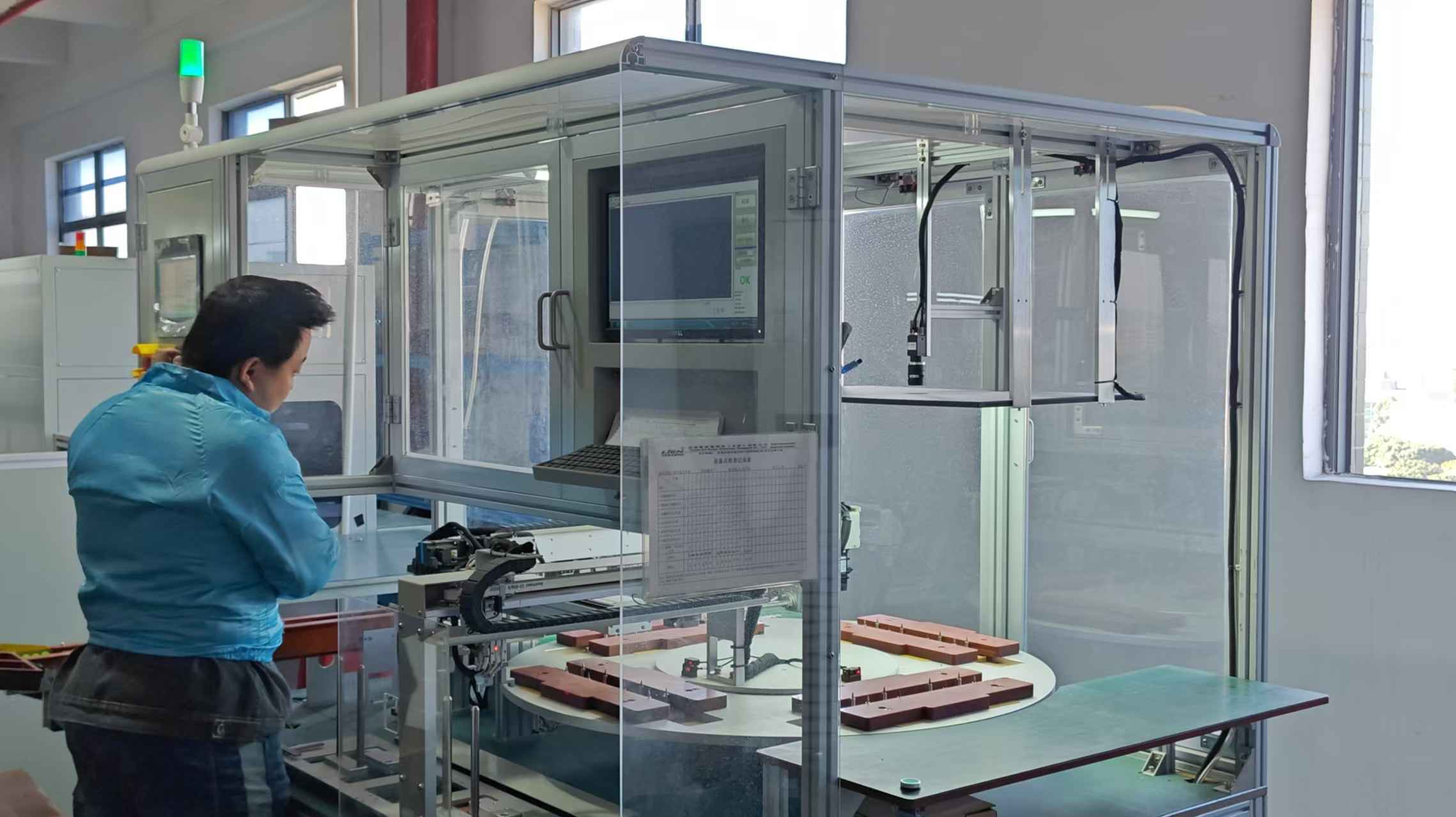
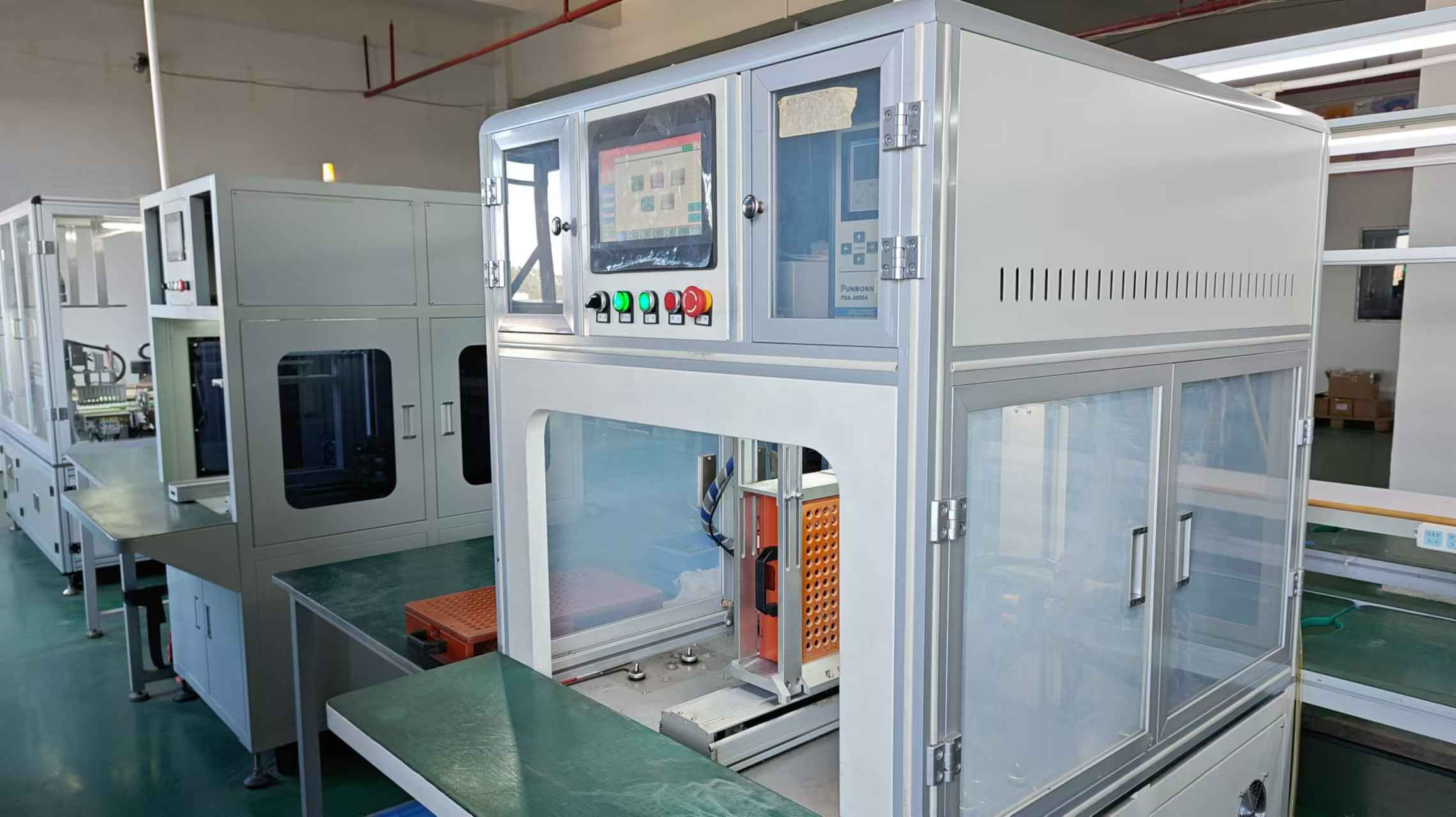
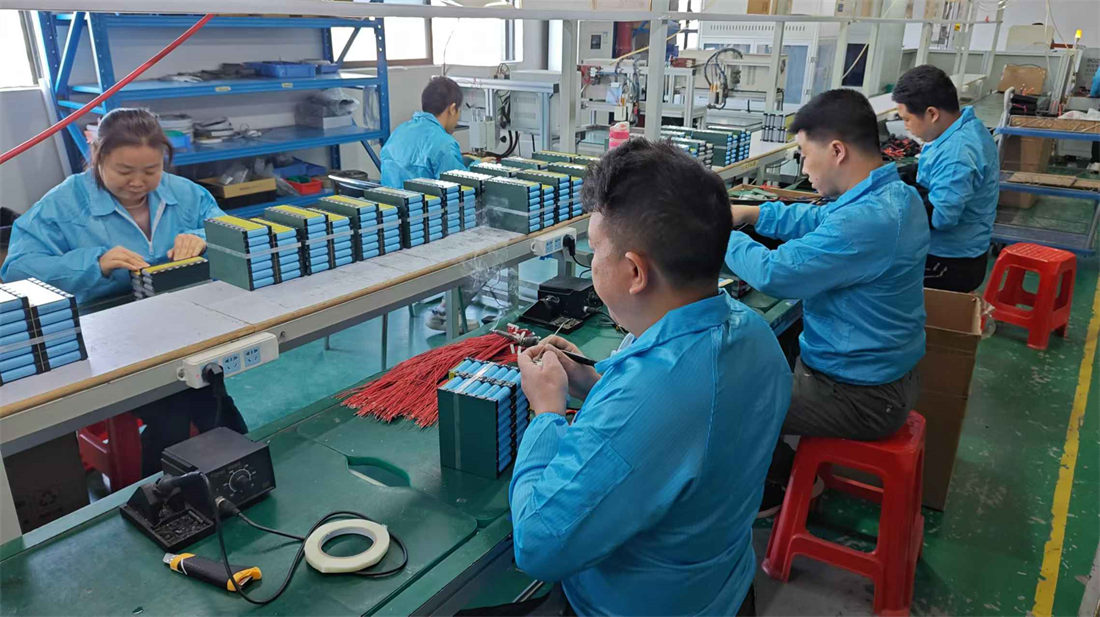
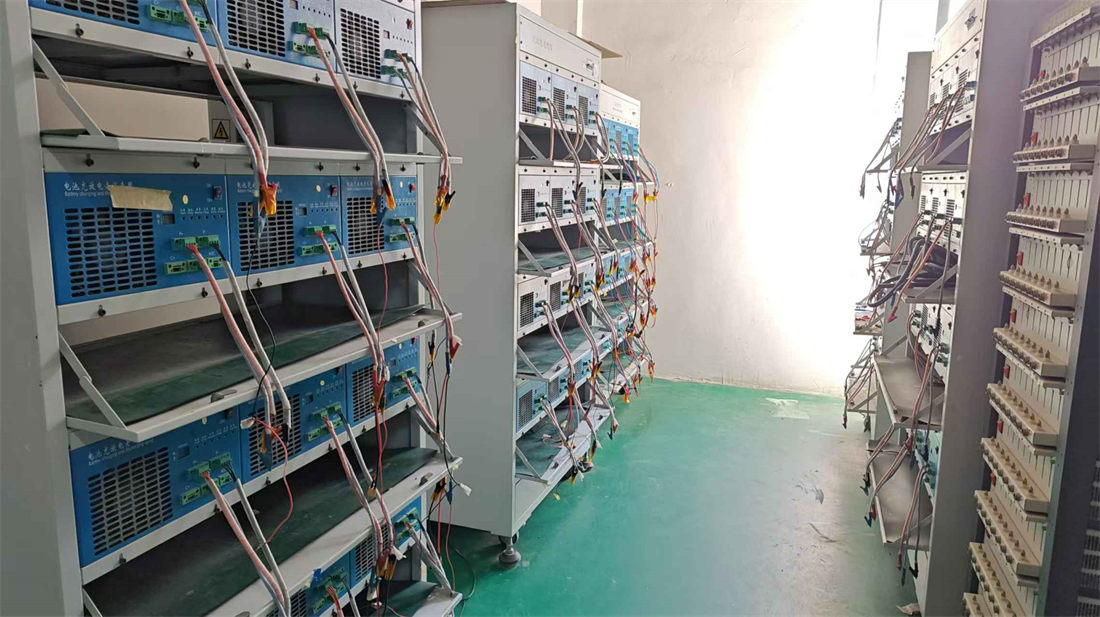
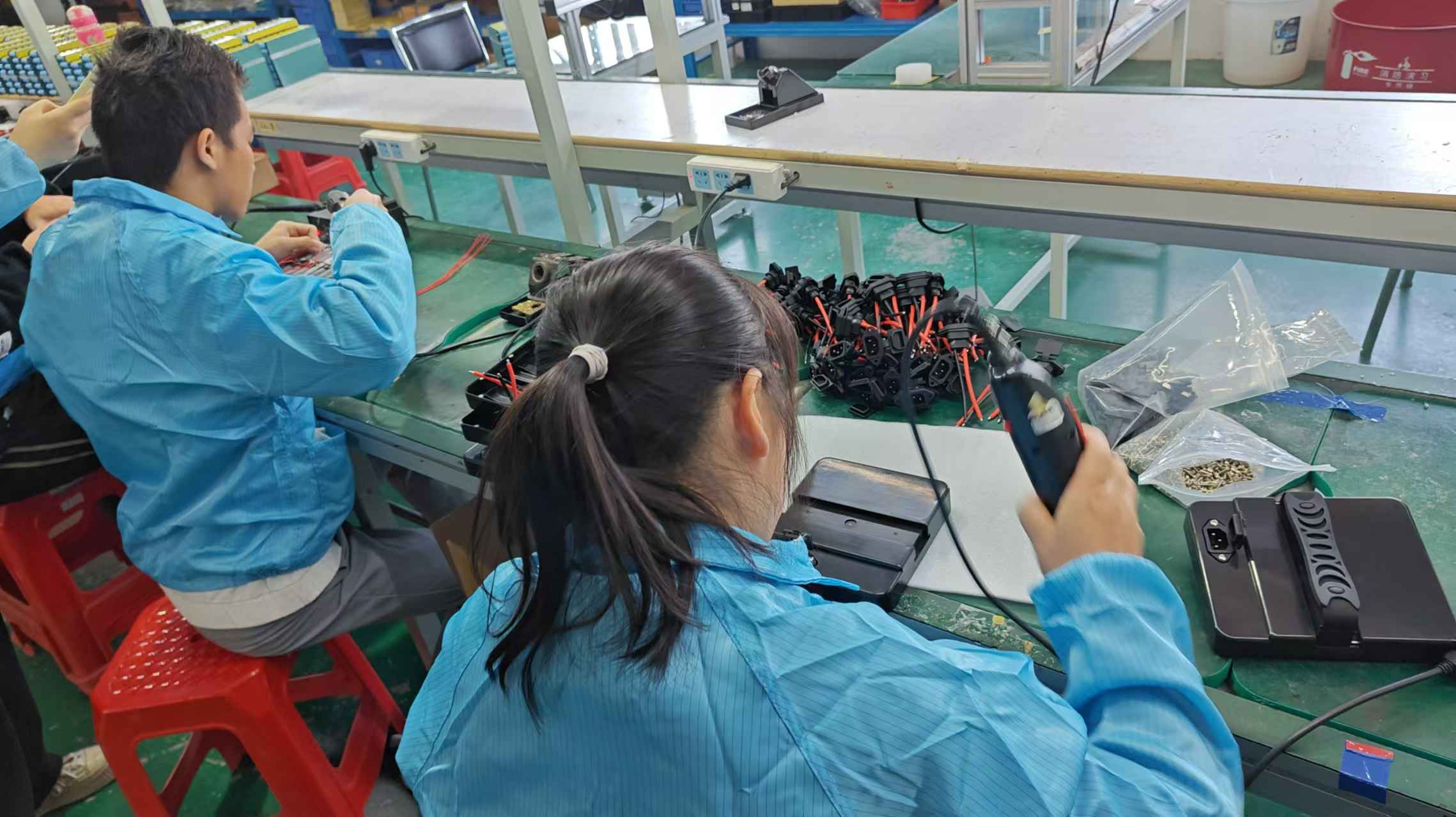
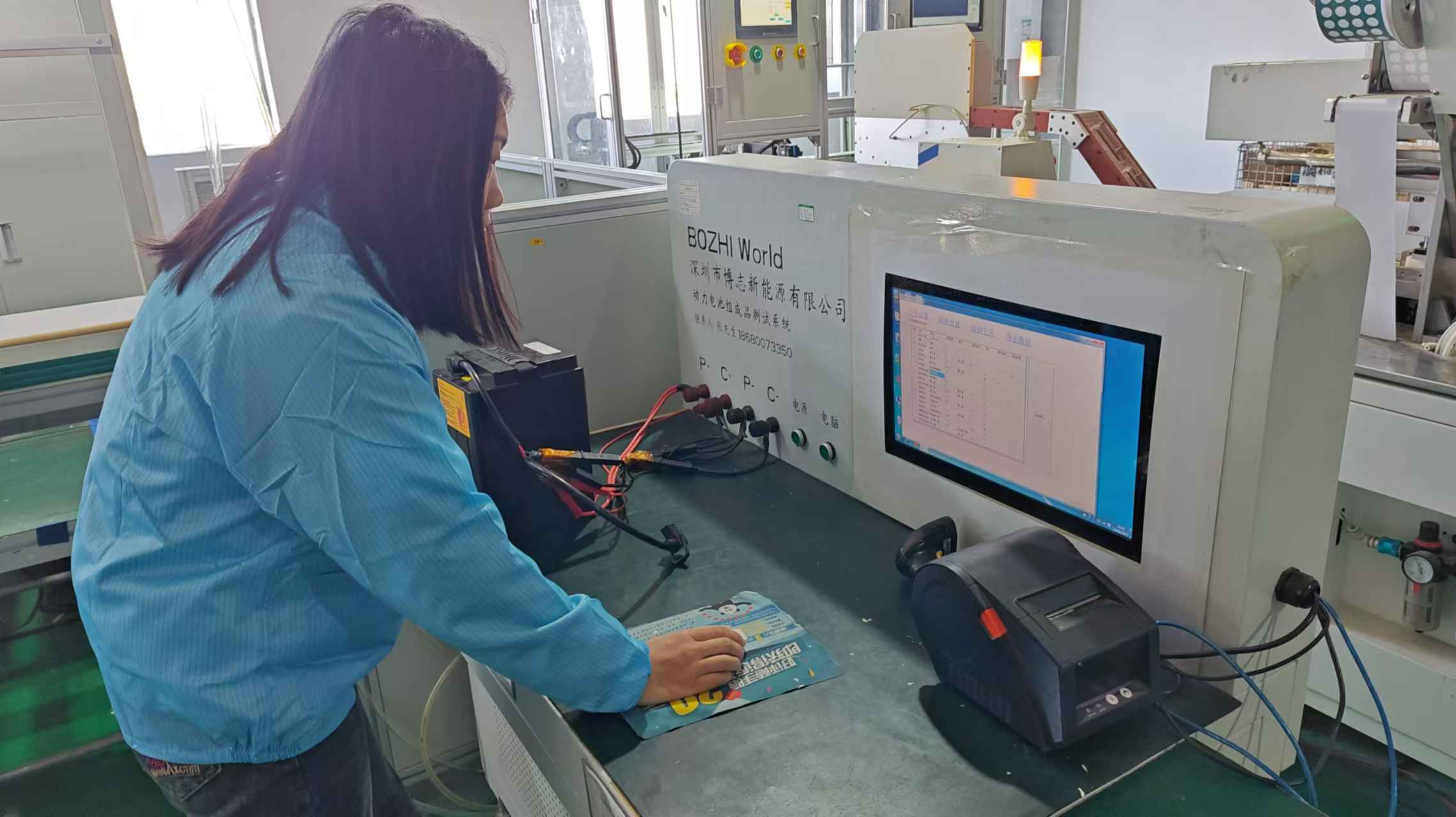
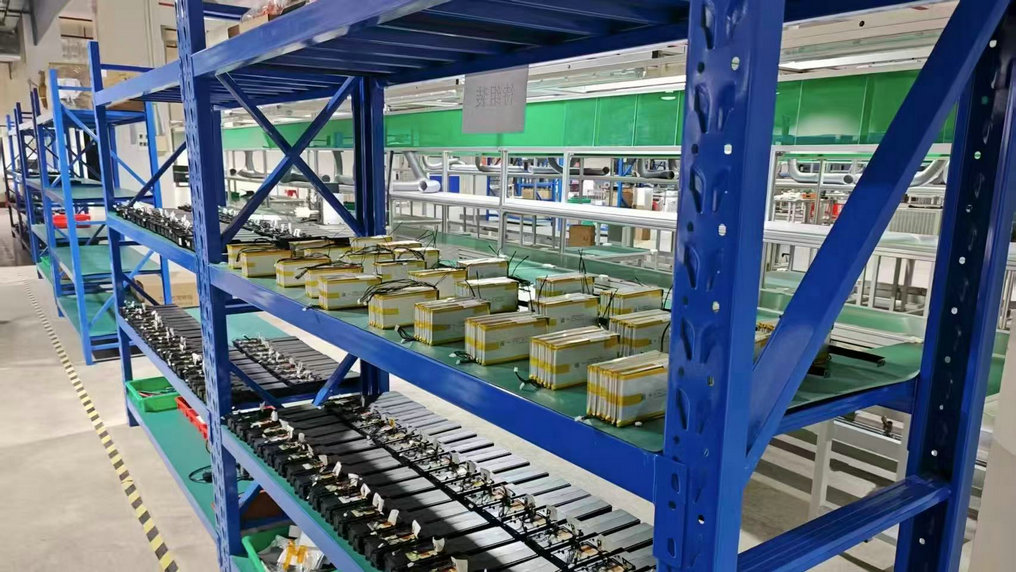
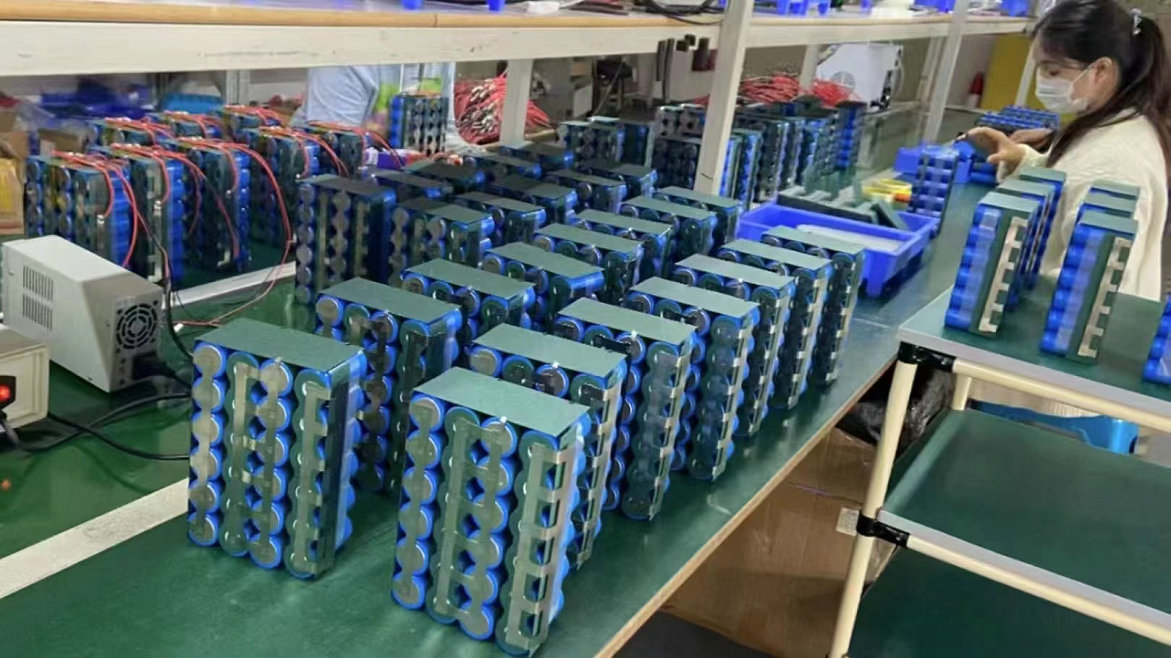
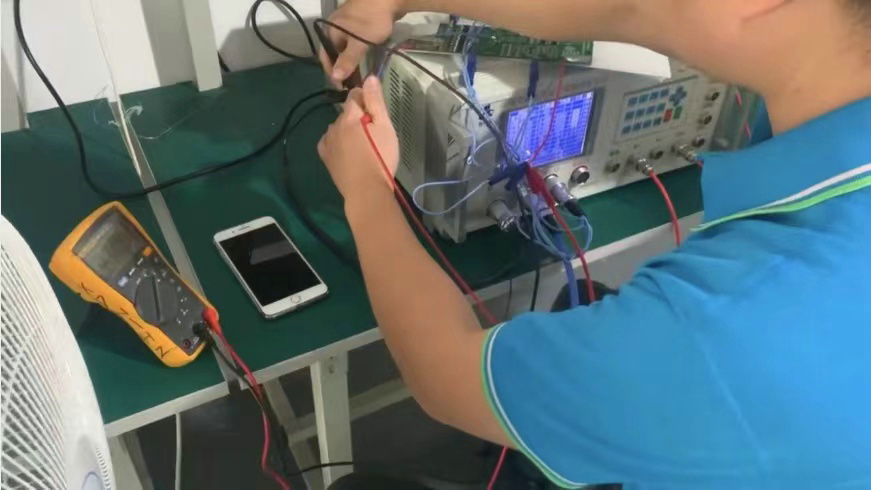
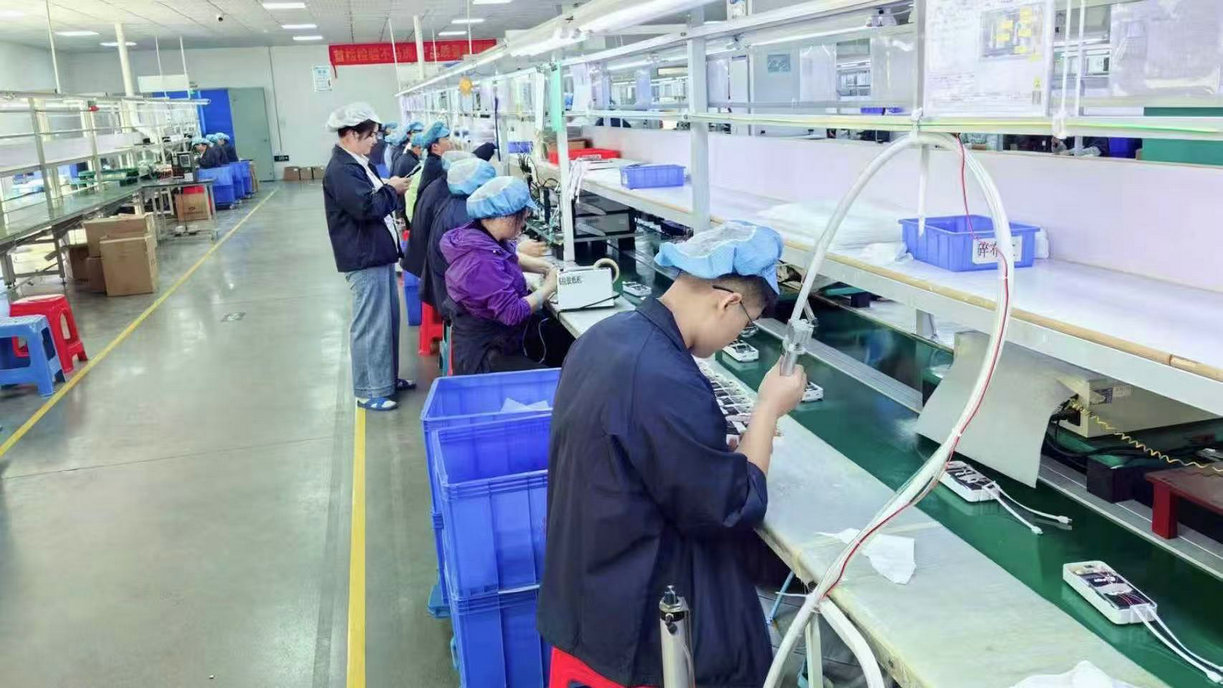
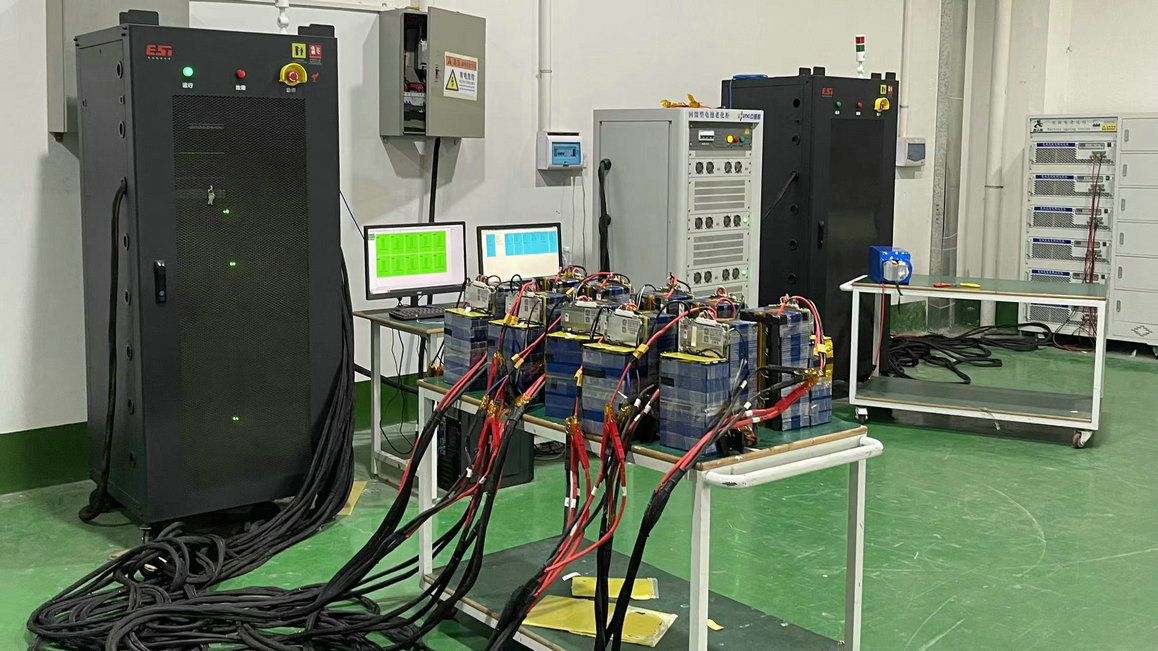
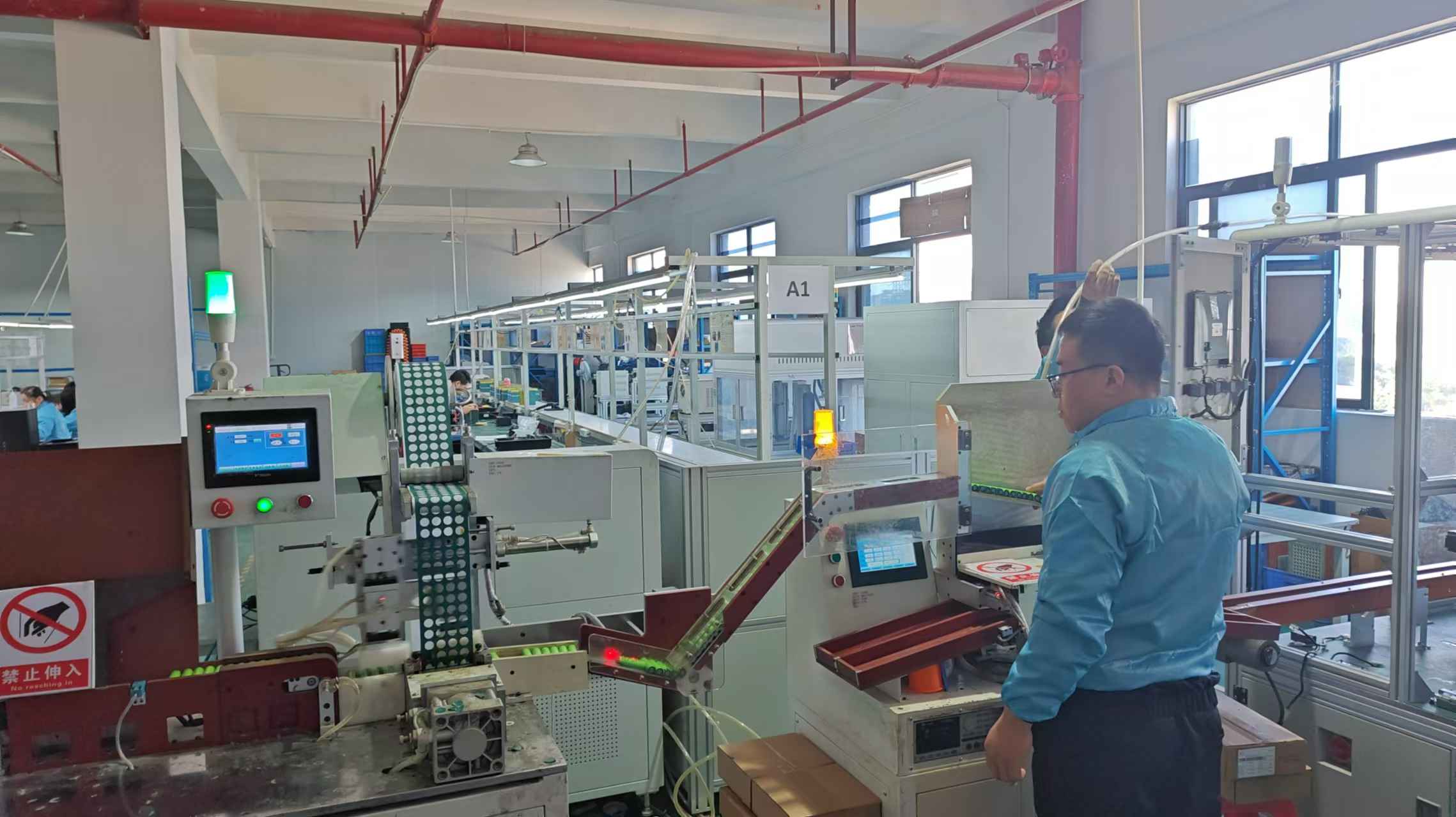
Building inspectors, local utilities like Consolidated Edison (ConEd), and authority jurisdictions (AHJs) throughout New York require proof of strict safety compliance. Our manufacturing facility in Guangdong follows ISO 9001:2015 standards, ensuring that every batch of prismatic cells is built under uniform conditions. For New York clients, we ensure our high-capacity prismatic cells conform to the following essential global frameworks:
By cooperating directly with Nuwon Energy, engineering procurement contractors (EPCs) and system integrators in New York gain access to complete testing logs, factory-level quality documentation, and design files (CAD & STEP format) to expedite local project approval timelines.
Discover our comprehensive collection of advanced battery cells, designed for diverse commercial, industrial, and specialized applications across New York.
At Guangdong Nuwon Energy Co., Ltd., we recognize that procurement is not only about cell chemistry but also about supply chain predictability, customs navigation, and logistics management. Shipping lithium batteries internationally requires compliance with strict hazardous material regulations under Class 9 dangerous goods (UN3480) guidelines.
We have established long-term shipping partnerships that provide direct ocean shipping routes from ports in southern China (Shenzhen and Guangzhou) to the Port of New York and New Jersey. For projects that have tight construction schedules, we coordinate with reliable air freight providers to ship directly to JFK International Airport, ensuring safe and compliant transport.
Every shipment is accompanied by complete documentation, including:
Key technical and regulatory answers for engineers and procurement managers deploying battery energy storage systems in New York.
Whether you are planning a utility-scale battery farm, a municipal microgrid, or customized industrial battery packs, Guangdong Nuwon Energy has the technology, safety certifications, and manufacturing capacity to deliver. Contact our engineering team today.
 Nuwon Energy