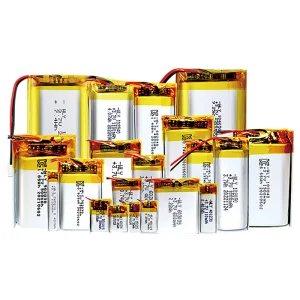
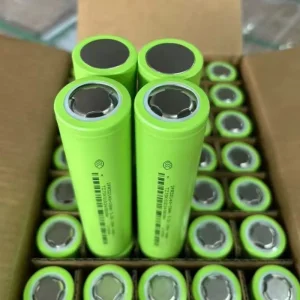
Our top-tier energy solutions selected for immediate integration in Boston cold-climate energy programs, marine infrastructure, and laboratory equipment.
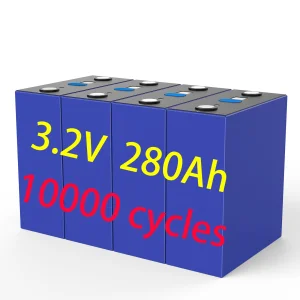
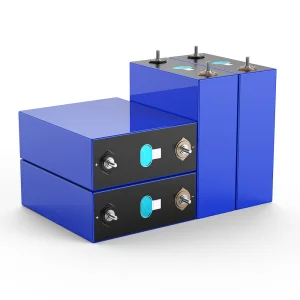
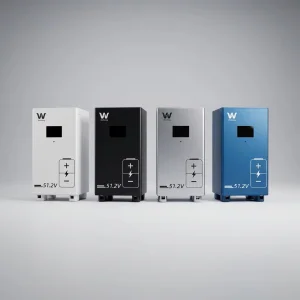
Boston and the wider New England region represent one of the most technologically advanced and demanding markets globally for high-reliability energy storage. Characterized by freezing sub-zero winter temperatures, a booming biotechnology sector along the Route 128 corridor, coastal marine electrification efforts in Boston Harbor, and extensive academic-driven aerospace research, the region requires battery chemistries that perform beyond standard operational boundaries.
Conventional lithium-ion systems exhibit drastic performance decay in cold environments. As ambient temperatures drop below 0°C (32°F), standard cells suffer from increased internal impedance, reduced electrolyte ionic conductivity, and a heightened risk of lithium plating during charging. This leads to permanent capacity fade and safety concerns. For Boston-based businesses operating in cold-chain logistics, sub-zero drone operations, or marine applications, choosing a qualified, low-temperature optimized lithium battery chemistry is not just an optimization—it is a critical operational safety margin.
In low temperatures, the charge-transfer resistance (Rct) at the electrolyte-anode interface increases exponentially. The desolvation of lithium ions before entering the graphite layers becomes a critical bottleneck. Our specialized low-temperature cells employ fluorinated carbonate solvents and low-viscosity co-solvents (like methyl propionate) alongside modified solid electrolyte interphase (SEI) promoters. This formulation reduces the desolvation energy barrier, enabling safe charge and discharge profiles down to -40°C.
Guangdong Nuwon Energy is at the absolute forefront of industrial cell chemistry development. Our low-temperature battery roadmap integrates three core technical directions designed to address long-term decarbonization goals in Massachusetts and New England:
By formulating customized, low-viscosity linear esters and incorporating functional additives, we lower the freezing point of the electrolyte to under -50°C. This prevents crystal formation and guarantees high ionic conductivity for sub-zero discharge operations.
Utilizing advanced silicon-carbon composite anodes and isotropic hard carbons. These structures increase interlayer spacing, allowing rapid lithium insertion even when kinetic energy is extremely restricted by sub-zero ambient states.
Transitioning toward semi-solid and all-solid-state interfaces. This eliminating liquid leakage hazards entirely, improves volumetric energy density, and natively circumvents the typical thermal runaway pathways associated with liquid solvents.
As Boston targets carbon neutrality, low-temperature microgrids will play a pivotal role. The deployment of high-rate low-temperature cells ensures that essential communications, automated material handling, and municipal microgrids remain fully functional during historic blizzards and extreme cold snaps.
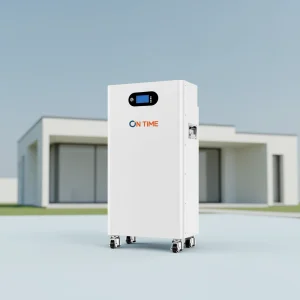
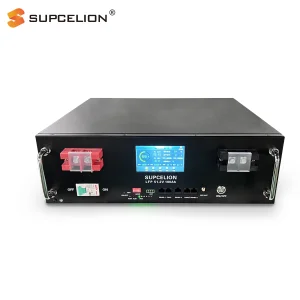
We do not just export standalone cells; we deliver complete, integrated systems engineered for demanding industrial landscapes:
Operating in the United States, particularly within municipal territories governed by strict building and safety regulations, requires uncompromising compliance. Guangdong Nuwon Energy guarantees that all imported battery solutions conform to domestic standards:
Our energy storage configurations are built to pass UL 1973 (stationary batteries), UL 9540A (thermal runaway fire propagation testing), and comply with local fire regulations aligned with NFPA 855 (Standard for the Installation of Stationary Energy Storage Systems). We provide comprehensive UN 38.3 test summaries and MSDS documentation to streamline customs clearance and air/ocean transport logistics into the Port of Boston (Conley Terminal).
By coordinating closely with specialized dangerous goods freight forwarders, we ensure direct-to-site delivery, secure customs brokerage, and full DDP/CIF handling to simplify global procurement processes for your engineering teams.
Guangdong Nuwon Energy Co., Ltd. is a leading manufacturer and solution provider in advanced battery systems. We specialize in the research, development, manufacturing, and global distribution of high-performance energy storage products. Our automated Factory 4.0 infrastructure in Guangdong delivers unparalleled precision, scalability, and quality control.
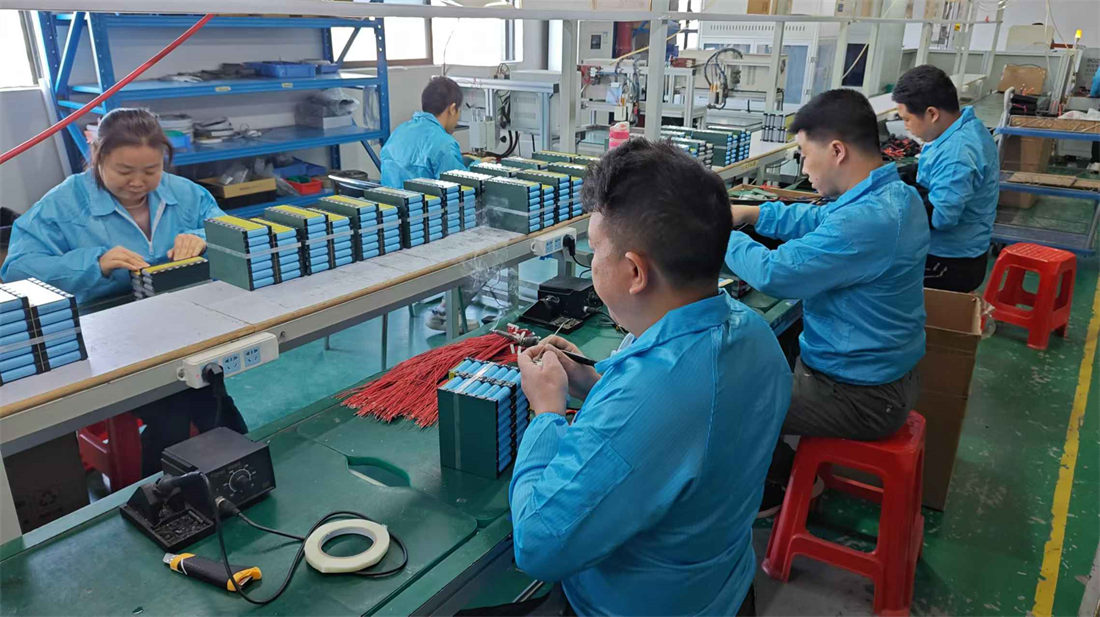
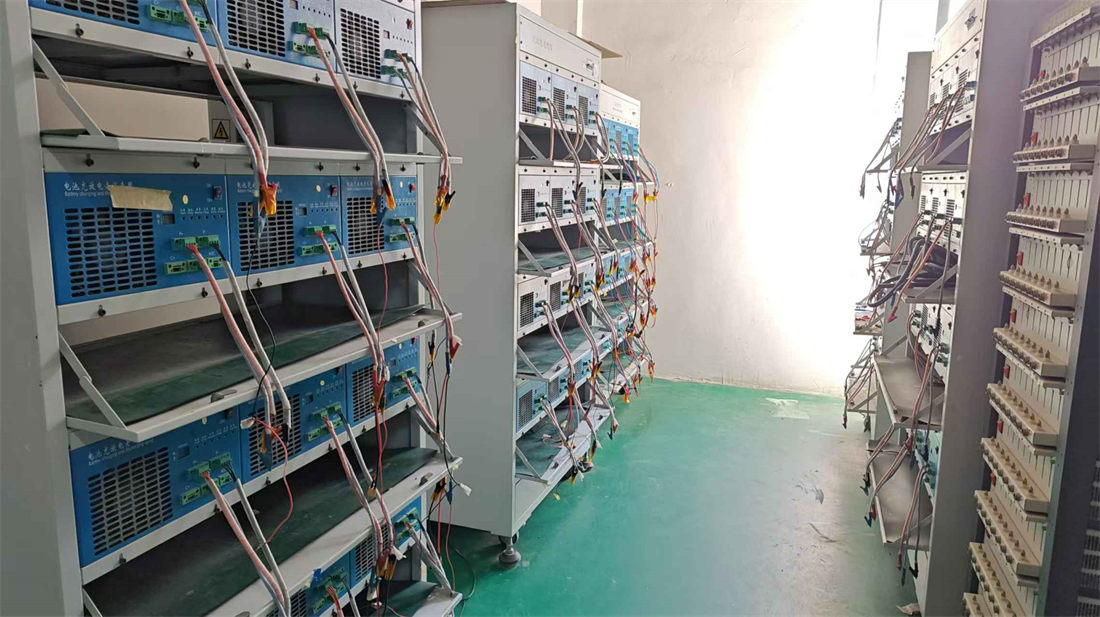
Backed by a highly experienced engineering and R&D team, Nuwon Energy focuses on the design and integration of cylindrical and prismatic lithium battery cells, complete battery packs, modules, and energy storage systems. Our automated production lines incorporate real-time monitoring of critical metrics, ensuring safety, durability, and long cycle life.
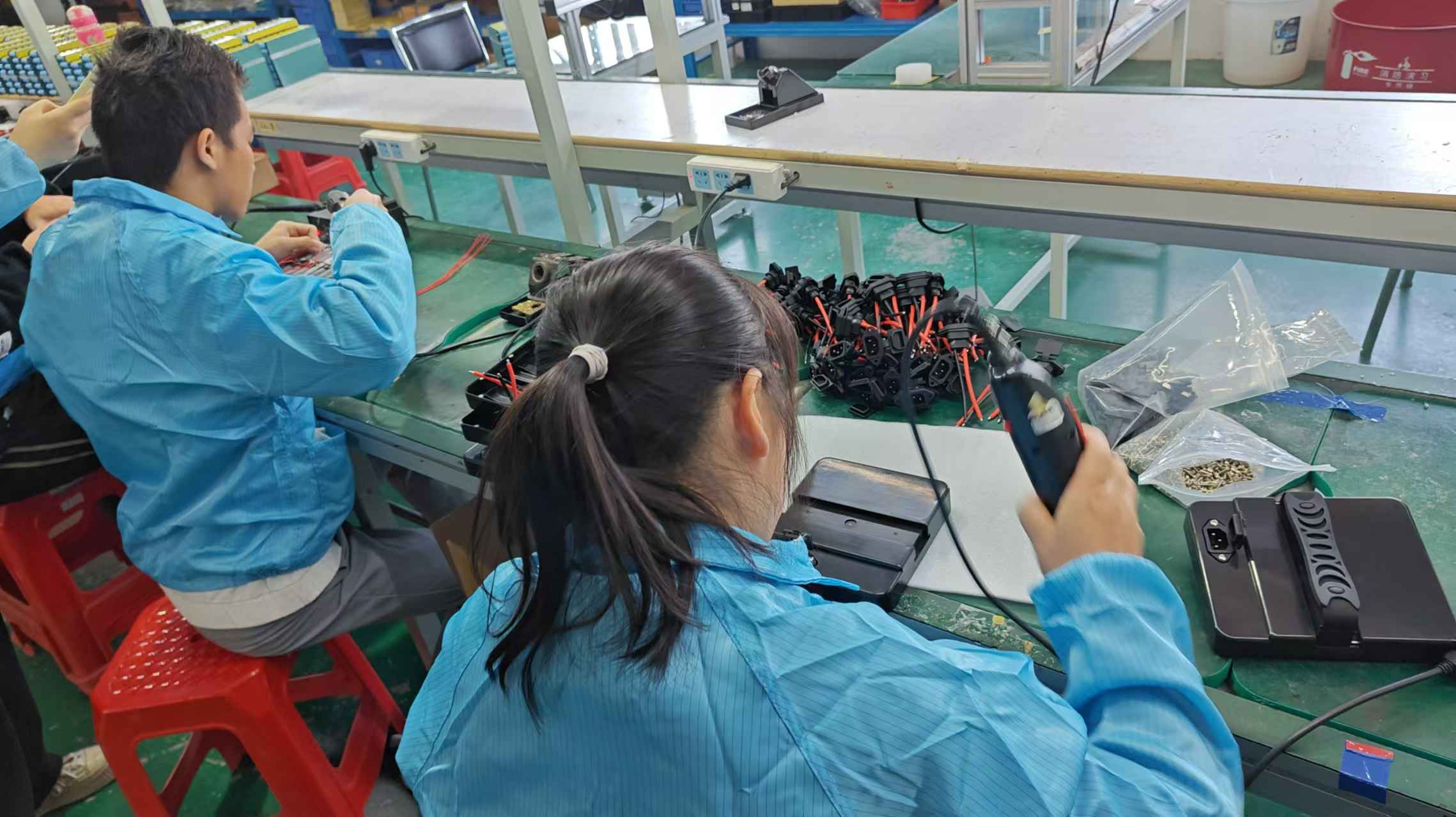
Serving a wide range of industries globally, including consumer electronics, electric mobility (golf carts, forklifts, UTVs/ATVs, marine systems), medical equipment, and unmanned ground vehicles (AGVs/AMRs), we continuously invest in advanced manufacturing capabilities, automated sorting, laser welding, and rigorous testing systems to guarantee zero defects.
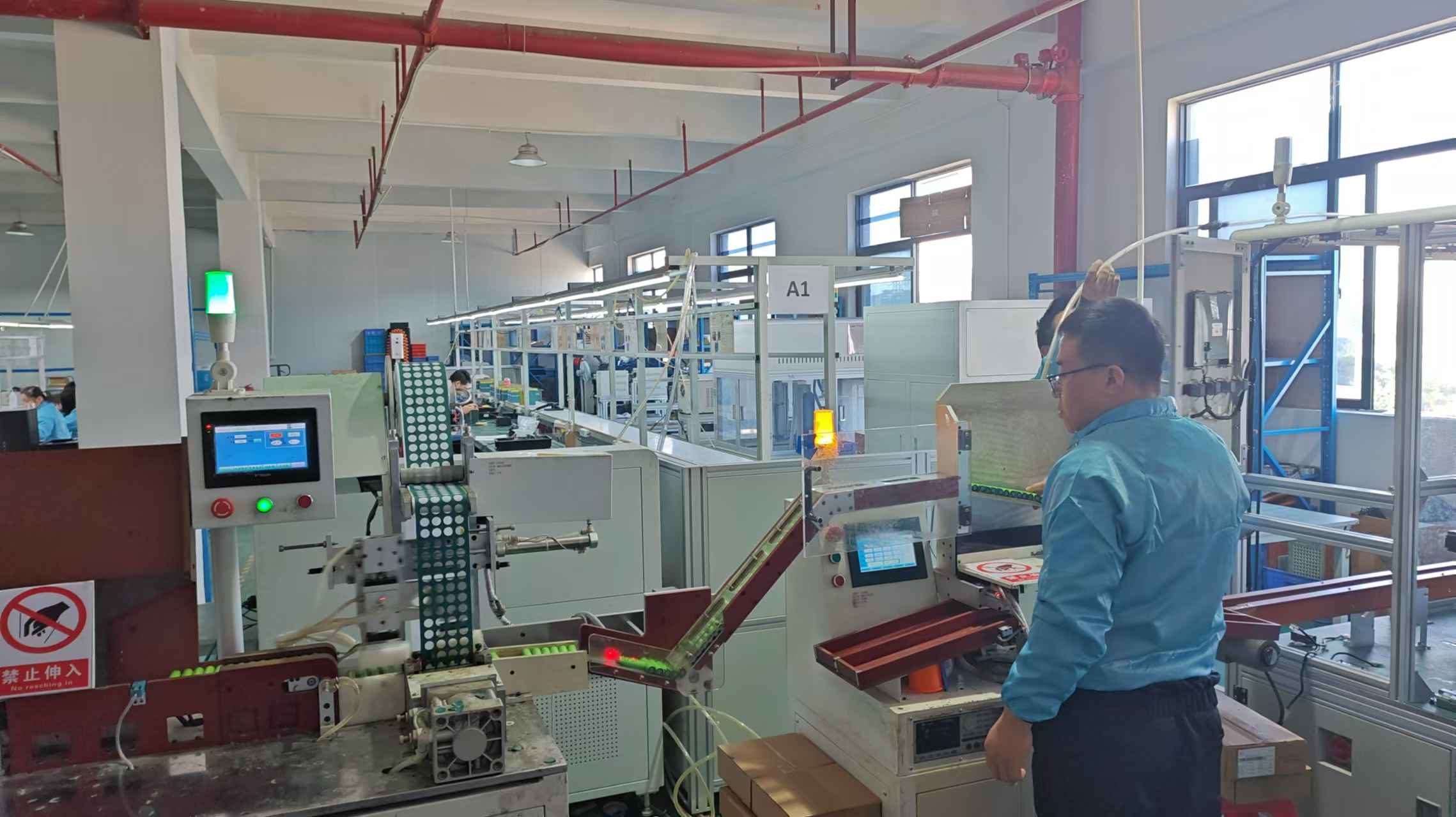
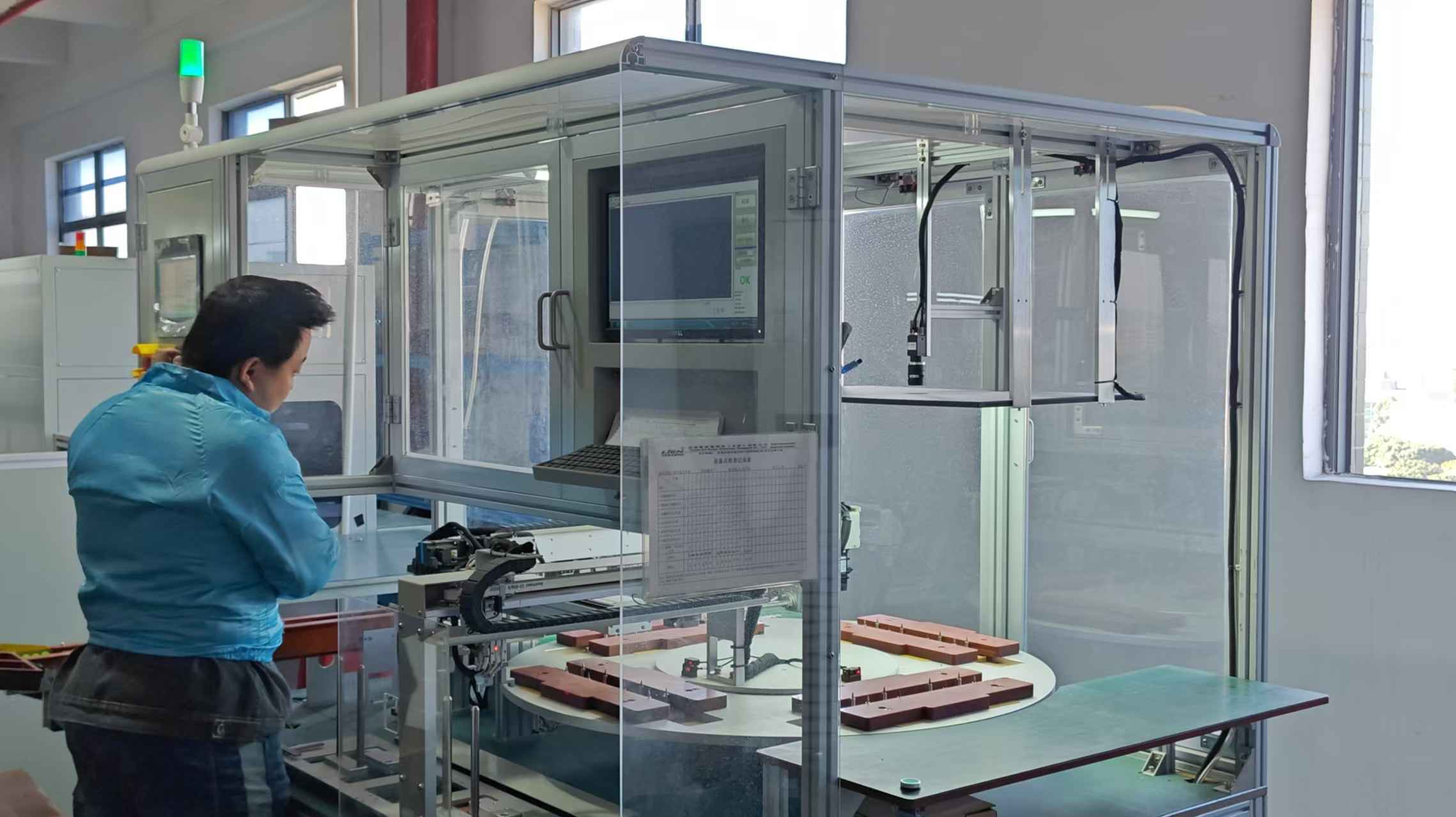
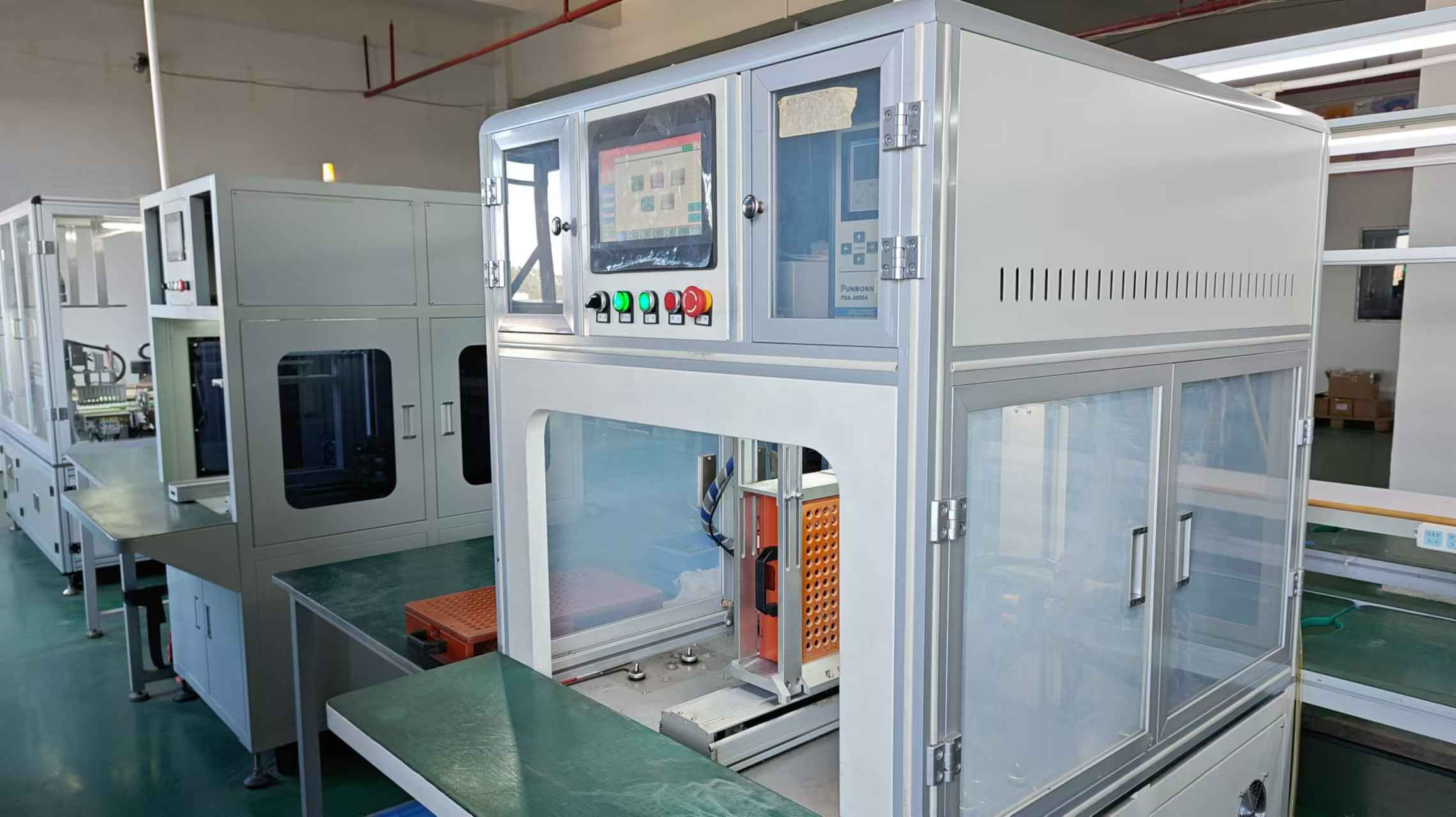
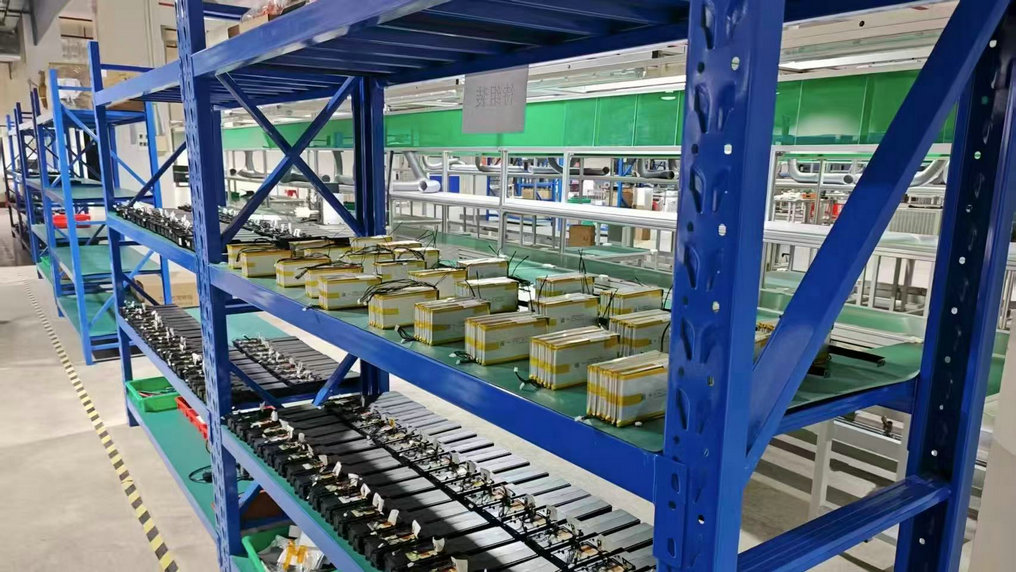
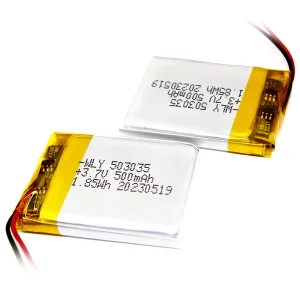
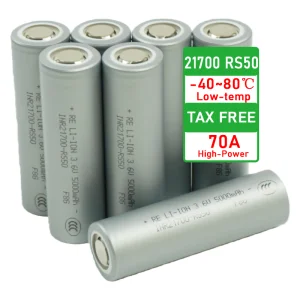
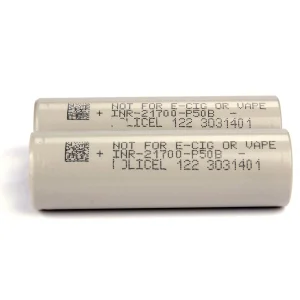
Explore our deep-cycle cells, robust custom polymer batteries, testers, and temperature-tolerant solid-state options optimized for Boston's harsh winters.

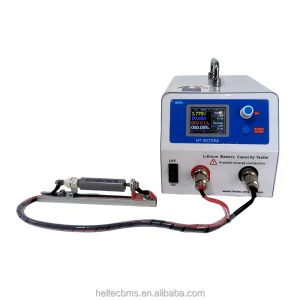
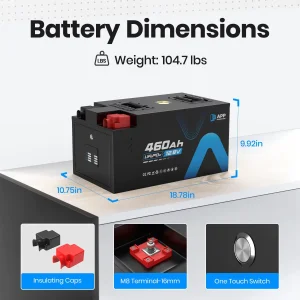

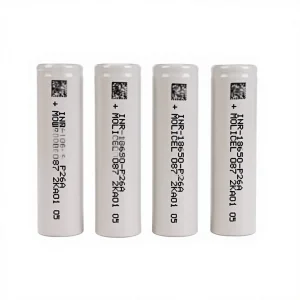
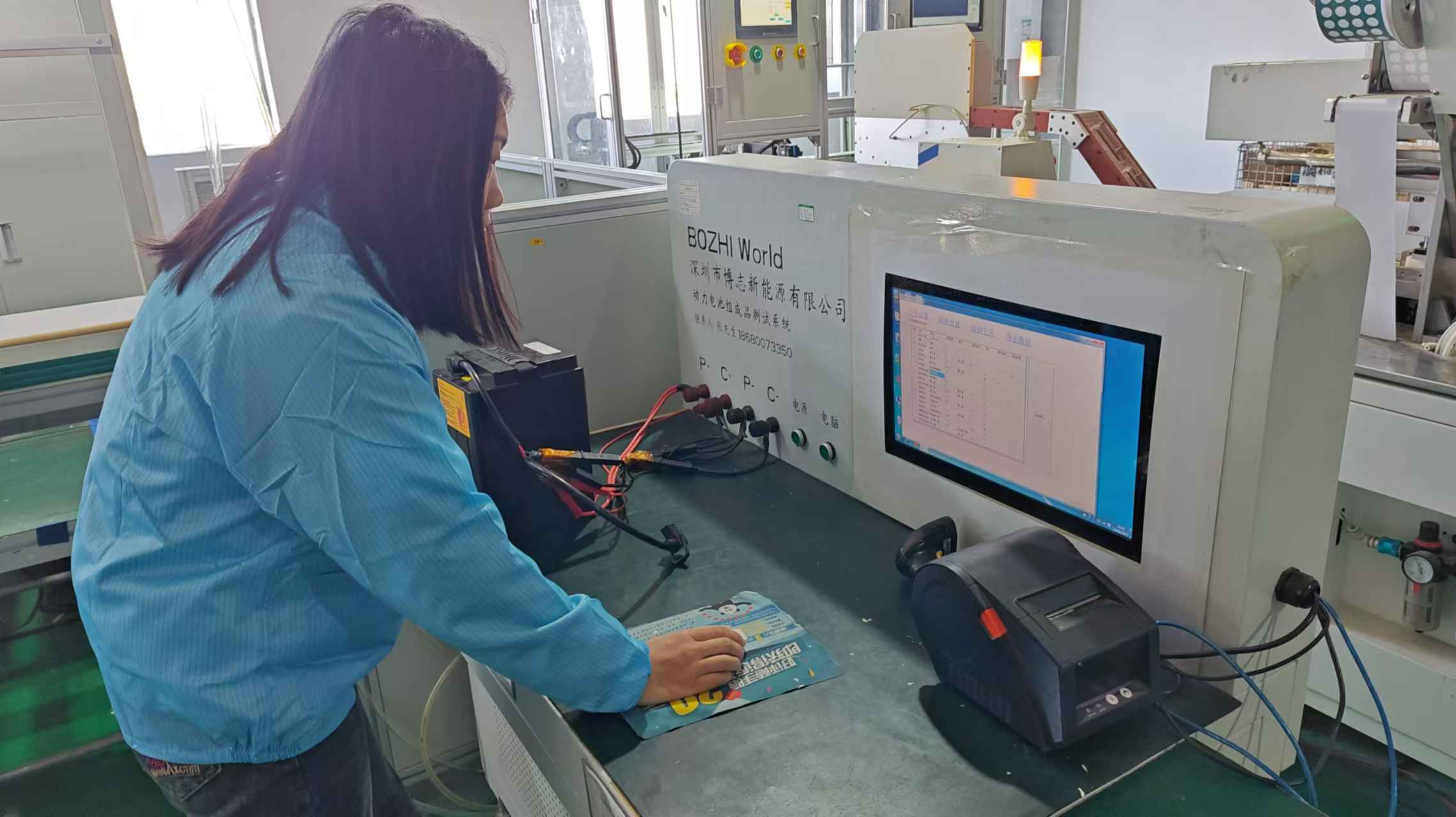
Rigorous insulation dielectric strength validation testing on finished packs prevents shorts and guarantees safe operation in humid marine environments.
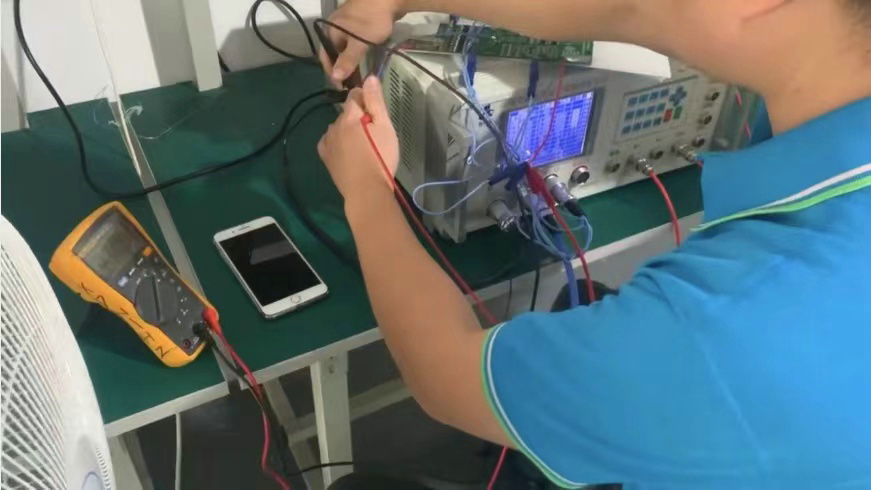
BMS and protection circuits undergo automated functional verification to secure accurate low-temperature cutoff thresholds.
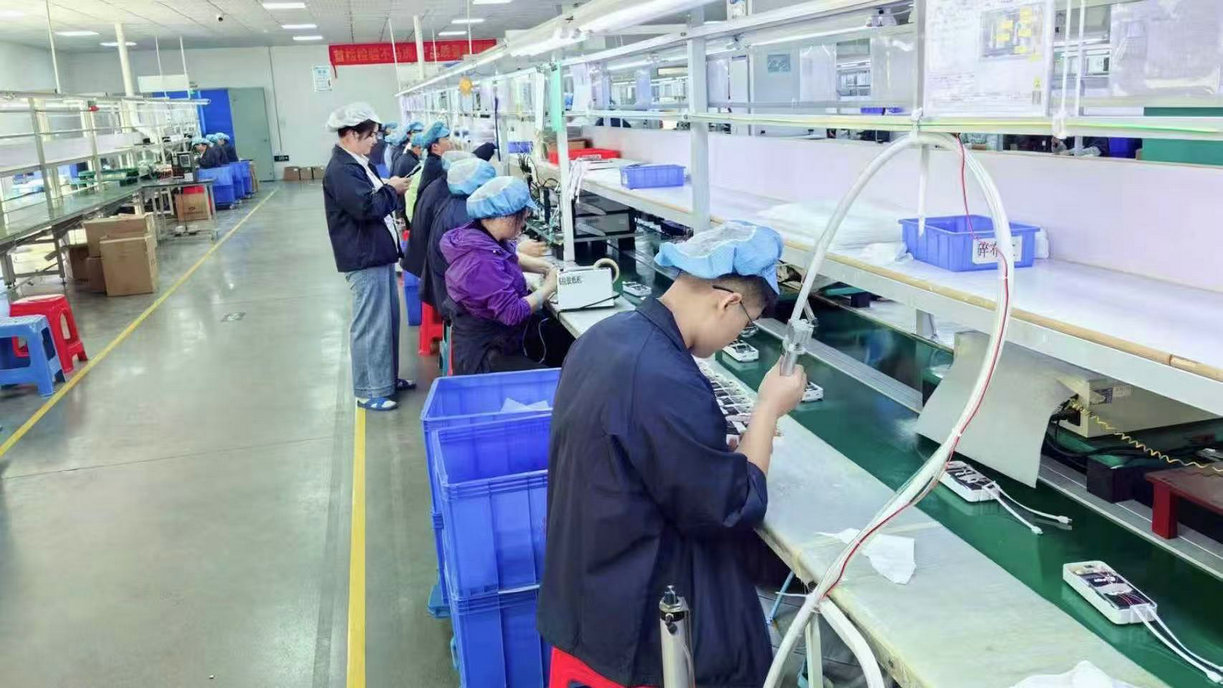
Laser welding operations secure electrical connection tabs under tight physical tolerances, preventing vibration wear.
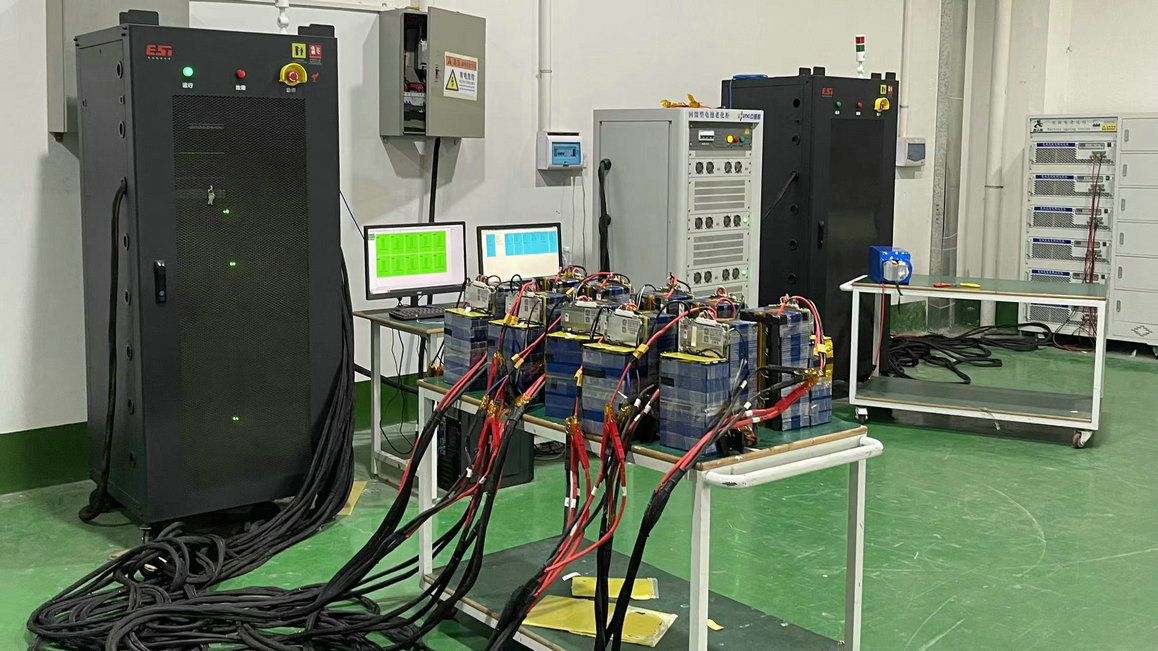
Elevated and low-temperature cycle chambers verify long-term capacity retention and dynamic performance metrics before leaving the factory.
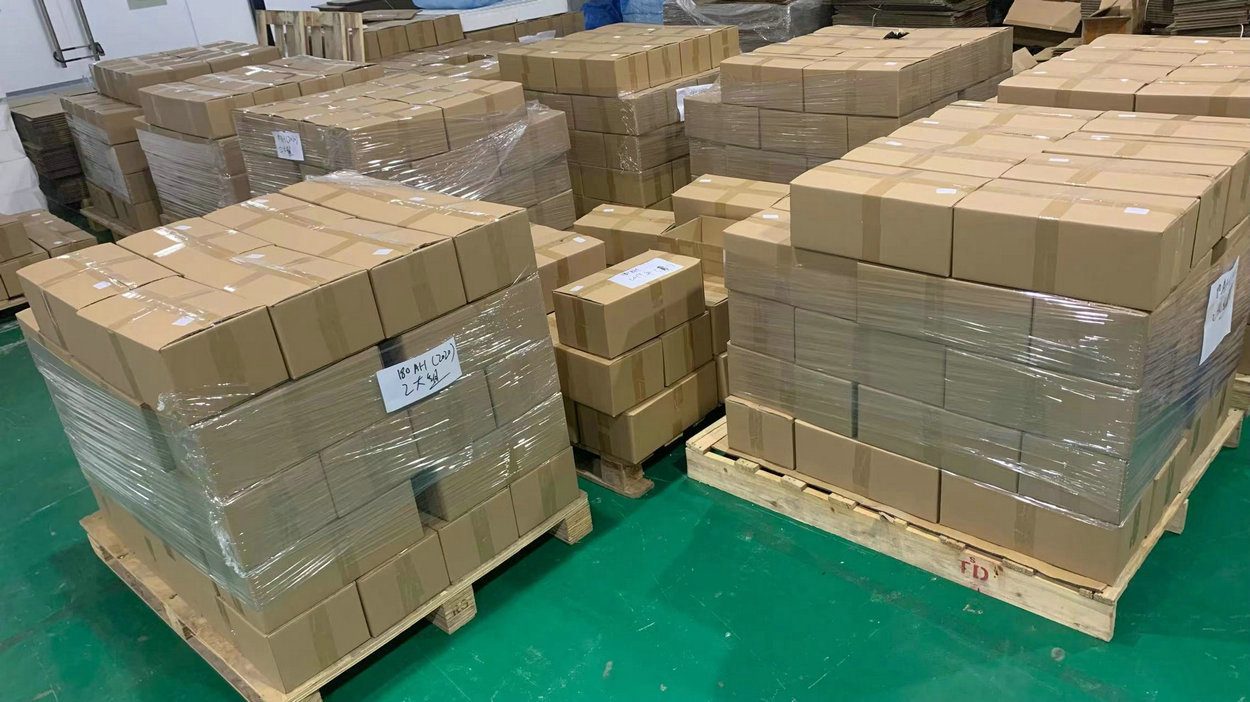
Each complete low-temp storage module is fully certified and physically audited before shipping out of the factory.
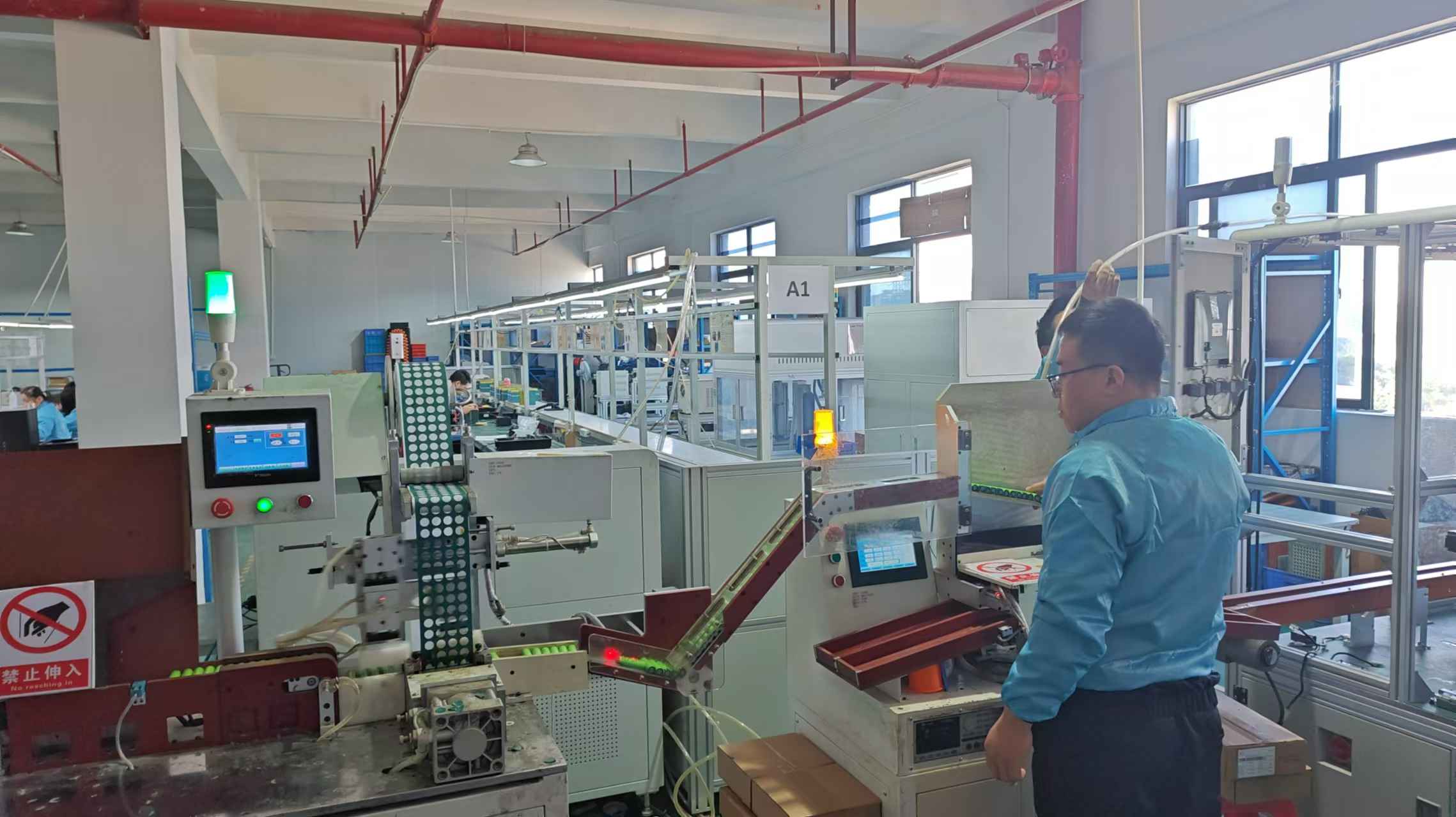
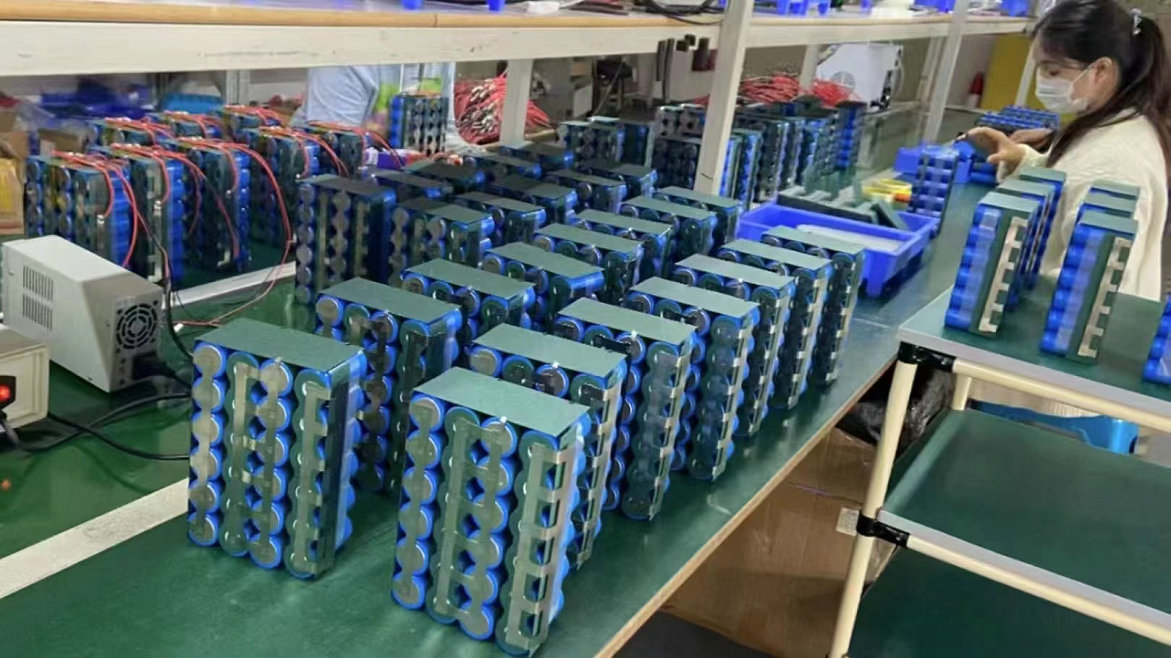
Cells are categorized via internal resistance and voltage values to achieve near-perfect matching in custom low-temperature arrays.
 Nuwon Energy