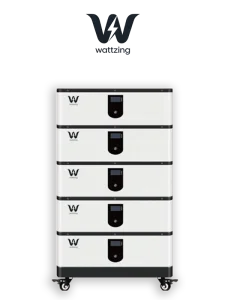
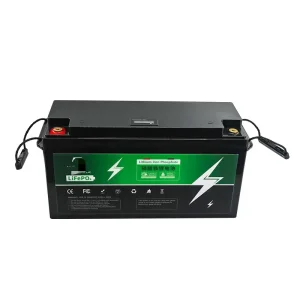
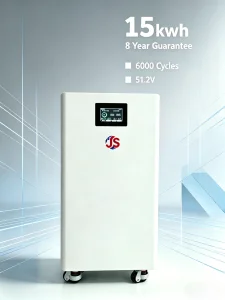
Designed for California solar integrations, high-performance EV conversions, and local grid resilience.
Southern California is at the absolute forefront of the global energy transition. Driven by the ambitious mandates of the California Independent System Operator (CAISO), the California Energy Commission (CEC), and Los Angeles's own Green New Deal (LA's Green New Deal - Pathway to 100% Clean Energy), industrial, commercial, and residential sectors are rapidly phasing out fossil fuel dependencies. As the City of Los Angeles aims for 100% renewable energy by 2035, the pressure on grid stability has never been higher.
Lithium Iron Phosphate (LiFePO4) chemistry has emerged as the definitive standard for stationary storage and heavy industrial mobility in Southern California. The extreme summer temperatures of the Los Angeles Basin, coupled with strict safety mandates like UL 9540A fire testing regulations, make LFP the only viable option. LFP offers a thermal runaway threshold of 270°C (compared to NMC's highly volatile 210°C), eliminating structural safety risks for dense municipal installations.
From the electrification of the Port of Los Angeles (America's Port) and Port of Long Beach under the Clean Air Action Plan (CAAP), to the massive growth of commercial microgrids across the Inland Empire warehousing hubs, high-capacity, long-cycle LFP systems represent the key structural component in modern energy architecture.
LFP (LiFePO4) chemistry directly mitigates the structural challenges faced by California's electrical and industrial ecosystem:
Analyzing the supply chain stability, macroeconomic incentives, and standardizing chemistries driving global energy systems.
By eliminating rare earth raw materials such as Cobalt and Nickel, LFP presents a stable supply chain structure shielded from volatile geopolitics. This cost security allows utilities, vehicle manufacturers, and system integrators to accurately model long-term ROI. The passing of the US Inflation Reduction Act (IRA) has further accelerated the domestic and near-shore integration of clean LFP systems.
According to tier-one global market analytics, LiFePO4 now commands over 85% of newly installed stationary battery energy storage systems (BESS). Its high volumetric energy density improvements, paired with unmatched safety parameters, make it the premier choice for large-scale utility integration and distributed energy resources (DERs).
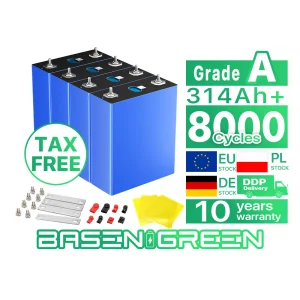
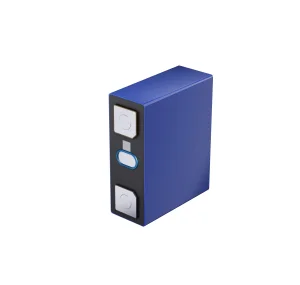
Innovations by core manufacturers (such as Hithium, CATL, CALB, and REPT) have introduced 314Ah, 320Ah, and even 560Ah prismatic cell designs capable of exceeding 8,000 to 12,000 cycles. These breakthroughs drive down Levelized Cost of Storage (LCOS) and expand the limits of macro grid stabilization.
A rigorous engineering comparison outlining the chemical and physical characteristics that make LFP the optimal choice for permanent infrastructure.
How Guangdong Nuwon Energy supports the unique regulatory and operational environment of the Greater Los Angeles Area.
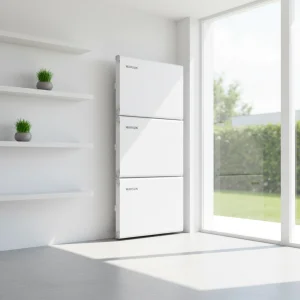
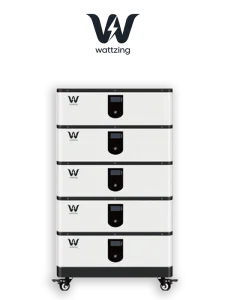
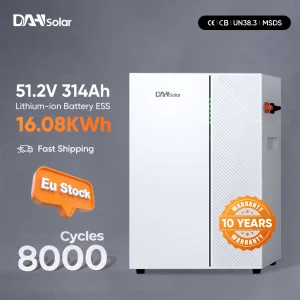
Under California's Net Energy Metering (NEM 3.0) framework, export rates for residential solar power have been slashed by roughly 75%. To maximize ROI, home energy systems must store generated power locally during the day and consume it during high-tariff Time-of-Use (TOU) hours (4 PM - 9 PM). Our wall-mounted 15kWh and stackable 30kWh systems provide the optimal capacity and high-current efficiency required to run heavy AC units and household appliances, bypassing peak PG&E/SCE utility bills.
The Port of Los Angeles and Port of Long Beach are transitioning all yard trucks, forklifts, and automated guided vehicles (AGVs) to zero-emission technology. Standard electric machinery demands rugged battery packs capable of rapid opportunity charging, high C-rate discharging, and structural impact protection. Guangdong Nuwon Energy designs IP67 waterproof LiFePO4 packs featuring advanced automotive-grade prismatic cells, engineered to withstand salt spray, severe vibration, and continuous heavy-duty industrial usage cycles.
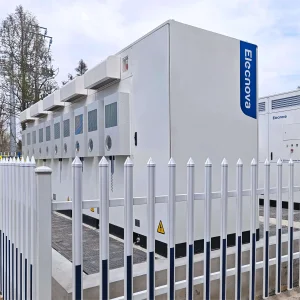
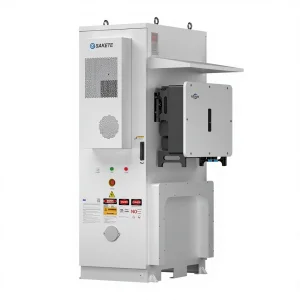
Commercial operations in California face aggressive demand charges—fees calculated based on the highest 15-minute window of electricity consumption during the month. By integrating our containerized or cabinet-level 112kWh/215kWh battery energy storage systems (BESS), LA manufacturing plants, commercial properties, and entertainment production sets can automatically discharge stored energy during heavy loads, drastically lowering peak demand spikes and stabilizing operating overhead.
Talk directly with our technical engineering team. We supply certified lithium battery solutions customized to meet UL, CE, and California CEC grid integration codes.
Send Inquiry NowGuangdong Nuwon Energy Co., Ltd. is a leading manufacturer and solution provider in advanced battery systems, specializing in the research, development, manufacturing, and global distribution of high-performance energy storage products. The company offers comprehensive OEM and ODM services, delivering customized battery solutions tailored to diverse industrial and commercial applications.
Backed by a highly experienced engineering and R&D team, Nuwon Energy focuses on the design and integration of cylindrical and prismatic lithium battery cells, as well as complete battery packs, modules, and energy storage systems. The company also develops and produces industrial-grade battery cells engineered for safety, durability, and long cycle life.
Guangdong Nuwon Energy serves a wide range of industries, including consumer electronics, electric mobility (such as golf carts, forklifts, UTVs/ATVs, trucks, and marine systems), medical equipment, unmanned ground vehicles (AGVs/AMRs), and emerging aerospace applications such as eVTOL aircraft. In addition, the company provides reliable residential, commercial, and industrial (C&I) energy storage solutions designed to support the global transition toward clean and sustainable energy.
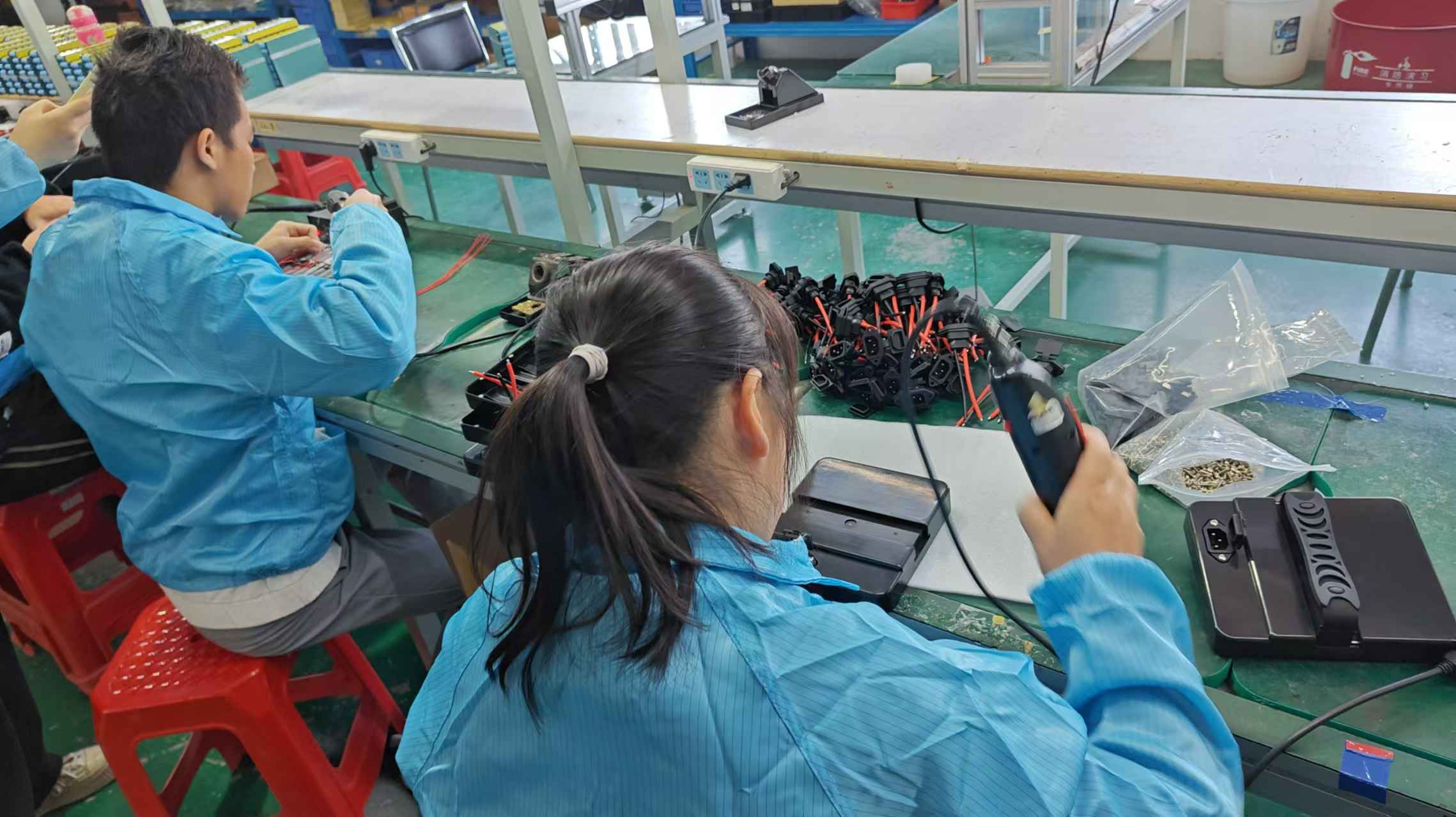
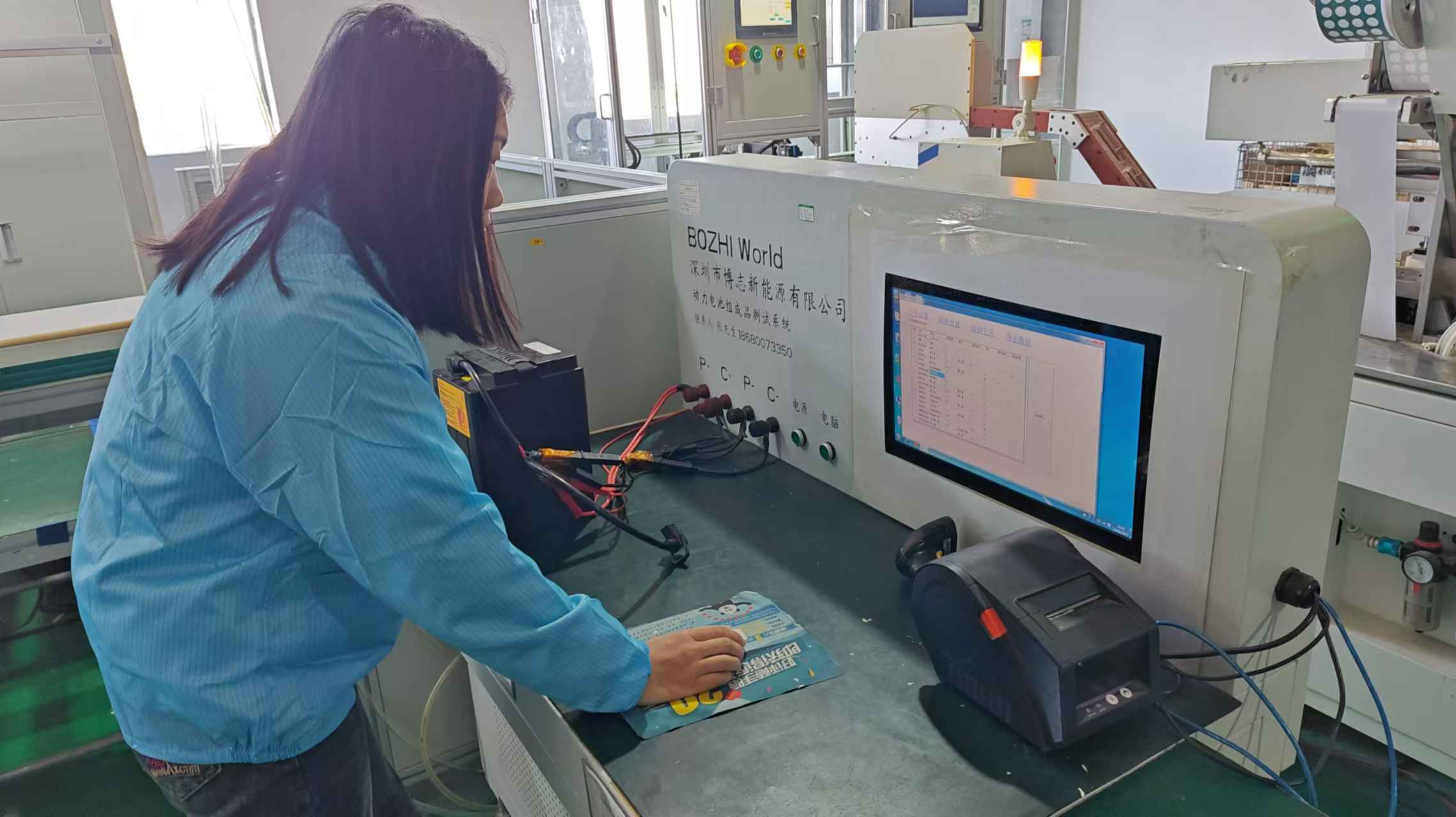
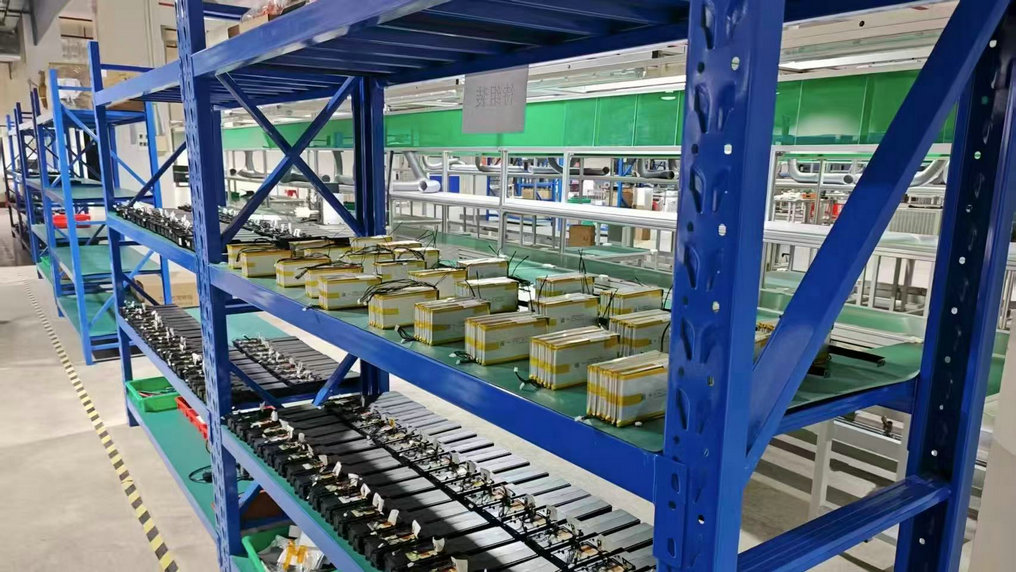
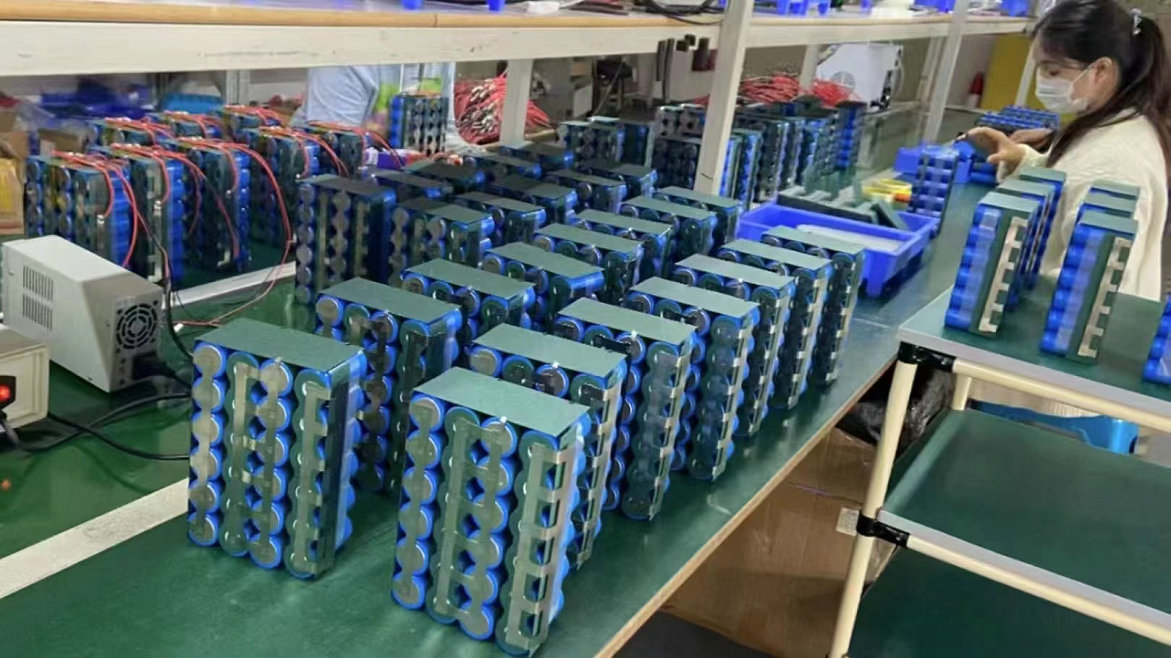
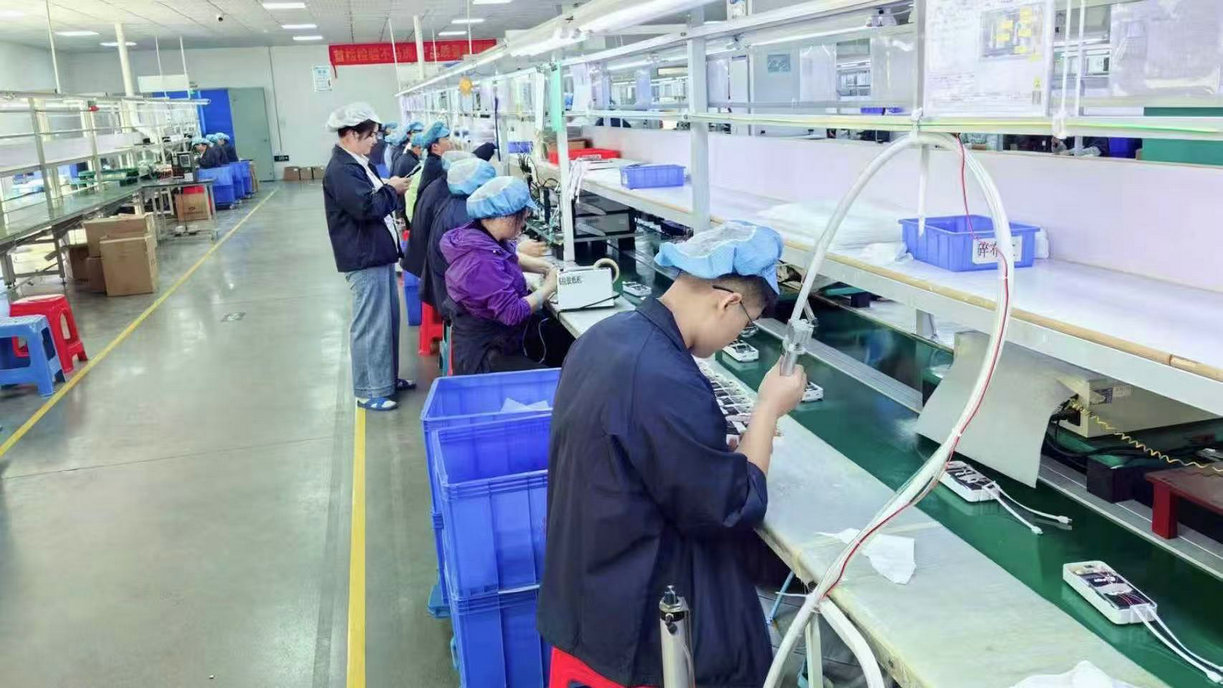
With a strong commitment to innovation, strict quality control, and customer-centric service, Guangdong Nuwon Energy continuously invests in advanced manufacturing capabilities, automated production lines, and rigorous testing systems. This ensures that every product meets international safety standards and delivers exceptional performance in demanding environments. Driven by a vision to accelerate global electrification and energy efficiency, Guangdong Nuwon Energy Co., Ltd. is dedicated to building long-term partnerships and providing reliable, intelligent, and sustainable energy solutions to customers worldwide.
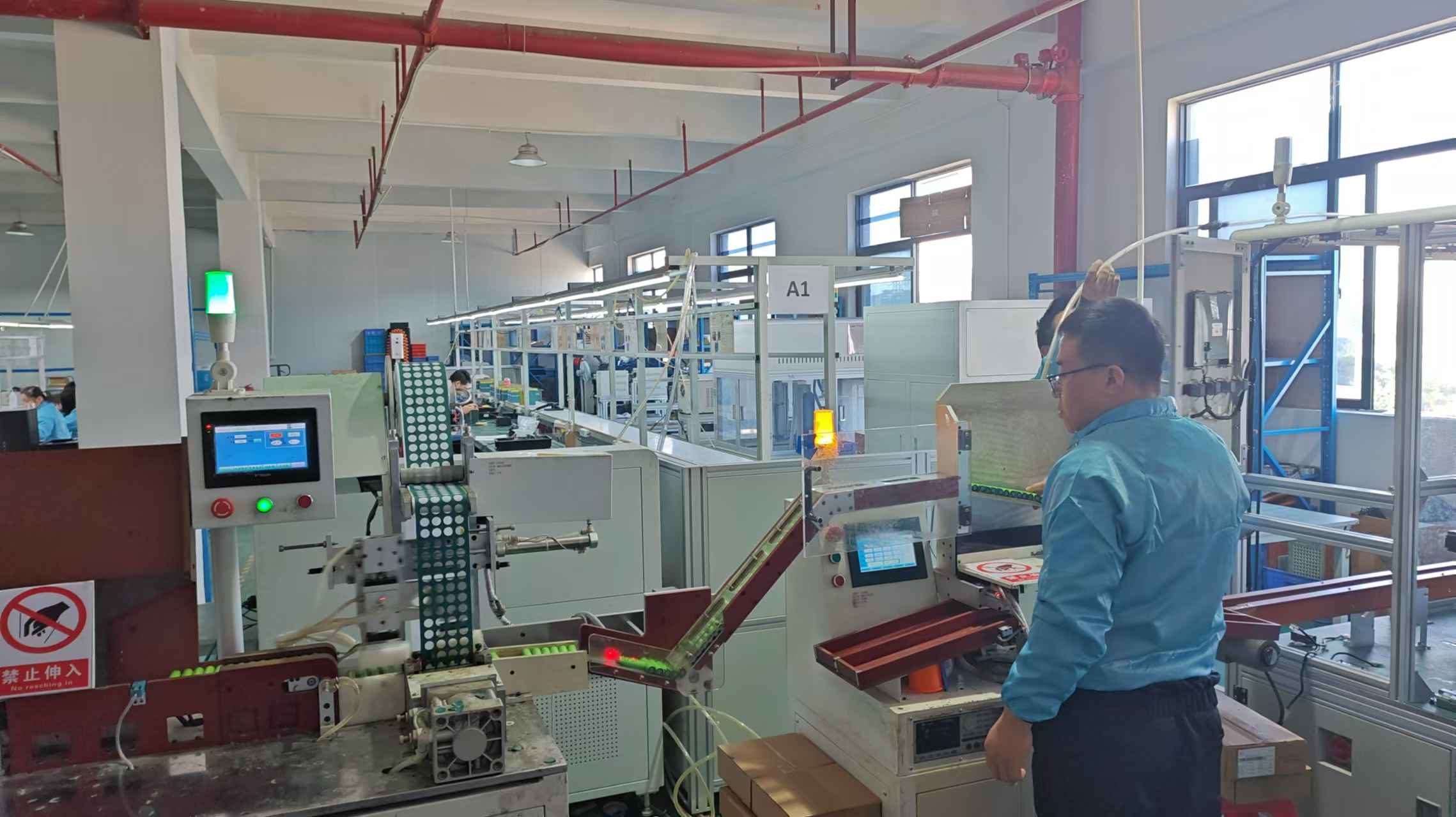
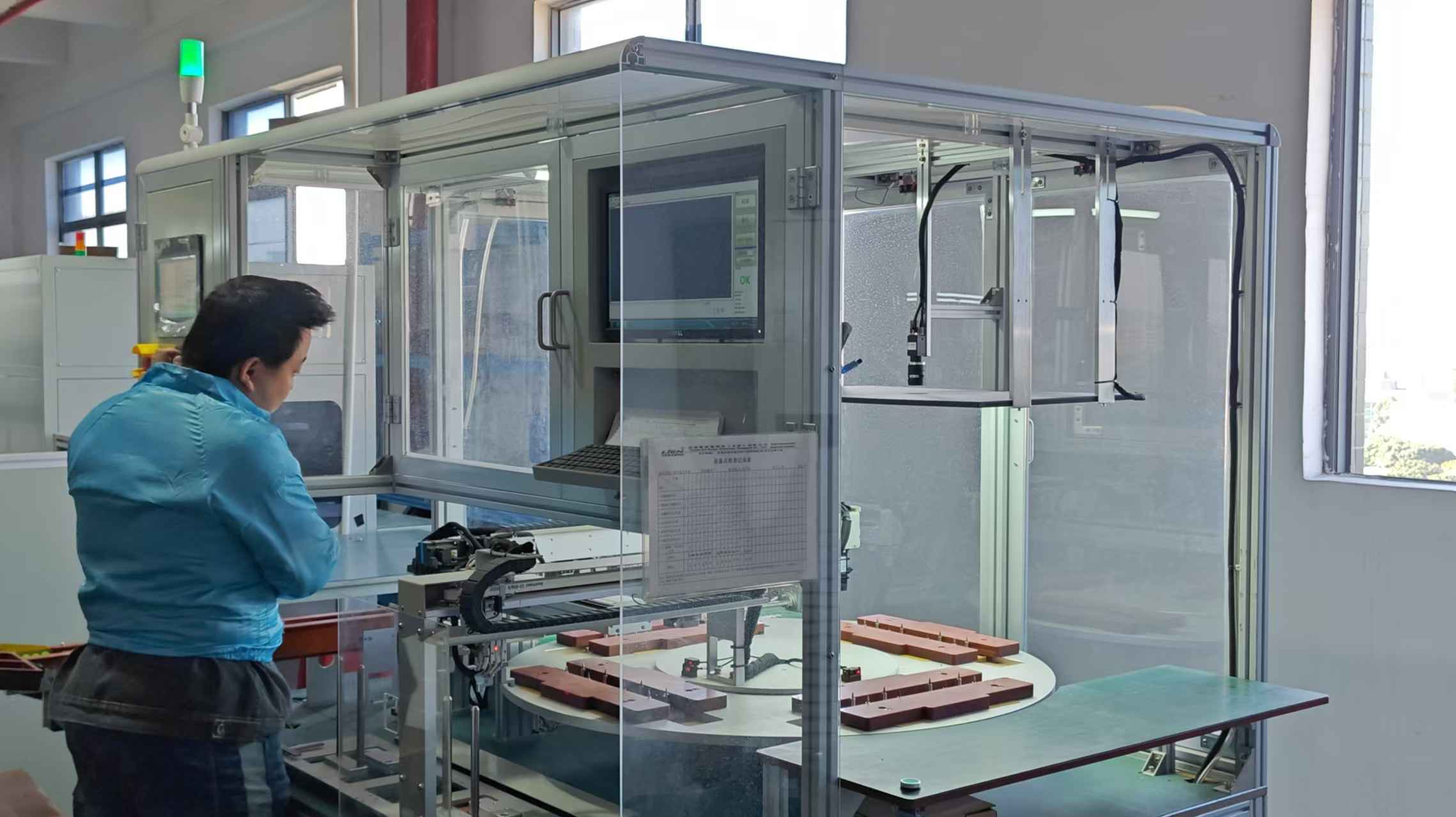
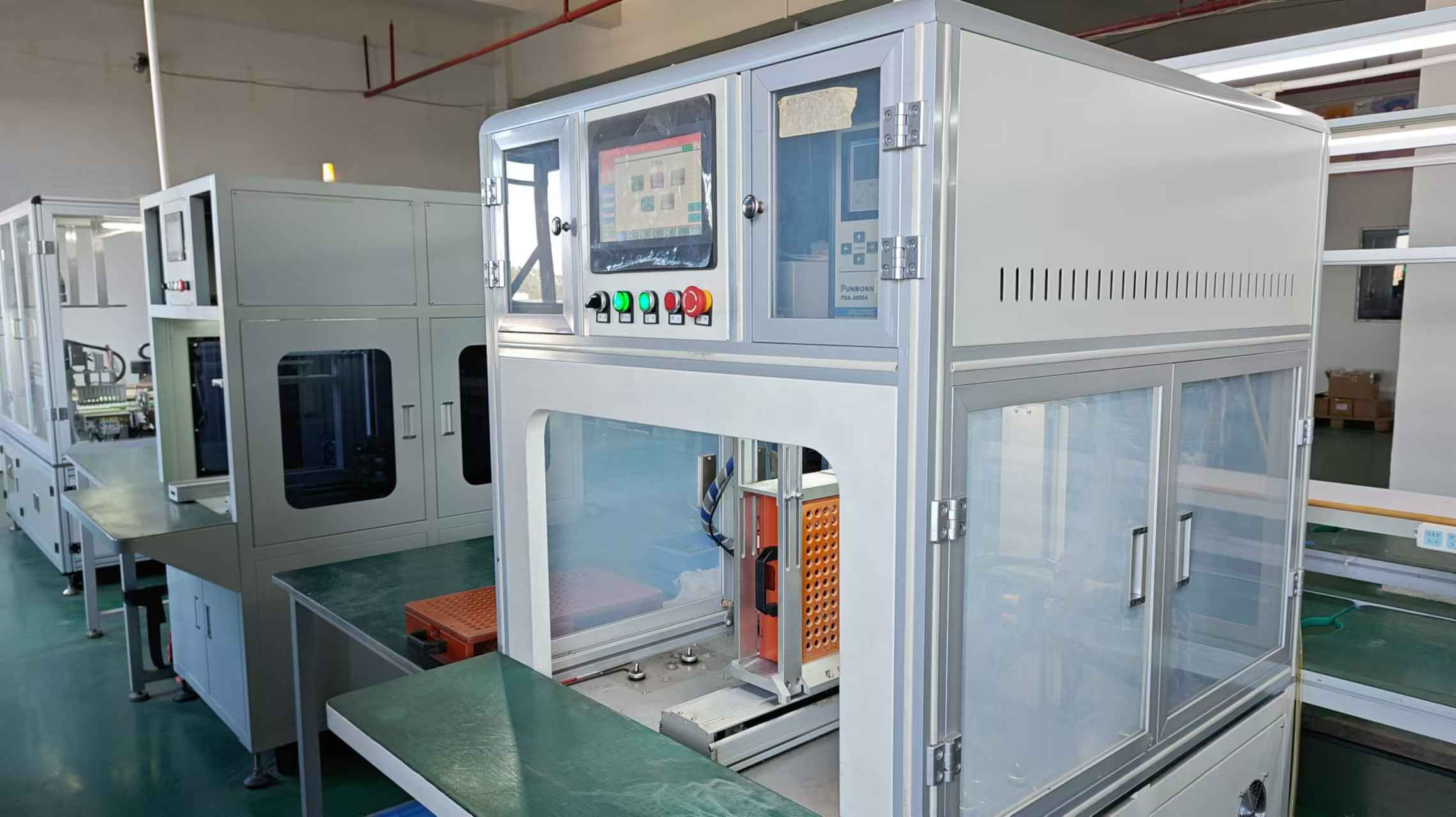
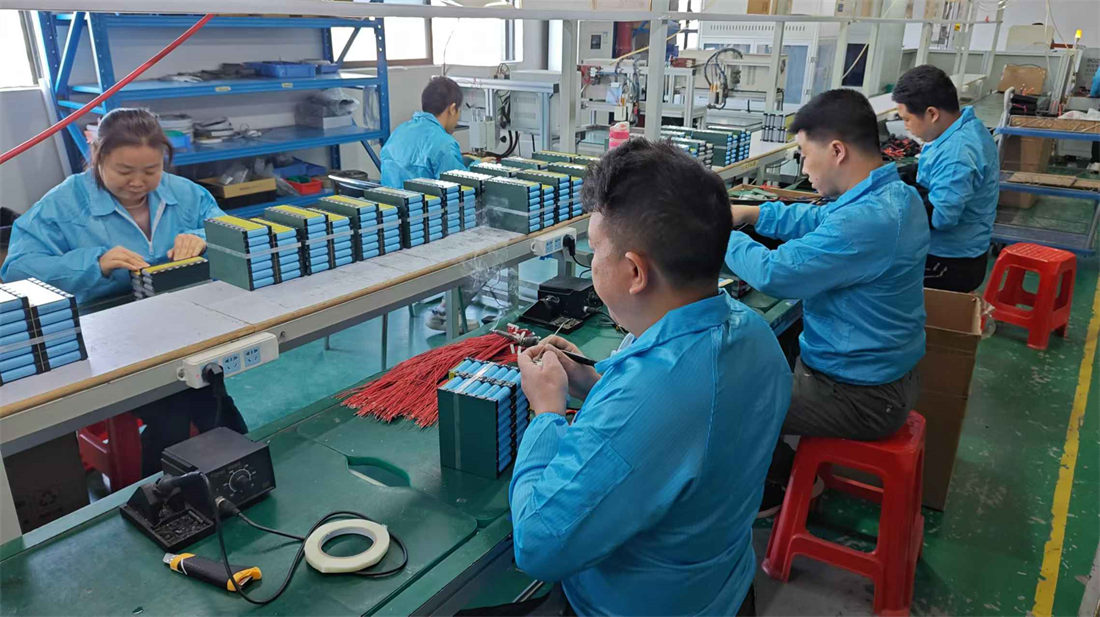
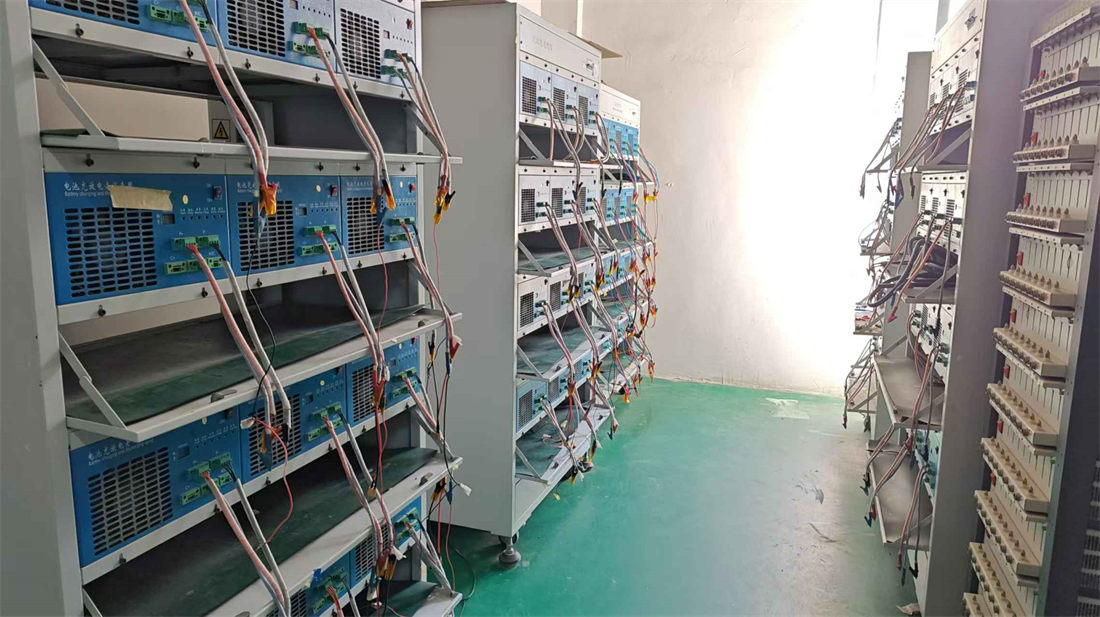
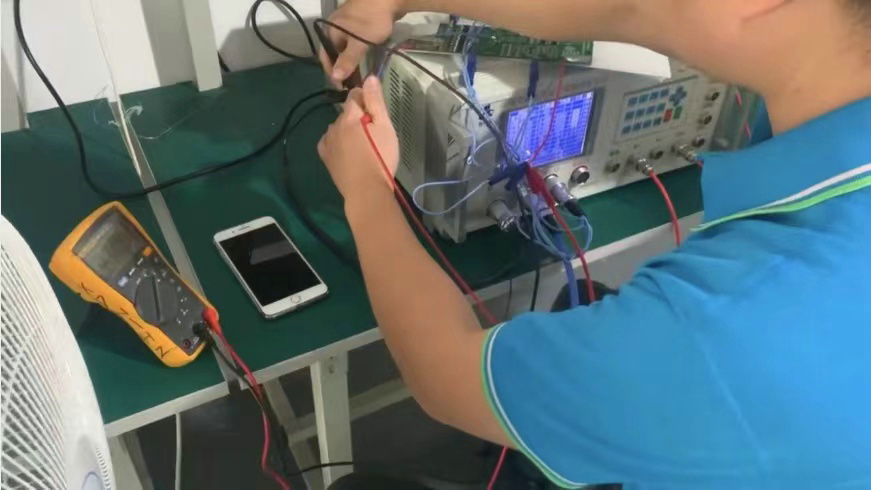
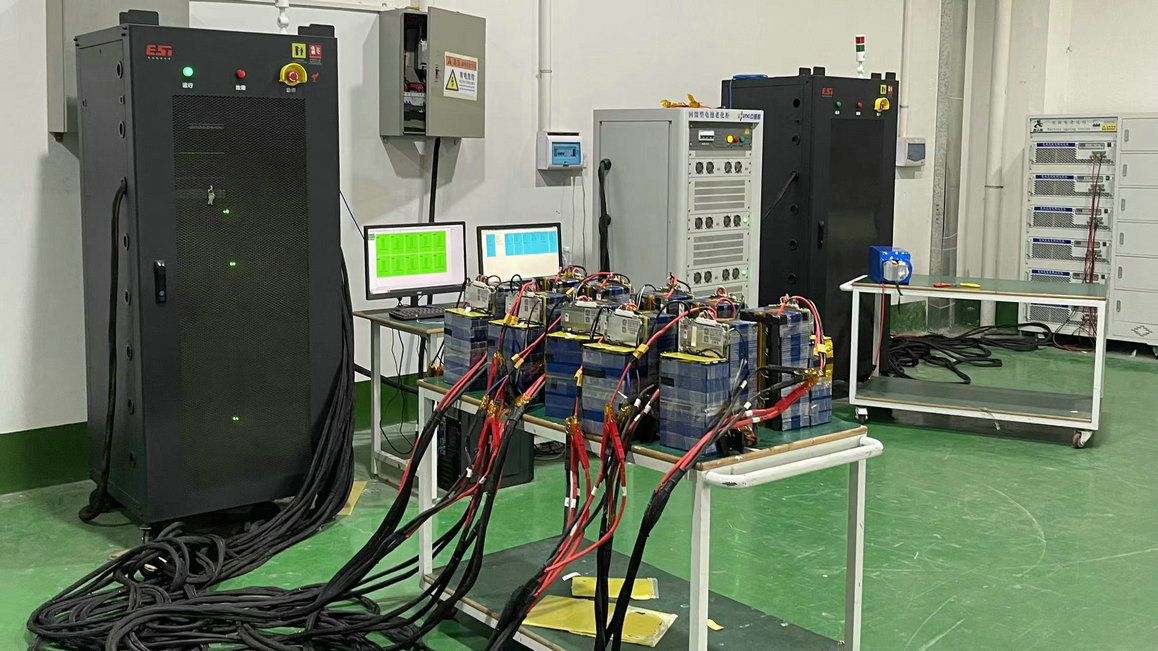
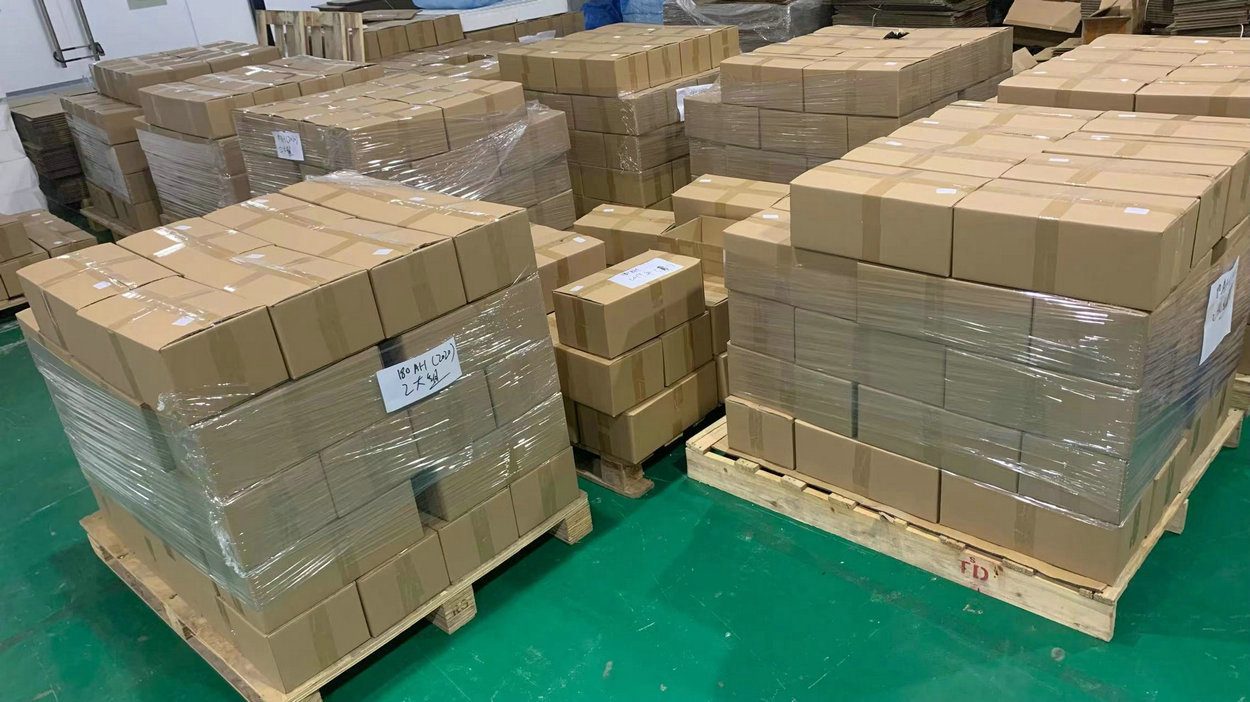
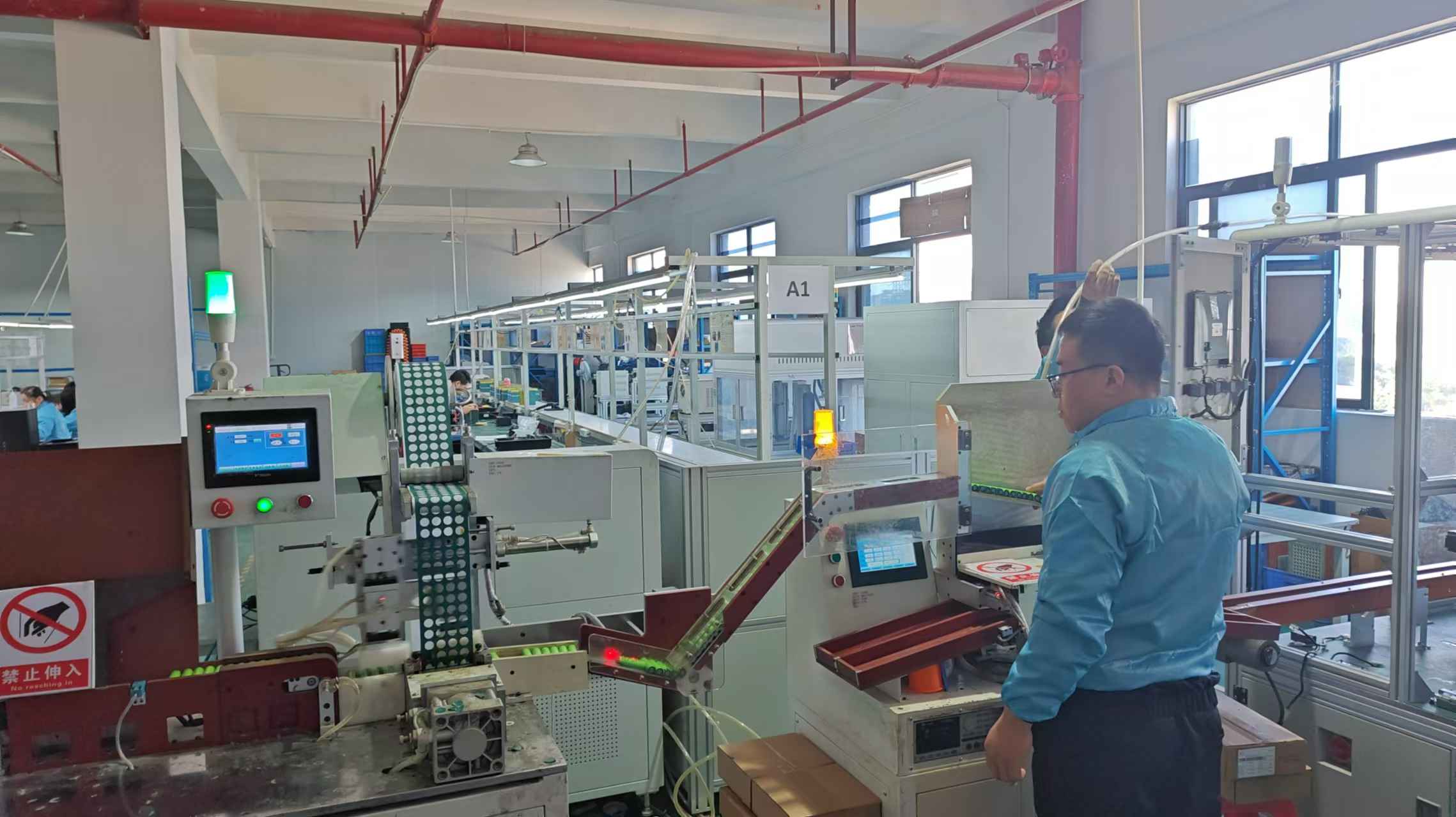
Every battery pack undergoes comprehensive processing under strict ISO 9001 standards to guarantee long-term performance and field reliability.
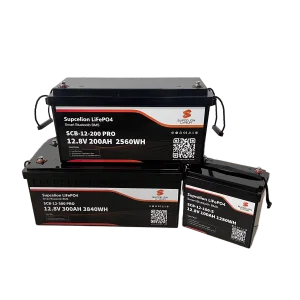
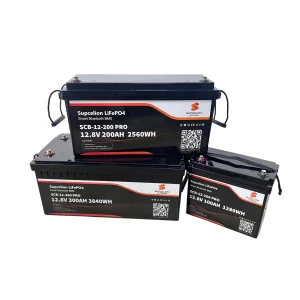
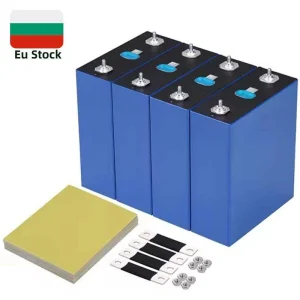
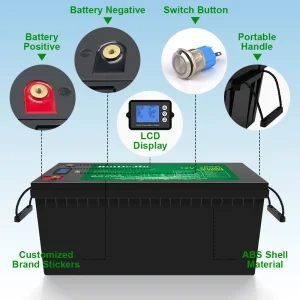
Explore our deep inventory of LFP cells, smart Bluetooth deep cycle batteries, rack-mounted commercial units, and modular containers.
The engineering landscape of LFP chemistry is evolving rapidly toward higher energy density, smarter diagnostics, and seamless grid-level integration. At Guangdong Nuwon Energy, our R&D roadmap focuses on three critical technology pillars:
Exporting lithium battery systems to North American and European markets requires complete regulatory alignment. Nuwon Energy ensures our products are ready for immediate local commissioning:
In-depth, direct answers to common engineering, logistical, and compliance questions concerning Lithium Iron Phosphate battery deployment in the Los Angeles and global markets.
Safety and cycle life are the main reasons. Due to California's strict building and fire safety codes (such as NFPA 855 guidelines and UL 9540A testing requirements), LFP chemistry is the preferred Choice. Unlike NMC, LFP releases no oxygen during high-temperature thermal runaway events, eliminating risk of explosive combustion. Furthermore, LFP's 6,000+ cycle lifespan matches the typical longevity of solar PV modules, offering a lower Levelized Cost of Storage (LCOS).
Yes. We specialize in custom battery design, layout engineering, and prototype manufacturing. We design and manufacture heavy-duty battery packs for electric utility vehicles, terminal tractors, AGVs, AMRs, electric marine hulls, and golf carts. Our engineers develop custom enclosures, custom-fit high-performance smart BMS configurations, and select proper Grade A cells to meet client power requirements.
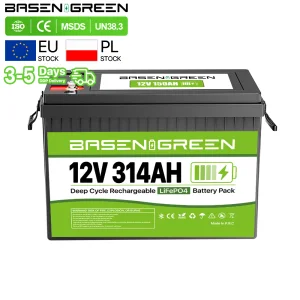
Our battery products carry essential international and North American safety and transportation clearances, including UN38.3 testing certification, MSDS, CE, and RoHS approvals. Depending on customer project requests, our battery packs and modules can be manufactured to pass UL 1973, UL 1642, or UL 9540A specifications, ensuring compliance with local fire codes and enabling smooth logistics through the Port of Los Angeles.
NEM 3.0 has reduced the credit rate for exporting surplus residential solar power back to the grid. This means homeowners must store solar generation locally to optimize costs. As a result, home energy storage system sizes have increased from basic emergency backup systems (typically 5kWh to 10kWh) to complete daily cycling units (usually 15kWh to 30kWh) to cover overnight energy needs and offset expensive Time-of-Use rates.
Grade A cells are certified by the manufacturer to meet strict factory tolerances for capacity, internal resistance, and cycle life. They display uniform charge/discharge behaviors, long cycles, and have no cosmetic defects. Grade B cells are minor factory variances that might have slightly lower capacity or higher internal resistance, resulting in shortened cycle lives and potential cell imbalance issues. Guangdong Nuwon Energy uses only Grade A cells in our high-end ESS and industrial product lines.
Our manufacturing facility applies a multi-step quality control protocol: cell capacity and internal resistance sorting, module assembling with strict dimension checks, high-precision automated laser welding, aging under heat cycles to weed out latent micro-defects, performance testing using professional load testers, PCB diagnostics for every BMS, and high-voltage insulation tests before packaging and shipping.
 Nuwon Energy