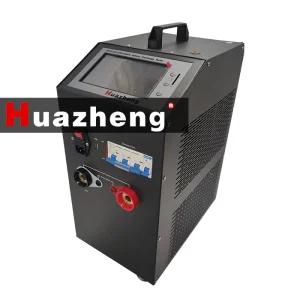
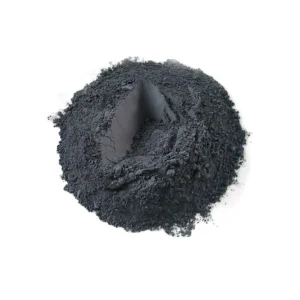
Explore our premium industrial-grade raw cells, low-temperature batteries, and high-precision testing hardware configured for modern recycling and storage applications.
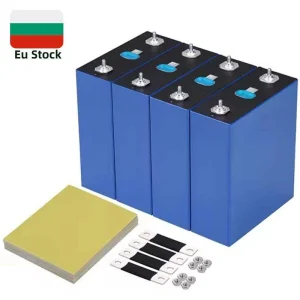

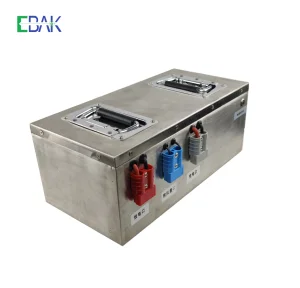
The global push towards clean transport and energy storage systems (ESS) has triggered a massive expansion in lithium-ion battery production. However, this transition faces severe supply-chain limitations regarding core active cathode materials like lithium, cobalt, nickel, and manganese. Battery recycling is no longer merely an environmental preference; it has become an essential industrial policy. Governments worldwide are enacting structural frameworks to secure closed-loop secondary supply channels.
Under the European Union Battery Regulation, strict targets mandate the recovery of high-value active materials: at least 90% for cobalt, copper, and nickel by 2027, rising to 95% by 2031. Furthermore, battery manufacturers must incorporate mandatory minimum levels of recycled content in new cells. In North America, the Inflation Reduction Act (IRA) links electric vehicle tax incentives directly to domestic or trade-partner sourcing of battery materials. By leveraging these legislative mandates, battery recycling processes can yield substantial economic gains while avoiding the severe carbon footprints associated with primary mining.
Geopolitically concentrated extraction of cobalt and lithium increases vulnerability. High-efficiency sorting and recycling lines extract battery-grade NMC precursor powders to stabilize input costs.
Hydrometallurgical extraction processes produce up to 70% fewer carbon emissions per kilogram of lithium carbonate equivalent (LCE) compared to hard-rock spodumene mining and refining.
Evaluating extraction efficiency, resource recovery rates, environmental impacts, and capital expenditure across primary industrial recycling routes.
| Evaluation Parameter | Pyrometallurgical Method (Smelting) | Hydrometallurgical Method (Leaching/Extraction) | Direct Cathode Recycling (Physical Recovery) |
|---|---|---|---|
| Target Recovery Elements | Cobalt, Nickel, Copper (alloys) | Lithium, Cobalt, Nickel, Manganese, Graphite | Intact Active Cathode Crystal Structures |
| Lithium Recovery Yield | Extremely Low (<10%, lost to slag) | High (Up to 92% - 97%) | High (Retained in crystal form) |
| Carbon Footprint (CO2 Equivalent) | High (High combustion heat requirements) | Low to Medium (Lower process temperatures) | Extremely Low (Low-temp processes) |
| Purity of Output Materials | Moderate (requires additional refining) | Very High (>99.9% Battery Grade) | Variable (Dependent on input degradation) |
| Process Flexibility | High (Processes varied cell types) | Medium (Requires optimized chemistry) | Low (Highly sensitive to cell chemistry) |
| Capital Expenditure (CAPEX) | High (Requires large-scale smelters) | Moderate (Modular hydrometallurgical lines) | High (Technological complexity) |
Nickel-Cobalt Extraction Yield
Precursor Material Purity
Supported Battery Cycle Lifespan
Compliance with EU Battery Regulations
Guangdong Nuwon Energy Co., Ltd. is a leading manufacturer and solution provider specializing in advanced battery systems. Our work spans the design, development, manufacturing, and global distribution of high-performance energy storage products. We provide comprehensive OEM and ODM services, delivering customized battery configurations tailored to industrial and commercial operations.
Supported by our experienced engineering and R&D teams, we focus on the integration of cylindrical and prismatic lithium cells, as well as complete battery packs, modules, and full-scale energy storage systems. Our industrial-grade cells are designed for high safety, durability, and long cycle lives.
We serve diverse markets, including consumer electronics, electric mobility (such as golf carts, forklifts, UTVs/ATVs, commercial trucks, and marine vessels), medical equipment, automated guided vehicles (AGVs/AMRs), and advanced aerospace systems (such as eVTOL aircraft). In addition, we deliver reliable residential, commercial, and industrial (C&I) energy storage systems to support the global transition to clean energy.
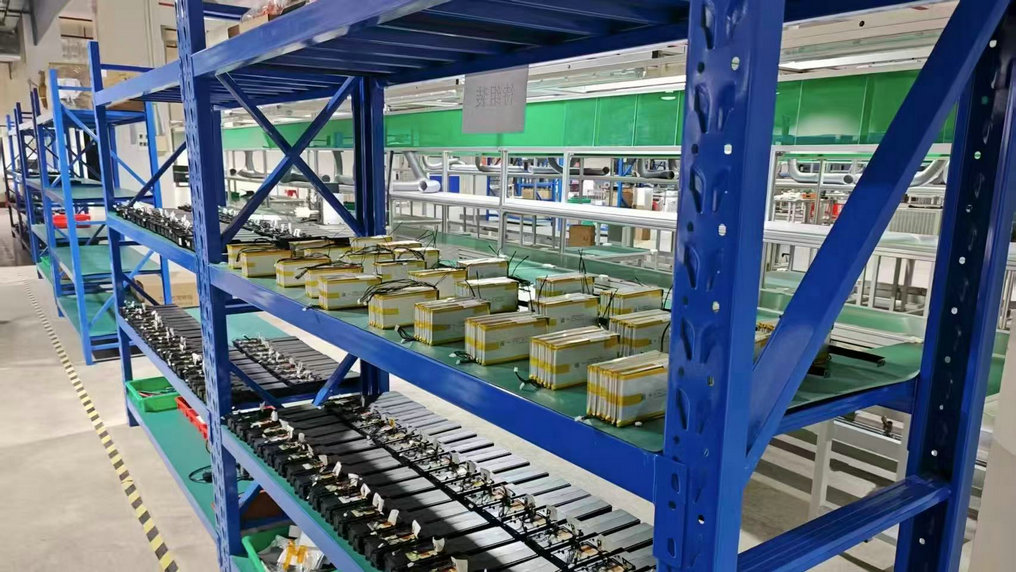
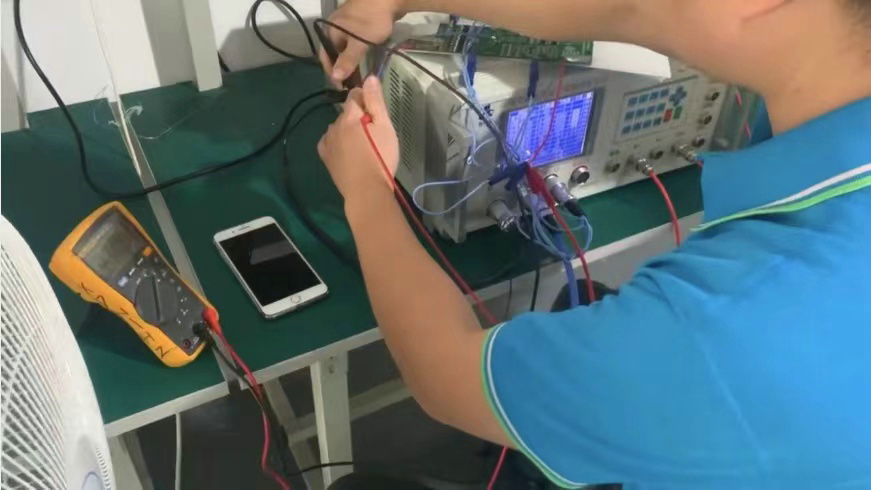
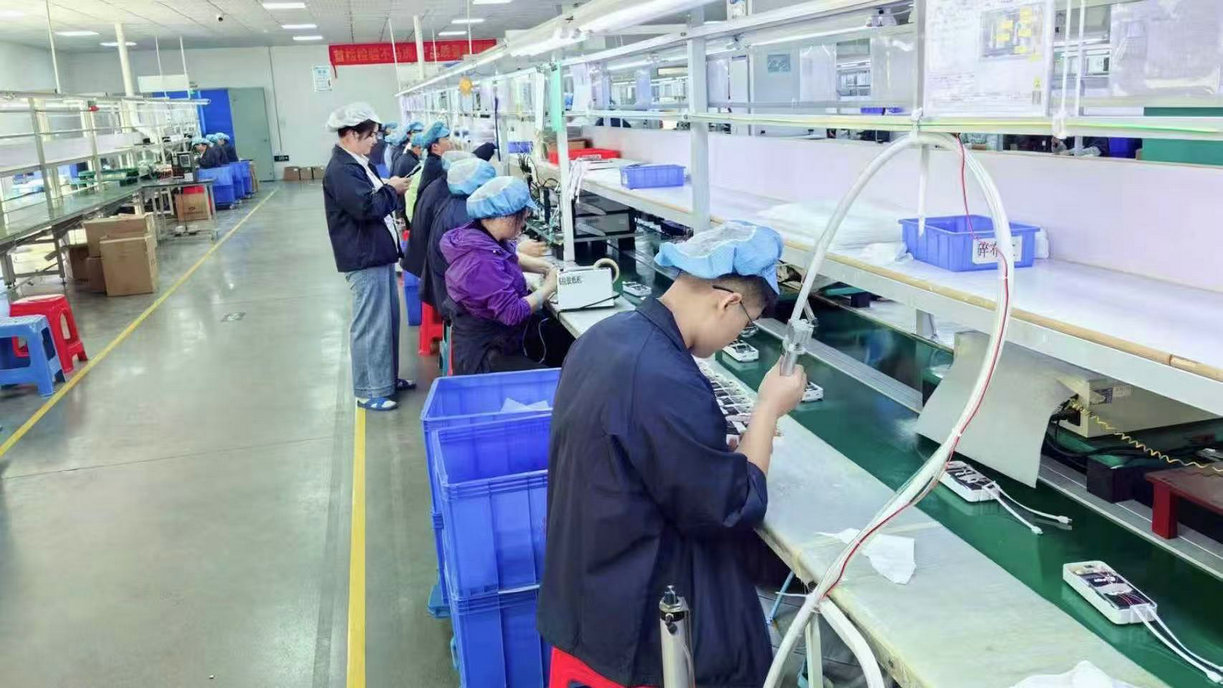
We invest continually in automated production, advanced assembly lines, and rigorous testing systems to ensure all products meet international safety standards and perform reliably in demanding conditions.
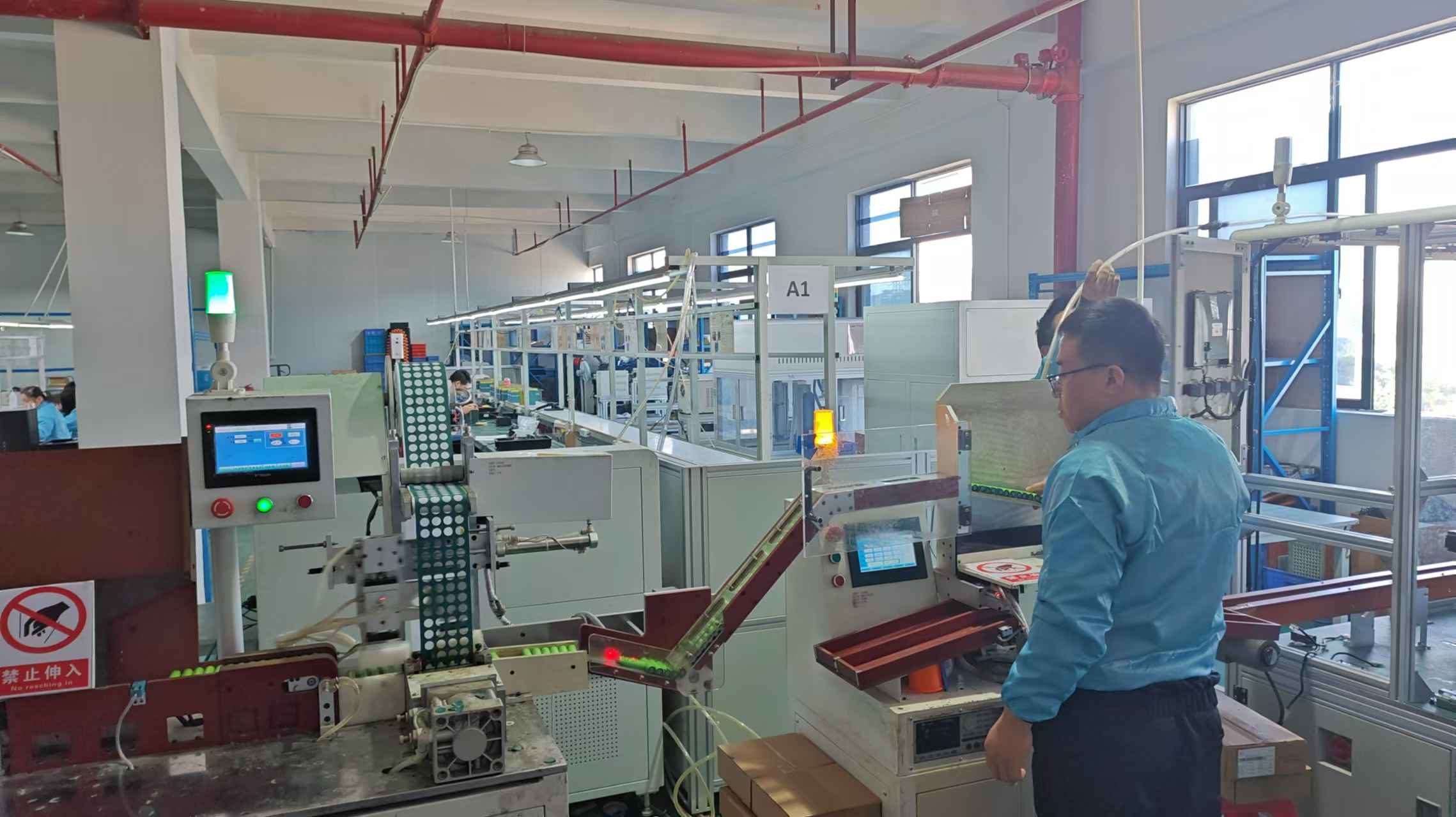
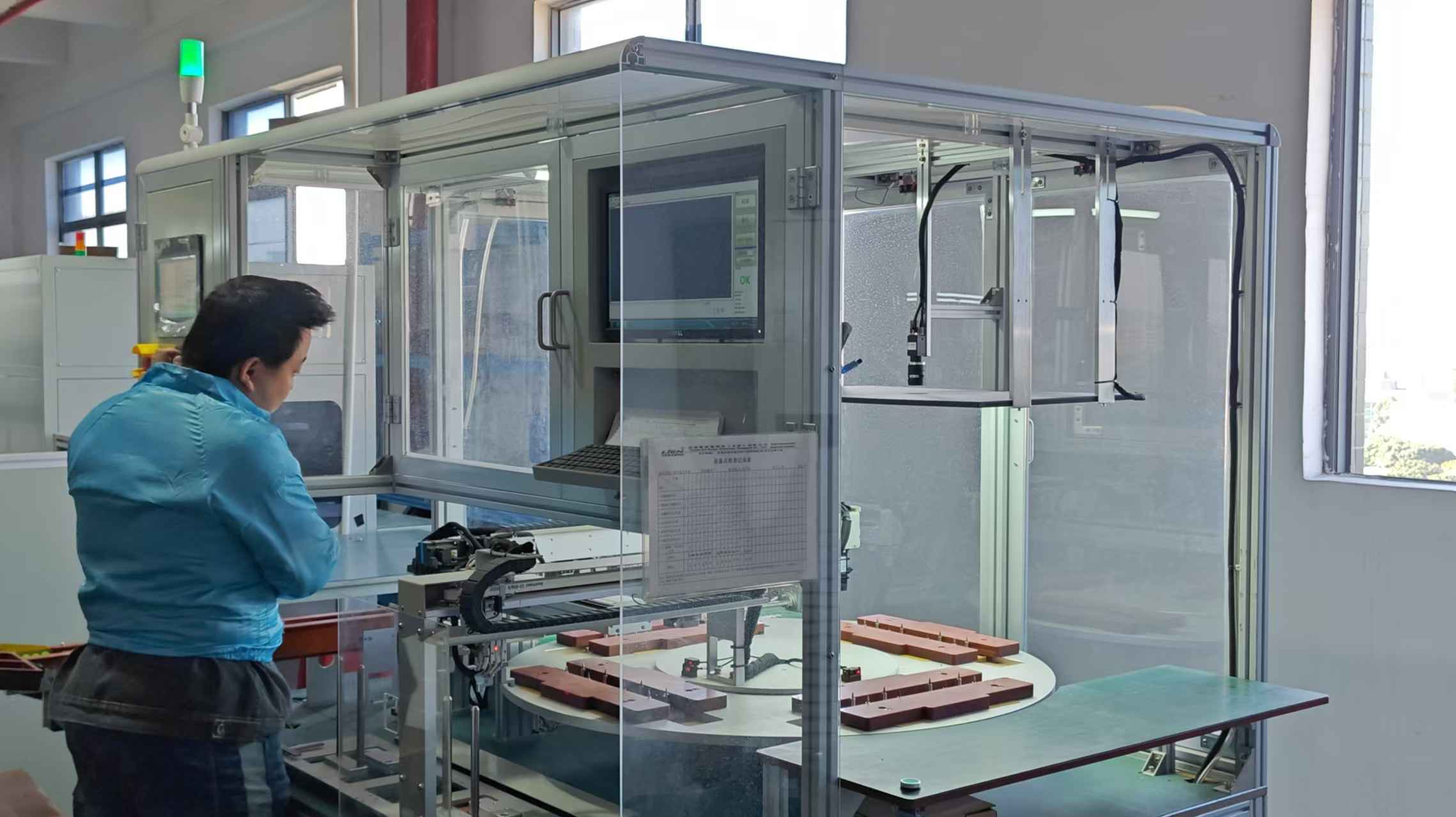
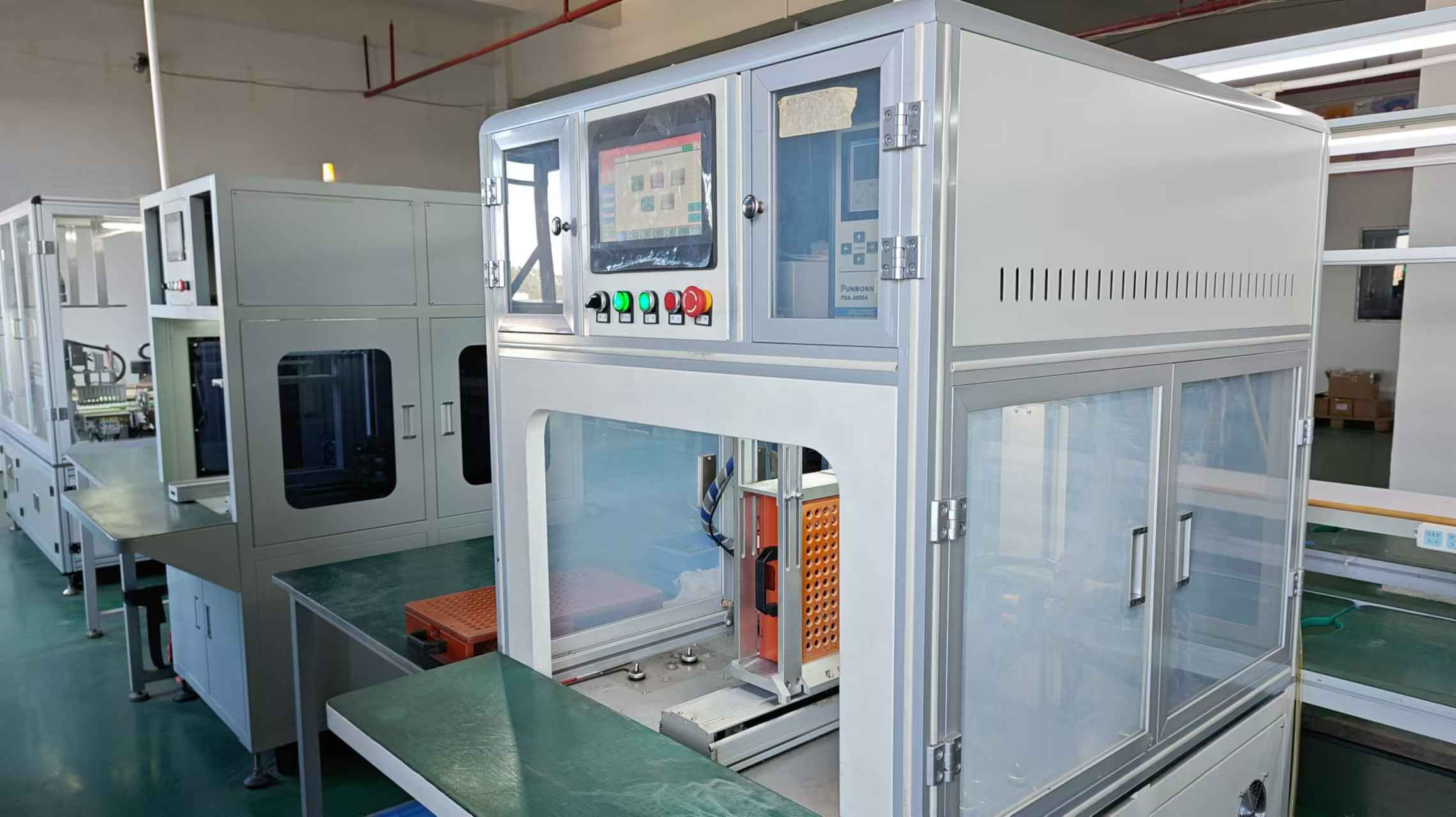
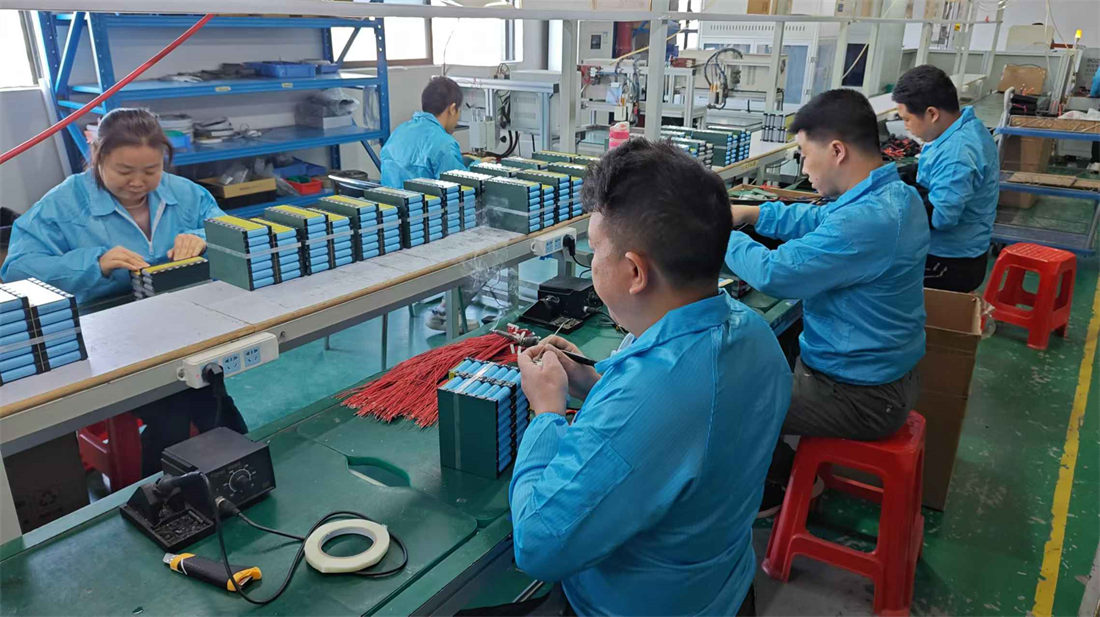
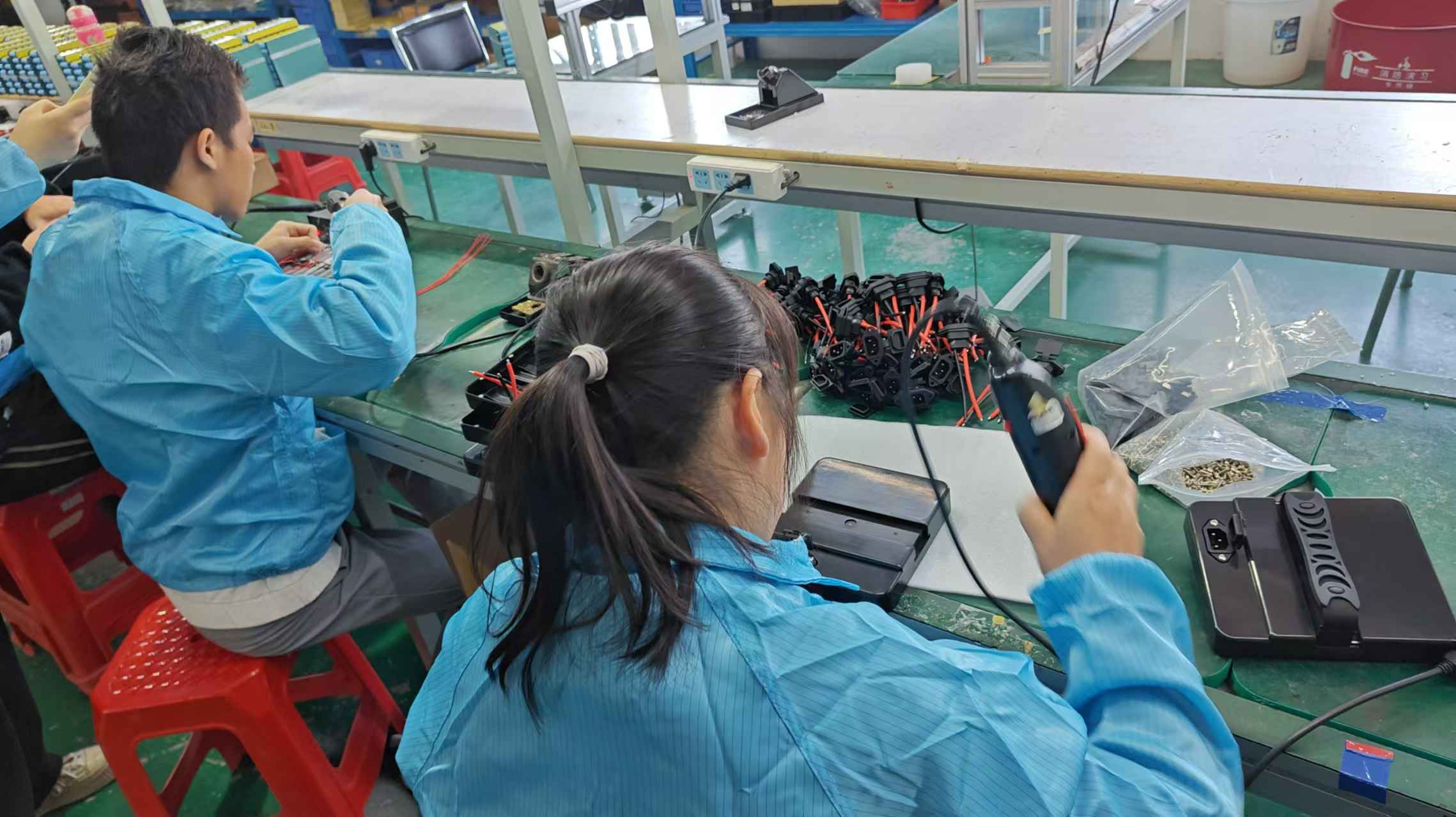
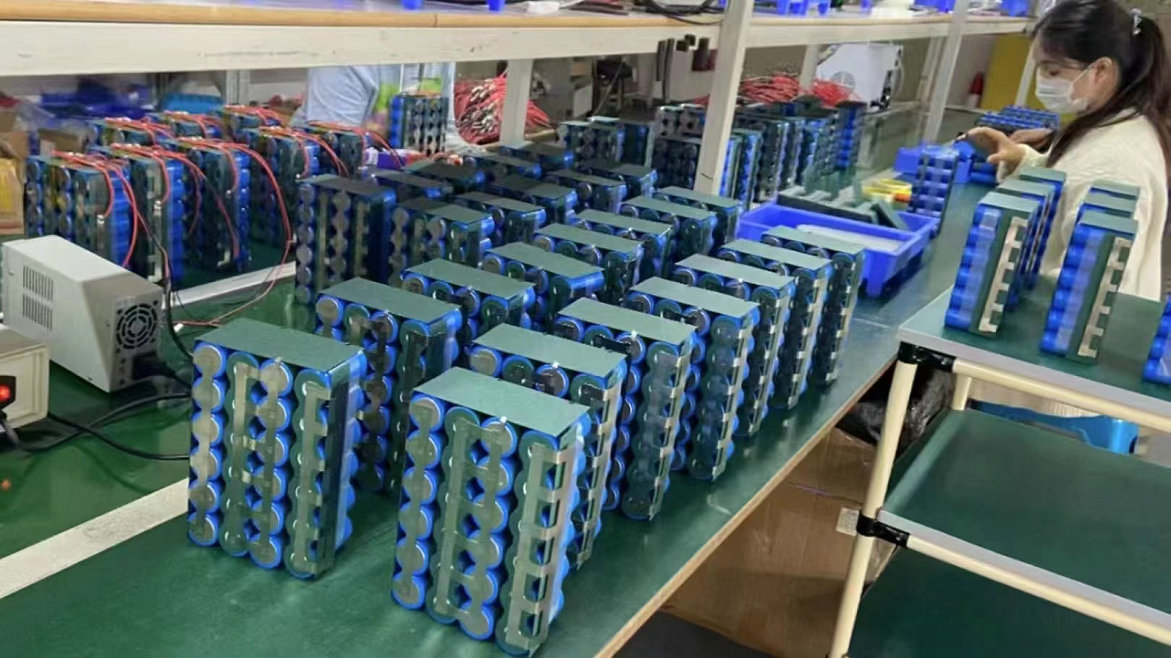
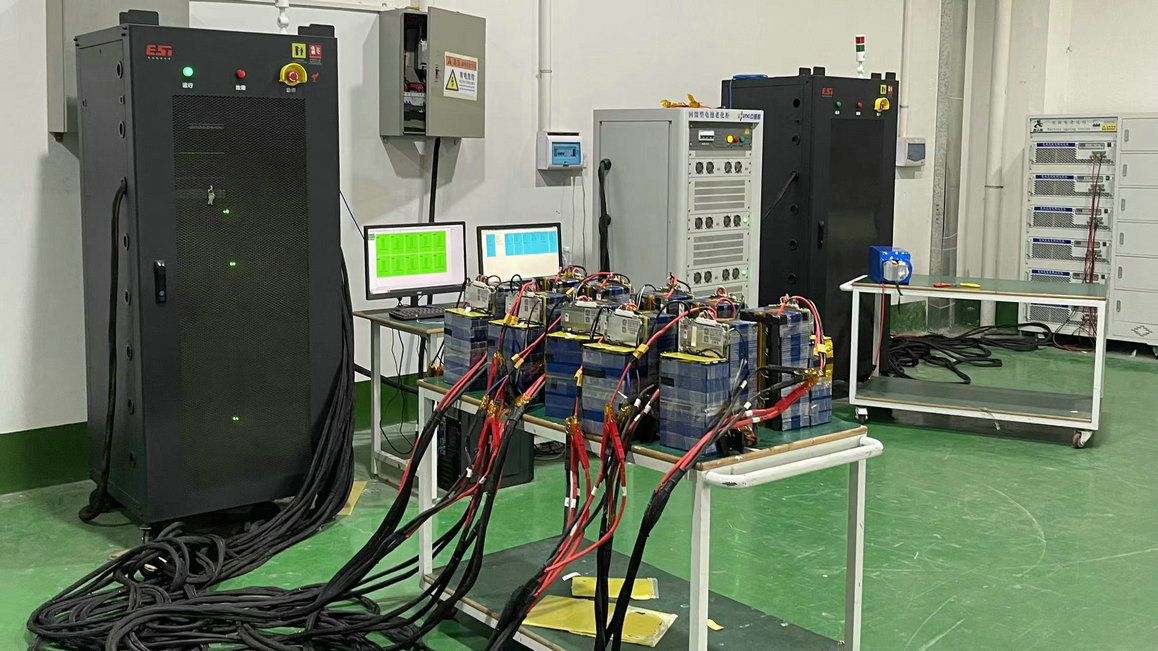
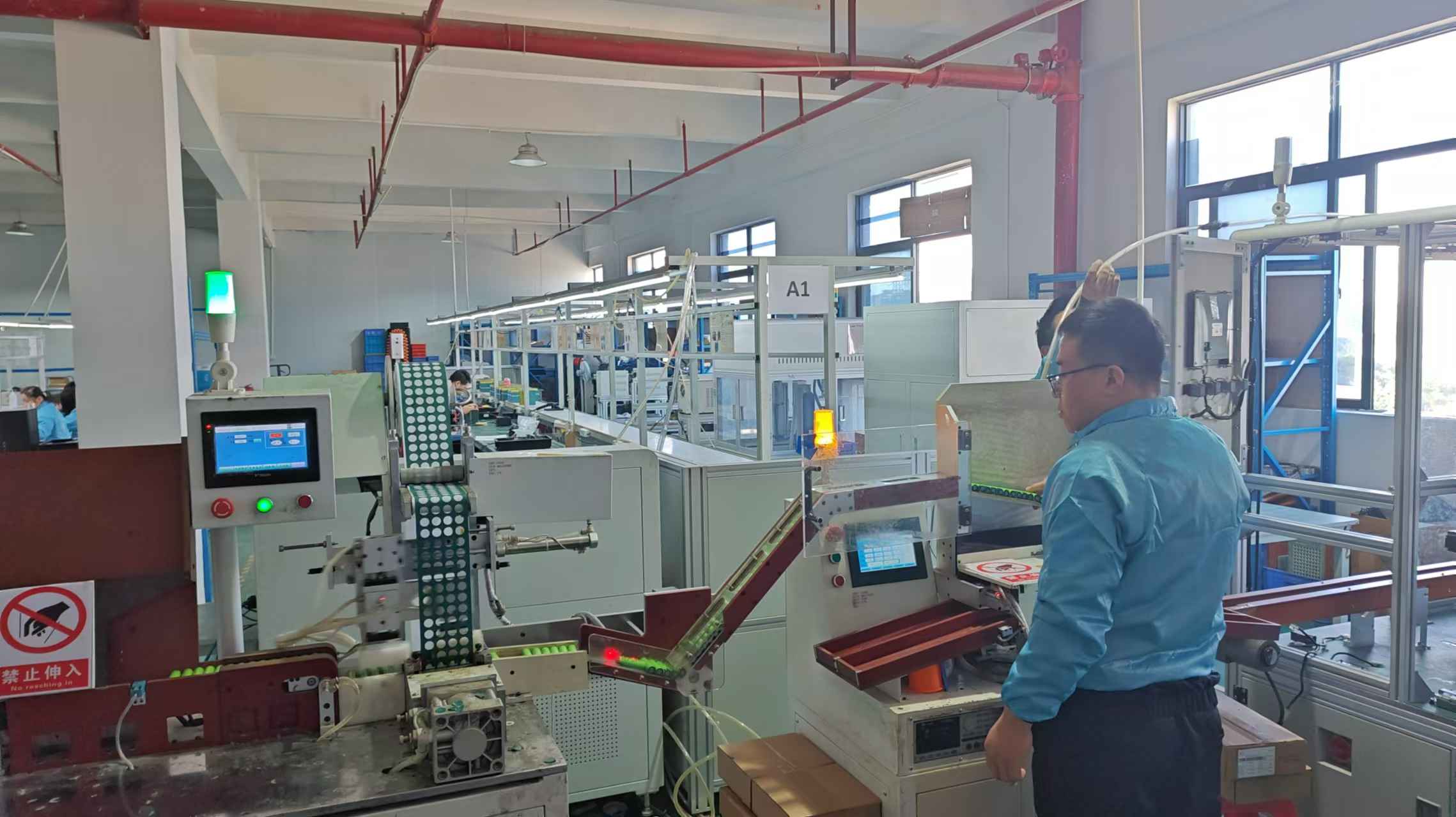
To ensure high performance and safety across all battery cells and packs, our factory utilizes automated machinery that reduces human error and maintains tight tolerances. This systematic approach is critical when integrating recycled raw materials, where consistency is essential for cell longevity.
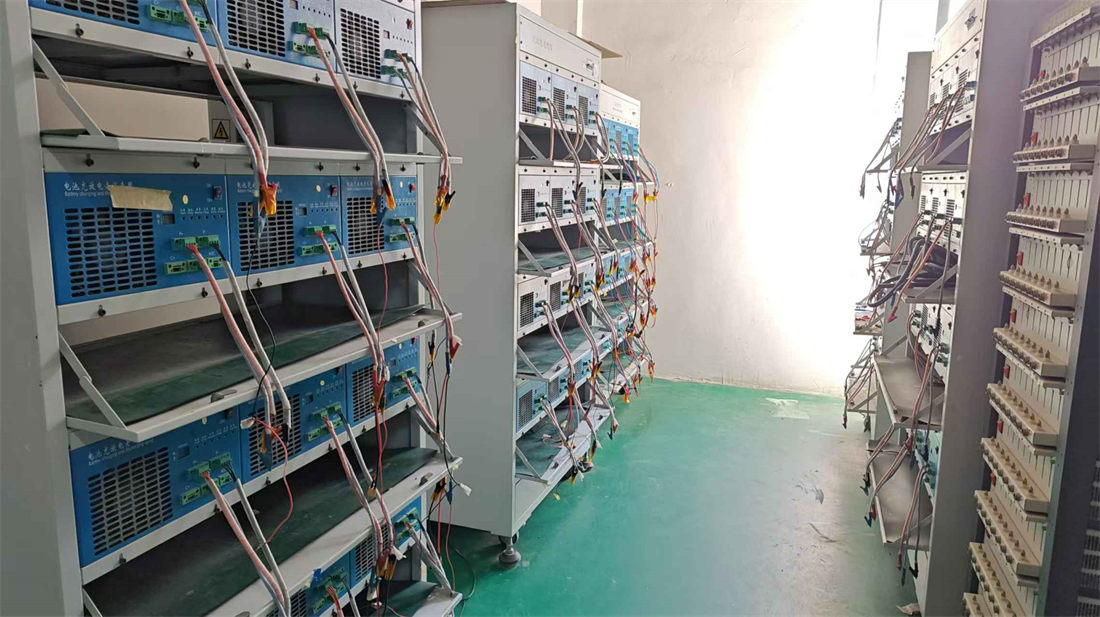
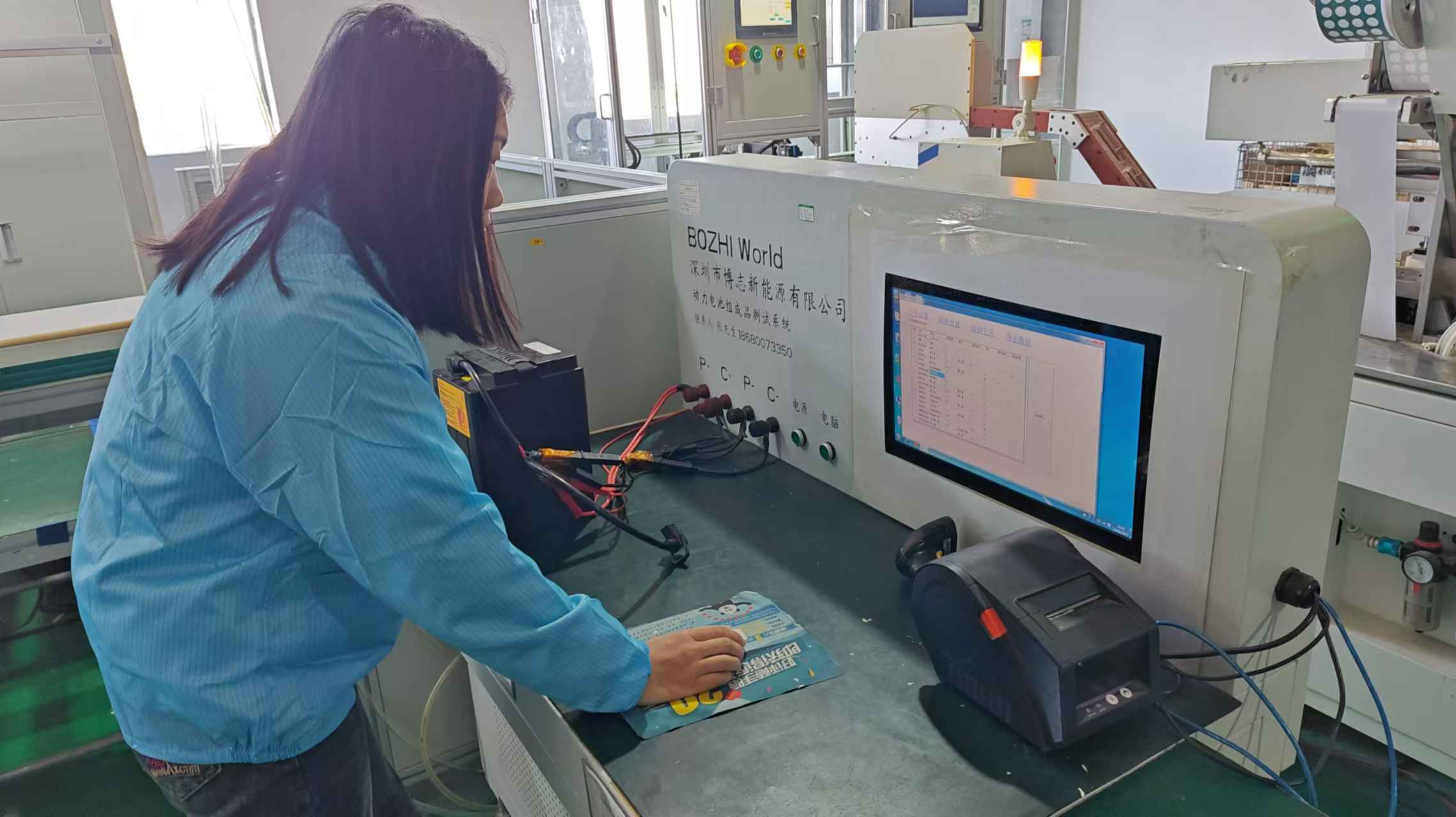
From initial sorting to welding, aging, and PCB verification, each step is monitored to record electrical characteristics, thermal signatures, and internal resistance profiles. This tracking creates a clear manufacturing record, helping us meet the requirements of modern battery traceability programs.
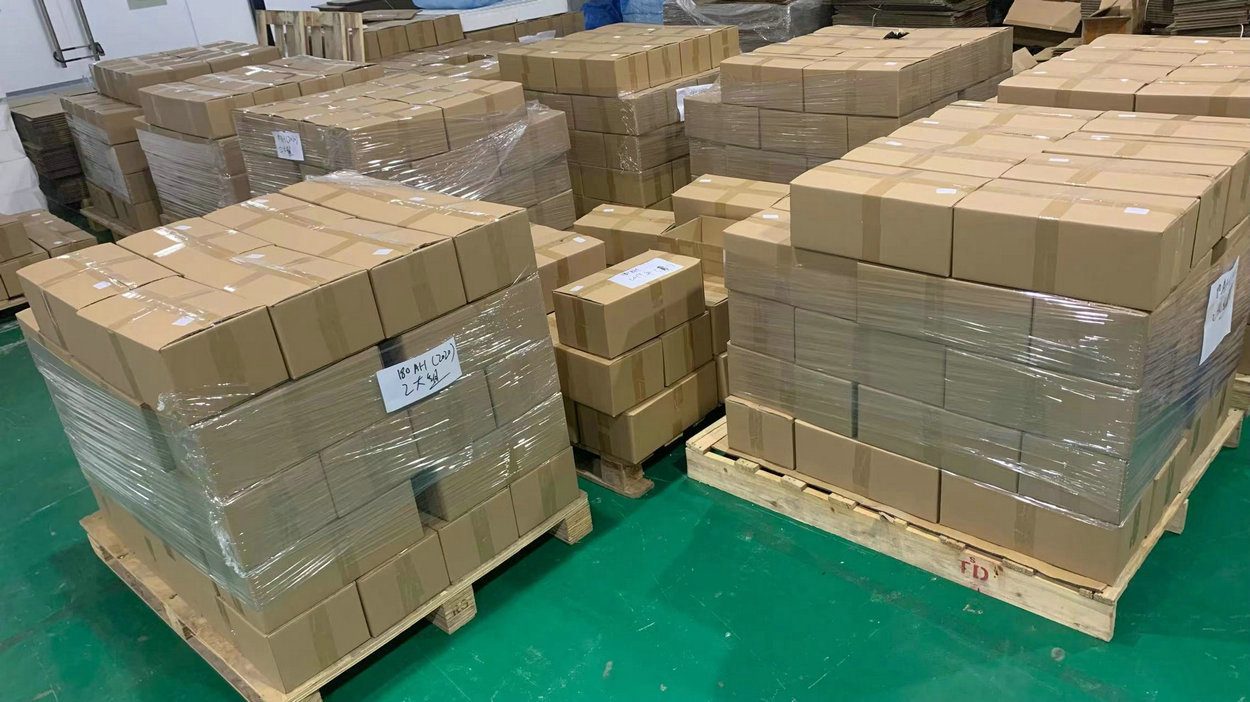
A detailed look at our internal production and quality control workflows, showcasing cell processing, assembly, aging, and high-precision diagnostic operations.
Establishing an efficient closed-loop battery value chain requires careful planning at each phase: from initial disassembly to chemical recovery. When electric vehicle packs reach the end of their operational life, they undergo automated testing to determine whether they should be routed for second-life usage or material extraction.
For second-life systems, cells are integrated into stationary energy storage installations (ESS). This extends their useful life before recycling, amortizing their initial carbon footprint. For batteries routed to recycling, our processes focus on extracting high-purity black mass. Through hydrometallurgical processing, this mass is refined into battery-grade precursors, including nickel-manganese-cobalt (NMC) hydroxides and lithium carbonates. These recycled compounds can then be directly reintegrated into new cell manufacturing lines.
Includes thermal monitoring and containment systems to prevent runaways during the logistics and storage phases.
Utilizes automated cell sorting equipment to evaluate health, internal resistance, and voltage profiles, separating modules for reuse or processing.
Uses acid leaching and solvent extraction to separate lithium, nickel, cobalt, and manganese at high purities, preparing them for reuse in new cell cathodes.
Answers to common questions regarding process compliance, chemical yields, and safety protocols in industrial battery recycling.
Black mass is the dark, powdery substance obtained after mechanical processing and shredding of spent lithium-ion cells. It contains concentrated levels of active electrode materials, including lithium, nickel, cobalt, manganese, and graphite. Refining black mass through hydrometallurgical lines allows for the extraction of battery-grade metal salts suitable for new cathode production.
Hydrometallurgical facilities adapt their chemical extraction stages depending on the input chemistry. NMC chemistry yields high-value nickel, cobalt, and manganese salts, which offset processing costs. LFP (Lithium Iron Phosphate) recycling focuses primarily on extracting lithium carbonate, as the remaining iron phosphate has lower market value but is still processed to meet landfill diversion mandates.
To prevent thermal runaways, incoming batteries are discharged to safe voltage levels prior to shredding or dismantling. Processing lines are also equipped with thermal imaging cameras and dry-sprinkler suppression systems. Automated sorting machines check each cell's internal resistance to prevent unstable or damaged units from entering mechanical disassembly stages.
We supply testing equipment and raw materials that align with major traceability frameworks, including the EU Battery Passport system. Our production and quality control records trace parameters from raw inputs to final cell tests, helping customers meet local environmental and chemical management compliance requirements.
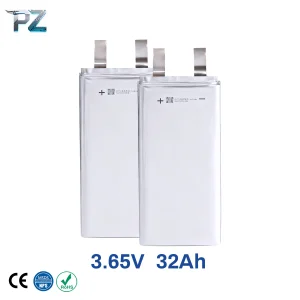
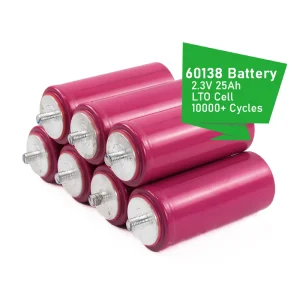
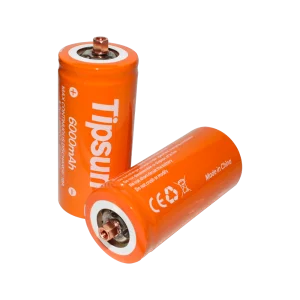
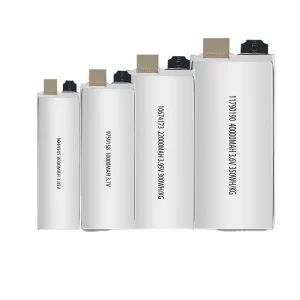
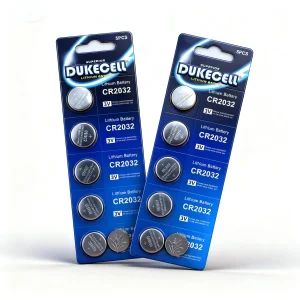
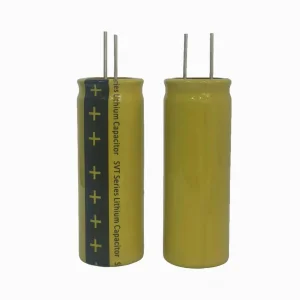
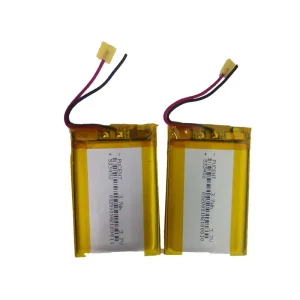
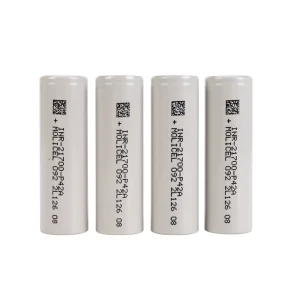
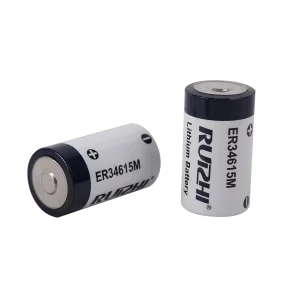
Select from our range of primary cells, high-discharge lithium-polymer options, and essential raw cathode material formulations.
 Nuwon Energy