Explore our primary selection of battery cells and custom packs engineered for maximum energy density, safety, and long cycle life. These products represent the state of the art in lithium and alternative chemistry systems developed in our advanced manufacturing plants.
The global energy landscape is undergoing a systemic transition toward electrification, driven by carbon neutrality mandates, decentralization of electrical grids, and critical advancements in chemical energy storage systems (CESS). At the center of this paradigm shift is the development of next-generation electrochemical cells. Guangdong Nuwon Energy Co., Ltd. stands as a premier manufacturer, R&D innovator, and global exporter of high-performance energy storage architectures.
Leveraging advanced engineering capabilities, Nuwon Energy focuses on the design, integration, and manufacturing of cylindrical, prismatic, and pouch cells, delivering both off-the-shelf and customizable (OEM/ODM) packs to international industrial clients. By integrating state-of-the-art battery management systems (BMS) with robust cell pairings, we ensure that safety, thermal management, and cycle longevity exceed standard global operations. From light electric vehicles (golf carts, utility fleets, marine equipment) to high-value industrial robotic systems (AGVs, AMRs) and eVTOL (electric vertical takeoff and landing) aeronautical frameworks, our solutions are optimized for the highest stress thresholds.
As the world's largest producer and processor of critical battery raw materials, China hosts an unparalleled, vertically integrated supply chain ecosystem. Guangdong Province serves as the industrial center for electronic and power source engineering, allowing manufacturers to optimize the cost-to-performance ratio without compromising design parameters. Nuwon Energy harnesses these regional advantages to deliver structural and commercial value to global buyers:
Direct access to domestic processing hubs for high-purity cathode and anode active materials—ranging from lithium iron phosphate (LFP) to advanced lithium titanate (LTO) and emerging sodium-ion structures. This limits supply disruption risks and ensures stable cost profiles.
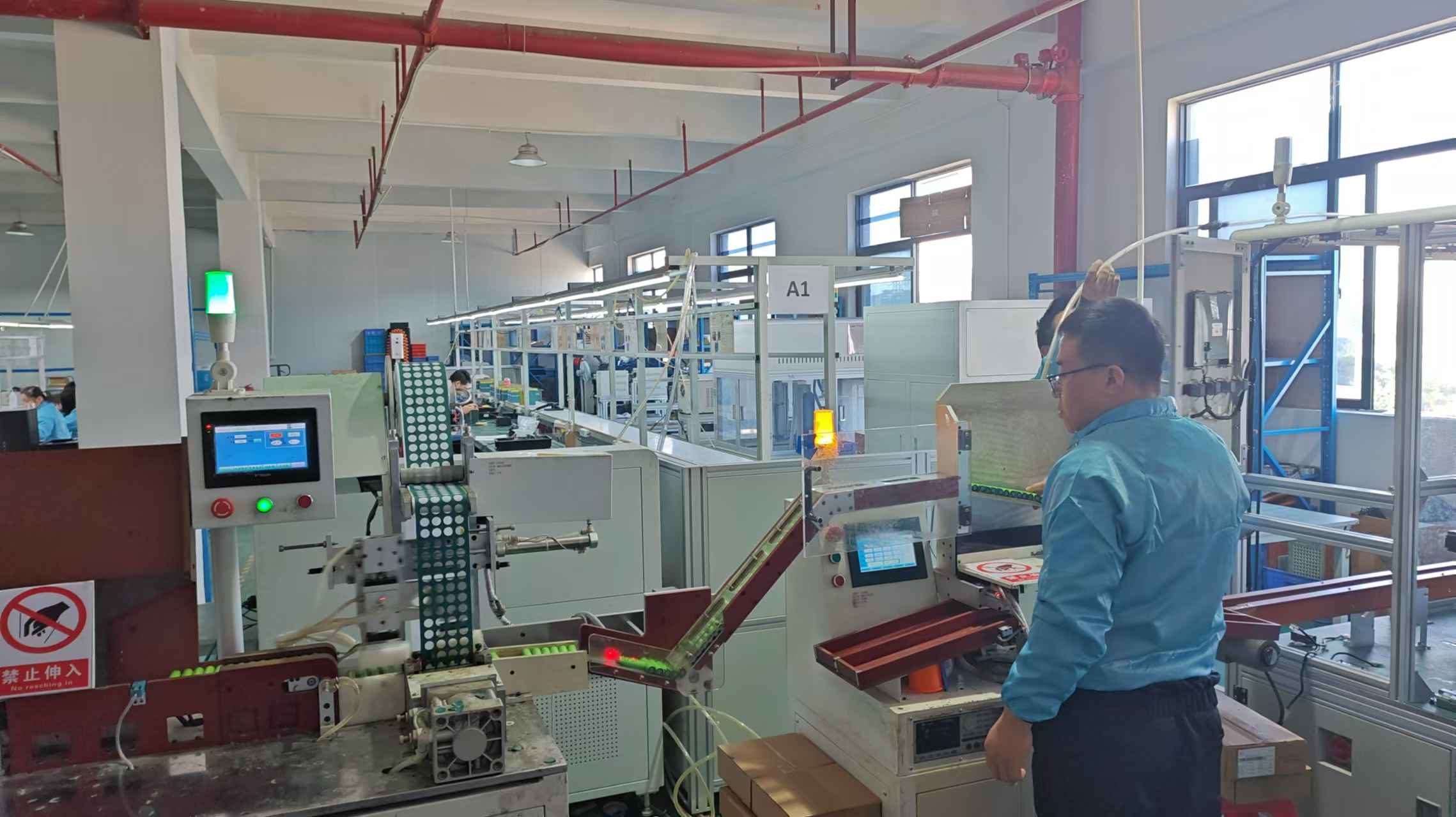
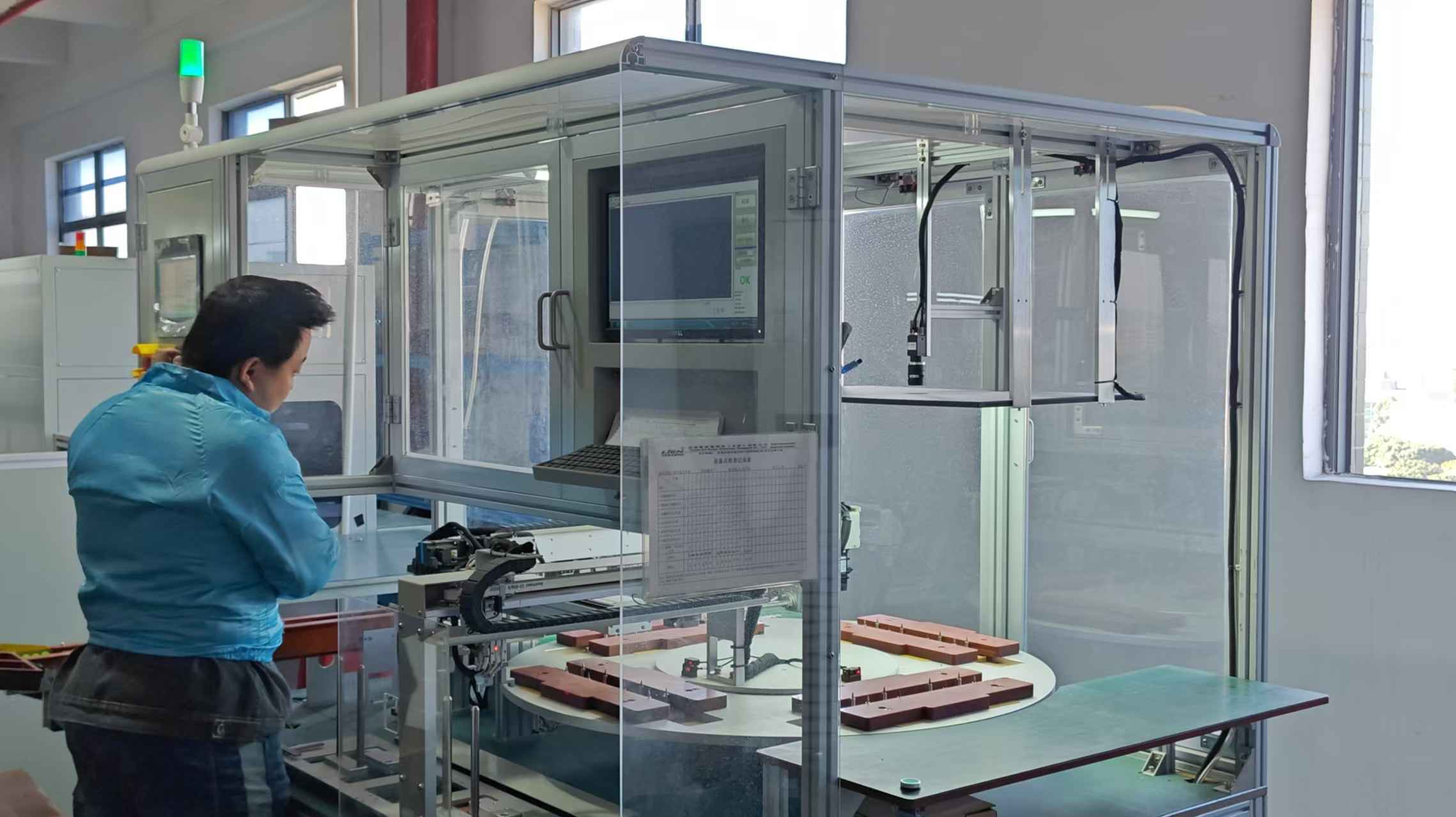
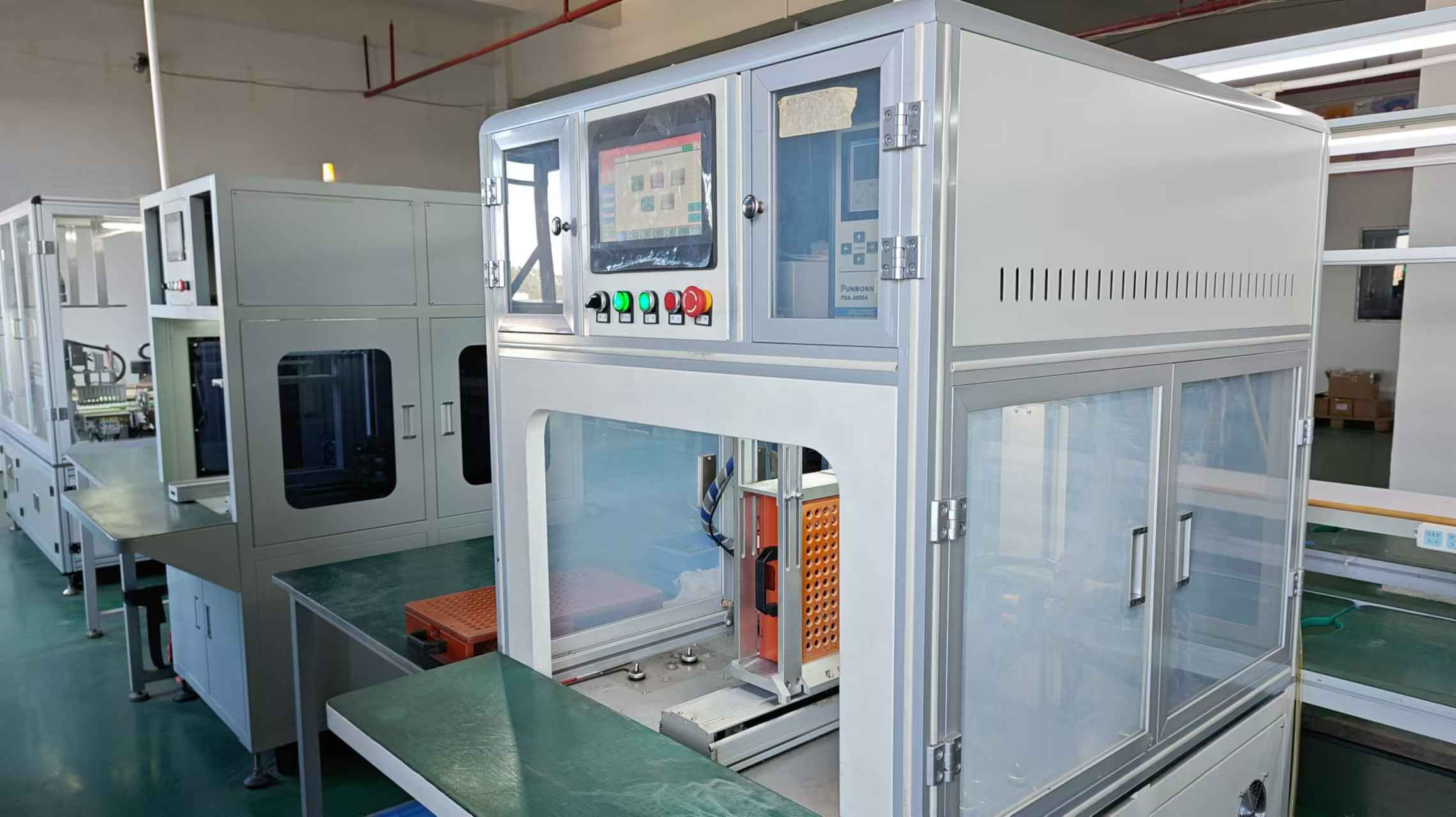
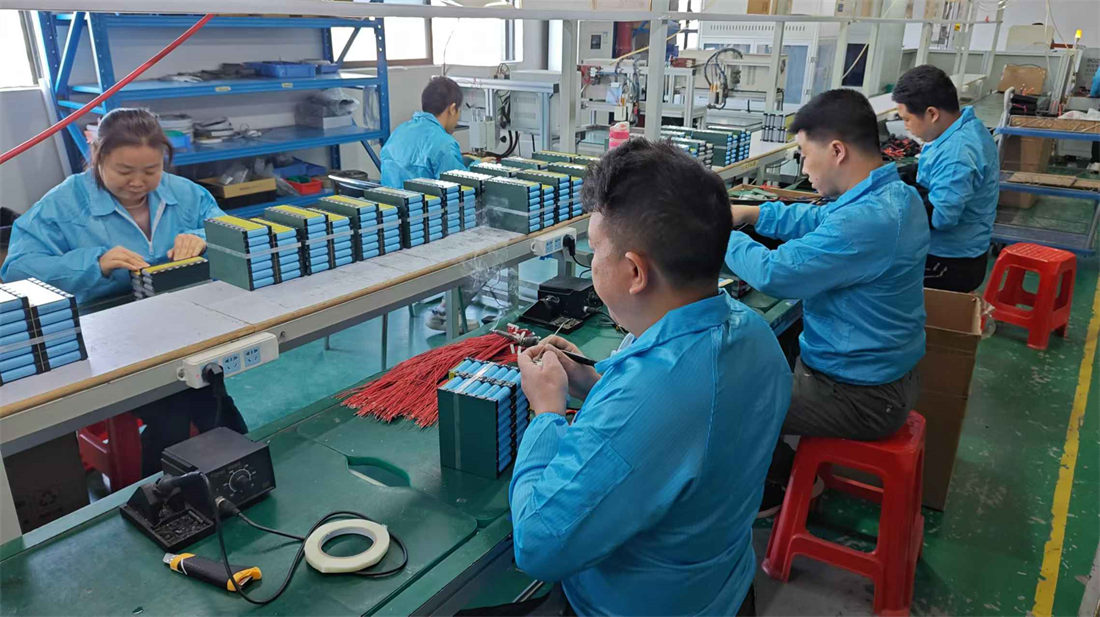
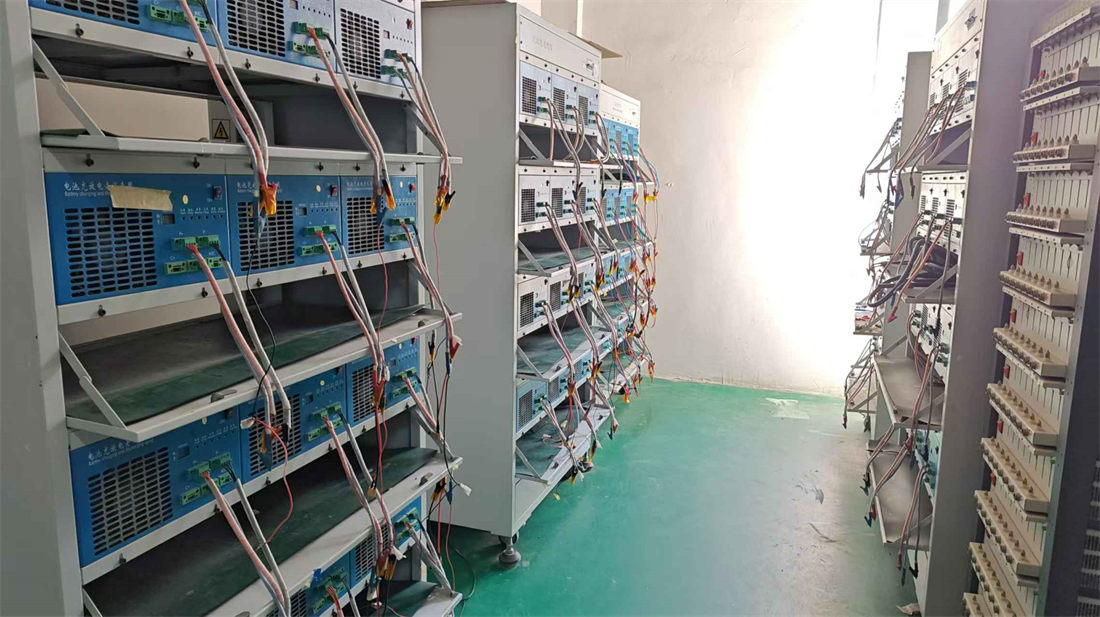
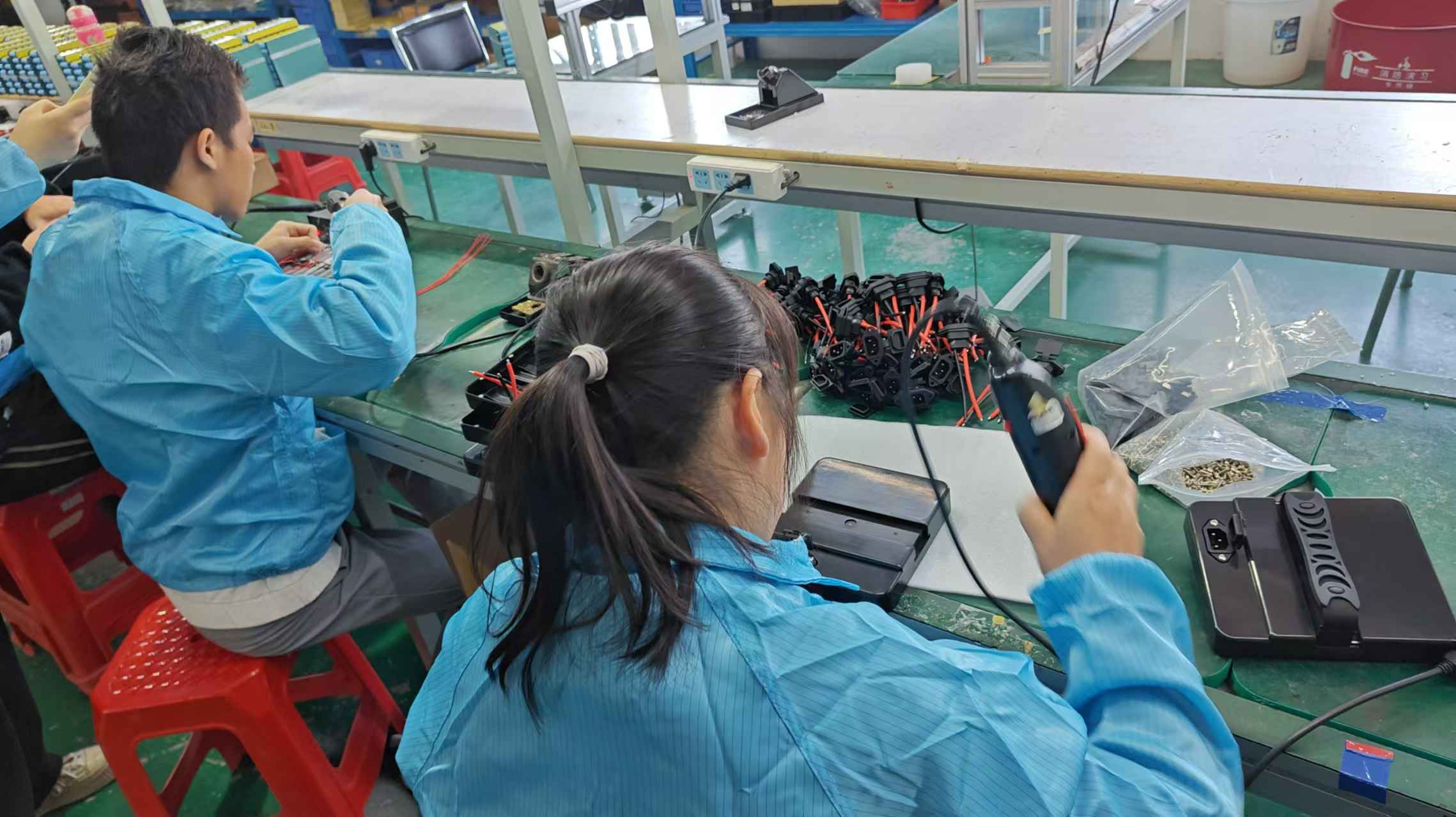
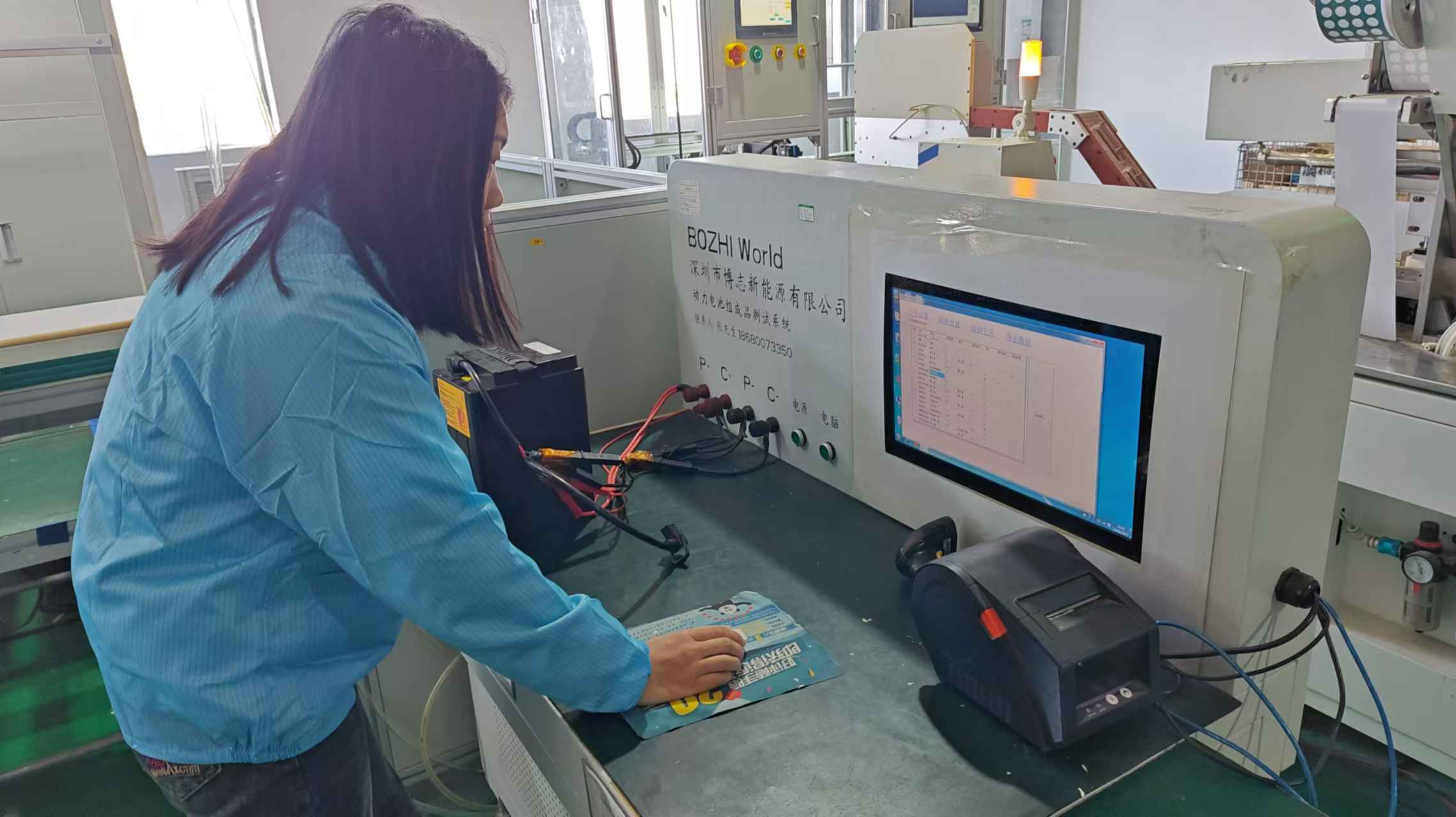
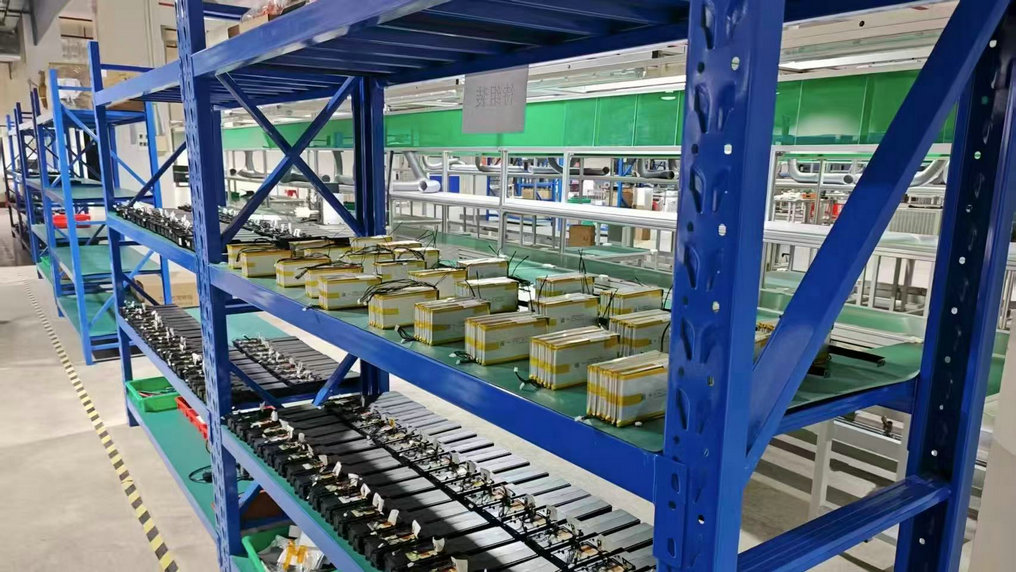
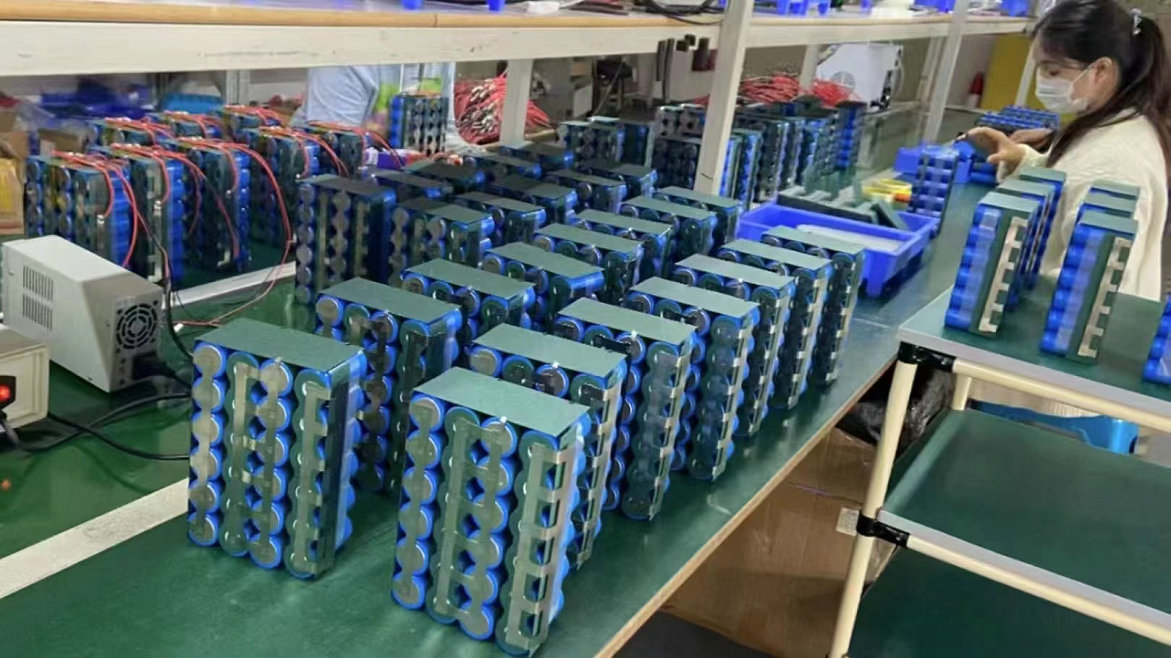
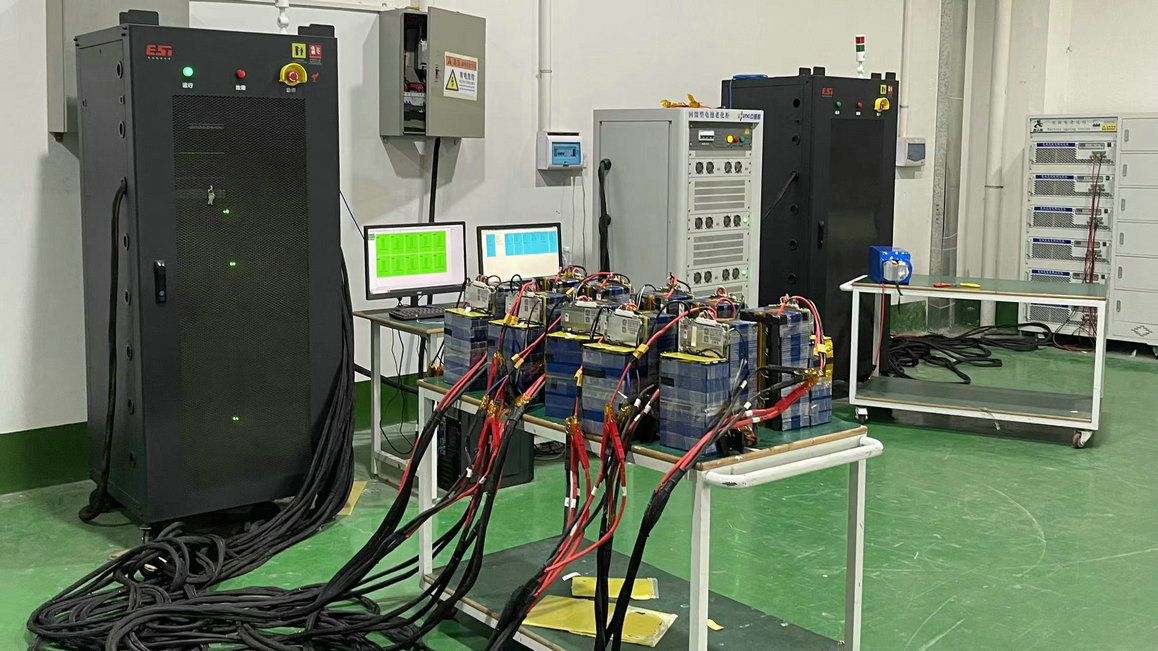
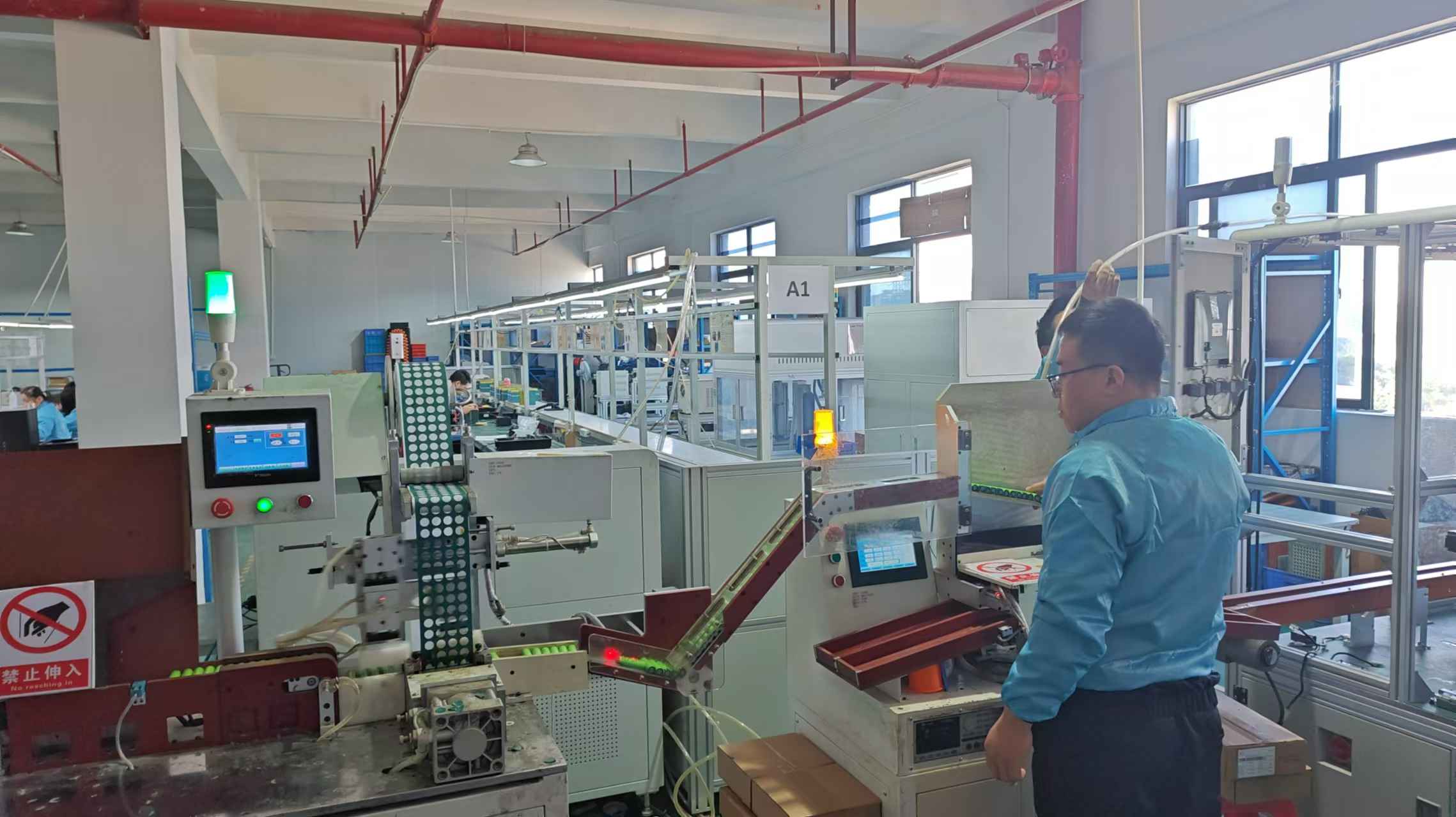
By utilizing high-speed robotic assembly, double-sided laser welding, and automated computerized testing, we produce high-consistency battery modules. Automated sorting ensures match-performance matching of cells, preventing early degradation of multi-series packs.
Modern energy deployments require specific performance envelopes. For example, cold climates require chemistries resilient to sub-zero temperatures, while heavy motive industrial equipment demands rapid charging and deep-discharge protection. The matrix below outlines how we select chemistries based on specific industrial application requirements.
| Battery Chemistry Type | Nominal Cell Voltage | Average Cycle Life | Optimal Temperature Range | Key Strengths & Target Use Cases |
|---|---|---|---|---|
| Lithium Iron Phosphate (LiFePO4) | 3.2V | 4,000 - 6,000+ | -20°C to +60°C | High thermal stability, safe structure, low cost. Ideal for residential ESS, telecom backups, and AGVs. |
| Sodium-Ion (Na-Ion) | 3.0V - 3.1V | 2,000 - 3,000 | -40°C to +60°C | Excellent low-temperature capacity retention, raw-material abundance, low thermal runaway risk. |
| Lithium Titanate (LTO) | 2.3V - 2.4V | 20,000+ | -40°C to +65°C | Extremely fast charge/discharge rates (up to 10C), exceptionally long life. Great for micro-grids and heavy industrial equipment. |
| Lithium Polymer (LiPo) | 3.7V | 500 - 1,000 | 0°C to +45°C | Highly flexible form factors, high specific energy density. Tailored for consumer electronics and aerospace prototypes. |
| Li-SOCl2 (Primary Lithium) | 3.6V | Non-rechargeable | -55°C to +85°C | Ultra-low self-discharge rates (<1% per year). Primarily used in utility smart meters and long-term remote sensors. |
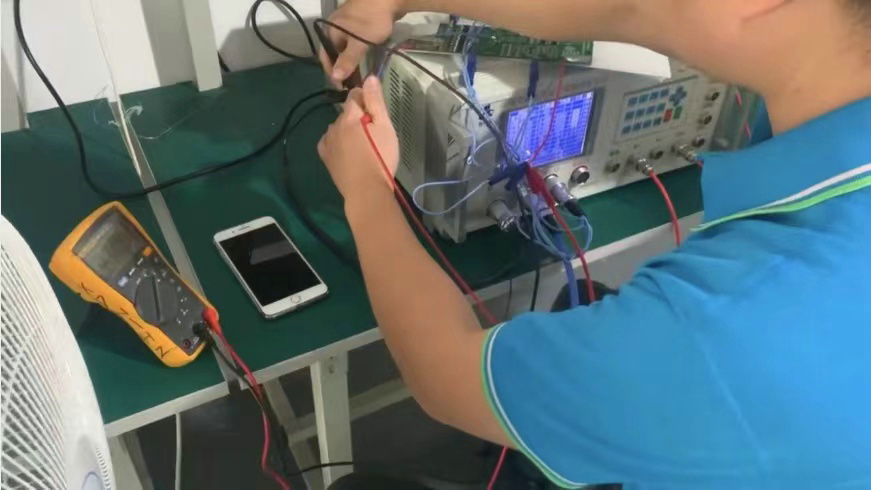
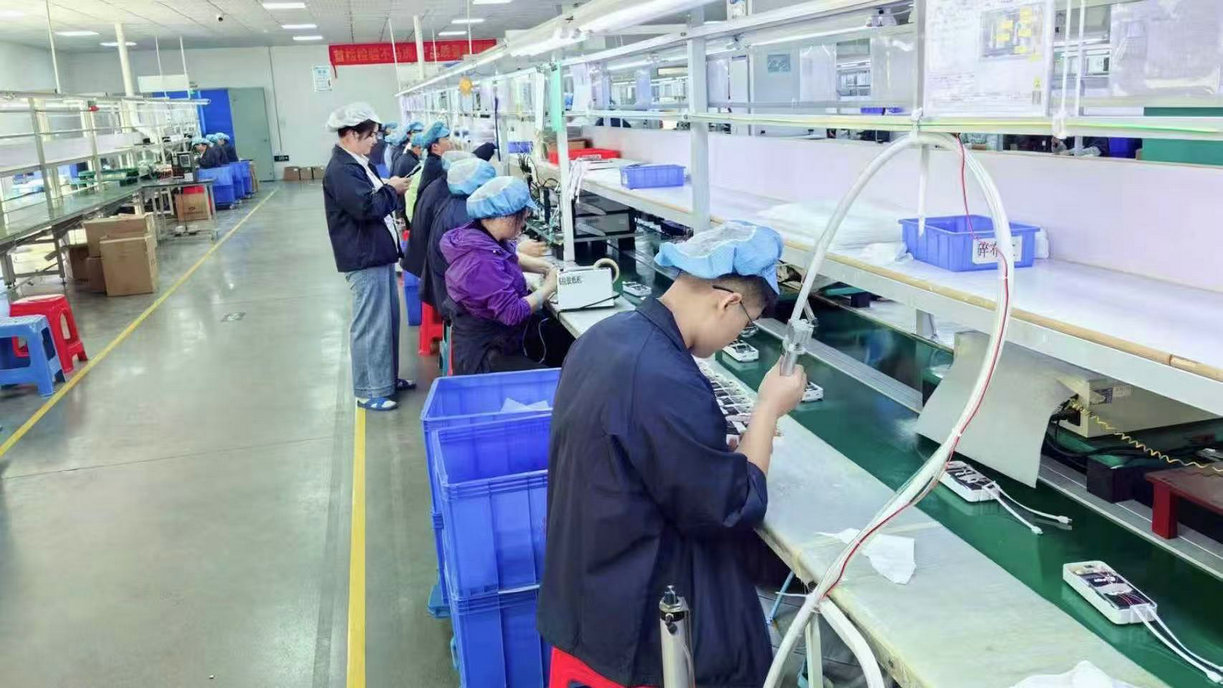
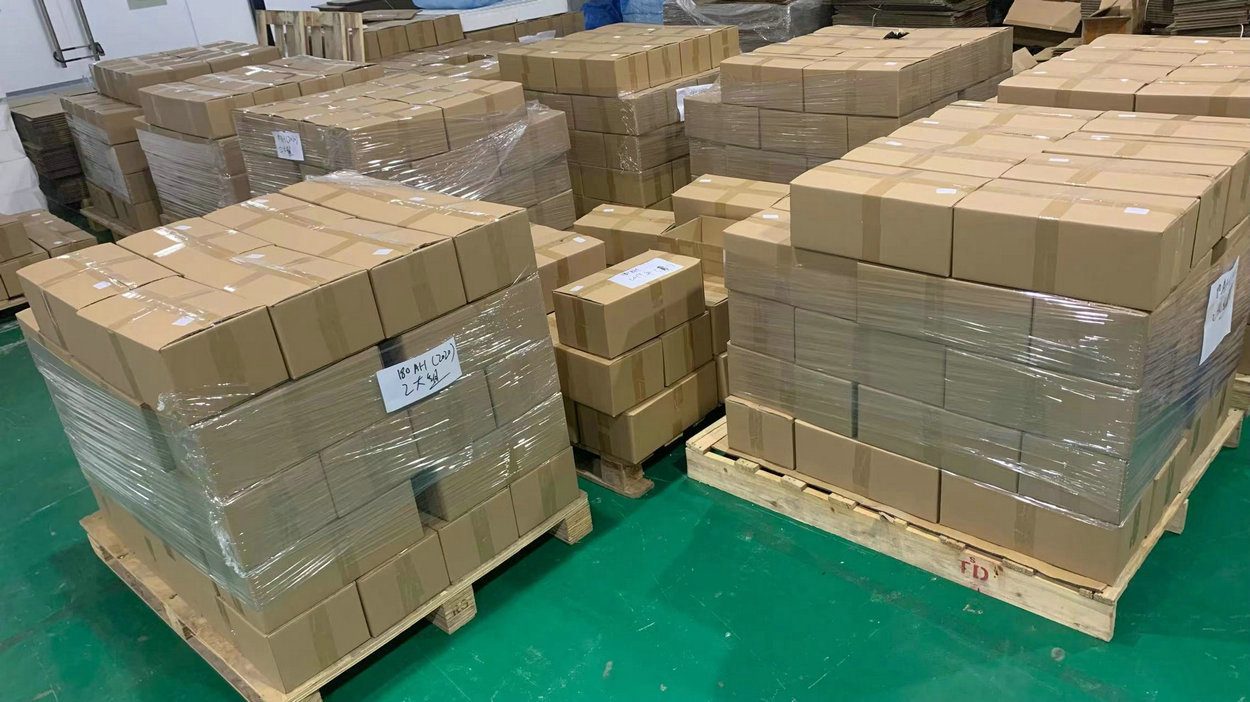
Operating under strict quality control standards, Guangdong Nuwon Energy Co., Ltd. monitors every step of production. Every battery cell and system is subjected to extensive grading, sorting, and testing protocols. Below is our verified production process flow, showing the operational transparency that underwrites our quality guarantees.
Navigating the complex regulatory requirements of international battery procurement demands a high level of compliance. Different regional markets impose strict rules on lithium-ion shipping, recycling responsibility, and operational safety certifications. Nuwon Energy provides clear, end-to-end logistics solutions, helping clients address local challenges effectively:
To bypass volatile shipping costs and long delivery times, we manage local warehouses within the European Union (with primary distribution points in Germany and Rotterdam). This setup allows for rapid dispatch of heavy battery systems like 48V residential wall packs and backup storage units, significantly shortening local lead times.
Every exported item complies with relevant international directives. We supply full documentation for CE, RoHS, and FCC compliance, alongside verified safety reports for UL1642 (cells), UL1973 (battery packs), and UN38.3 (transport safety). This comprehensive documentation simplifies port customs clearance and regional utility approvals.
Procurement directors and design engineers in the industrial battery sector look for specific technical and commercial capabilities when selecting vendors. They require suppliers who can balance cost efficiency with long-term product reliability. Nuwon Energy aligns its manufacturing and R&D processes with these international expectations:
Our storage solutions are designed to interface seamlessly with modern, high-tier hybrid inverters (e.g., Victron, Growatt, Deye, SMA). They support RS485, CAN, and Modbus communication protocols, enabling real-time telemetry monitoring of State of Charge (SoC), State of Health (SoH), temperature, and individual cell balance.
For marine installations, outdoor telecom facilities, and heavy-duty vehicles, battery packs must withstand moisture, salt fog, and continuous mechanical vibration. Nuwon Energy custom designs sheet-metal and molded enclosures rated up to IP65 and IP67, featuring integrated ventilation vents to manage pressure changes.
A single battery chemistry cannot fit every operational need. Different applications require specific balances of weight, energy density, discharge rate, and cycle life. Here is how we configure battery packs for key target industries:
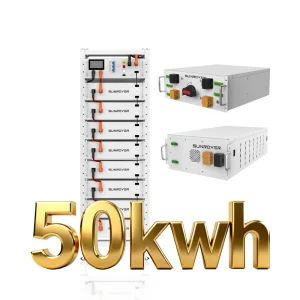
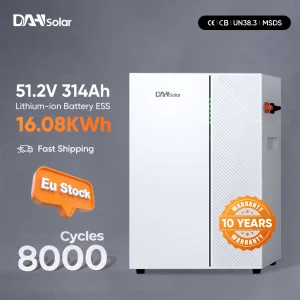
For stable, long-term electricity storage, we utilize high-capacity LFP prismatic cells, typically configured in 48V (51.2V nominal) systems with storage ranges from 15kWh up to 100kWh. These feature stackable or wall-mounted designs, built to run daily cycles for over a decade.
Industrial mobile platforms require high daily uptime and rapid charging. For these operations, we implement LTO (Lithium Titanate) or fast-charging LFP configurations. This allows the systems to recharge quickly during shift breaks, minimizing fleet downtime.
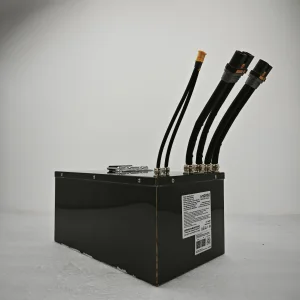
Electric drive systems, such as golf carts, utility vehicles, and boats, demand high continuous current and resistance to mechanical shock. We supply robust 36V, 48V, and 72V battery systems encased in vibration-resistant frames, complete with custom-programmed active balance BMS units.
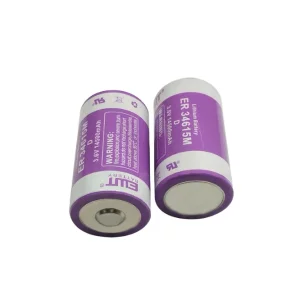
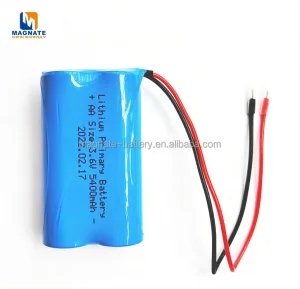
Industrial meters must operate reliably in remote, harsh conditions for 10 to 15 years without manual battery replacement. We supply high-energy-density Li-SOCl2 primary batteries (such as the ER14505 series), which maintain a low self-discharge rate of less than 1% annually.
The battery industry is moving rapidly toward higher safety thresholds and raw material sustainability. Keeping pace with these shifts requires continuous research and development. In our current design cycles, we focus on three main areas:
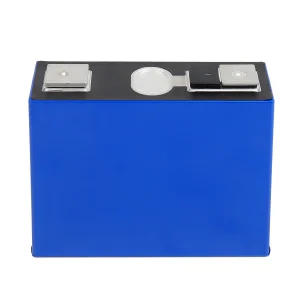
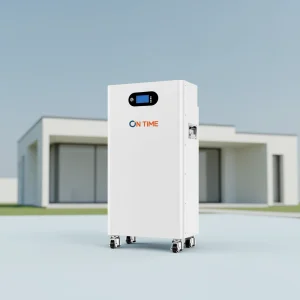
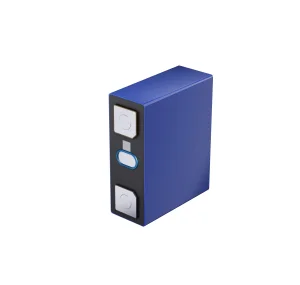
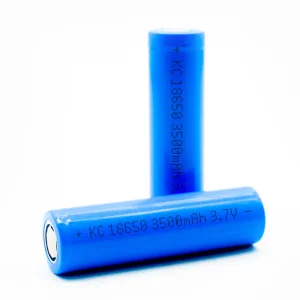
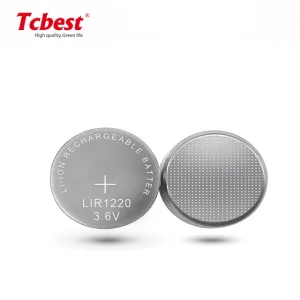
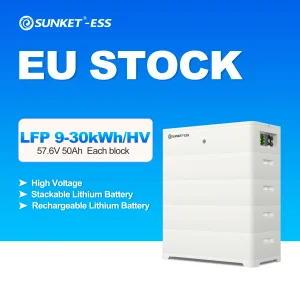
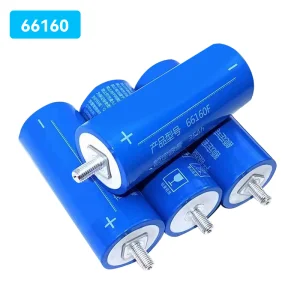
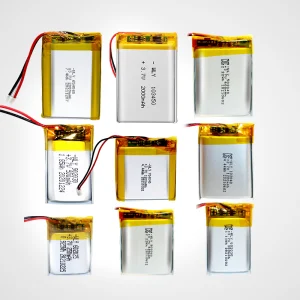
Our extended portfolio offers a variety of specialized form factors, including standard 18650 cylindrical cells, high-energy LTO packs, and wall-mounted commercial systems ready for international shipment.
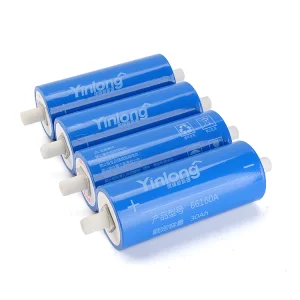
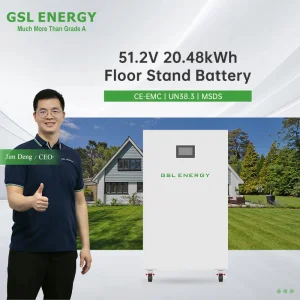
Below are detailed answers to frequently asked technical and logistical questions. This guide is designed to assist engineers and procurement professionals in evaluating battery specifications and regulatory requirements.
LiFePO4 (Lithium Iron Phosphate) offers a nominal voltage of 3.2V, energy densities between 140–180 Wh/kg, and a lifespan of 4,000 to 6,000 cycles at 80% Depth of Discharge (DoD). It is a standard choice for stationary energy storage systems due to its balance of cost, safety, and energy density.
LTO (Lithium Titanate) replaces the graphite anode with lithium titanate nanocrystals. This change yields a cycle life of 20,000 to 30,000 cycles, supports fast charge/discharge rates (up to 10C), and allows operation down to -40°C. LTO is highly resistant to thermal issues. However, it operates at a lower nominal cell voltage (2.3V) and has a lower energy density (70–100 Wh/kg), making it heavier and more costly per kilowatt-hour.
Cell imbalance can lead to capacity loss and premature pack failure. Nuwon Energy addresses this risk through two main processes:
For compliant importation into the European Union, battery systems must meet several key standards:
Nuwon Energy provides complete documentation files to simplify customs clearance for international shipments.
Sodium-ion batteries utilize abundant sodium instead of lithium. Key advantages include:
However, sodium-ion batteries have a lower energy density (currently 100–150 Wh/kg) than high-grade LFP. They are well-suited for stationary storage in cold climates and urban transport, but are less suitable for weight-sensitive, high-range electric vehicles.
Standard ocean freight from China to Northern Europe typically requires 35 to 45 days. By maintaining inventory of popular residential solar batteries (e.g., 48V 100Ah/200Ah wall-mounted LiFePO4 packs) in Germany and Rotterdam, we can complete localized land delivery within 3 to 7 working days. This helps our partners reduce their local inventory costs and respond more quickly to customer demand.
 Nuwon Energy