Explore our core components engineered for ultra-fast charging capability, high energy density, and strict safety limits.
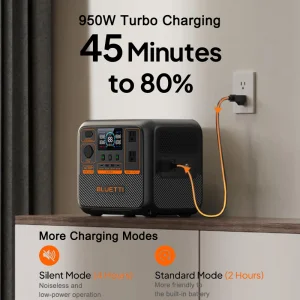
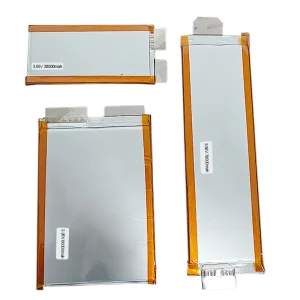


Global Industrial OEM/ODM Battery Solutions Partner
Guangdong Nuwon Energy Co., Ltd. stands as a premier developer, manufacturer, and supply chain orchestrator of high-capacity lithium battery systems and fast charging hardware. We address the rigorous requirements of modern e-mobility, grid-scale energy storage, and industrial equipment. Our engineering focus spans from micro-cell innovations to high-rate solid-state configurations and multi-kilowatt dynamic load testers.
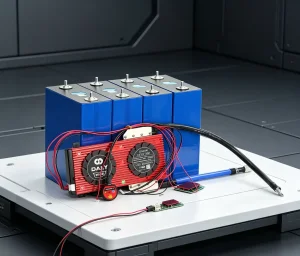
Supported by a highly skilled R&D team, we develop custom battery assemblies utilizing cylindrical, prismatic, and pouch architectures. By integrating custom Battery Management Systems (BMS) with high-efficiency thermal management layers, our configurations deliver optimal safety, prolonged service life, and stable fast-charging capabilities under diverse environmental conditions.
Evaluating electrochemical approaches to balance charge rate, thermal stability, and energy density.
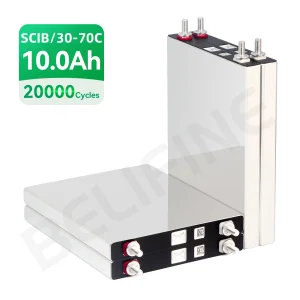
Our LTO designs feature a zero-strain structure that prevents solid electrolyte interphase (SEI) degradation during extreme charging currents. These cells achieve charge speeds of up to 10C–75C and support up to 20,000 charge cycles, serving as a reliable choice for high-frequency light electric vehicles and heavy industrial machinery.
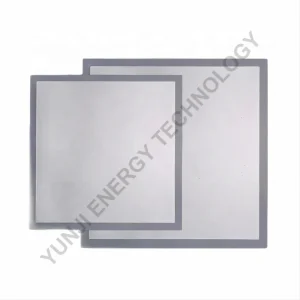
Solid-state battery cells employ ultra-thin Lithium Indium alloy sheets for the electrode layer to control dendrite growth at high current densities. Additionally, our High-Voltage Lithium (LiHv) single-cell designs, achieving up to 3.95V–4.45V, provide high energy density for drones and electric vertical takeoff (eVTOL) aircraft.
We utilize lithium iron phosphate (LiFePO4) and single-crystal nickel manganese cobalt (NMC) chemistries to serve markets requiring high capacity. Our solutions range from 314Ah/340Ah grid-scale storage cells to 680Ah utility units, engineered to optimize energy density while maintaining thermal stability during fast charging.
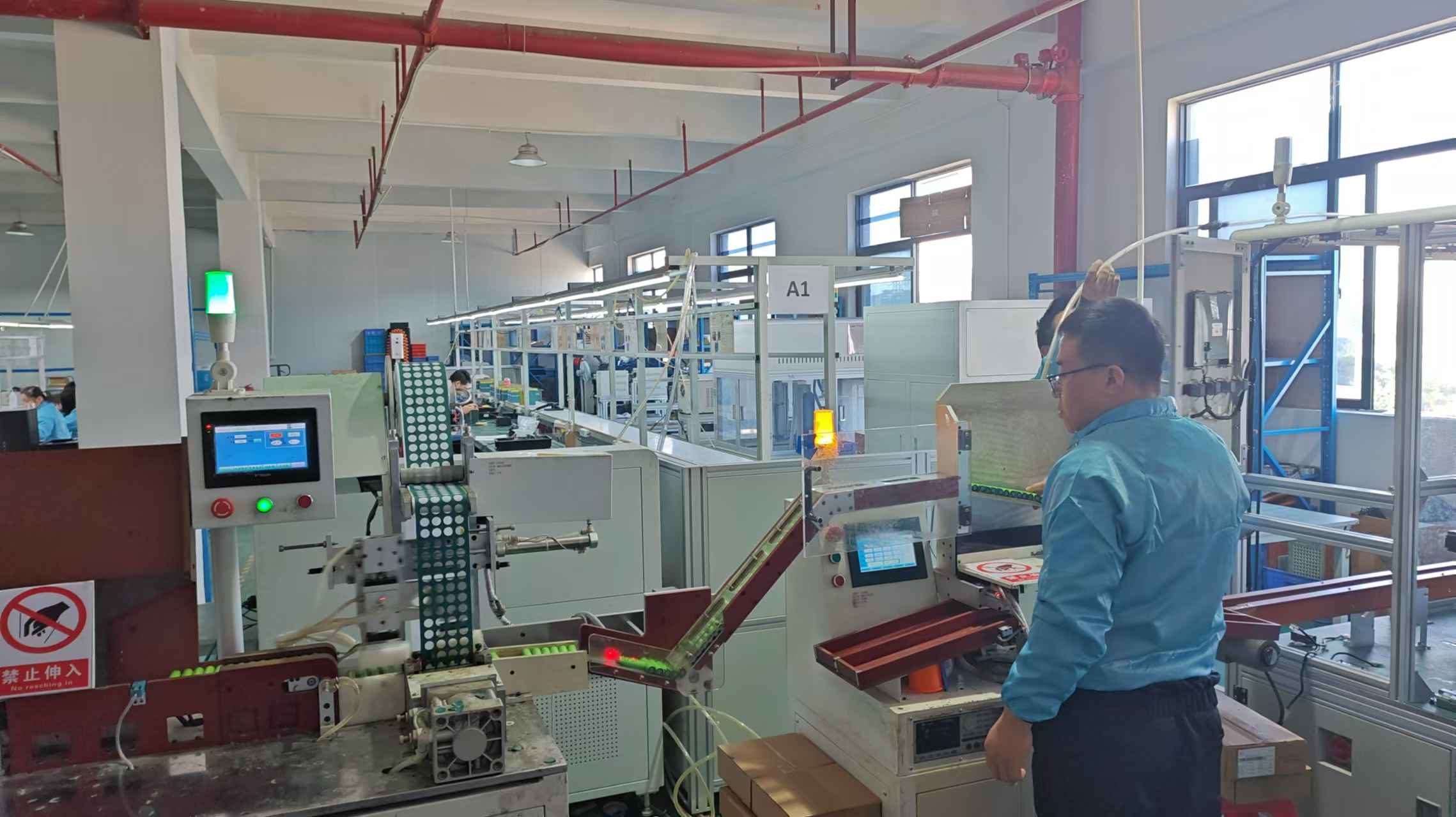
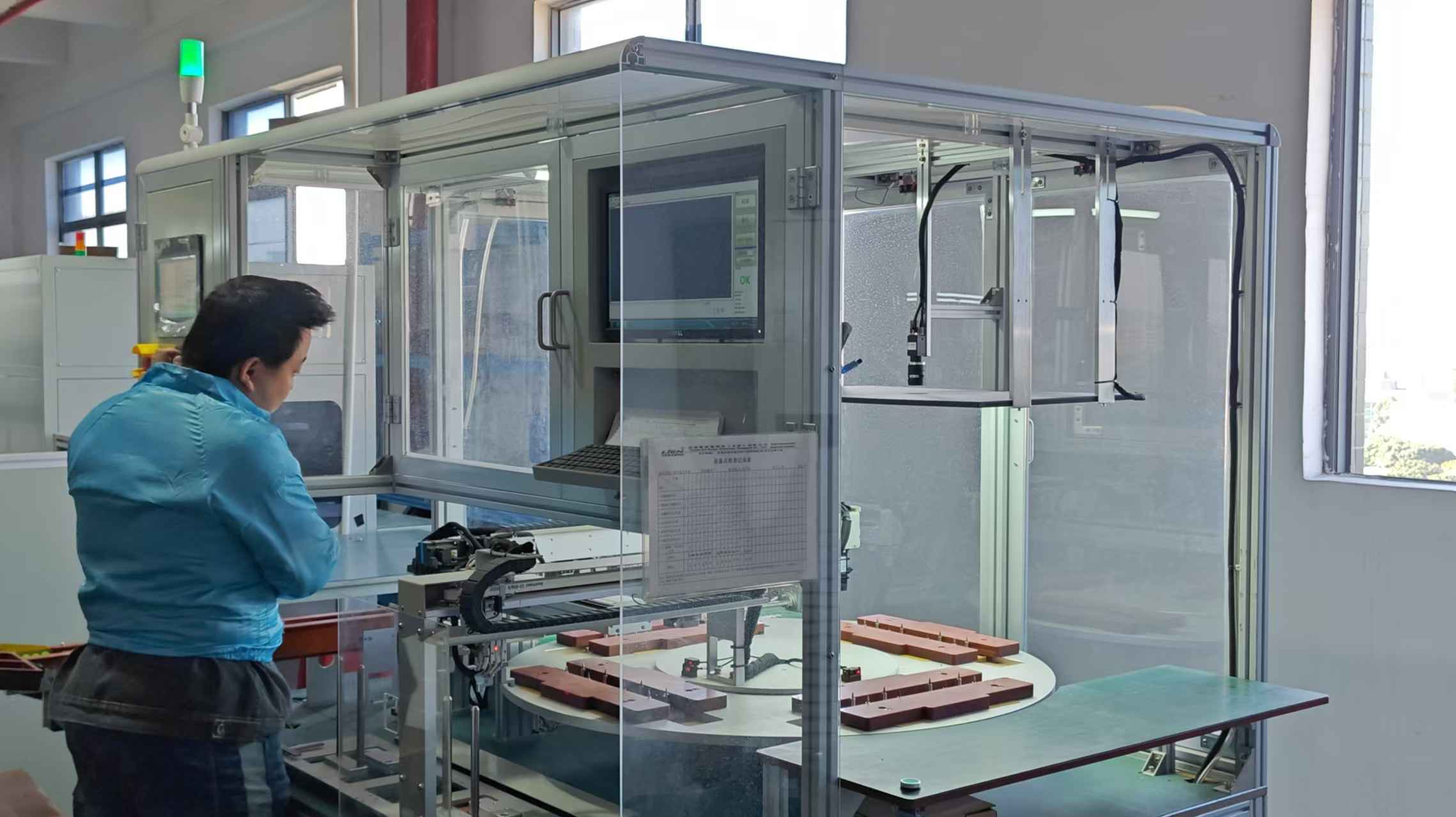
A look inside our advanced manufacturing facility, where automated processes and comprehensive quality checks ensure consistent cell performance.
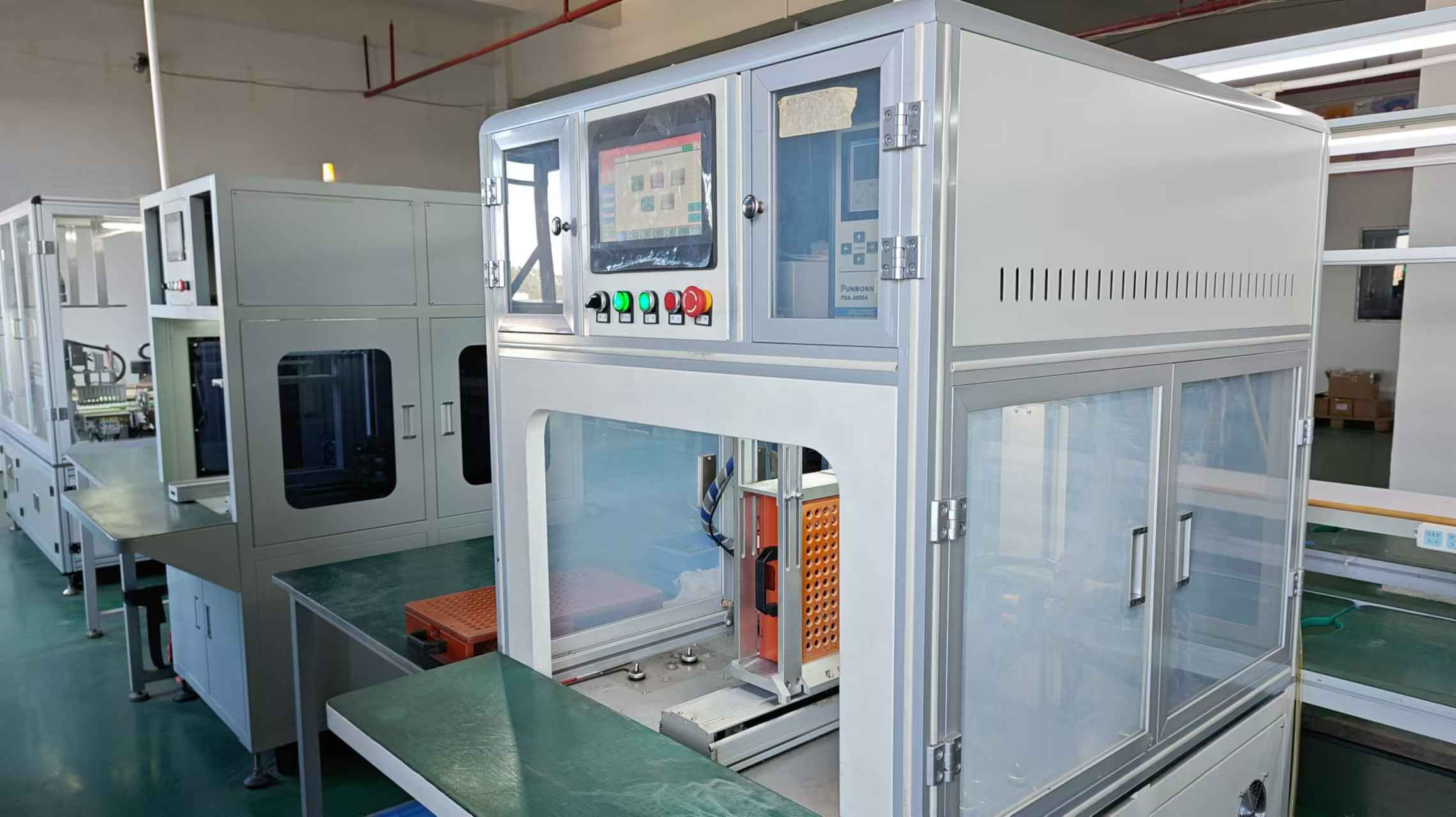
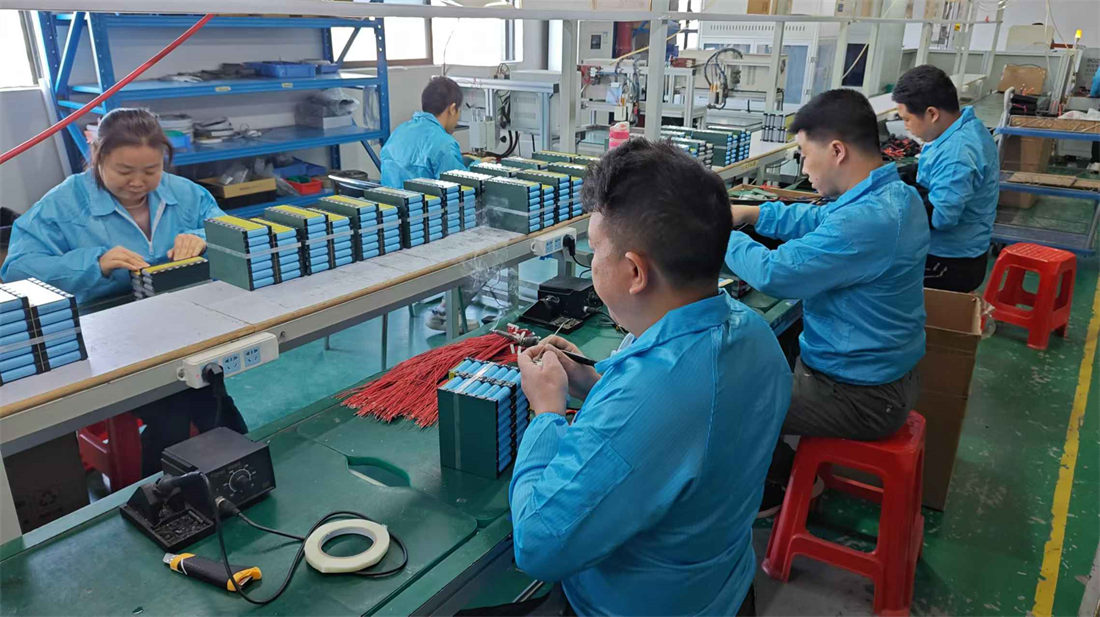
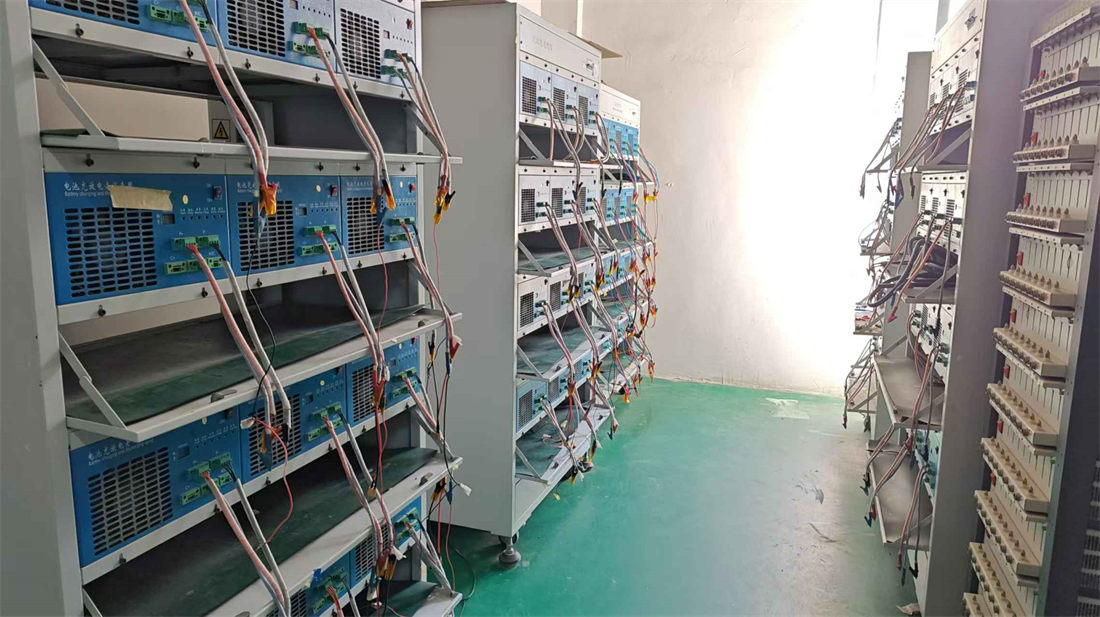
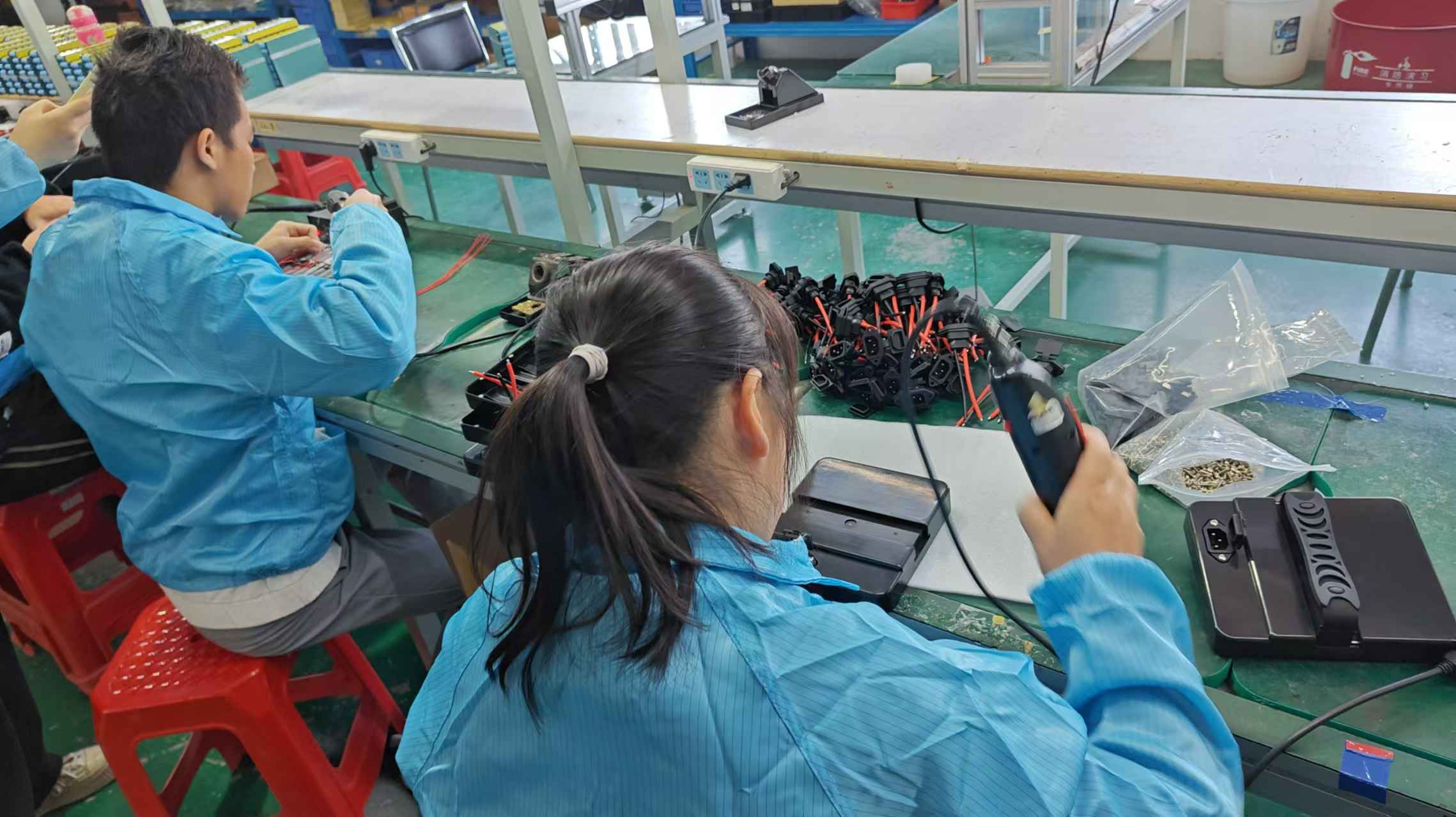
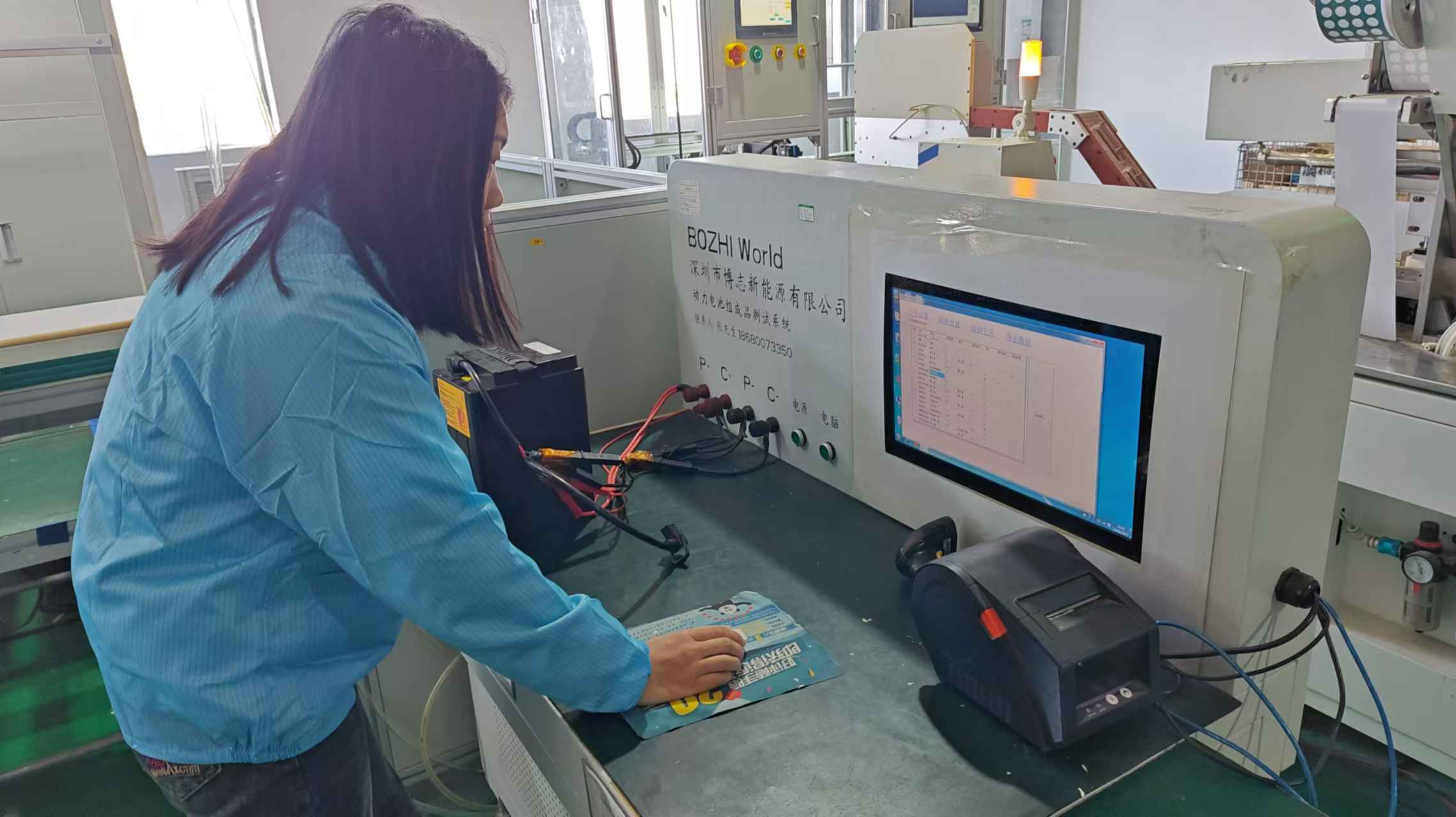
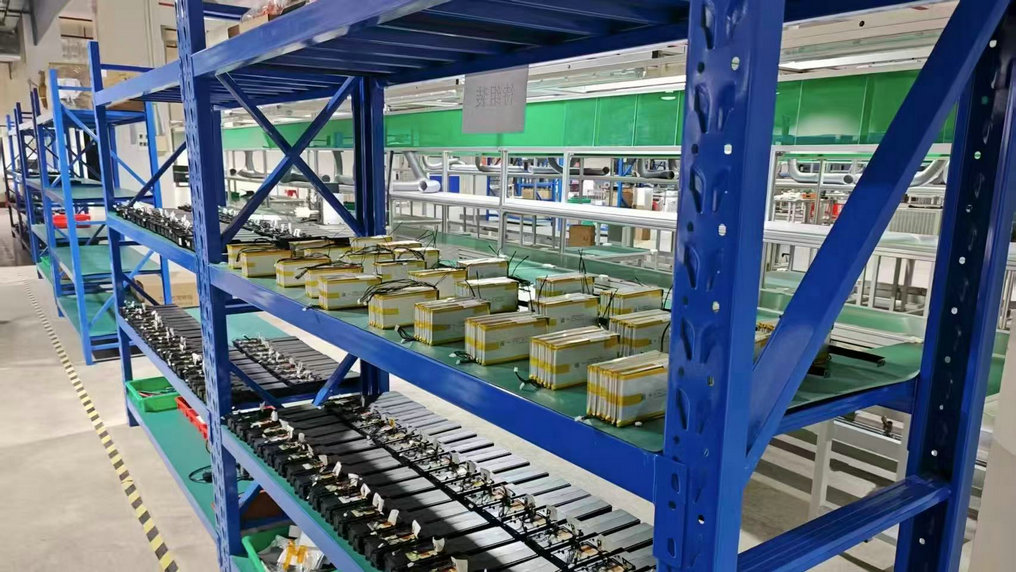
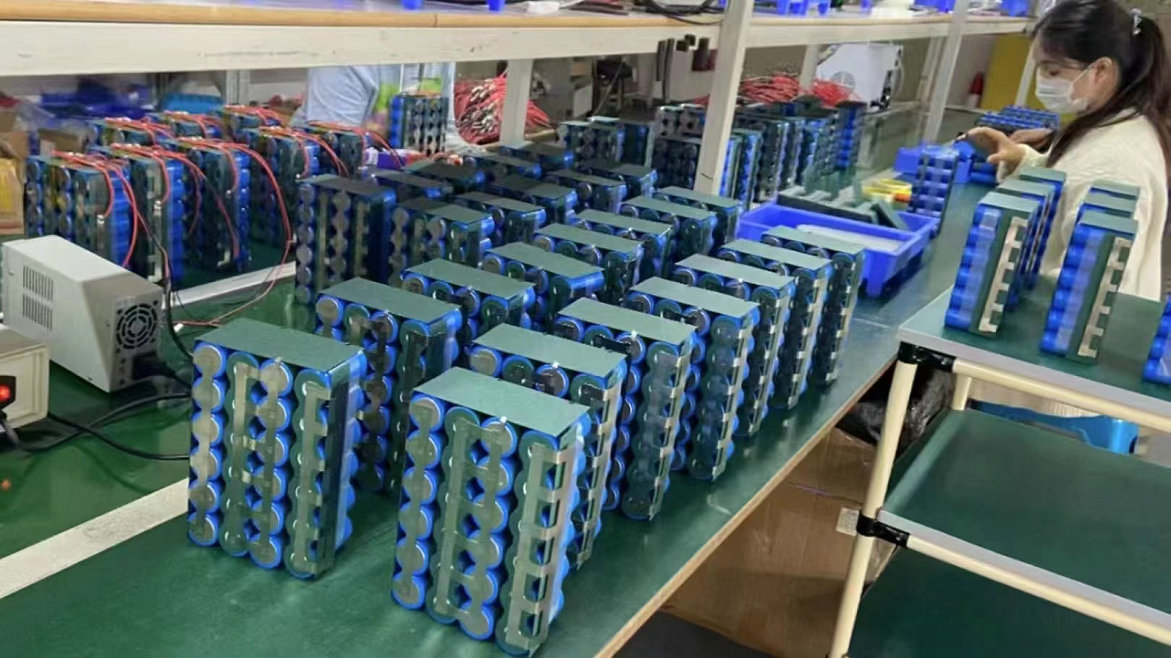
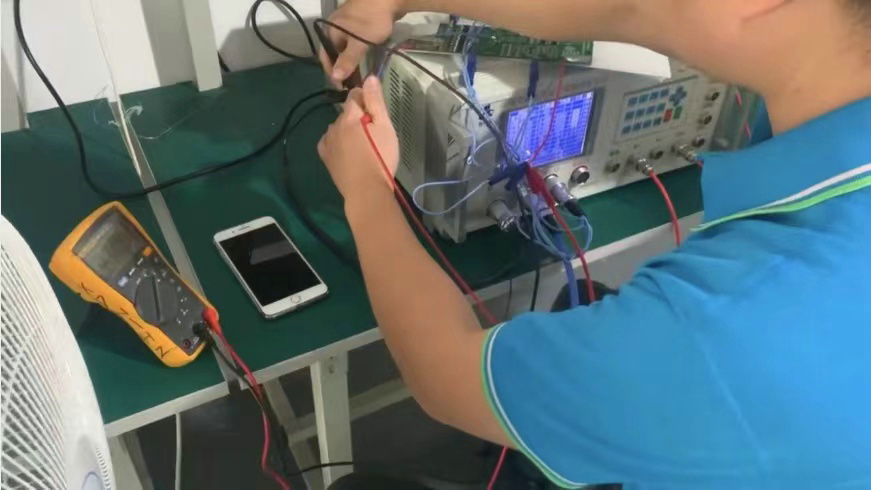
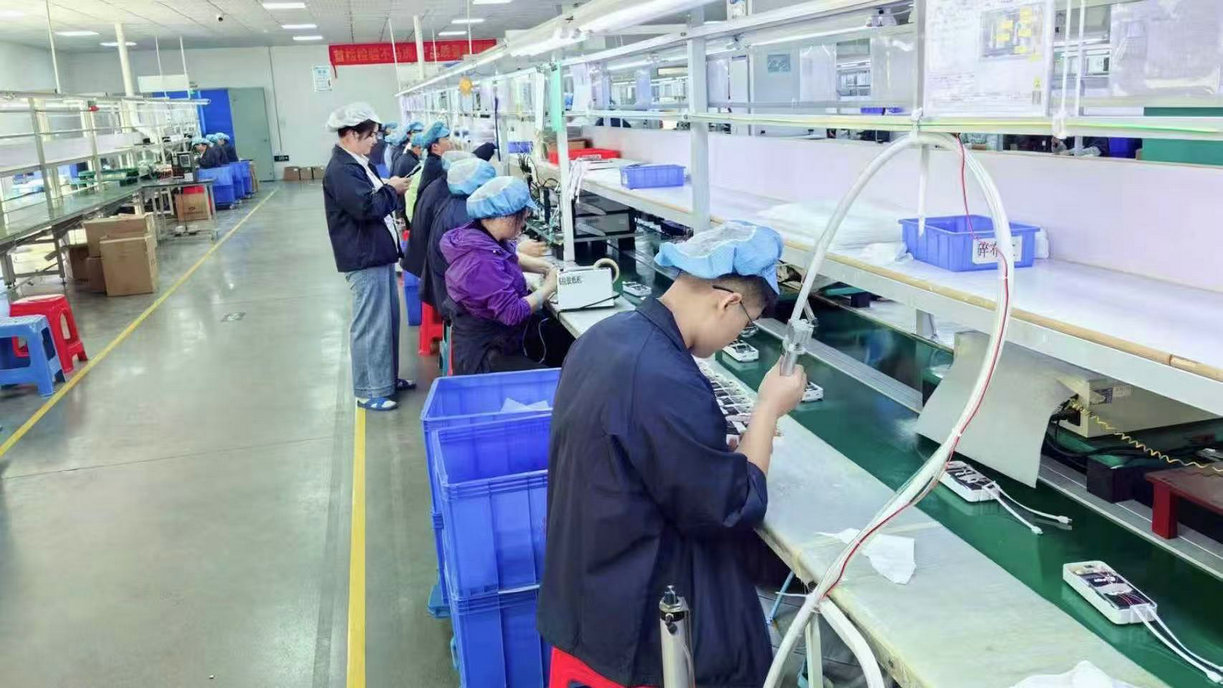
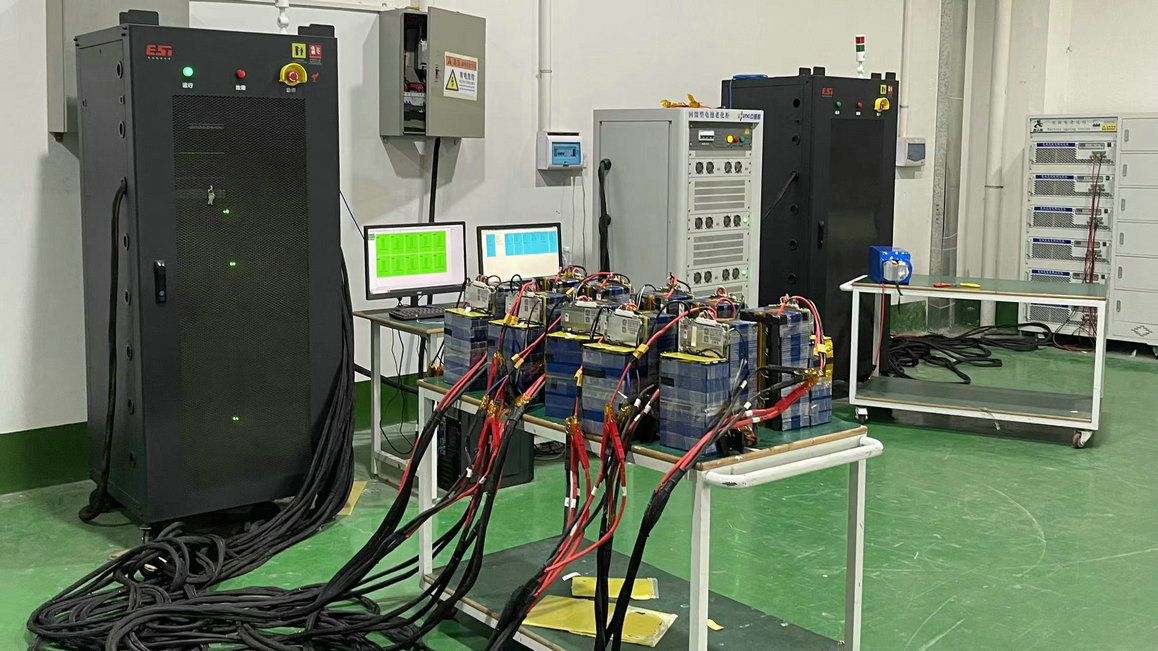
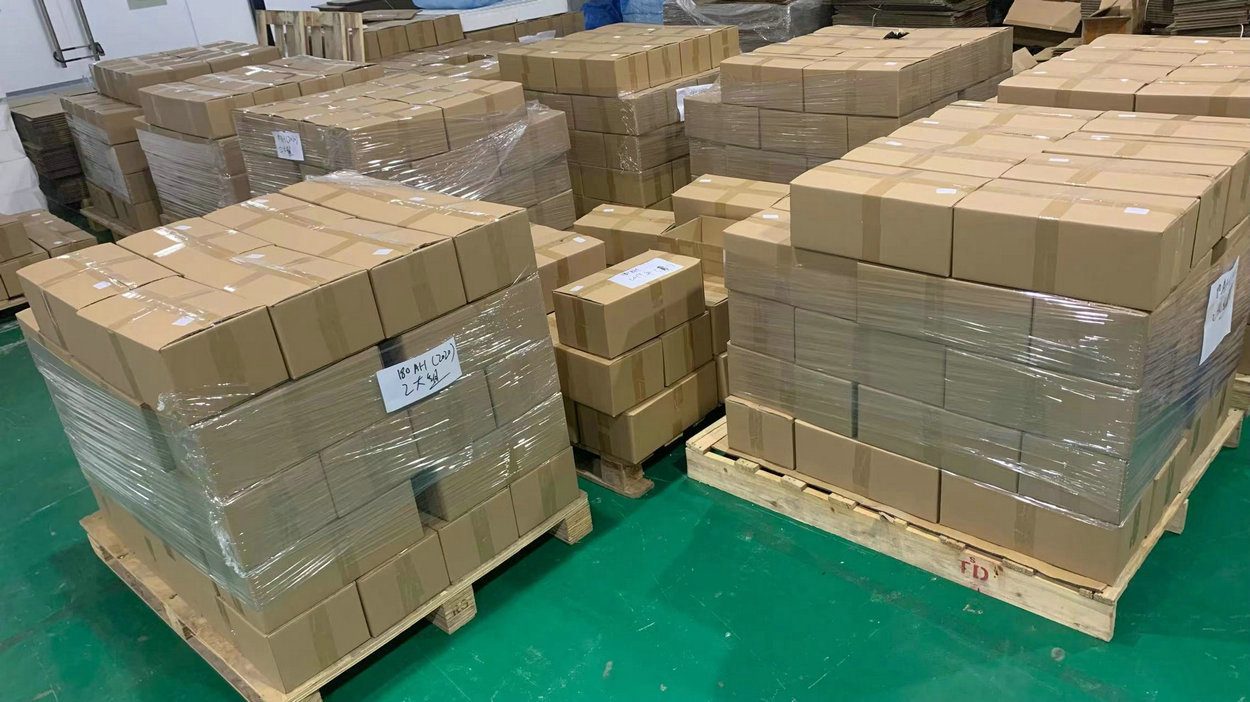
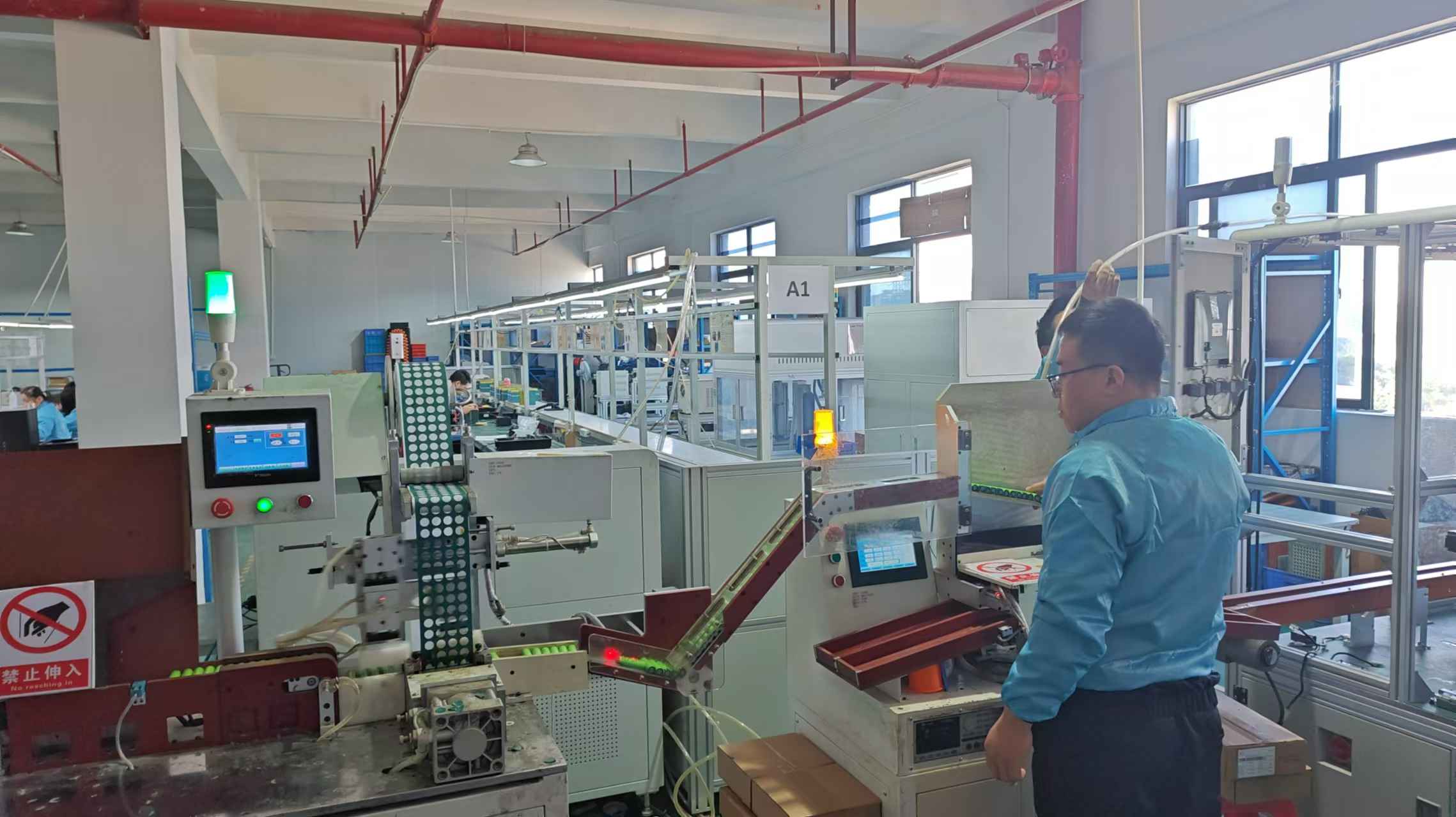
Custom engineering tailored to the electrical, safety, and physical requirements of global industries.
We design high-rate battery packs for golf carts, electric forklifts, UTVs/ATVs, delivery trucks, and marine propulsion. These systems utilize specialized high-temperature insulation layers and mechanical structural supports to manage vibration, shocks, and rapid charge/discharge cycles in harsh environments.
Unmanned ground vehicles (AGVs/AMRs) operating in 24/7 manufacturing environments require brief, intensive charging sessions. Our Lithium Titanate (LTO) systems support rapid charging during regular operation cycles, minimizing downtime and reducing the total footprint of charging stations.
For electric vertical takeoff and landing aircraft (eVTOL), weight and discharge C-rates are critical. Our high-voltage solid-state single cells (LiHv) deliver up to 260 Wh/kg at cell level, providing the necessary power output during takeoff while maintaining stability under continuous load.
Integrating 314Ah, 340Ah, and 680Ah LFP cells, our containerized energy storage systems support peak shaving and emergency backup power. These configurations feature multi-level battery management systems (BMS) with fire suppression capabilities to maintain safety and grid stability.
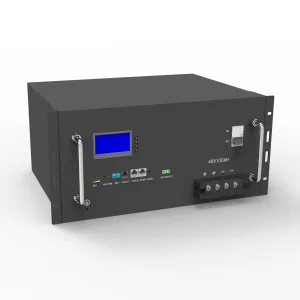
Our 48V LTO and LFP battery packs provide backup power systems for telecom infrastructure. Engineered to replace lead-acid batteries, these designs function reliably in extreme temperatures, support quick recovery after grid failures, and offer a service life exceeding 15 years.
We customize battery pack shapes, communication interfaces (CAN bus, RS485, Modbus), and diagnostic software to integrate seamlessly with our customers' industrial applications and control systems.
OEM/ODM parameters available for engineering procurement, custom cell designs, and battery pack integration.
| Specification Parameter | Supported Options / Range | Optimized Fast Charge Features | |
|---|---|---|---|
| Cell Chemistry Type | LTO, Solid-State (Li-in Alloy), LiHv, LiFePO4, NMC | Chemical modifications to support charge rates up to 10C–75C | Supports high-rate charging without localized lithium plating |
| Operating Voltage | Single cell 2.4V to 4.45V; Pack configuration 12V to 800V+ | Multi-series configurations designed for EV and high-voltage grid storage | Balanced cell-to-cell thermal profiles during fast charging |
| BMS Communication | CAN-bus, RS485, RS232, Modbus, Bluetooth, SMBus | Real-time tracking of State of Charge (SoC) and State of Health (SoH) | Prevents thermal runaway and cell imbalances under peak loads |
| Thermal Control | Natural convection, forced-air, liquid cooling plate integration | Conductive ceramic insulators and aluminum heat sinks | Mitigates internal cell hot spots during rapid charging cycles |
| Custom Enclosures | IP65, IP67, IP68 sheet metal, extrusion alloys, ABS plastic | Structural calculations for shock, vibration, and impact safety | Maintains cell seal integrity under physical stress |
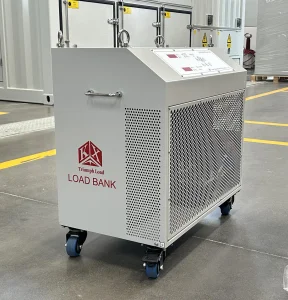
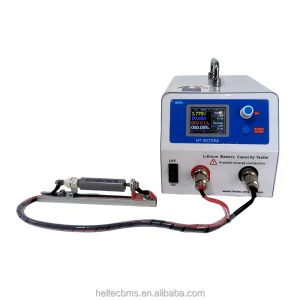
| Load Testing & Diagnostic Hardware | DC Load Banks up to 48V/600A, constant-current discharge systems | Fully integrated internal resistance analysis | Verifies capacity stability and thermal safety before deployment |
Navigating international shipping regulations and import safety rules for high-density lithium batteries requires meticulous quality management. At Guangdong Nuwon Energy Co., Ltd., we test and qualify our products to meet the safety and environmental rules of major global markets, helping our clients minimize supply chain risks.
Our products undergo strict testing, including cell puncture, thermal impact, short-circuit, and high-frequency vibration testing to ensure stability in industrial applications.
Detailed answers addressing engineering questions about battery pack design, cell chemistry, and charge management.
LTO replaces the conventional graphite anode with a lithium titanate spinel structure. Unlike graphite, which expands and contracts during lithium insertion—leading to stress on the cell and dendrite formation—LTO is a zero-strain material. During high-current charging, LTO remains dimensionally stable, preventing micro-short circuits and ensuring safe operation even under high C-rates.
Solid-state batteries face issues with lithium dendrites piercing the solid electrolyte interface. Utilizing a Lithium Indium (Li-In) alloy sheet provides a stable electrochemical potential that reduces internal resistance. The indium matrix alloy maintains structural uniformity during fast charge-discharge cycles, preventing dendrite formation and improving overall safety and lifecycle performance.
Polycrystalline NMC particles suffer from internal cracking due to mechanical stresses during rapid lithiation and delithiation. These micro-cracks expose new surfaces to side reactions with the electrolyte, reducing overall cell capacity. Single-crystal NMC powder features a unified crystalline structure that resists cracking, offering better thermal stability and longer life under high current loads.
Our custom BMS uses predictive algorithms to track temperature, internal resistance, and voltage trends at the individual cell level. If temperatures rise near defined thresholds, the BMS adjusts the charging current to balance thermal loads. This is paired with physical thermal management, such as liquid cooling plates or phase-change materials, to maintain cell temperatures within optimal ranges.
When selecting a load bank, such as our 48V/600A system, it is important to match the continuous discharge capacity with your battery testing requirements. Key features to prioritize include automated data logging, programmable cut-off limits for cell voltage and temperature, and protection against overcurrent and polarity reversals to ensure accurate and safe performance evaluations.
Our comprehensive portfolio of backup systems, testers, high-capacity cells, and components for industrial scale applications.


 Nuwon Energy