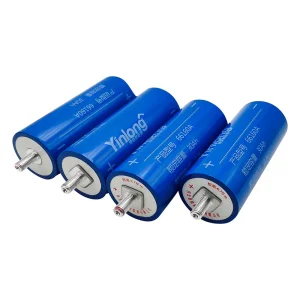
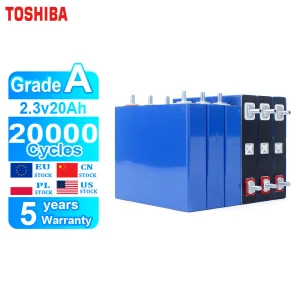
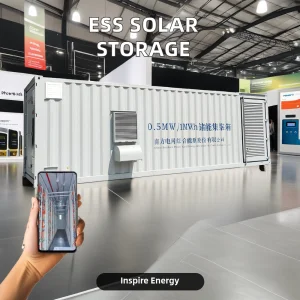
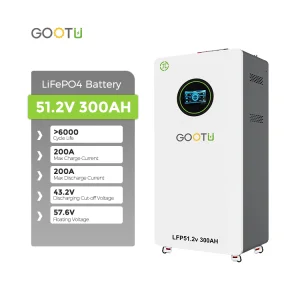
Explore our industrial energy storage configurations and specialized cells engineered to fit standard custom sheet metal and modular enclosures.
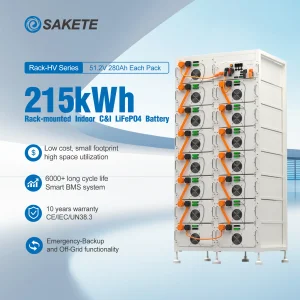
Understanding the intersection of mechanical integrity, safety certifications, and thermal management in industrial battery integration.
The global transition to electrification has driven unprecedented demand for battery pack systems. However, while significant emphasis is placed on lithium cell chemistry and battery management systems (BMS), the structural protection layer—the battery pack enclosure—serves as the primary barrier against environmental hazards, physical ingress, and thermal propagation. From utility-scale grid operations and electric vehicles (EVs) to marine propulsion and commercial material handling (forklifts, AGVs), customized enclosures dictate the system's overall durability, lifetime efficiency, and regulatory compliance.
High-quality OEM/ODM battery pack enclosure factories play an indispensable role in translating chemical energy storage designs into rugged, commercialized packages. In demanding industrial settings, enclosures must do far more than merely hold modules; they must mitigate electromagnetic interference (EMI), manage extreme thermal fluxes via active or passive cooling mechanisms, withstand severe structural vibrations (certified to UN38.3 standards), and prevent moisture and dust penetration up to IP67 and IP69K standards. To ensure safety, factories leverage advanced materials such as heavy-duty hot-rolled steel (SPCC/SGCC), marine-grade aluminum alloys (Al 5052/6061), and advanced composites like SMC (Sheet Molding Compound) to optimize the balance between structural weight and impact absorption.
Developing robust mechanical architectures requires solving complex structural, electrical, and thermal engineering puzzles.
Modern battery architectures utilize liquid-cooling plates, heat exchangers, or advanced phase change materials (PCM). Custom enclosures must incorporate precision inlets/outlets and ensure uniform cell-to-cell thermal profiling to prevent hot spots and thermal runaway propagation.
Outdoor grid-scale containers, telecommunication backup power systems, and marine battery packs are constantly exposed to dust, salt mist, and torrential rain. We utilize custom EPDM/silicone gaskets, robot-applied liquid gaskets (FIPG), and precision laser-welding to guarantee zero ingress.
With packs reaching system voltages of 400V, 800V, or even 1500V, electrical safety is paramount. Enclosures require internal epoxy insulation coatings, polycarbonate protective covers, and optimized EMI/EMC shielding designs to prevent arcing and protect sensitive BMS electronics.
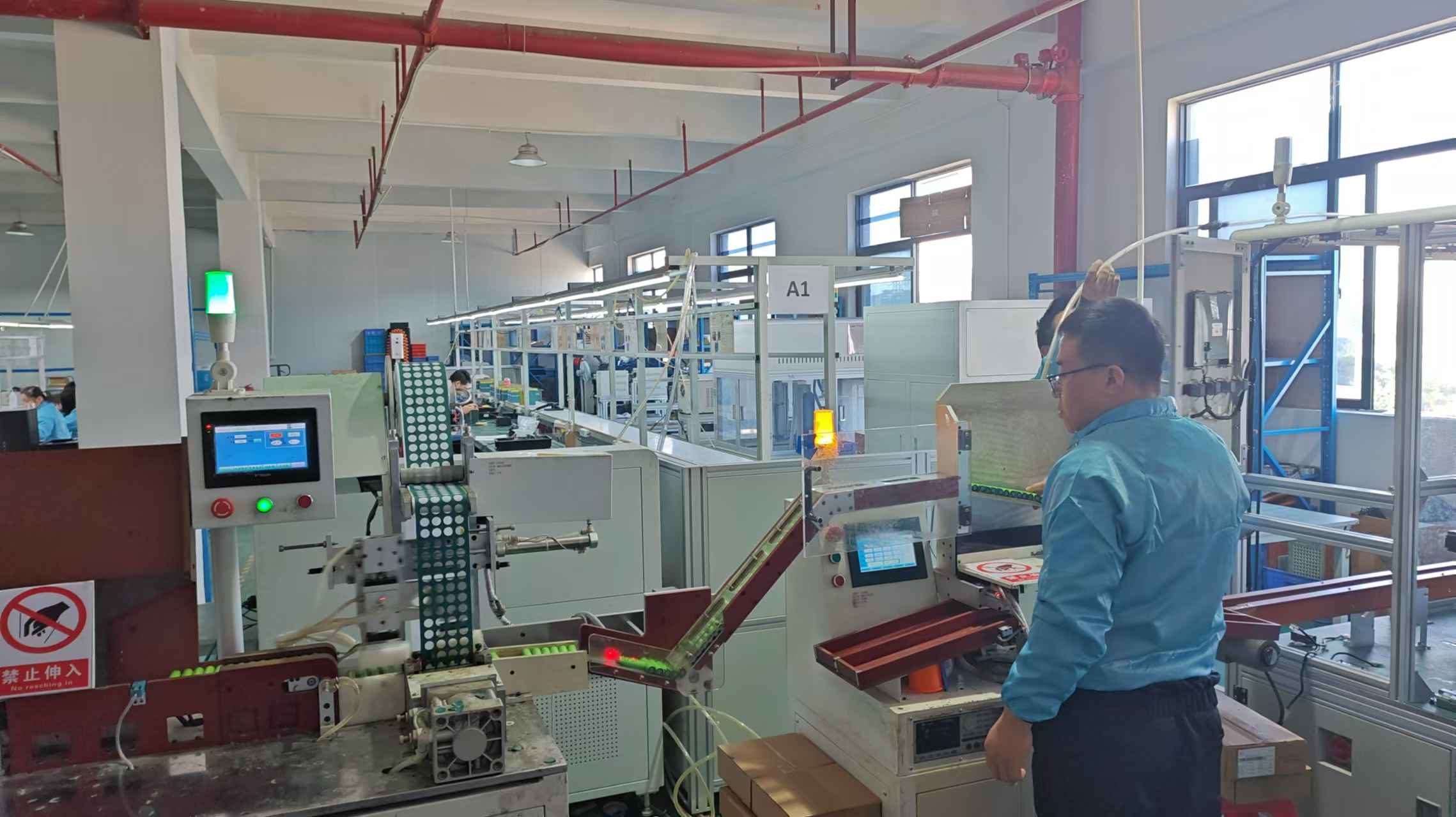
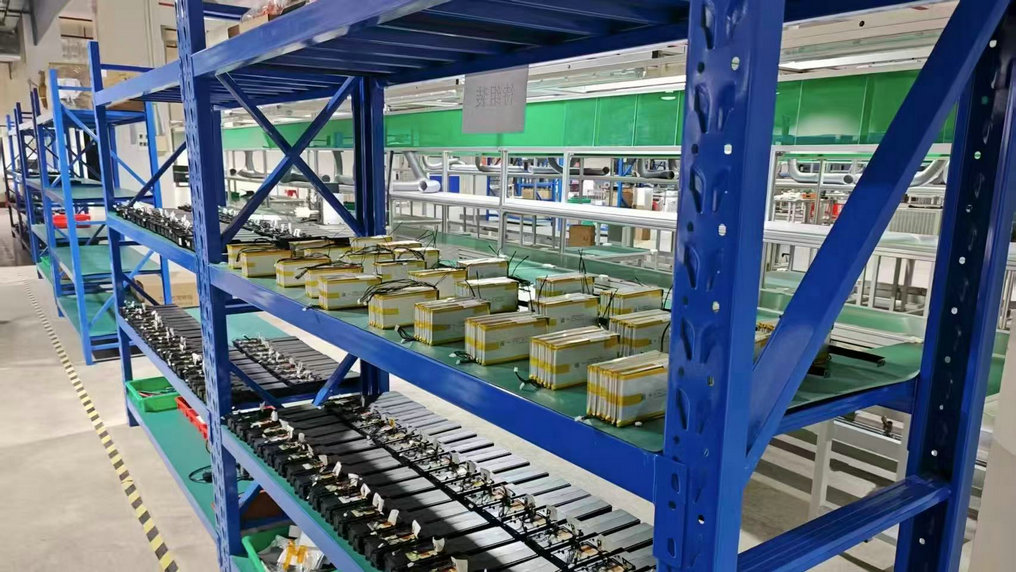
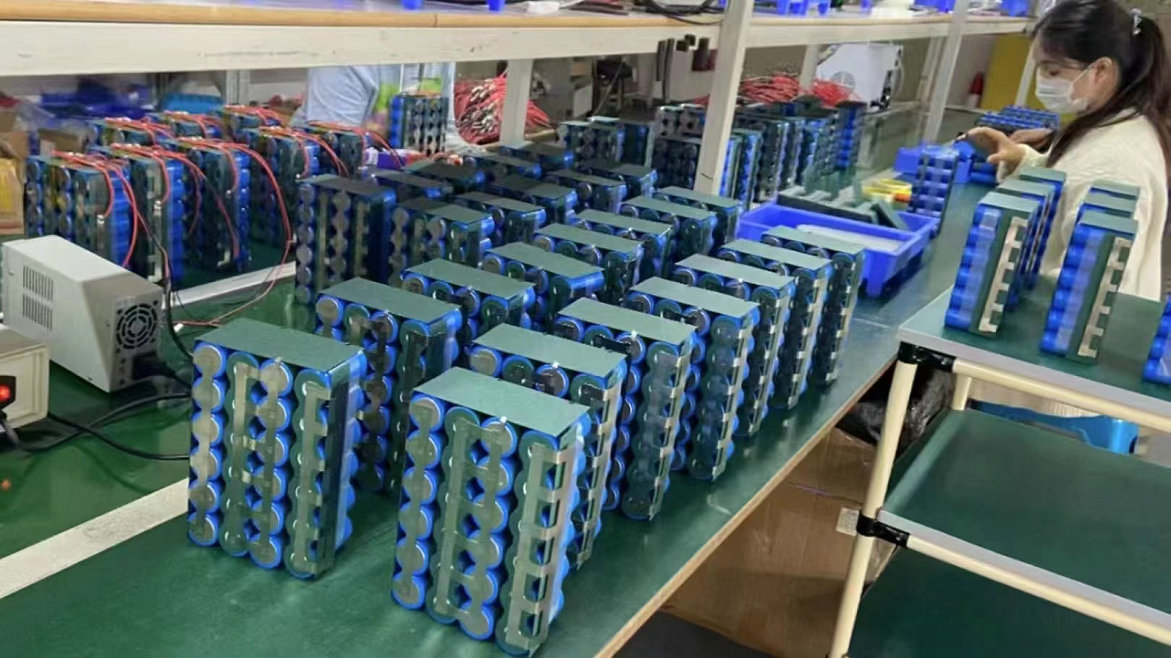
From initial cell sorting and automated wire bonding to mechanical chassis assembly and high-temperature aging chambers.
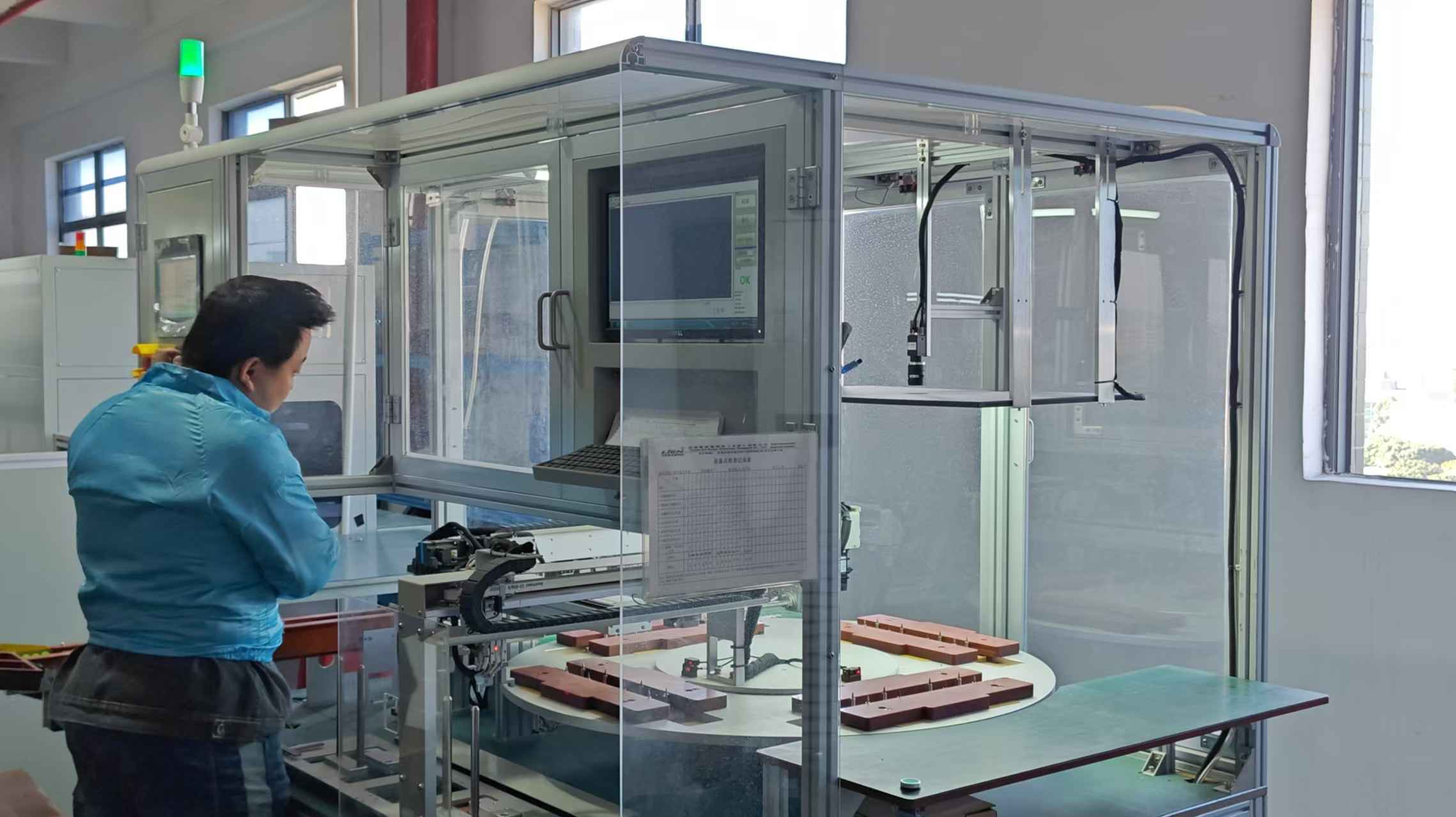
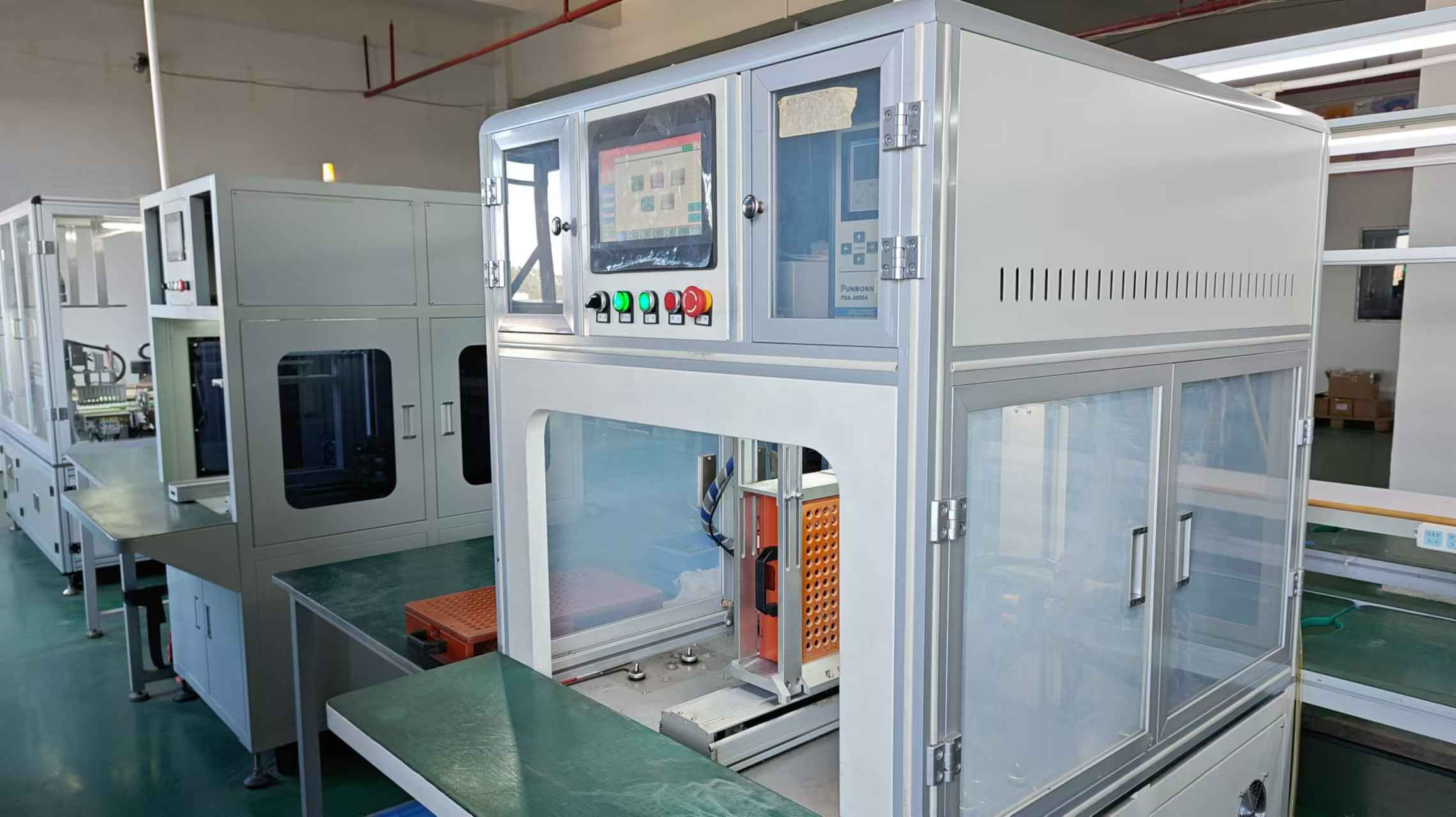
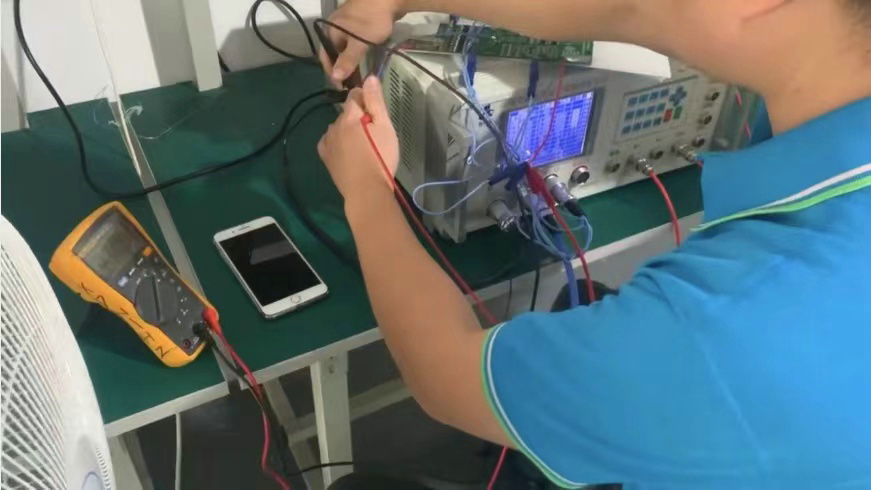
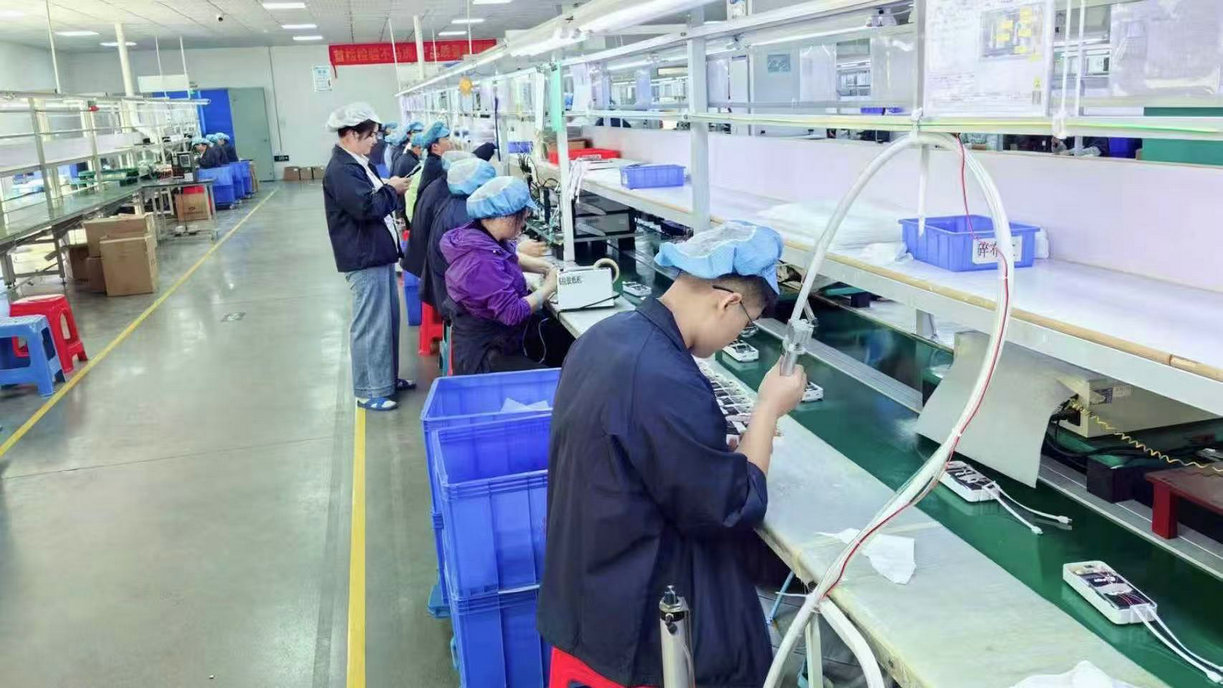
A battery enclosure’s reliability is intimately tied to the internal cell packaging and electrical assembly processes. Achieving structural consistency requires high-precision automation at every level. The processing line must ensure cell balancing, robust cell-to-busbar connection integrity, comprehensive insulation barrier deployments, and final pack verification under simulated duty cycles.
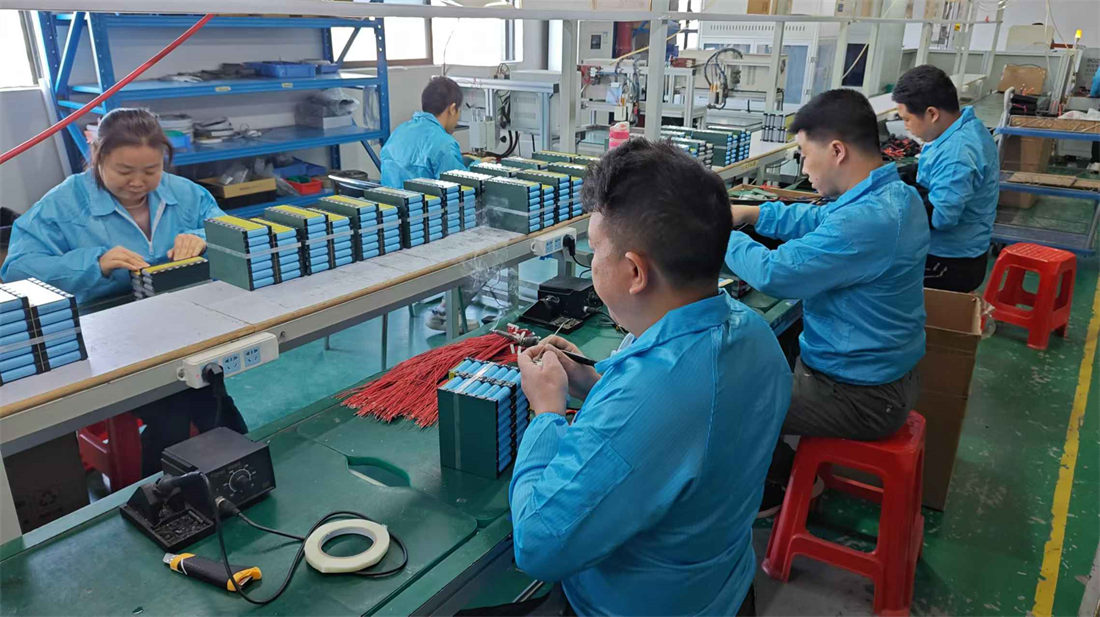
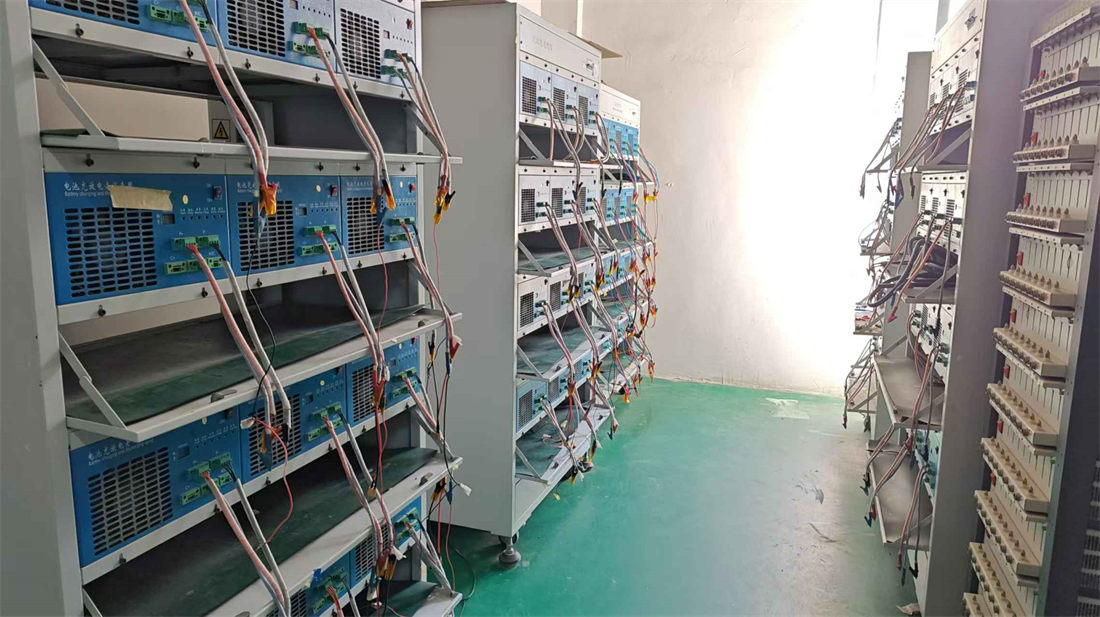
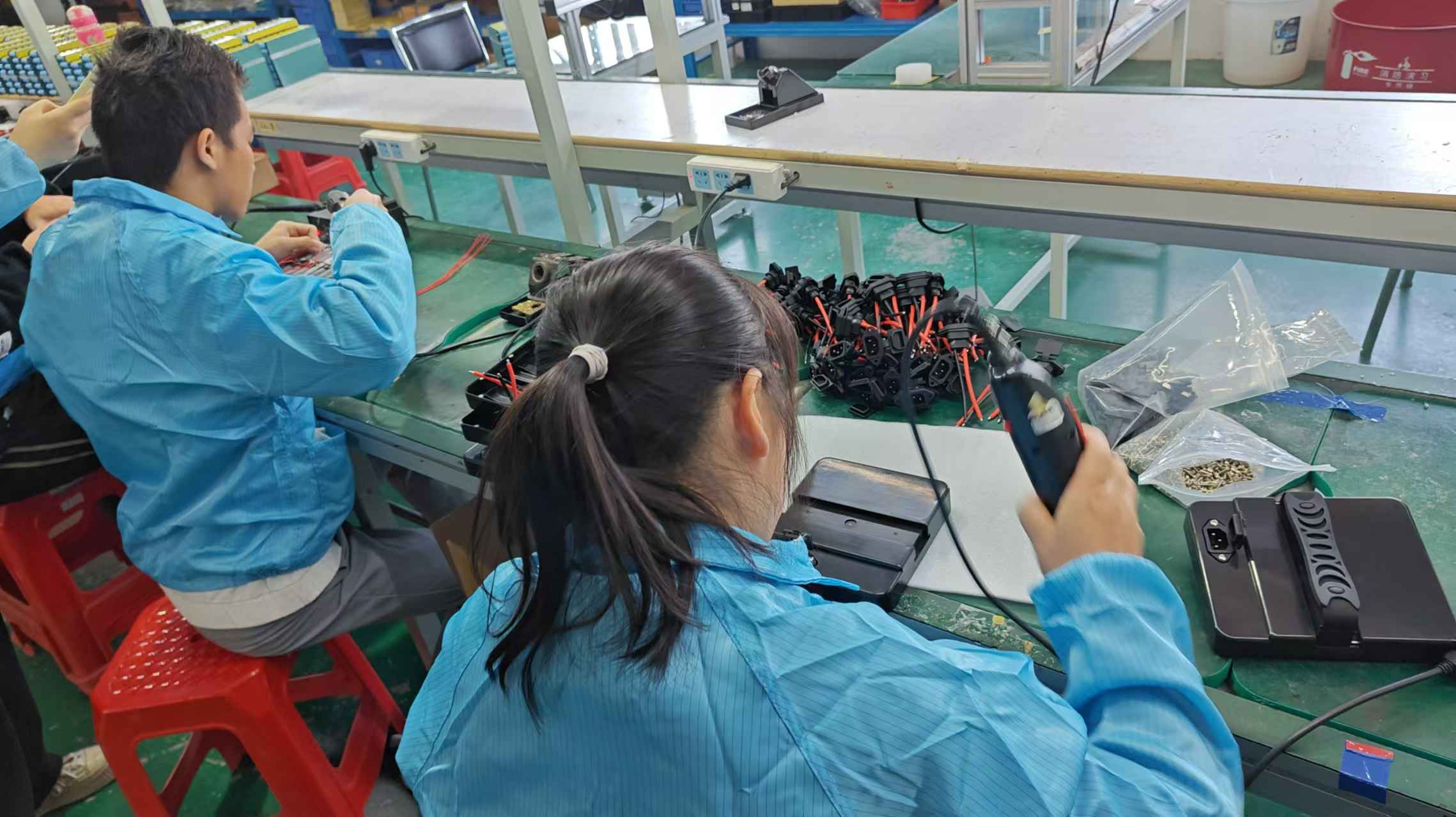
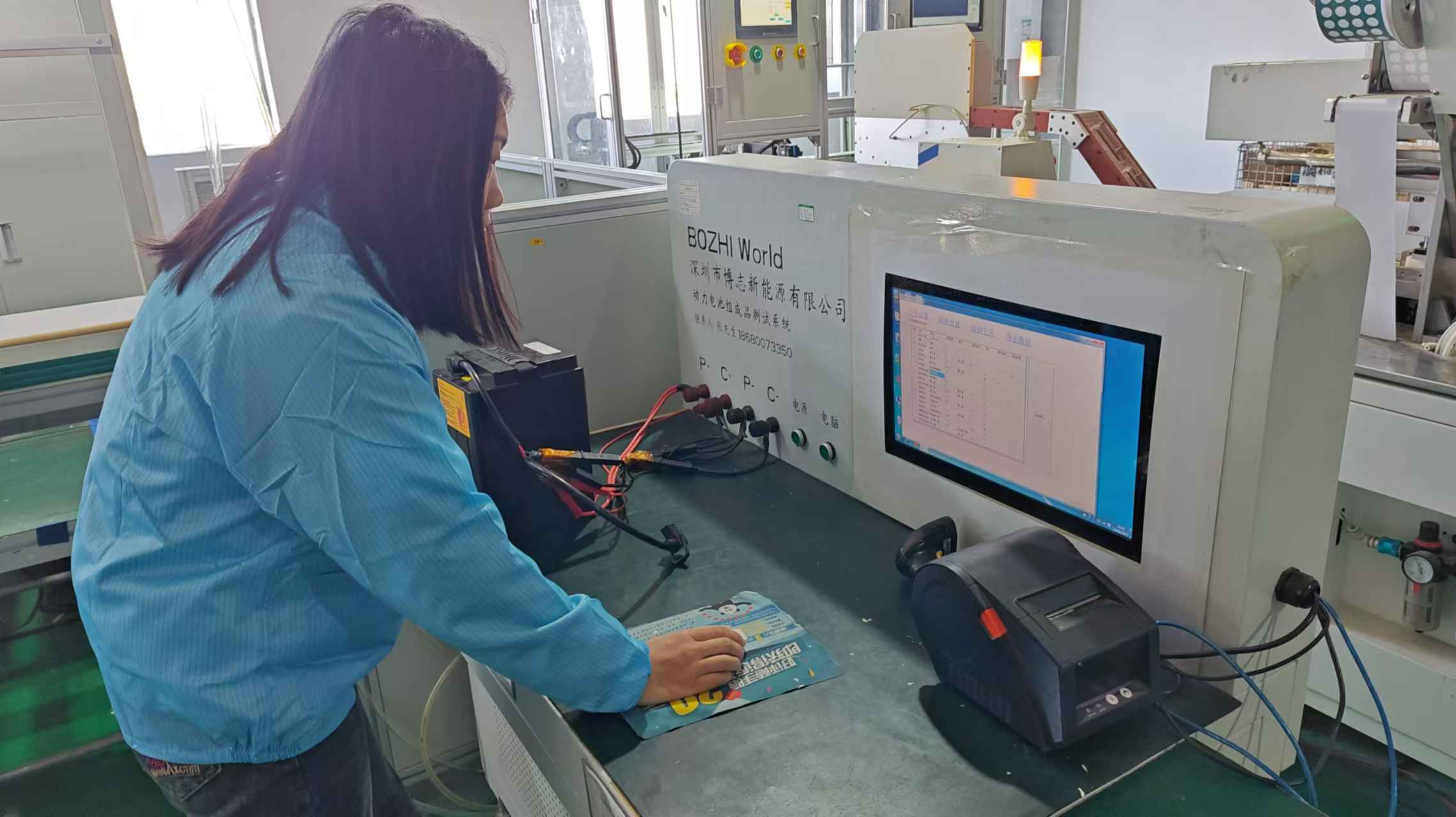
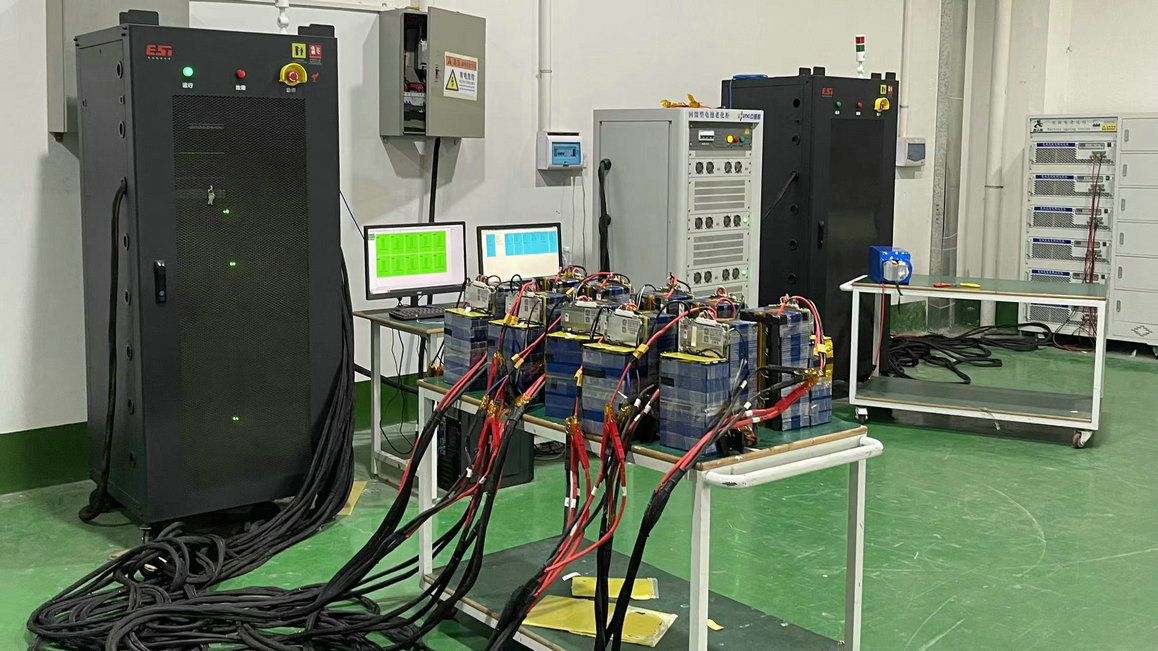
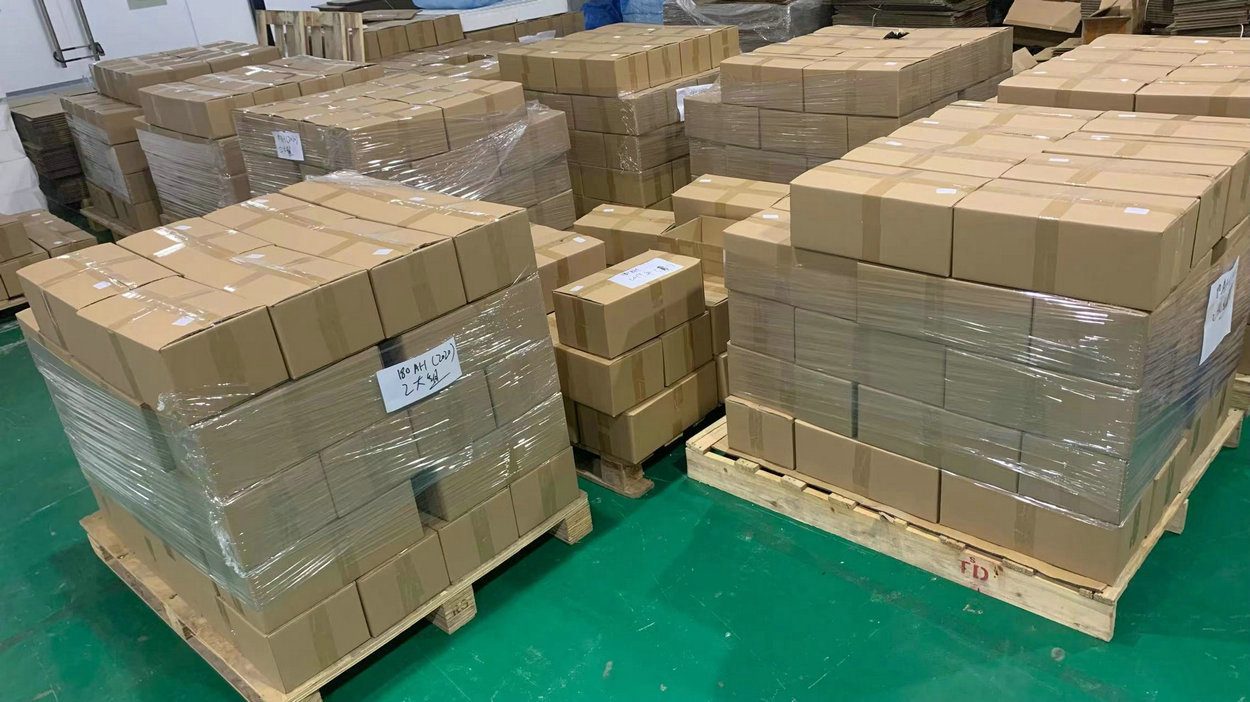
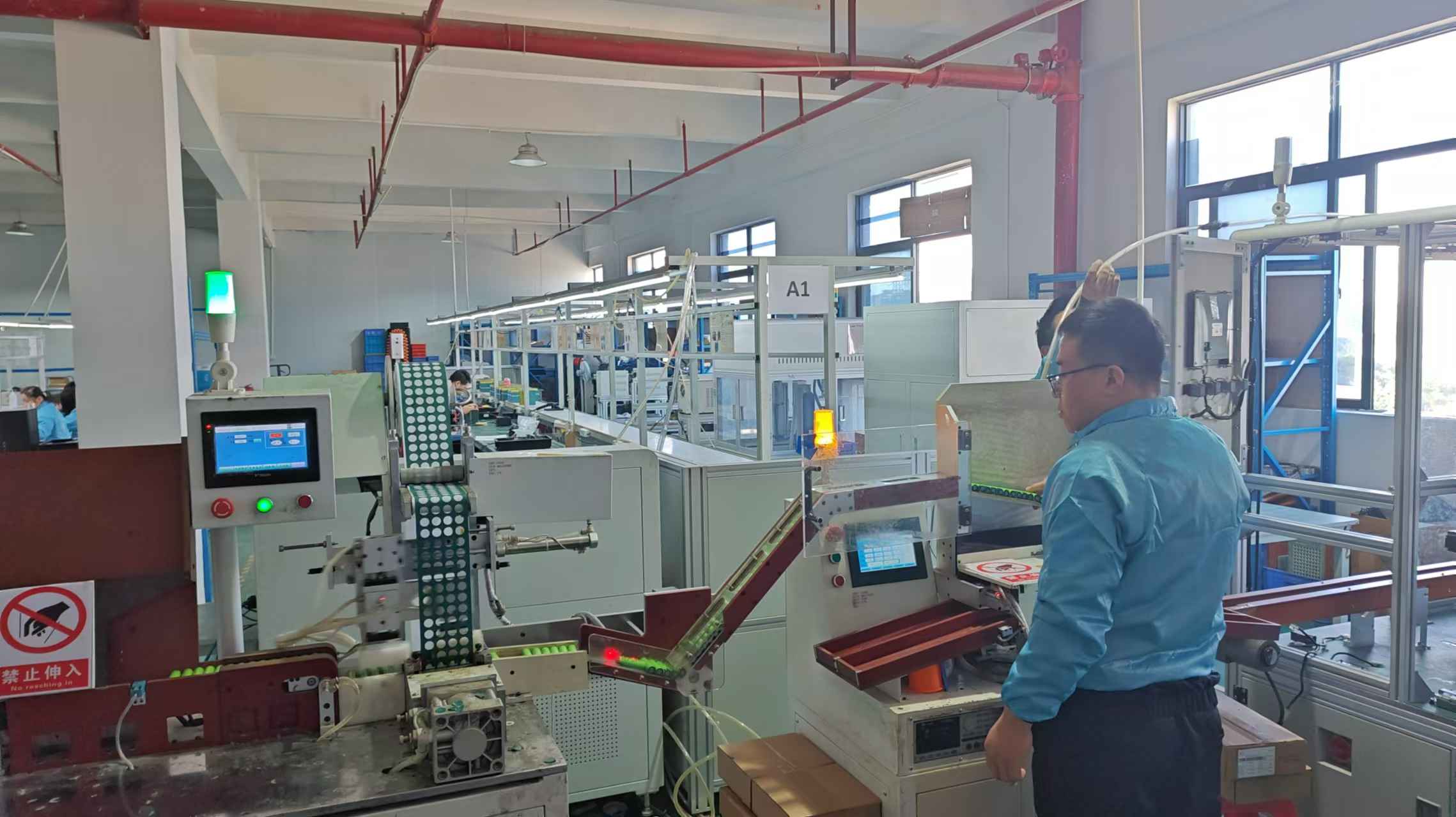
Guangdong Nuwon Energy Co., Ltd. is a leading manufacturer and solution provider in advanced battery systems, specializing in the research, development, manufacturing, and global distribution of high-performance energy storage products. The company offers comprehensive OEM and ODM services, delivering customized battery solutions tailored to diverse industrial and commercial applications.
Backed by a highly experienced engineering and R&D team, Nuwon Energy focuses on the design and integration of cylindrical and prismatic lithium battery cells, as well as complete battery packs, modules, and energy storage systems. The company also develops and produces industrial-grade battery cells engineered for safety, durability, and long cycle life.
Guangdong Nuwon Energy serves a wide range of industries, including consumer electronics, electric mobility (such as golf carts, forklifts, UTVs/ATVs, trucks, and marine systems), medical equipment, unmanned ground vehicles (AGVs/AMRs), and emerging aerospace applications such as eVTOL aircraft. In addition, the company provides reliable residential, commercial, and industrial (C&I) energy storage solutions designed to support the global transition toward clean and sustainable energy.
With a strong commitment to innovation, strict quality control, and customer-centric service, Guangdong Nuwon Energy continuously invests in advanced manufacturing capabilities, automated production lines, and rigorous testing systems. This ensures that every product meets international safety standards and delivers exceptional performance in demanding environments.
Driven by a vision to accelerate global electrification and energy efficiency, Guangdong Nuwon Energy Co., Ltd. is dedicated to building long-term partnerships and providing reliable, intelligent, and sustainable energy solutions to customers worldwide.
Why sourcing custom enclosures and pack integrations from Guangdong guarantees optimal speed-to-market and technological dominance.
Southern China, and specifically the Pearl River Delta industrial cluster, represents the absolute center of gravity for the global lithium battery supply chain. Sourcing custom battery pack enclosures from Guangdong provides distinct industrial advantages that cannot be replicated elsewhere:
Different environments require vastly different structural configurations. We engineer systems optimized for specific environments.
Enclosures designed for industrial vehicles feature thick structural sheet steel with anti-vibration rubber dampeners. They must withstand constant high-g shock profiles and secure heavy prismatic cells while keeping structural weight minimized.
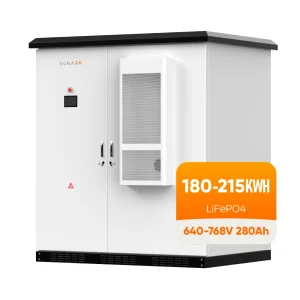
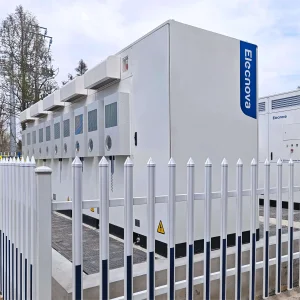
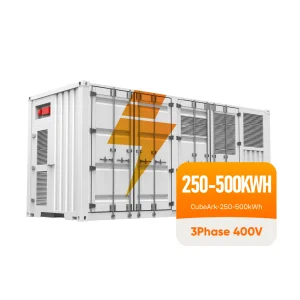
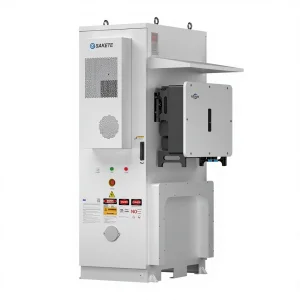
For containerized energy storage projects, the enclosure is a walk-in, climate-controlled cabinet. It integrates structural racks, dynamic liquid-cooling loops, dry fire suppression piping, explosion-venting panels, and central BMS wiring highways.
Weight is the critical performance bottleneck in aviation. Our enclosures for drone modules utilize ultra-lightweight materials such as carbon fiber composites, high-performance thermoplastics, and structural foam structures to maximize energy density per gram.
Critical specifications you must verify when evaluating and selecting battery enclosure suppliers.
B2B procurement teams must verify that prospective manufacturers can deliver on safety and longevity requirements. When issuing a Request for Quotation (RFQ), verify the following essential parameters:
Direct technical answers addressing the most common concerns of battery systems engineers and purchasing managers.
Review our specialty power systems, high-rate traction battery packs, and technical industrial cell components.

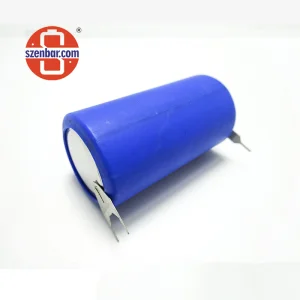
 Nuwon Energy