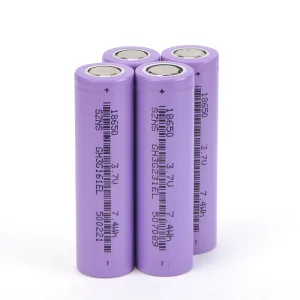
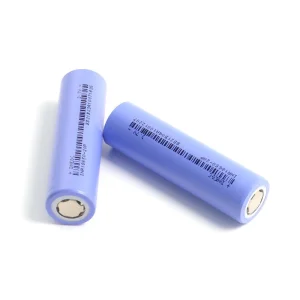
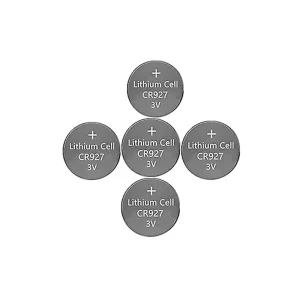
Explore our range of premium battery solutions engineered for residential, commercial, industrial, and specialized application environments.
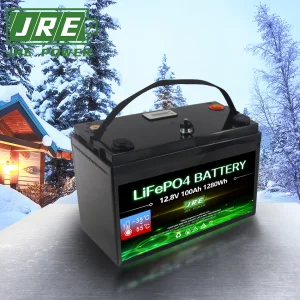
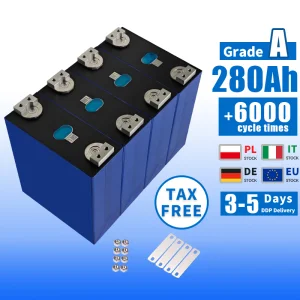
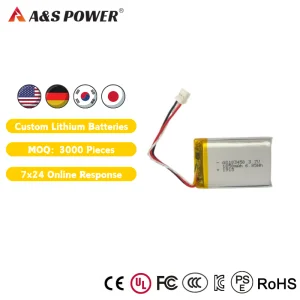
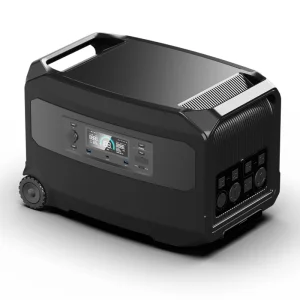

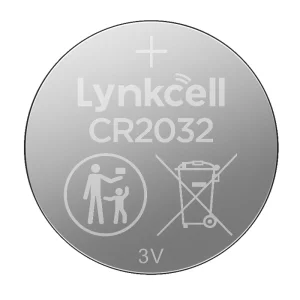
As the global transition to clean energy accelerates, utility-scale, industrial, commercial, and residential energy demands are shifting heavily toward Battery Energy Storage Systems (BESS). Under the direct impact of global grid decarbonization policies, peak-shaving, load-shifting, microgrid architectures, and off-grid stability solutions have evolved from luxury infrastructures into essential assets.
OEM and ODM battery energy storage system factories play a crucial role in stabilizing the supply chain. Developing custom energy storage assets requires a deep integration of electrochemical expertise, advanced battery management systems (BMS), thermal runoff mitigation, and strict international compliance. The demand is no longer just for standard off-the-shelf cells; modern developers seek optimized cell-to-pack (CTP) designs, solid-state architectures, and integrated thermal-management infrastructures built to operate under severe climate variations.
Guangdong Nuwon Energy Co., Ltd. is a leading manufacturer and solution provider in advanced battery systems, specializing in the research, development, manufacturing, and global distribution of high-performance energy storage products. The company offers comprehensive OEM and ODM services, delivering customized battery solutions tailored to diverse industrial and commercial applications.
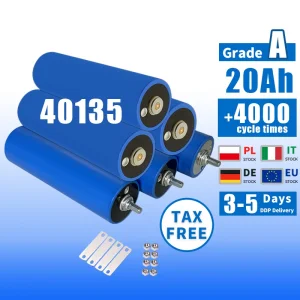
Backed by a highly experienced engineering and R&D team, Nuwon Energy focuses on the design and integration of cylindrical and prismatic lithium battery cells, as well as complete battery packs, modules, and energy storage systems. The company also develops and produces industrial-grade battery cells engineered for safety, durability, and long cycle life.
Guangdong Nuwon Energy serves a wide range of industries, including consumer electronics, electric mobility (such as golf carts, forklifts, UTVs/ATVs, trucks, and marine systems), medical equipment, unmanned ground vehicles (AGVs/AMRs), and emerging aerospace applications such as eVTOL aircraft. In addition, the company provides reliable residential, commercial, and industrial (C&I) energy storage solutions designed to support the global transition toward clean and sustainable energy.
With a strong commitment to innovation, strict quality control, and customer-centric service, Guangdong Nuwon Energy continuously invests in advanced manufacturing capabilities, automated production lines, and rigorous testing systems. This ensures that every product meets international safety standards and delivers exceptional performance in demanding environments.
Driven by a vision to accelerate global electrification and energy efficiency, Guangdong Nuwon Energy Co., Ltd. is dedicated to building long-term partnerships and providing reliable, intelligent, and sustainable energy solutions to customers worldwide.
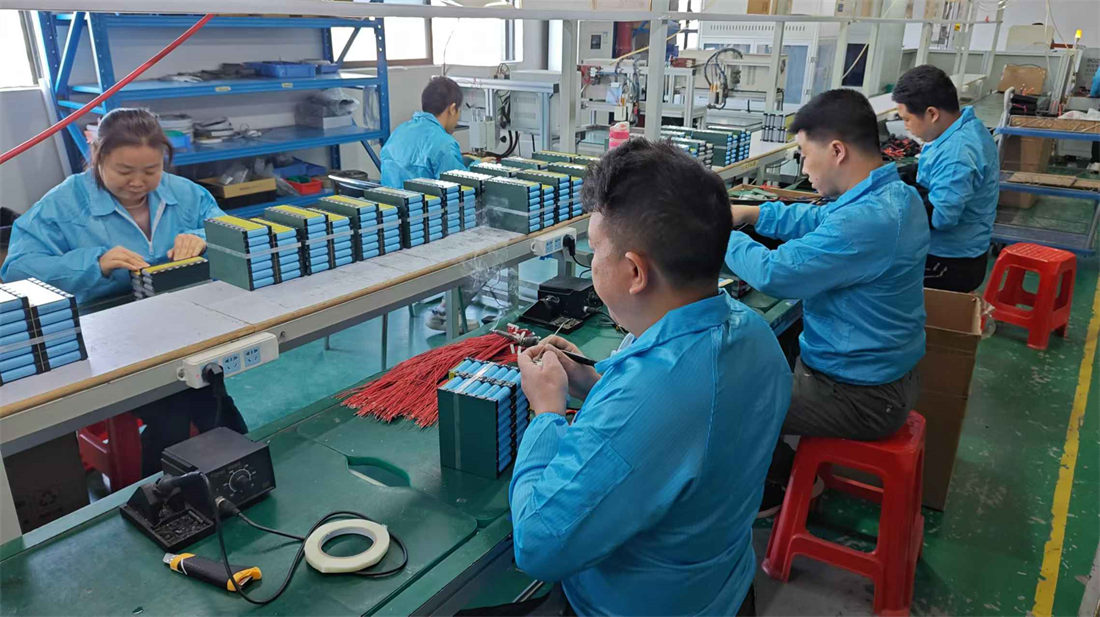
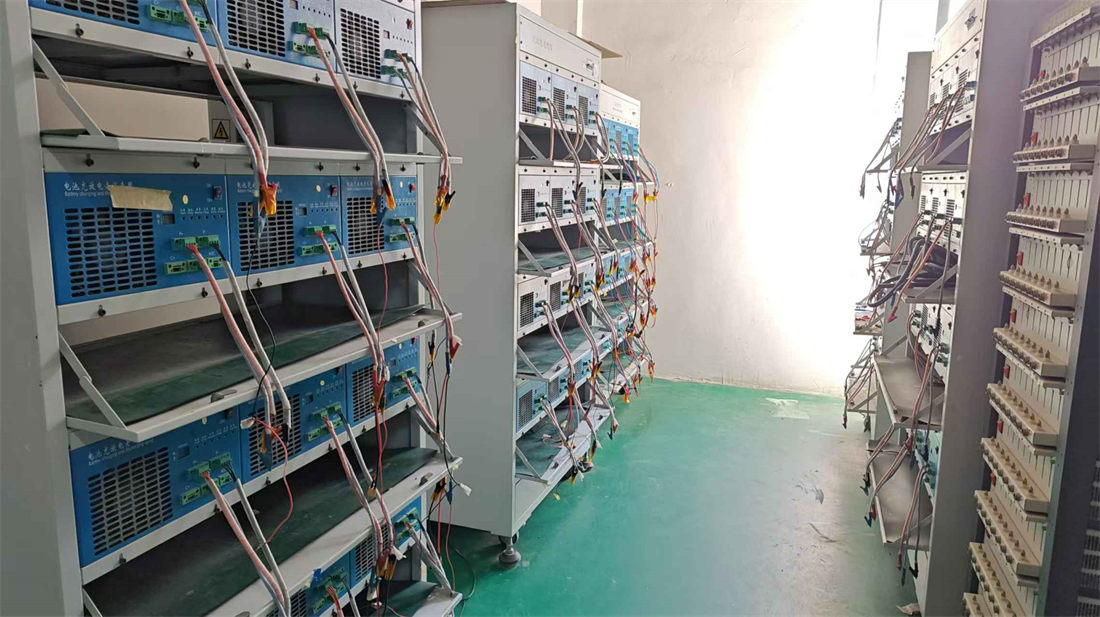
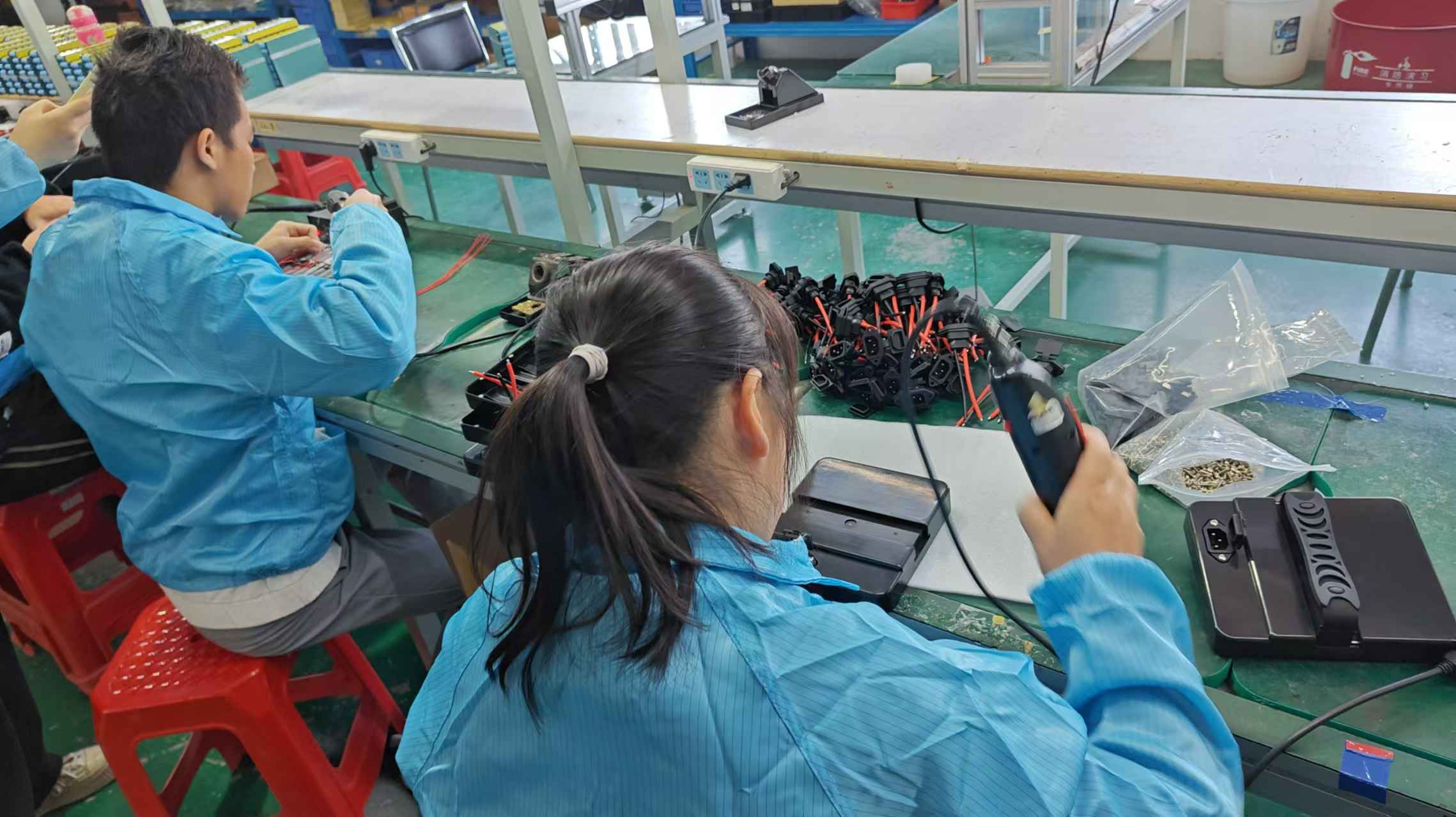
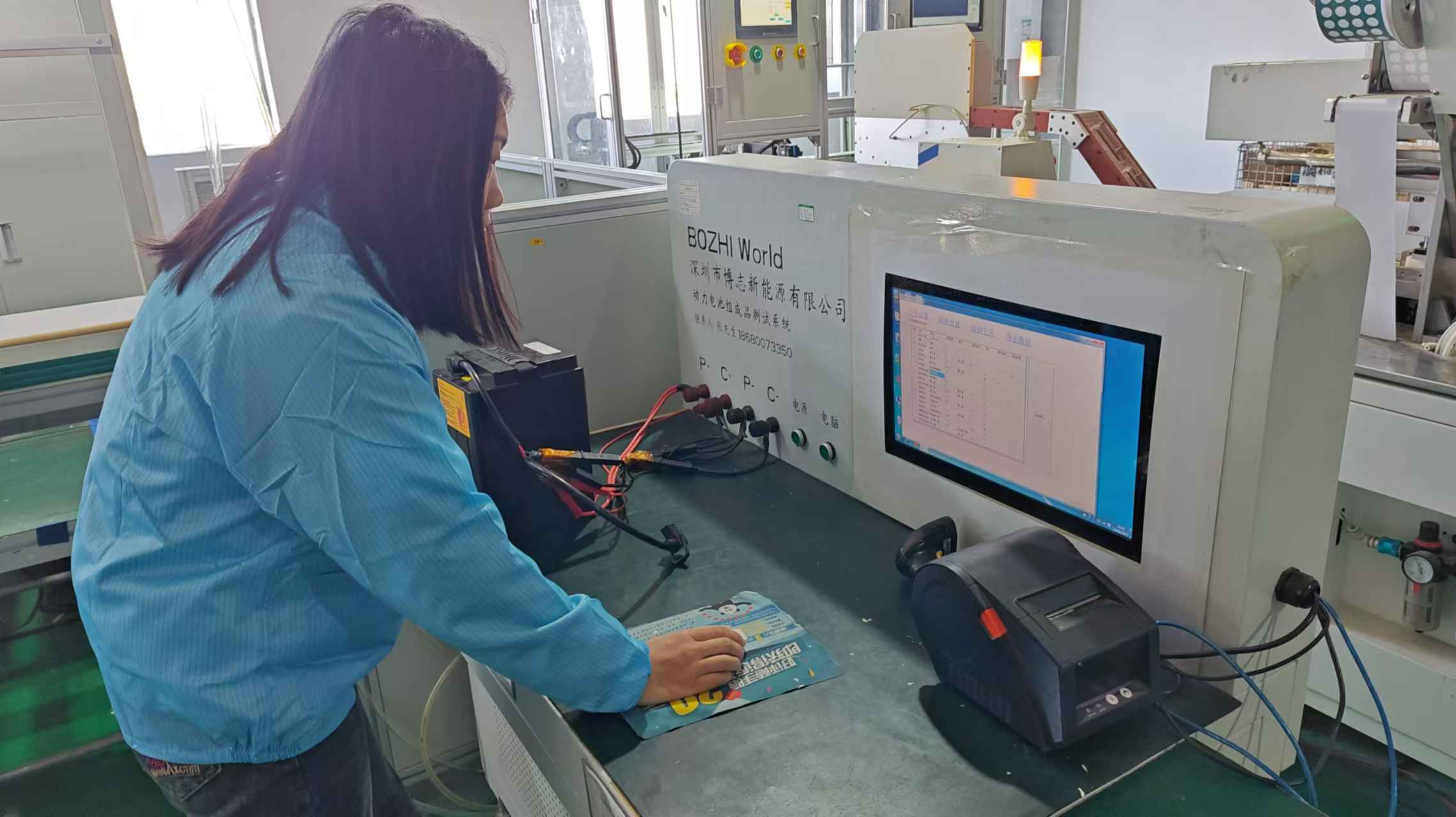
At our state-of-the-art facility, precision is maintained at every single stage of production. Below is the step-by-step physical workflow employed within our factory floor to convert premium lithium cells and components into highly integrated battery systems.
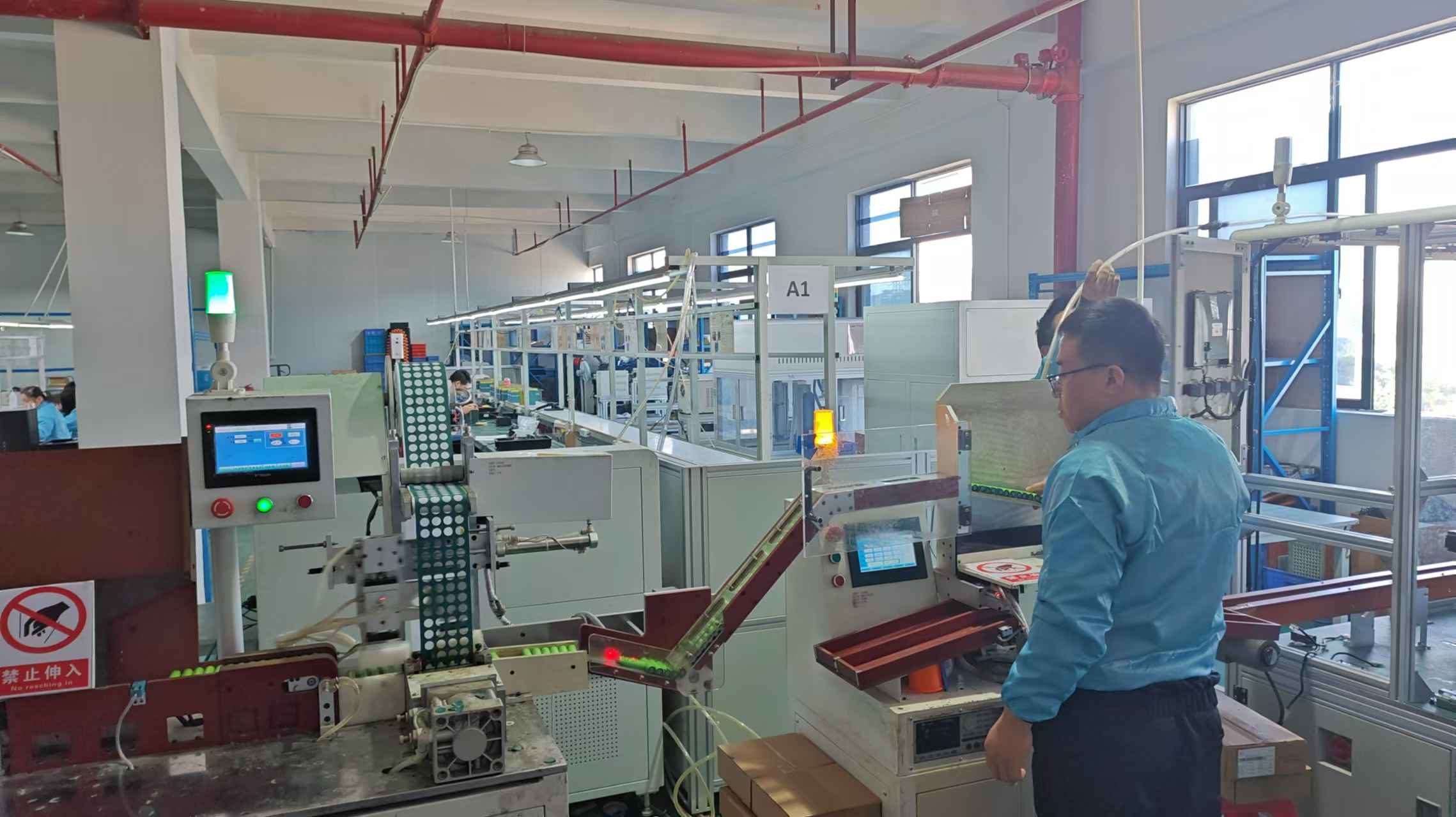
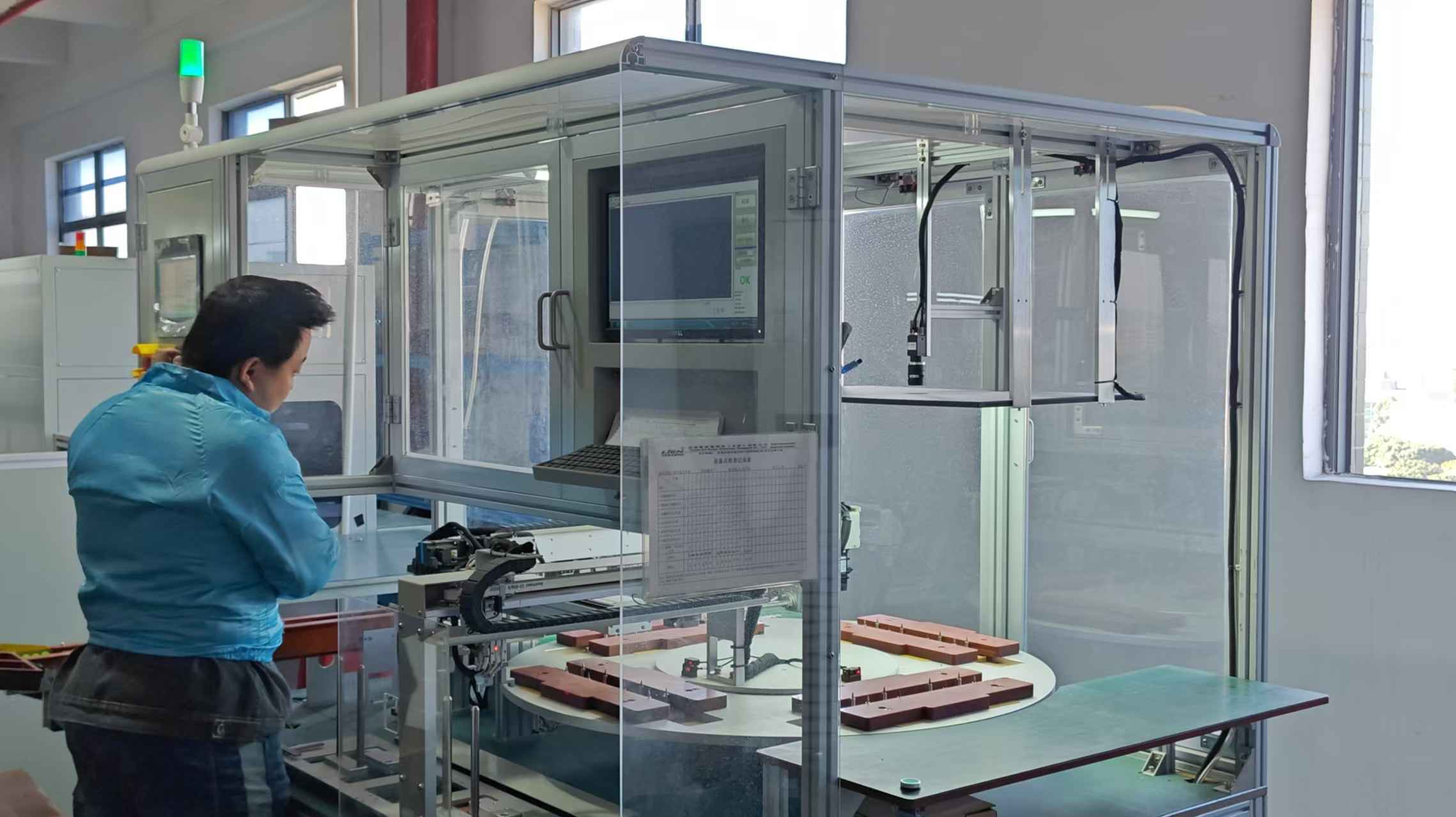
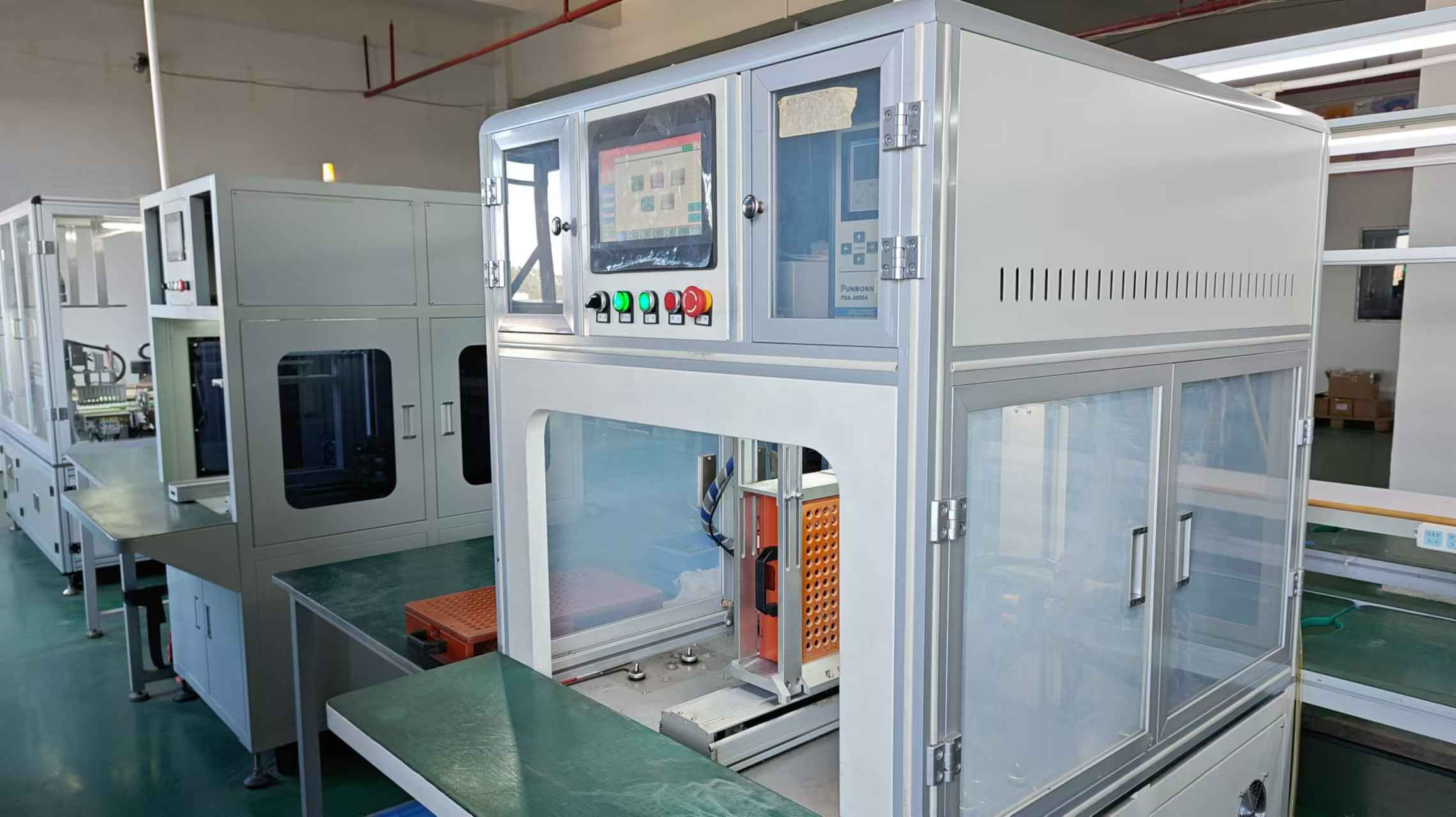
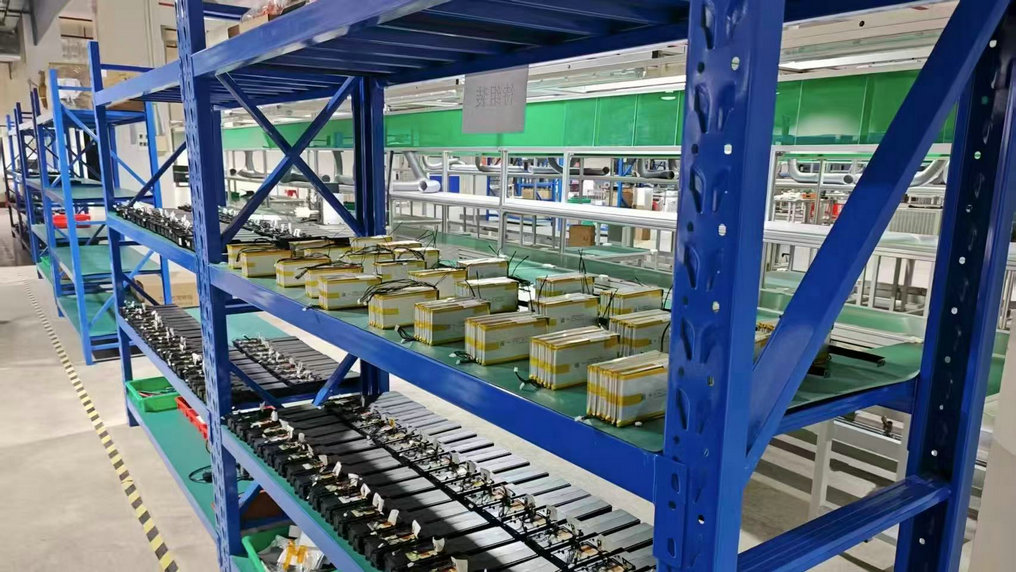
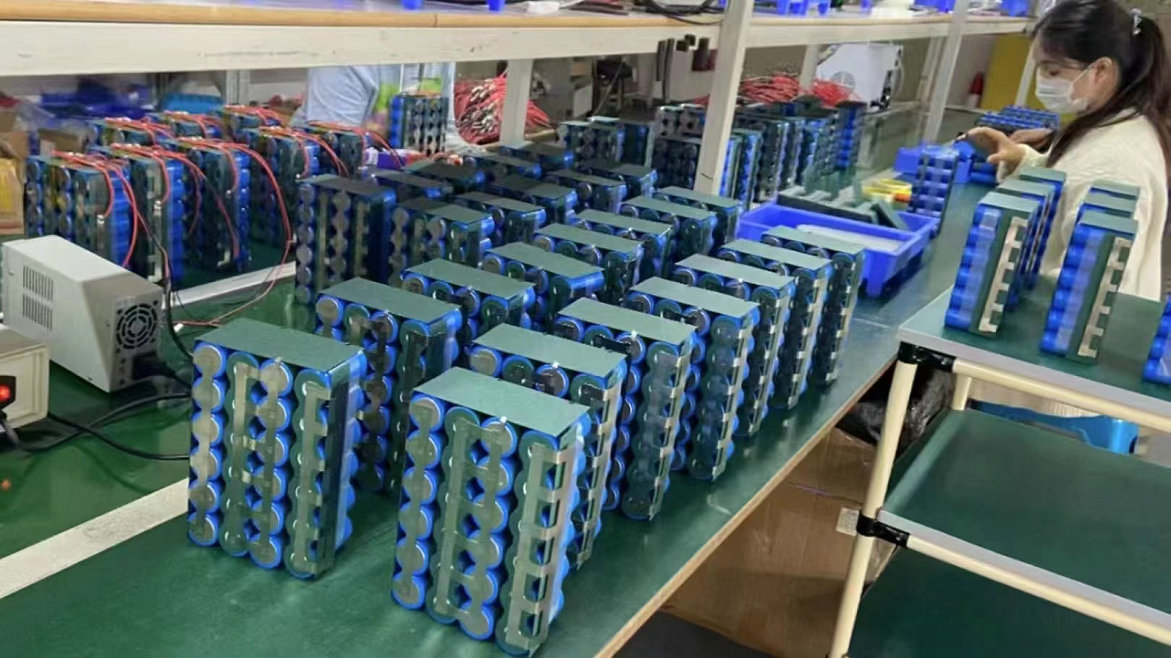
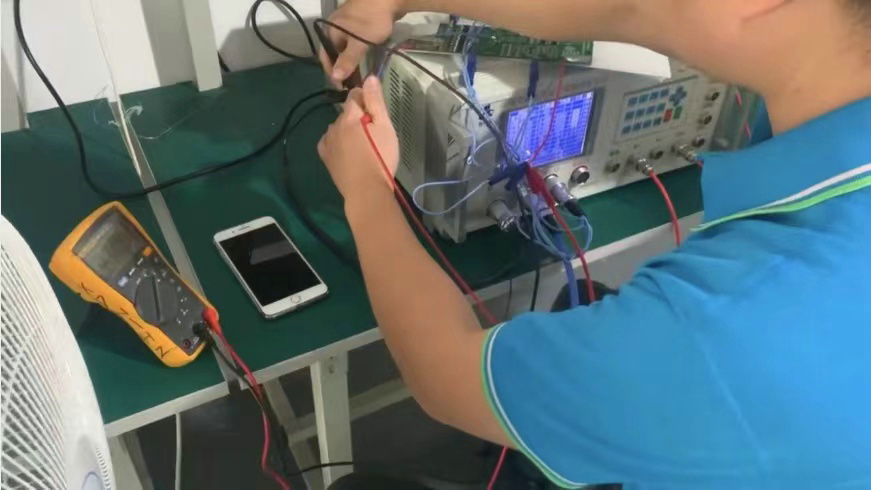
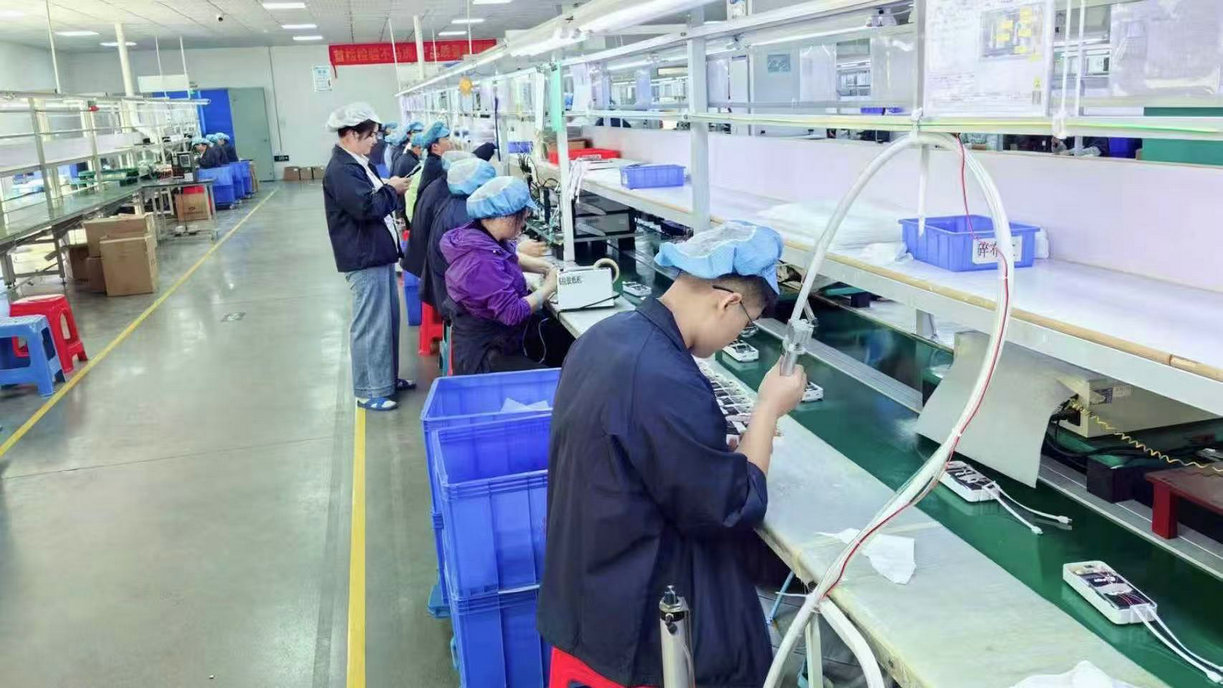
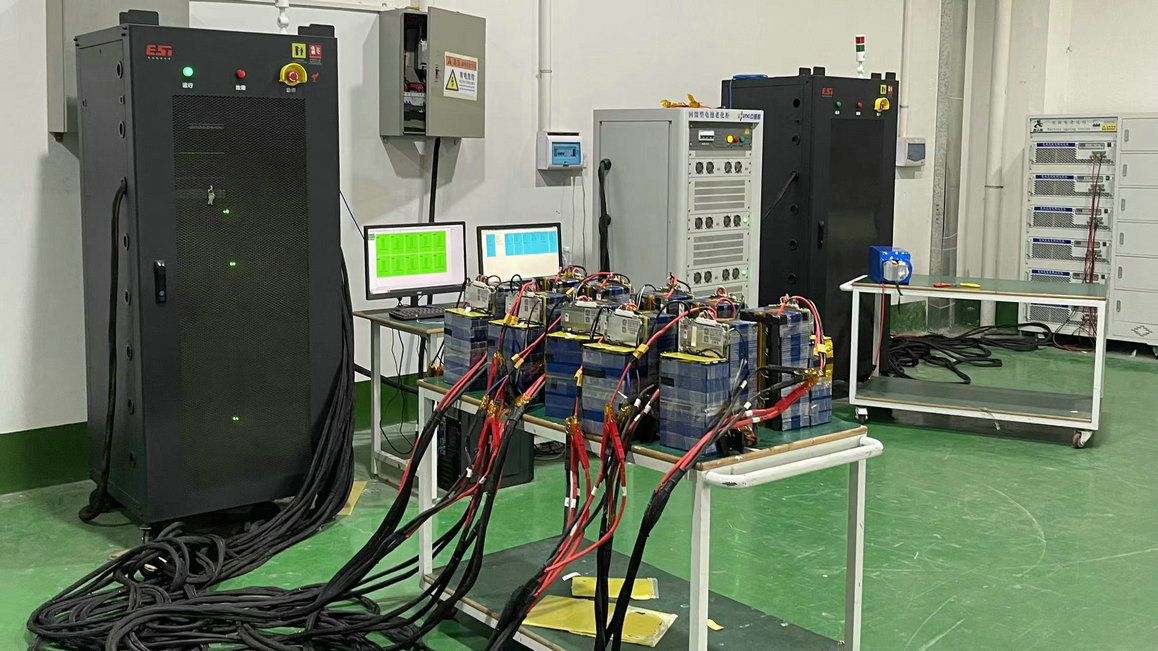
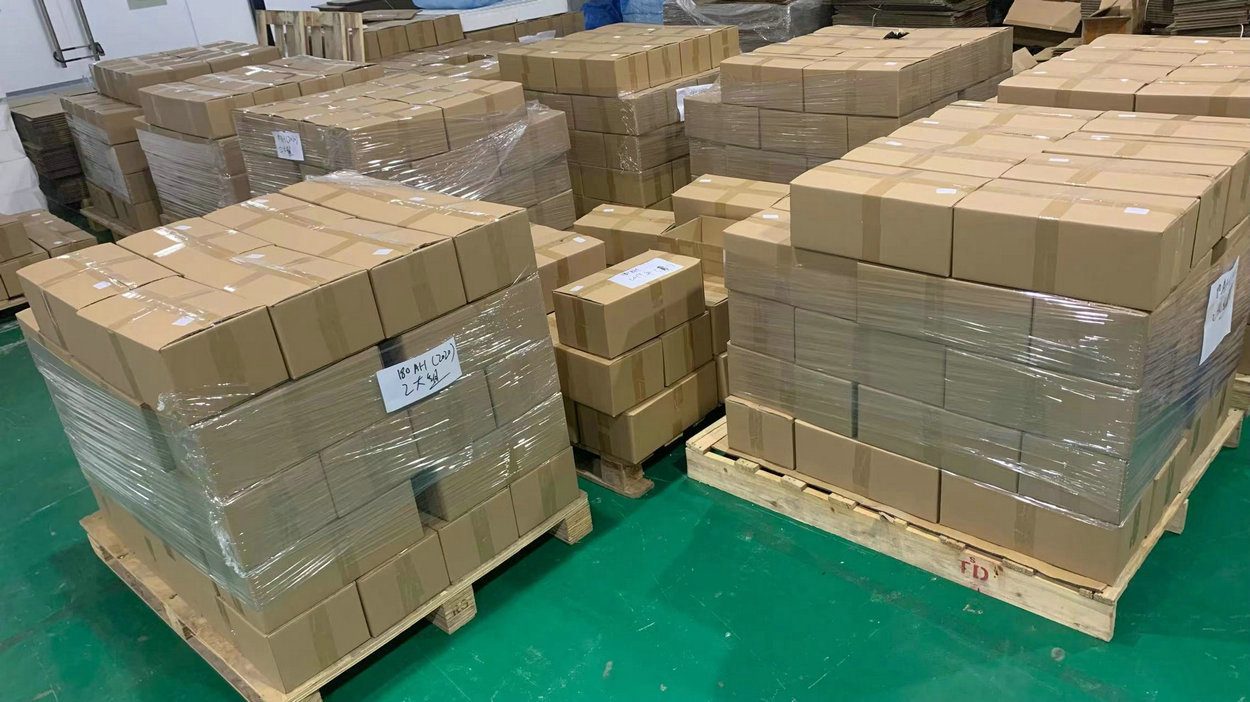
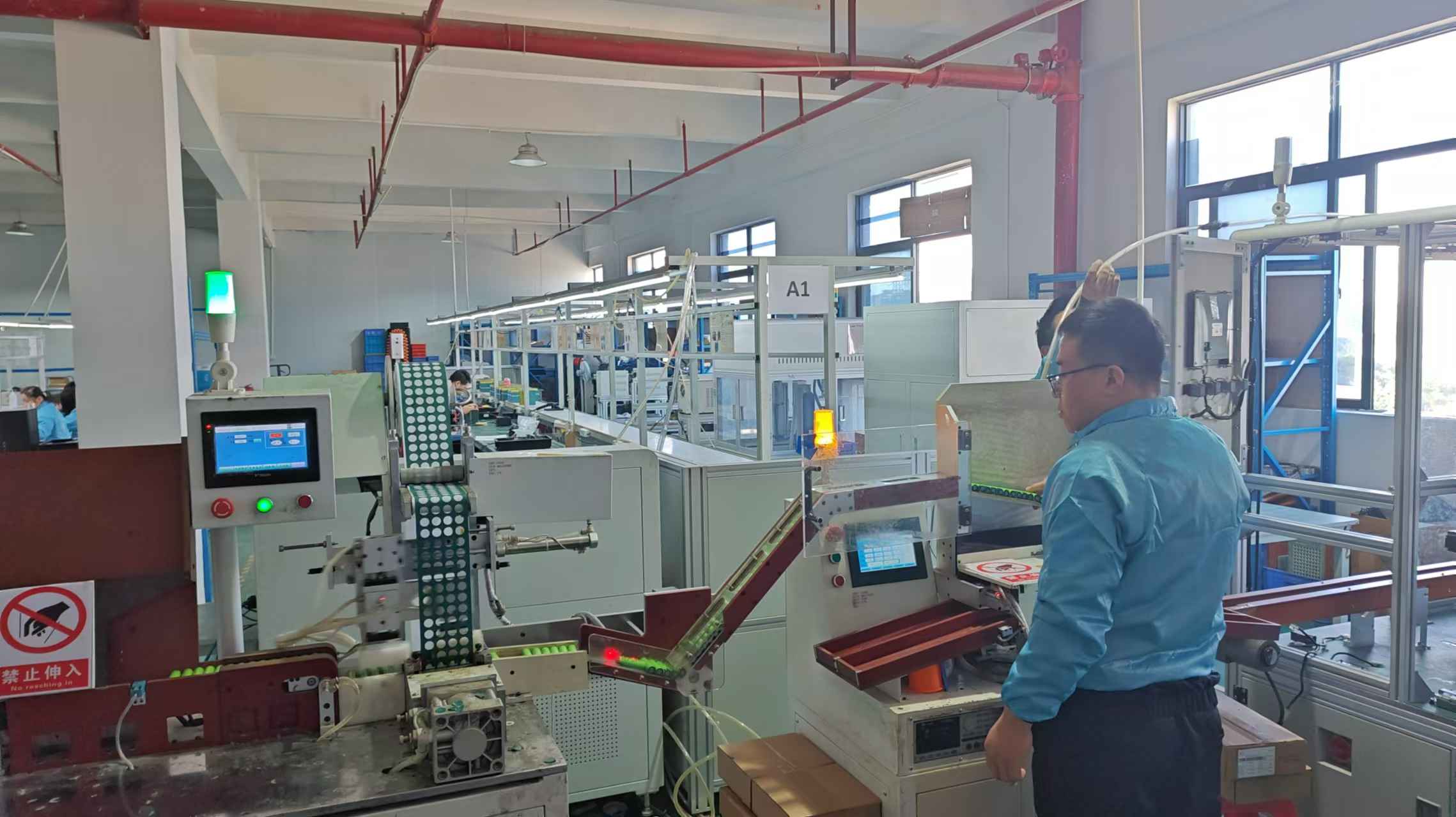
Modern battery energy storage systems must perform in specific environments. Our OEM/ODM capabilities allow clients to request physical customizations that handle thermal, electric, and physical stresses across multiple scenarios:
Standard lithium systems fail to charge below 0°C. By engineering custom LFP packs with built-in self-heating elements and low-temperature protection, our systems remain functional down to -30°C in Northern Europe and North America.
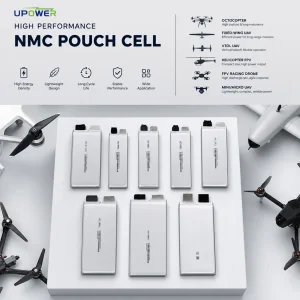
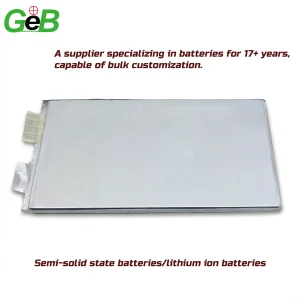
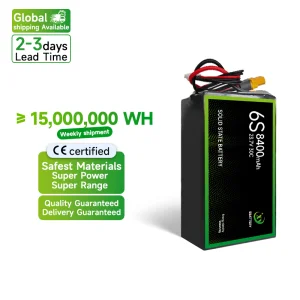
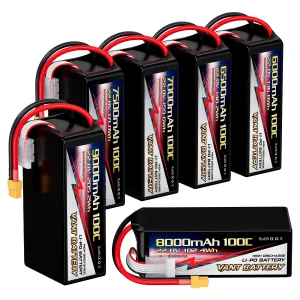
Unmanned aerial vehicles (UAVs) and delivery drones require lightweight chemistry. Our semi-solid-state polymer pouch cells deliver high energy density (up to 350-400 Wh/kg) and extreme discharge rates (10C) to support vertical lift-off and long flight ranges.
To support high-power emergency response, eco-camping, and site tools, our portable generator platforms (e.g., SOUOP 6000W) combine robust integrated LFP cells, Pure Sine Wave Inverters, and multiple inputs (Solar/AC/Car) into an easy-to-move structure.
Industrial forklifts, AGVs, AMRs, and golf carts demand high vibrational resistance and rapid charging profiles. Our heavy-duty industrial LFP battery packs are designed to operate safely through multi-shift operations, charging quickly during downtime.
Combining high-grade prismatic LiFePO4 cells with smart BMS allows homeowners to charge from solar arrays or grid off-peak times. They can then discharge during peak rate hours to minimize electricity costs while ensuring fallback emergency power.
For factories, grid substations, and large-scale solar arrays, our modular racks scale up to multi-megawatt-hour systems. Integrated liquid cooling, smart BMS tracking, and active fire suppression shield critical grid infrastructures from disruptions.
As energy requirements increase, the industry is transitioning toward safer chemistries and higher energy densities. Guangdong Nuwon Energy Co., Ltd. is actively advancing this technology curve to offer clients future-ready systems.
Our work focuses on high-capacity LiFePO4 chemistry and semi-solid-state cells. By optimizing cathode compositions and using ceramic-coated separators, we achieve ultra-long lifespans of up to 10,000 cycles, lowering the levelized cost of storage (LCOS) for C&I applications.
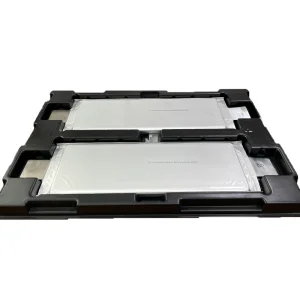
Targeted at drone networks, high-end consumer tech, and eVTOL platforms. Transitioning away from volatile liquid electrolytes to semi-solid structures minimizes the risks of thermal runaway, even during mechanical punctures, while significantly reducing overall system weight.
By engineering advanced ternary precursors like polycrystalline Nickel-Cobalt-Manganese (NCM 613), we improve structural stability at high charge cut-off voltages. This chemical tuning yields cells with high capacity and exceptional thermal safety margins.
Selecting the right factory requires looking beyond raw battery specs; it requires a resilient supply chain and robust international compliance. Located in Guangdong, China's core battery manufacturing cluster, Guangdong Nuwon Energy Co., Ltd. benefits from a highly integrated ecosystem. This proximity guarantees direct access to premium active cathode materials, stable chip supply for BMS architectures, and efficient transport routes to major global shipping ports.
To safely integrate our battery energy storage systems into global markets, we ensure complete compliance with international safety protocols:
Our OEM/ODM process extends beyond the factory floor. We offer comprehensive engineering support, including:
Browse our advanced cells, pouch packs, and custom micro-power components engineered to meet exact industrial specifications.
 Nuwon Energy