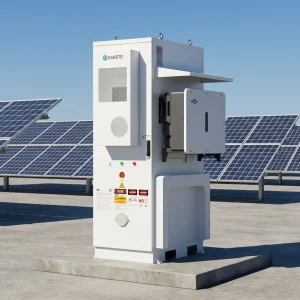
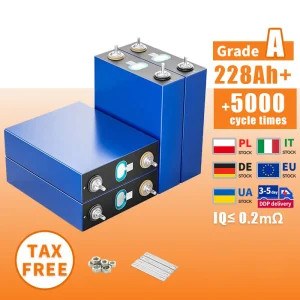
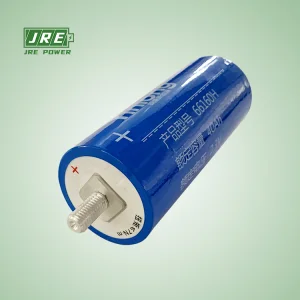
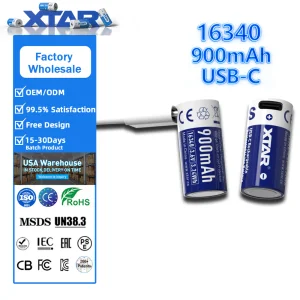
Explore our core range of high-performance battery packs, industrial BESS, and solid-state battery materials.
An authoritative guide to material selection, electrical efficiency, and connectivity standards in energy storage systems.
In high-capacity battery pack assembly, the choice of connection materials represents a critical variable defining overall system safety, energy efficiency, and thermal management. As a leading custom OEM pure nickel strip supplier, we recognize that modern lithium-ion, LiFePO4, and sodium-ion packs require connection systems engineered to withstand continuous high-current discharge without generating parasitic heat.
Pure nickel strips (specifically standard grades N6, Ni200, and Ni201 with >99.96% nickel content) offer the ideal combination of low electrical resistivity, high corrosion resistance, and excellent weldability. Unlike low-cost alternative materials such as nickel-plated steel, pure nickel delivers reliable low-resistance connections, which prevent voltage sag and localized heating under load. For global OEM procurement departments, securing a verified pure nickel supply chain is not merely a purchasing preference; it is a critical safeguard against module thermal runaway and field failures.
| Parameter | Pure Nickel Strip (N6 / Ni200) | Nickel-Plated Steel Strip | Critical Performance Impact |
|---|---|---|---|
| Nickel Purity | ≥ 99.96% | 8% to 12% Plating Thickness | Chemical stability and long-term corrosion prevention. |
| Electrical Resistivity | ≈ 6.84 μΩ·cm | ≈ 12.0 to 18.0 μΩ·cm | Lower resistivity reduces thermal build-up during high discharge. |
| Solderability / Weldability | Excellent (Consistent spot/laser welds) | Moderate (Prone to plating degradation) | Ensures robust, vibration-resistant connections in EV packs. |
| Corrosion Resistance | Outstanding (Resists salt spray, humidity) | Poor (Rusts quickly if plating is scratched) | Essential for marine, industrial, and outdoor installations. |
Analyzing the shift toward custom high-purity conductor grids in energy transition markets.
The transition toward electric mobility, smart grid infrastructure, and consumer electronics has accelerated the global demand for custom-stamped pure nickel connectors. Procurement specialists worldwide face intense scrutiny in validating material compositions to meet strict automotive and industrial quality certifications. From North America to the EU, key markets are shifting from generic off-the-shelf strip spools to precisely stamped, multi-point custom geometry grids designed for high-density modular battery layouts.
Electric vehicles utilize thousands of individual cells linked in parallel-series configurations. Custom N6 nickel strips ensure that high pulse current peaks (from acceleration and regenerative braking) flow seamlessly without exceeding thermal safety thresholds.
Commercial and Industrial Battery Energy Storage Systems (BESS) require decades of operational service. High-purity nickel prevents degradation from environmental moisture, corrosive atmospheric compounds, and thermal stress fatigue over thousands of charging cycles.
Electric vertical takeoff and landing aircraft demand exceptionally lightweight and power-dense battery packs. OEM custom nickel configurations minimize contact resistance and overall conductor mass, directly improving flight range and payload capacity.
Integrating High-Precision Component Sourcing with Advanced Automated Manufacturing Operations.
Guangdong Nuwon Energy Co., Ltd. is a leading manufacturer and solution provider in advanced battery systems, specializing in the research, development, manufacturing, and global distribution of high-performance energy storage products. The company offers comprehensive OEM and ODM services, delivering customized battery solutions tailored to diverse industrial and commercial applications.
Backed by a highly experienced engineering and R&D team, Nuwon Energy focuses on the design and integration of cylindrical and prismatic lithium battery cells, as well as complete battery packs, modules, and energy storage systems. The company also develops and produces industrial-grade battery cells engineered for safety, durability, and long cycle life.
Guangdong Nuwon Energy serves a wide range of industries, including consumer electronics, electric mobility (such as golf carts, forklifts, UTVs/ATVs, trucks, and marine systems), medical equipment, unmanned ground vehicles (AGVs/AMRs), and emerging aerospace applications such as eVTOL aircraft. In addition, the company provides reliable residential, commercial, and industrial (C&I) energy storage solutions designed to support the global transition toward clean and sustainable energy.
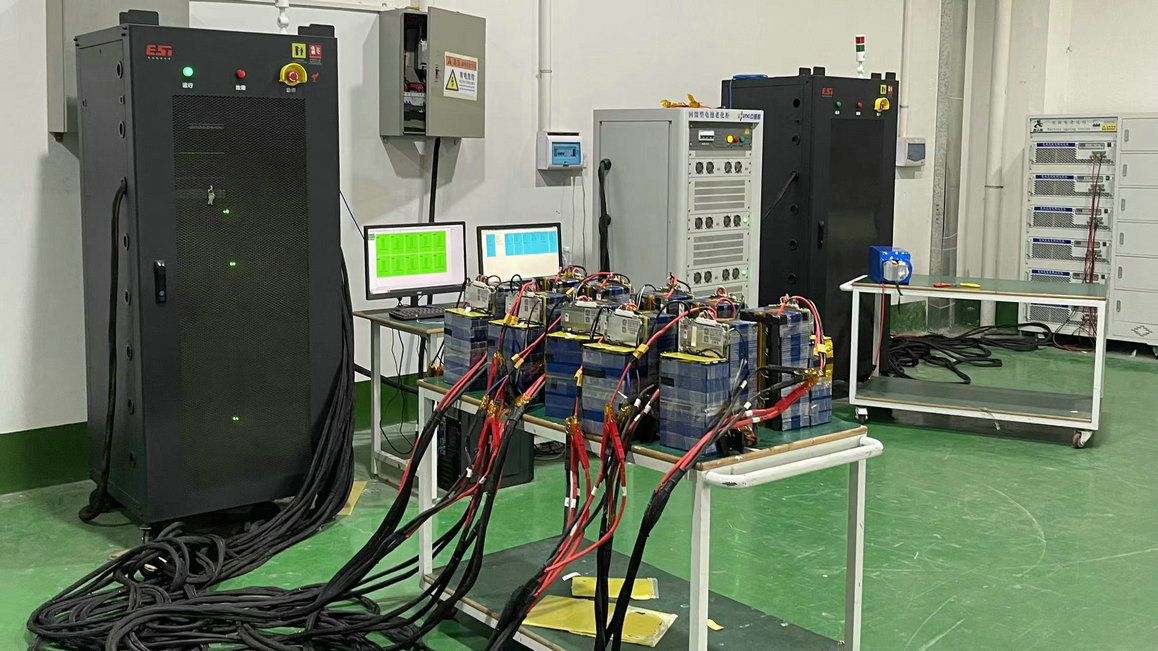
With a strong commitment to innovation, strict quality control, and customer-centric service, Guangdong Nuwon Energy continuously invests in advanced manufacturing capabilities, automated production lines, and rigorous testing systems. This ensures that every product meets international safety standards and delivers exceptional performance in demanding environments. Driven by a vision to accelerate global electrification and energy efficiency, Guangdong Nuwon Energy Co., Ltd. is dedicated to building long-term partnerships and providing reliable, intelligent, and sustainable energy solutions to customers worldwide.
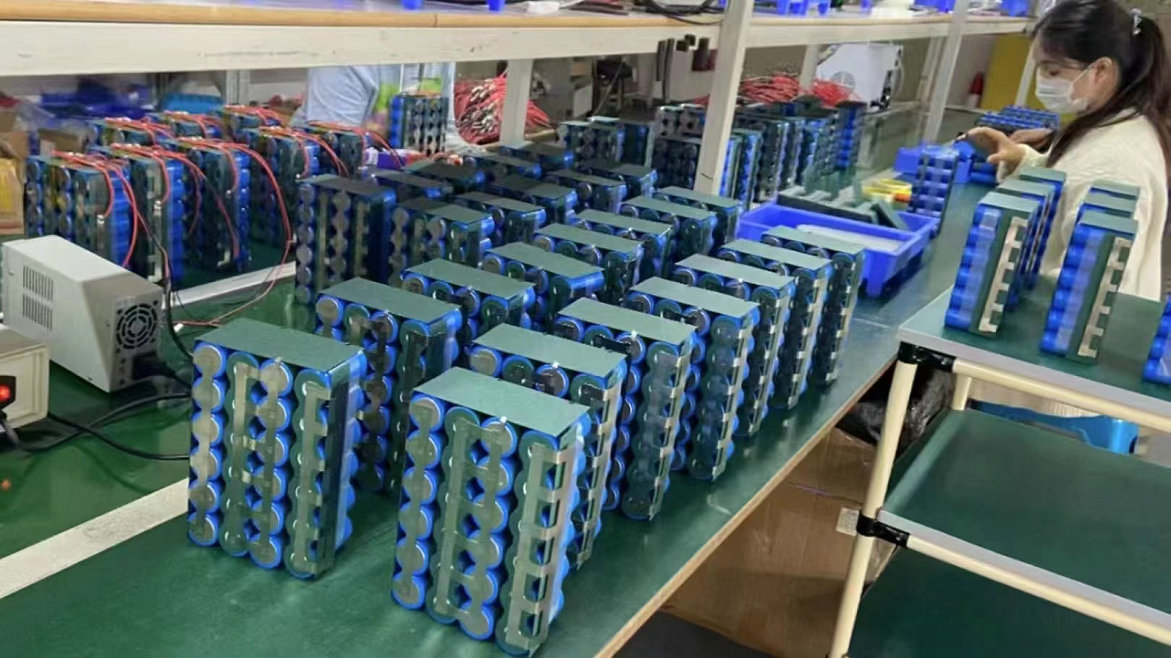
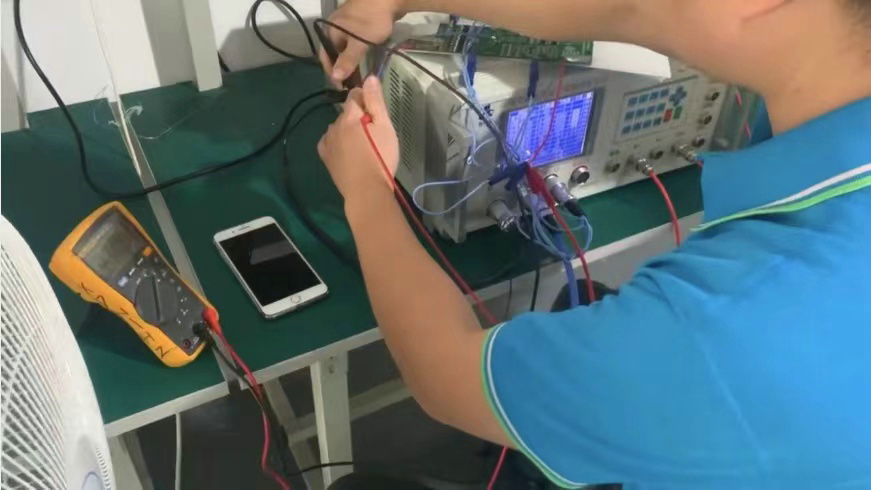
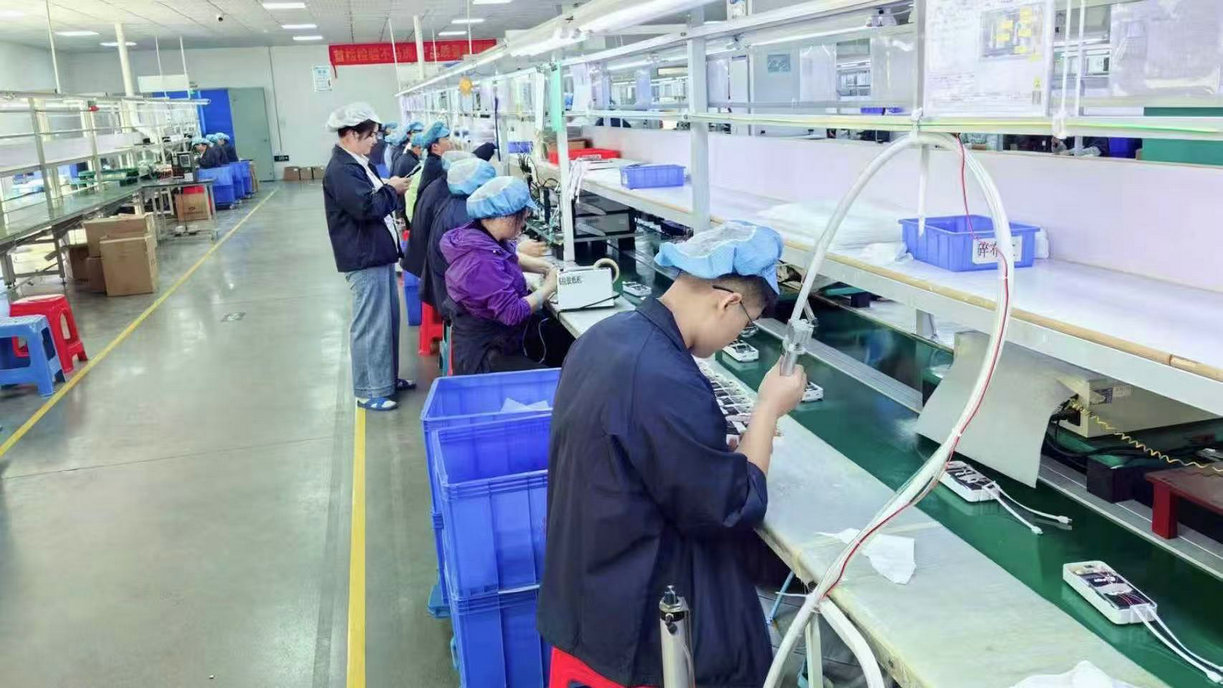
A visual representation of our manufacturing processes, testing protocols, and product quality checks.
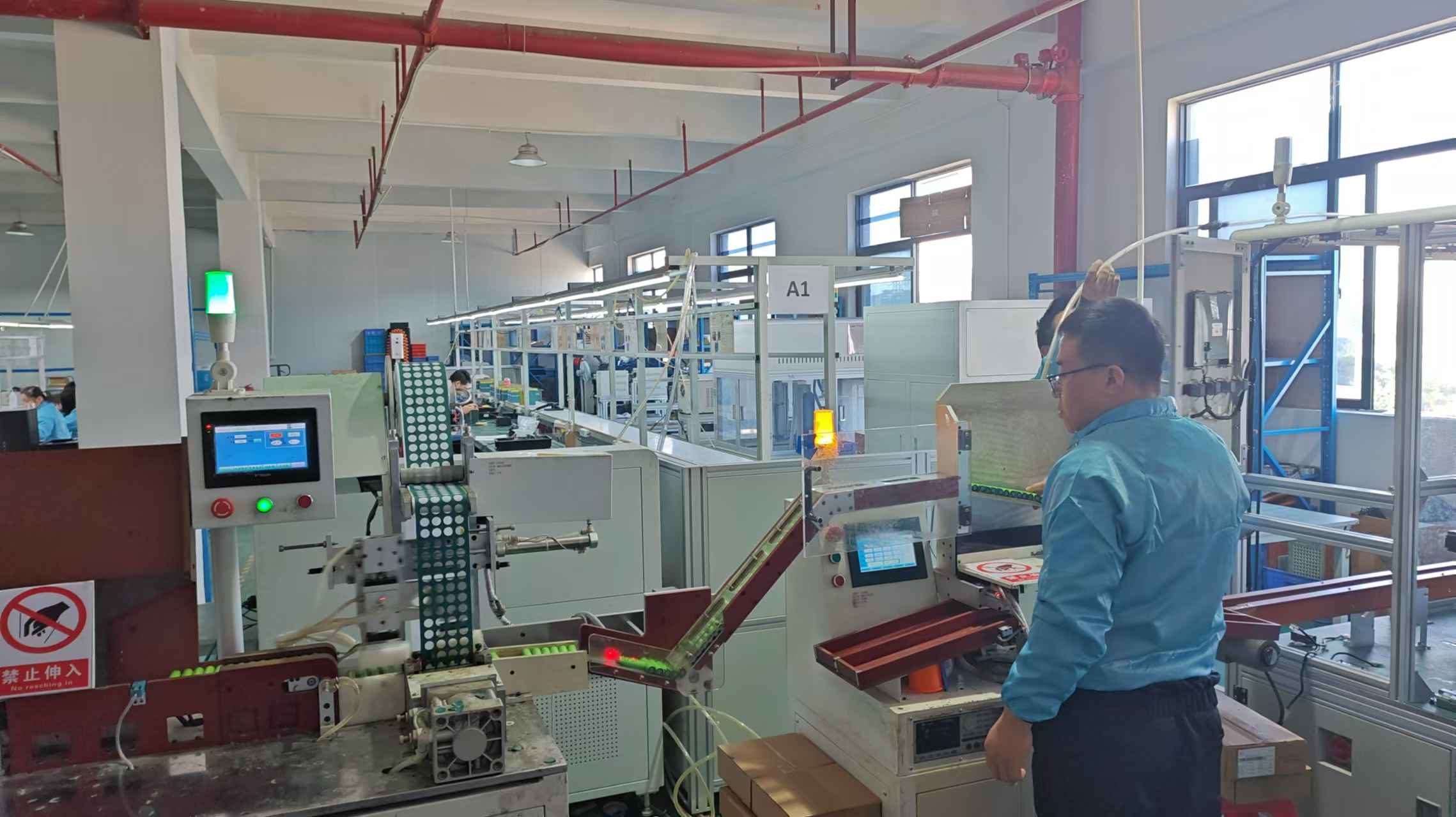
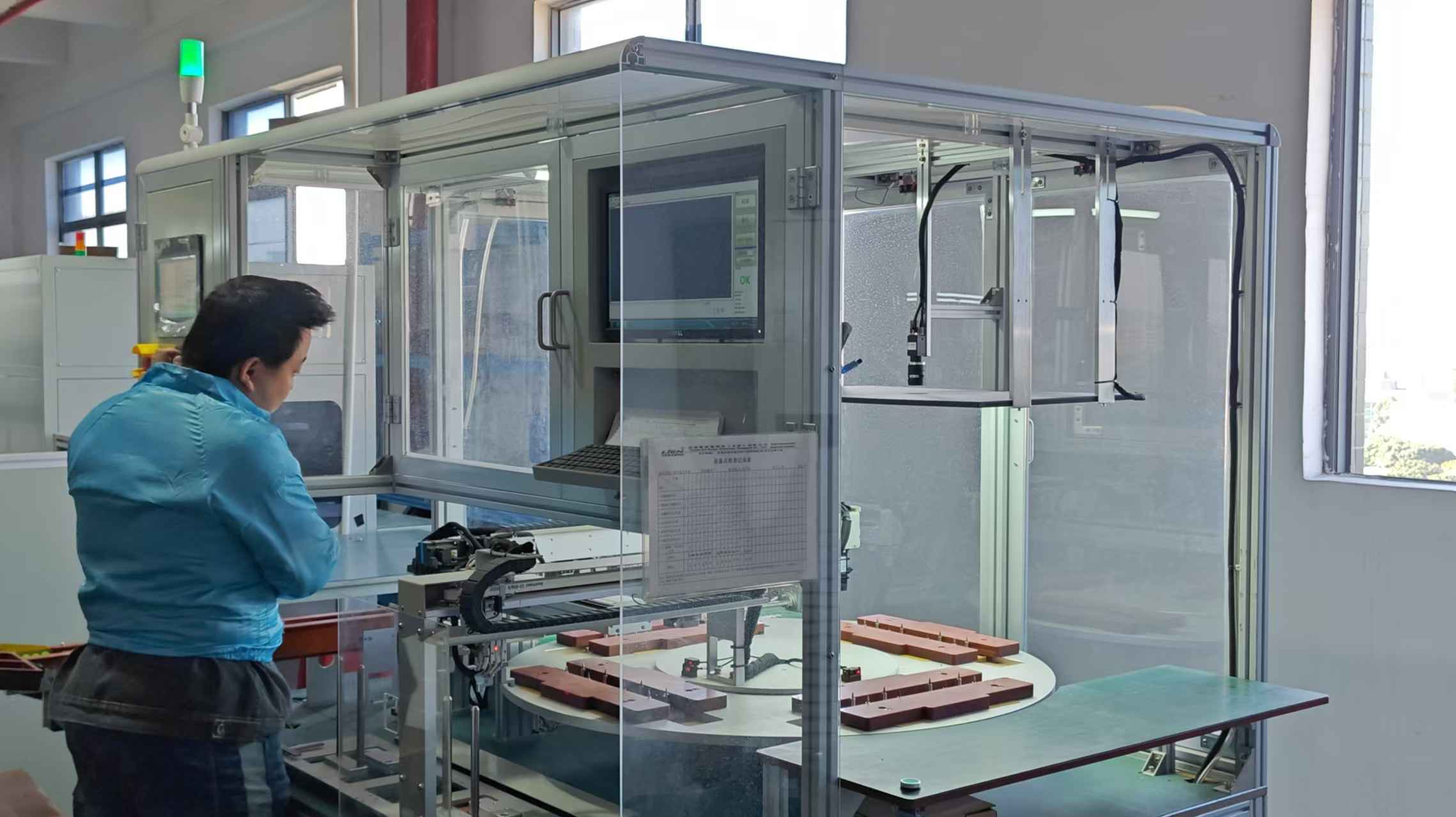
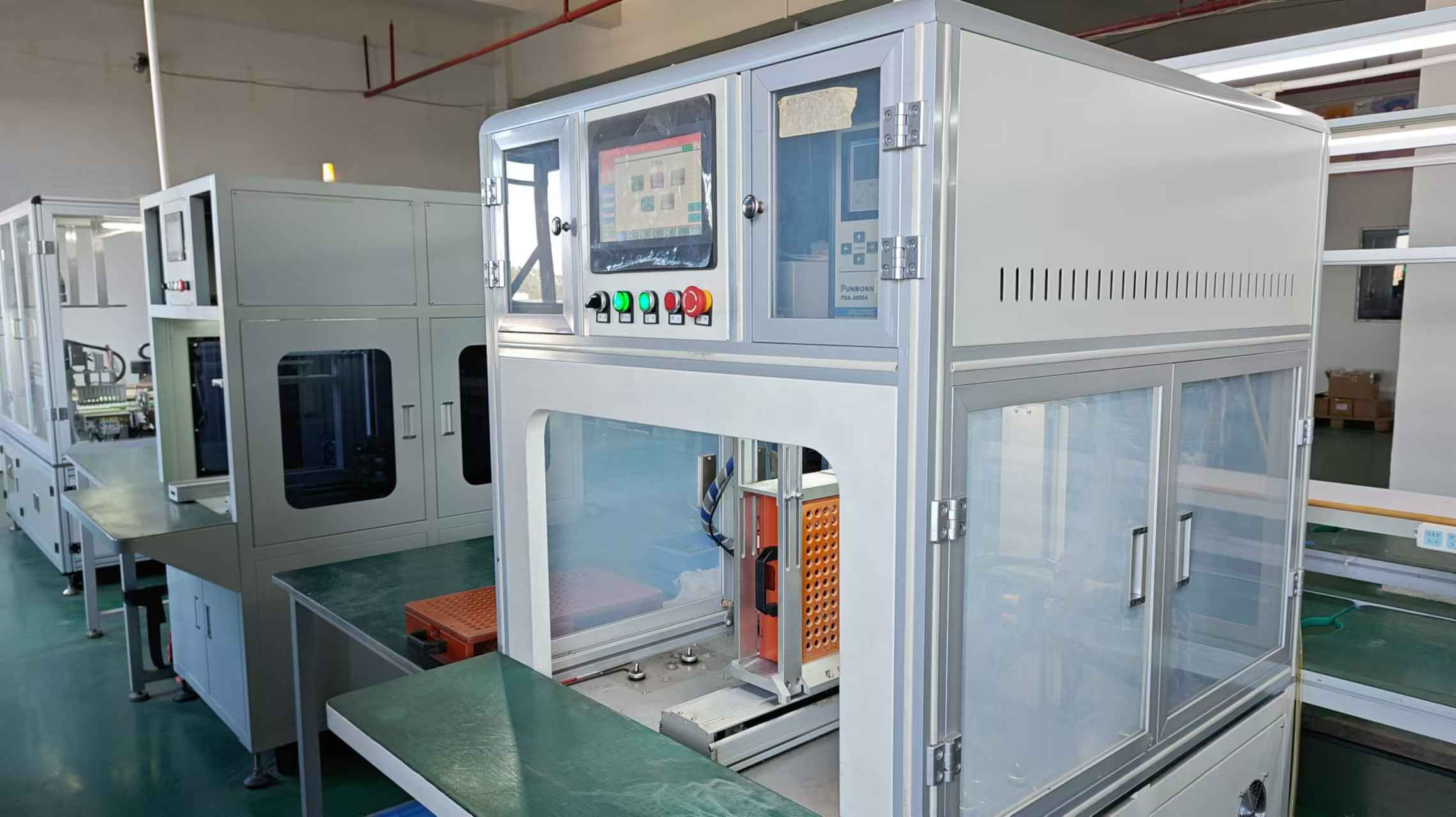
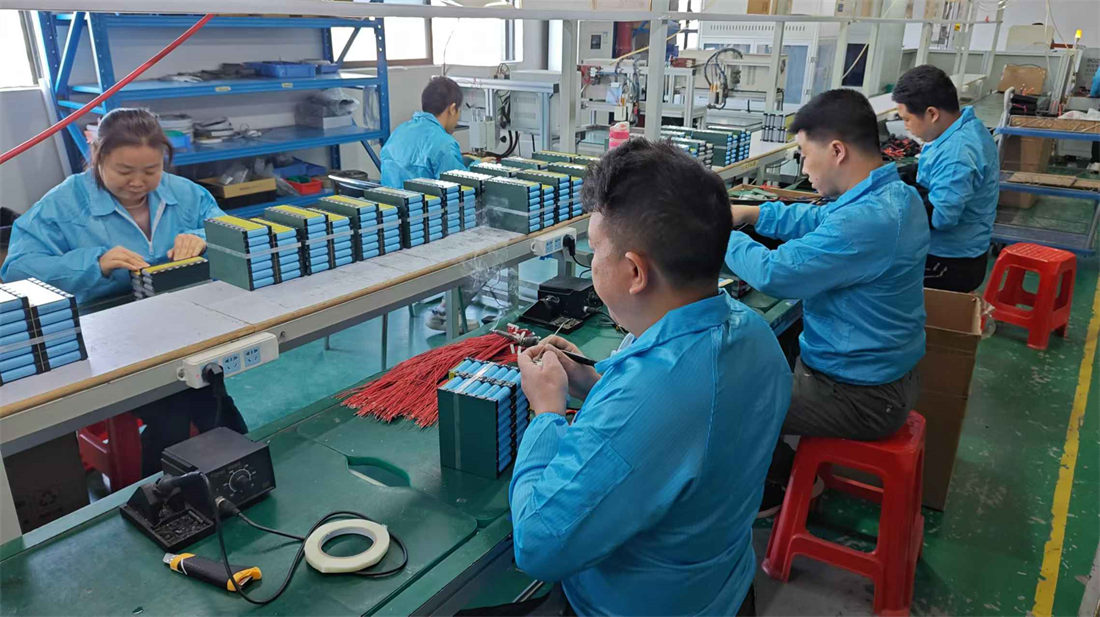
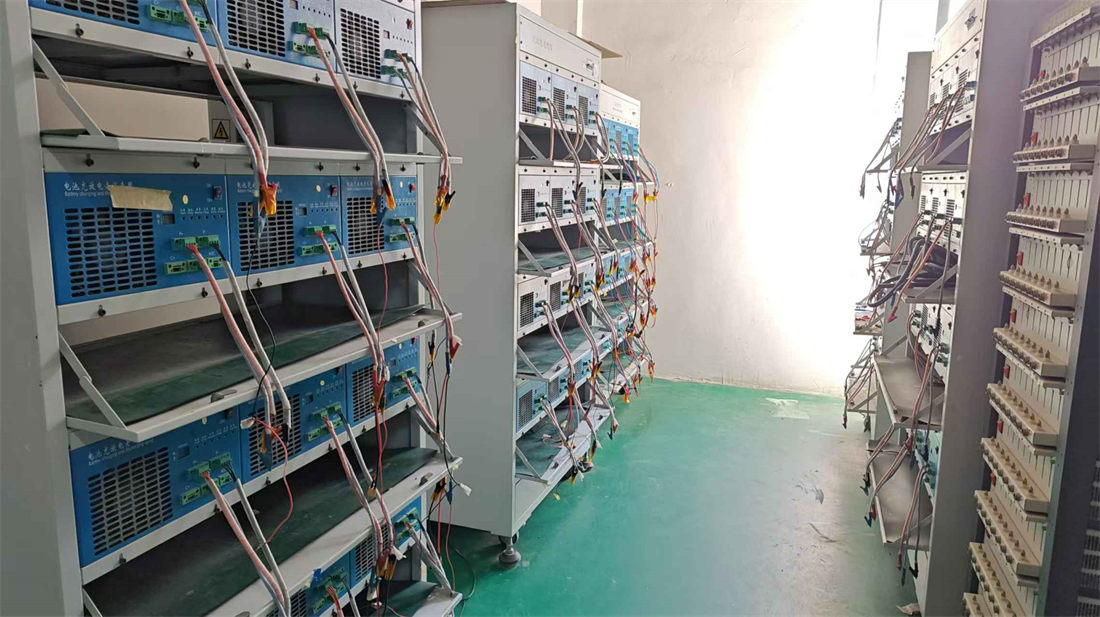
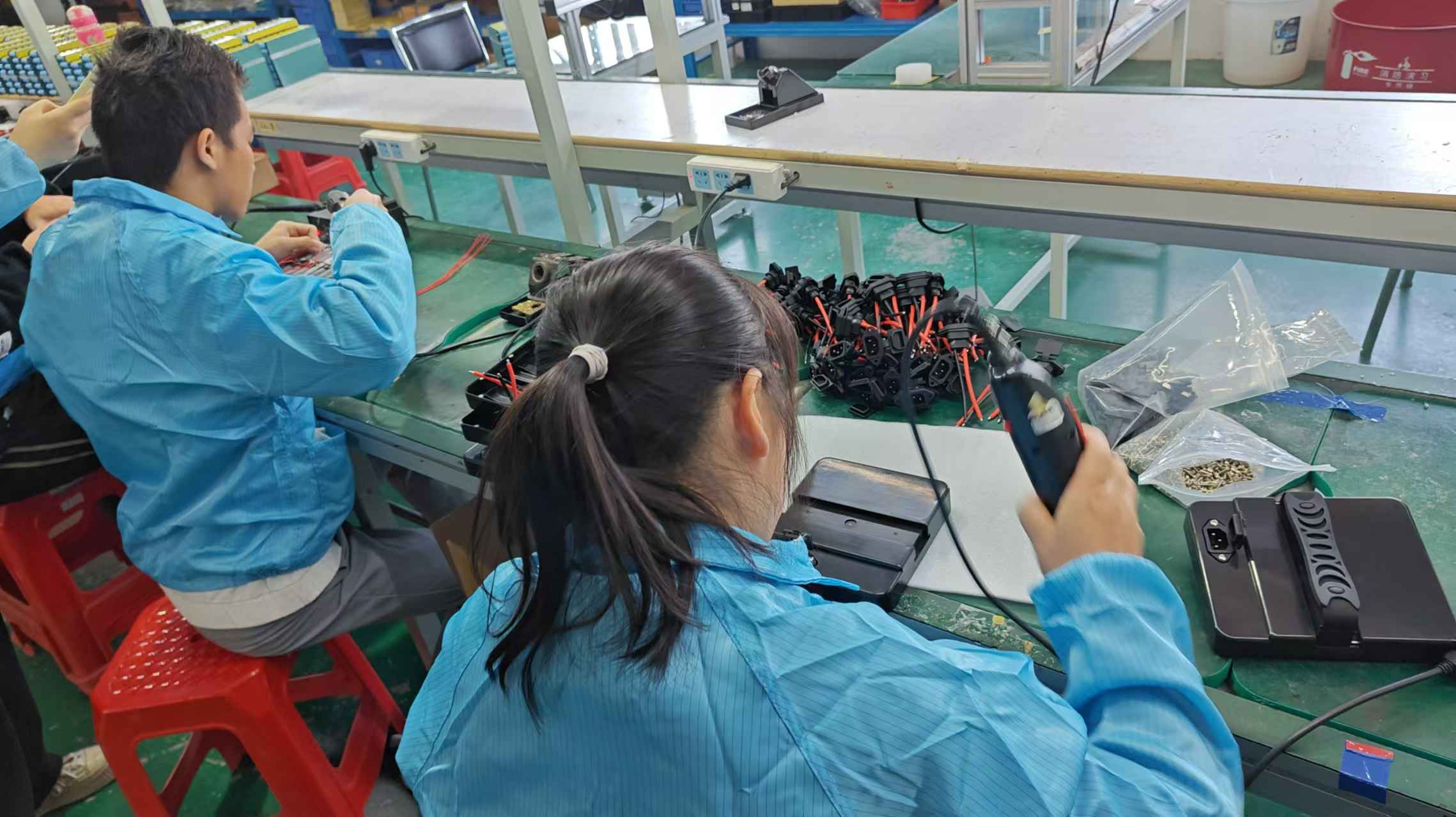
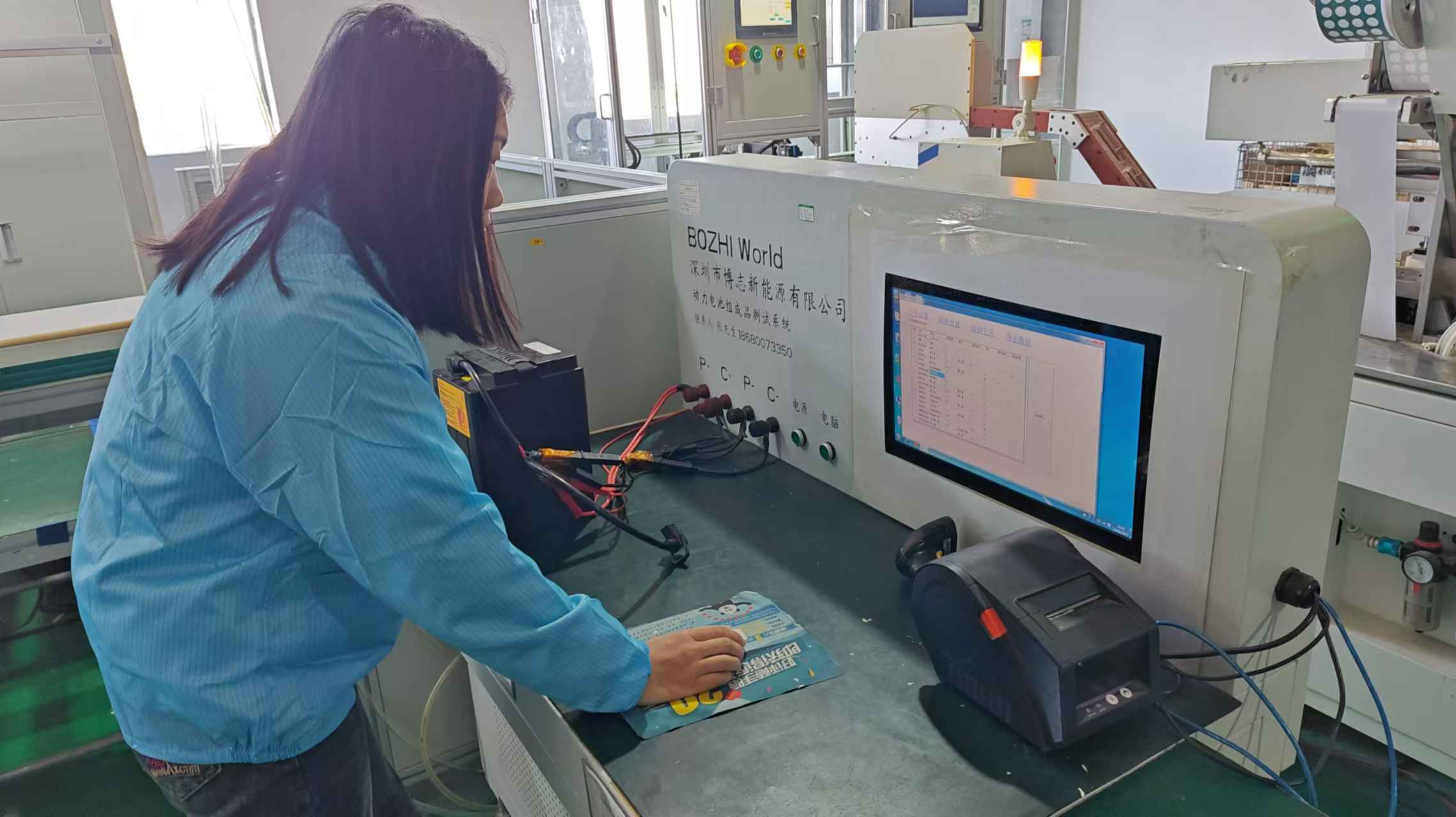
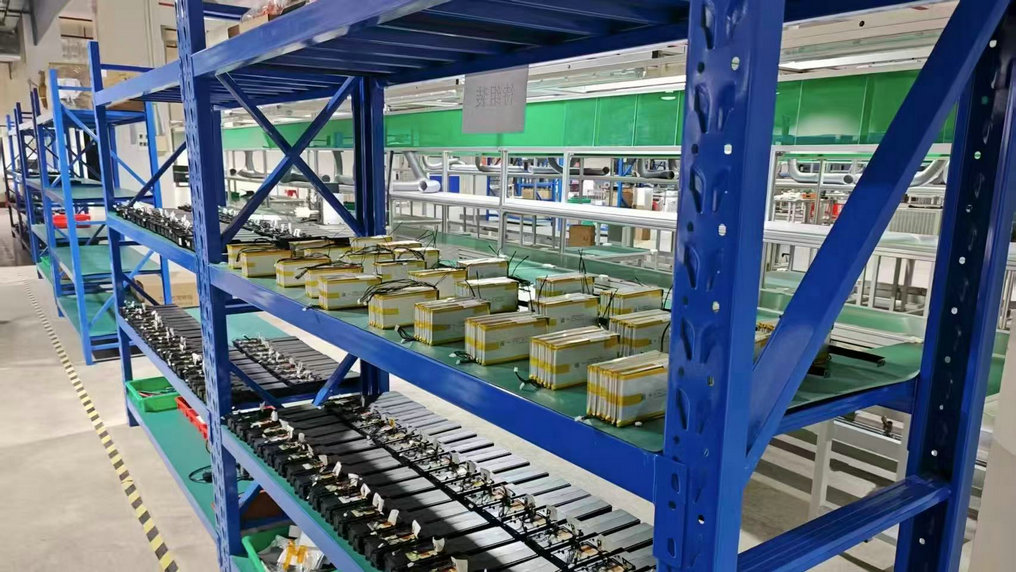
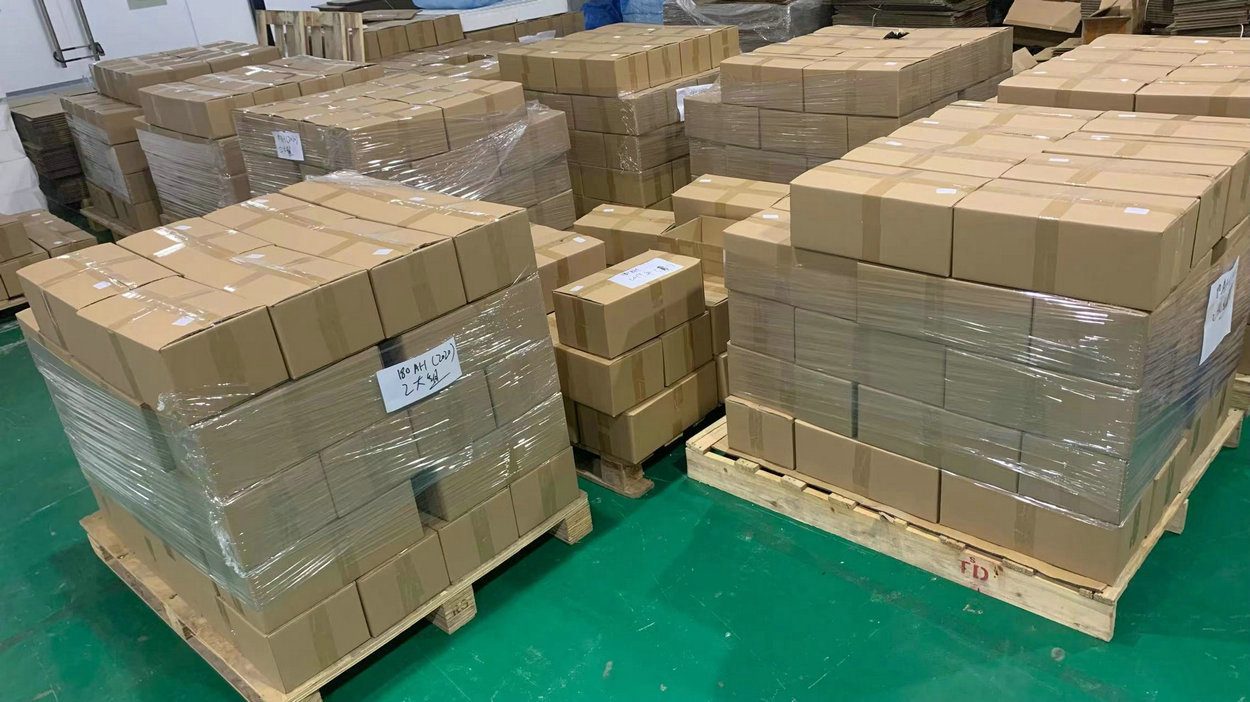
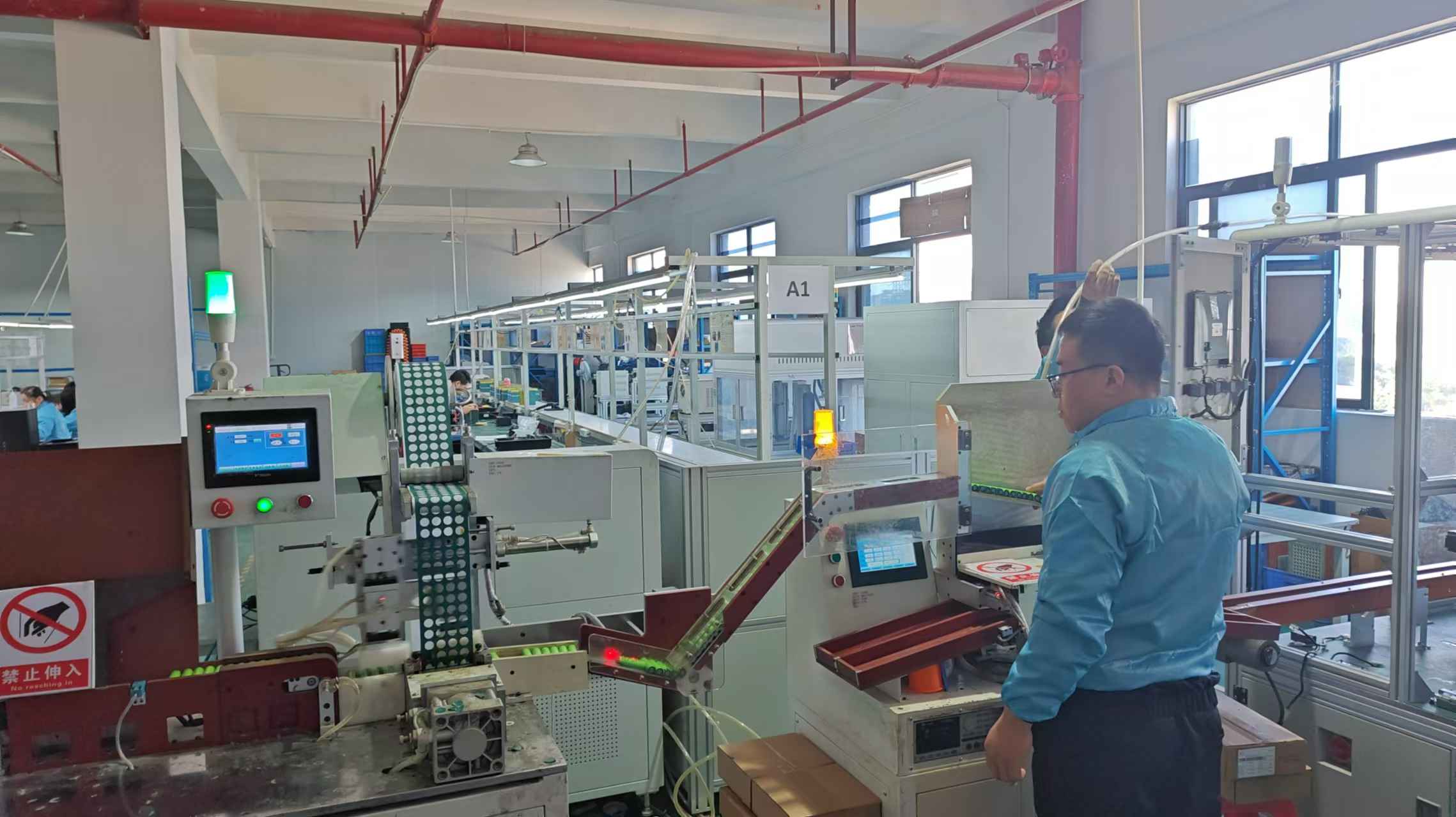
Leveraging smart manufacturing, state-of-the-art tooling, and raw material sourcing advantages.
Sourcing high-purity nickel strips requires tight integration with raw material suppliers and precision tooling specialists. Our China-based Factory 4.0 infrastructure utilizes digital automation and statistical process controls to guarantee absolute batch-to-batch consistency. By deploying automated high-speed mechanical presses, precision optical inspection devices, and continuous rolling-annealing machinery, we produce custom OEM nickel strips that integrate cleanly into automated module assembly plants.
Our OEM manufacturing workflows provide substantial advantages in agility and volume capacity:
Optimizing energy, pressure, and alignment for zero-defect mechanical and electrical joints.
Spot welding remains the primary method for attaching pure nickel strips to the steel casings of 18650, 21700, and 32700 cells. While pure nickel conducts electricity efficiently, it also presents challenges during resistance welding. Because pure nickel has relatively low electrical resistance compared to steel, it requires higher current density and precise weld profiling to achieve deep fusion without piercing the battery's protective end-caps.
To address this challenge, our custom OEM pure nickel strips can be designed with specialized configurations:
Integrating a micro-slit between parallel welding points forces the welding current to travel downward through the battery casing before returning through the neighboring electrode. This creates localized heat exactly at the interface, ensuring consistent weld nuggets and minimizing the current required to fuse the metals.
Adding small, raised dimples at the welding sites concentrates the electrode force and electrical current on a tiny surface area. This configuration yields clean, localized welds with minimal thermal transfer to the internal chemistry of the cell, protecting sensitive internal separators and seals.
For high-power packs demanding massive current draws, we offer multi-layer laminated options, utilizing copper for maximum conductivity clad with an exterior layer of pure nickel for spot-weld compatibility with steel-capped cells.
Expert technical answers to common queries regarding pure nickel specifications, OEM customization, and quality verification.
There are three reliable methods to verify material purity: 1) The Saltwater Test: Scratch the surface of the strip and submerge it in a 5% saline solution. Nickel-plated steel will rust at the scratched interface within 24 hours, whereas pure nickel will remain untarnished. 2) The Spark Test: Grind the material against an abrasive wheel. Steel produces complex bright sparks, while pure nickel yields sparse, dark red, short-trajectory sparks. 3) Chemical Lab Analysis: Optical Emission Spectroscopy (OES) or Energy Dispersive X-ray Spectroscopy (EDS) will confirm the exact elemental breakdown, showing a minimum of 99.96% Ni content.
The optimal thickness is determined by the continuous discharge current of the battery pack. Typically: - 0.10 mm to 0.12 mm: Suitable for low-drain devices (under 5A per cell, such as flashlights or basic power tools). - 0.15 mm to 0.20 mm: The standard range for electric bikes, high-rate power tools, and standard battery modules (10A to 20A per cell). - 0.30 mm and above: Required for high-current EV or BESS applications, often demanding high-performance spot-welders or laser-welding installations to manage the high thermal mass of the thick strip.
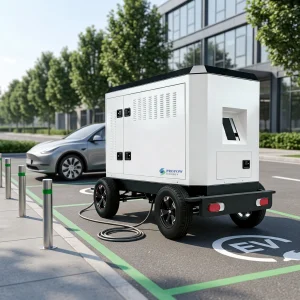
We can customize the shape, size, and layout of nickel strips based on your battery configuration. Our advanced capabilities include custom sheet stamping (for 2P to 20P multi-cell arrays), micro-slit cuts to lower resistance during spot welding, pre-punched holes to ease alignment, and embossed weld dimples. We also supply custom-formed, multi-bent nickel busbars designed for complex internal spaces in modern BESS cabinets and mobile EV chargers.
Yes, we offer custom annealing profiles. Soft-tempered (fully annealed) nickel strips are highly flexible, allowing them to bend over individual cells and absorb structural vibrations without fracturing. Quarter-hard or half-hard tempers are available for applications requiring flat, rigid busbars that maintain their structural shape during automated pick-and-place assembly operations.
Industry-leading components, solid electrolytes, and high-energy-density cells.
 Nuwon Energy