Engineered high-performance battery packs, modules, and cells optimized for offshore, utility, and heavy-duty industrial environments.
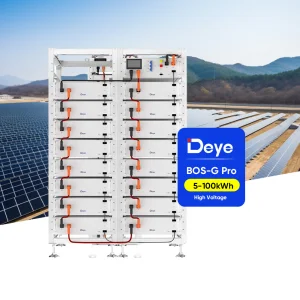
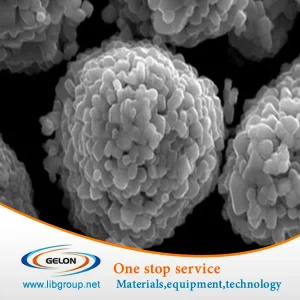
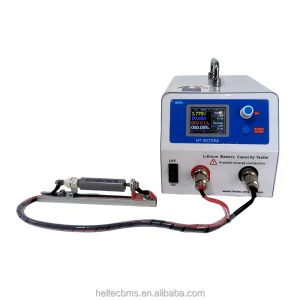
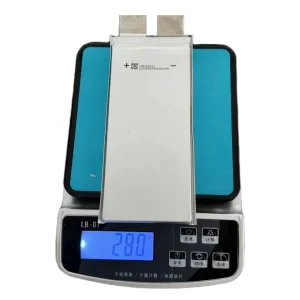
The shift toward commercial marine hybridization, decarbonization, and extreme duty cycle optimization.
The maritime industry is undergoing an unprecedented technological shift. Driven by international environmental treaties, particularly the International Maritime Organization (IMO) greenhouse gas strategy targeting net-zero emissions by or around 2050, commercial shipbuilders, ports, and vessel operators are ditching legacy internal combustion engines. They are turning to hybrid and purely electric propulsion systems powered by high-capacity lithium battery energy storage systems (BESS).
Unlike stationary residential systems, marine batteries must operate continuously in severe conditions. High humidity, constant vibration, saline-rich atmospheres, and high-shock environments demand robust design principles. Modern custom OEM marine battery solutions prioritize physical density, chemical safety, thermal runway mitigation, and seamless communication with modern vessel management systems (VMS).
No two commercial maritime projects share identical energy profiles. A tugboat requires massive discharge rates (C-rate) for high-bollard pull maneuvers, while an overnight passenger ferry needs a deep, balanced reserve capacity to sustain prolonged auxiliary power loads without generator noise. This discrepancy explains the sudden spike in demand for Custom OEM Marine Battery Suppliers who design and manufacture customized systems tailored to specific duty cycles.
A premier manufacturer and solution provider in advanced battery systems.
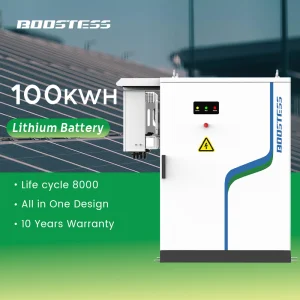
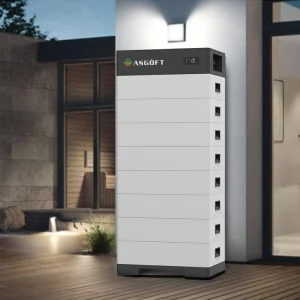
Guangdong Nuwon Energy Co., Ltd. is a leading manufacturer and solution provider in advanced battery systems, specializing in the research, development, manufacturing, and global distribution of high-performance energy storage products. The company offers comprehensive OEM and ODM services, delivering customized battery solutions tailored to diverse industrial and commercial applications.
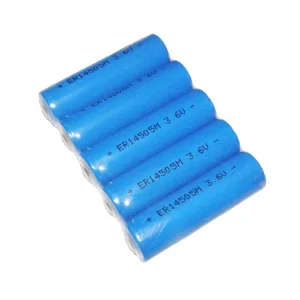
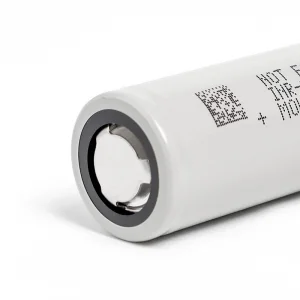
Backed by a highly experienced engineering and R&D team, Nuwon Energy focuses on the design and integration of cylindrical and prismatic lithium battery cells, as well as complete battery packs, modules, and energy storage systems. The company also develops and produces industrial-grade battery cells engineered for safety, durability, and long cycle life.
Guangdong Nuwon Energy serves a wide range of industries, including consumer electronics, electric mobility (such as golf carts, forklifts, UTVs/ATVs, trucks, and marine systems), medical equipment, unmanned ground vehicles (AGVs/AMRs), and emerging aerospace applications such as eVTOL aircraft. In addition, the company provides reliable residential, commercial, and industrial (C&I) energy storage solutions designed to support the global transition toward clean and sustainable energy.
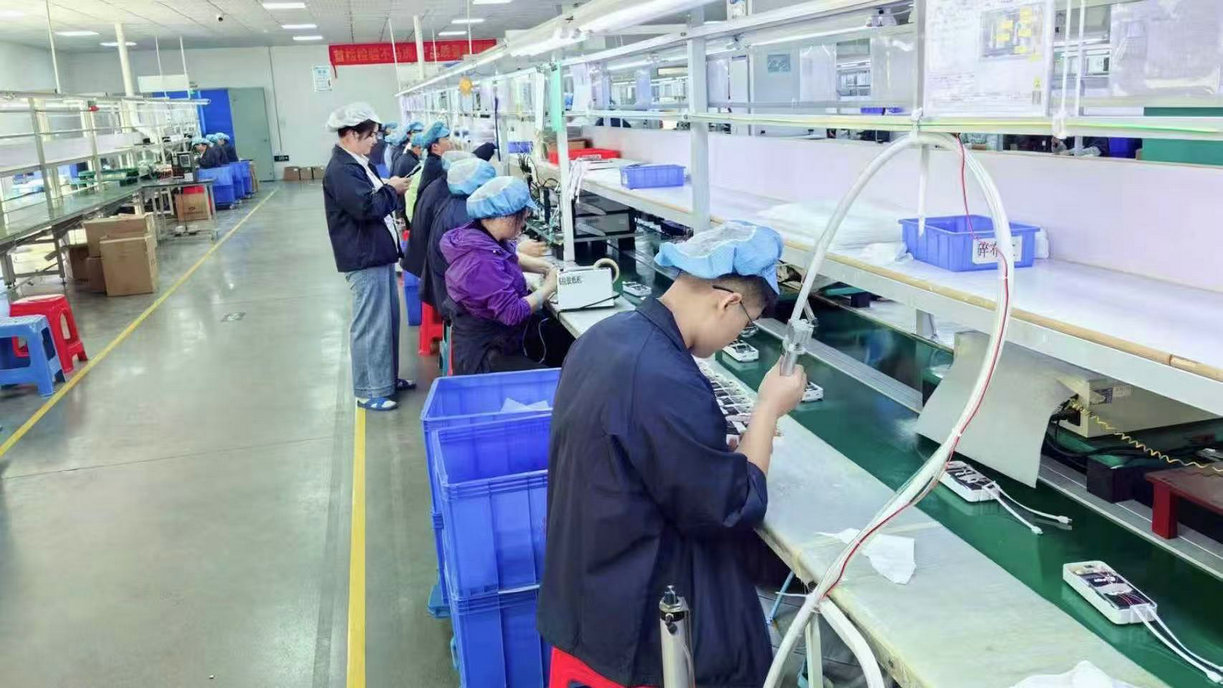
With a strong commitment to innovation, strict quality control, and customer-centric service, Guangdong Nuwon Energy continuously invests in advanced manufacturing capabilities, automated production lines, and rigorous testing systems. This ensures that every product meets international safety standards and delivers exceptional performance in demanding environments. Driven by a vision to accelerate global electrification and energy efficiency, Guangdong Nuwon Energy Co., Ltd. is dedicated to building long-term partnerships and providing reliable, intelligent, and sustainable energy solutions to customers worldwide.
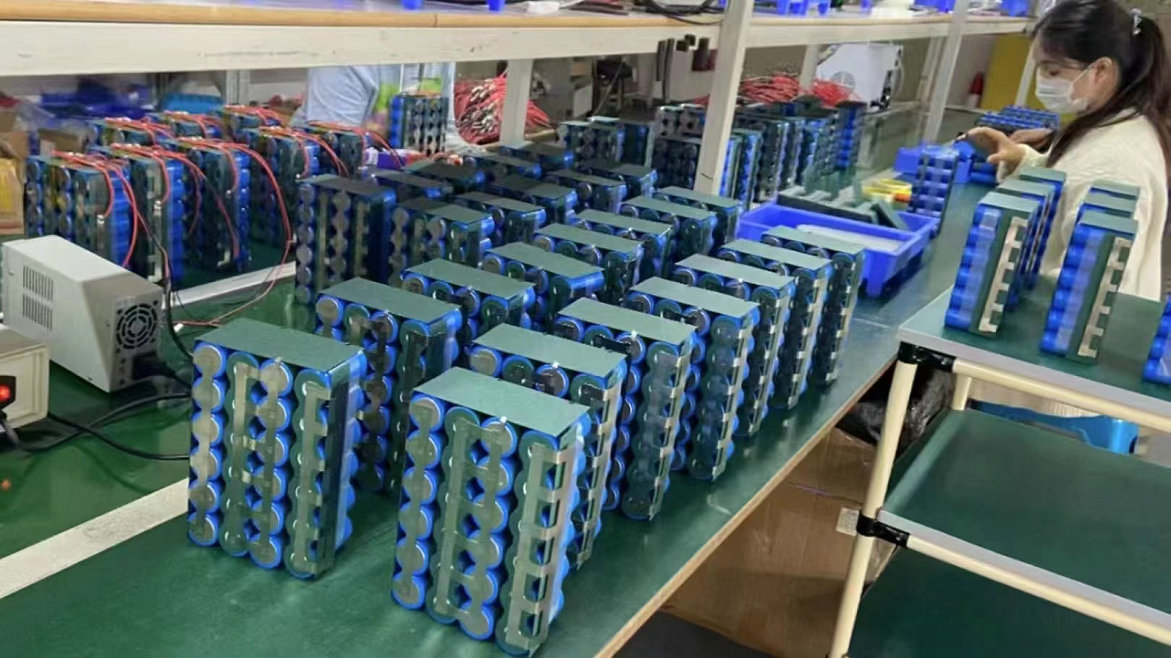
Precision manufacturing stages, automated assembly, and strict safety validation at our ISO-certified facilities.
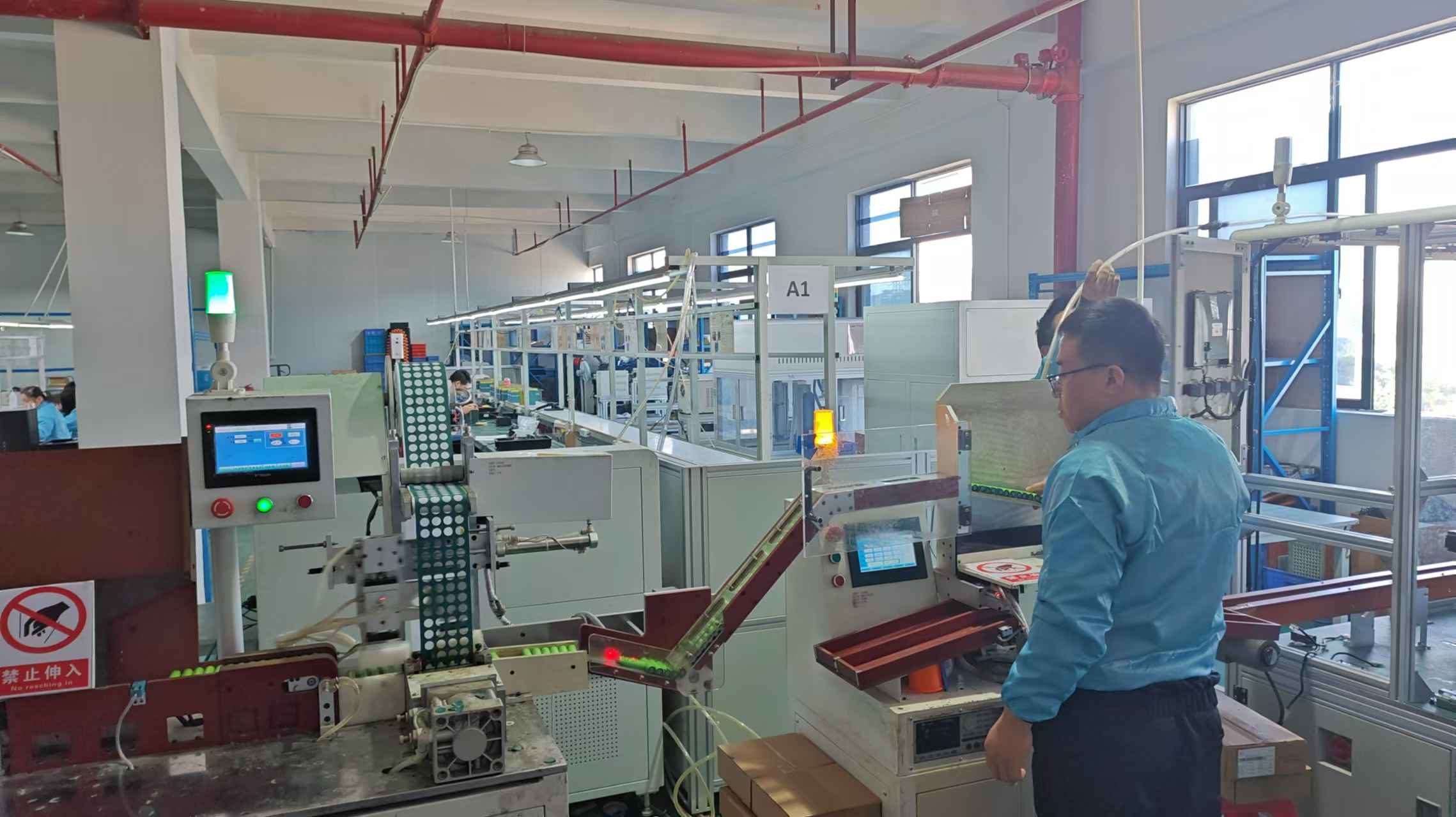
Sorting & Grading
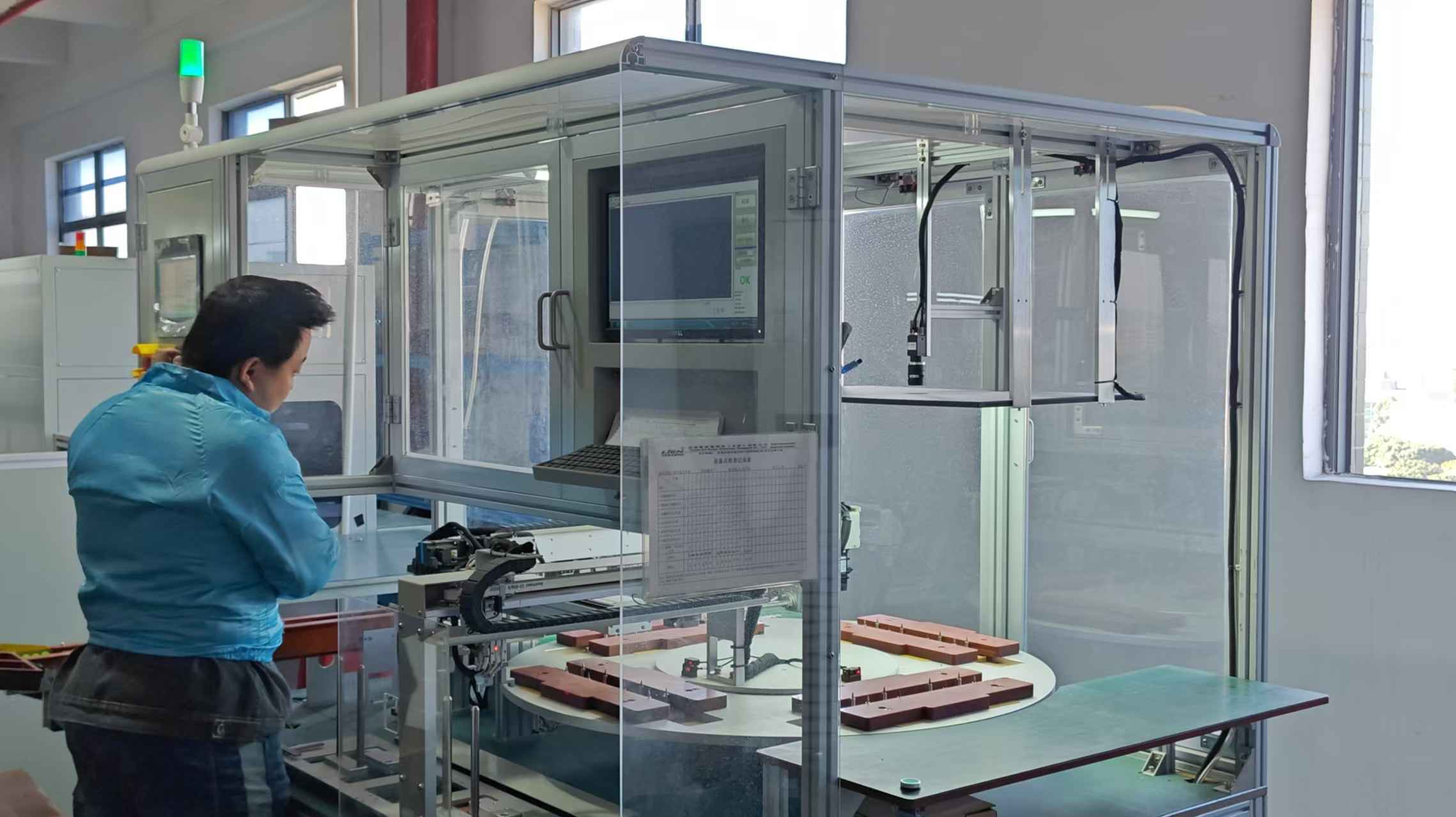
Structural Assembly
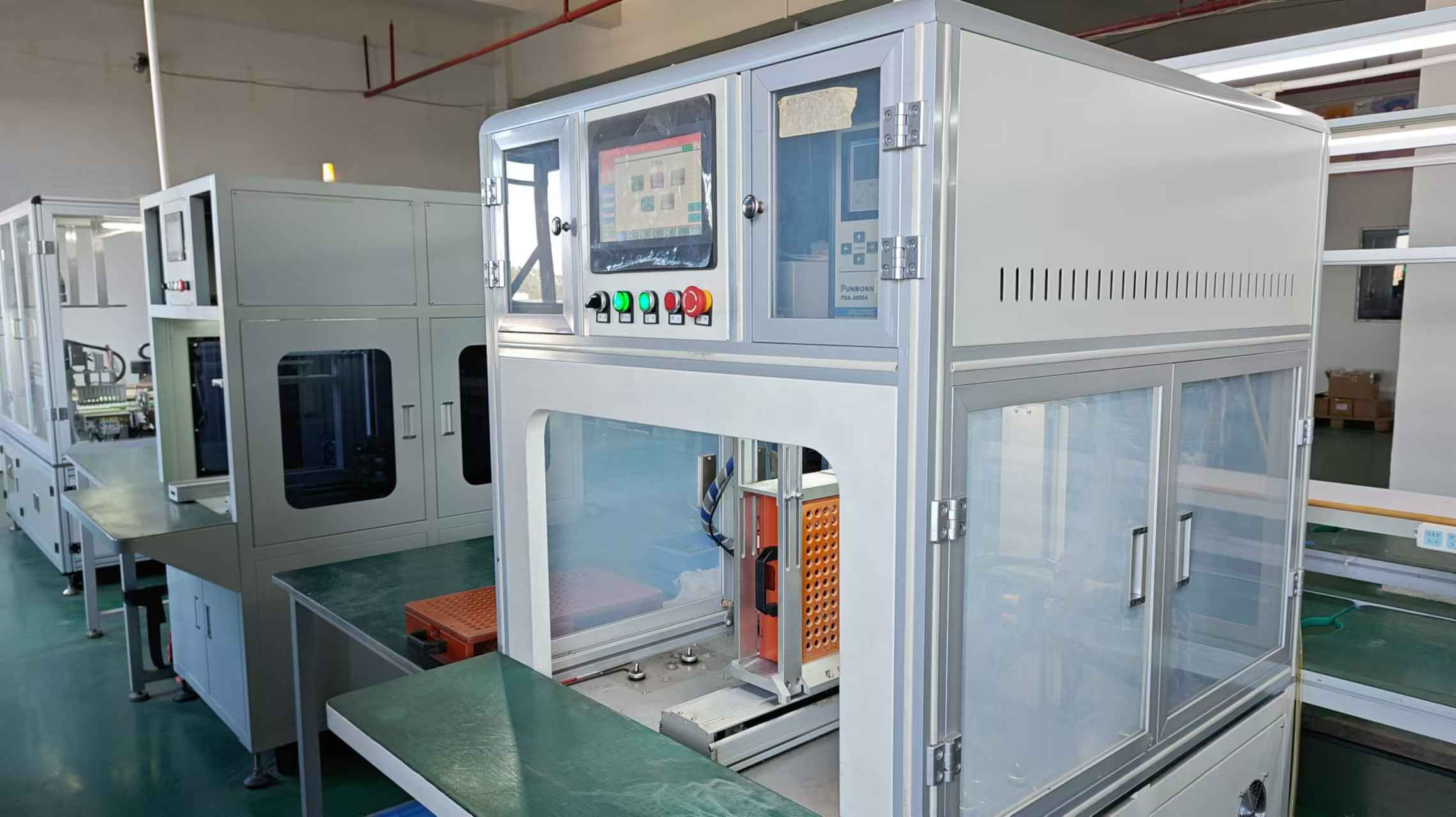
Laser Busbar Welding
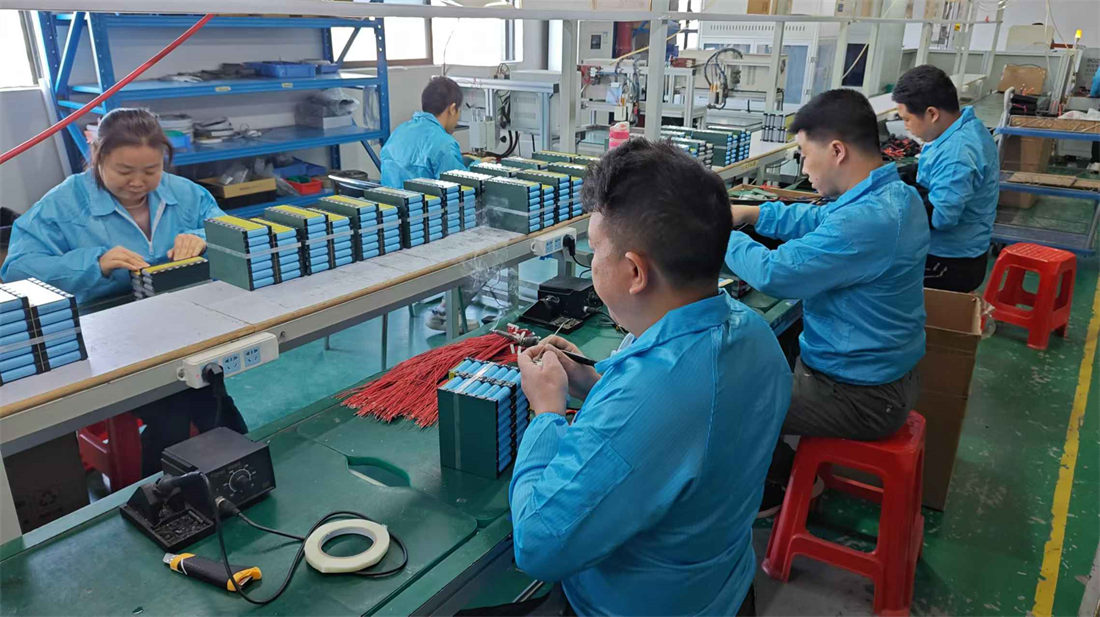
Module Configuration
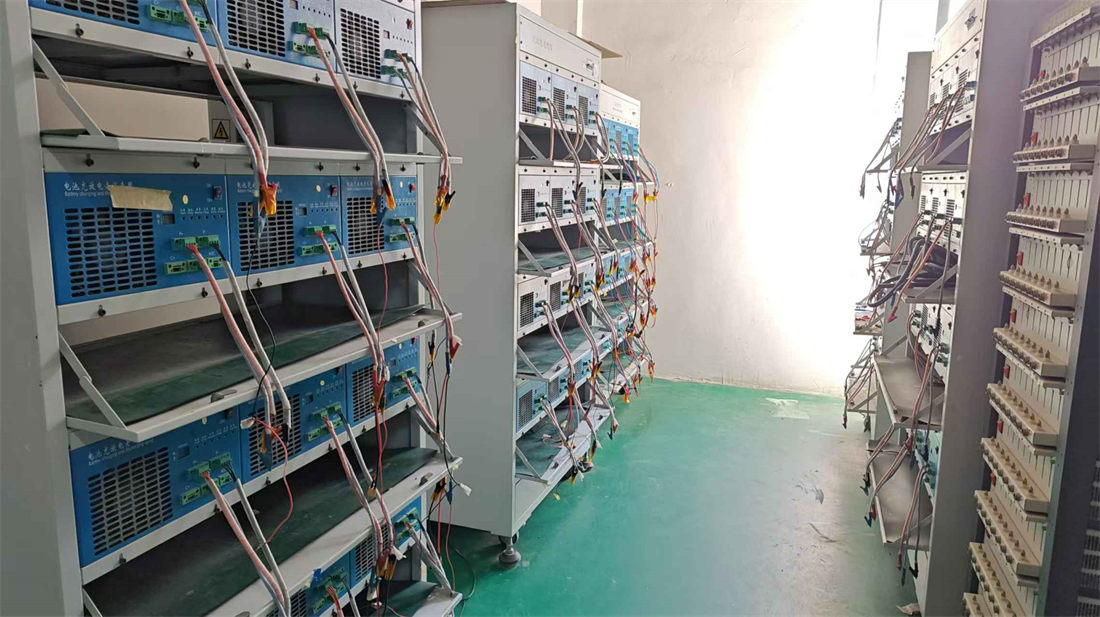
High Temp Aging Test
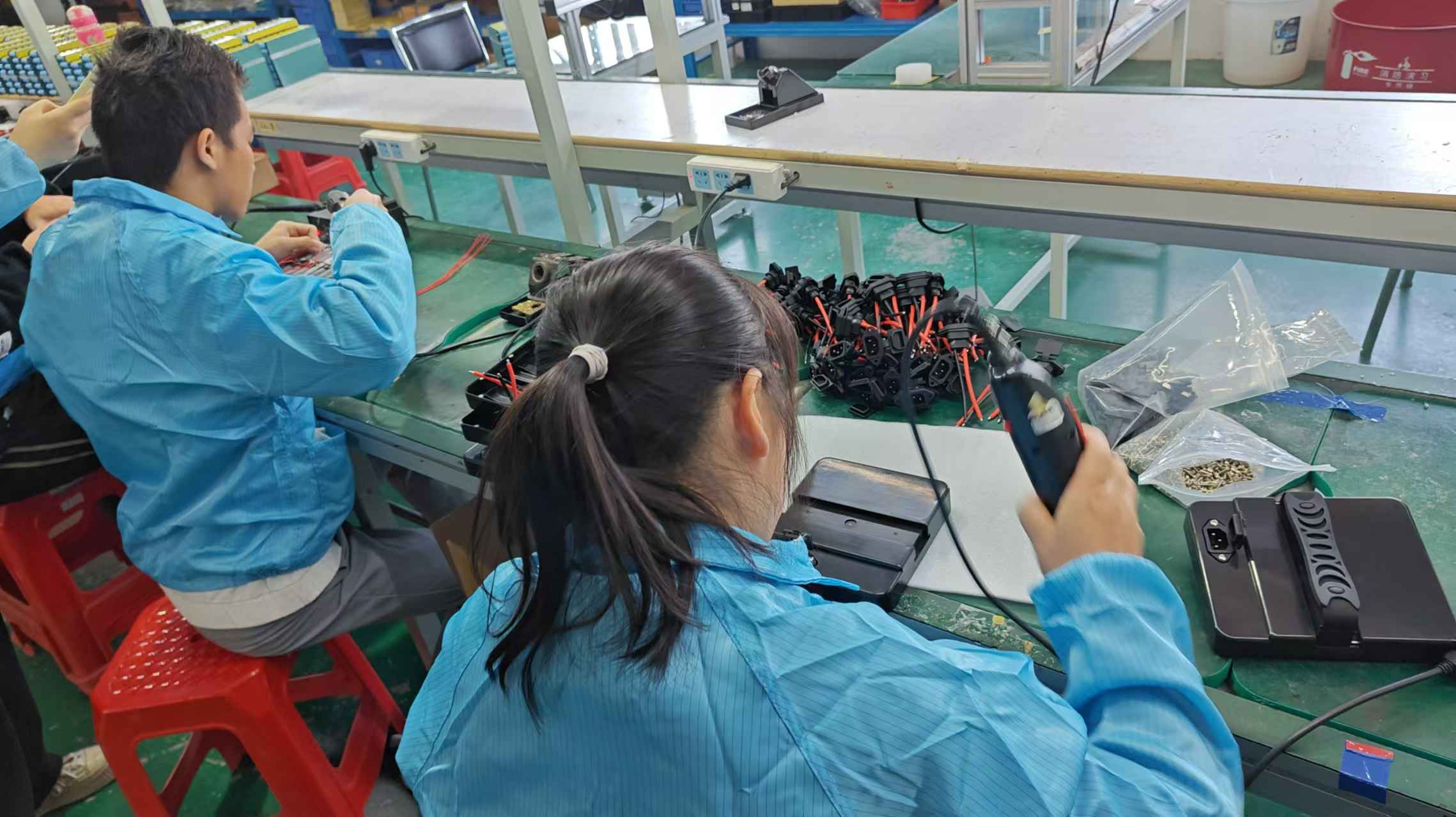
Pack Integration
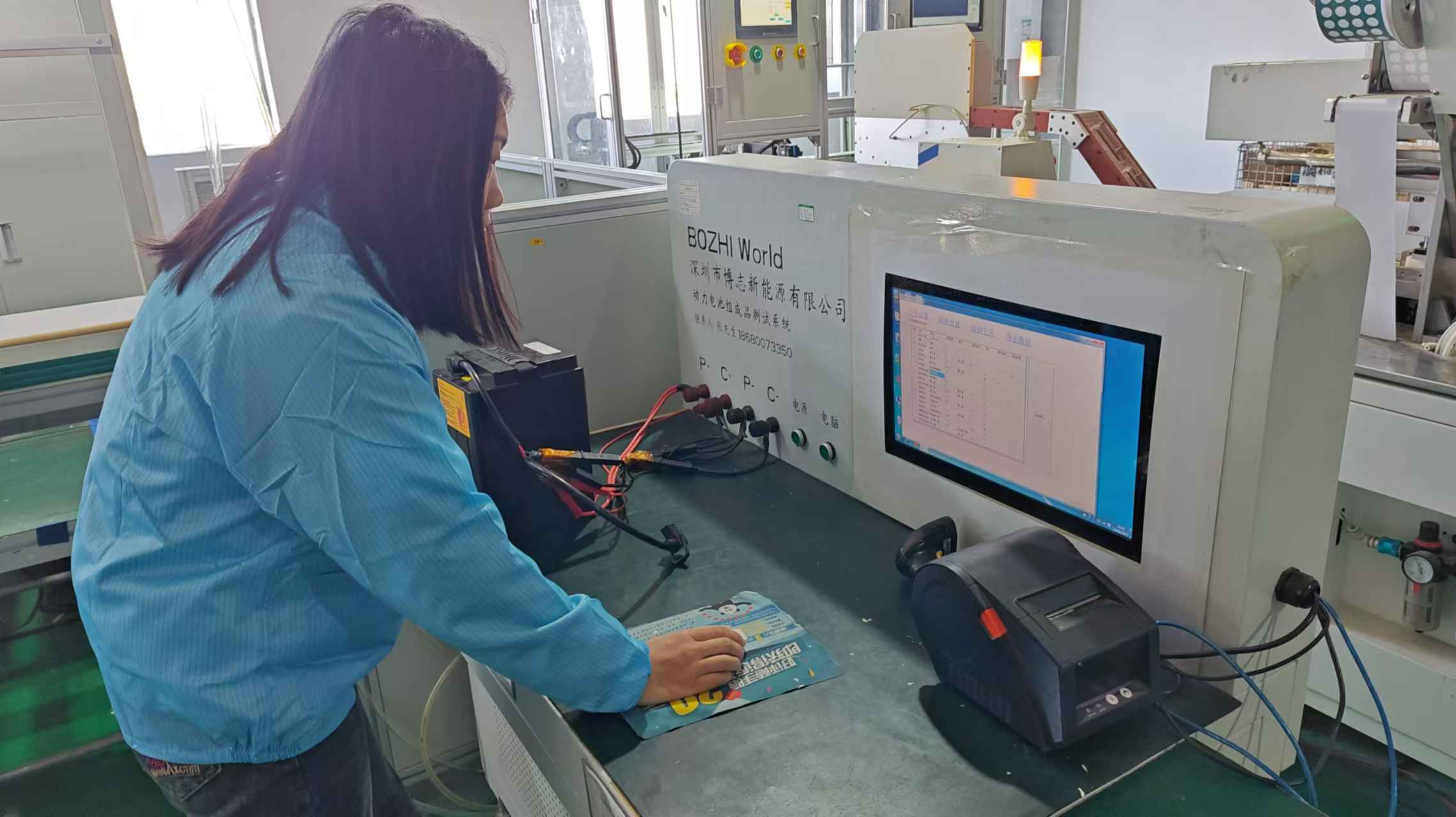
Dynamic Cycle Testing
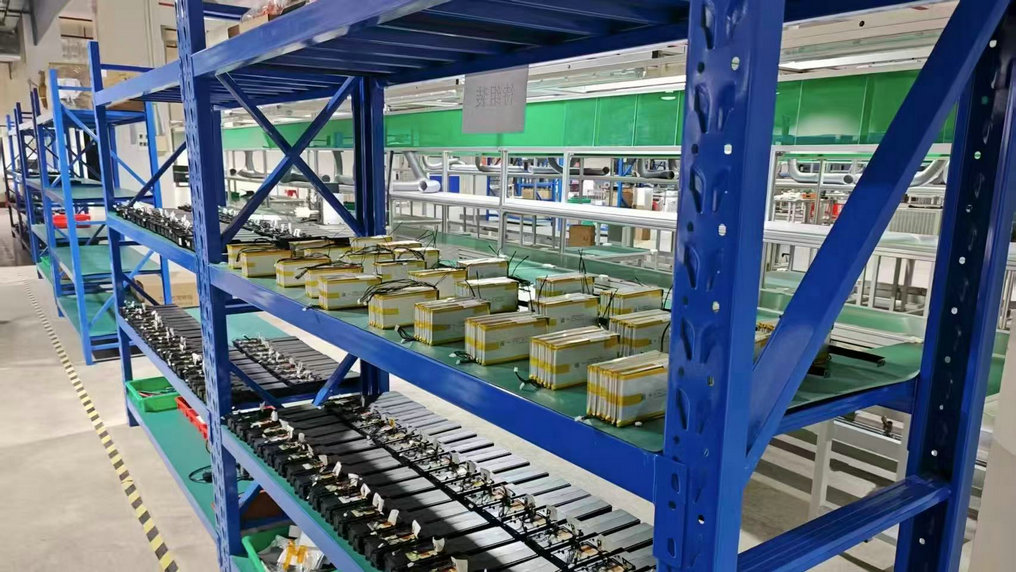
Finished System Verification
Insulation Resistance Testing
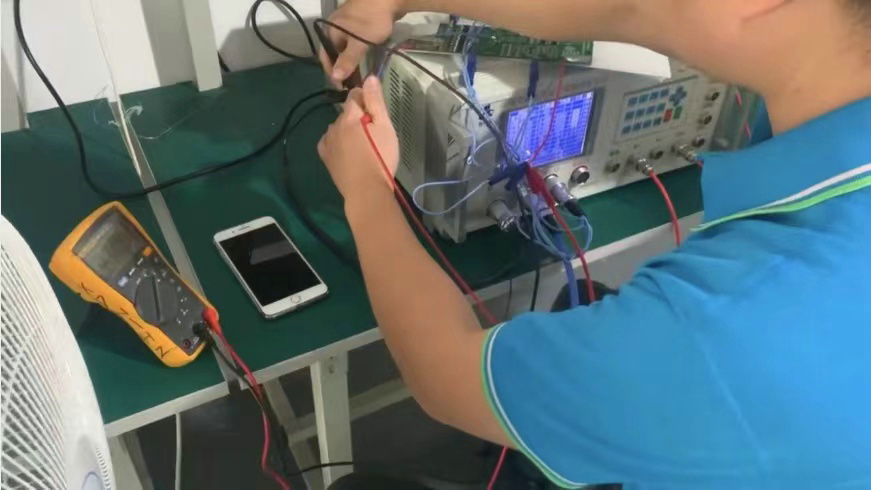
BMS & PCB Diagnostic Testing
Ultrasonic Micro-Welding
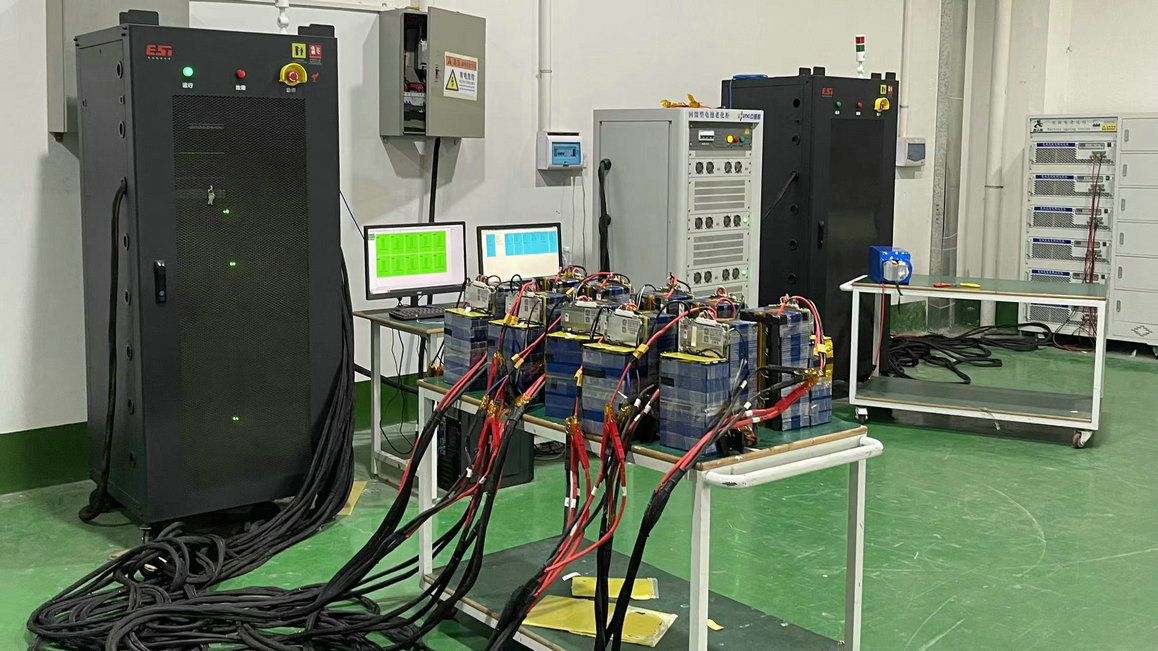
State of Charge (SoC) Aging
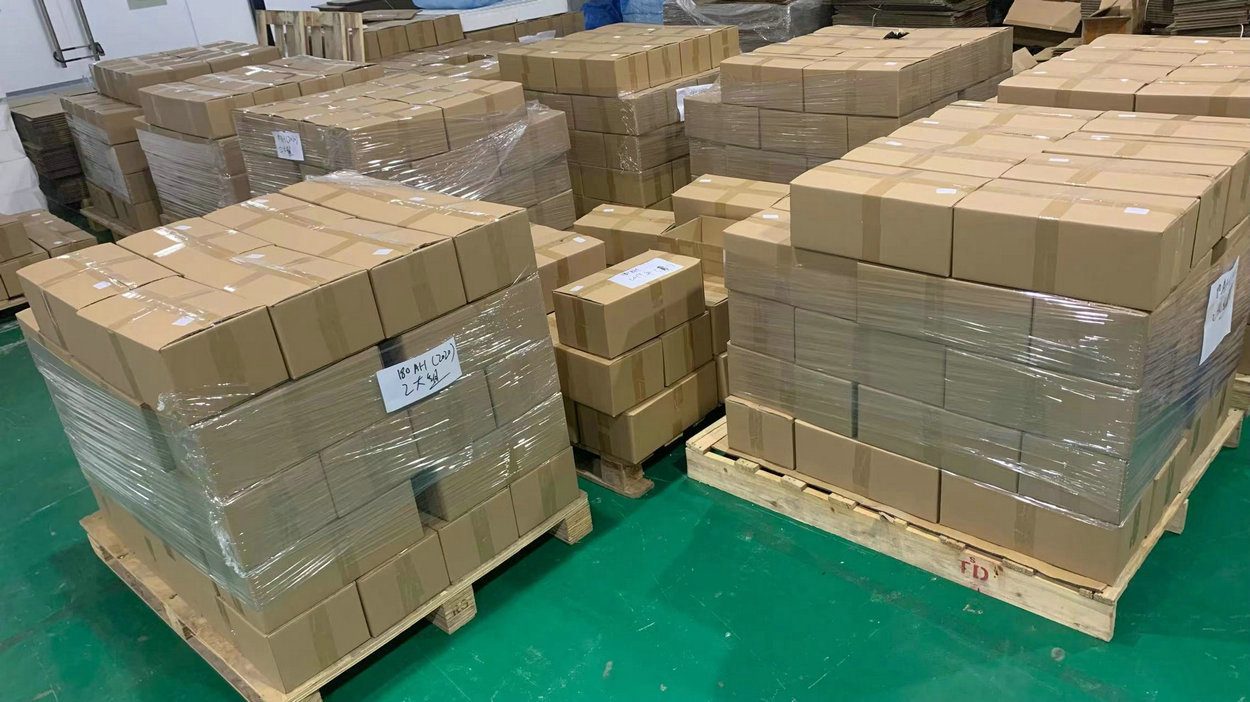
Final Product Warehouse
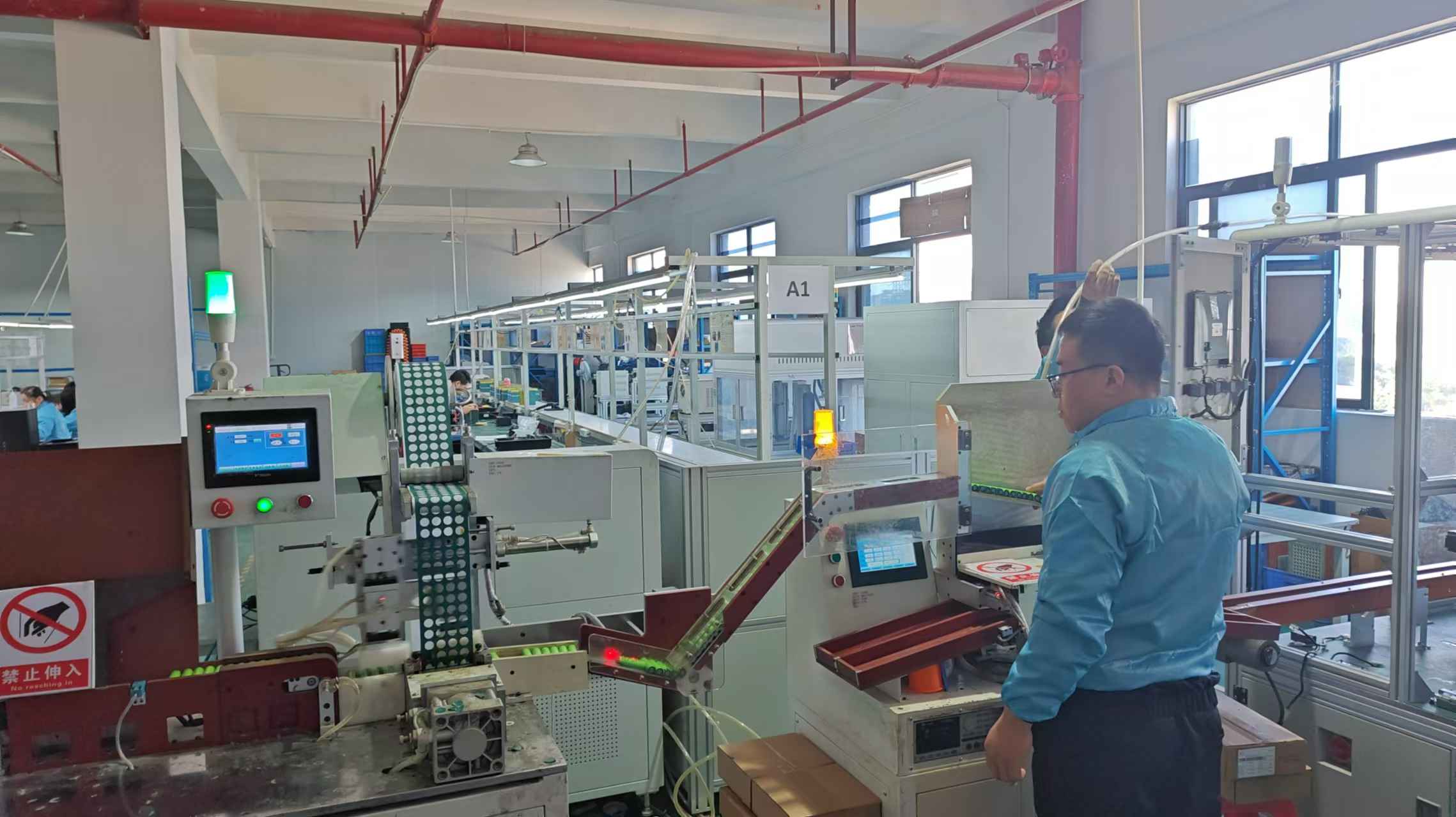
Automated High-Throughput OCV Internal Resistance Sorting System
Deciphering safety compliance, structural design, and modern chemistry trends in maritime power storage.
Determining the right electrochemical foundation is the most critical decision in marine applications. Lithium Iron Phosphate (LiFePO4) remains the industry standard for commercial ships, tugs, and harbor vessels due to its superior thermal stability, safety under physical deformation, and exceptional cycle life (often exceeding 6,000 deep discharge cycles). In contrast, Nickel Manganese Cobalt (NMC) chemistry offers high volumetric energy density, making it ideal for weight-sensitive applications such as racing vessels, fast passenger hydrofoils, and long-range UAVs/drones.
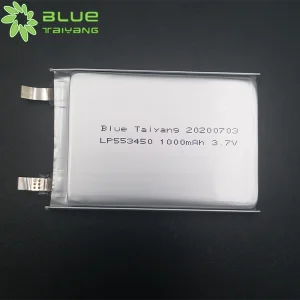
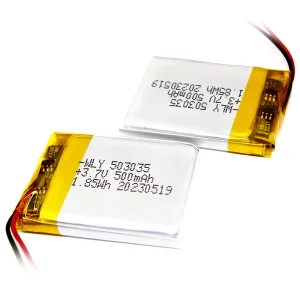
Nuwon Energy is actively commercializing semi-solid-state polymer and high-safety pouch cell architectures for military, aerospace, and advanced marine propulsion systems. These next-generation cells drastically minimize flammable liquid electrolyte levels, neutralizing the risk of runaway fires while pushing energy limits past 350 Wh/kg.
Marine environments impose intense vibration (especially on diesel-hybrid retrofits) and exposure to saline spray. Nuwon Energy’s structural frames are manufactured using custom anti-corrosive structural materials, featuring internal mechanical dampeners that isolate individual cells from operational harmonics. Our battery systems meet IP67 and IP69K liquid ingress ratings, ensuring they remain impervious to seawater splashes and high-pressure washdowns.
Essential insights for marine system integrators, vessel designers, and battery procurement directors.
Marine lithium batteries must comply with international standards such as DNV-CG-0453, IEC 62619, and UL 1973. Crucially, they must prevent cascading thermal runaway (where a failure in one cell spreads to adjacent cells). Nuwon Energy integrates mechanical firewall barriers between cell modules and relies on custom-engineered smart BMS architectures to monitor microsecond shifts in cell temperature, internal resistance, and voltage deviations.
LFP (Lithium Iron Phosphate) features a higher thermal runaway threshold (around 270°C) compared to NMC (around 210°C). Furthermore, LFP does not release oxygen when venting, which drastically decreases combustion severity. Its cycle life is also 2-3 times longer than standard NMC, leading to a much lower Total Cost of Ownership (TCO) for fleet operators over a 10-year lifespan.
We build our packs using precision-molded internal cell holders, structural silicones, and compressive foam spacers that absorb engine vibrations and low-frequency hull harmonics. The mechanical design is verified through intensive resonance testing to ensure long-term structural integrity and prevent physical damage to electrical connections.
Yes. Our custom OEM marine battery solutions support communication protocols such as Modbus TCP/IP, CAN bus, and NMEA 2000. This enables seamless data synchronization with mainstream hybrid power control systems, allowing automated peak shaving, auxiliary zero-emission power in harbors, and dynamic load balancing.
A typical OEM design lifecycle spans 12 to 24 weeks. This includes proof-of-concept CAD drafting, simulation analysis, mechanical testing, prototype building, and safety validation. High-volume export production begins immediately following client approval and compliance testing.
Supporting vertical integration with high-purity materials, specialized cells, and automated line manufacturing equipment.

 Nuwon Energy