China Best Nickel Cadmium Battery Manufacturers & Exporter

High-Performance Energy Storage Solutions Engineered for Extremes — Powered by Guangdong Nuwon Energy Co., Ltd.

Premium Industrial Battery Showcase

Explore our highly engineered collection of battery systems, ranging from state-of-the-art LTO pouch cells to customizable industrial energy storage configurations.
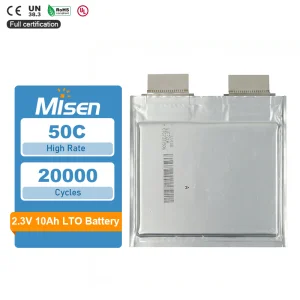
Wholesale High Rate 50C 2.3V 10Ah Pouch Cell L10D 12D LTO Lithium Titanate Battery Cell
Wholesale High Rate 50C 2.3V 10Ah Pouch Cell L10D 12D LTO Lithium Titanate Battery Cell for Jump Starters Power Packs
View Technical Details
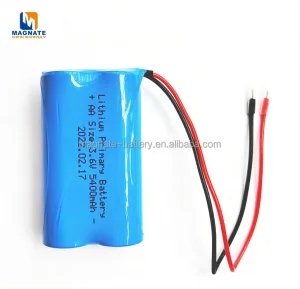
ER14505-2P High Energy Bobbin Type Li-SOCl2 Battery
ER14505-2P High Energy Bobbin Type Li-SOCl2 Battery 3.6V 5400mAh Lithium Thionyl Chloride Battery Pack UL1007 Home Appliances
View Technical Details
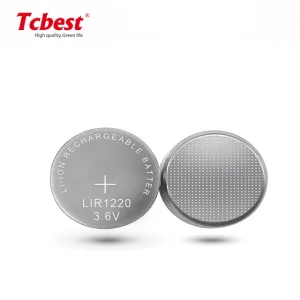
3.7V Lithium Li-ion Rechargeable Button Cell
3.7V Lithium Li-ion Lir1632, Lir2440, Lir2466, Lir3032, Lir3048, Lir0750, Lir2032, Lir1220, Lir1620, Lir2016, Lir2025 Rechargeable Button Cell
View Technical Details
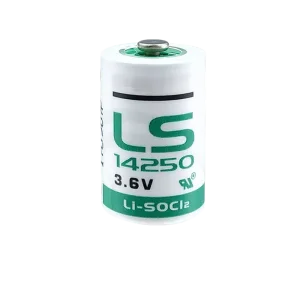
LS14250 3.6V Lithium Thionyl Chloride Battery
LS14250 3.6V Lithium Thionyl Chloride Battery ETC 1/2 AA 14250 Long Shelf Life New Original for Industrial Control IoT
View Technical Details
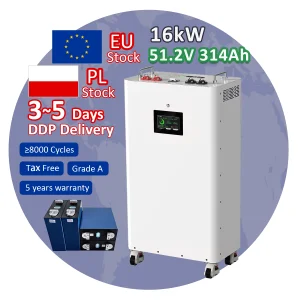
EU Stock 15kWh 8000 Cycles Mobile Lifepo4 Lithium Solar Battery
EU Stock 15kWh 8000 Cycles Mobile Lifepo4 Lithium Solar Battery Floor Home Energy Storage System 51.2V 280AH 300AH 314Ah
View Technical Details
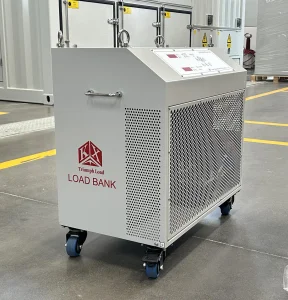
48V 600A DC Battery Discharger Load Bank
Hot Selling 48V 600A DC Battery Discharger Load Bank For EV Telecom Industrial Batteries
View Technical Details
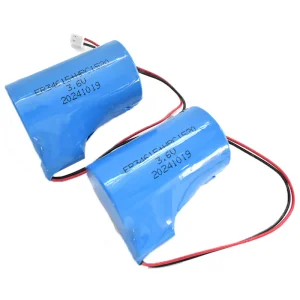
Customized 3.6V 19Ah ER34615 Li-SOCl2 Lithium Thionyl Chloride Battery
Customized 3.6V 19Ah ER34615 Li-SOCl2 Lithium Thionyl Chloride Battery 68.4Wh for Home Appliances Power Tools Toys Consumer
View Technical Details
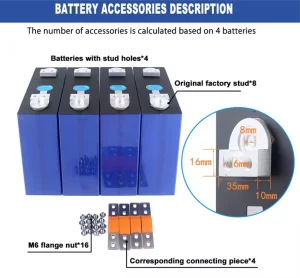
Yixin Rechargeable 3.2V Prismatic Lithium Iron Phosphate Battery Cells
Yixin Rechargeable 3.2V Prismatic Lithium Iron Phosphate (LiFePO4) Battery Cells LFP 280K MB30 MB31 Blue 330Ah/314Ah/306Ah/280Ah
View Technical Details

1. The Global Landscape of Industrial Nickel Cadmium (Ni-Cd) Batteries

In the era of modern electrification, the demands placed on energy storage systems have transcended domestic standards. Industrial sectors, including railway transit, utility substations, oil and gas exploration, maritime operations, and military infrastructures, require power storage solutions that operate without failure under the most hostile environments on earth. This is where industrial Nickel Cadmium (Ni-Cd) batteries remain irreplaceable. While lithium-ion chemistries have experienced rapid commercial expansion, Ni-Cd batteries continue to be the definitive choice for applications requiring absolute reliability, long service life, and resistance to severe environmental stress.

Unlike conventional lead-acid options, Ni-Cd batteries utilize an alkaline potassium hydroxide (KOH) electrolyte, preventing grid corrosion and plate degradation. The chemical robustness of the cadmium negative electrode combined with the nickel hydroxide positive electrode ensures that these cells are immune to sudden death. They do not experience the catastrophic failure modes typical of other chemistries, such as thermal runaway or sudden voltage drops. In critical infrastructure settings, where power outages can result in severe financial loss or risk to human safety, Ni-Cd technology provides the necessary security.

Information Gain Insight: Modern Ni-Cd systems are manufactured with specialized plastic or steel pockets and sintered plates, allowing them to withstand temperatures ranging from -40°C to +60°C. They can recover from complete discharge conditions without damage, a feature unmatched by any other chemical energy storage technology.
-40°C~60°C
Operational Temp Range
20+ Years
Expected Design Life
8000+
Deep Discharge Cycles
99.9%
Reliability Index

2. Technical Roadmap & Evolution of Ni-Cd Battery Systems

To make an informed purchase decision, procurement engineers must understand the specific technical variations within Ni-Cd designs. The internal plate design determines the performance profile of the battery:

Pocket Plate Technology (KPH, KPM, KPL Series)

This design utilizes active materials encapsulated in double-perforated steel pockets. The mechanically robust plates prevent active material shed, offering high mechanical strength, resistance to electrical abuse, and a long design life. Ideal for low-to-medium discharge rates over extended durations.

Sintered Plate Technology

For applications demanding high current output in short periods, sintered-plate structures provide a high surface area and lower internal resistance. This technology is commonly used in aerospace start-up batteries and high-power diesel locomotive starters.

Fiber Plate Technology (FNC)

Representing the latest step in Ni-Cd evolution, fiber plates utilize a structured metalized fiber matrix, optimizing weight, charge efficiency, and power density while retaining the resilience of traditional alkaline systems.

Battery Series Type Discharge Rate Range Typical Autonomy Time Primary Industrial Applications
KPL (Low Rate) 0.1C to 0.5C 2 hours to 24+ hours Substation Backup, Railway Signaling, Photovoltaic Off-grid Storage
KPM (Medium Rate) 0.5C to 3.5C 30 minutes to 2 hours Switchgear Tripping, Marine Navigation Systems, Process Control UPS
KPH (High Rate) 3.5C to 10C+ 1 second to 30 minutes Engine Starting, UPS, Emergency Generator Cranking, Rail Transit Starters

3. Localized Applications & Extreme Industrial Scenarios

Industrial backup systems must operate reliably in diverse climates and environments, from Arctic pipelines to desert solar fields.

  • Sub-Zero Utility Substations & Arctic Pipeline Infrastructure: Standard lead-acid and lithium batteries can lose over 50% of their operational capacity when temperatures drop below freezing. Liquid electrolyte freezing can also cause structural damage. In contrast, Ni-Cd's alkaline electrolyte prevents freezing at temperatures down to -40°C, providing consistent tripping current to switchgear and medium-voltage circuit breakers.
  • Desert Solar Installations & Geothermal Process Plants: High temperatures accelerate chemical degradation in batteries. For every 10°C rise above 25°C, the life of a lead-acid battery is cut in half. Ni-Cd batteries are designed to withstand sustained temperatures up to 55°C without dry-out, maintaining a stable capacity output.
  • Marine & Offshore Oil/Gas Platforms: Corrosive marine environments quickly degrade standard enclosures. Guangdong Nuwon Energy manufactures high-impact PP (Polypropylene) or steel case Ni-Cd batteries that resist salt mist, mechanical vibration, and offshore drilling forces.
  • Aviation Emergency Starter & Rail Transit Power: Critical onboard equipment requires high current density for engine startup and auxiliary emergency power. High-rate Ni-Cd batteries offer the rapid power release needed during emergency descents or sudden power grid interruptions.

Company Profile & Advanced Manufacturing Facilities

Guangdong Nuwon Energy Co., Ltd. is a leading manufacturer and solution provider in advanced battery systems. We specialize in the research, development, manufacturing, and global distribution of high-performance energy storage products. The company offers comprehensive OEM and ODM services, delivering customized battery solutions tailored to diverse industrial and commercial applications.

Backed by an experienced engineering and R&D team, Nuwon Energy focuses on the design and integration of cylindrical and prismatic lithium battery cells, as well as complete battery packs, modules, and energy storage systems. The company also develops and produces industrial-grade battery cells engineered for safety, durability, and long cycle life.

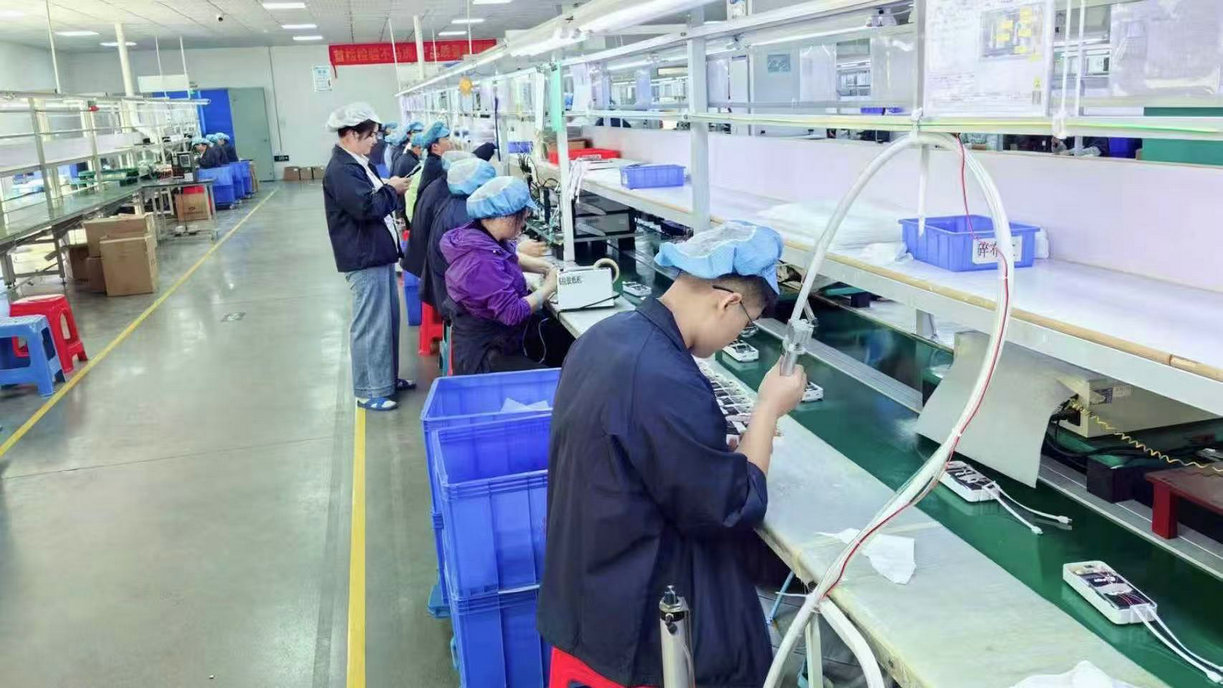
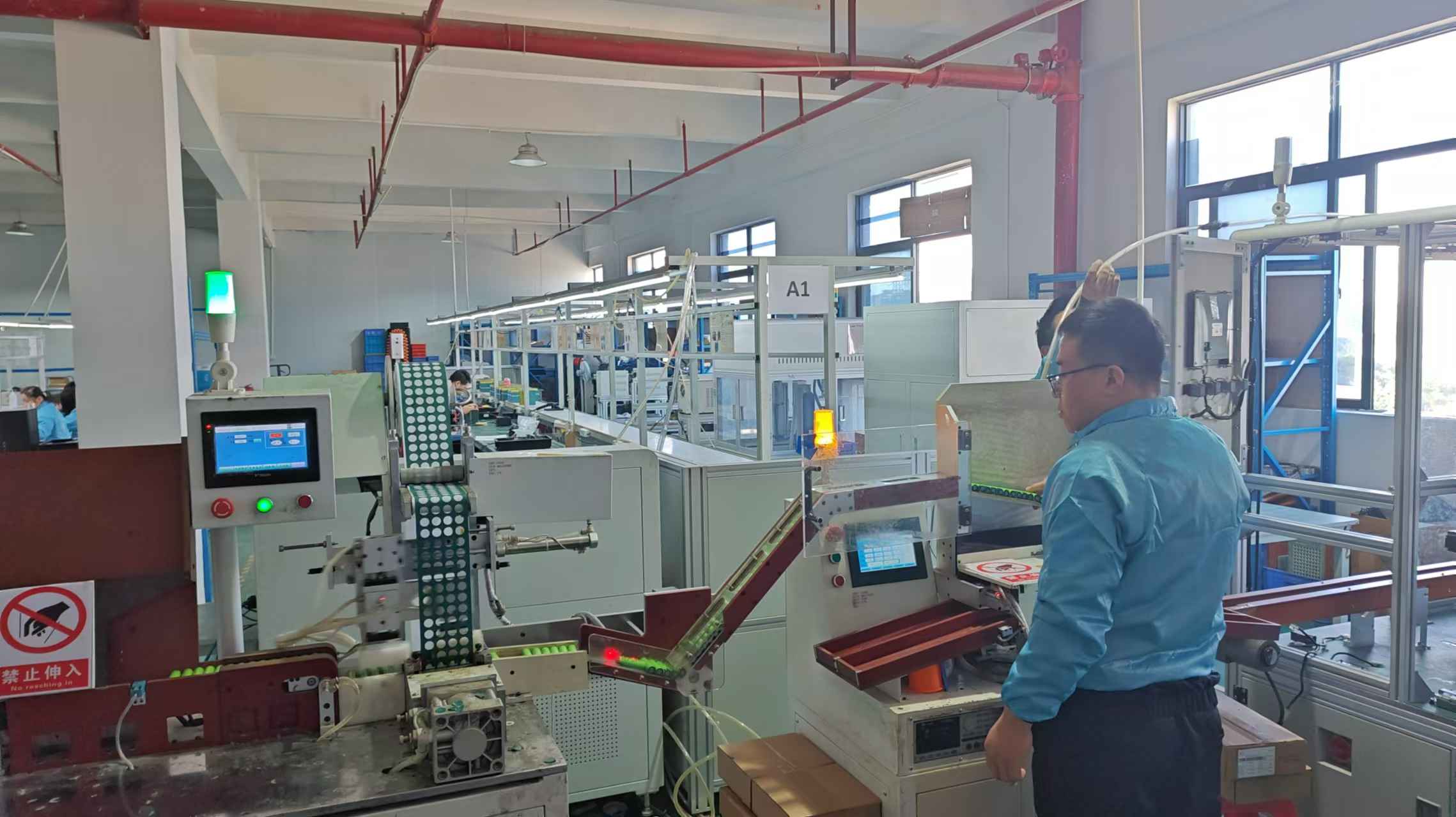
With a strong commitment to innovation, strict quality control, and customer-centric service, Guangdong Nuwon Energy continuously invests in advanced manufacturing capabilities, automated production lines, and rigorous testing systems. This ensures that every product meets international safety standards and delivers reliable performance in demanding environments.
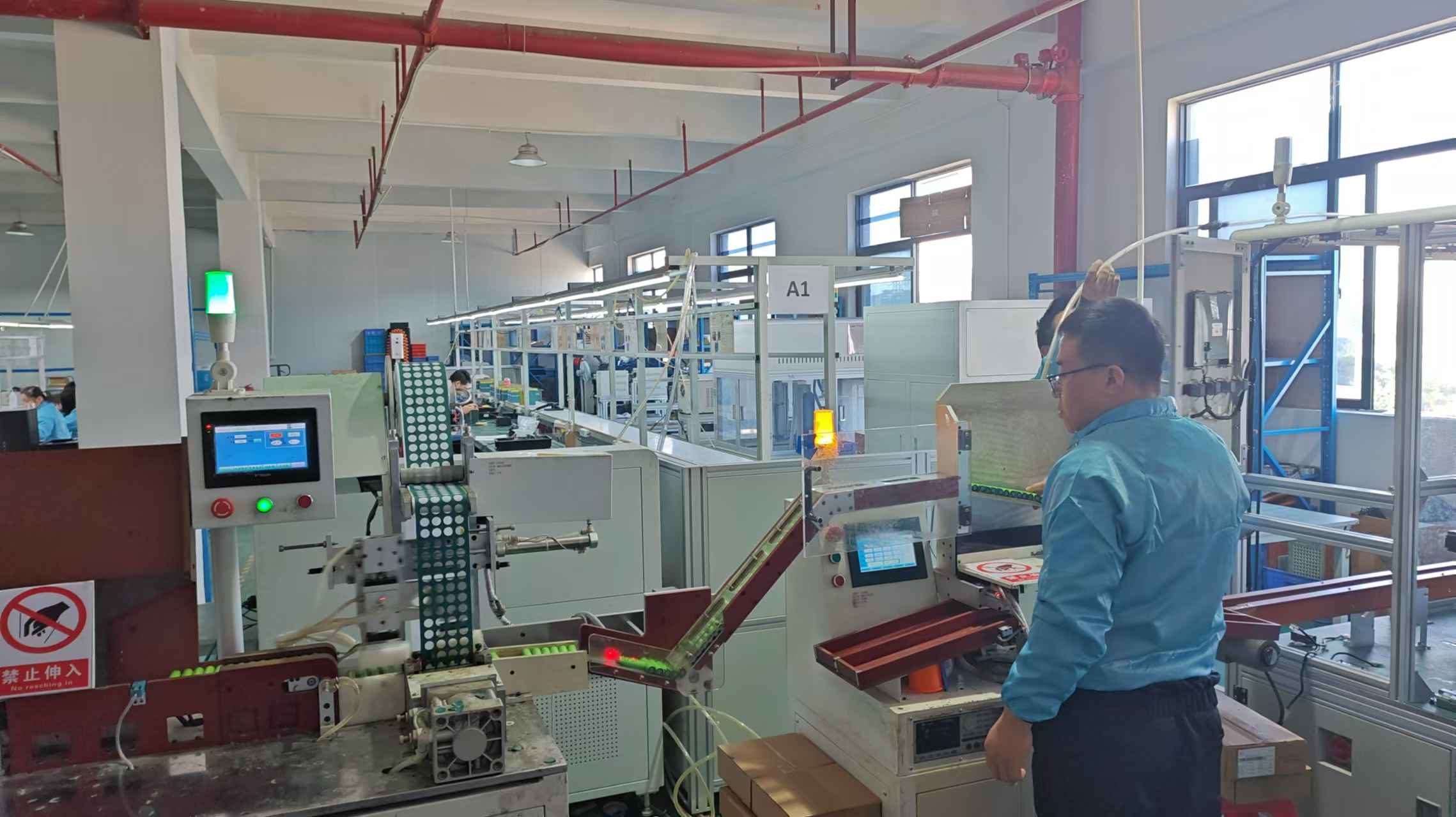
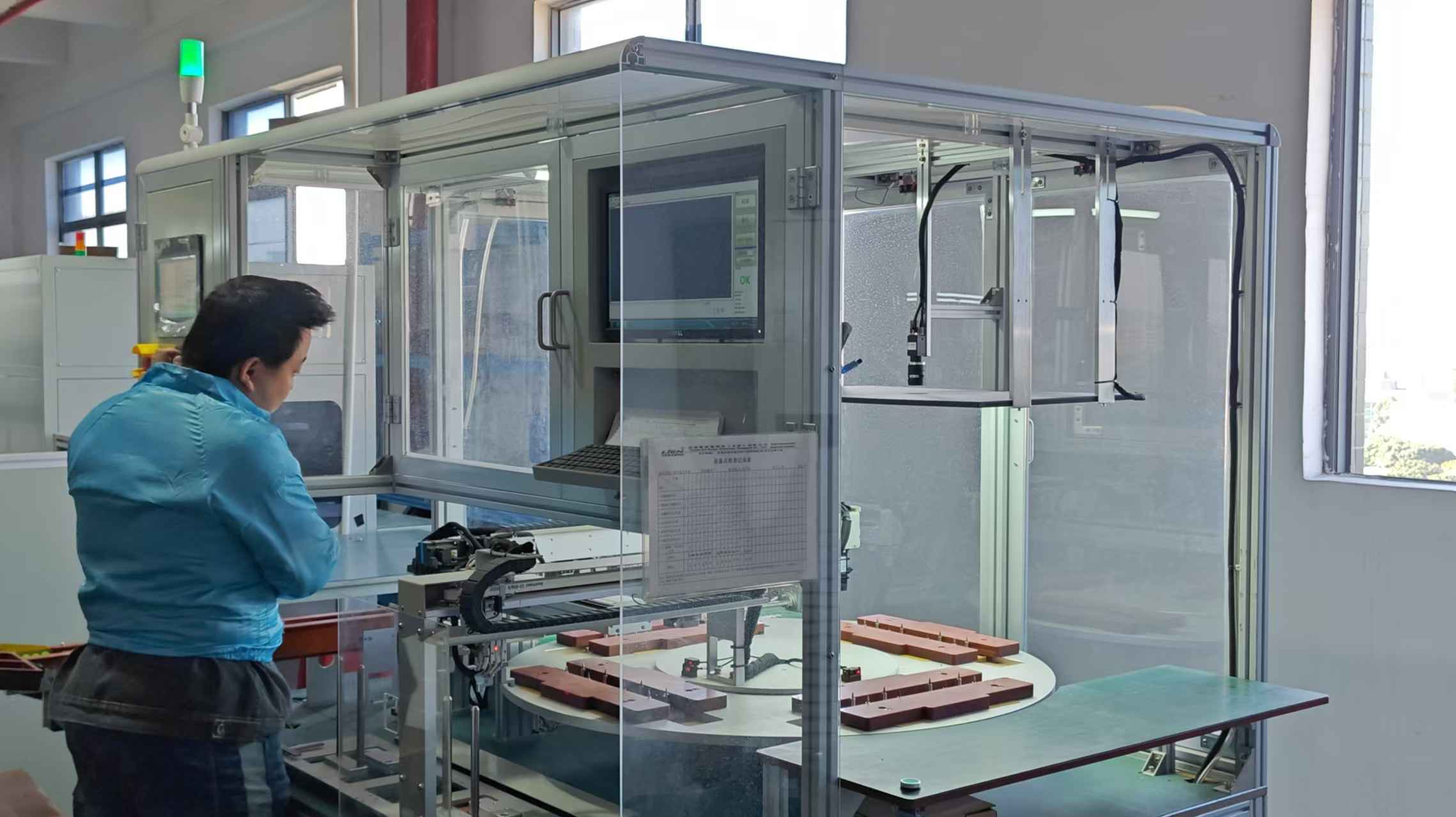
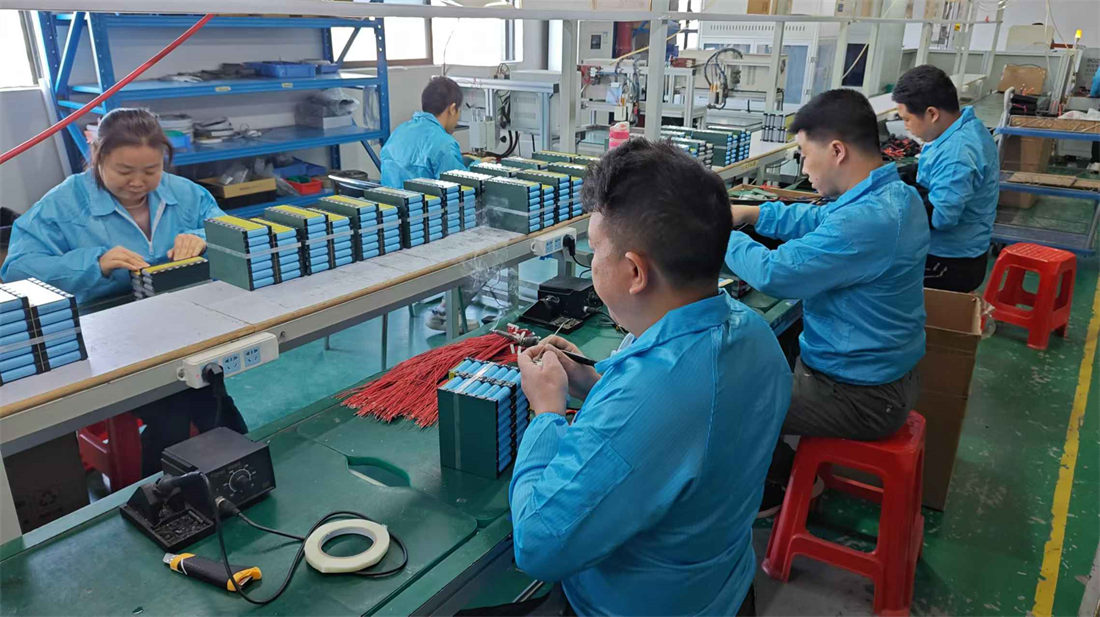
Factory Assembly & Quality Assurance Processing Steps

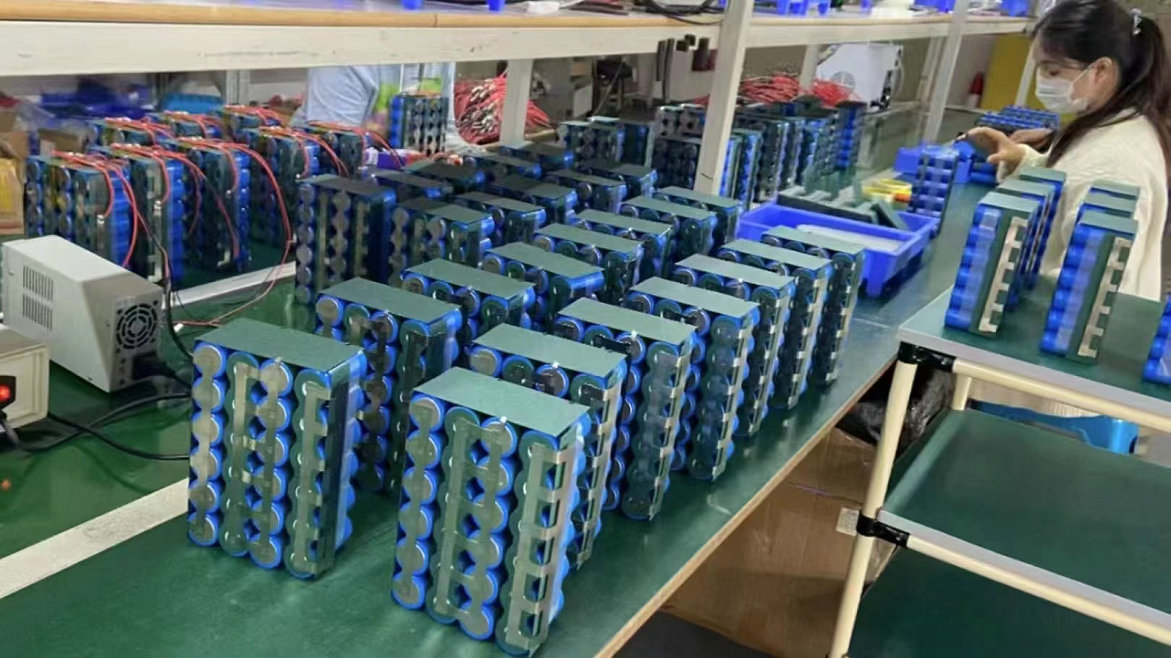
Sorting Process at Nuwon Factory
Sorting
Assembling Process at Nuwon Factory
Assembling
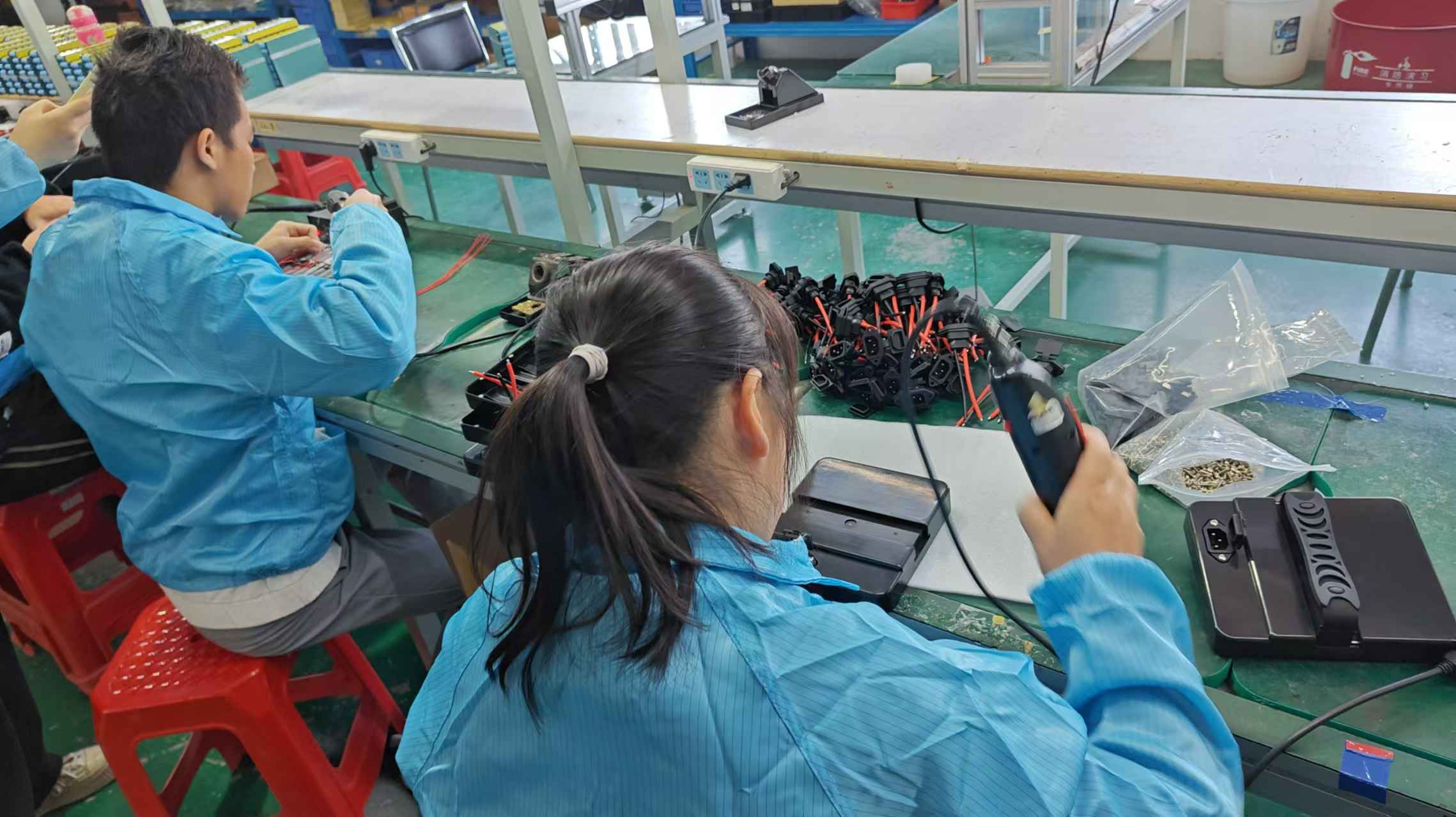
Welding Process at Nuwon Factory
Welding
Secondary Assembling at Nuwon Factory
Assembling
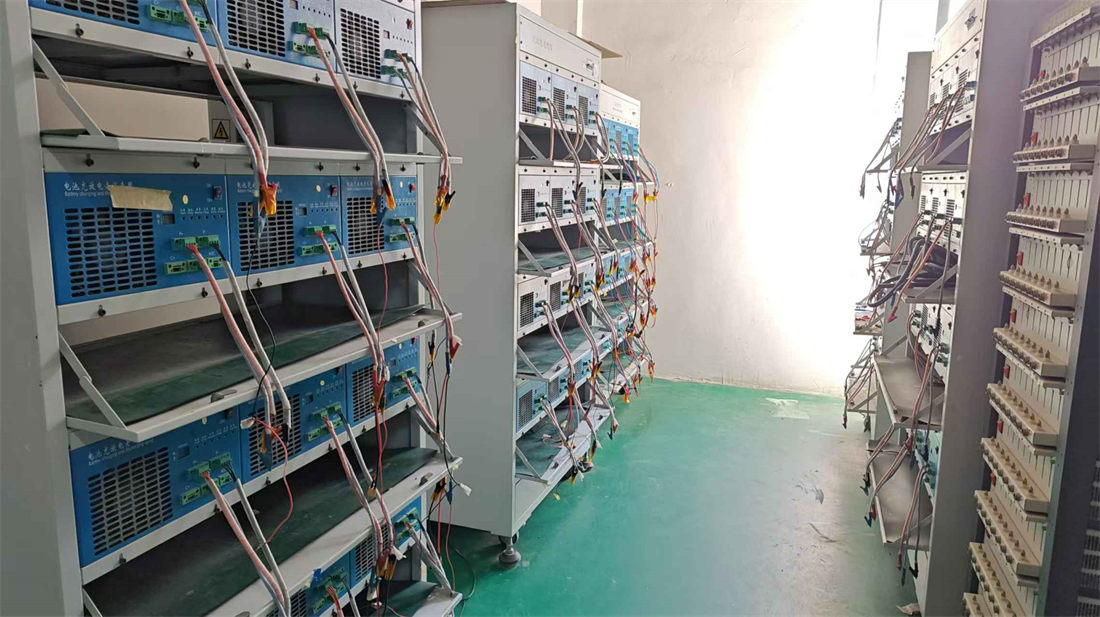
Aging Process at Nuwon Factory
Aging
Final Assembling at Nuwon Factory
Assembling
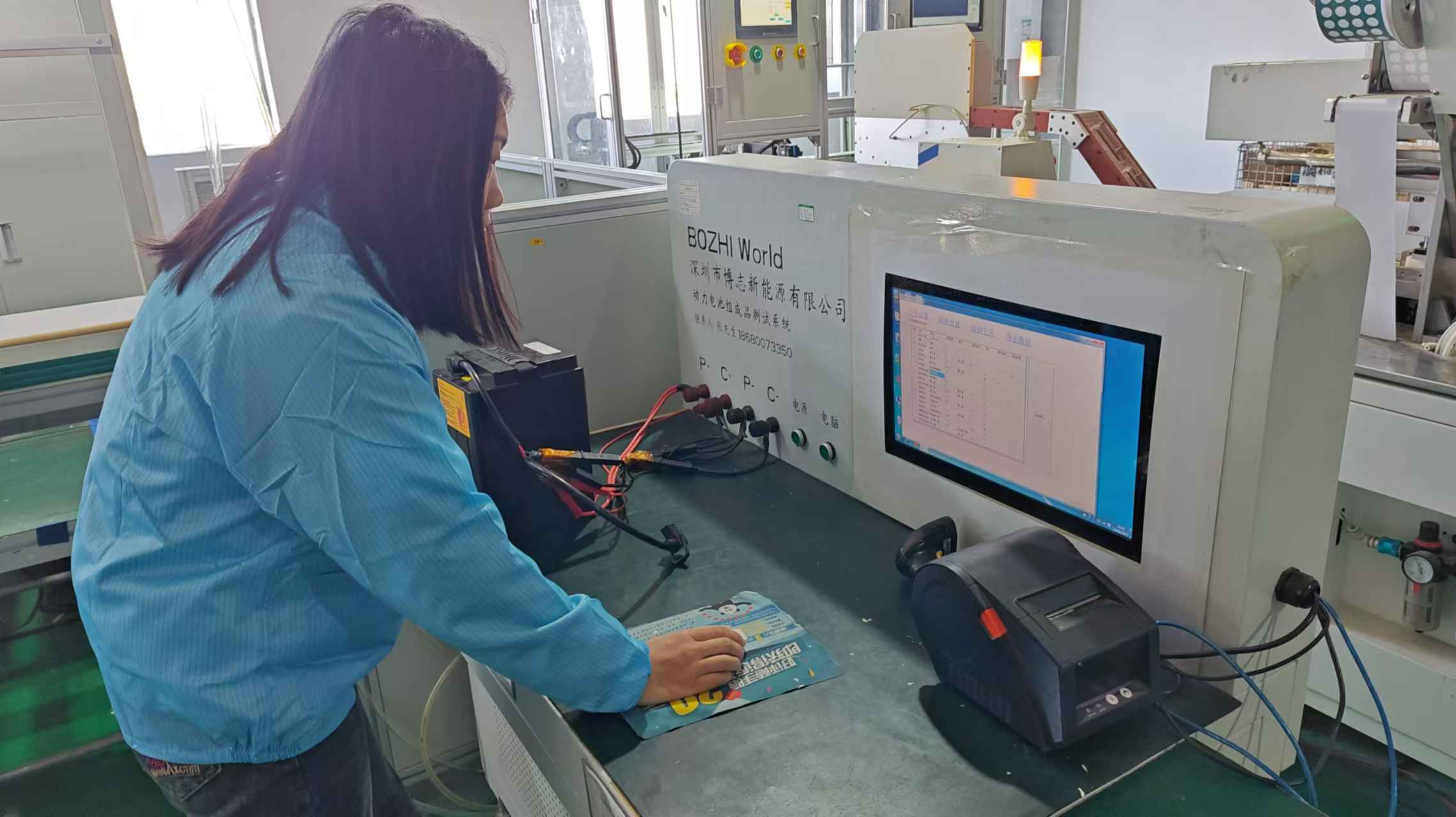
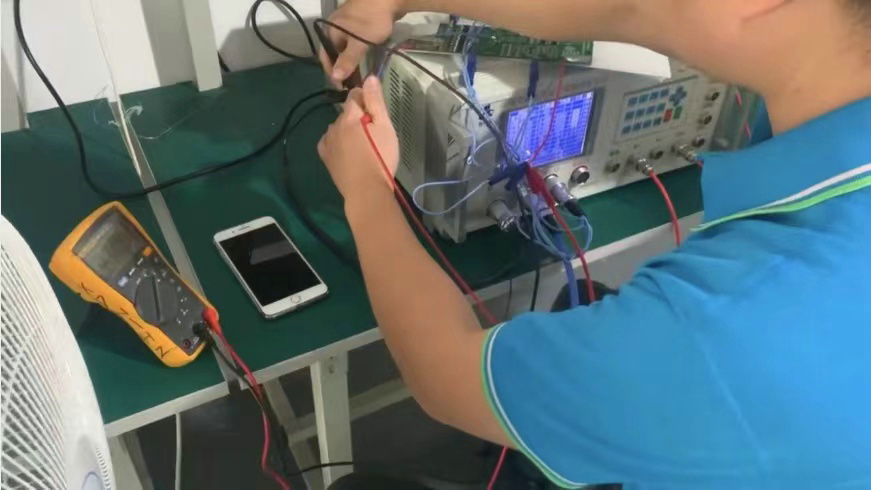
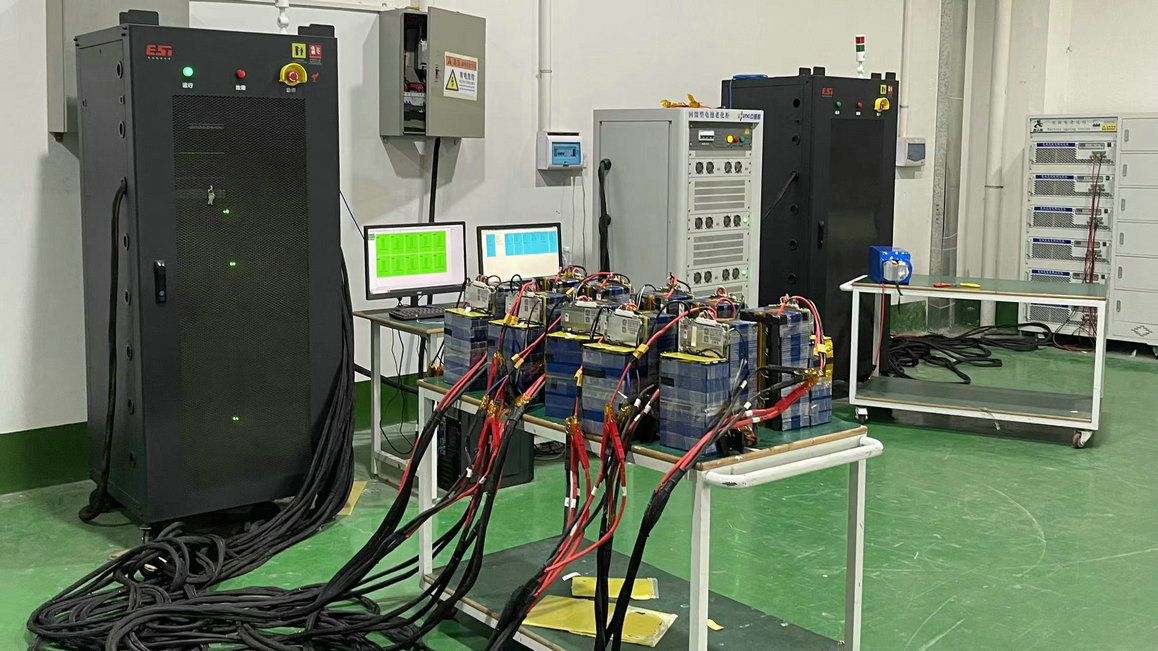
Testing Procedures at Nuwon Factory
Test
Battery Visual Quality Check
Battery
Insulation Testing at Nuwon Factory
Insulation Testing
PCB Testing at Nuwon Factory
PCB Testing
Secondary Welding Process
Welding
Secondary Aging Stage
Aging
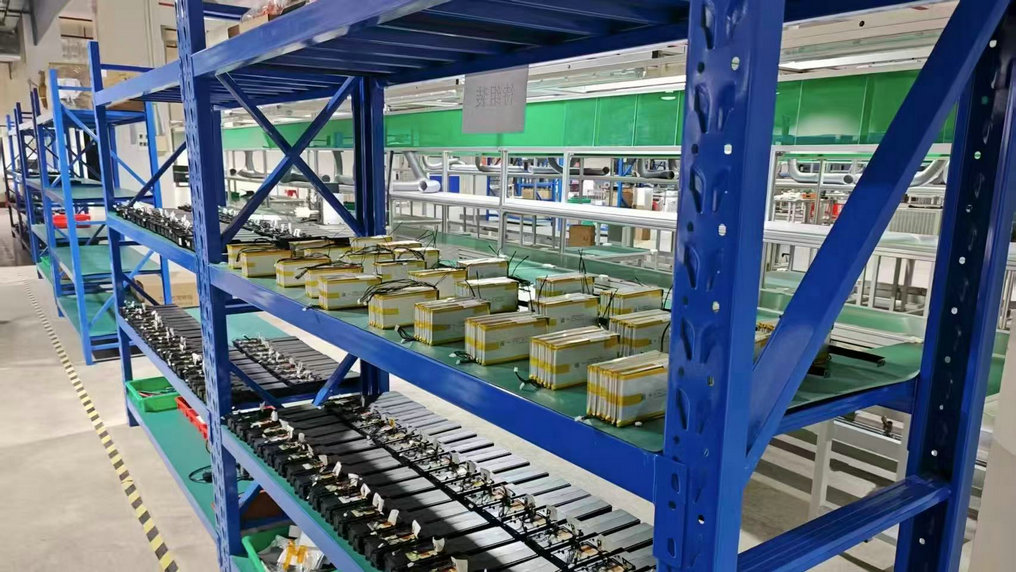
Finished Products Area
Products
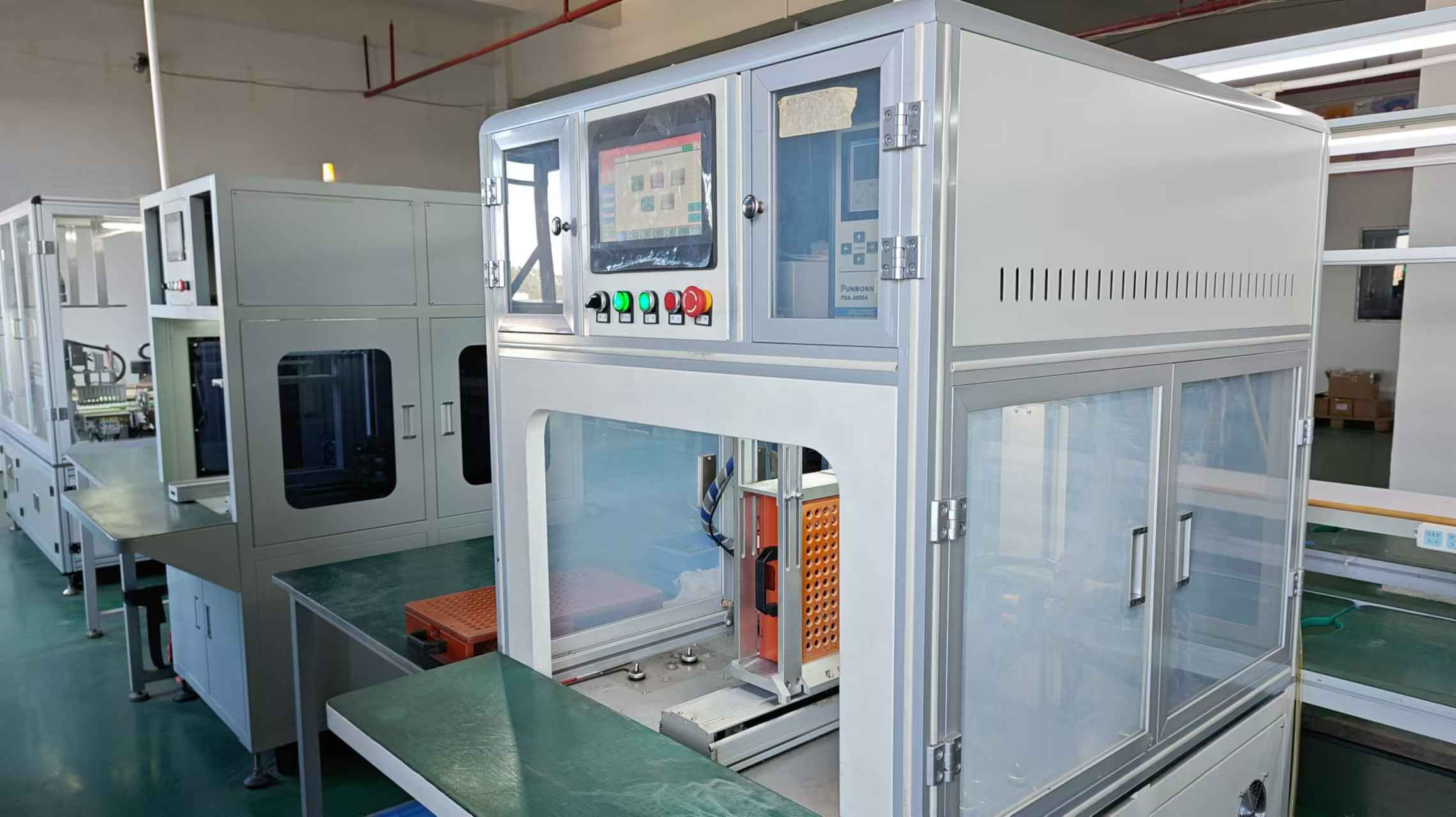
Advanced Battery Sorting Machine
Battery Sorting Machine

4. China Factory Supply Chain Resilience & Cost Advantages

The global raw material market has faced significant fluctuations in recent years. In this context, China's industrial battery manufacturing sector offers a key advantage: supply chain consolidation. Guangdong Nuwon Energy manages its supply chain through established long-term material partnerships and localized resource pooling. Our production facility integrates raw material refining, mechanical plate stamping, automated chemistry processing, and active quality inspection within a unified geographic hub.

This integrated manufacturing cluster allows us to maintain stable production lead times, regardless of shifts in global trade. From the procurement of raw nickel plate materials to the precise allocation of premium potassium hydroxide electrolyte, every step is optimized. Our automated cell-matching sorting machines, dual-head spot-welding networks, and specialized cell aging chambers minimize the defects common in manual assembly.

Furthermore, our proximity to the major logistics hubs of Guangzhou and Shenzhen allows us to offer optimized freight routes, fast export processing, and reduced transit costs for international shipments.

5. Localized Support, Engineering Consultation, & Regulatory Compliance

Navigating regulatory compliance is a critical step for commercial energy storage installations. Industrial battery systems must meet stringent environmental, mechanical safety, and transport guidelines before deployment in European or North American markets.

Guangdong Nuwon Energy designs all industrial systems to comply with international standards. Our manufacturing lines follow ISO 9001 and ISO 14001 guidelines to ensure process consistency and traceabilities. In addition, our batteries are designed and tested to meet IEC 60623 / IEC 62259 performance standards, as well as UL 1973 and UN38.3 safety standards for global transport.

Recognizing that every installation has unique constraints, we provide dedicated engineering consultation. Our services include:

  • Custom Mechanical Layout Designs: 3D CAD modeling to optimize battery rack space within seismic-rated cabinets or containerized solutions.
  • Thermal Simulation & Analysis: Computational modeling of thermal distribution within enclosure configurations to maximize service life in high-temperature environments.
  • BMS Integration & Communications: Configuring battery management networks to interface with Modbus, CAN-bus, or SNMP protocols for remote diagnostic monitoring.

Our post-delivery support includes comprehensive logistics routing, import compliance assistance, and direct technical support to ensure smooth installation and commissioning.

6. Technical Roadmap and Future Outlook: Beyond Conventional Boundaries

While Ni-Cd chemistry is mature, its technical development continues. Research is focused on reducing maintenance requirements through advanced gas recombination systems, similar to those used in valve-regulated batteries. By integrating catalytic vent plugs, modern Ni-Cd batteries recombine generated hydrogen and oxygen back into water with up to 95% efficiency, reducing the need for water topping.

Another focus is material optimization. Using nanostructured nickel matrices in fiber plates improves the rate of active material utilization, increasing specific power density and performance at low temperatures.

Looking ahead, as environmental regulations become stricter, the recycling of cadmium is a key industry focus. The battery industry has established closed-loop collection networks to ensure that end-of-life Ni-Cd blocks are processed responsibly, recovering cadmium and nickel to create a circular production cycle.

Industrial Battery Integration FAQ

What are the key advantages of Ni-Cd batteries over Lead-Acid in utility backup systems?
Ni-Cd batteries offer key operational advantages: they are not prone to "sudden death" failure modes, resist sulfation, operate reliably from -40°C to +60°C, and provide a service life of over 20 years. Unlike lead-acid, they can also withstand deep discharges without structural damage.
How does temperature affect the life expectancy of a Ni-Cd battery?
High temperatures accelerate chemical reactions and water loss in batteries. However, Ni-Cd batteries are designed to handle high-temperature environments. While lead-acid batteries experience a significant drop in service life above 25°C, Ni-Cd batteries maintain stable capacity and long life even at temperatures up to 55°C.
Do Ni-Cd batteries suffer from memory effect, and how can it be prevented?
The memory effect primarily affects older, small-format sealed cells under repetitive partial-discharge cycles. Modern industrial pocket-plate and fiber-plate Ni-Cd batteries, which operate under float or trickle charging in backup systems, are not significantly affected. Any temporary voltage depression can be resolved through a standard commissioning discharge/charge cycle.
What are the environmental and disposal regulations for Ni-Cd batteries?
Cadmium is a regulated heavy metal, and its disposal is subject to international environmental rules. To support compliance, Guangdong Nuwon Energy works with certified recycling partners worldwide. Our industrial Ni-Cd components are nearly 99% recyclable, helping to minimize environmental impact.
Which plate technology (KPL, KPM, KPH) is best for engine starting applications?
Engine starting requires high, instantaneous current output (cranking current) for short periods. For these applications, the KPH (High Rate) series, which features thin plates and low internal resistance, or sintered/fiber-plate systems are recommended to deliver the required power.

Innovative Energy & Battery Solutions

Explore our advanced product range, including solid-state aviation and drone packs, high-capacity prismatic LFP cells, and residential energy storage systems.
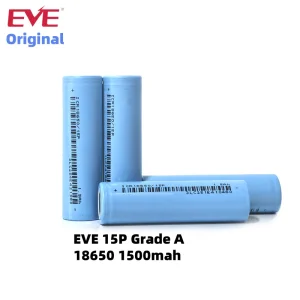
2025 EVE 18650 Li-ion Battery
2025 EVE 15P/29V/33V/35E 18650 3.6V Li-ion Battery 1500mah-3500mah Grade a Rechargeable Cells High Rate Cell for Power Tools AGV
View Technical Details
3.95v Cell Lithium Polymer Celda Lipo Battery
3.95v Cell Lithium Polymer Celda 3.7v Akku Lipo Lithium Zelle 28ah 43ah 39ah Drone Battery 350wh/kg 17ah Pouch NMC Cell Akku
View Technical Details
Home Energy Storage Battery
Home Energy Storage Battery 5kWh 10kWh 15kWh 20kWh Lithium Battery 48V 200Ah LiFePO4 Battery Pack Solar Energy System Battery
View Technical Details
ER14505H Lithium Thionyl Chloride Battery
Popular ER14505H 2700mah 3.6V High Capacity Lithium Thionyl Chloride Battery Non-Rechargeable AA 1/2AA for Water Gas Meter
View Technical Details
Solid-State Lithium-Ion Battery Cell
27000mAh 10c 3.7V High Energy Density Solid-State Lithium-Ion Battery Cell for Uav/Drone
View Technical Details
LiFePO4 Prismatic Cells Solar Battery
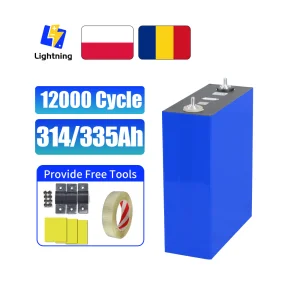
Polish Stock LiFePO4 314Ah 340Ah 320Ah MB31 Grade A 12000 Cycles Prismatic Cells for DIY 12V 36V 48V Solar Battery
View Technical Details
Solid State Lithium Polymer Battery Cell Lipo
16000MAH 3.95v Solid State Lithium Polymer Battery Cell Lipo Cell Battery Drone Battery Celda For UAV FPV Rc Lipo4 Akku NMC Cell
View Technical Details
Lf280k Prismatic Batterie Lifepo4 Cells
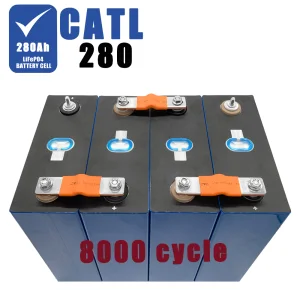
Lf280k 8000 Cycles Lifepo4 280Ah Prismatic Batterie Lifepo4 Cells 3.2v Lithium 280ah Lifepo4 Battery
View Technical Details