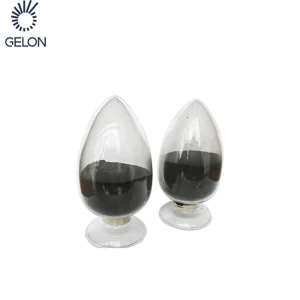
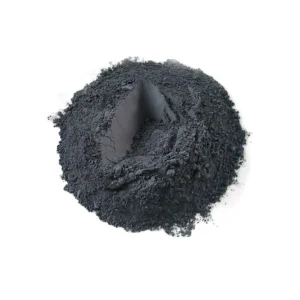
Premium grade lithium-ion battery precursor materials and components optimized for commercial applications, local utility grids, and marine systems in the Seattle market.
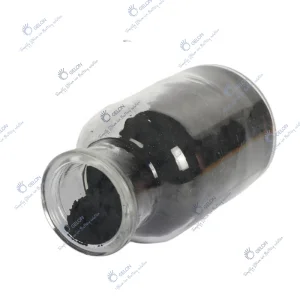
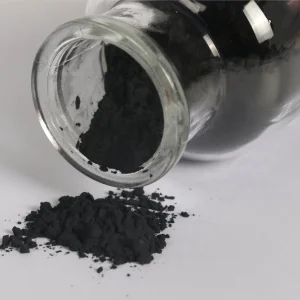
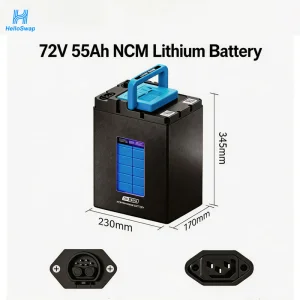
The city of Seattle, along with the broader Puget Sound region, is rapidly transforming into a leading epicentre for energy storage innovation, clean technology engineering, and decarbonized transit solutions. Driven by Washington State’s ambitious Climate Commitment Act (CCA), local enterprises, transit agencies, and aerospace firms are shifting away from traditional fossil fuels. This clean energy transition hinges on the availability of stable, high-energy-density chemistries, specifically Nickel Manganese Cobalt (NMC) lithium-ion systems.
From maritime hybrid retrofits of the Washington State Ferries to the robust commercial vehicle clusters in Kent Valley, the demand for high-reliability battery systems has surged. NMC chemistry, with its exceptional energy density, long cycle life, and thermal performance in cold climates, is the preferred technology for these highly demanding applications.
At Guangdong Nuwon Energy, we specialize in providing secure, direct shipping routes to the Port of Seattle and the Tacoma marine terminals. Our logistics comply fully with UN38.3, DOT, and HAZMAT safety transport guidelines for Class 9 hazardous materials, ensuring smooth and safe customs clearances.
Get Seattle Logistics PlanA comprehensive examination of how shifting nickel ratios and crystalline structural engineering are redefining performance, lifespan, and safety boundaries.
In the global energy storage landscape, NMC chemistry remains a leading choice for high-power, high-energy applications. The performance of these batteries is heavily dependent on the ratio of nickel, manganese, and cobalt. Nickel provides the high specific energy required for longer ranges, manganese stabilizes the structural lattice during charging cycles, and cobalt prevents thermal instability and cathode degradation.
These formulations strike a balanced ratio between nickel, manganese, and cobalt, providing a reliable foundation for heavy duty machinery and high-durability power tools. They offer excellent thermal stability, lower susceptibility to microcracking, and a long cycle life, making them ideal for applications requiring consistent performance under varied loads.
By increasing the nickel content to 80% or 90% and reducing the reliance on cobalt, these formulations offer outstanding energy density. This reduction in cobalt also helps insulate the materials from global commodity market price volatility, making them highly efficient for weight-sensitive applications like eVTOL aircraft and high-performance electric vehicles.
Unlike conventional polycrystalline particles that are prone to mechanical fracturing during deep cycling, single-crystal NMC particles maintain structural integrity under high voltages. This minimizes side reactions with the electrolyte, enhances thermal runaway resilience, and extends operational lifetimes up to 3,000+ full cycles.
How our custom-tailored NMC technology addresses the unique challenges of the Pacific Northwest's key industrial sectors.
With major hyper-scale cloud operations based in and around Seattle, Bellevue, and Redmond, regional grid stability is crucial. Our custom NMC modular rack systems provide rapid discharge rates and compact footprints, making them ideal backup power systems that integrate seamlessly with local green building certifications.
The Port of Seattle is committed to reducing greenhouse gas emissions to zero by 2040. Our industrial-grade cells are designed to power heavy material handling equipment, automated guided vehicles (AGVs), and high-capacity marine auxiliary power units, offering stable performance under heavy duty usage cycles.
The aerospace manufacturing corridor in Western Washington demands batteries with high specific energy density. Our high-nickel (NMC 811 and Ni90) cathode materials deliver up to 300 Wh/kg at the cell level. This enables developers of unmanned aerial vehicles (UAVs) and electric vertical takeoff and landing (eVTOL) aircraft to push payload and flight endurance boundaries.
Consistent with Washington's environmental rules, our supply channels align with second-life utility storage and clean recycling schemes, reducing total lifetime carbon footprints.
A snapshot of our global manufacturing capabilities and commitment to quality.
Guangdong Nuwon Energy Co., Ltd. is a leading manufacturer and solution provider in advanced battery systems, specializing in the research, development, manufacturing, and global distribution of high-performance energy storage products. The company offers comprehensive OEM and ODM services, delivering customized battery solutions tailored to diverse industrial and commercial applications.
Backed by a highly experienced engineering and R&D team, Nuwon Energy focuses on the design and integration of cylindrical and prismatic lithium battery cells, as well as complete battery packs, modules, and energy storage systems. The company also develops and produces industrial-grade battery cells engineered for safety, durability, and long cycle life.
Guangdong Nuwon Energy serves a wide range of industries, including consumer electronics, electric mobility (such as golf carts, forklifts, UTVs/ATVs, trucks, and marine systems), medical equipment, unmanned ground vehicles (AGVs/AMRs), and emerging aerospace applications such as eVTOL aircraft. In addition, the company provides reliable residential, commercial, and industrial (C&I) energy storage solutions designed to support the global transition toward clean and sustainable energy.
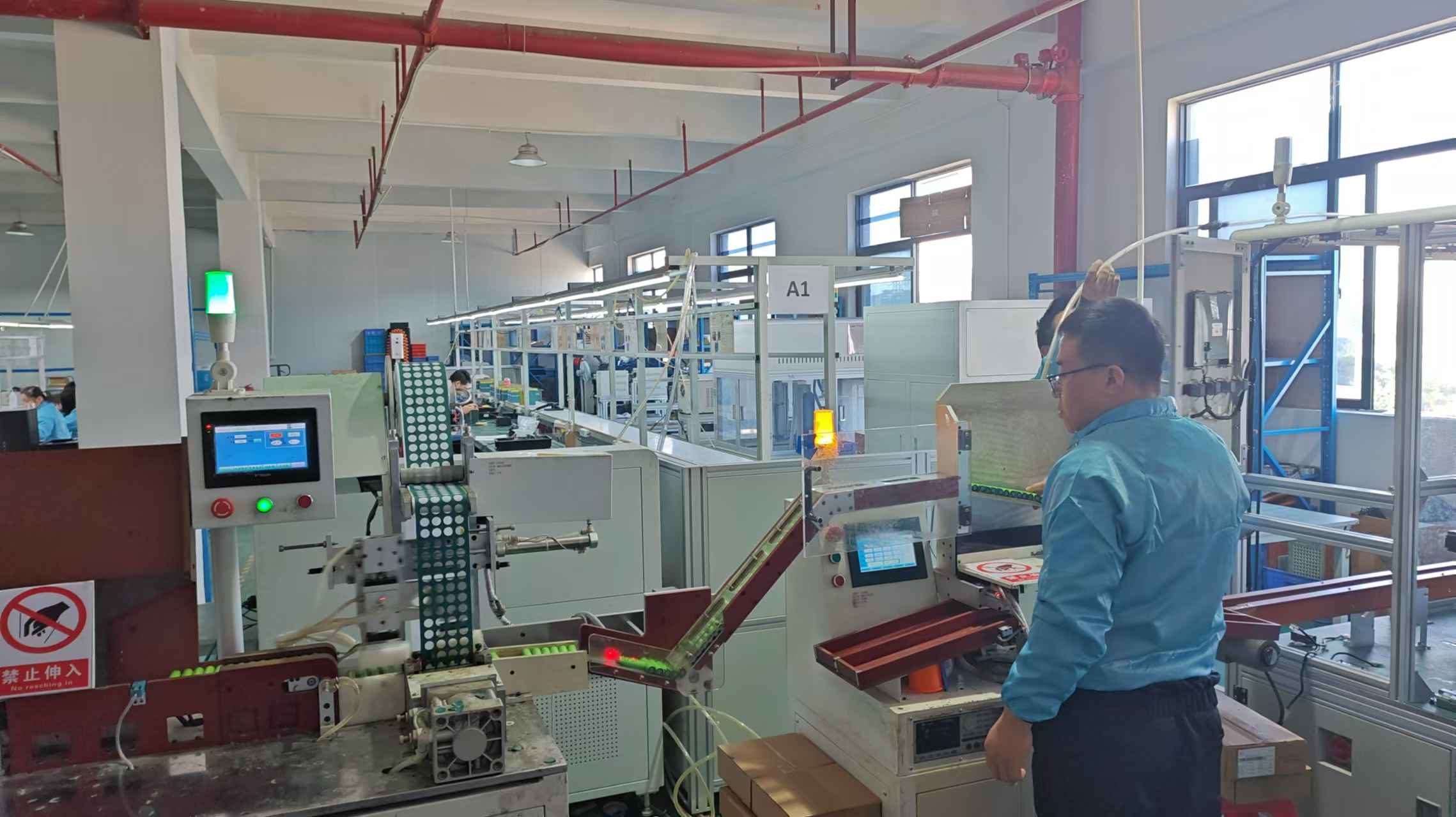
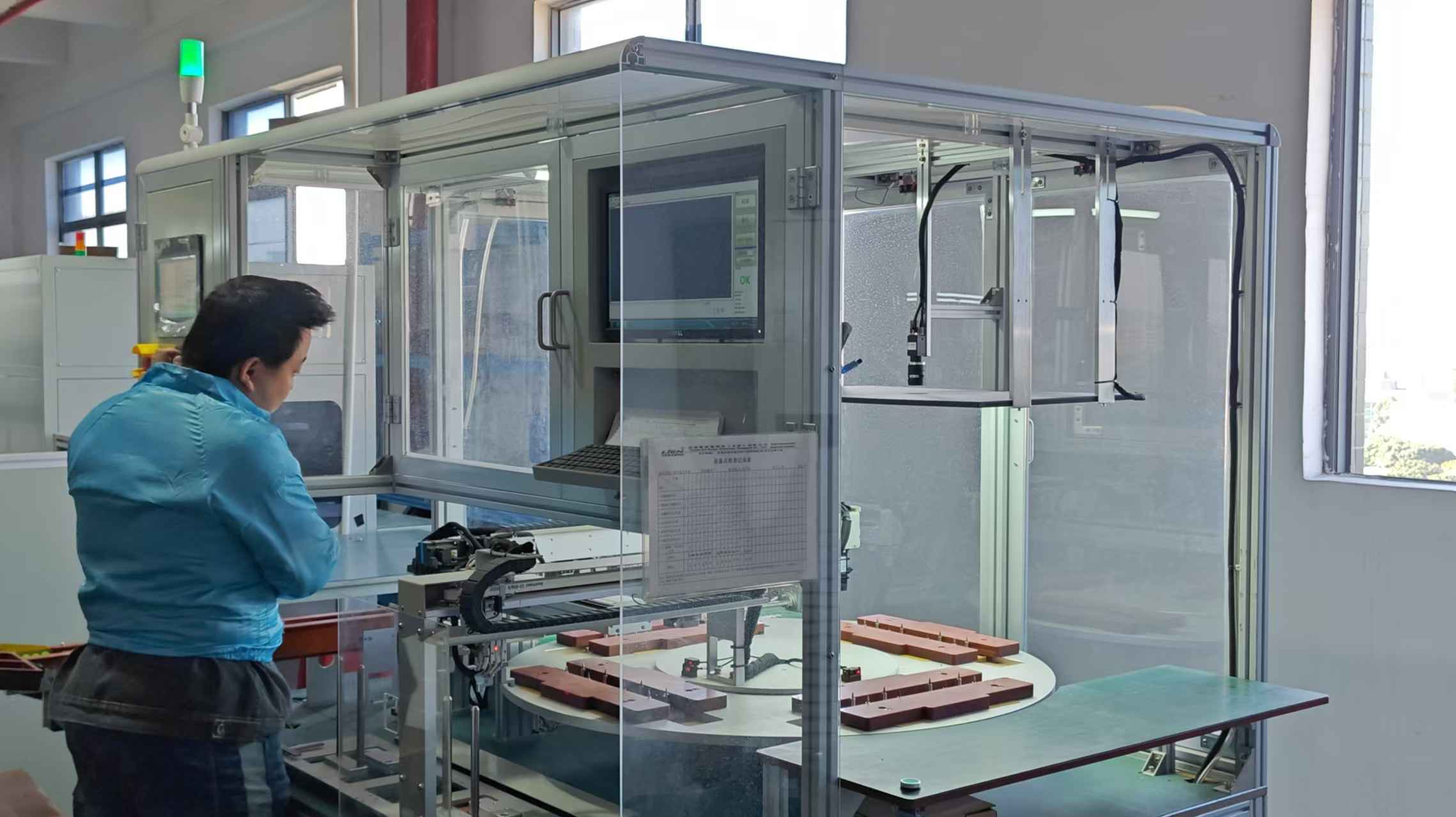
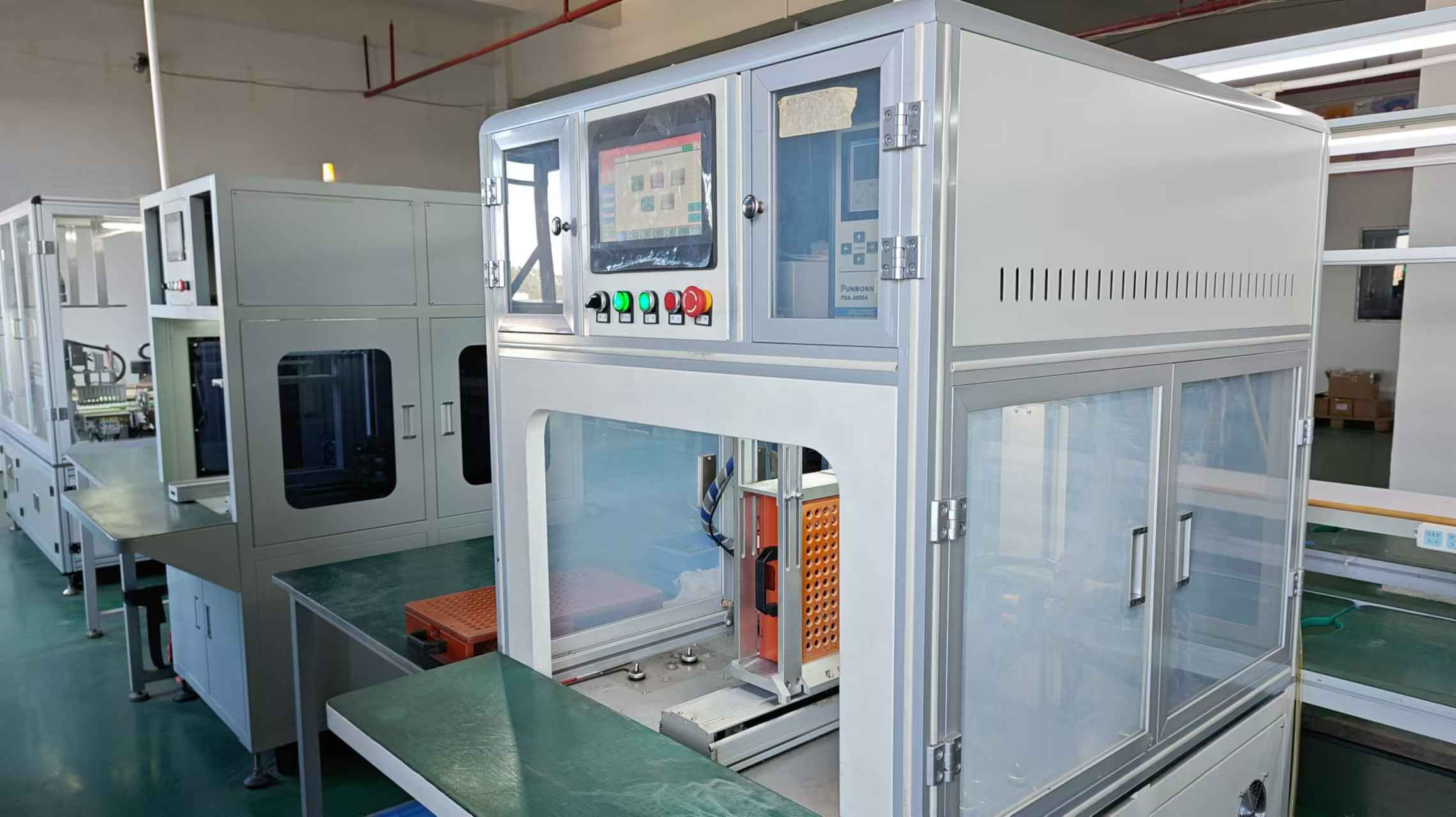
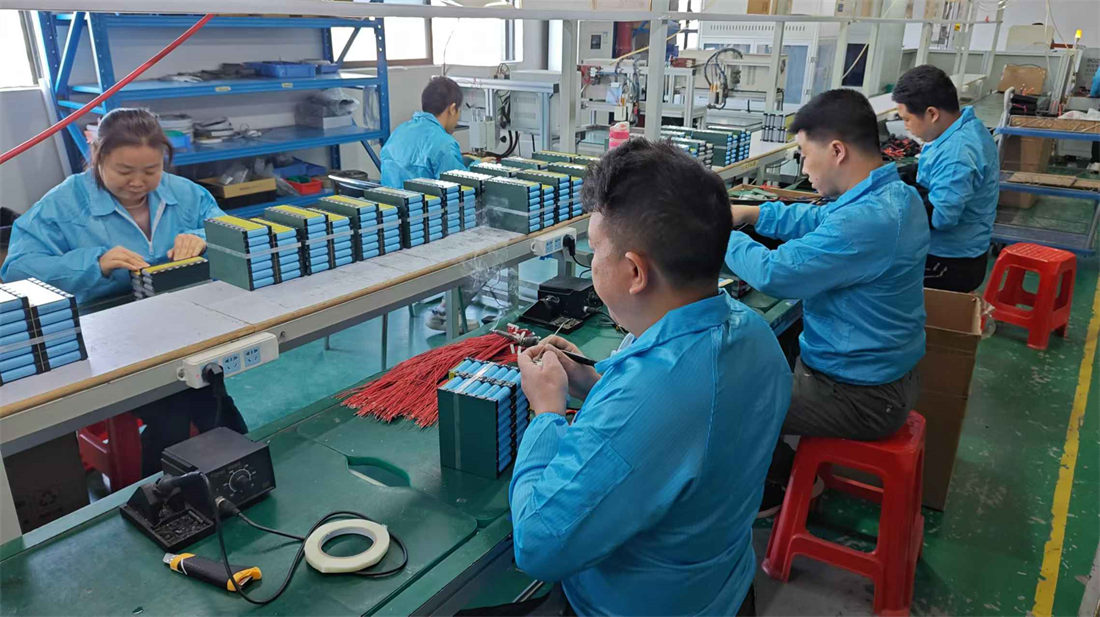
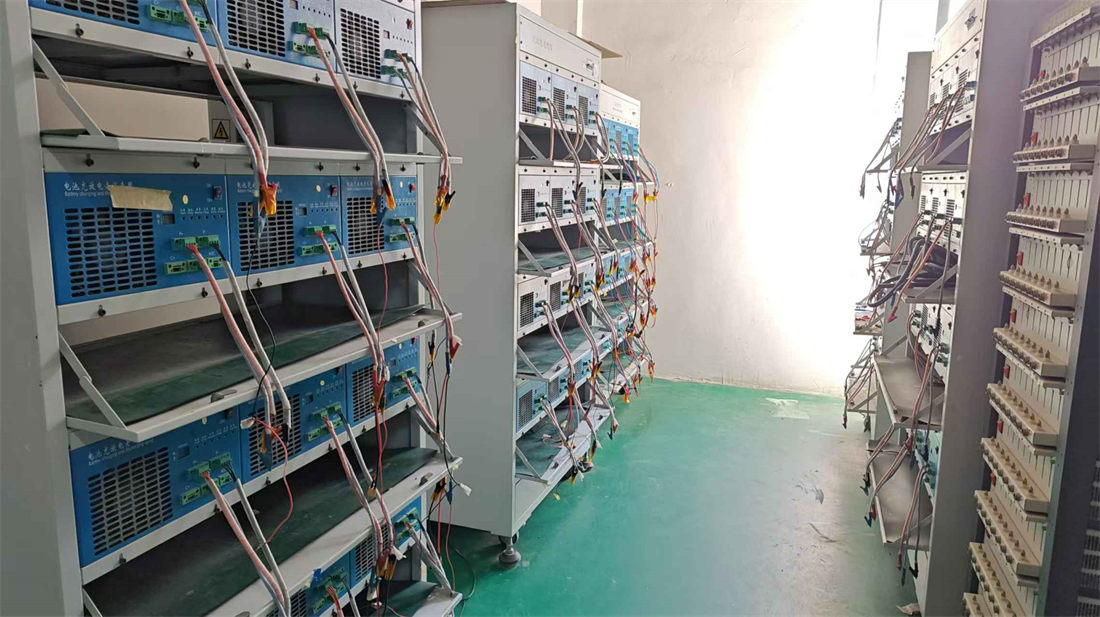
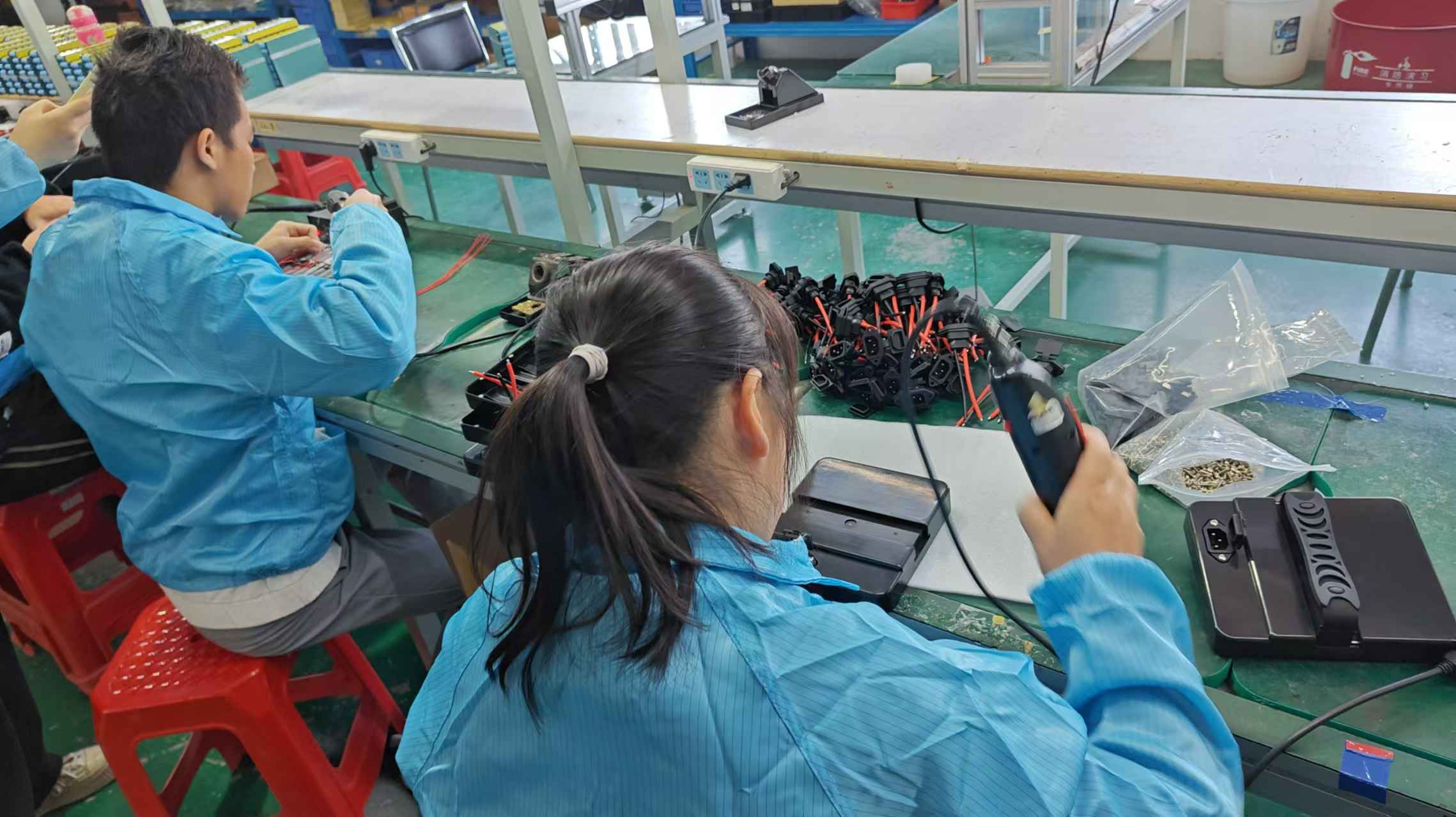
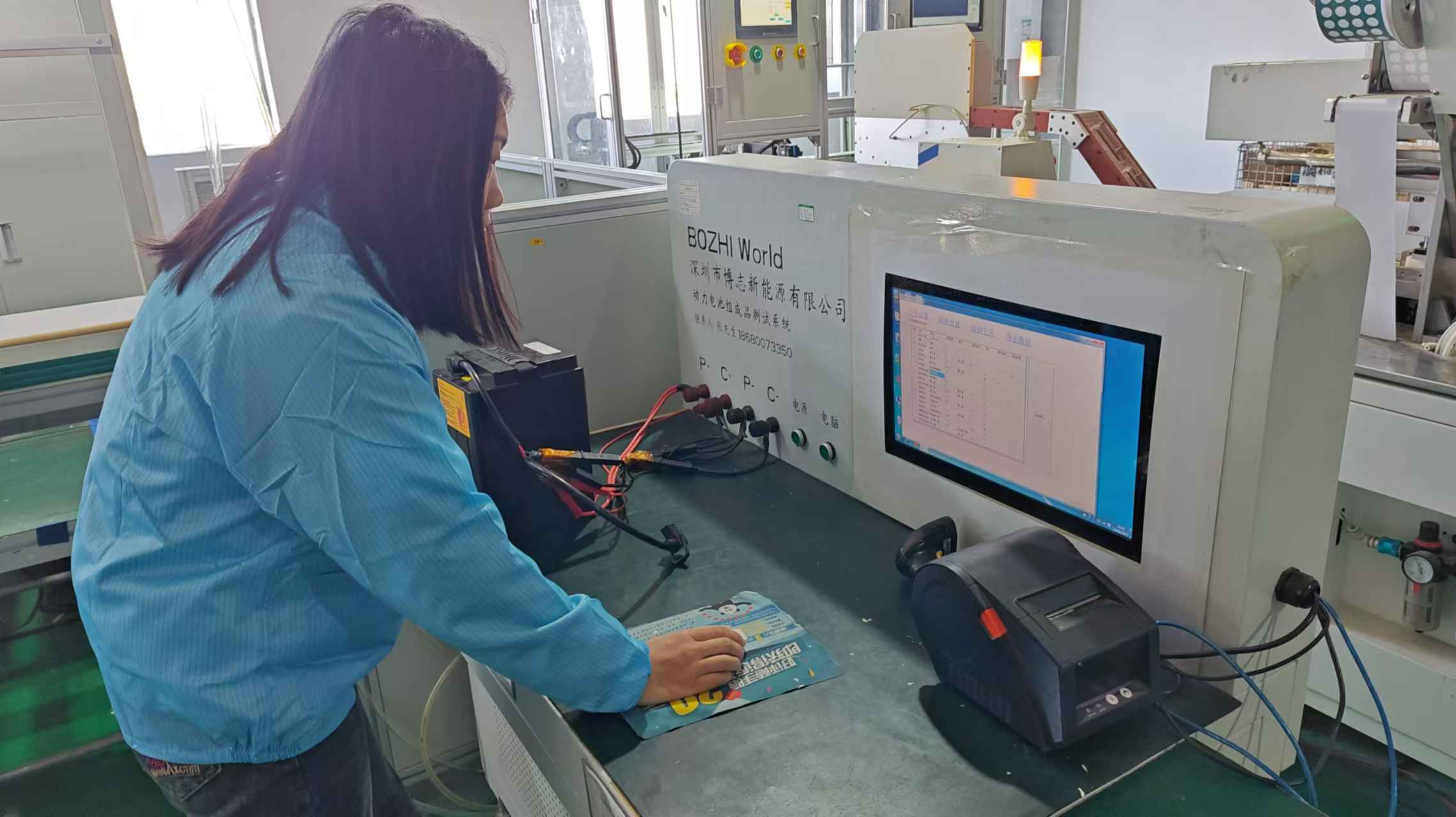
With a strong commitment to innovation, strict quality control, and customer-centric service, Guangdong Nuwon Energy continuously invests in advanced manufacturing capabilities, automated production lines, and rigorous testing systems. This ensures that every product meets international safety standards and delivers exceptional performance in demanding environments.
Driven by a vision to accelerate global electrification and energy efficiency, Guangdong Nuwon Energy Co., Ltd. is dedicated to building long-term partnerships and providing reliable, intelligent, and sustainable energy solutions to customers worldwide.
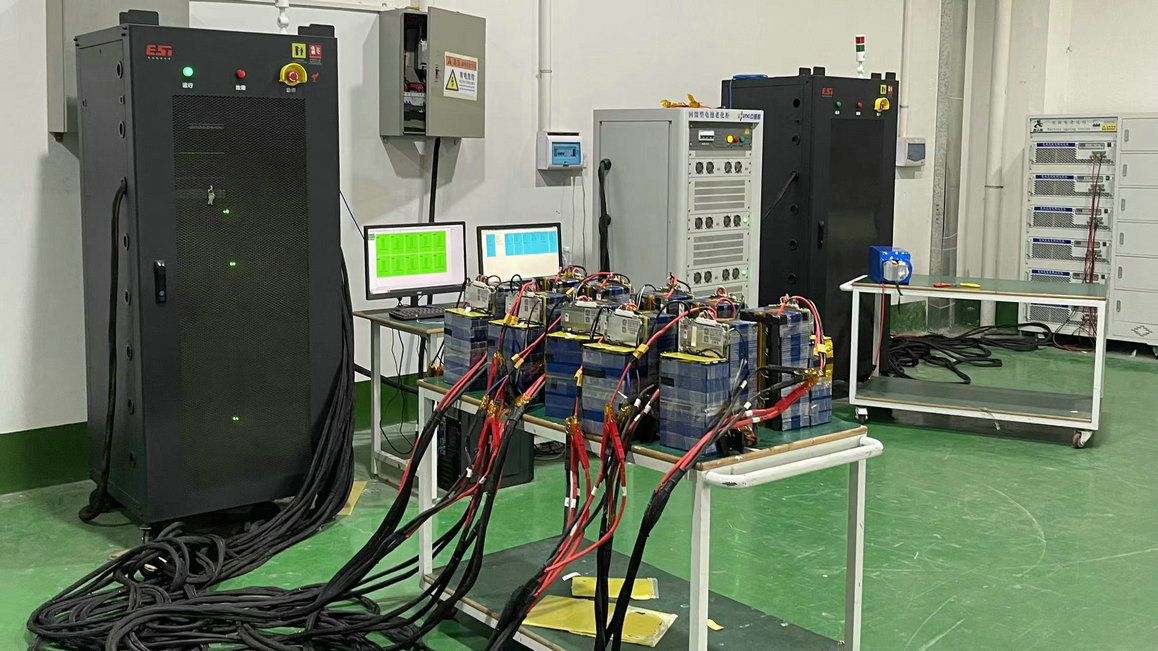
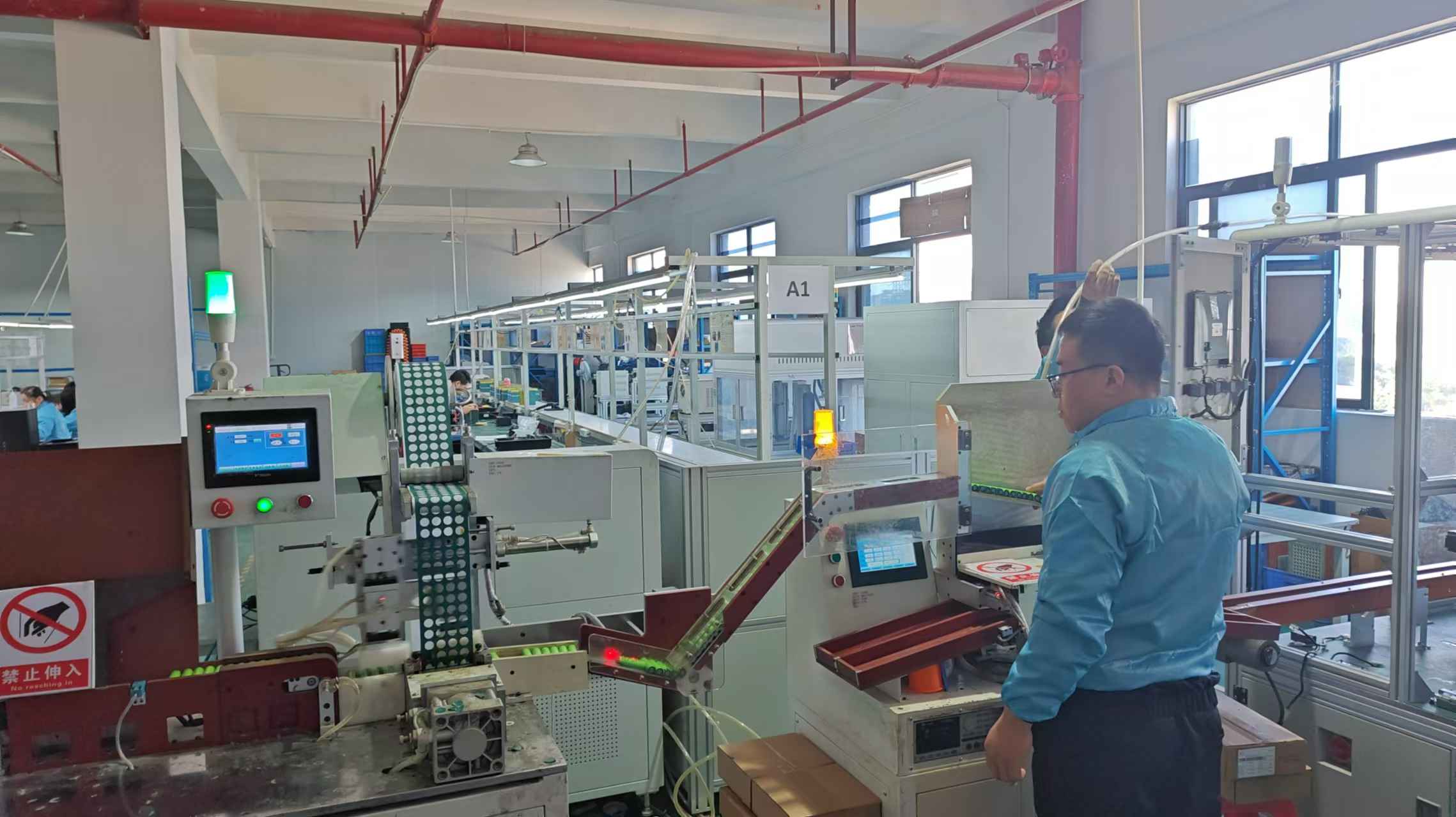
Our state-of-the-art facility utilizes automated optical inspection (AOI), high-precision sorting, and multi-channel cell aging equipment to ensure high reliability across all production runs.
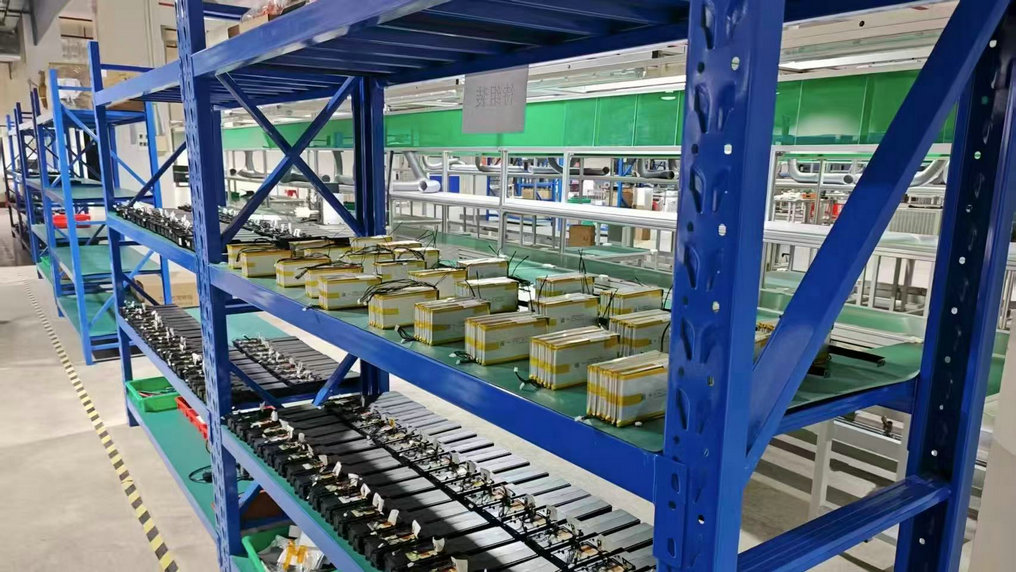
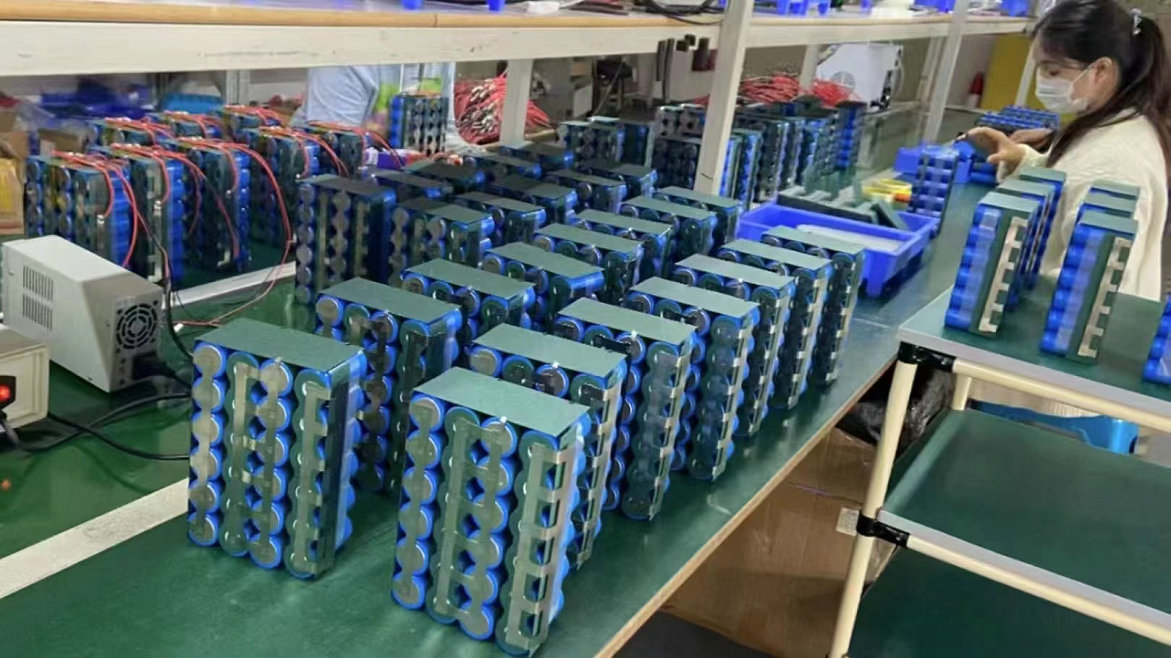
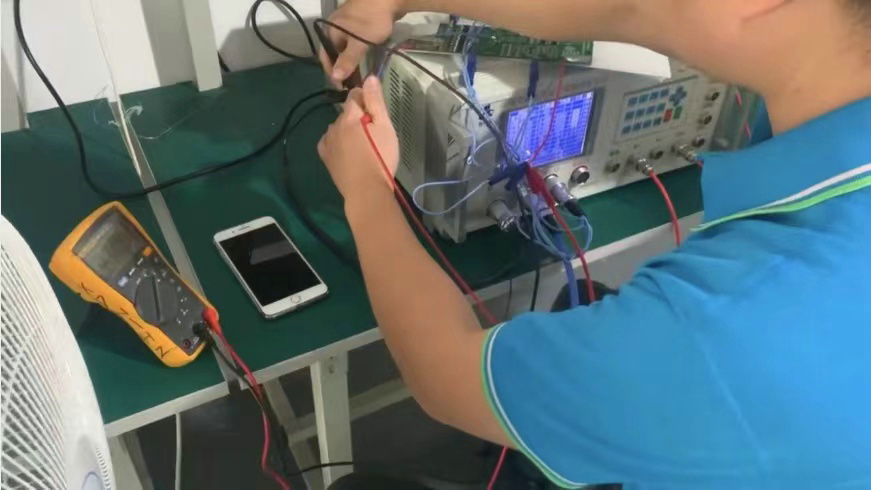
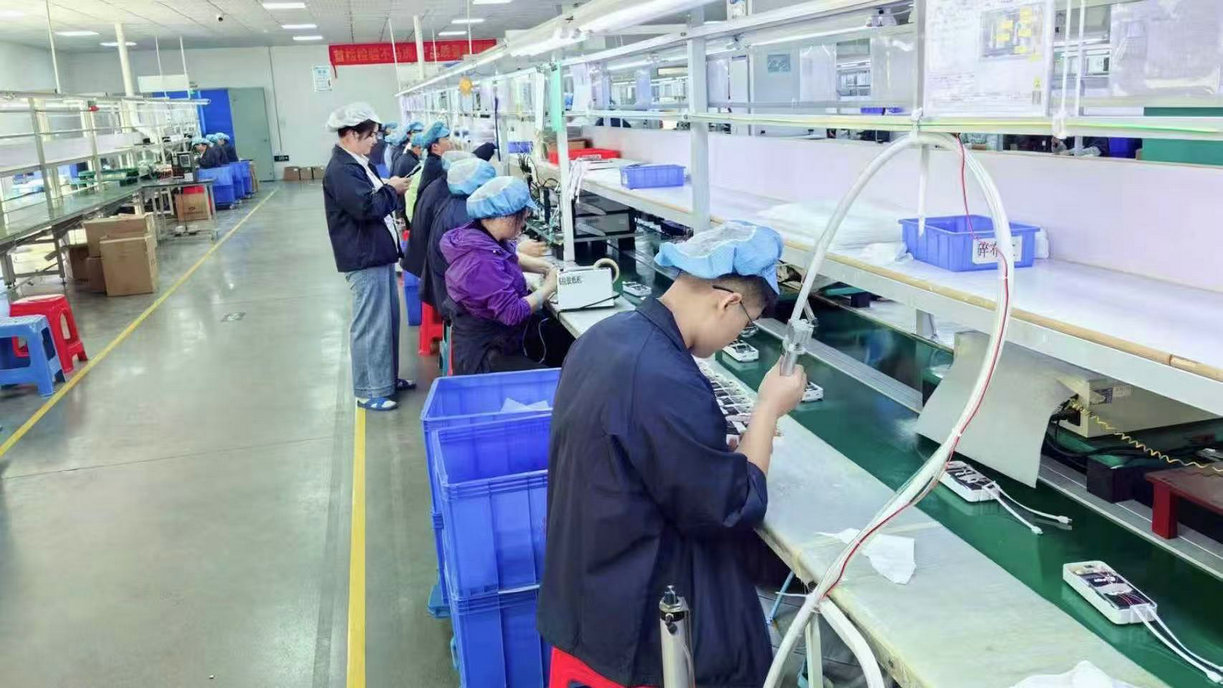
Exploring how our engineering team is addressing key challenges in material degradation and lifecycle optimization.
A key focus for our advanced materials research is mitigating capacity fading over extended cycle periods. When cells cycle, high voltages can cause lithium ion loss and mechanical stress on polycrystalline cathode structures. To combat this, we are refining our manufacturing processes in three key areas:
Applying ultrathin, atomic-layer coatings of metal oxides (such as Al₂O₃ or TiO₂) to the cathode particles helps protect them from direct contact with acidic electrolytes. This significantly reduces active lithium loss and side reactions, particularly under high-temperature conditions.
By using custom chemical additives during electrolyte compounding, we create a stable, low-impedance Solid Electrolyte Interphase (SEI) layer on the anode. This protects the active lithium, preventing lithium plating and dendrite growth under fast-charging conditions.
We are actively transitioning our product formulations toward higher nickel fractions, such as NMC 811 and Ni90 systems. By reducing our reliance on cobalt, we are able to lower production costs and reduce supply chain volatility, while simultaneously improving energy density.
Get answers to common technical, logistics, and design integration questions regarding our NMC systems.
Our complete catalog of NMC raw powders, high-purity precursors, and certified cell assemblies ready for global distribution.


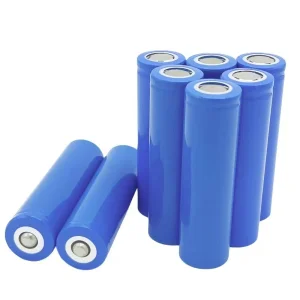
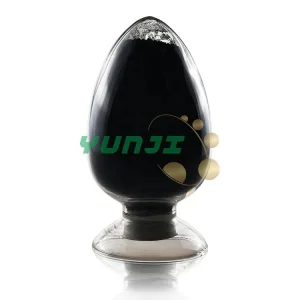

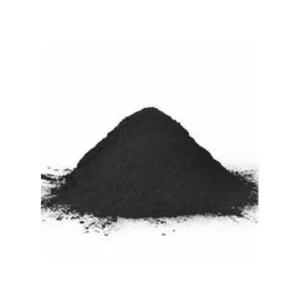

High-grade polycrystalline chemical compounds and specialized lithium metal oxide formulas supporting local battery prototyping and development.

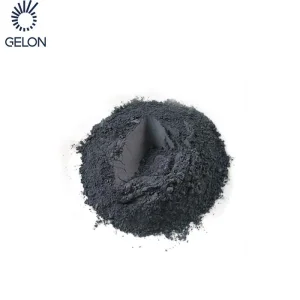
Whether you require bulk precursor cathode powders, customized prismatic modules, or localized logistical consulting for your Seattle facility, our team is ready to assist.
Send Inquiry Now Nuwon Energy