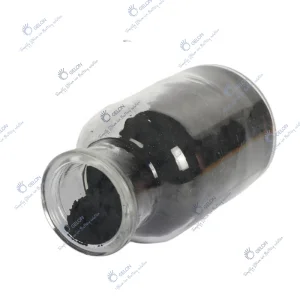
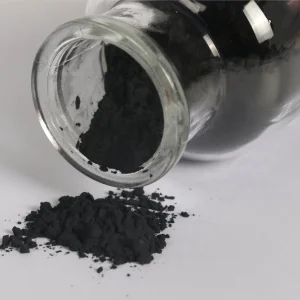
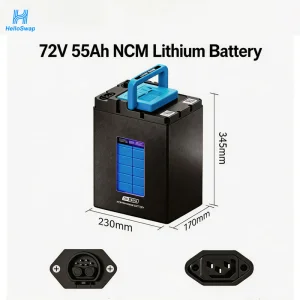
The Tokyo Metropolitan Government's (TMG) aggressive mandate to reach net-zero carbon emissions by 2050 has catalysed a transformative demand for high-performance Lithium-ion chemistries. As space is at a premium in densely populated districts like Minato, Ota, and Koto, industrial operators and mobility developers are increasingly moving away from bulkier, less energy-dense alternatives. High-capacity Nickel Manganese Cobalt (NMC) batteries are leading this transition.
Whether powering heavy-duty automated guided vehicles (AGVs) in Haneda's logistics corridors, supporting off-grid energy storage (bESS) for disaster resilience across Shibuya, or enabling next-generation aerial mobility projects (eVTOL) in Tokyo Bay, energy density, space-to-performance ratio, and stable discharge characteristics are critical variables.
"NMC chemistry provides up to 250 Wh/kg at cell level, making it the most viable technology for urban logistics networks and vertical airspace applications in Tokyo."
Crucially, winter performance in Honshu demands robust operating envelopes. Unlike LFP, which experiences steep voltage drops in near-zero temperatures, NMC cells retain higher nominal voltages and discharge capacities in cold environments, safeguarding critical services in Northern and Central Japan.
Tokyo's industrial footprint requires high volumetric energy density. NMC delivers up to twice the energy density by volume compared to LFP.
Backup energy systems in corporate towers require chemistry capable of delivering instantaneous high-power outputs during emergency grid disconnections.
Highly stable structures ideal for long-term cycling profiles. Widely adopted in two-wheelers, marine applications, and medical devices where thermal runway thresholds must be maximized and high thermal stability is required under continuous load.
Engineered for high-capacity applications such as eVTOLs and commercial vehicles. By reducing the cobalt content and increasing nickel proportion, these configurations deliver maximum energy density, enabling extended ranges and lighter battery pack layouts.
A major advancement over traditional polycrystalline structures. Single crystal cathodes eliminate internal micro-cracking during charge/discharge cycles, significantly reducing capacity degradation, gas generation, and side-reactions at high voltages.
Guangdong Nuwon Energy Co., Ltd. is a leading manufacturer and solution provider in advanced battery systems, specializing in the research, development, manufacturing, and global distribution of high-performance energy storage products. The company offers comprehensive OEM and ODM services, delivering customized battery solutions tailored to diverse industrial and commercial applications.
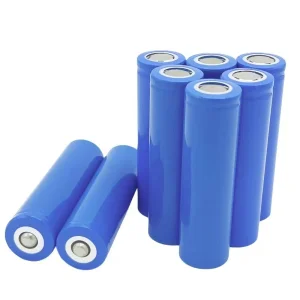
Backed by a highly experienced engineering and R&D team, Nuwon Energy focuses on the design and integration of cylindrical and prismatic lithium battery cells, as well as complete battery packs, modules, and energy storage systems. The company also develops and produces industrial-grade battery cells engineered for safety, durability, and long cycle life.
Guangdong Nuwon Energy serves a wide range of industries, including consumer electronics, electric mobility (such as golf carts, forklifts, UTVs/ATVs, trucks, and marine systems), medical equipment, unmanned ground vehicles (AGVs/AMRs), and emerging aerospace applications such as eVTOL aircraft. In addition, the company provides reliable residential, commercial, and industrial (C&I) energy storage solutions designed to support the global transition toward clean and sustainable energy.
With a strong commitment to innovation, strict quality control, and customer-centric service, Guangdong Nuwon Energy continuously invests in advanced manufacturing capabilities, automated production lines, and rigorous testing systems. This ensures that every product meets international safety standards and delivers exceptional performance in demanding environments.
Driven by a vision to accelerate global electrification and energy efficiency, Guangdong Nuwon Energy Co., Ltd. is dedicated to building long-term partnerships and providing reliable, intelligent, and sustainable energy solutions to customers worldwide.
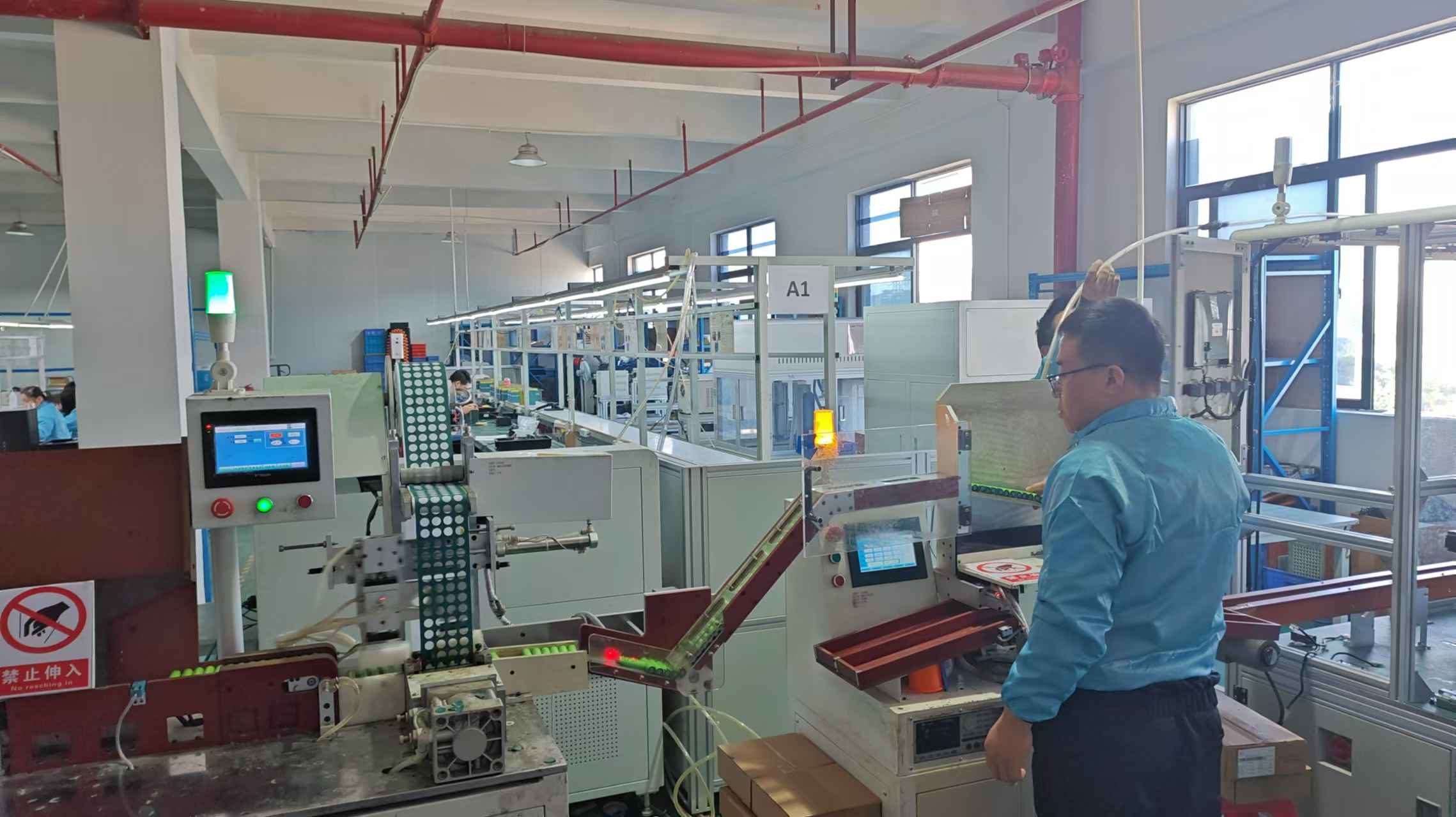
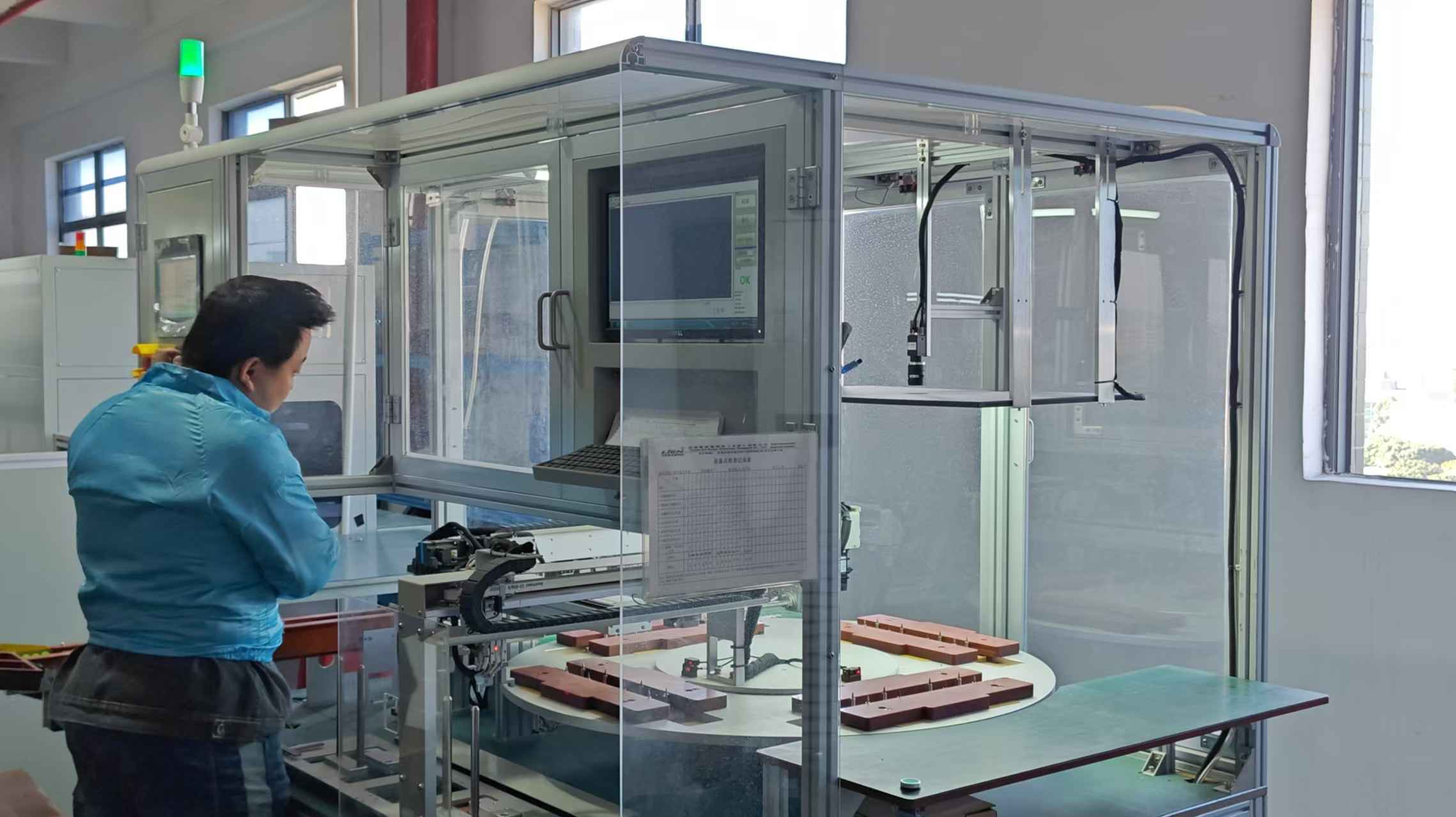
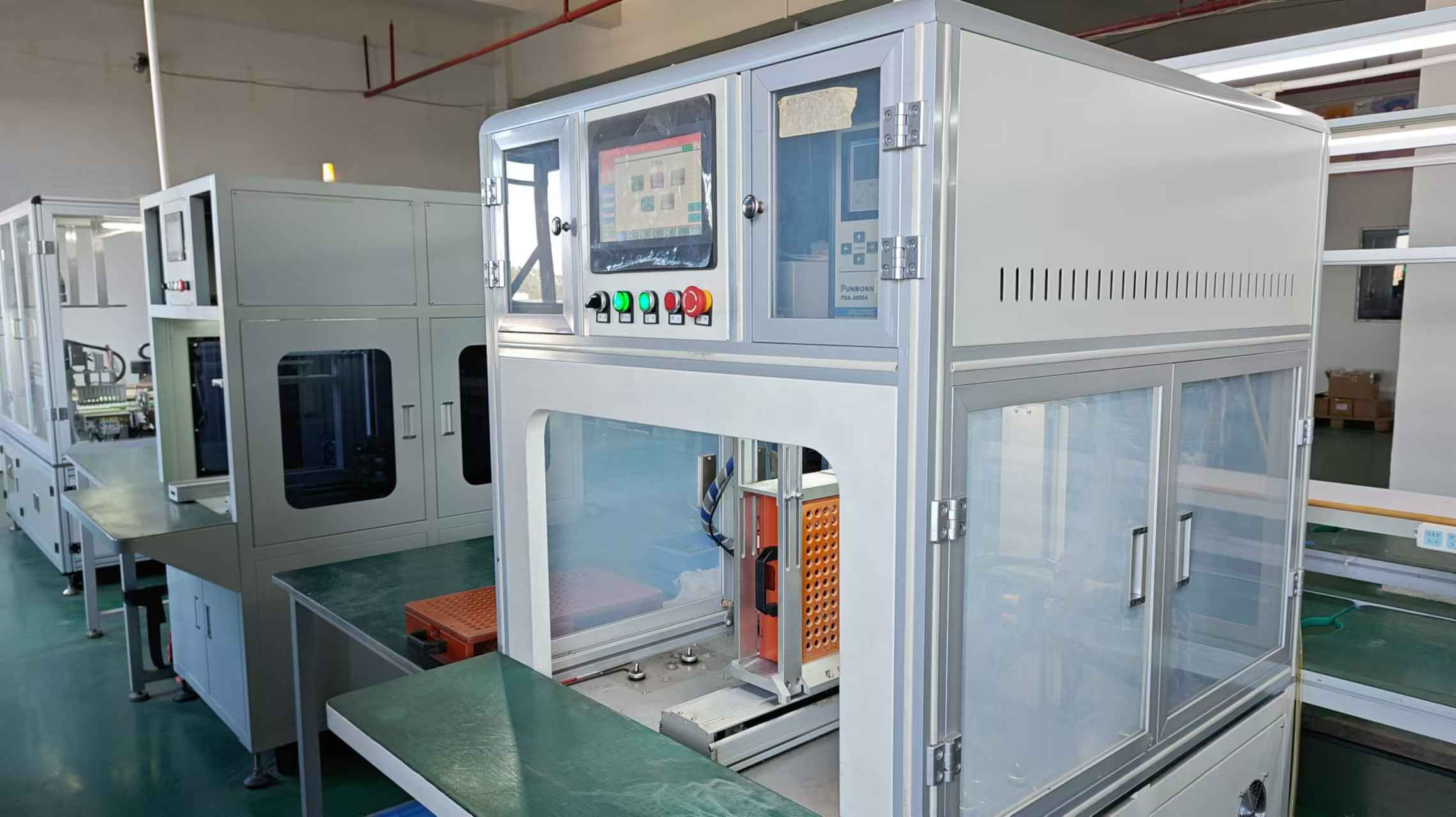
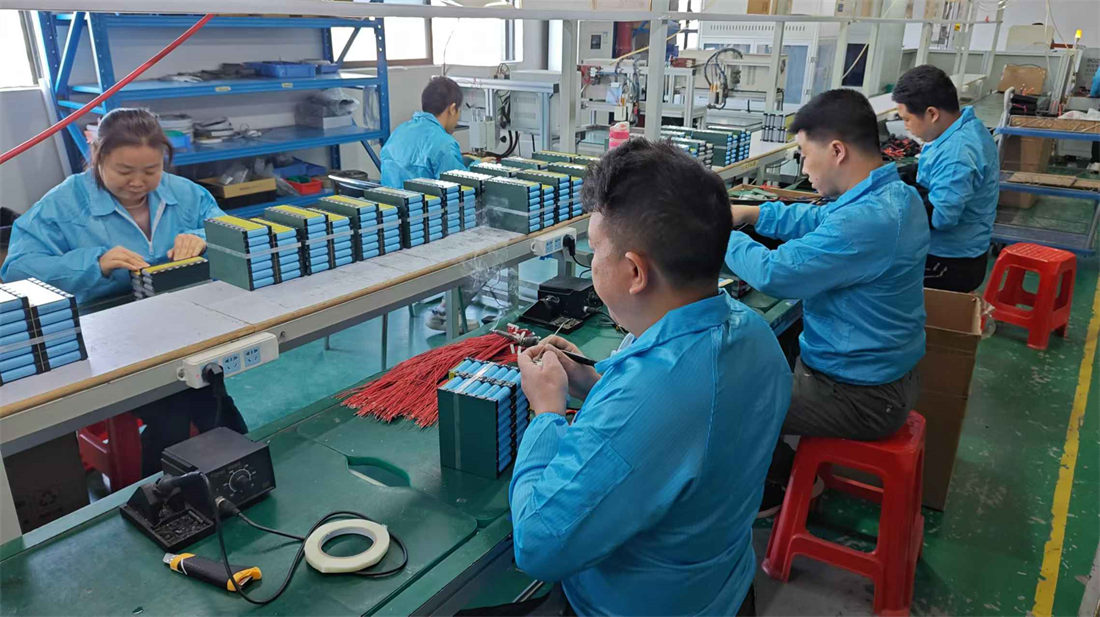
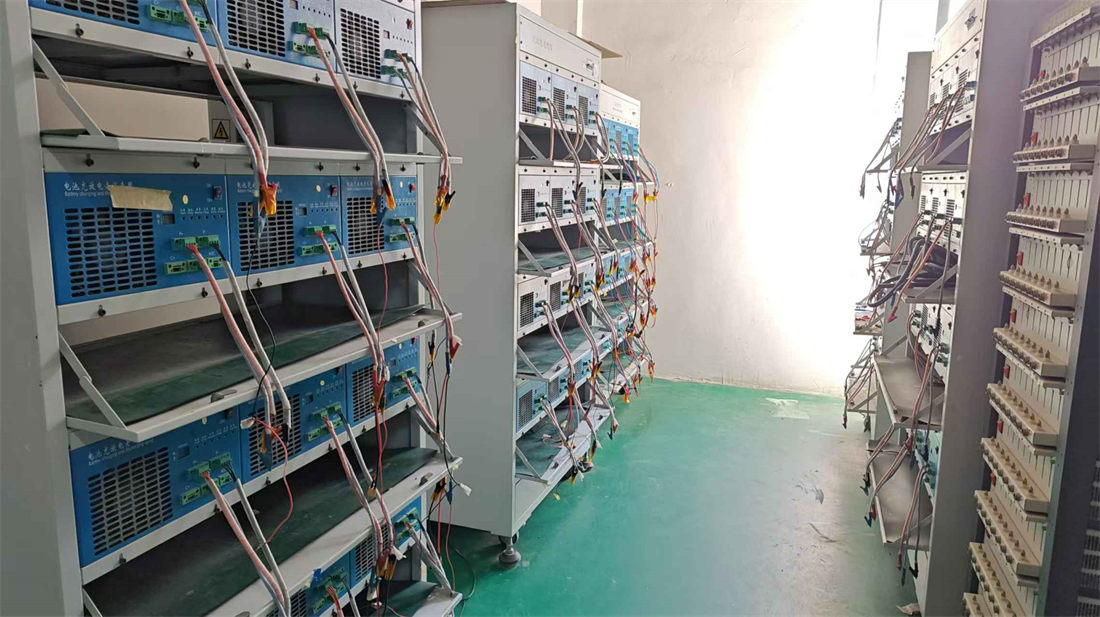
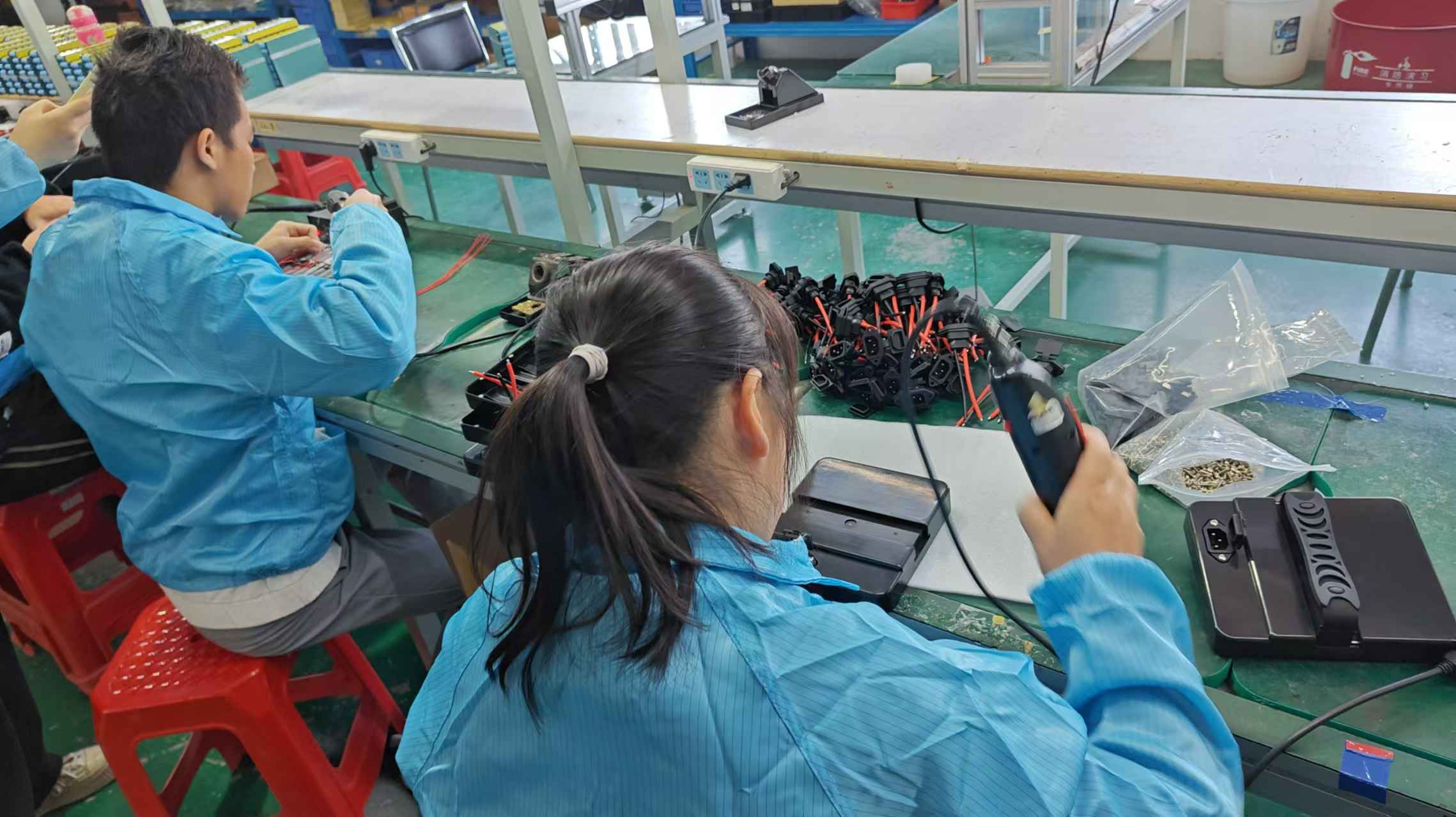
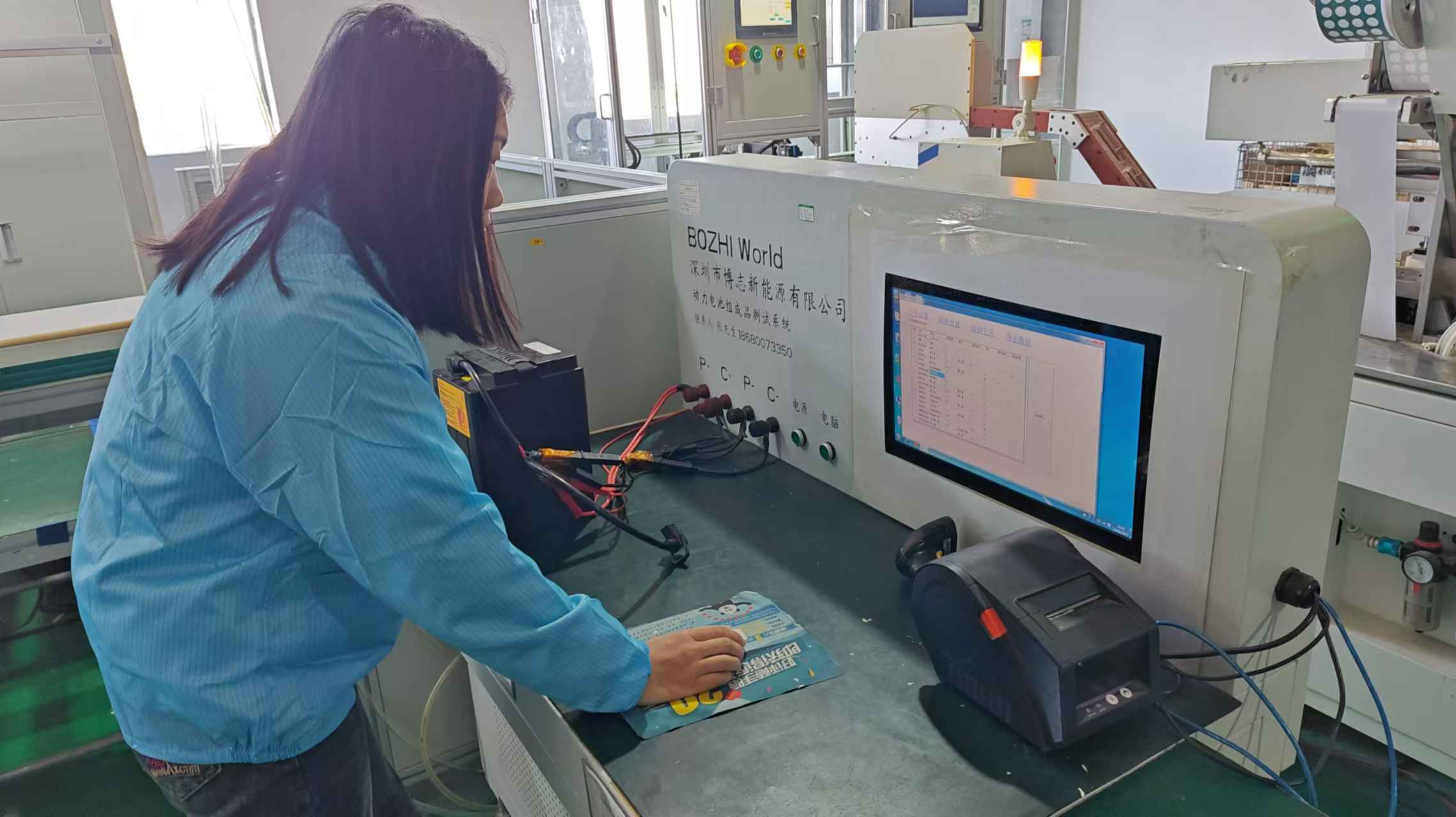
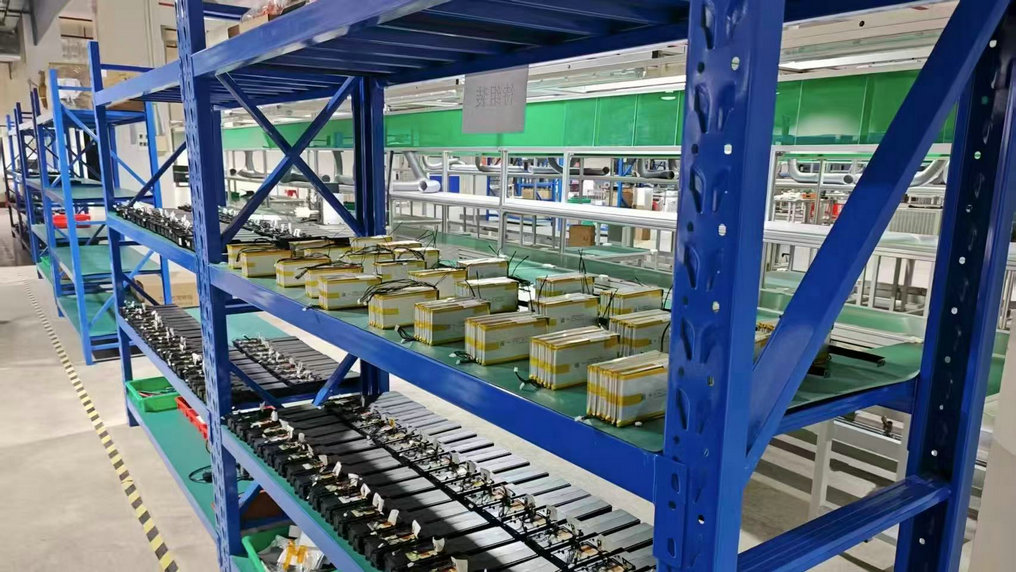
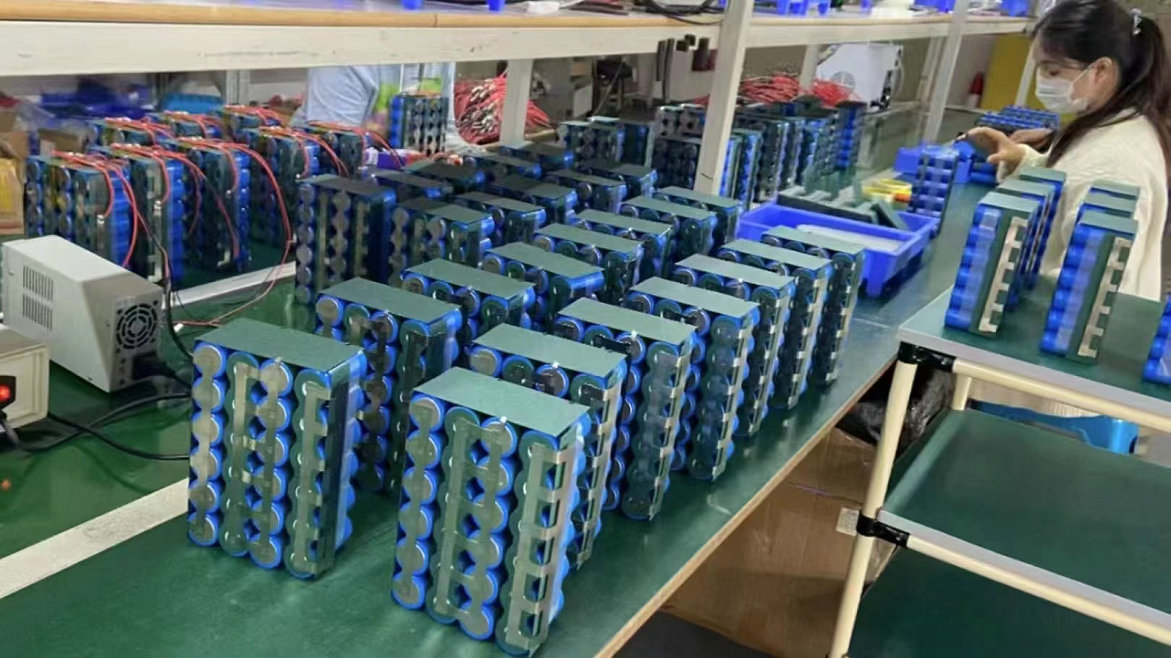
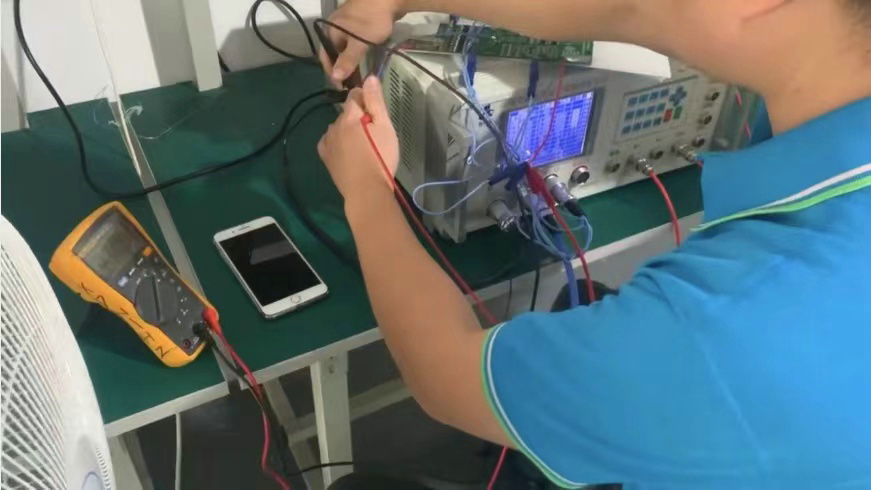
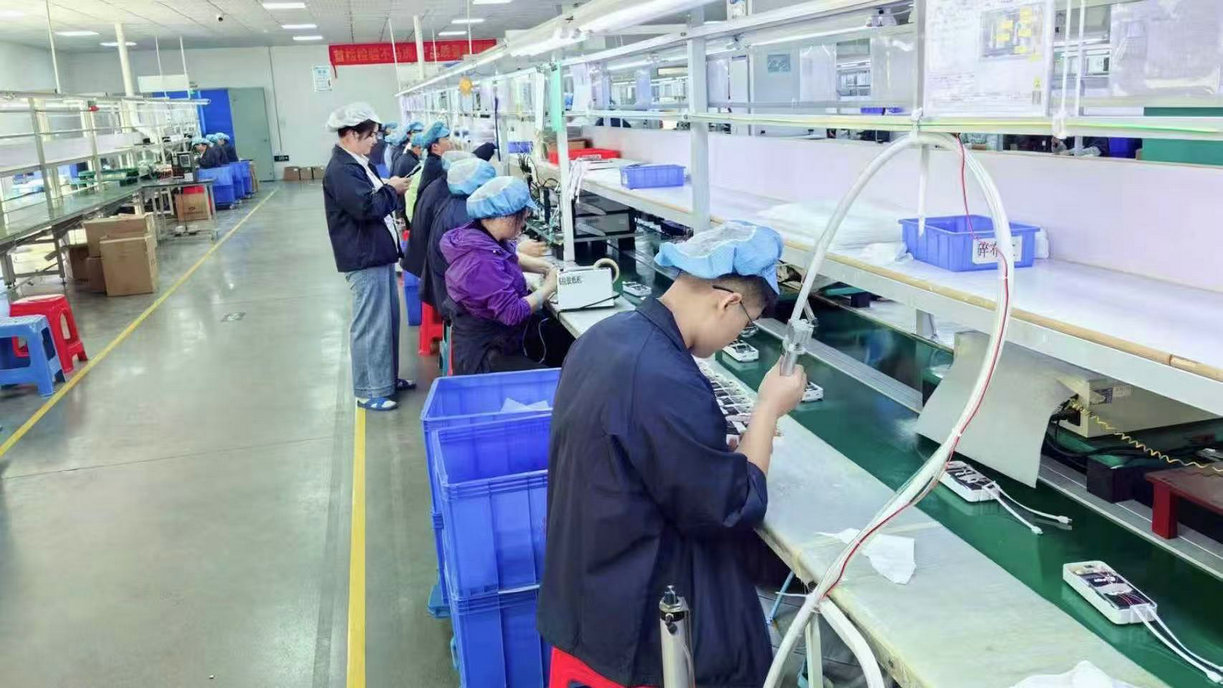
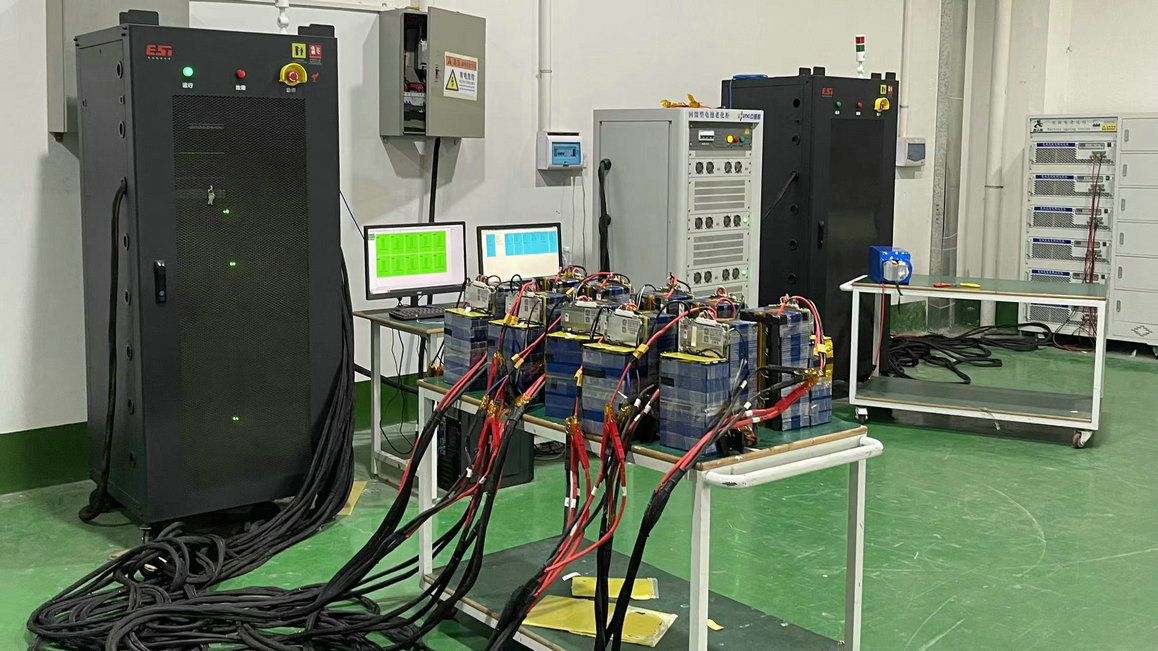
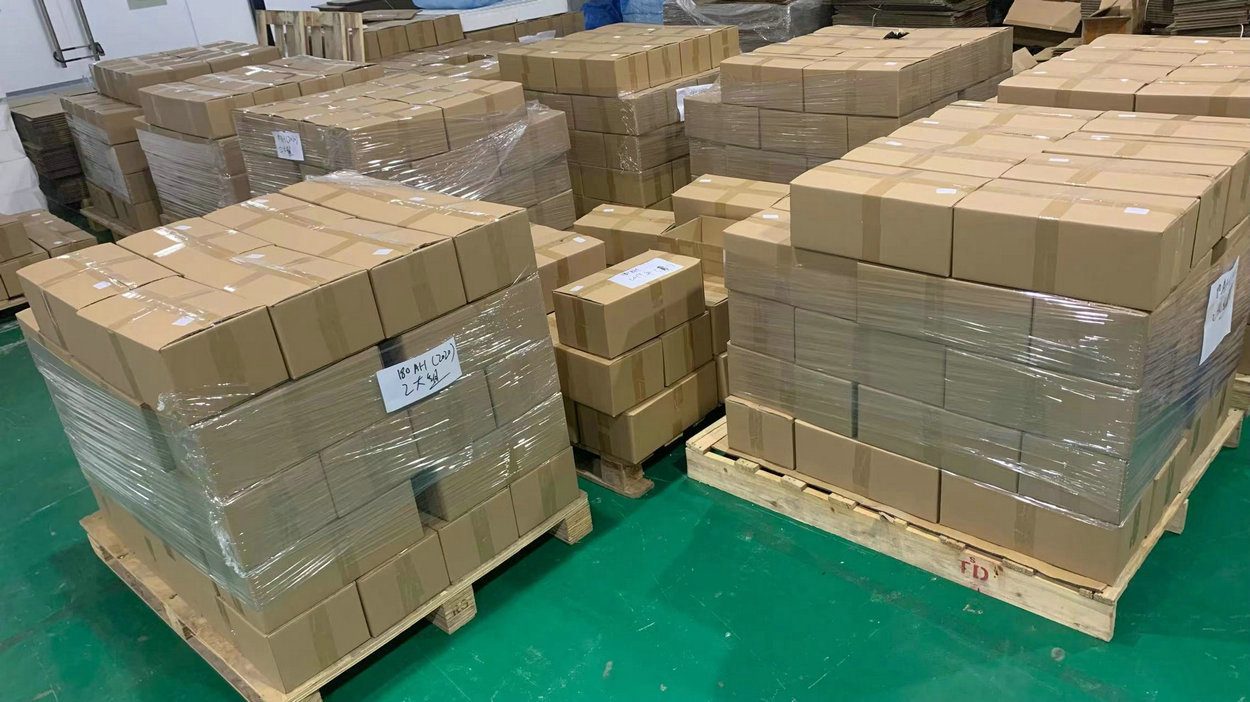
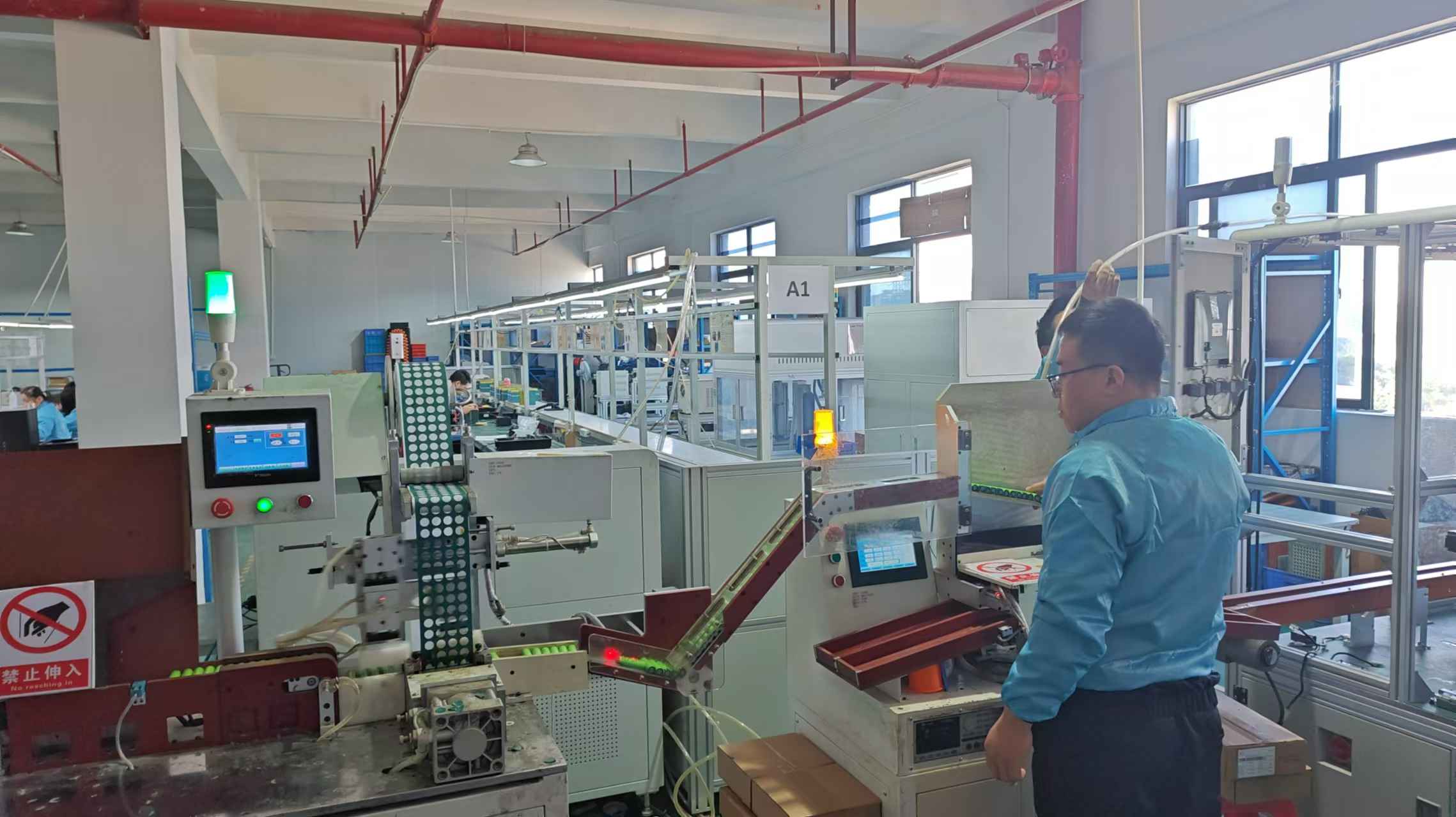
Exporting lithium batteries to Japan requires strict adherence to safety standards. Under the Electrical Appliance and Material Safety Act (DENAN), lithium-ion batteries with an energy density of 400 Wh/L or higher must obtain METI registration and display the PSE mark (Circle PSE for embedded or standalone batteries).
Guangdong Nuwon Energy's production lines are fully audited to ensure compliance with JIS C 8711 (secondary cells), JIS C 8712 (safety requirements for portable sealed secondary cells), and JIS C 8714 (special safety tests for portable lithium-ion batteries). Our exports to Japan undergo rigorous validation:
By working with Nuwon Energy, Tokyo importers bypass custom delays. We provide fully prepared technical dossiers, UN38.3 test reports, and MSDS documentation required by major Japanese port authories and shipping lines.
Our engineering team works directly with Japan-certified testing laboratories (such as JET or TUV Rheinland Japan) to streamline local certification processes.



 Nuwon Energy