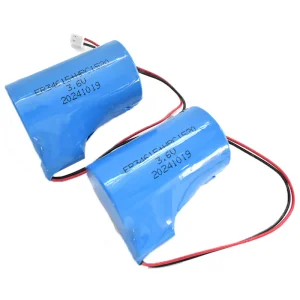
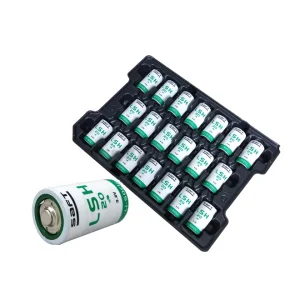
Selected high-energy density cells engineered for smart gas meters, industrial telemetry, and Alpine-proof remote monitoring systems deployed across Northern Italy.
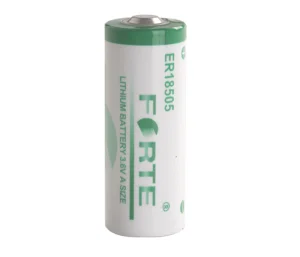
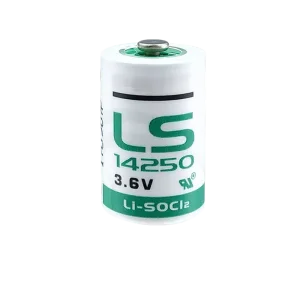
Strategic analysis of why Lombardy’s advanced engineering, smart utilities, and automotive sectors depend on Li-SOCl2 chemistry.
Milan is at the forefront of Italy's IoT transitions. Regional distributors like Italgas and Unareti require long-lasting, ATEX-certified batteries capable of continuous operation for 10-15 years without field maintenance.
From winter lows in Lombardy's Alpine foothills to elevated temperatures inside enclosed street-level distribution boxes, Li-SOCl2 cells are selected for their wider operating envelope (-55°C to +85°C).
Milan's position as Southern Europe's logistics hub drives the demand for asset trackers. Wafer and cylindrical batteries power active RFID and LPWAN (LoRaWAN/Sigfox) nodes that run continuously across international transport lines.
Lithium Thionyl Chloride (Li-SOCl2) chemistry stands out as the most reliable source of primary power for low-drain, long-duration industrial hardware. In comparison to standard Lithium Manganese Dioxide (Li-MnO2) or traditional alkaline chemistries, Li-SOCl2 offers an exceptionally high nominal voltage of 3.6V and a flat discharge profile. This ensures that smart sensors and metering valves operate at optimal voltage thresholds until the end of the cell's electrochemical life.
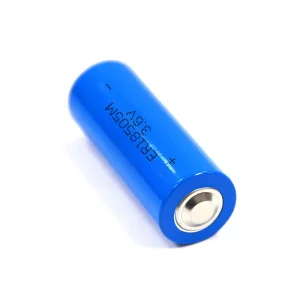
The wafer and cylindrical geometries serve different functional profiles. Cylindrical designs are available in spiral or bobbin configurations. Bobbin type configurations are favored in the Milan utility sector for their extremely low self-discharge rates (less than 1% per year at 20°C) and higher energy densities. Spiral configurations are tailored for applications requiring high-current pulses, such as remote telemetry nodes transmitting over cellular NB-IoT networks.
Your Strategic Global Supply Chain Partner for Industrial-Grade Advanced Battery Systems.
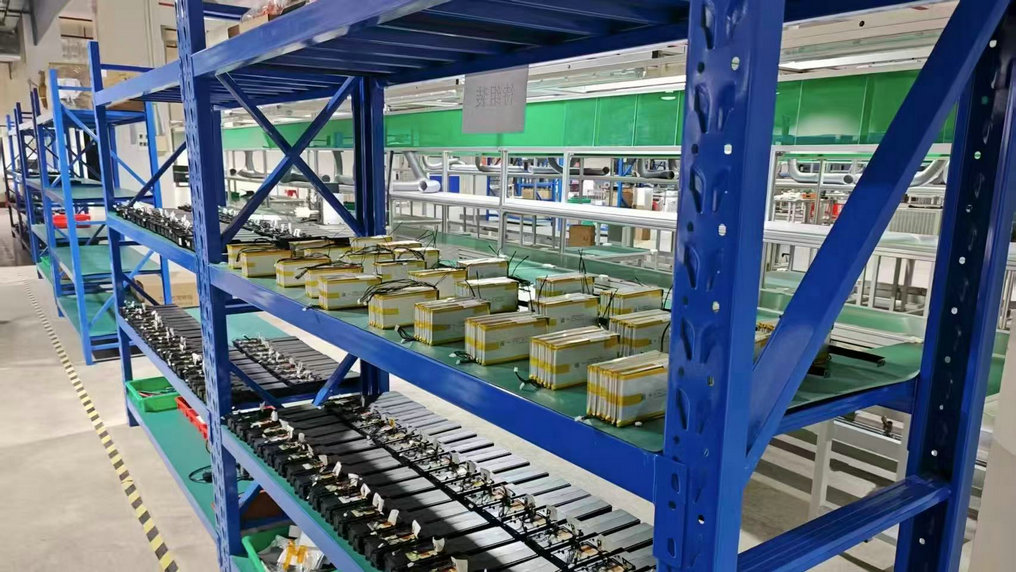
Guangdong Nuwon Energy Co., Ltd. is a leading manufacturer and solution provider in advanced battery systems, specializing in the research, development, manufacturing, and global distribution of high-performance energy storage products. The company offers comprehensive OEM and ODM services, delivering customized battery solutions tailored to diverse industrial and commercial applications.
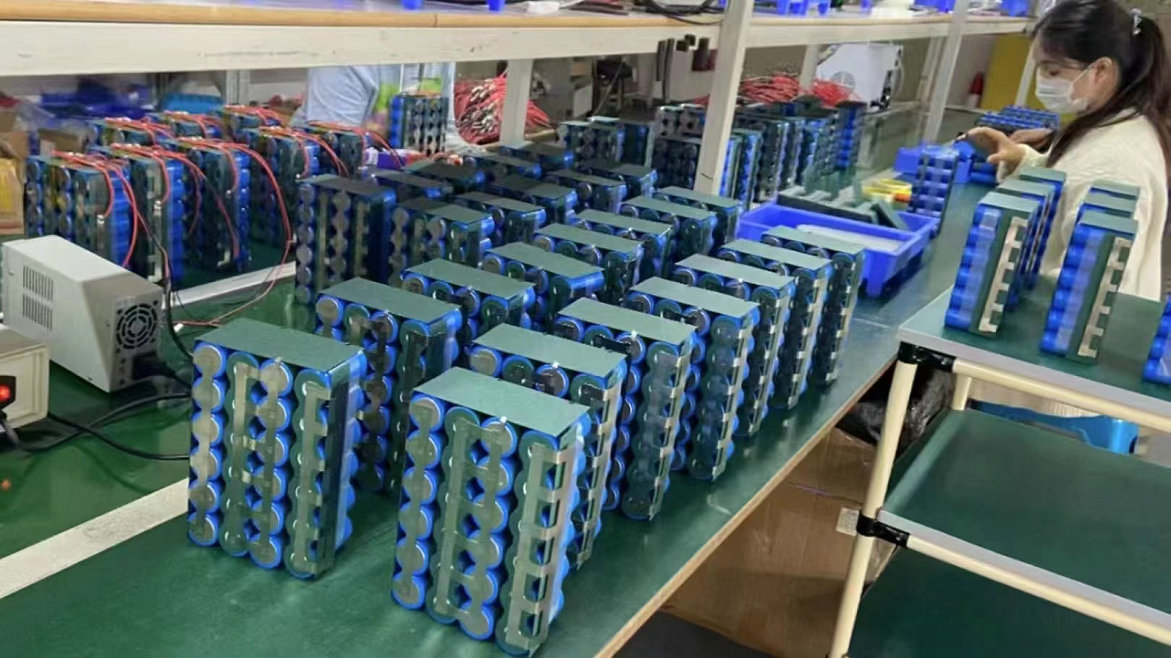
Backed by a highly experienced engineering and R&D team, Nuwon Energy focuses on the design and integration of cylindrical and prismatic lithium battery cells, as well as complete battery packs, modules, and energy storage systems. The company also develops and produces industrial-grade battery cells engineered for safety, durability, and long cycle life.
Guangdong Nuwon Energy serves a wide range of industries, including consumer electronics, electric mobility (such as golf carts, forklifts, UTVs/ATVs, trucks, and marine systems), medical equipment, unmanned ground vehicles (AGVs/AMRs), and emerging aerospace applications such as eVTOL aircraft. In addition, the company provides reliable residential, commercial, and industrial (C&I) energy storage solutions designed to support the global transition toward clean and sustainable energy.
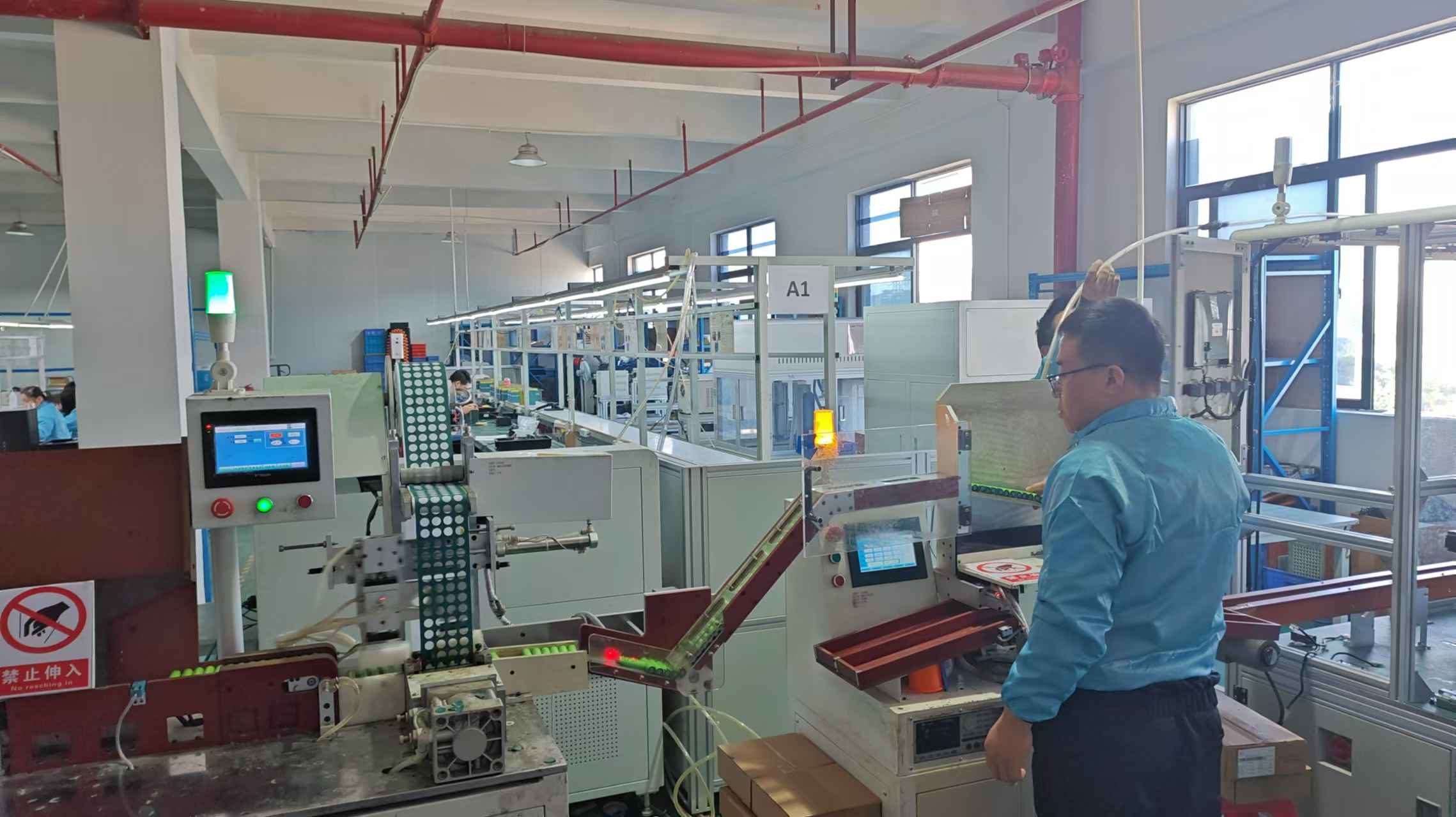
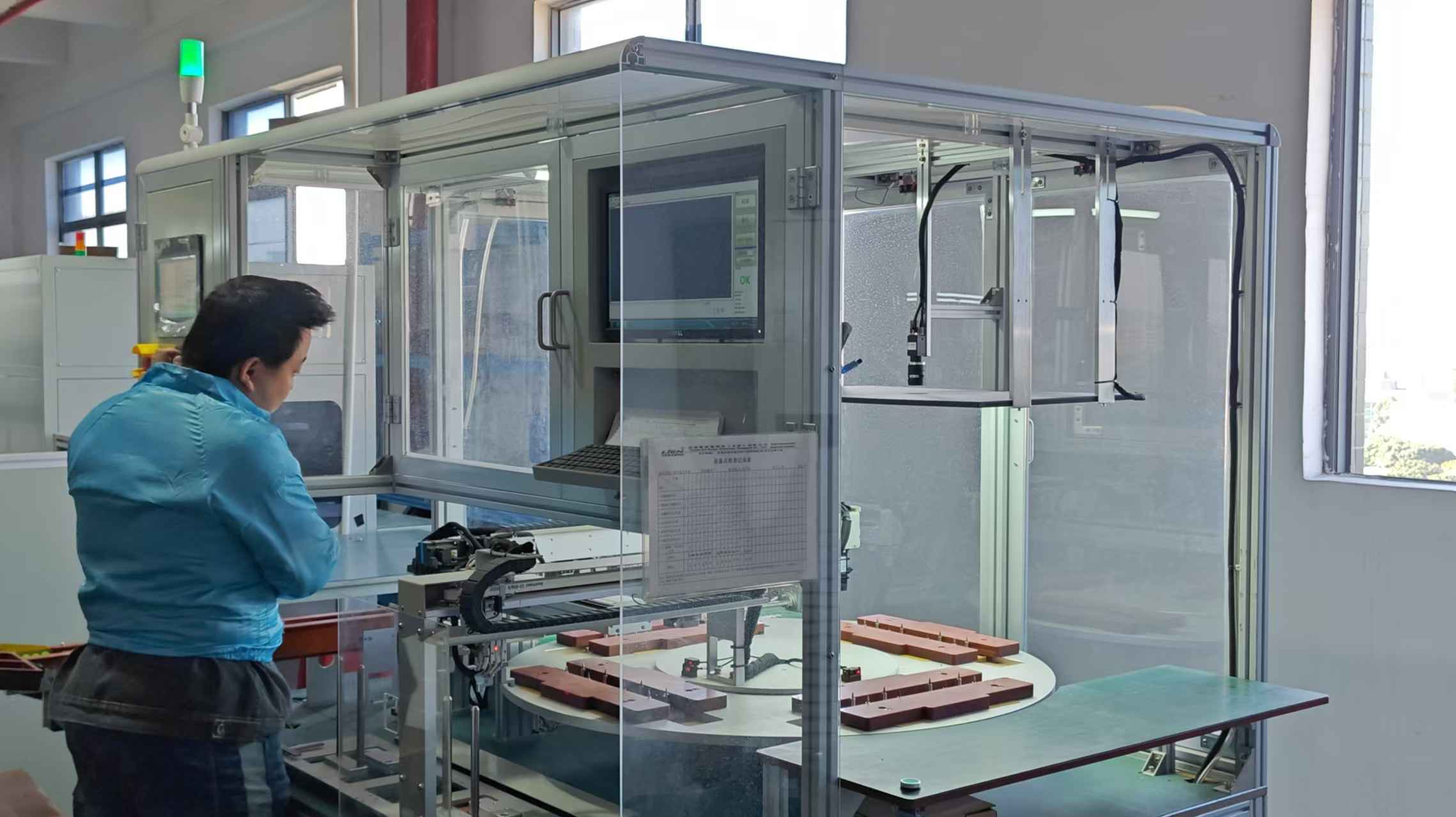
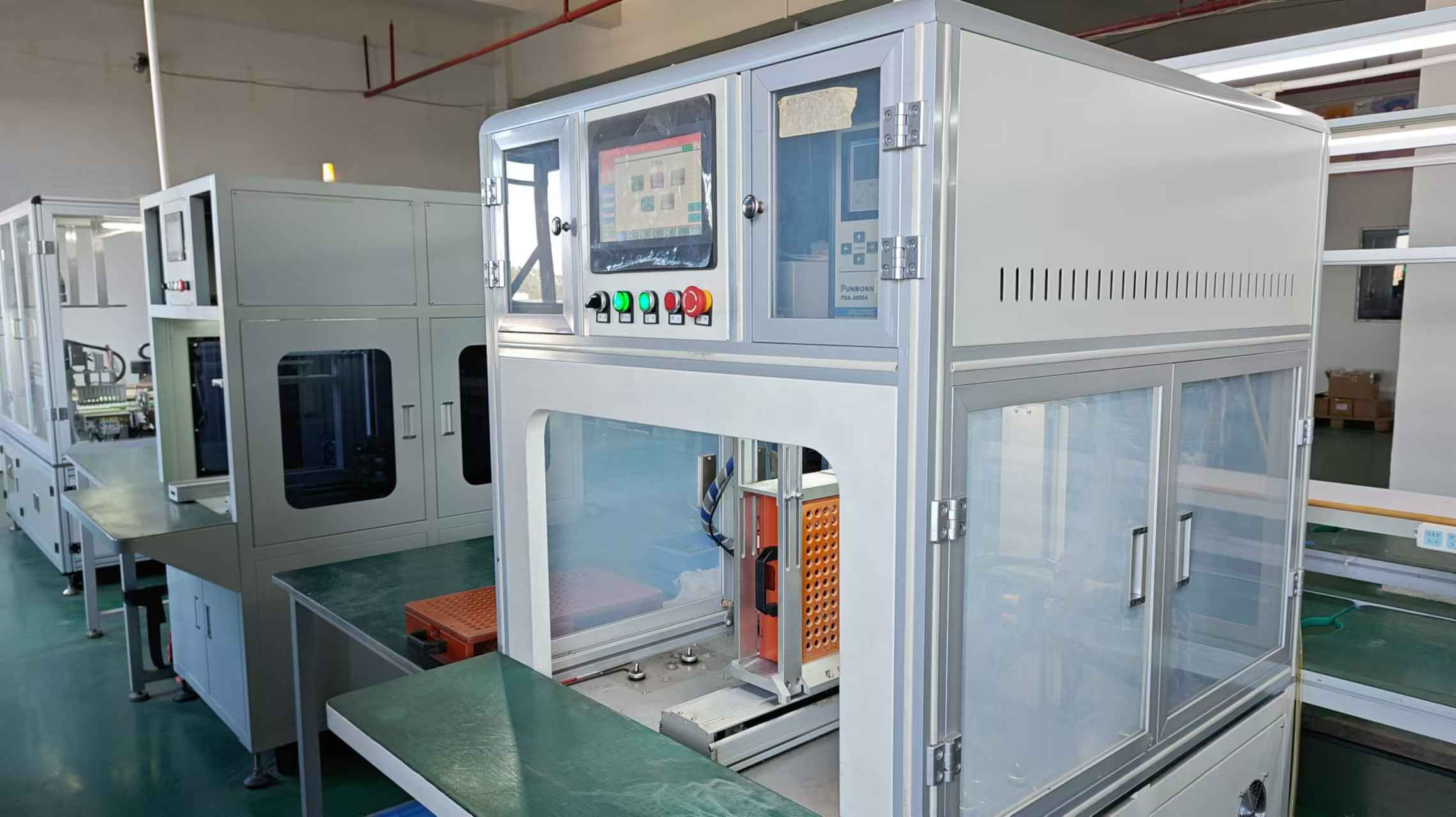
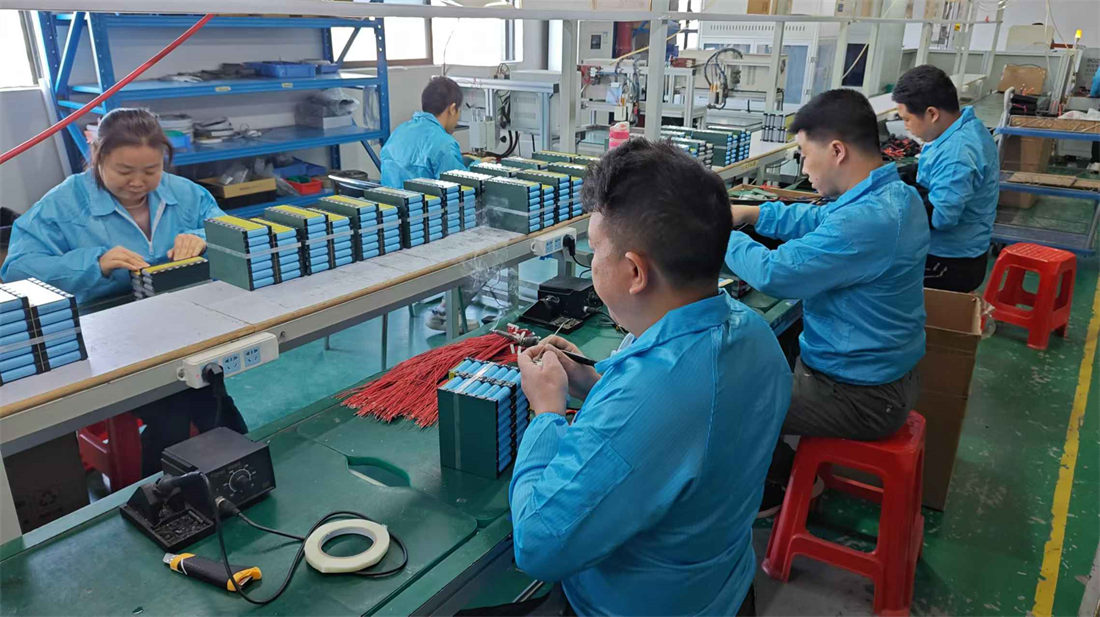
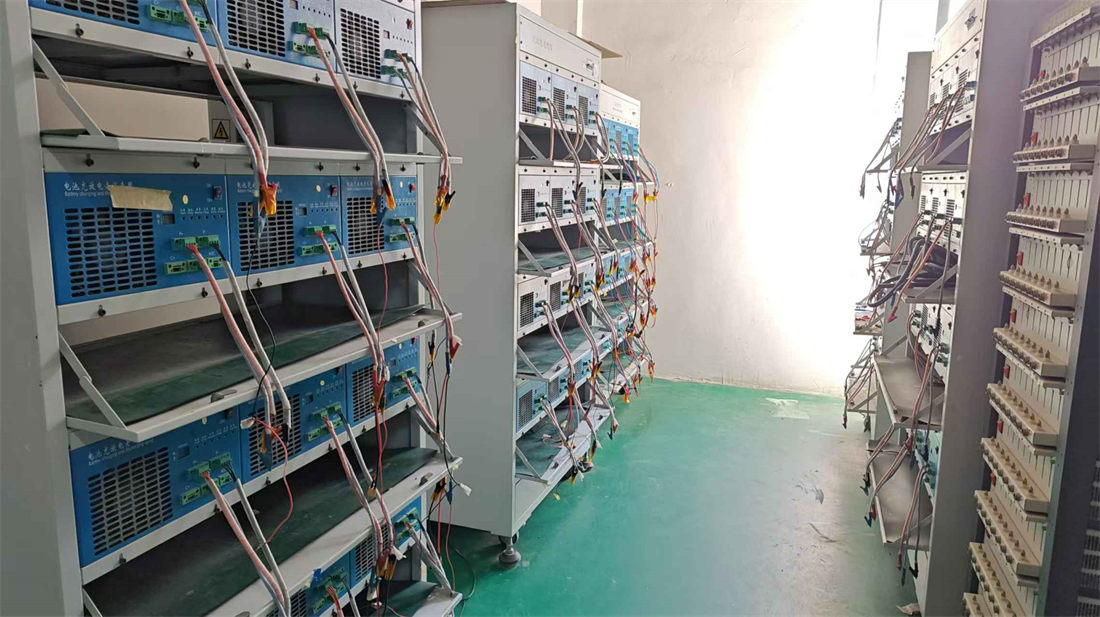
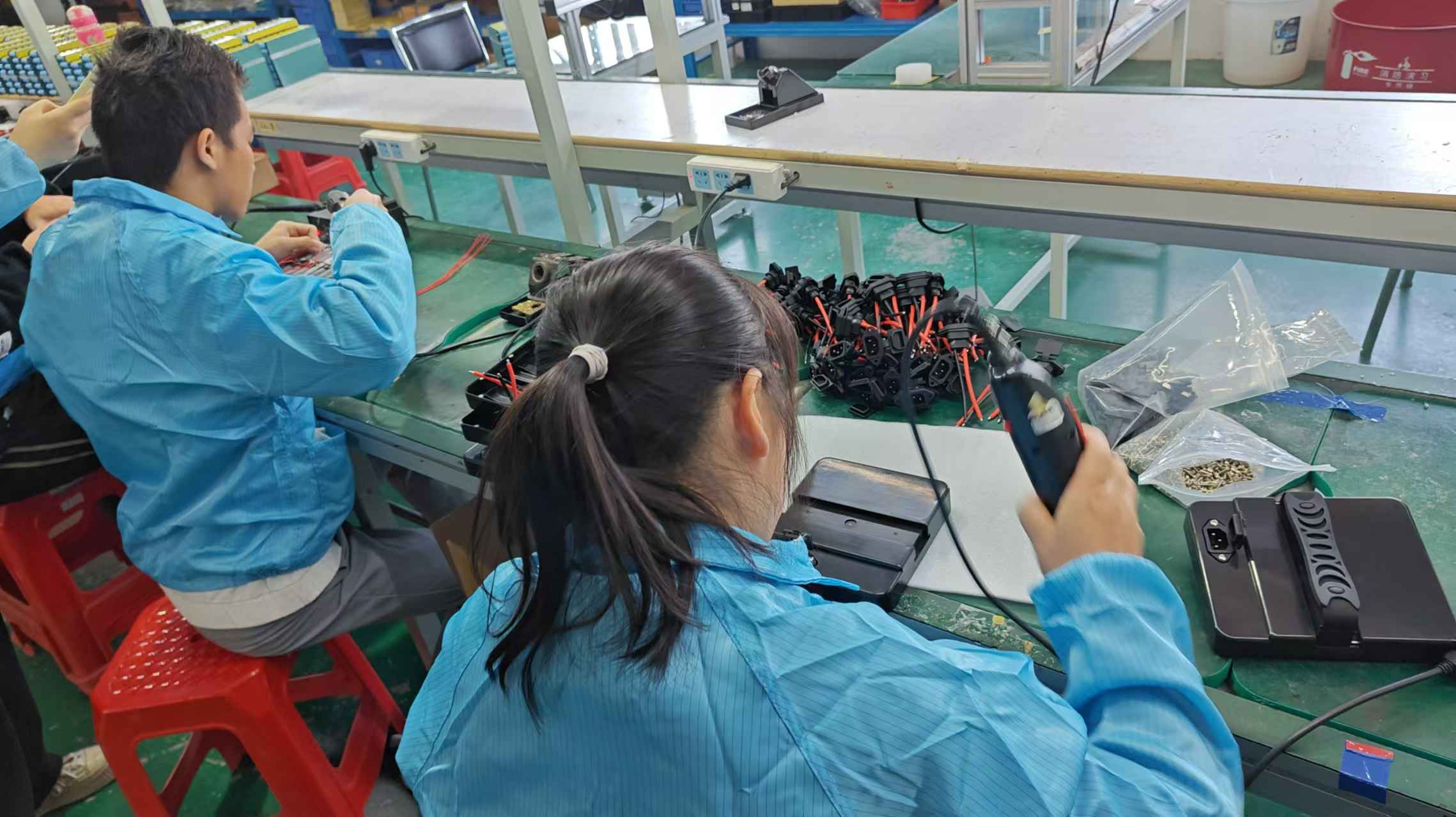
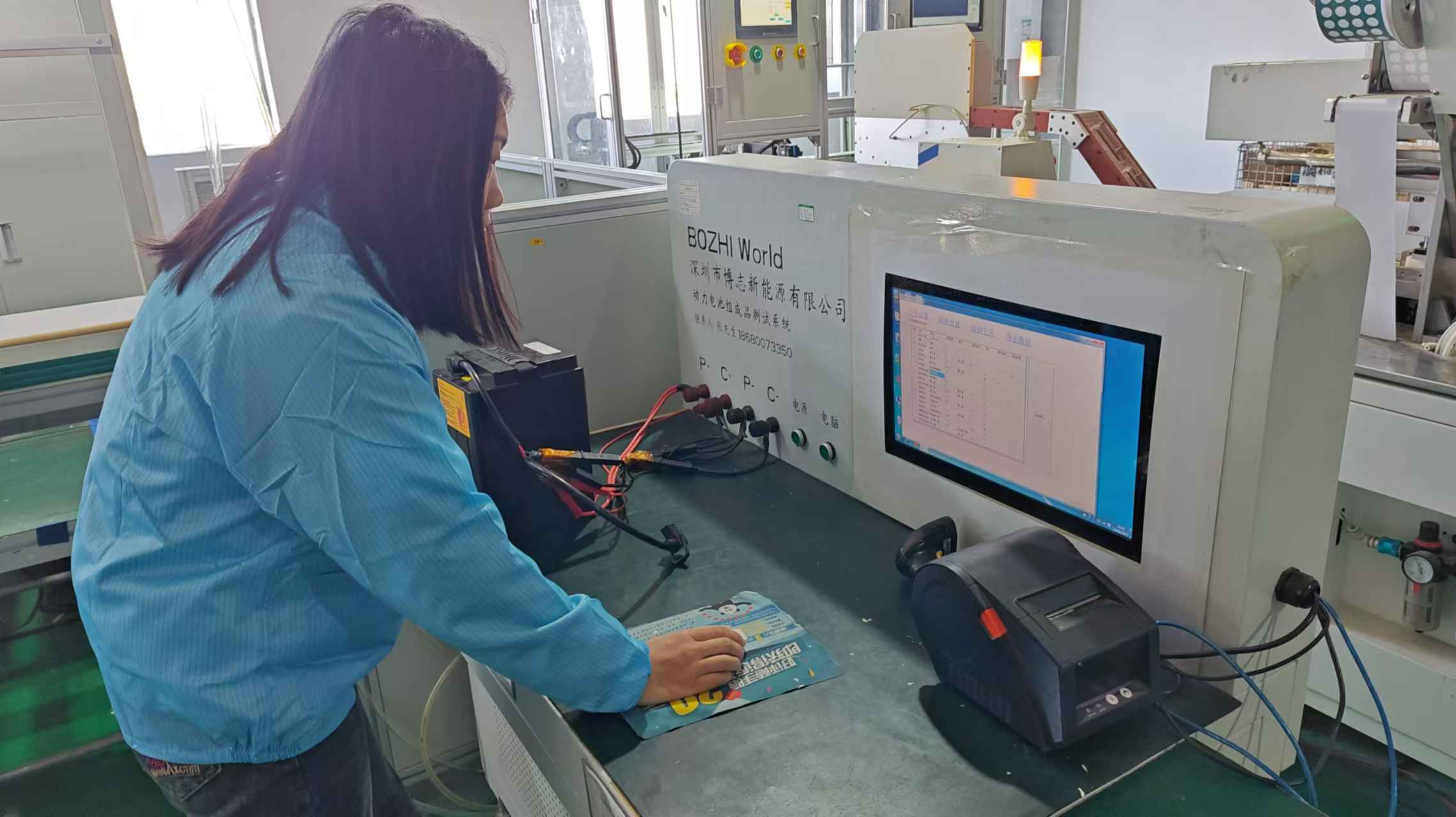
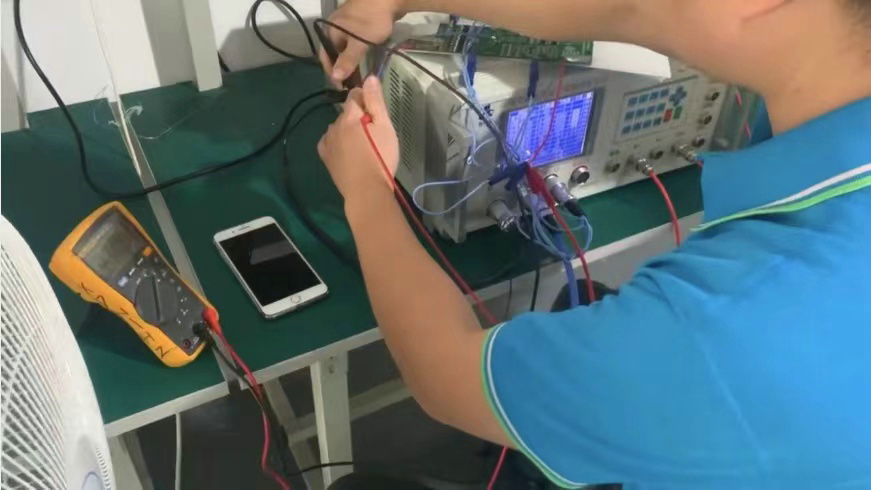
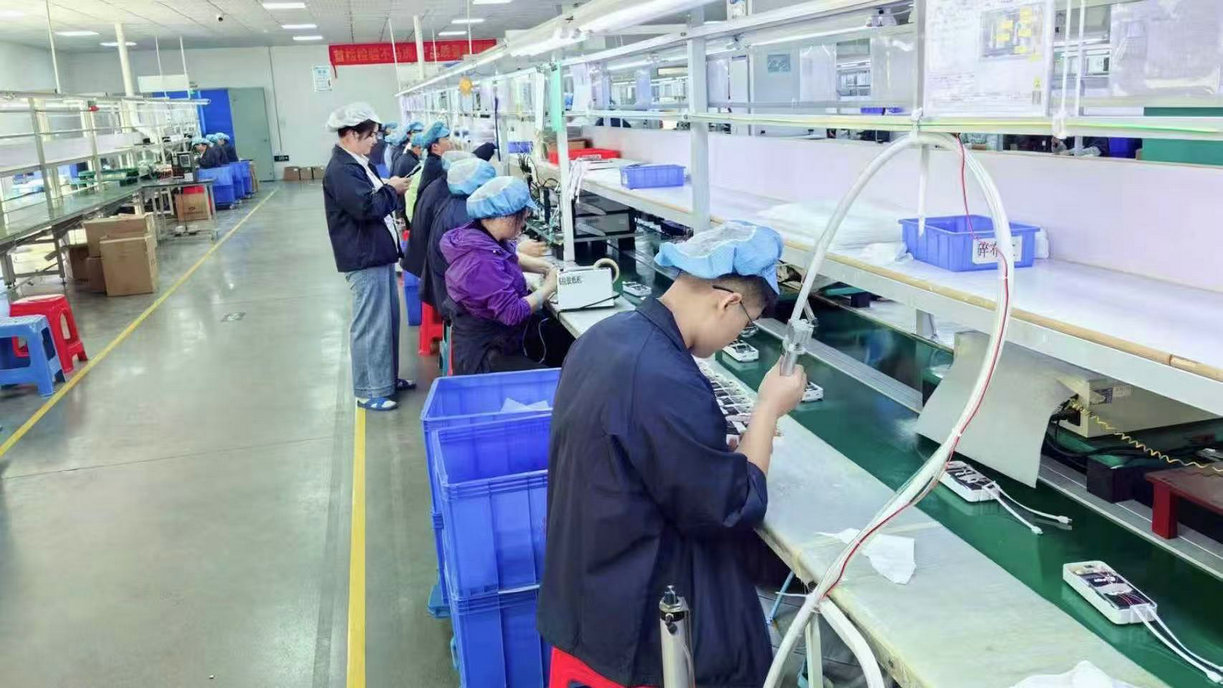
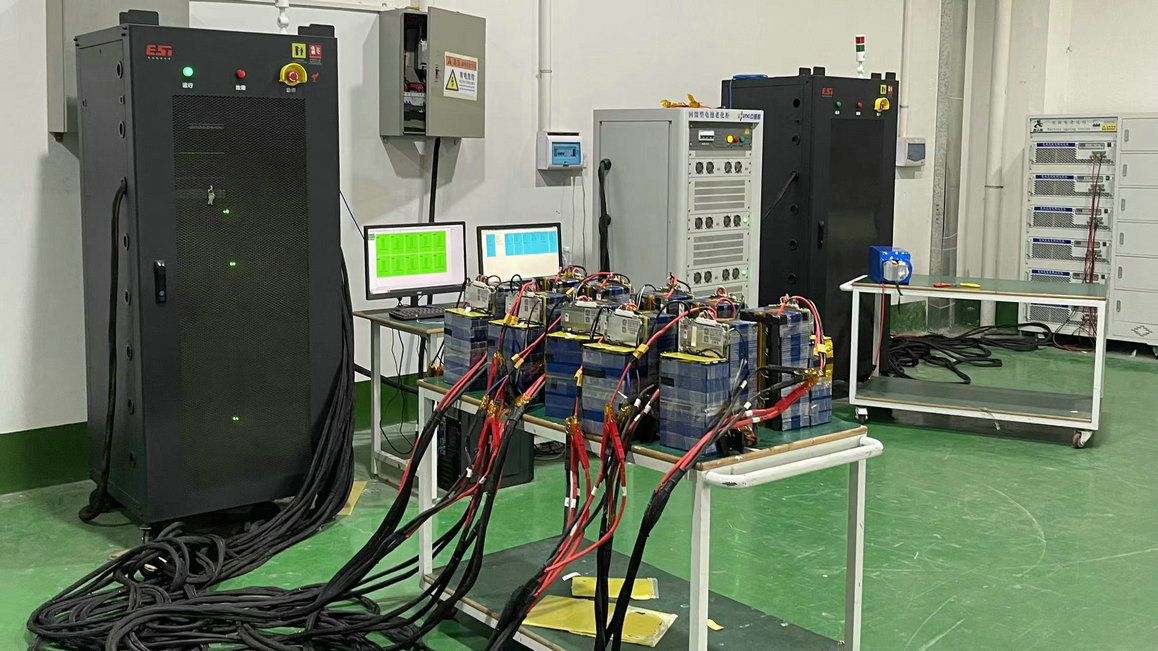
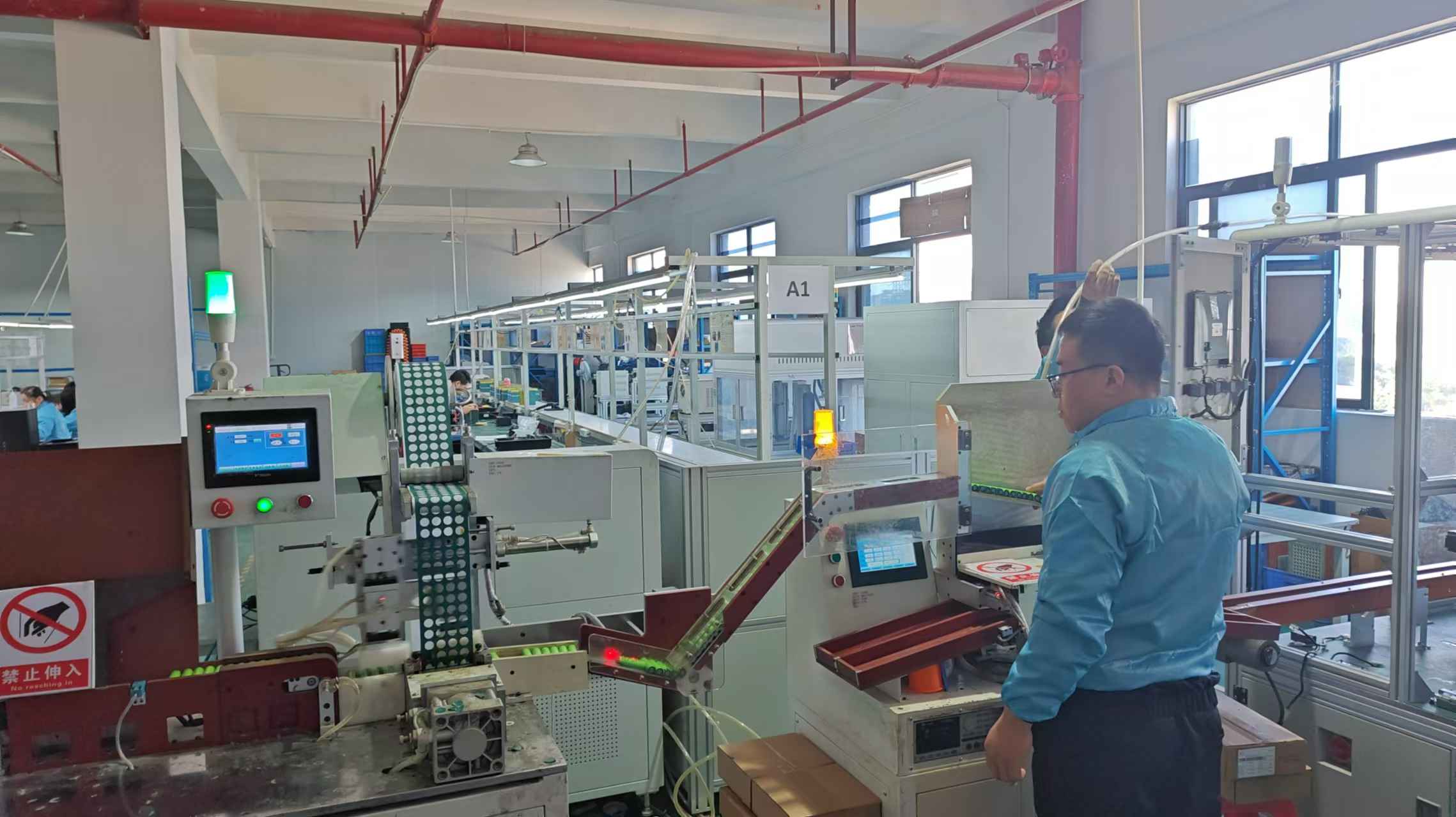
With a strong commitment to innovation, strict quality control, and customer-centric service, Guangdong Nuwon Energy continuously invests in advanced manufacturing capabilities, automated production lines, and rigorous testing systems. This ensures that every product meets international safety standards and delivers exceptional performance in demanding environments.
Driven by a vision to accelerate global electrification and energy efficiency, Guangdong Nuwon Energy Co., Ltd. is dedicated to building long-term partnerships and providing reliable, intelligent, and sustainable energy solutions to customers worldwide.
How Guangdong Nuwon Energy guarantees risk-free supply chain entry and regulatory compliance for the European Union market.
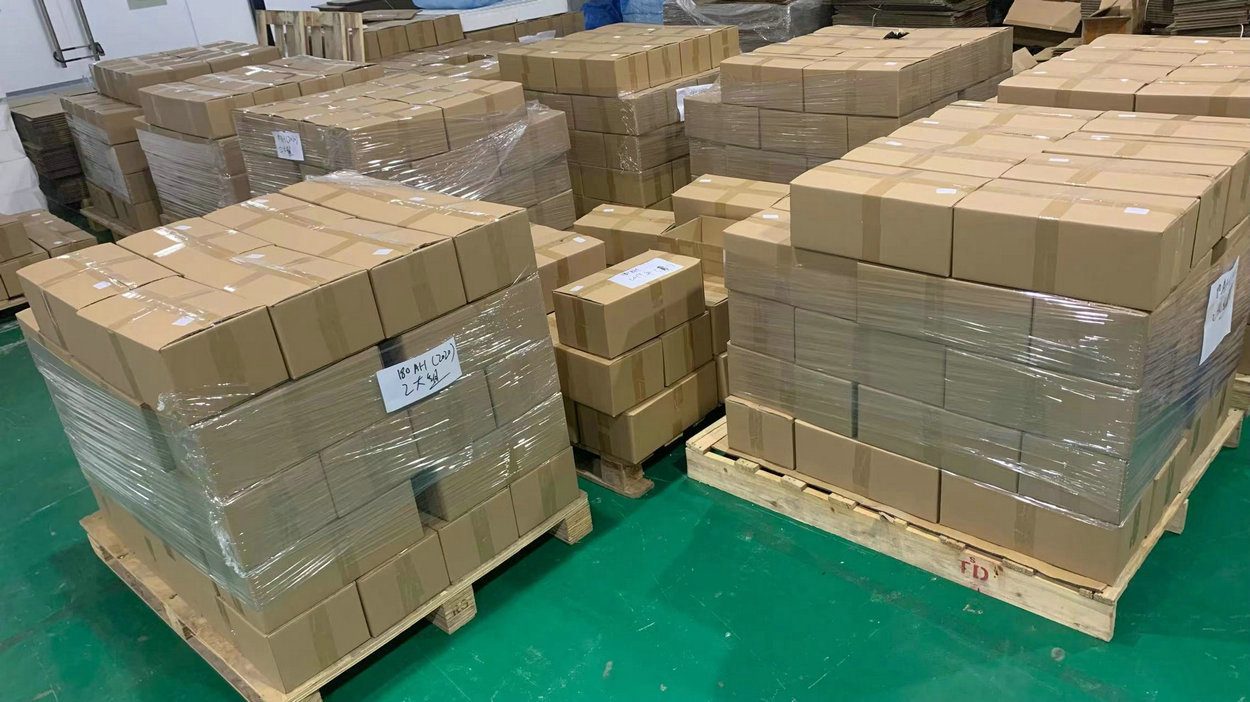
The import of primary lithium chemistry cells into Italy is subject to strict directives. As an experienced exporter, Guangdong Nuwon Energy ensures compliance with the REACH regulation and the WEEE directive. Because Lithium Thionyl Chloride is classified under dangerous goods (Class 9), shipping to Milan’s hub (including Malpensa cargo terminals and Genoa shipping ports) requires professional packaging and documents, including MSDS and UN38.3 test summaries.
Additionally, for gas utility applications inside Milan, we provide specialized consulting on ATEX-compliant casing design. This prevents hazardous sparking in gas-rich atmospheres (Zone 0, Zone 1, and Zone 2 environments) and maintains safety in residential and heavy-industrial installations across Italy.
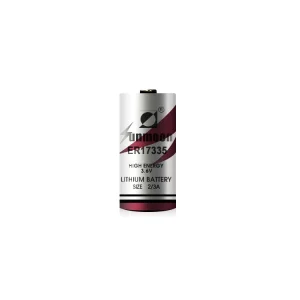
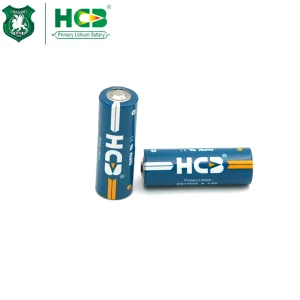
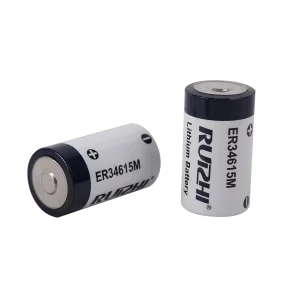
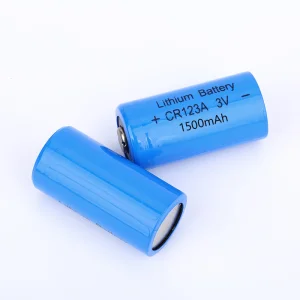
Explore our complete range of certified Li-SOCl2 and primary lithium batteries, custom-designed for precision instrumentation and severe environments.

Understand the transition to high-pulse capacitors and advanced monitoring techniques in Europe.
In the field of wireless telemetry, communications standards like NB-IoT, LTE-M, and LoRaWAN operate using intermittent transmission profiles. The device remains in a sleep state for long periods (drawing single-digit microamps), waking up periodically to transmit data, which requires current pulses up to 100mA to 400mA.
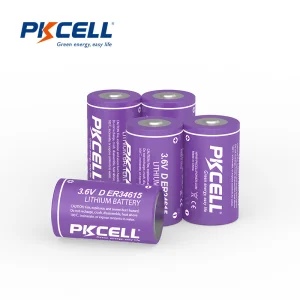
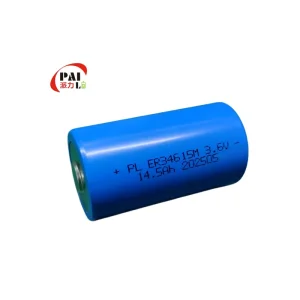
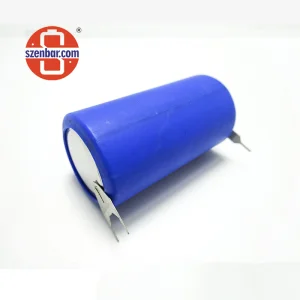
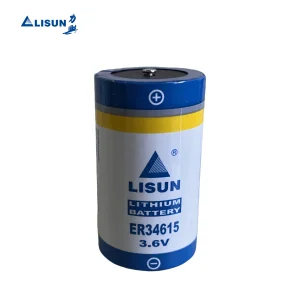
Standard bobbin-type Li-SOCl2 batteries, while optimal for capacity and low self-discharge, suffer from voltage drop under high pulse loads due to passivation layers. To solve this, European developers in Milan are adopting hybrid pulse systems. These combine a bobbin Li-SOCl2 cell (such as our ER34615 19Ah) in parallel with a Super Pulse Capacitor (SPC) or Hybrid Lithium Capacitor (HLC). The primary battery charges the capacitor at a low current, and the capacitor handles the high pulses during transmission, extending battery life to over 15 years.
Passivation is an electrochemical reaction that forms a lithium chloride (LiCl) thin film on the anode. This film is crucial because it prevents direct contact between the lithium and the thionyl chloride, resulting in a low self-discharge rate and a long shelf life. However, when the battery is called to discharge after a long period of storage or inactivity, this film acts as a temporary electrical resistance, causing a transient voltage drop (voltage delay). If the voltage drops below the system's cutoff threshold, the device may reset or report a false battery failure.
Our engineers at Nuwon Energy optimize the chemical composition and design of the cells to control this passivation. For systems running critical smart infrastructure, we recommend implementing program algorithms that perform regular "depassivation pulses" to keep the cell responsive.
Technical guidance for design and procurement engineers sourcing industrial lithium primary cells.
Li-SOCl2 batteries offer a higher nominal voltage of 3.6V compared to the 3.0V of Li-MnO2 (Lithium Manganese Dioxide). They also feature a significantly lower self-discharge rate (under 1% per year vs 1-2% for Li-MnO2) and are better suited for operations under extreme temperatures. Additionally, they provide a very flat discharge profile, maintaining stable voltage throughout the battery's active life.
Passivation is minimized through proper cell selection (bobbin vs. spiral design) and chemical optimizations. In applications like outdoor tracking or water meters in northern Italy, engineers can use a hybrid system that pairs a bobbin-type Li-SOCl2 cell with a Super Pulse Capacitor (SPC). This configuration manages high-pulse current demands without triggering voltage delay failures in low temperatures.
Yes. Many of our cells are designed and certified to meet the standards required for ATEX-compliant products in Europe. They are suitable for smart gas meters and hazardous industrial environments (Zone 0, 1, and 2). For custom packs, we design housing solutions that incorporate safety features like fuses and current-limiting diodes to prevent overheating or short circuits.
Since primary lithium batteries are classified as Class 9 Dangerous Goods, they must be packaged and shipped in accordance with UN38.3 regulations. We handle all logistics documentation, including safety data sheets (SDS) and transport certificates. We coordinate direct air or sea shipping routes to major Northern Italian transit points like Milan Malpensa airport or Genoa port, ensuring smooth customs clearance and compliant delivery.
While both are D-sized 3.6V cells, the ER34615 is typically a bobbin-style cell designed for low continuous currents (around 100-200mA max pulse) with a high capacity (up to 19Ah). The LSH20 (similar to the ER34615M) uses a spiral structure, offering a slightly lower nominal capacity (around 13Ah to 14.5Ah) but supporting much higher pulse currents (up to 2000mA), making it ideal for systems with high-energy telemetry requirements.
 Nuwon Energy