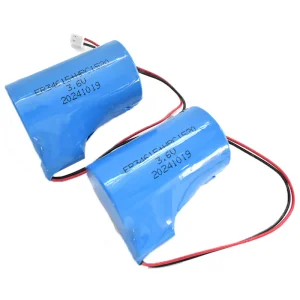
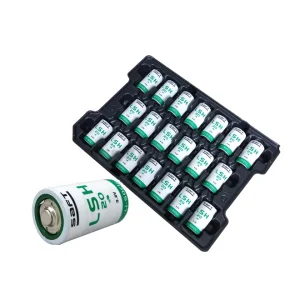
Immediate sourcing availability of high-energy density Lithium Thionyl Chloride (Li-SOCl2) cells optimized for high pulse demands and prolonged operational lifespans under challenging environmental conditions.
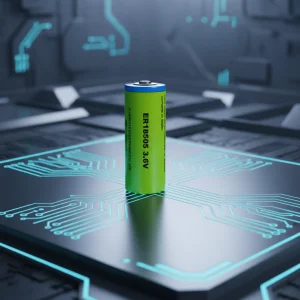
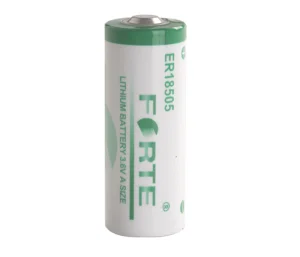
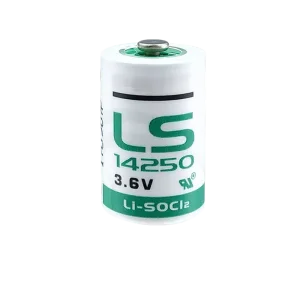
Gitarama, officially recognized as the primary urban center of the Muhanga District, represents a vital logistics hub and industrial gateway in Rwanda's Southern Province. Characterized by rapid urbanization, infrastructure modernization, and a regional push toward telemetry solutions, the demand for highly reliable local power cells has experienced exponential growth. Traditional grid setups face challenges in dense rural and semi-urban landscapes, which has driven public utilities and commercial entities to deploy distributed, off-grid telemetry nodes, automated water metering networks, and industrial IoT monitoring arrays.
Deploying smart infrastructure in Gitarama introduces significant environmental and operational demands. Systems must operate reliably for decades in variable environmental settings, where humidity and seasonal tropical temperature swings can accelerate standard battery degradation. In addition, the shift towards modern mining sites, regional coffee processing plants, and municipal water distribution networks (monitored by entities like WASAC) requires sensor installations in remote areas where battery replacement represents a high operational expense. Consequently, the industrial landscape demands primary battery technologies capable of delivering sustained, low-current power combined with high-current pulses for wireless data transmission protocols (such as LoRaWAN, NB-IoT, and GPRS).
Lithium Thionyl Chloride (Li-SOCl2) battery chemistry features the highest energy density among commercially available primary batteries, delivering up to 650 Wh/kg and 1280 Wh/dm³. This chemistry is uniquely suited to smart meter and industrial monitoring applications due to its exceptional properties:
For procurement officers and systems integrators servicing markets in Southern Rwanda, acquiring components with international standard compliance is essential. Companies look beyond unit prices to evaluate total cost of ownership (TCO), supply chain reliability, and manufacturer transparency. In response to global chip shortages and shipping delays, developers targeting Gitarama utilities require suppliers capable of guaranteeing direct factory dispatch, compliant air/ocean hazardous cargo packaging, and complete documentation including UN38.3 testing reports, IEC60086-4 standards compliance, and UL1642 safety certifications.
By establishing strategic distribution channels and direct factory-to-project pathways, sourcing managers can bypass intermediary distribution markups and ensure fresh cell batches. Because Li-SOCl2 cells continuously undergo passivation, acquiring fresh stock rather than aged inventory is critical to maximizing field life.
Guangdong Nuwon Energy Co., Ltd. is a leading manufacturer and solution provider in advanced battery systems, specializing in the research, development, manufacturing, and global distribution of high-performance energy storage products. The company offers comprehensive OEM and ODM services, delivering customized battery solutions tailored to diverse industrial and commercial applications.
Backed by a highly experienced engineering and R&D team, Nuwon Energy focuses on the design and integration of cylindrical and prismatic lithium battery cells, as well as complete battery packs, modules, and energy storage systems. The company also develops and produces industrial-grade battery cells engineered for safety, durability, and long cycle life.
Guangdong Nuwon Energy serves a wide range of industries, including consumer electronics, electric mobility (such as golf carts, forklifts, UTVs/ATVs, trucks, and marine systems), medical equipment, unmanned ground vehicles (AGVs/AMRs), and emerging aerospace applications such as eVTOL aircraft. In addition, the company provides reliable residential, commercial, and industrial (C&I) energy storage solutions designed to support the global transition toward clean and sustainable energy.
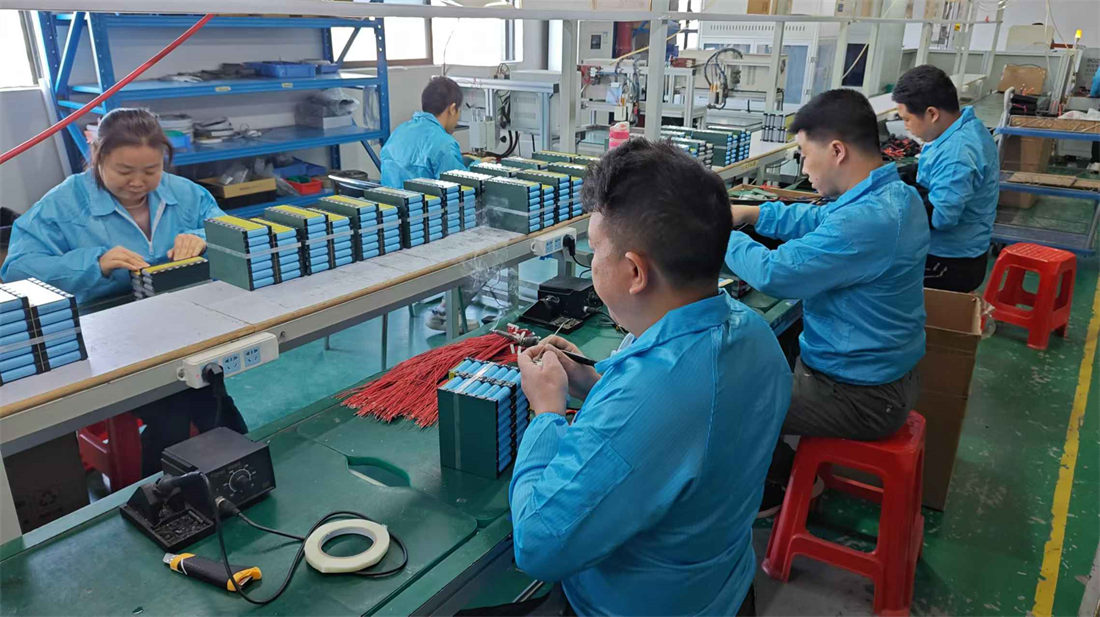
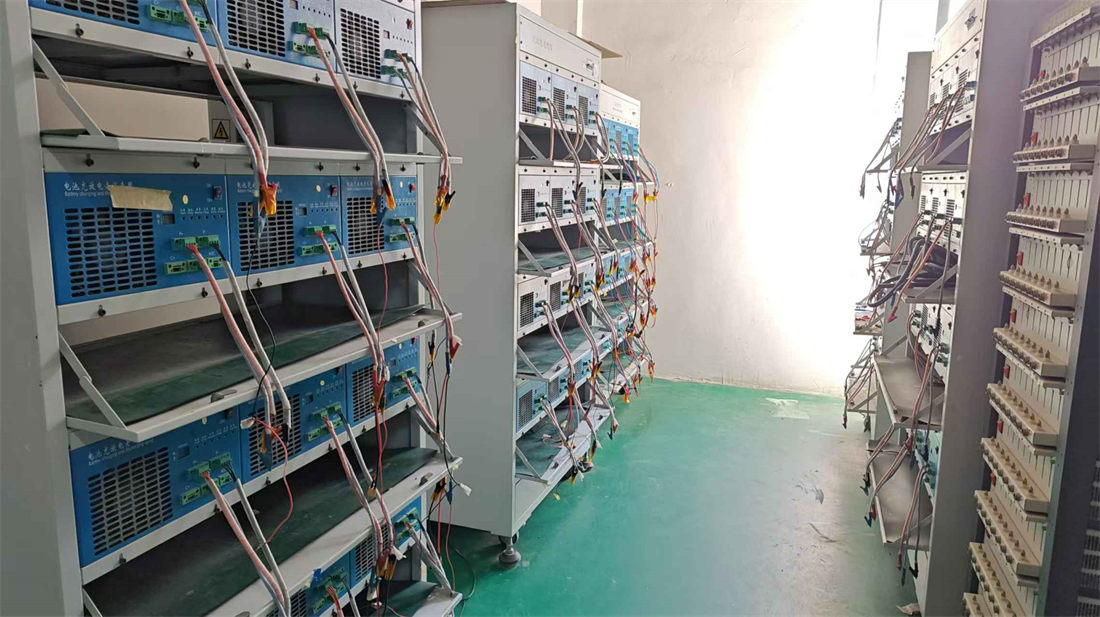
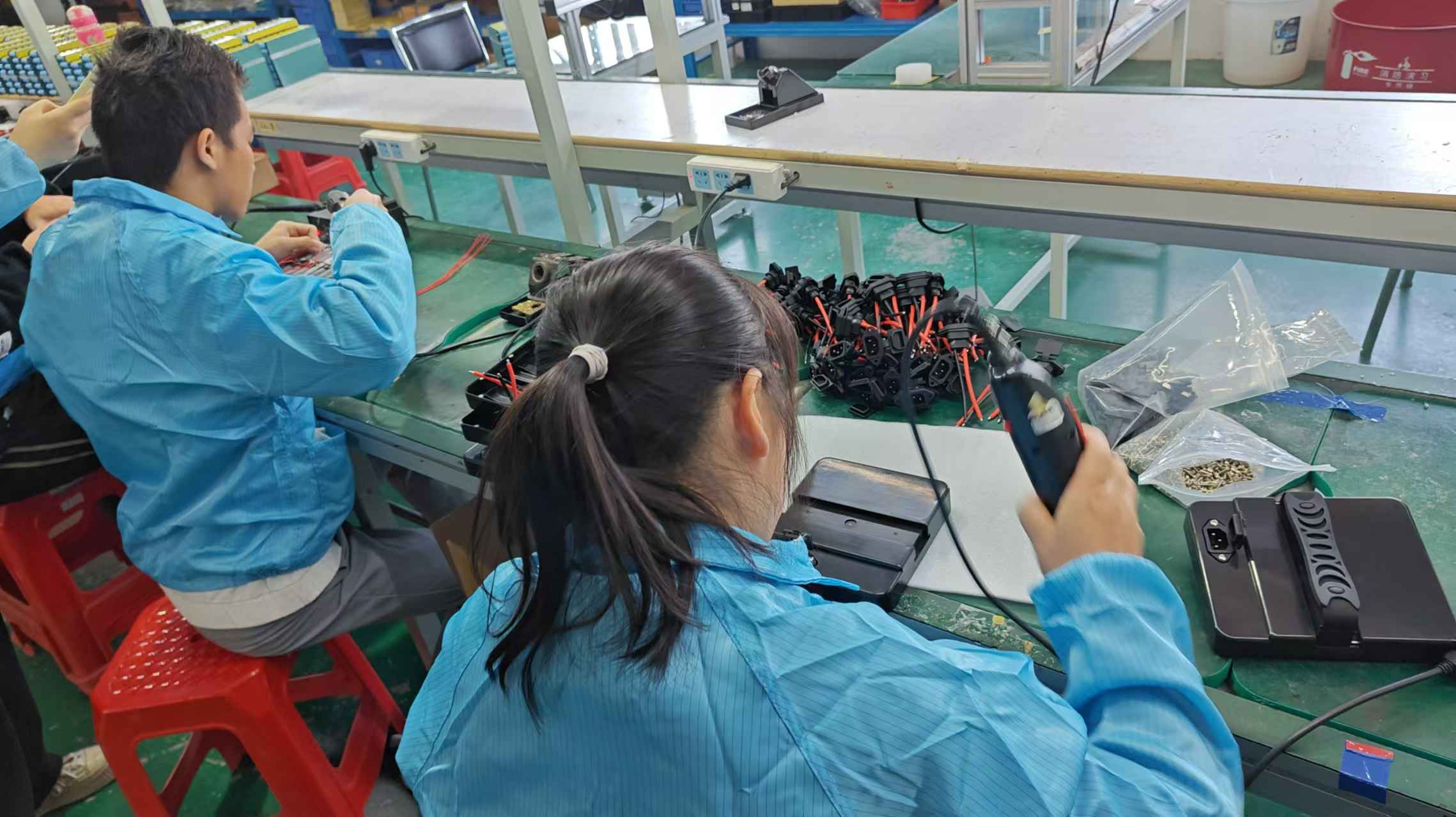
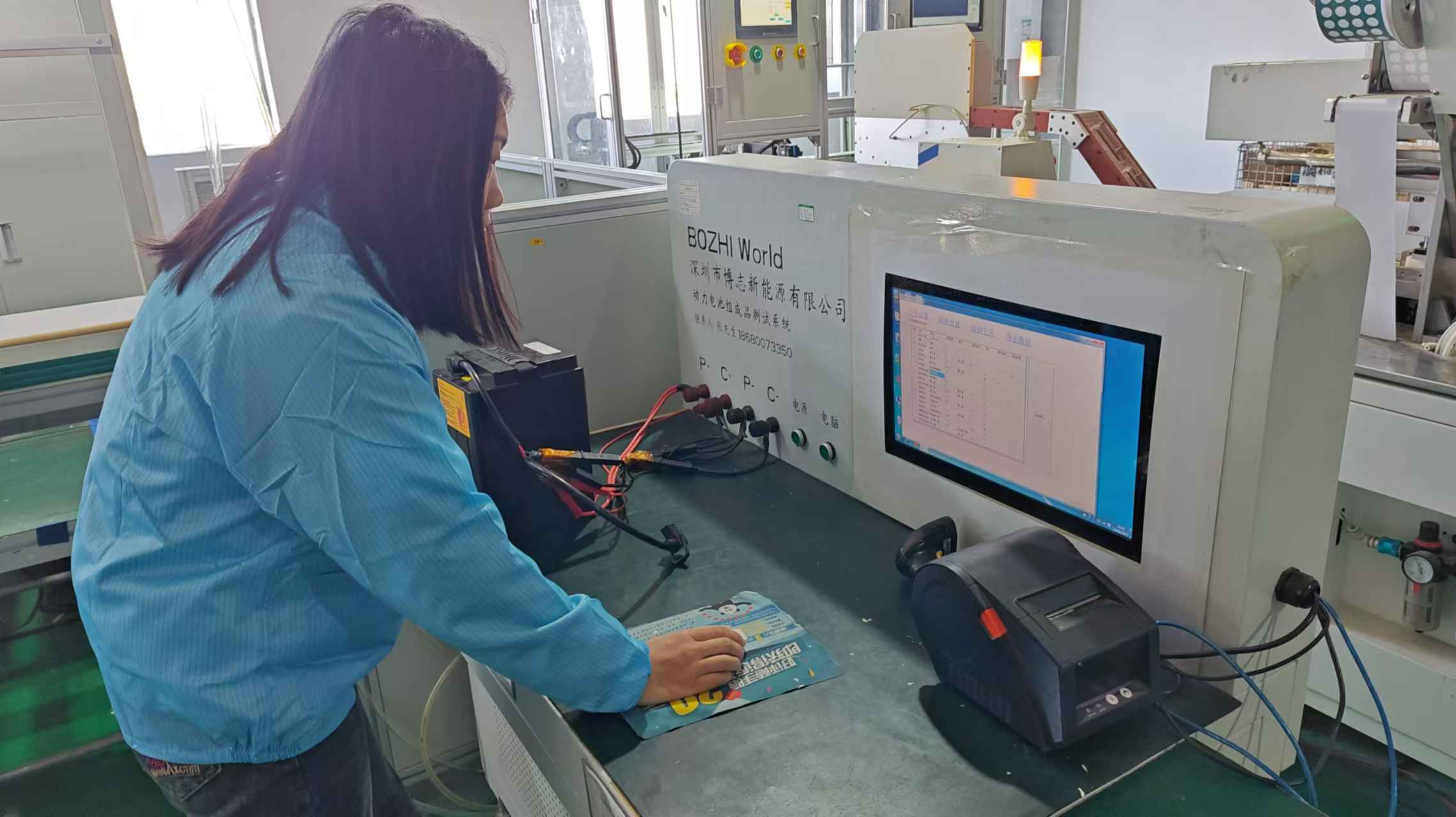
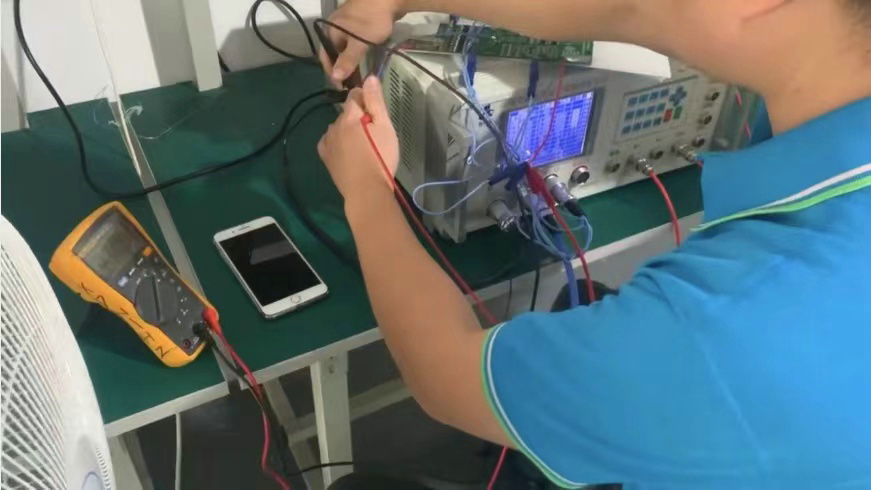
With a strong commitment to innovation, strict quality control, and customer-centric service, Guangdong Nuwon Energy continuously invests in advanced manufacturing capabilities, automated production lines, and rigorous testing systems. This ensures that every product meets international safety standards and delivers exceptional performance in demanding environments.
Driven by a vision to accelerate global electrification and energy efficiency, Guangdong Nuwon Energy Co., Ltd. is dedicated to building long-term partnerships and providing reliable, intelligent, and sustainable energy solutions to customers worldwide.
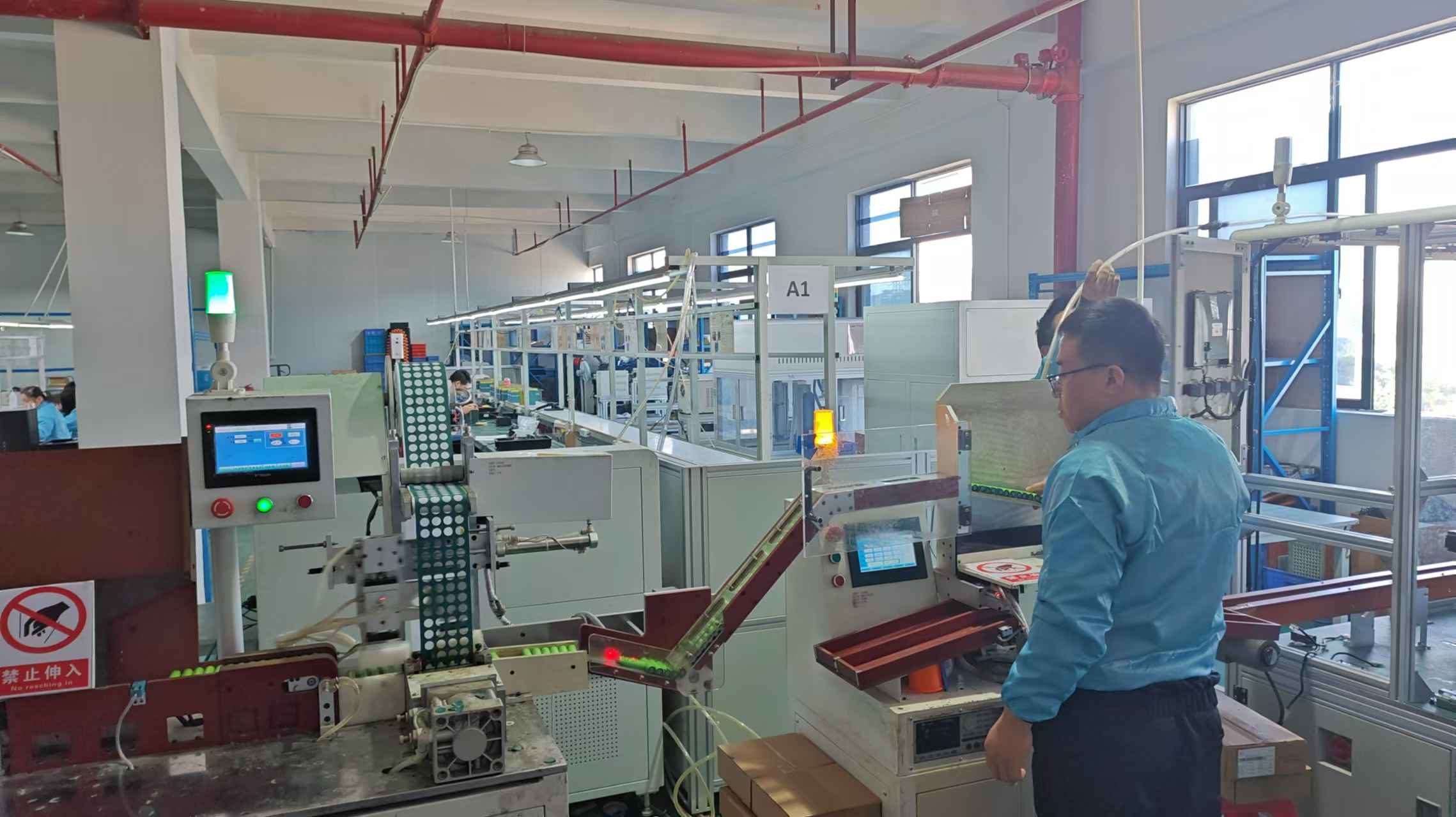
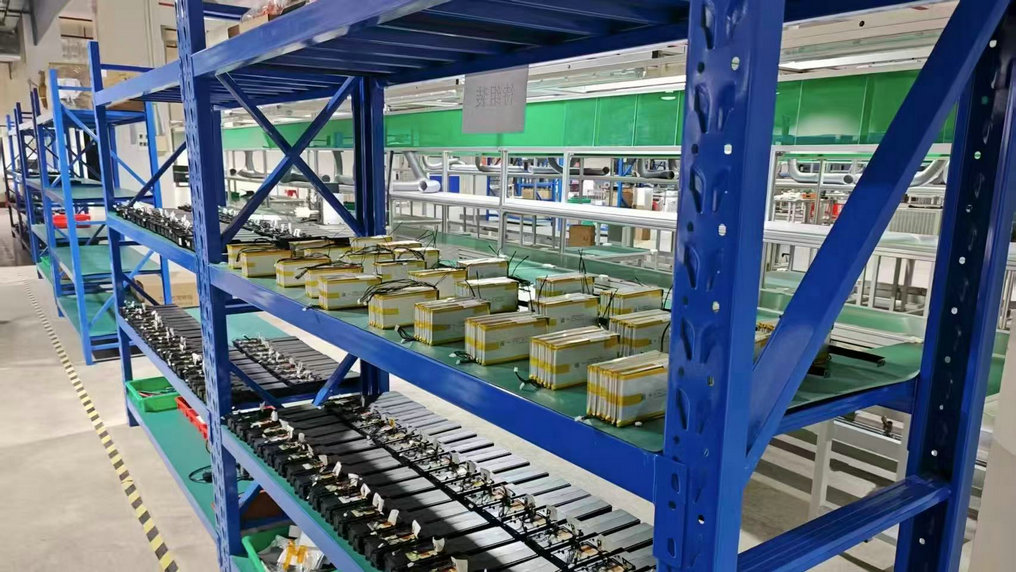
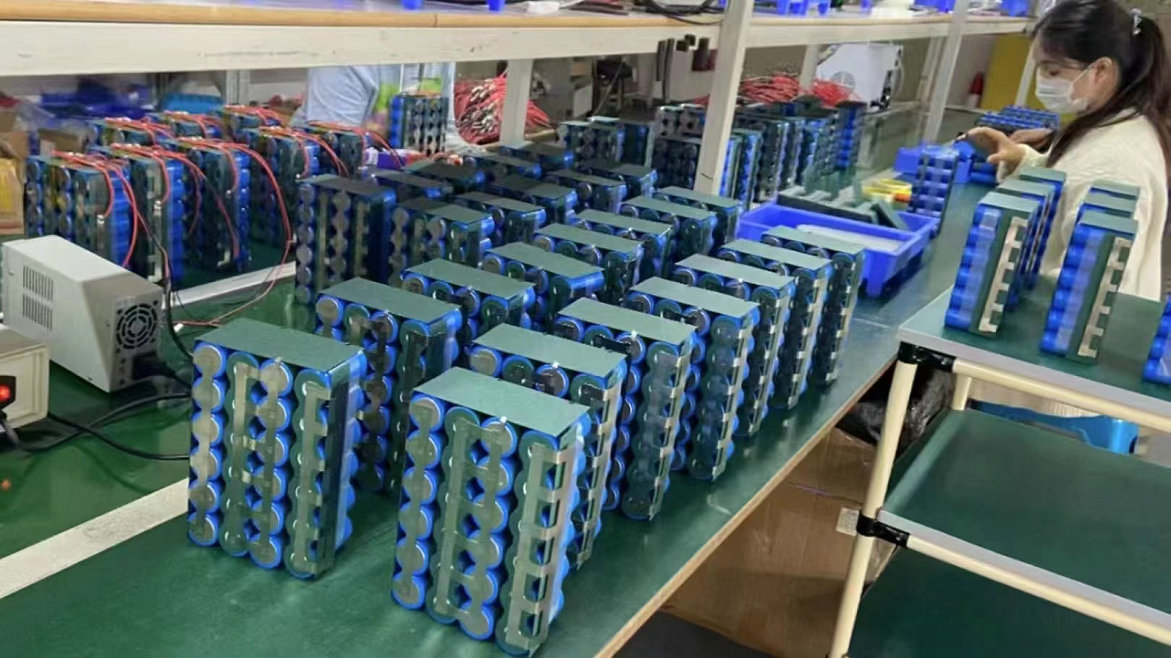
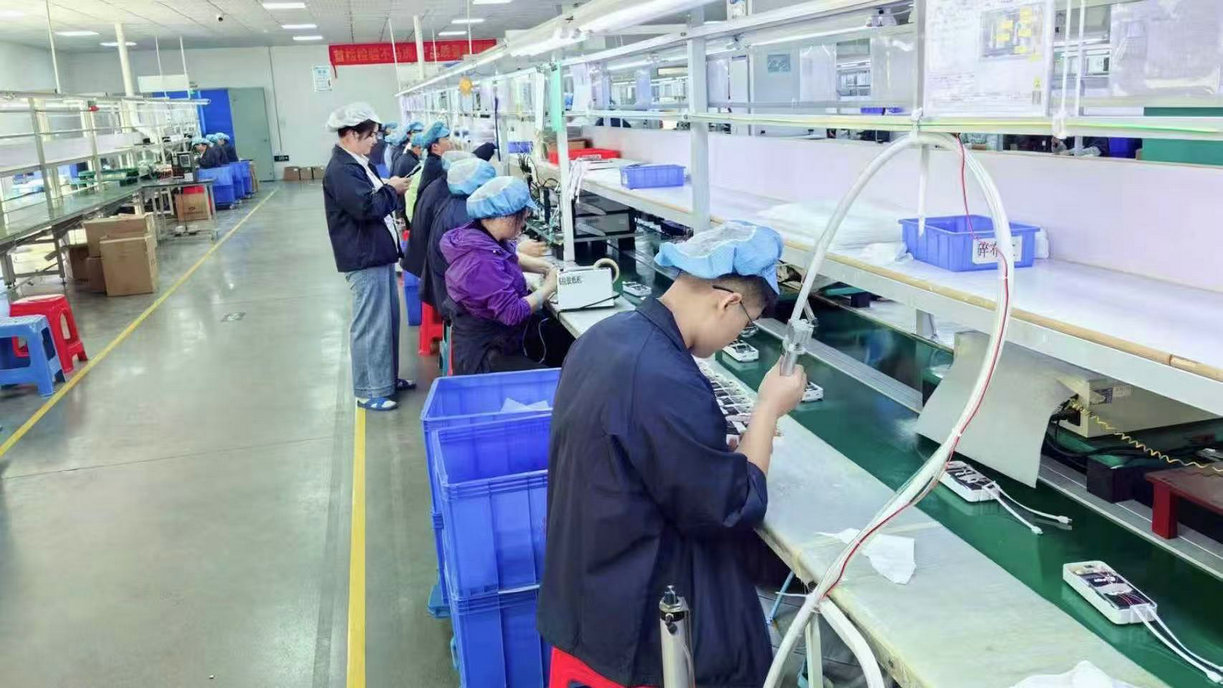
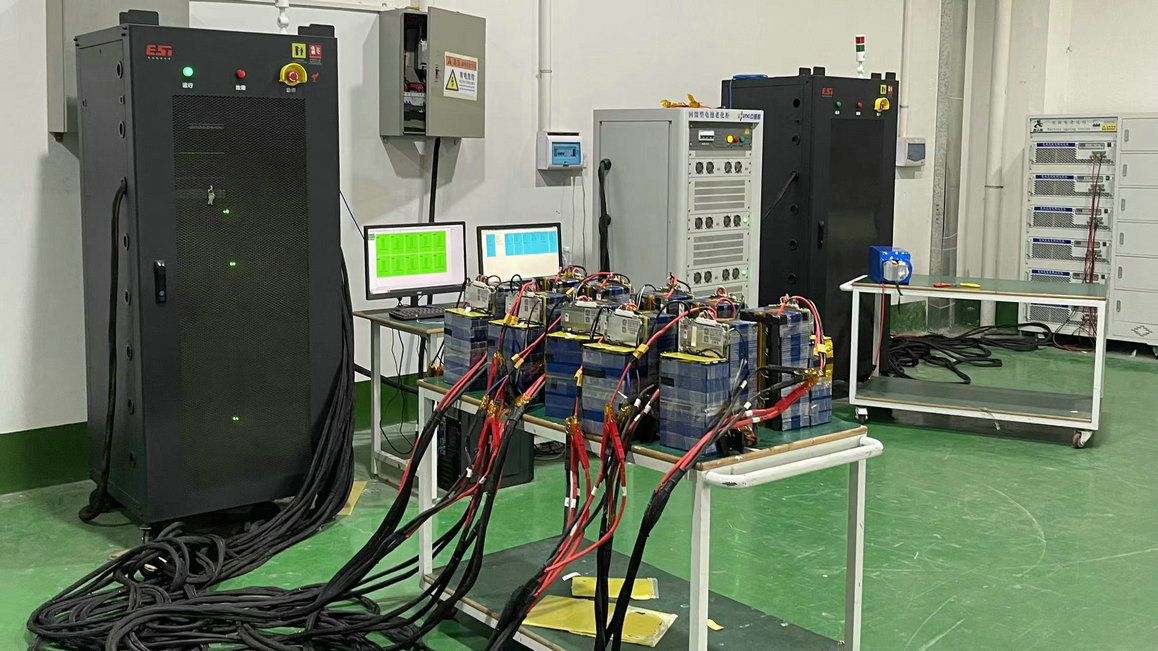
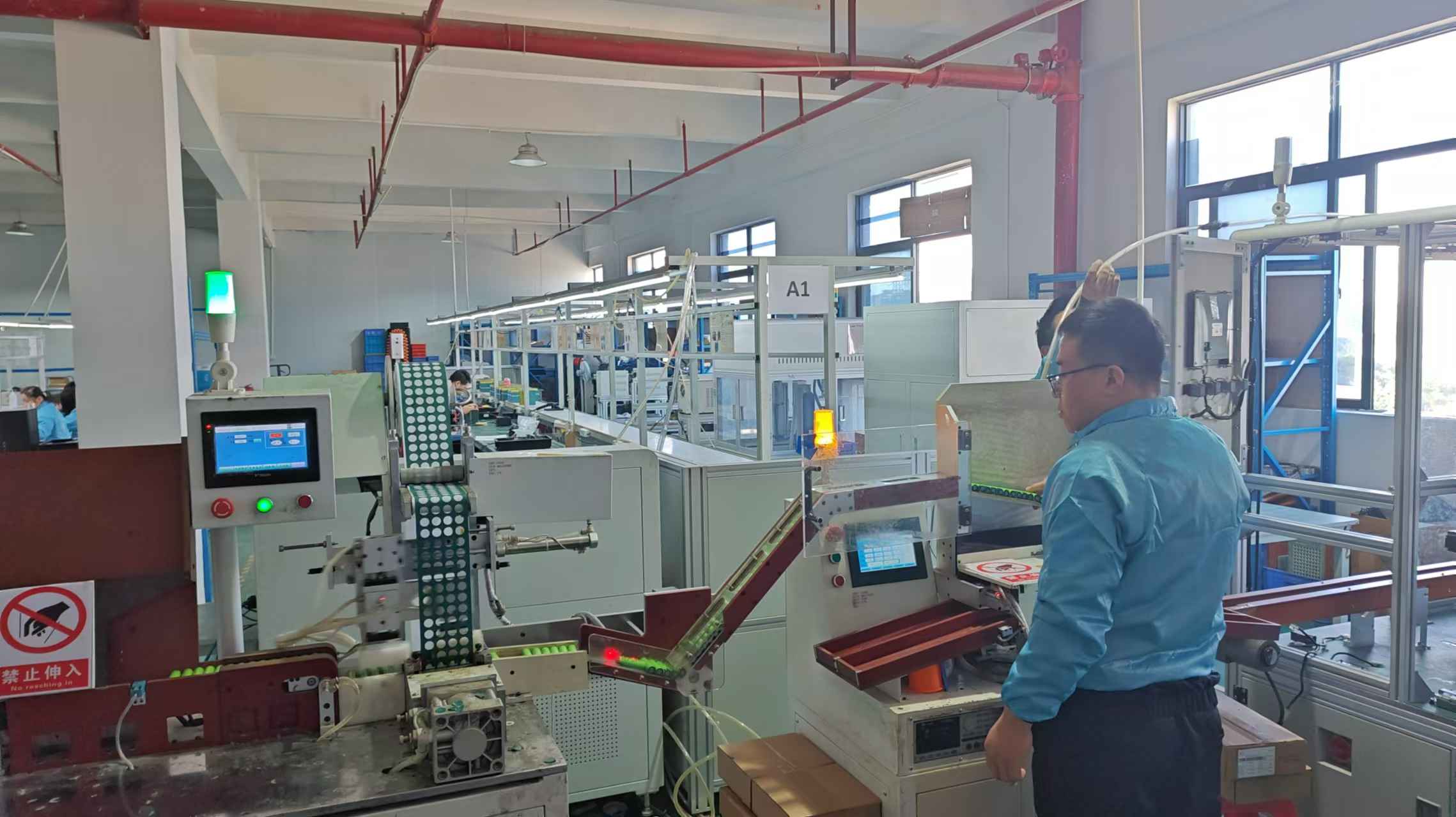
Guangdong Nuwon Energy implements automated production processes utilizing advanced Machinery 4.0 technology, ensuring high quality control, traceablity, and reliability for global deliveries.
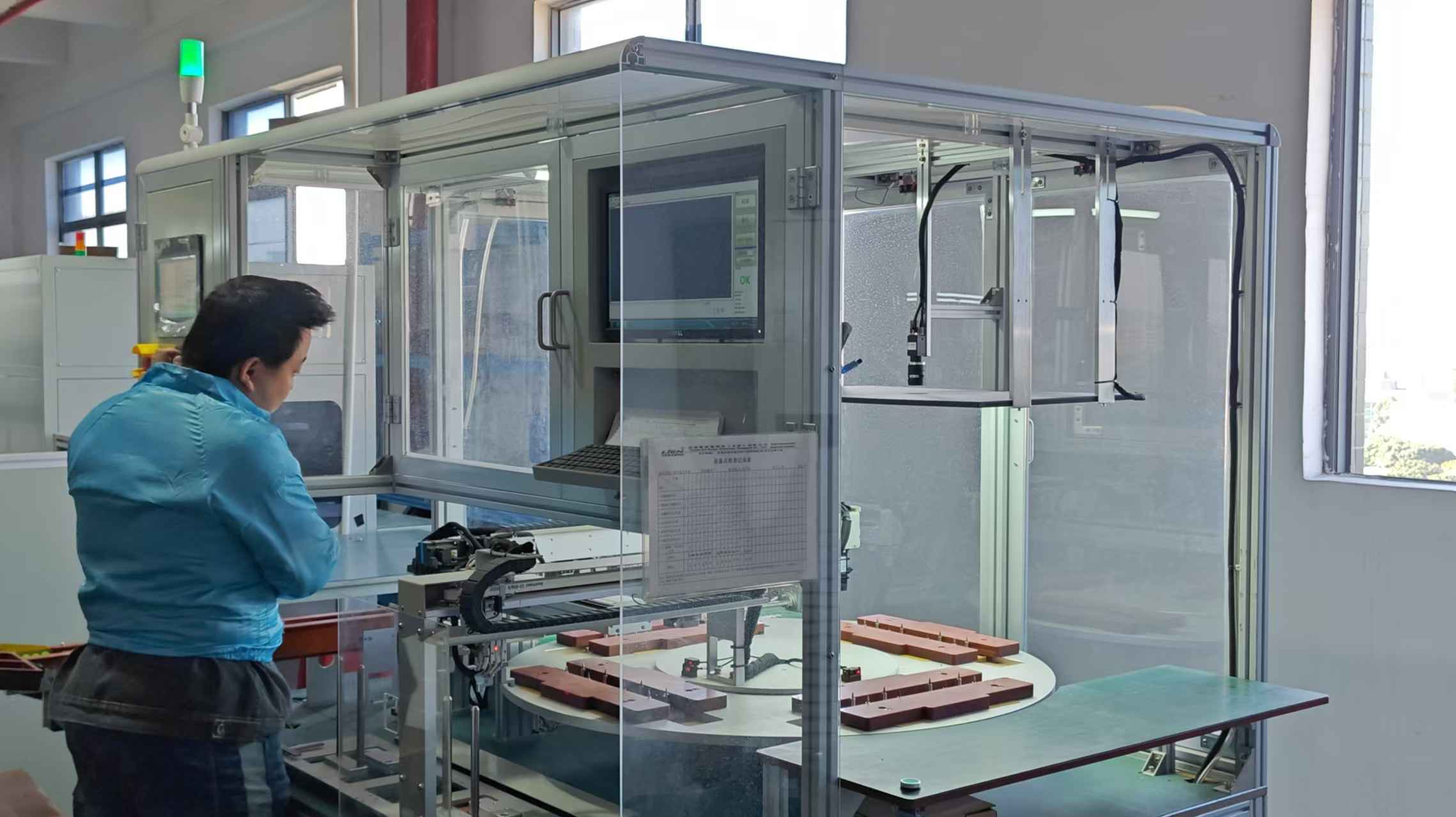
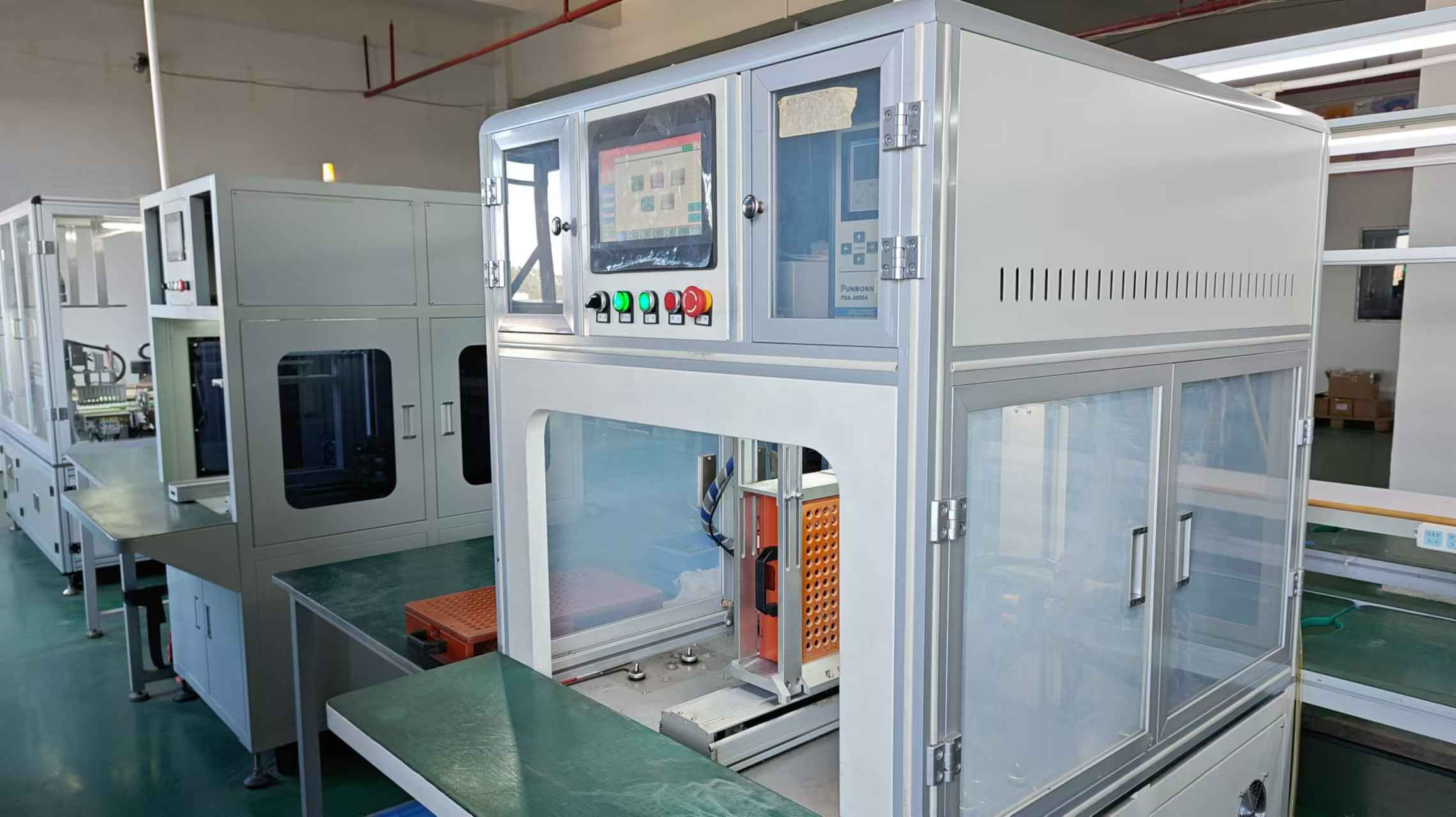
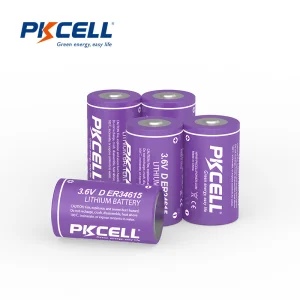
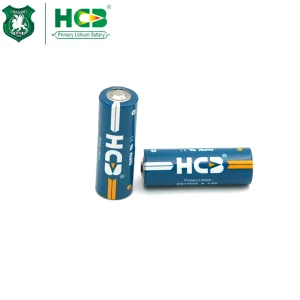
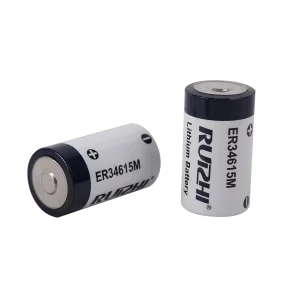
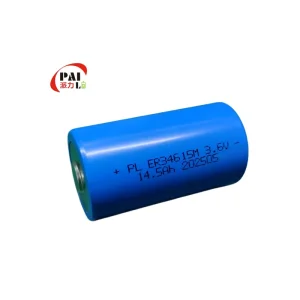
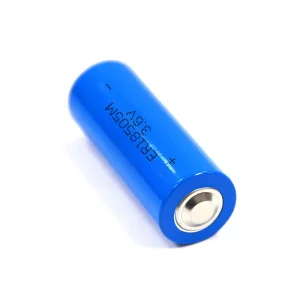
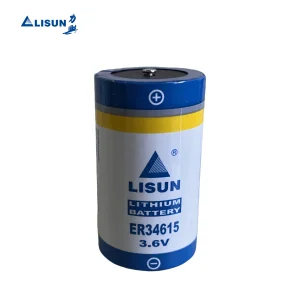
Water and power supply systems in Gitarama require long-term off-grid power solutions. Devices like smart flow meters and prepayment meters must operate for up to 15 years without manual battery replacement. Utilizing ER18505 or ER34615 battery cells ensures reliable operation through low sleep currents and high-power pulses during data transmission cycles.
Regional agriculture, including coffee washing stations and soil monitoring programs in Muhanga, leverages IoT sensors to optimize resource use. These sensors rely on wafer-type and small-cylindrical Li-SOCl2 cells (such as the LS14250 1/2 AA cell) to operate continuously in remote locations with variable weather conditions.
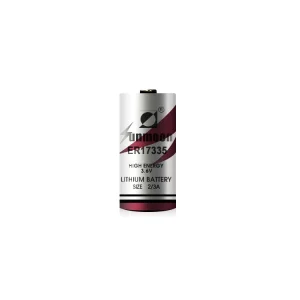
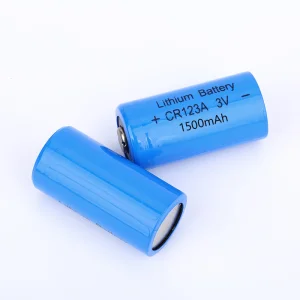
Gitarama's role as a major transport hub connecting Kigali to the Western and Southern provinces makes asset tracking vital for regional logistics. Specialized ER17335 and CR123A lithium cells provide stable power for GPS tracking devices and security systems, ensuring consistent performance across varying operational conditions.
Explore our full line of primary lithium batteries designed for industrial, utility, and IoT applications.

Expert technical insights regarding voltage delay, storage conditions, safety guidelines, and deployment practices for primary lithium cells.
Passivation is a spontaneous chemical reaction between the lithium anode and the thionyl chloride electrolyte that forms a thin film of lithium chloride (LiCl). This film acts as a protective barrier, preventing chemical reactions while the battery is at rest and keeping the self-discharge rate below 1% per year. However, it can also cause a temporary voltage delay during initial load connection, where the cell voltage drops below the cutoff threshold until the passivation layer breaks down under current draw. System developers should implement a startup depassivation circuit or pull-down load to ensure reliable device initialization.
While Li-SOCl2 cells are designed to operate from -55°C to +85°C, high storage temperatures can accelerate the growth of the passivation layer and slightly increase the self-discharge rate. Lower operating temperatures increase internal resistance, which temporarily reduces the cell's available discharge capacity under high pulse loads. Nuwon Energy recommends storing batteries in cool, dry areas (under 25°C) prior to installation to optimize field performance.
Bobbin-type cells feature a cylindrical design with a compact structure that minimizes self-discharge, making them ideal for applications requiring low current draw over 10 to 20 years. Spiral-type cells use a wound electrode design that offers a larger active surface area, allowing them to support higher current pulses for long-range wireless data transmissions (such as GPRS or LoraWAN) at the expense of a higher self-discharge rate.
To mitigate voltage delay, developers can integrate high-capacity supercapacitors (such as Hybrid Layer Capacitors or HLCs) in parallel with the Li-SOCl2 battery. The battery continuously trickle-charges the capacitor, which then supplies the high pulse currents needed for data transmission without dropping the cell voltage below critical levels.
No, Lithium Thionyl Chloride batteries are primary cells and must not be recharged. Attempting to charge them can cause internal short circuits, gas generation, and thermal runaway. System designs should include blocking diodes to prevent reverse current from external power sources like solar panels or USB interfaces.
Because lithium primary cells are classified as Class 9 Dangerous Goods, they must pass UN38.3 testing criteria, which include altitude simulation, thermal testing, vibration, shock, external short circuit, impact, overcharge, and forced discharge. Sourcing from certified manufacturers like Nuwon Energy ensures compliance with international transport standards.
Both cell shapes use the same electrochemical system and can achieve a shelf life of 10 to 15 years under controlled storage conditions. Wafer designs are typically optimized for low-profile applications with low-power requirements, whereas cylindrical cells (such as D-size ER34615) are designed for higher capacity demands.
Guangdong Nuwon Energy provides comprehensive engineering support for customized battery packs, including cell matching, connector selection, thermal management, protection circuit design (PCM), and custom housing configurations. This ensures optimal performance for specific application requirements.
 Nuwon Energy