Premium grade lithium thionyl chloride cells optimized for Canada's advanced infrastructure projects, pipeline telemetry, and smart meter configurations.
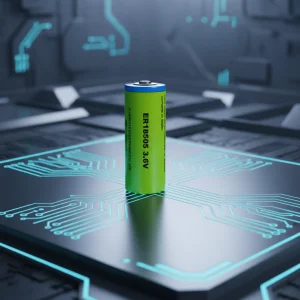
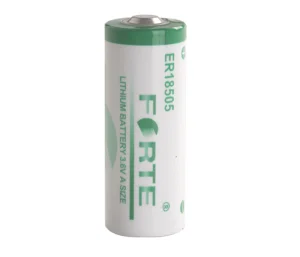
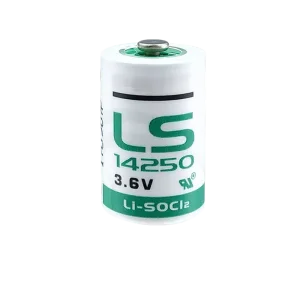
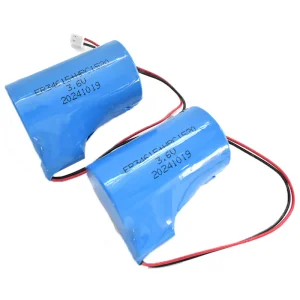
Canada's industrial landscape presents a unique, demanding set of operational parameters for primary battery technologies. Characterized by expansive remote territories, severe winter temperatures dropping to -40°C and below, and capital-intensive infrastructure systems, standard electrochemical formulations fall short. From the resource-heavy oil sands of Alberta to municipal smart utility initiatives in Ontario and Quebec, the demand for resilient power sources has shifted decisively toward Lithium Thionyl Chloride (Li-SOCl2) Wafer and Cylindrical battery configurations.
Unlike consumer-centric chemistries, Li-SOCl2 technology stands out for its high nominal voltage of 3.6V, exceptionally low self-discharge rates (<1% annually at room temperature), and extreme thermal operating envelope. In Canada's sub-arctic territories, these properties are not just efficiency parameters—they are critical requirements for operational survival. The reliability of pipeline pigging transponders, remote geothermal sensors, utility smart meters, and forestry telemetry systems relies entirely on the prolonged stability of these cells.
When selecting Li-SOCl2 batteries, Canadian procurement teams and electrical engineers must carefully evaluate the internal layout architecture: Bobbin-type vs. Spiral-wound cells. This structural classification directly influences performance metrics in the field:
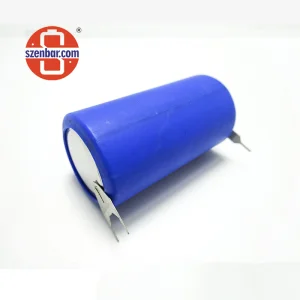
Premium high-temperature resistance and high-capacity pack designs optimized for harsh remote logistics and continuous reliability.
Guangdong Nuwon Energy Co., Ltd. is a leading manufacturer and solution provider in advanced battery systems. We specialize in the research, development, manufacturing, and global distribution of high-performance energy storage products. Our operation is engineered to support professional OEM and ODM requirements, supplying customized battery configurations designed for complex industrial and commercial environments worldwide.
Backed by an engineering and R&D team, Nuwon Energy focuses on the design and integration of cylindrical and prismatic lithium battery cells, custom battery packs, modules, and energy storage systems. Our industrial-grade cells are designed for safety, thermal resilience, and reliable cycle life. Beyond utility-metering applications, we serve a range of sectors including consumer electronics, electric mobility (golf carts, forklifts, UTVs/ATVs, and marine systems), medical devices, automated guided vehicles (AGV/AMR), and aviation markets (eVTOL). We also provide scalable commercial and industrial (C&I) energy storage systems to support clean energy initiatives globally.
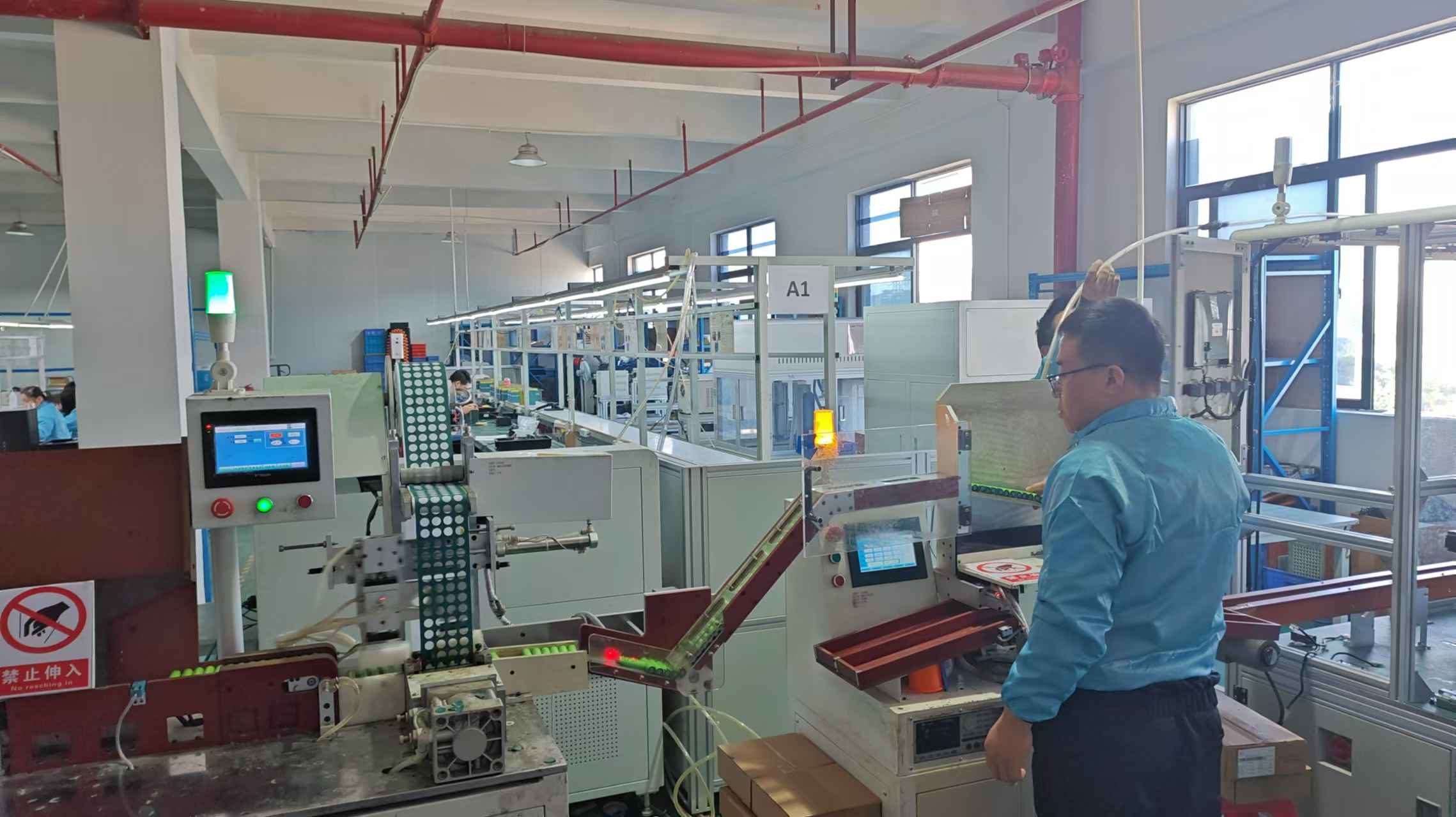
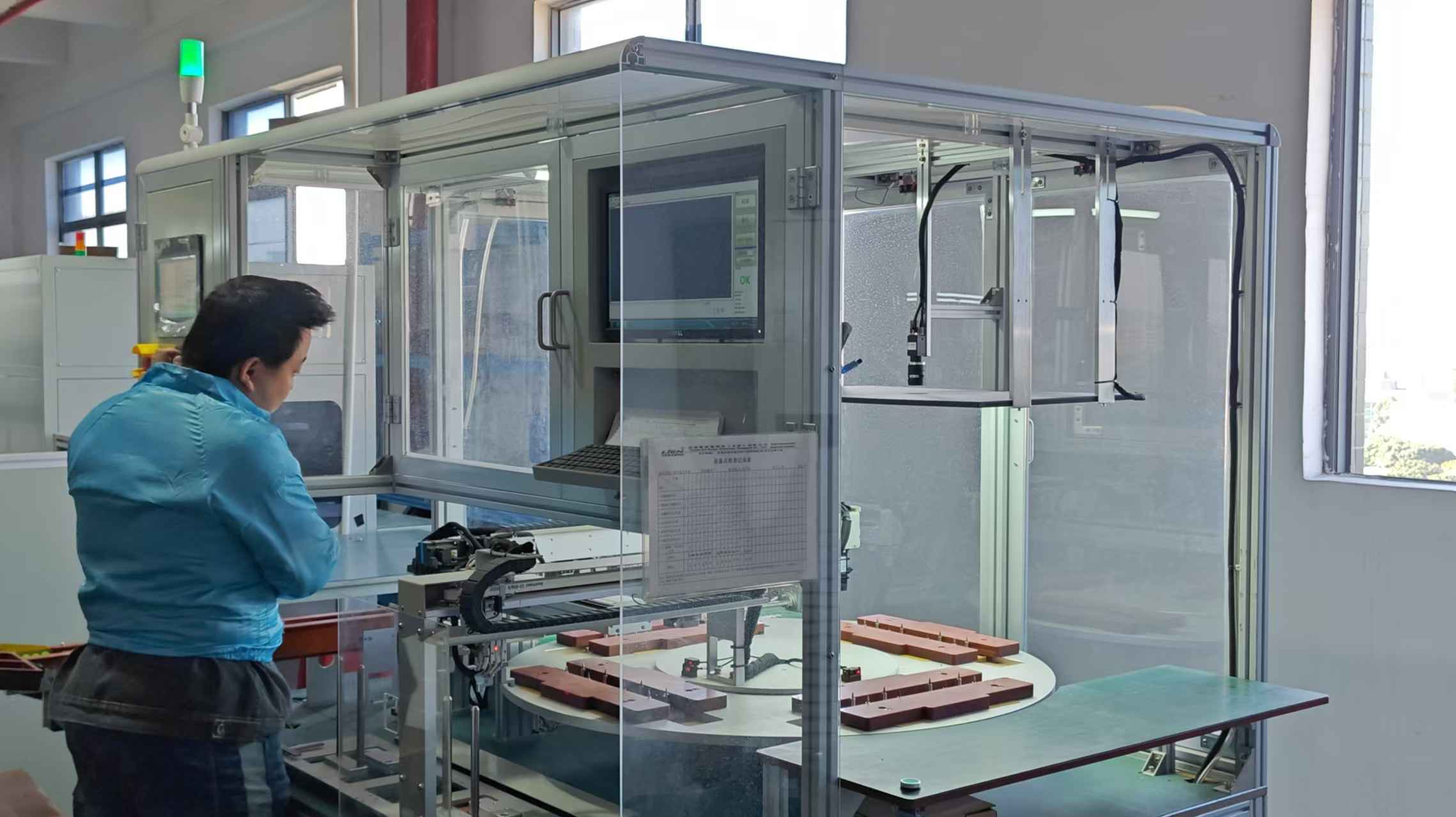
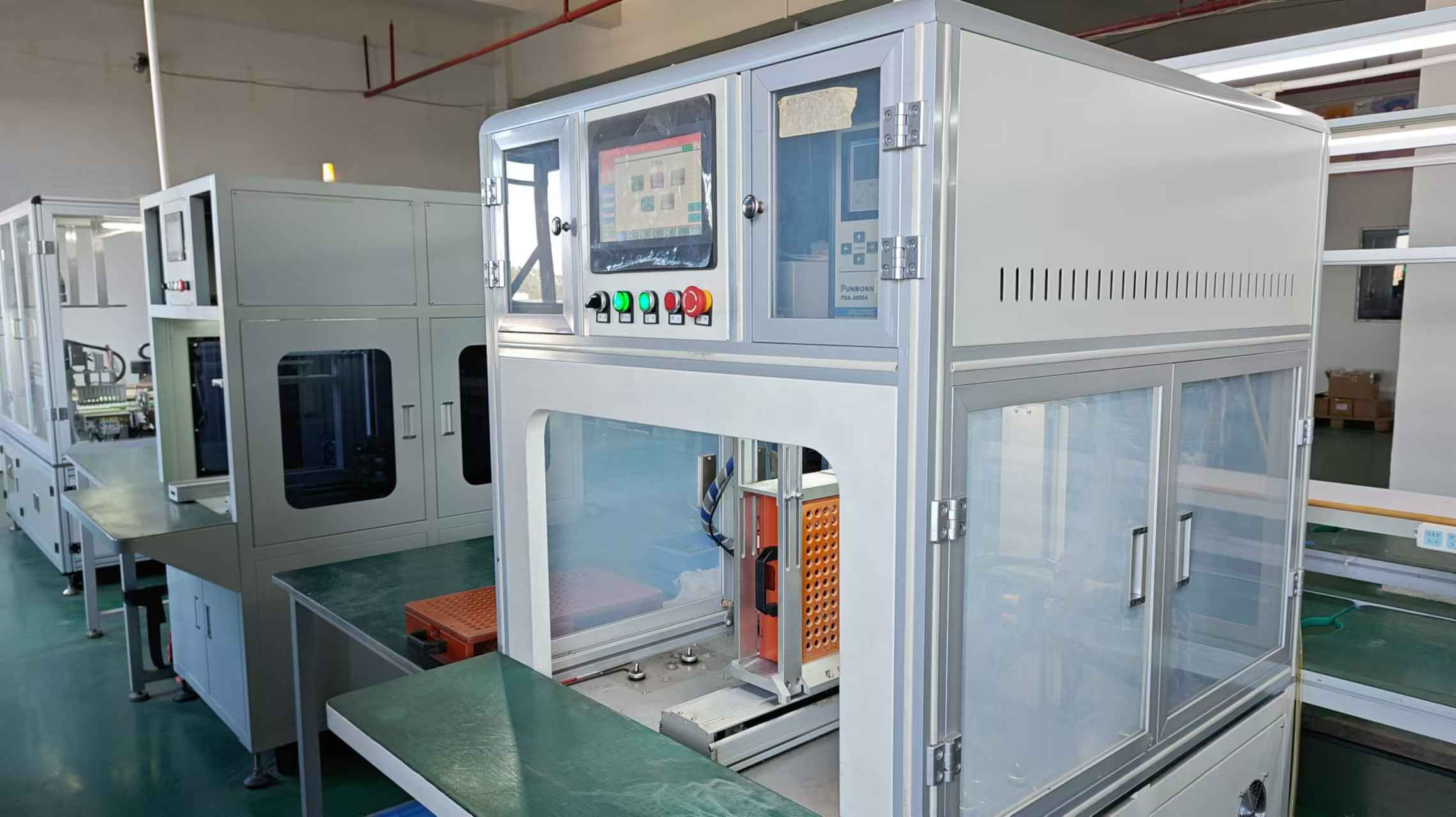
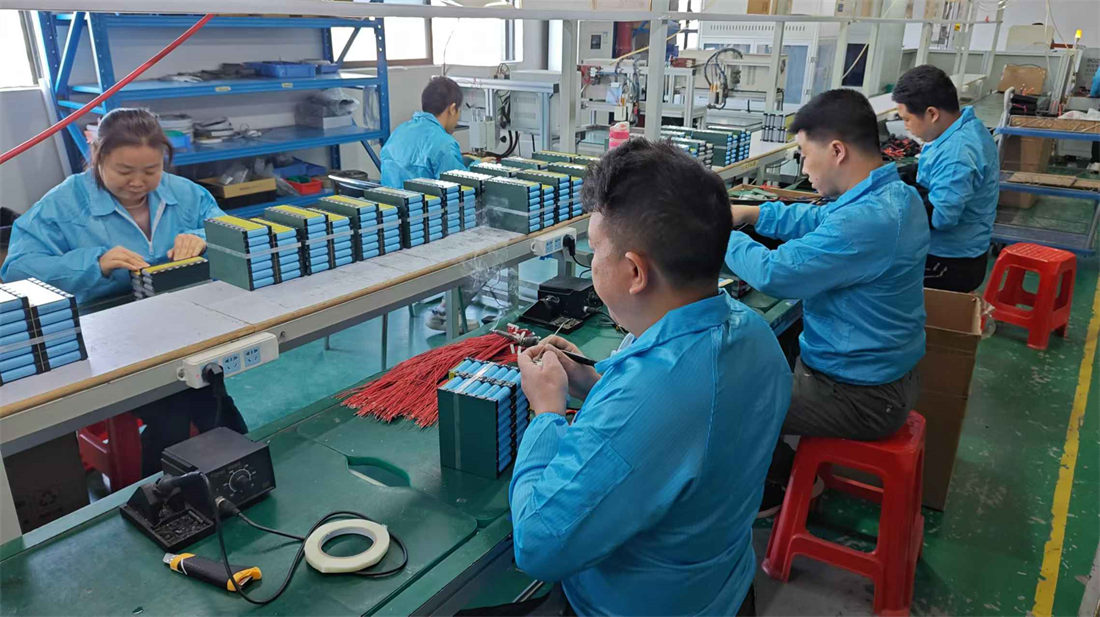
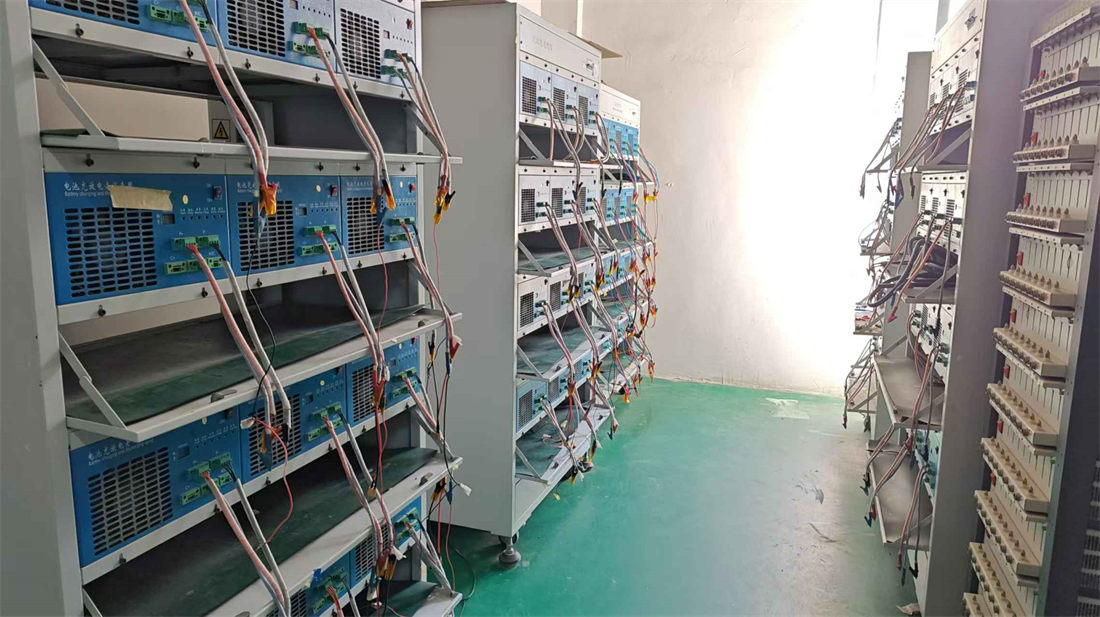
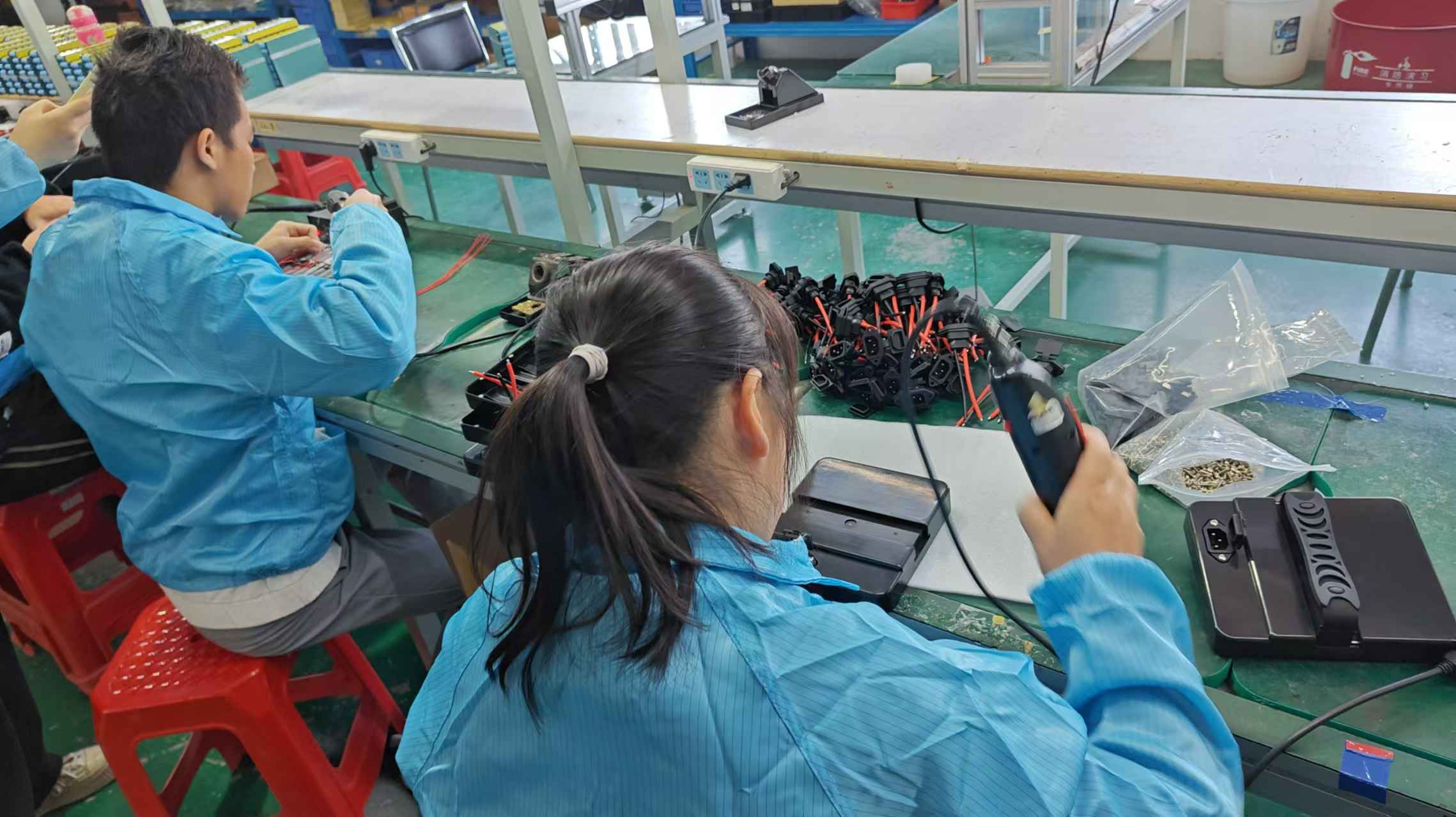
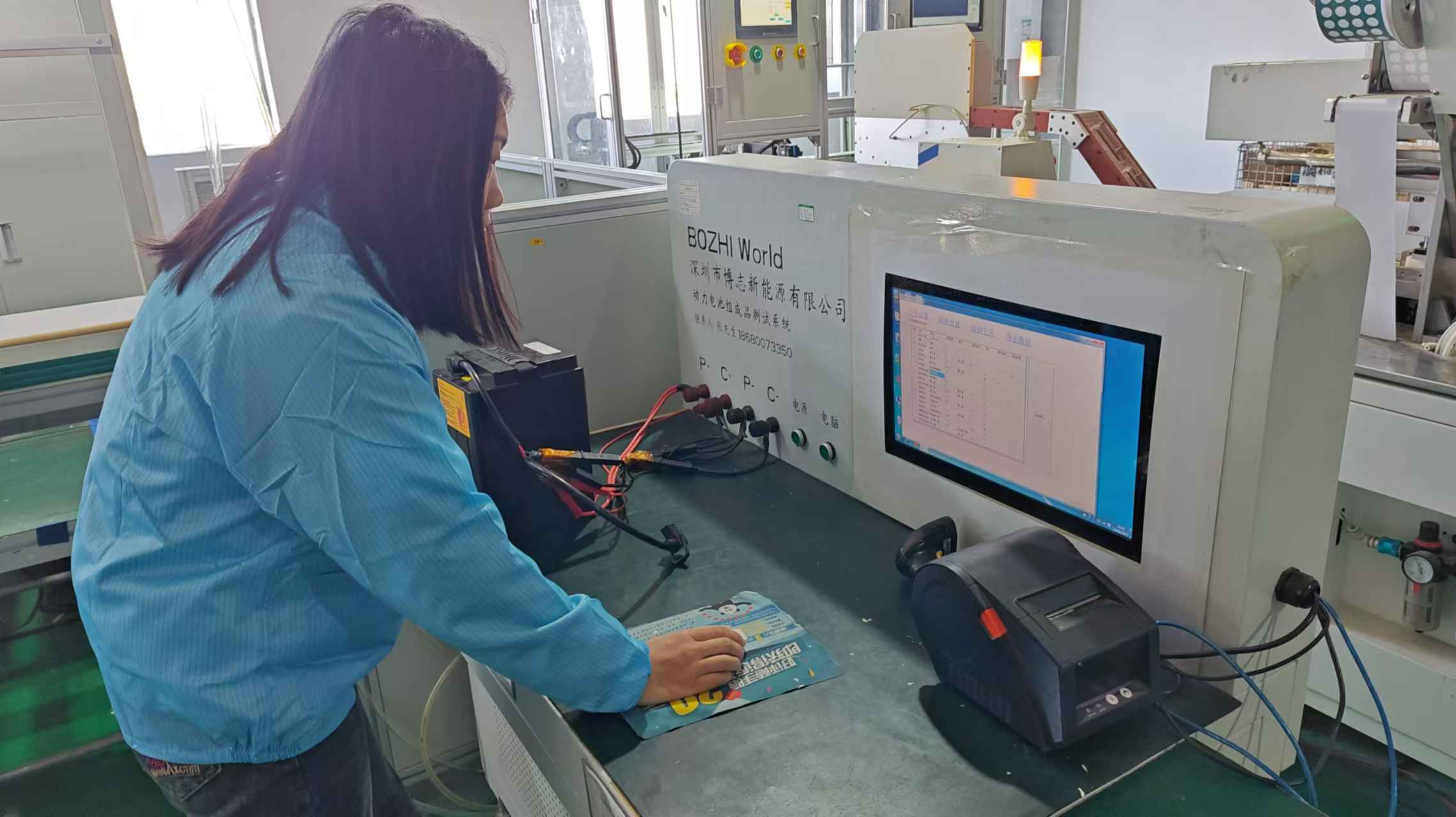
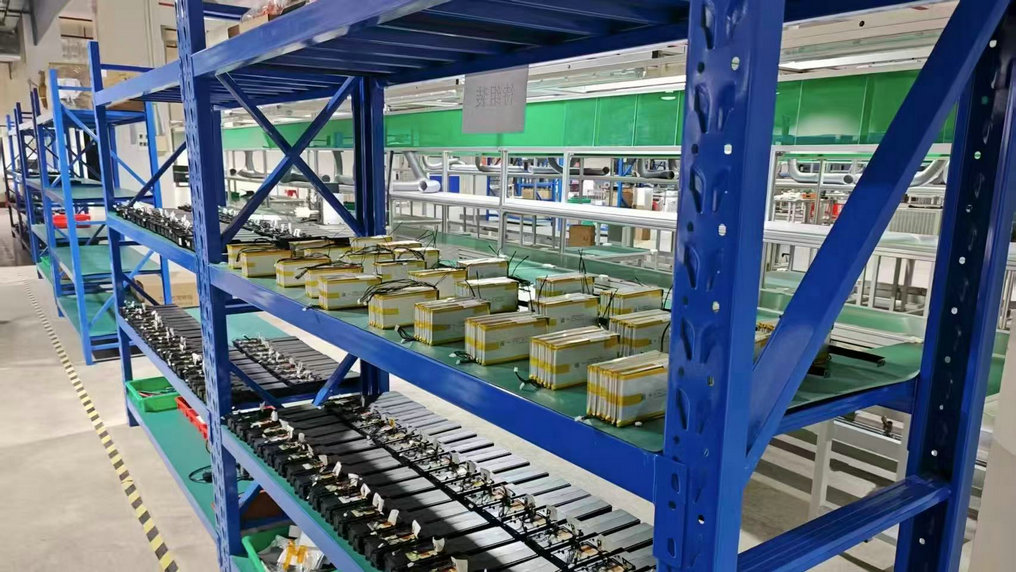
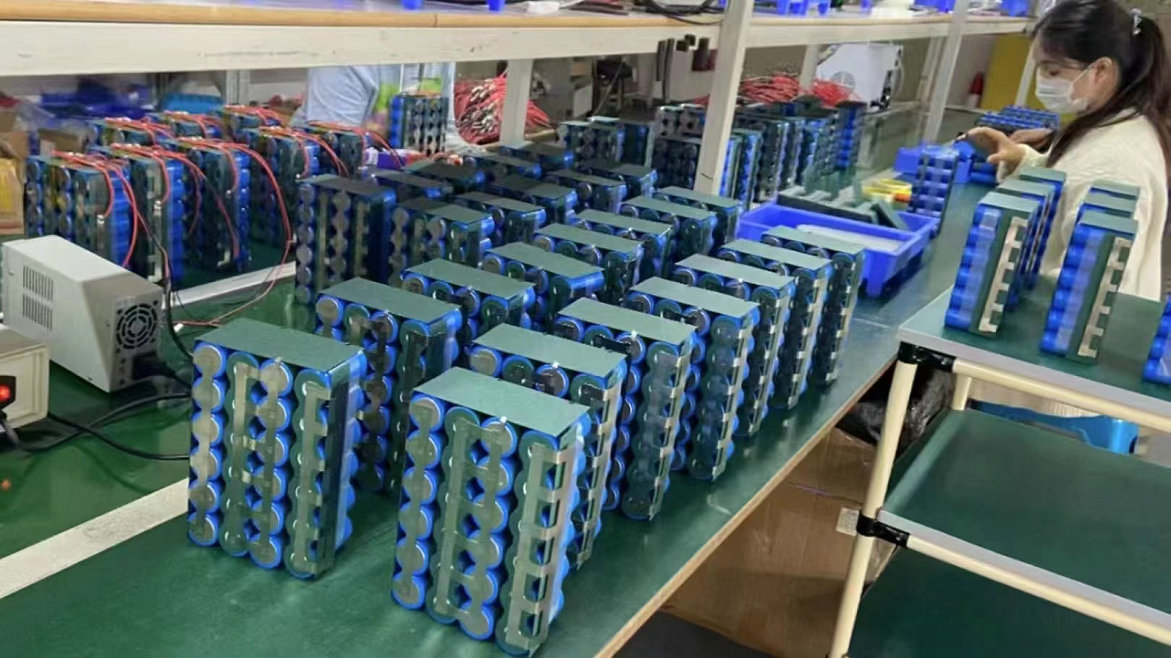
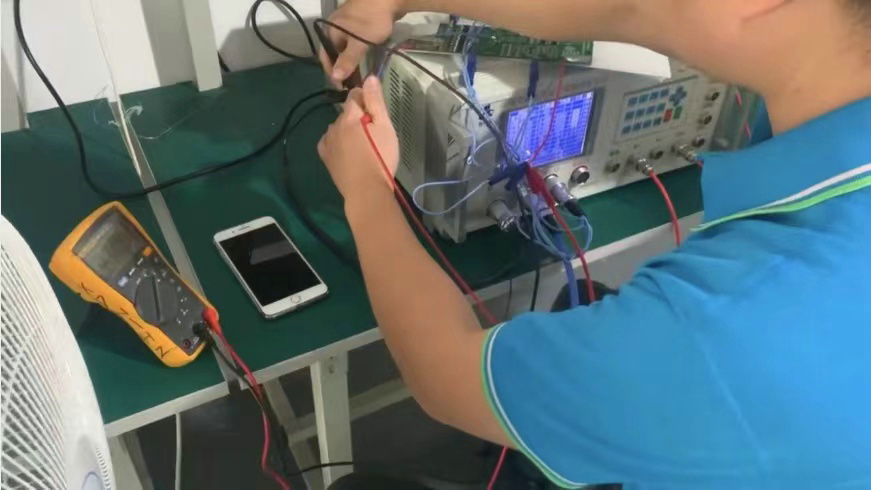
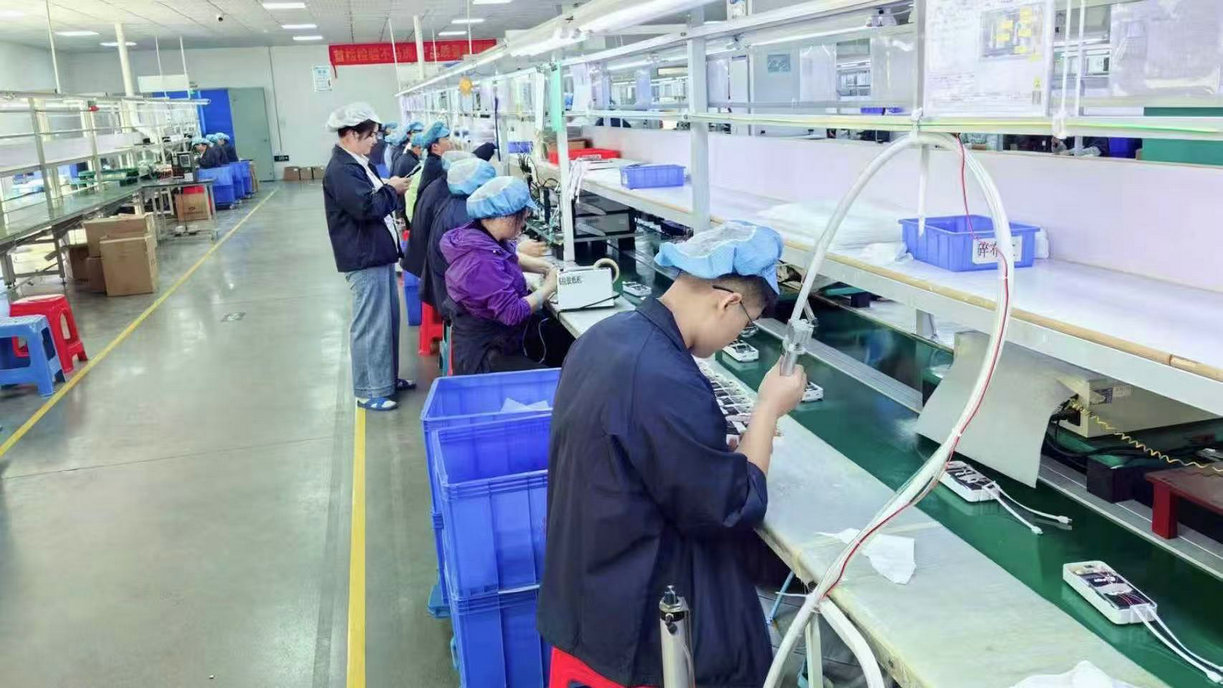
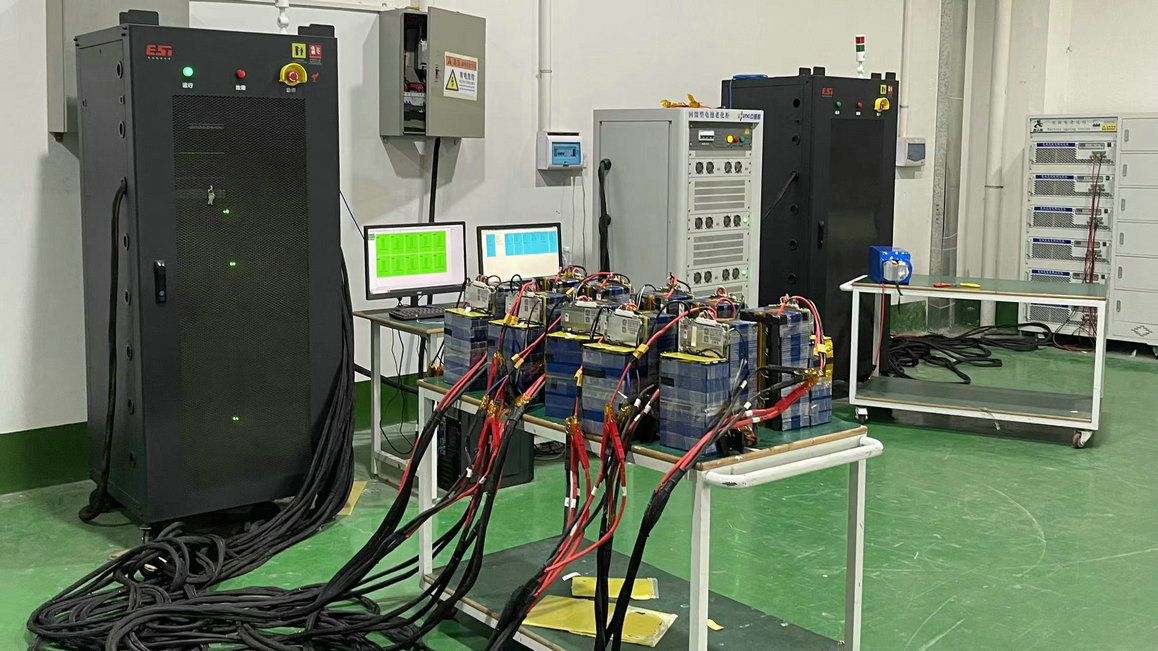
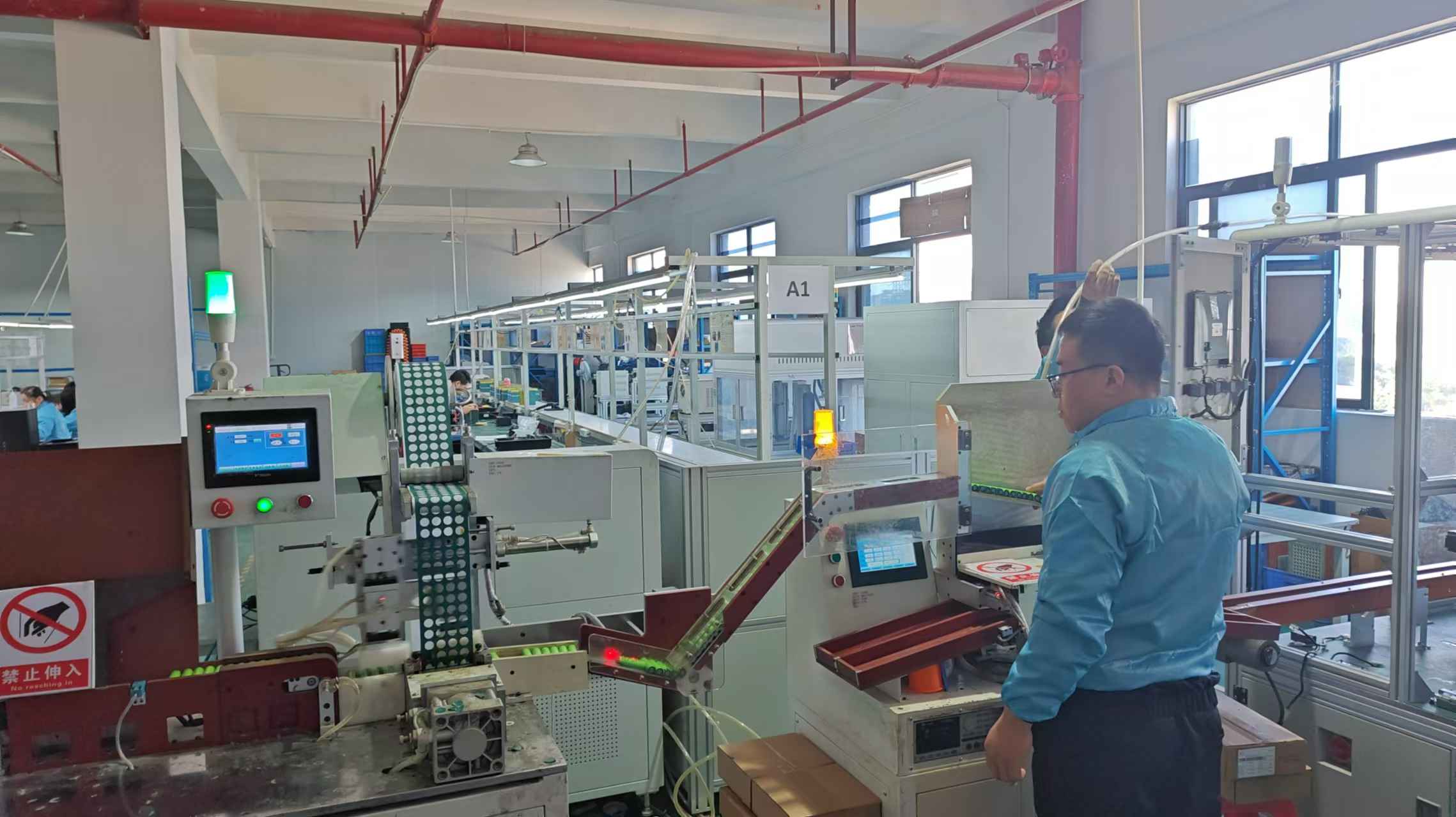
Our production facilities utilize automated equipment to maintain tolerances and ensure consistency across manufacturing batches. High-precision battery sorting machines group cells by exact capacity and internal resistance, preventing imbalances that can reduce the service life of multi-cell packs. Spot welding machines execute consistent electrical connections, while automated aging chambers simulate real-world cycling conditions to identify and eliminate early-life failures before shipping. Insulated and PCB functional testing verifies that protection circuits operate reliably in demanding environments.
Passivation is an inherent chemical characteristic of Lithium Thionyl Chloride batteries. It involves the formation of a thin lithium chloride (LiCl) crystal layer on the surface of the lithium anode. While this layer is essential for preventing self-discharge and enabling shelf lives of up to 20 years, it acts as a temporary barrier when the cell is placed under load, causing a transient voltage drop (voltage delay). If the system micro-controller drops below its cutoff threshold before the passivation layer breaks down, it can trigger a low-battery alarm or system brownout.
For Canadian utility companies operating smart meters in cold climates, this issue is critical. Low winter temperatures increase internal cell resistance, which worsens voltage delay. At Nuwon Energy, we design custom battery solutions to address passivation through several key engineering measures:
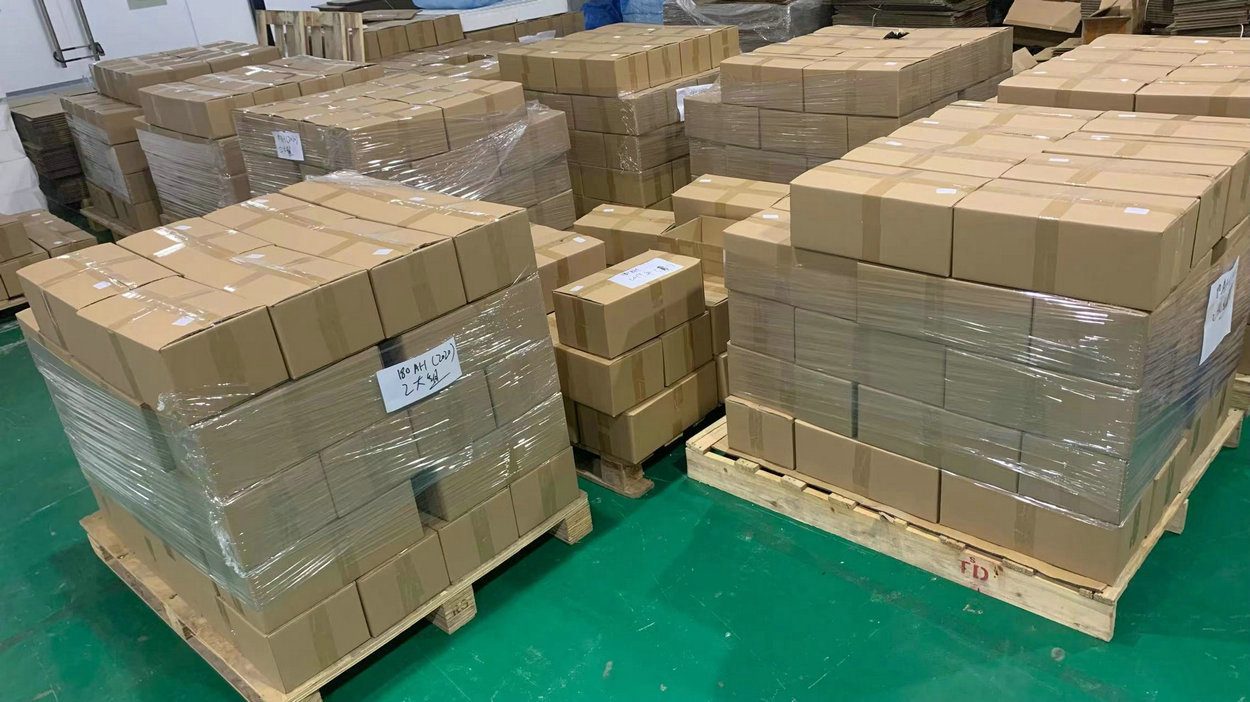
Importing primary lithium battery systems into Canada requires strict adherence to international safety protocols and transport regulations. Nuwon Energy manages the logistics process to ensure compliance for direct importing:
| Cell Configuration / Design type | Nominal Voltage (V) | Nominal Capacity (mAh) | Continuous Current (mA) | Operating Temp Range (°C) | Typical Canadian Use Case |
|---|---|---|---|---|---|
| Bobbin (ER14250 / LS14250) | 3.6V | 1,200 | 15mA | -55 to +85 | Municipal Gas & Water AMR Meters |
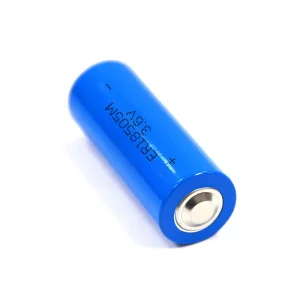
| Bobbin (ER18505) | 3.6V | 4,000 | 50mA | -55 to +85 | Heat Meters & Industrial IoT Telemetry |
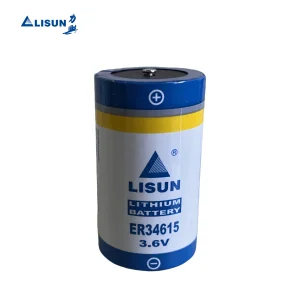
| Bobbin (ER34615) | 3.6V | 19,000 | 150mA | -55 to +85 | Offshore Buoys, Remote SCADA Systems |
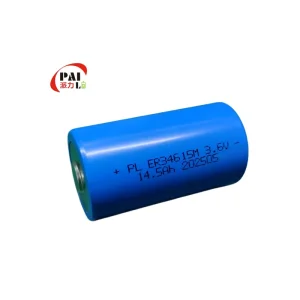
| Spiral (ER34615M) | 3.6V | 14,500 | 1,000mA (Pulse) | -55 to +85 | Oil Sands Pipelines, Satellite IoT Transceivers |
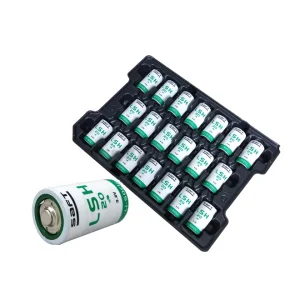
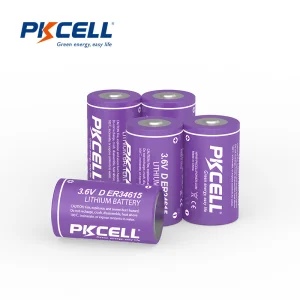
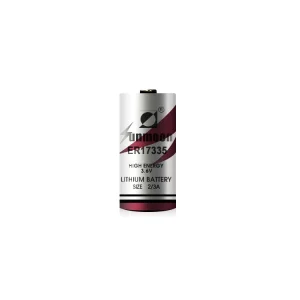
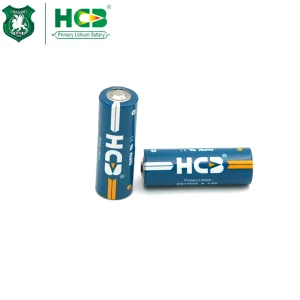
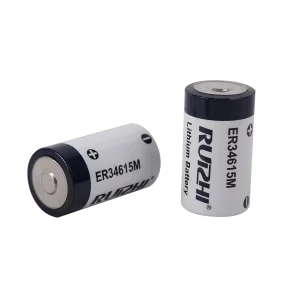
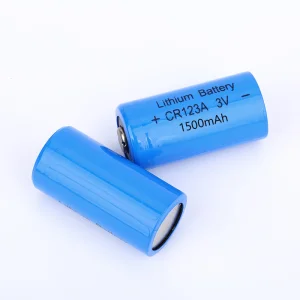
Our complete catalog of primary Lithium Thionyl Chloride batteries, ranging from compact 1/2 AA cells to high-capacity D-size packs, configured for reliable performance in demanding environments.

Expert answers addressing the chemistry, operation, and application parameters of Lithium Thionyl Chloride batteries in Canadian projects.
Li-SOCl2 is a primary (non-rechargeable) chemistry that offers double the energy density of rechargeable chemistries, along with a stable 3.6V nominal plateau. Unlike Li-ion batteries, which self-discharge quickly and lose active performance below 0°C, Li-SOCl2 cells can operate down to -55°C and retain capacity for 15 to 20 years, making them suitable for remote installations where battery replacements are costly.
Low temperatures slow electrochemical kinetics, which can increase the severity of voltage delay when a load is applied. When a device requires high pulse current (e.g., transmitting IoT telemetry at -40°C), the passivation layer must break down quickly to prevent system shutdown. Using hybrid configurations with capacitors (HLC) helps mitigate this issue by supplying the initial pulse energy while the passivation layer clears.
Bobbin-type cells (like the ER34615 or LS14250) are designed for low, continuous current draws (e.g., smart meters and sensor nodes) to maximize energy density and self-discharge stability over 10-20 years. Spiral-wound cells (like the ER34615M or LSH20) are optimized for higher continuous or pulsed loads (e.g., satellite tracking and radio communication modules), though they have lower capacity and slightly higher self-discharge.
We handle all logistics requirements for primary lithium battery shipments, which are classified as Class 9 dangerous goods (UN3090/UN3091). We provide full documentation including UN38.3 test reports, safety data sheets (SDS), and specialized packaging. This ensures compliance with Transport Canada regulations and smooth delivery to distribution centers across Canada.
Yes, we provide full OEM and ODM services. Our engineering team designs custom multi-cell packs in series or parallel (e.g., 1S2P, 2S2P), complete with specified connectors, wire lengths, and integrated protection circuits (protecting against over-discharge, short-circuits, and reverse currents) to match the requirements of your monitoring equipment.
Under optimal storage conditions (clean, dry, temperature-controlled environment below +20°C), our Li-SOCl2 cells experience a self-discharge rate of less than 1% per year. This allows for a shelf life of up to 15 to 20 years before commissioning, making them suitable for long-term standby or backup power applications.
 Nuwon Energy