Engineered for high voltage stability, broad operating temperature ranges, and extreme operational lifetimes in Germany's demanding climate zones.
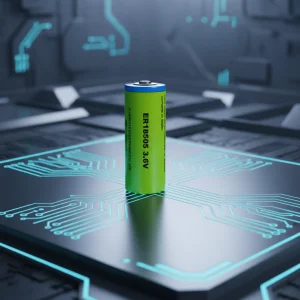
Ideal for Bavarian telemetry networks and smart sensor arrays with high peak-pulse demands.
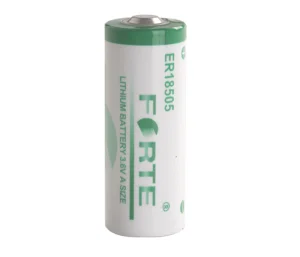
Long life optimization for smart gas and water utility systems requiring stable continuous discharge.
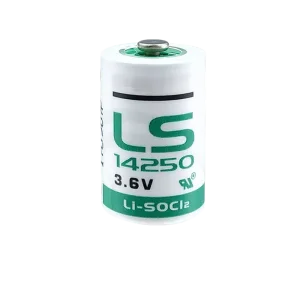
Compact industrial controller backup cell with minimal self-discharge rates.
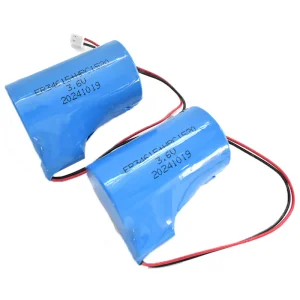
High-capacity D-size engineering cell for prolonged remote appliance deployments.
A comprehensive examination of Lithium Thionyl Chloride (Li-SOCl2) technology integration within Bavarian IoT, utility metering, and automotive testing frameworks.
Munich is recognized as one of Europe’s leading industrial and technology hubs, sitting at the heart of Germany’s digital transformation. The region’s aggressive push into smart grid deployment, driven by compliance with the German Messstellenbetriebsgesetz (MsbG), has accelerated the demand for long-life primary batteries. Local utilities such as Stadtwerke München (SWM) require extremely reliable energy sources for intelligent gas, heat, and water meters that are expected to run maintenance-free for up to 15 or 20 years in underground vaults and exposed outdoor locations.
Additionally, the Munich metropolitan area, characterized by severe continental European winters, demands power sources that can withstand temperature drops to -15°C without suffering severe capacity drop-offs or voltage delays. The automotive engineering R&D centers in Garching and regional industrial automation parks further rely on Lithium Thionyl Chloride (Li-SOCl2) chemistry for critical backup power in embedded systems, trackside wireless diagnostic modules, and asset tracking tags designed for the high-end Bavarian logistics corridor.
In Munich's precision manufacturing sectors, engineers split their specifications between wafer/button cells and cylindrical configurations depending on the mechanical and electrical constraints of the application:
Understanding the electrochemical properties of Li-SOCl2 cells to optimize performance under cold environments.
When a Li-SOCl2 battery is stored, the chemical reaction creates a microscopic LiCl passivation layer. In cold climates (such as winter in Munich), this layer thickens. Upon applying a sudden heavy current load, a brief voltage drop occurs before the layer breaks down. Our R&D focuses on optimizing electrolyte additives to control this passivation growth.
To eliminate voltage delay in smart transmission setups, we integrate Hybrid Pulse Capacitors (HPC) or Supercapacitors in parallel with bobbin-type ER batteries. The battery trickle-charges the capacitor, which then supplies the high-current pulse needed for LoRaWAN or LTE-M transmissions without stressing the main cell.
Modern wafer cells feature glass-to-metal hermetic seals and laser-welded stainless steel cases. This construction prevents electrolyte leakage and moisture ingress, extending the shelf-life to over 15 years even in environments with fluctuating humidity levels.
| Cell Construction | Typical Applications | Self-Discharge Rate | Pulse Current Capability | Energy Density |
|---|---|---|---|---|
| Bobbin Type (Cylindrical) | Smart Water/Gas Meters, AMR, Heat Cost Allocators | <1% per year at 20°C | Low (enhanced by HPC) | Highest (~650 Wh/kg) |
| Spiral Type (Cylindrical) | Asset Tracking, Defense, High-Pulse IoT, Marine Beacons | 1.5% - 2.5% per year | High (Up to 2000mA) | Medium (~450 Wh/kg) |
| Wafer/Button Type | Active RFID, Medical Implants, PCB Memory Backup | <1% per year at 20°C | Low to Medium | High (~400 Wh/kg) |
Bridging Chinese manufacturing scale, automation, and speed with German engineering standards and compliance requirements.
Backed by a highly experienced engineering and R&D team, Nuwon Energy focuses on the design and integration of cylindrical and prismatic lithium battery cells, as well as complete battery packs, modules, and energy storage systems. The company also develops and produces industrial-grade battery cells engineered for safety, durability, and long cycle life.
Guangdong Nuwon Energy serves a wide range of industries, including consumer electronics, electric mobility (such as golf carts, forklifts, UTVs/ATVs, trucks, and marine systems), medical equipment, unmanned ground vehicles (AGVs/AMRs), and emerging aerospace applications such as eVTOL aircraft. In addition, the company provides reliable residential, commercial, and industrial (C&I) energy storage solutions designed to support the global transition toward clean and sustainable energy.
With a strong commitment to innovation, strict quality control, and customer-centric service, Guangdong Nuwon Energy continuously invests in advanced manufacturing capabilities, automated production lines, and rigorous testing systems. This ensures that every product meets international safety standards and delivers exceptional performance in demanding environments.
Driven by a vision to accelerate global electrification and energy efficiency, Guangdong Nuwon Energy Co., Ltd. is dedicated to building long-term partnerships and providing reliable, intelligent, and sustainable energy solutions to customers worldwide.
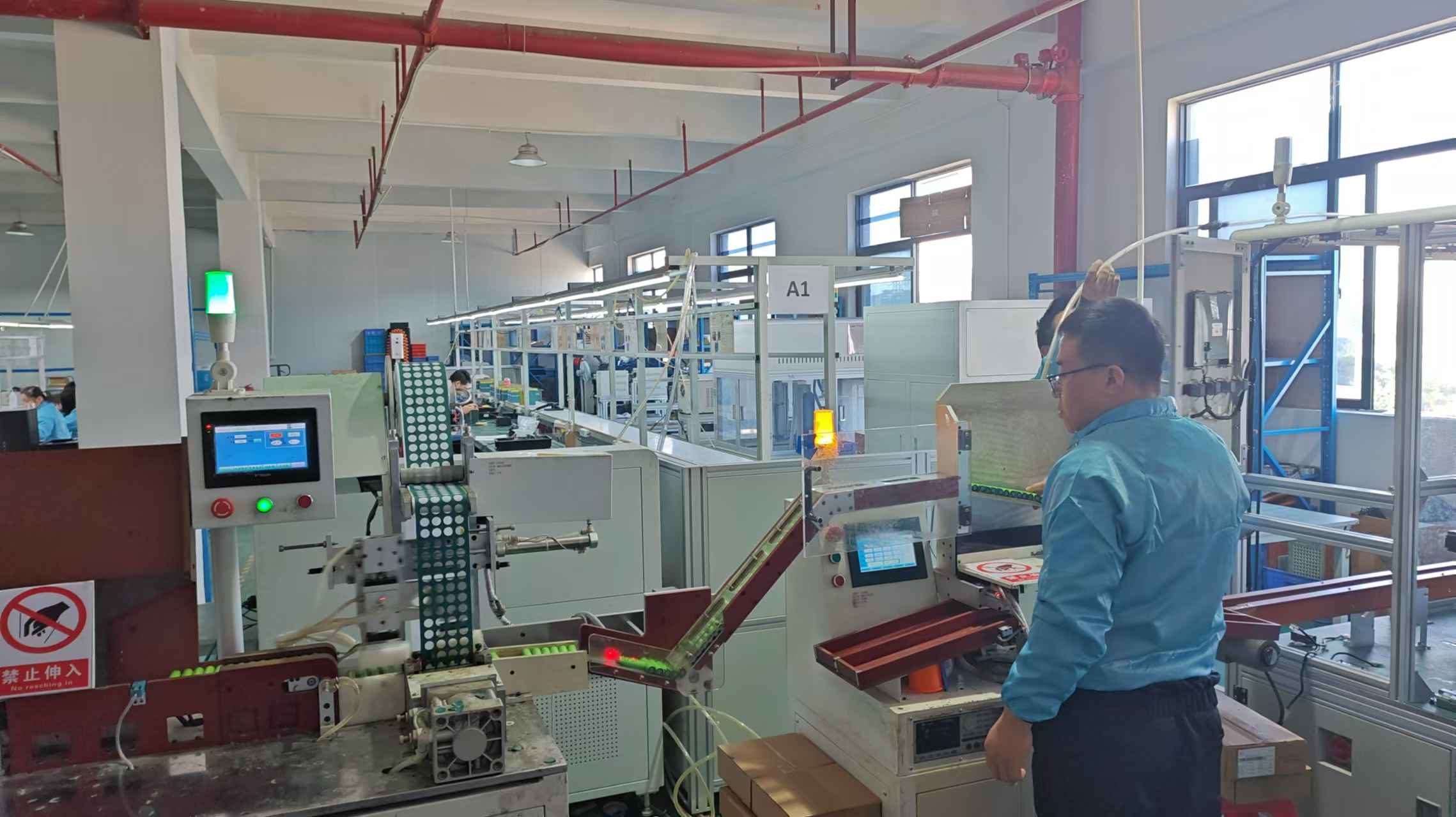
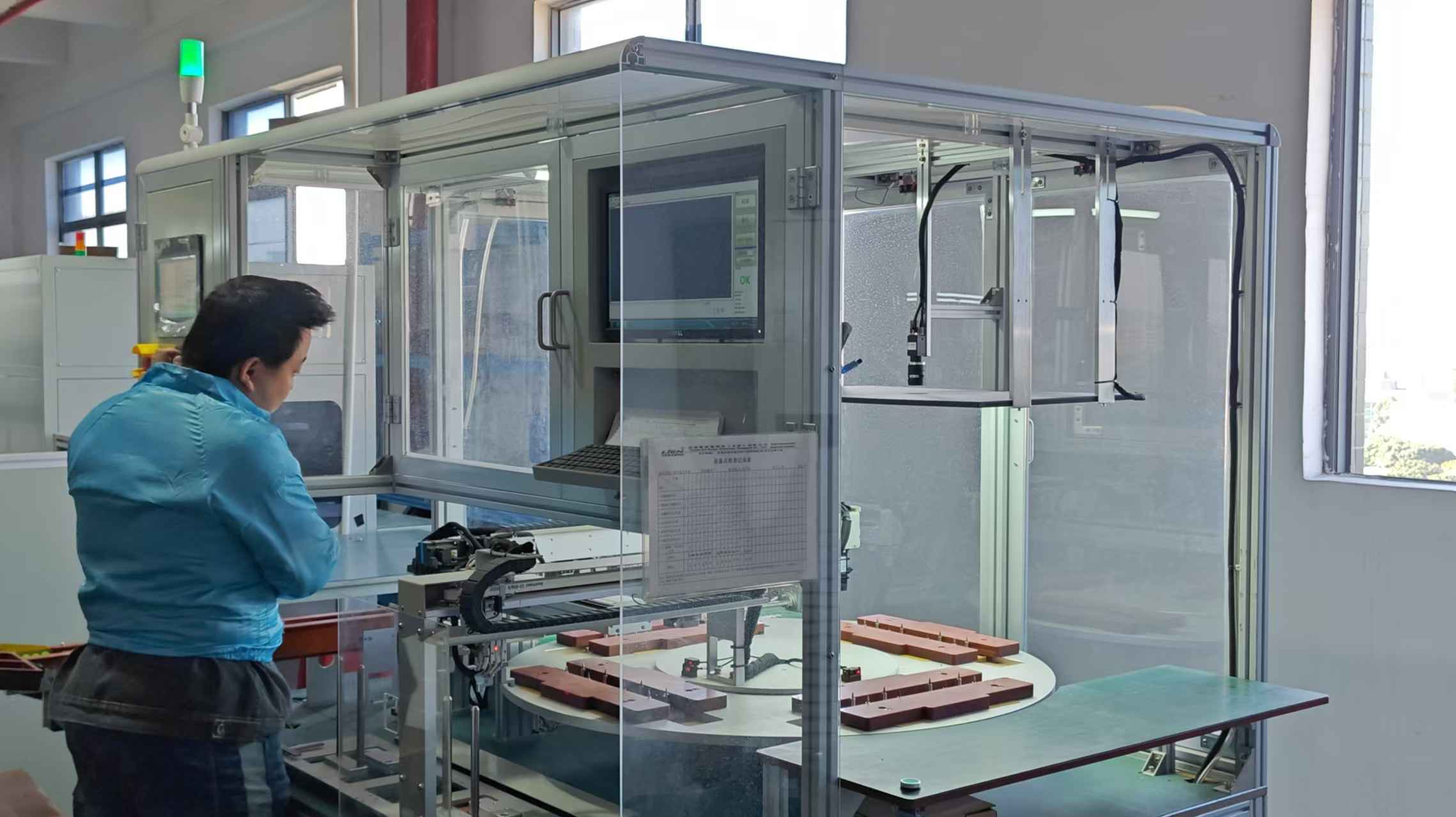
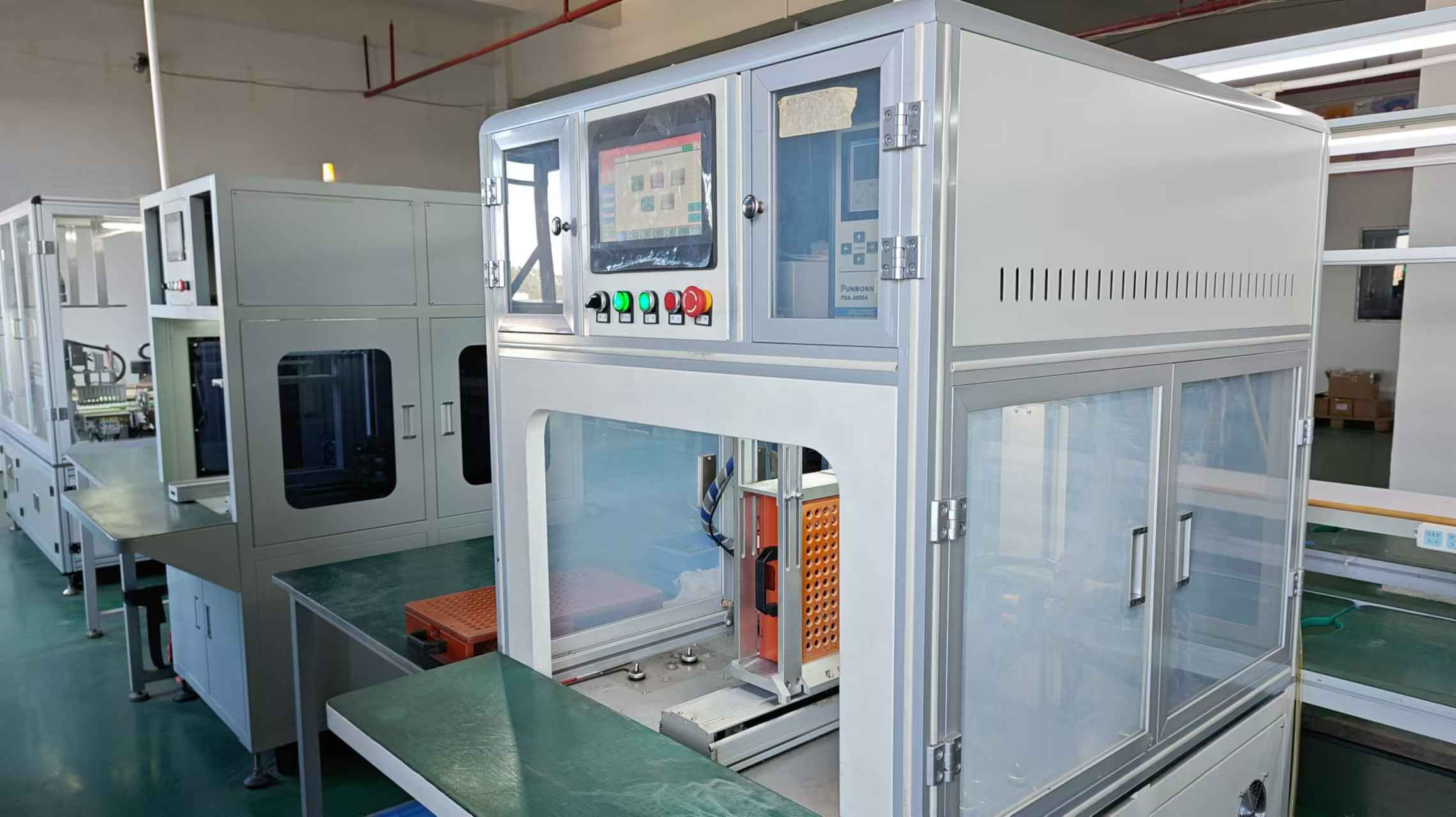
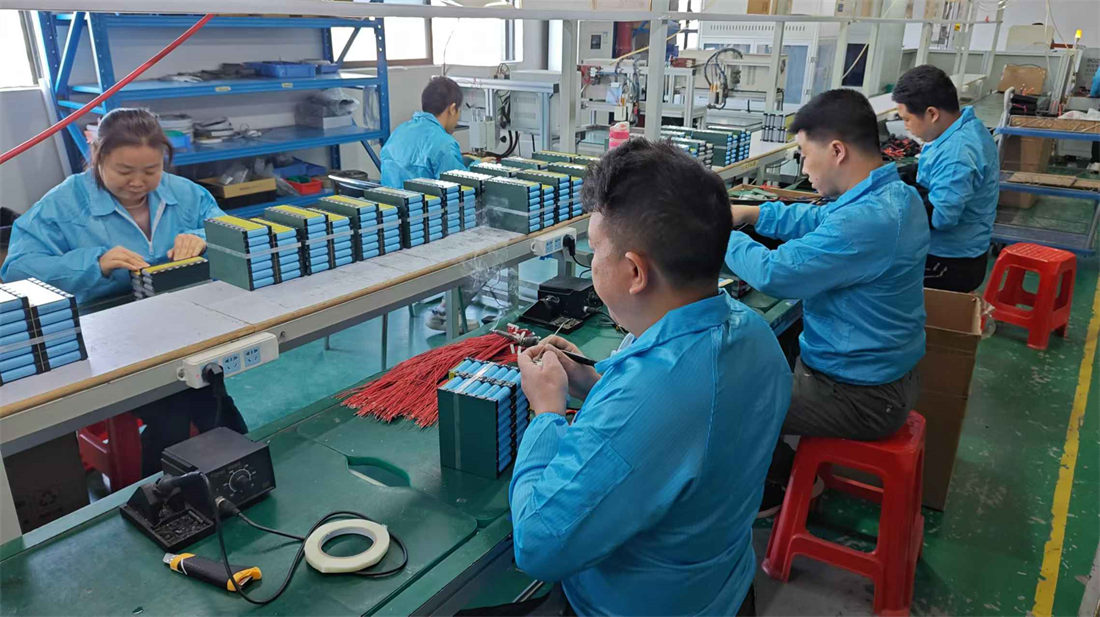
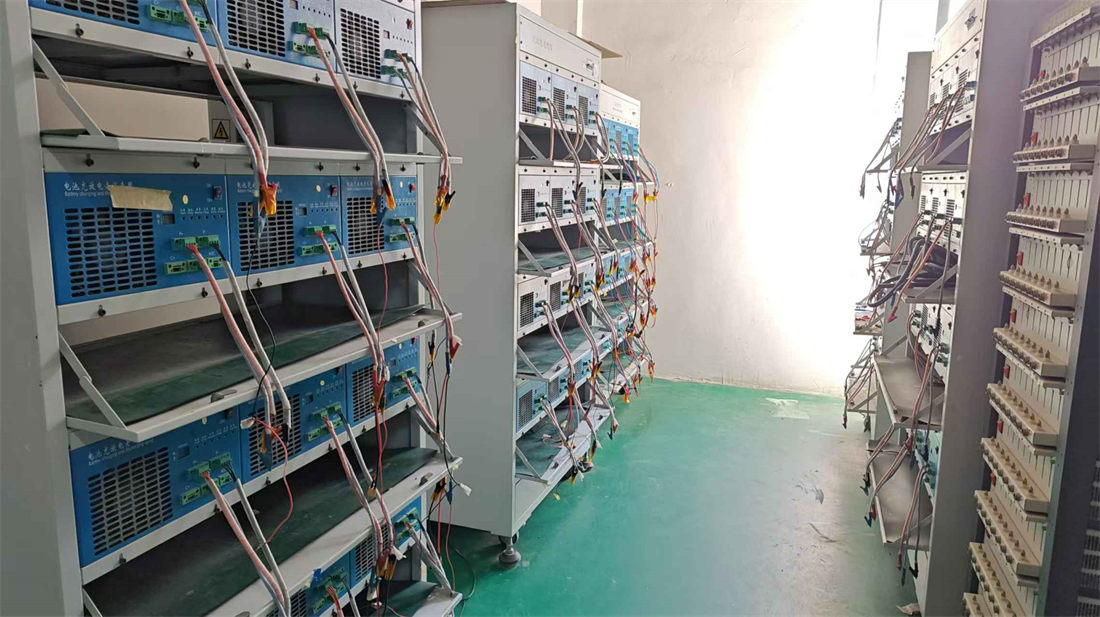
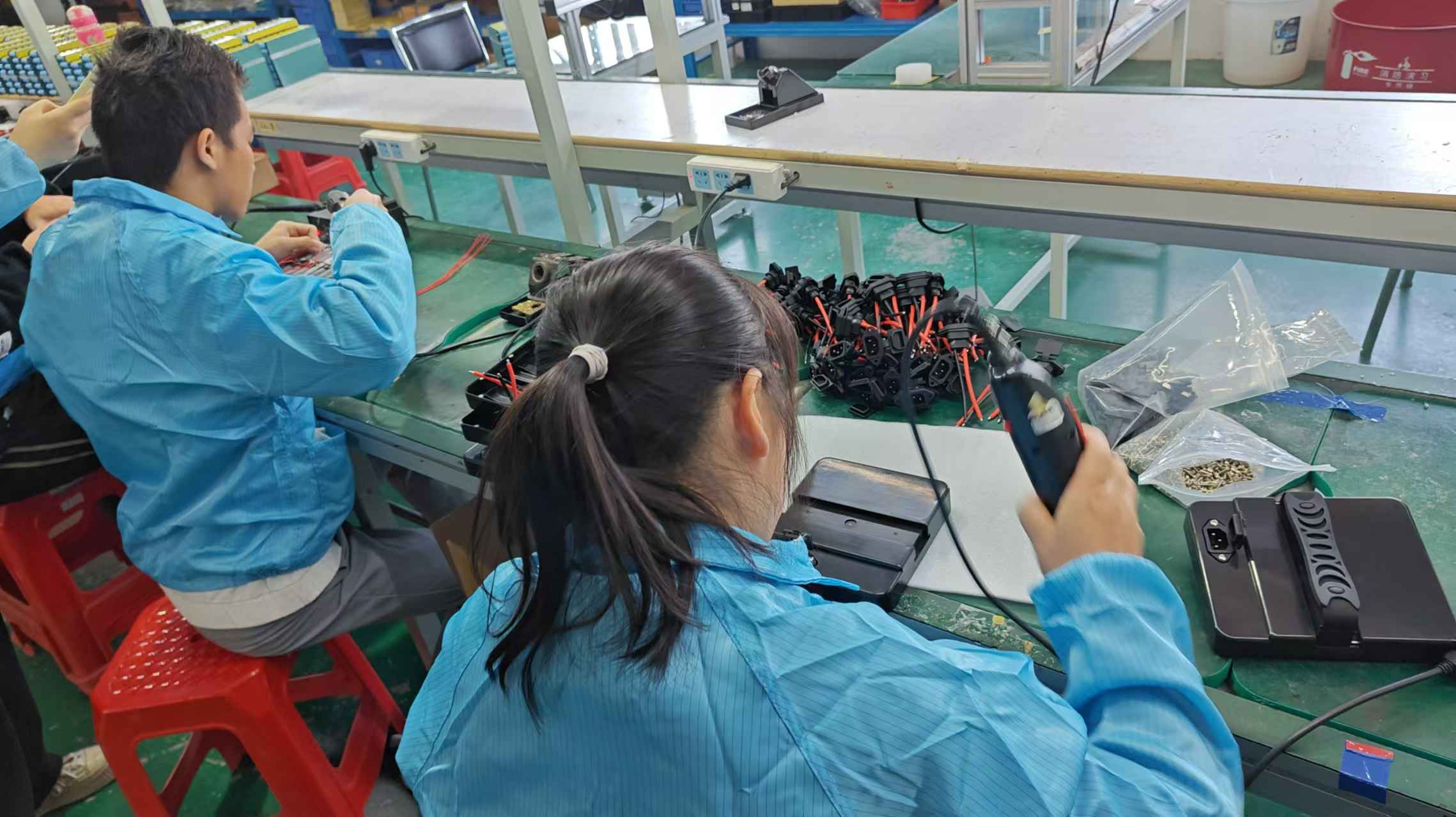
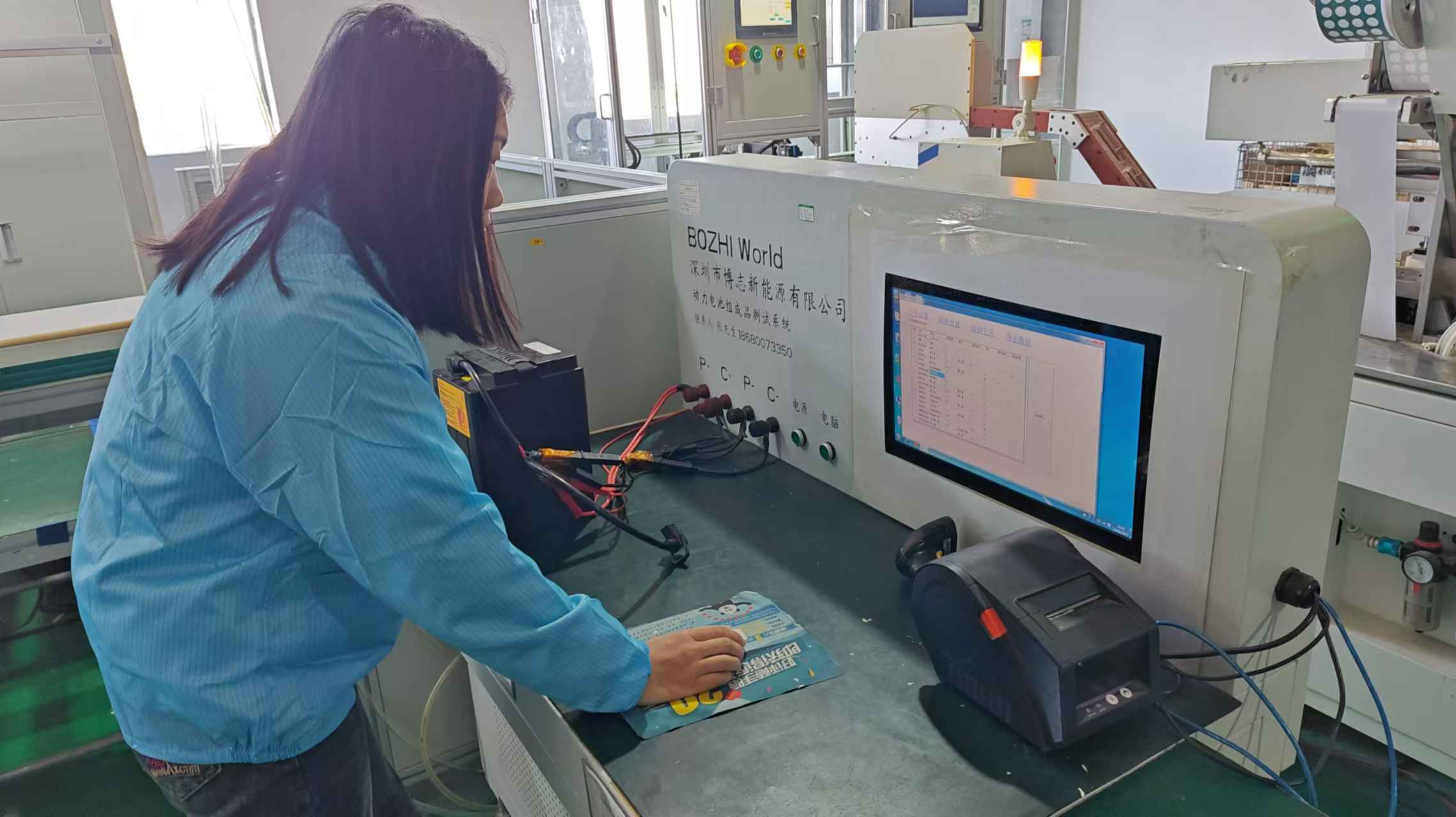
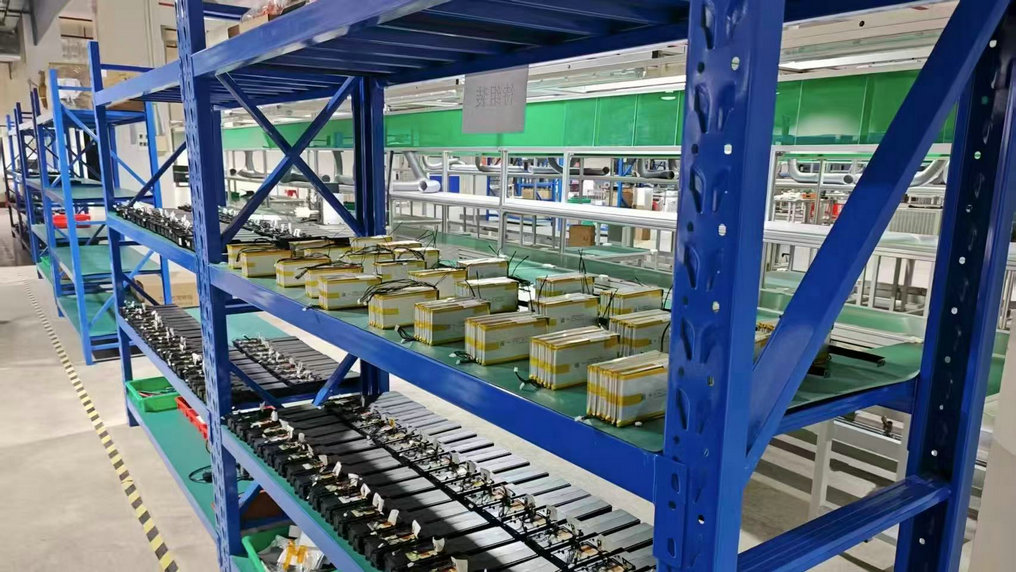
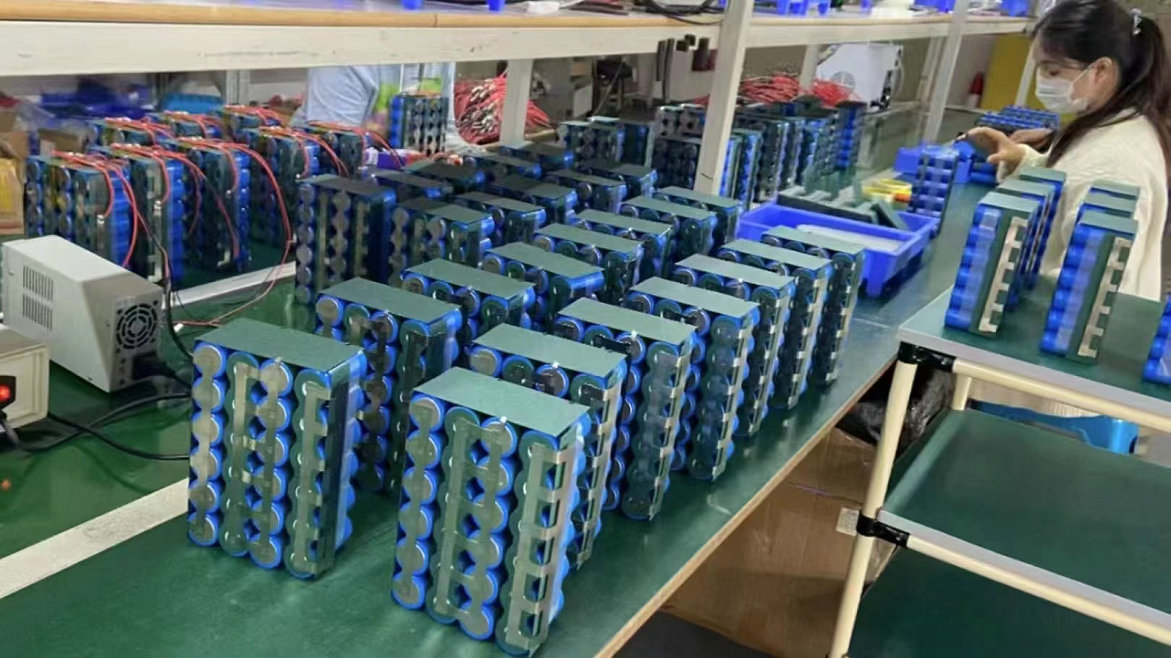
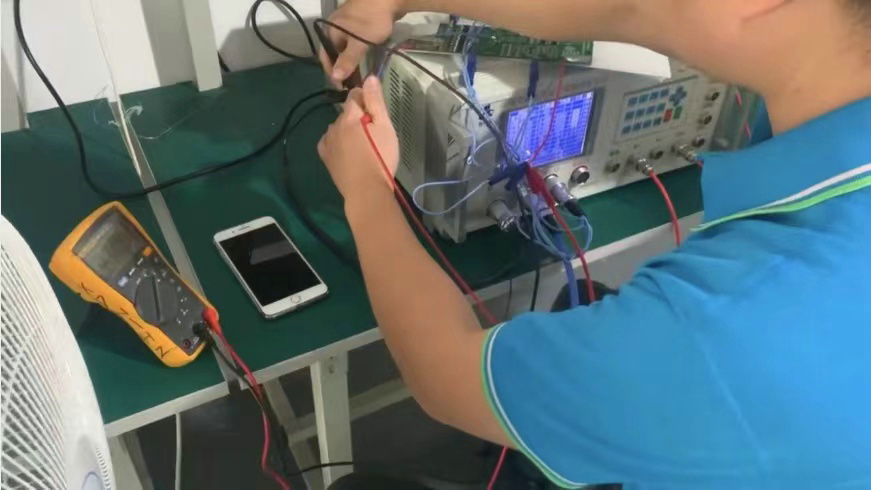
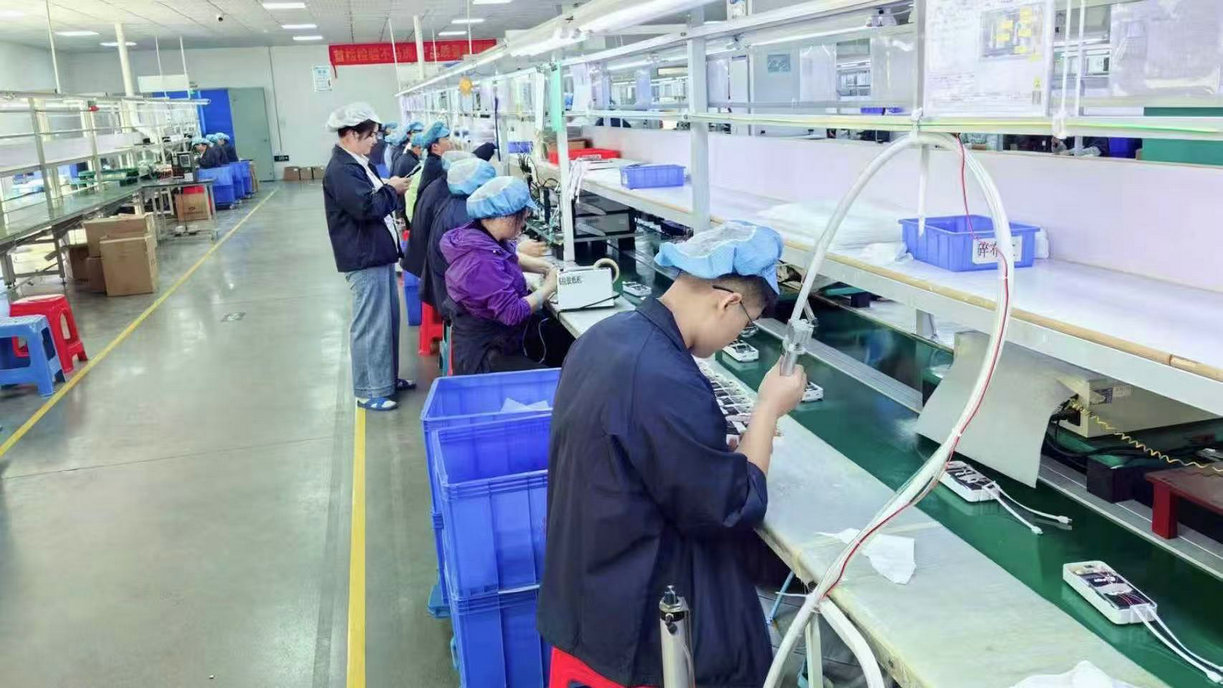
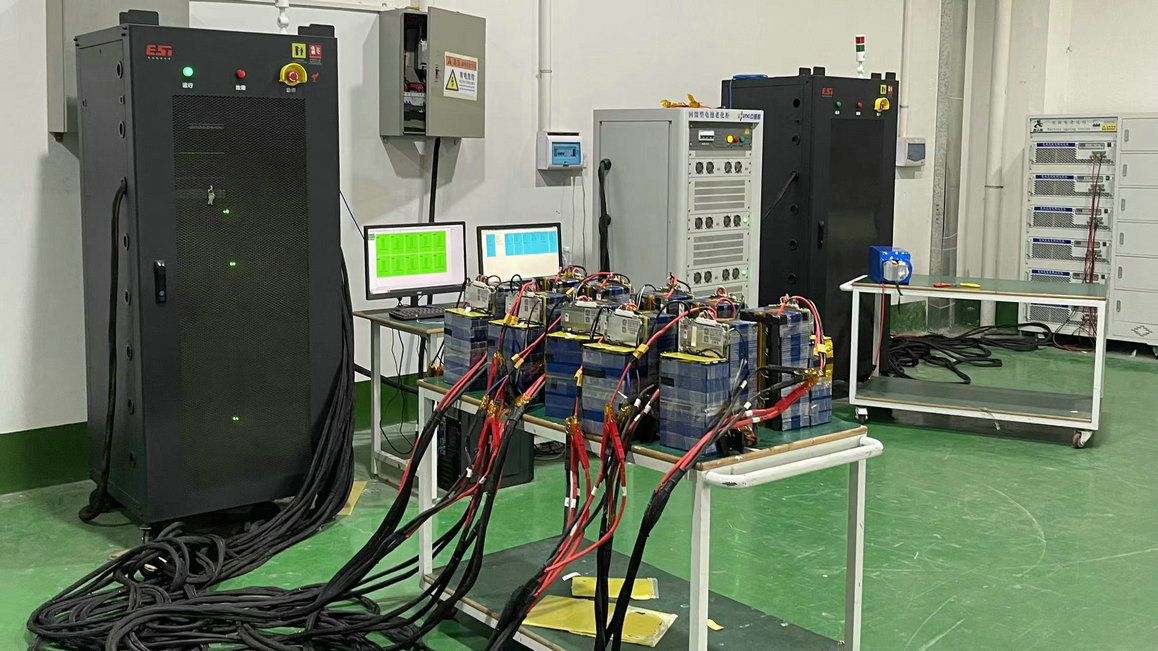
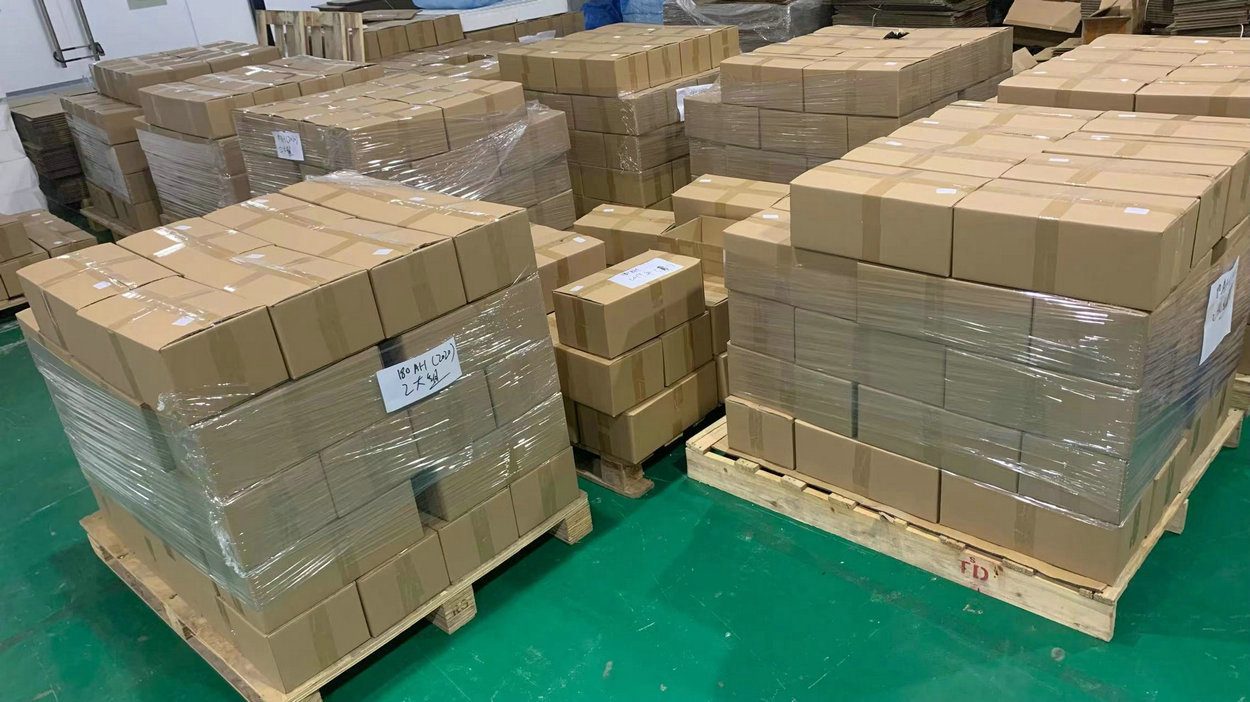
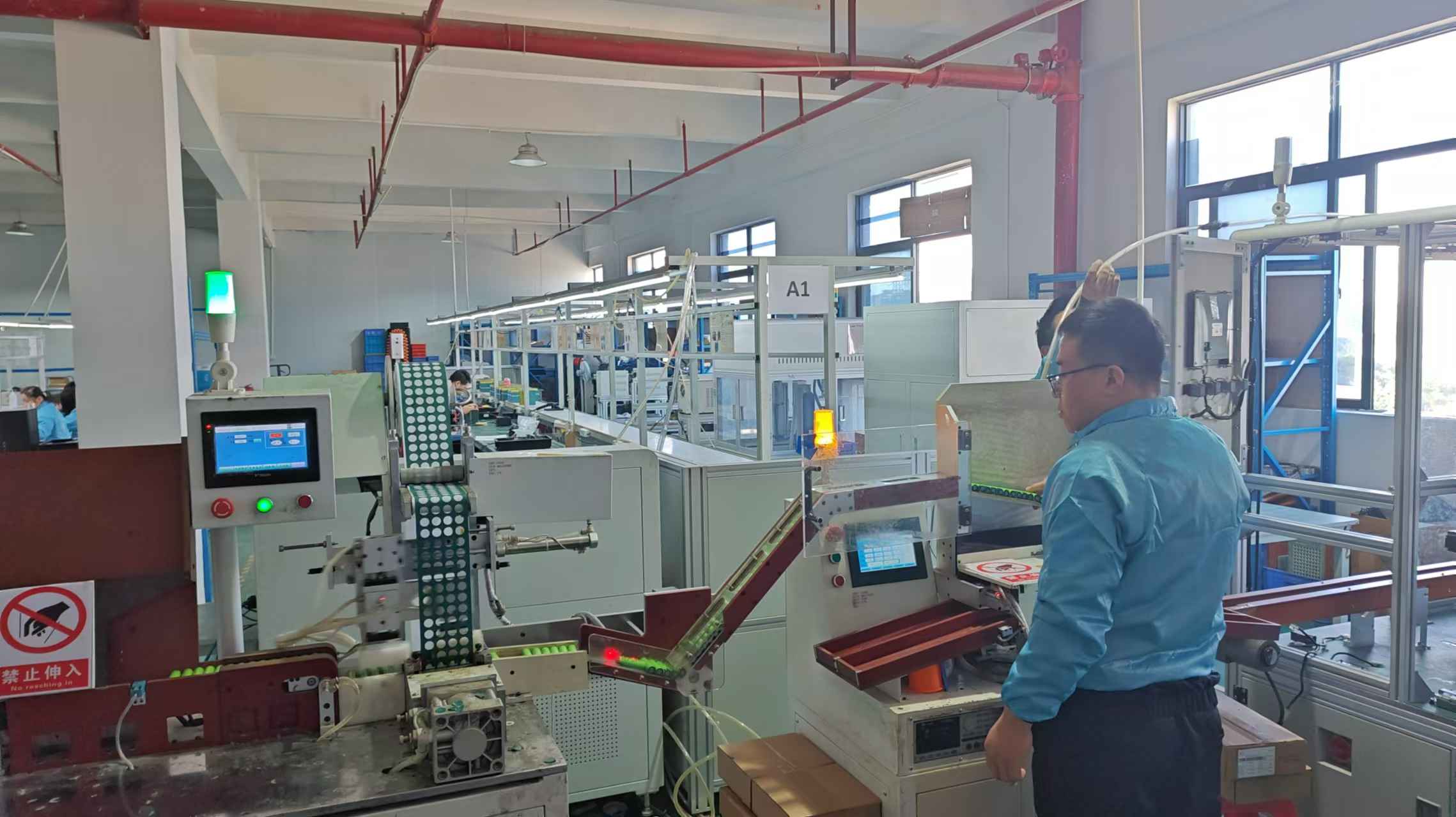
To supply high-reliability Li-SOCl2 batteries to the Munich market, Nuwon Energy operates state-of-the-art manufacturing facilities. The production journey utilizes absolute automation to maintain cell-to-cell consistency, crucial for multi-cell pack configurations. Below are key phases of our facility operations:
Ensuring complete peace of mind through strict compliance with EU battery directives and reliable hazmat transportation channels.
We work in alignment with German environmental regulators to fulfill BattG (Batteriegesetz) requirements. Our products are fully compliant with WEEE directives, ensuring responsible end-of-life recycling and local eco-contributions.
All Li-SOCl2 batches are subjected to rigorous vibration, shock, short-circuit, and thermal abuse testing to achieve UN38.3 transport safety clearance and CE marking, which is mandatory for integration into industrial products sold across the European Economic Area.
Primary Lithium batteries are classified as Class 9 Dangerous Goods. We maintain partnerships with DB Schenker, DHL Express, and specialized freight forwarders to guarantee safe customs clearance and door-to-door delivery in Munich, Stuttgart, and surrounding areas.
Select from our complete catalog of high-performance Li-SOCl2 cells. All designs are optimized to match Germany's industrial safety criteria.
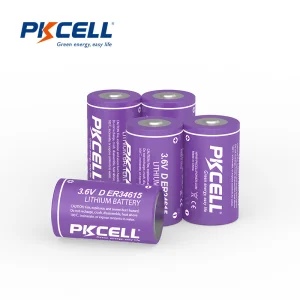
High capacity cell optimized for long deployment cycles in Bavarian water metering schemes.
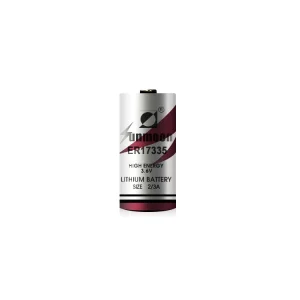
Commonly implemented in home security sensors, tracking units, and remote actuators.

Parallel cell pack layout configuration to support high-drain cellular telemetry.
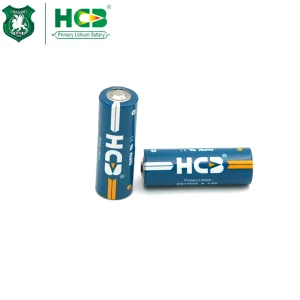
A-size configuration offering excellent volumetric density for compact machinery monitoring.
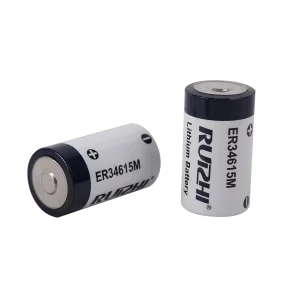
Spiral wound chemistry tailored to deliver higher continuous currents for tracking equipment.
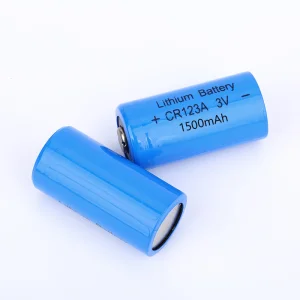
Industrial control grade CR123A with high pulse support for access control systems.
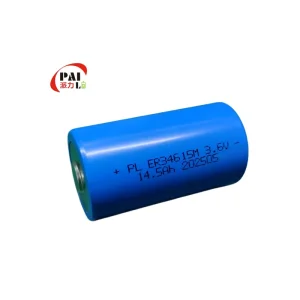
Heavy-duty pack engineered for smart cylinder locking mechanisms and security gates.
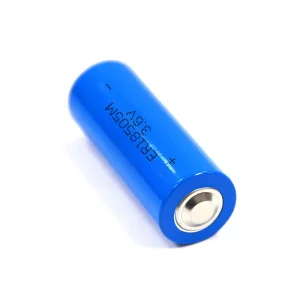
Direct factory supply model for automated system integrators and distributors.
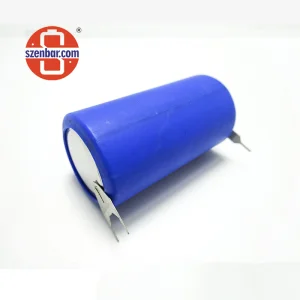
Specialized chemistry variant built to endure high operating temperatures and mechanical stress.
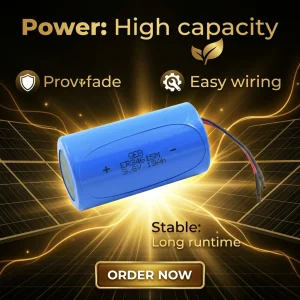
Equipped with pre-assembled connector for plug-and-play installation in remote climate sensors.
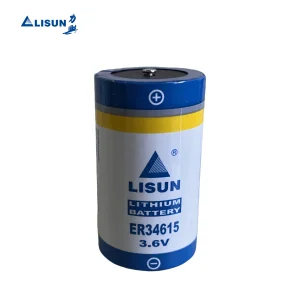
Trusted globally for structural health monitoring sensor integration and municipal networks.
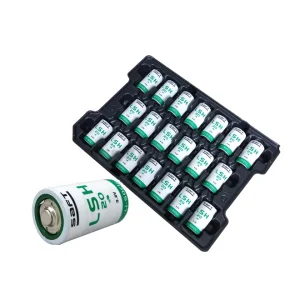
Industry benchmark cell offering high pulse current and mechanical durability.
Addressing core electrochemical and logistical inquiries from engineering firms in Germany and Central Europe.
Voltage delay is caused by the growth of a Lithium Chloride (LiCl) passivation layer on the lithium anode. While this layer prevents self-discharge and extends shelf life to over 10 years, it acts as an electrical insulator at startup. In high-pulse applications, we recommend deploying a Hybrid Pulse Capacitor (HPC) parallel configuration. This allows the capacitor to discharge immediately while the battery breaks down the passivation layer and replenishes the capacitor.
Yes, Li-SOCl2 chemistry is highly robust in cold environments compared to typical lithium-ion or alkaline chemistries. Our batteries operate reliably down to -55°C. At -15°C (a typical cold winter day in Munich), bobbin cells maintain approximately 80% to 90% of their nominal capacity, depending on the discharge rate.
Bobbin-type cells (such as the standard ER34615) are optimized for energy density (up to 650 Wh/kg) and have low self-discharge (<1% per year), but support only low continuous currents. Spiral-wound cells (such as the ER34615M or LSH20) feature a larger electrode surface area, allowing high pulse and continuous currents at the expense of energy density and a slightly higher self-discharge rate (~1.5% to 2.5% per year).
To import and distribute batteries in Germany, products must pass UN38.3 safety standards (covering altitude simulation, thermal tests, vibration, shock, external short circuit, impact, overcharge, and forced discharge). Additionally, cells must comply with the European Union's RoHS Directive (2011/65/EU) and REACH Regulation, and the importer must register under the German BattG (Batteriegesetz).
We use fully automated manufacturing lines in Guangdong, including automatic voltage/internal resistance sorting, precision robotic welding, high-temperature aging chambers, and dedicated PCB assembly testing. This automation limits manual handling errors, ensuring that every batch meets standard industrial guidelines.
Planning a smart grid rollout, IoT sensor deployment, or industrial electronics project in Munich? Get in touch with our design engineers for detailed spec sheets, customization configurations, and FOB/DDP pricing options.
 Nuwon Energy