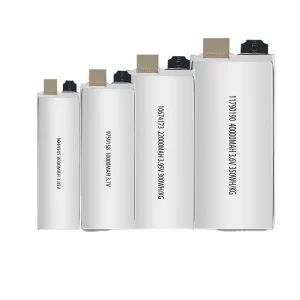
Engineered for extreme surge capacities, low internal resistance (IR), and optimized thermal dissipation profiles for remote and harsh operations.

From the high-altitude copper mines of the Atacama Desert to the bustling electric transport corridors of Santiago, Chile is executing one of the most ambitious electrification strategies in South America.
This massive shift places unprecedented demands on battery chemistry. Industrial equipment working at altitudes exceeding 4,000 meters faces sub-zero climates, lower atmospheric pressure (restricting convective cooling), and violent shock vibrations. Under these severe operating conditions, standard lithium-ion packs face thermal degradation and capacity dropoffs.
Guangdong Nuwon Energy offers highly customized High-rate Discharge Lithium Batteries designed precisely to address these limitations. Whether it is backing up off-grid utility infrastructure, providing starter bursts for heavy machinery, or powering high-altitude unmanned aerial vehicles (UAVs), our batteries are configured to discharge maximum current without compromising stability or lifecycle integrity.
Industrial applications in South America vary dramatically by temperature, cycle profiles, and terrain. Use our comparison matrix to match your application requirements.
| Battery Chemistry | Typical C-Rate Range | Ideal Thermal Window | Vibration & Physical Durability | Best Local Application in Chile |
|---|---|---|---|---|
| Lithium Titanate (LTO) | 10C - 70C (Ultra-High) | -40°C to 55°C | Exceptional (Zero volume change during cycling) | Heavy mining equipment engine start, diesel-electric hybrid retrofits. |
| Nickel Manganese Cobalt (NMC) | 1C - 5C (High Density) | -20°C to 45°C | Moderate (Requires robust containment structural framing) | Santiago electric buses, municipal utility machinery, marine drivetrains. |
| Lithium Iron Phosphate (LiFePO4) | 1C - 10C (Highly Stable) | -10°C to 60°C | High (High intrinsic chemical safety limits) | Atacama remote off-grid solar storage, telecom base stations, electric forklifts. |
| Lithium Polymer (LiPo) | 15C - 50C (Pouch Power) | 0°C to 40°C | Low (Requires specialized protective outer shell) | Geological survey drones, agricultural UAVs, aerial mapping services. |
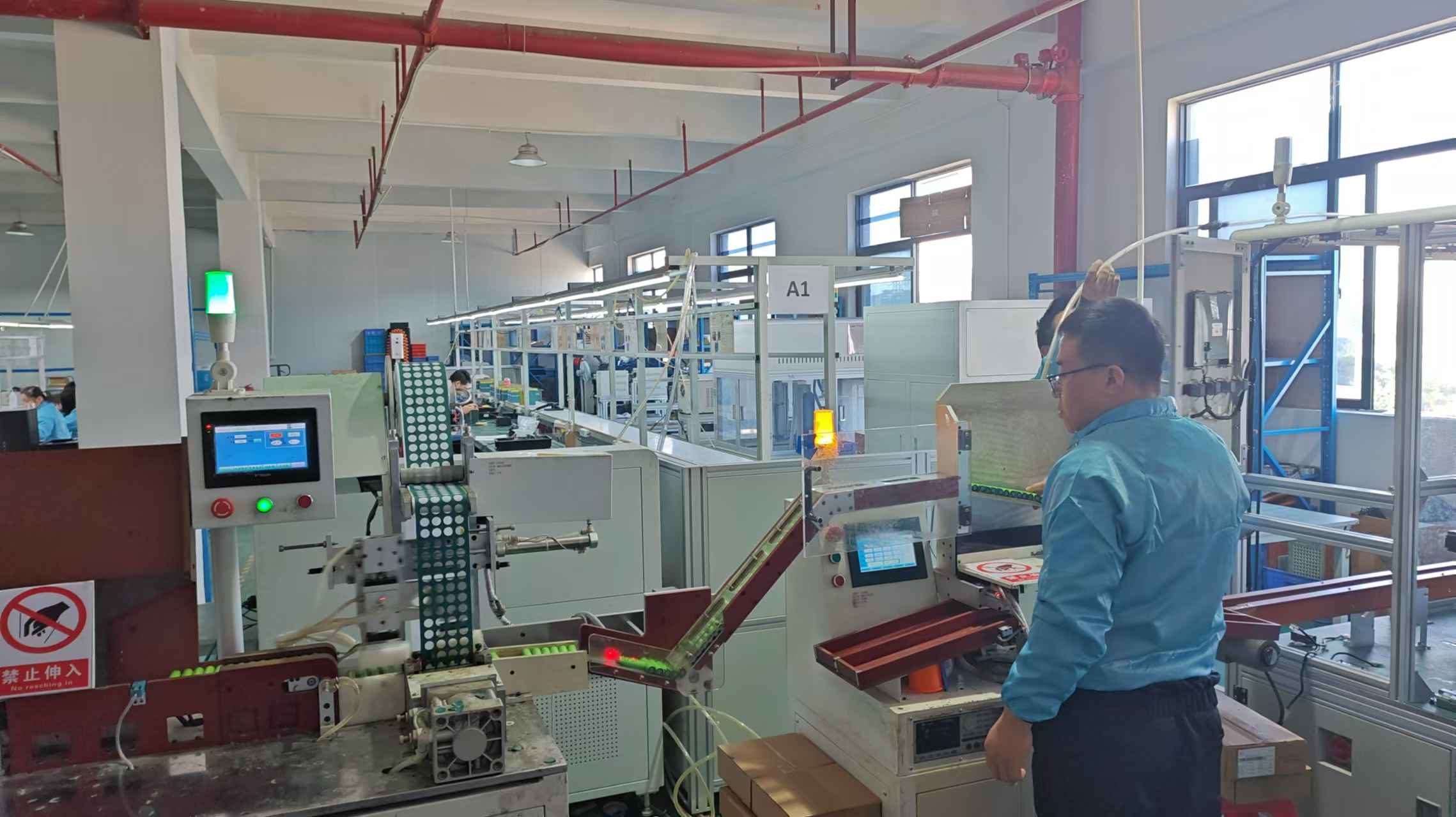
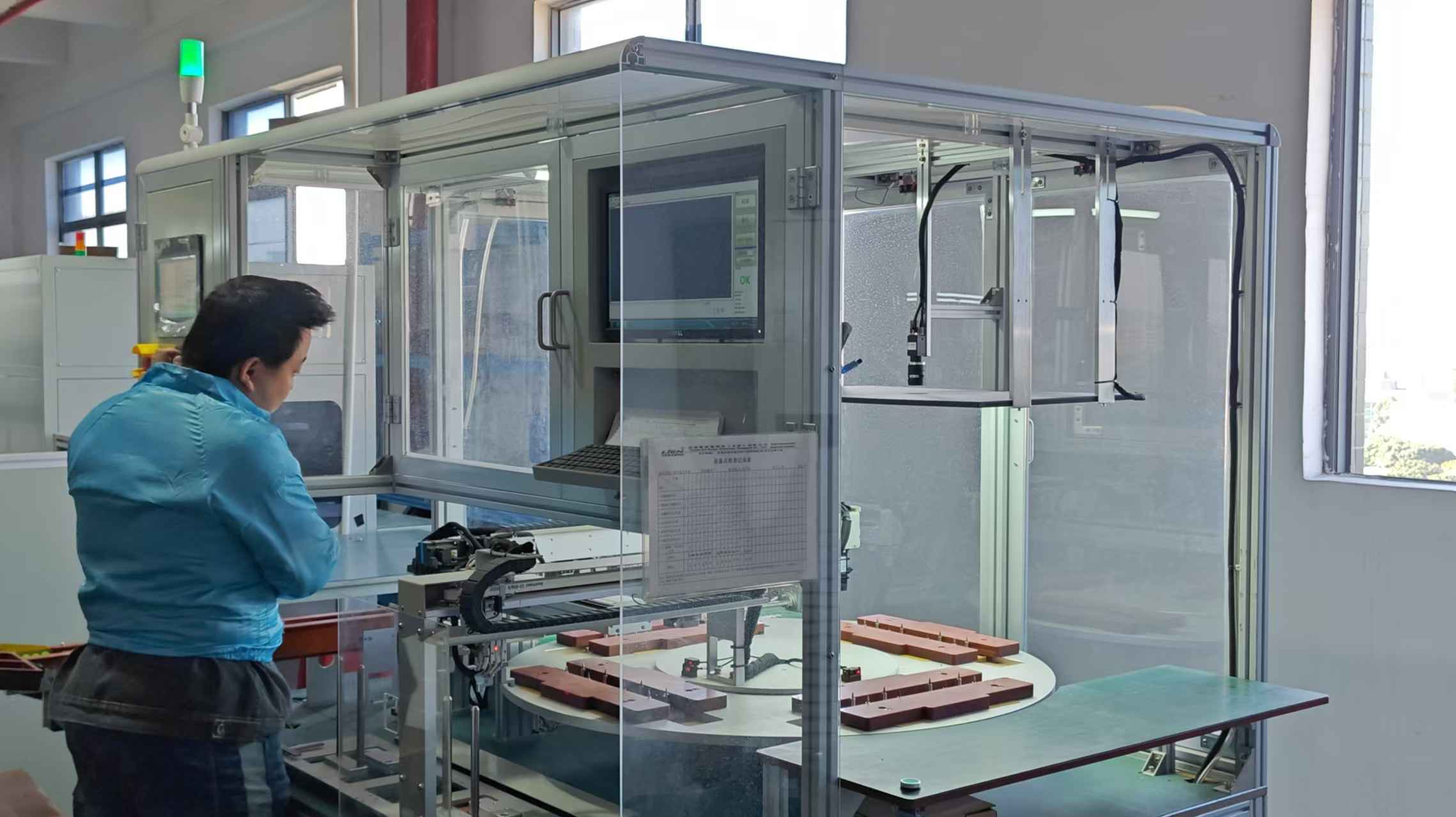
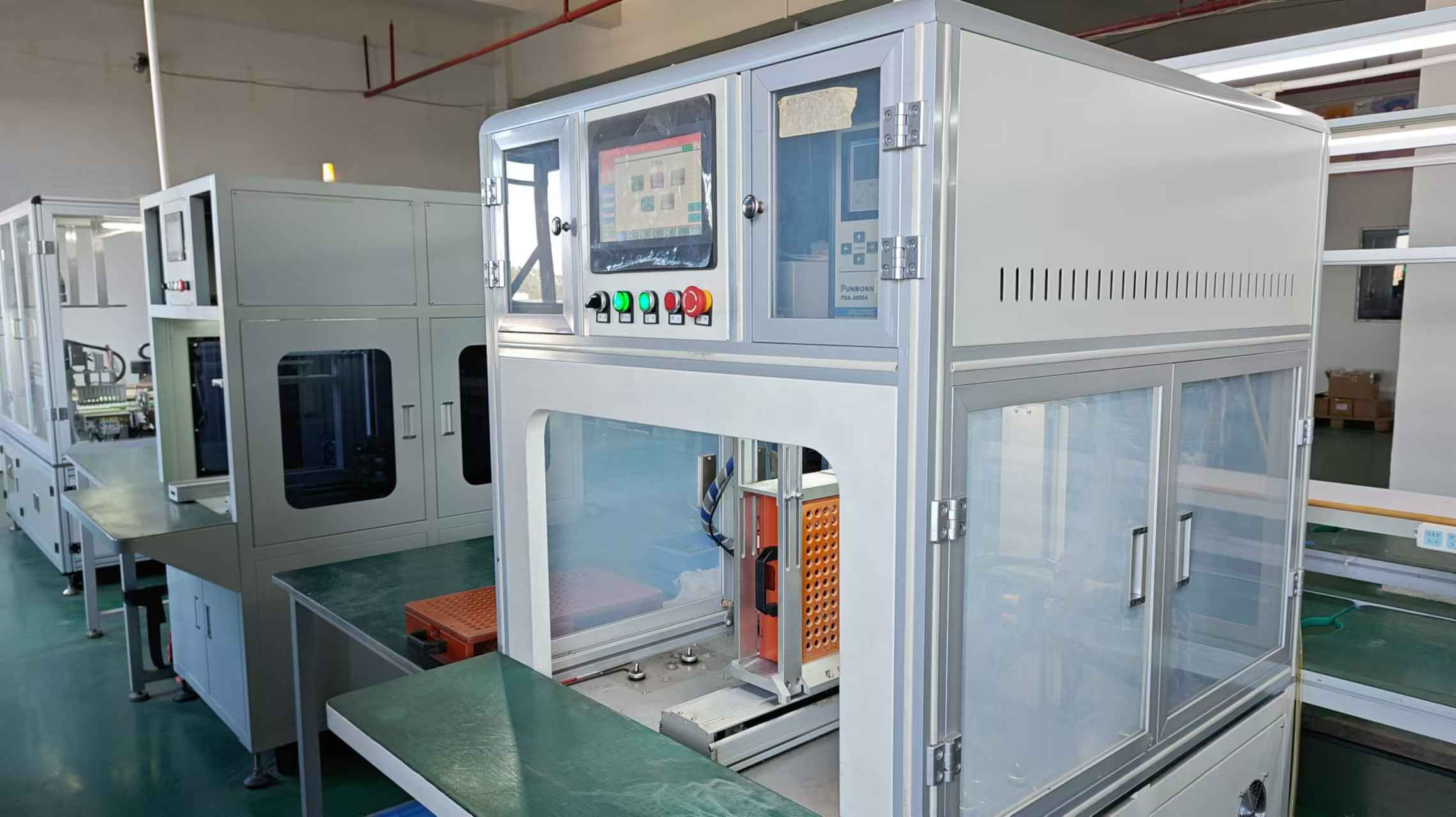
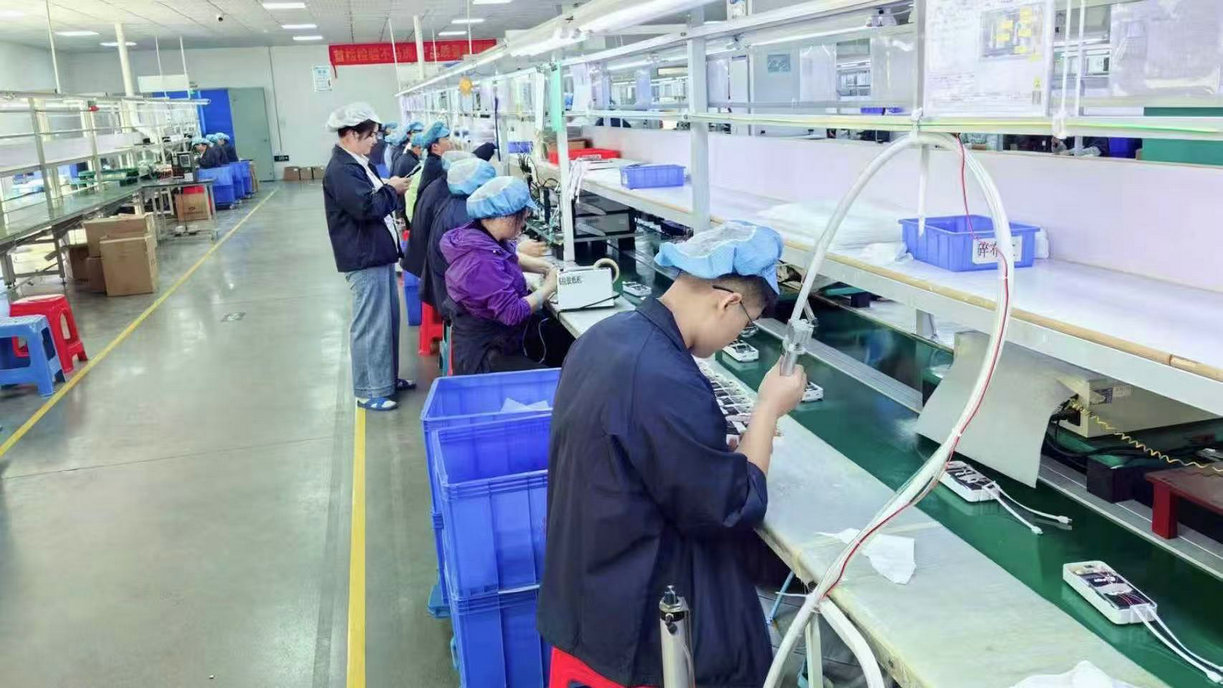
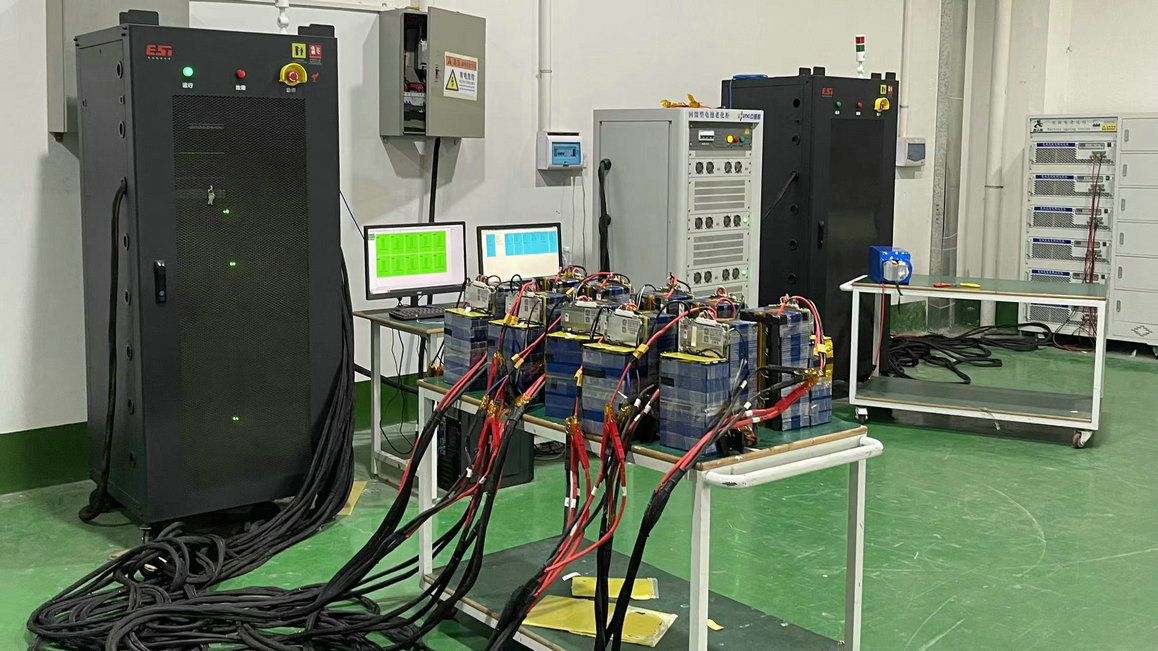
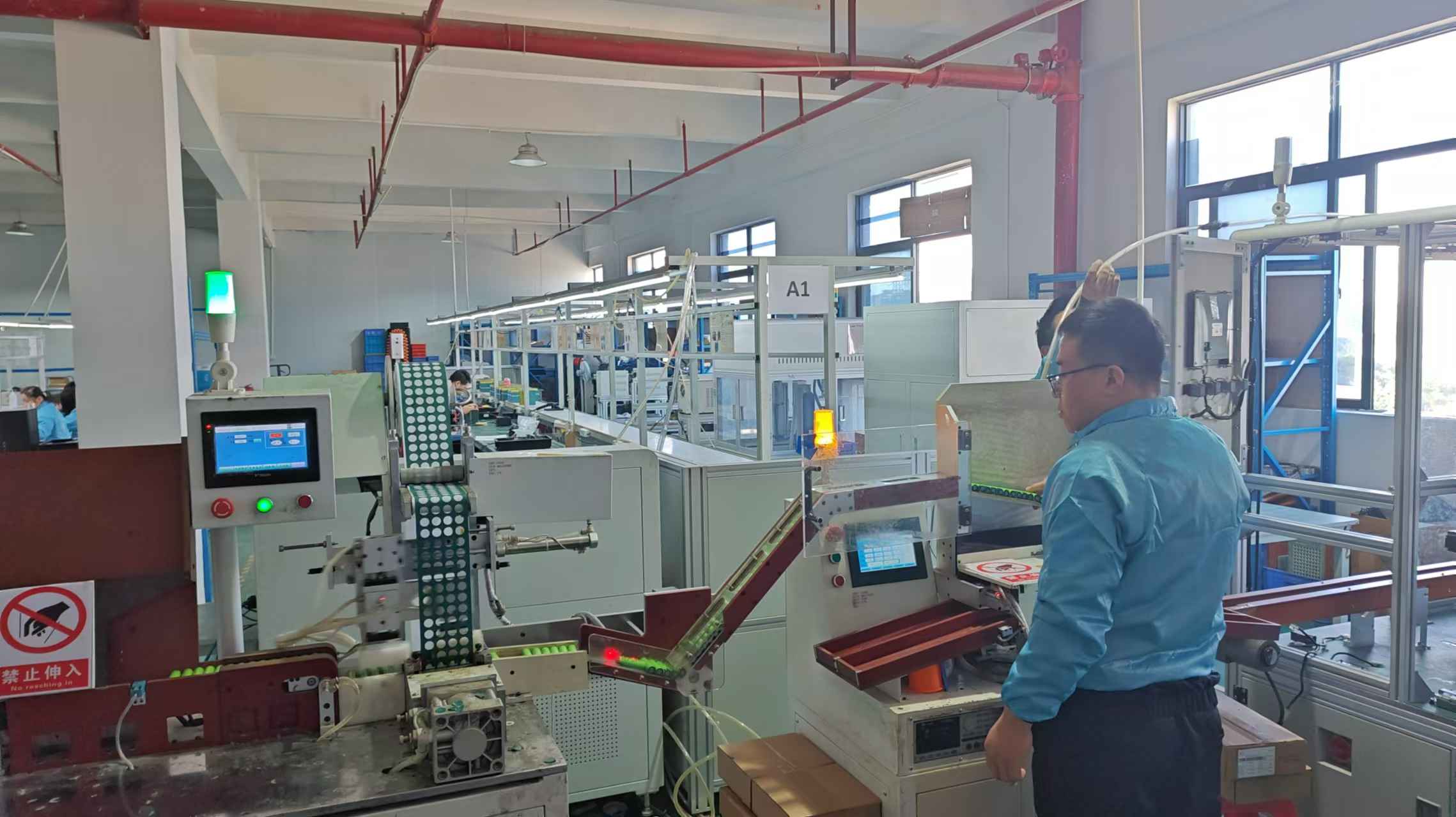
We deploy fully automated manufacturing, strict internal cell sorting, and state-of-the-art aging protocols to guarantee reliable, zero-defect battery deliveries to Chile.
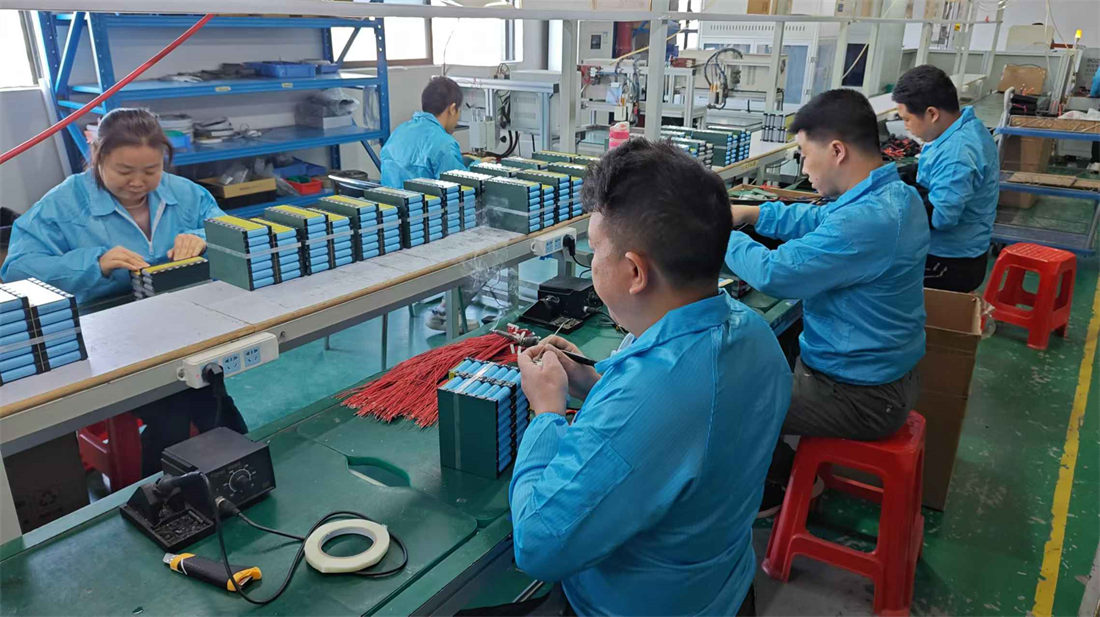
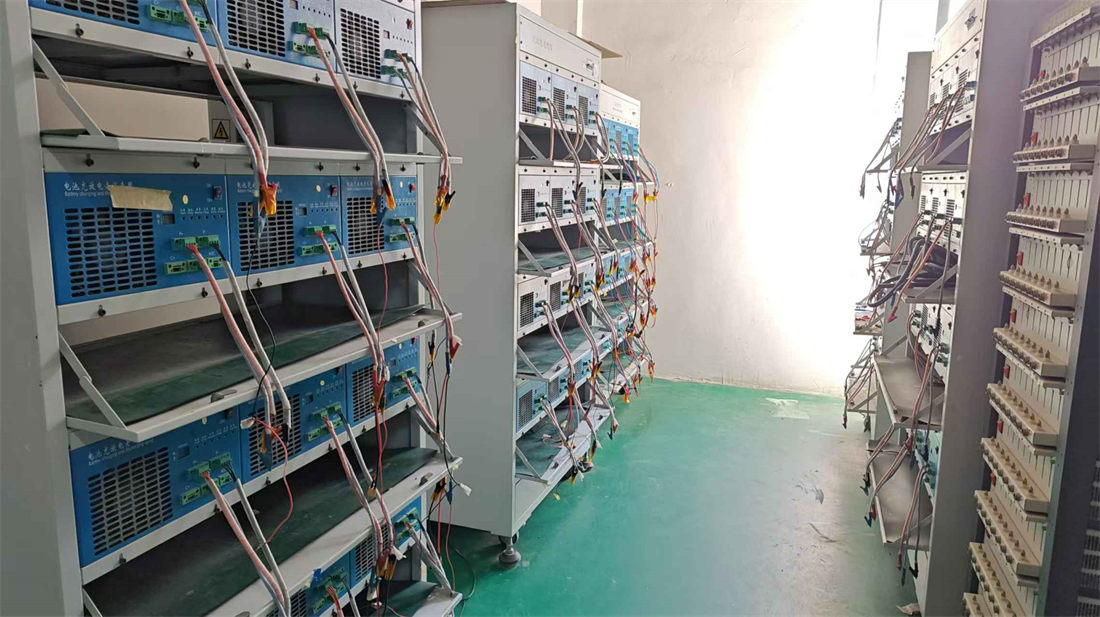
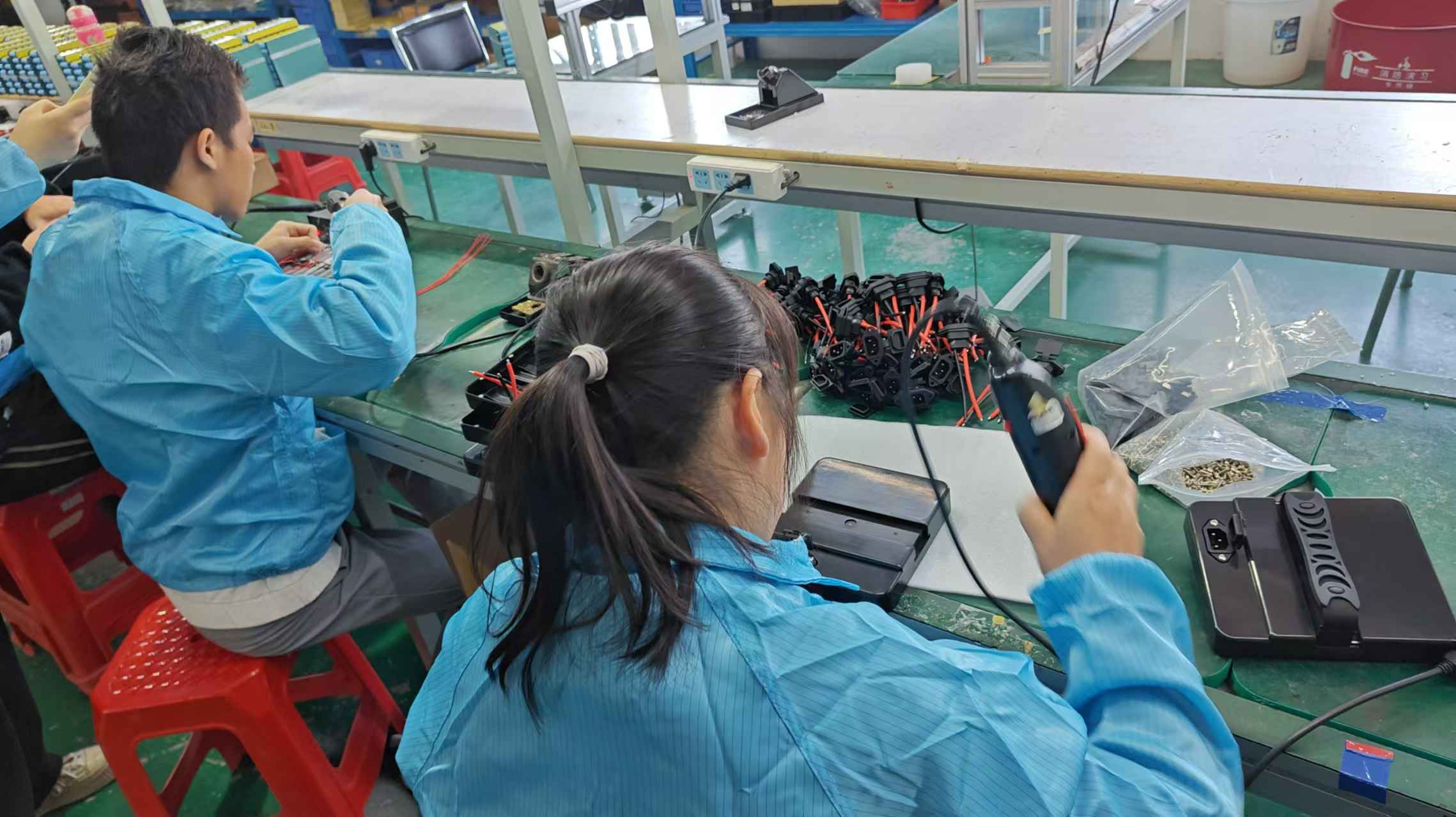
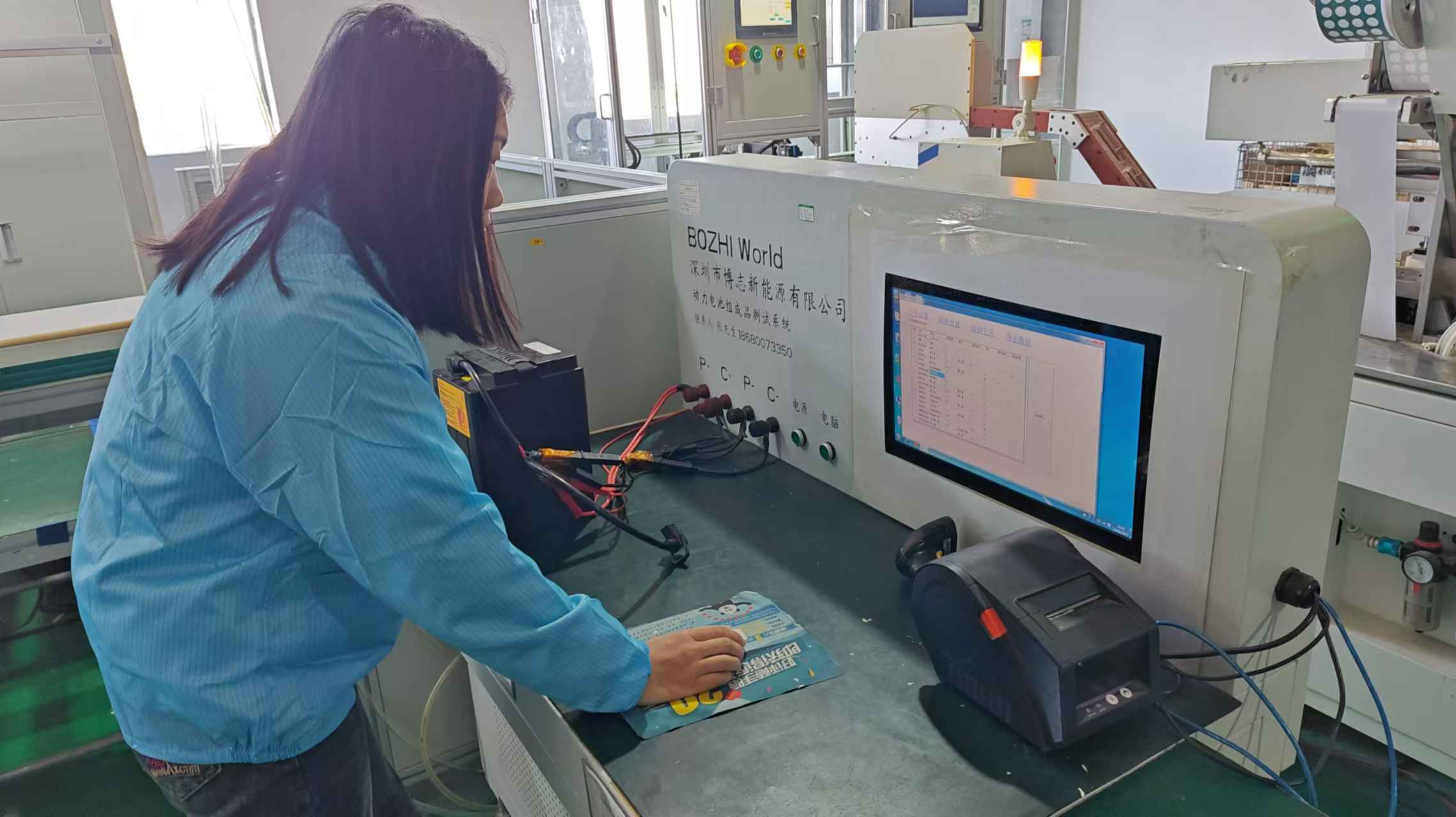
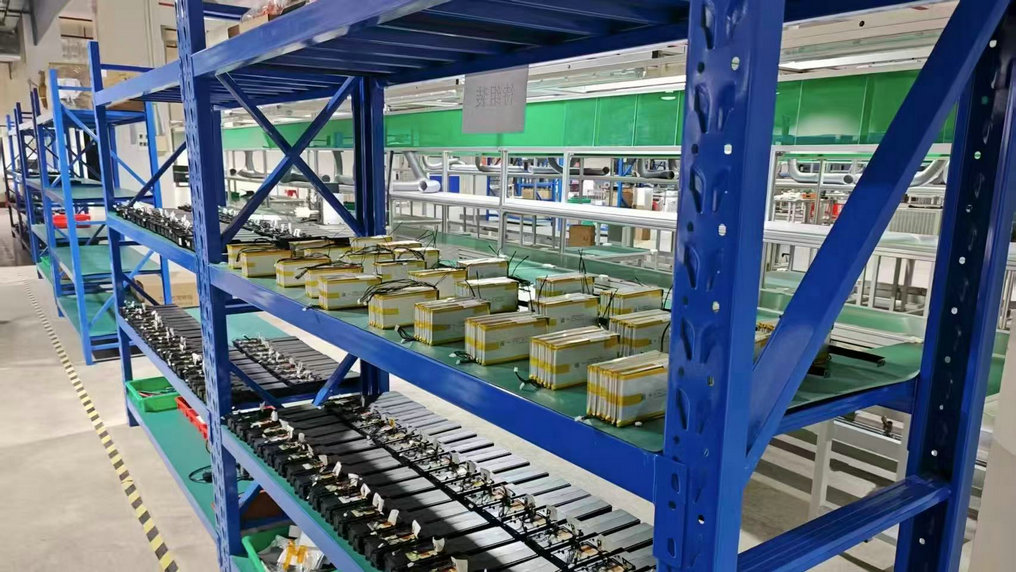
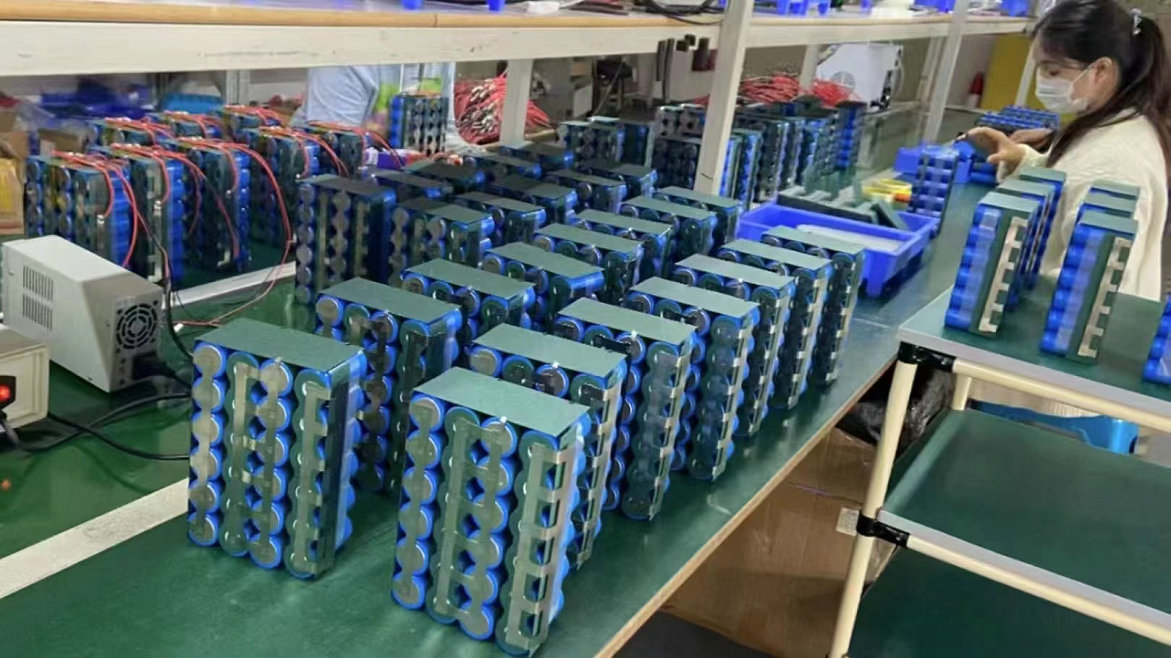
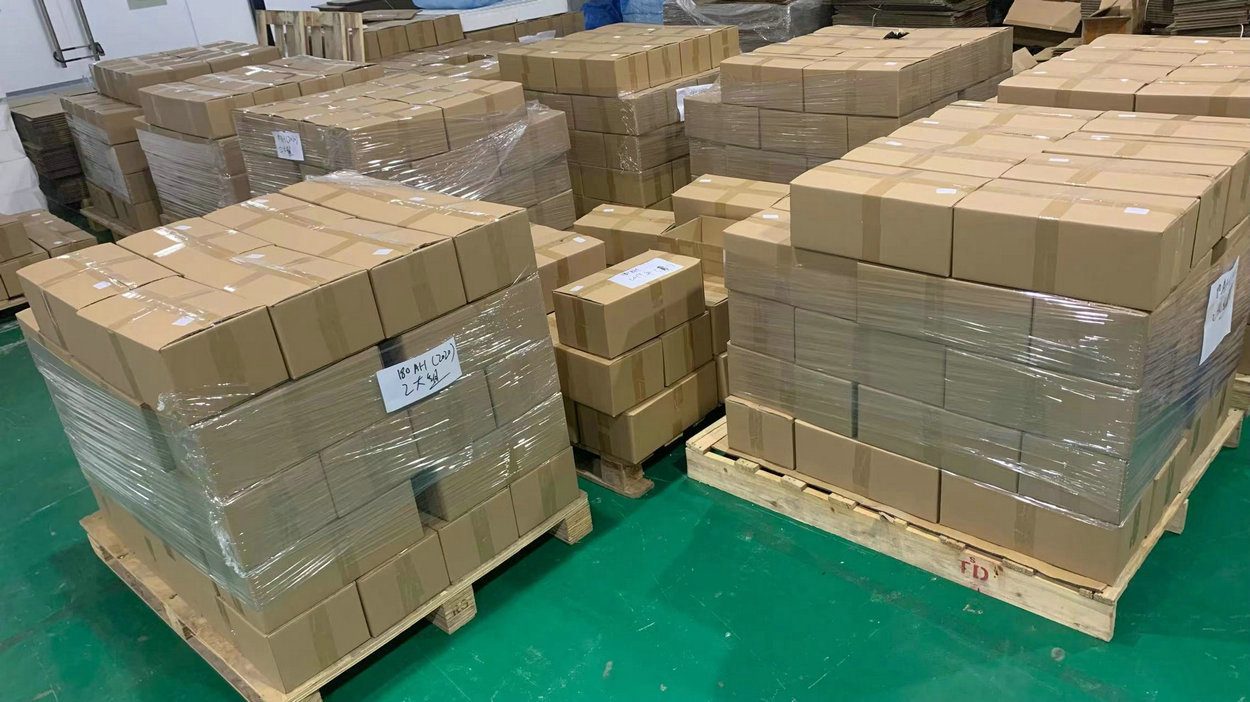
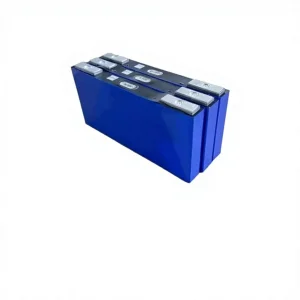
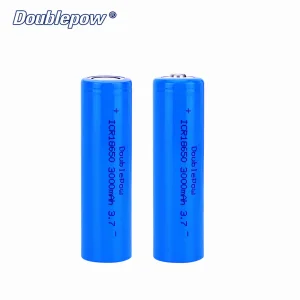
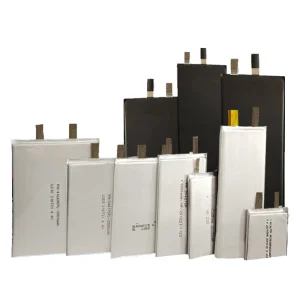
Pre-assembled modules, customized configurations, and smart BMS-integrated power packs built to withstand demanding Chilean field operations.
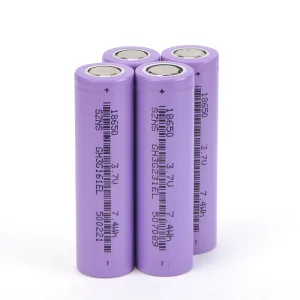
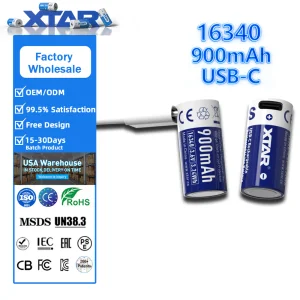
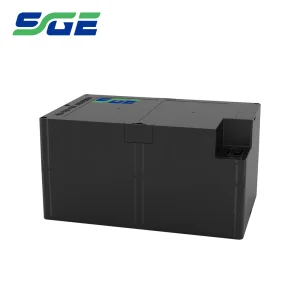

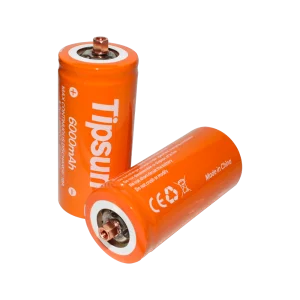
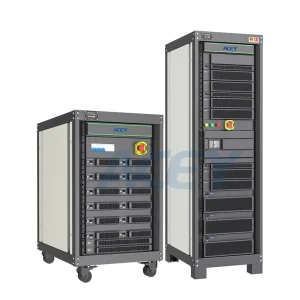
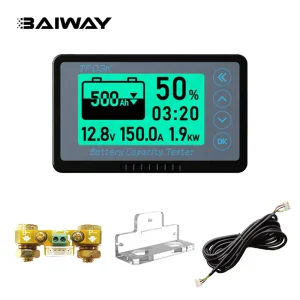
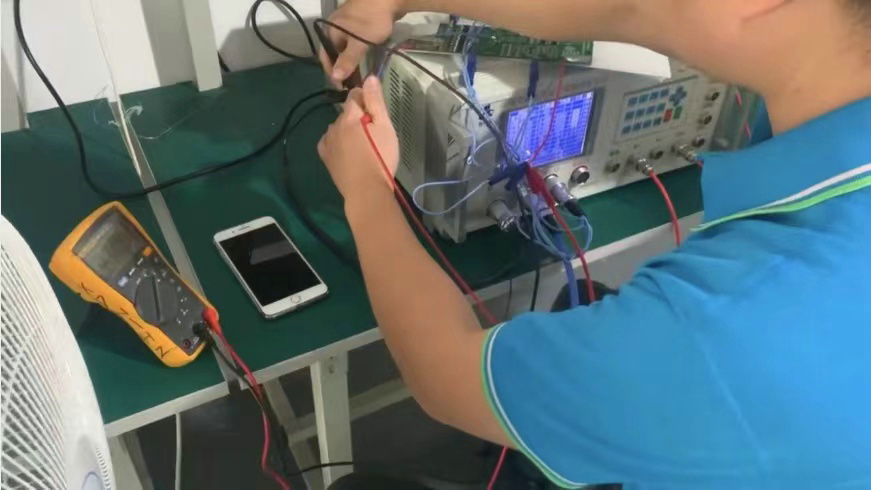
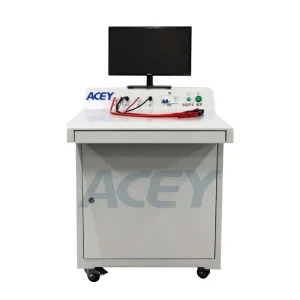
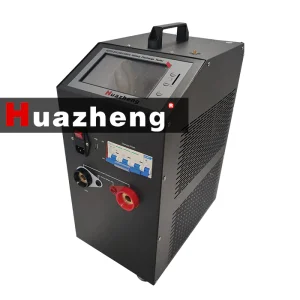
Assure high-rate capabilities, capacity verification, and battery integrity on-site with field-grade test equipment.
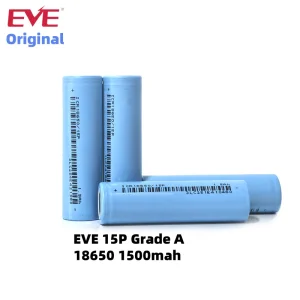
Understanding atmospheric pressures, air density fluctuations, and structural physics on high C-Rate lithium-based chemistries.
In high-altitude mining basins like the *Salar de Atacama* or *Chuquicamata* (altitudes exceeding 3,000m to 4,500m), air density drops by up to 40%. Since convective air cooling is directly dependent on air density, heat generated during rapid battery discharge cycles cannot escape efficiently. A battery cell performing a 30C continuous discharge will build internal heat significantly faster at 4,000 meters than at sea level.
Without advanced thermal engineering, this causes localized hotspot generation inside the jelly-roll or stack layers of NMC and LFP cells. Localized hotspots trigger rapid solid-electrolyte interphase (SEI) decomposition, leading to progressive micro-short circuits and potential thermal runaway. Guangdong Nuwon Energy prevents this by incorporating premium aluminum heatsink plates, phase change materials (PCM), and customizing smart BMS parameters to regulate voltage limits dynamically based on thermal indicators.
We configure batteries to handle steady high C-rates (3C continuous, up to 70C peak pulses) using wider current collectors, heavy-duty laser-welded busbars, and low-impedance electrode formulas.
Our battery enclosures feature shock-absorbing silicone cell holders and structurally reinforced frames that meet severe industrial standards, vital for heavy mining dump trucks and industrial AGVs.
From custom metal casing layouts, CAN-Bus/Modbus communication modules, to specific connector types (Anderson, Amphenol, Radsok), we design for simple integration with your existing fleet configurations.
By bypassing sourcing middlemen and buying directly from our production site in Guangdong, Chile's energy developers gain up to 30% project savings. In addition, our structural engineers review your CAD drawings and power requirement files to build customized prototypes in under 15 working days.
How high-rate battery packs resolve mission-critical operations across South America's most challenging geographic zones.
Diesel mining dump trucks operate under continuous start-stop conditions at high altitudes. Standard lead-acid batteries fail quickly due to sulfation and cold-cranking limitations. Utilizing our 70C LTO cells ensures reliable engine starting at temperatures below -20°C.
Massive PV plants in northern Chile face sudden generation drops due to passing cloud cover. Deploying high-rate LiFePO4 backup battery systems bridges the crucial gap, providing immediate peak current buffer storage to stabilize the local transmission grid.
Logistics distribution centers in Santiago and Valparaíso use fast-charging automated guided vehicles (AGVs) that work 24/7. High-rate lithium packs enable rapid 15-minute partial charging, maximizing uptime and overall warehousing throughput.
Technical answers regarding importing, standards compliance, and high-altitude integration in the Chilean market.
 Nuwon Energy