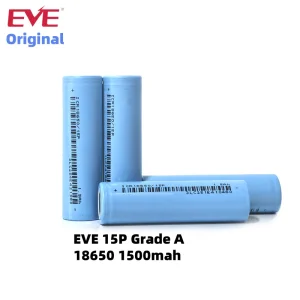
Turkey represents one of the fastest-growing industrial manufacturing and assembly corridors globally. Positioned strategically as a logistical gateway between continental Europe, the Middle East, and Asia, Turkey’s local sectors—ranging from automotive assembly, material handling equipment (AGVs/AMRs), to telecommunications and maritime transit systems—are shifting rapidly toward high-efficiency lithium battery systems. Traditional lead-acid infrastructure is being phased out in Turkish manufacturing zones such as Kocaeli, Bursa, and Izmir, replaced by high-rate discharge, high-energy-density energy systems that optimize throughput and minimize charging downtime.
High-rate discharge batteries are engineered to supply high current outputs instantly relative to their capacity (high C-rate). In modern material handling equipment, defense manufacturing projects, and electric micro-mobility networks, high-rate performance ensures rapid energy delivery during intense mechanical stress, acceleration, or heavy-duty load testing. The Turkish industrial market demands reliable supply chains that comply with harmonized European standards, guaranteeing robust structural and electrical safety profiles, longer operational lifespans, and strict compliance with local customs (IMDG, CE, and Turkey's Ministry of Commerce rules).
The C-rate measures the speed at which a battery is discharged or charged. A 1C rate means that the discharge current will deplete the entire battery in 1 hour. For industrial applications, peak discharge levels often reach 5C, 10C, 35C, and even 70C. To achieve these high current profiles without catastrophic heat accumulation, manufacturers must select appropriate chemical compositions:
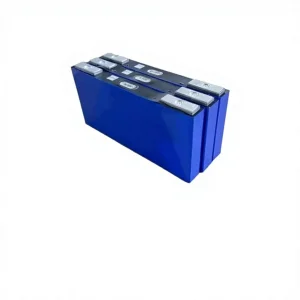
LTO batteries represent the pinnacle of high-rate performance, accommodating continuous discharge rates up to 70C and safe operation under extreme temperatures (-30°C to +55°C). Excellent for starting systems and micro-grid energy reserves in cold climates.
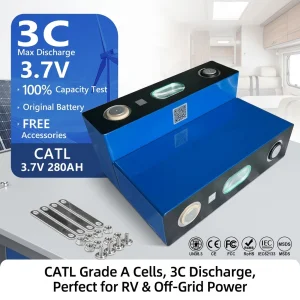
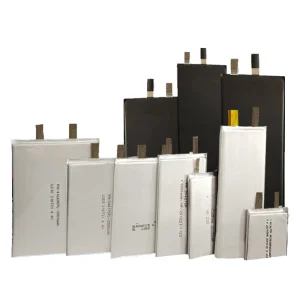
LiPo cells provide unmatched power density for high-acceleration micro-mobility, unmanned aerial vehicles (UAVs), and defense equipment. Meanwhile, LFP (LiFePO4) delivers stable 3C to 10C discharge profiles with unmatched thermal safety and lifecycle parameters.
Selecting the correct material system requires deep engineering expertise. At Guangdong Nuwon Energy Co., Ltd., we execute custom electrode slurry coating formulations, structural tab reinforcements, and premium grade separator integration to minimize internal resistance (IR), preventing thermal runway even under maximum continuous discharge loads.
Navigating international battery supply chains requires robust risk mitigation frameworks. Because lithium-based batteries are classified as Class 9 Dangerous Goods (UN3480/UN3481), Turkish procurement officers must ensure that their cell manufacturers possess full UN38.3 test summaries, Material Safety Data Sheets (MSDS), and drop-testing certification.
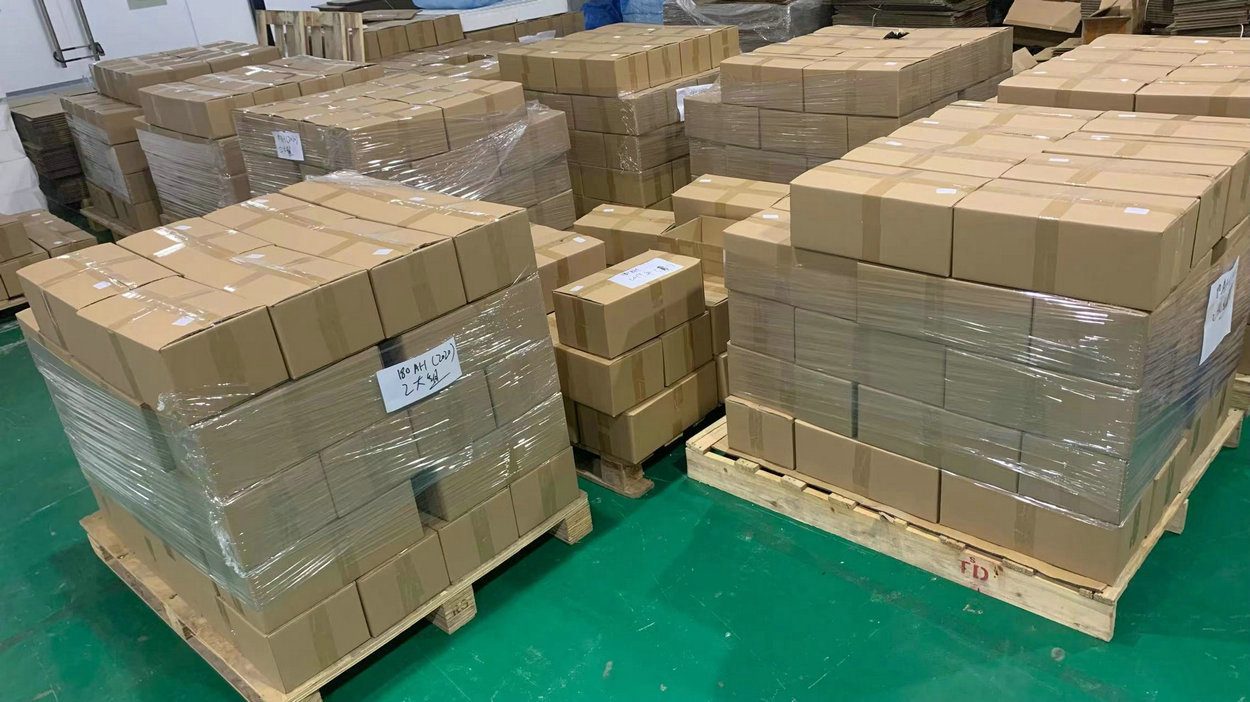
Nuwon Energy streamlines customs clearance through Turkey’s main ports (such as Ambarlı Port in Istanbul, Alsancak Port in Izmir, and Mersin Port). We ensure that all shipments align with ATR and EUR.1 movement certificates where applicable, minimizing tariff complications under the EU-Turkey Customs Union framework. Furthermore, our customized structural packaging features vibration-damping shock absorbers and internal thermal insulation, safeguarding the electrochemical cells against ocean-transit physical stress.
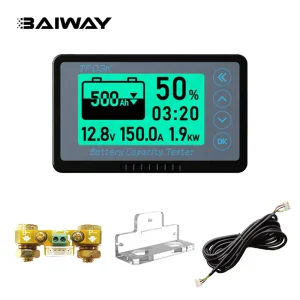
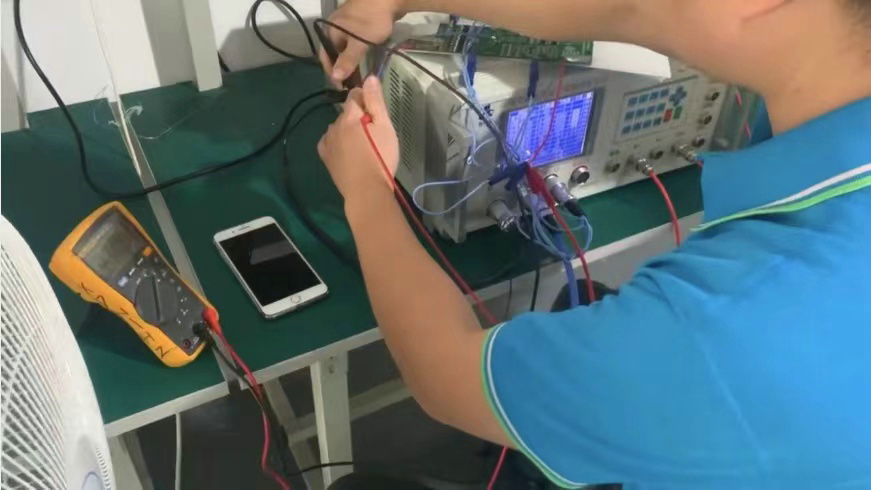
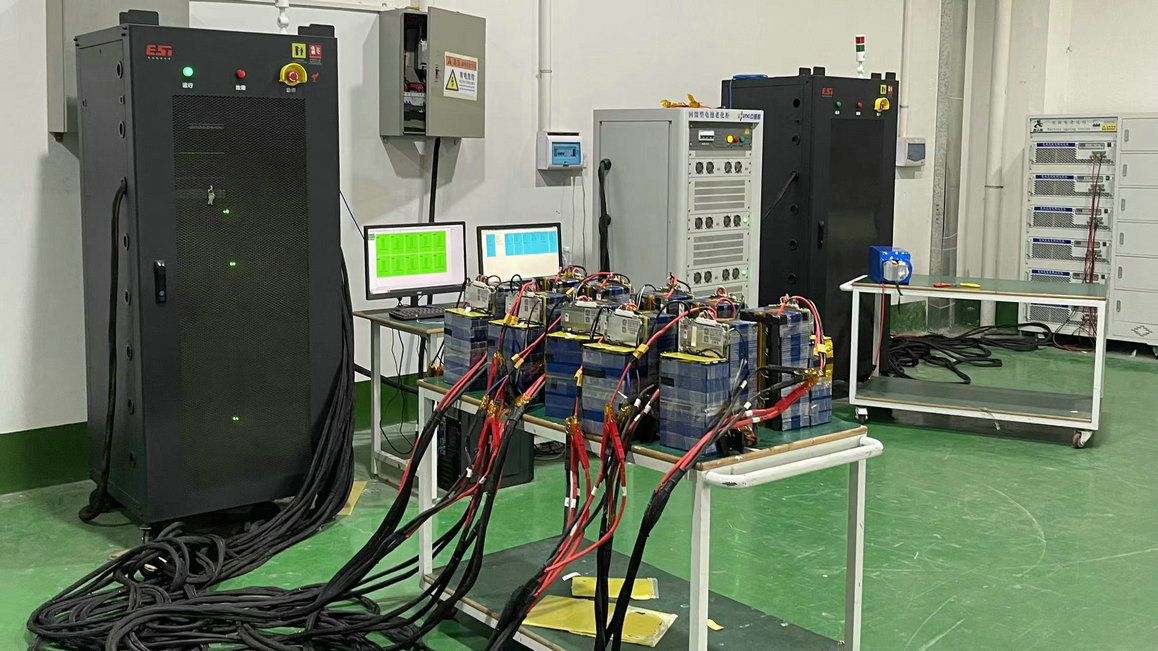
A high-rate discharge cell is only as safe as the Battery Management System (BMS) governing it. In high-rate applications, rapid currents generate thermal gradients across the pack. Nuwon Energy’s customized battery packs feature smart BMS units equipped with CANbus, RS485, and Modbus communication protocols, facilitating real-time monitoring of:
This dual layer of physical cell-level safety (e.g., current interrupt devices, pressure vent holes) and electronic software protection guarantees that battery packs installed in electric mobility, power tools, or defense projects operate safely across their lifetime.
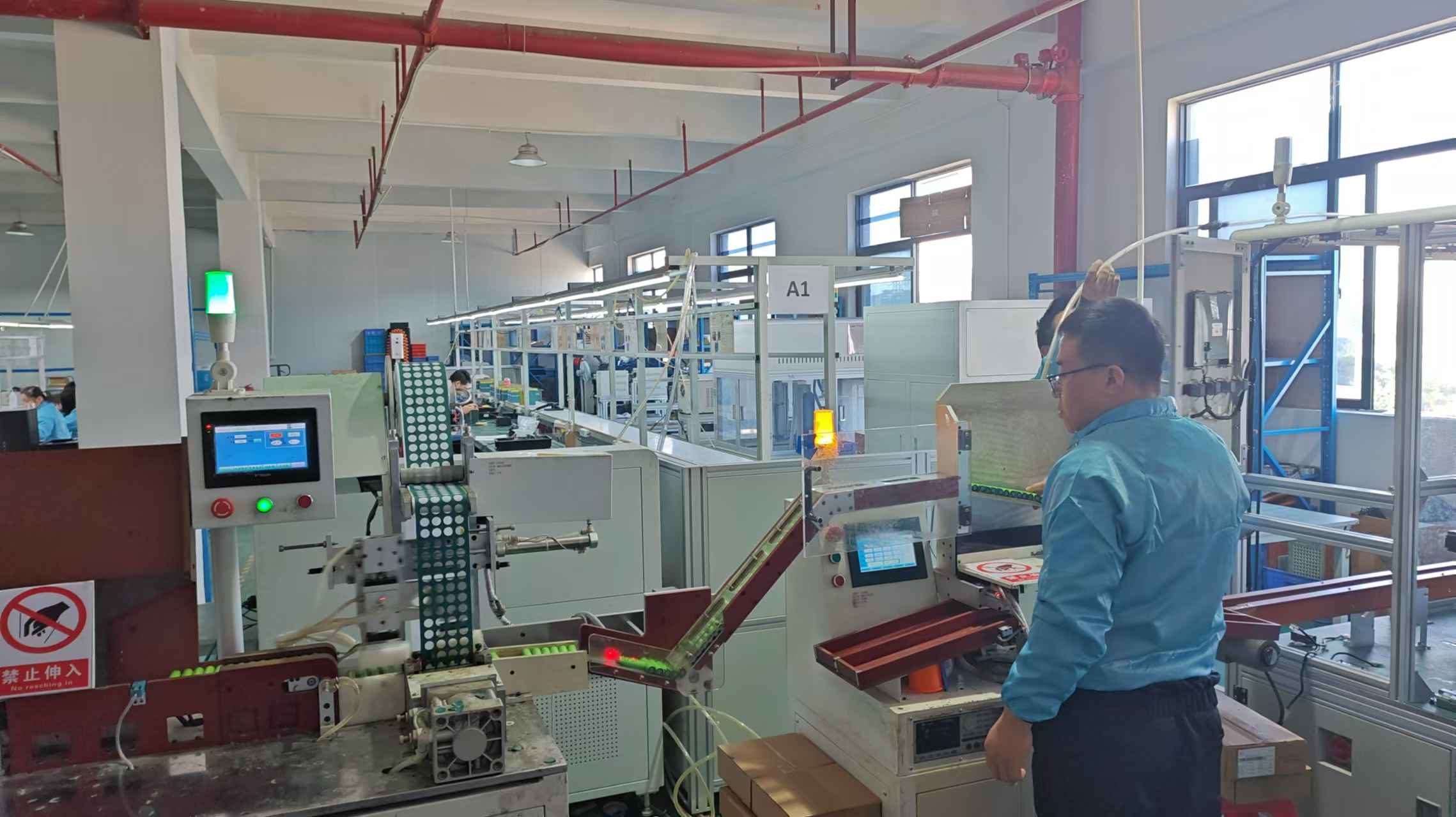
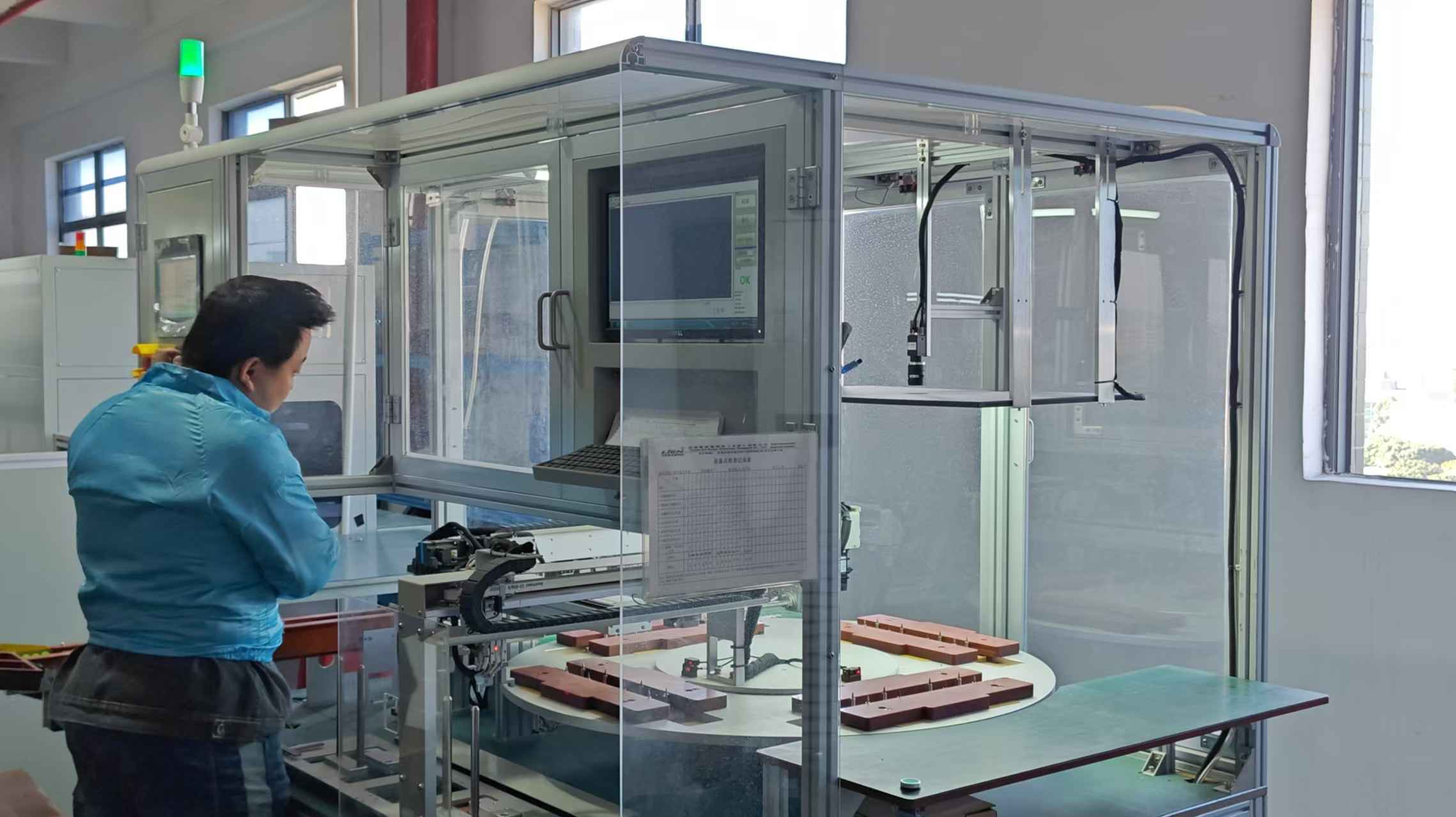
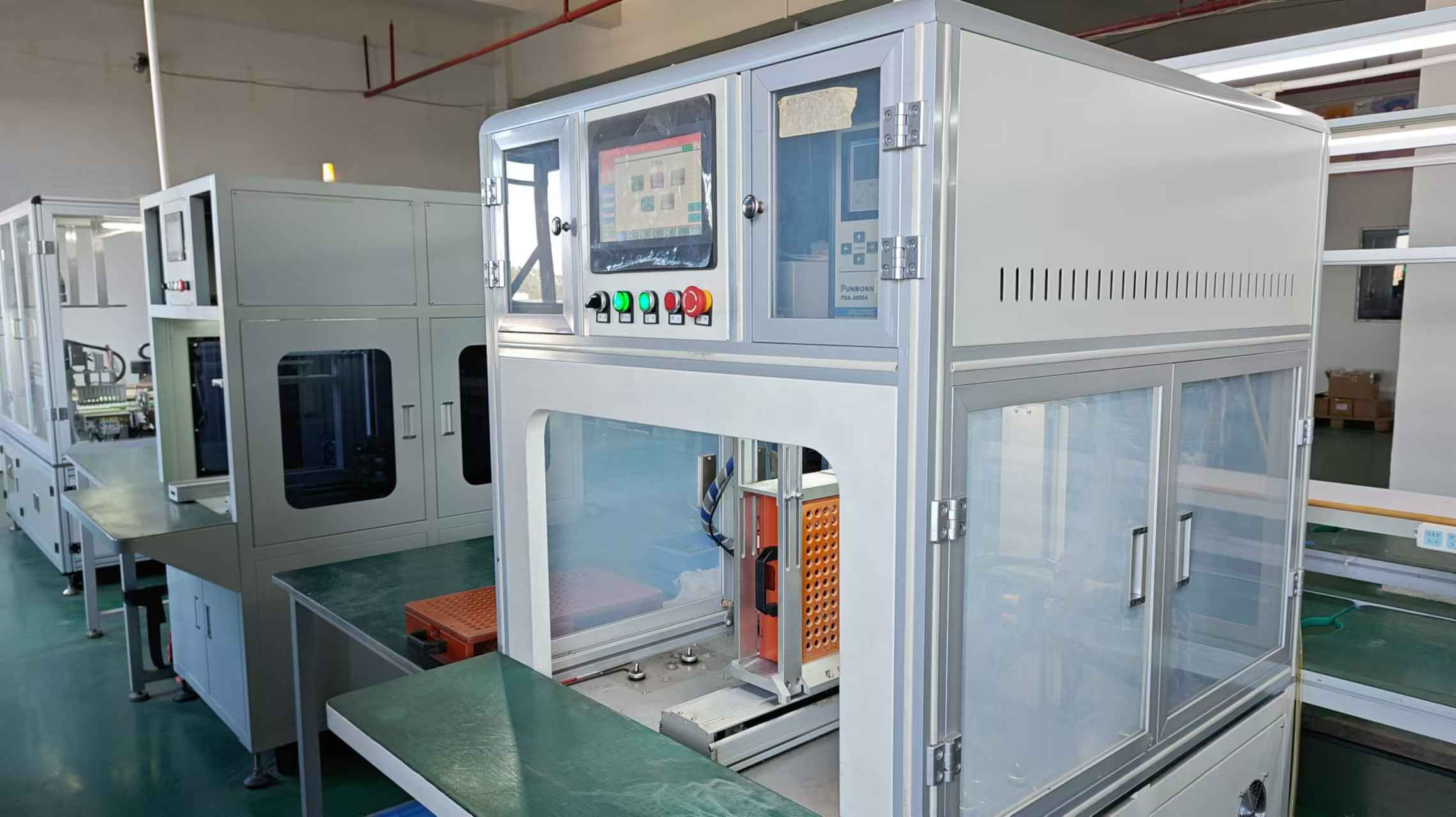
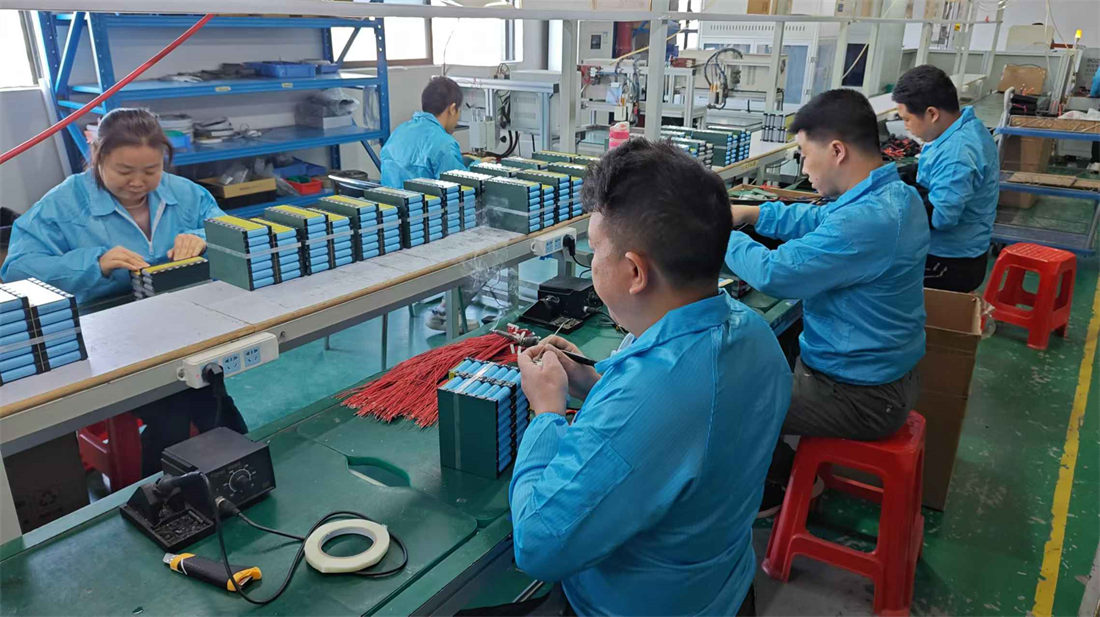
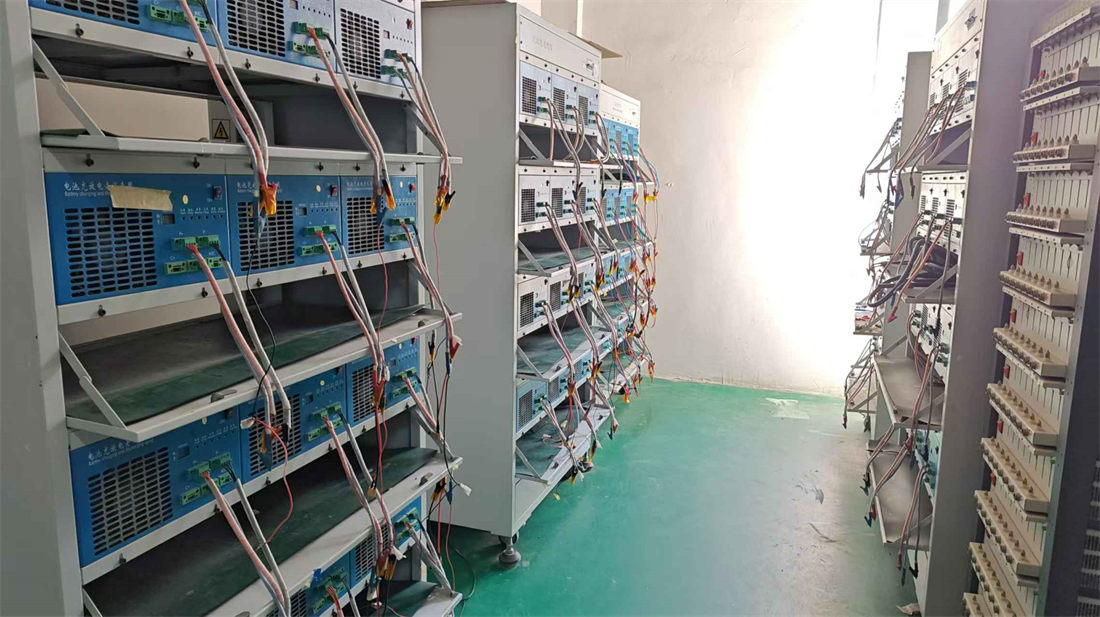
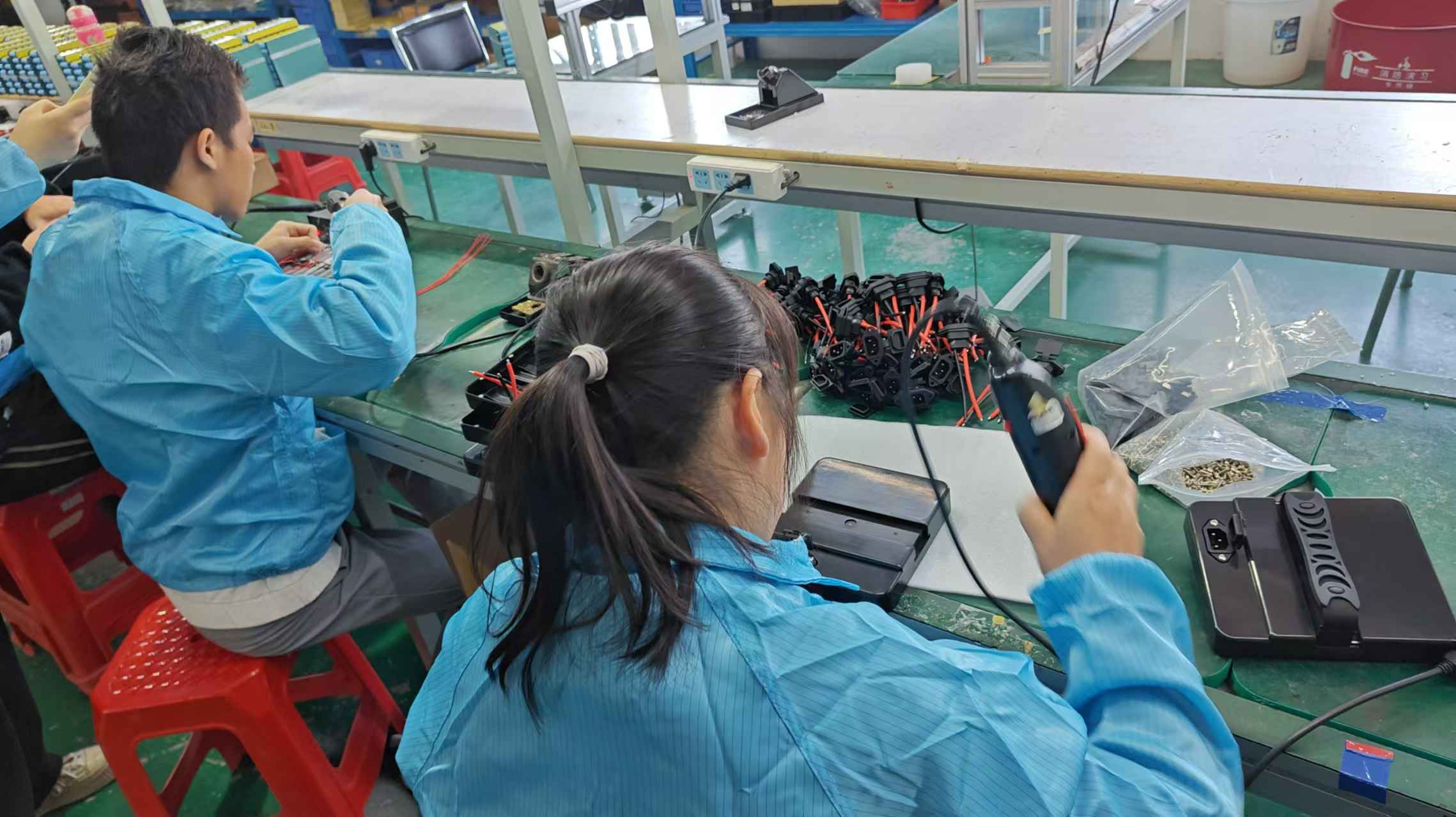
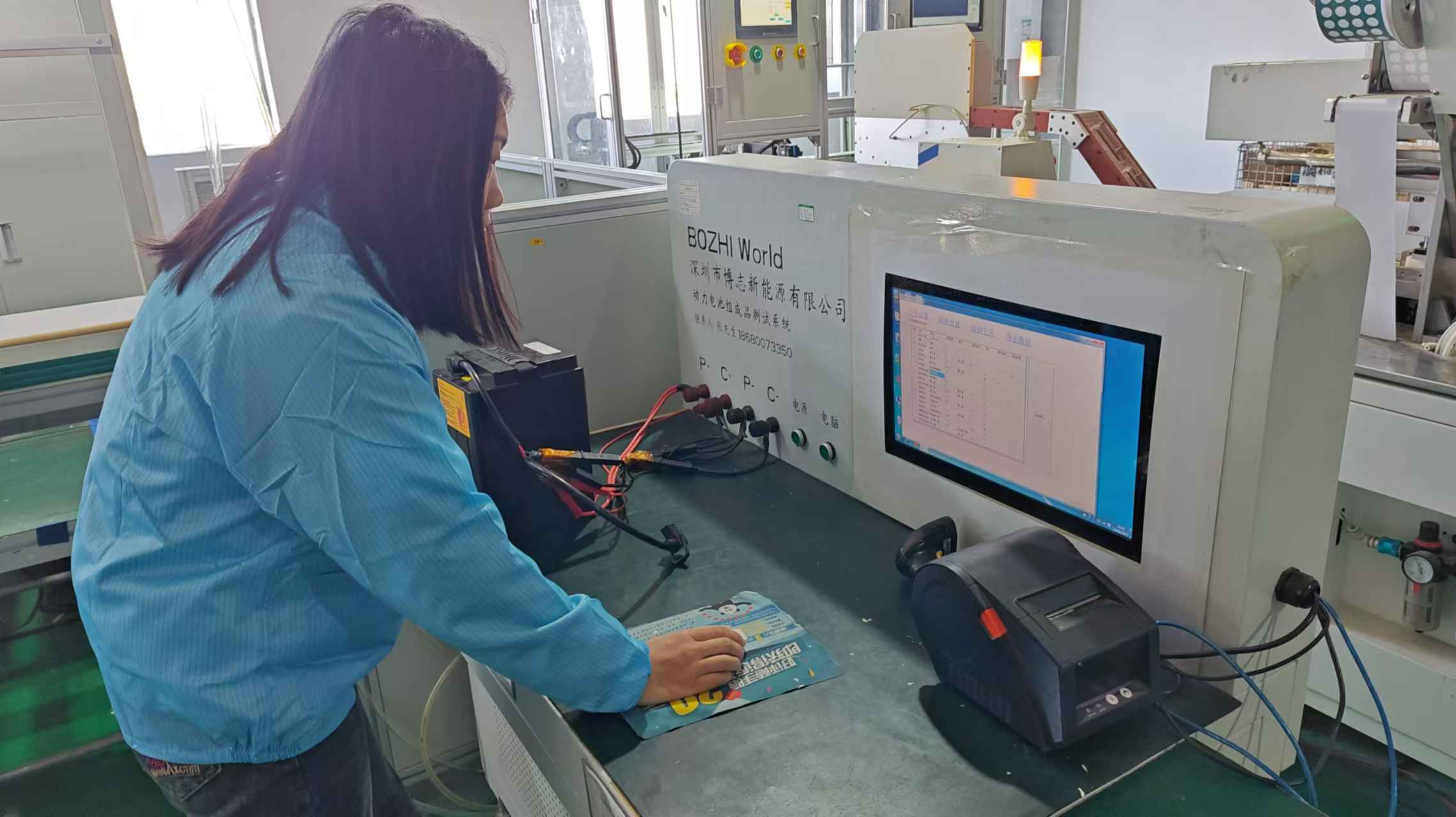
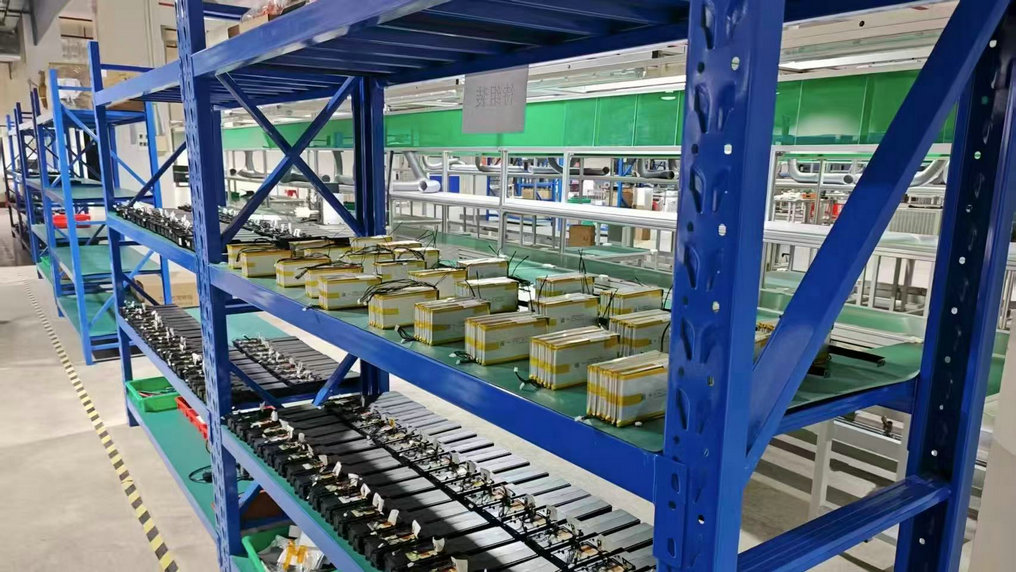
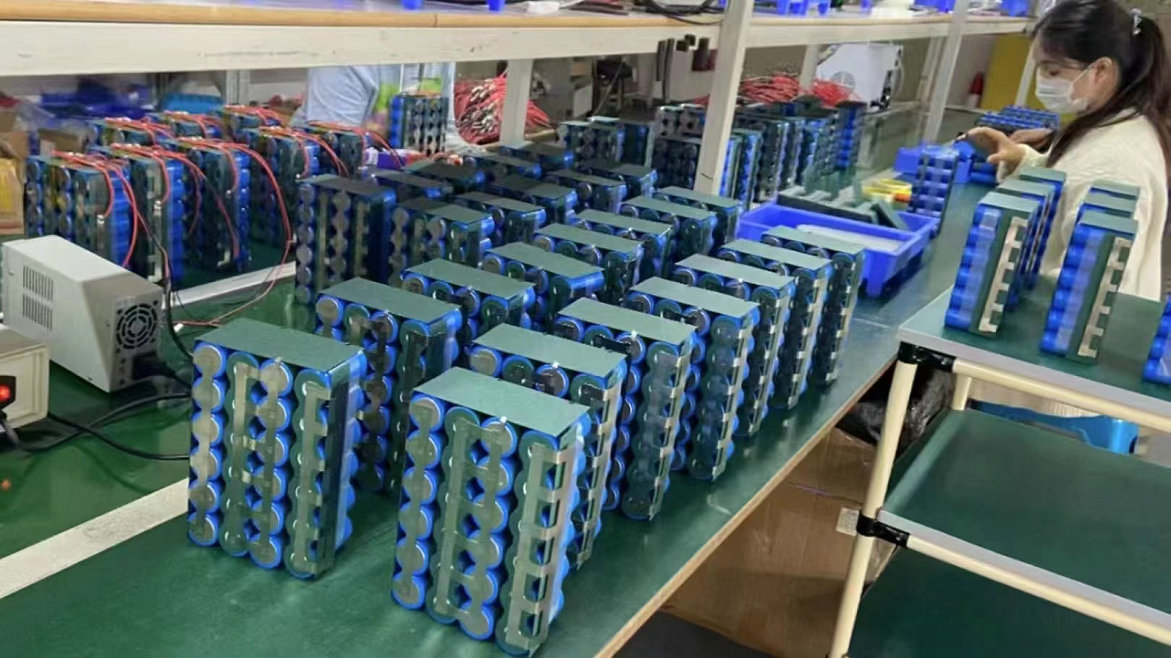
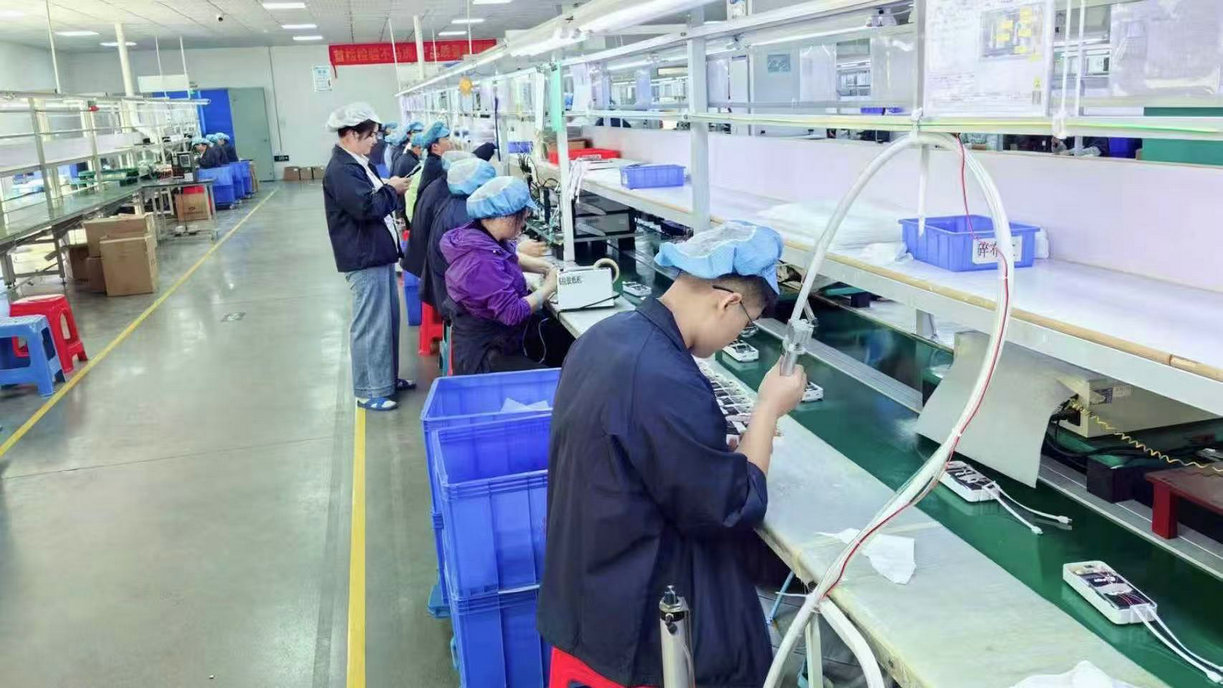
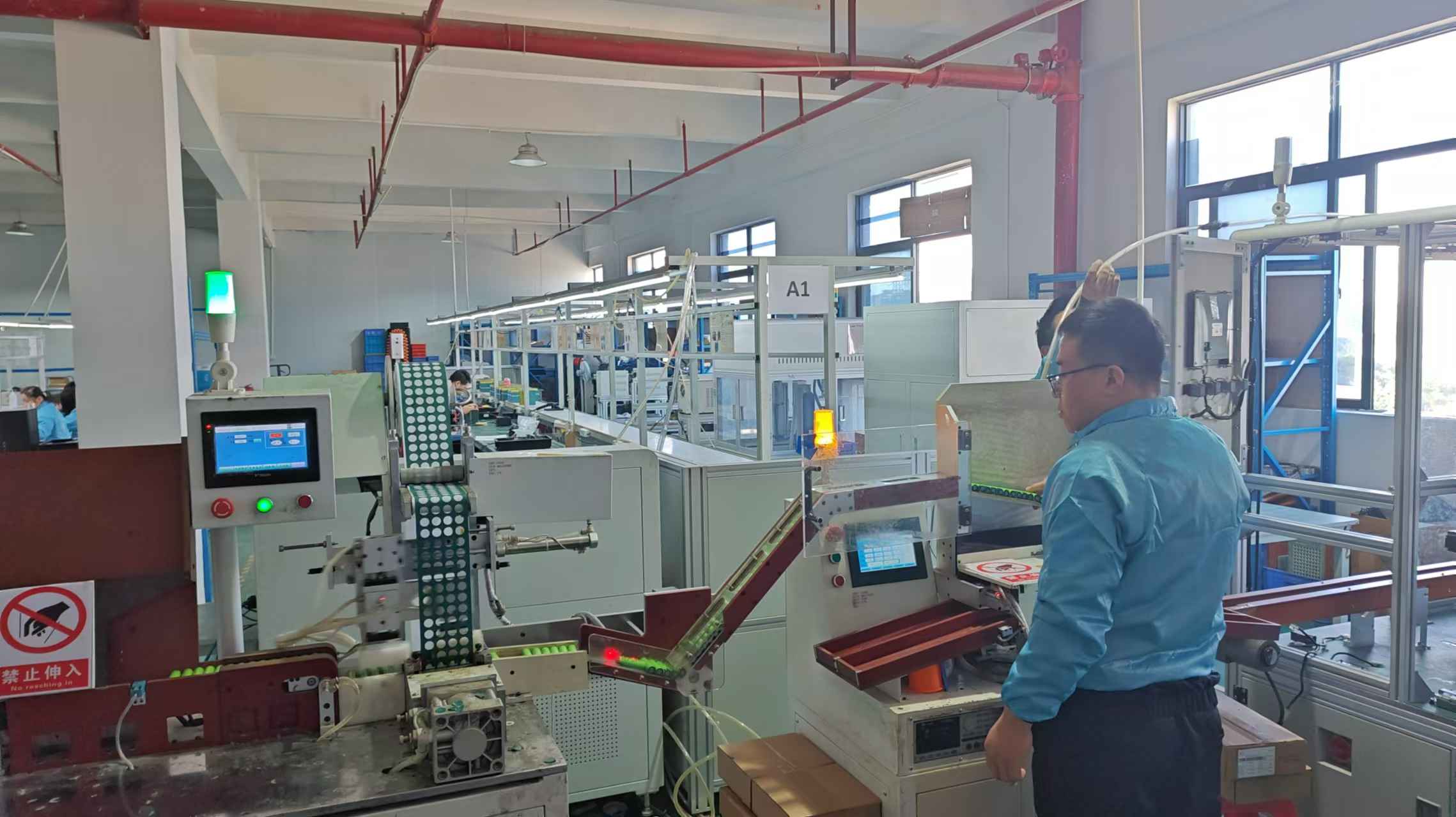
Guangdong Nuwon Energy Co., Ltd. is an industry-leading manufacturer and developer of advanced energy storage systems, specializing in high-performance lithium technology. Supporting professional B2B clients globally, we offer robust OEM and ODM engineering services. Our automated cells processing, welding, insulation, and pack aging pipelines ensure that all assemblies meet strict consistency and tolerance targets.
The rapid evolution of high-rate discharge batteries is driven by innovations in electrochemistry and nanostructured materials. In the next five years, the industry is transitioning away from standard liquid electrolytes toward semi-solid and all-solid-state designs. This transition drastically reduces the risk of thermal runaway at high discharge levels while yielding upwards of 400 Wh/kg in energy density.
Concurrently, anode modifications using silicon-carbon composite mixtures are expanding cell tolerances for high-rate continuous charging (fast charge profiles). These developments are critical for Turkey's goal of setting up quick-charge transportation corridors and automating port terminals. Guangdong Nuwon Energy is at the forefront of this developmental roadmap, conducting advanced prototype trials on ultra-thin separators and high-density polymer matrices to bring these next-generation cells to commercial markets.
High-rate discharge batteries are optimized for high power output in short periods of time. They feature lower internal resistance, specialized tab configurations, and thinner, high-conductivity electrode coatings. Standard energy storage batteries are optimized for volumetric energy density and slow, stable discharge over several hours.
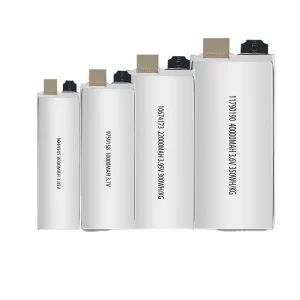
Lithium Titanate Oxide (LTO) cells support discharge rates of 70C or higher, followed by high-performance Lithium Polymer (LiPo) pouch cells (typically 35C to 50C continuous). Lithium Iron Phosphate (LiFePO4) typically achieves 3C to 10C profiles safely, making them suitable for commercial vehicles and telecom applications.
Importers must obtain UN38.3 test summaries, SDS/MSDS documents, and CE marking compatibility reports. Depending on the system design, compliance documentation for IEC 62133 or UL 1973 standards is also required to comply with Turkish Ministry of Trade specifications and custom union criteria.
Yes, we provide full OEM and ODM services. We design custom enclosures (IP65, IP67), configure special multi-point communication BMS units (CANbus, RS485), and assemble packs matching the unique space constraints and power levels of our Turkey-based industrial clients.
Whether you need standard LTO cells or custom multi-voltage energy packs, our application engineers are ready to assist with design integration, local compliance documentation, and logistical support for the Turkey market.
Send Inquiry Now Nuwon Energy