 Nuwon Energy

Empowering Norway’s maritime propulsion, offshore drilling, defense, and industrial automation networks with specialized high-rate battery packs engineered for extreme performance, reliable fast-charge recovery, and thermal resilience down to -30°C.
Request Technical ProposalExplore our premium high-discharge lithium batteries, optimized for subsea equipment, marine acoustics, and severe-duty applications across Norway.
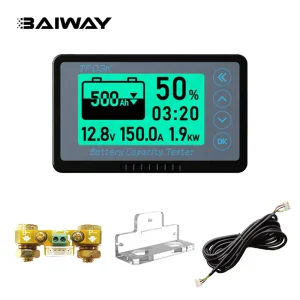
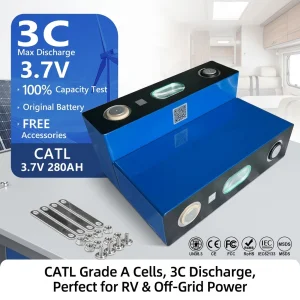
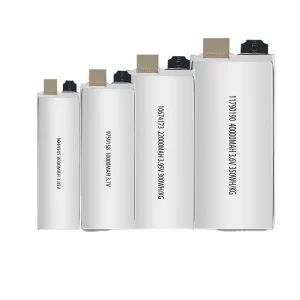
Norway is a global leader in the transition to renewable energy and clean transport. Supported by a robust maritime infrastructure, extensive subsea exploration, and strict climate laws, Norwegian industries demand energy storage technologies that offer excellent reliability, safety, and rapid discharge capability. The term "high-rate discharge" refers to a battery's ability to release its stored energy rapidly relative to its total capacity. This attribute is vital for heavy-duty industrial tasks, standby emergency power, and fast propulsion systems.
In Norway’s coastal and offshore sectors, high-rate batteries play a key role in supporting hybrid and fully electric vessels, subsea remote operated vehicles (ROVs), autonomous underwater vehicles (AUVs), and port electrification systems. Marine propulsion requires massive bursts of power during maneuvering, docking, and dynamic positioning. These requirements demand advanced battery chemistries that can handle discharge currents ranging from 3C to over 50C without thermal runaway.
Implementing high-rate batteries in Norway requires managing specific geographic and environmental challenges:
LTO chemistry offers high safety and longevity. It supports discharge rates up to 70C and retains performance at temperatures down to -30°C. This makes it well-suited for industrial starter motors, electric audio systems, and emergency backup grids in Northern Norway.
NMC pouch cells provide the high energy density needed for electric vehicles (EVs) and long-range subsea robotic systems. Modern designs support 3C to 10C continuous discharge rates, helping operators optimize weight while maintaining high power delivery.
A leading manufacturer and solution provider specializing in custom high-rate battery design, automated cell assembly, and testing systems.
Company Profile – Guangdong Nuwon Energy Co., Ltd. is a leading manufacturer and solution provider in advanced battery systems, specializing in the research, development, manufacturing, and global distribution of high-performance energy storage products. The company offers comprehensive OEM and ODM services, delivering customized battery solutions tailored to diverse industrial and commercial applications.
Backed by a highly experienced engineering and R&D team, Nuwon Energy focuses on the design and integration of cylindrical and prismatic lithium battery cells, as well as complete battery packs, modules, and energy storage systems. The company also develops and produces industrial-grade battery cells engineered for safety, durability, and long cycle life.
Guangdong Nuwon Energy serves a wide range of industries, including consumer electronics, electric mobility (such as golf carts, forklifts, UTVs/ATVs, trucks, and marine systems), medical equipment, unmanned ground vehicles (AGVs/AMRs), and emerging aerospace applications such as eVTOL aircraft. In addition, the company provides reliable residential, commercial, and industrial (C&I) energy storage solutions designed to support the global transition toward clean and sustainable energy.
With a strong commitment to innovation, strict quality control, and customer-centric service, Guangdong Nuwon Energy continuously invests in advanced manufacturing capabilities, automated production lines, and rigorous testing systems. This ensures that every product meets international safety standards and delivers exceptional performance in demanding environments.
Driven by a vision to accelerate global electrification and energy efficiency, Guangdong Nuwon Energy Co., Ltd. is dedicated to building long-term partnerships and providing reliable, intelligent, and sustainable energy solutions to customers worldwide.
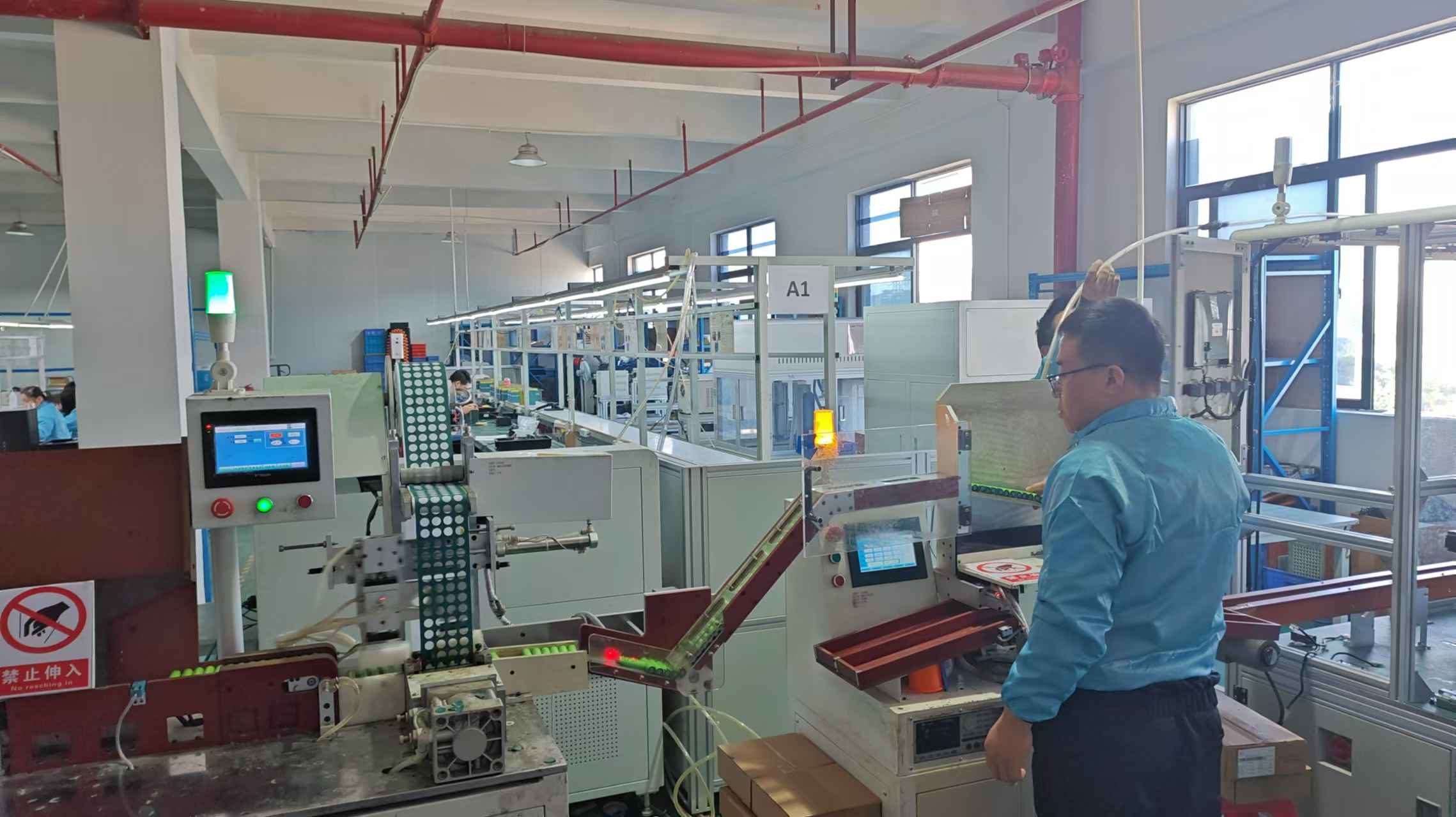
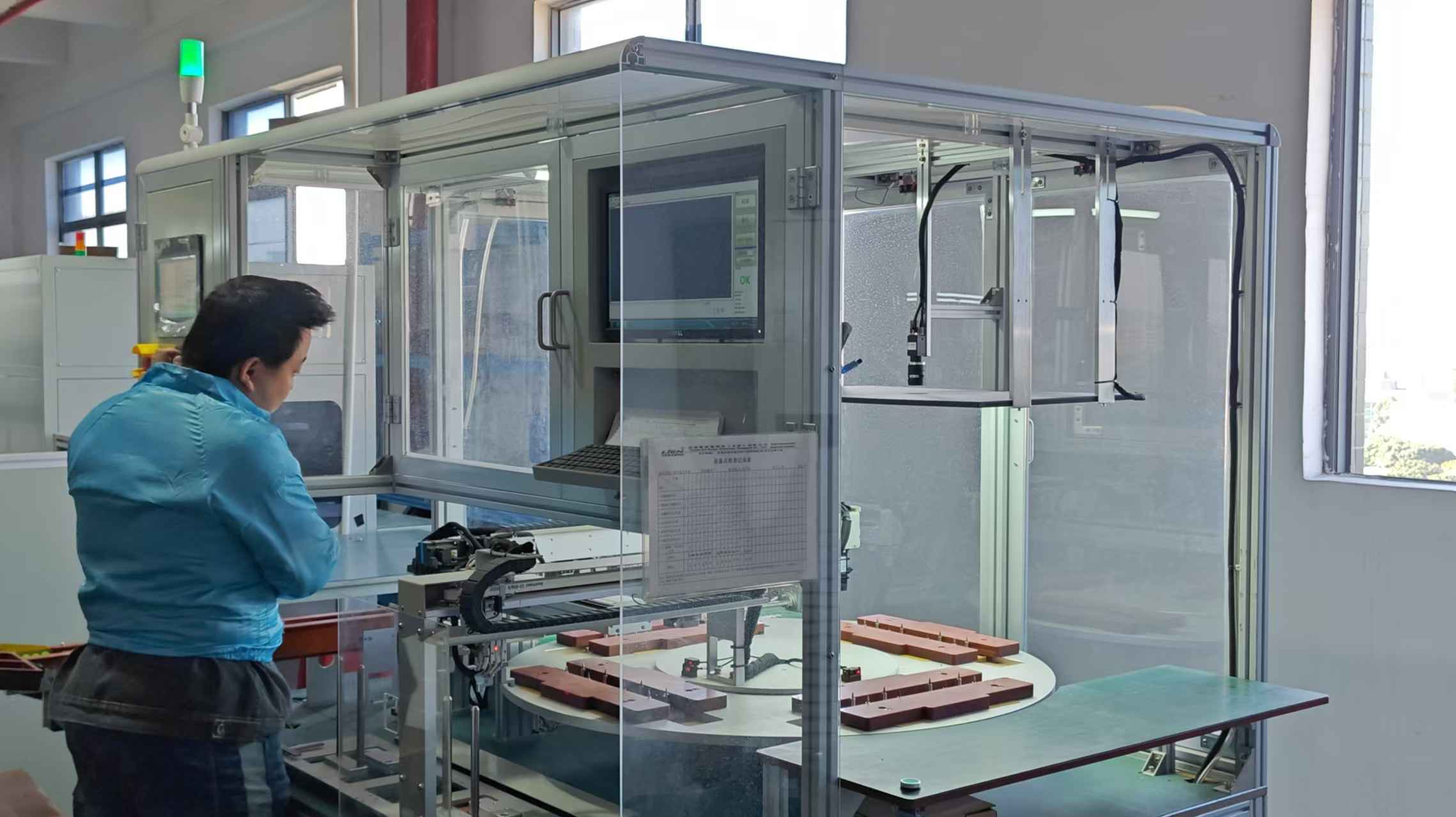
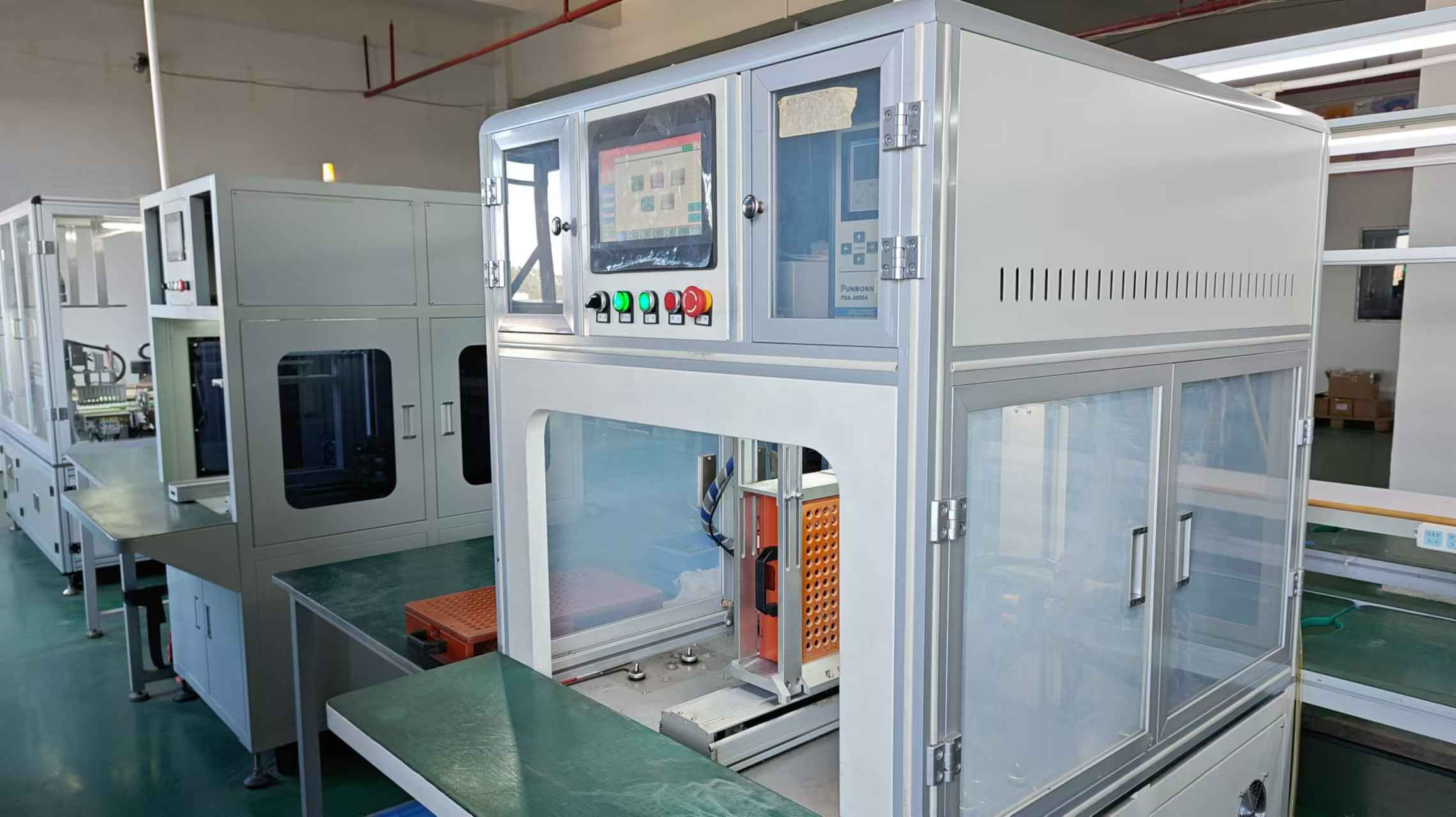
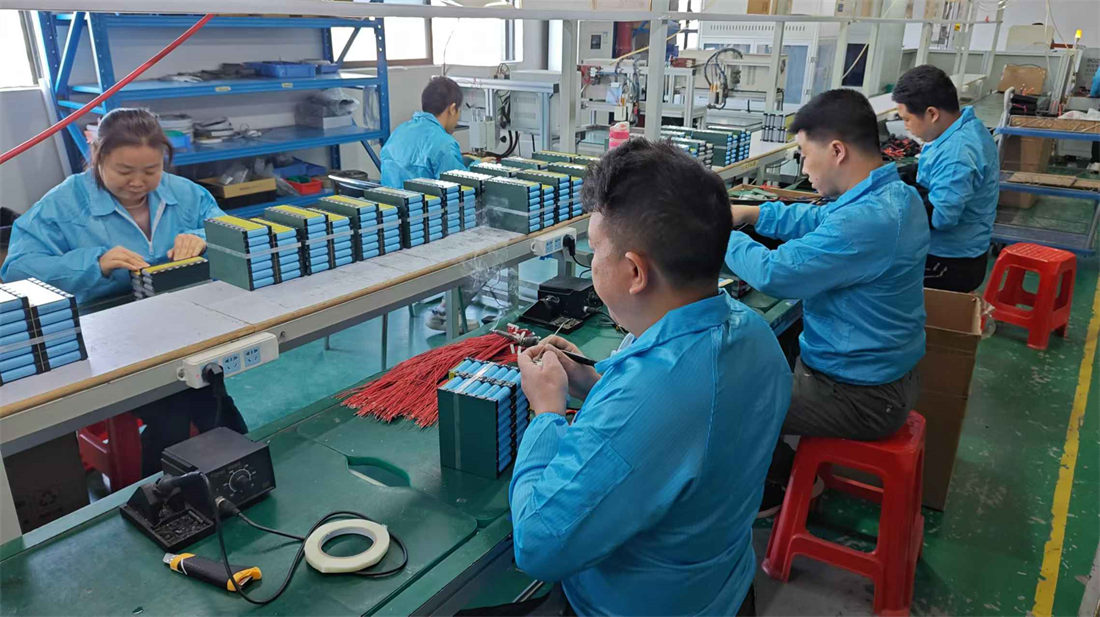
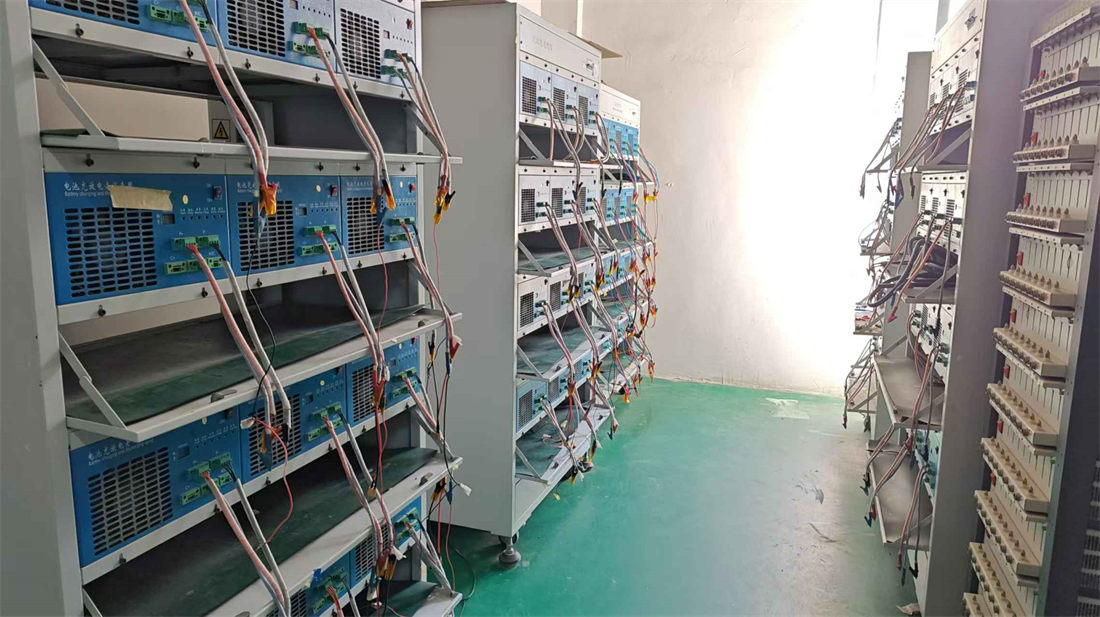
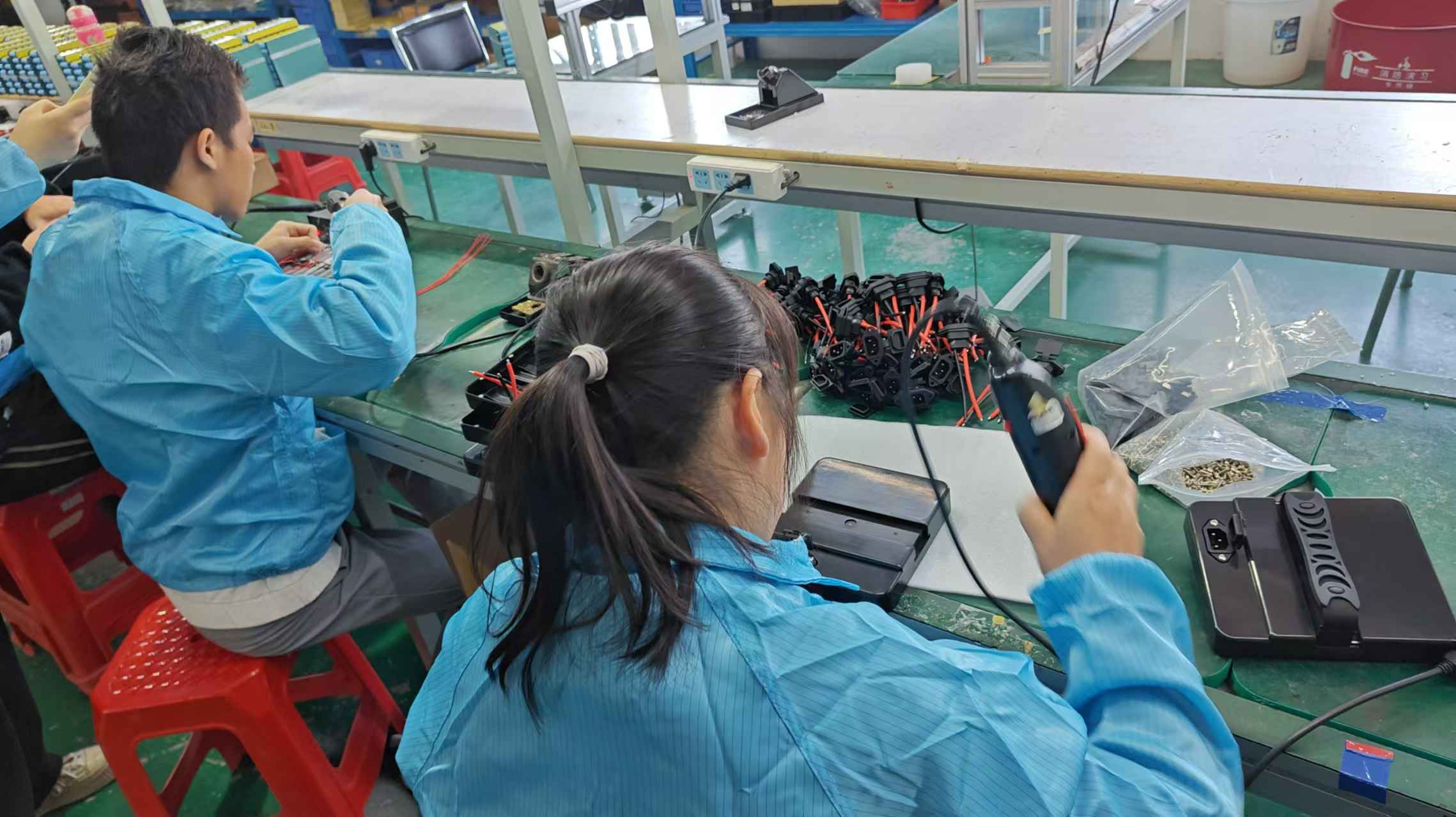
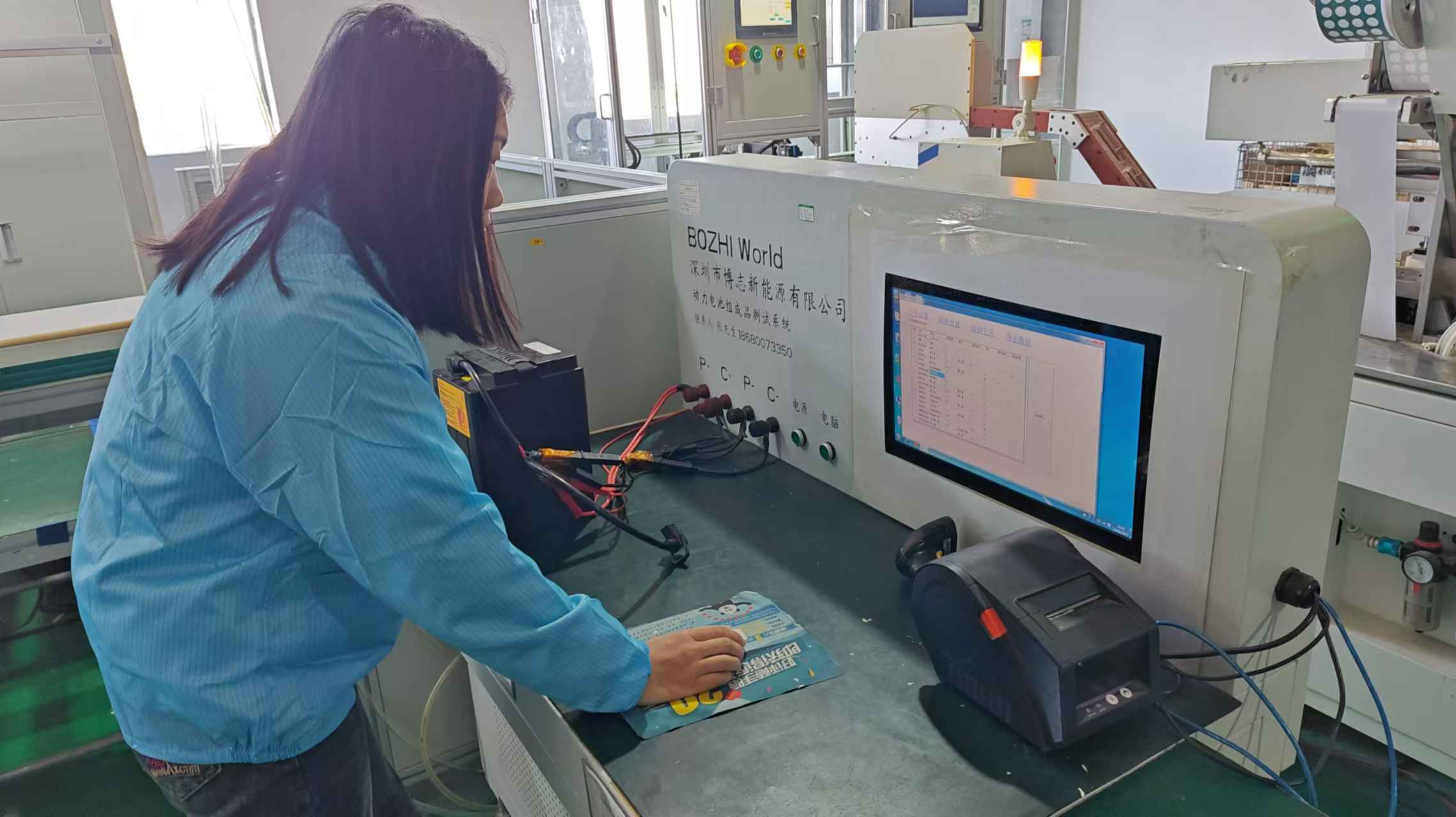
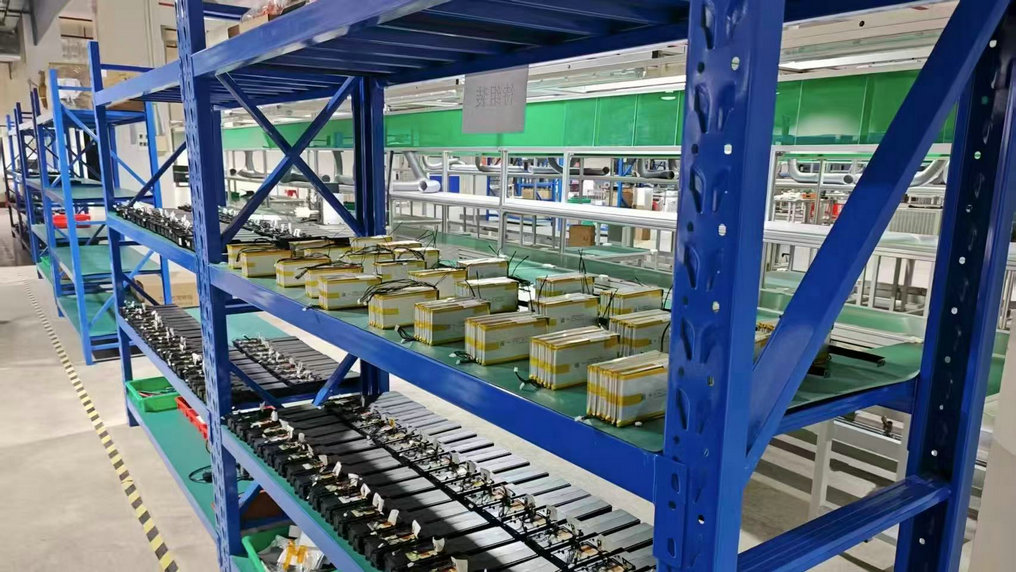
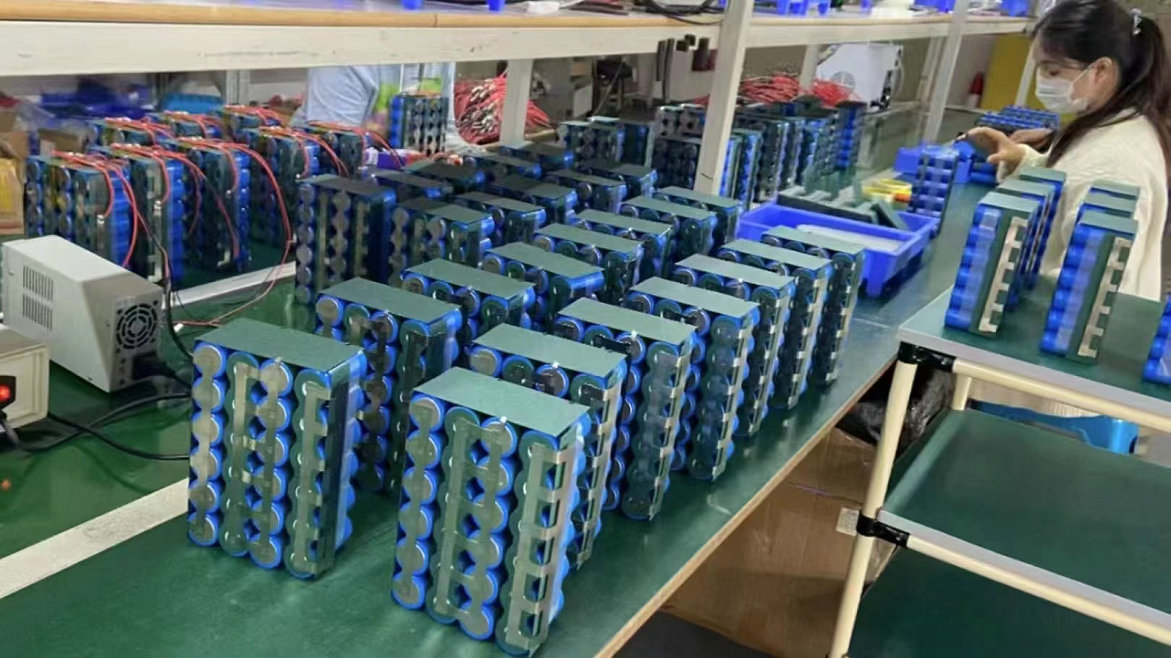
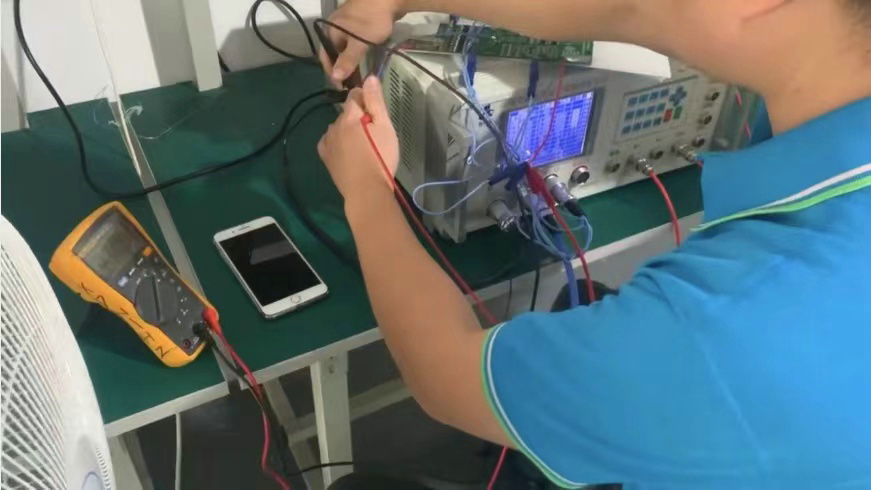
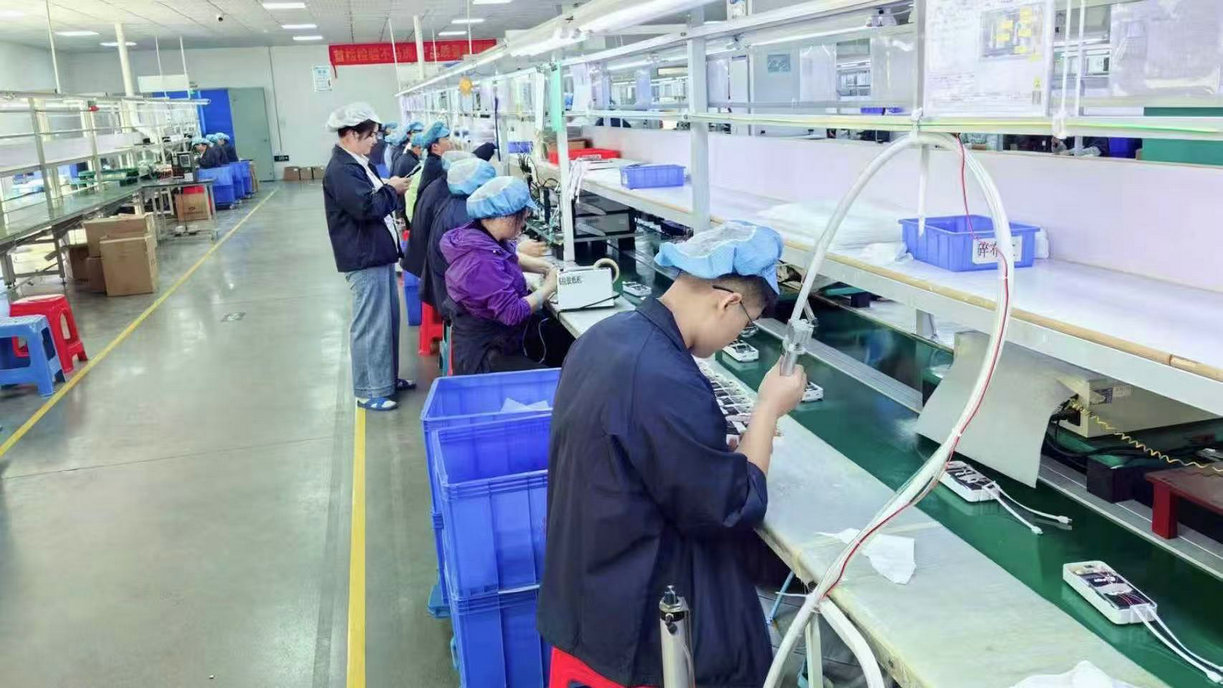
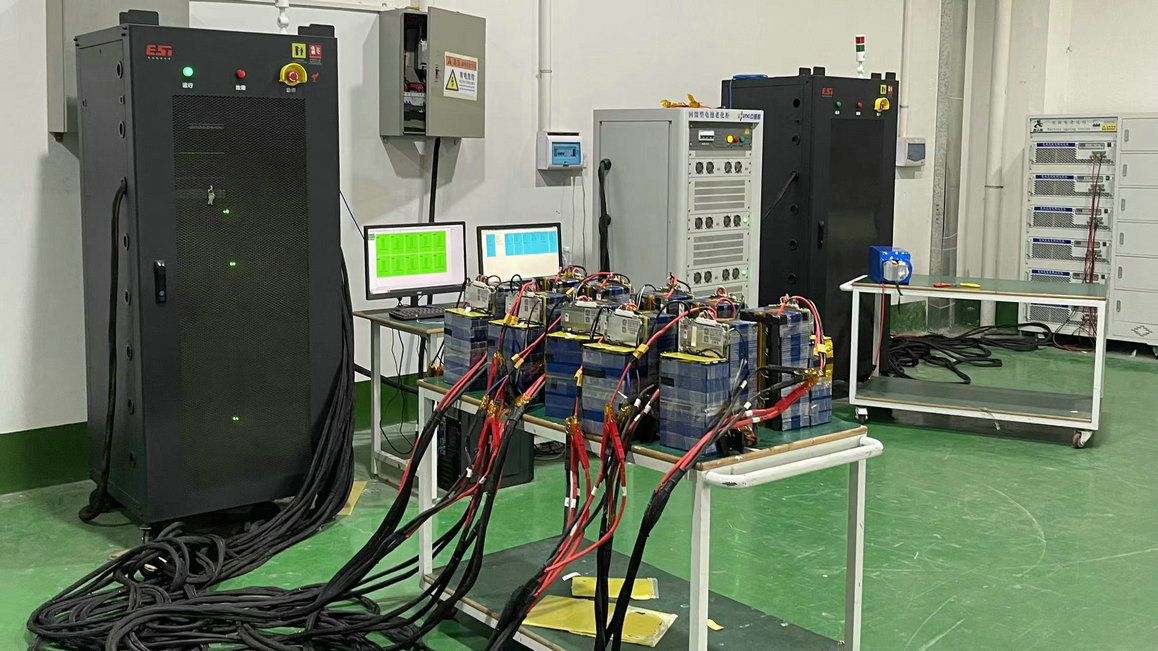
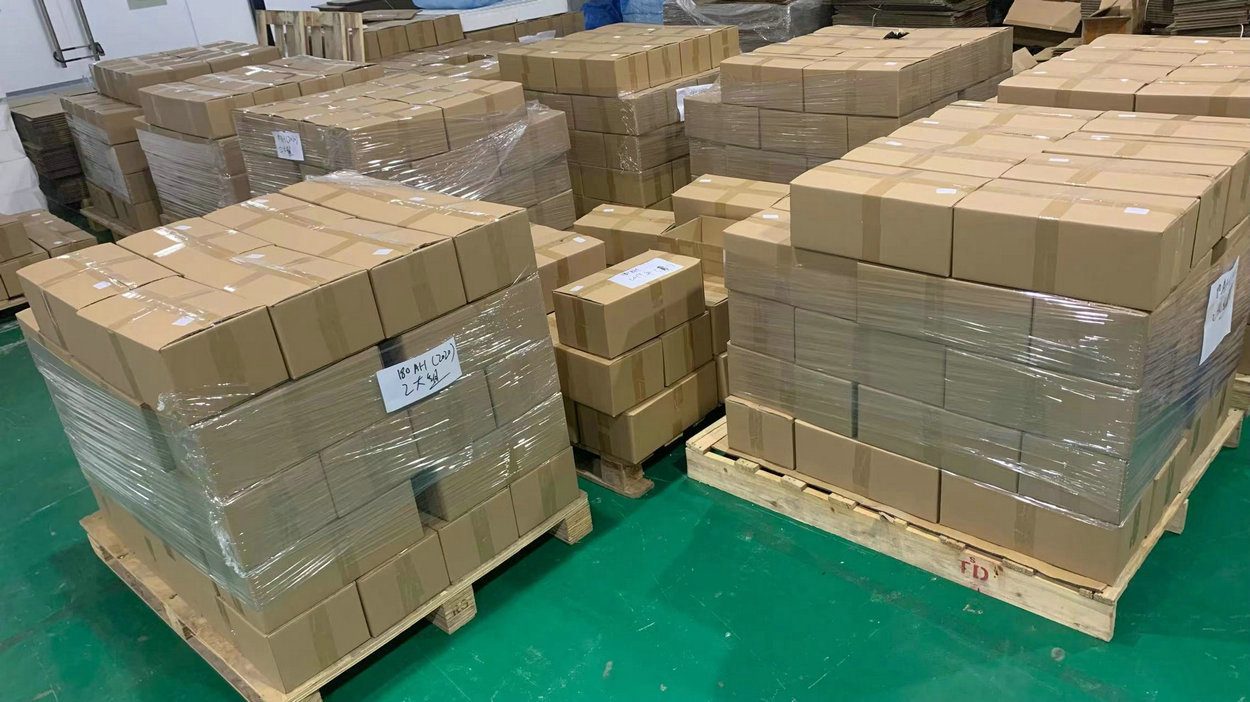
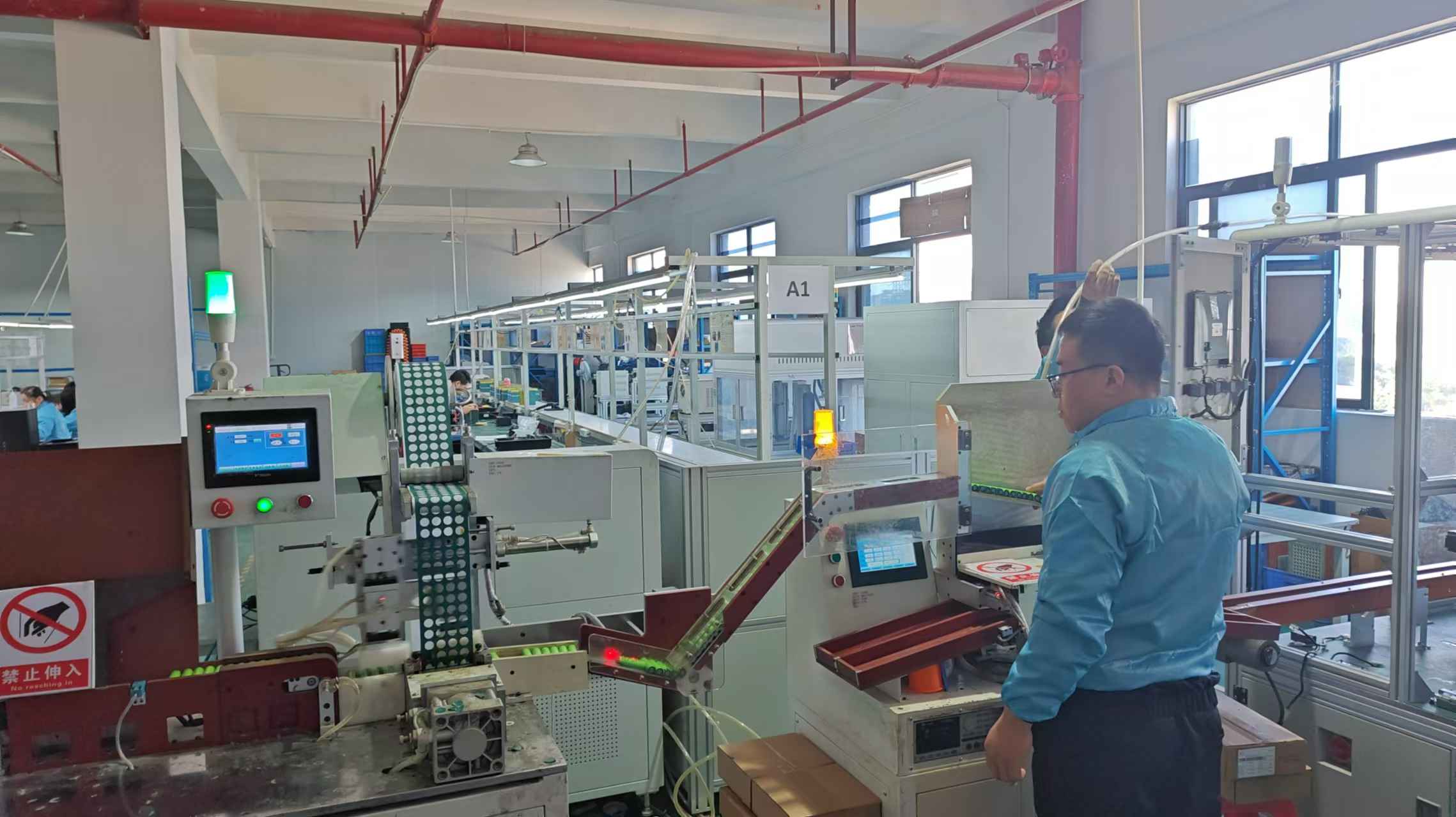
Procuring industrial components from China offers significant advantages when managed with local engineering support. Guangdong Nuwon Energy Co., Ltd. bridges China's battery manufacturing ecosystem with Norway's demanding quality expectations.
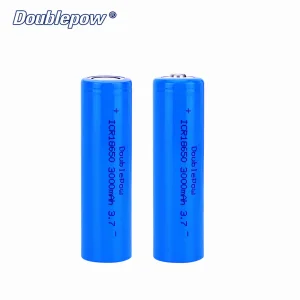
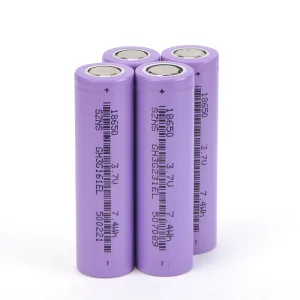
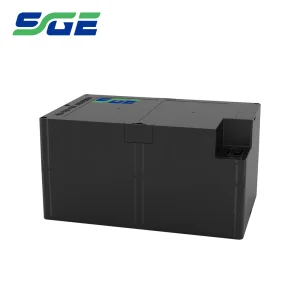
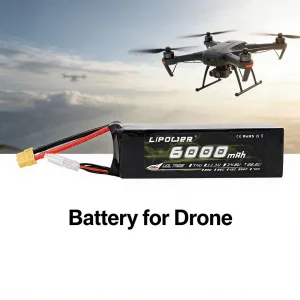
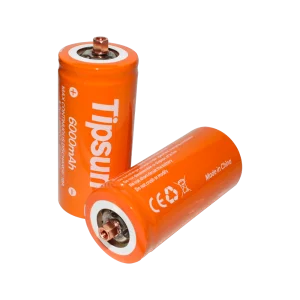
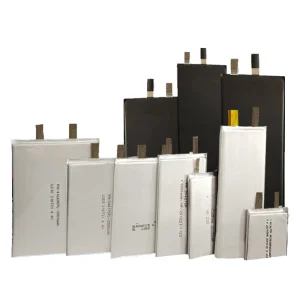
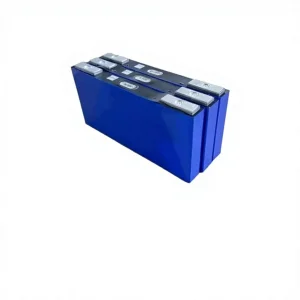
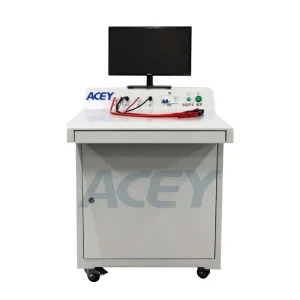
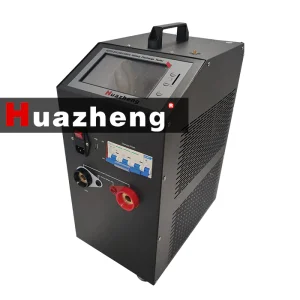
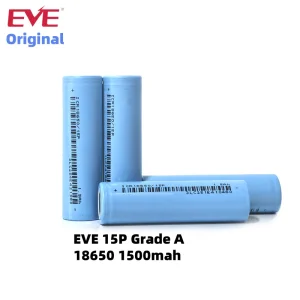
Explore our complete range of high-rate lithium-ion, LiFePO4, and LiPo cells, along with professional testing equipment designed for demanding operational conditions.
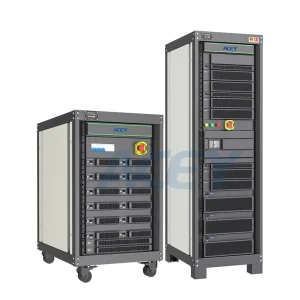
Find answers to common questions about selecting, designing, and operating high-rate battery systems in cold environments.
Looking for a custom high-rate battery pack? Send us your technical specifications, environmental requirements, and duty cycle details. Our team will design a solution tailored to your project.
Send Inquiry Now