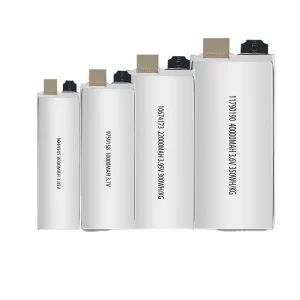
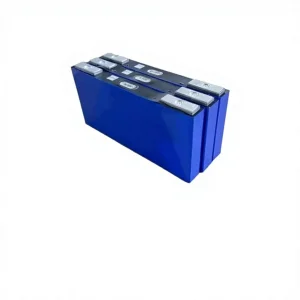
Premium high-rate discharge cell variations designed for New Zealand's rugged operating requirements, from commercial marine propulsion to agricultural robotics.

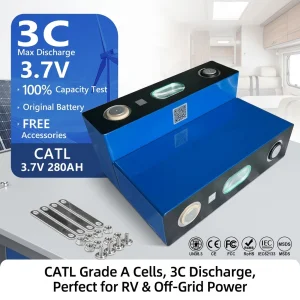
New Zealand is experiencing a rapid industrial transformation driven by the country's progressive decarbonisation mandates and its commitment to achieving net-zero emissions by 2050. The transition away from traditional combustion engines to electric powertrains has placed unprecedented focus on high-rate discharge battery cells. These unique electrochemical energy storage configurations are built to release large amounts of stored energy in short intervals, represented by a high C-rating (usually exceeding 3C continuous, and peaking up to 70C or more).
Geographically and economically, New Zealand presents unique operating parameters for power packs. From the coastal marine requirements of the Hauraki Gulf and Cook Strait to the sub-zero high-altitude farms of Otago, battery packs must maintain consistent high-power output under extreme thermal variation. Standard energy storage lithium packs (typically engineered for 0.5C to 1C discharge) fail when subjected to the high surge currents demanded by yacht electric propulsion starters, heavy-duty agricultural drone liftoffs, and regenerative braking dynamics in commercial electric vehicles. Guangdong Nuwon Energy Co., Ltd. addresses this technological gap, engineering customized high-rate discharge architectures engineered specifically to survive New Zealand's strict environmental and compliance standards.
Choosing the correct high-discharge cell chemistry requires an understanding of energy density, cycle life, thermal threshold margins, and response times. For applications requiring rapid charging and high peak discharge rates, Lithium Titanate (LTO) remains the benchmark, delivering up to 70C discharge rates and exceptional safety profiles under mechanical damage or low temperatures. In contrast, Nickel Manganese Cobalt (NMC) chemistries provide superior energy density, making them the preferred choice for electric vehicle conversions and commercial drone flight times where weight-to-power ratio is critical.
| Battery Chemistry | Typical C-Rate Limits | Nominal Voltage | Cycle Life (80% DoD) | Optimal Operating Temperature |
|---|---|---|---|---|
| Lithium Titanate (LTO) | 10C - 70C Continuous | 2.3V - 2.4V | > 20,000 Cycles | -30°C to 55°C |
| Nickel Manganese Cobalt (NMC) | 3C - 10C Continuous | 3.6V - 3.7V | 1,500 - 3,000 Cycles | -10°C to 45°C |
| Lithium Iron Phosphate (LFP) | 1C - 5C Continuous | 3.2V | 3,000 - 6,000 Cycles | -15°C to 60°C |
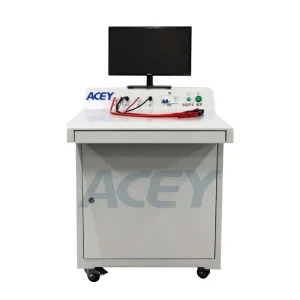
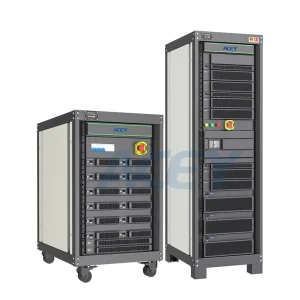
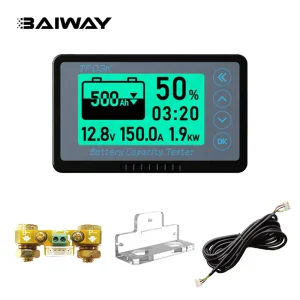
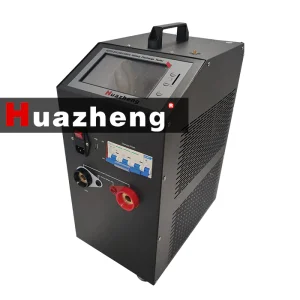
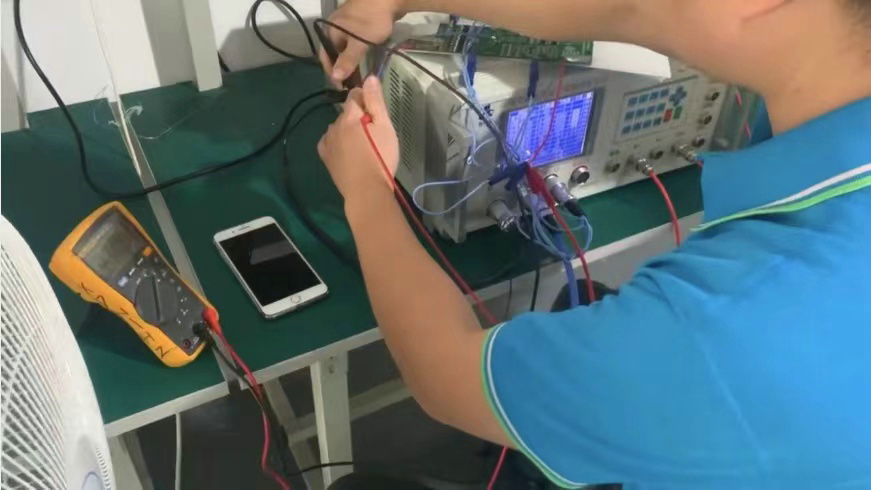
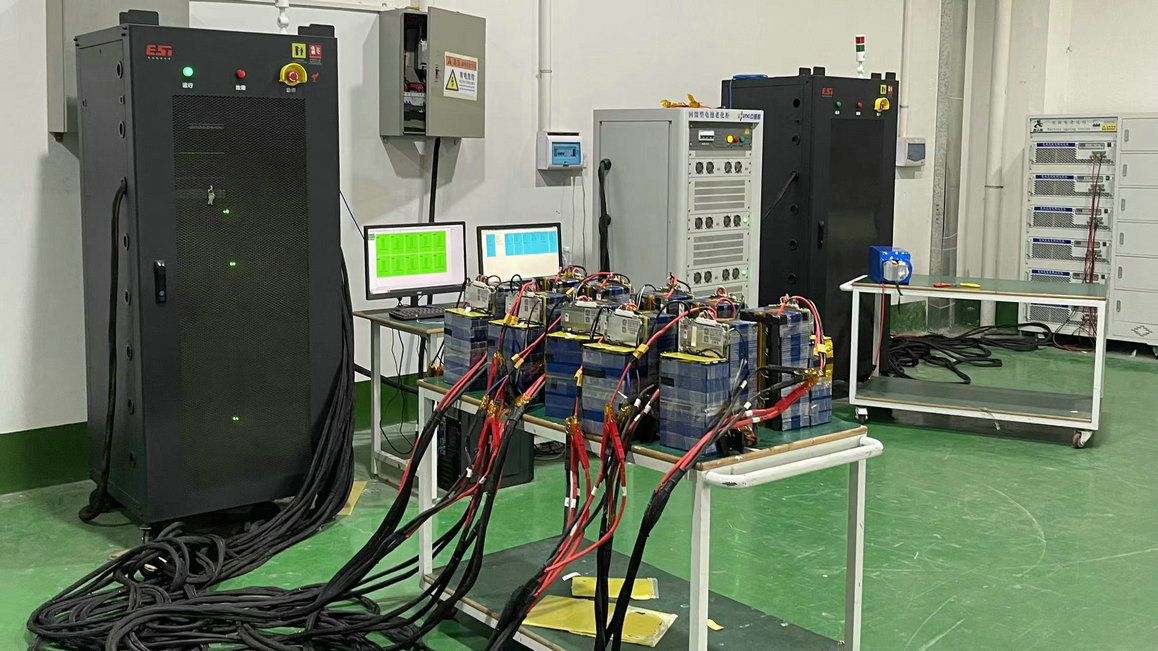
Providing New Zealand battery integration laboratories and fleet operations with testing and load monitoring equipment to ensure safe operations.
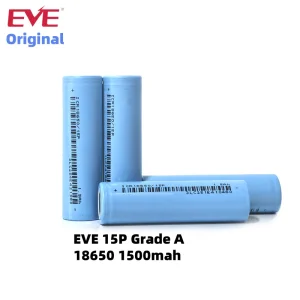
From marine electrification to high-torque agriculture tools, our custom cell integration serves diverse regional requirements.
Auckland's ferry electrification projects and Cook Strait commercial vessels require batteries with exceptional transient power capabilities. Our 70C LTO configurations are designed for start-stop surge current patterns, withstanding salinity and mechanical vibration.
Hilly topography across Canterbury and Southland agricultural zones requires drone spraying packs that can handle sudden high-current adjustments. Our lightweight 50C-100C LiPo configurations support high payload stability and wind resistance.
Timber production mills and automated distribution warehouses require continuous high-rate power options. Our 3C continuous discharge NMC cells support 24/7 robotic material handling workflows without thermal degradation.
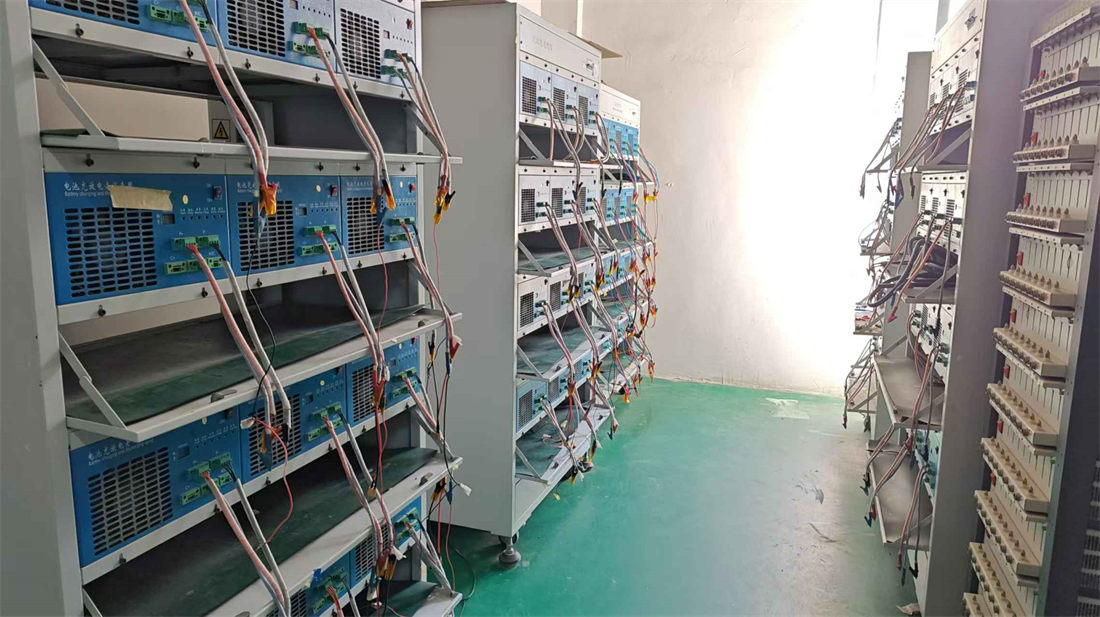
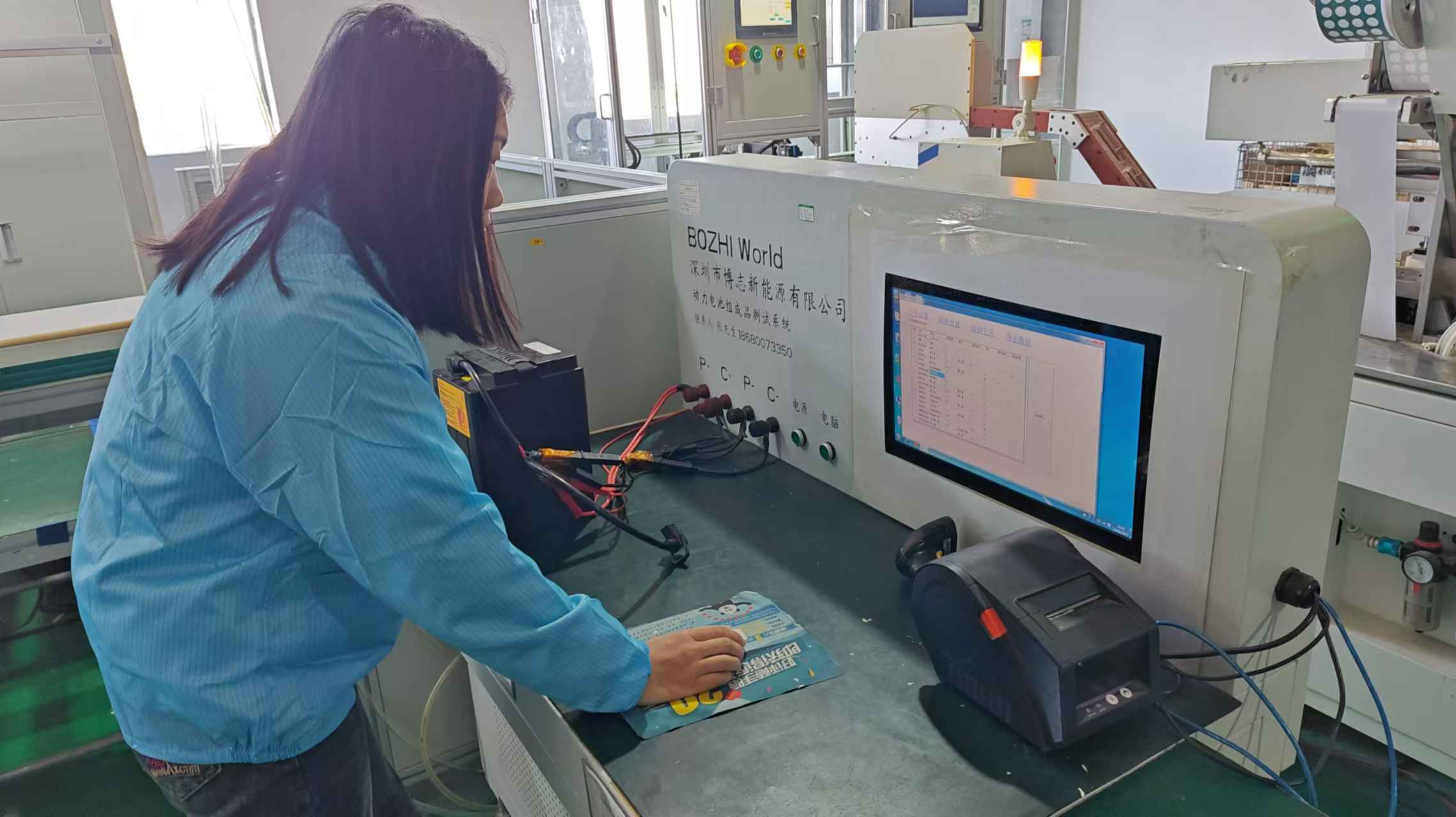
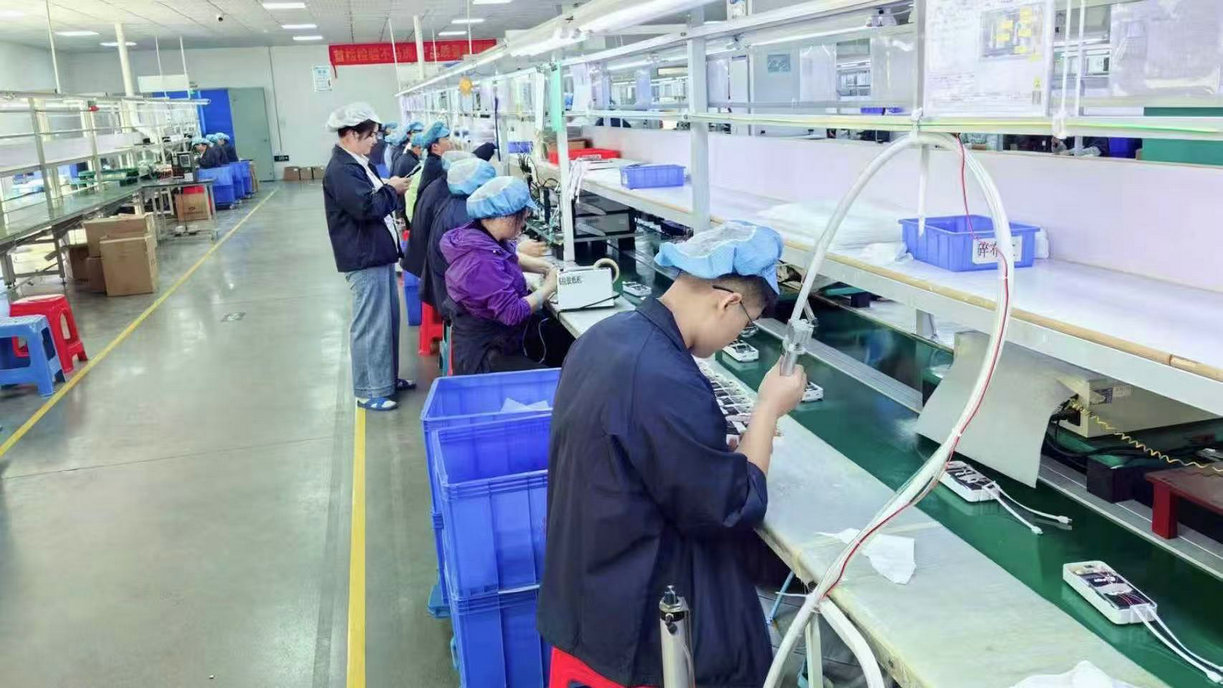
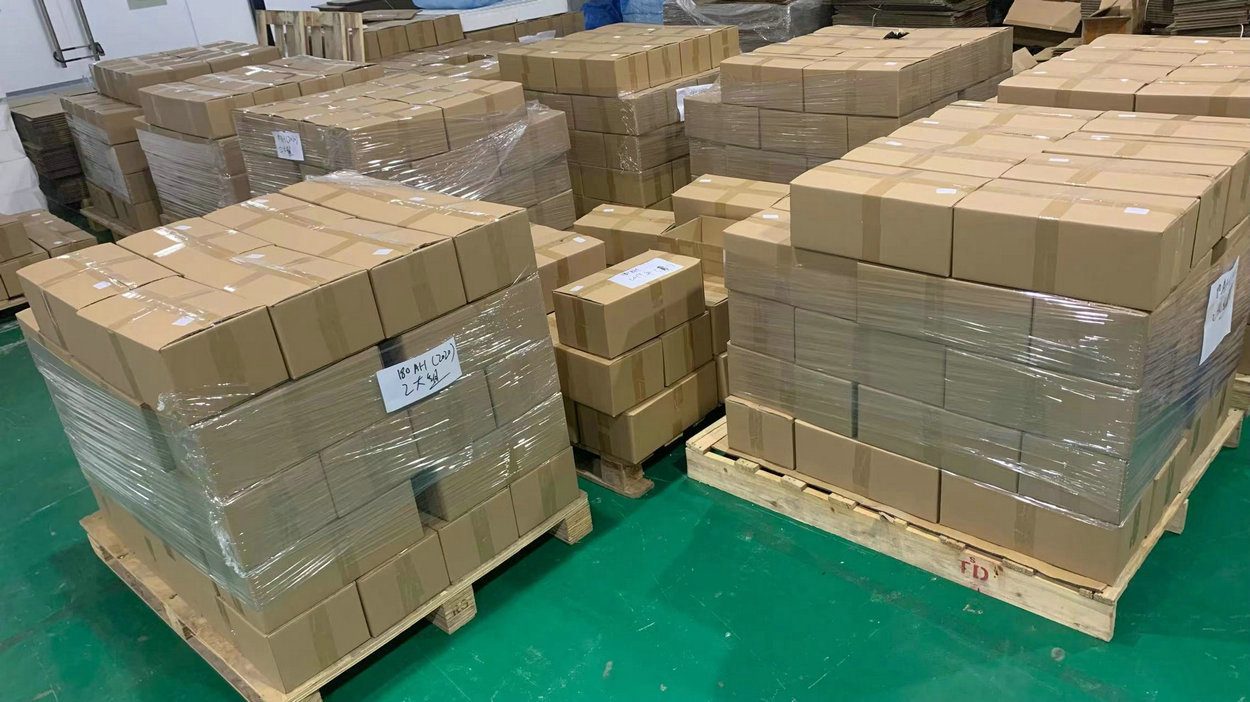
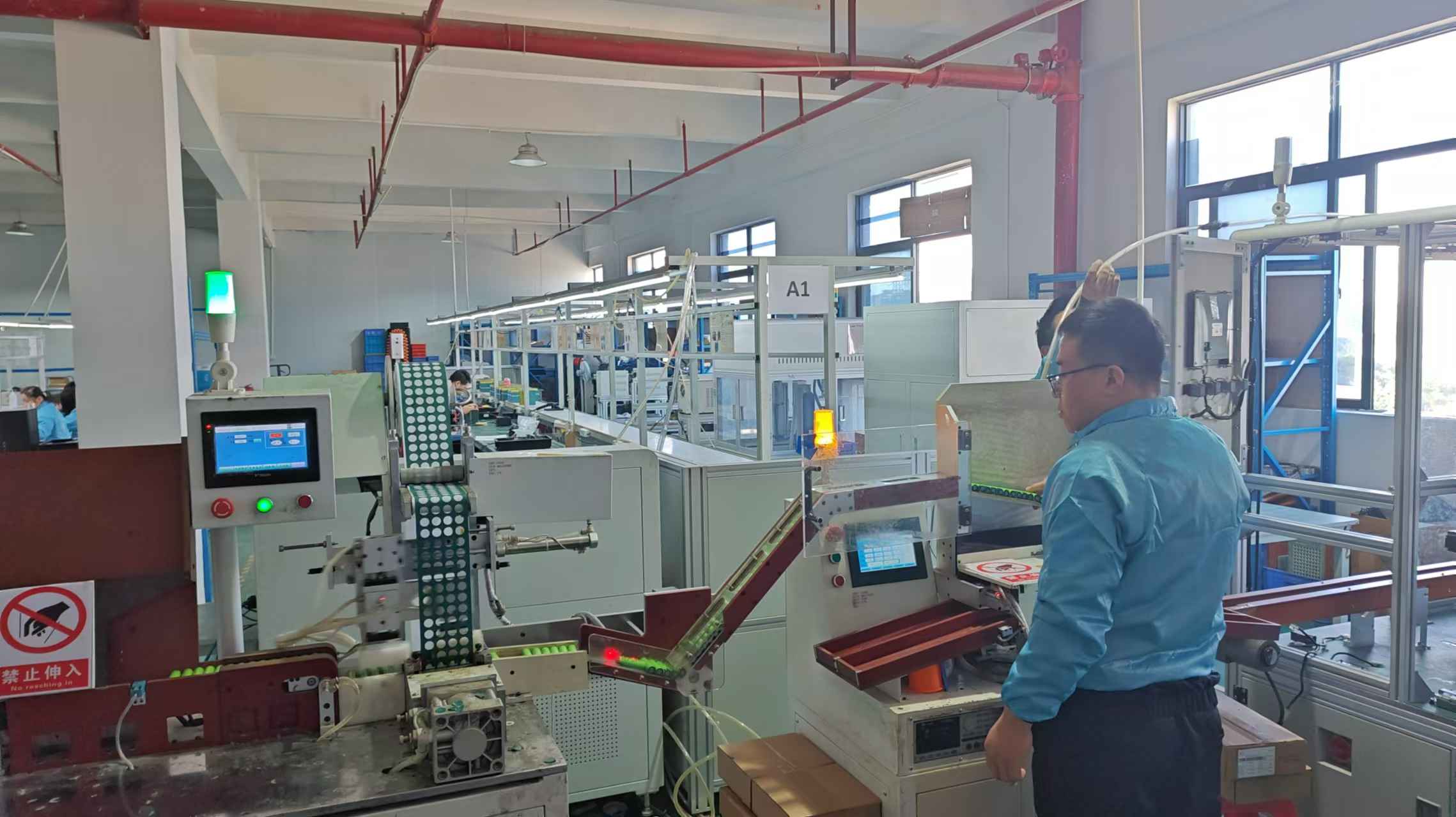
Take a look inside Guangdong Nuwon Energy Co., Ltd.'s advanced assembly lines. We use rigorous, 14-step cell matching and pack assembly procedures for global markets.
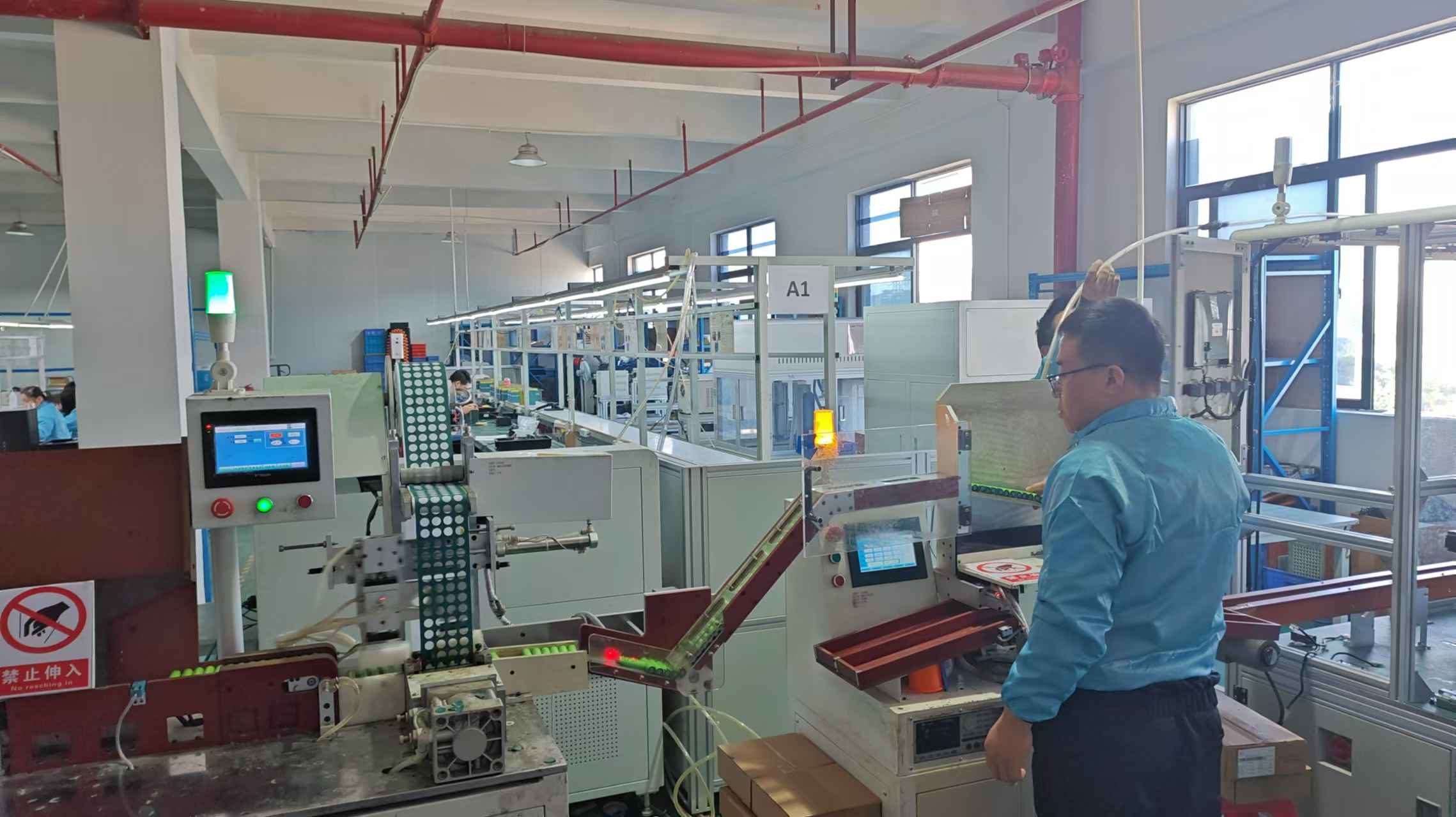
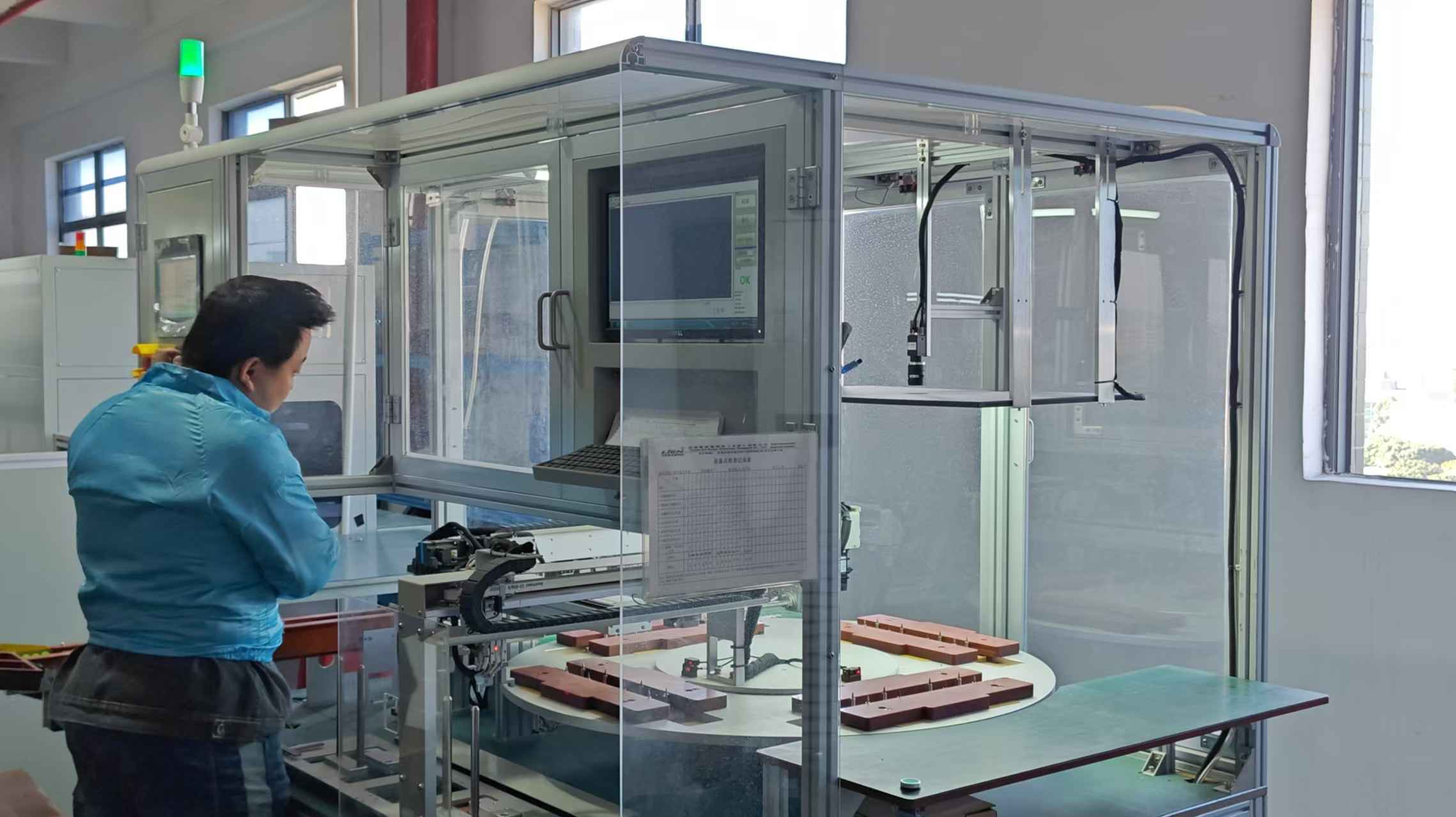
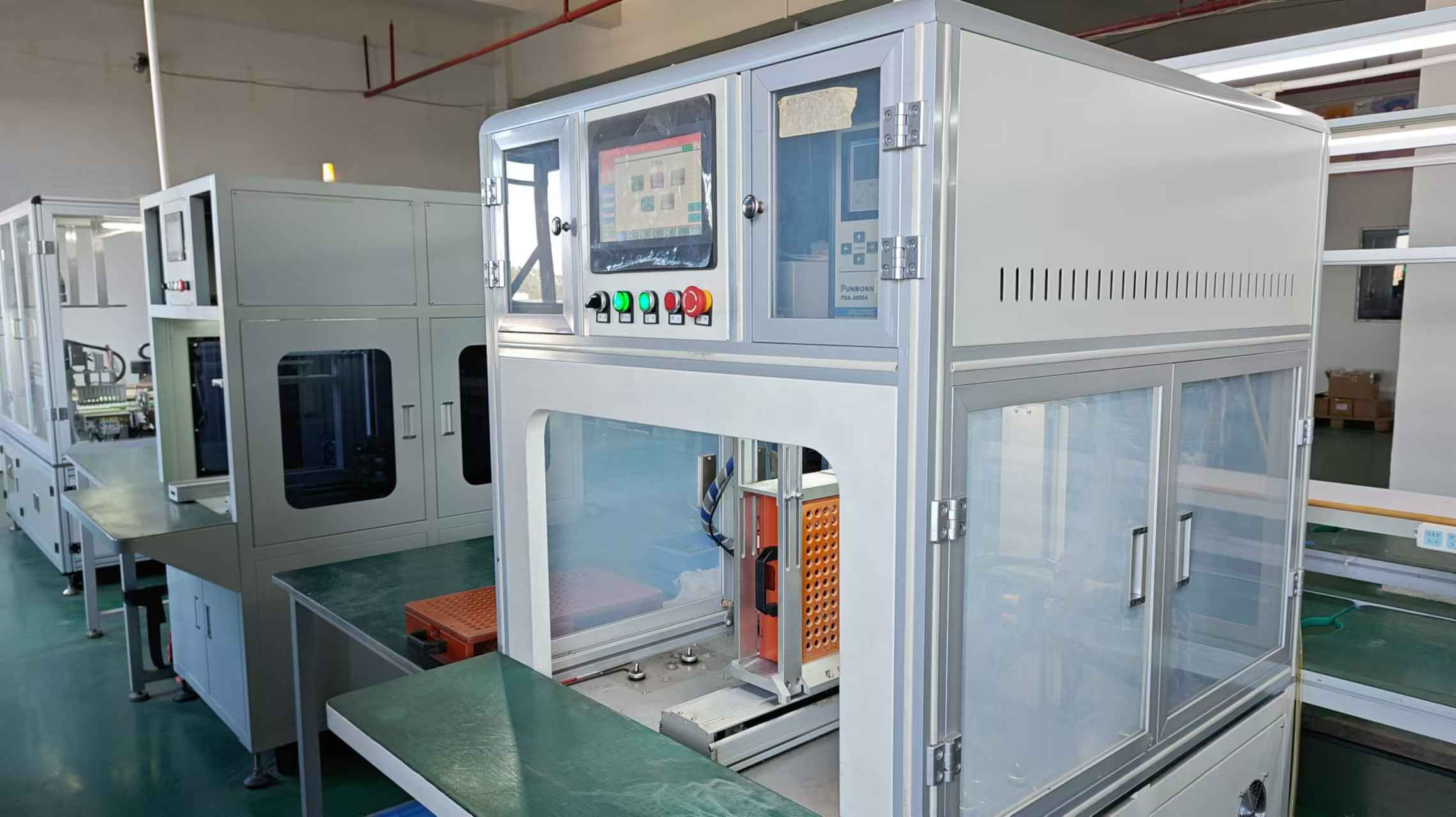
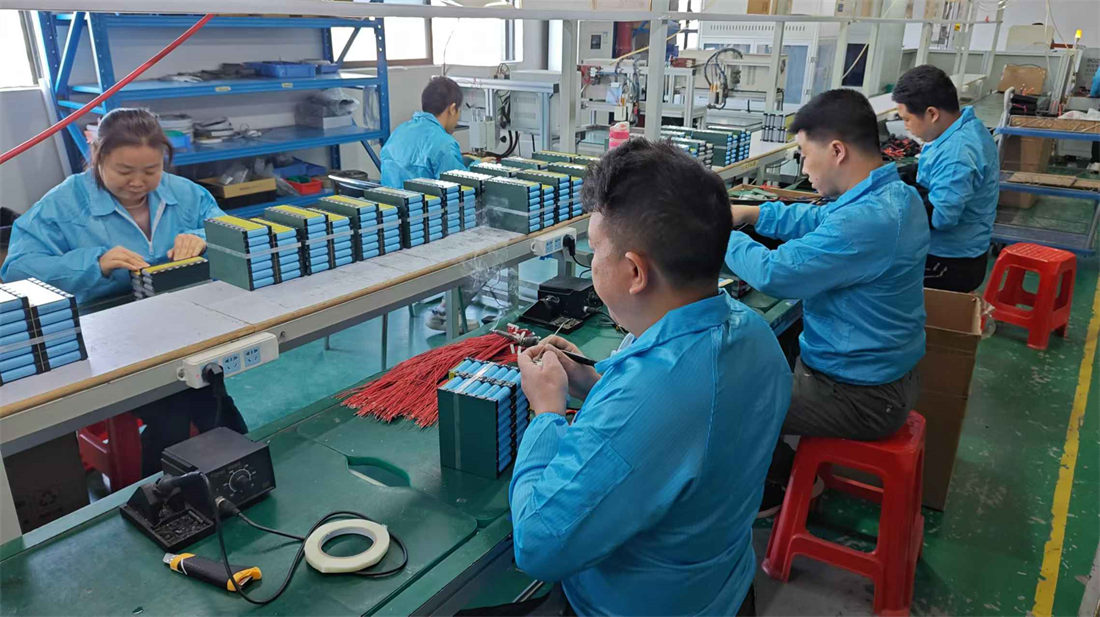
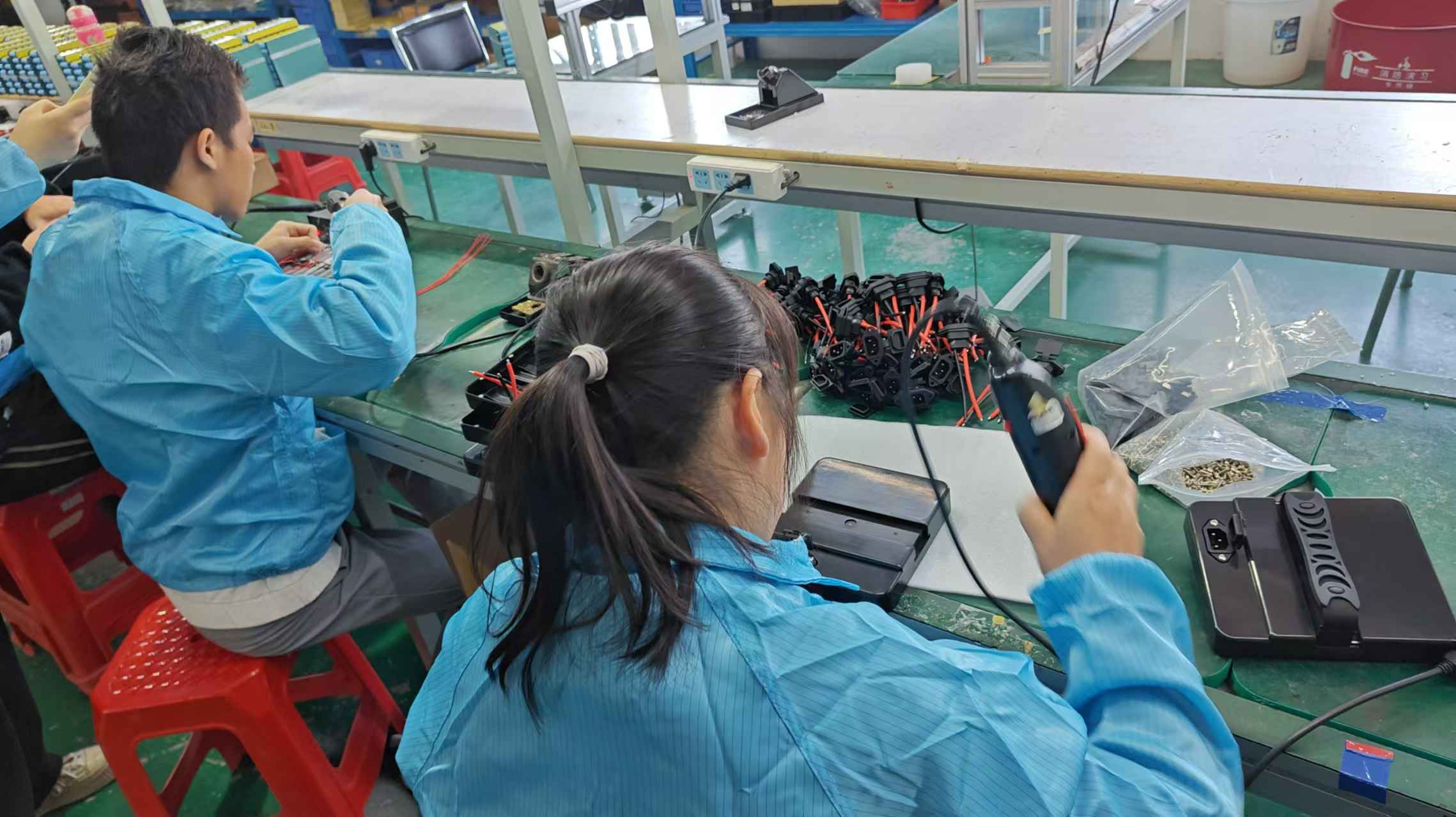
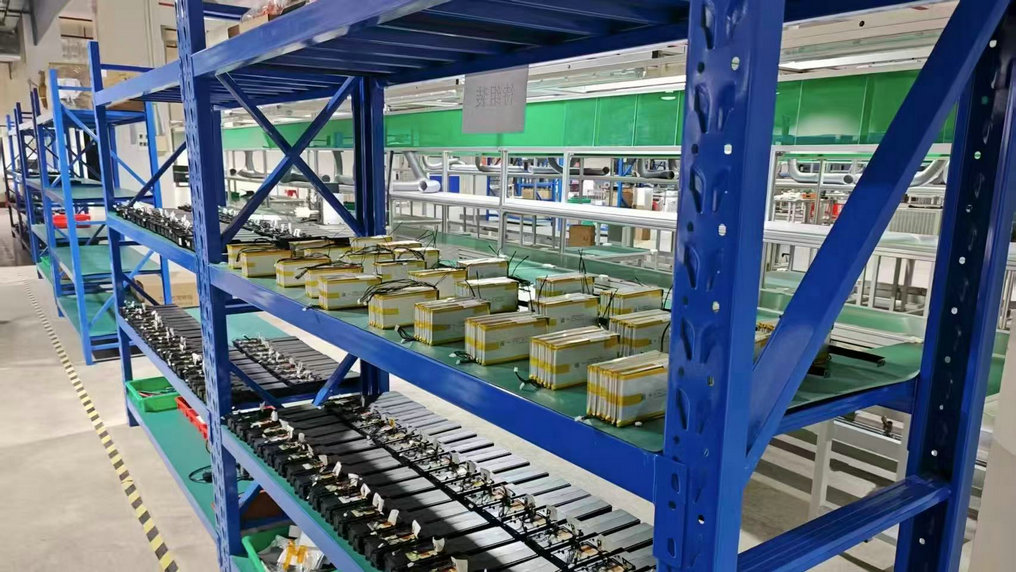
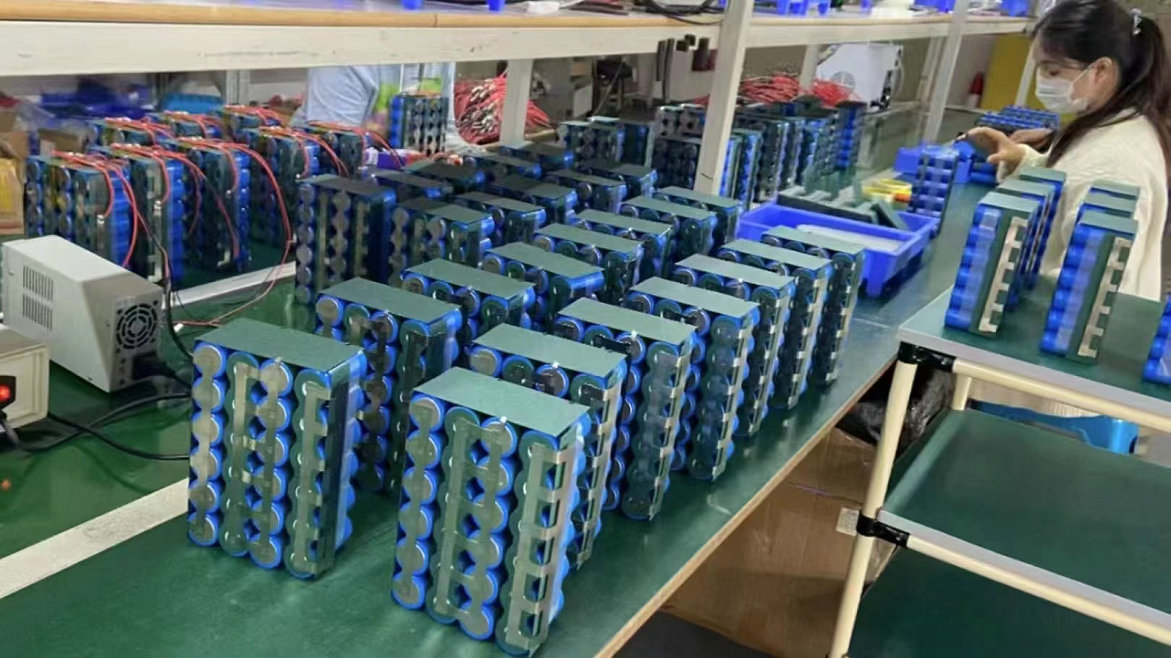
Guangdong Nuwon Energy Co., Ltd. is a leading manufacturer and solution provider in advanced battery systems, specializing in the research, development, manufacturing, and global distribution of high-performance energy storage products. The company offers comprehensive OEM and ODM services, delivering customized battery solutions tailored to diverse industrial and commercial applications.
Backed by a highly experienced engineering and R&D team, Nuwon Energy focuses on the design and integration of cylindrical and prismatic lithium battery cells, as well as complete battery packs, modules, and energy storage systems. The company also develops and produces industrial-grade battery cells engineered for safety, durability, and long cycle life.
Guangdong Nuwon Energy serves a wide range of industries, including consumer electronics, electric mobility (such as golf carts, forklifts, UTVs/ATVs, trucks, and marine systems), medical equipment, unmanned ground vehicles (AGVs/AMRs), and emerging aerospace applications such as eVTOL aircraft. In addition, the company provides reliable residential, commercial, and industrial (C&I) energy storage solutions designed to support the global transition toward clean and sustainable energy.
With a strong commitment to innovation, strict quality control, and customer-centric service, Guangdong Nuwon Energy continuously invests in advanced manufacturing capabilities, automated production lines, and rigorous testing systems. This ensures that every product meets international safety standards and delivers exceptional performance in demanding environments.
Driven by a vision to accelerate global electrification and energy efficiency, Guangdong Nuwon Energy Co., Ltd. is dedicated to building long-term partnerships and providing reliable, intelligent, and sustainable energy solutions to customers worldwide.
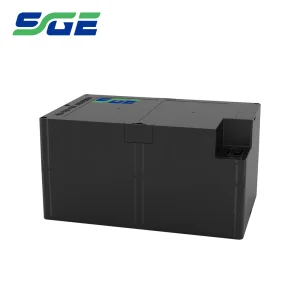
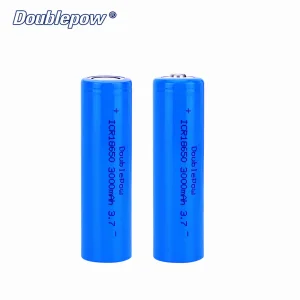
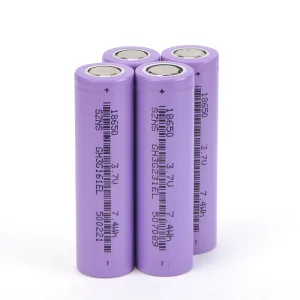
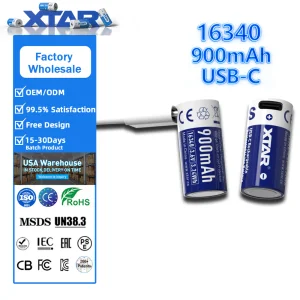
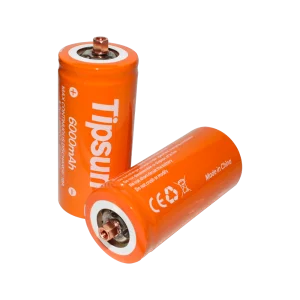
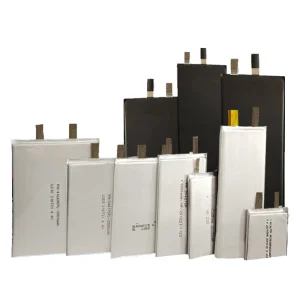
Explore our complete export catalog. These cells and packs are optimized for reliable discharge characteristics under high loads.

For New Zealand system integrators, compliance with regional safety standards is essential. Installing energy storage batteries and high-power cells requires adherence to the **AS/NZS 5139:2019** standard (Electrical installations—Safety of battery systems for use with power conversion equipment). This standard specifies requirements for protection against thermal runaway, chemical hazards, and electrical faults.
Our manufacturing and export processes align with these standards. Every shipment of high-rate discharge cells to Auckland, Wellington, or Lyttelton undergoes rigorous safety verification, including **UN38.3** transit compliance, **IEC 62619** certification for industrial applications, and **UL 1973** safety testing. By integrating advanced battery management systems (BMS) with active balancing and high-voltage contactor cut-offs, we provide industrial clients in Oceania with reliable, plug-and-play energy storage solutions.
Answers to common technical questions about importing and operating high-rate discharge battery cells in New Zealand.
 Nuwon Energy