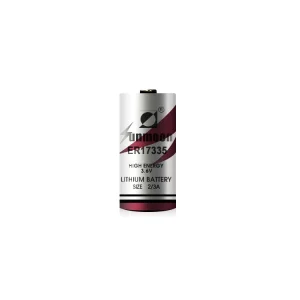

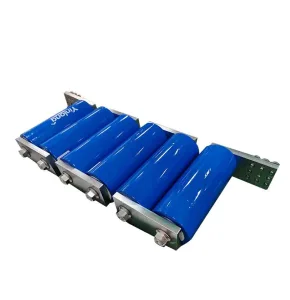
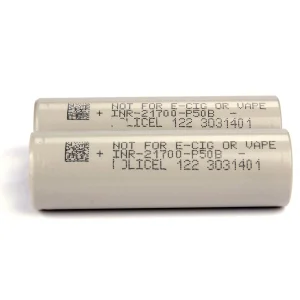
The global transition toward electrification across automotive, logistics, and grid-scale storage sectors has precipitated an unprecedented demand for robust battery management strategies. High-capacity battery packs, predominantly constructed from Lithium Nickel Manganese Cobalt Oxide (NMC) and Lithium Iron Phosphate (LFP) chemistries, represent the most capital-intensive component of modern electric powertrains and energy storage systems (BESS). Consequently, the industrial sector is shifting from a standard replacement model to an advanced, circular-economy model centered on Battery Repair Solutions.
Battery degradation is rarely uniform. In a typical multicell configuration (connected in series and parallel), single-cell faults, impedance mismatches, local thermal variances, and localized micro-shorts can severely limit the output capacity of the entire pack. Rather than decommissioning an entire module due to sub-system anomalies, industrial diagnostic systems identify and isolate degraded modules. Global enterprises are seeking reliable suppliers and exporters capable of delivering not only ready-to-use cells, but also the raw chemicals, precursors, active cathode materials, and testing equipment required to refurbish and remanufacture battery units back to original equipment manufacturer (OEM) performance profiles.
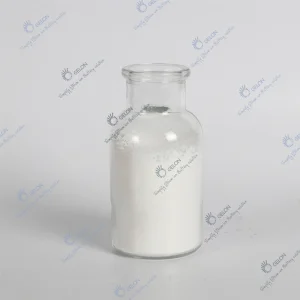
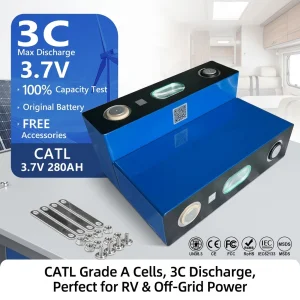
From a commercial standpoint, battery repair solutions rely heavily on sourcing highly uniform, grade-A replacement cells—such as high-density CATL 280Ah NMC cells or ultra-stable Yinlong LTO cells. Additionally, the development of solid-state components (such as LLZO electrolytes) and high-quality precursors (NCM 622) is transforming battery repair facilities into highly sophisticated electrochemical remanufacturing labs.
To ensure safety and reliability in battery repair and remanufacturing, sourcing partners must possess demonstrated engineering authority. Guangdong Nuwon Energy Co., Ltd. stands as a premier global manufacturer and solution provider specializing in the development, manufacturing, and distribution of high-performance energy storage products.
Backed by a highly experienced engineering and R&D team, Nuwon Energy focuses on the design and integration of cylindrical and prismatic lithium battery cells, as well as complete battery packs, modules, and energy storage systems. The company also develops and produces industrial-grade battery cells engineered for safety, durability, and long cycle life.
Guangdong Nuwon Energy serves a wide range of industries, including consumer electronics, electric mobility (such as golf carts, forklifts, UTVs/ATVs, trucks, and marine systems), medical equipment, unmanned ground vehicles (AGVs/AMRs), and emerging aerospace applications such as eVTOL aircraft. In addition, the company provides reliable residential, commercial, and industrial (C&I) energy storage solutions designed to support the global transition toward clean and sustainable energy.
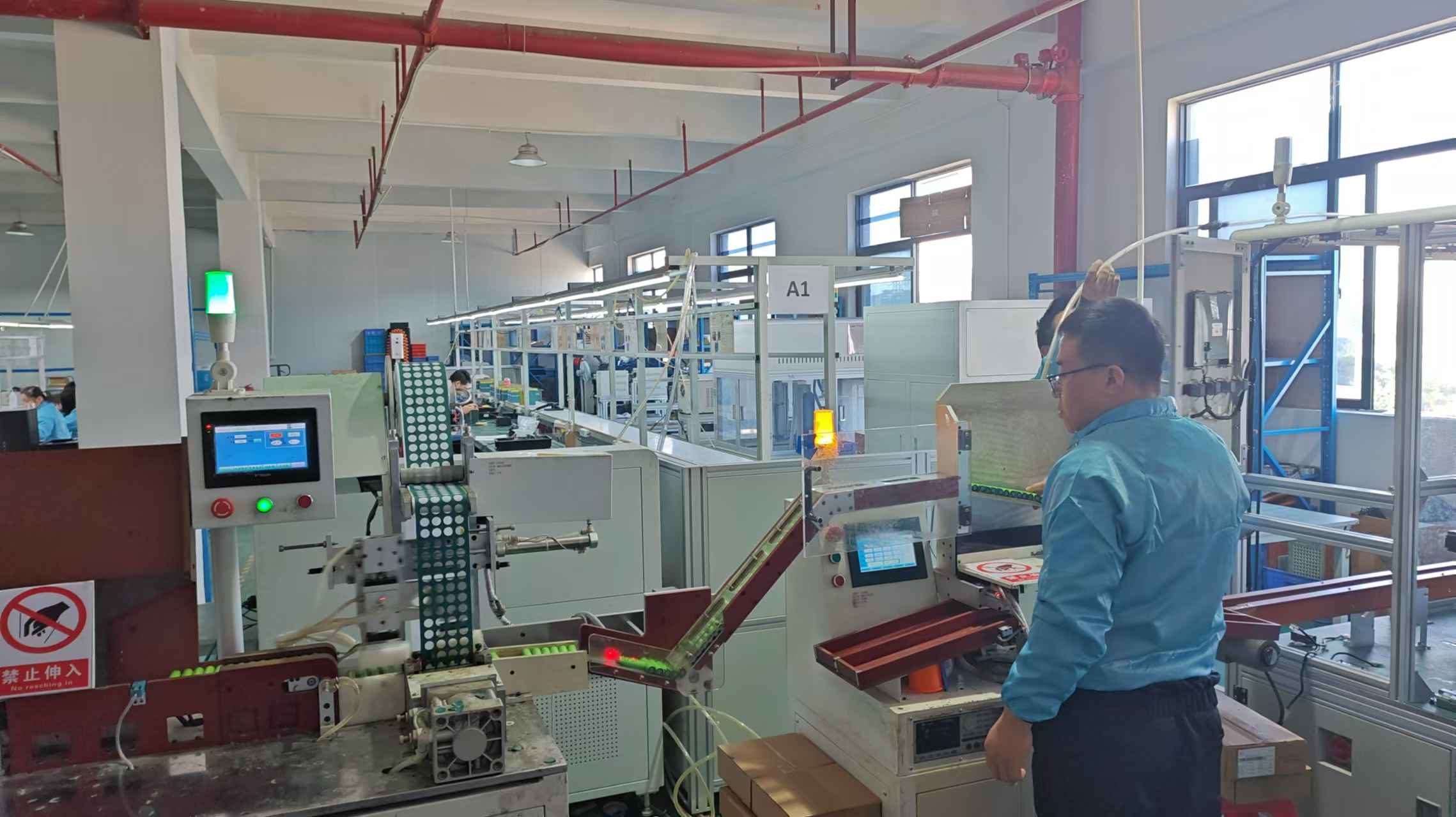
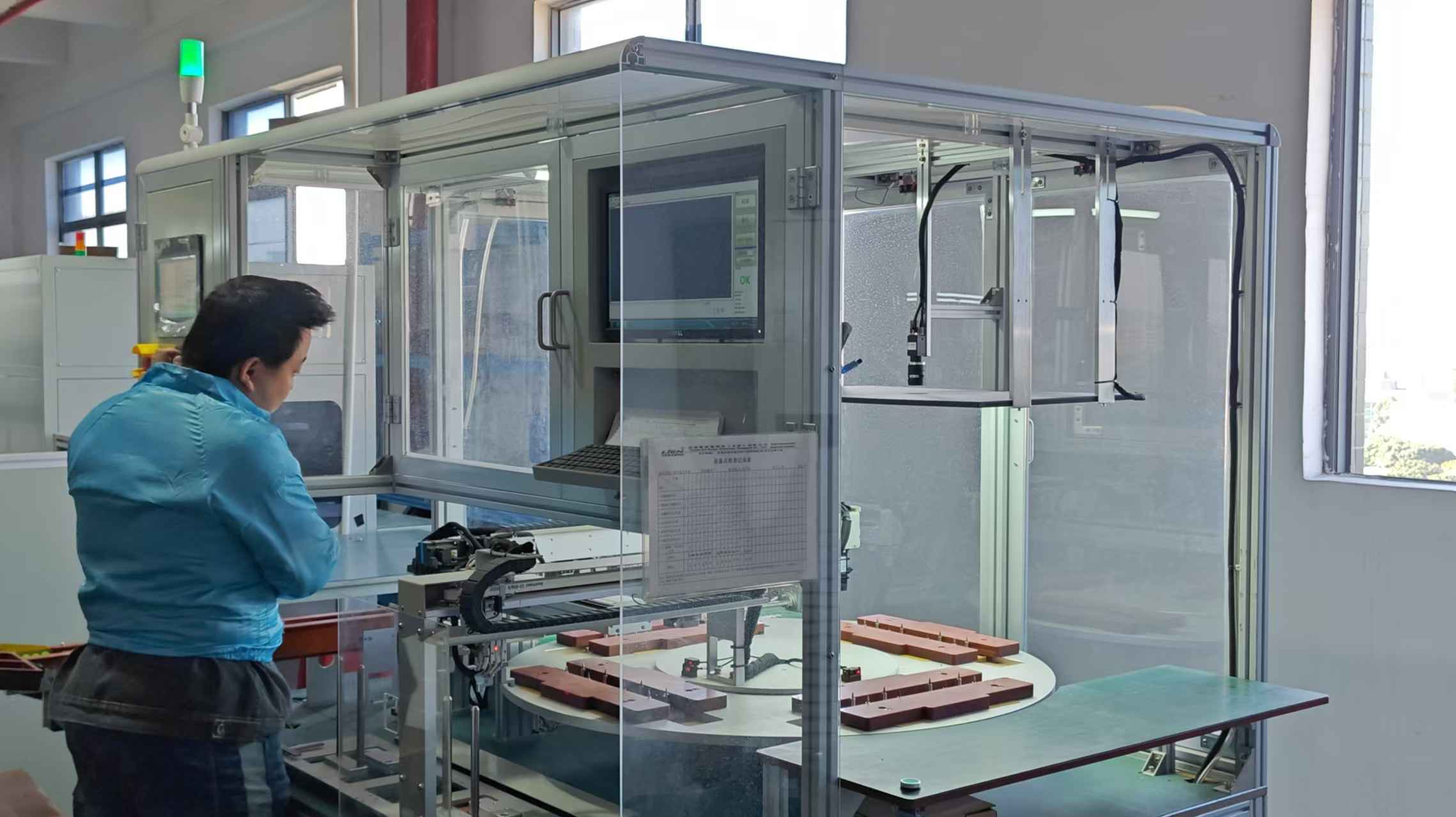
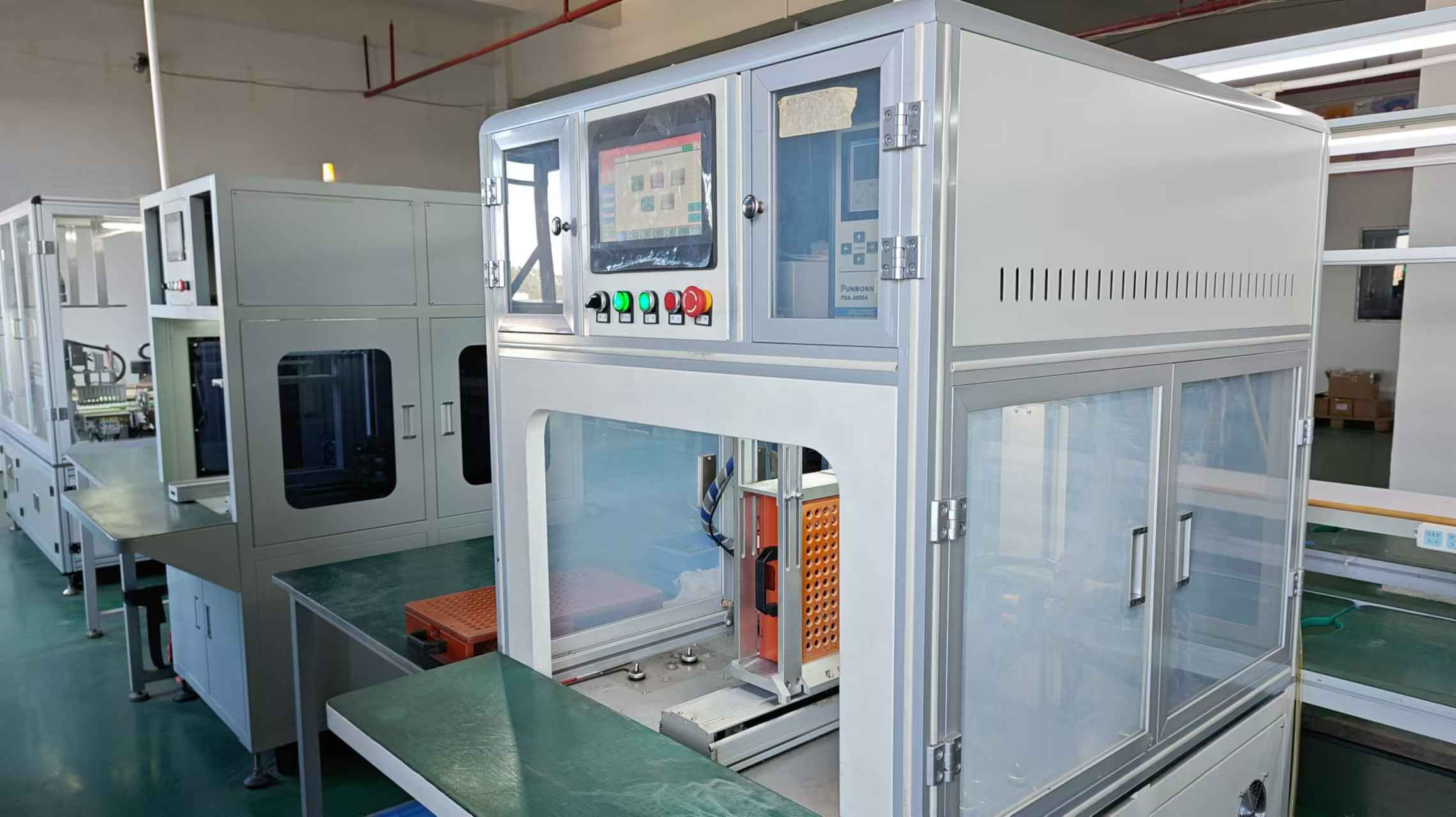
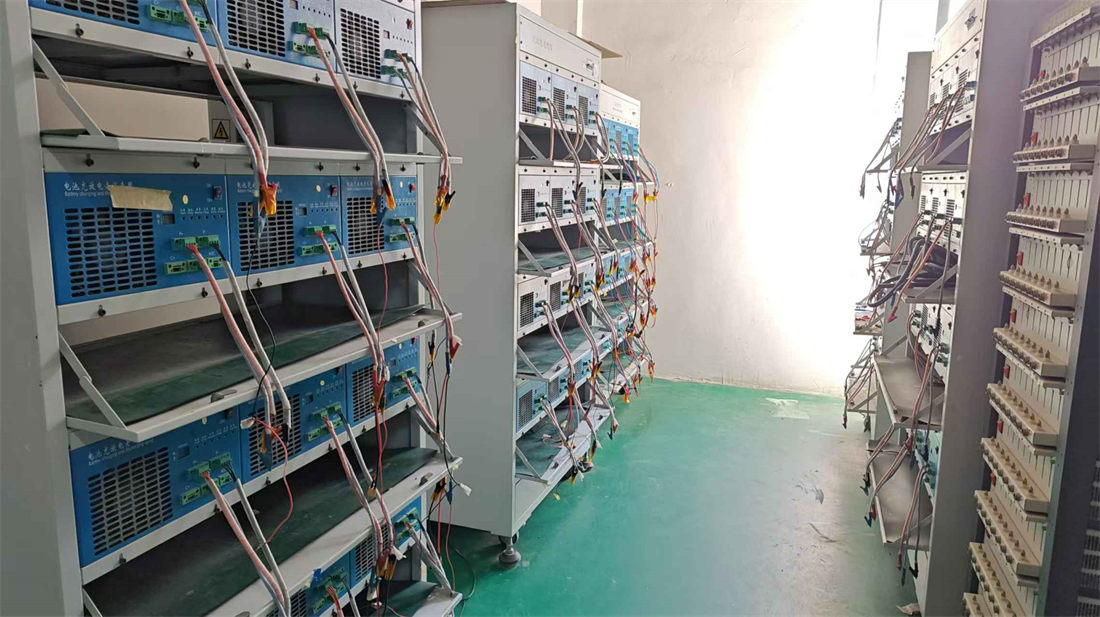
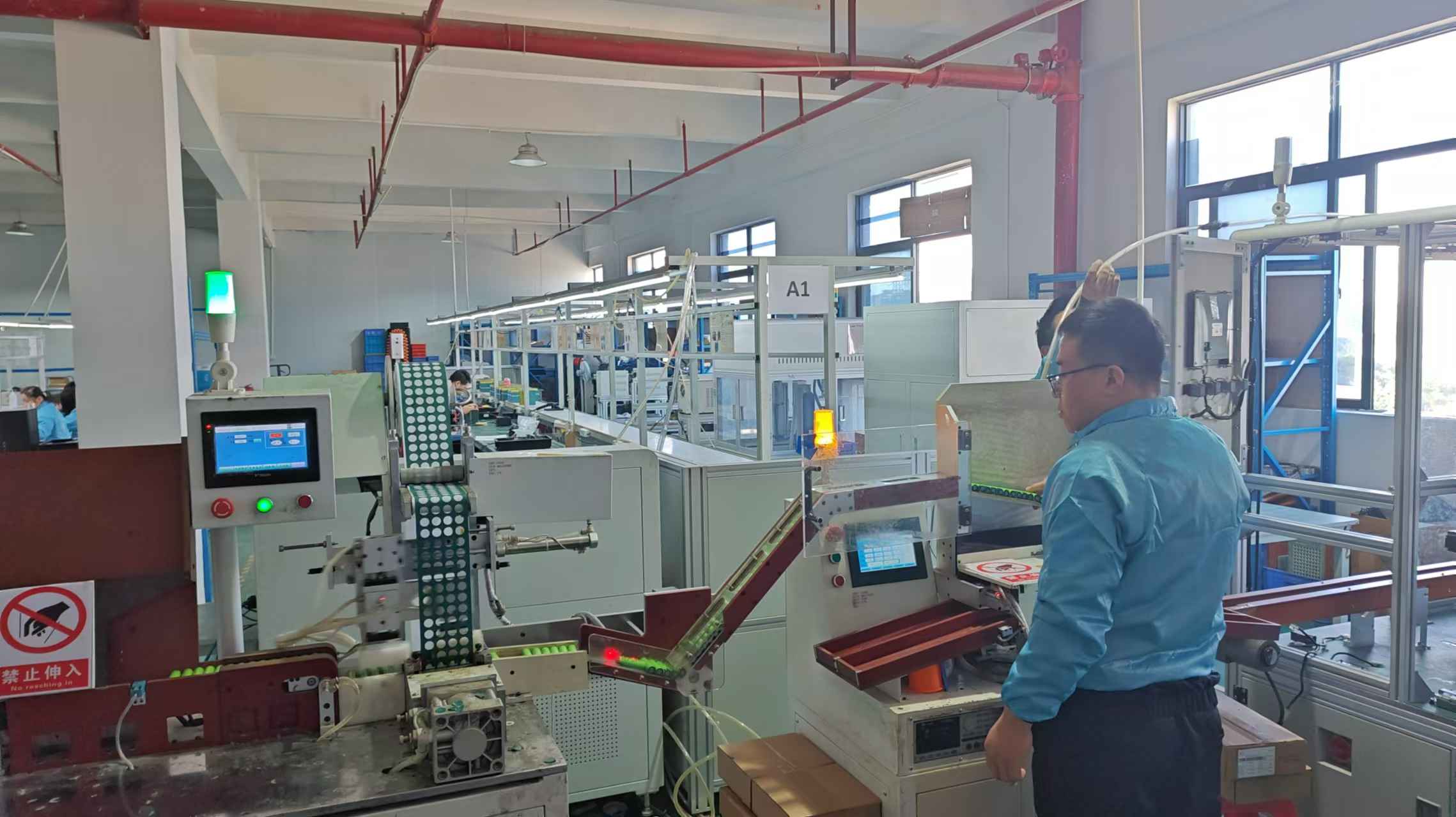
By investing heavily in automated production, battery sorting machines, PCB testers, and advanced aging chambers, Nuwon Energy ensures that all replacement components and newly designed packs conform to strict international safety standards. This capability is crucial for battery repair facilities that rely on precision matching of cells to prevent subsequent system imbalances and premature degradation.
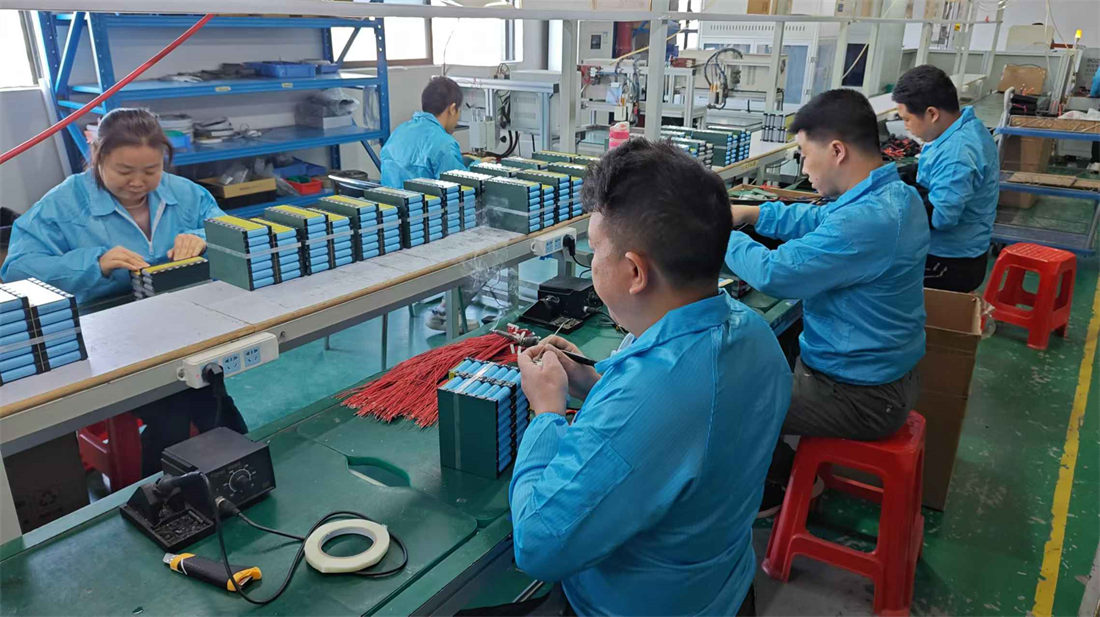
Precision battery repair is not merely the swapping of faulty cells. It is an engineering discipline requiring cleanroom assembly, strict impedance binning, and comprehensive electrical testing. Nuwon Energy’s advanced production and diagnostics line illustrates the necessary steps to build, validate, and repair high-grade industrial energy solutions:
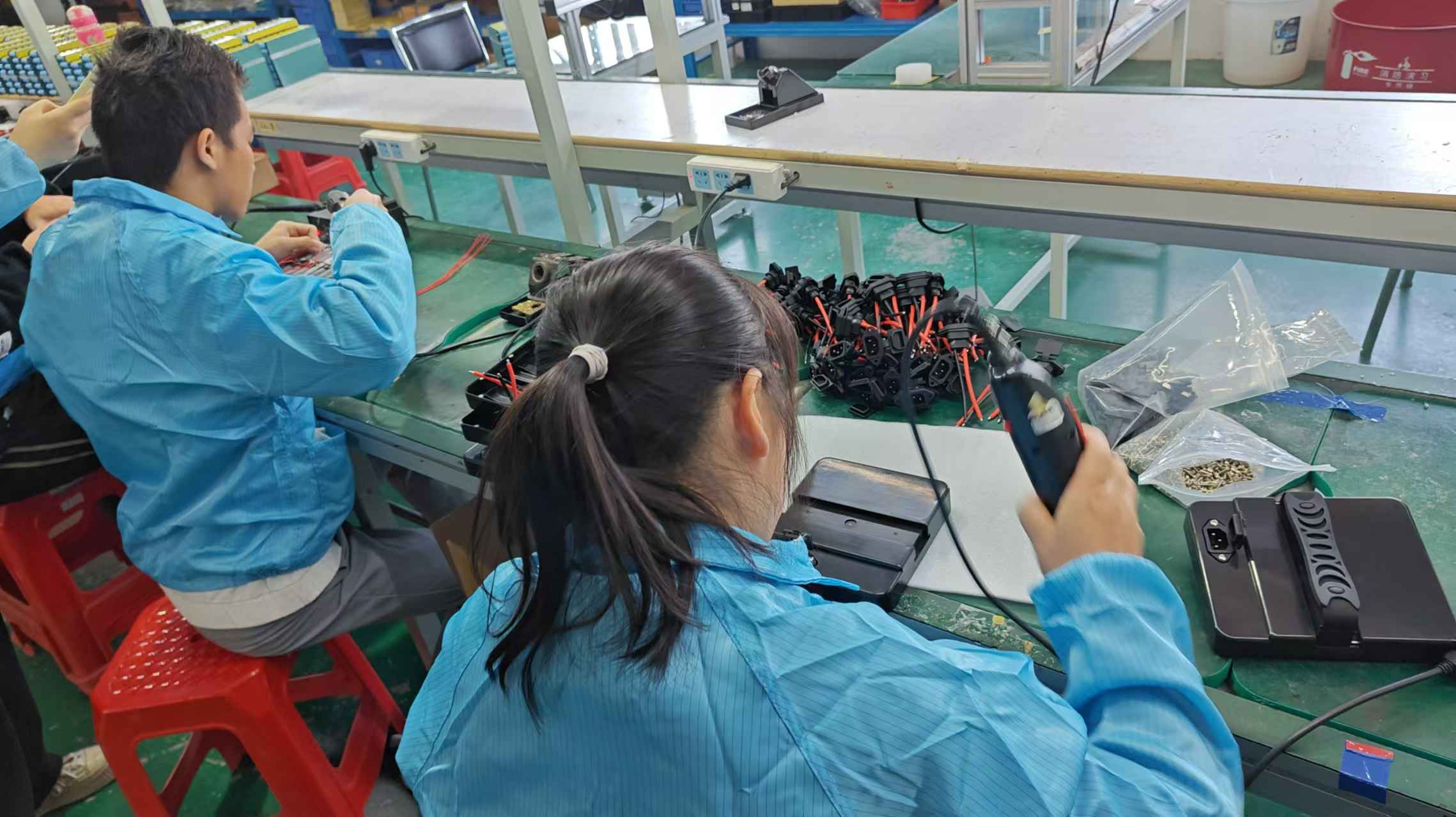
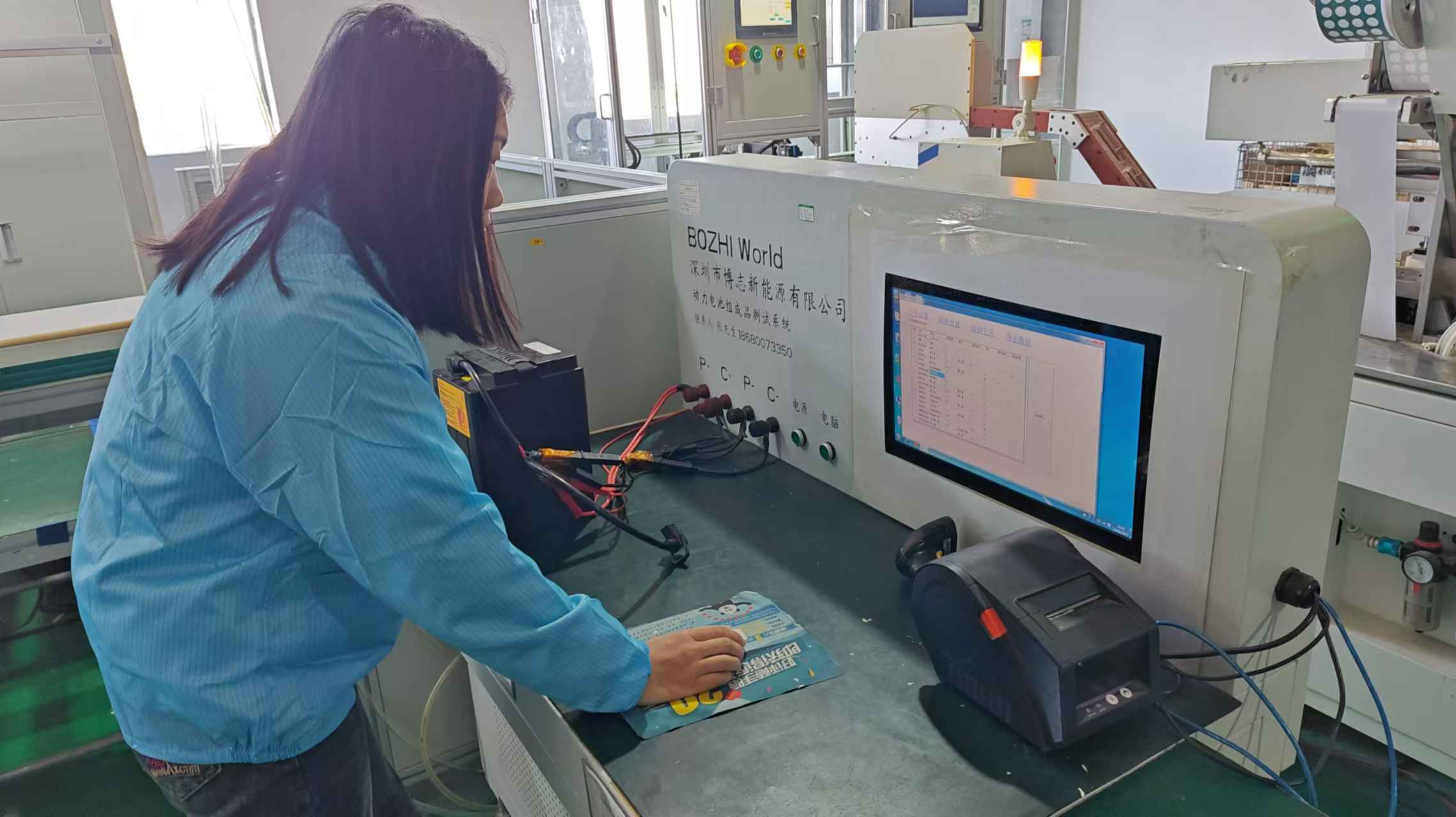
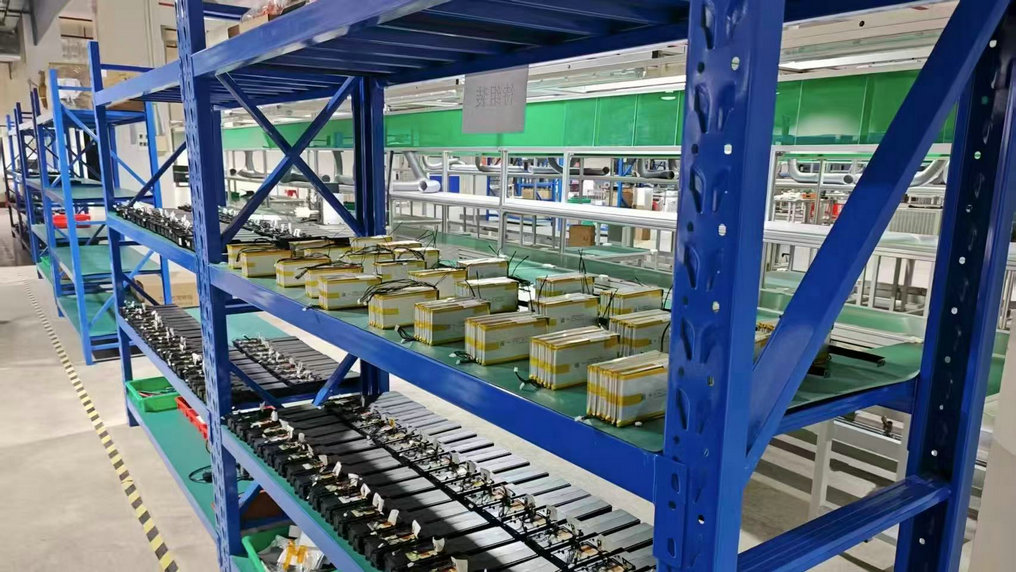
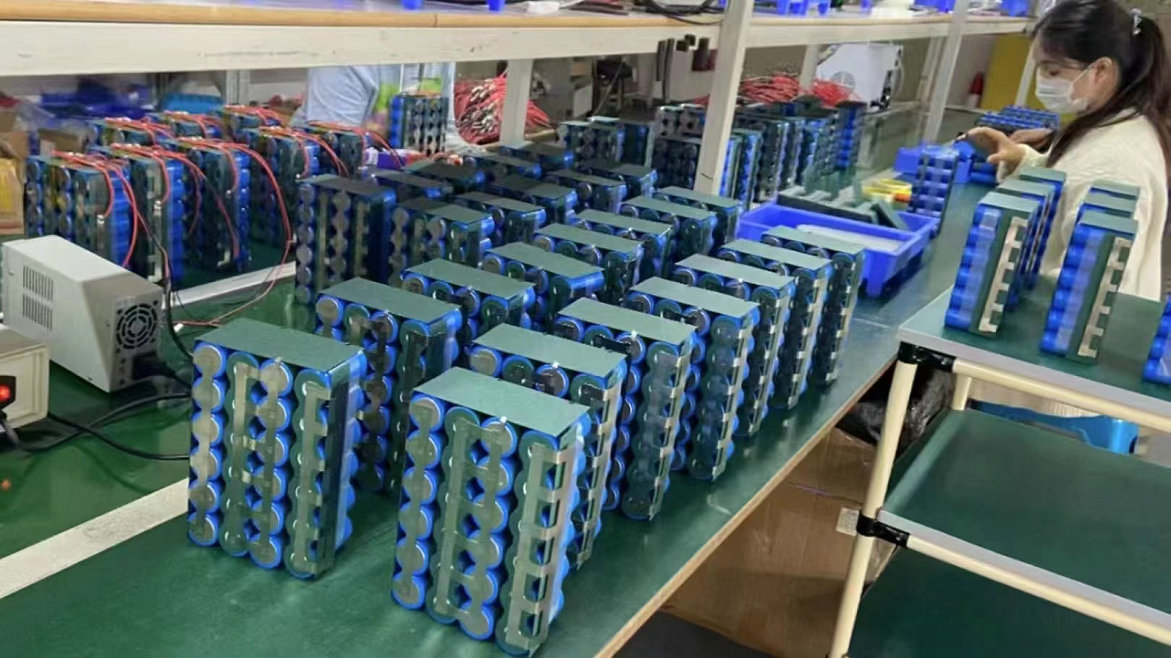
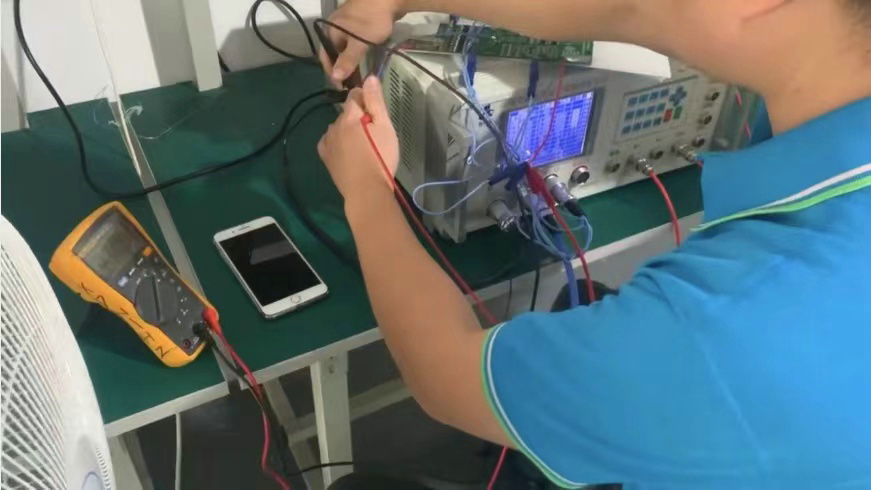
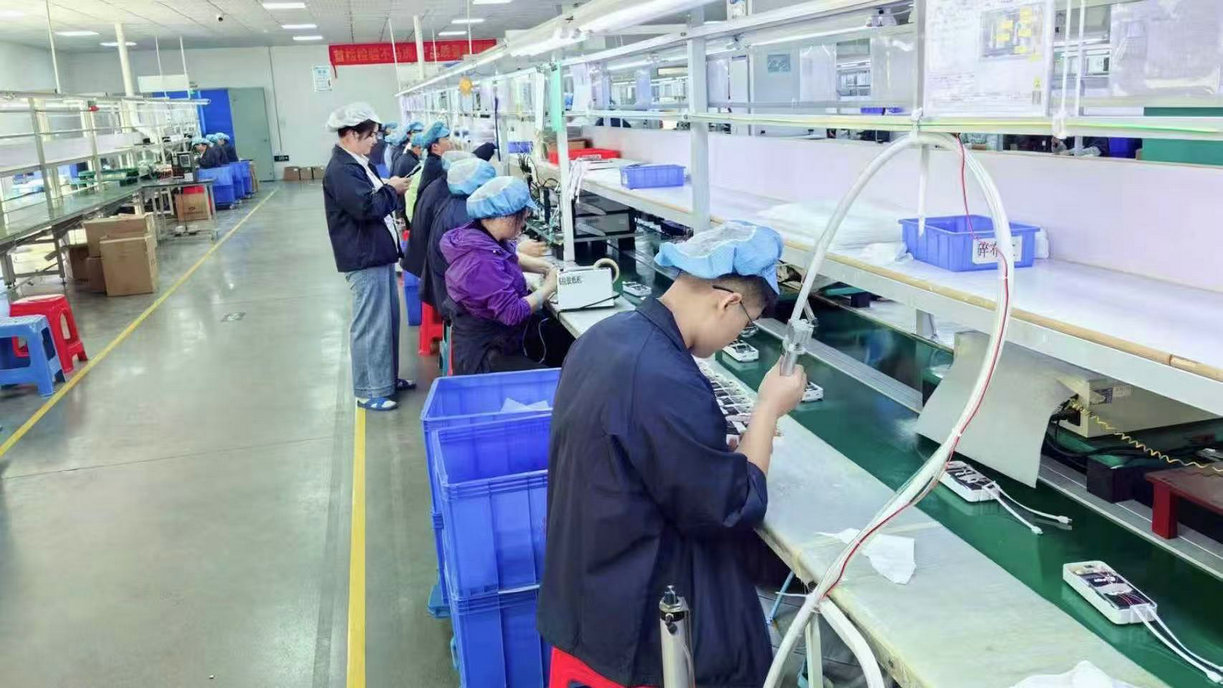
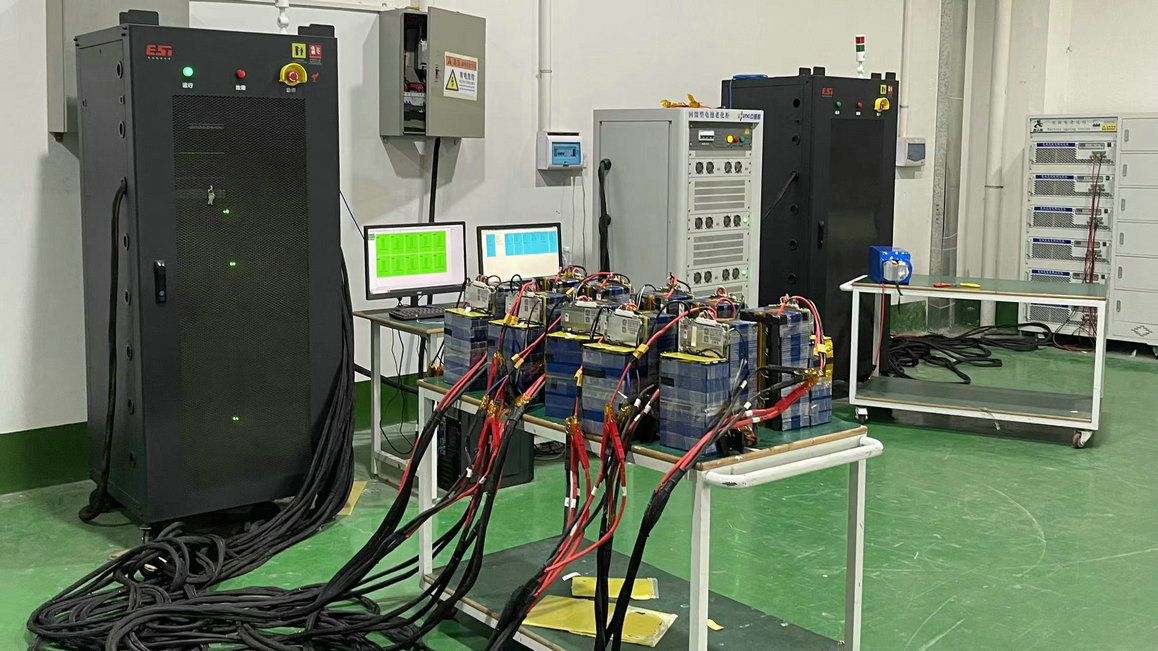
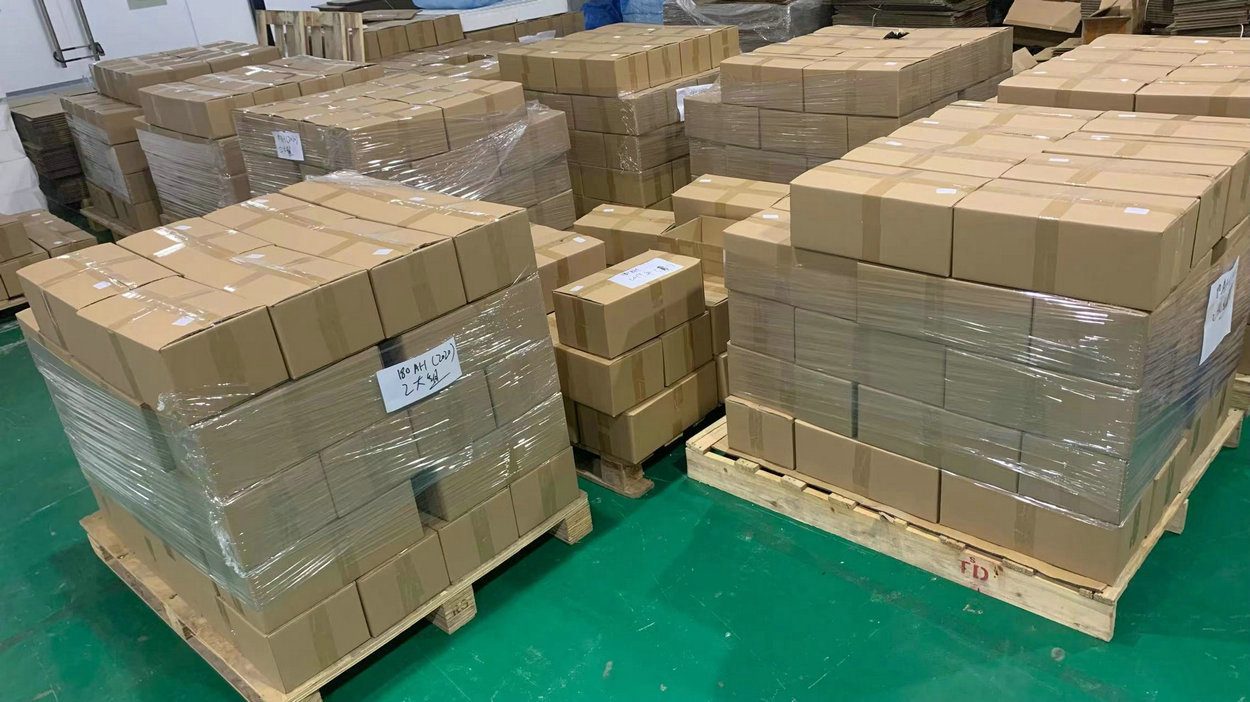
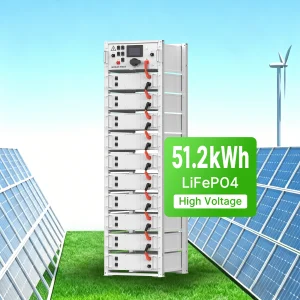
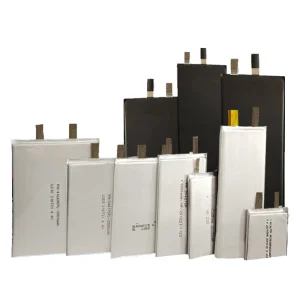
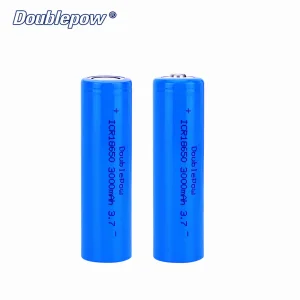
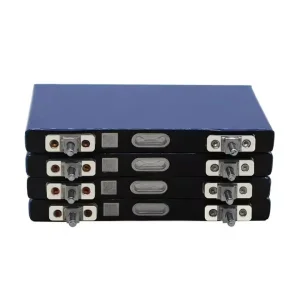
Developing an effective battery repair system requires a granular understanding of different cell chemistries. In high-power applications, NMC pouch cells or cylindrical 18650/21700 formats are selected for their volumetric energy efficiency. For utility-scale installations, LFP prismatic configurations dominate due to their thermal stability. LTO remains the premium option for cold-climate and high-cycling industrial machinery.
| Chemistry Type | Cycle Life (Refurbished) | Thermal Runaway Threshold | Primary Application Fields | Critical Repair Factor |
|---|---|---|---|---|
| Lithium Iron Phosphate (LiFePO4) | 4,000 - 6,000 Cycles | 270°C | Solar Energy Storage, Electric Buses, AGVs | BMS active balancing & impedance matching |
| Nickel Manganese Cobalt (NMC) | 1,500 - 2,500 Cycles | 210°C | Electric Passenger Vehicles, UAVs, Power Tools | Precise SOC estimation & dendritic control |
| Lithium Titanate (LTO) | 15,000 - 20,000 Cycles | 300°C+ | Cold-chain vehicles, heavy rail, rapid chargers | Mechanical connection insulation & gas mitigation |
| Solid State (LLZO Electrolyte) | Target 800+ Cycles (Early Gen) | Inherently Safe | Military applications, aerospace, high-end UAVs | Interfacial resistance management |
When diagnosing a pack for repair, engineers measure the electrochemical properties of individual cells. Over time, the cathode structure degrades through transition metal dissolution and phase transition. By analyzing precursor states, such as NCM 622 or high-nickel (9 series) polycrystalline cathode materials, repair technicians can assess the capacity fade mechanism. When individual cells fail to meet threshold capacity (typically below 80% SOH), they are replaced with matching new cells, while salvageable cells are recycled to retrieve high-value cathode powder.
In major container terminals across Europe and North America, AGVs run 24/7. These vehicles utilize heavy-duty packs containing Yinlong LTO cells because they support ultra-fast 10C charging rates. When an LTO module exhibits cell imbalance, local service providers utilize battery repair solutions to isolate the weak cell, re-weld standard busbars, and recalibrate the system using automated testing instruments, returning the logistics fleet to operation with minimal downtime.
In regions with unstable power grids, telecommunication providers rely on containerized energy storage systems. Units like the SOUOP Off-Grid LiFePO4 Battery Station (4608Wh) protect base transceiver stations (BTS) against blackouts. Remanufacturing centers frequently service these modules by upgrading worn-out BMS circuit boards with newer, smart active-balancing boards, thereby doubling the usable life of the internal battery bank.
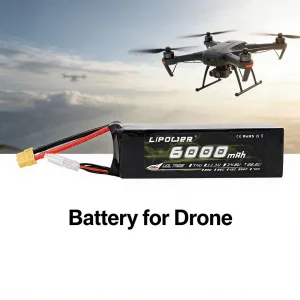
For drone operators and drone inspection services, high-discharge battery packs (such as LIPOWER 4S 6000mAh 14.8V 50C/100C LiPo packs) are crucial components. UAV services leverage specialized testers to check for cell swelling and internal resistance spikes, preventing catastrophic in-flight failures.
 Nuwon Energy