Explore our flagship industrial energy solutions custom-engineered for maximum runtime, cycle-life safety, and high-discharge output.
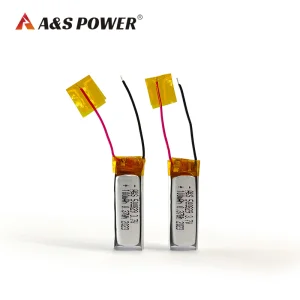
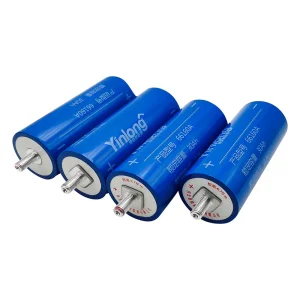
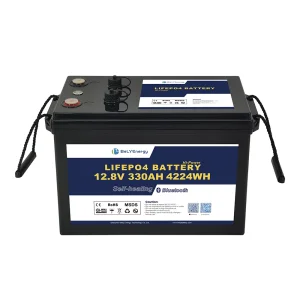
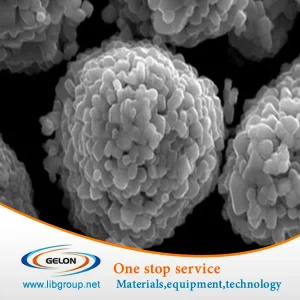
The modern commercial and industrial (C&I) sectors are experiencing an unprecedented shift toward electrification. This rapid evolution requires deep personalization of power systems. Standard catalog batteries fail to accommodate unique structural footprints, complex communications protocols, and harsh operating temperatures.
By delivering bespoke battery systems, manufacturers resolve design challenges in logistics automation, sub-zero refrigeration power supply, marine deep-sea environments, and high-altitude drones where off-the-shelf options represent high risk.
Selecting the correct lithium chemistry configuration defines safety, lifespan, and efficiency:
A customized battery pack is only as reliable as its Battery Management System (BMS). Our technical teams integrate complex electronic designs incorporating state-of-health (SOH) telemetry, state-of-charge (SOC) metrics, and robust protective logic for short circuits, overcharging, and cell balancing.
Utilizing robust communication topologies such as CANbus, RS485, and Modbus ensures seamless integration with host machinery, telemetry systems, or local utility microgrids.
Guangdong Nuwon Energy Co., Ltd. is a leading manufacturer and solution provider in advanced battery systems, specializing in the research, development, manufacturing, and global distribution of high-performance energy storage products. The company offers comprehensive OEM and ODM services, delivering customized battery solutions tailored to diverse industrial and commercial applications.
Backed by a highly experienced engineering and R&D team, Nuwon Energy focuses on the design and integration of cylindrical and prismatic lithium battery cells, as well as complete battery packs, modules, and energy storage systems. The company also develops and produces industrial-grade battery cells engineered for safety, durability, and long cycle life.
Guangdong Nuwon Energy serves a wide range of industries, including consumer electronics, electric mobility (such as golf carts, forklifts, UTVs/ATVs, trucks, and marine systems), medical equipment, unmanned ground vehicles (AGVs/AMRs), and emerging aerospace applications such as eVTOL aircraft. In addition, the company provides reliable residential, commercial, and industrial (C&I) energy storage solutions designed to support the global transition toward clean and sustainable energy.
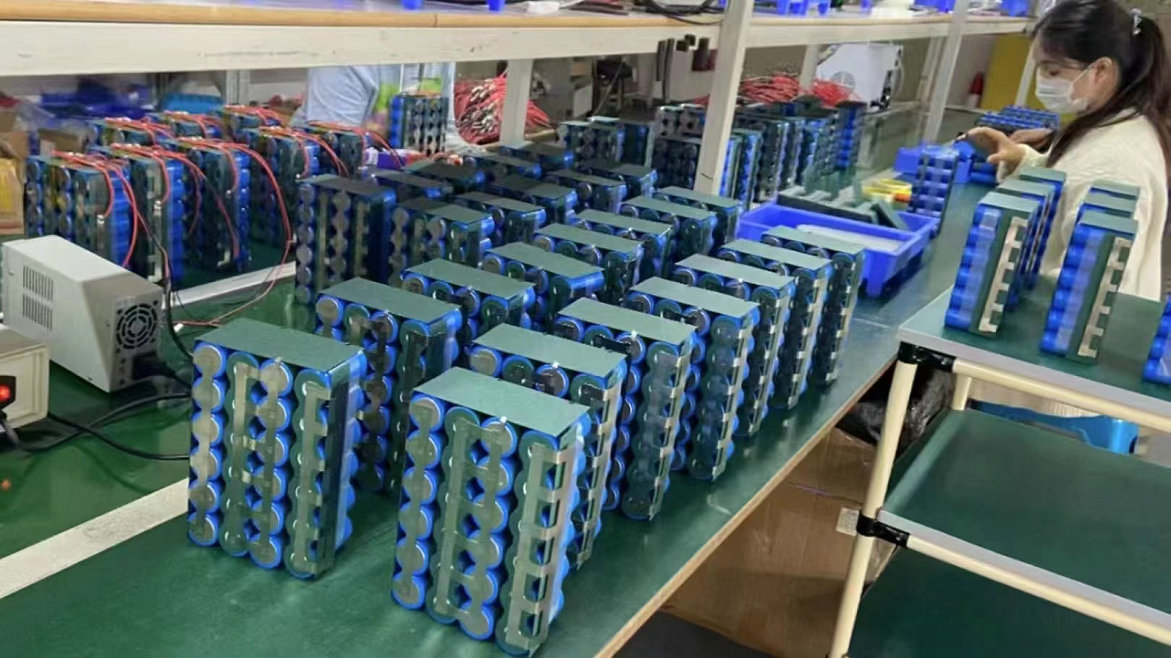
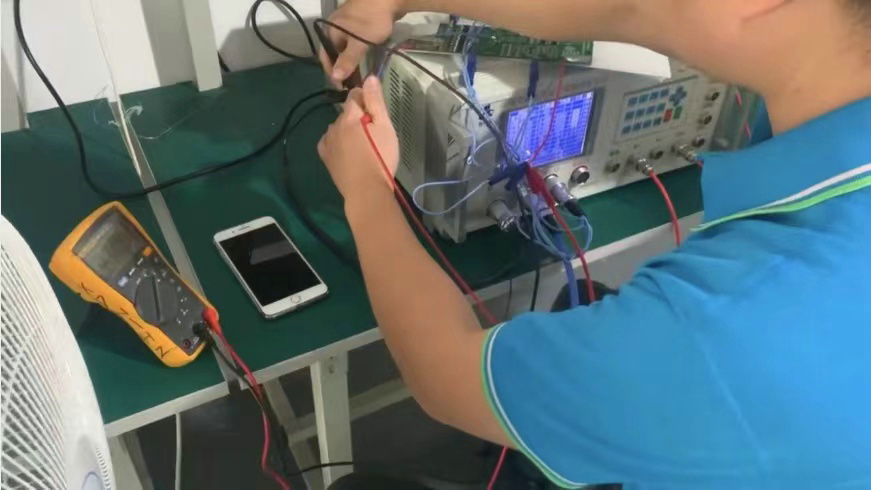
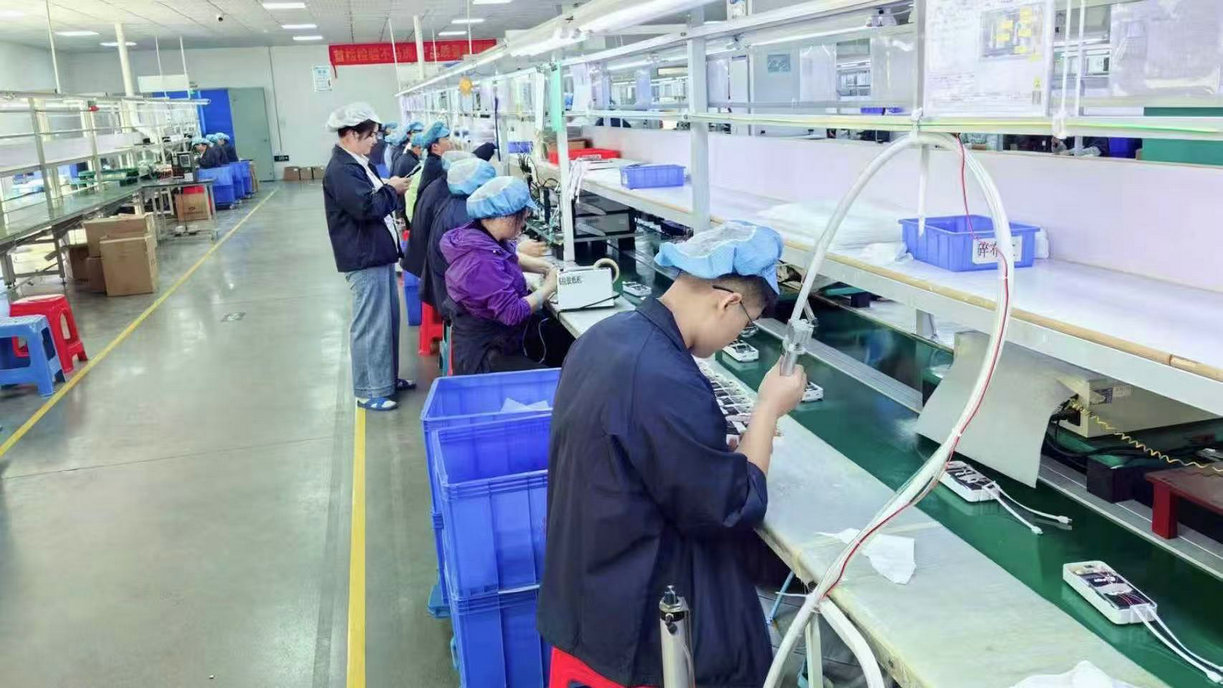
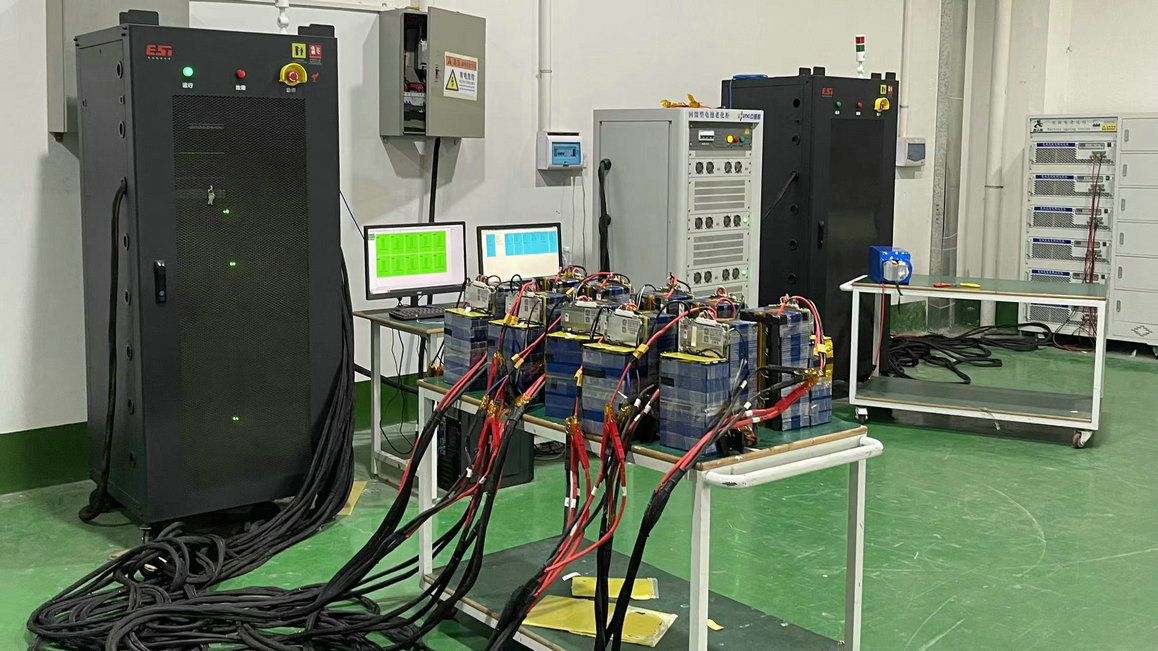
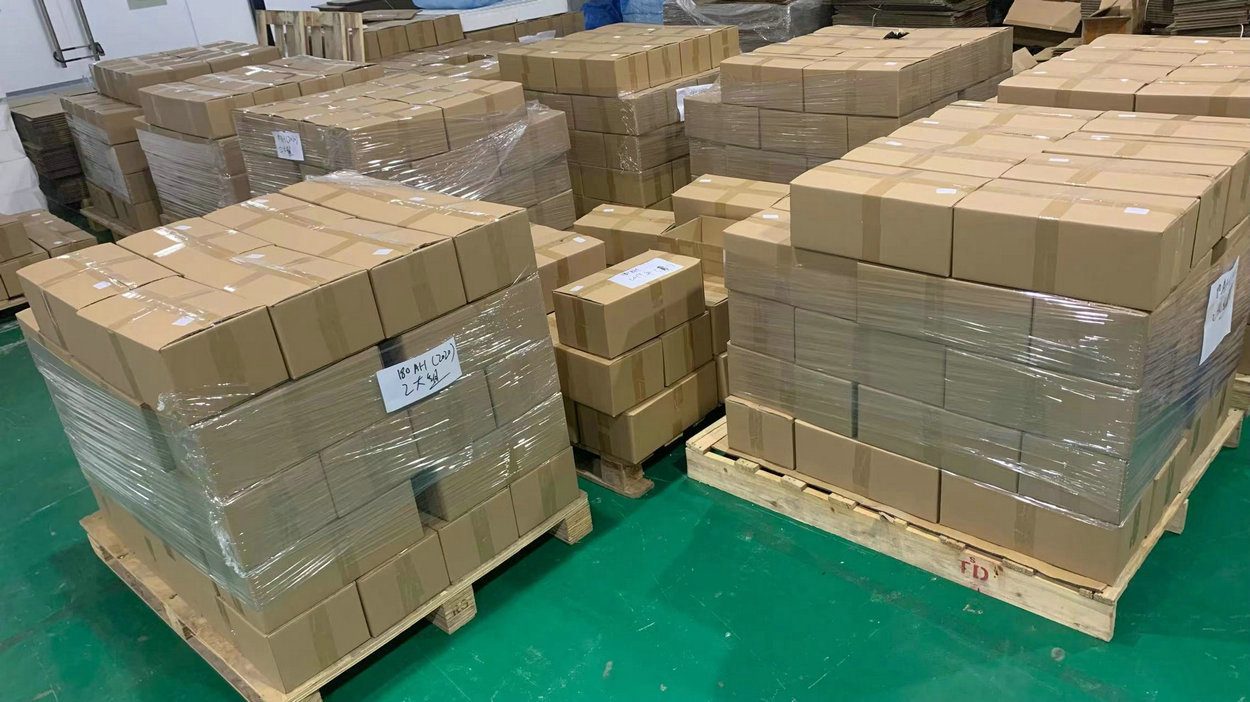
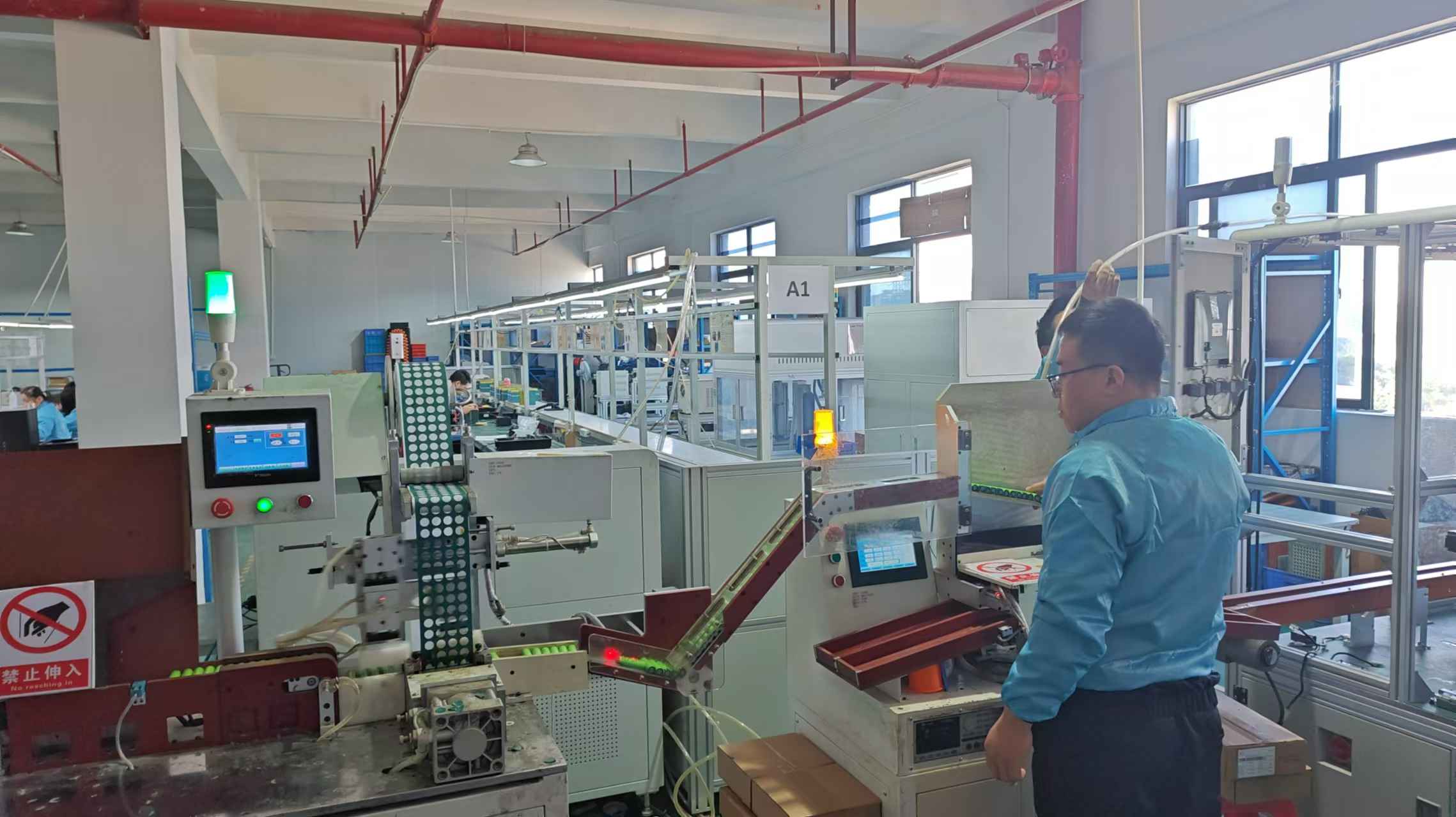
Strict quality control protocols guide every stage of production at Guangdong Nuwon Energy Co., Ltd. From high-capacity cell matching to robotic laser welding and comprehensive automated aging tests.
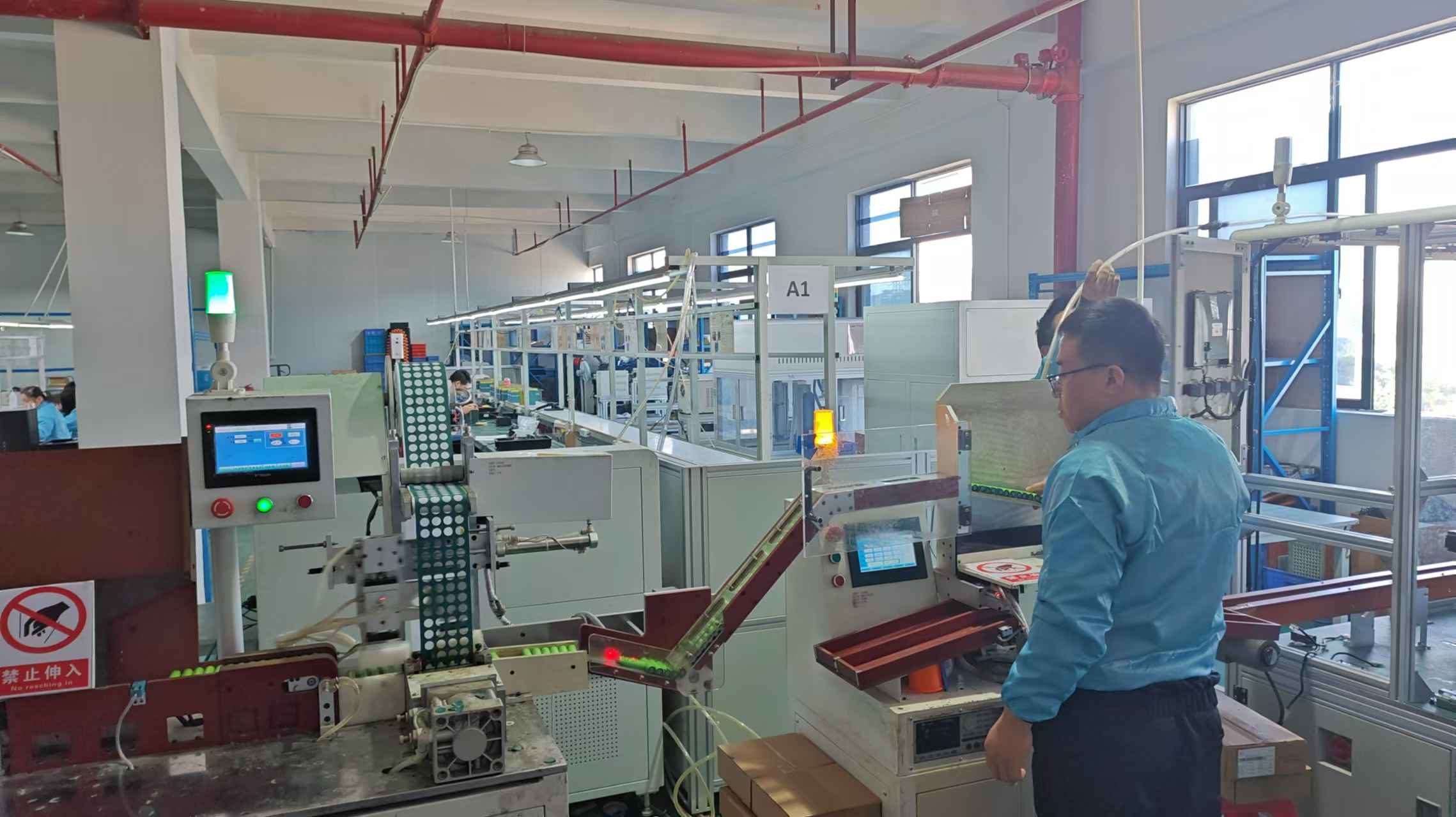
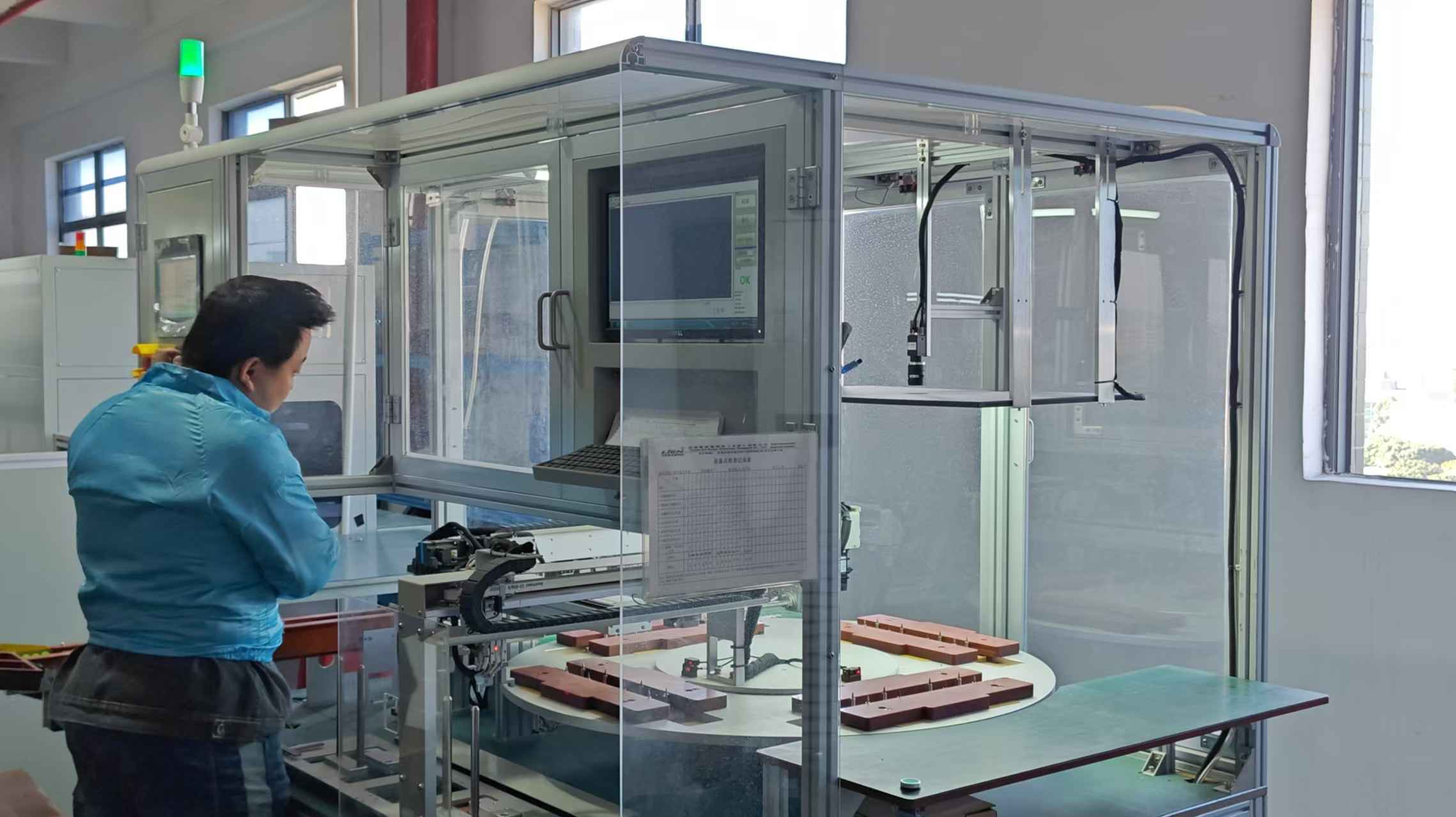
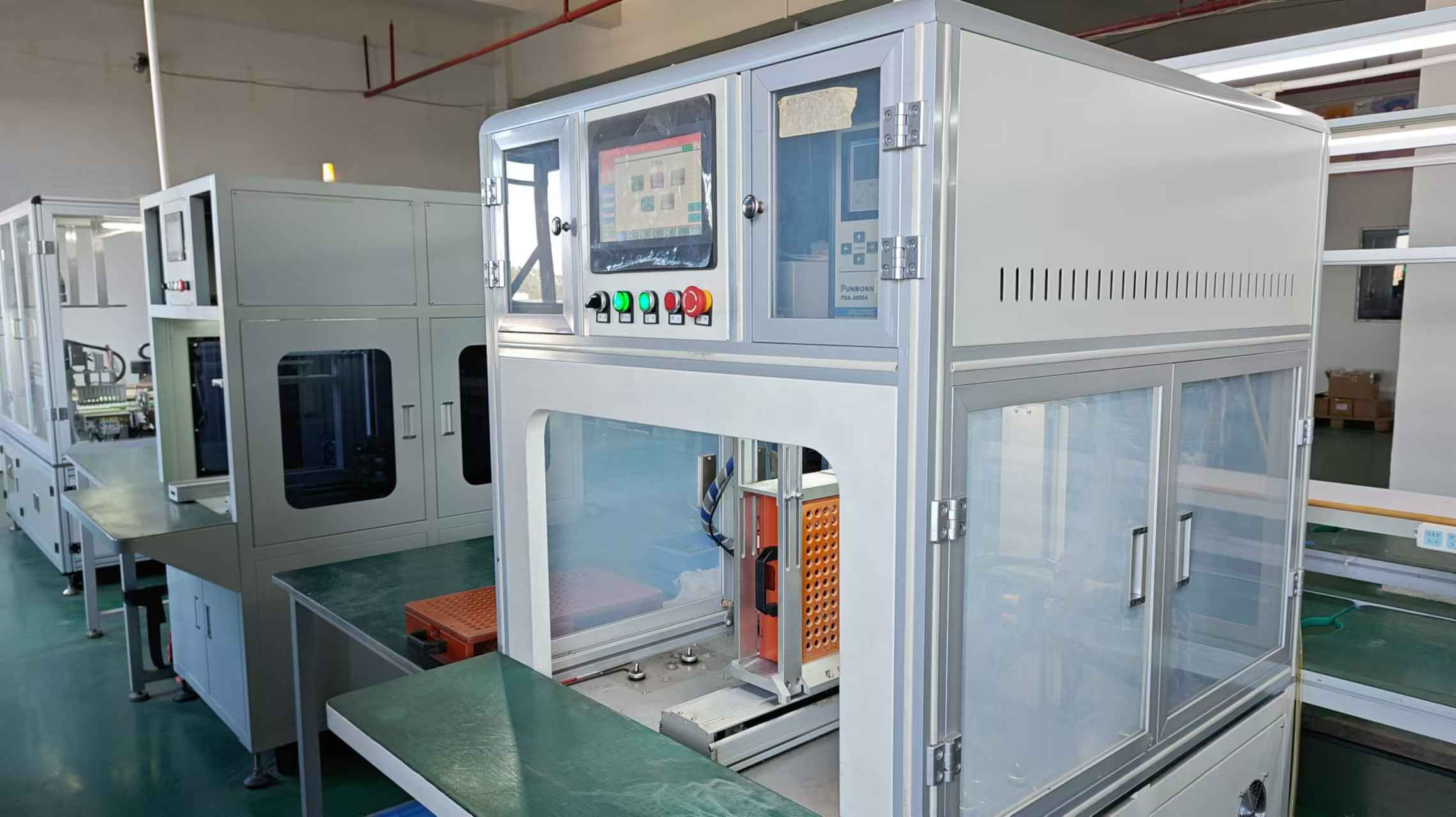
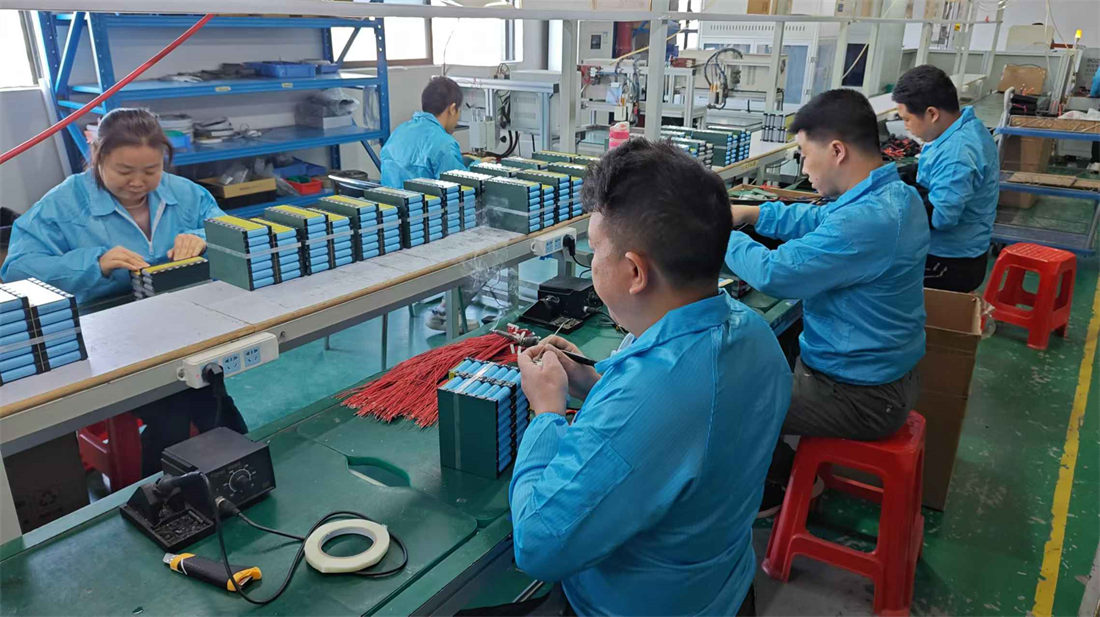
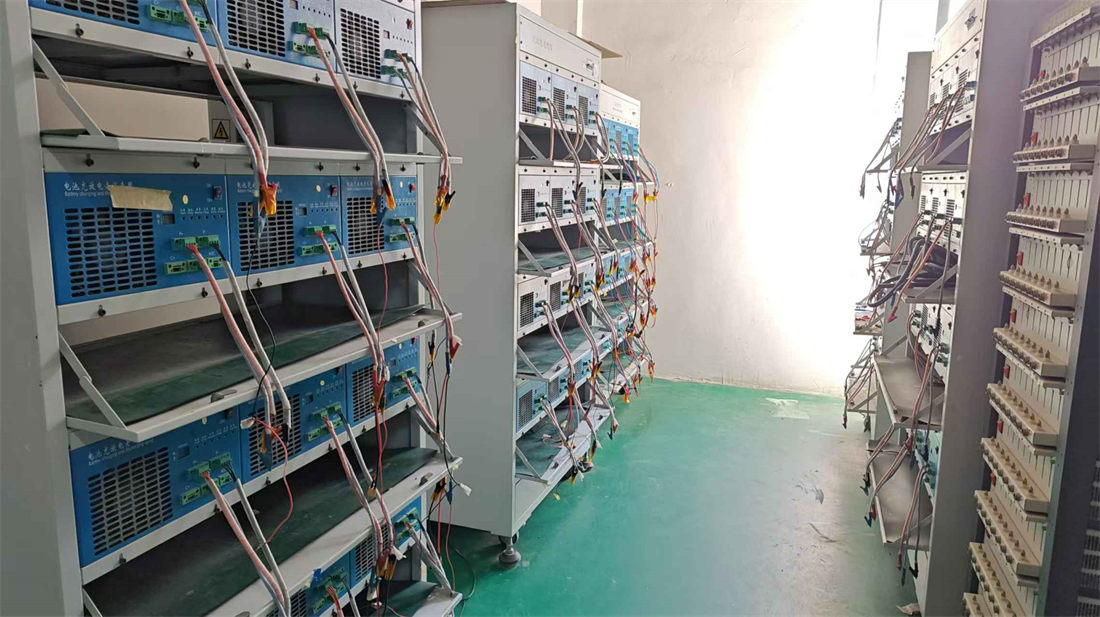
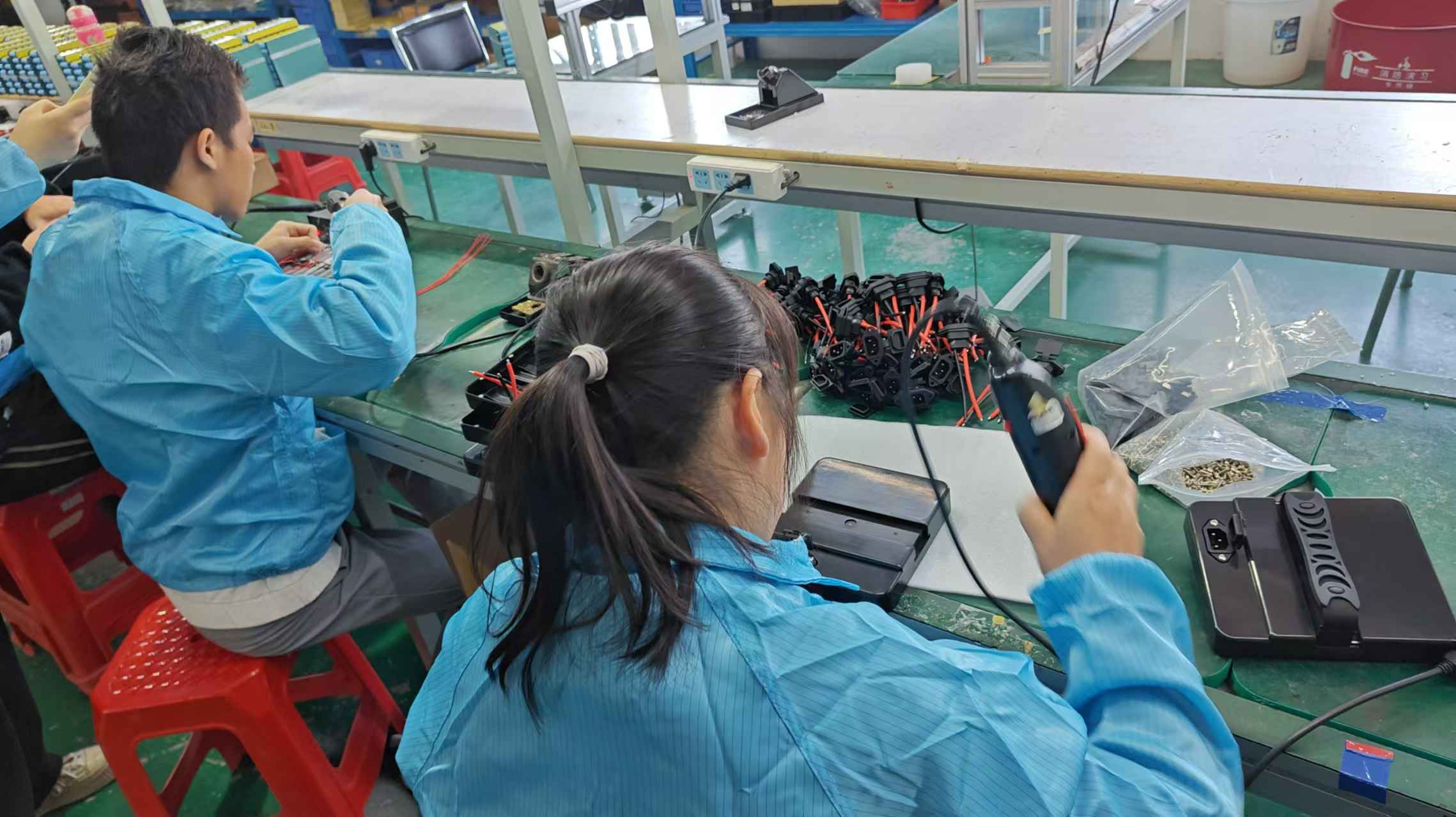
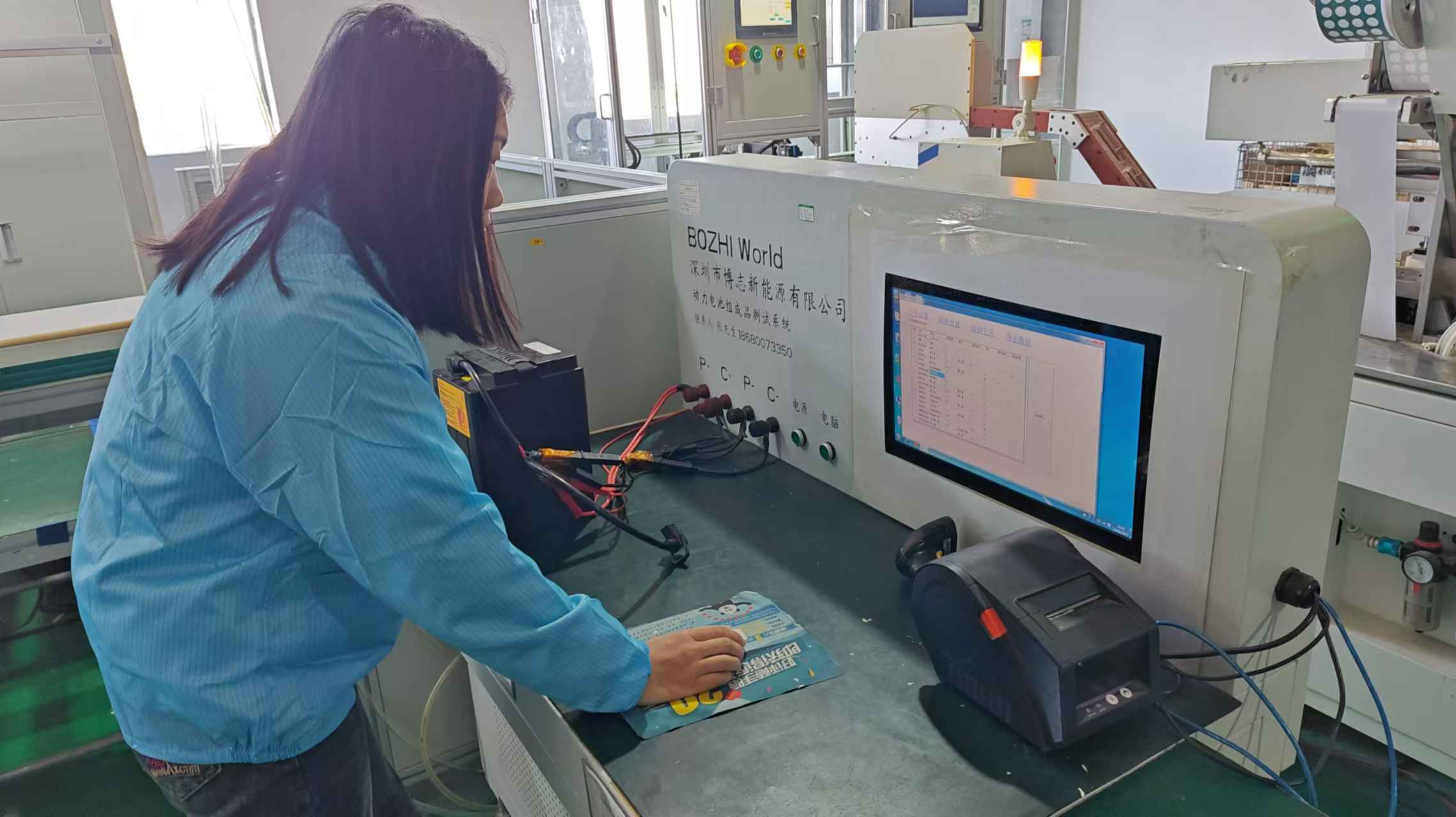
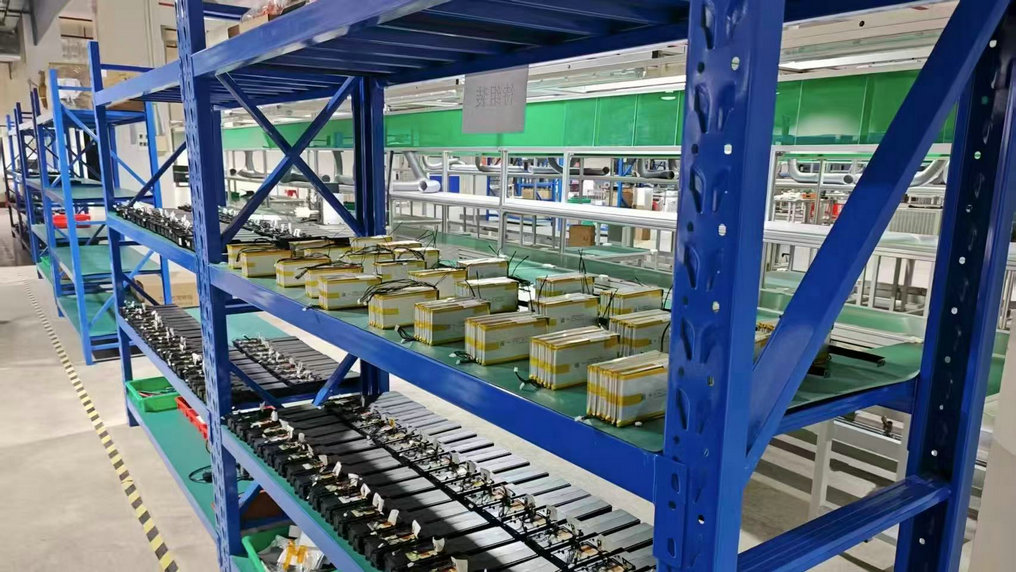
Standard systems fail under demanding operational parameters. Here is how our OEM/ODM custom setups excel in key industrial environments.
Batteries for automated guided vehicles (AGVs) operating inside commercial food cold-chains must survive constant cycles at -30°C. Standard LFP configurations suffer immediate lithium plating and rapid voltage drop-off. By integrating internal active heating element circuits with smart BMS control and custom LTO or low-temp LFP chemistry, we guarantee sustained continuous output without condensation build-up.
Heavy-use warehouse forklifts and utility ATVs operate continuous multi-shift programs with intermittent rapid opportunity charging. These profiles require vibration-resistant configurations capable of withstanding rough surfaces. Mechanical designs from Nuwon feature customized injection-molded cell holders, elastic structural silicone padding, and solid copper busbars to withstand shock and high currents.
Electric vertical takeoff and landing aircraft (eVTOL) represent the frontier of battery architecture. The chemistry must yield extreme gravimetric energy density (>275 Wh/kg) while safely managing massive thermal loads during takeoff and landing phases. Our engineers specify premium solid-state configurations or advanced NMC chemistry with liquid-cooling channels integrated into structural carbon-fiber casing.
Exporting custom lithium-ion battery modules internationally demands absolute adherence to complex transportation safety and functional standards. We provide complete certification compliance assistance, ensuring our custom products successfully pass testing for:
We do not just ship containers and walk away. Guangdong Nuwon Energy Co., Ltd. provides comprehensive engineering integration support. Our application engineers collaborate directly with client technical teams to coordinate mechanical positioning, resolve CANbus addressing queries, configure charging systems, and fine-tune safety algorithms.
This end-to-end service significantly shortens product development cycles, eliminates system integration errors, and accelerates time-to-market for complex industrial projects.
Driven by continuous innovation, we develop and implement advanced materials to power the next generation of energy storage systems.
By transitioning anode raw materials from traditional graphite to silicon-carbon composites, we aim to increase cell energy density by up to 20%, offering longer runtime in space-constrained applications.
Replacing liquid electrolytes with solid-state alternatives eliminates thermal runaway risks and significantly expands operating temperature ranges, revolutionizing aerospace and critical medical devices.
Integrating IoT chipsets directly with battery hardware enables cloud-based AI analytics to monitor degradation patterns, anticipate maintenance needs, and optimize commercial fleet usage in real time.
Technical answers for procurement professionals and system design engineers searching for custom battery manufacturing partners.
A standard engineering design cycle ranges from 6 to 12 weeks. This includes defining technical parameters, modeling the mechanical enclosure, developing custom BMS firmware, assembling prototypes, and completing basic safety testing. Specialized certifications (like UL or ATEX) add 8 to 16 weeks to this timeline, depending on the test requirements.
We use automated testing systems to sort cells by voltage, internal resistance, and capacity within tight tolerances (±5mV and ±2mΩ). This sorting process prevents premature pack degradation and prevents weak cells from limiting the total runtime of the system.
Yes. For cold environments down to -40°C, we design with LTO cells or integrate internal electric heating systems. For high-temperature applications, we use thermal interface materials, passive heat sinks, or active liquid-cooling plates combined with flame-retardant structural insulation.
Our BMS architectures support common industrial and automotive communication protocols, including CANbus (CANopen, J1939), RS485 (Modbus RTU), RS232, SMBus, and Bluetooth/Wi-Fi modules for wireless system diagnostics.
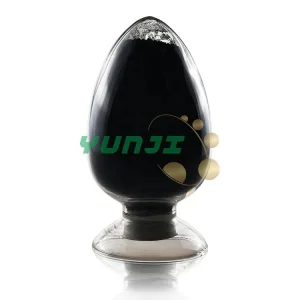
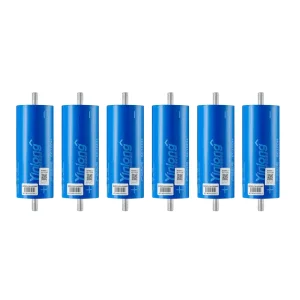
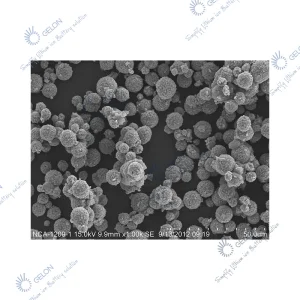
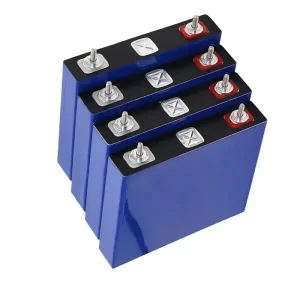
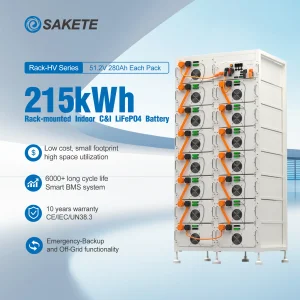
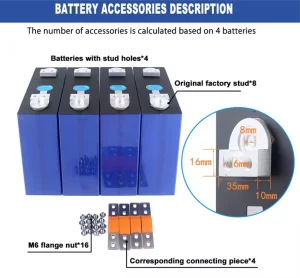
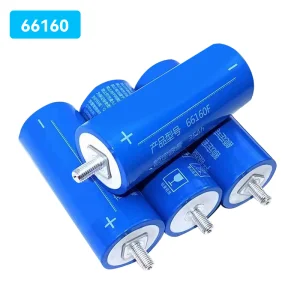
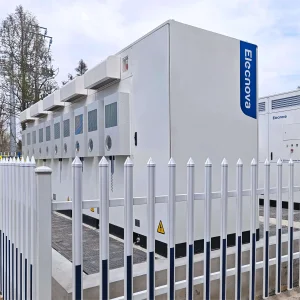
Browse our full range of raw materials, high-discharge titanate cells, and heavy-duty container battery units designed for high-capacity systems.
 Nuwon Energy