Explore our industrial-grade cells, safety test banks, and chemical formulations engineered for highly specialized systems integration.
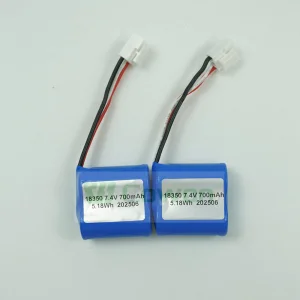
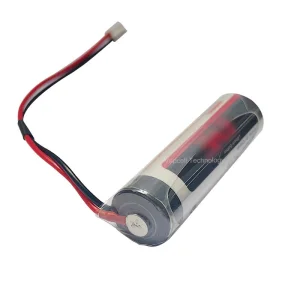
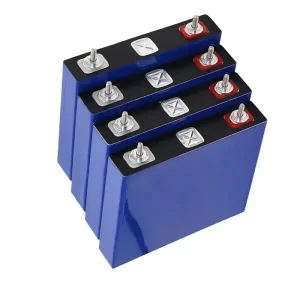
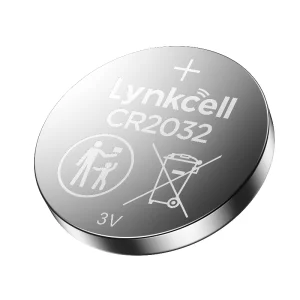
Modern battery integration is no longer just about packaging electrochemical cells inside plastic housings. It represents a highly complex convergence of thermal dynamics, electronic telemetry, mechanical load distribution, and intelligent firmware control. For global enterprise clients looking to transition heavy machinery, utility storage projects, or critical medical equipment to advanced battery power, picking the right integration supplier in China is a major strategic decision.
We approach battery integration through the lens of mission-critical engineering. By leveraging structural engineering (Cell-to-Pack / Cell-to-Chassis), active liquid cooling pathways, and proprietary Battery Management Systems (BMS), we help design systems that meet strict international regulations (UL 9540A, IEC 62619, UN38.3) while maximizing energy densities.
To survive in demanding application scenarios—such as high-G-force drones, marine propulsion, and heavy-duty industrial automated guided vehicles (AGVs)—battery assemblies must undergo extreme vibration profiling, drop testing, and deep-cycle environmental aging tests. China's integrated supply chain is uniquely set up to run these testing phases at scale, ensuring fast turnaround times without compromising on development safety.
The global battery industry is rapidly transforming. Success requires integrating emerging chemistries with advanced control systems to meet growing global performance standards.
For applications like commercial drones, eVTOL systems, and premium electric drivetrains, energy density must exceed 300 Wh/kg. Integrating semi-solid-state cells requires specialized mechanical design to handle cell swelling while offering high safety, thermal stability, and low resistance.
Passive cell balancing is no longer enough for large-scale utility and industrial ESS (Energy Storage Systems). The market is moving toward smart, active-balancing BMS that dynamically shift energy from high-state-of-charge cells to weaker ones, increasing battery pack life by up to 20%.
Environmental regulations like the EU Battery Passport require full supply chain visibility, from raw cathode precursor refinement to final assembly. Leading suppliers must show exact carbon footprints and proof of ethical mineral sourcing.
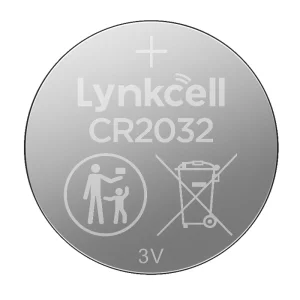
Industrial procurement teams don't just buy hardware; they buy reliability, quality assurance, and long-term support. In safety-critical sectors like medical electronics (CR2032/CR2450 button cells), backup utility grids (prismatic LiFePO4 cells), and robotics, battery failure can lead to downtime, safety hazards, and financial losses.
We work directly with engineering leaders from prototype design to full-scale production. Our process centers on open communication, strict quality audits, and clear design reviews.
A leading manufacturer and solution provider in advanced, high-performance battery systems.
Guangdong Nuwon Energy Co., Ltd. is a leading manufacturer and solution provider in advanced battery systems, specializing in the research, development, manufacturing, and global distribution of high-performance energy storage products. The company offers comprehensive OEM and ODM services, delivering customized battery solutions tailored to diverse industrial and commercial applications.
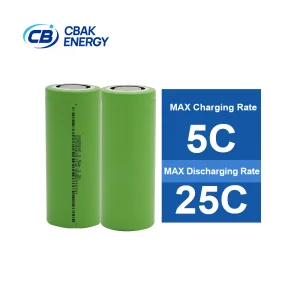
Backed by a highly experienced engineering and R&D team, Nuwon Energy focuses on the design and integration of cylindrical and prismatic lithium battery cells, as well as complete battery packs, modules, and energy storage systems. The company also develops and produces industrial-grade battery cells engineered for safety, durability, and long cycle life.
Guangdong Nuwon Energy serves a wide range of industries, including consumer electronics, electric mobility (such as golf carts, forklifts, UTVs/ATVs, trucks, and marine systems), medical equipment, unmanned ground vehicles (AGVs/AMRs), and emerging aerospace applications such as eVTOL aircraft. In addition, the company provides reliable residential, commercial, and industrial (C&I) energy storage solutions designed to support the global transition toward clean and sustainable energy.
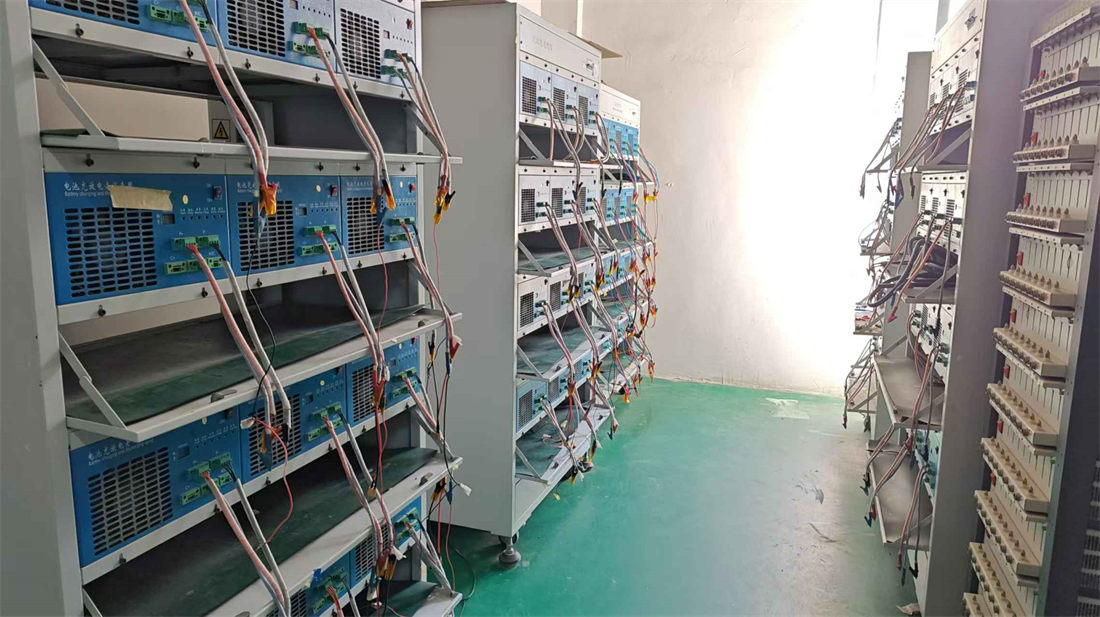
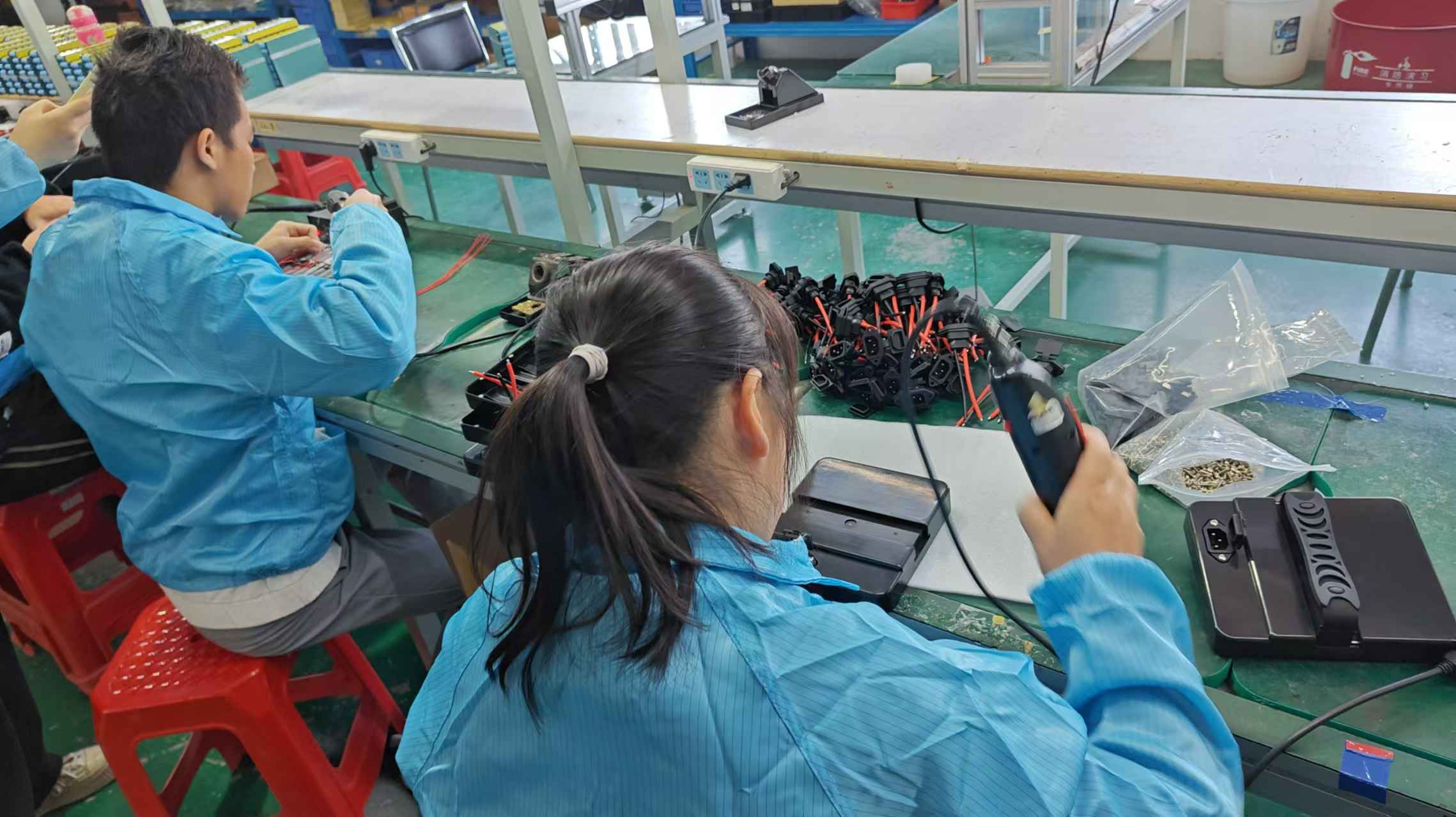
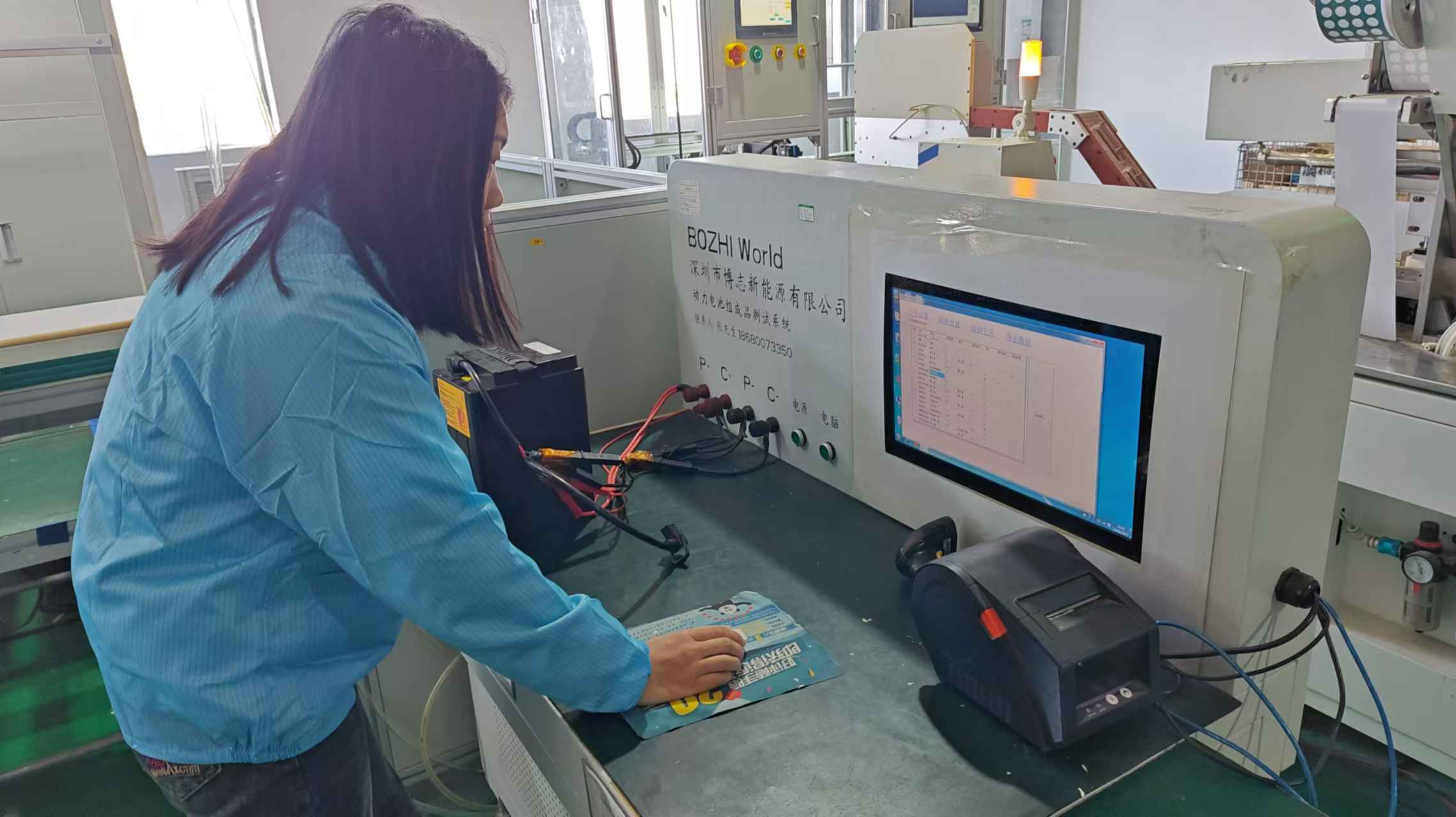
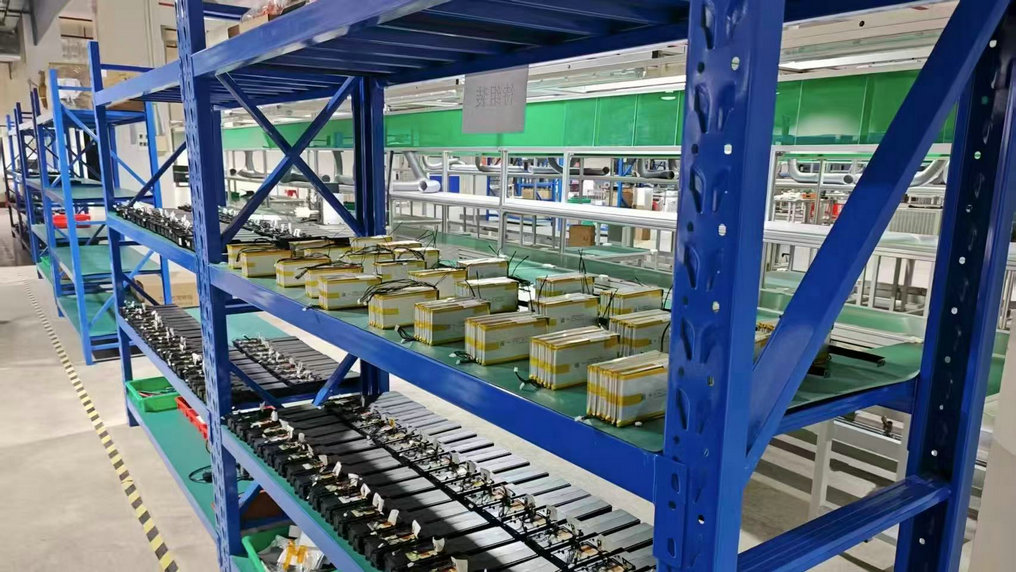
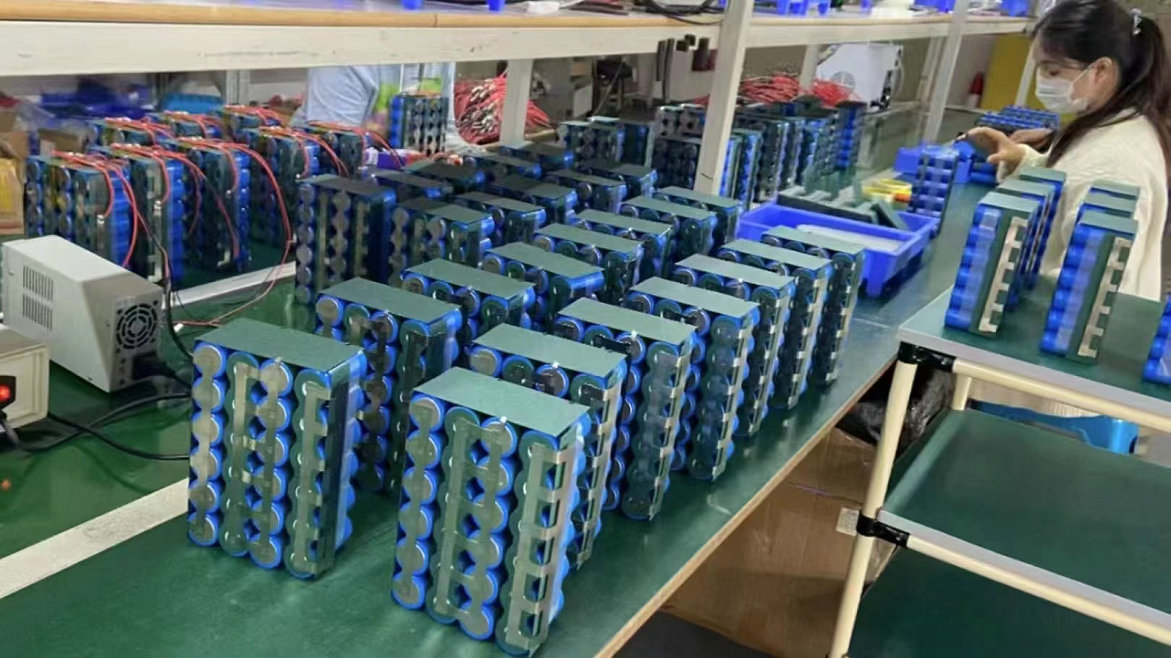
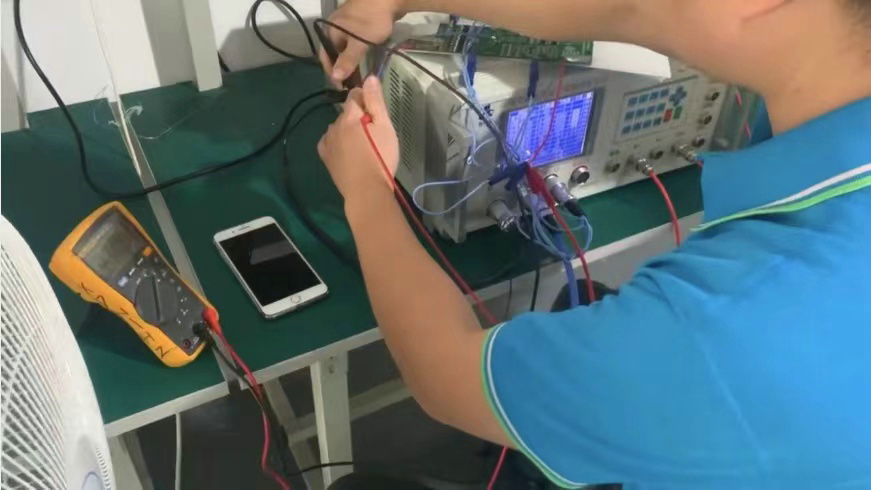
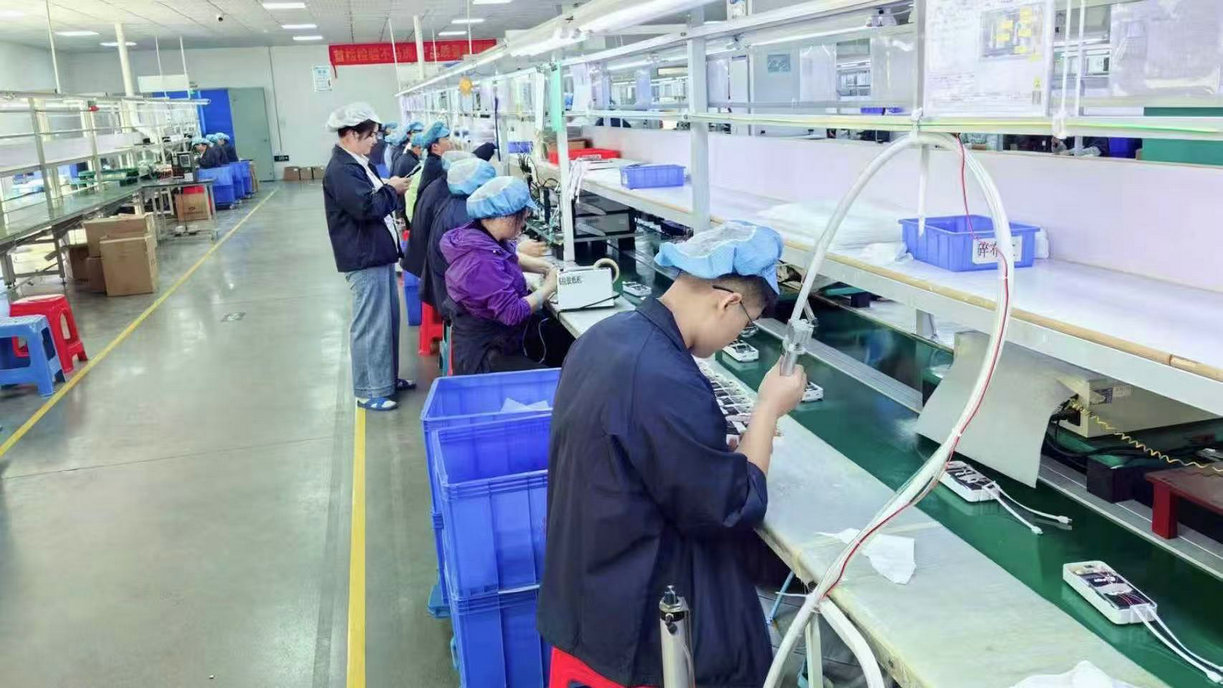
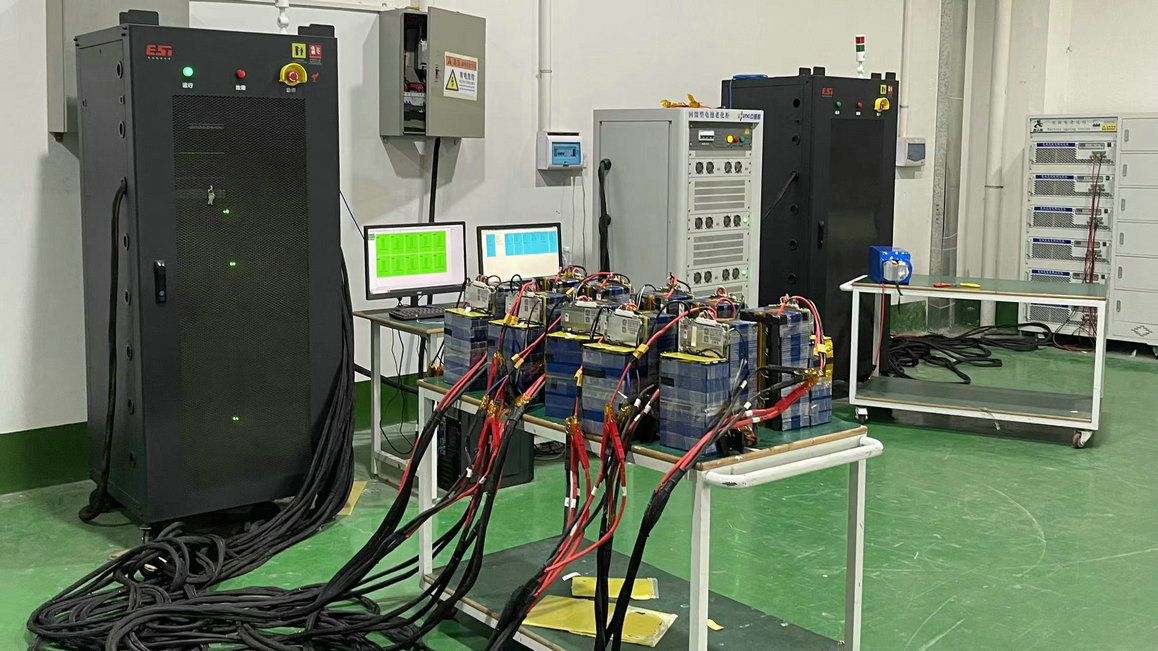
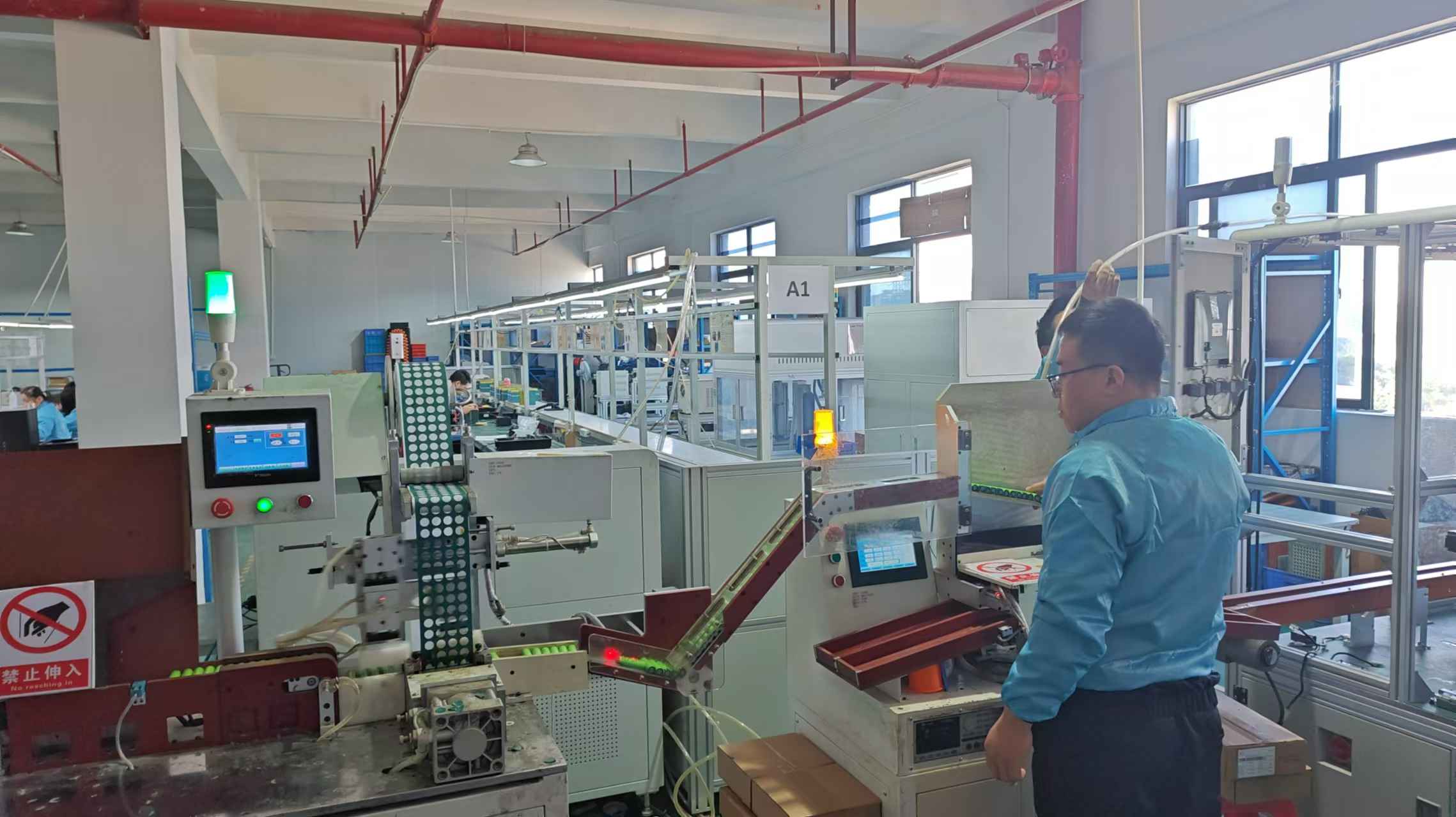
With a strong commitment to innovation, strict quality control, and customer-centric service, Guangdong Nuwon Energy continuously invests in advanced manufacturing capabilities, automated production lines, and rigorous testing systems. This ensures that every product meets international safety standards and delivers exceptional performance in demanding environments.
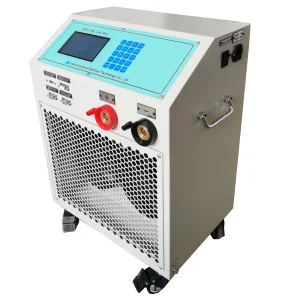
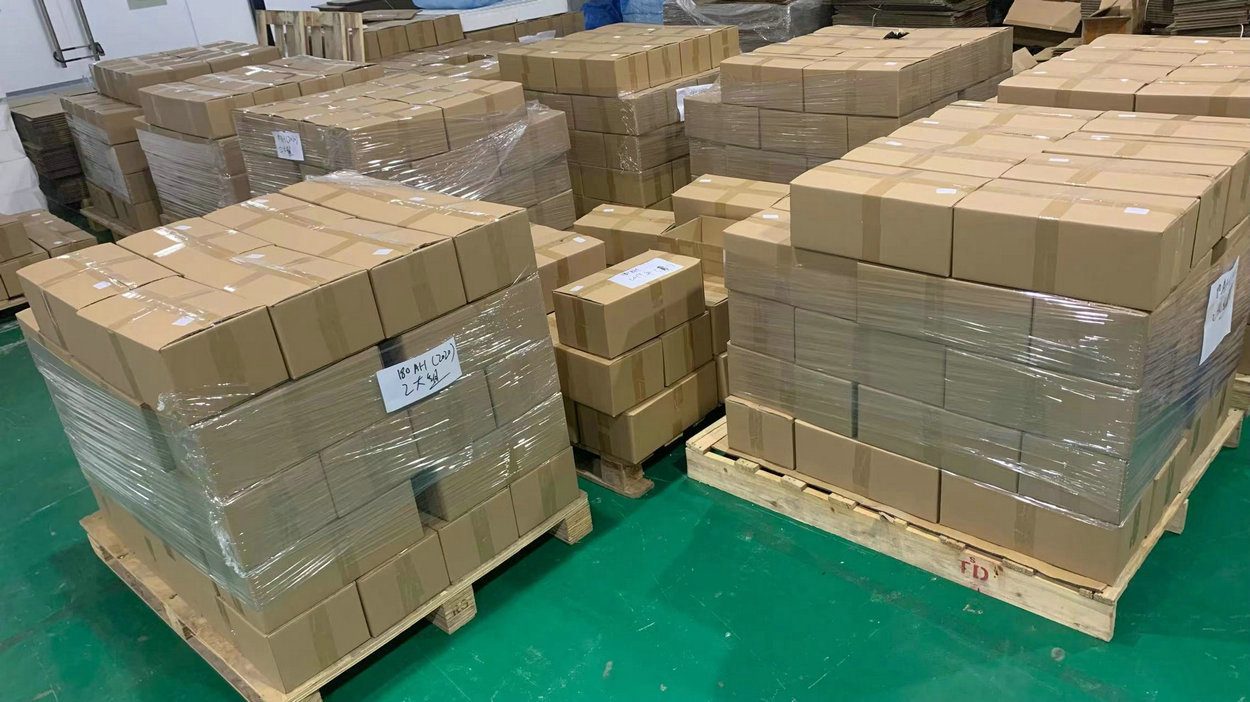
From component inspection to final burn-in testing, our smart production lines optimize throughput, cell balance, and thermal performance.
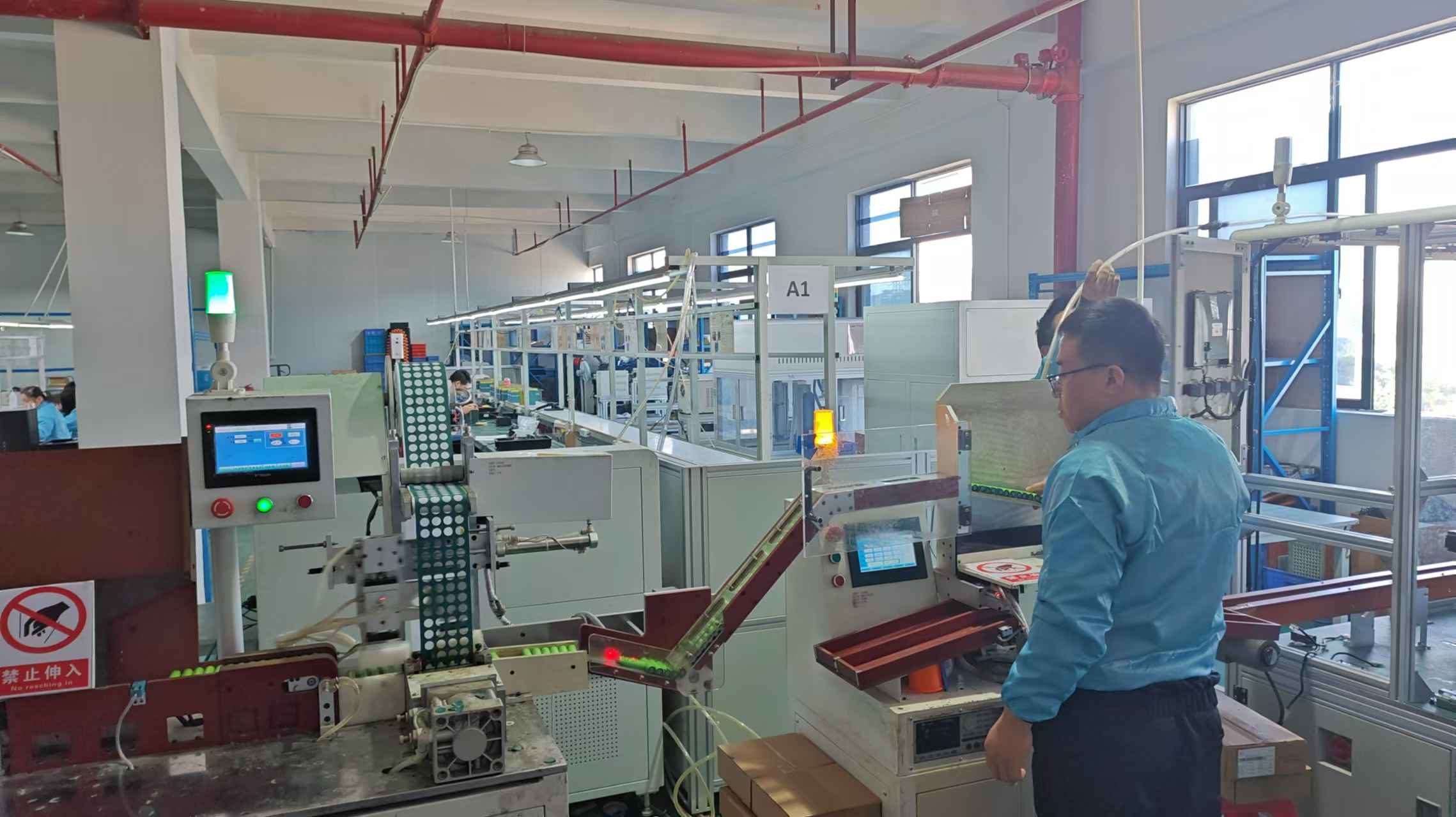
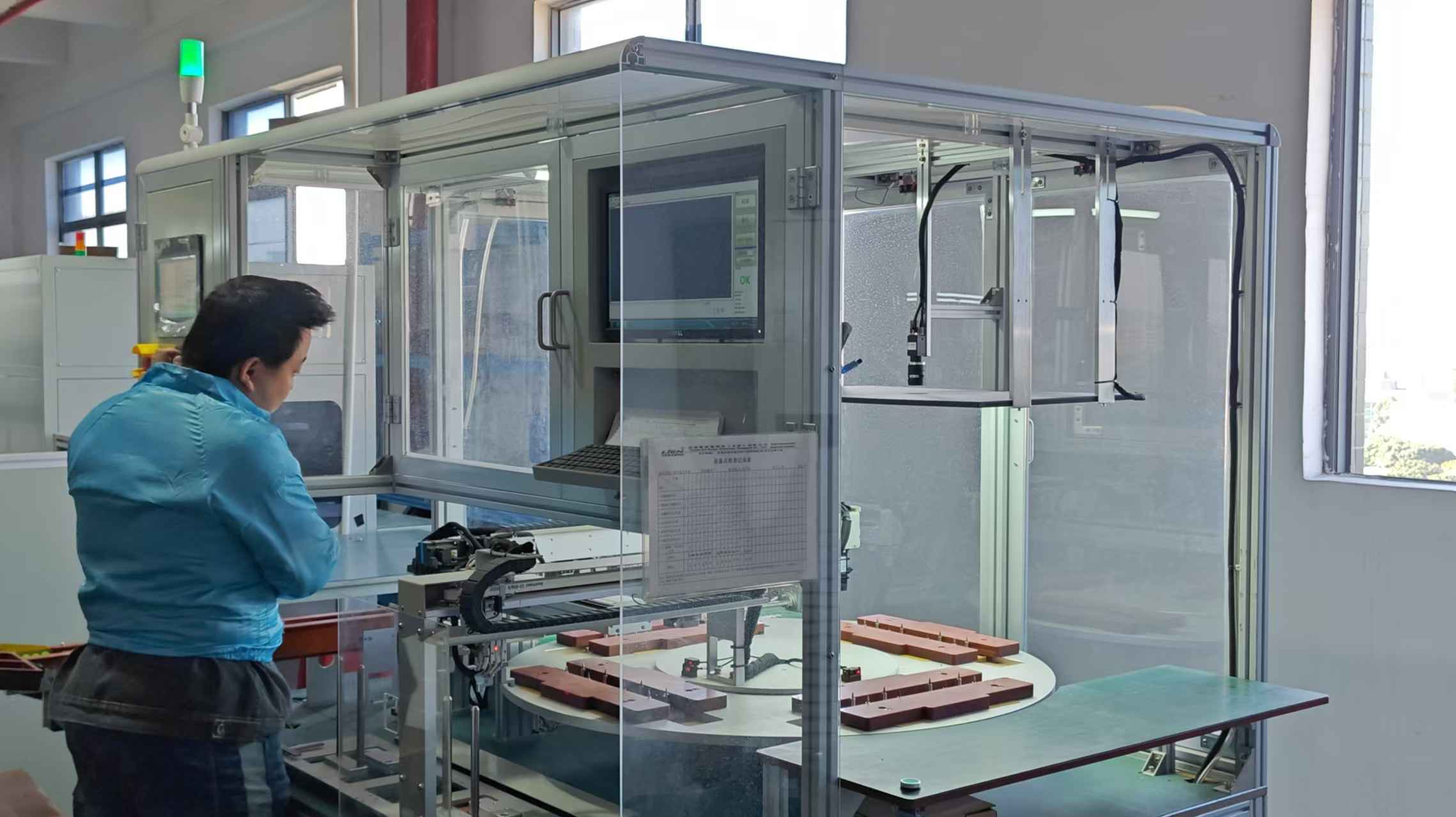
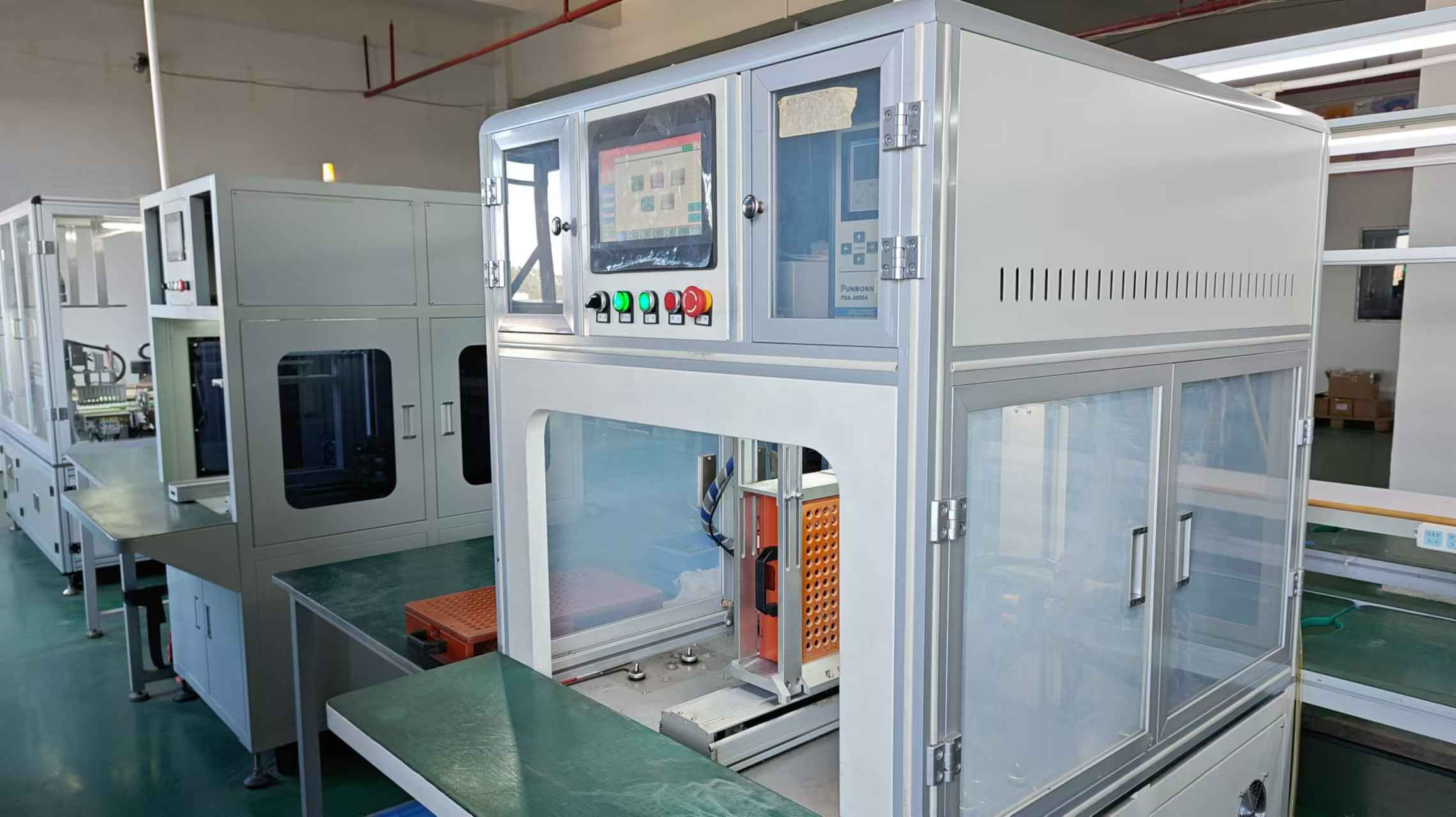
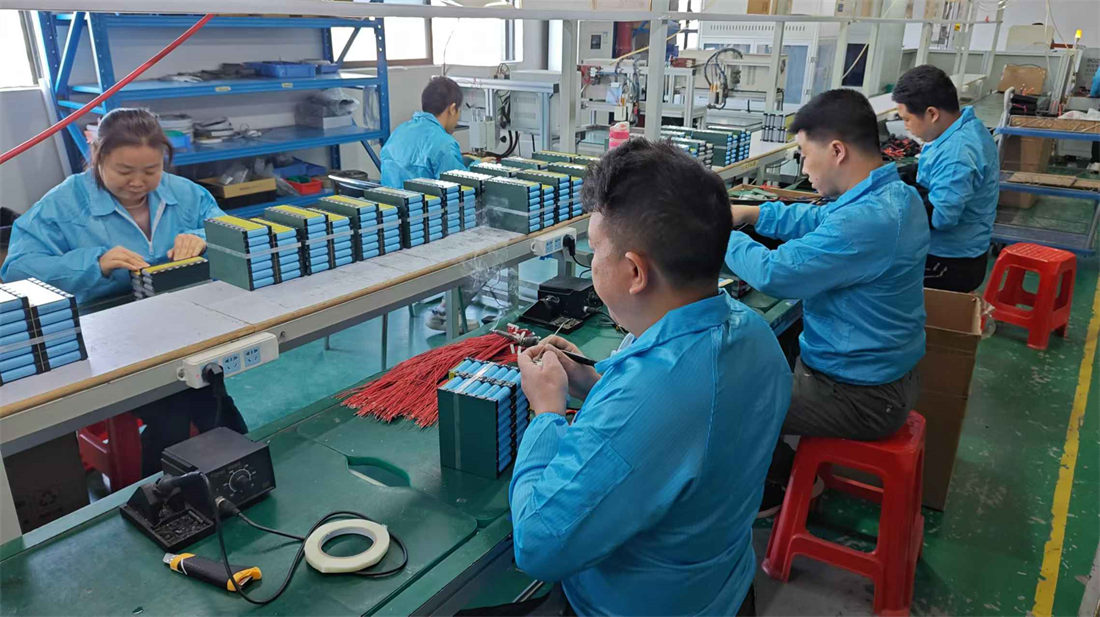
Choosing the correct chemistry is a trade-off between energy density, safety, temperature performance, cycle life, and cost.
| Chemistry | Nominal Voltage | Energy Density (Wh/kg) | Cycle Life (80% DoD) | Thermal Runway Temp | Best Use Cases |
|---|---|---|---|---|---|
| LiFePO4 (Lithium Iron Phosphate) | 3.2V | 140 - 180 Wh/kg | 4,000 - 10,000+ | 270°C | Home Energy Storage, Forklifts, Telecom Backup, AGVs, Commercial Solar Systems |
| NMC (Nickel Manganese Cobalt) | 3.7V | 200 - 260 Wh/kg | 1,500 - 3,000 | 210°C | Electric Vehicles (EV), Heavy Drivetrains, Drones, High-Power Materials Handling |
| LTO (Lithium Titanate) | 2.3V | 70 - 110 Wh/kg | 20,000+ | > 300°C | Extreme Cold/Hot Climates, Ultra-Fast 60C Charging, Military & Rail Operations |
| LCO (Lithium Cobalt Oxide) | 3.7V | 150 - 200 Wh/kg | 500 - 1,000 | 150°C | Consumer Electronics, Medical Device Coin Cells, Wearables, Remote IoT Units |
| Li/SOCl2 (Lithium Thionyl Chloride) | 3.6V | Up to 400 Wh/kg (Primary) | Non-rechargeable | Variable | Smart Gas/Water Meters, Industrial Sensors, Long-term Subsurface Telemetry |
China leads the global battery industry not just because of production volume, but because of its deeply integrated ecosystem. From raw material refinement to final validation testing, everything happens in close geographical proximity.
By sourcing cathode materials like NMC 811/532 or LCO directly from regional suppliers and working closely with nearby automation machine producers, Guangdong Nuwon Energy shortens supply chains. This setup reduces transit times, protects against global material shortages, and keeps production costs highly competitive.
Additionally, our cleanrooms use AI inspection systems. These scanners catch tiny visual and physical defects on electrode coatings at the micrometer level, preventing problematic assemblies from ever reaching the module stage.
Different environments require custom battery engineering. We design systems optimized for your specific operational challenges.
In busy warehouses, automated guided vehicles (AGVs) need fast charging, constant voltage output, and long cycle lives. Our custom LiFePO4 packs support high-current opportunity charging during shifts, keeping systems running 24/7 with minimal downtime.
Medical electronics require absolute reliability. Our custom coin cells and backup packs are built with stable chemical compositions and leak-proof seals, ensuring long shelf lives and meeting strict medical compliance standards.
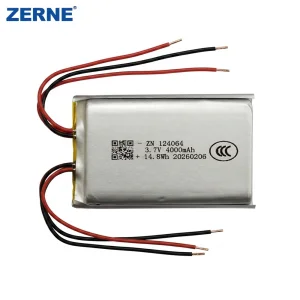
Aviation applications require high energy density and low weight. We assemble lightweight pouch cells into structural, high-discharge battery packs that deliver the power needed for stable hovering and long flight times.
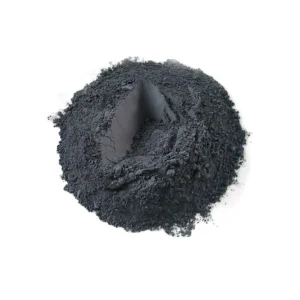
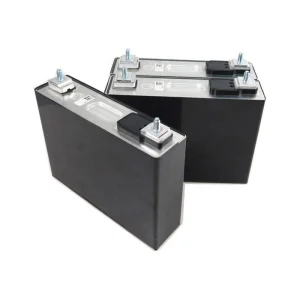
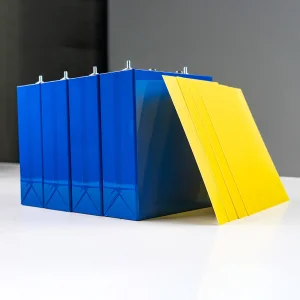
Explore our high-capacity prismatic cells, advanced pouch batteries, and raw cathode precursors designed for battery development.

Get answers to common technical questions about custom cell matching, thermal design, BMS integration, and manufacturing quality control.
 Nuwon Energy