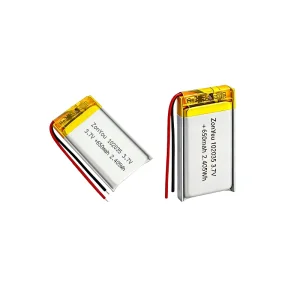
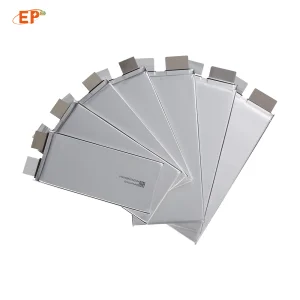
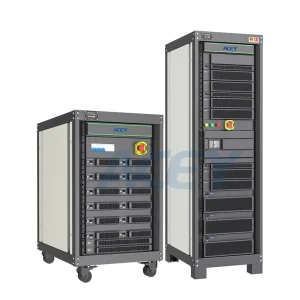
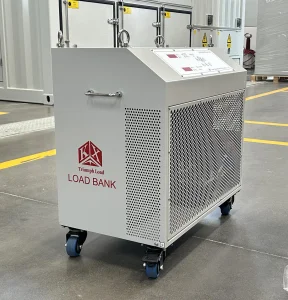
Explore our core selection of certified cell configurations, high-rate discharge assets, and intelligent diagnostic equipment designed for industrial scale compliance.
Guangdong Nuwon Energy Co., Ltd. is a premier manufacturer and integrated solution provider specializing in advanced battery chemistries and structural energy designs. With deep expertise spanning cylindrical, prismatic, and pioneering lithium-sulfur structural frameworks, we serve as a vital link in the global green supply chain.
Our operational capabilities include comprehensive product development, from cell-level architecture (including pouch and thin-film form factors) to integrated smart Battery Management Systems (BMS). Through automated assembly pipelines and robust environmental testing labs, we deliver high-performance solutions tailored to the world's most demanding environments.
Why modern aerospace, defense, and specialized consumer platforms are shifting focus toward high-density sulfur cathodes.
As traditional Lithium-ion chemistries (Nickel Manganese Cobalt - NMC, and Lithium Iron Phosphate - LFP) approach their theoretical thermodynamic specific energy limits of approximately 300-350 Wh/kg at the pack level, the global battery ecosystem is seeking next-generation chemistries. Lithium-Sulfur (Li-S) systems stand out as the most promising alternative, featuring a theoretical specific energy limit of 2,600 Wh/kg and a theoretical charge capacity of 1,675 mAh/g.
Rather than relying on transition metals (such as Cobalt and Nickel) which face volatile supply chains and environmental concerns, Lithium-Sulfur utilizes abundant, low-cost sulfur as the cathode. This dramatically reduces material-level carbon emissions and costs while yielding cells that are substantially lighter than conventional variants. This specific energy leap makes Li-S the prime candidate for flight-centric application layers, including High-Altitude Pseudo-Satellites (HAPS), commercial UAVs, tactical defense units, and electric vertical take-off and landing (eVTOL) aircraft.
| Electrochemical Metric | Traditional Li-Ion (NMC 811) | Lithium-Sulfur (Next-Gen target) | Impact on Industrial Procurement |
|---|---|---|---|
| Theoretical Specific Energy | ~350 Wh/kg | ~2,600 Wh/kg | Up to 4x reduction in total pack weight. |
| Active Material Abundance | Constrained (Co, Ni, Li) | Highly Abundant (Sulfur, Li) | Decoupled from localized cobalt market fluctuations. |
| Environmental Profile | High carbon footprint extraction | Industrial byproduct utilization | Aids in fulfilling global ESG & EU Battery mandates. |
| Primary Mechanism | Intercalation | Conversion chemistry (S8 to Li2S) | Requires advanced electrolyte stabilizers to control shuttle effect. |
However, importing and procuring commercial-grade Li-S configurations requires close collaboration with experienced suppliers. The transition from lab-scale prototypes to industrially viable, CE-certified systems involves overcoming key challenges such as the Polysulfide Shuttle Effect (where soluble polysulfides degrade the anode) and structural volume expansion. As exporters, we focus on incorporating advanced carbon-sulfur composites and protective solid-state electrolyte interfaces to maximize cycle life and thermal stability.
How we guarantee regulatory compliance, safety verification, and secure supply chains for high-energy battery shipments.
Exporting high-capacity lithium battery systems to Europe, North America, and APAC regions demands strict adherence to rigorous engineering guidelines. A simple CE marking is not enough. Regulatory alignment requires systematic adherence to established international frameworks:
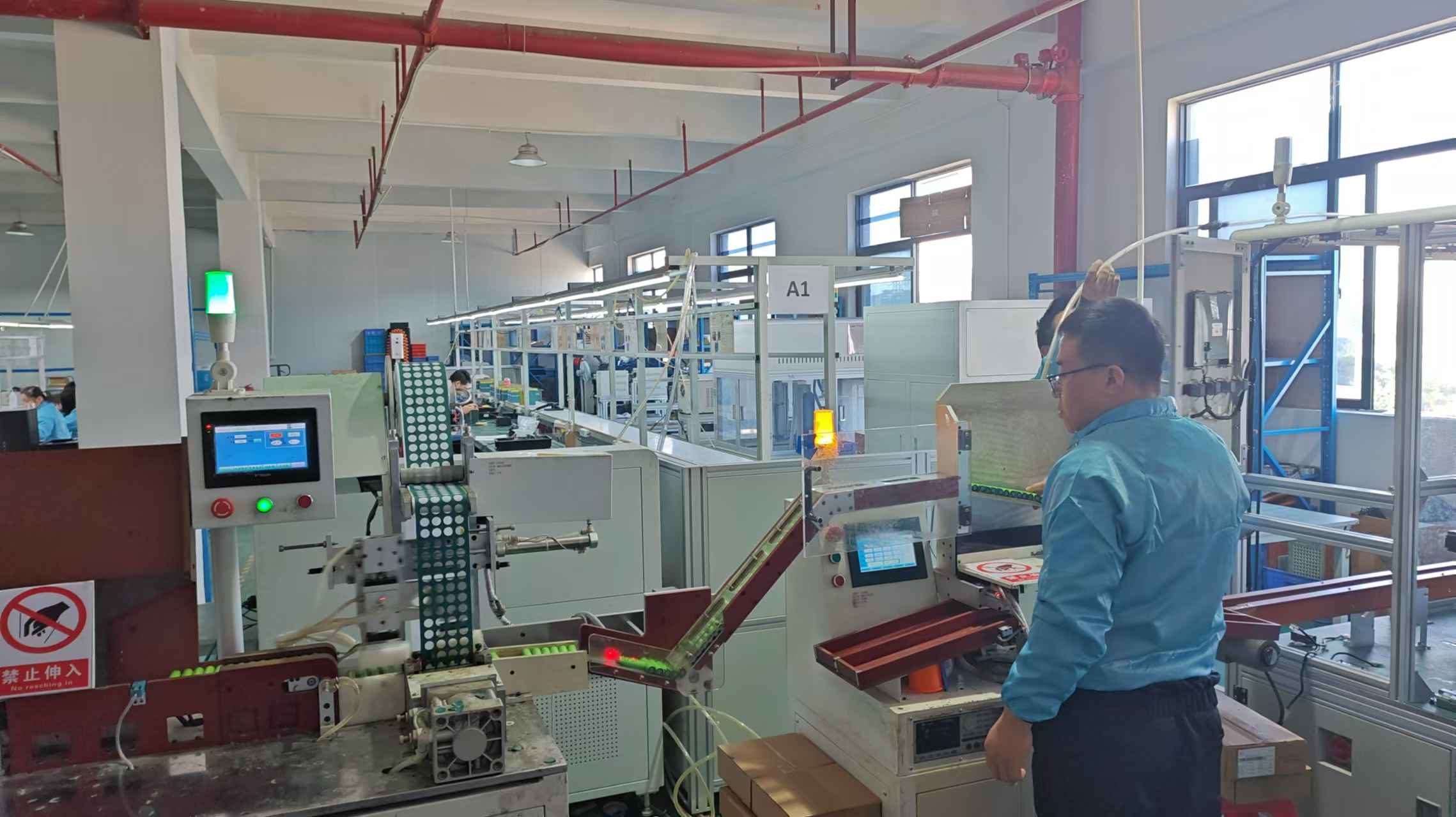
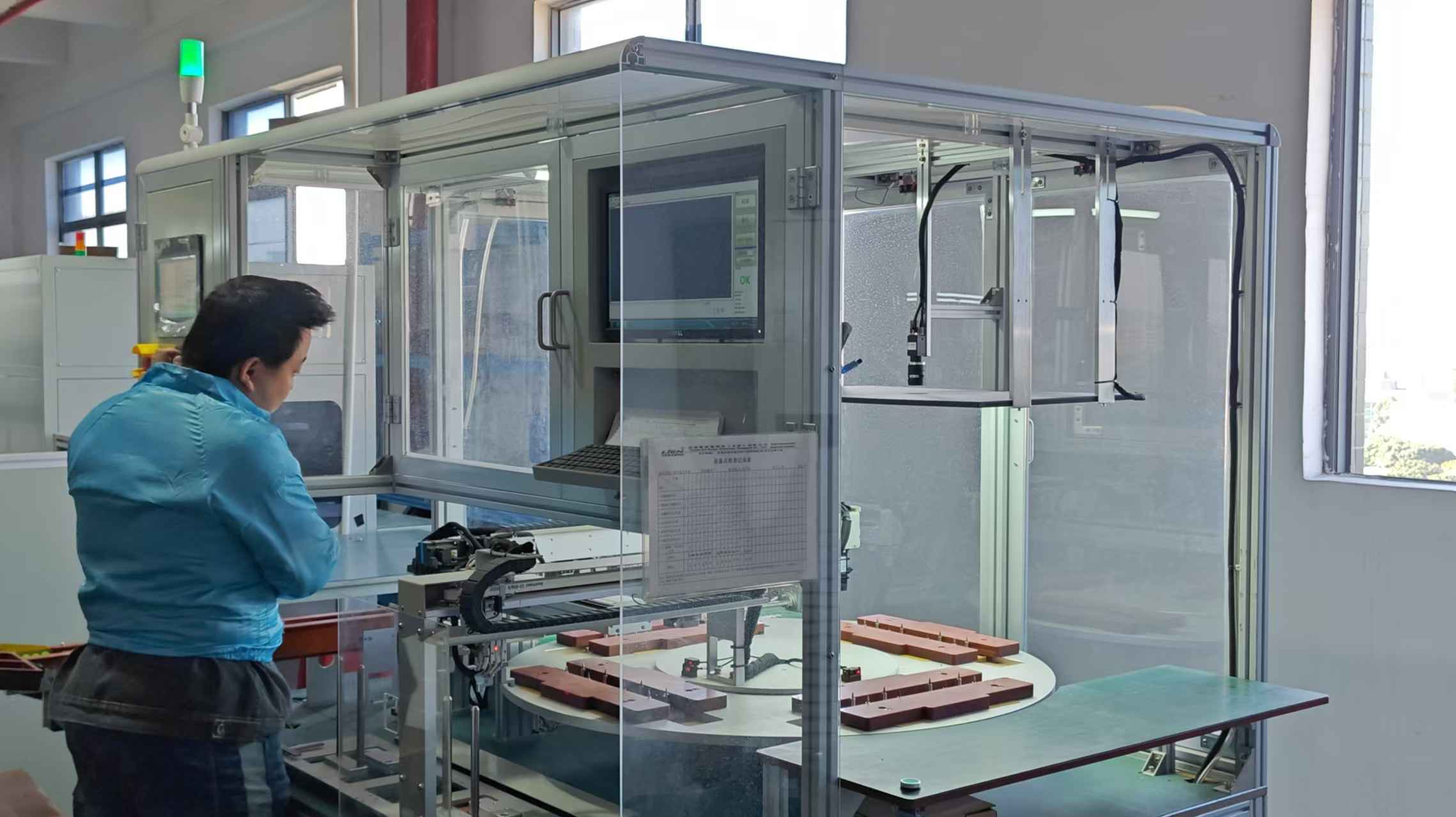
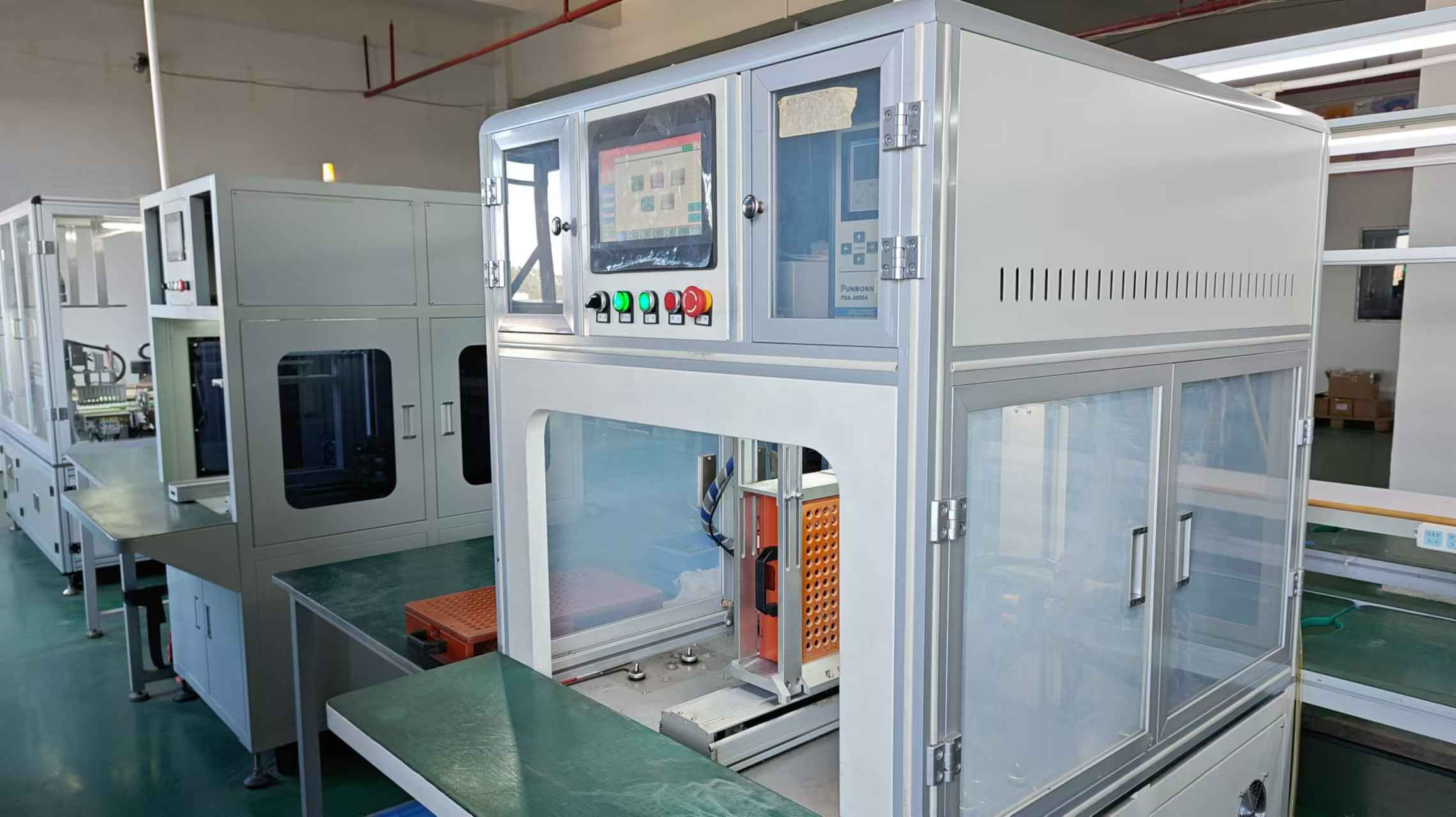
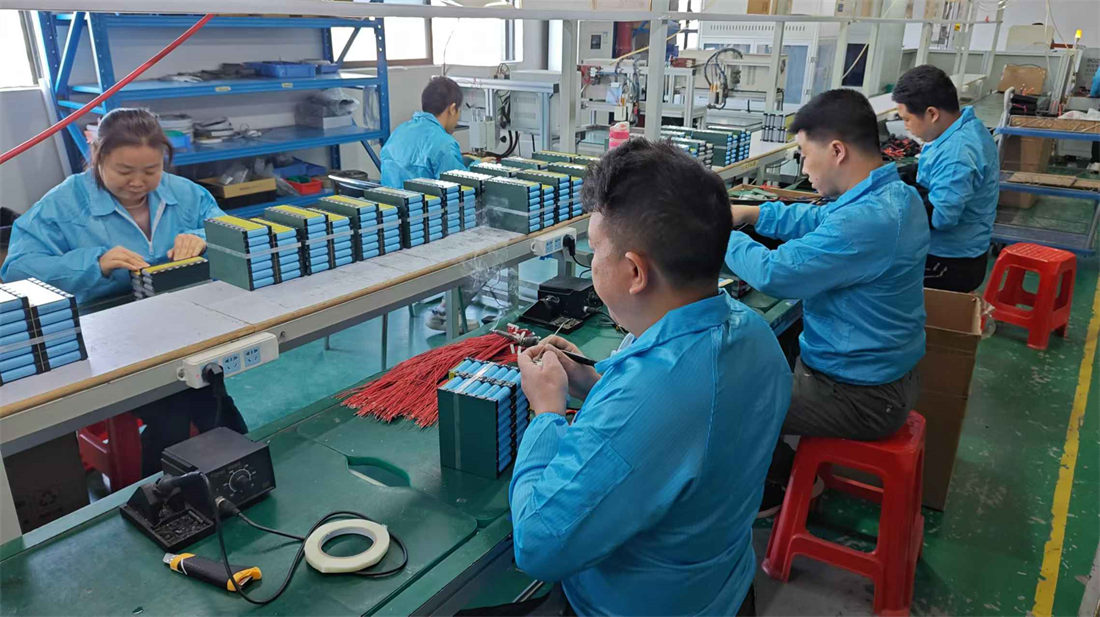
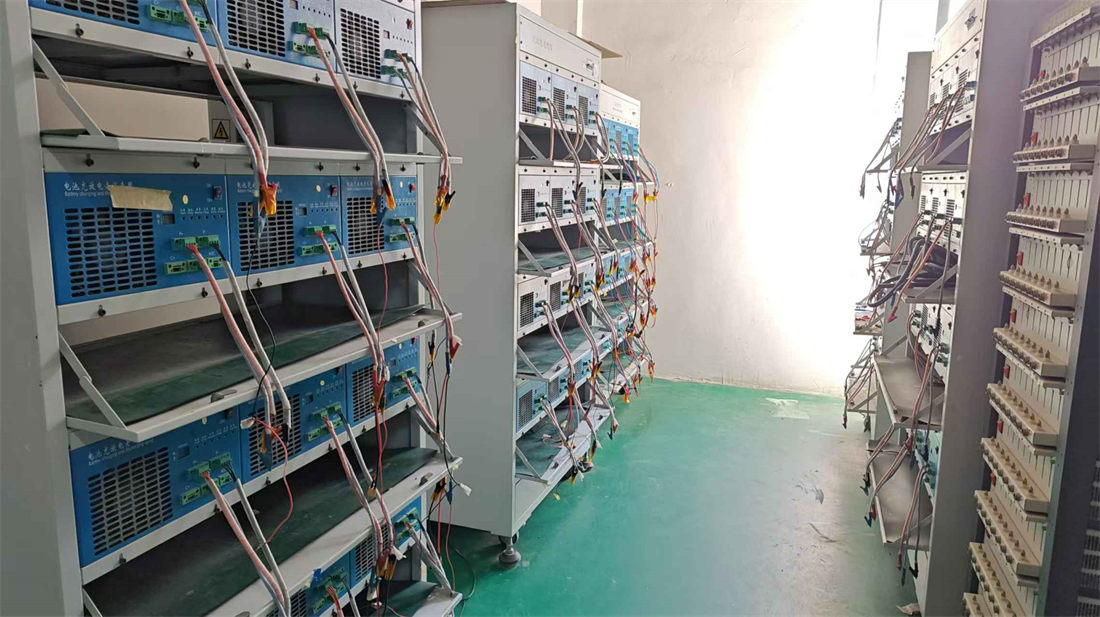
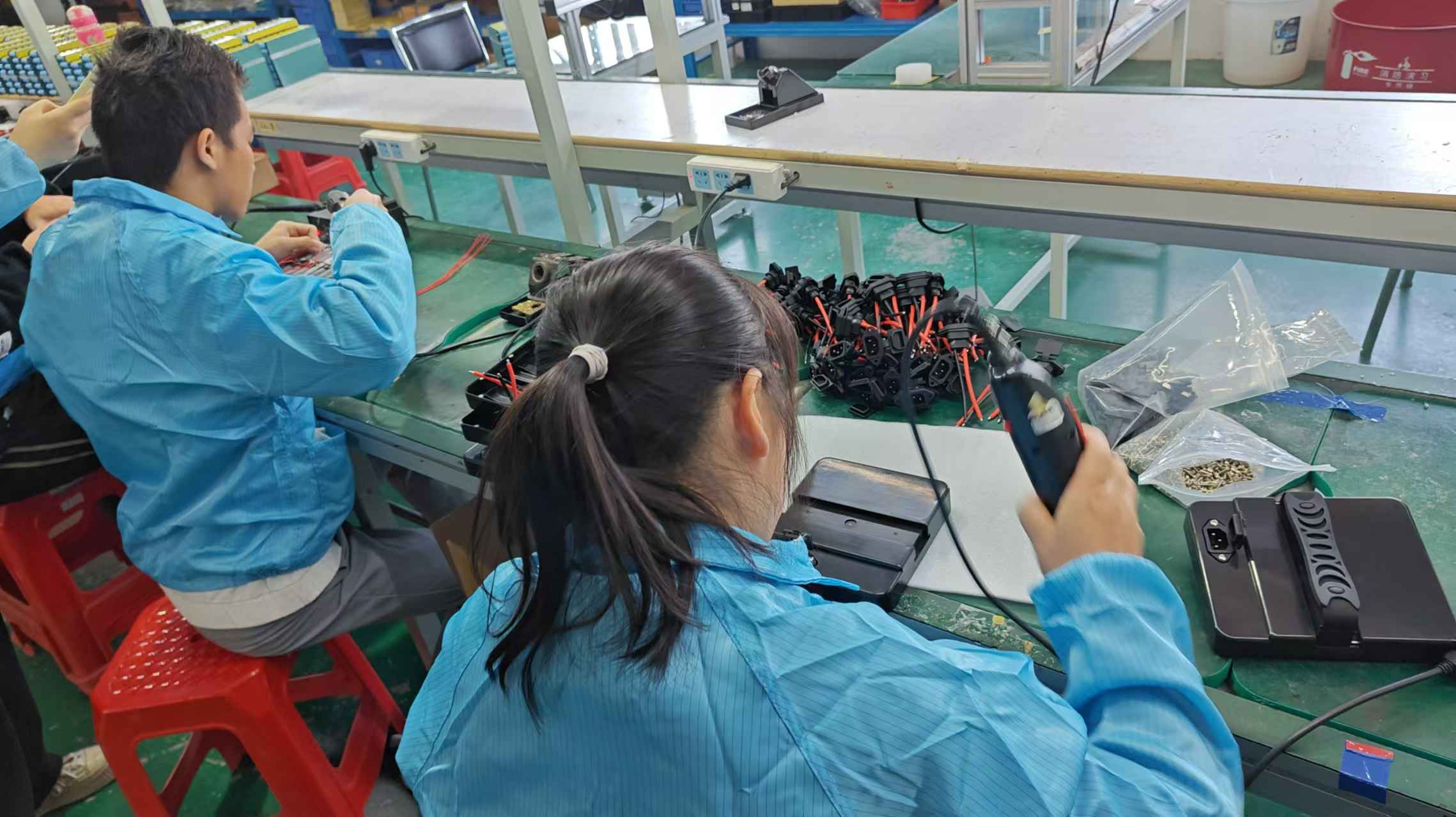
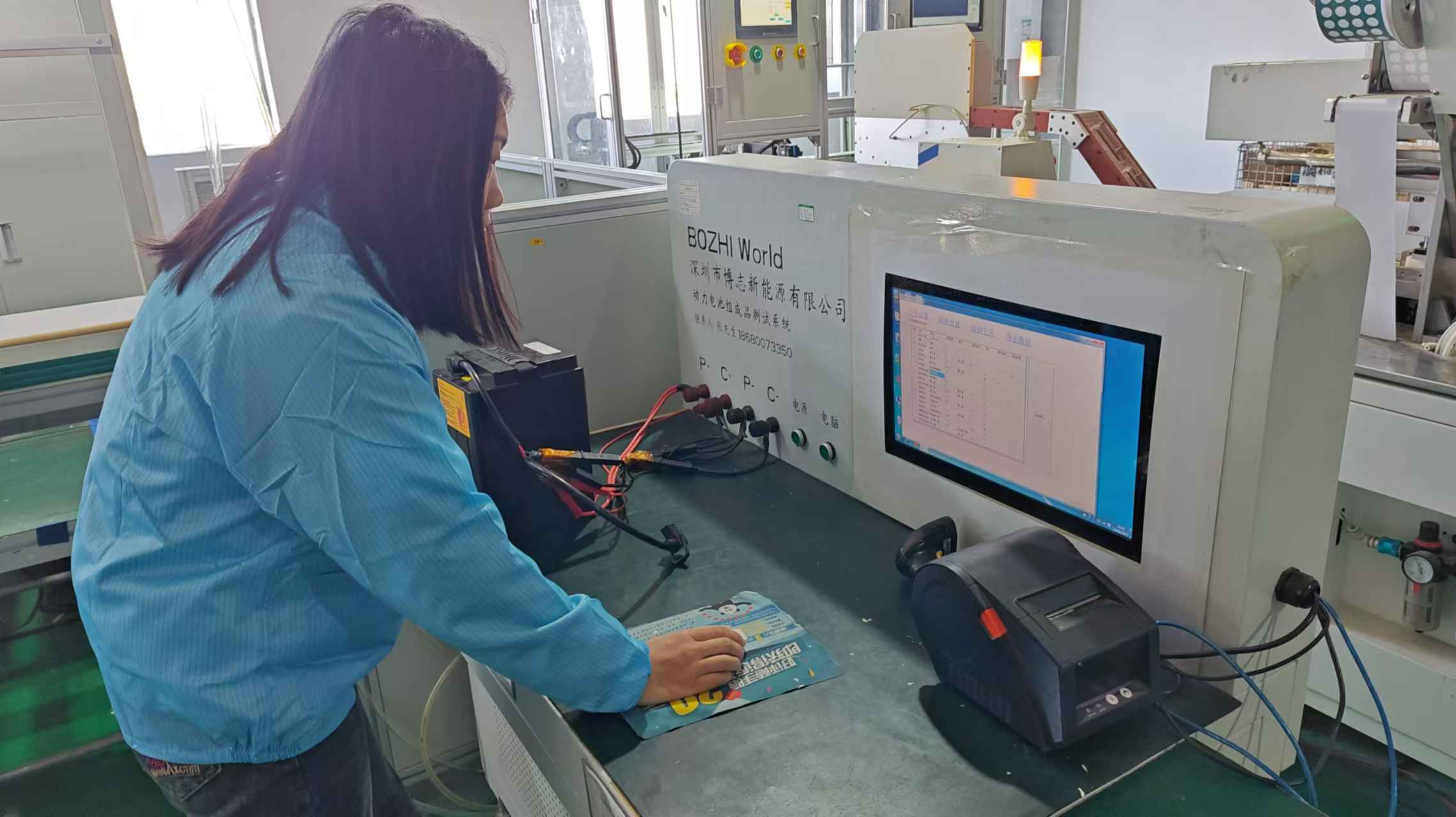
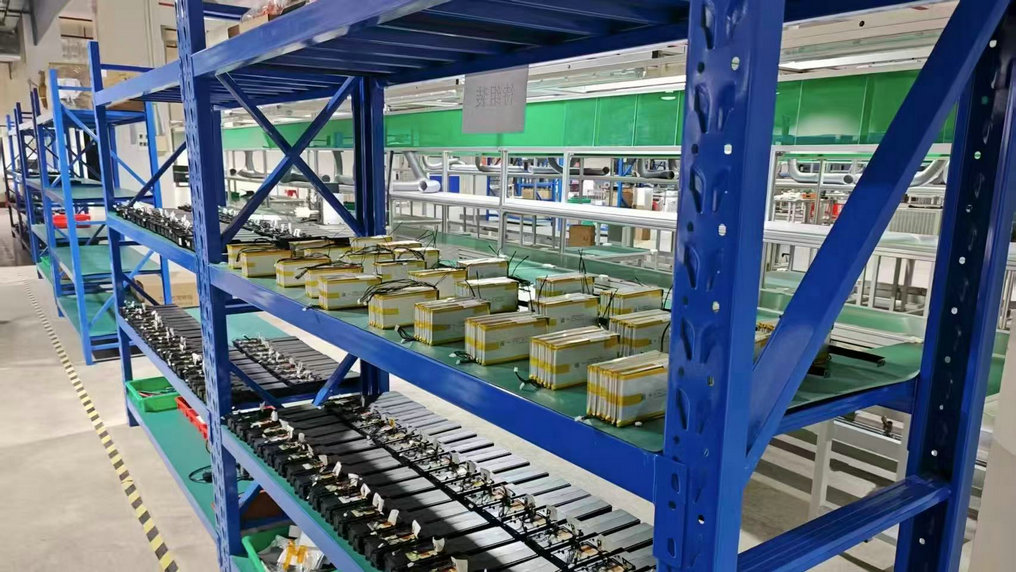
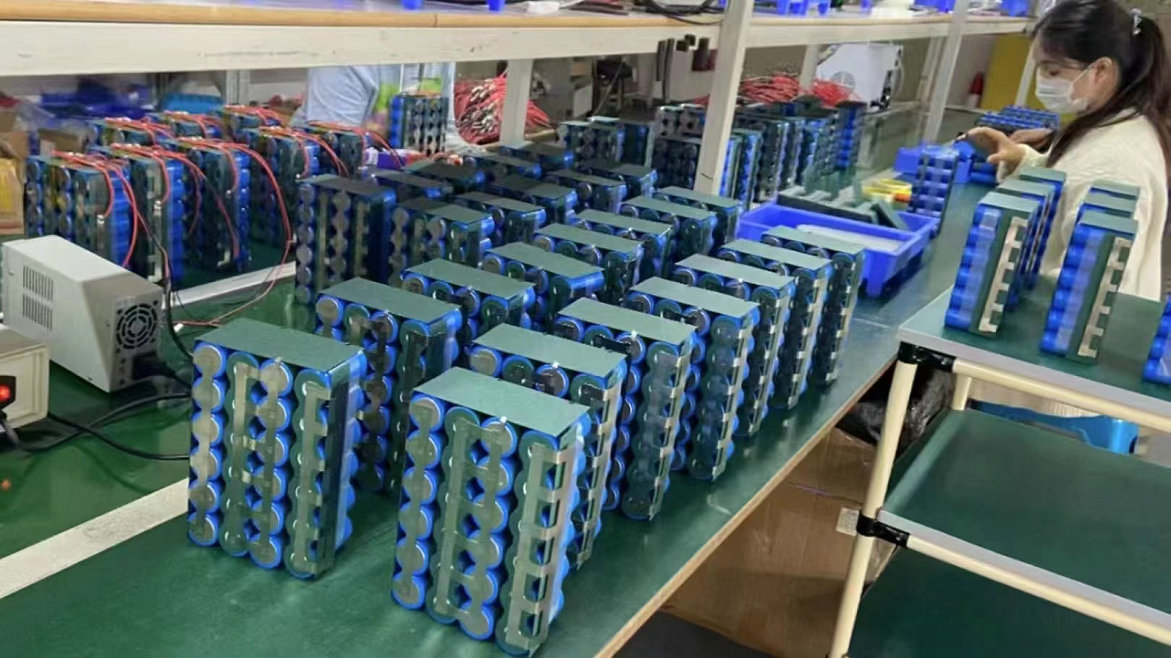
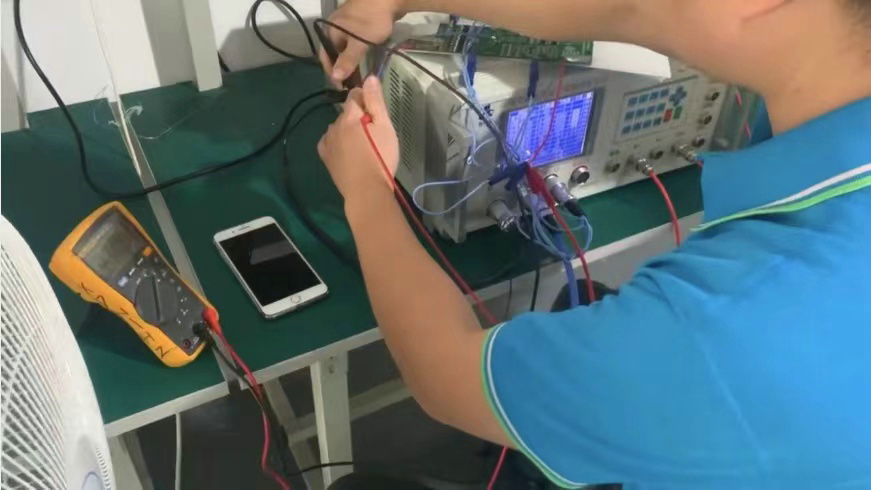
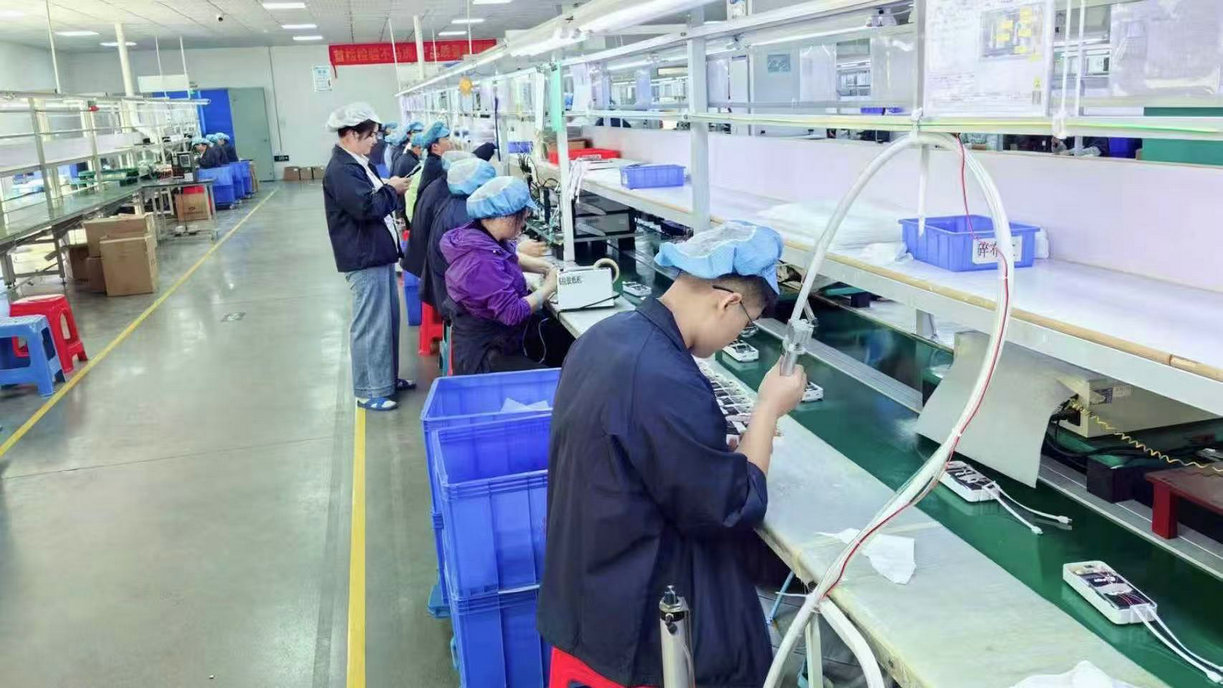
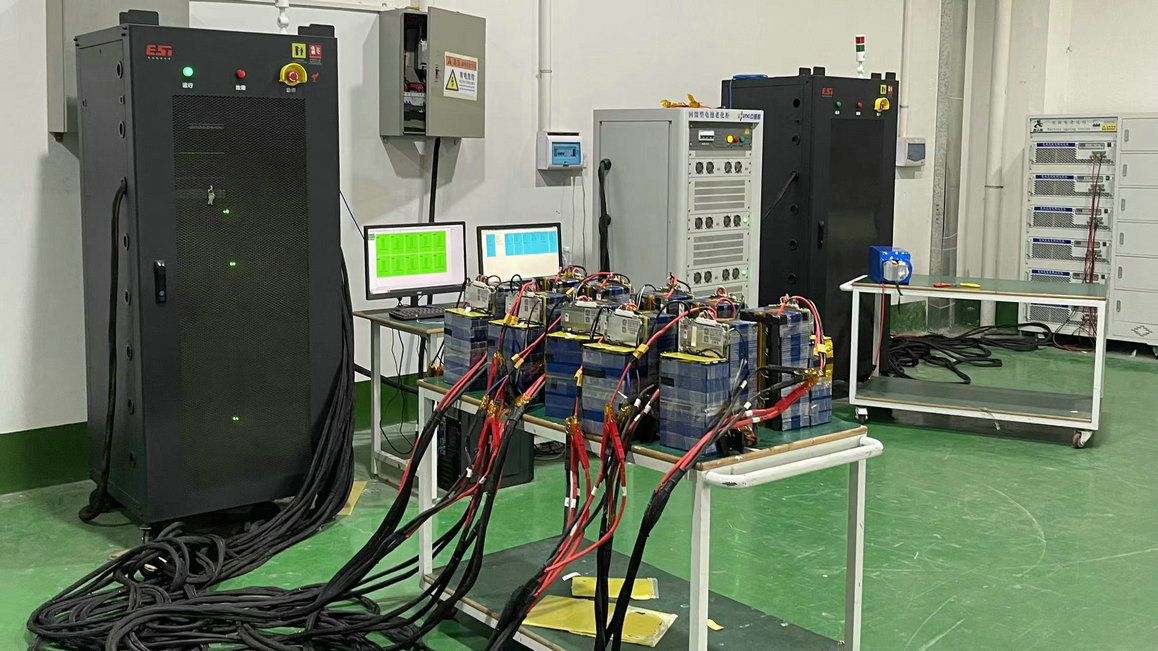
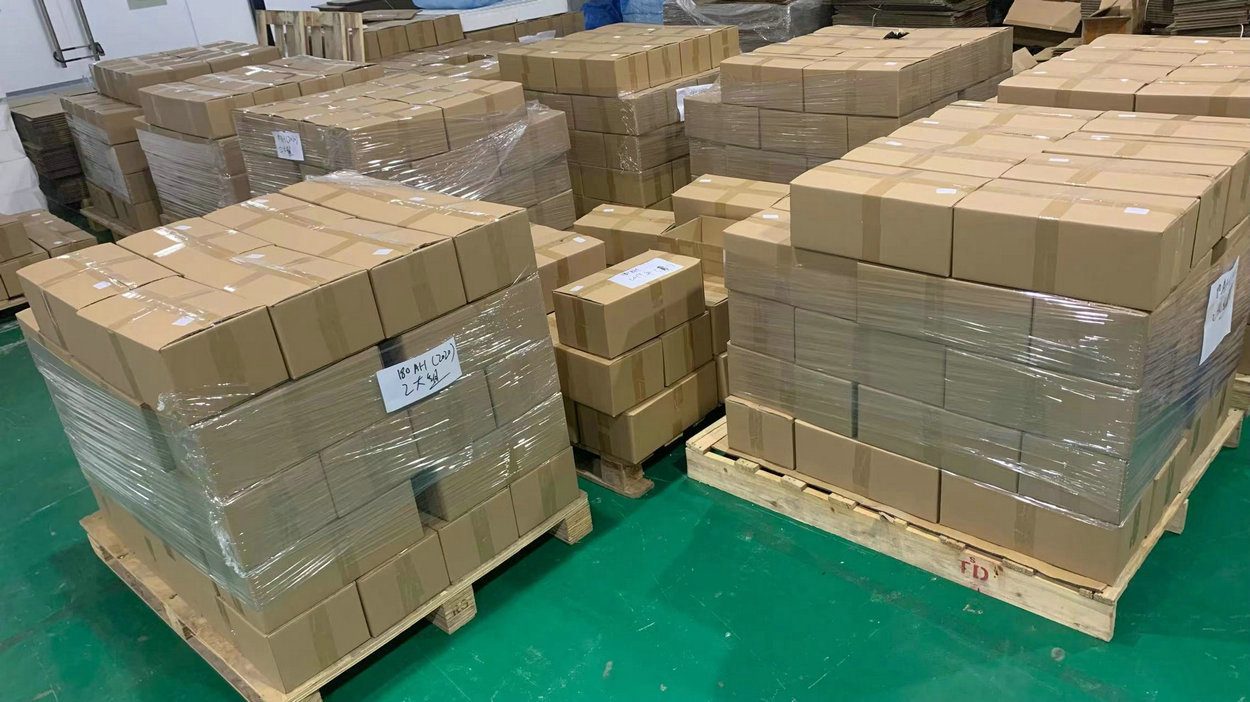
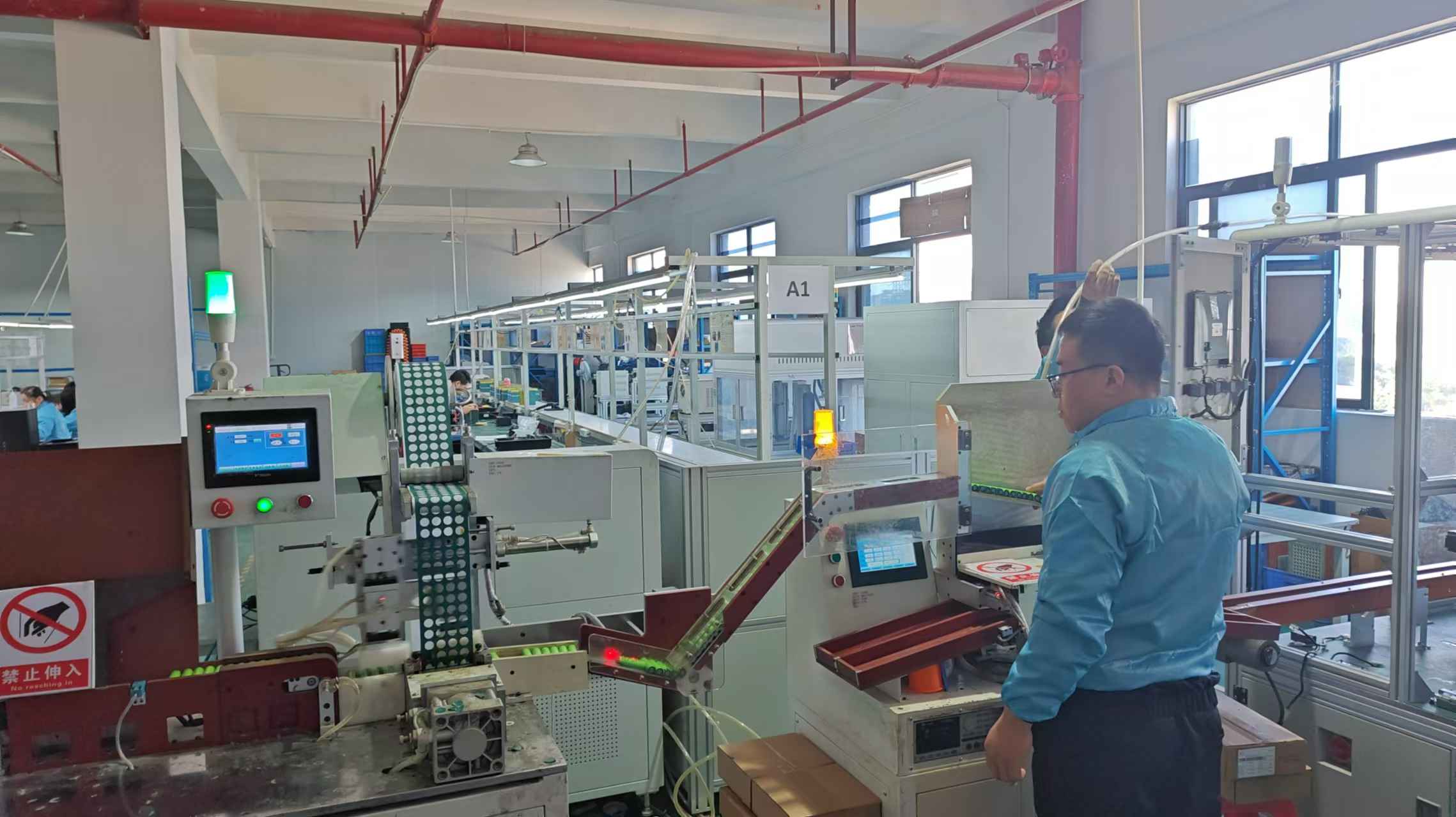
A structural look into Guangdong Nuwon Energy's advanced processing and verification facilities, ensuring precision matching and long-term cell reliability.
From complex eVTOL aerospace designs to heavy industrial AGVs, we engineer optimal system integrations.
High gravimetric energy density solutions that extend flight times and reduce take-off mass for drones, cargo UAVs, and future Urban Air Mobility platforms.
Heavy-duty battery packs for industrial utility vehicles, forklifts, specialized utility carts, AGVs, and high-discharge marine applications.
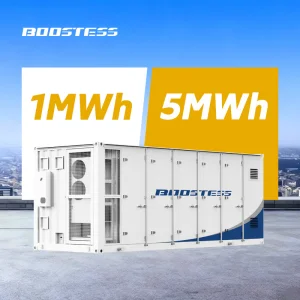
High-capacity battery systems configured for containerized BESS installations, off-grid industrial microgrids, and residential solar storage backup arrays.
Our commitment to continuous technological development ensures long-term value for our global commercial partners.
Integrating ultra-thin polymer-ceramic hybrid electrolytes to minimize the polysulfide shuttle effect, pushing cell-level energy density limits past 450 Wh/kg while meeting standard EN safety requirements.
Transitioning to advanced artificial solid-electrolyte interphases (SEI) on ultra-thin lithium foil anodes, enhancing safety and extending system lifespan to over 800 full charge-discharge cycles.
Full commercial rollout of all-solid-state lithium-sulfur power cells, targeting specific energies exceeding 600 Wh/kg for strategic aerospace and long-range electric transport applications.
Key technical and logistics inquiries regarding procurement, compliance, and technological viability.
Explore our high-capacity prismatic cells, low-temperature systems, and containerized utility-scale storage technologies.
 Nuwon Energy