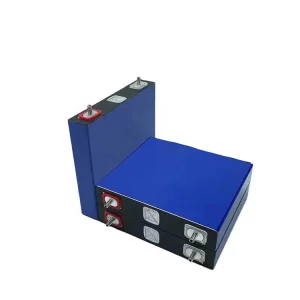
Premium energy storage components optimized for reliability, safety certifications, and extended cycle life.

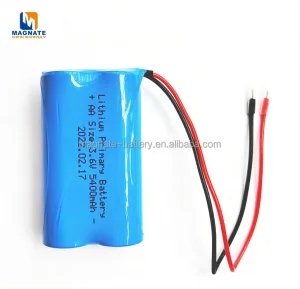
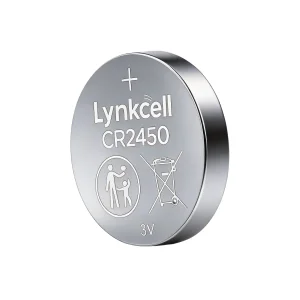
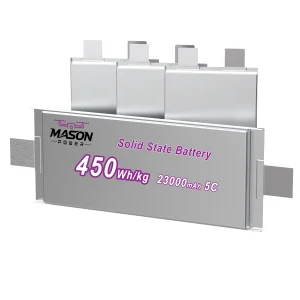
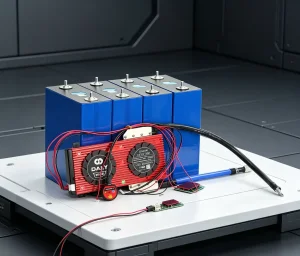
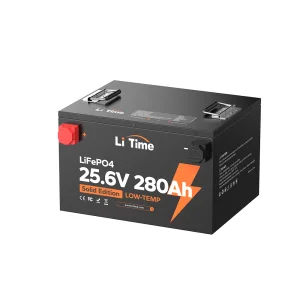
Analyzing critical connection architectures, thermal stability, and CE safety standards for industrial energy grids.
In the rapidly transforming landscape of global electrification, the engineering definition of a "battery pack" has expanded far beyond the cells themselves. Today, the overall safety, efficiency, and lifecycle of any energy storage system (ESS), light electric vehicle (LEV), or industrial machine depend heavily on its battery connectivity solutions. Connectivity solutions comprise the physical busbars, connectors, terminal structural links, and electrical insulating barriers that join cells into modules. At high power outputs, even micro-ohm deviations in contact resistance can generate localized thermal stress, causing cell capacity imbalances or, in worse scenarios, thermal runaway cascades.
European Union directives require rigorous safety frameworks for electrical installations. CE Certification acts as the essential passport for safety, compatibility, and environmental protection. For battery connectivity systems, CE status guarantees compliance with the Low Voltage Directive (LVD) 2014/35/EU and the Electromagnetic Compatibility (EMC) Directive 2014/30/EU. For systems combining complex battery management units (BMS) with high-voltage busbar connections, these certifications prove the technology has been designed, tested, and validated to resist dielectric breakdown, mechanical shock, and continuous thermal stress.
SEO Insights & Semantic Trend: Industrial engineering procurement has moved from transactional sourcing of raw battery cells to seeking integrated, pre-certified connectivity solutions. Buyers reduce design risks and speed up time-to-market by sourcing components from factories that test safety and interconnect integrity at the initial production stage.
A premier manufacturer and global solution provider in advanced battery systems.
Guangdong Nuwon Energy Co., Ltd. is a leading manufacturer and solution provider in advanced battery systems, specializing in the research, development, manufacturing, and global distribution of high-performance energy storage products. The company offers comprehensive OEM and ODM services, delivering customized battery solutions tailored to diverse industrial and commercial applications.
Backed by a highly experienced engineering and R&D team, Nuwon Energy focuses on the design and integration of cylindrical and prismatic lithium battery cells, as well as complete battery packs, modules, and energy storage systems. The company also develops and produces industrial-grade battery cells engineered for safety, durability, and long cycle life.
Guangdong Nuwon Energy serves a wide range of industries, including consumer electronics, electric mobility (such as golf carts, forklifts, UTVs/ATVs, trucks, and marine systems), medical equipment, unmanned ground vehicles (AGVs/AMRs), and emerging aerospace applications such as eVTOL aircraft. In addition, the company provides reliable residential, commercial, and industrial (C&I) energy storage solutions designed to support the global transition toward clean and sustainable energy.
With a strong commitment to innovation, strict quality control, and customer-centric service, Guangdong Nuwon Energy continuously invests in advanced manufacturing capabilities, automated production lines, and rigorous testing systems. This ensures that every product meets international safety standards and delivers exceptional performance in demanding environments. Driven by a vision to accelerate global electrification and energy efficiency, Guangdong Nuwon Energy Co., Ltd. is dedicated to building long-term partnerships and providing reliable, intelligent, and sustainable energy solutions to customers worldwide.
Procurement managers and engineering directors look for specific, proven technical traits when sourcing battery connectivity solutions:
Modern energy systems require components tailored to advanced battery chemistries. Nuwon Energy meets these demands by aligning cell developments with robust connectivity technology:
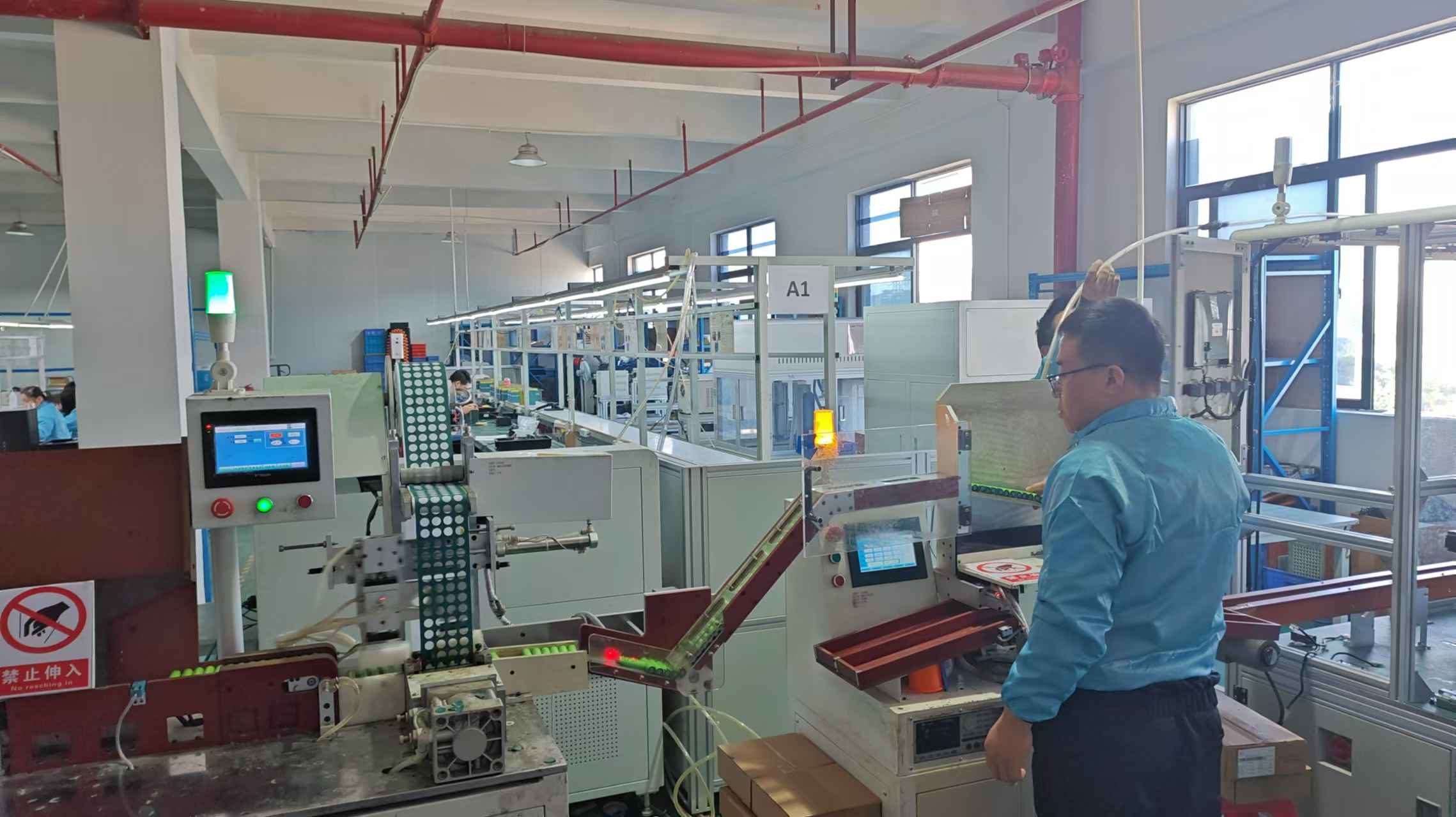
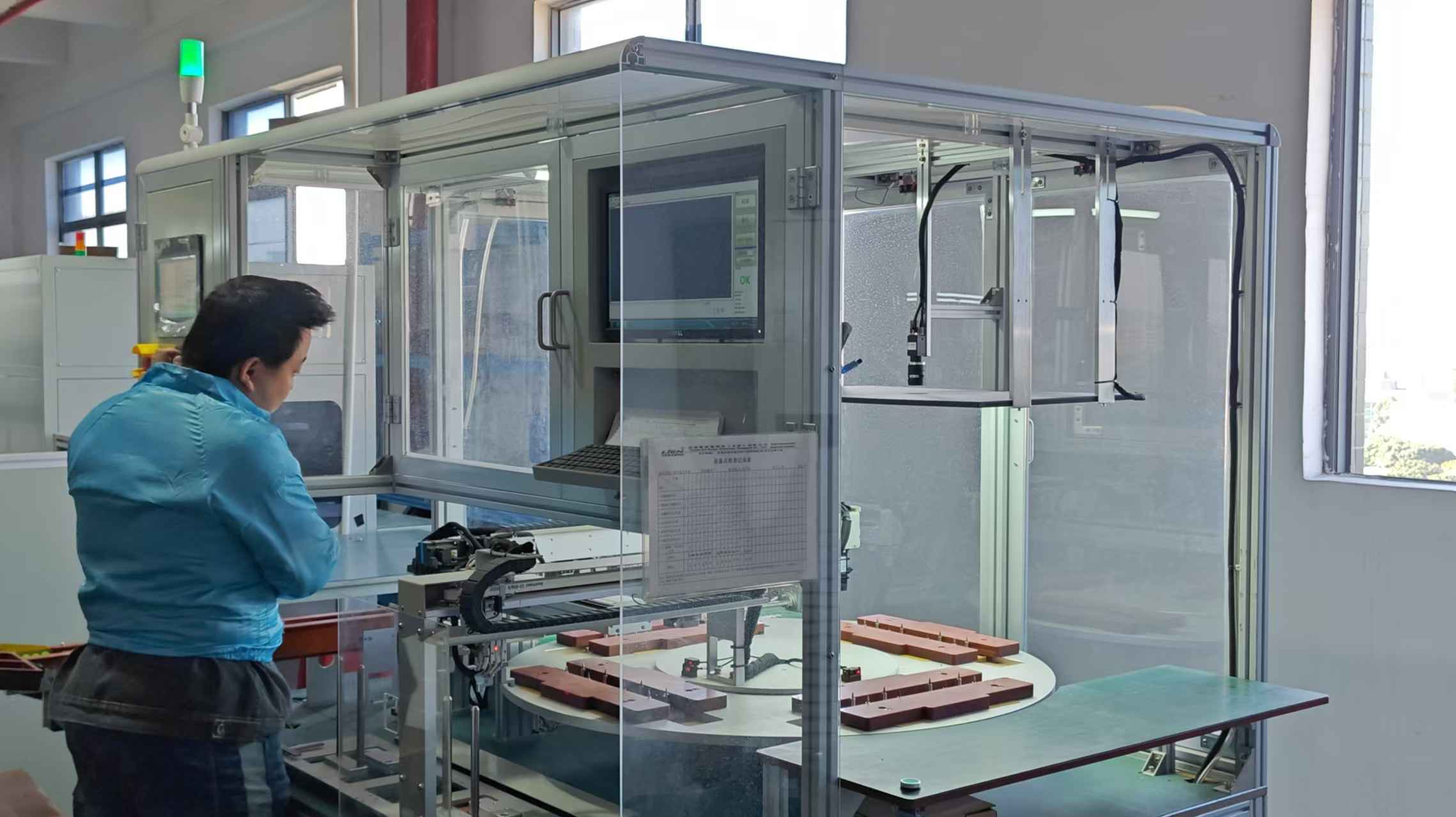
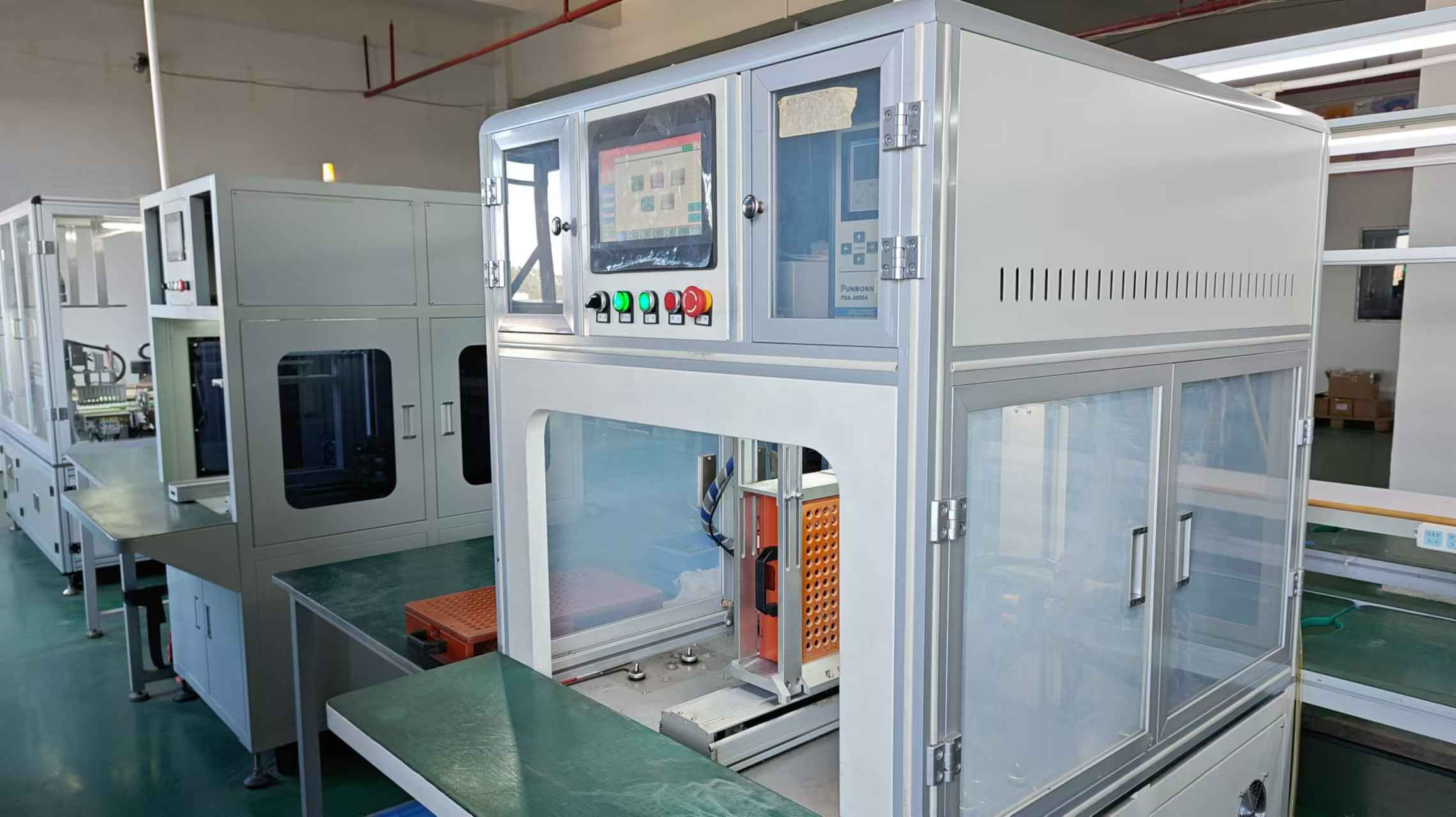
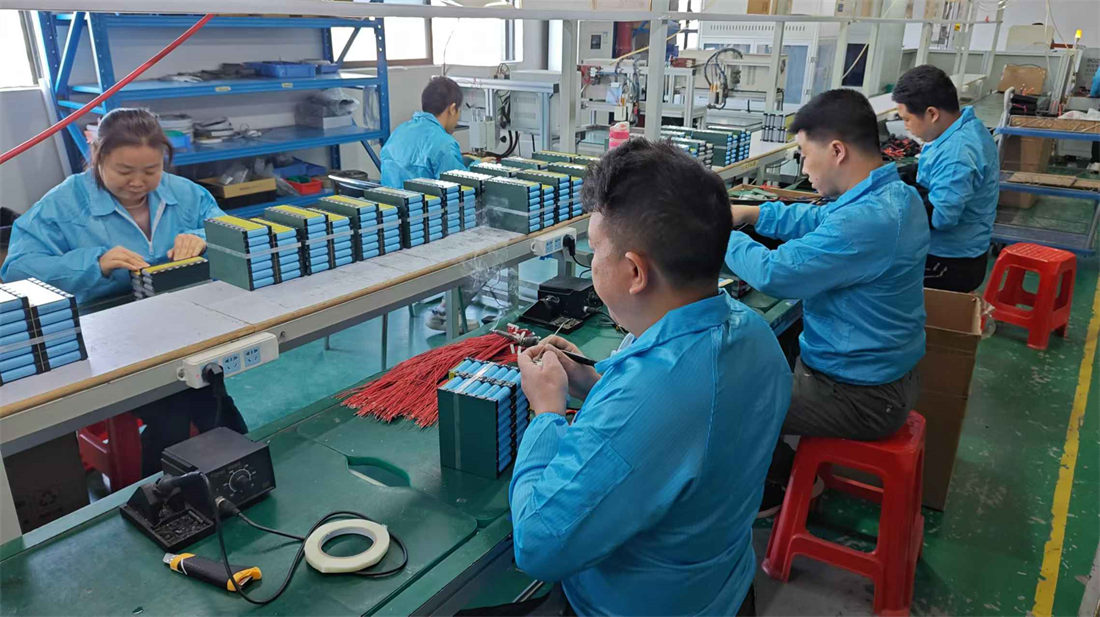
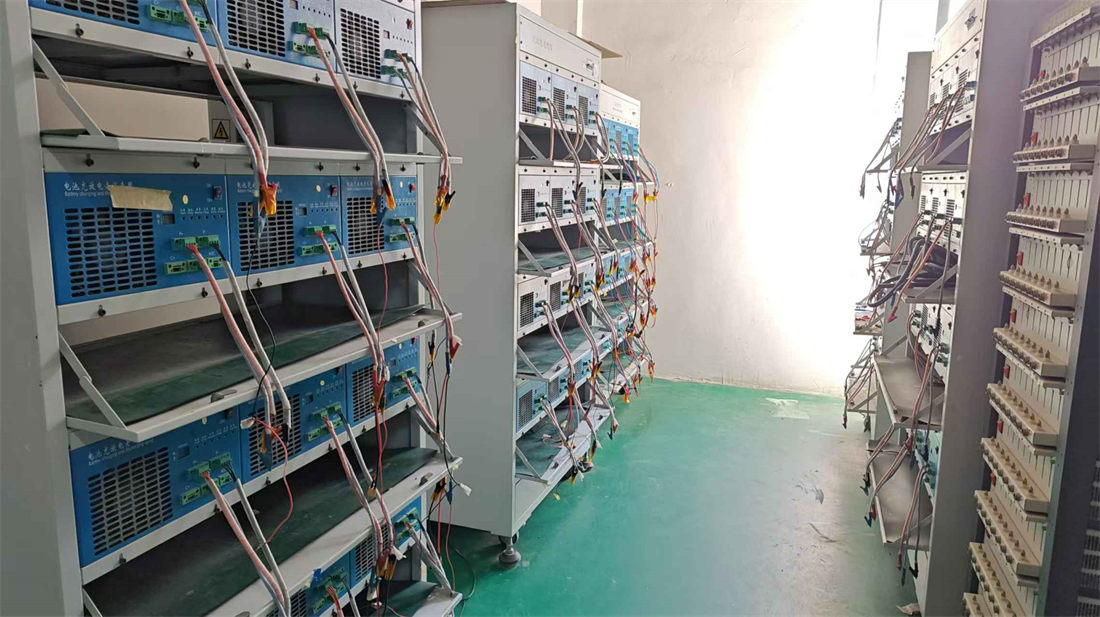
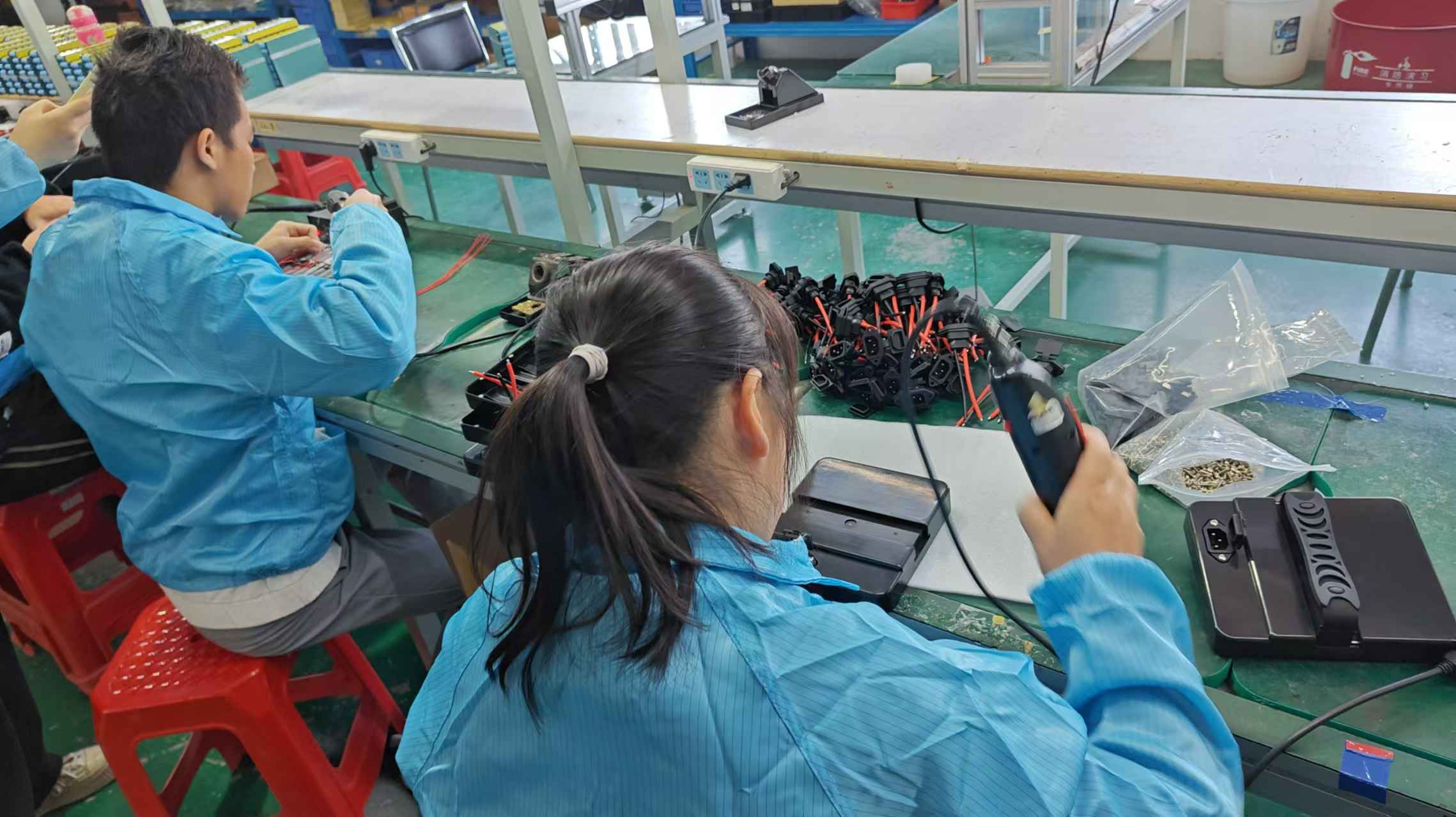
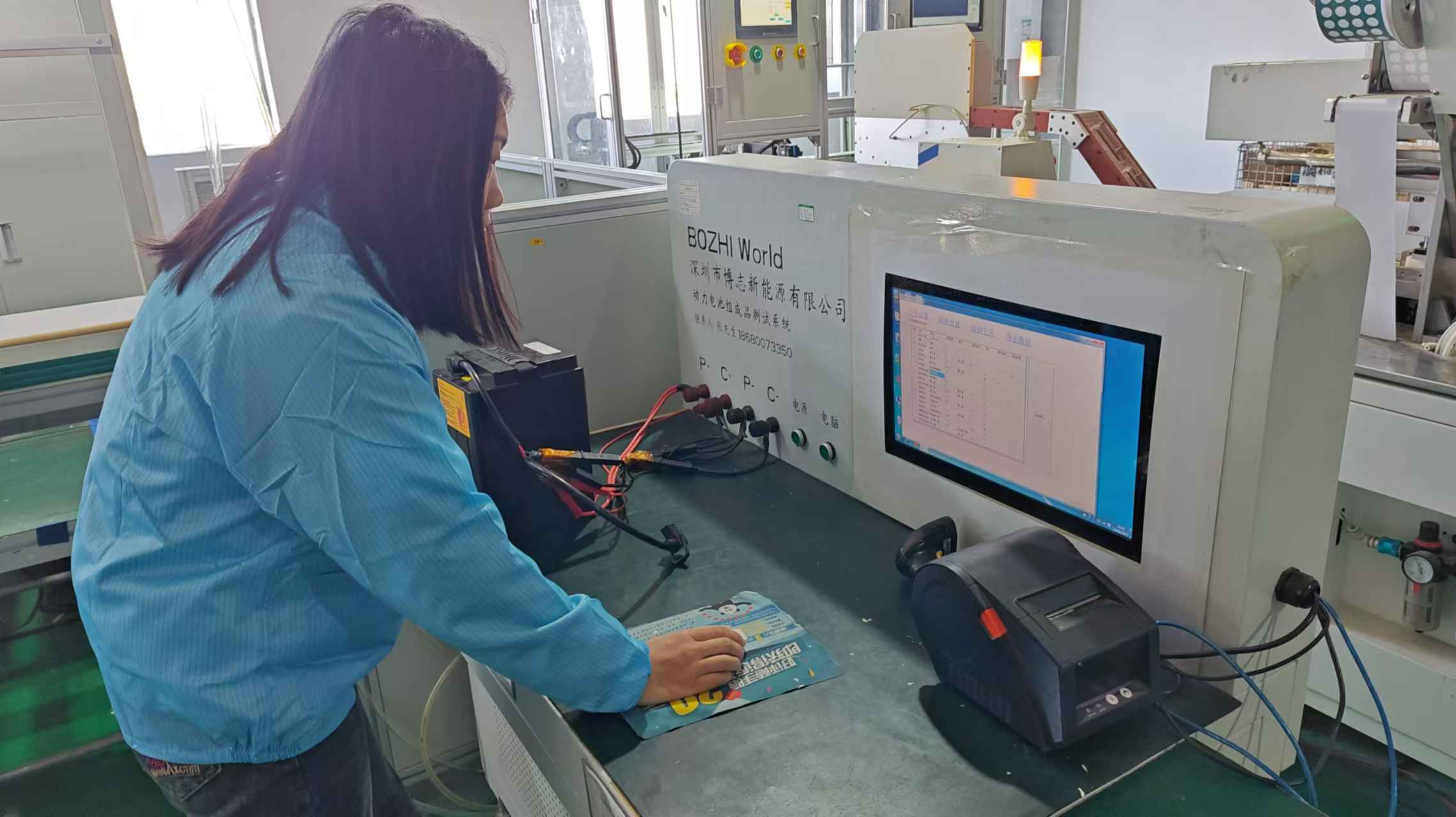
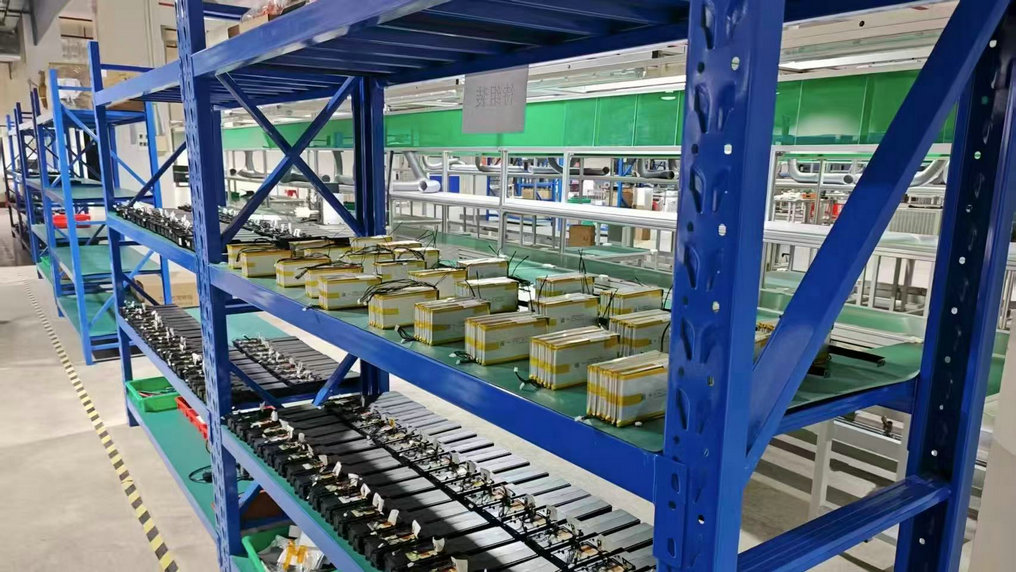
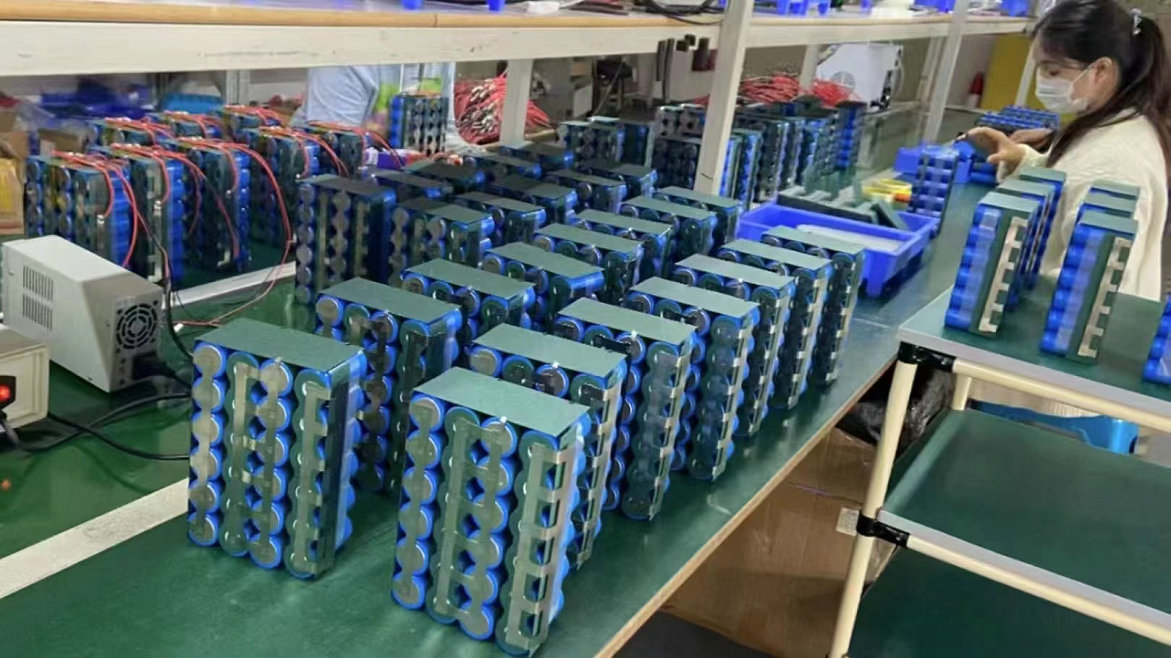
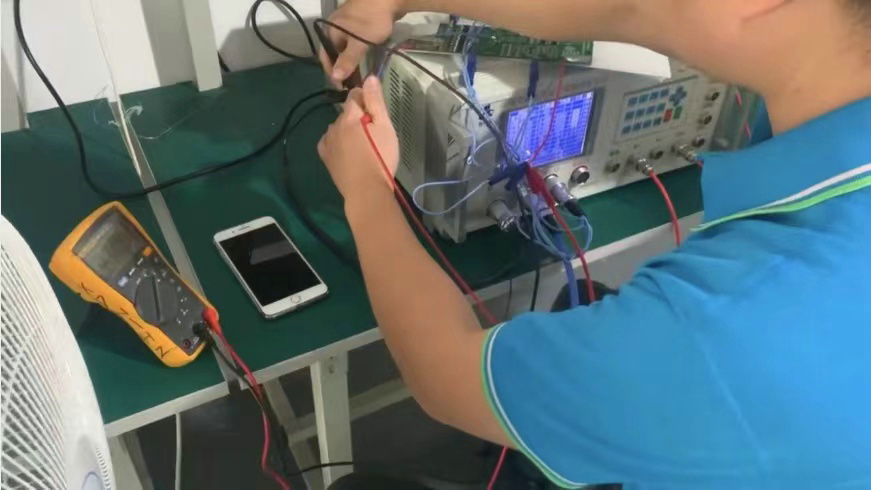
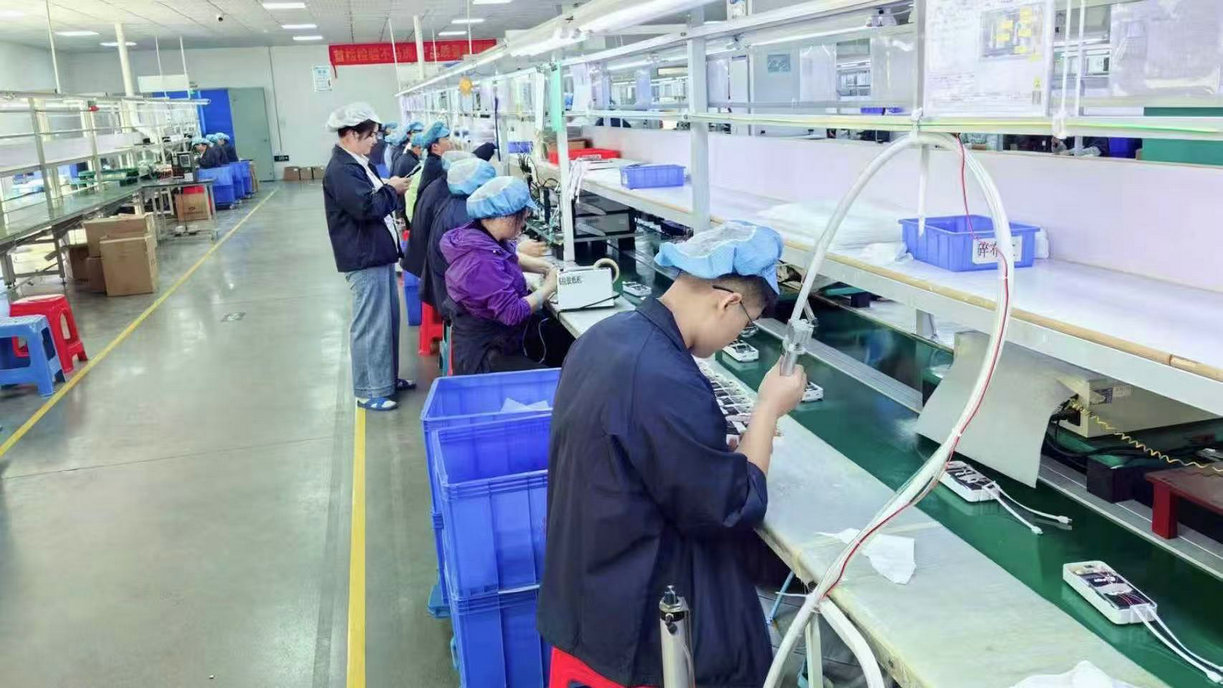
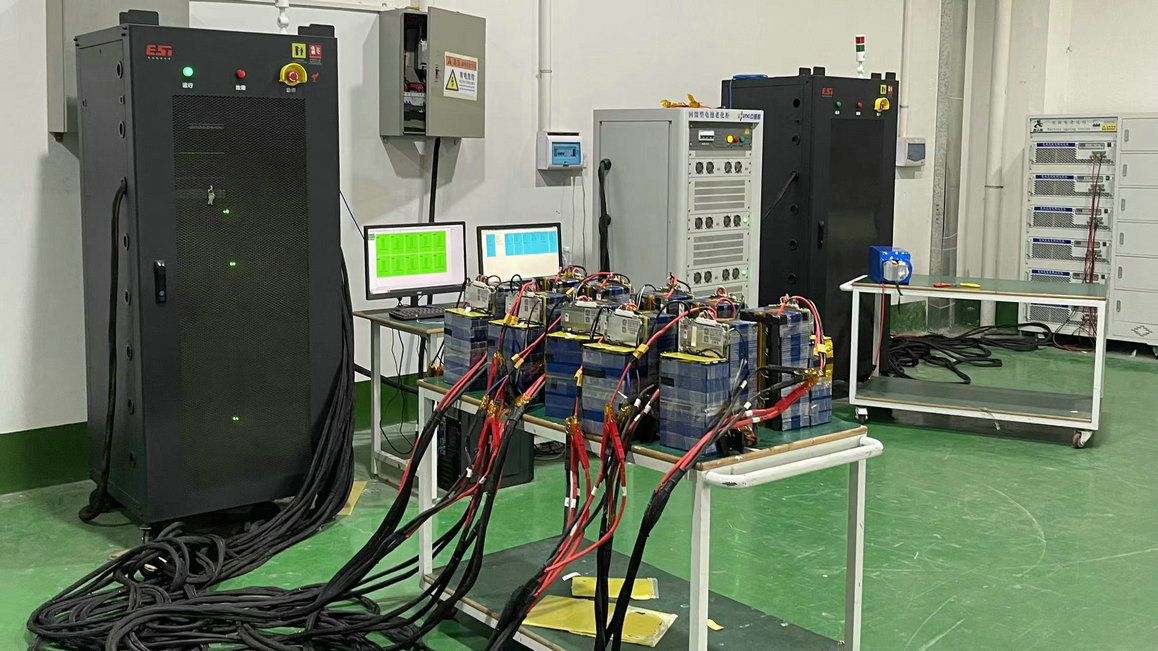
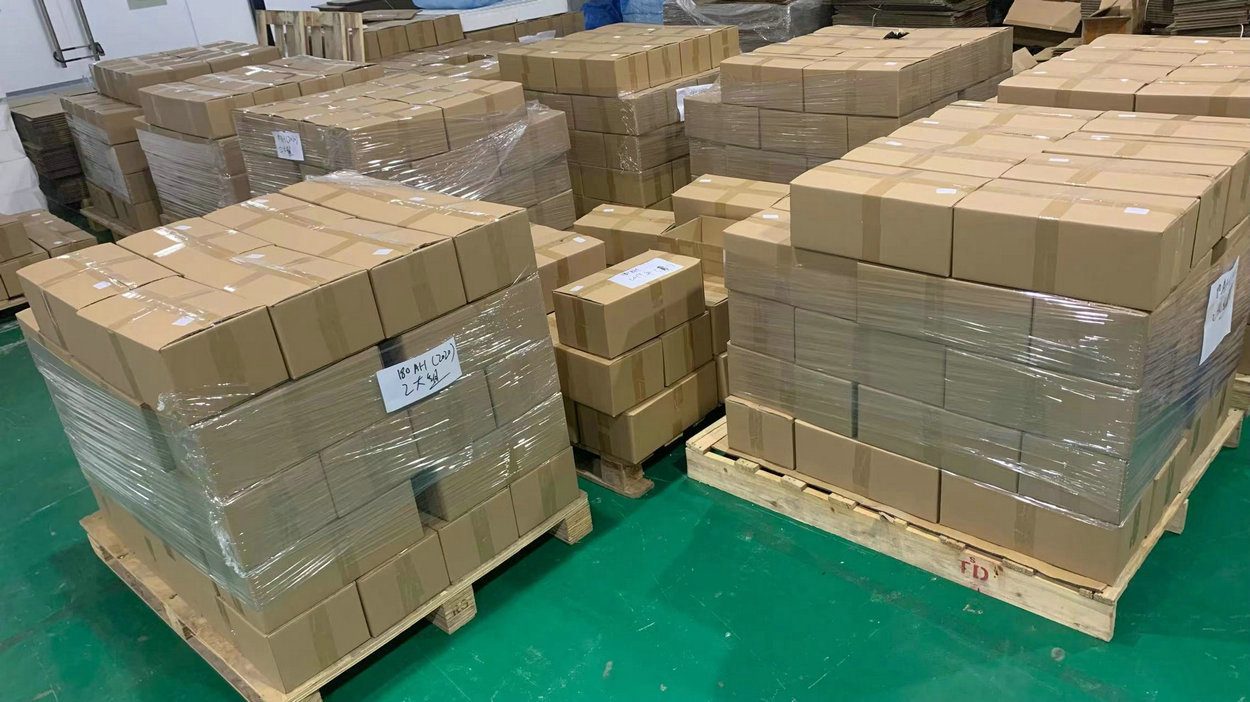
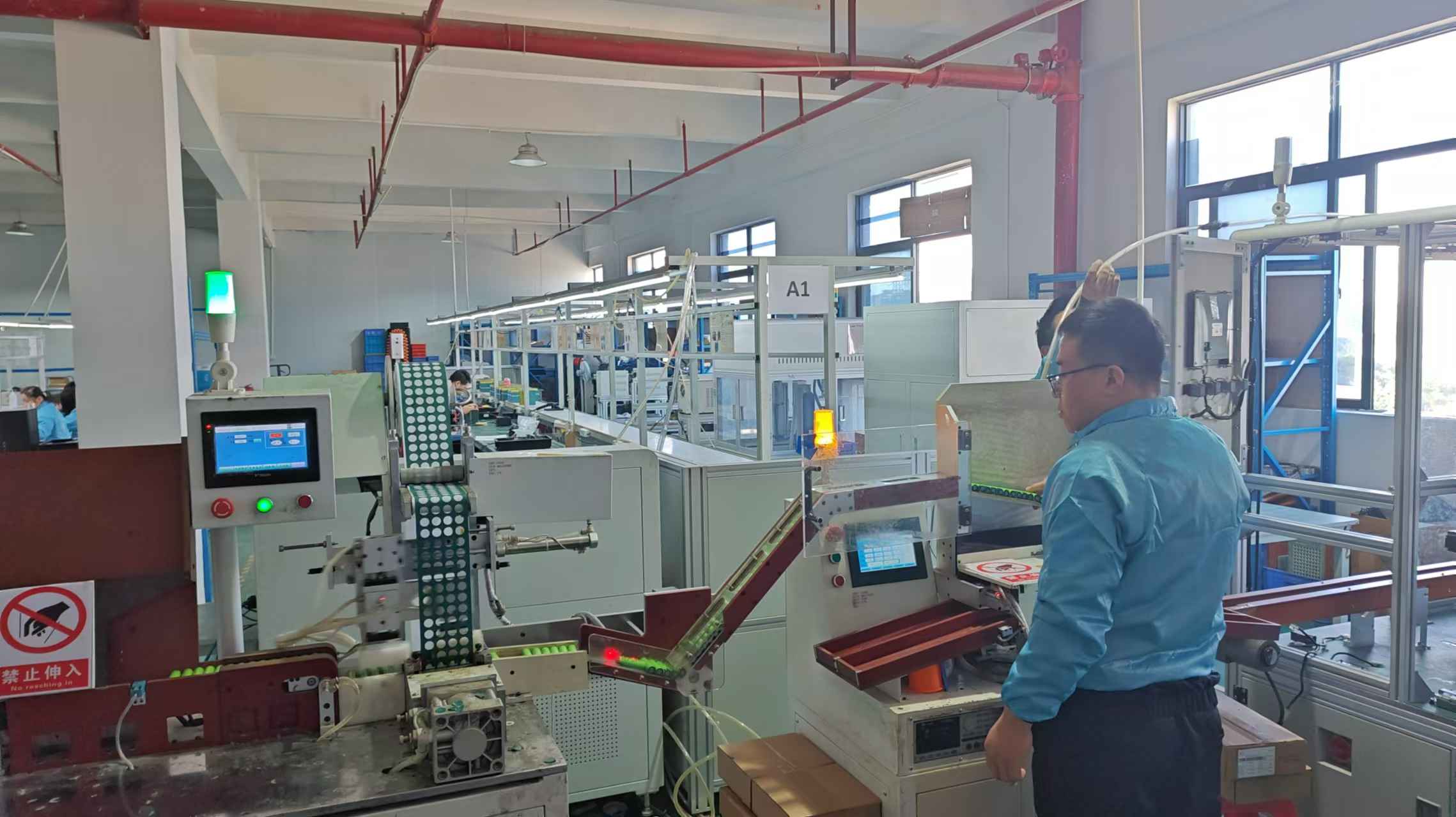
Inside our automated facility, where modern equipment, rigorous testing, and strict quality control ensure high-quality production.
Our manufacturing plant uses Factory 4.0 principles, blending advanced automation with continuous quality monitoring. By automating core processes, we reduce human error, optimize production costs, and maintain consistent product quality. Below is the step-by-step workflow of our battery pack assembly and testing line, ensuring every unit meets international safety and performance standards.
How our CE-certified connectivity systems and battery cells perform across specific, demanding environments.
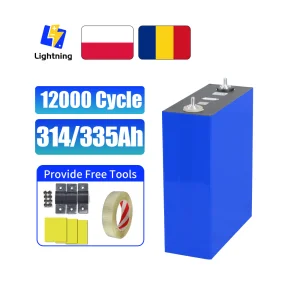
1. Commercial & Industrial (C&I) Energy Storage: In high-capacity PV solar storage installations, modules containing 3.2V 314Ah or 280Ah LiFePO4 cells are connected in series to build high-voltage DC bus systems (frequently exceeding 700V). Our low-resistance busbar connections prevent voltage drops, reducing energy loss and thermal stress to ensure stable performance for backup power and peak-shaving grids.
2. Material Handling & Electric Mobility: Forklifts, automated guided vehicles (AGVs), and golf carts experience constant vibrations in warehouses and industrial yards. Standard battery links can loosen or crack under this continuous stress. Our custom laser-welded busbars and vibration-resistant terminal designs keep connections secure, preventing intermittent power loss and keeping operations running smoothly.
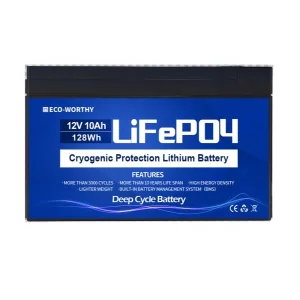
3. Cold-Climate Outdoor Equipment: In remote telecommunication base stations or off-grid solar fields, winter temperatures can fall well below freezing. Our low-temperature protection battery packs, featuring integrated heating elements and temperature-sensing connections, ensure safe charging and discharging even in freezing environments.
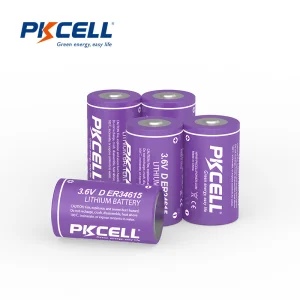
4. Heavy-Duty Industrial Telemetry & Smart Utilities: Infrastructure sensors, utility water meters, and remote environmental monitors require years of maintenance-free operation. Using high-energy Li-SOCl2 battery packs (such as the ER14505-2P or ER34615) paired with direct weld-pin terminals avoids the contact resistance variations of standard battery holders. This design delivers reliable, long-term power in tough field environments.
Addressing key technical, compliance, and custom design questions for engineering procurement managers.
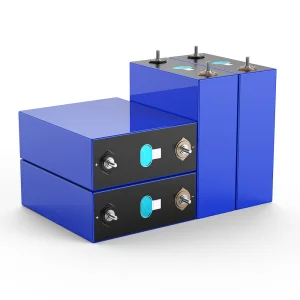
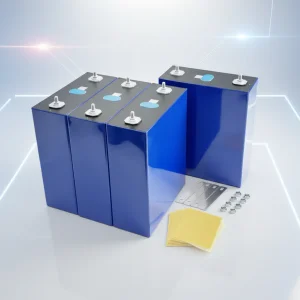
Broadening your systems compatibility with our heavy-duty, long-life lithium battery modules.
 Nuwon Energy