Our most sought-after battery cells engineered for robust applications, micro-mobility, and high-performance energy storage in the Egyptian and regional MENA markets.
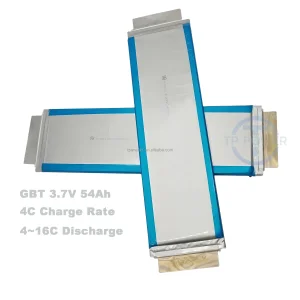
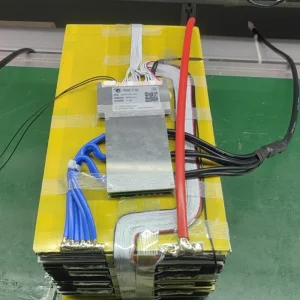
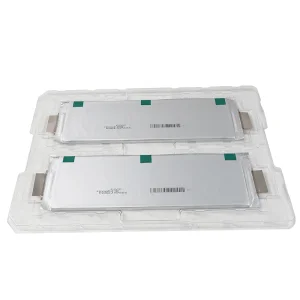
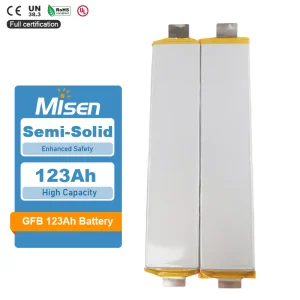
As the Arab Republic of Egypt steers aggressively toward its Egypt Vision 2030, the country is witnessing an unprecedented transition toward green energy, decentralized solar grids, and local electric vehicle (EV) manufacturing. Historically dependent on imported completed battery packs, Egyptian industrial sectors are now transitioning upstream. Commercial fleet operators, EV assembly initiatives, telecom agencies, and solar energy developers are prioritizing the sourcing of premium, high-density pouch cells for localized pack integration.
This localized shift is largely fueled by Egypt's geographical position as a major logistics hub bridging the Middle East, Africa, and Southern Europe. Additionally, the Suez Canal Economic Zone (SCZONE) has prioritized green investments, triggering a heavy B2B demand for customizable battery solutions that offer superior power-to-weight ratios compared to traditional lead-acid or bulky cylindrical cells.
Operating in North African climates presents a prominent technological hurdle: extreme high-ambient temperatures. Typical battery cells packaged inside rigid metal cans run a higher risk of localized heat retention, which can degrade cycle life and trigger safety hazards. Pouch cells, utilizing flexible laminated aluminum-plastic film, optimize heat dissipation due to their large flat surface area. This physical footprint allows Egyptian engineering operations to construct thinner, thermally efficient battery configurations optimized for desert and sub-tropical operations.
For B2B buyers, procurement officers, and engineering teams, understanding the specific advantages of pouch cell architectures is vital to selecting the correct battery chemistry. Below, we provide an analytical matrix comparing pouch configuration advantages under common operational stresses in the Egyptian industrial sectors:
| Performance Metrics | Pouch Cells (NCM/LFP) | Prismatic Cells | Cylindrical Cells | |
|---|---|---|---|---|
| Energy Density (Wh/kg) | Excellent (250–350 Wh/kg; Solid-state up to 452 Wh/kg) | Moderate to High (160–240 Wh/kg) | Moderate (180–260 Wh/kg) | |
| Thermal Dissipation Efficiency | Superior (Thin, flat form factor allows direct cooling plates) | Moderate (Thick metallic housing captures internal heat) | Low (Round configurations leave air pockets, hard to cool evenly) | |
| Mechanical Design Customization | Maximum (Custom lengths, widths, and thicknesses are easy to tool) | Rigid (Standardized chassis sizes require fixed pack layouts) | Rigid (Limited scaling options, dependent on 18650/21700/4680 sizes) | |
| Safety and Venting | Safe (Gently swells under gas release, preventing explosive rupture) | Moderate (Relies on pressure relief valves, metal casing danger) | Low (Higher chance of internal thermal runaway cascade) | |
| Weight Reduction Benefit | Up to 30% weight saving vs metallic housings | Heavy metal casing adds system weight | Substantial weight due to hundreds of steel connectors |
Guangdong Nuwon Energy Co., Ltd. is a leading manufacturer and solution provider in advanced battery systems, specializing in the research, development, manufacturing, and global distribution of high-performance energy storage products. The company offers comprehensive OEM and ODM services, delivering customized battery solutions tailored to diverse industrial and commercial applications.
Backed by a highly experienced engineering and R&D team, Nuwon Energy focuses on the design and integration of cylindrical and prismatic lithium battery cells, as well as complete battery packs, modules, and energy storage systems. The company also develops and produces industrial-grade battery cells engineered for safety, durability, and long cycle life.
Guangdong Nuwon Energy serves a wide range of industries, including consumer electronics, electric mobility (such as golf carts, forklifts, UTVs/ATVs, trucks, and marine systems), medical equipment, unmanned ground vehicles (AGVs/AMRs), and emerging aerospace applications such as eVTOL aircraft. In addition, the company provides reliable residential, commercial, and industrial (C&I) energy storage solutions designed to support the global transition toward clean and sustainable energy.
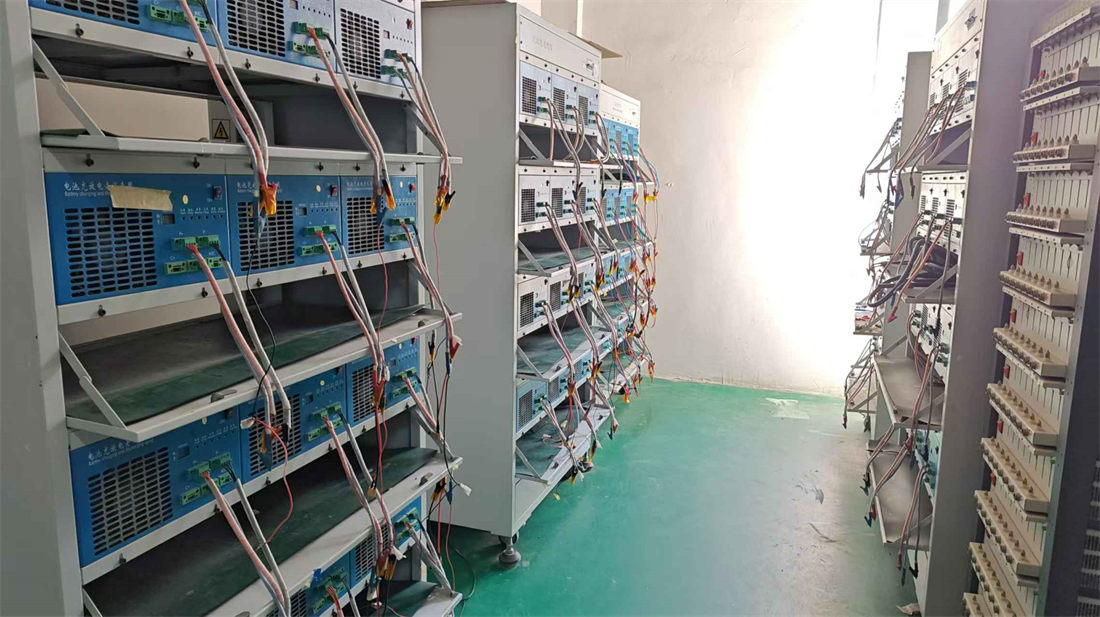
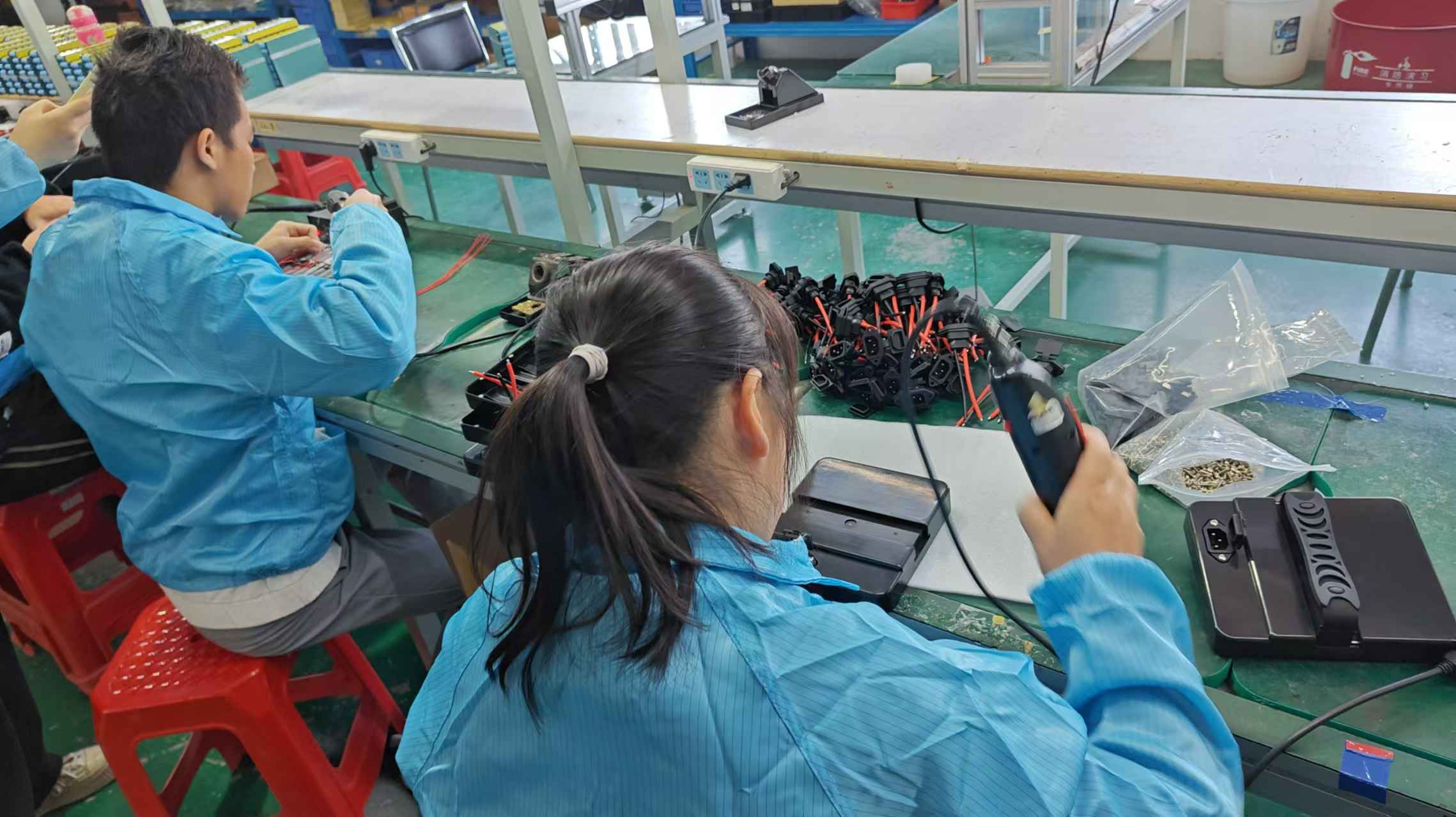
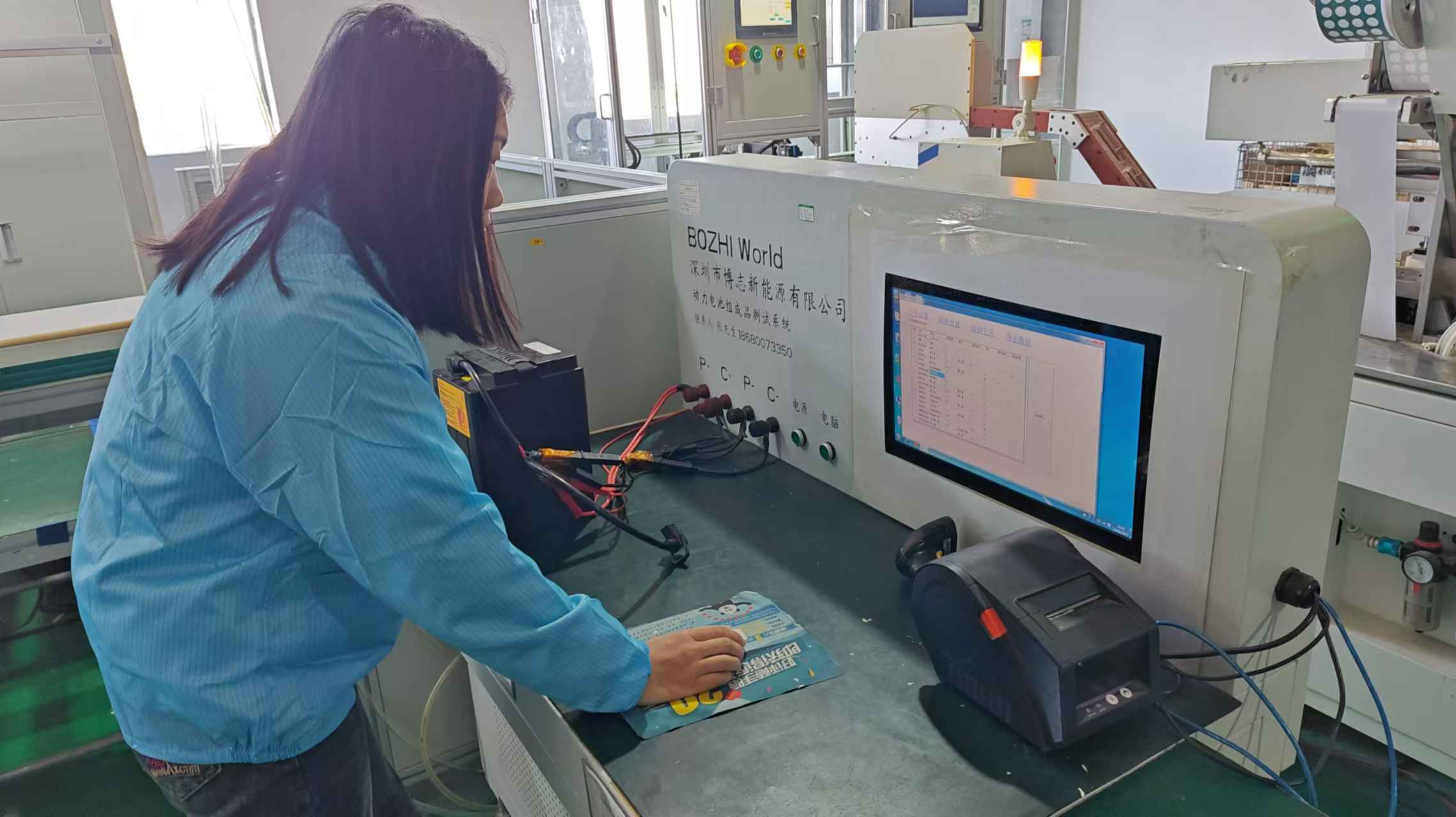
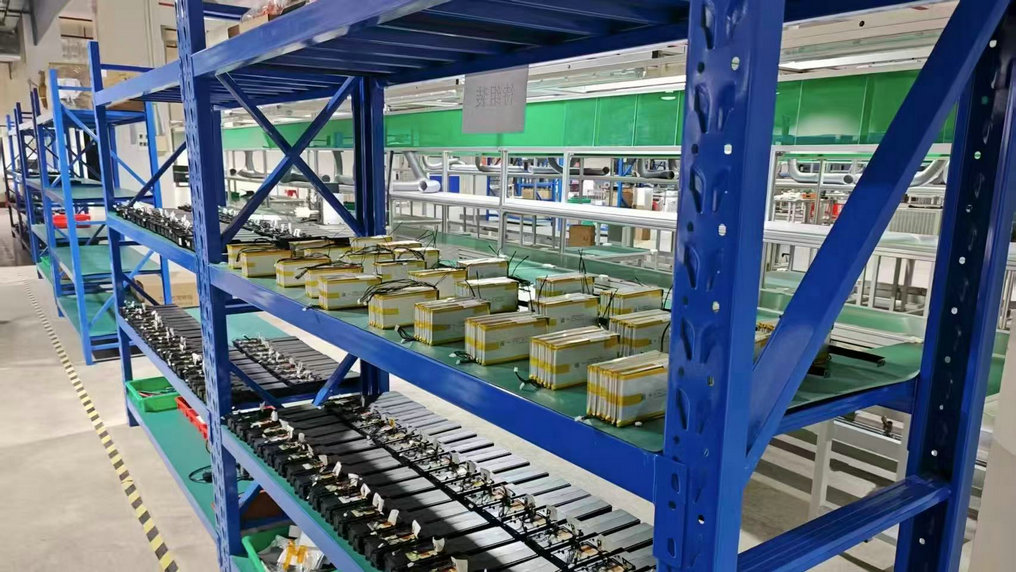
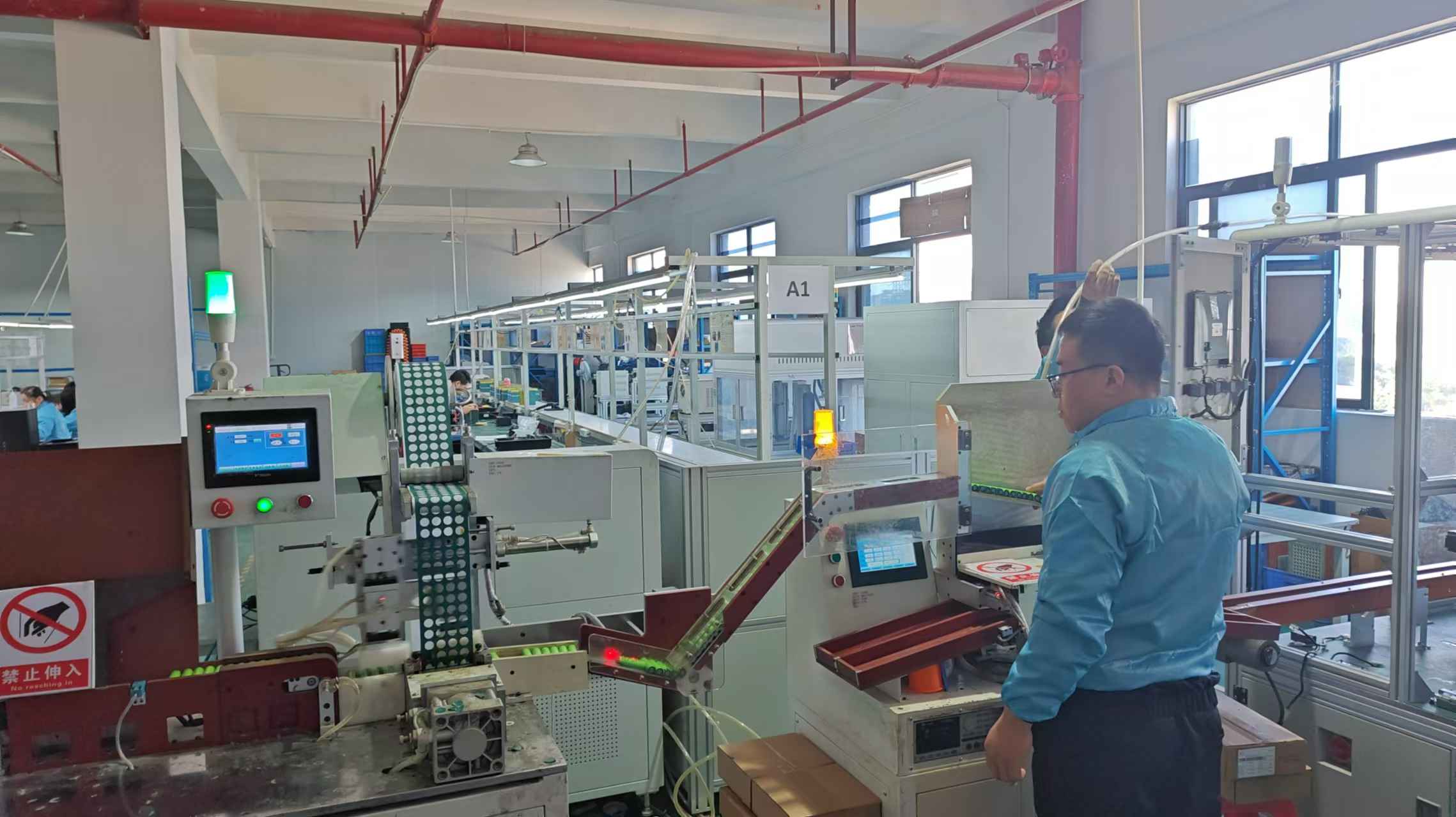
With a strong commitment to innovation, strict quality control, and customer-centric service, Guangdong Nuwon Energy continuously invests in advanced manufacturing capabilities, automated production lines, and rigorous testing systems. This ensures that every product meets international safety standards and delivers exceptional performance in demanding environments.
Driven by a vision to accelerate global electrification and energy efficiency, Guangdong Nuwon Energy Co., Ltd. is dedicated to building long-term partnerships and providing reliable, intelligent, and sustainable energy solutions to customers worldwide.
To secure a reliable battery supply chain, Egyptian importers must look beyond raw capacity. Guangdong Nuwon Energy Co., Ltd. implements state-of-the-art Factory 4.0 automation. Our automated production line ensures cell consistency, which prevents premature capacity fade in multi-cell assemblies. Below is our rigorous step-by-step manufacturing and quality control sequence, guaranteeing that every shipped cell reaches peak performance:
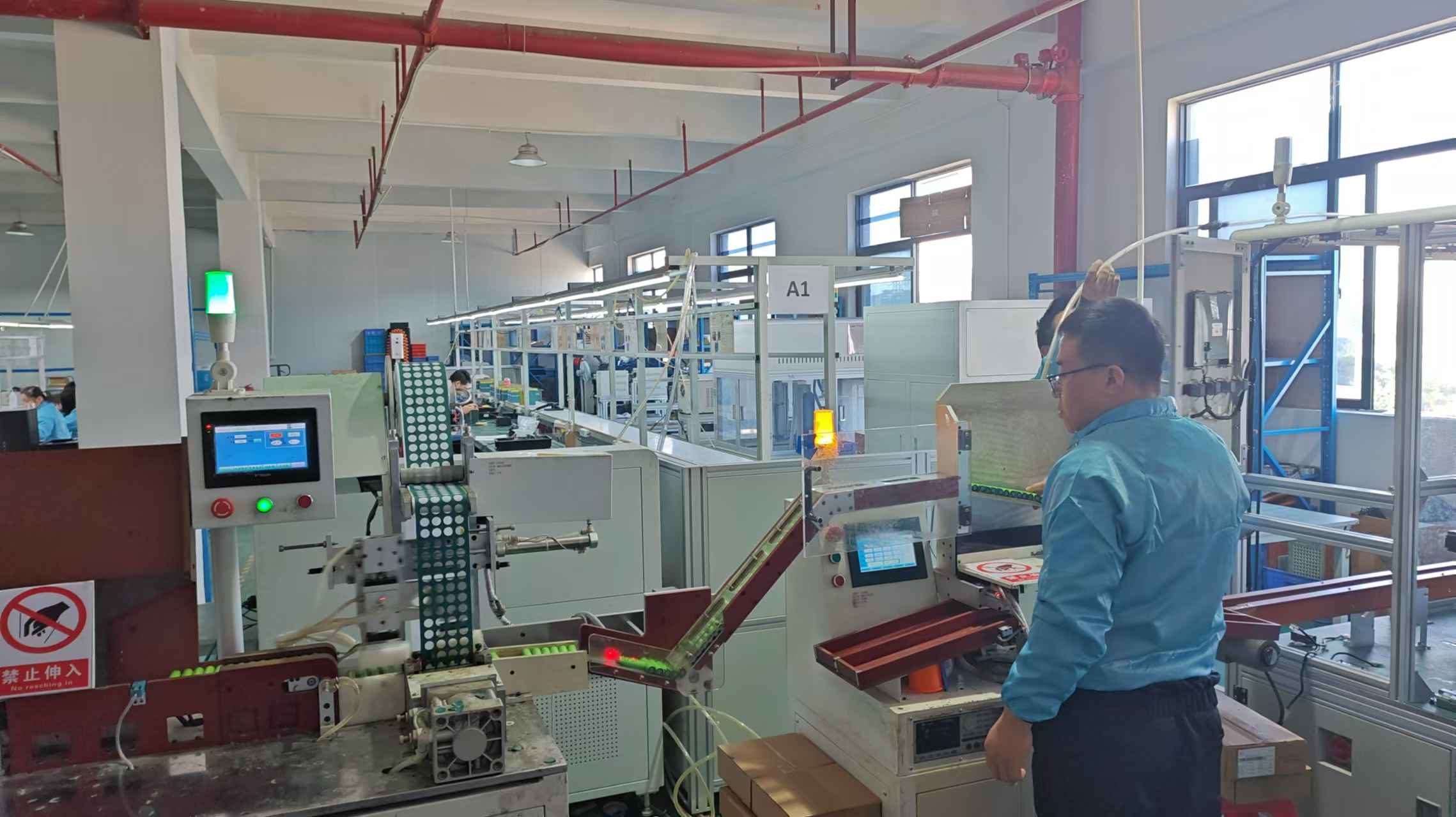
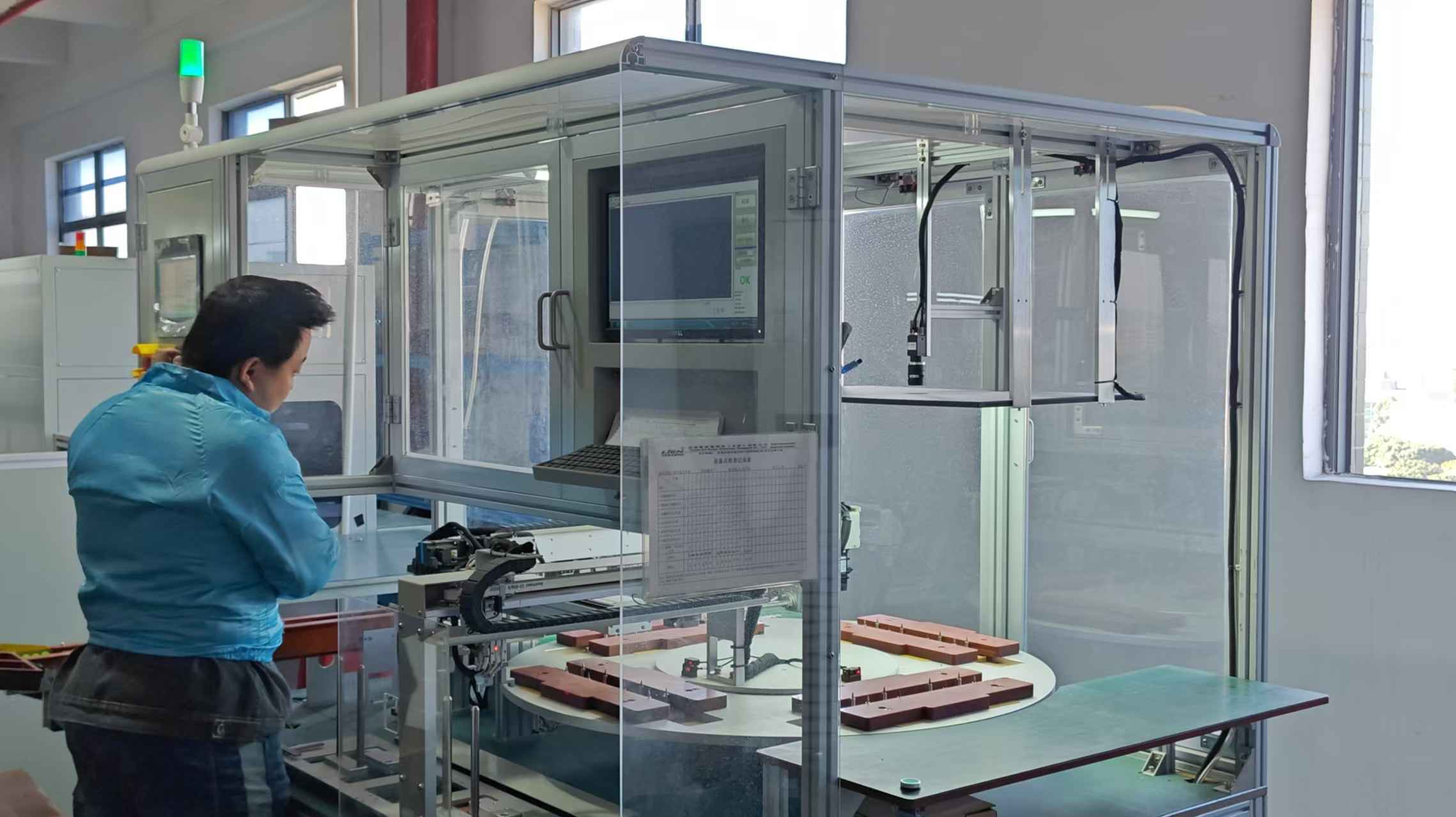
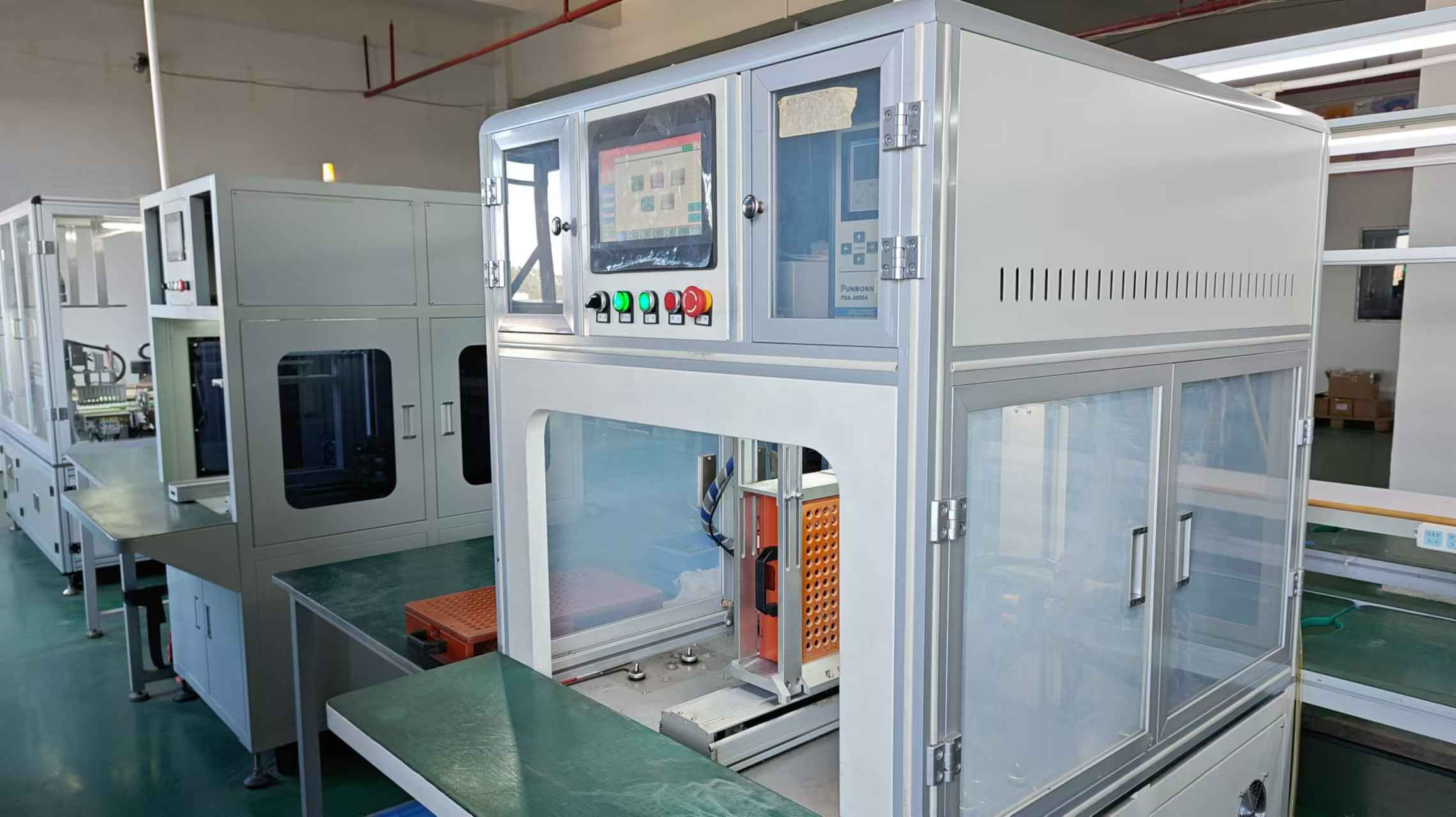
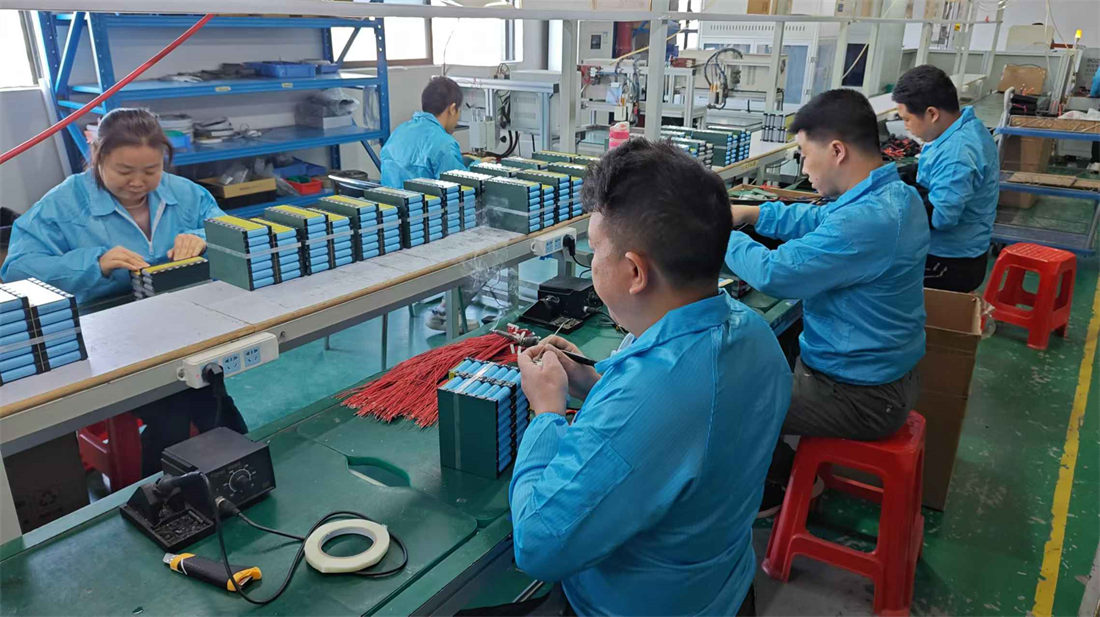
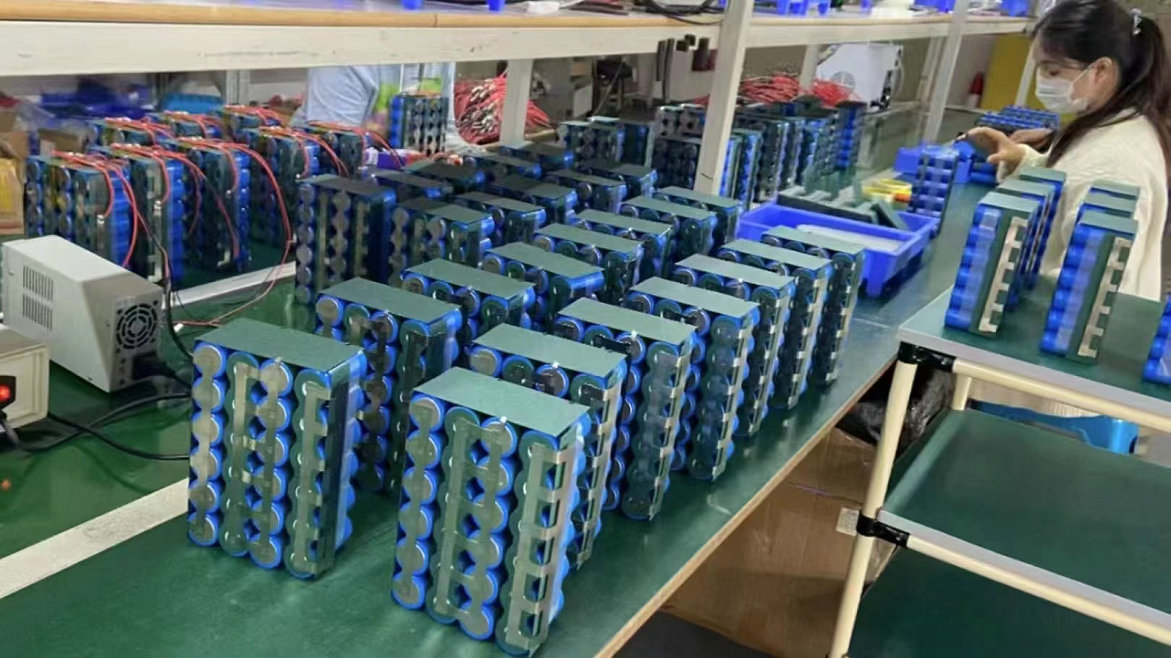
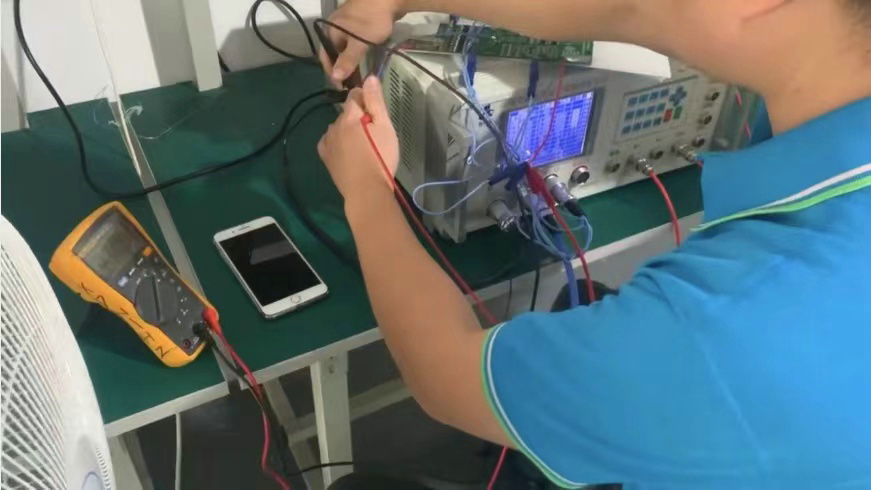
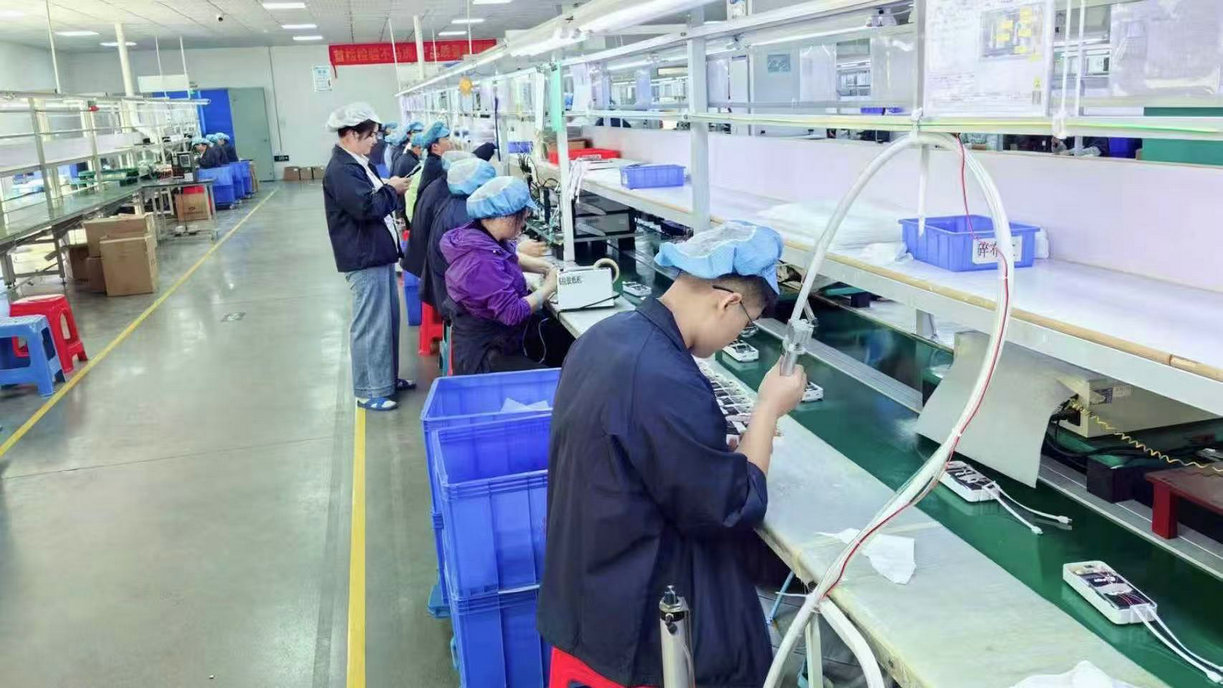
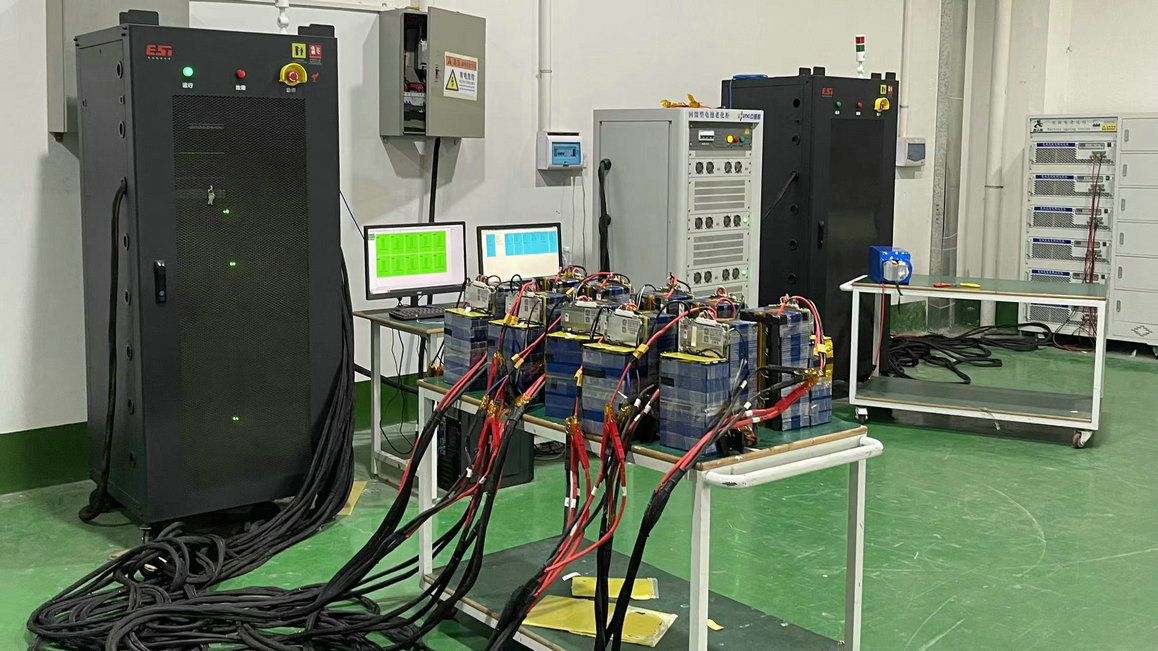
Direct-from-factory cells matching international safety certifications (KC, IEC, UN38.3) for consumer electronics, industrial drones, and custom storage packs in Egypt.
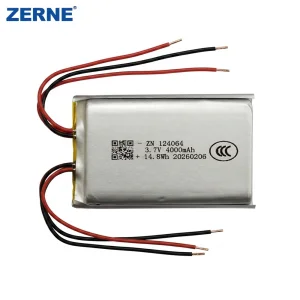
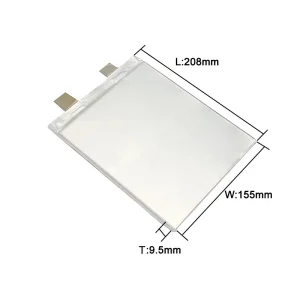

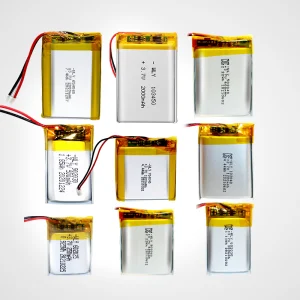
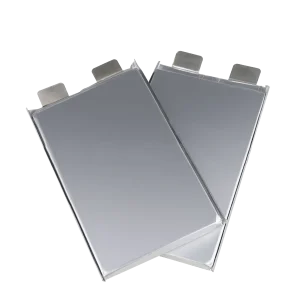
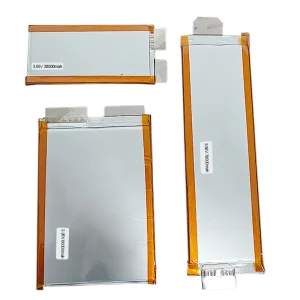
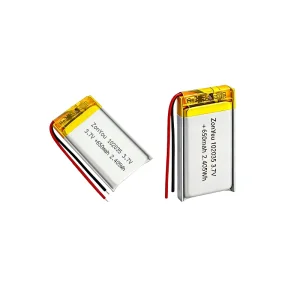

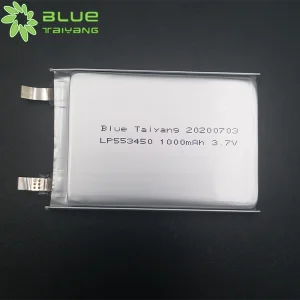
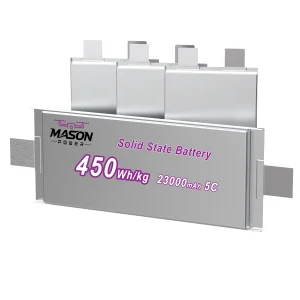
Customization allows our pouch cells to adapt perfectly to Egypt's unique commercial ecosystems. Rather than relying on standard components, engineers in cities like Cairo, Alexandria, and Tenth of Ramadan City deploy Nuwon Energy pouch cells in four critical application sectors:
To combat urban pollution and transition away from high fossil fuel subsidies, metropolitan centers in Cairo and Alexandria are integrating high-discharge NMC pouch cells (such as our GBT 3.7V 49.2Ah - 67Ah range) into swappable battery packs for delivery tricycles and electric scooters. The high continuous discharge rate (4C to 16C) provides consistent motor torque even during steep, congested city driving.
In the Sinai Peninsula and Upper Egypt, off-grid solar-powered street lighting demands long-lasting energy storage. Our 3.2V 25Ah LiFePo4 (LFP) pouch cells offer up to 4000 cycles at 80% DOD. Unlike heavy prismatic blocks, pouch packs can be placed directly inside the light pole casing, simplifying installation and protecting the cells from vandalism and high temperatures.
Modern agriculture in Egypt relies on drones for precision crop dusting and field monitoring. This requires batteries with the highest energy-to-weight ratios. Our ultra-lightweight Solid-State 33000mAh and 452Wh/kg premium solid-state pouch cells provide professional drones with longer flight times, increasing coverage per charge across Egypt's agricultural zones.
Telecom networks in Egypt's desert regions require robust, maintenance-free backup power. Our custom LiFePO4 and NMC pouch configurations operate reliably in high ambient temperatures, replacing lead-acid batteries and reducing cooling costs at remote base stations.
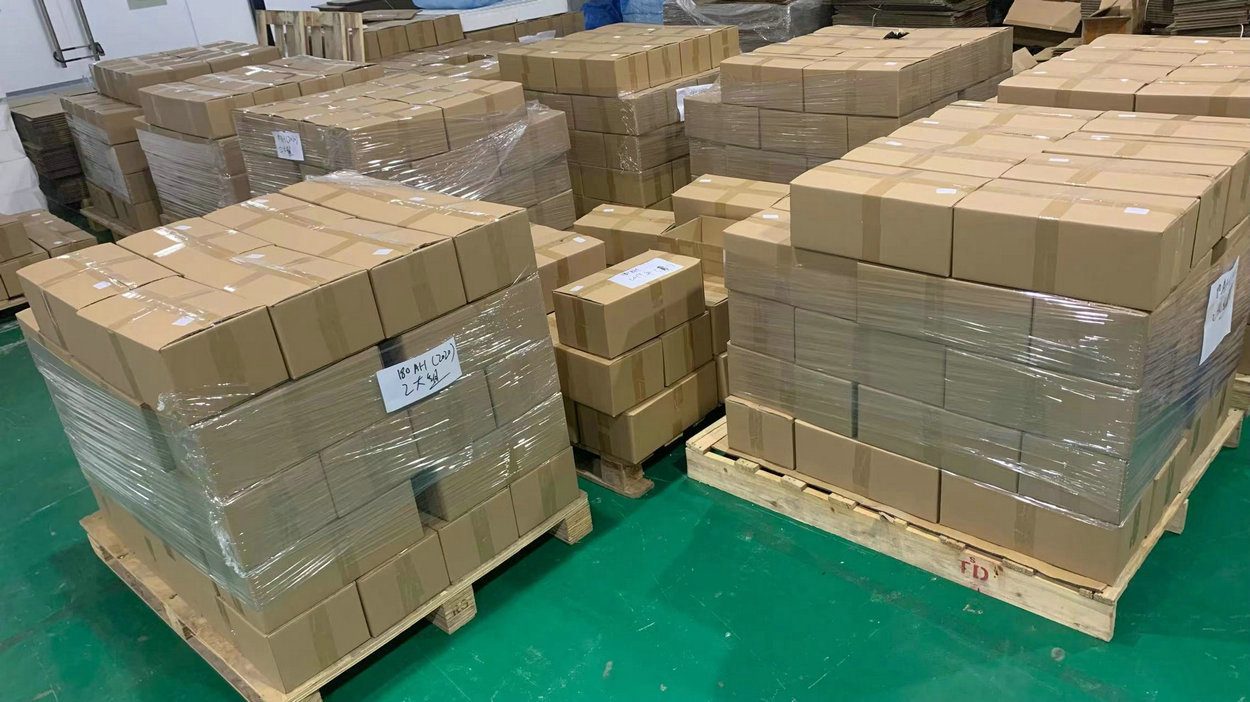
Importing industrial lithium-ion batteries into Egypt requires strict compliance with local customs, safety testing, and global chemical transport standards. As an experienced exporter, Guangdong Nuwon Energy Co., Ltd. coordinates the entire logistics chain from our production facility to major Egyptian ports like Alexandria, Port Said, and Sokhna.
All battery shipments include essential certification documents, including UN38.3 test reports, Material Safety Data Sheets (MSDS), and marine transport certificates. We assist Egyptian importers in preparing for customs clearance, ensuring that shipments comply with Egypt's import regulations and meet the quality standards required by the General Organization for Export and Import Control (GOEIC).
Common B2B procurement queries concerning the import, integration, and performance of our pouch cells in Egypt.
 Nuwon Energy