Engineered for high thermal stability, extended cycle lifespan, and compliance with the most stringent global safety certifications.


How modern regulatory pathways and custom manufacturing are mitigating the risks of high-density energy storage systems.
The global transition to electrification has driven demand for high nickel content (e.g., NCM 613, NCM 811) and high-density LFP cells. However, managing thermal runway propagates as the single most critical engineering bottleneck. Modern packaging requires micro-second response BMS, phase-change materials (PCM), and structural aerogels to ensure cell-to-cell thermal isolation.
Cross-border supply chains require compliance with stringent regulations including UN38.3 for transport safety, IEC 62619 for industrial applications, and UL 9540A for large-scale Battery Energy Storage Systems (BESS). An expert OEM/ODM partner integrates compliance testing at the conceptual design phase, shortening Time-To-Market from years to months.
Repetitive cycling in cold environments or high-rate charging processes triggers lithium plating and dendrite growth, risking internal micro-short circuits. Utilizing solid-state electrolytes like LLZTO (Lithium Lanthanum Zirconium Titanium Oxide) or ultra-stable LTO (Lithium Titanate) chemistries effectively suppresses dendrite penetration, extending cycle life up to 20,000 cycles.
Expertise, Authoritativeness, and Trustworthiness in Advanced Battery Solutions.
Guangdong Nuwon Energy Co., Ltd. is a premier global manufacturer and solution provider specializing in advanced battery systems. From initial chemistry research to comprehensive pack assembly, the firm specializes in the engineering, development, manufacturing, and global exportation of high-performance energy storage technologies. By offering fully integrated OEM and ODM services, we customize lithium-based platforms to fit severe industrial, commercial, and mobility applications where safety, reliability, and lifespan are non-negotiable.
Driven by an engineering-first philosophy, our research and development department works directly on the refinement of cylindrical and prismatic lithium cell structures (LFP, NMC, LTO), battery management systems (BMS), and thermal barriers. Whether our clients require specific high-rate NMC pouch cells for motorsport starting configurations or custom containers for microgrid storage, Nuwon Energy applies rigorous industrial engineering workflows to guarantee fail-safe architectures.
Our operational reach spans essential high-hazard and highly regulated environments, including medical-grade electronics, automated guided vehicles (AGV/AMR), aerospace platforms (eVTOL), heavy-duty material handling, and C&I (Commercial & Industrial) energy storage applications. Through targeted investments in smart production engineering and strict quality audits, we ensure that every solution aligns with top global standards.
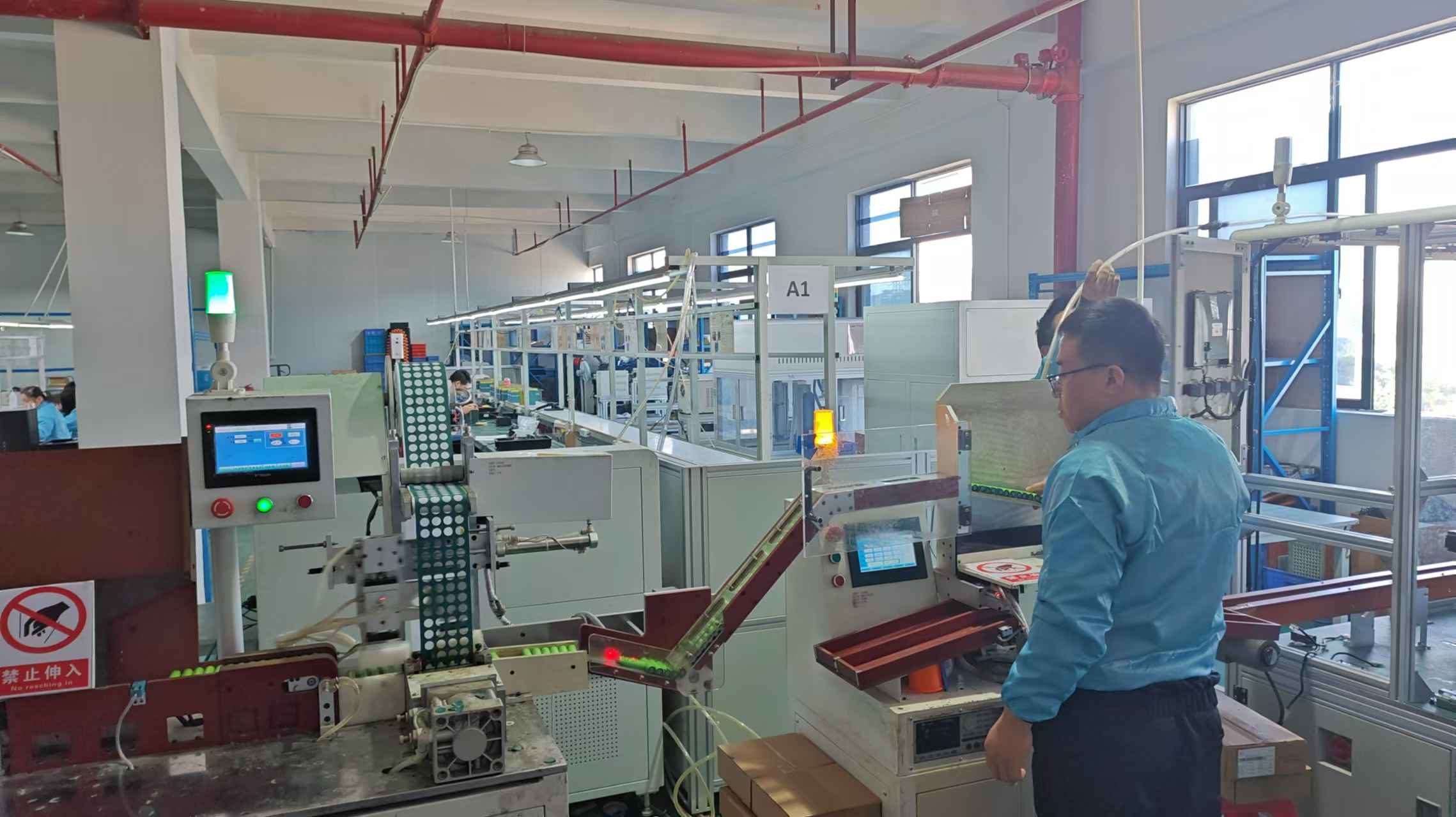
Precision-guided stages of raw cell sorting, precision micro-welding, automated aging, and insulation verification at our factory.
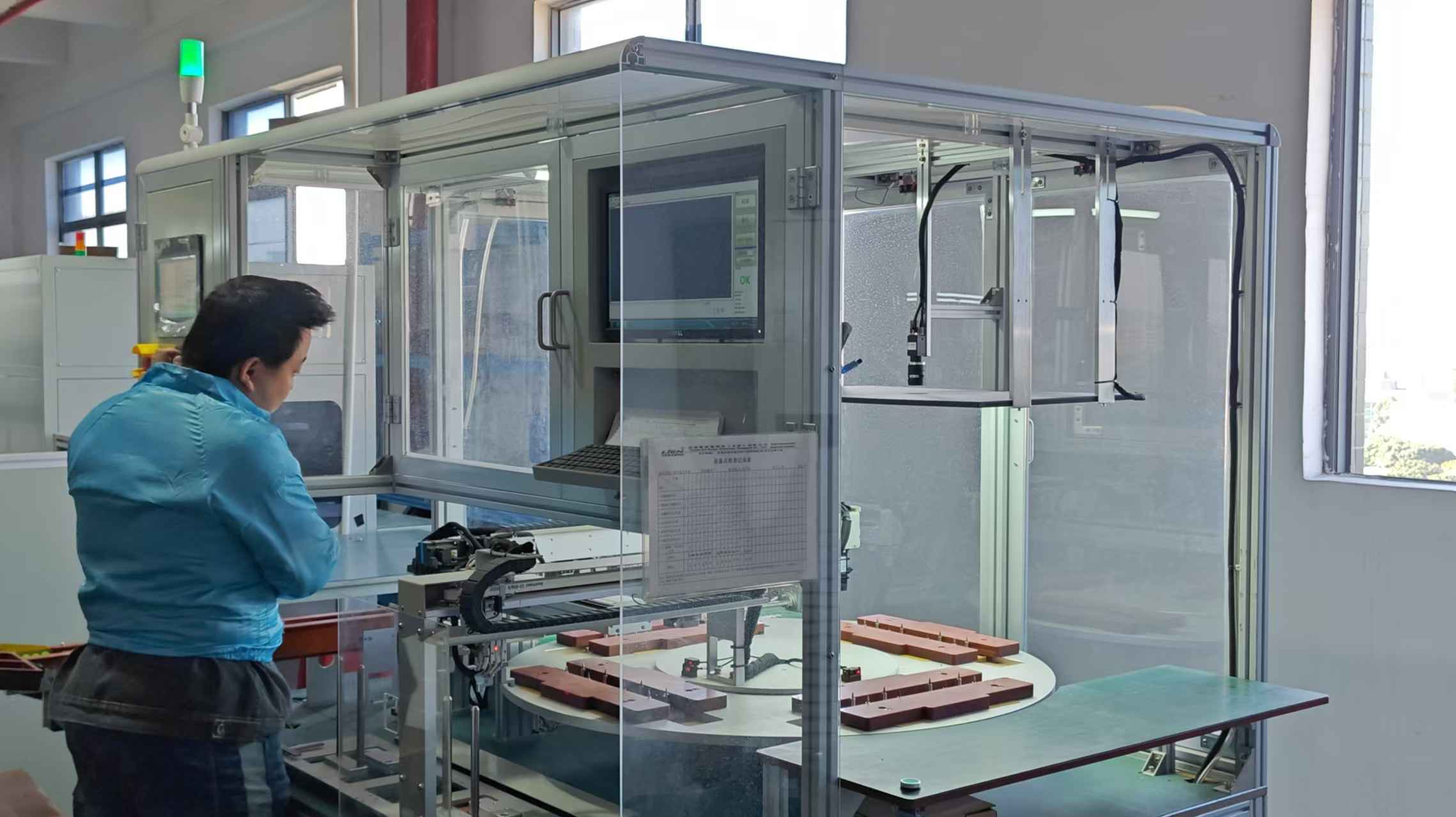
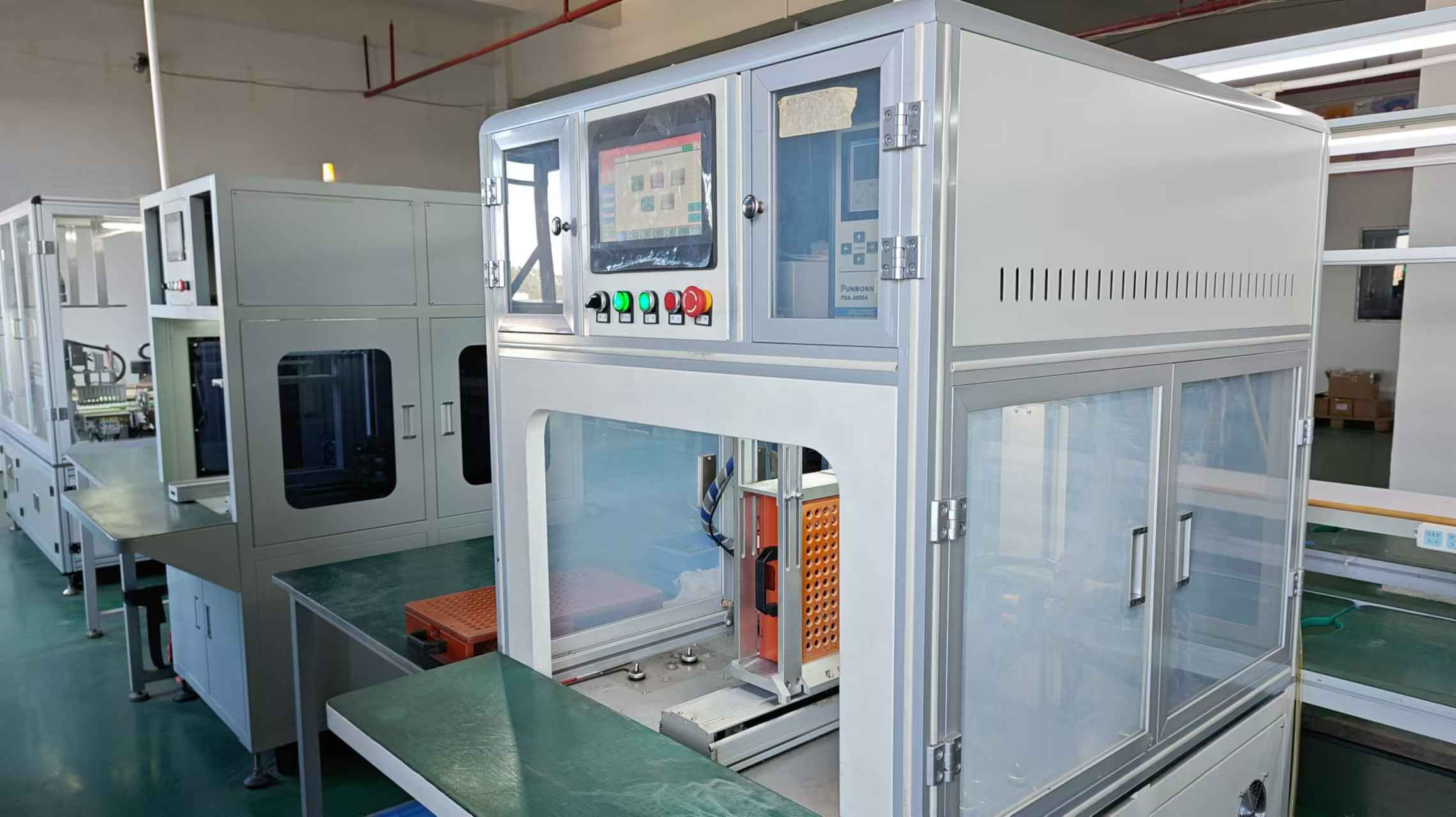
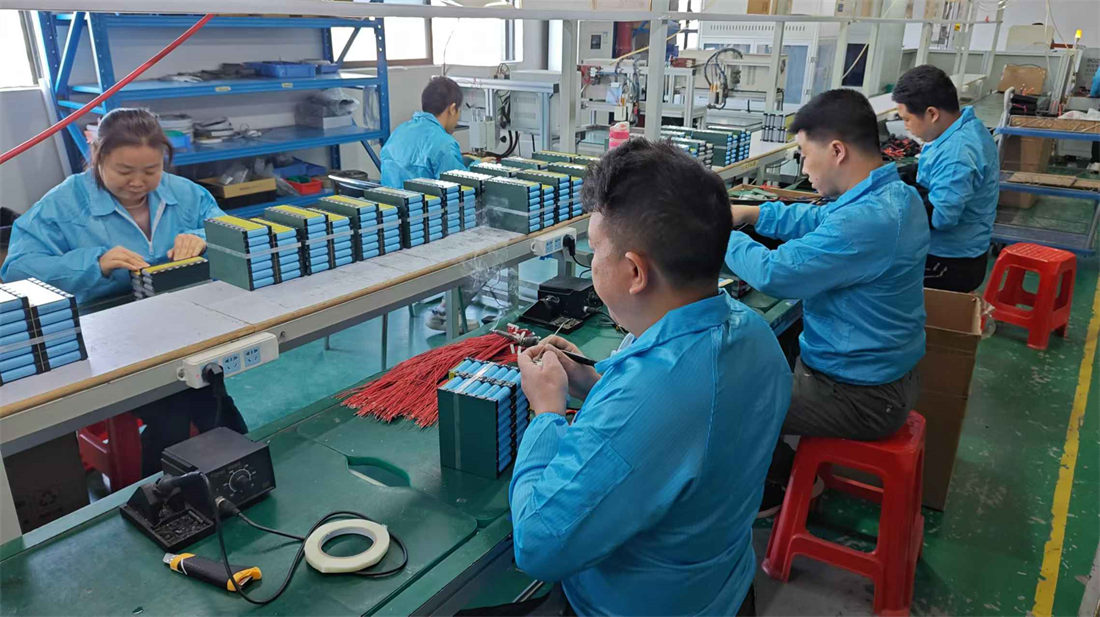
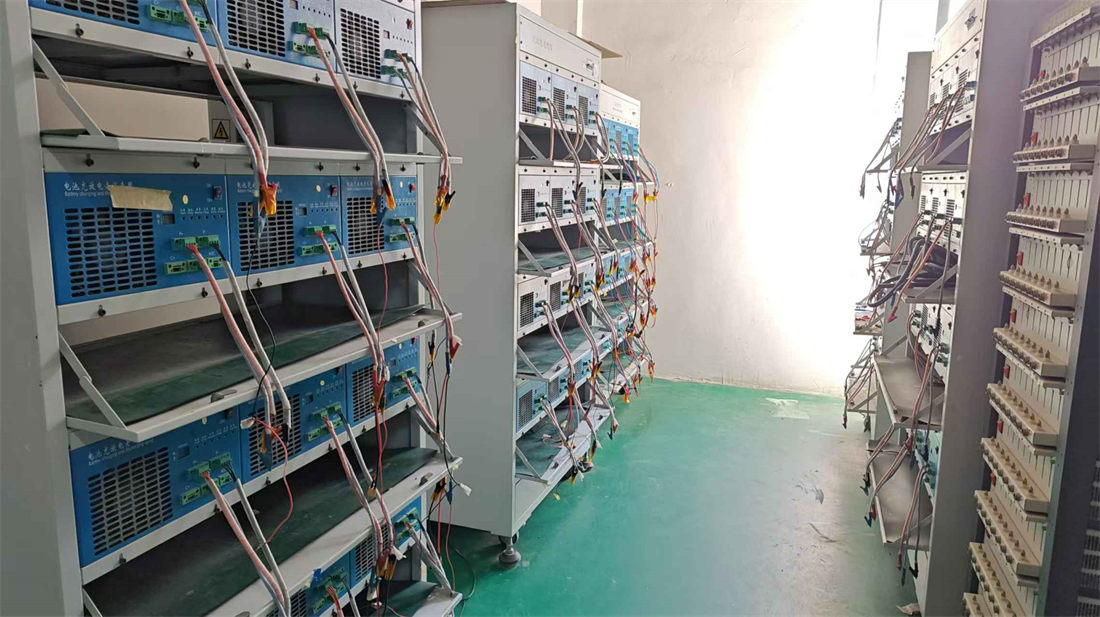
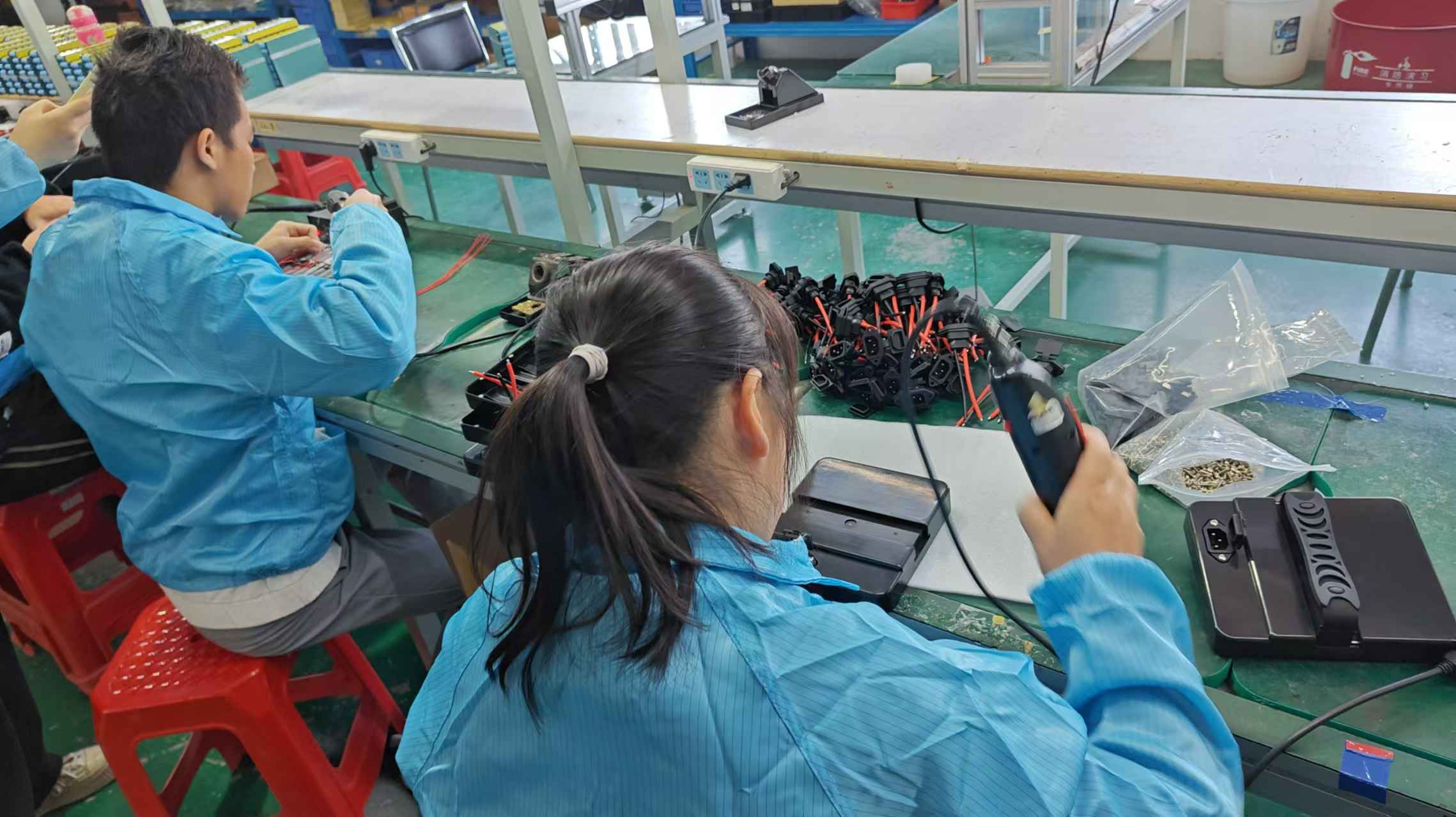
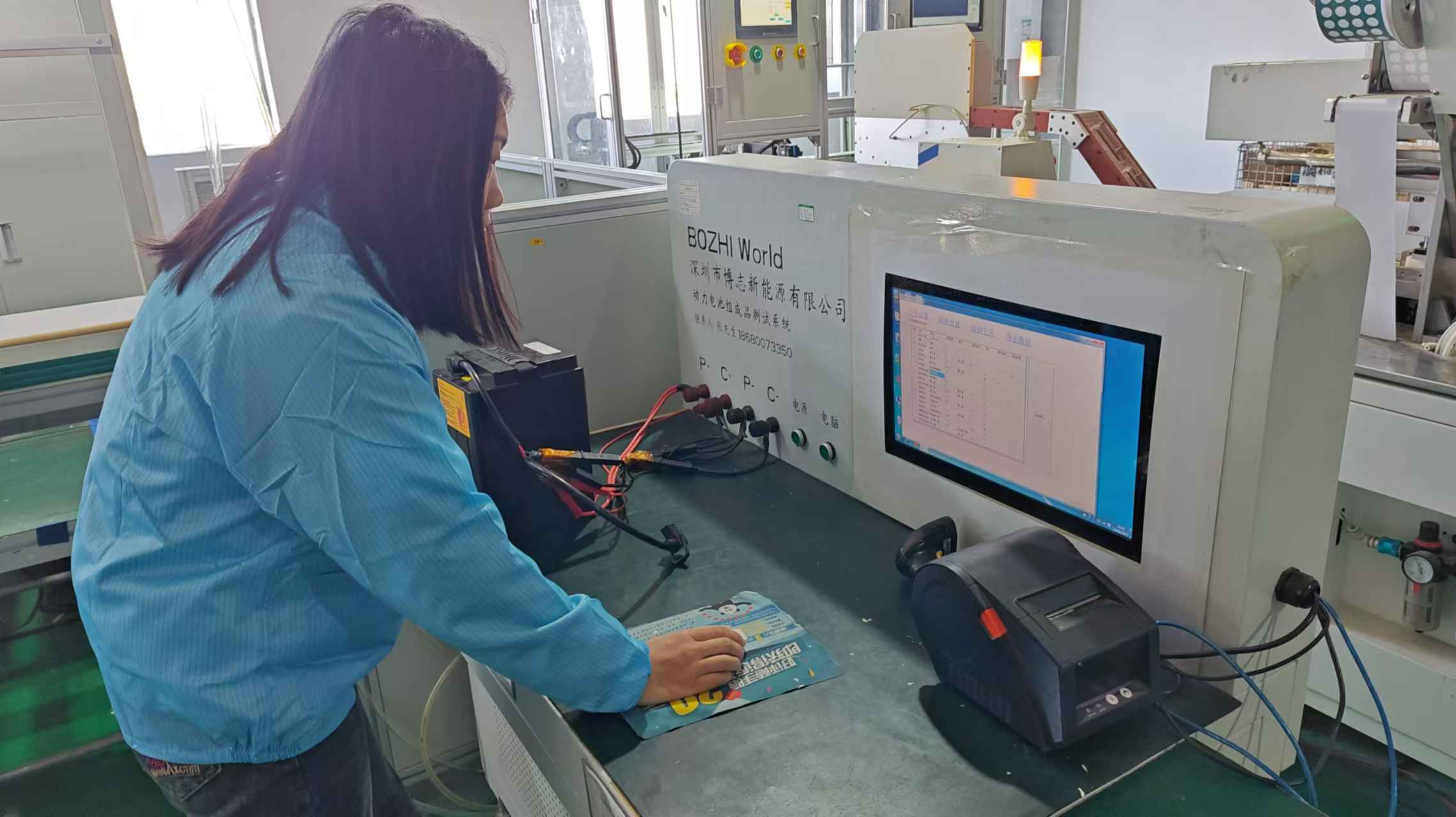
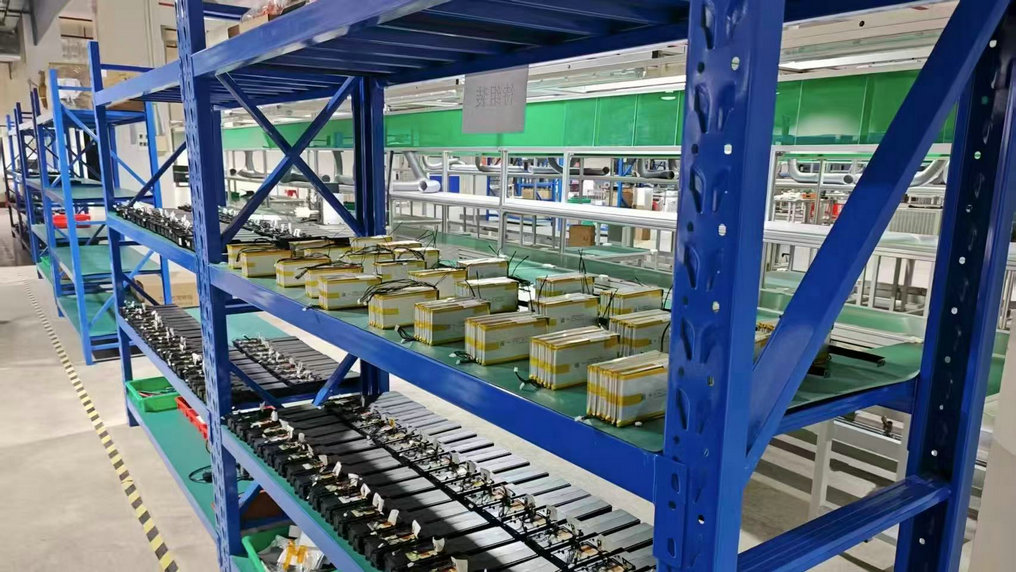
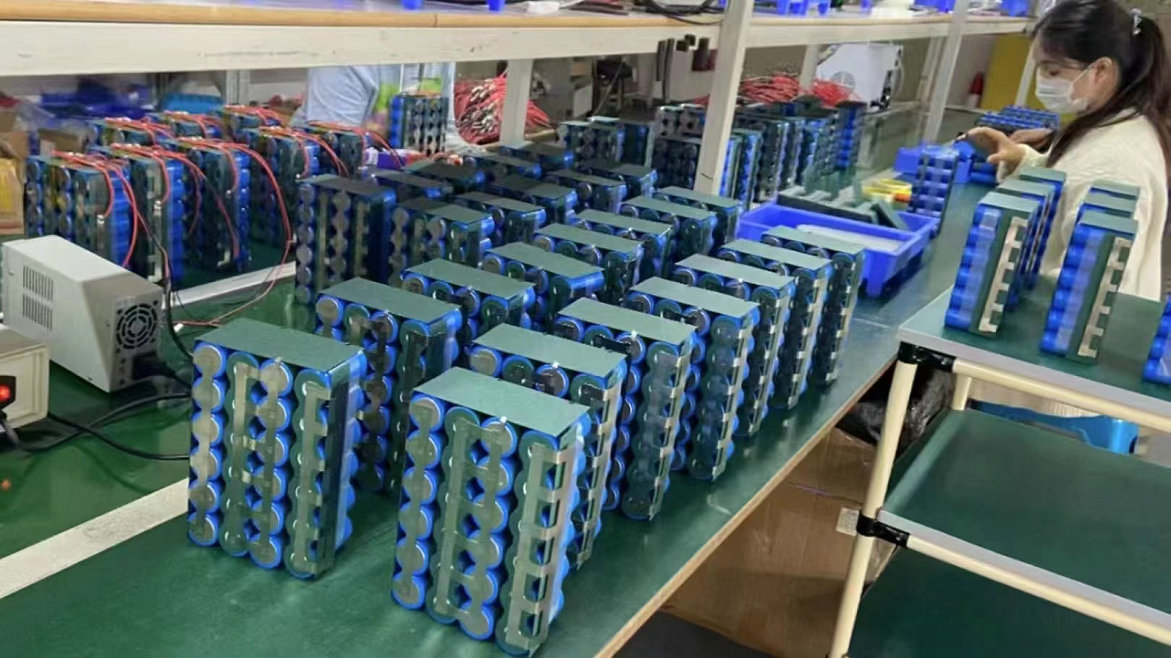
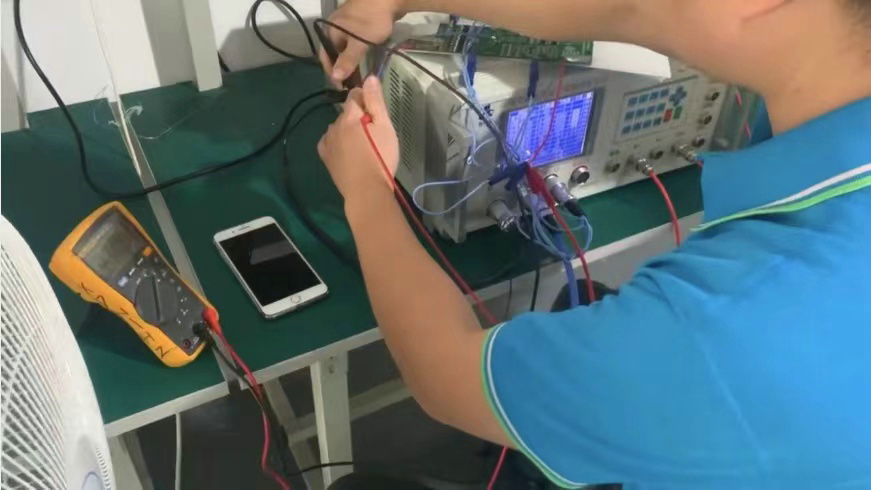
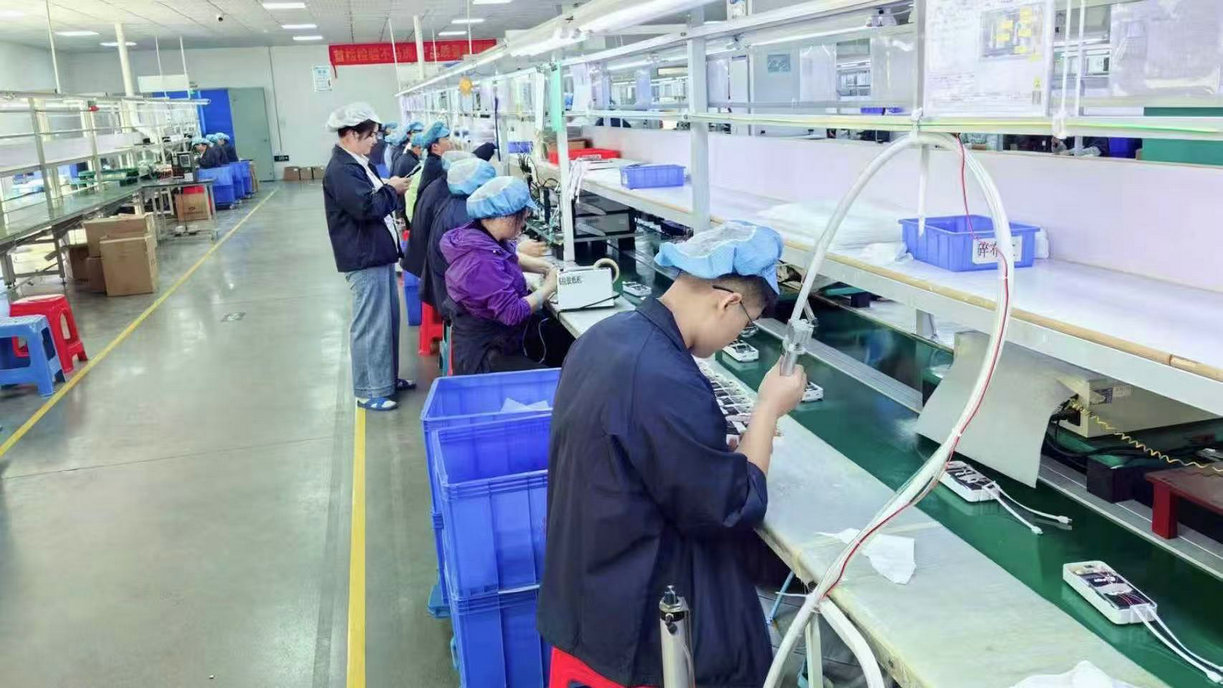
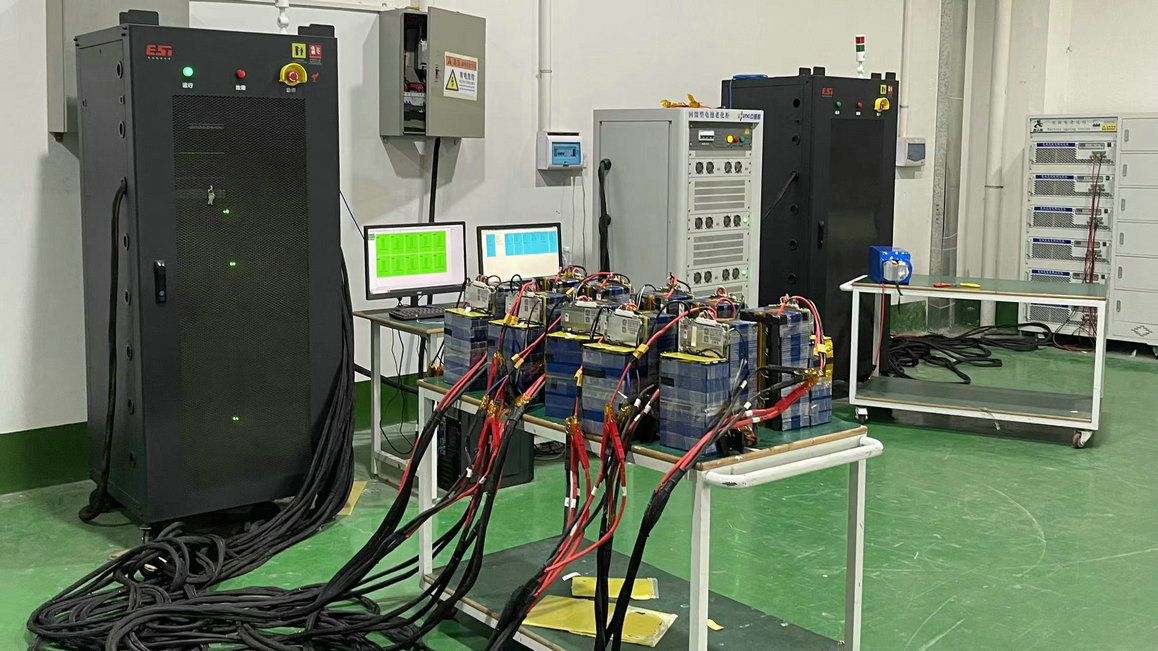
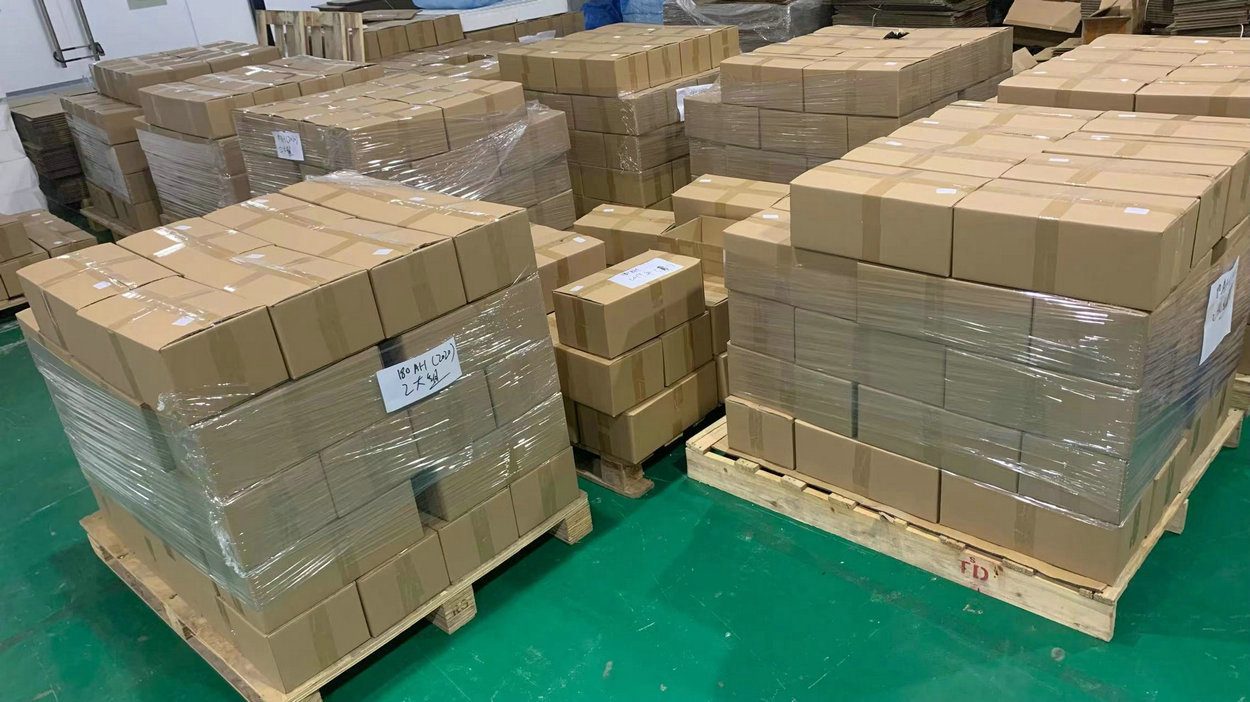
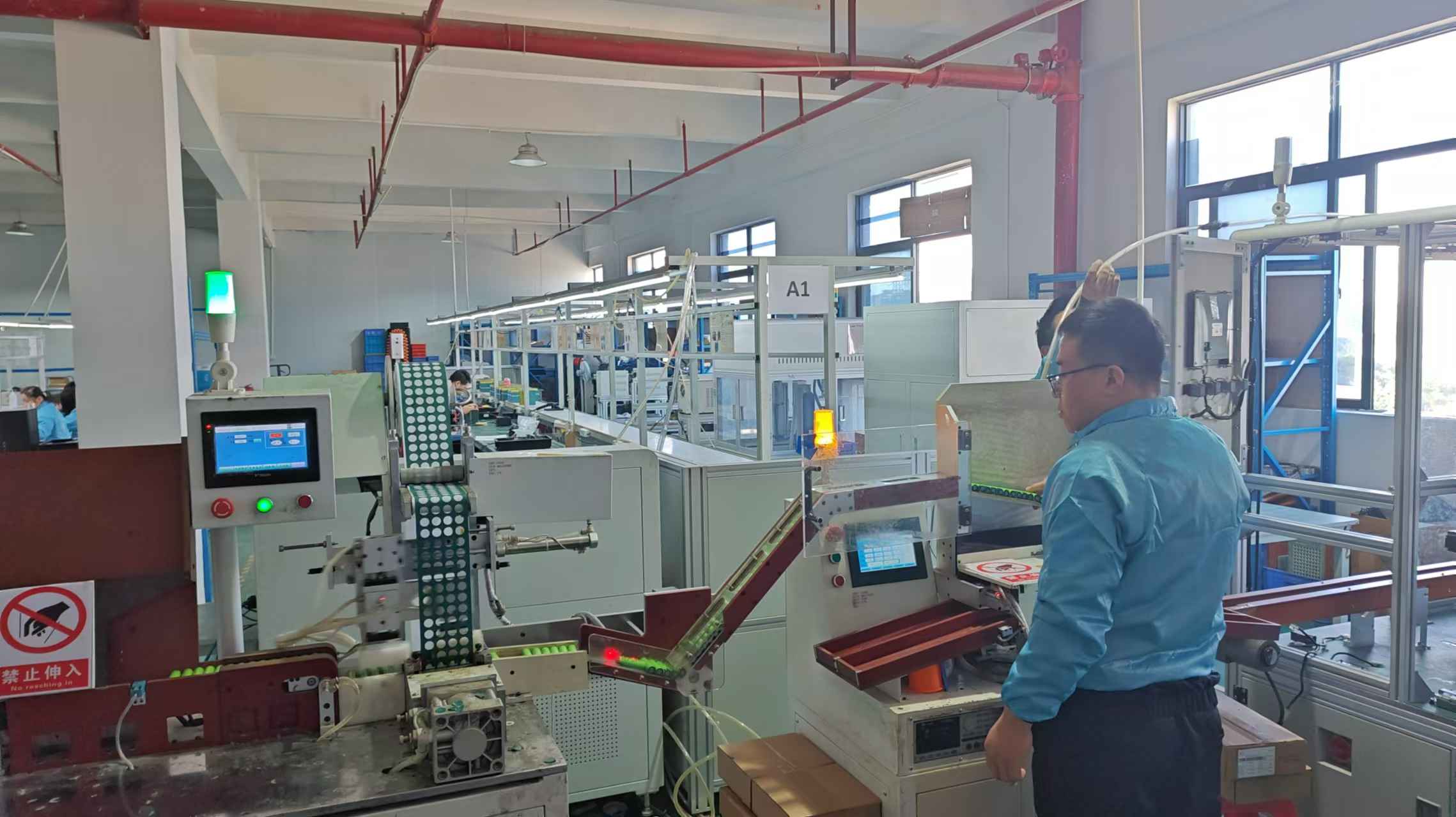
Evaluating stability limits across distinct battery chemistries to construct custom safety envelopes.
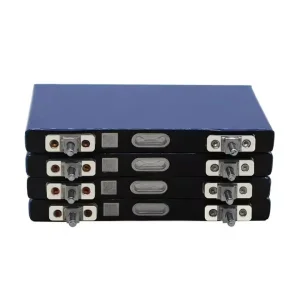
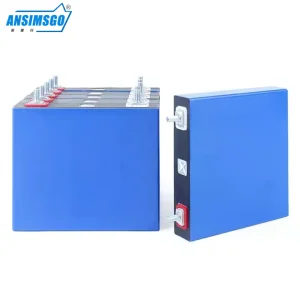
LiFePO4 (LFP) remains the baseline for safe stationary energy storage systems (BESS). Its high thermal runaway onset temperature (approximately 270°C, compared to NMC's ~210°C) is due to the strong covalent P-O bond in the phosphate framework, which resists oxygen release during internal failures. Nuwon Energy builds upon this chemistry, implementing prismatic cells capable of achieving up to 12,000 cycles under controlled thermal conditions.
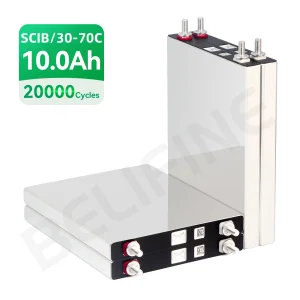
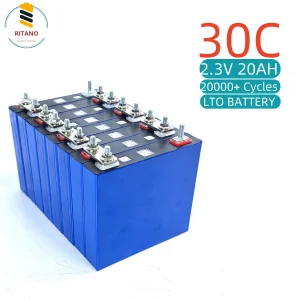
For applications where safety must be maintained at extreme charge/discharge rates (up to 30C/75C) and temperatures (from -30°C to +50°C), Lithium Titanate (LTO) represents the pinnacle of safety. Unlike carbon-based anodes, LTO experiences zero volume change ("zero-strain material") during cycling, preventing lattice degradation and SEI layer cracking. This eliminates the risk of internal short-circuiting and yields a cycle life of 20,000 cycles.
The integration of solid-state electrolytes, such as Lithium Lanthanum Zirconium Titanium Oxide (LLZTO), marks the next phase of battery safety. By replacing volatile organic liquid electrolytes with flame-retardant solid materials, we resolve the fundamental cause of thermal runaway. Solid-state barrier systems suppress lithium dendrite growth and provide high thermal margins, enabling the use of high-voltage cathode materials.
Tailored engineering configurations designed to satisfy specific regional grid codes and mechanical profiles.
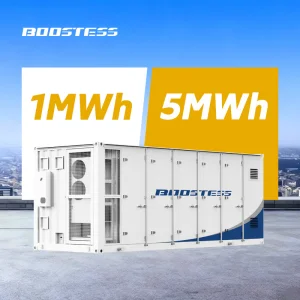
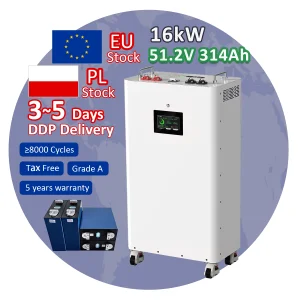
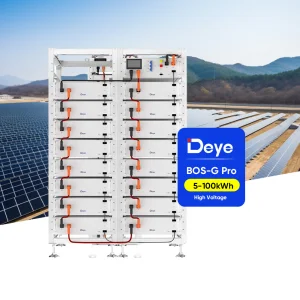
Designed for commercial complexes, remote microgrids, and peak-shaving systems. These containerized formats include integrated liquid cooling loops, automated aerosol fire suppression, and real-time gas monitoring (detecting carbon monoxide and hydrogen anomalies prior to thermal events).
Electric heavy trucks, airport support vehicles, marine vessels, and forklift systems face constant high-g shock and vibration. We engineer robust mechanical enclosures (IP67/IP69K protection ratings), active mechanical cell compression, and heavy-duty busbars designed to handle high mechanical stress.
Providing backup power for life-support apparatus, critical telemetry, and smart sensor hubs. These application profiles require high battery chemistry stability, zero electromagnetic interference (EMI), and dual-redundant BMS safety switches to prevent overcharge and over-discharge scenarios.
Direct technical explanations addressing core engineering inquiries from electrical engineers, procurement departments, and system integrators.
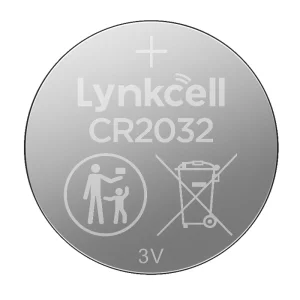
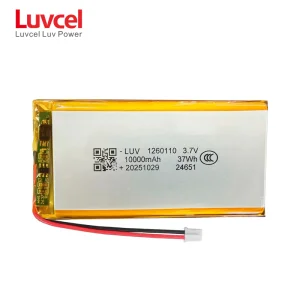
Explore customized battery packs, high-voltage modules, and high-safety coin cells tailored for industrial applications.

 Nuwon Energy