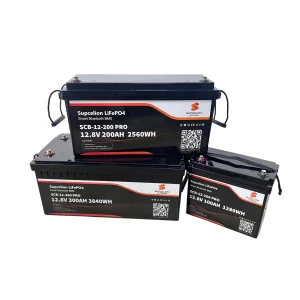
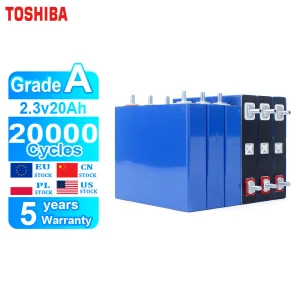
Engineered for UAVs, Smart Grid Metering, LTO Storage Banks, and Electric Mobility Applications.
As global electrification accelerates across automotive, aerospace, grid storage, and industrial sectors, the demand for battery packs that deliver high safety, density, and reliability has risen sharply. Within this ecosystem, Automated Battery Testing is no longer just a checkbox at the end of the manufacturing process; it is a critical process required to prevent thermal runaway, ensure cell consistency, and optimize lifetime performance.
Modern battery packs consist of hundreds, sometimes thousands, of individual cells connected in series and parallel. Even a minor deviation in internal resistance (IR), open-circuit voltage (OCV), or capacity can lead to early pack failure, uneven degradation, or catastrophic safety failures. Our integrated automated testing platforms verify safety and chemistry performance from the raw powder stage up to the final, completed battery packs.
Different industries require unique validation setups. By localizing software integrations, testing cycles, and mechanical interfaces, our automated systems address the specific needs of diverse global application environments:
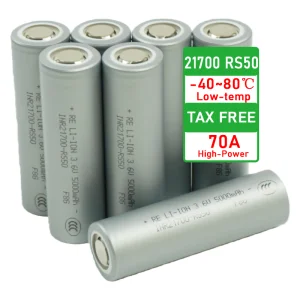
For forklifts, automated guided vehicles (AGVs/AMRs), and golf carts, battery testing must simulate high-vibration environments and continuous peak discharge. Our systems run customized dynamic stress profiles that match real-world duty cycles.
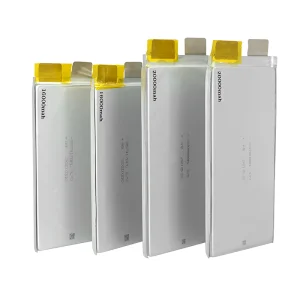
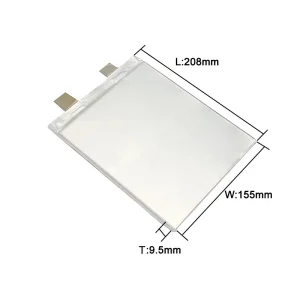
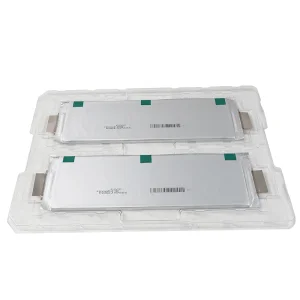
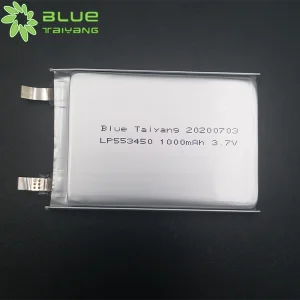
Drones require high-discharge (often 30C to 40C) pouch cells. Testing protocols must monitor surface temperature and impedance changes in real-time, preventing voltage drops under high discharge rates.
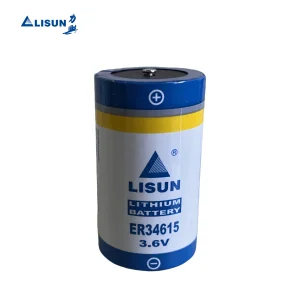
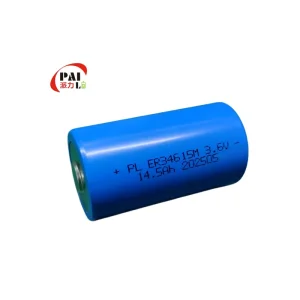
For smart gas/water meters and ETC transport tags, cells like the LISUN ER34615 must operate reliably for up to 10–15 years. Our automated test protocols use high-resolution micro-current consumption testing and accelerated aging models to verify lifespan estimates.
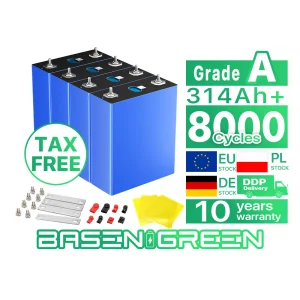
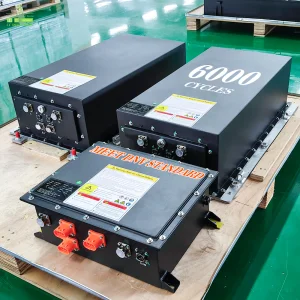
Liquid-cooled battery packs (e.g., 51.2V to 144V) require testing for coolant circuit integrity, high-voltage insulation (Hi-pot testing), and electrical safety in high-humidity and corrosive salt-spray environments.
Automated battery testing is moving beyond simple charge-discharge cycling. Our technical roadmap focuses on integrating advanced hardware with cloud-based predictive analytics to make testing smarter and faster:
Guangdong Nuwon Energy Co., Ltd. is a leading manufacturer and solution provider in advanced battery systems, specializing in the research, development, manufacturing, and global distribution of high-performance energy storage products. The company offers comprehensive OEM and ODM services, delivering customized battery solutions tailored to diverse industrial and commercial applications.
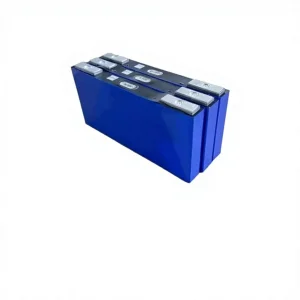
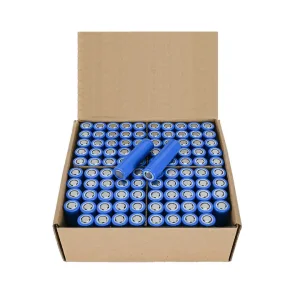
Backed by a highly experienced engineering and R&D team, Nuwon Energy focuses on the design and integration of cylindrical and prismatic lithium battery cells, as well as complete battery packs, modules, and energy storage systems. The company also develops and produces industrial-grade battery cells engineered for safety, durability, and long cycle life.
Guangdong Nuwon Energy serves a wide range of industries, including consumer electronics, electric mobility (such as golf carts, forklifts, UTVs/ATVs, trucks, and marine systems), medical equipment, unmanned ground vehicles (AGVs/AMRs), and emerging aerospace applications such as eVTOL aircraft. In addition, the company provides reliable residential, commercial, and industrial (C&I) energy storage solutions designed to support the global transition toward clean and sustainable energy.
With a strong commitment to innovation, strict quality control, and customer-centric service, Guangdong Nuwon Energy continuously invests in advanced manufacturing capabilities, automated production lines, and rigorous testing systems. This ensures that every product meets international safety standards and delivers exceptional performance in demanding environments.
Driven by a vision to accelerate global electrification and energy efficiency, Guangdong Nuwon Energy Co., Ltd. is dedicated to building long-term partnerships and providing reliable, intelligent, and sustainable energy solutions to customers worldwide.
We believe in full transparency. Our automated testing and sorting lines monitor quality at every step, from selecting individual cells to final assembly validation:
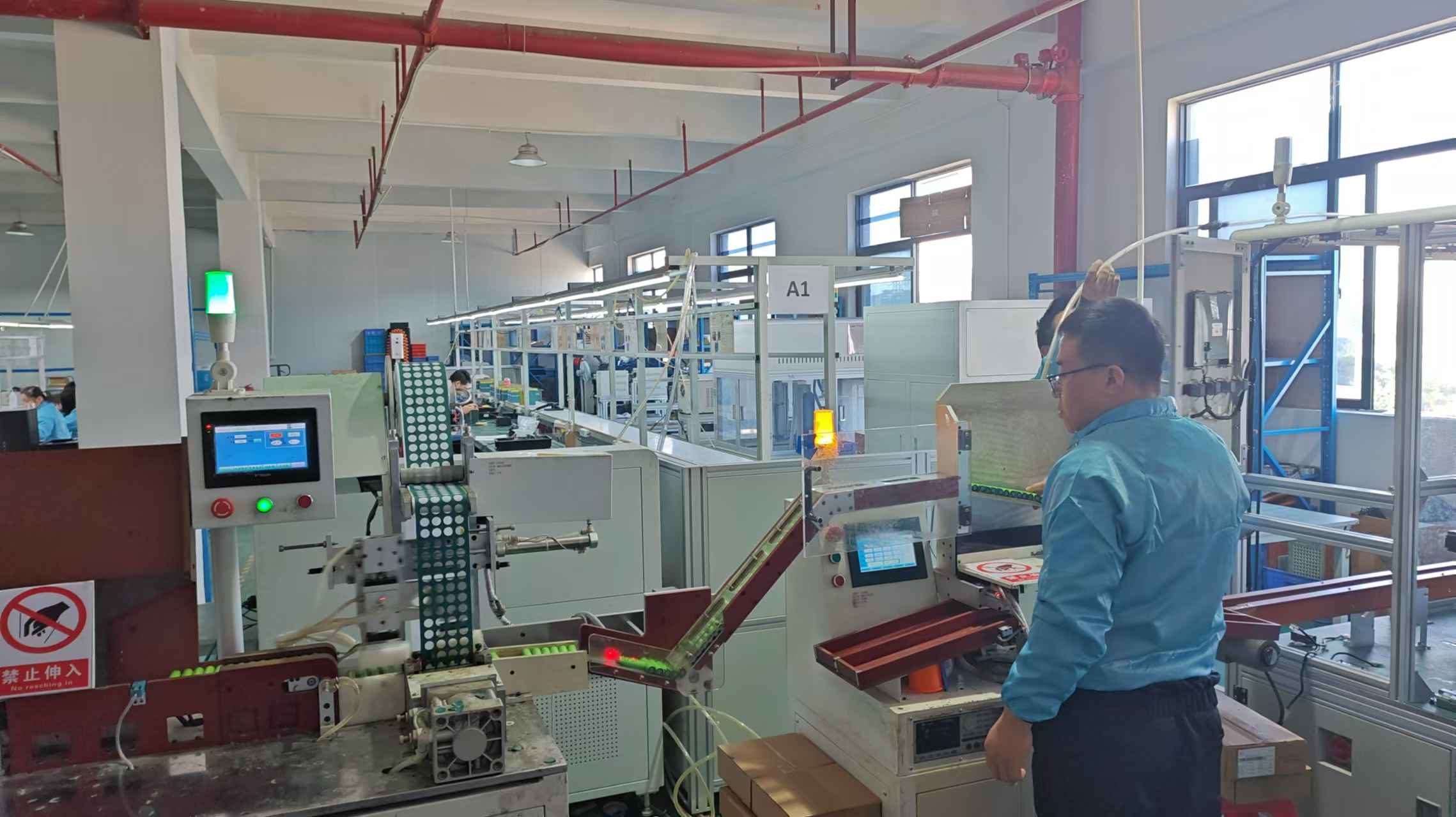
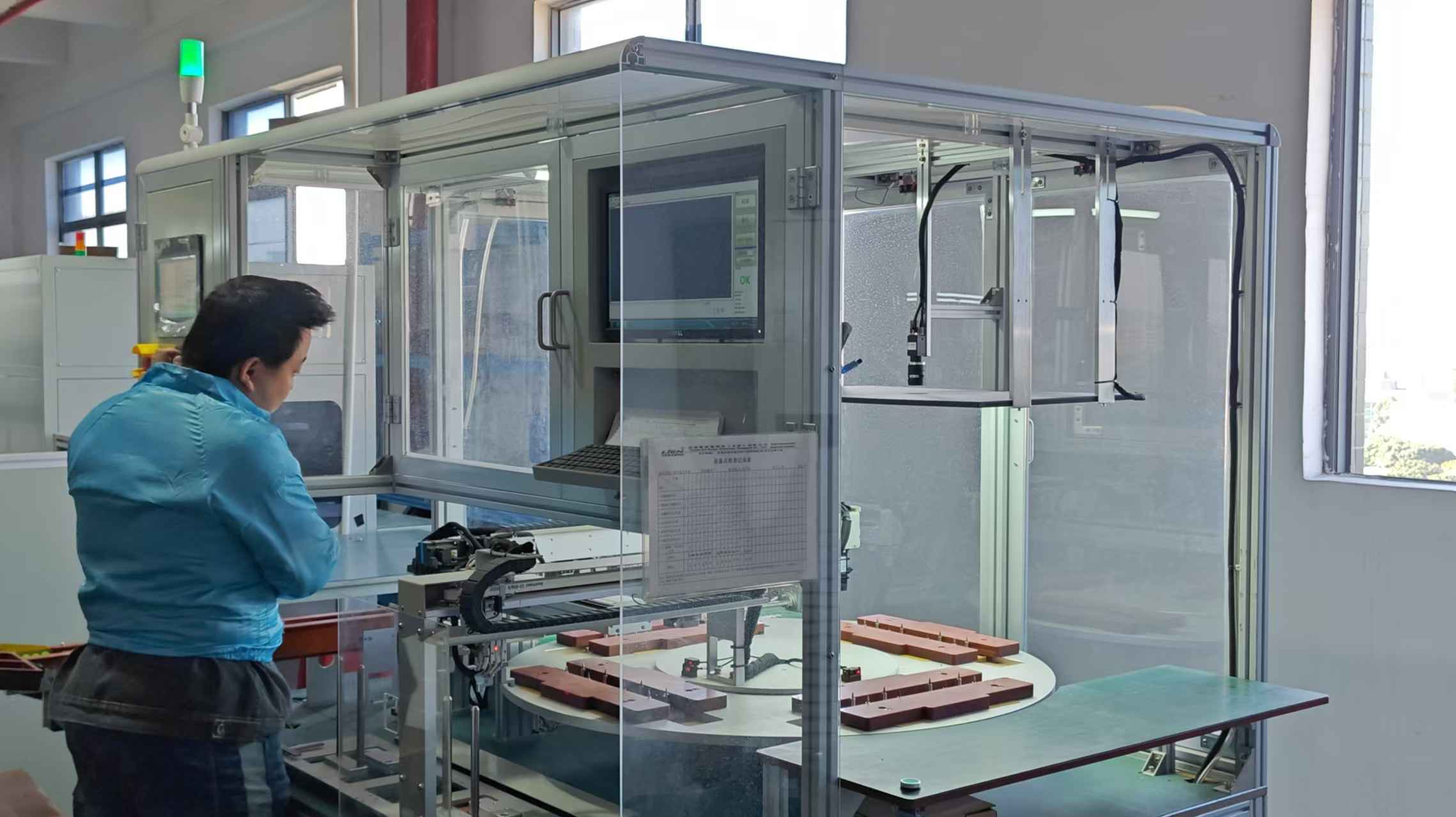
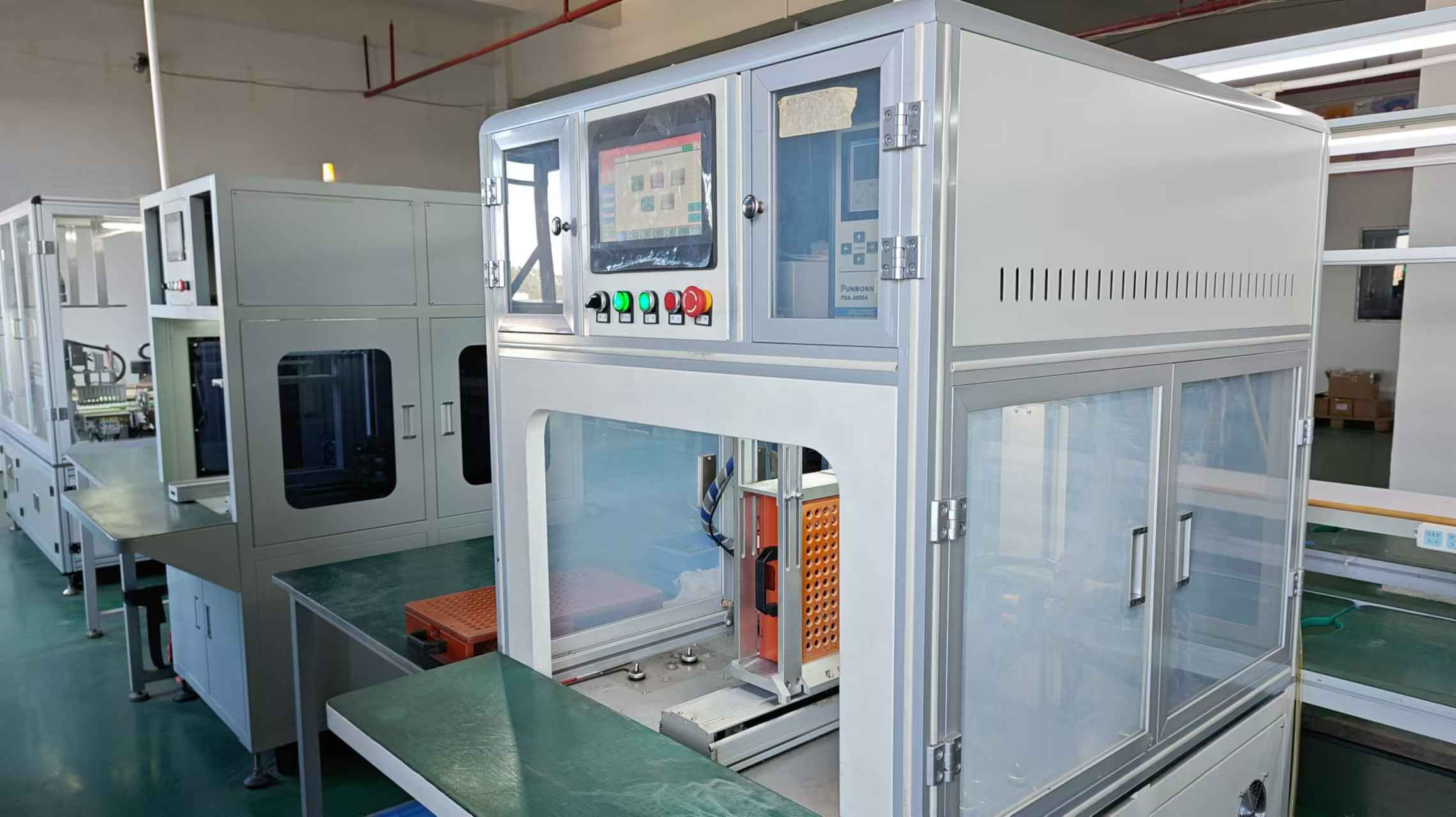
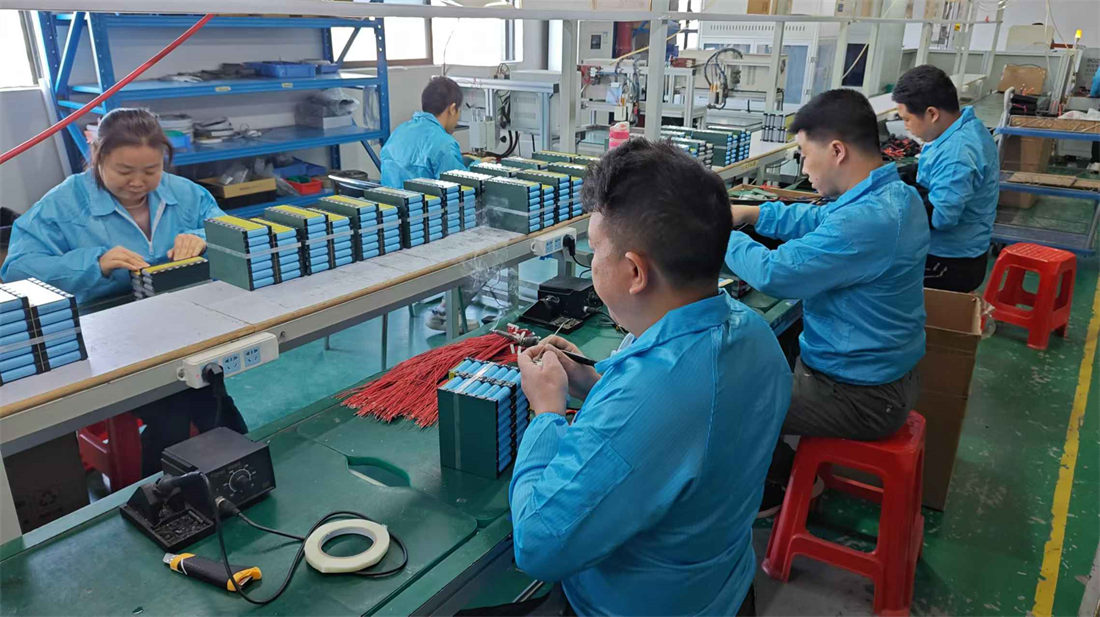
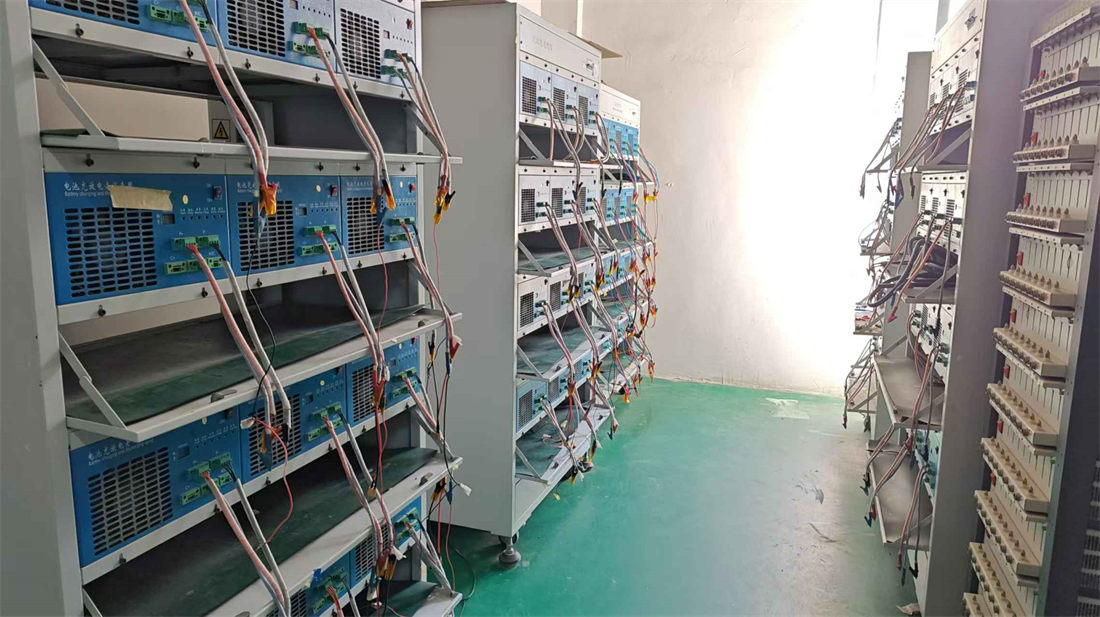
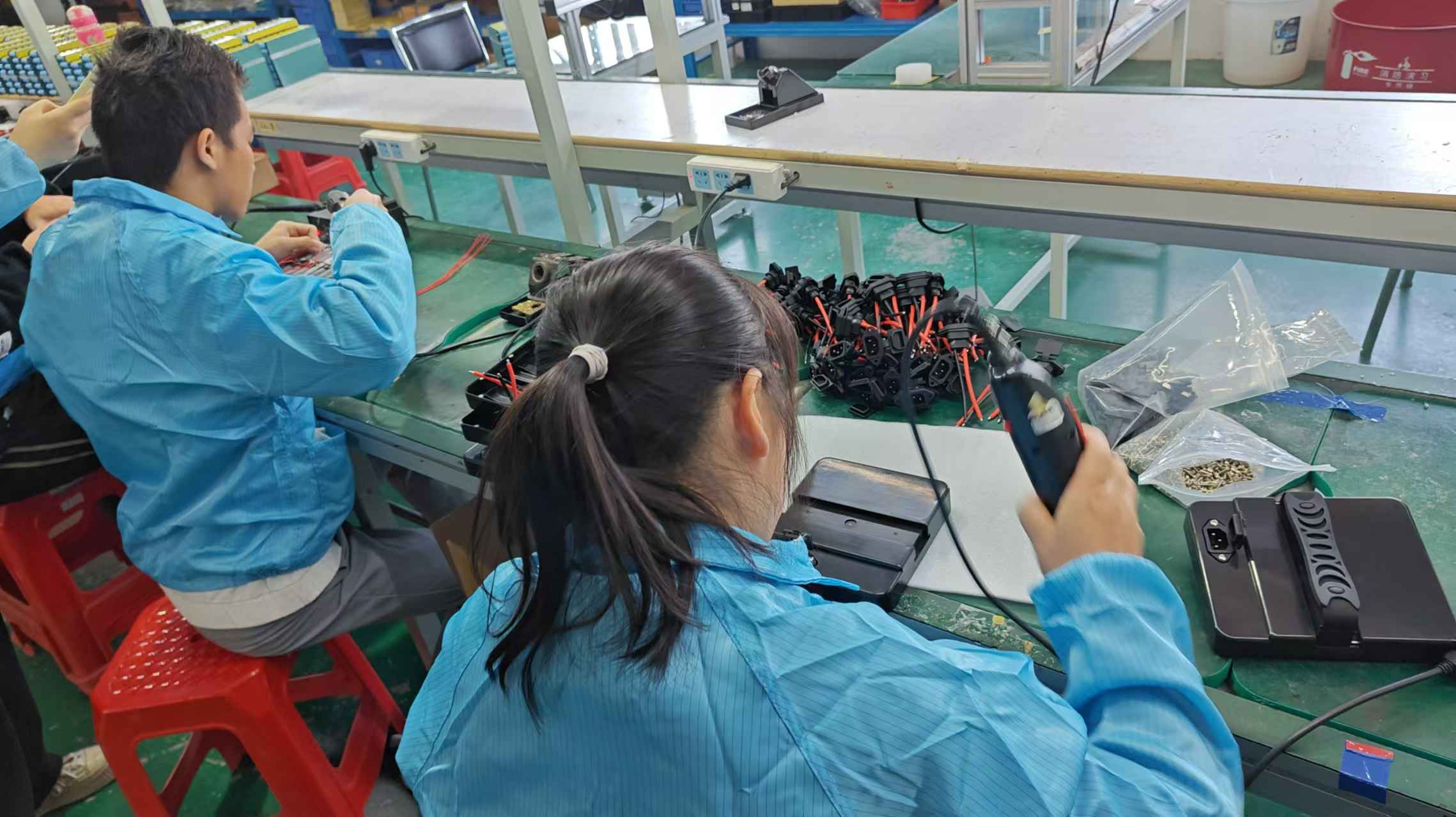
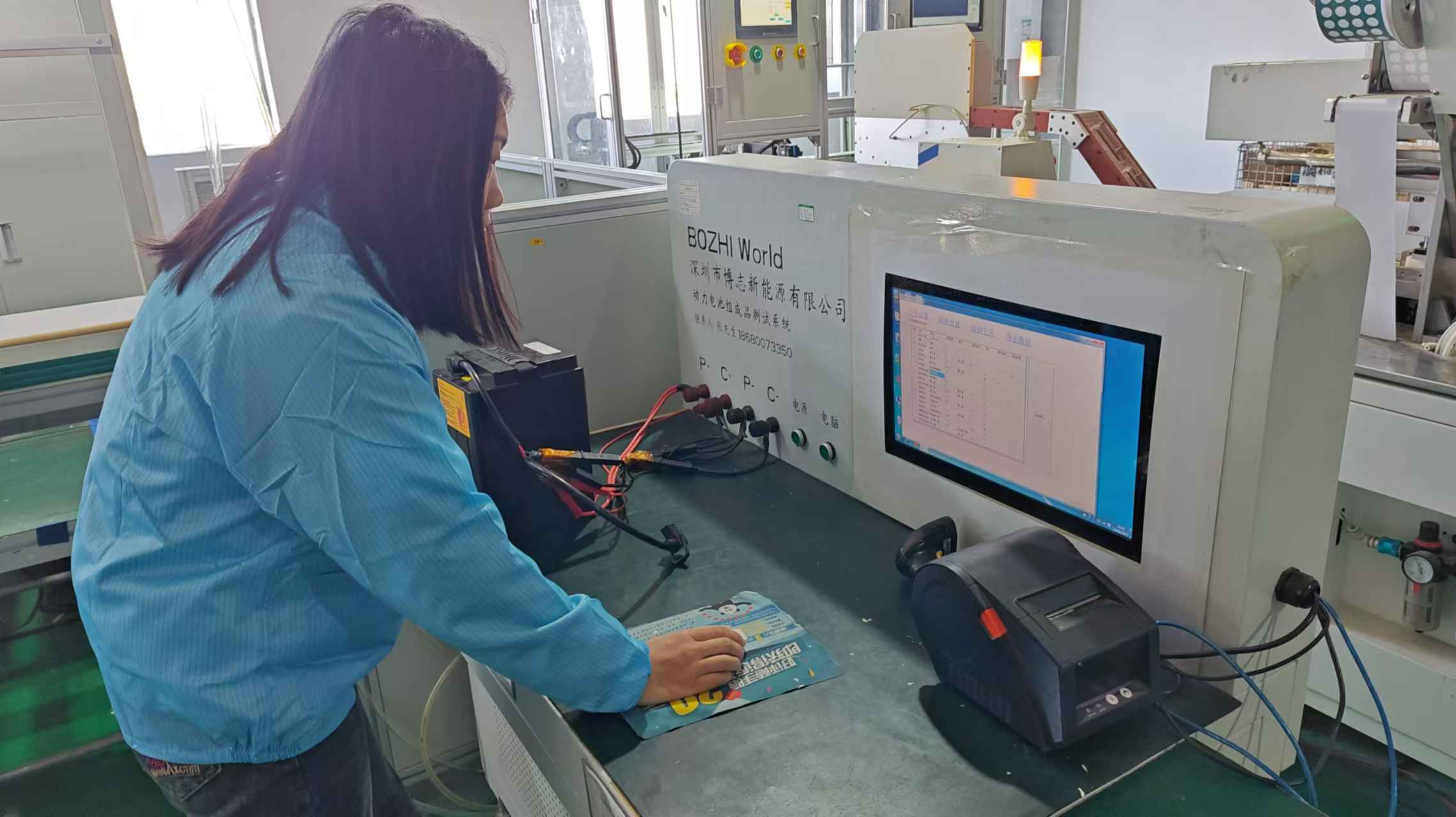
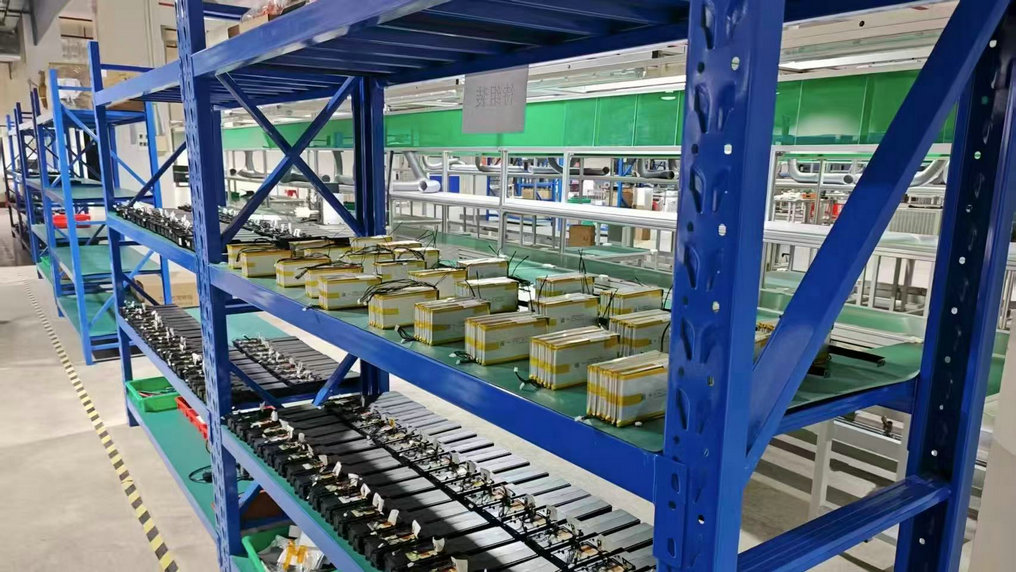
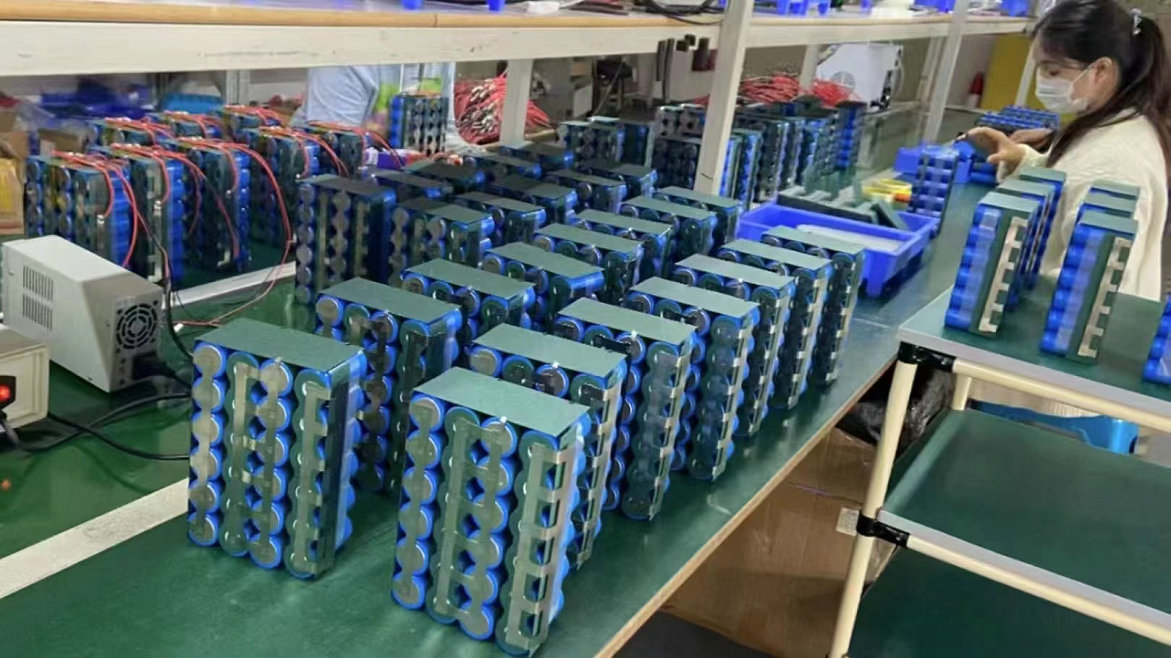
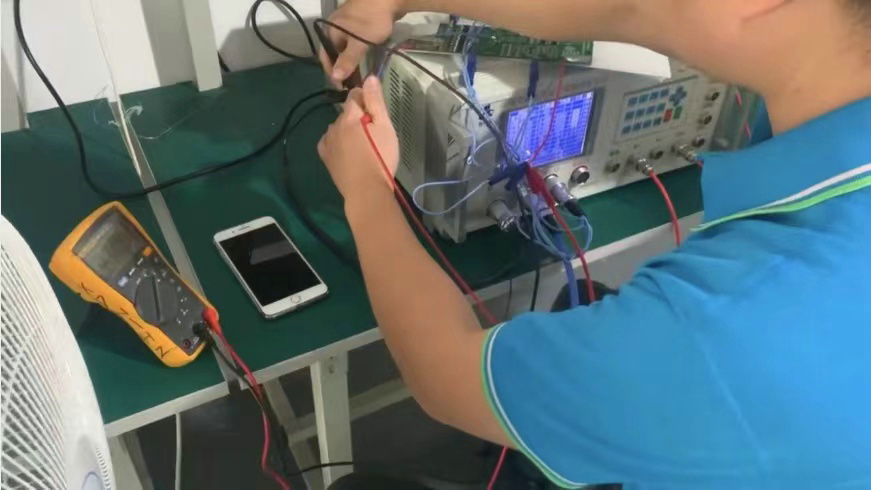
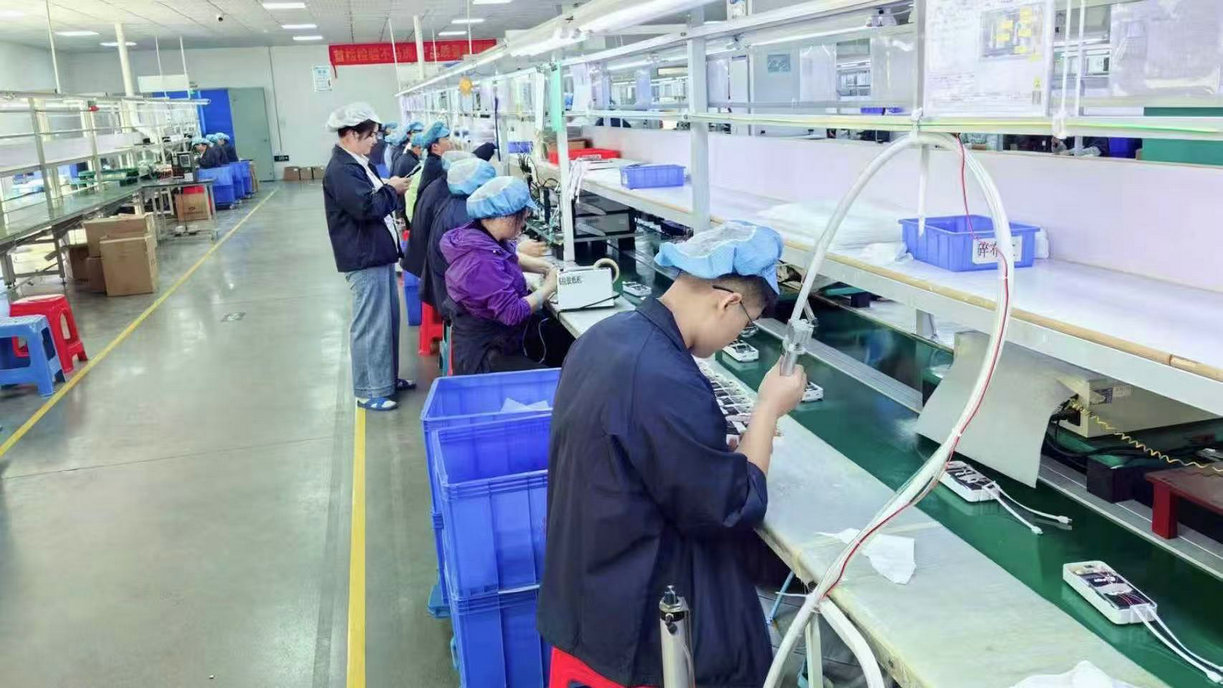
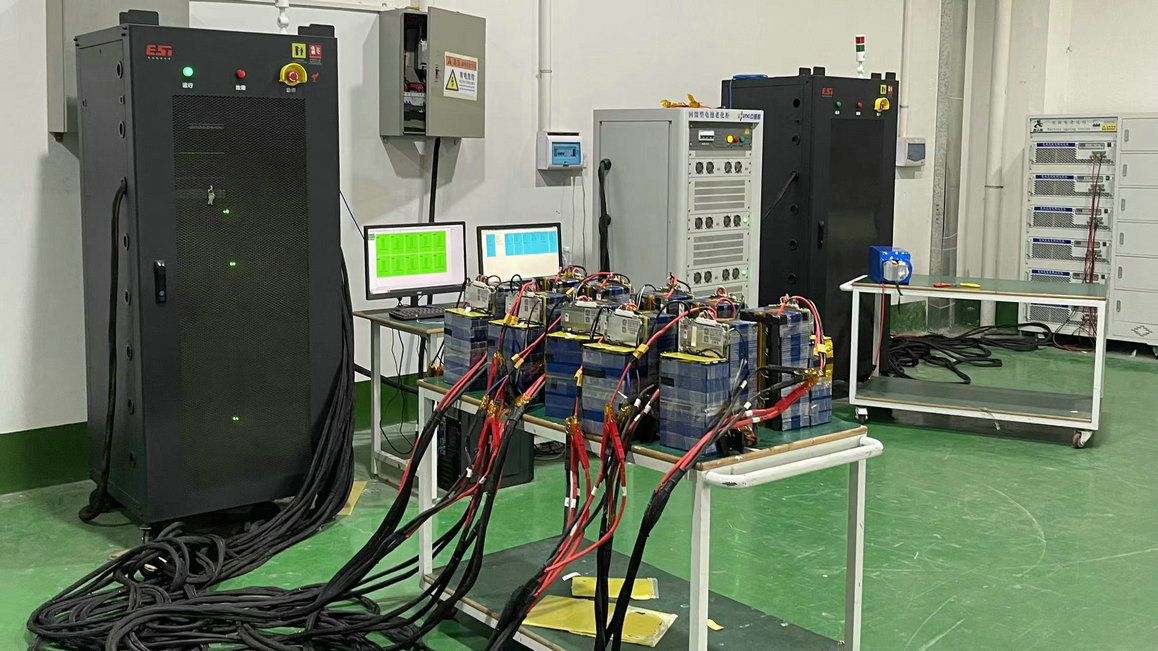
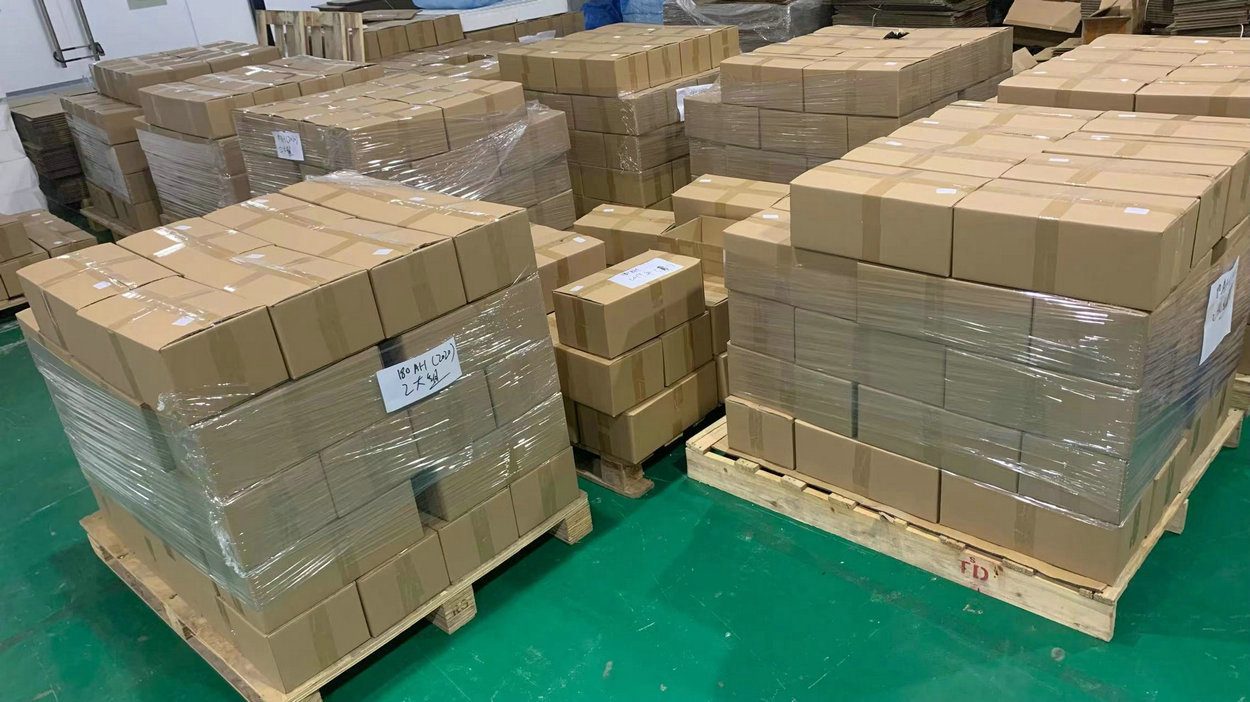
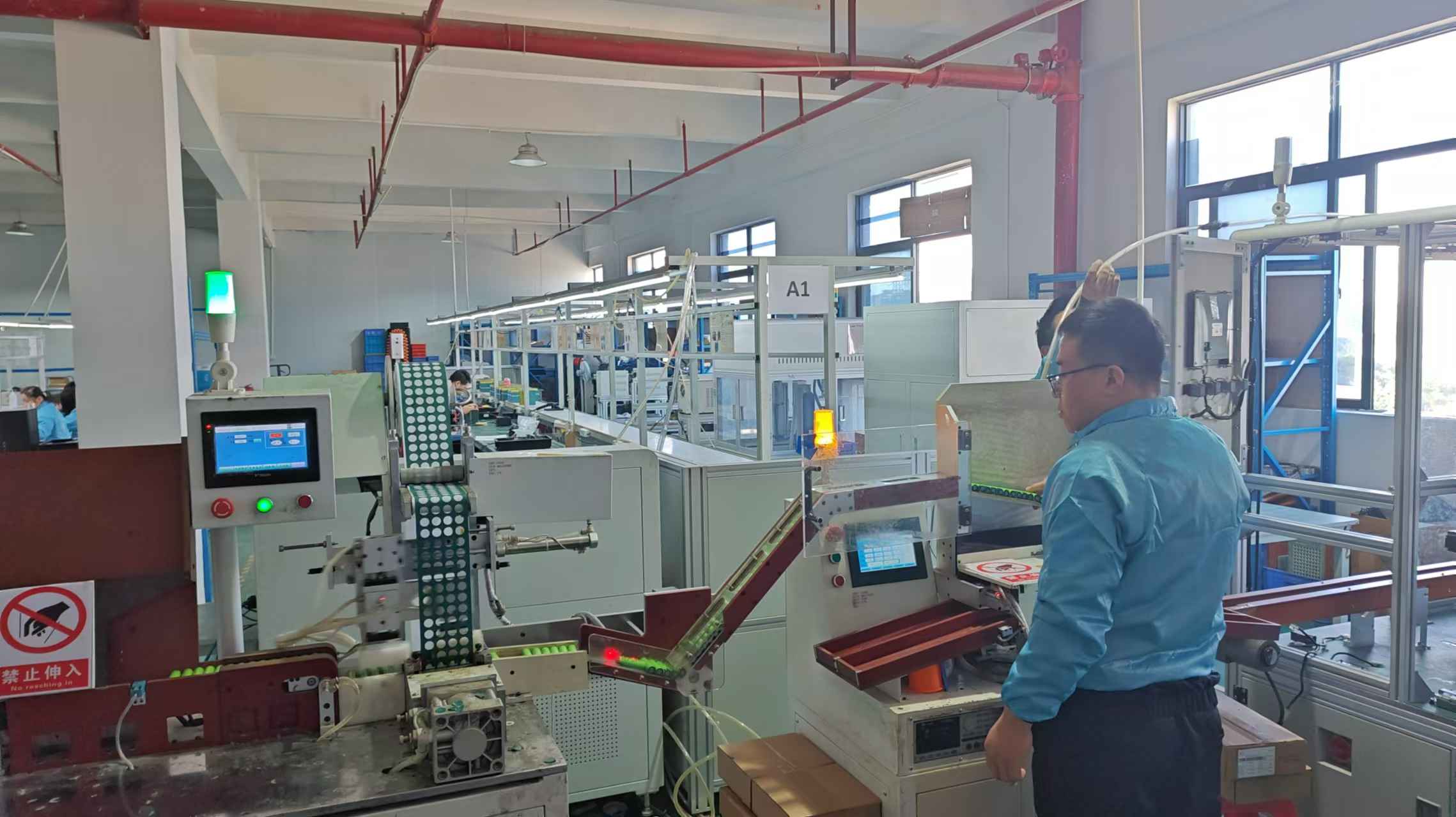
Located in Guangdong Province, the heart of the global lithium-ion supply chain, Guangdong Nuwon Energy Co., Ltd. benefits from a highly integrated ecosystem. This regional concentration gives our customers clear advantages in three key areas:
We source raw active materials, powder compounds, and components (such as NMC/LFP precursors and BMS microchips) direct from nearby domestic suppliers. This direct sourcing minimizes transport costs and reduces carbon emissions, and we pass these savings on to our clients.
Proximity to component manufacturers allows us to move from custom design to working prototype in weeks rather than months. We can source custom tooling, cast enclosures, and modify BMS firmware quickly, accelerating product development.
Our production facilities scale smoothly from small specialized runs to high-volume production. Automated sorting and testing lines ensure consistent, repeatable quality, regardless of order size.
Shipping custom lithium-ion systems across borders requires strict adherence to international safety standards. Nuwon Energy ensures compliance at every stage of the export process:
Additionally, we work closely with localized distribution partners and engineering networks to provide support, assist with customs documentation, and offer technical assistance directly to our customers worldwide.
Answers to common technical questions from B2B engineers and procurement managers regarding battery safety, sorting, and lifetime prediction:
Explore our deep-cycle, low-temperature, and ultra-high discharge battery configurations.
 Nuwon Energy