As global carbon targets tighten, the transition to sustainable energy storage demands not just raw capacity, but safe, high-efficacy, and responsibly-sourced cell designs. We align advanced electrochemical manufacturing with clean-production ecosystems.
In modern industrial battery engineering, sustainability is no longer merely a compliance check—it is the foundation of structural lifecycle efficiency. To minimize environmental impact, contemporary research focuses on eliminating heavy metal dependencies (such as cobalt reduction in NCM chemistries), maximizing the operational life cycle of lithium iron phosphate (LiFePO4) systems, and pioneering next-generation solid-state architectures. This holistic ecological framework addresses the carbon footprint of production, during-life thermal efficiency, and end-of-life battery recycling processes.
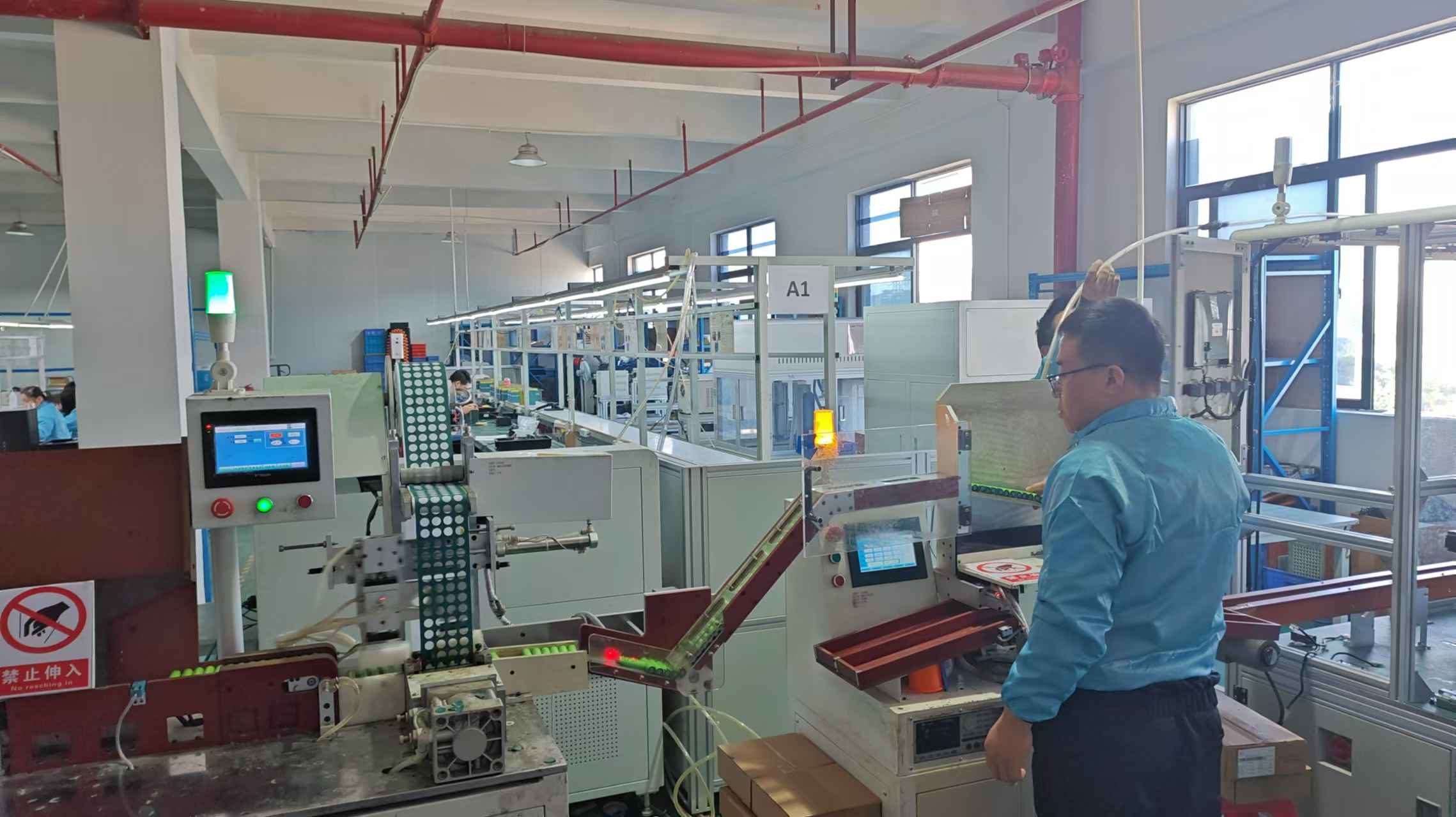
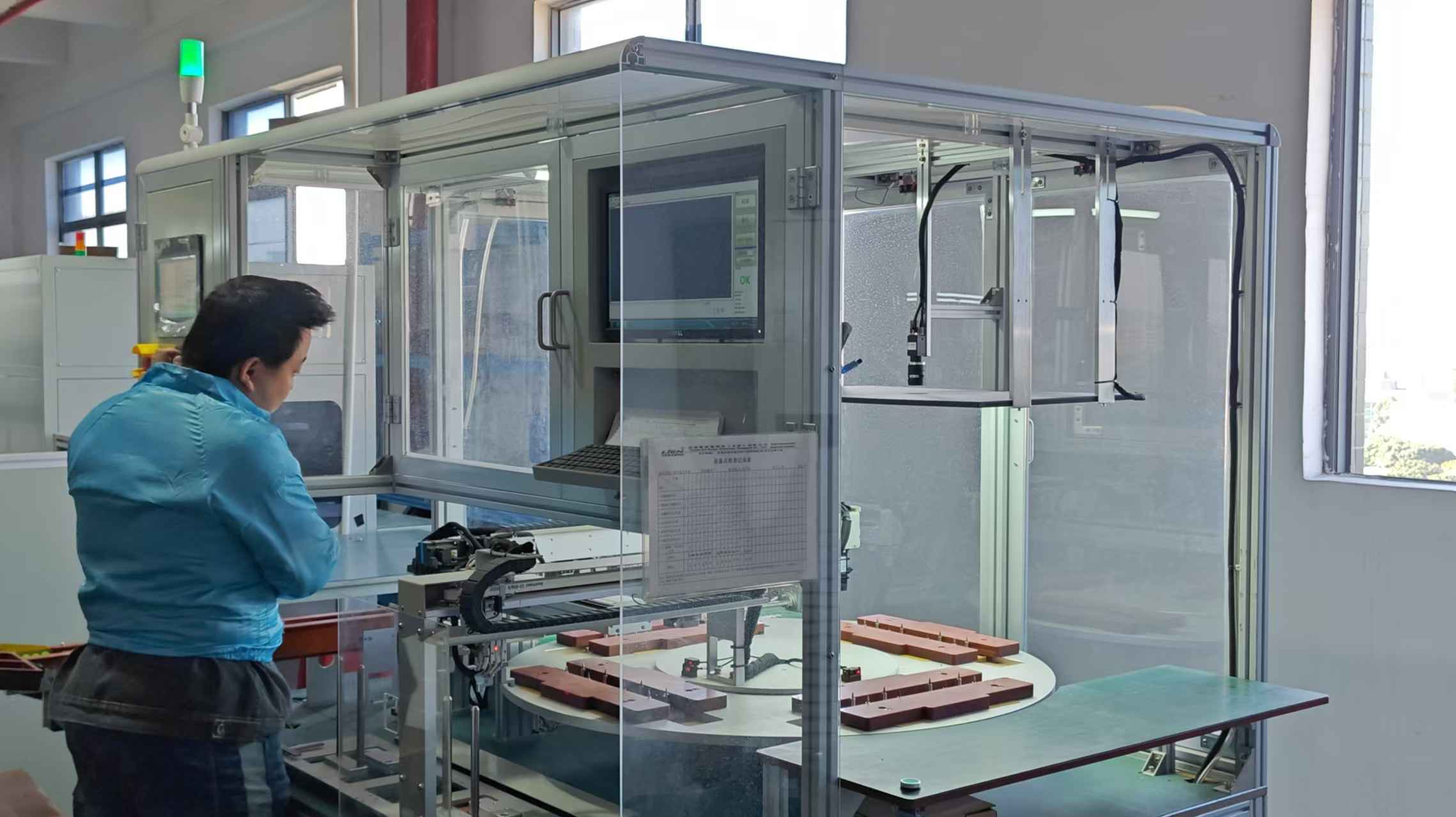
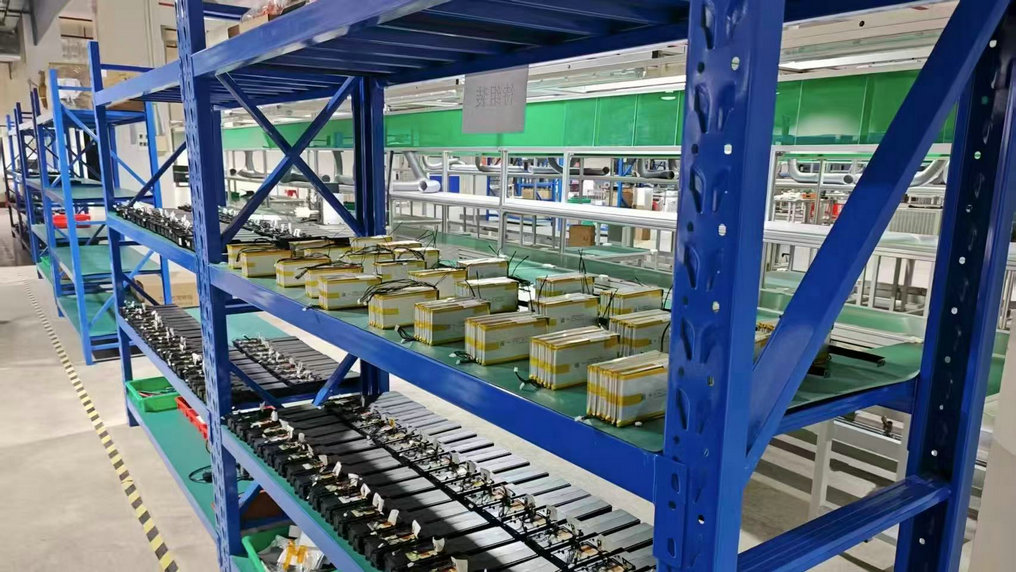
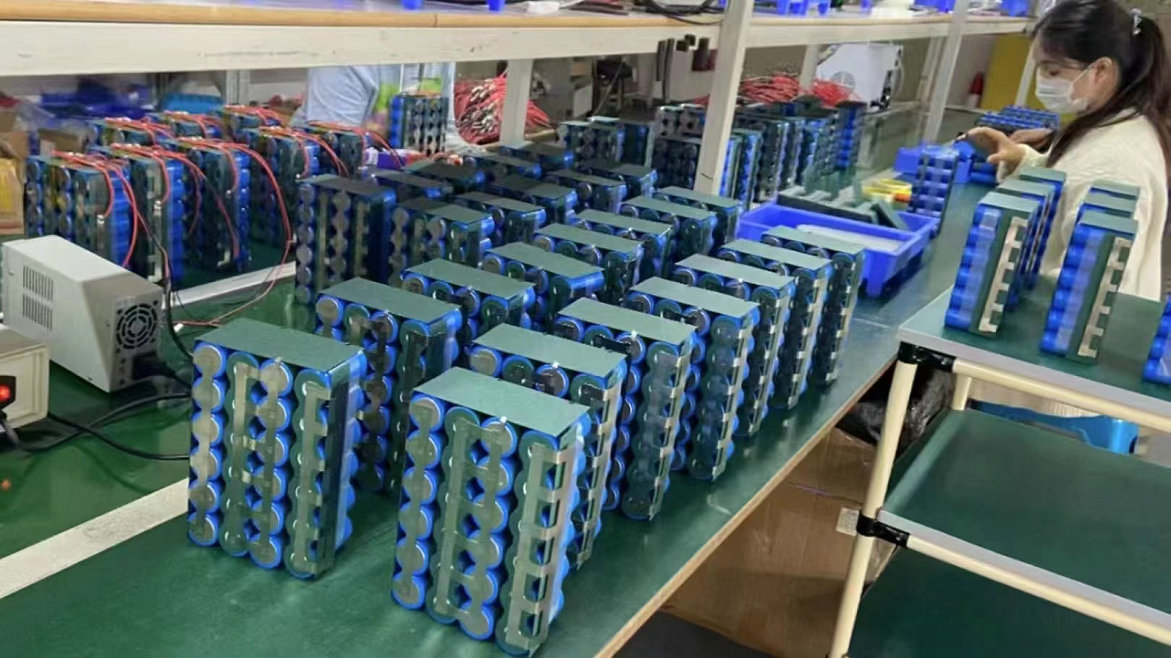
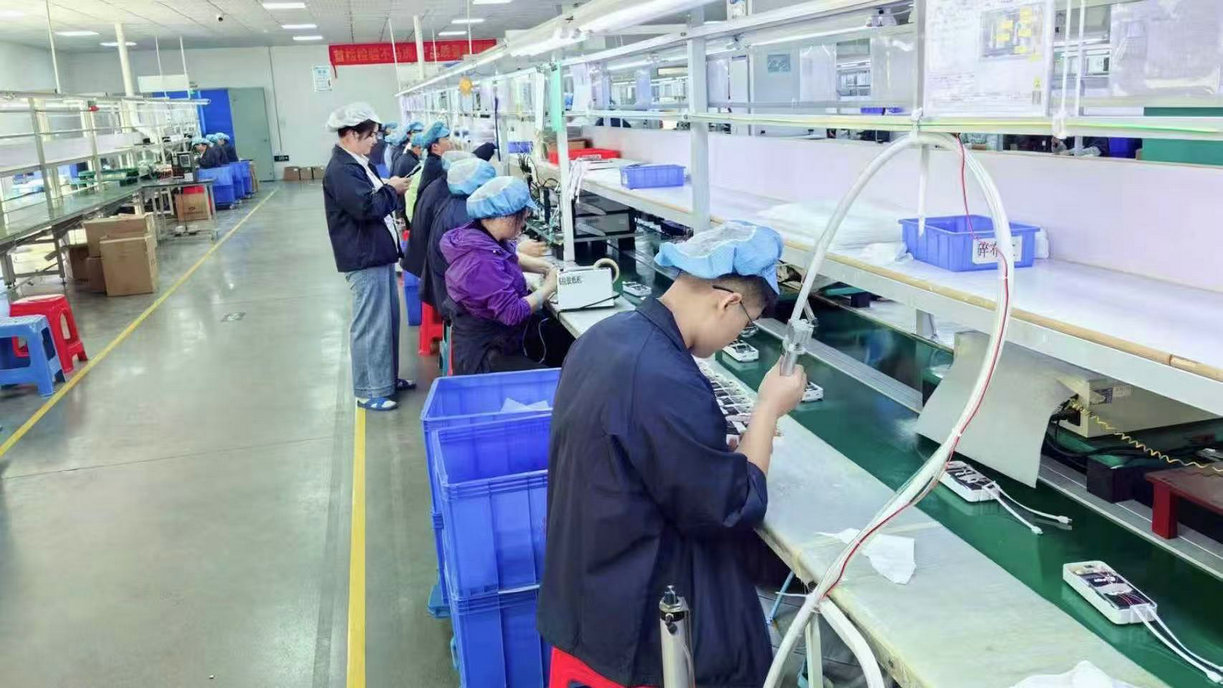
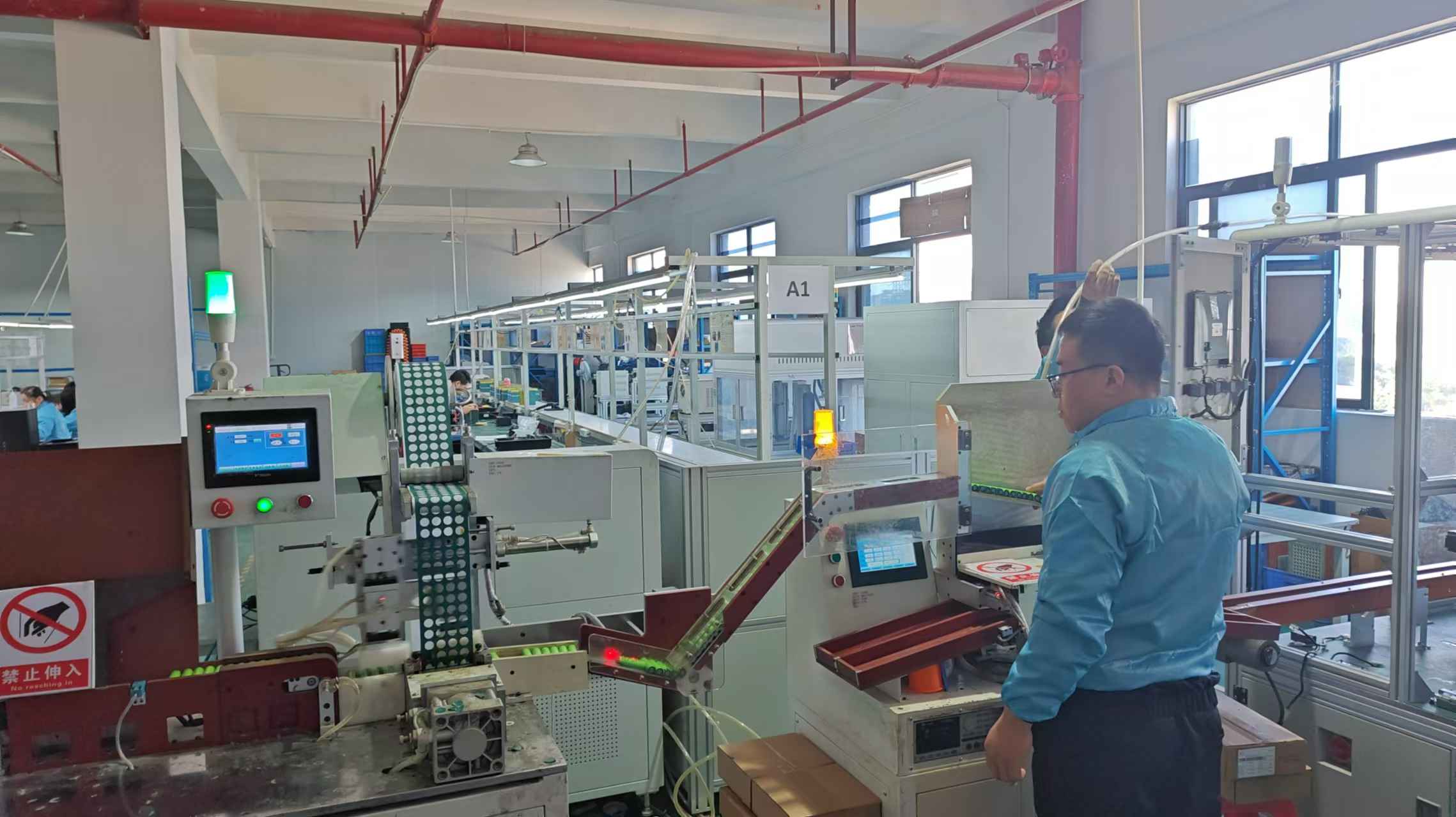
Guangdong Nuwon Energy Co., Ltd. sits at the intersection of this global paradigm shift. By maintaining high-precision automated sorting and assembly lines, we optimize material utilization and stabilize electrochemical performance, which translates into lower degradation profiles and extended operational timelines. This approach directly correlates with a reduced levelized cost of storage (LCOS) for residential, commercial, and utility-scale energy projects worldwide.
Analyzing modern chemistry trajectories: From high-cycle LiFePO4 to solid-state energy dense systems designed for unmanned systems, mobility, and grid infrastructure.
| Chemistry Class | Nominal Voltage | Energy Density (Wh/kg) | Cycle Life (80% DOD) | Primary Industrial Use-Case |
|---|---|---|---|---|
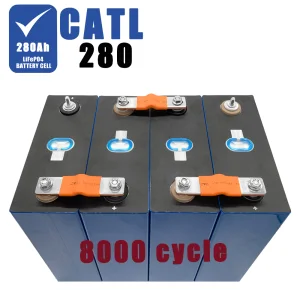
| LiFePO4 (LFP) | 3.2V | 160 - 180 Wh/kg | 6,000 - 8,000+ Cycles | Commercial Energy Storage (C&I), Residential ESS, Electric Mobility |
| NMC (Nickel Manganese Cobalt) | 3.7V | 220 - 260 Wh/kg | 2,000 - 3,500 Cycles | Electric Vehicles, Golf Carts, Heavy Machinery |
| Semi-Solid/Solid-State | 3.6V - 3.7V | 300 - 380 Wh/kg | 1,500 - 2,500 Cycles | Aerospace, eVTOL, Long-range UAVs, Portable Defense Electronics |
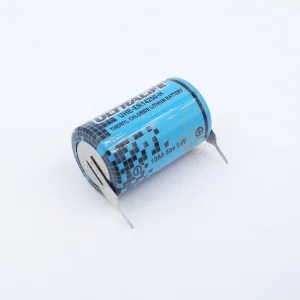
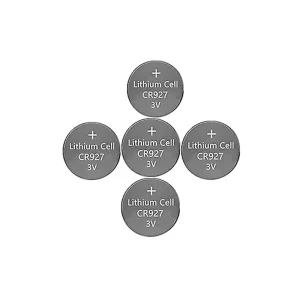
| Lithium Thionyl Chloride (Li-SOCl2) | 3.6V | Over 400 Wh/kg (Primary) | Primary (Non-rechargeable) | Wireless Industrial IoT Sensors, Smart Water/Gas Meters, Medical |
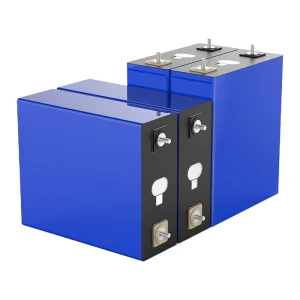
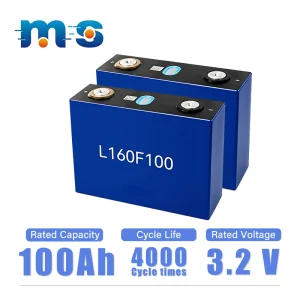
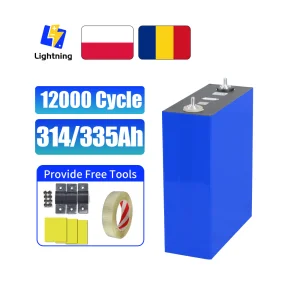
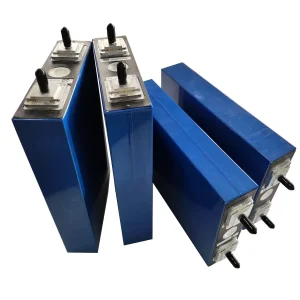
Optimization of 280Ah and 314Ah prismatic LFP cells with cycle counts exceeding 8,000. Focus on dual-laser welding and high-efficiency separator technology to extend service lifetimes up to 15 years.
Deploying gel-like semi-solid polymer electrolytes that decrease volatile liquid content. Enhances safety profiles by limiting thermal runaway propagates in industrial forklift and marine battery packs.
Integrating all-solid-state lithium metal structures. These achieve ultra-high energy densities (>350 Wh/kg) essential for next-gen aerospace systems, military UAVs, and deep-submergence systems.
Eliminating lithium supply-chain dependency entirely for stationary backup systems. Lowers raw material cost while exhibiting excellent low-temperature performance and overall safety.
Guangdong Nuwon Energy leverages localized manufacturing advantages, raw material processing facilities, and automated engineering protocols to deliver stable cost-to-performance battery yields.
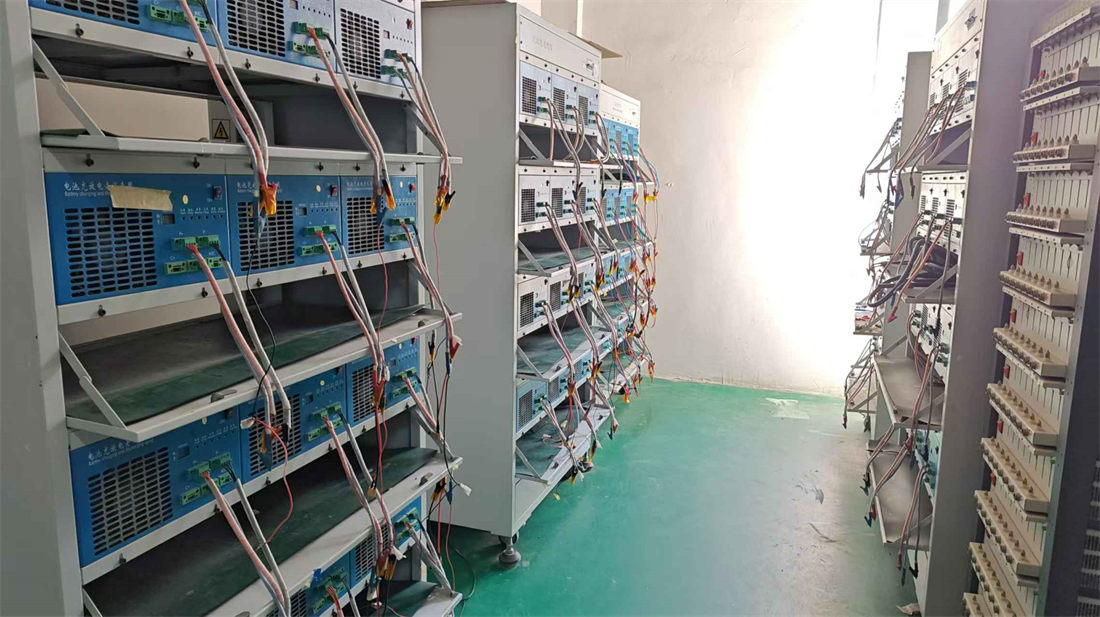
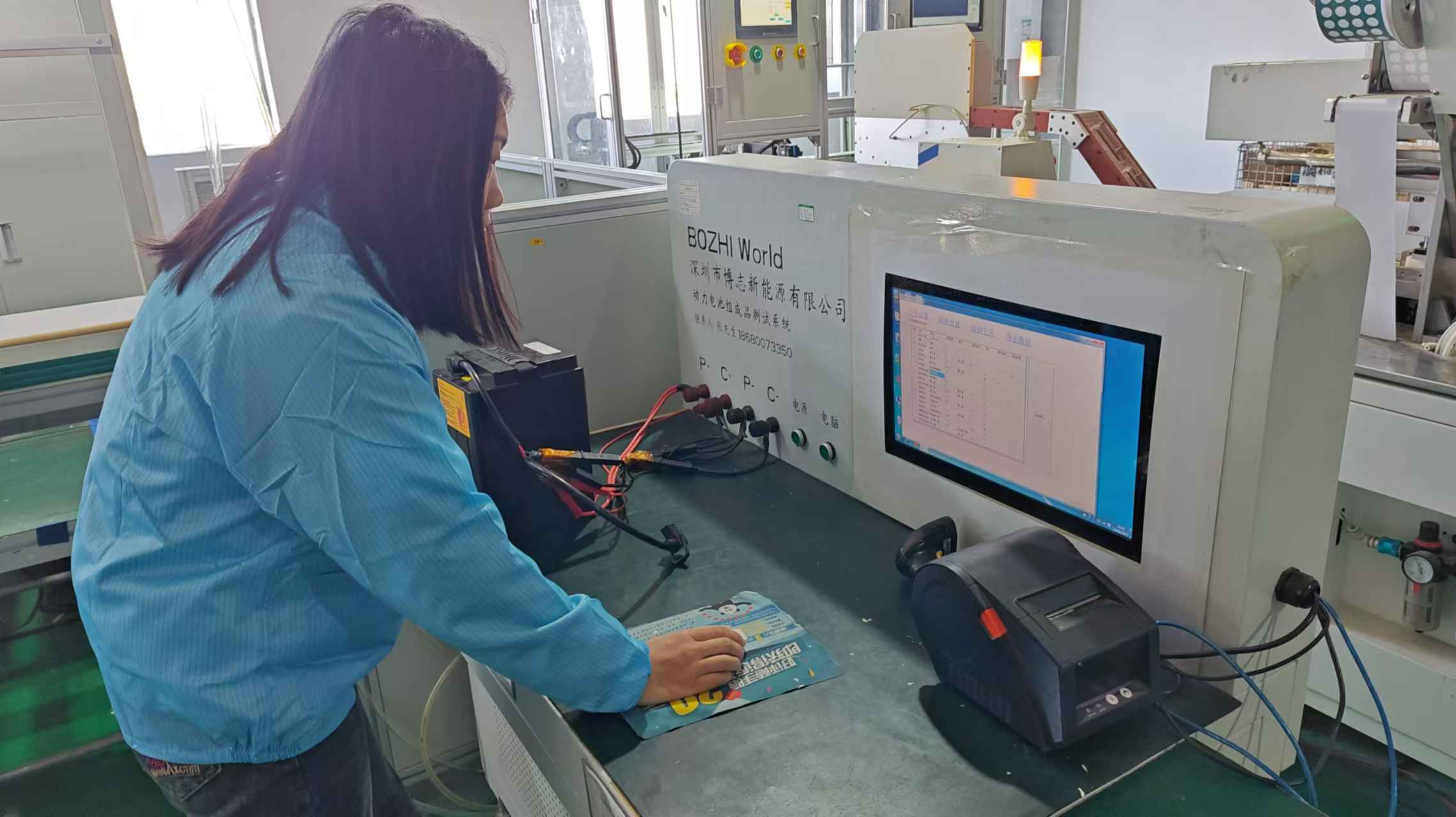
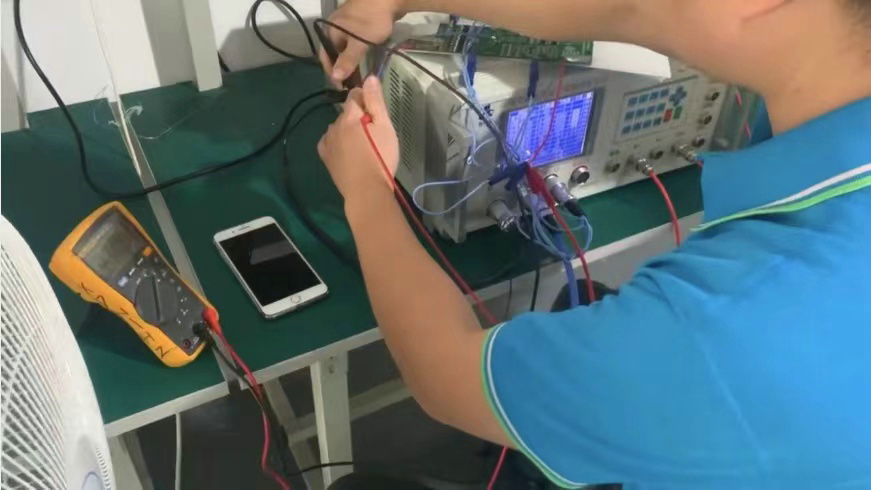
Before assembly, cells undergo automated internal resistance (IR) and voltage matching to guarantee uniformity. Uniformity is critical to preventing single-cell degradation, which can compromise the lifespan of the entire pack.
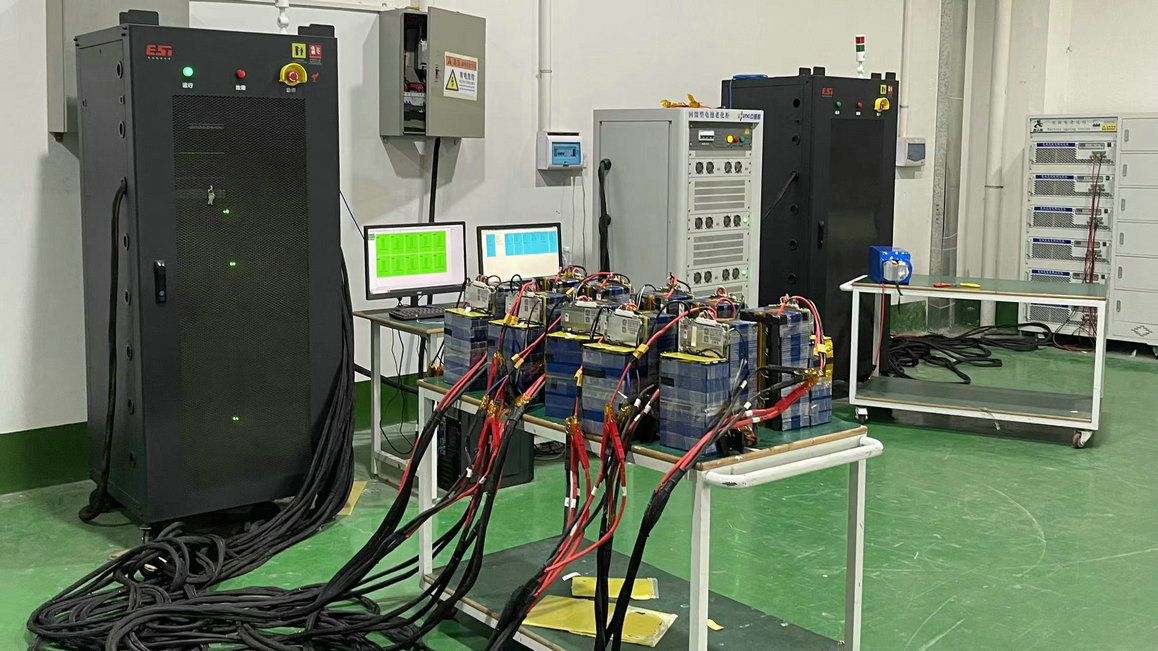
Every custom commercial-grade battery pack undergoes high-temperature aging chambers to accelerate early structural failure points. Only cells that maintain zero capacity deviation after cycles are approved.
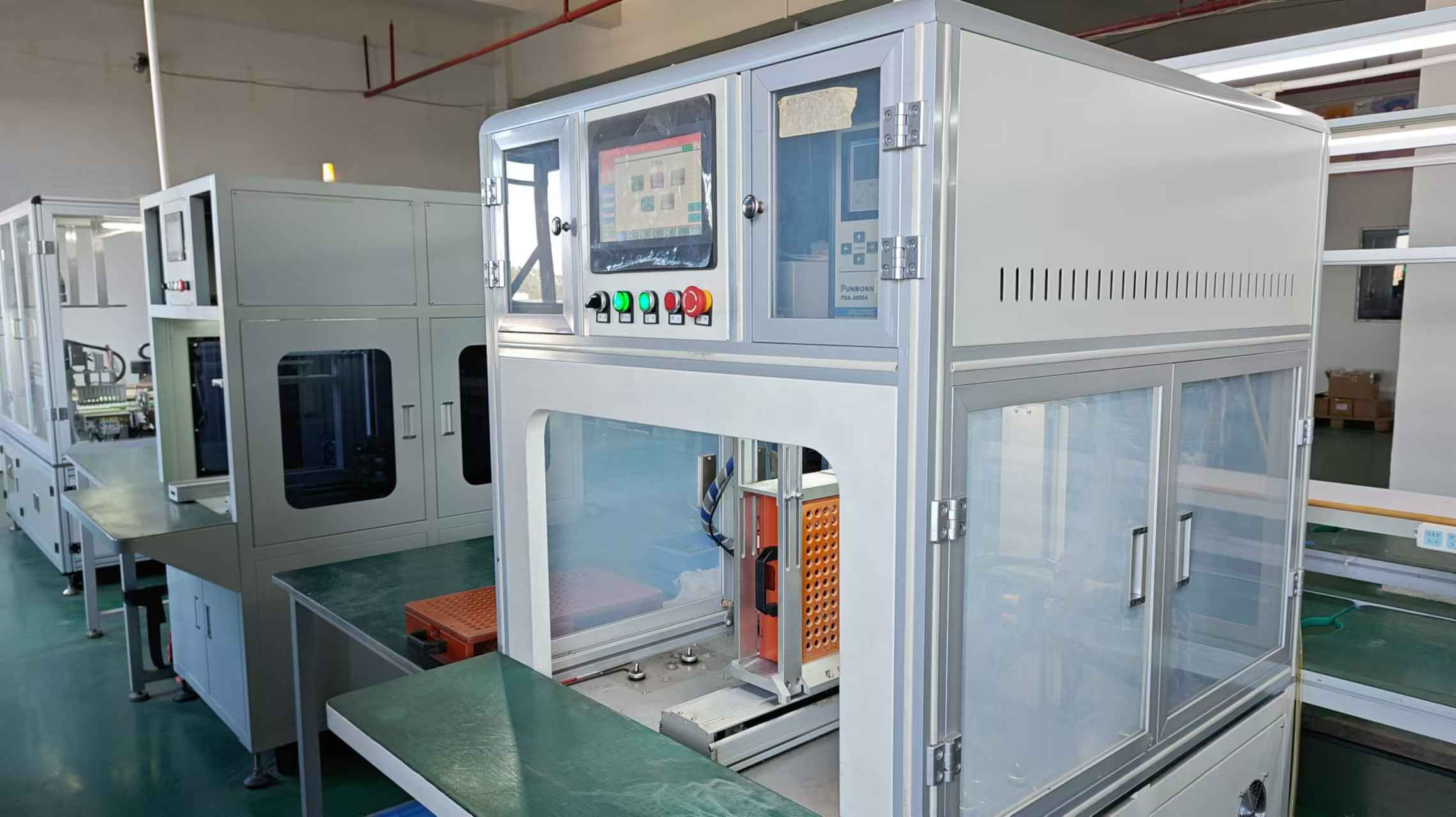
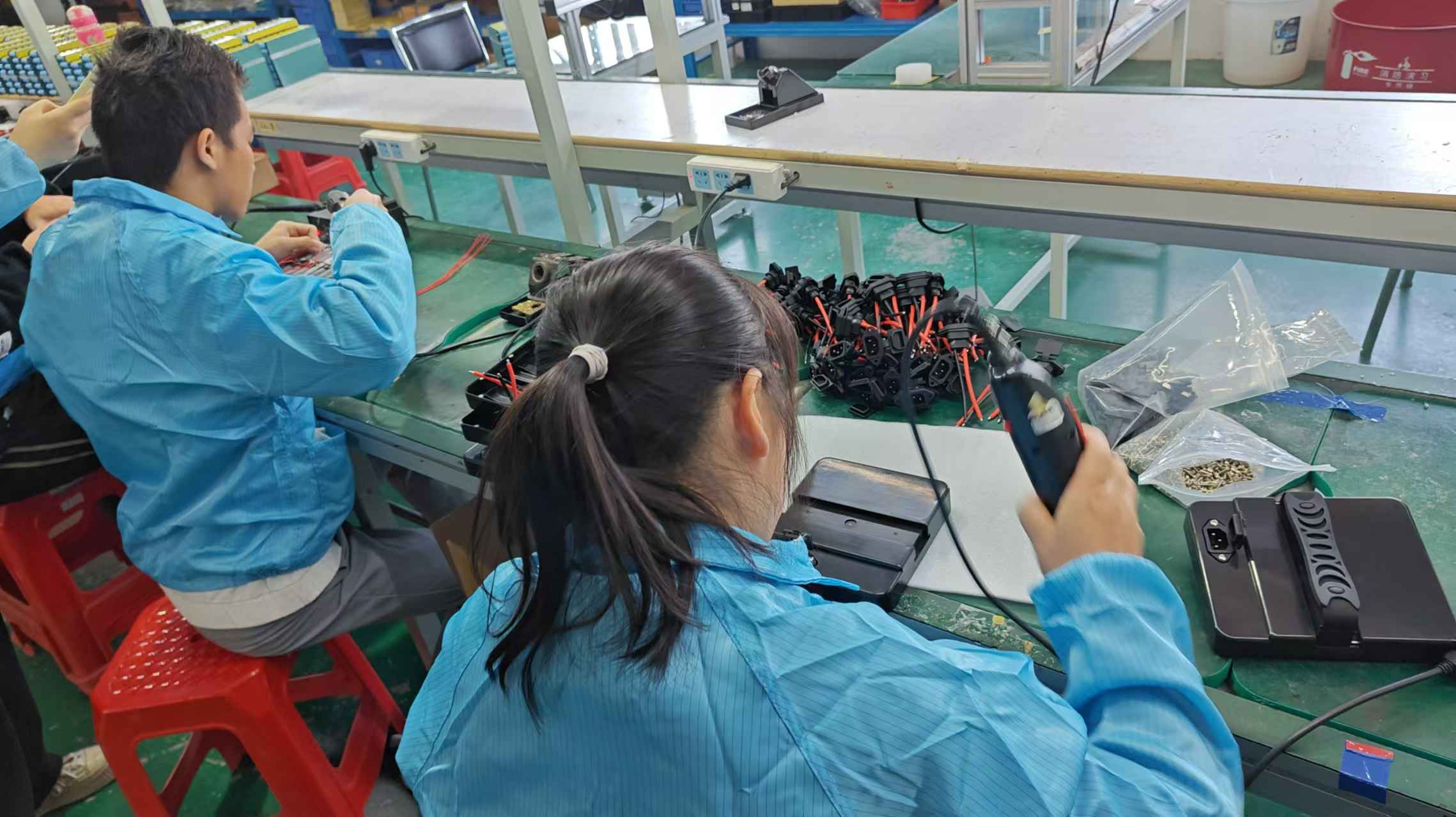
Using automated high-energy laser welding equipment ensures busbars are bonded with minimal contact resistance, avoiding local hotspots during high-current discharging cycles.
From extreme temperature microgrids in North America to peak-shaving units in Western Europe, battery systems must be engineered to withstand highly diverse environmental conditions.
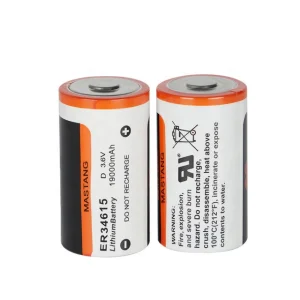
In remote agricultural deployments, reliable power is critical. Ultra-wide temperature primary cell systems like ER34615 support wireless telemetry sensors, functioning consistently across extreme ranges from -55°C to +85°C without maintenance overhead.
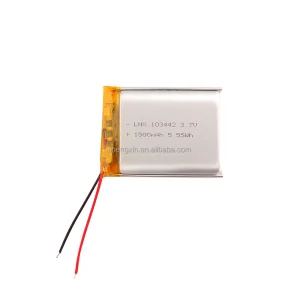
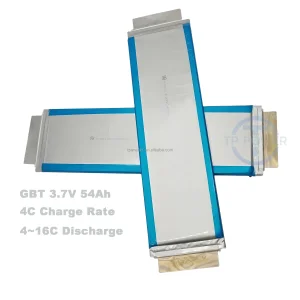
Industrial-grade polymer and prismatic cell integrations serve urban delivery e-bikes and golf cart fleets. Nuwon’s 3.7V Pouch cell variants offer safety profiles that prevent thermal runaway in high-density urban environments.
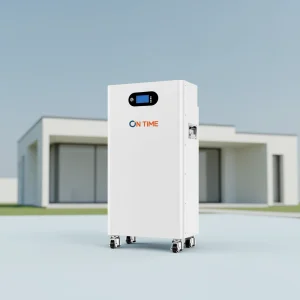
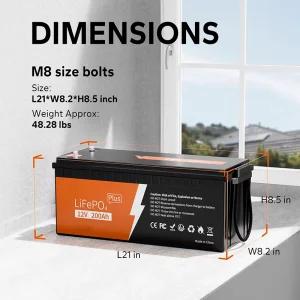
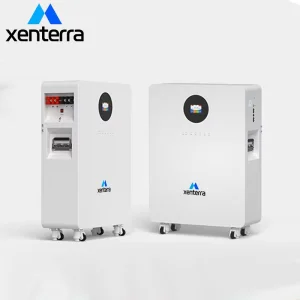
Stackable high-voltage LiFePO4 packs (15KWh to 50KWh) are designed for direct integration with smart hybrid inverters. They support grid peak-shaving, emergency backup, and self-consumption optimization models.
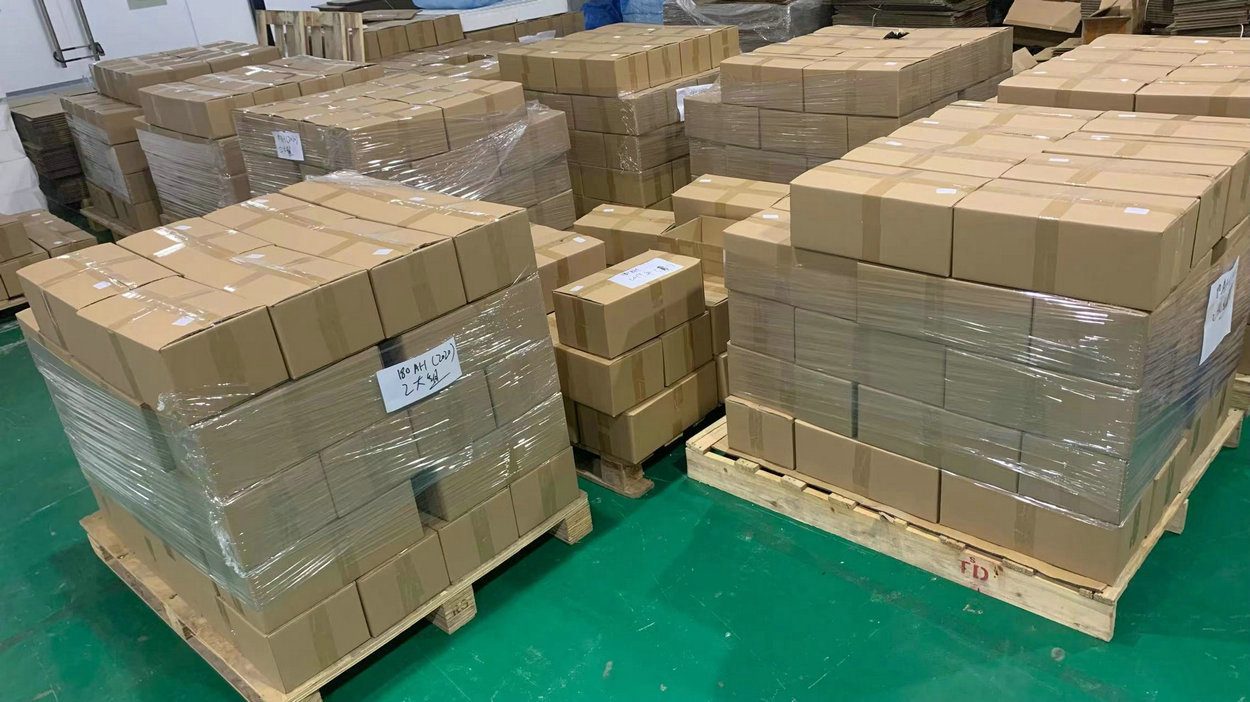
Our operation balances raw production capacity with reliable logistics processes. Below are key performance metrics from our latest manufacturing audits:
Guangdong Nuwon Energy Co., Ltd. is a leading manufacturer and solution provider in advanced battery systems, specializing in the research, development, manufacturing, and global distribution of high-performance energy storage products. The company offers comprehensive OEM and ODM services, delivering customized battery solutions tailored to diverse industrial and commercial applications.
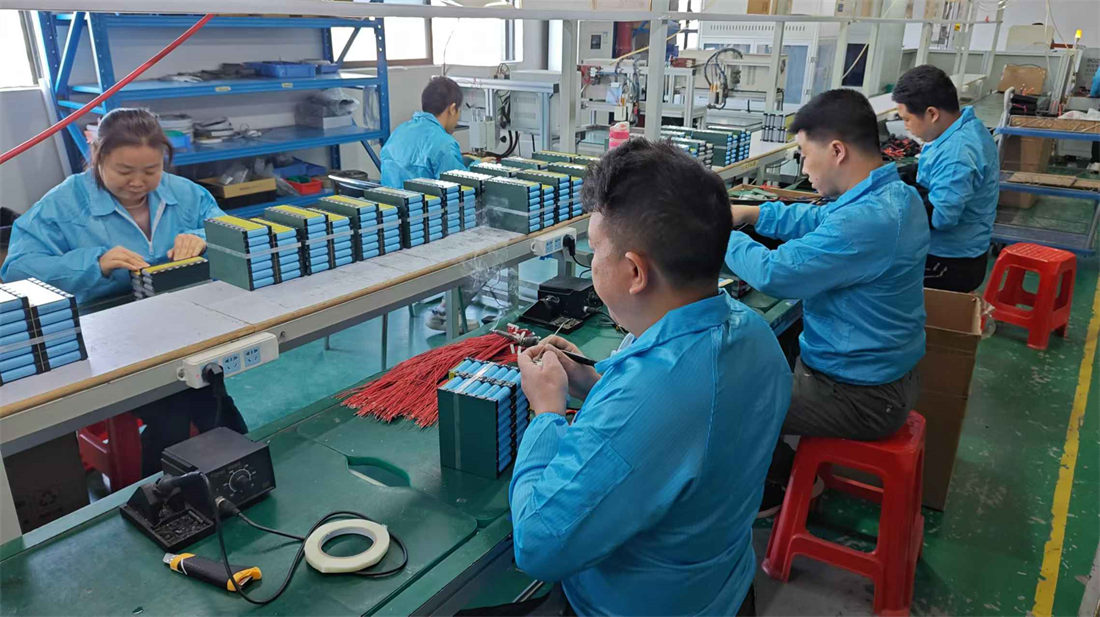
Backed by a highly experienced engineering and R&D team, Nuwon Energy focuses on the design and integration of cylindrical and prismatic lithium battery cells, as well as complete battery packs, modules, and energy storage systems. The company also develops and produces industrial-grade battery cells engineered for safety, durability, and long cycle life.
Guangdong Nuwon Energy serves a wide range of industries, including consumer electronics, electric mobility (such as golf carts, forklifts, UTVs/ATVs, trucks, and marine systems), medical equipment, unmanned ground vehicles (AGVs/AMRs), and emerging aerospace applications such as eVTOL aircraft. In addition, the company provides reliable residential, commercial, and industrial (C&I) energy storage solutions designed to support the global transition toward clean and sustainable energy.
With a strong commitment to innovation, strict quality control, and customer-centric service, Guangdong Nuwon Energy continuously invests in advanced manufacturing capabilities, automated production lines, and rigorous testing systems. This ensures that every product meets international safety standards and delivers exceptional performance in demanding environments.
Driven by a vision to accelerate global electrification and energy efficiency, Guangdong Nuwon Energy Co., Ltd. is dedicated to building long-term partnerships and providing reliable, intelligent, and sustainable energy solutions to customers worldwide.
Get immediate answers to crucial engineering, compliance, and custom integration questions regarding our battery systems.
 Nuwon Energy