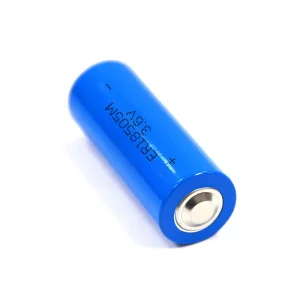
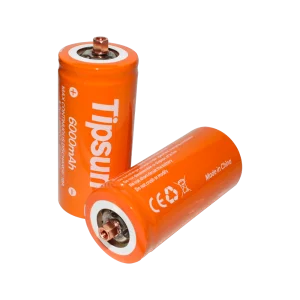
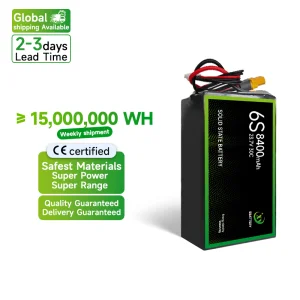
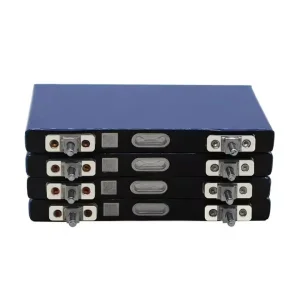
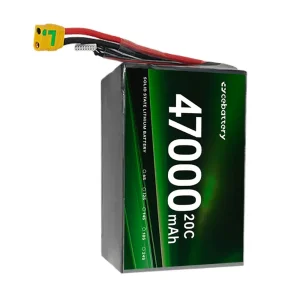
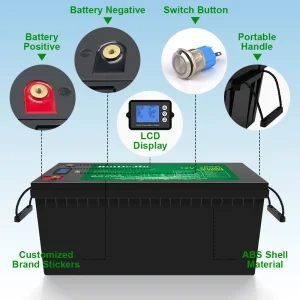
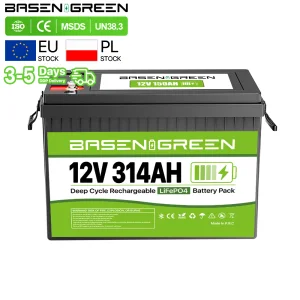
Explore our selection of premium lithium-ion, solid-state, and primary cells engineered for high efficiency, durability, and customized integration.
As the global energy transition accelerates, deep cycle batteries have transitioned from niche storage products into the foundational infrastructure of modern electrification. Today's commercial, industrial, and utility-scale operators demand storage solutions that deliver high energy density, unparalleled cycle lifetimes, and ironclad safety standards.
China produces over 70% of the world's lithium-ion batteries. This global dominance is built on massive vertical integration—ranging from raw lithium processing, anode/cathode synthetic material formulation (like cobalt-free NMA), to automated cell assembly and integrated Smart BMS programming.
For engineering procurement departments, sourcing directly from top-tier Chinese battery factories like Guangdong Nuwon Energy Co., Ltd. offers a combination of economies of scale, extensive product lines, and rapid custom prototyping that cannot be matched anywhere else.
Choosing the right chemical topology is crucial for optimizing lifecycle costs and system safety. Review our comparative analysis below:
| Battery Chemistry Type | Typical Cycle Life (80% DOD) | Energy Density (Wh/kg) | Safety Profile / Thermal Runaway Temp | Best Application Fields |
|---|---|---|---|---|
| Lithium Iron Phosphate (LiFePO4) | 4,000 - 10,000 Cycles | 140 - 180 Wh/kg | Excellent (270°C) | Solar ESS, RVs, Telecom, Golf Carts, Marine |
| Solid-State / Semi-Solid-State Lithium | 2,000 - 4,000 Cycles | 260 - 350 Wh/kg | Outstanding (No liquid electrolyte leakage) | UAVs, Drones, High-altitude aerospace, EV Start |
| Lithium Nickel Manganese Cobalt (NMC) | 1,500 - 3,000 Cycles | 200 - 250 Wh/kg | Moderate (210°C) | Electric Vehicles, High-discharge UAVs, AGVs |
| Cobalt-Free NMA Materials | 2,000 - 4,000 Cycles | 220 - 270 Wh/kg | High Thermal Stability | Next-generation long-range EVs, Sustainable ESS |
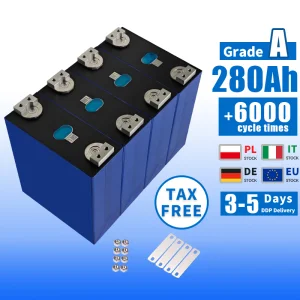
Historically, deep cycle applications relied on classic flooded lead-acid or AGM batteries due to low upfront costs. However, when evaluating the total cost of ownership (TCO), lithium systems prove far superior. With a lifetime cycle profile reaching up to 10,000 cycles (as seen in our Grade A LiFePO4 Solid State cells), the cost per cycle is reduced by up to 70% compared to lead-acid.
Furthermore, the introduction of semi-solid-state chemistry bridges the gap between high energy density requirements (such as payload UAVs and high-capacity drone platforms) and optimal thermal stability, creating a safer operational window under extreme discharge rates.
Guangdong Nuwon Energy Co., Ltd. represents the cutting edge of industrial-grade cell design, modular integration, and precision assembly lines.
Guangdong Nuwon Energy Co., Ltd. is a leading manufacturer and solution provider in advanced battery systems, specializing in the research, development, manufacturing, and global distribution of high-performance energy storage products. The company offers comprehensive OEM and ODM services, delivering customized battery solutions tailored to diverse industrial and commercial applications.
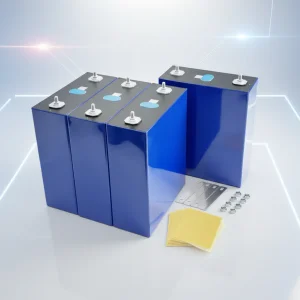
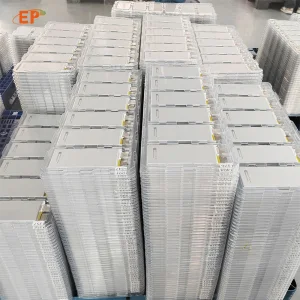
Backed by a highly experienced engineering and R&D team, Nuwon Energy focuses on the design and integration of cylindrical and prismatic lithium battery cells, as well as complete battery packs, modules, and energy storage systems. The company also develops and produces industrial-grade battery cells engineered for safety, durability, and long cycle life.
Every cell and battery pack undergoes a rigorous quality control program at our facilities to ensure perfect performance under heavy thermal and mechanical stresses.
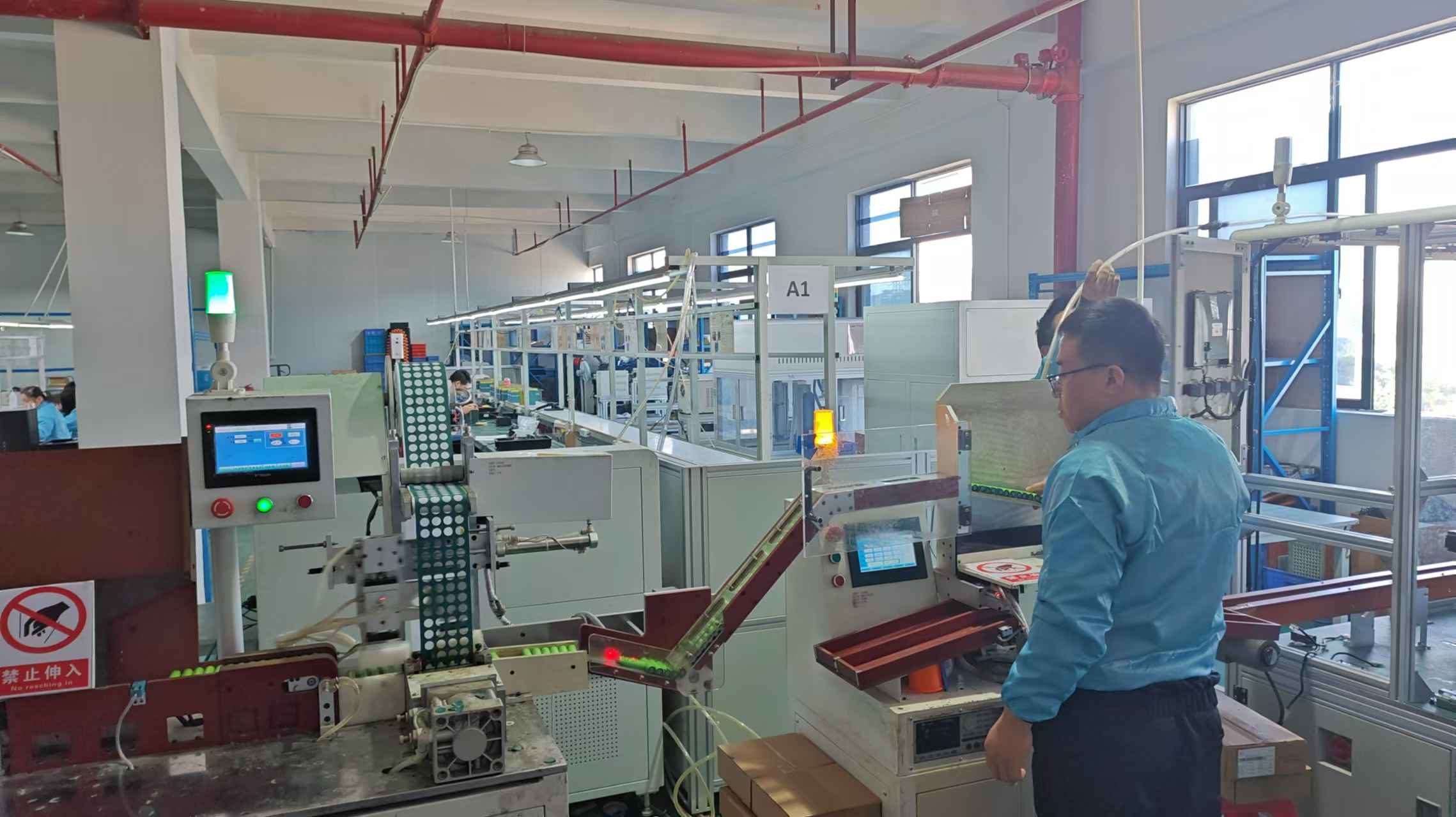
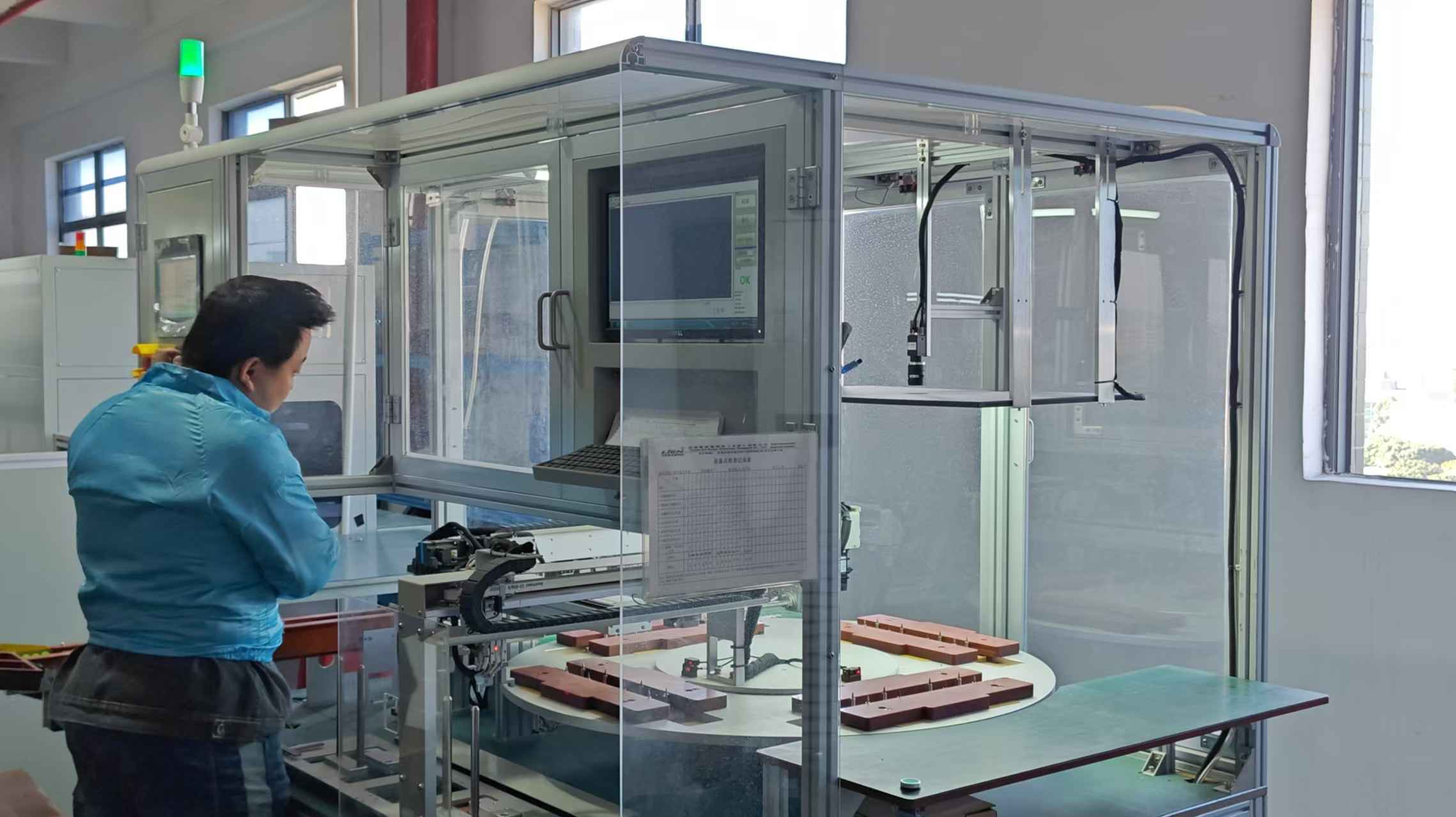
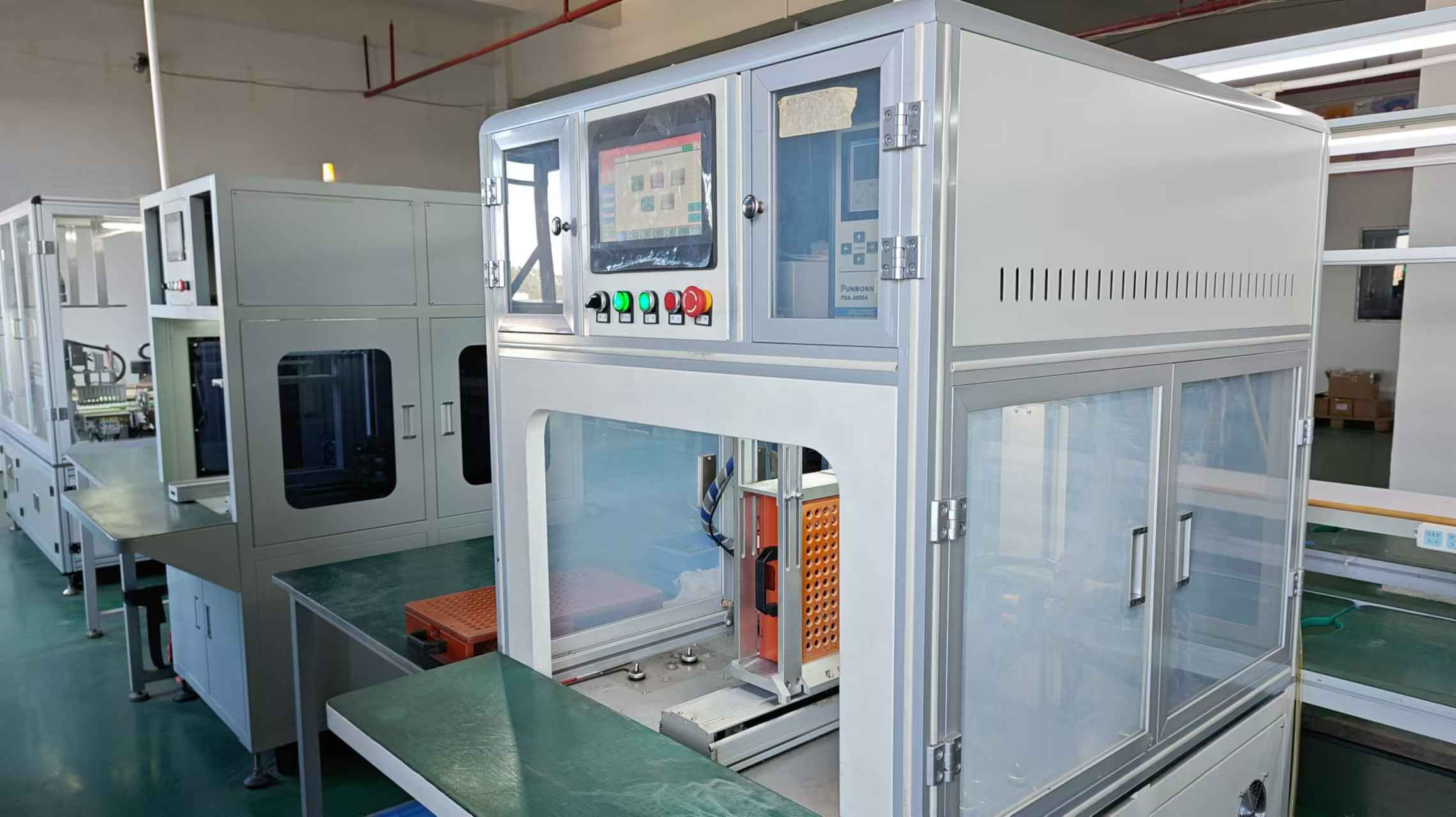
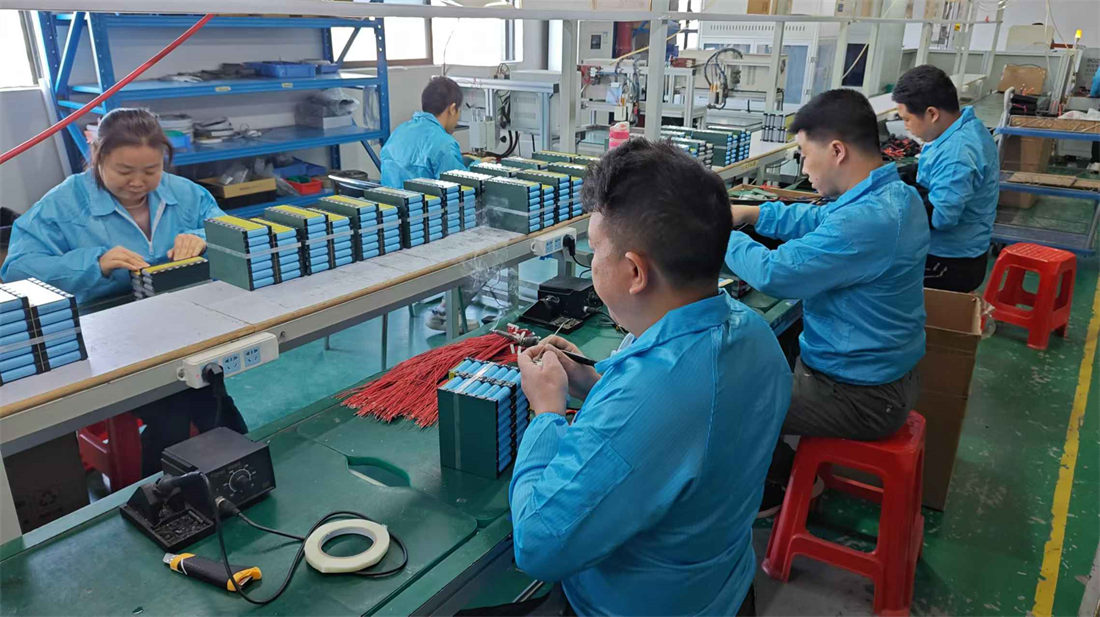
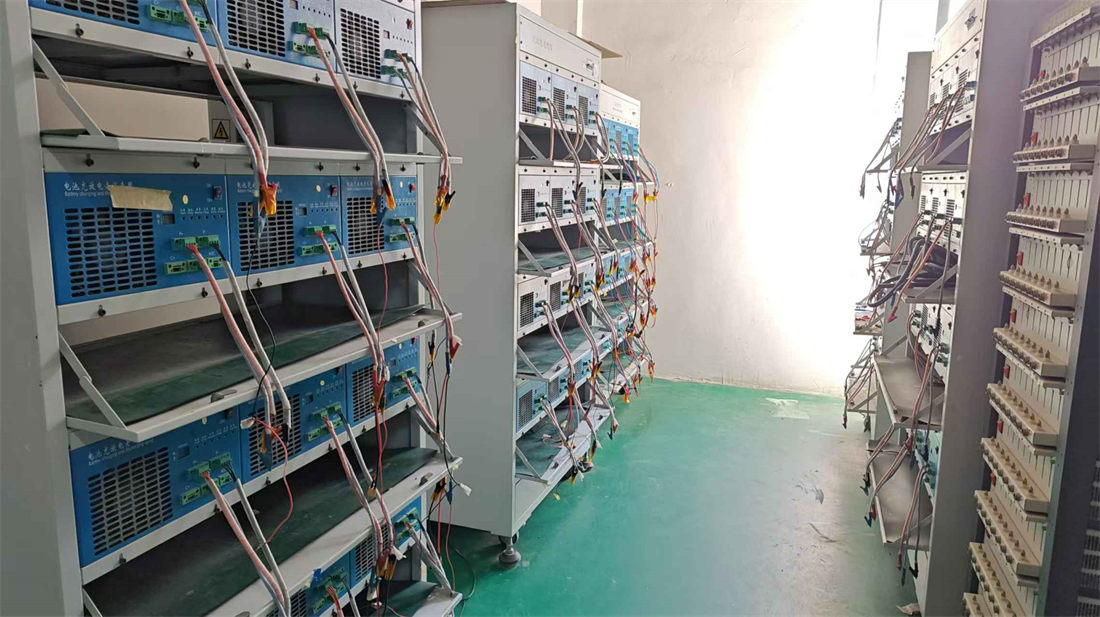
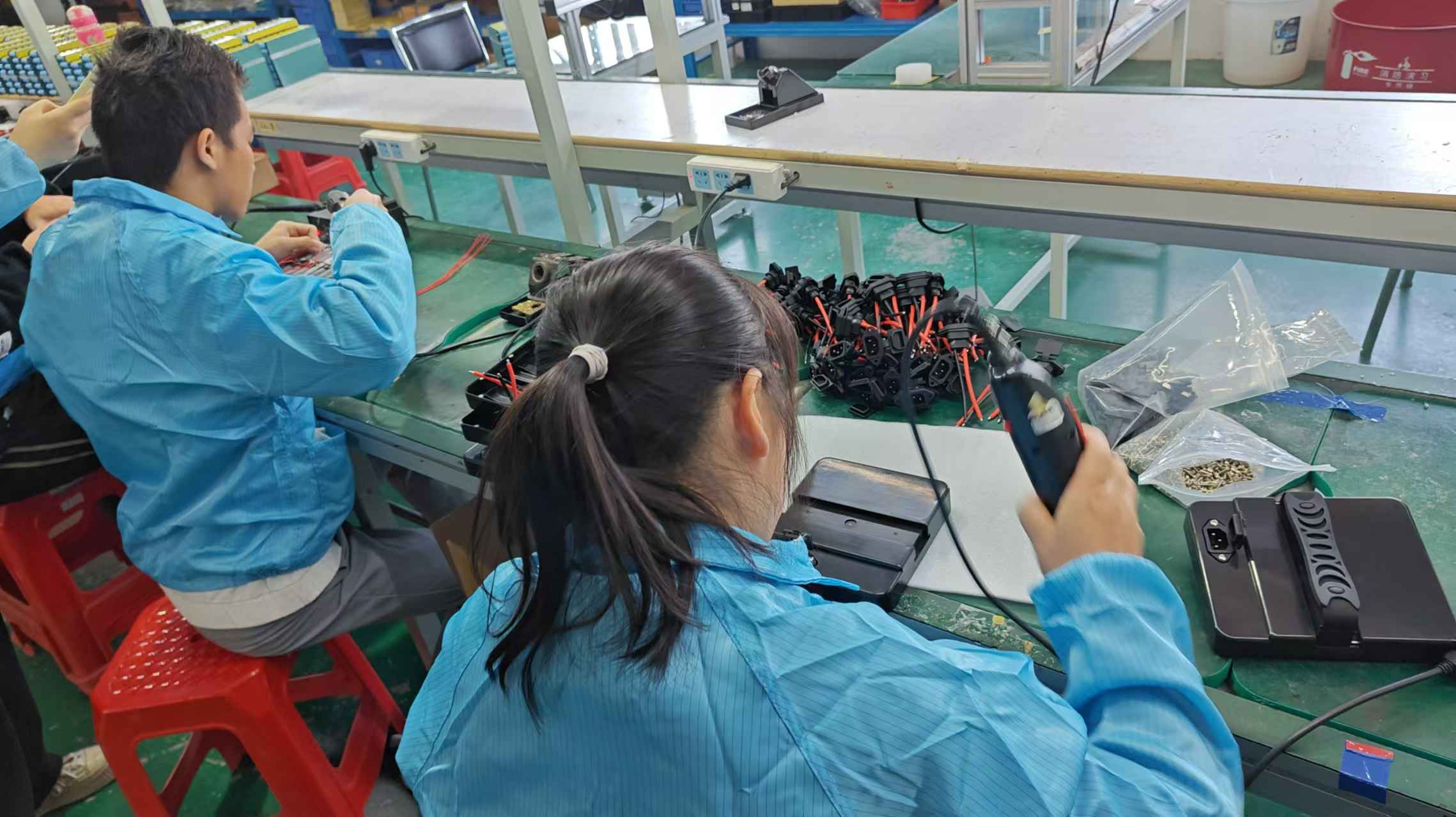
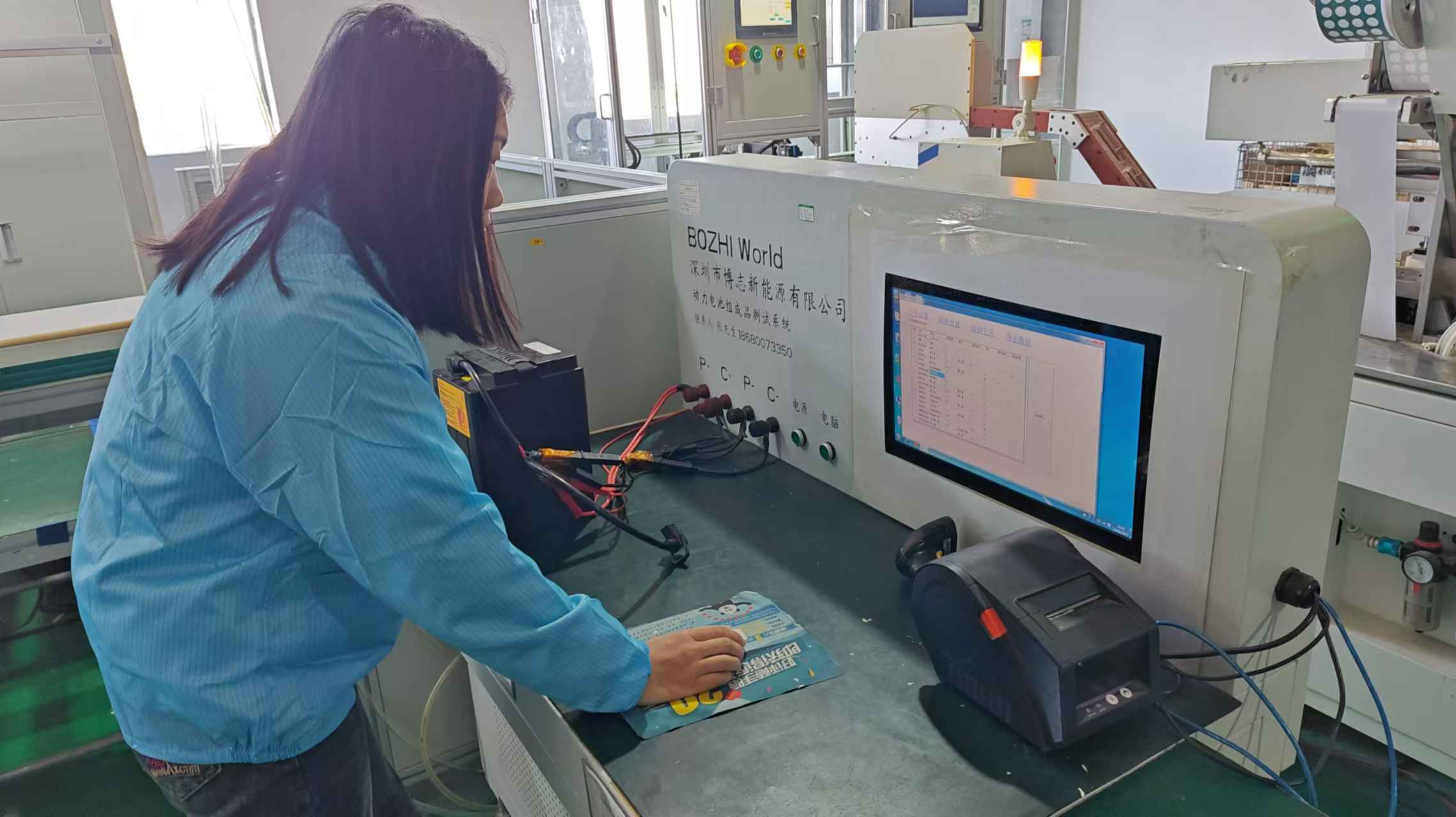
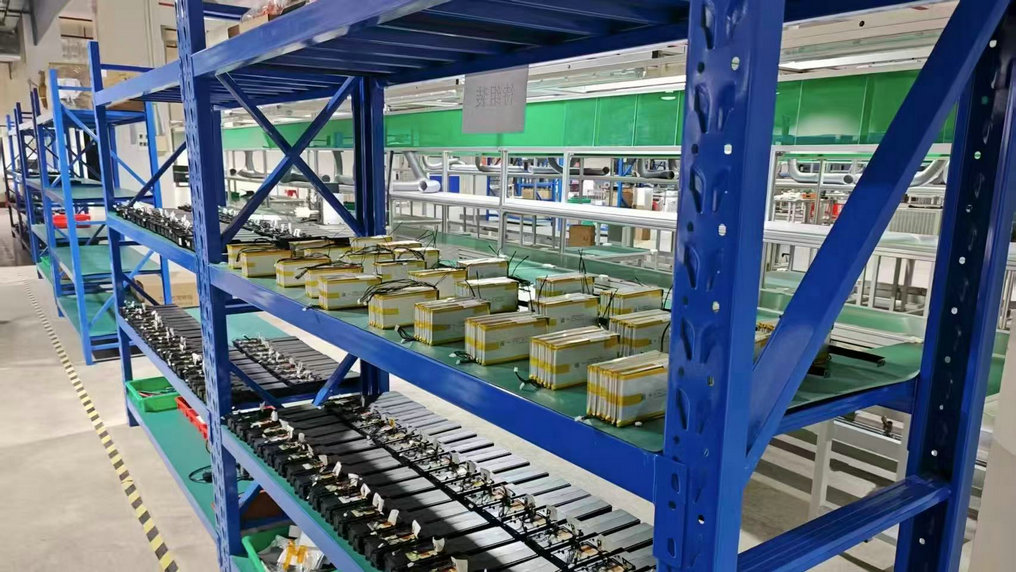
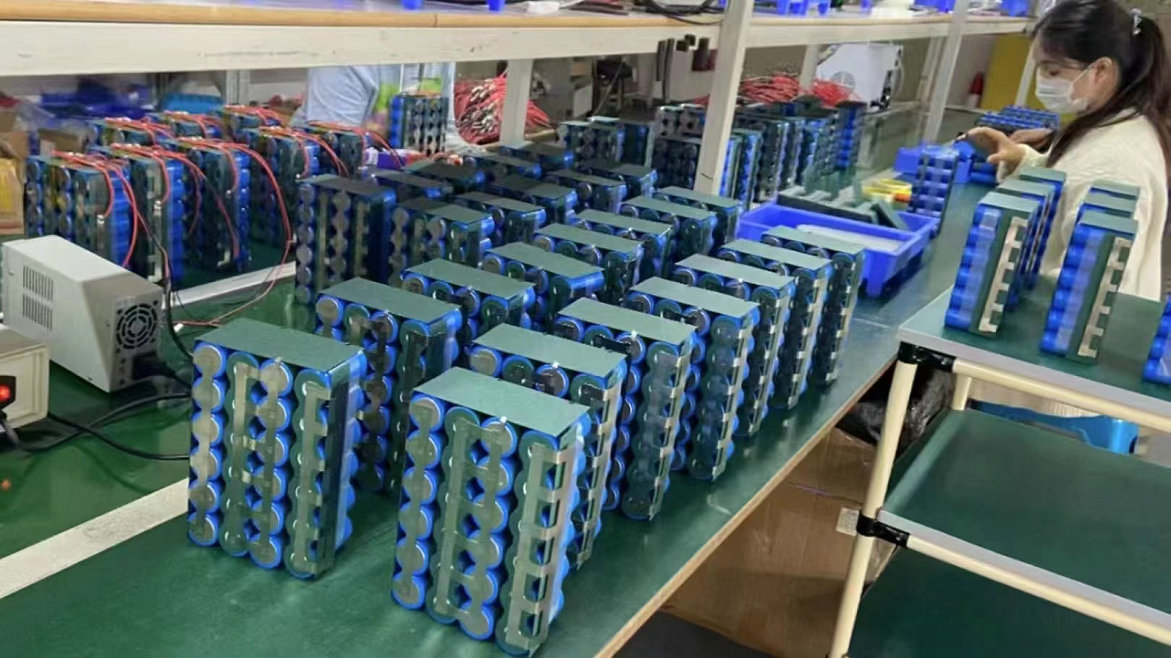
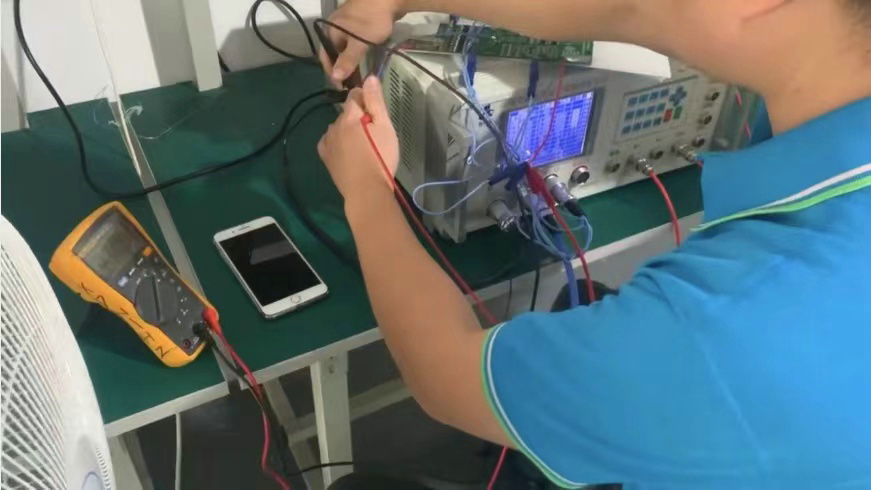
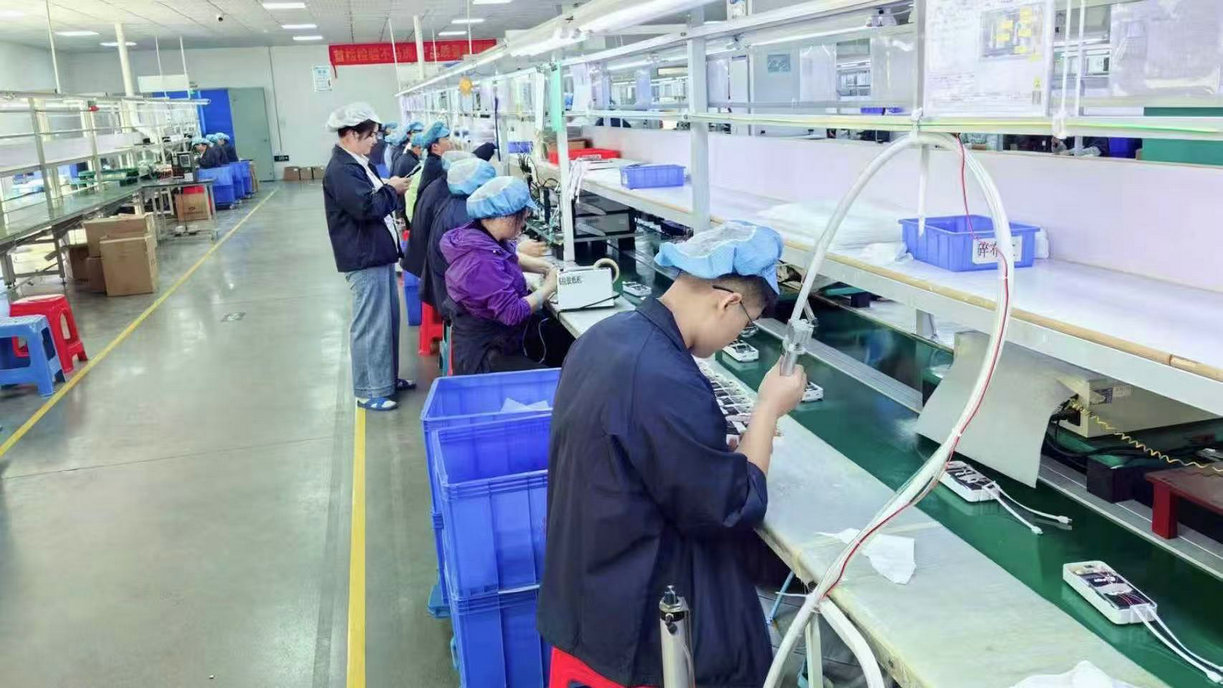
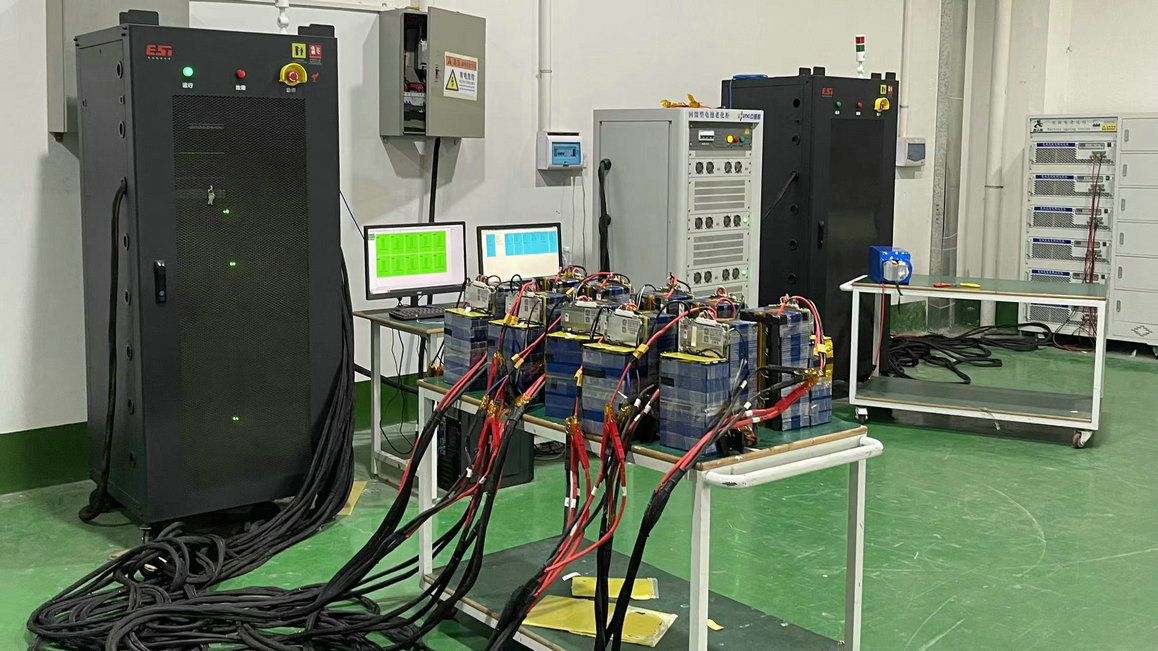
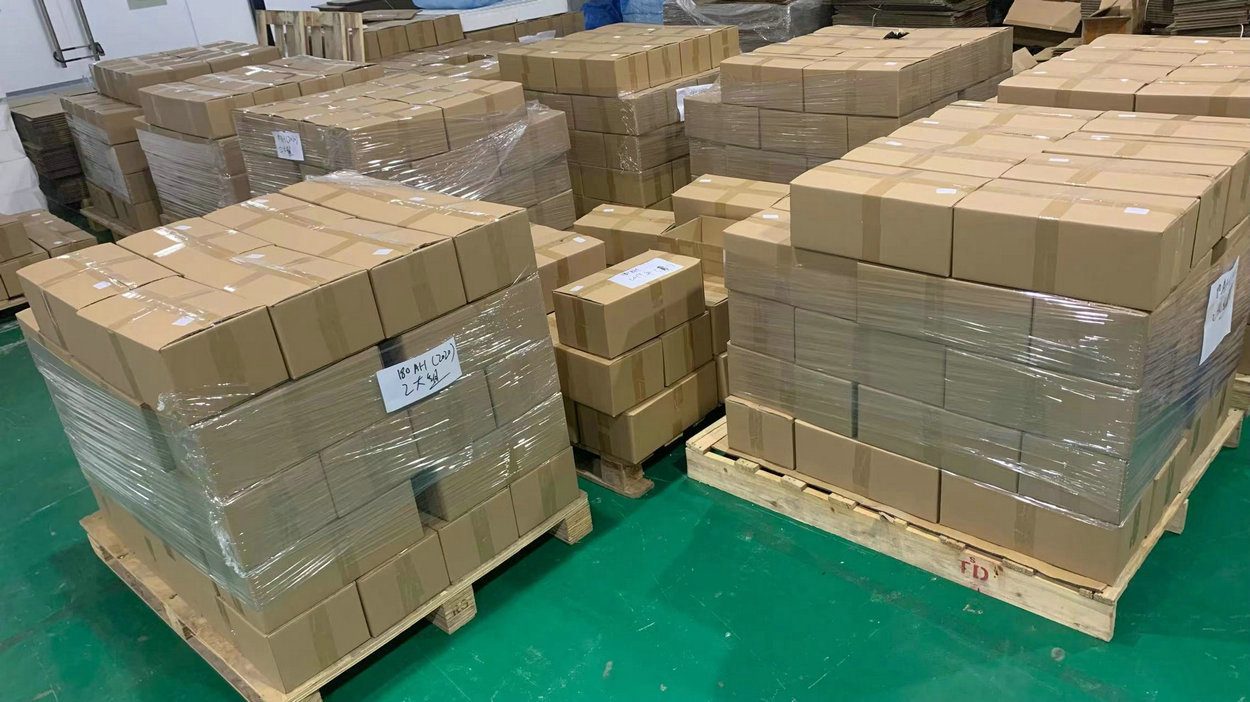
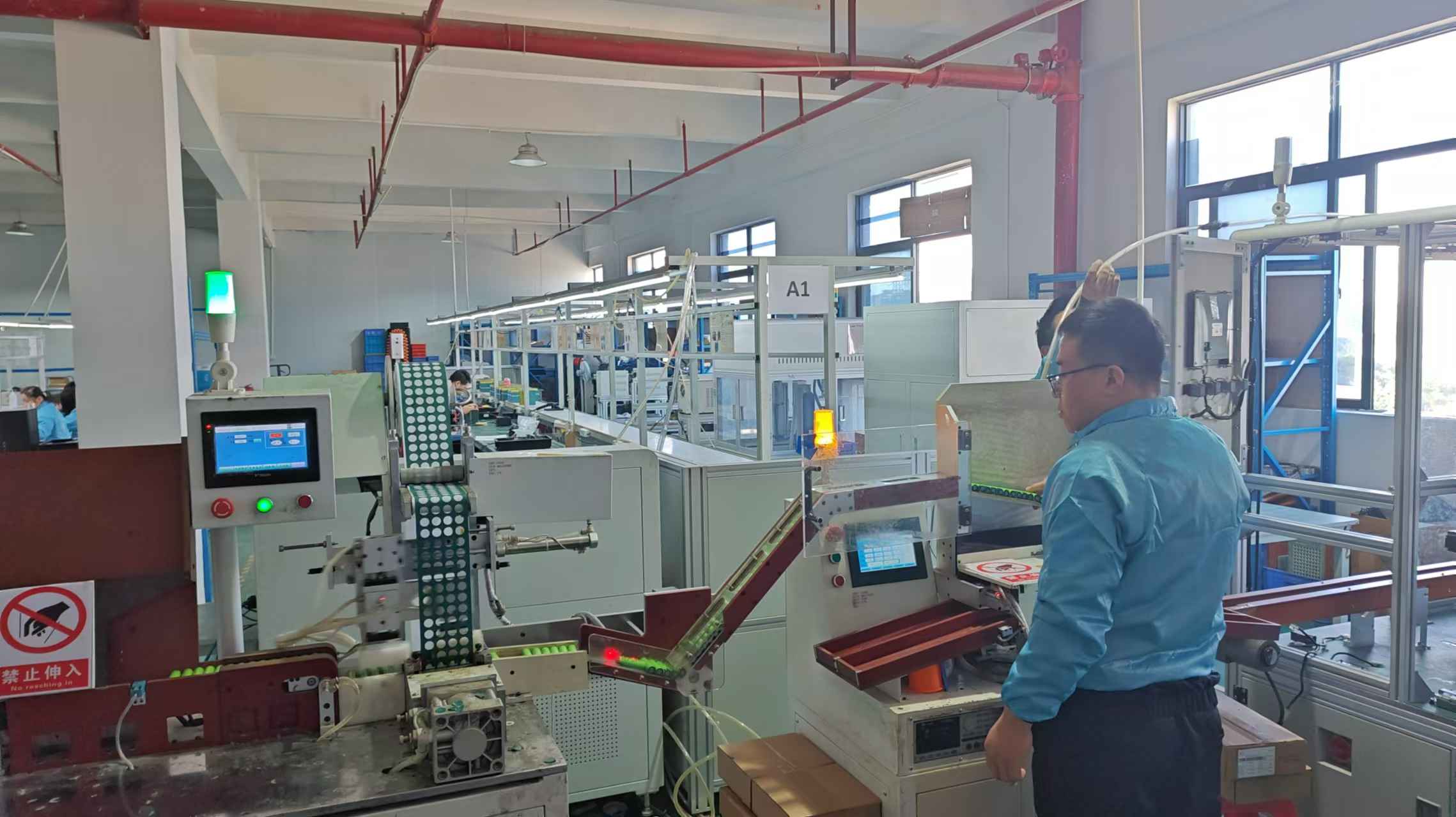
Guangdong Nuwon Energy serves a wide range of industries, delivering reliable solutions configured to unique load profiles and harsh operational environments.
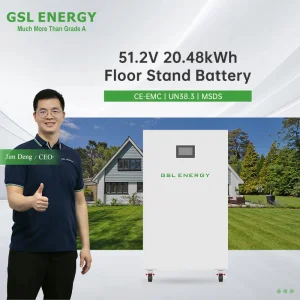
C&I facilities face rising peak-demand charges. By integrating high-capacity battery banks (such as GSL Energy's 20kWh 51.2V systems), enterprises can load-shift by charging during off-peak hours and discharging during demand peaks. This application requires reliable BMS communication to coordinate with commercial hybrid inverters and local grid operators.
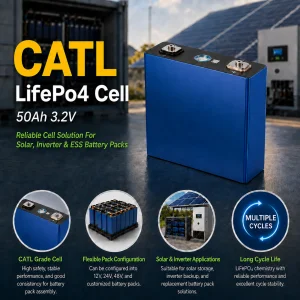
Forklifts, Automated Guided Vehicles (AGVs), and golf carts demand batteries that can handle heavy cyclic discharge and fast opportunity charging. Our Grade A LiFePO4 cells support high discharge rates without suffering localized thermal buildup, significantly increasing shift uptimes for logistics complexes.
Marine applications demand IP67 waterproof and vibration-resistant housing configurations. Salt air and rolling hulls put severe mechanical pressure on battery terminals. Guangdong Nuwon Energy solves this with structural cell spacers and precision insulation designs to prevent internal shorts.
Drones and electric vertical takeoff/landing (eVTOL) aircraft operate at the absolute edge of battery technology. To lift heavy payloads, these systems require energy storage packs that balance minimal weight with high power outputs (20C to 25C continuous discharge), which is why semi-solid-state pouch cells are increasingly favored.
For professional buyers, sourcing batteries from China involves analyzing deep technical metrics beyond the unit price. Follow this checklist to ensure reliable procurement:
Always verify if the cells used are brand-new, "Grade A" cells. Many lower-priced exporters use retired EV cells or "Grade B" stock that has higher self-discharge rates, unequal capacities, or mismatched internal resistance, which drastically shortens overall pack life.
A high-quality factory maintains a strict cell matching standard before assembly:
The Battery Management System is the heart of safety. A premium BMS monitors cell voltages, balances charge states, and provides safety cut-offs for over-charge, over-discharge, over-current, and short-circuit conditions. Insist on communication protocol compatibility (Modbus, CANbus) for seamless integration with your PCS.
Verify that your partner provides complete batch testing reports, including UN38.3 test results (essential for air and ocean freight shipping), MSDS data sheets, and CE/UL quality marks.
Get detailed, engineering-level answers to the most common questions regarding deep cycle battery sourcing, installation, and operation.
Discover our industrial battery modules, custom pouch configurations, and specialized cells designed for heavy-duty applications.
 Nuwon Energy