High-performance components engineered for precise cell matching, energy distribution, and micro-balancing systems.

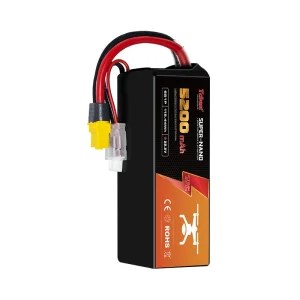
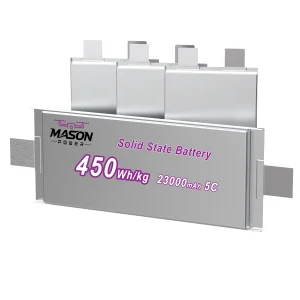
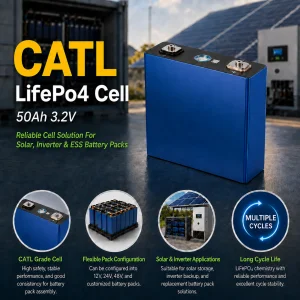
In high-power industrial designs, commercial energy storage systems (ESS), and electric vehicles (EVs), the lifespan and safety profile of any battery system depend on the precision of its electrochemical management. A battery voltage regulator acts as the central sentinel, preventing deviations in cell potential that could otherwise result in catastrophic thermal runaways, localized capacity fade, or micro-dendrite formation.
Battery systems are only as resilient as their weakest cell. Without a sophisticated Battery Management System (BMS) utilizing buck-boost topology, active or passive balancing circuits, and micro-volt level regulation, cells will drift during repeated cycles. Under charging cycles, an un-regulated battery pack risks overcharging certain cells, leading to electrolyte decomposition. Conversely, during discharge cycles, weaker cells can experience reverse polarization. By installing specialized voltage regulation hardware directly onto the cell busbars or integrating active balancing circuits within the module, system design engineers can extend battery life by up to 80% while ensuring stable system voltage outputs.
Information Gain: Active vs. Passive Voltage Balancing
While passive balancing bleeds off excess voltage as waste heat via shunt resistors, active voltage regulation relocates energy from high-voltage cells to low-voltage cells using capacitive or inductive charge shuttles. This minimizes thermal generation, improves system round-trip efficiency (RTE), and keeps operational temperatures within the safe operating envelope.
Cell-to-Cell Voltage Tolerance
Active Regulator Efficiency
Cycle Life on LTO Regulators
Operating Temperature Range
Modern energy systems deploy diverse chemical compounds. Each demands a distinct regulatory strategy to optimize performance and longevity:
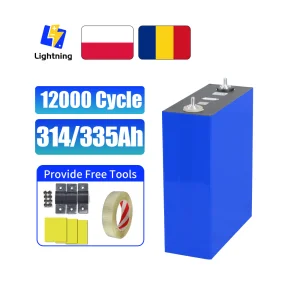
LiFePO4 exhibits an exceptionally flat discharge curve between 10% and 90% State of Charge (SoC). Because the cell potential shifts by only millivolts over this wide range, voltage regulators must feature ultra-high accuracy analog-to-digital converters (ADCs) to detect micro-level state-of-charge disparities.
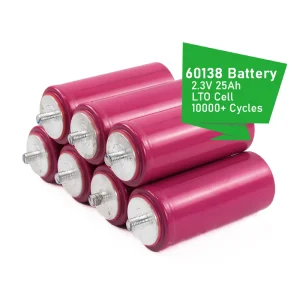
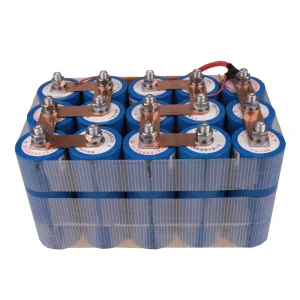
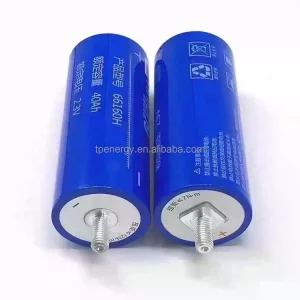
Known for high discharge rates and up to 25,000 cycles, LTO cells require regulators capable of handling rapid transient currents without tripping over-current protection thresholds. This makes LTO highly suitable for heavy-duty industrial and railway applications.
Solid-state electrolytes demand specialized regulation to prevent high-resistance micro-interfaces. Meanwhile, sodium-ion batteries require wider dynamic input ranges to adapt to deep discharge curves down to 1.5V.
Guangdong Nuwon Energy Co., Ltd. is a leading manufacturer and solution provider in advanced battery systems. The company specializes in the research, development, manufacturing, and global distribution of high-performance energy storage products. Offering comprehensive OEM and ODM services, Nuwon Energy delivers customized battery solutions tailored to diverse industrial and commercial applications.
Backed by a highly experienced engineering and R&D team, Nuwon Energy focuses on the design and integration of cylindrical and prismatic lithium battery cells, complete battery packs, modules, and energy storage systems. The company also develops and produces industrial-grade battery cells engineered for safety, durability, and long cycle life. Nuwon serves a wide range of industries including consumer electronics, electric mobility (such as golf carts, forklifts, UTVs/ATVs, trucks, and marine systems), medical equipment, unmanned ground vehicles (AGVs/AMRs), and emerging aerospace applications such as eVTOL aircraft.
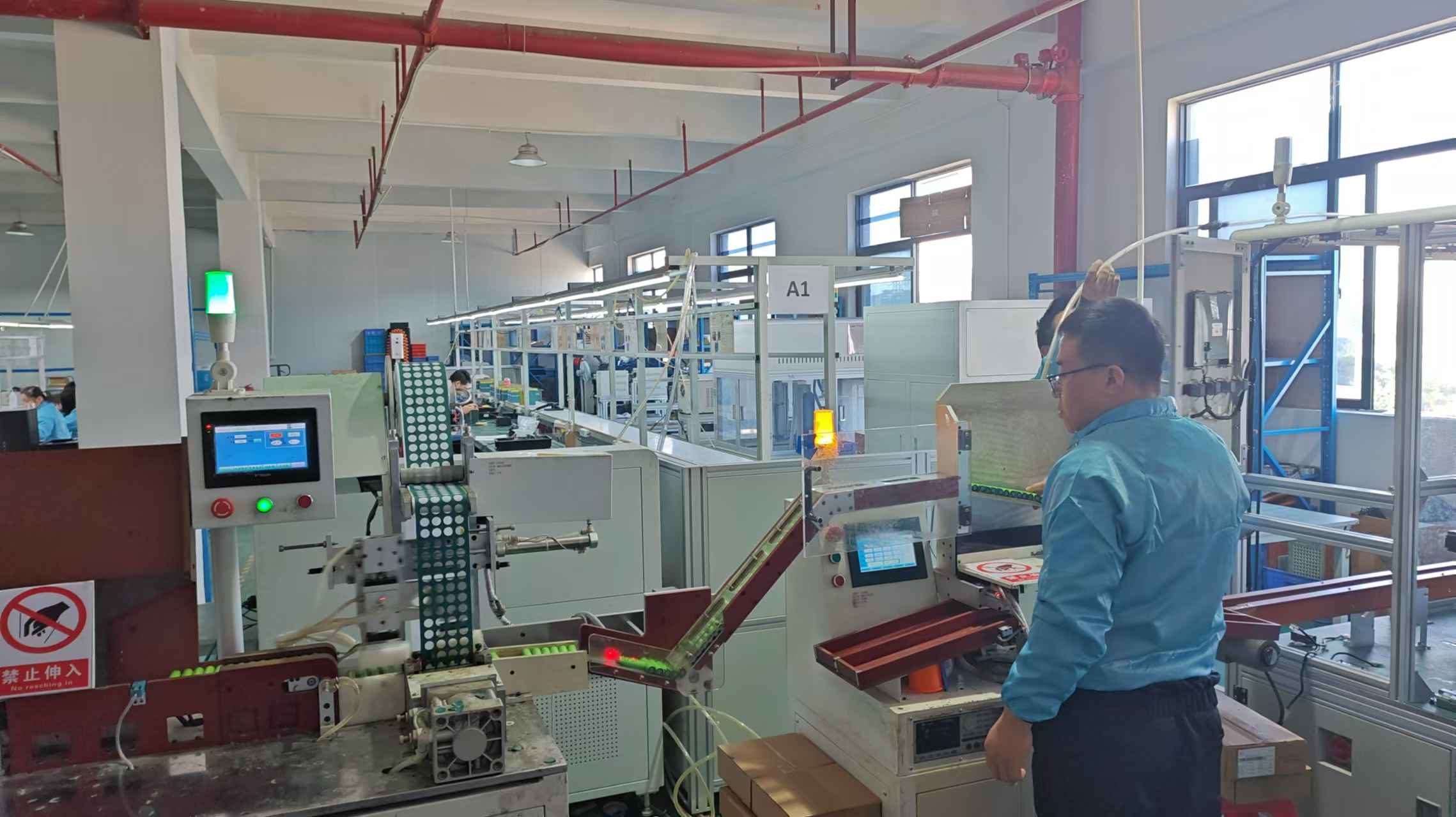
With a strong commitment to innovation, strict quality control, and customer-centric service, Guangdong Nuwon Energy continuously invests in advanced manufacturing capabilities, automated production lines, and rigorous testing systems. This ensures that every product meets international safety standards and delivers exceptional performance in demanding environments.
Cell Sorting
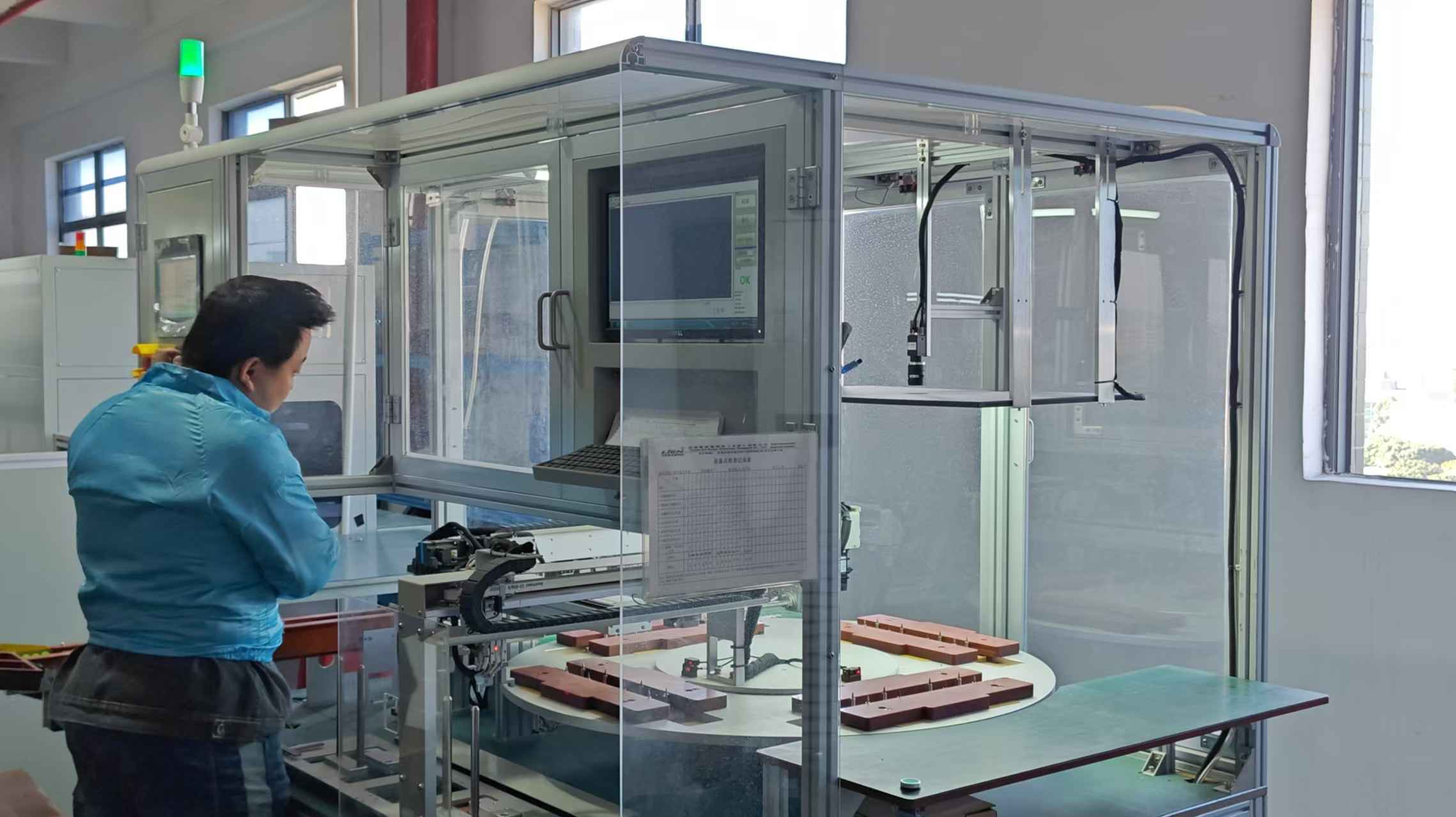
Assembling
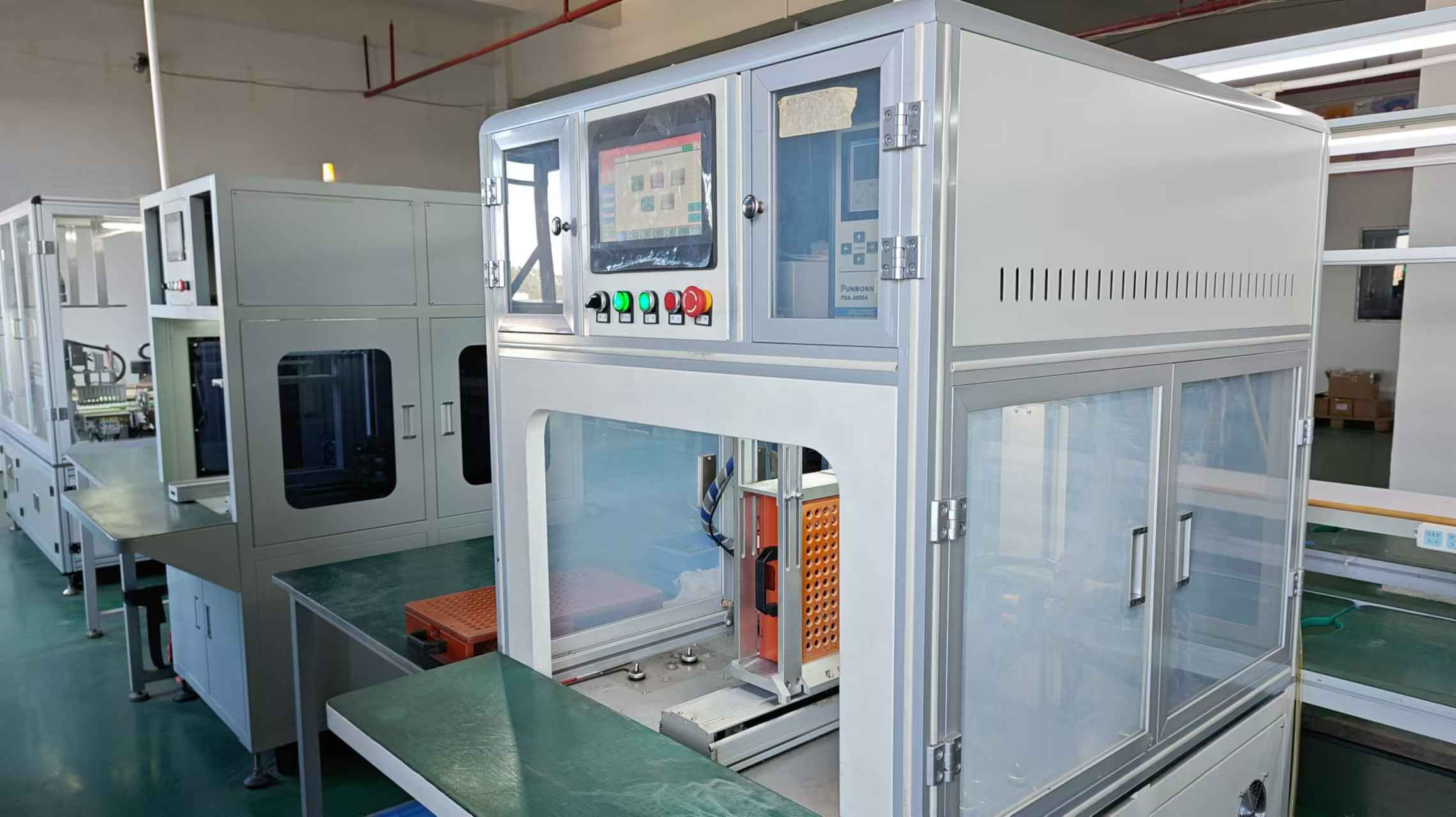
Welding
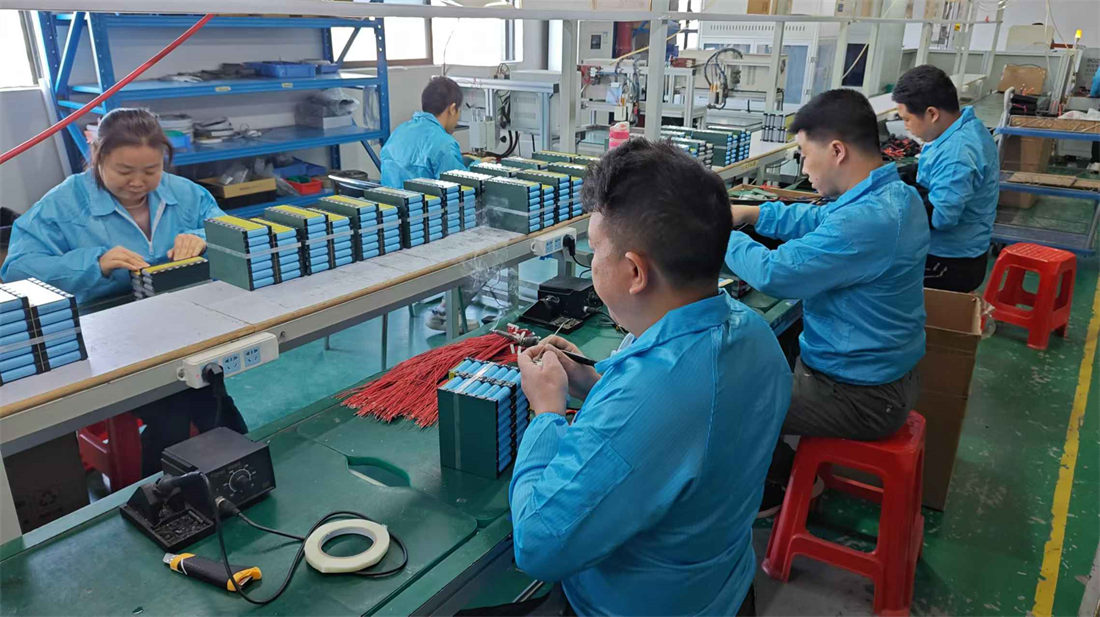
Assembling
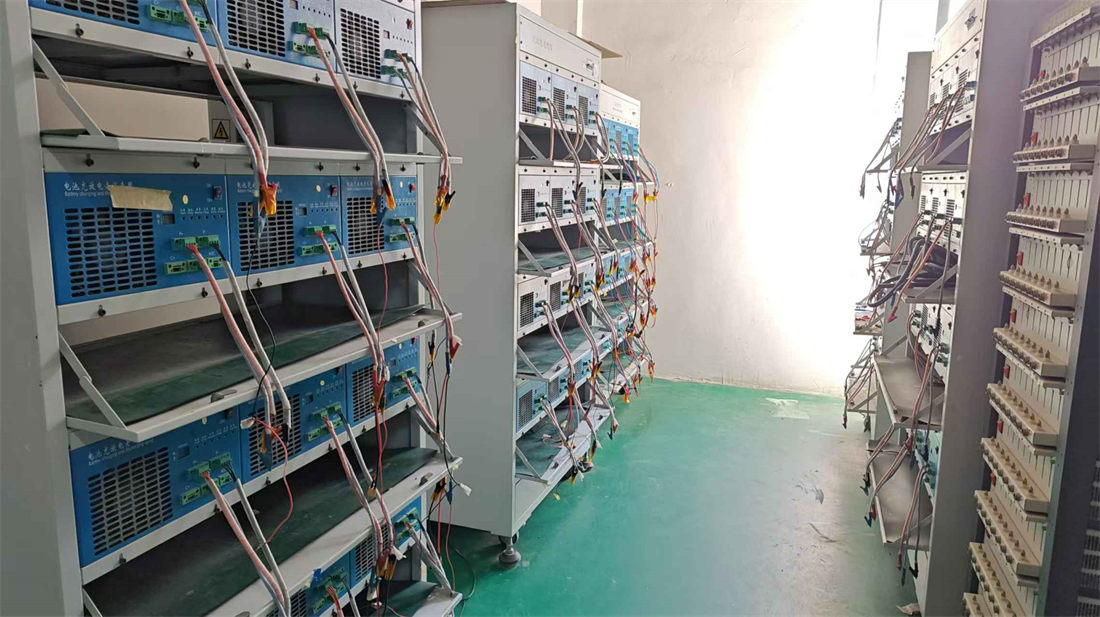
Aging Test
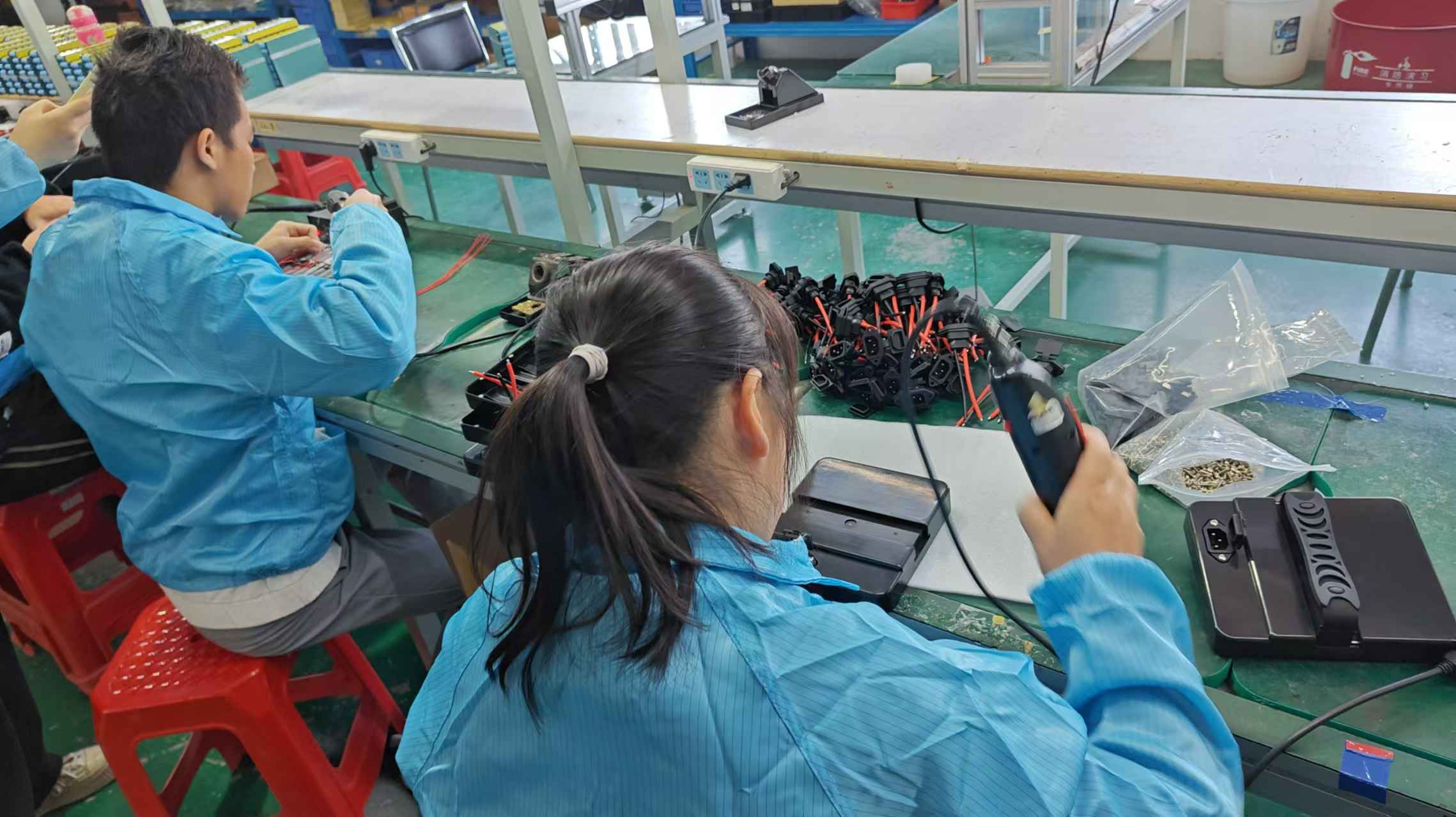
Assembling
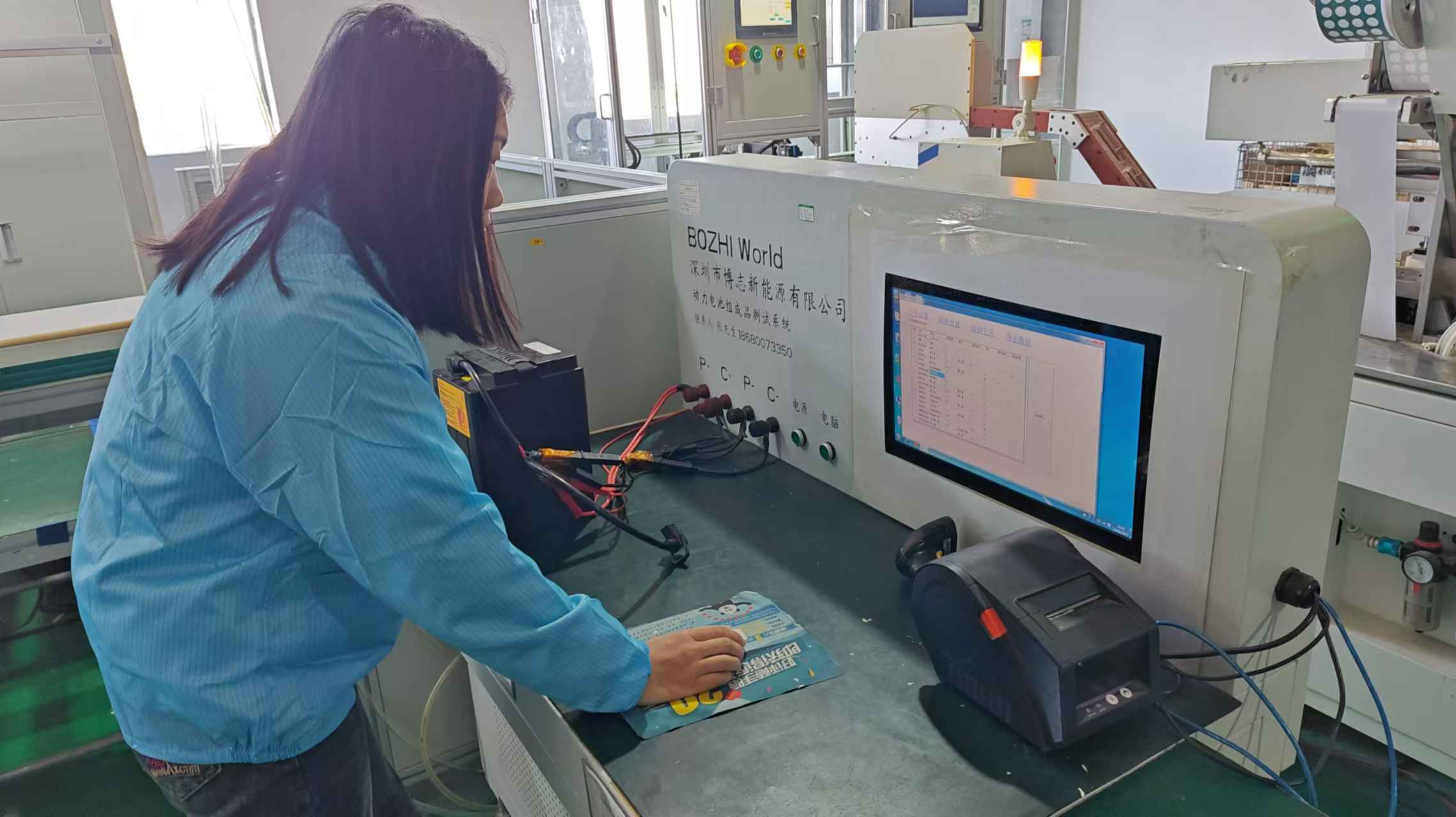
Test
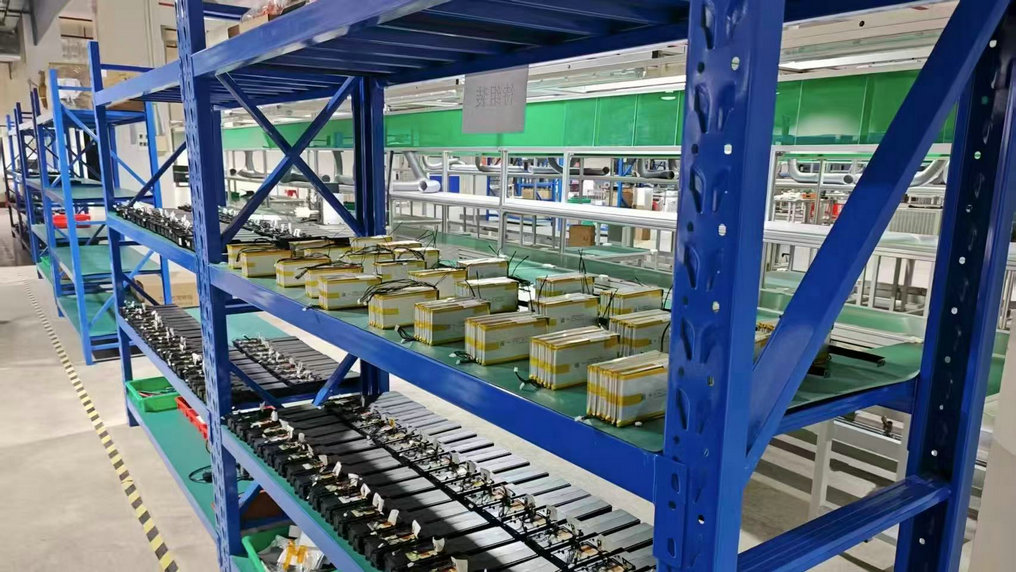
Battery Pack
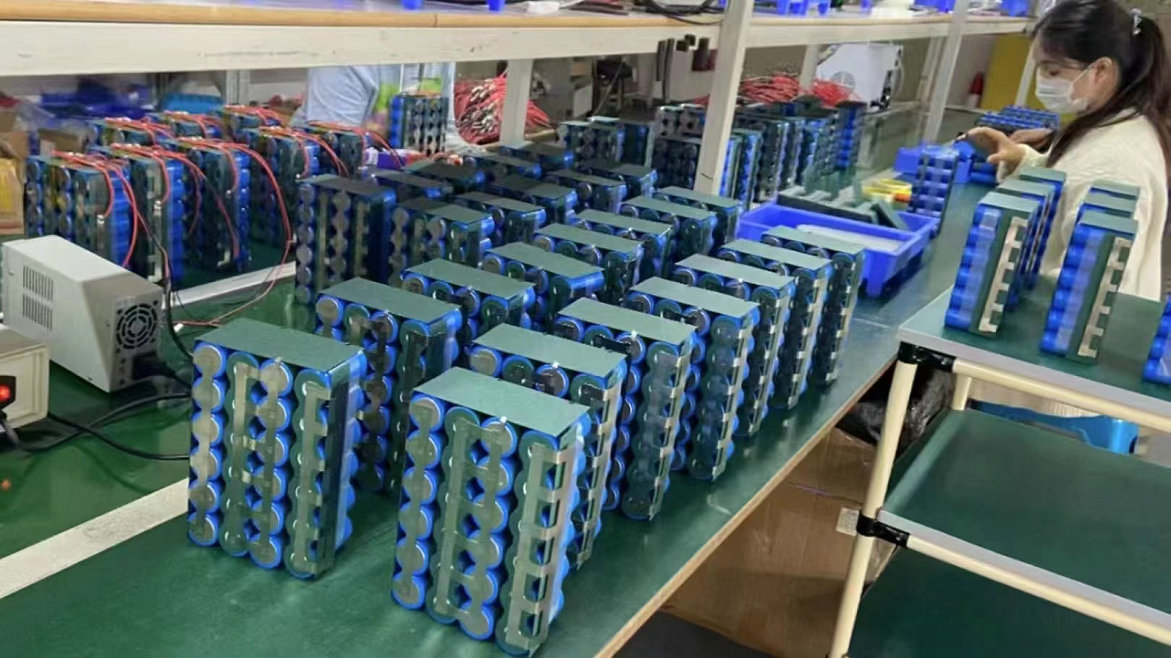
Insulation Testing
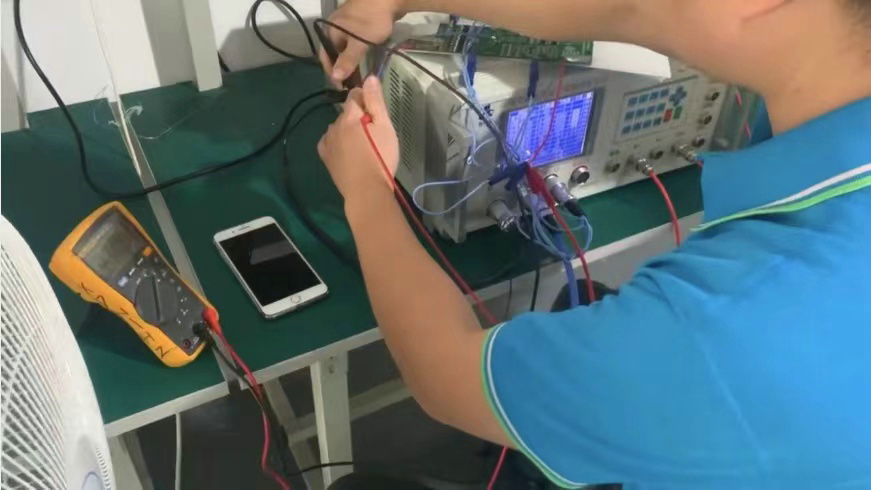
PCB Testing
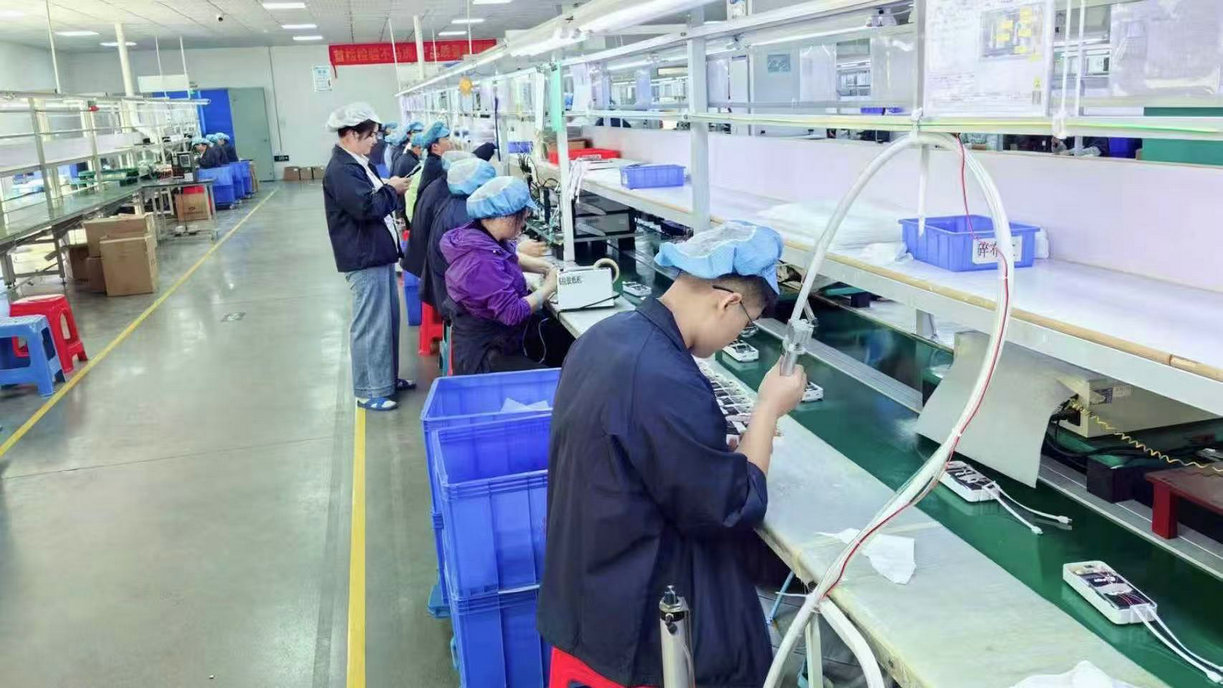
Welding
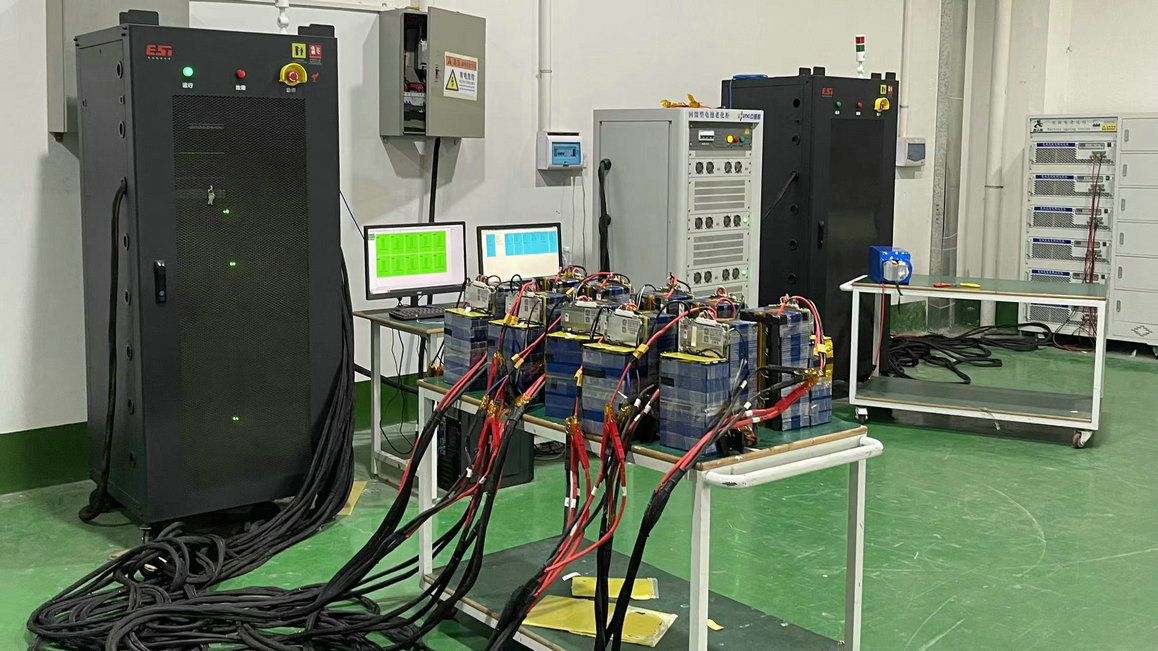
Aging

Products
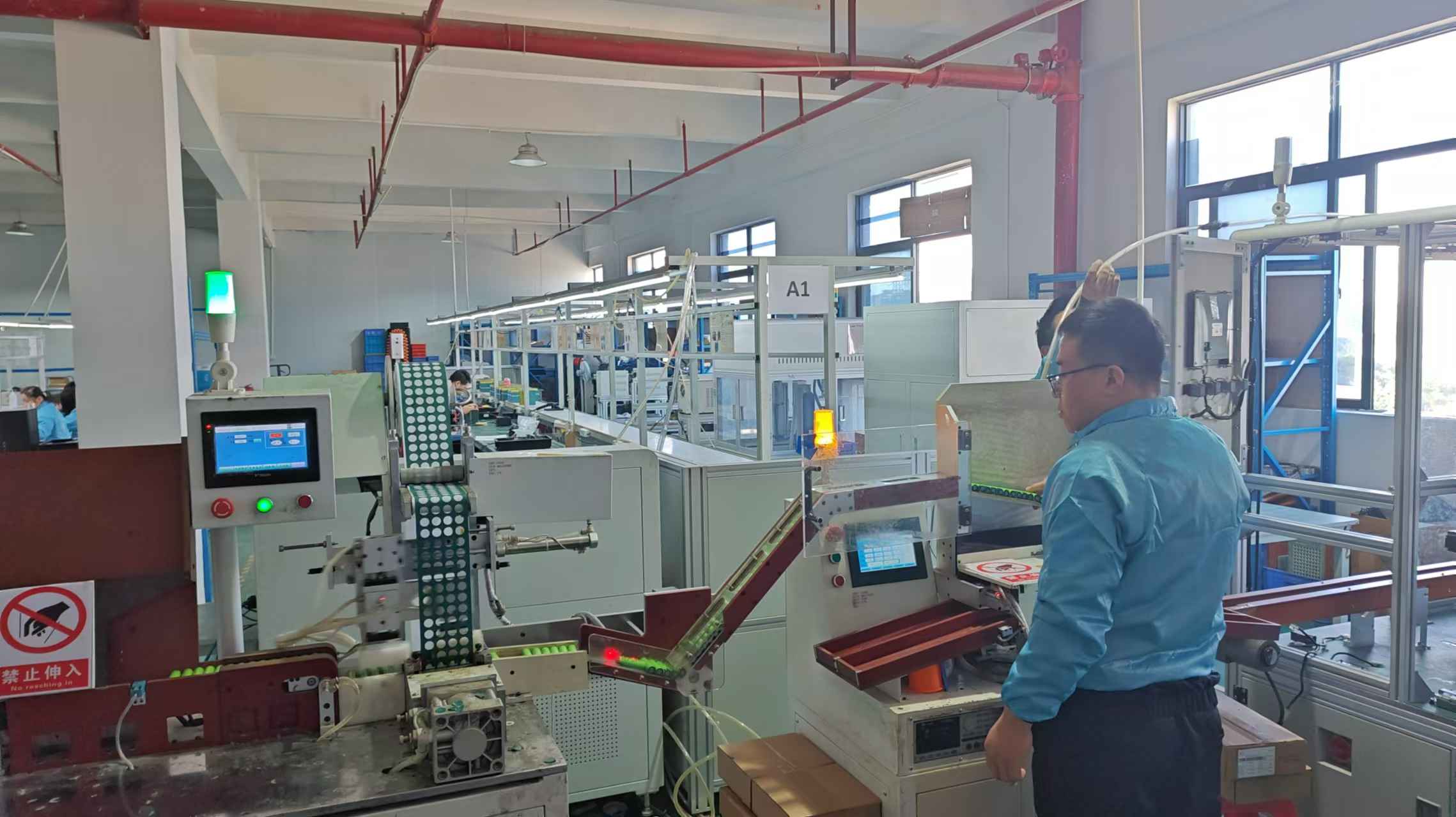
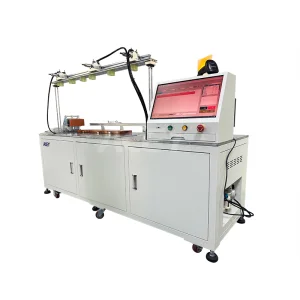
Sorting Machine
Our customized battery packs, equipped with advanced voltage regulators and active balancing BMS, are deployed in demanding environments worldwide:
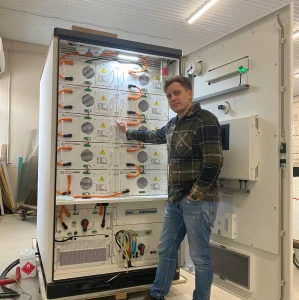
Large-scale setups, such as the 1MW containerized solar-coupled ESS, depend on high-voltage balancing systems to minimize temperature differentials. High-efficiency voltage regulators maintain equal energy states across thousands of cells, preventing localized degradation.
Drone power packs rely on lightweight, high-current regulators. Solid-state pouch designs require fast voltage monitoring during rapid climbs and descents to maintain consistent speed controller inputs.
Forklifts and autonomous ground vehicles operating in multi-shift warehouses require quick-charging capabilities. Voltage regulation systems manage charge rates up to 3C without causing thermal overload.
Mobile hospital equipment and backup power systems require highly stable voltages. Our regulators prevent voltage fluctuations, ensuring clean, continuous power for critical monitoring devices.
For global procurement directors, choosing the right battery voltage regulator manufacturer in China involves looking beyond the initial unit price. The selection criteria should focus on total lifecycle performance and safety certifications:
Select high-durability cells and advanced chemical substrates to support your design requirements.


 Nuwon Energy